Author: Shivaank Rana

  • Report : Apple Buys Data Compression Startup AlgoTrim

    Report : Apple Buys Data Compression Startup AlgoTrim

    Swedish news agency Rapidus reports (viaTechCrunch) that Apple has acquired AlgoTrim for an undisclosed sum.

    Apple has already reportedly acquired 6 start-ups in this year. AlgoTrim is the number 7. Apple has not given any comments till now about this acquisition.

    AlgoTrim is a software firm that develops advanced solutions for mobile devices to maximize their performance in the area of data compression, mobile imaging, video, and computer graphics. As depicted by its name, firm develops such compression algorithms that use less bandwidth, power and memory and faster image processing specially JPEG ones.

    AlgoTrim mostly use faster codec solutions in its mobile softwares that are best in the market. Apple has already acquired another Swedish face recognition firm, Polar Rose and 3D mapping company, C3.   

    But it’s not hard to think of benefits of AlgoTrim’s technology for a company like Apple. Squeezing the file size of software updates could be a big plus for Apple, whose App Store must constantly issue numerous updates to countless apps. And any technology built into iOS that could render images on the screen faster would be a boon for any app that shows graphics — which is to say almost any app ever written.

    Last year, AlgoTrim reported a revenue of 3.0 million USD, with an net income before taxes of EUR -1.1 million.  Until now, AloTrim has been focused mostly on Android development.
  • WSJ : BlackBerry To Turn BBM Into A Separate Company

    WSJ : BlackBerry To Turn BBM Into A Separate Company

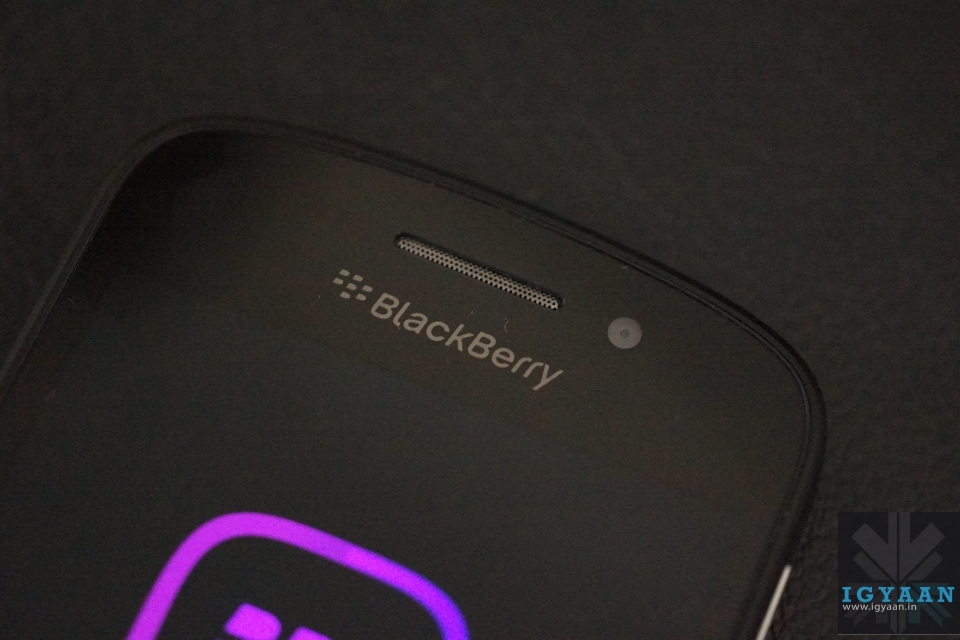
    BlackBerry Messenger (BBM), BlackBerry’s popular messaging platform, is widely used and has over 60 million registered users. The company is on the cusp of going cross-platform and making the service available on both iPhone and Android.

    BlackBerry recently announced its plan to “explore strategic alternatives” that could include “possible joint ventures, strategic partnerships or alliances, a sale of the company or other possible transactions.” News today has surfaced about one possible spinoff in the works. According to an article in the Wall Street Journal, BlackBerry might take BBM into a separate company, aptly called BBM Inc., say “people familiar with the matter.”

    BlackBerry recently introduced BBM Channels, its new “social engagement platform” within BBM that allows users to connect to channels of interest, plus give you the option to follow and receive latest updates (similar to Twitter). In addition, BlackBerry was previously rumoured to monetize your BBM Channel feed with ‘Sponsored Invites.’

    Another interesting transition for BBM is going beyond smartphones and the PlayBook tablet by making it available on your desktop/laptop computer. As expected, a BlackBerry spokesperson denounced the rumour and stated, “We haven’t announced any initiatives to bring BBM to the desktop.” Apparently a desktop version of BBM has been running internally at BlackBerry for years now, but never became a public offering.

    BBM will be made available to the iOS and Android platform sometime this summer, the first time that the messaging platform has been offered on non-BlackBerry phones. Samsung has already started promoting BBM as it comes closer to becoming available on its Galaxy smartphones in Africa. With fast moving chat services like WhatsApp, Google Hangouts, and iMessage taking center stage, BBM needs to pull out some big moves to stay relevant. 

    [Via]

  • Google Drops Nexus 4 Price To $199 For 8GB And $249 For 16GB

    Google Drops Nexus 4 Price To $199 For 8GB And $249 For 16GB

    In what will undoubtedly be seen as a way to clear inventory before the inevitable launch of a successor, Google has lowered the price of the Nexus 4 to an astounding $199 (Rs. 13,400) and $249 (Rs.16,750).

    Reaching that hallowed $199 price point is an incredible feat for Google, since it has yet to penetrate the mainstream market with its Nexus line. These prices will no doubt send other OEMs scrambling to do the same before the holiday season, as this is clearly the best deal for a high-end smartphone.

    Regardless of the reason, this is an amazing deal for anyone looking at a new smartphone. With a quad-core processor, a 720p display, 2GB of RAM, a 2100mAh battery, an 8MP camera and the very latest version of stock Android, the Nexus 4 is a great device at any price. This just makes it better.

    However, this price drop seems targeted for the US region, as there has been no news whether we will see the prices of the Nexus 4 in India reduced to match their US counterparts. At present, the 16GB Nexus 4 is priced at about Rs 25,990 in the Indian market. 

    Even with the outrageous condition of the Rupee at the moment, ordering a Nexus 4 from the US seems like a far better option than buying one from here.

    Let us know what you think in the comments section below.

  • HTC Building Its Own Mobile OS

    HTC Building Its Own Mobile OS

    Rumours of HTC creating their own operating system has been floating around for a couple years. Back in September of 2011, HTC Co-founder and chairman Cher Wang, stated “We can use any OS we want. We are able to make things different from our rivals on the second or third layer of a platform. Our strength lies in understanding an OS, but it does not mean that we have to produce an OS.”

    HTC currently relies heavily on the Android OS, plus puts its unique spin with its Sense UI, but this dependance an US-based Google is rumoured to slow. According to a report in the Wall Street Journal, HTC, with the assistance from the Chinese government, will forge ahead and produce their own mobile operating system that’s ‘specifically for Chinese consumers.’ Apparently this initiative is part of a bigger play by the government “to encourage the development of a unique local software ecosystem to reduce reliance on Western companies.”

    The WSJ report says it isn’t clear whether the mobile OS will be entirely proprietary or built on top of Android — as just like Acer, HTC is part of Google’s Open Handset Alliance, and that means it needs to abide by certain rules laid down by Google.

    Acer last year built a phone for China’s Alibaba but it was squelched at the last minute due Google’s intervention. Google even suggested that Acer wouldn’t be allowed to build future Android phones if it moved forward with the Alibaba phone launch. Given that HTC’s smartphone focus is built on Android — it only makes a few Windows Phone devices — the company isn’t in a position to anger Google.

    The ambitious reported move by HTC comes as it has been struggling financially. CEO Peter Chou said in the company’s recent second-quarter earnings call that HTC is expecting Q3 revenue to decline as much as 29.3 percent from the amount of revenue it posted in Q2.

    [Via]

  • iOS 7 To Be Launched On September 10

    iOS 7 To Be Launched On September 10

    September 10 is the date we’re currently marking in the diaries for the iPhone 5S and 5C reveal, and that may have just been reinforced by a claim that we’ll see the release of iOS 7 that very same day.

    According to an email sent to developers from Nuance, the company behind Siri, the general availability date for iOS 7 is set for September 10.

    The Next Web contributing writer Owen Williams posted the below email from Nuance to his personal blog, it reads:

    As you are probably aware, iOS 7 GA will be released on September 10th.

    The NDEV Program has pre-qualified that SpeechKit 1.4.5 works properly on iOS 7, but we encourage you to conduct own testing to ensure that when the upgrade happens, your Nuance speech services continue to work seamlessly.

    It asked developers using its API to conduct testing to ensure that their services work on iOS 7 even though its SpeechKit 1.4.5 is pre-qualified to work properly on iOS 7. Nuance is the voice recognition focused company which has also worked on Siri, Apple’s intelligent voice assistant.

    Historically, Apple has released iOS Golden Master versions to developers on the same day as the announcement of new iPhones, giving developers time to test their apps with the final version of the new iOS before its release it to the general public a couple of days before the launch of the new iPhone.

    [Via]

  • Facebook To Pay $20M For Sponsored Stories Privacy Breaches

    Facebook To Pay $20M For Sponsored Stories Privacy Breaches

    A U.S. judge has put a stamp of approval on a US$20 million fund for Facebook to settle a class-action advertising suit, despite objections from groups representing minors on the site.

    The ruling was issued Monday in the U.S. District Court for the Northern District of California. The class-action suit, which was first filed in 2011, challenged Facebook’s “sponsored stories” advertising program. A sponsored story is a type of promoted post appearing in users’ feeds that may include the profile name and picture of Facebook members who have “liked” that advertiser’s products or services.

    As Wired reports, “Sponsored Stories” basically turns the act of pressing the Facebook “Like” button into a potential commercial endorsement. If a Facebook user clicks the “Like” button for a product or service with a Facebook page, that user’s profile picture and name may be automatically used in advertisements for that product or service that appear in the their friends’ Facebook pages. Facebook also reserves the right to show such ads on sites other than Facebook.

    U.S. District Judge Richard Seeborg in San Francisco approved the revised deal months after he said he had “serious concerns” because it originally provided a $10 million payout to attorneys suing Facebook and $10 million to activist and research groups in what is known as a cy pres award.

    Under the new plan Seeborg approved, the same $20 million pot is to be shared by charities, the class-action attorneys and the 125 million U.S. Facebook users who appeared in a “Sponsored Story” without consent.

    In a statement, a Facebook spokeswoman said the company was “pleased” that the settlement had received final approval.

  • Samsung Exec. Confirms Sept. 4 Launch For The Galaxy Gear Smartwatch

    Samsung Exec. Confirms Sept. 4 Launch For The Galaxy Gear Smartwatch

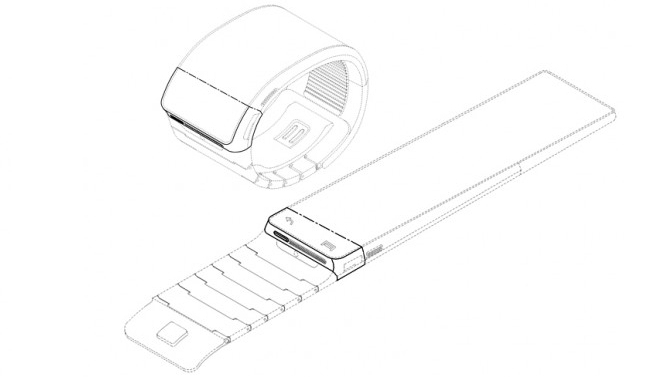
    Lee Young-hee, Samsung’s EVP of mobile business, all but confirmed its entry into wearable devices by declaring that they’ll unveil the Galaxy Gear smartwatch on September 4th.

    According to an interview in the Korean Times, Young-hee stated “We Will be introducing a new wearable device concept called Galaxy Gear at our own event in Berlin on Sept. 4. The new device will enhance and enrich the current smart mobile experience in many ways. It will lead a new trend in smart mobile communications.”

    The Galaxy Gear will be marketed to ‘young trend setters’ and will be available in several colour options. The final design will be shown off on September 4th, but the exec also confirmed that the Galaxy Gear will not have a flexible display. Samsung will be saving that technology for ‘future products.’ As for specs, rumours point toward the Gear coming with a 2.5-inch OLED full colour display (320 x 320 resolution), touchscreen gestures and accelerometer, dual-core 1.5GHz Exynos 4212 processor, Bluetooth 4.0, NFC.

    The September 4 event will also definitely see the introduction of the new Galaxy Note 3, which will reveal what’s next for the phablet category Samsung basically pioneered with the original Note. Some new rumors suggest the Galaxy Note 3 will shoot 4K video, and be powered by a Snapdragon 800 processor with a 2.3GHz clock speed, with a 5.7-inch display and 3GB of RAM.

     [Via. Via]

  • Blue HTC One Spotted, Early Android 4.3 Build For The Device Leaks

    Blue HTC One Spotted, Early Android 4.3 Build For The Device Leaks

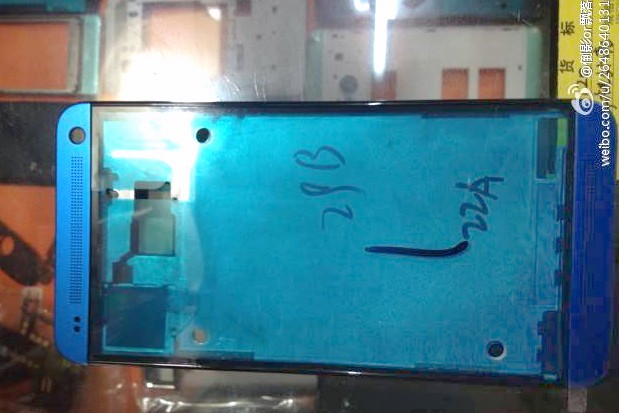
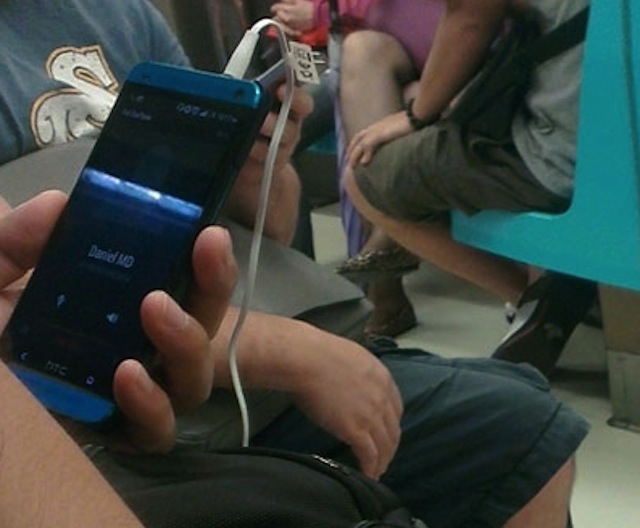
    A blue version of the HTC One is coming, and what was previously only a render is now a fully-fledged leaked device.

    A version of the device in a sea-coloured hue was spotted on a subway train in China, and was uploaded to Mobile01, a smartphone-related forum. This confirms the previous leak by evleaks and a leaked casing of the handset in the same colour.

    htc one

    HTC must be planning its HTC One follow-up already, as the device was announced in February and released in April. Rumours of a One Max persist, with an announcement slated for early next month.

    At present, the HTC One has been released with 3 colour variants, Silver, Black and Red.

    An early build of Android 4.3 has leaked to XDA, and one developer, LlabTooFeR, has already released a custom ROM with the build as a base. Build 3.09.401.1 still uses Sense 5.0, but has a number of minor improvements, including Bluetooth LE support, improved animations throughout the OS, the ability to use your own music for video highlights and, unfortunately, a task manager added to the app drawer.

    [Via]

  • Google Wants To Build Its Own Self-Driving Car

    Google Wants To Build Its Own Self-Driving Car

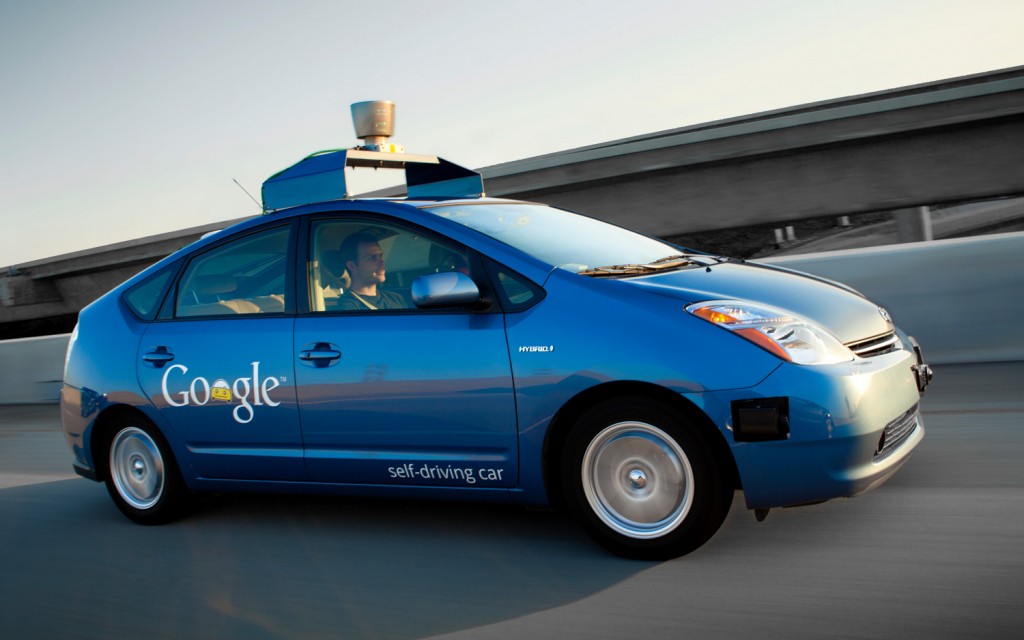
    Google is designing its own self-driving car and has plans to build a fleet of cars it dubs “robo taxis,” blogger Jessica Lessin reports. The news comes on the heels of Google Ventures investing $258 million into the personal mobile car service Uber, a company now valued at $3.5 billion, according to TechCrunch. 

    The company, which made its name with its search engine, has held talks with a number of manufacturers to build cars to Google’s specifications – a bit like the company’s early approach to Android.

    But the talks failed to yield a deal, so Google is planning to build the vehicles itself instead – a bit like its more recent approach to laptops with Chromebooks.

    Continental, a German automotive supplier, is reportedly establishing a partnership with Google and IBM for self-driving cars, according to a report in the Frankfurter Allgemeine on Thursday. Owing to the enormous complexity and difficulty of manufacturing and selling a car, Google would still prefer to partner with a major auto manufacturer, saysources. 

    Silicon Valley darling Uber, whose app lets users book taxis and car services in real time, has also raised $258 million in funding led by Google.

    Uber will use the funding to “expand into new markets, accelerate customer and driver acquisition, and fight off protectionist, anti-competitive efforts,” CEO Travis Kalanick wrote in a blog post Friday confirming Google’s investment.

    [Via, Via]

  • Google Buys Virtual Imaging Patents From Hon Hai

    Google Buys Virtual Imaging Patents From Hon Hai

    Google has bought patents for wearable technology used in gaming and training simulations from Hon Hai Precision Industry Co., a primary assembler for Apple Inc.

    Hon Hai, a major supplier for Apple and other top IT brands, sold a portfolio of Head Mounted Display (HMD) patents, the company said in a news release on Friday.

    The technology, dubbed Head Mounted Display, is commonly used in aviation and ground displays, engineering and scientific design applications, gaming devices and training and simulation tools.

    Hon Hai assembles iPhones and iPads, and the company is hiring as many as 90,000 workers in the Chinese cities of Shenzhen and Zhengzhou to meet client demand in the fourth quarter. It said it had applied for over 55,000 patent rights globally, of which over 5,000 have been approved.

    Hon Hai has said it will focus on developing new technology, intellectual property rights and e-commerce as it looks to reduce its reliance on Apple.

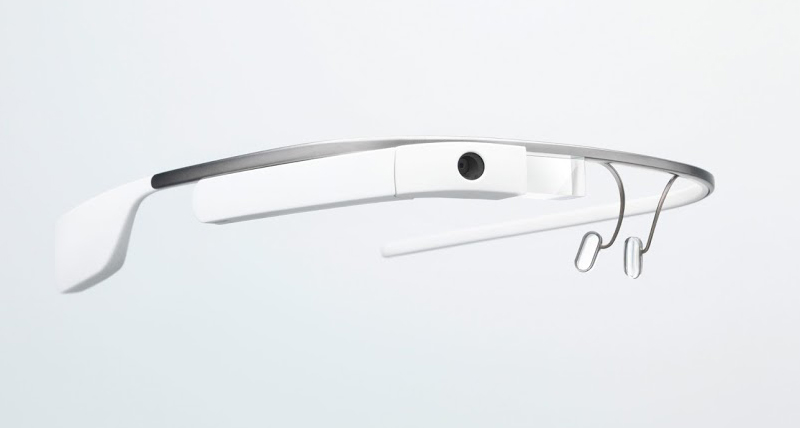
    Google has been working on the release of Google Glass, a wearable device with a head-mounted display that currently is only available to developers and hand-picked testers.

    Last month, Google invested in a Taiwanese chip maker that manufactures components used in the wearable device. It said it would buy shares to hold a 6.3 percent interest in Himax Display, a subsidiary of Himax Technologies.

    [Via]

  • Instagram Acquires Video Sharing App Luma

    Instagram Acquires Video Sharing App Luma

    Instagram, now owned by Facebook, has acquired the Luma Camera app and removed it from App Store. The app featured real time video stabilization and rolling shutter correction, real time filters, and pinch to zoom. 

    The acquisition is announced by Luma on its homepage:

    Eighteen months ago, we embarked on a mission to make capturing and sharing beautiful videos easy without expensive software or heavy equipment. By joining the exceptionally talented team at Instagram, we’re taking another big step towards realizing that mission. We’re incredibly excited to be able to help make a product that is already used and loved by millions of people even better.

    As part of our move to Instagram, we are shutting down the Luma service. We want to make this transition as painless for you as possible. Here is a link to download your videos. We will also continue to support Luma until December 31st, 2013. Please don’t hesitate to contact us with any questions, comments, or requests for technical support at [email protected].

    A heartfelt thanks goes out to every user, family member, investor and friend. We couldn’t have achieved this milestone without your help. We hope to see you on Instagram!

    – The Luma Team 

    Terms of the deal have not been revealed, but Facebook did confirm the acquisition. 

    “By joining the exceptionally talented team at Instagram, we’re taking another big step towards realizing that mission,” the Luma team wrote after mentioning they want to make capturing and sharing videos easy without the need for expensive software or heavy equipment. 

  • Apple iWork For iCloud Beta Now Open For Everyone

    Apple iWork For iCloud Beta Now Open For Everyone

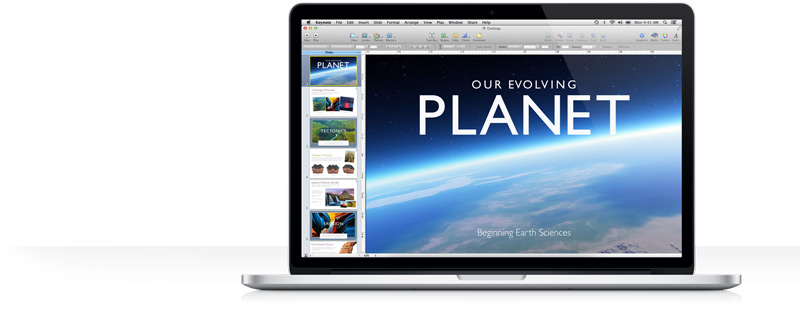
    Previously available only to Apple’s registered developers and and later on to some select users, Apple has today decided to open iWork for iCloud web apps to everyone ahead of its September 10 keynote.

    This online version of the iWork suite offers Web-based versions of the three iWork apps—Pages, Numbers, andKeynote—enabling you to create and edit iWork documents stored in iCloud from almost any Web browser.

    In addition to Pages, Keynote and Numbers, Apple of course offers other web-based applications via the iCloud interface, including Mail, Contacts, Calendar, Notes, Reminders and Find My iPhone, which was yesterday updated on the iOS side.

    Apple first introduced iWork for iCloud during its annual Worldwide Developers Conference back in June, and sent invites to registered developers soon after before gradually adding non-developer users. The web services work on both Mac and Windows computers in various browsers with support for Chrome, Safari, and Internet Explorer, as well as mobile devices. iCloud itself also received an iOS 7-inspired makeover earlier this month on the beta site, although iWork for iCloud icons on the beta site have so far retained their iOS 6 look.

    If you’ve got an Apple ID already, just head over to iCloud.com, sign in, and you’ll see the Web apps show up. If you don’t have one, you can sign up at Apple’s website, activate iCloud on an Apple device, and you’ll be good to go.

  • Sony Honami ‘Waterproof’ Smartphone Teased

    Sony Honami ‘Waterproof’ Smartphone Teased

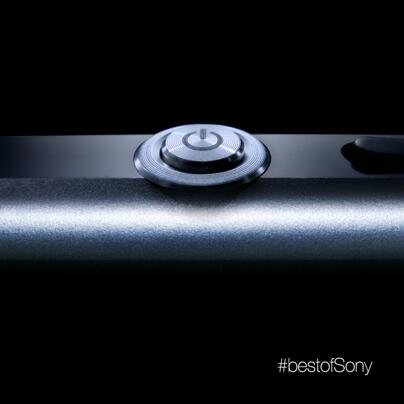
    Following yesterday’s teased Twitter image of the power button on the upcoming Xperia Z1 “Sony Honami” flagship, the latest tweet from Sony highlights the smartphone’s underwater capabilities.

    sony honami

    Sharing a picture via Twitter, Sony had yesterday shown off the now-iconic power button from the side of its next device. The wording that Sony has chosen is rather playful too. “It’s the smartphone everyone’s been talking about”, reads the Tweet.

    The second image is a bit more revealing because it shows the phone submerged in water alongside the claim that Sony’s new smartphone is “about to make a splash.” 

    Sony will unveil its newest smartphone in early September, and the device, codenamed Sony Honami, is rumoured to have a 5-inch 1080p display, a 2.2Ghz Snapdragon 800 processor, 2GB of RAM and a 20MP Exmor RS camera sensor with the company’s new G-Lens technology.

    Sony has been a generation behind the competition in screen and camera quality, so it’s nice to see the company facing those issues head-on with this release. Though their smartphone division has grown tremendously in the past year, mainly on the strength of the Xperia Z and mid-range devices like the Xperia U, they are still far behind Samsung and LG in total sales.

    Using the “Best of Sony” slogan, the Sony Honami should also provide users with water- and dust-proofing, along with an IR blaster for TV and stereo controls.

    It remains to be seen whether the Sony Honami will be able to stand up against the flood of product announcements that are also expected to take place in the same event (IFA), such as the HTC One Max and the Samsung Galaxy Note III.

  • Single Developer Accounts For A Third Of 120,000 BlackBerry 10 Apps

    Single Developer Accounts For A Third Of 120,000 BlackBerry 10 Apps

    Earlier this year BlackBerry CEO Thorsten Heins touted a much-improved 120,000 apps in the App World store. What he failed to mention was that one single developer accounts for far more than his fair share.

    According to a Berryreview.com report, developer S4bb has an incredible 47,000-plus applications residing within the company’s understocked app portal.. 

    While the quantity of apps in your store is something to brag about, the quality of apps is arguably more important. As AllThingsD reports, S4BB traffics in some pretty weak stuff, software that often fails to meet even the loosest definition of “app.” Among its offerings: Innumerable lock apps, repurposed city guides, audiobooks, and an array of content apps that seem to be built around RSS feeds from the White House, the Environmental Protection Agency, the National Weather Service and the CDC. And then there’s Mega Shaver, Mega Machine Gun and, inevitably, Mega Fart.

    According to the company’s site, S4BB develops “applications for the mobile market like ebook readers, ebook readers bundled with ebooks, games, productivity applications, administration tools, wallpapers, videos optimized for mobile devices, mobile VoIP solutions, desktop applications for preparing data for your mobile device, multimedia mobile applications, applications combining famous web services with mobile platforms and even more interesting mobile products.”

    BlackBerry has been offering $100 per approved app, while top notch offerings can scoop up to $10,000 for when they’re submitted to the app world. It appears one developer has figured out a way to take advantage that benefits neither BlackBerry, beyond the number boasts, or its users. 

    BlackBerry has issued a statement on the massive number of apps that one developer, S4BB, has in BlackBerry World. They note that BlackBerry World is an open market and developers do what they need to do to bring in revenue – which is true for any business – and that they’ve also built up the Built for BlackBerry program that makes distinctions between the abundance of apps by highlighting quality apps:

    “Developers in all app stores employ a number of different monetization tactics. BlackBerry World is an open market for developers and we let market forces dictate the success or failure of these tactics. Discoverability in overcrowded stores continues to be an issue affecting all developers. This is why we have worked hand in hand with developers on the Built for BlackBerry program to help showcase apps and games that exemplify the power of BlackBerry 10.”

    [Via, Via]

  • Ubuntu Edge Falls Short Of $32M Crowdfunding Target

    Ubuntu Edge Falls Short Of $32M Crowdfunding Target

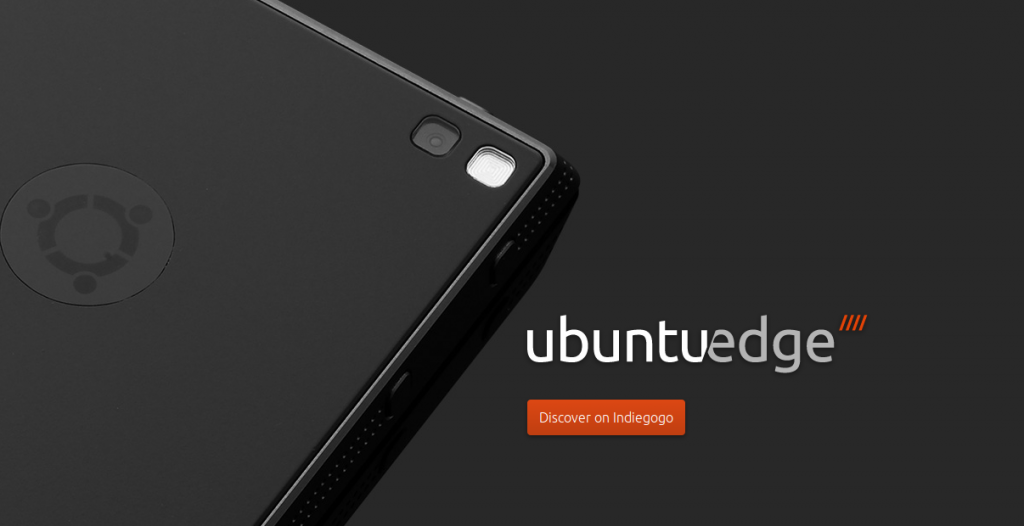
    Canonical’s Ubuntu Edge crowd-funded smartphone will remain a dream, having failed to hit its $32m funding target.

    The Ubuntu Edge raised $12.8m ahead of today’s deadline on the Indiegogo site, less than half the figure stated necessary to fund production of 40,000 units when the campaign started on 23 July.

    Shuttleworth insisted that despite the failure, carriers and handset makers are definitely interested in building handsets which will run the mobile Linux – but that they will not be the top-end “superphones” which the Edge project hoped to produce.

    In a statement on the campaign page, Mark Shuttleworth and his Canonical team wrote:

    “The big winner from this campaign is Ubuntu. While we passionately wanted to build the Ubuntu Edge to showcase Ubuntu on phones, the support and attention it received will still be a huge boost as other Ubuntu phones start to arrive in 2014. Thousands of you clearly want to own an Ubuntu phone and believe in our vision of convergence, and rest assured you won’t have much longer to wait.

    “All of the support and publicity has continued to drive our discussions with some major manufacturers, and we have many of the world’s biggest mobile networks already signed up to the Ubuntu Carrier Advisory Group. They’ll have been watching this global discussion of Ubuntu and the need for innovation very closely indeed. Watch this space!”

    The planned Ubuntu Edge would have a 4.5-inch 1,280 x 720 HD display with “pure sapphire crystal” touchscreen rather than glass. It would come with a 8MP rear and 2MP front camera, and run both the Ubuntu phone operating system, which launched in January 2013, and Google Android.

    In return for a pledge of £446, backers would have received their own Ubuntu Edge smartphone in May 2014, after the device’s planned launch, and would also have had an opportunity to participate in the final selection of some of the materials and software capabilities.

    A valiant effort nonetheless. 

iGyaan Network
Privacy Overview

This website uses cookies so that we can provide you with the best user experience possible. Cookie information is stored in your browser and performs functions such as recognising you when you return to our website and helping our team to understand which sections of the website you find most interesting and useful.