Author: Shivaank Rana

  • Report : Sony Xperia Tablet Z Receiving Android 4.2.2 Update

    Report : Sony Xperia Tablet Z Receiving Android 4.2.2 Update

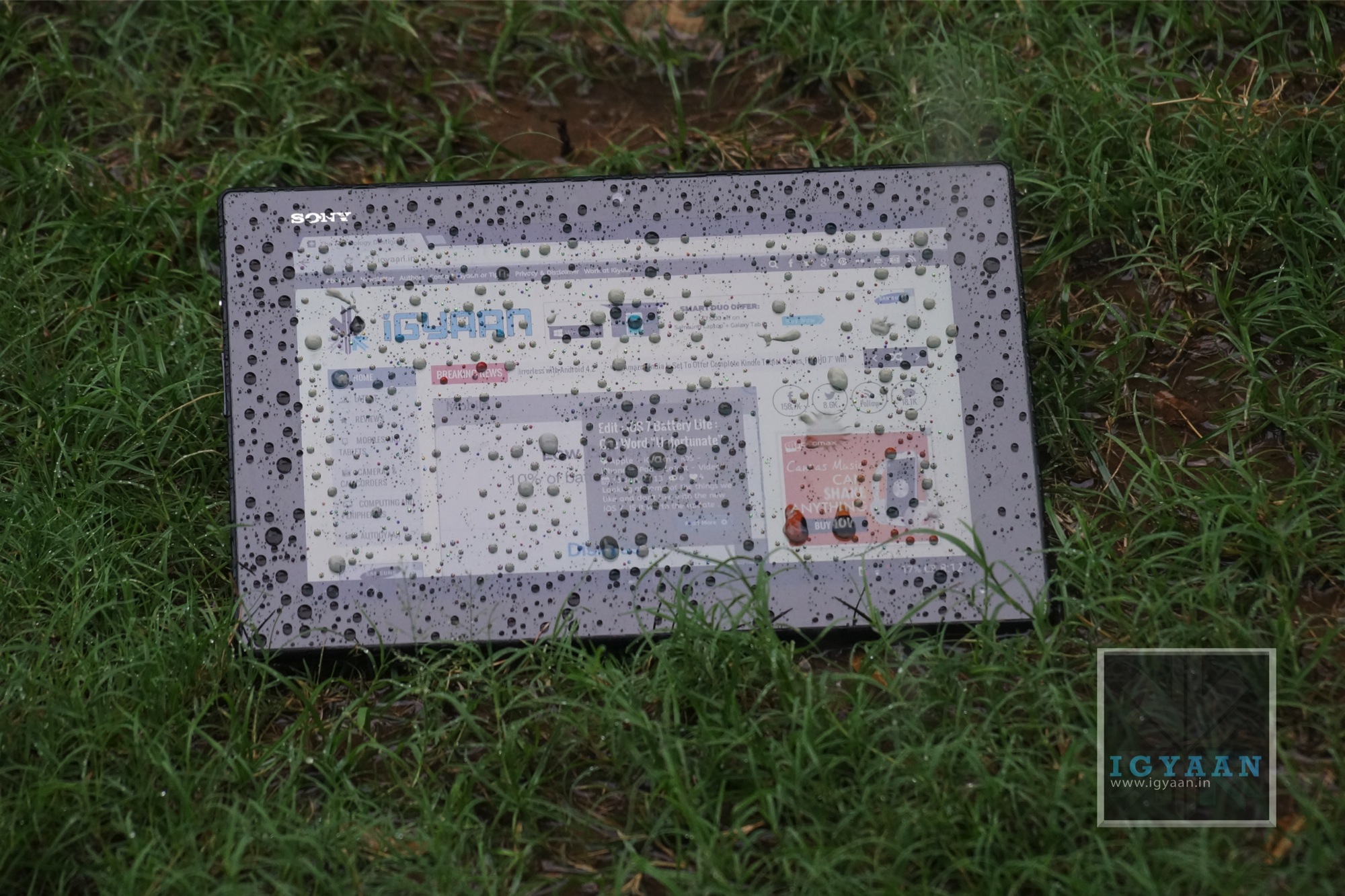
    Even though the Sony Xperia Tablet Z was released in early July in India, it came preloaded with Android 4.1.2 Jelly Bean, retaining some of the legacy Android tablet features that Google did away with in Android 4.2 and the Nexus 10.

    It appears that some variants of the Tablet Z are already being updated to Android 4.2.2, though it seems that the Indian version is currently not among them.

    The most immediately obvious change in Android 4.2.2 is the relocation of the onscreen navigation buttons to the centre middle on the Xperia Tablet Z, mimicking the Nexus 10. The notification bar has been moved to where phone users would expect it: the top of the screen. While this isn’t stock Android 4.2, it’s the closest you’ll find in a non-Nexus tablet.

    It’s not clear what else Sony added to the new version, but one can expect standard features found in 4.2 like lockscreen widgets, performance improvements and a number of bug fixes.


  • Yahoo Buys Rockmelt Social Browser And Shuts Down App

    Yahoo Buys Rockmelt Social Browser And Shuts Down App

    Yahoo’s summer shopping spree has claimed another company. This time it’s former social browser turned Flipboard clone, Rockmelt.

    According to Rockmelt, its products will be completely shut down at the end of this month. Current users will be able to export their existing content as an OPML file.

    Reports indicate that the Internet giant shelled out between $60 and $70 million (€45 and €52 million) for the company. Rockmelt’s team will head for the Yahoo mobile and media departments. 

    “The parallels between Yahoo! And Rockmelt are obvious: we share a common goal to help people discover the best personalized content from around the web,” Yahoo’s Mike Kerns and Adam Cahan said in a blog post. 

    Rockmelt has a well-regarded team that was surely attractive to Yahoo CEO Marissa Mayer as she continues to build out her team. But the acquisition was not a pure acqui-hire, as Rockmelt had built a variety of media-related mobile technologies that could be useful to Yahoo.

    Yahoo posted the following :

    Thirty-two Rockmelt employees have joined our media and mobile organization. We aren’t going to discuss specifics on what they’re working on, but we plan to integrate the Rockmelt technology into our media platform in order to deliver content in new and exciting ways. Stay tuned!

    [Via]

  • Inventor Of Hashtag Chris Messina Leaves Google

    Inventor Of Hashtag Chris Messina Leaves Google

    As The Next Web reports, Chris Messina has left Google to join the digital collectibles platform NeonMob. The former developer advocate and UX designer for the search company announced in a blog post that he will be working to build the new startup’s community and service, something he describes as “an important, new platform for digital creatives and art enthusiasts.”

    An advocate of open social Web technologies, Chris Messina had first joined Google to lead developer relations for the short-lived Google Buzz product. In recent years, he had worked on user experience design on the Google+ team.

    Since creating hashtags back in 2007 as way of grouping online conversations, he’s spent his time focusing on design and the open web at Google. Perhaps more accurately, redesign. Chris Messina is responsible for the search giant’s revamped brand badges, profiles and +1 button, as well as helping create the Google Developers knowledge base.

    Based in San Francisco, NeonMob is building a market for digital art.  He will be the head of the company’s community and growth starting next week.

    NeonMob describes itself as : NeonMob is a platform and community for discovering and collecting awesome, original, limited-edition, digital art. For those who grew up collecting comic books, cards, stamps, coins or other collectible paraphernalia, the concept of collecting online doesn’t stretch the imagination. The difference is, NeonMob is online, which makes finding fellow collectors and trading partners much easier – and on NeonMob, anybody can create stuff for others to collect!

    [Via]

  • Vine For Android Updated With Push Notifications

    Vine For Android Updated With Push Notifications

    An updated version of the Vine application is now available for download for the owners of Android-based devices, namely version 1.3.3, with some appealing improvements packed inside. 

    With the newest version, Viners now have the ability to share user profiles through more than just the SMS app (hopefully all Android apps with sharing capabilities will be available). Users can also look forward to push notifications, so they never miss a mention or re-Vine.

    Furthermore, the new application release provides the possibility to share any public post to Twitter or Facebook, while also delivering a variety of other bug fixes and improvements. 

    For those of you who don’t keep up with the social media, Vine is an app that allows you to create 6 seconds of video in a looping feed that you can tag and then post. Owned by Twitter, consider this the video version of the social messaging app, if the messages continued to repeat over and over again.

    Vine for Android is available through the Google Play store for free and it is compatible with devices running Ice Cream Sandwich and later platforms.

  • Google’s New Android Device Manager Will Help Locate Lost Phones

    Google’s New Android Device Manager Will Help Locate Lost Phones

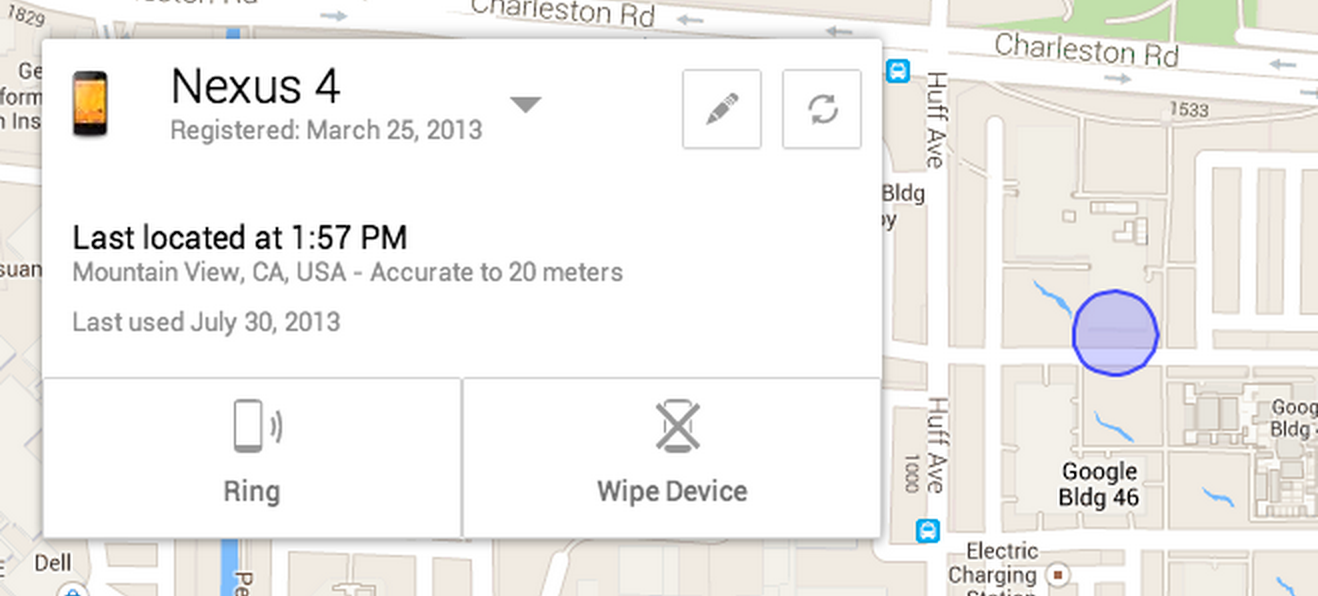
    Apple’s Find my iPhone has been a very useful feature for those who frequently misplace their gadgets. Or, for those who just enjoy the peace of mind that comes with knowing that Apple has a piece of technology dedicated to securing a lost phone.Android and iOS have been going back and forth battling over feature inclusions for some time now, and it looks like Google’s the follower in this case. The company just introduced the Android Device Manager, which as you may suspect, will help Android users track down lost devices in a similar manner.

    android device manager

    If you discover you’ve lost your phone, you can go to any computer and log into the Android Device Manager, which will be part of the Google Play Store. All that is required is your Google account login, the same one you used to activate your Android phone.

    Choose your registered phone and push out a signal to ring at full volume, even if your lost phone was last put on vibrate or silent mode. If this doesn’t do the trick, find the phone as a blip a Google Map.

    If you discover that your lost Android phone is on the move and you don’t feel safe going into full-on vigilante mode (or are worried it will get turned off soon), delete all data on the device using a special built-in wipe mode in the Android Device Manager, to keep your data safe from prying eyes. 

  • Google Play Edition Galaxy S4 And HTC One Now Receiving Android 4.3 Update

    Google Play Edition Galaxy S4 And HTC One Now Receiving Android 4.3 Update

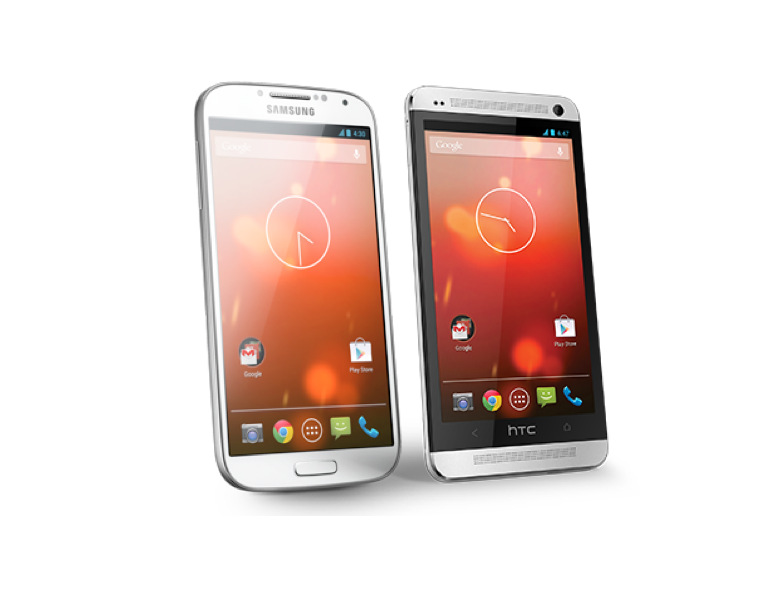
    After updating all the Nexus devices this week, the two Nexus 7 tablets, the Nexus 4 and the Samsung Galaxy Nexus, search engine giant Google’s Android division on Friday rolled out the Android 4.3 Jelly Bean update for the two Google Play Edition smartphones, the HTC One and the Samsung Galaxy S4. 

    When Google announced the Google Play edition of the S4, they promised quick updated along with a stock Android experience. These are two of the main reasons to get these devices over their standard versions that come with OEM customizations and are bound to receive the 4.3 update much, much later.

    These phones’ updates include most of Android 4.3’s key features—Bluetooth 4.0 and OpenGL ES 3.0 support among them—plus a few handset-specific enhancements. AnandTech reports, for example, that the Google Play edition HTC One’s IR blaster has now been enabled, as has Bluetooth pairing for the Galaxy S 4. Both phones were already using the new stock Camera app included with Android 4.3 on the Nexus devices, but they each come with a few minor cosmetic tweaks of their own.

    Do you think Samsung and HTC will capitalize on this momentum to help them release the Android 4.3 update for their mainstream devices in a more timely manner? Let us know below!

    [Via]

  • Microsoft’s Augmented Reality Gaming Glasses Patent Revealed

    Microsoft’s Augmented Reality Gaming Glasses Patent Revealed

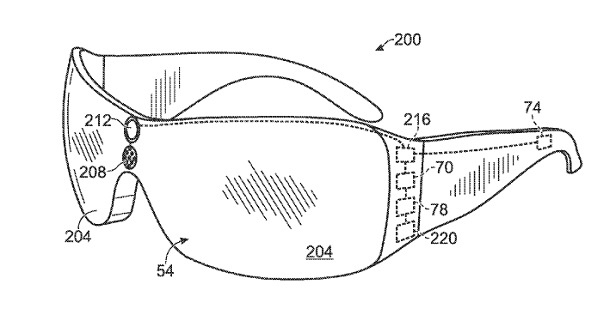
    Microsoft is jumping on the wearable display bandwagon, but don’t expect a Google Glass competitor. This week the company patented a head-mounted display aimed at bringing augmented reality to gaming.

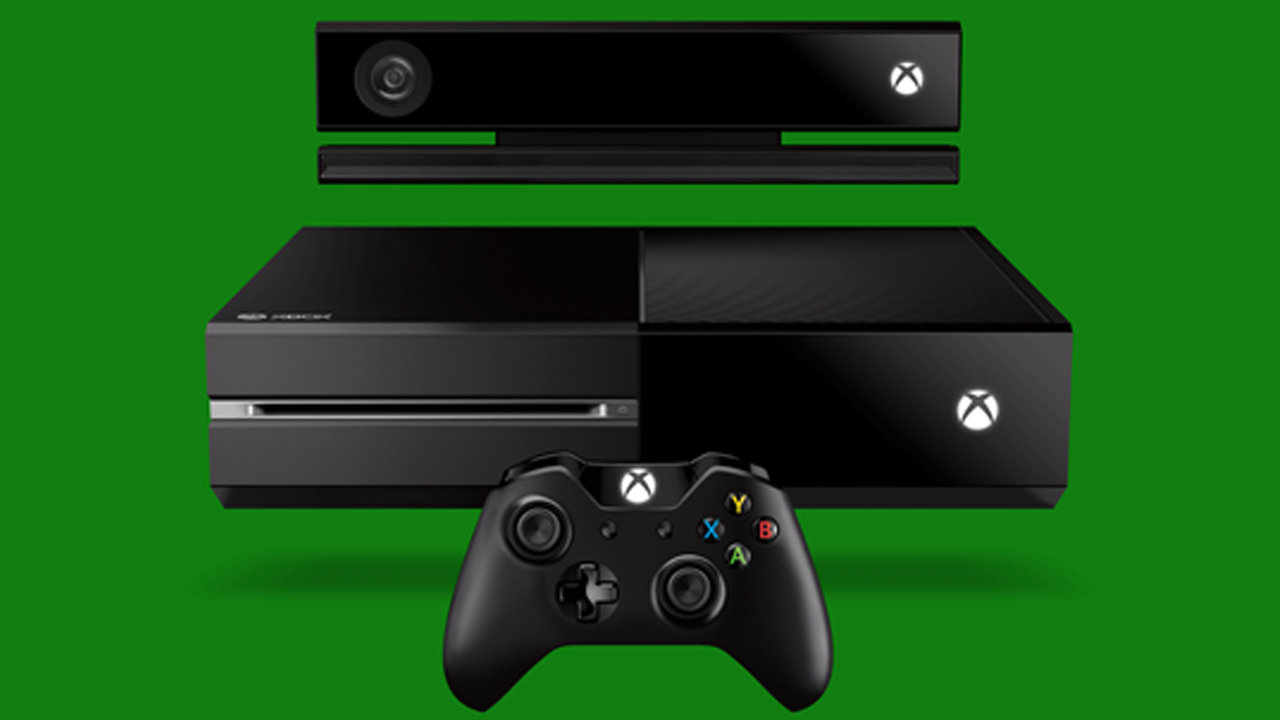
    The fact that Microsoft is planning to make AR goggles was leaked last year, when a 56-page ‘roadmap’ for the Xbox One (pictured below) found its way onto the Internet. Microsoft subsequently confirmed that the roadmap was genuine, but outdated.

    Beyond mimicking some of the functions of Google Glass though it was never really clear what exactly the AR glasses, codenamed Fortaleza, were for.

    “In one example, a potential player invitation program receives user voice data and determines that the user voice data is an invitation to participate in a multiplayer game,” the patent request continues. “The program receives eye-tracking information, depth information, facial recognition information, potential player head-mounted display device information, and/or potential player voice data. The program associates the invitation with the potential player using the eye-tracking information, the depth information, the facial recognition information, the potential player head-mounted display device information, and/or the potential player voice data.”

    Apart from acknowledging that the roadmap leak was real Microsoft has never mentioned the glasses officially and it’s unclear if and when they will do so. Many of the projects rumoured in the roadmap have since been revealed by Microsoft, including new Kinect, Xbox One, and forthcoming entertainment services. 

    The patent though, which was only published yesterday, suggests the idea is still well underway. 

    [Via]

  • iOS 7 Beta 4 Fixes Charger Hack

    iOS 7 Beta 4 Fixes Charger Hack

    Apple is said to have fixed a powerful charger-based hack, which previously allowed iDevices to be compromised by hackers using a modified power charger in under a minute.

    As Reuters reports, Apple said the issue had been fixed in the latest beta of iOS 7, which has already been released to software developers.

    “We would like to thank the researchers for their valuable input,” Apple spokesman Tom Neumayr said.  The researchers were Billy Lau, a research scientist at the Georgia Institute of Technology, and graduate students Yeongjin Jang and Chengyu Song.

    Andy Greenberg, Forbes technology and information security reporter explains that the researchers took advantage of a security flaw in Apple’s developer model, which allows anyone with a developer license to install third-party apps on a registered device.

    ios 7

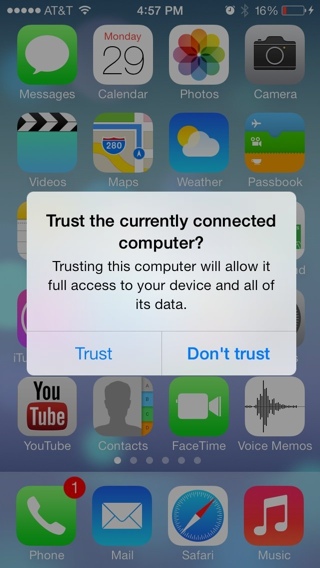
    iOS 7 prompts a new warning message to the user when they plug their iOS device to any device that attempts to establish a data connection informing them that “Trusting this computer will allow it full access to your device and all its data.”

    Of course, this leaves iPhones and iPads that won’t get the iOS 7 update vulnerable. According to the researchers, all other versions of iOS can be hacked in this manner.

    However, end users will have to wait for iOS 7 before the fix arrives.

  • Microsoft Boosts Xbox One GPU Clock Speed

    Microsoft Boosts Xbox One GPU Clock Speed

    Microsoft will boost the clock speed of the Xbox One’s AMD graphics processor from 800 MHz to 853 MHz, Marc Whitten, Microsoft’s corporate vice president for Xbox, said during the Major Nelson podcast. He also noted that game makers are now working with final Xbox One development kits.

    Perhaps Xbox One engineers found that the GPU is most efficient at the said clock speed. The new “mono driver” is also a new “100% optimized for Xbox One” DirectX driver, Microsoft’s proprietary API.

    In the podcast, Whitten also stated that Microsoft “dropped” the Xbox One GPU after E3 2013, allowing them to tweak and fine tune the hardware to match their vision of the experience that they wanted the Xbox One to provide the gamer/user with.

    The Xbox One is slated to launch later this year, and the next-gen console will sport an 8-core CPU, 8 GB of system memory and a 500 GB hard drive. Sony’s PlayStation 4 will sport a similar system-on-a-chip architecture. Both semi-custom APUs will be manufactured by AMD. 

    The move comes after Microsoft’s console has been criticised for having significantly less raw performance compared to Sony’s PlayStation 4. 

    What do you think of Microsoft upgrading the Xbox One’s GPU? Does it matter to you at all? Why or why not? Let us know below!

    [Via]

  • Leaked : Images Of The Porsche Design BlackBerry Z10

    Leaked : Images Of The Porsche Design BlackBerry Z10

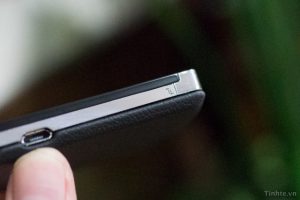
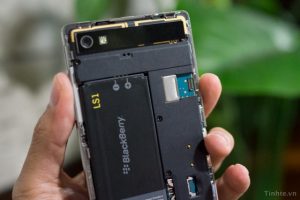
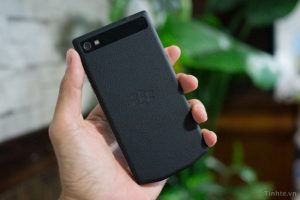
    Guess what? BlackBerry may be working again with Porsche Design on a special version of the Z10 smartphone. If we can learn anything from the past, the upcoming (presuming it actually launches) Porsche Design BlackBerry Z10 will be one expensive device, reserved for the few willing to pour out couple of grands for their smartphone.

    Porsche Design BlackBerry Z10

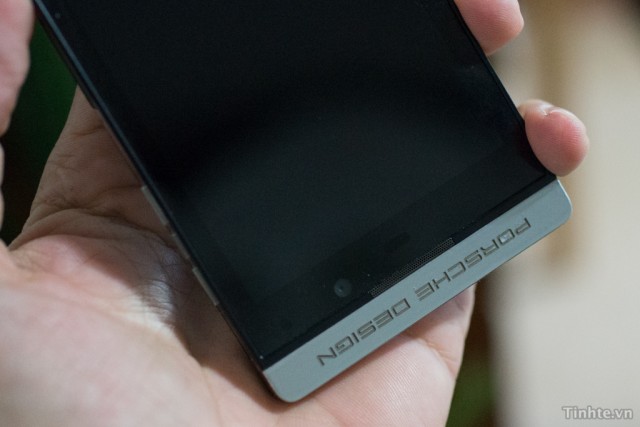
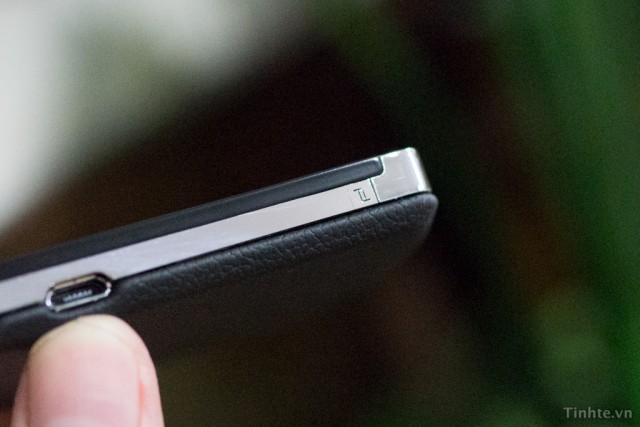
    Pictures surfaced online this week showing that BlackBerry and Porsche Design will once again come together and release a follow-up to the elite priced P’9981. Additional info has now been leaked that reveal the Porsche Design BlackBerry Z10 variant will come to market by the name of Porsche Design BlackBerry Z10 P’9982 – not so much of a stretch. In addition, similar to the previous model, the P’9982 will sport a unique BlackBerry 10 UI and come with upscale stylings that include stainless steel casing and leather.

    The pictures below are from a early prototype and rumours are that we’ll see this launch in “the middle of next year” for about $2,000.  Though the pictures look convincing enough, information about the naming, OS and price is purely speculative.

    [Via]

  • Jelly Bean Now On 40% Of Android Devices

    Jelly Bean Now On 40% Of Android Devices

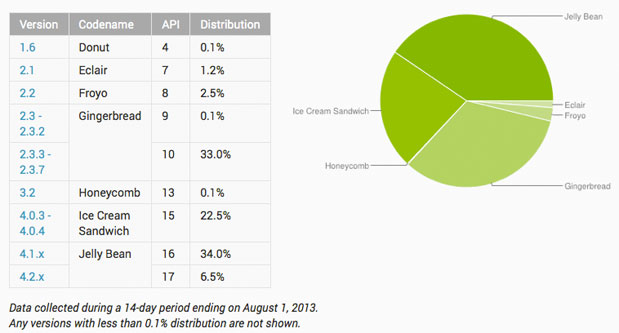
    Each month, Google posts the breakdown of its Android versions, ostensibly for developers to see which ones they can target with their apps.

    As of August 1st, over 40% of users run Jelly Bean and, combined with Ice Cream Sandwich, 63% of users run phones with Android 4.0 or above. While this is not necessarily the target we’re looking for — over 90% of iOS users run the latest version, according to Apple — it indicates that Google has largely stabilized the fragmentation issue.

    Android

    Gingerbread is holding fairly steady at 33%, dropping only 1.1% from the previous month. In fact, Ice Cream Sandwich also dropped from last month as more devices were upgraded to Jelly Bean, both in the 4.1 and 4.2 flavours. Google’s now next-to-newest version, Android 4.2, is only running on 6.5% of devices, and some of them would have been upgraded to 4.3 in the past week or so.

    Unfortunately, Android 1.6, 2.1 and 2.2 still exist, though their numbers are dwindling as users replace their phones with newer models.

    The big takeaway from this is that developers can now soundly target Android 4.0+ without worrying that they’re alienating the entire ecosystem, something that couldn’t be said a year ago.

  • Facebook Planning 15-Second Ads For Your News Feed

    Facebook Planning 15-Second Ads For Your News Feed

    Facebook plans to introduce 15-second television-style ads to its Newsfeed, opening the door to a potentially crazy-lucrative new advertising option. Bloomberg reports that Facebook will sell the ad space for up to $2.5 million a commercial, and that commercial spots will initially run for a full day. The commercials will be targeted, so advertisers will run ads specific to age and gender.

    The social network currently allows advertisers to upload videos to their Facebook page and then broadcast them to a user’s news feed. The new service would let marketers buy their way directly into a person’s feed with a 15-second pitch, according to Bloomberg.

    As TheNextWeb reports, assuming the $2.5 million per day price is accurate, the new ads would create an immediate boost for Facebook’s bottom line. Considering that the company brought in $1.81 billion in revenue during the second quarter of 2013, a quarter worth of commercials at the highest price could hypothetically drive over 12 percent growth by adding as much as $225 million in revenue.

    With Facebook’s incredible dominance of global social networking and the sheer influence of the site on many users’ daily lives, it begs the question – where could unhappy users even migrate to, without losing so many digital connections, photos, and the ability to instantly keep in touch with just about everyone they know? 

    [Via]

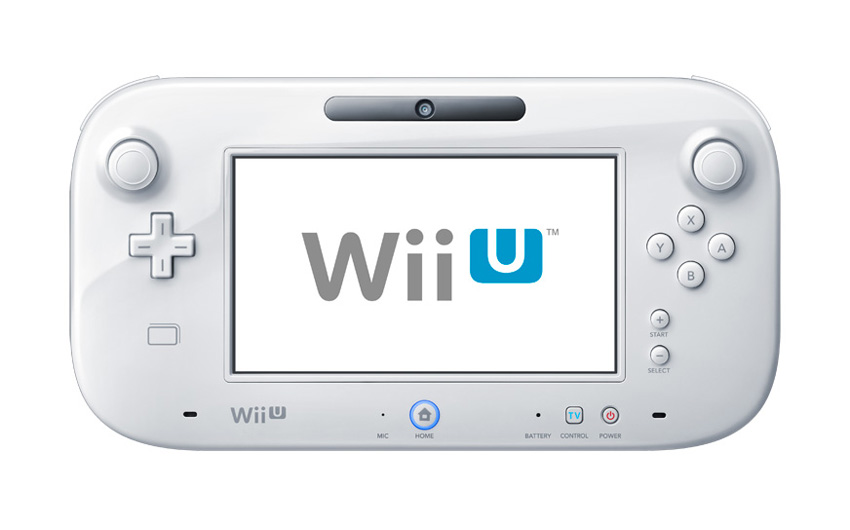
  • Nintendo Only Shipped 160,000 Wii U Consoles Worldwide in Q2

    Nintendo Only Shipped 160,000 Wii U Consoles Worldwide in Q2

    Nintendo has released its latest financial results, and revealed quarterly Wii U hardware sales of just 160,000. Software sales for the system were just 1.3 million units.

    During the period Nintendo sold 90,000 Wii U consoles in Japan, 60,000 in the US and only 10,000 in Europe and Australia.

    In the previous three months Wii U sales were 390,000 hardware units and 13.42 million games, which left the company short of it’s projected 4 million sales in the financial year.

    For the three months ended June 30 net sales were up 3.8 per cent to ¥81.5 billion ($832.6m / £547.5m) with net profit at ¥8.6 billion ($88m / £57.9m), compared to a loss of ¥17.2 billion for the same period last year.

    Nintendo suffered an operating loss during the period of ¥4.9 billion ($50.2m / £33m) due to research and development for the Wii U and increased marketing costs overseas for the 3DS.

    A lack of software support – both from Nintendo’s own in-house development teams and third-party publishers – combined with a high initial price tag and a slow user interface did little to accelerate sales over the Christmas period.

    Almost nine months on and little has changed. Nintendo has slashed the price of the Wii U, but the games drought continues. Considerable mismanagement over the functionality of the console and its innovative GamePad tablet controller has also done little to persuade consumers. 

  • Moto X To Support Nano SIM Card

    Moto X To Support Nano SIM Card

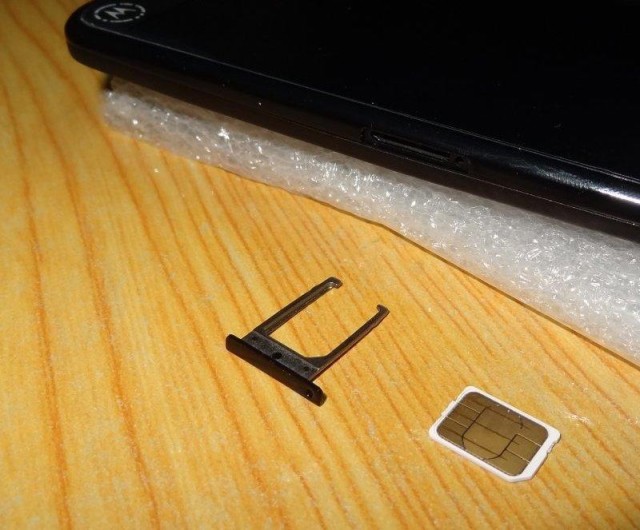
    When it comes to Motorola’s upcoming Moto X smartphone, it might not be a flagship device, but this does not mean that there is not much buzz surrounding the smartphone. After all, we do know that it will be proudly “made in the USA”, and we have also seen its “final” press shots posted online already, in addition to rumors of a so-called Magic Glass bandied about, not to mention alleged images of the said Magic Glass spotted, too. Well, this time around, the Moto X comes under the spotlight once again, with an alleged Nano-SIM belonging to the Moto X leaked out in Hong Kong.

    Moto X

    GSM Insider picked up a photo from a Hong Kong phone blog, which shows a nano-SIM card and tray placed next to an empty slot on the side of the phone.

    If this proves to be true, that will make the Moto X one of the first phones to adopt the nano-SIM since the iPhone 5. Of course, whether the Moto X will actually come with the nano-SIM remains to be seen — neither Google nor Motorola has indicated what the device will offer. We’ll find out Thursday, though, when Google holds a press event showcasing the Moto X.


  • Microsoft Releases Office Mobile For Office 365 Android App

    Microsoft Releases Office Mobile For Office 365 Android App

    Last month Microsoft unveiled the Office Mobile for Office 365 for iOS and now the Redmond company is following up with an Android version. 

    Office Mobile 365 enables Word, Excel, and PowerPoint document creation straight from the source. The app works by linking with a SkyDrive or SharePoint account and keeping documents stored online in a cloud locker that regularly synchronizes across devices. Someone can start a document on a desktop computer and then edit on their smartphone, or vice versa. A list of recent documents appears on the phone or desktop, and changes saved to documents are universal.

    “The release of this app shows that we’re committed to keep providing additional value for Office 365 subscribers,” Microsoft senior product manager Guy Gilbert wrote in a blog post.

    Microsoft has tried to leverage the widely used Office, which is preinstalled on mobile phones running its Windows Phone operating system, to eke out market share in the smartphone business that’s dominated by devices running Apple’s iOS and Google’s Android operating systems. 

    Initially, Office 365 is rolling out in the U.S., but will eventually be available in 33 languages and 117 markets. That expansion should begin in the coming weeks. You need an Android 4.0+ phone, not tablet which is an annoying limitation as people are more likely to edit a doc on a tablet than a phone.

iGyaan Network
Privacy Overview

This website uses cookies so that we can provide you with the best user experience possible. Cookie information is stored in your browser and performs functions such as recognising you when you return to our website and helping our team to understand which sections of the website you find most interesting and useful.