Author: Shivaank Rana

  • Android Jelly Bean Now On 25% Devices As Google Counts Active Users

    Android Jelly Bean Now On 25% Devices As Google Counts Active Users

    Every month Google releases stats that give a glimpse into the distribution of the various versions of Android. Like clockwork, the percentages of the older versions (Donut, Eclair or Froyo) tend to trail off, while newer versions such as Ice Cream Sandwich and Jelly Bean amass greater authority.

    Last month's data
    Last month’s data

    Starting with the release of the new charts, Google has changed the way it collects information for the monthly Dashboard release. Back in the day when Froyo and Eclair were the current builds, Google took information from Android phones each time they checked in to Google servers. Now, the data comes from phones as they visit the Google Play Store. This should result in more accurate information.

    android

    Jelly Bean has reached 25 per cent marketshare, but is still not in the lead with the most active users. Android 3.2 Gingerbread, released in 2010, leads with more than 40 percent of users, followed by Ice Cream Sandwich with 29 per cent of users. 

    Before the change in the way Google counts, Jelly Bean sat at roughly 15 percent marketshare, which makes for a considerable jump. Android has long been blamed for taking longer to seed its latest update to new devices than Apple’s iOS. The new numbers, while aimed at developers, definitely paint a better picture to the public.

    At any rate, developers now have a better understanding of who to target their apps to.

  • Facebook’s Timeline Trademark Lawsuit To Go To Jury Trial

    Facebook’s Timeline Trademark Lawsuit To Go To Jury Trial

    A U.S. District Court Judge has ruled that a lawsuit between Facebook and Timelines.com will in fact go to trial, after denying Facebook’s notion that the trademark-infringement lawsuit should be killed due to overly-generic trademarks, Bloomberg reports.

    Timelines, a website to collaboratively record and share history, filed a complaint against Facebook in September, 2011, and sought a restraining order to bar Facebook from offering its Timeline service, but this was denied, according to records of the U.S. District Court for the Northern District of Illinois, Eastern Division.

    The company was set up in January, 2007 and launched its Timelines.com website in 2009. It owns U.S. federal trademark registration numbers for “Timelines,” “Timelines.com” and for its “Timelines” design mark, according to court papers. It also operates a website called LifeSnapz.com and other services.

    Facebook filed for a summary judgment on each of the claims of the plaintiff and on its own counterclaims, including cancellation of Timelines’ registered marks, which was refused by the judge on Monday.

    Facebook “has failed to demonstrate, as a matter of law, that the marks are generic,” U.S. District Judge John W. Darrah in Chicago wrote in a ruling today. “At this stage in the proceedings, it is not unreasonable to conclude that as to this group of users, ‘timeline(s)’ has acquired a specific meaning associated with plaintiff.”

    The judge said Timelines had millions of dollars invested in its business and more than a thousand active users.

    The case is now set to proceed to trial before a jury on April 22.

    [Bloomberg]

  • Google Unified Privacy Policy To Lead To Fines

    Google’s privacy policies are to be investigated by Information Commissioner’s Office (ICO) to see if they are illegal under UK law.

    The move comes after French data protection regulatory CNIL confirmed that Google had made no attempt to meets it concerns over its renewed privacy policies, first unveiled in March 2012, despite its numerous complaints that the changes were illegal.

    In a statement on its website, the CNIL confirmed that despite meeting with Google, the firm had refused to take any action to appease its concerns.

    “On 19 March 2013, representatives of Google were invited at their request to meet with the taskforce led by the CNIL and composed of data protection authorities of France, Germany, Italy, the Netherlands, Spain, and the UK. Following this meeting, no change has been seen,” it said.

    Google did not implement the recommendations within the allotted four months, even after a meeting in March with CNIL and data protection authorities (DPAs) from Germany, the UK, the Netherlands, Spain and Italy. And now we see the result. According to a CNIL statement on Tuesday:

    “It is now up to each national data protection authority to carry out further investigations according to the provisions of its national law transposing European legislation. Consequently, all the authorities composing the taskforce have launched actions on 2 April 2013 on the basis of the provisions laid down in their respective national legislation (investigations, inspections, etc.)

    “In particular, the CNIL notified Google of the initiation of an inspection procedure and that it had set up an international administrative cooperation procedure with its counterparts in the taskforce.”

    This latest brush with Europe’s data protection watchdogs was triggered by Google’s action last year to consolidate more than 60 separate product privacy notices into one unified policy. After an investigation, European privacy regulators published a list of privacy recommendations for Google, including suggesting the company should make it clearer to users how their personal information may be used, and how it is collected and collated from different services. They also wanted Google to offer users an opt-out. It is these recommendations that Google has apparently failed to comply with, resulting in today’s actions.

    [V3, TechCrunch]

  • Autogyaan : Revamped Acura NSX Concept Displayed At New York Auto Show

    Autogyaan : Revamped Acura NSX Concept Displayed At New York Auto Show

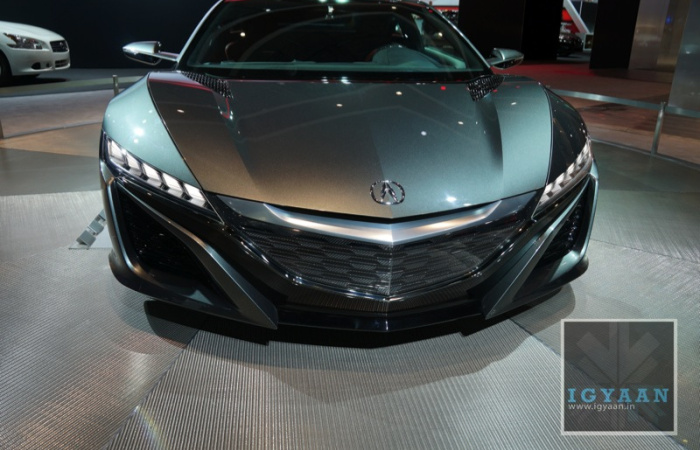
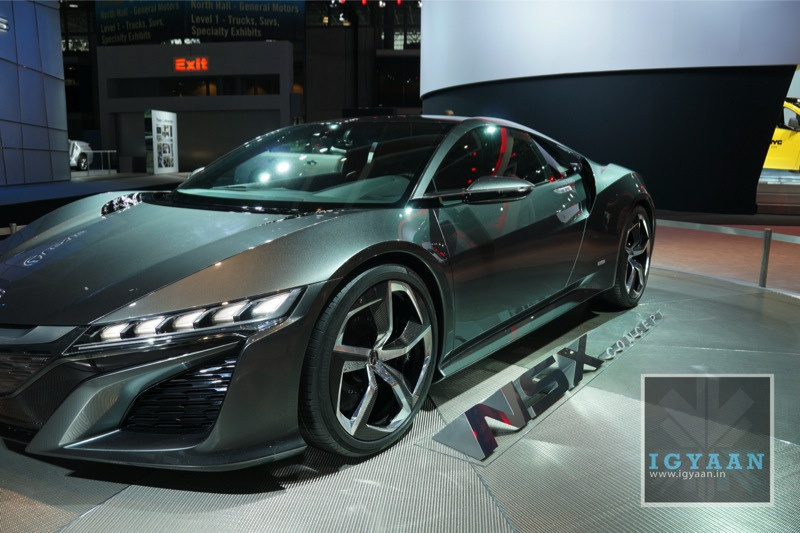
    Representing the latest stage in its pre-production development cycle, the Acura NSX Concept showed its oh-so-subtly revised self in New York.

    At the 2013 New York Auto Show this week Acura displayed the updated version of its new NSX concept, the first of which we saw last year in Detroit. The updated concept gives us a better idea as to what the final production version will look like, including the interior that owners of the car will get to enjoy.

    8610092849_f0a920e9b7_b

    While on initial glance it doesn’t look like much has changed, but if you look closer you’ll notice that many of the panels have been made more streamlined, the bumpers have been tweaked, and new carbon fiber elements dot the exterior.

    We also get to see the concept’s interior for the first time, which is filled with plush materials as well as carbon fiber, and features a clutter-free design. Acura plans to install a touch-screen interface to handle many of the driver inputs.

    NSX Concept

    The NSX Concept maintains its low and wide stance that we saw last year, and the car is highlighted by clean, modern, smooth, and simple surfacing, with edgy details that communicate a supercar feel and attitude. The overall shape reminds us of Audi’s own R8 supercar, with the slanted rear that goes all the way back to the tail.

    NSX Concept

    Acura NSX production ended in 2005, and it’s seen a long history that goes back to 1990, when the first-year NSX was released. The 2015 model will feature a mid-mounted V6 engine with a seven-speed manual transmission. The car will also feature three electric motors that will work together to help drive all four wheels, and to assist with acceleration and braking.

    NSX Concept

    The most interesting aspect of the new NSX, which is expected to hit showrooms sometime in 2015, is its new hybrid drivetrain, which Acura likes to call the Sport Hybrid Super-Handling All-Wheel Drive, or Sport Hybrid SH-AWD for short. Acura says the system delivers instant torque during cornering that should set it apart from current AWD systems.

    Of arguably more significance, the latest Acura NSX Concept exercise also sports a recast interior with elements that the design team is reportedly considering for the production model. Based on a “Human Support Cockpit” theme, it reflects Acura’s directed focus on optimizing “the synergy between man and machine.” In addition to improving external sightlines and the basic driving position, this redone interior introduces an intuitive “Simple Sports Interface” that minimizes interior clutter and allows the person behind the wheel to remain more directly involved with the job at hand.

    NSX Concept

  • Autogyaan : A Look At The Toyota Corolla Furia Concept

    Autogyaan : A Look At The Toyota Corolla Furia Concept

    Like Fashion Week, the New York International Automobile Show is no stranger to starting trends and shaping opinions, so it is no surprise that the world’s automakers have pulled out all the stops to show off some of the most amazing concept cars and trucks ever seen at this year’s event.

    With an emphasis on new styling, technology and the environment, this year’s stunning new concept cars offer a glimpse into the future, and perhaps a look at what we might be driving in the years ahead. One of them is the Toyota Corolla Furia Concept.

    Toyota Corolla Furia

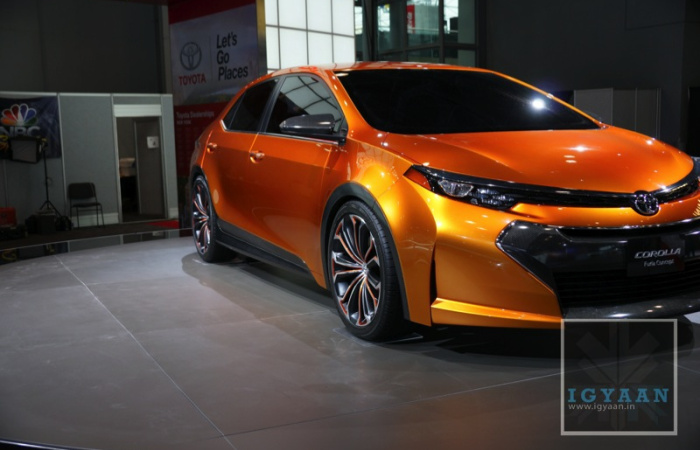
    The Toyota Corolla Furia concept “hints at the styling cues consumers can expect to see on the next-generation Corolla,” the automaker said in a statement. The concept’s styling is a dramatic departure from the current Corolla, which has seen few consequential changes to its conservative appearance in recent years while, at the same time, a design upheaval has taken place in the segment with the debut of new versions of the Hyundai Elantra and Ford Focus.

    The Toyota Corolla Furia Concept has a striking face with narrow headlights, vertical marker lights and a massive eight-sided grill, while its short hood and raked windshield give it a more modern look like the Civic and Mazda3. The front is overly stylized, similar to what we see on the new Camry and Avalon. Based on the most recent teaser we saw for this concept, the rear of the car will be equally sporty and modern with arrow-shaped LED taillights.

    Toyota Corolla Furia

    The rear diffuser with integrated chrome exhaust finishers give the Furia a sporty appearance, while the 19-inch alloy wheels are pushed to the corners to help add visual width.

    Comparing the specs of the concept to the current Corolla, the Furia is only about two inches longer and wider, but it also sits lower and has a wheelbase that is almost four inches longer.

    It would be nice to see these features in the next version of the Corolla here in India!

  • Huawei Ascend G510 And Y300 Jelly Bean Smartphones Up For Pre-Order

    Huawei Ascend G510 And Y300 Jelly Bean Smartphones Up For Pre-Order

    The Huawei Ascend G510 and  Huawei Ascend Y300 are now up for pre-order on the e-commerce site Flipkart.com for Rs 10,990 and Rs 7,980, respectively. The website lists both phones as forthcoming. The estimated release date of these phones is mentioned as the first week of April. Both handsets run Android 4.1 Jelly Bean.

    The Huawei Ascend G510 sports a 4.5-inch TFT LCD display with a resolution of 480×854 pixels and colour depth of 16M. The phone is powered by a 1.2GHZ Qualcomm ARM Cortex-A5, Dual Core processor and has 512MB of RAM. It has an internal storage capacity of 1GB that can be expanded to up to 32GB via microSD card. The phone sports a 5-megapixel rear camera and a 0.3-megapixel front shooter. It includes a 1700 mAh battery, promising 5 hours of talk time and 320 hours of standby time.

    The Huawei Ascend Y300 is a budget phone that sports a 4-inch TFT LCD display with a resolution of 480×800 pixels and colour depth of 16M. The phone is powered by a 1GHZ Qualcomm ARM Cortex-A5, Dual Core processor and has 512MB of RAM. It has an internal storage capacity of 1GB that can be expanded to up to 32GB via microSD card. The phone sports a 5-megapixel rear camera and a 0.3-megapixel front shooter. It includes a 1730 mAh battery, promising 5 hours of talk time and 320 hours of standby time.

  • Facebook Modded Android OS To Be Called “Facebook Home”

    Facebook Modded Android OS To Be Called “Facebook Home”

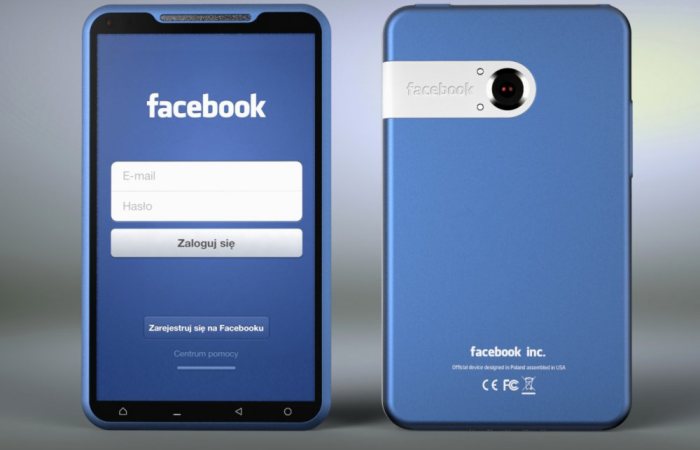
    Facebook is set to unveil something Android-related on Thursday. Some think it is a Facebook phone, others a forked version of Android with the social network’s paw prints all over it.

    According to a few new specks of leaked data, it looks to be a bit of both. Facebook will unveil an HTC-built “Myst” device, recently leaked as a 4.3-inch smartphone roughly the same size as the the iPhone 5. The entire experience, which includes a new version of the official Facebook app, as well as custom Messenger and Contacts apps specially designed to integrate with Android, will also be available.

    Evleaks, the often-correct source behind many previous leaks, posted a blurb from a device that doesn’t yet have the updated app: “The version of Facebook for Android currently on this device needs to be upgraded to support Facebook Home.”

    Facebook Home. Seems fairly plausible. Facebook also put out a version of Messenger a few months ago that integrated with the SMS data for a few supported devices. While it never really broadcast that feature to the world, it gives us pause now; could it have been due to the eventual integration with a Facebook-centric device?

    There is obviously no way to authenticate these reports, but they do seem to make sense. Earlier reports have also added that HTC isn’t going to be the only manufacturer to launch Android phone with “Facebook Home.” Apparently, the social giant is in talks with other companies too.

    [EVLeaks, 9to5 Google, MobileSyrup]

  • Snapdeal Collects $50 Million In Series C Funding From eBay And Existing Investors

    Snapdeal Collects $50 Million In Series C Funding From eBay And Existing Investors

    Online retail platform Snapdeal has raised a massive $50 million in funding from investors led by online auction site eBay, according to Next Big What

    As per the reports, the investment was led by eBay and alongwith participation from existing investors Bessemer Venture Partners, Nexus Venture and Kalaari Capital (formerly Indo US Venture Partners). With this round, Snapdeal has raised $102 million of funding in total.

    Snapdeal used to offer a daily deals model up until early 2012, but it pivoted to a full-service e-commerce platform in April 2012. The company now helps sell products online in many categories including mobile devices, tablet, computers, clothing, perfume, and books.

    Online e-commerce giant eBay last week said that it expects to have 12% of its sales coming from BRIC countries by 2015 in a global e-commerce market that will be worth $300 billion, and this here is one more step in that strategy. (Via Tech Crunch)

    Snapdeal has raised $12 million in Nexus Venture Partners and Kalaari Capital (formerly Indo US Venture Partners) in January 2011 and later it raised $40 million in series B funding from Bessemer Venture Partners, alongwith existing investors Nexus Venture Partners and IndoUS Venture Partners in July same year.

    The company has said however, that it expects the total sale of products traded on its platform to cross Rs 2,000 crore in the next fiscal helped by its robust growth in the past two years and the growing popularity of e-commerce in India.

    “We expect the sale of goods on Snapdeal’s platform to cross Rs 2,000 crore in 2013-14 fiscal on the back of a strong growth. We have maintained a growth rate of about 400 per cent year-on-year in the last two years,” Snapdeal Co-founder and CEO Kunal Bahl told PTI.

    [The Next Big What, TechCrunch]

  • HTC One Vs Samsung Galaxy S4 – Battle For Android Supremacy

    HTC One Vs Samsung Galaxy S4 – Battle For Android Supremacy

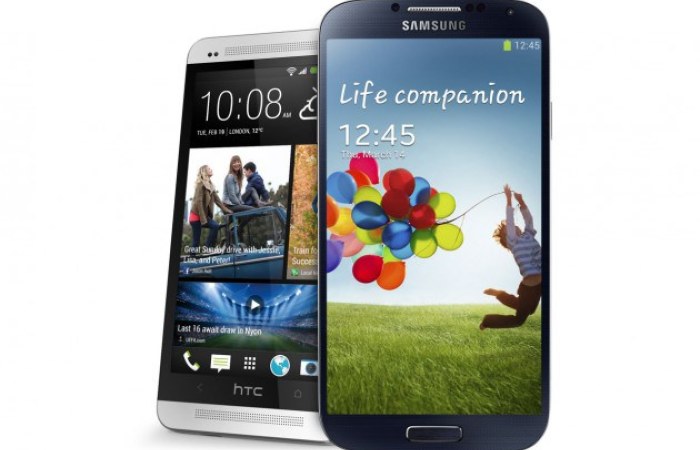
    We may only be three months into 2013 but it’s already been a big year for phones. One of the biggest stories so far is that of the HTC One – a no-compromise handset from the Taiwanese firm that aims to make amends for the last couple of years and bring HTC back to the top of the Android heap, where they once stood with the help of the HTC Legend.

    It’s a remarkable phone in so many ways, but now it faces its biggest threat yet – the Samsung Galaxy S4, the latest flagship phone from the current king of Android. 

    How do these 2 fare against each other? Let’s find out!

    1. Build Quality And Design

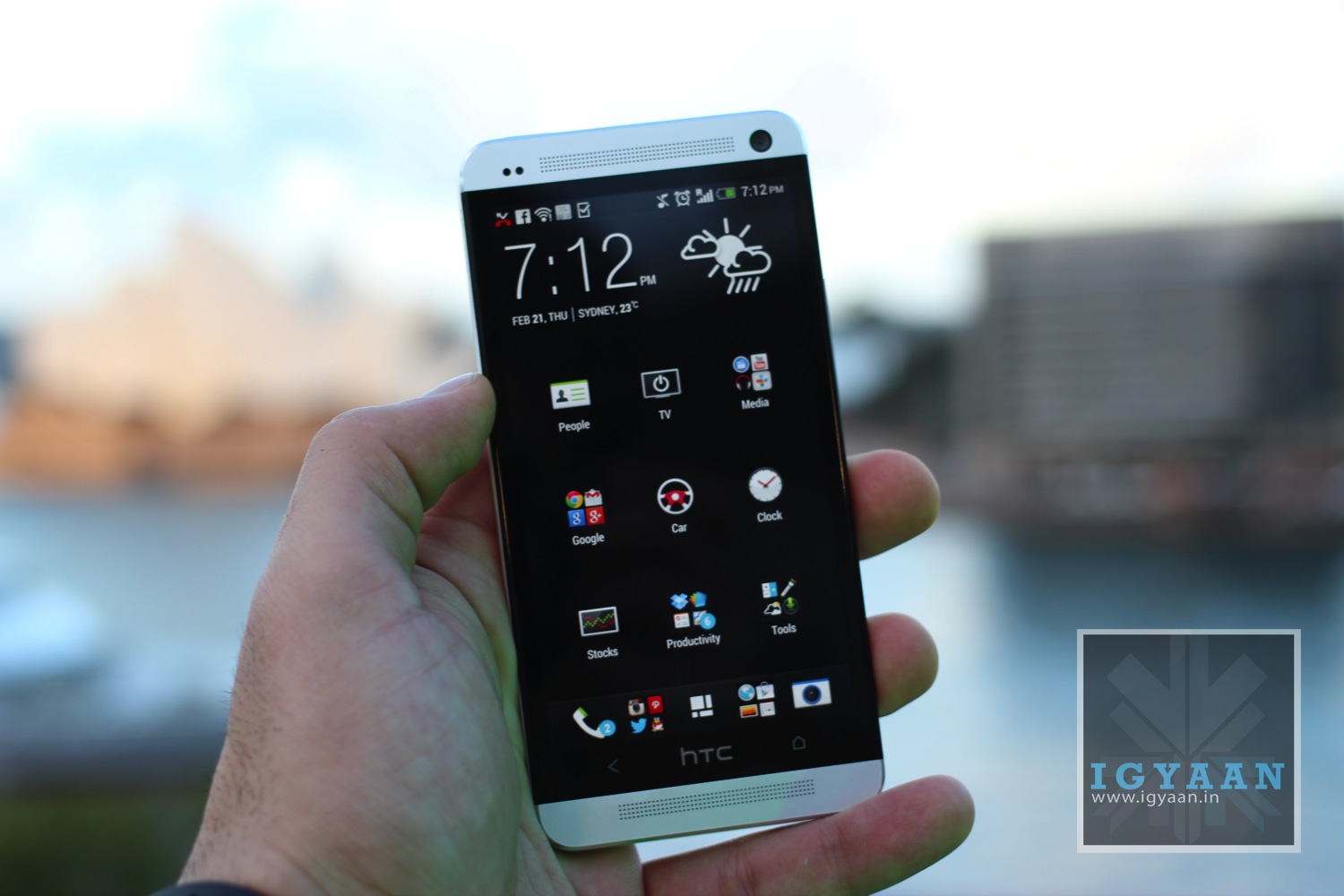
    Do we even need to discuss this one? Even the most ardent Samsung fanboy would agree that the HTC One is much better in terms of design. On one hand, we have the light, plastic body of the Galaxy S4, and on the other – the heavy, metal one of the HTC One.

    htc one

    The disadvantage of this design, though, is not only that metal will get slightly hotter than plastic, but that the unibody design also prevents the handset’s battery from being removed.

    htc one

    Samsung took a step in the right direction by utilising a little bit of metal around the edge of the phone, but it’s still mostly plastic and still nowhere close to the quality of the HTC One’s build.

    Verdict – HTC One 

    2. Display

    This is a tough category, as both the Samsung Galaxy S4 and HTC One have excellent screens. The Samsung Galaxy S4 features a 5″ HD 1080p Super AMOLED touchscreen, which on first impressions proved pretty impressive, while the HTC One features a 4.7″ HD 1080p Super LCD3 touchscreen.

    Going purely on numbers, the HTC wins here since its pixel density is 469ppi against the Galaxy S4’s 441ppi. In real life this difference is not noticeable by the human eye.

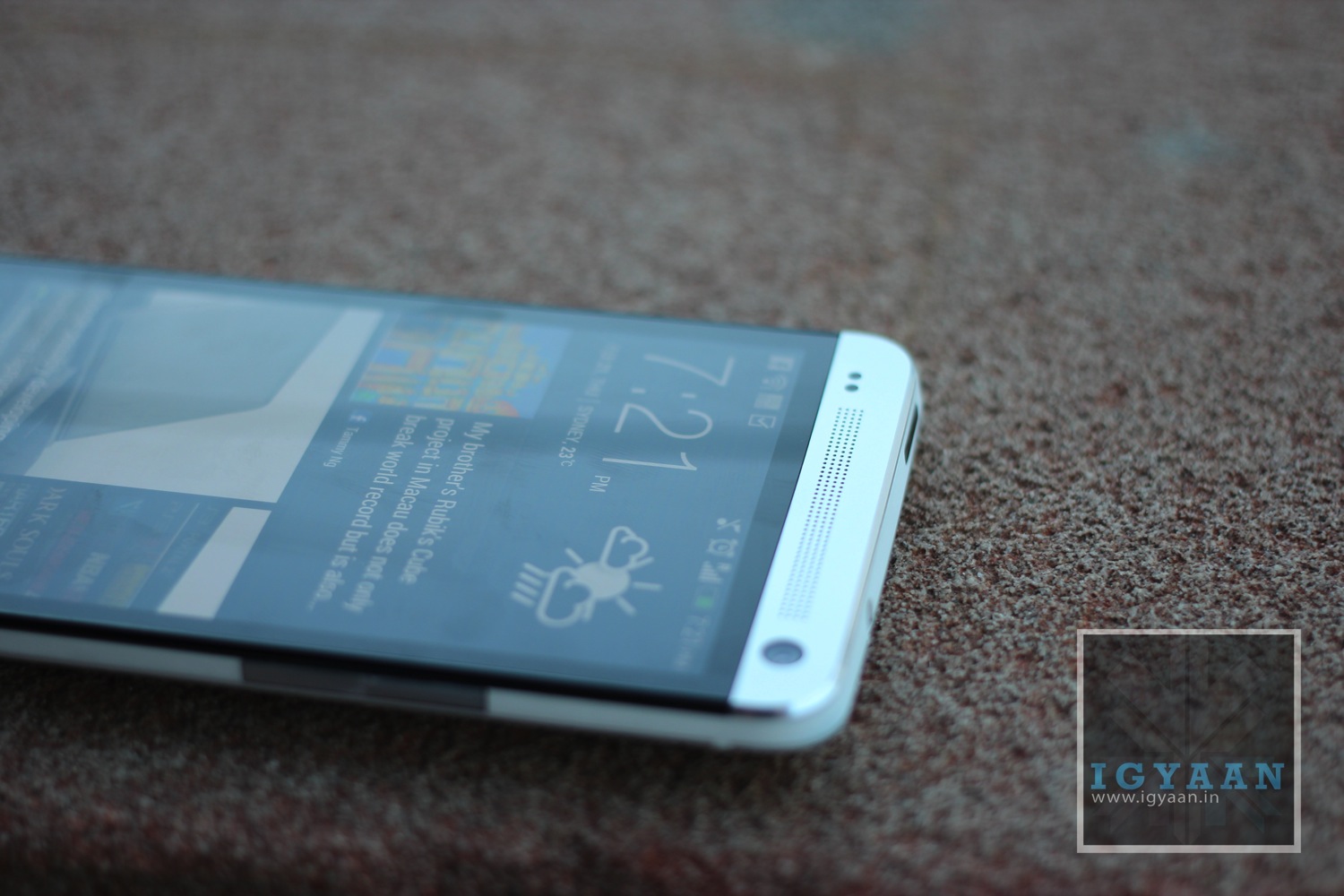
    HTC One Hands On iGyaan 7

    Put simply, these are two of the best displays on the smartphone market. However, Samsung’s AMOLED displays have been criticized in the past for having a blueish tint on them, but the contrast and deep blacks on this display are amazing. 

    samsung-galaxy-s-4-

    Another difference is that the Galaxy S4 uses Gorilla Glass 3 which its maker, Corning, says is up to three times more damage resistant than Gorilla Glass 2 which the HTC One offers.

    Depending on how you plan to use each smartphone, there are clear advantages to some of the screen technology. It’s hard to pick an overall winner here, one has a slightly bigger screen the other has a slightly higher pixel density, but both are fantastic through and through so it’s a draw and really just comes down to a matter of personal preference.

    Verdict – Draw

    3. Software And UI

    The Samsung Galaxy S4 and HTC One are pretty evenly matched when it comes to software too, with both running Google’s Android Jelly Bean operating system. Saying that, the Galaxy S4 has a later version, Android 4.2.2, while the HTC One has Android 4.1.2. 

    There is a vast difference between the custom user experiences found on both devices.

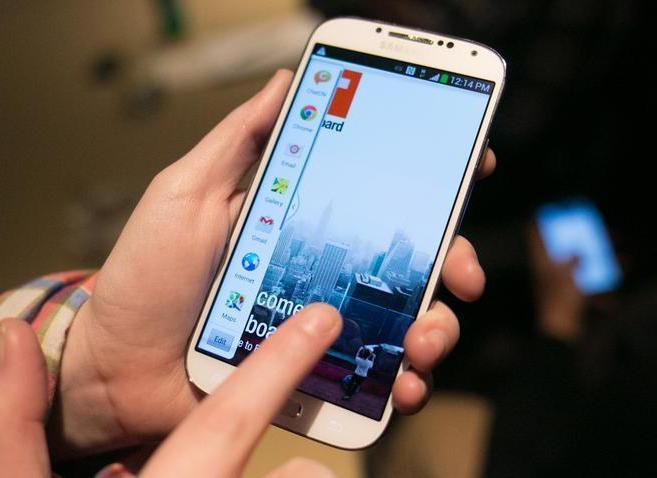
    The Samsung Galaxy S4 comes with the latest version of Samsung’s Touchwiz UI, giving a horde of custom features. As well as a barrage of software features such as Air Gesture and Smart Scroll, Samsung’s Touchwiz UI offers a fairly heavy custom skin, which is not good for those who are fans of the vanilla Android 4.x Jelly Bean.

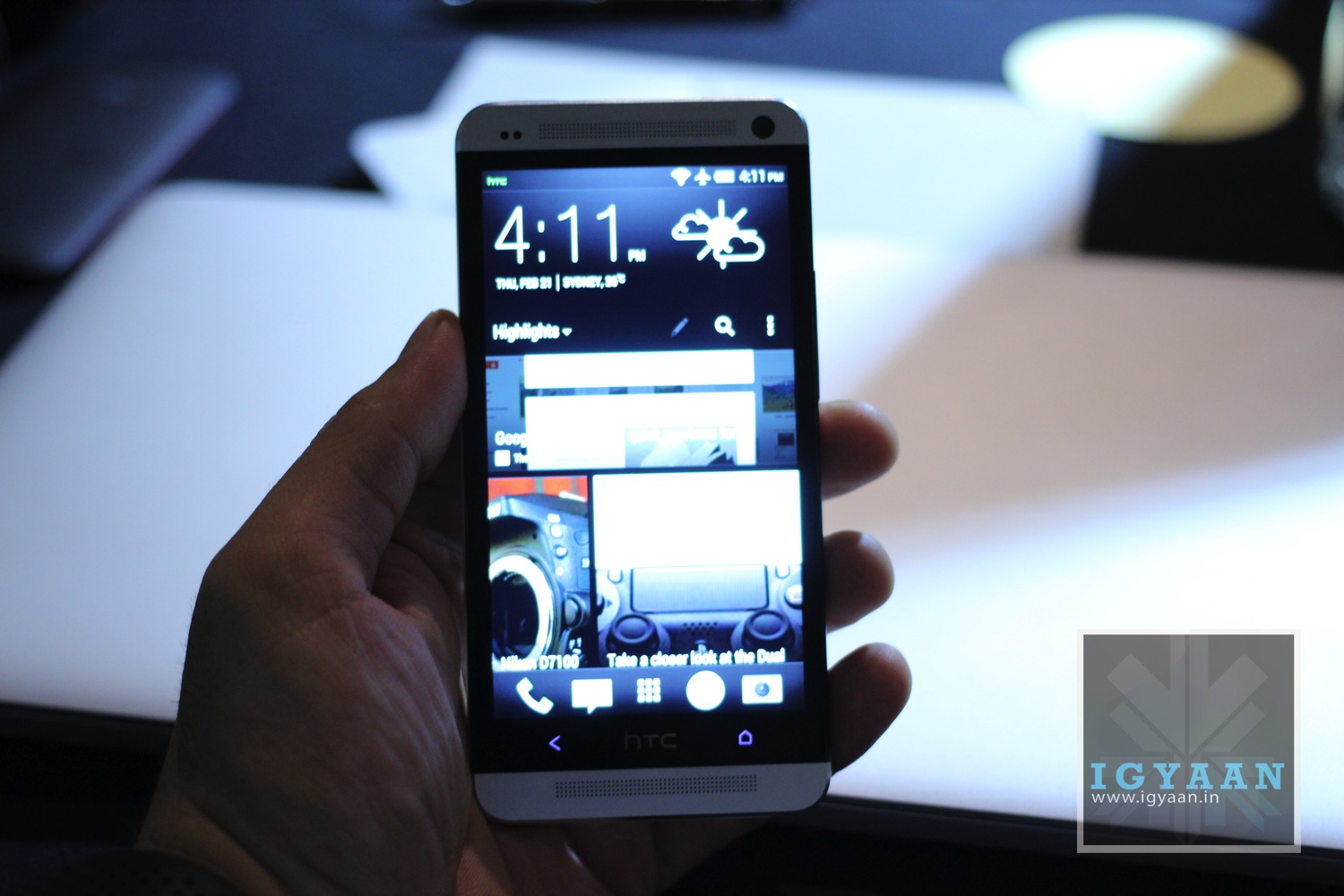
    The HTC One, on the other hand, offers a much simpler user interface skin. Blinkfeed is its standout feature – a unique take on Flipboard – and beyond that, the HTC Sense 5.0 UI is fairly stripped back and easy to use.

    However, Samsung clearly wins this one with its onslaught of software tricks and custom features.

    Verdict – Samsung Galaxy S4

    4. Processor

    The HTC One packs a lot of power under its shiny metallic shell, with a 1.7 GHz quad-core processor and 2 GB of RAM. But impressive as it is the Samsung Galaxy S4 goes one better with a 1.9 GHz quad-core processor, though it merely matches the HTC One for RAM. Both phones are true next generation handsets and both have more power than you’re likely to know what to do with.

    Early benchmark results of these 2 smartphones reveal that they’re neck to neck in performance.

    So it’s a draw for us!

    Verdict – Draw

    5. Memory And Storage

    Memory is another win for the Galaxy S4, as while the HTC One comes with up to 64GB of on-board memory (a 32GB version also exists), there’s no micro SD card slot, so no way to expand on it. The Galaxy S4 meanwhile matches its on-board memory with 16, 32 and 64GB versions up for grabs, but also includes a micro SD card slot on top of that.

    Their connectivity options are identical as both handsets provide Wi-Fi, 3G, 4G/LTE, GPS, Bluetooth 4.0, NFC and an infrared port. It’s about as comprehensive set of options as you could hope to see.

    Verdict – Samsung Galaxy S4

    6. Camera

    HTC has gone in new direction with the One’s camera. The Ultrapixel camera is only 4MP in resolution but captures 300 percent more light than a regular smartphone camera. The camera is good especially in low light situations.

    htc

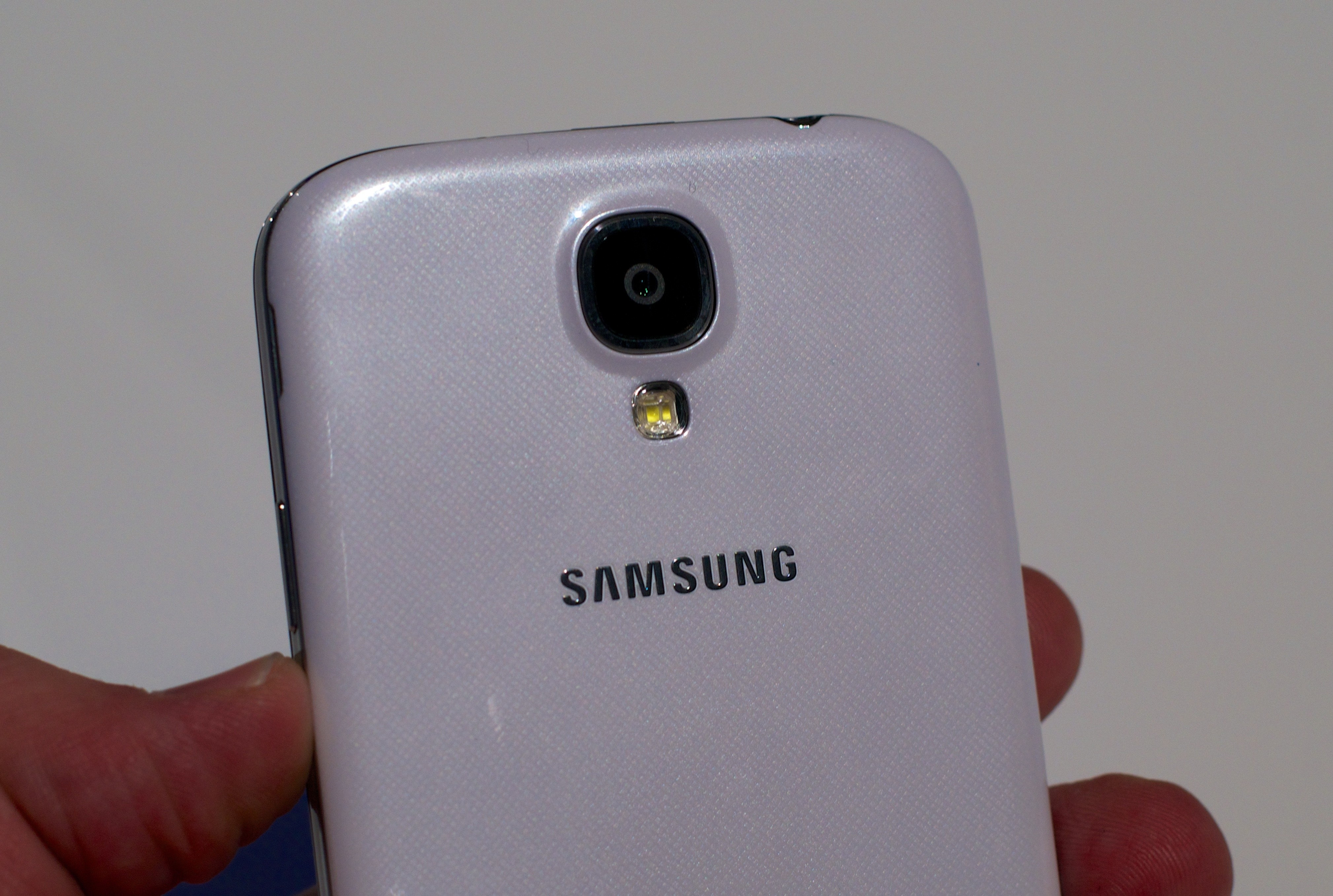
    HTC’s bold move makes it pretty difficult to compare with the Galaxy S4’s 13Mp camera which we expect to be a good camera. Each rear camera can record video in Full HD 1080p quality.

    Things are almost identical in terms of front facing cameras between the Galaxy S4 and HTC One. They have 2MP and 2.1MP cameras which can each record video in Full HD. 

    s4cam

    HTC Zoe is the big camera feature that is grabbing the headlines when it comes to the HTC One. When you record a ‘Zoe’, the HTC One takes a 3 second video and 20 single frame shots. Not only do you then have the Zoe clip itself, but also the functionality for some very impressive features: remove unwanted people and objects from the background of a shot, make sure everyone is smiling and has their eyes open for group shots and combine several frames in a sequence shot to create a ‘slow-motion’ photo.

    The S4 also has some nice camera features and some that are similar to the HTC One. Eraser also let’s you remove unwanted photo elements, sound and shot lets you record a sound clip with a photo and drama shot will take 100 photos in 4 seconds. There are plenty more features to talk about for both these handsets and you’ll have a great experience with either.

    So while the HTC One is likely to fare better in low light conditions, the camera in the Samsung Galaxy S4 seems the better bet overall.

    Verdict – Samsung Galaxy S4

    7. Audio

    When it comes to sound the HTC handset wins without doubt. You will have heard HTC BoomSound mentioned by now, which is the technology that makes the HTC One so loud. It’s the first handset to feature dual frontal stereo speakers, plus it has Beats Audio technology built in. This results in louder music playback, ringtones and notifications.

    HTC One Hands On iGyaan 34

    The S4 speaker is also of a good quality and is a close second to the HTC device.

    Verdict – HTC One

    Conclusion

    Both of these handsets are truly remarkable and it’s a tough call picking one out as the best. They both have incredible displays, loads of connectivity options, great cameras and a lot of horsepower.

    There is no real winner in this article, and it should only be used as a reference to how the devices perform in each of the sections discussed above. 

    This will be one of the most exciting fights in the premium segment this season.

    Which one will you choose? Let us know below!
  • Not Android Phone, But Android Homescreen Is On Facebook’s Agenda

    Not Android Phone, But Android Homescreen Is On Facebook’s Agenda

    There is no Facebook phone. According to the Wall Street Journal, Facebook’s upcoming Android announcement is actually more of a home screen experience and not an actual device. That rumored HTC Myst? It’s just the first device to come from a partner, which, in this case is HTC.

    The social network has been developing new software for mobile devices powered by Google’s Android operating system that displays content from users’ Facebook accounts on a smartphone’s home screen–the first screen visible when they turn on the device, people familiar with the situation said.

    From the sounds of it, you’ll be thrown right into Facebook the moment the phone powers on. Reportedly, Facebook is working with other handset makers with hopes to bring the experience to additional devices.

    Facebook will initially demonstrate the capability on smartphones from HTC, these people said, but has been working to reach similar arrangements with other device makers.

    Facebook, which has said it has more than 650 million mobile users, is planning to make the app broadly available for all Android devices, these people said. Manufacturers must make some tweaks to the Android software to allow the Facebook app to take over the device’s home screen, they added.

    Such changes by the manufacturer don’t violate the agreements those companies made with Google to preserve the consistency of the Android user experience, one of the people familiar with the matter said.

    On Thursday, Facebook sent out invitations to a media event next week requesting recipients “come see our new home on Android.” Facebook and Google spokesmen declined to comment.

    HTC declined to comment on its business relationship with Facebook. However, HTC noted that it previously launched the ChaCha phone, which had a button designated to posting photos directly to Facebook. That wasn’t really successful. HTC’s proprietary Sense interface for Android also included quite a bit of Facebook functionality in the past.

    All will be revealed on April 4 now.

    [WSJ]

  • Rumoured Apple Game Controller May Just Turn Out To Be Legit

    Rumoured Apple Game Controller May Just Turn Out To Be Legit

    Pocketgamer today says it has heard word from mobile game developers that Apple has been operating secret meetings at GDC discussing a game controller.

    Long rumoured – and hoped for – GDC 2013 has finally provided confirmation that Apple will release its own dedicated game controller. Of course, there’s no official word yet, but Apple has been active during the conference talking to developers about its plans and ensuring plenty of games will support the joypad at launch.It’s been operating a meeting room at the show, albeit booked under a pseudonym company name to avoid media attention.However, speaking anonymously, multiple developer sources have confirmed the news to PocketGamer.biz

    Should Apple’s rumored controller be unveiled alongside an updated Apple TV, such an event would largely confirm earlier rumors that Apple was preparing to make a push to turn its “hobby” into a much bigger pillar within the company. Those rumors had Apple revealing a standard development kit (SDK) and possibly opening the App Store for operation on its set-top box, two elements that would likely be necessary were Apple to release a controller for iOS/Apple TV gaming.

    Apple’s iOS devices have in short time become a major platform for game development, with games from previously unknown developers going on to sell in the millions of copies. The touchscreen form factor of the devices, though, has to some extent kept them from functioning as serious, dedicated gaming platforms. 

    Some major developers have introduced ports of successful titles for Apple’s devices, specially crafted to suit the touchscreen. These titles, though, tend to be from a limited range of game genres.

    In the site’s 2012 review of the 3rd generation iPad, AnandTech’s Anand Lal Shimpi and Vivek Gowri let slip a tantalizing tidbit when discussing the iPad’s faculty as a gaming machine: ”I know of an internal Apple project to bring a physical controller to market, but whether or not it will ever see the light of day remains to be seen,” the review reads.

    apple
    Apple has been filing patents related to gaming devices for quite some time now.

    What’s more Apple has been seen bulking itself up with patents that relate to a potential gaming push for at least a few years now.

    Update : 

    It wasn’t long before the unofficial oracle of Apple, Jim Dalrymple of loopinsight.com rained on everyone’s parade. At 1:19 PM today, he posted one of his terse responses in regards to the rumors of an Apple gamepad. The one word assassin “Nope.” Considering that he is well know to have reliable sources within Apple, and that he had an impeccable track record when it comes to rumors, that’s pretty much that.

    [Tech Crunch. Pocket Gamer]

  • Some iOS Developers Targeted With iMessage “Denial Of Service” Attack

    Some iOS Developers Targeted With iMessage “Denial Of Service” Attack

    The Next Web is reporting that a group of iOS developers has been targeted with a series of rapid-fire messages on iMessage, creating a sort of denial-of-service (DoS) attack that crashes the iMessage app.

    App developers iH8sn0w, well known for his jailbreak tool, and Grant Paul were among those targeted by the DoS attack that overwhelmed their respective Messages inboxes with a load of automatically-generated transmissions. 

    imessage

    The two devs believe the messages to have been sent one after another from the Messages app on OS X, with a simple AppleScript effecting the barrage that prompts a victim to constantly clear notifications and text.

    Grant Paul, one of the targeted iOS developers explains how the attack worked:

    “What’s happening is a simple flood: Apple doesn’t seem to limit how fast messages can be sent, so the attacker is able to send thousands of messages very quickly,” Paul says.

    The second part of that, he explains, is that if a user sends a ‘complex’ text message using unicode characters that force a browser to render ‘Zalgo’ text, or simply uses a message that is enormous in size, them the Messages app will eventually crash as it fails to display it properly. This will effectively ‘break’ the Messages app on iOS by forcing it to close and stop it from re-opening because it can’t render that text.”

    iH8sn0w mocked up a proof-of-concept AppleScript to demonstrate how such an attack may work. If Apple doesn’t limit the influx of messages, a user’s app will quickly become filled with what amounts to piles of spam.

    The attacks hit at least a half-dozen iOS developer and hacker community members, and appear to have originated with a Twitter account involved in selling UDIDs, provisioning profiles and more that facilitate in the installation of pirated App Store apps which are re-signed and distributed.

    Currently, there is no way to block particular senders in iMessage, though iH8sn0w said it should be possible for Apple to notice the bursts of messages and block them as repetitive spamming. Victims can also disable iMessage entirely.

    [The Next Web, Mac Rumors]

  • Apple Patents Wraparound Display For iPhone

    Apple Patents Wraparound Display For iPhone

    A couple of days back the US  Patent and Trademarks Office published Apple’s application for a wrap-around form factor for electronic devices. It looks like a curvy, future iPhone.

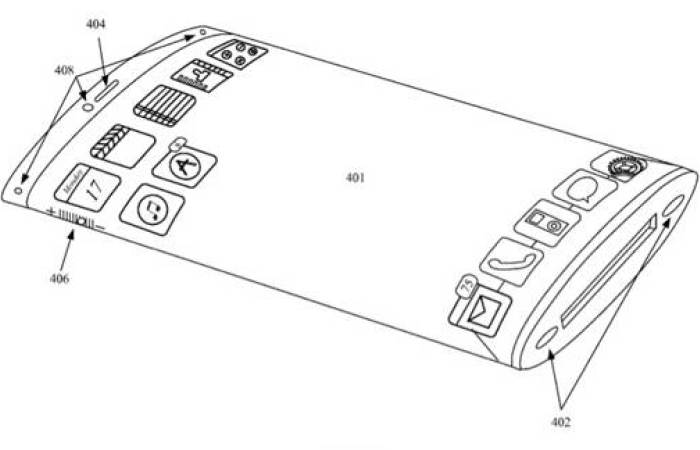
    Well, not “wraps around,” per se, but rather “wraps within.” Patent application 20130076612, published Thursday morning in the US Patent and Trademark Office’s weekly filing-fest, describes a device in which a flexible AMOLED display is inserted into a hollow glass housing, and is pressed against the inside of that housing by “structural support elements.”

    In one of its examples, Apple describes a device with two flexible displays that work together.

    You can see from Apple’s illustration above what a flexible iPhone might look like. Note the volume controls on the side that are no longer physical buttons, but virtual ones.

    This certainly seems like a form factor that would be better suited to the palms of our hands, but it’s unclear how practical it would be in everyday use. A wraparound display may not be as comfortable to type on, and it may not be as suitable as a flat display for things like gaming and watching movies.

    apple

    The filing also describes a rather simple and permanent-looking connector that handles communications between the display and the device’s logic board, which resides in the center of the transparent housing.

    What do you think? Are you excited? Or could all this be used for the rumoured iWatch?

    [Forbes, Cult of Mac]

  • HTC One Gets iFixit Teardown, Reveals Low Repairability, High Durability

    HTC One Gets iFixit Teardown, Reveals Low Repairability, High Durability

    The HTC One looks like bulletproof phone, with a hefty aluminium – glass body and no removable back. 

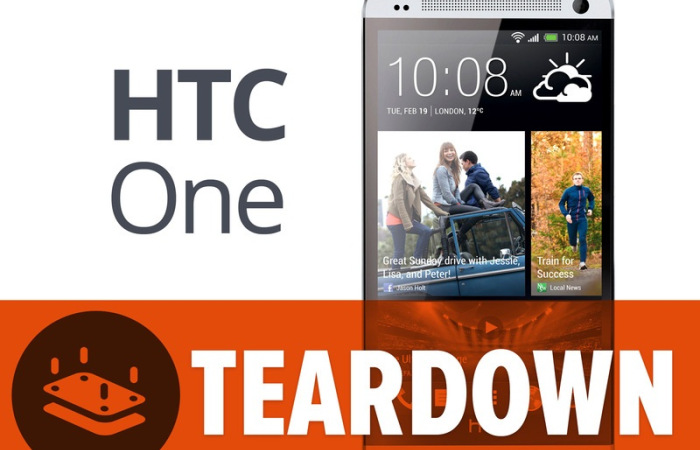
    However, there is a price to pay for its robust unibody design. Teardown specialists iFixit found that the new phone is practically impossible to open up and repair. It got a score of one, one out of ten that is.

     htc one

    With the release of the HTC One, the manufacturer has bet a whole lot on the hardware as a proving point in their history. With this release, the company known as HTC says that they’ve done the best they’re able at the moment – this is the HTC One, and it’s named that for a reason. According to iFixit, this device is just about the most difficult smartphone to tear apart they’ve come across.

    The process took 19 steps and ended with the handset being give a score of one (out of ten) in terms or repairability. Of course, these days we don’t see many people repairing their smartphones, but instead buying new. In that respect, a score of one flips nicely to mean that the One is a solid device. In fact, the teardown noted that the “solid external construction improves durability.”

    htc one

    The issues at hand? iFixit said it’s nearly impossible to open the One without damaging the back cover. Again, go figure, it’s a unibody phone. The battery is also stuck under the motherboard and is not replaceable and there’s a lot of copper shielding that causes issues while trying to remove parts. The screen can’t be replaced without removing the back cover, though, so you’ll want to make sure you don’t drop your One all over the floor.

    [iFixit]

  • Report : Apple Hiring ‘Ground Truth’ Managers To Improve Maps

    Report : Apple Hiring ‘Ground Truth’ Managers To Improve Maps

    If job listings are any indication, Apple remains committed to improving its iOS Maps app.

    Apple’s woes regarding its Maps mobile app have been well documented, with the company taking a lot of flak from a lot of (lost) people, especially in the weeks following the app’s launch in September last year.

    Apple

    In the clearest sign yet that the Cupertino-based company is set on making the app something you’ll want to actually tap on and open. As the iDownload Blog spotted, Apple has posted job ads on its site for “Maps ground truth managers” at seven locations around the world.

    Here’s the job description for the U.S.-based “ground truth manager”:

    The Maps team is searching for a manager for the team responsible for regional map quality and ground truth in the U.S. Each of our regional teams is responsible for the quality of our maps in their region. This team’s responsibilities include:
    • Testing new releases of map code and data around the U.S.
    • Collecting ground truth data to allow for analysis of the impact of potential map code or data changes relative to known truth.
    • Utilizing local expertise to provide feedback about U.S.-specific mapping details.
    • Evaluating competing products in-region relative to our maps.
    As the manager of this team, you will be expected to drive all of this team’s work, determine where and how to allocate resources and clearly communicate test results and other feedback to teams in Cupertino. The U.S. regional team is also responsible for driving communication between engineering teams in Cupertino and our other regional teams as well as evaluating new regional testing initiatives in close coordination with the rest of the Maps quality team before those initiatives are rolled out to the other regional teams.

    The job listings not only reflect Apple Maps’ early problems, but also underscore how right Google’s Eric Schmidt was last year when he said that Apple is learning that “maps are really hard.”

    Google has been working on maps for years, and relies heavily today on “feet on the ground” products like Google Street View and Map Maker to improve its mapping accuracy. To give you an idea of how far ahead Google is, consider that those two products launched in 2007 and 2008, respectively. And 5-6 years is a long time in internet/tech development.

    We’re sure iOS 7 will feature “magical” and “revolutionary” new features in their Maps app.

    [Search Engine Land, iDownload Blog]

iGyaan Network
Privacy Overview

This website uses cookies so that we can provide you with the best user experience possible. Cookie information is stored in your browser and performs functions such as recognising you when you return to our website and helping our team to understand which sections of the website you find most interesting and useful.