Author: Vipul Vij

  • OnePlus 5T With Slim Bezels Leaked In Images Again

    OnePlus 5T With Slim Bezels Leaked In Images Again

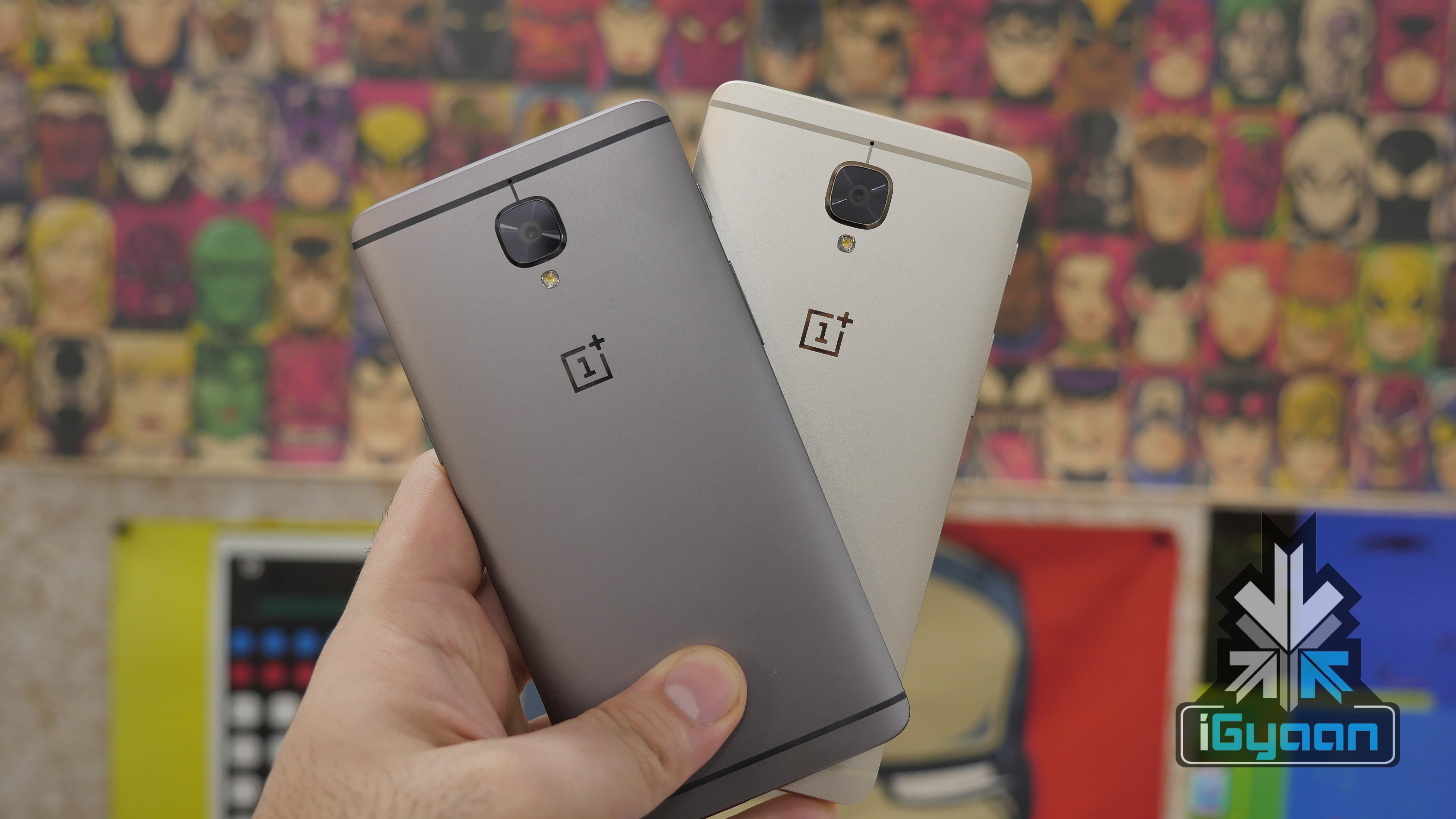
    The OnePlus 5T has been leaked again on the Chinese social networking site, Weibo. There have been plenty of leaks and “credible sources” claiming that the OnePlus 5T will indeed be launched in November with a new design language. Unlike the incremental upgrade from the OnePlus 3 to 3T in 2016, this year’s OnePlus 5T might see a huge departure from the design language that OnePlus devices have followed. Releasing the OnePlus 5T will solidify OnePlus’ launch pattern that OnePlus is trying to set in the market, much like what the company did with the OnePlus 3 and OnePlus 3T.

    The leak is in line with some of the previous renders and leaks. The phone in the image has a tall display with an 18:9 aspect ratio. The bezels are considerably thinner than the OnePlus 5. For the OnePlus 5T the fingerprint sensor is moved from the home button, as there is expected to be no home button, to a rear placed location above the OnePlus logo. The dual cameras are placed identically and the slate grey colour is the same found on the OnePlus 5.

    When the OnePlus 5 was launched, one of the major criticisms it faced were the thick bezels around the display, especially after it was dubbed as the “flagship killer.” Launch of the OnePlus 5T will add the company to the list of Modern 2017 smartphone makers with a low bezel / bezel less design

    There is no official word from the company and the social media handles of OnePlus have not dropped any hints about an event or a launch of a new phone. These leaks should be taken with a pinch of salt until there is an official announcement from the company.

  • Xiaomi Redmi Note 5 Leaked In Specifications

    Xiaomi Redmi Note 5 Leaked In Specifications

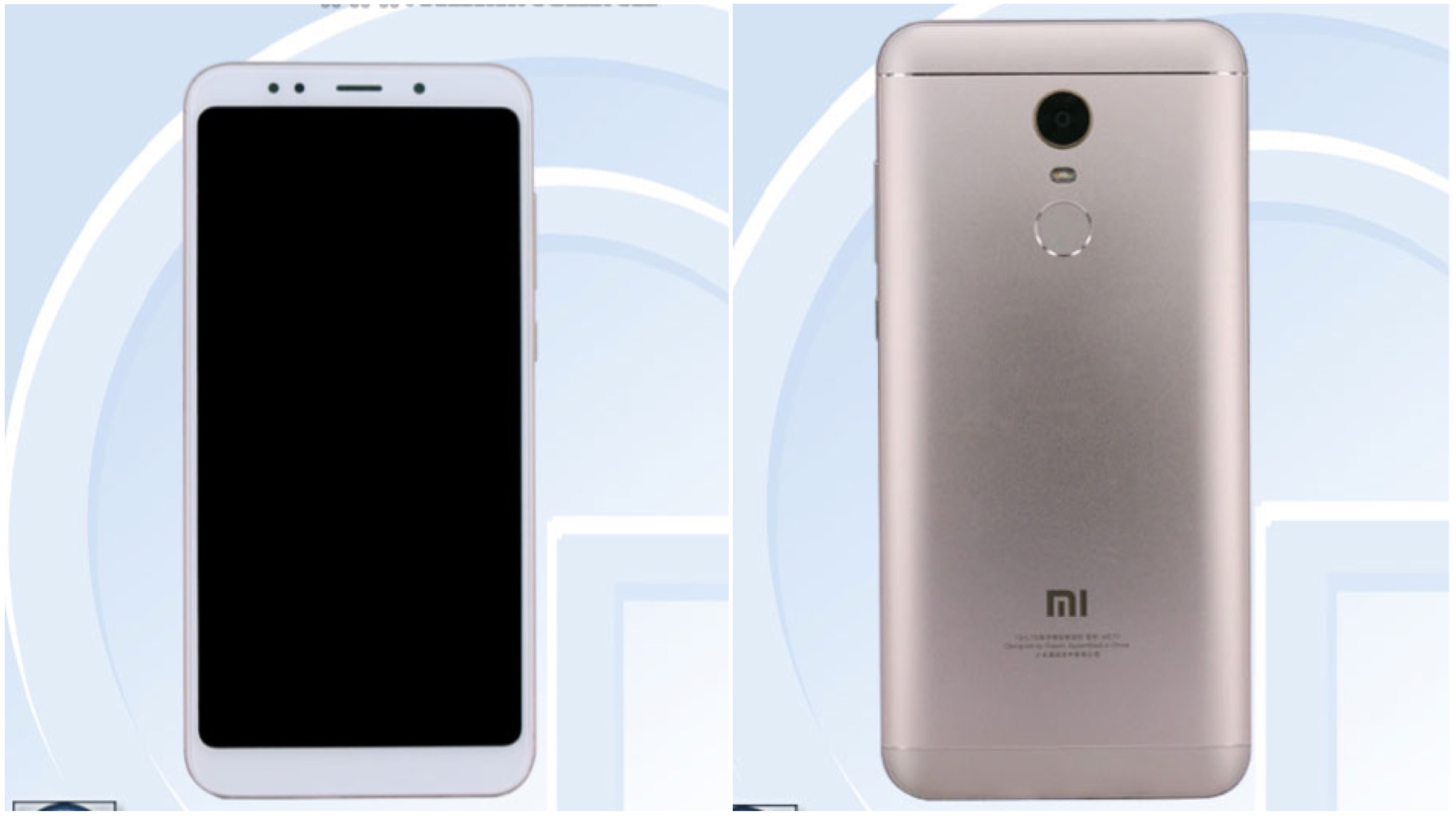
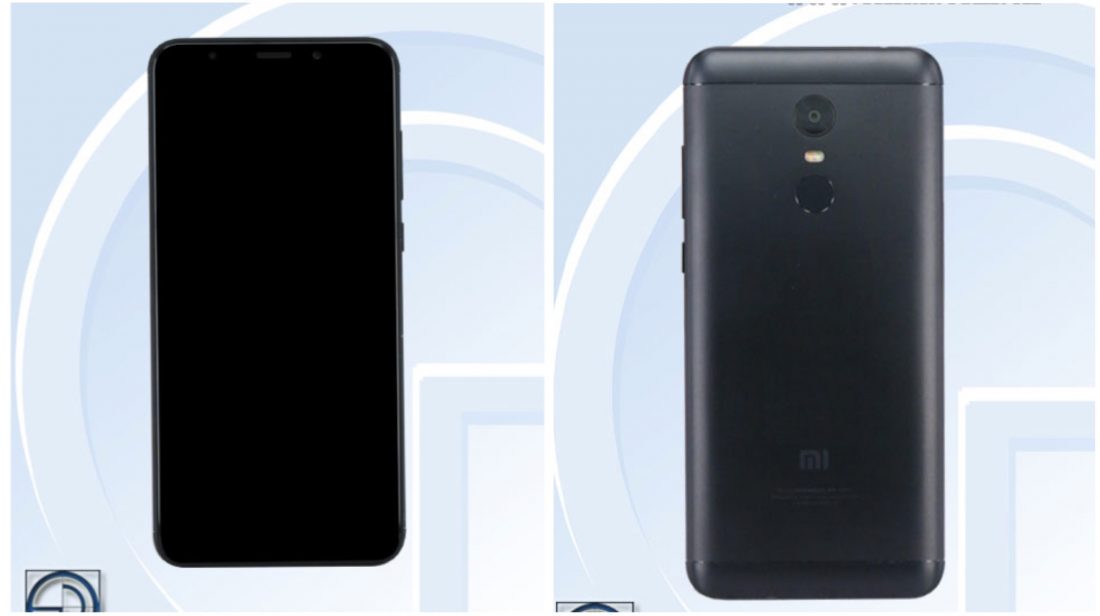
    The Redmi Note 4 is one of the most popular Xiaomi phones in India as part of the highly successful Redmi Note series. A lot will be expected from the successor of the Redmi Note 4. Recently a few leaked images of the Redmi Note 5 gave us a glimpse of what it might look like, and now the smartphone was spotted on the certification website, TENNA.

    The listing on TENNA falls in line with the previous renders suggesting an 18:9 aspect ratio. However, according to the leak, the device will have a single-camera setup at the back, contrary to previous leaks that suggested a dual-camera setup. There is a possibility that the dual camera version can be one of the variants of the new Redmi Note 5. Under the hood, Xiaomi could go for the newly launched Qualcomm Snapdragon 636 chipset which will enable mid-range devices to have bezel-less displays with FHD+ resolution. The smartphone will feature a 16MP rear camera with LED flash, while the front of the phone will sport a 5MP camera. The Redmi Note 5 is expected to be powered by a 4000 mAh battery.

    Xiaomi has also launched the Redmi 5A in China and as was with the Redmi 4A, the Redmi 5A might make its way to the Indian market in early-2018.

    The company had launched the Redmi Note 4 last year in August and has completed its update cycle. Xiaomi might launch the new Redmi Note 5 early next year. As far as pricing goes, the phone might be launched in the same price segment as the previous Redmi Note devices but, due to the bezel-less design and one of the variants might have dual cameras, the pricing could be similar to the Mi A1 or the Mi 5X around Rs 15000.

    Leaked Specifications:

    Display – 18:9 aspect ratio

    Chipset – Qualcomm Snapdragon 636

    Battery – 4000 mAh

    OS – Android 7.1 Nougat with MIUI 9


  • Apple Sued By A Japanese Company Which Owns ‘Animoji’ Trademark

    Apple Sued By A Japanese Company Which Owns ‘Animoji’ Trademark

    Legal battles just doesn’t seem to go away for Apple at the moment. The Tokyo-based company, Emonster, which owns the trademark for “Animoji” in the US, is suing Apple for using the word to name its iPhone X feature. Legal worries continue for Apple with an ongoing legal battle with Qualcomm and recently losing a lawsuit against VirnetX.

    Emonster filed the suit on Wednesday in US federal court, saying,

    Apple made the conscious decision to try to pilfer the name for itself.

    Emonster owns an iOS app called Animoji that was launched in 2014, which lets people send emojis that are animated in a loop like GIFs. The app asks its users to compose the message in the lines of how you would format a line of code in Python or Javascript, with parentheses and brackets that separate the kinds of effects you want to add to text or emoji. The app costs US$0.99 on iTunes.

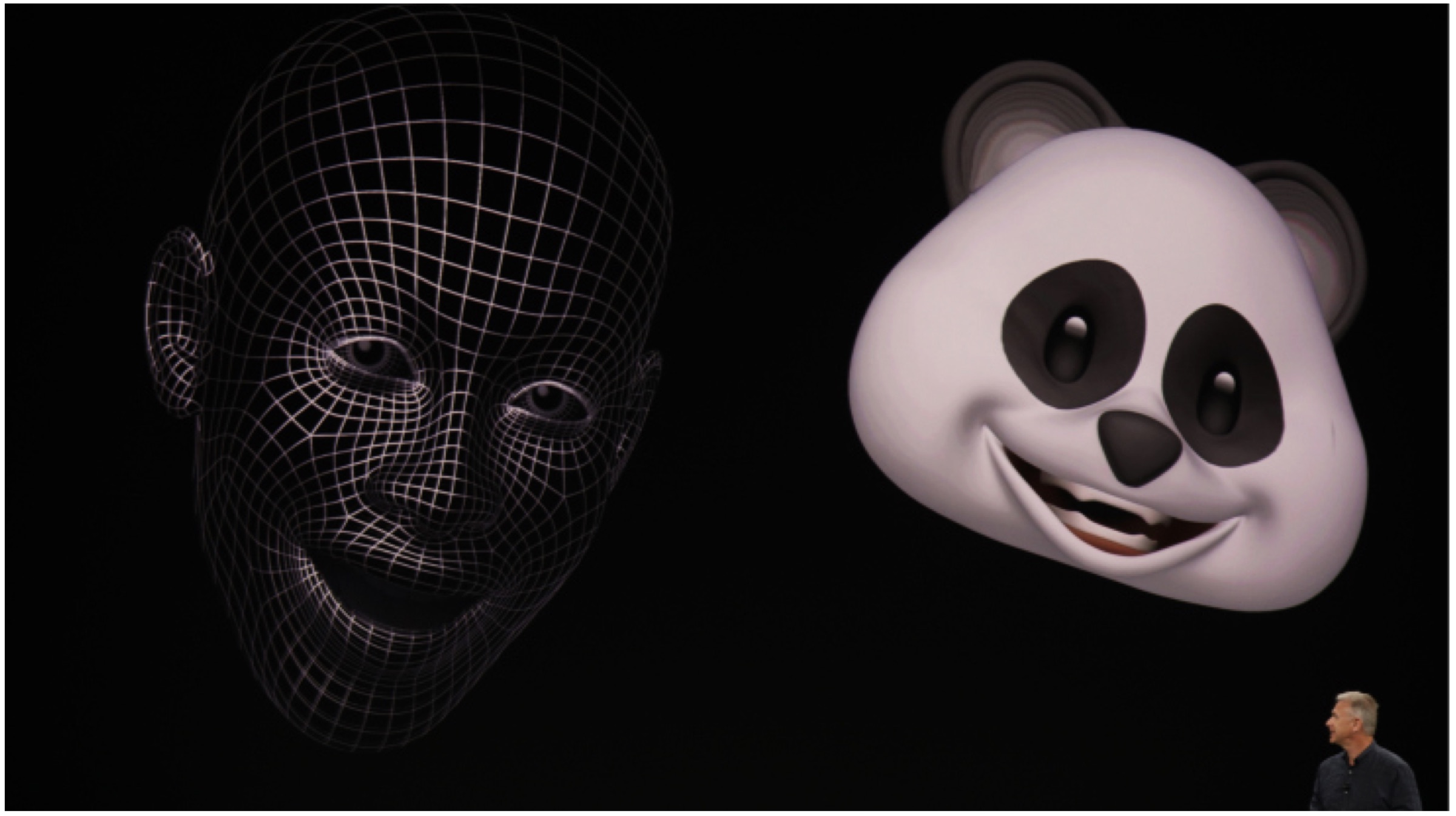
    The iPhone X’s Animoji feature, meanwhile, lets people transform their face into customised moving emoji. This is done using Apple’s face recognition technology. Apple tried to put a “fun and quirky” twist on its new flagship smartphone but, this suit couls cause some troubles to the American tech giant. The lawsuit alleges that because both the Animoji app and the iPhone X feature are on Apple’s platforms, and because both involve motion animation, the court should rule one out.

    According to the suit, Apple knew about Emonster’s ownership of the Animoji trademark since the app is in the Apple Store. Apple allegedly offered to buy the trademark, and when that didn’t work out, it kept using the name anyway. Emonster is seeking an undisclosed amount of money in damages and a court order to block Apple from continuing to use the name “Animoji” with immediate effect.

    It is reported that Emonster has owned the trademark for Animoji since 2015, Apple filed a petition in September 2017 to cancel the trademark, so the registration is now under review. Apple said that because of a filing error, Emonster registered the trademark to a nonexistent business and therefore can’t actually own the trademark for ‘animoji’.

  • Portrait Mode May Be Coming To Samsung Galaxy S8 With A Future Update

    Portrait Mode May Be Coming To Samsung Galaxy S8 With A Future Update

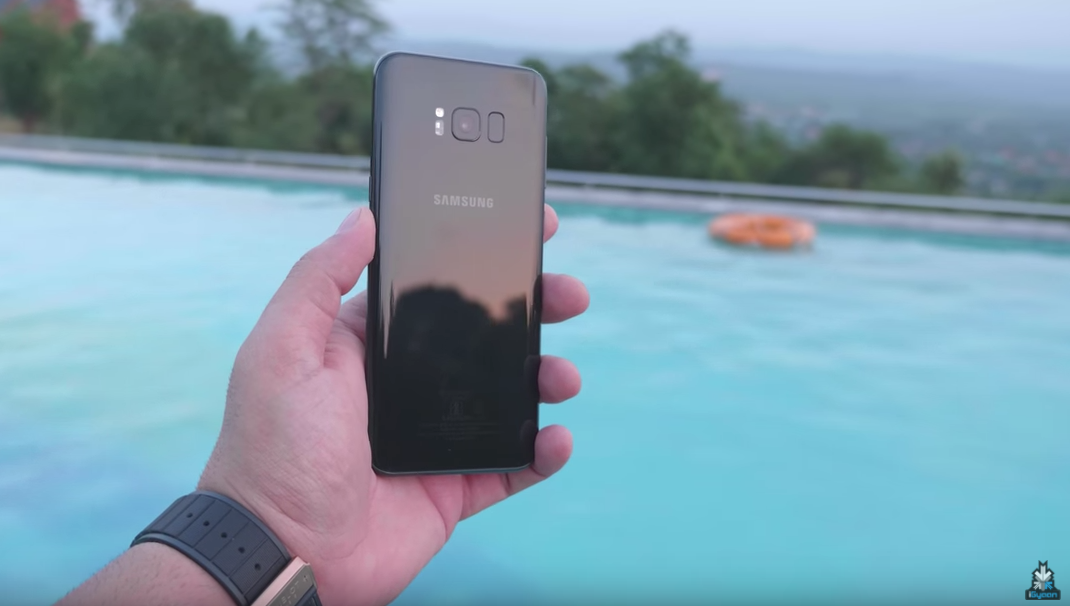
    The portrait mode on smartphones is the new rage. Every new flagship phone is almost entirely judged by how good the camera is and how good the portrait mode is nowadays. Smartphone makers went the dual-camera route in order to create that bokeh effect but, Google showed that great software can do just the right amount of work in a camera with the Google Pixel 2 and Pixel 2 XL. Now, there are reports that Samsung wants to keep its flagship S8 and S8+ relevant, and a ‘portrait mode’ might be added with future updates.

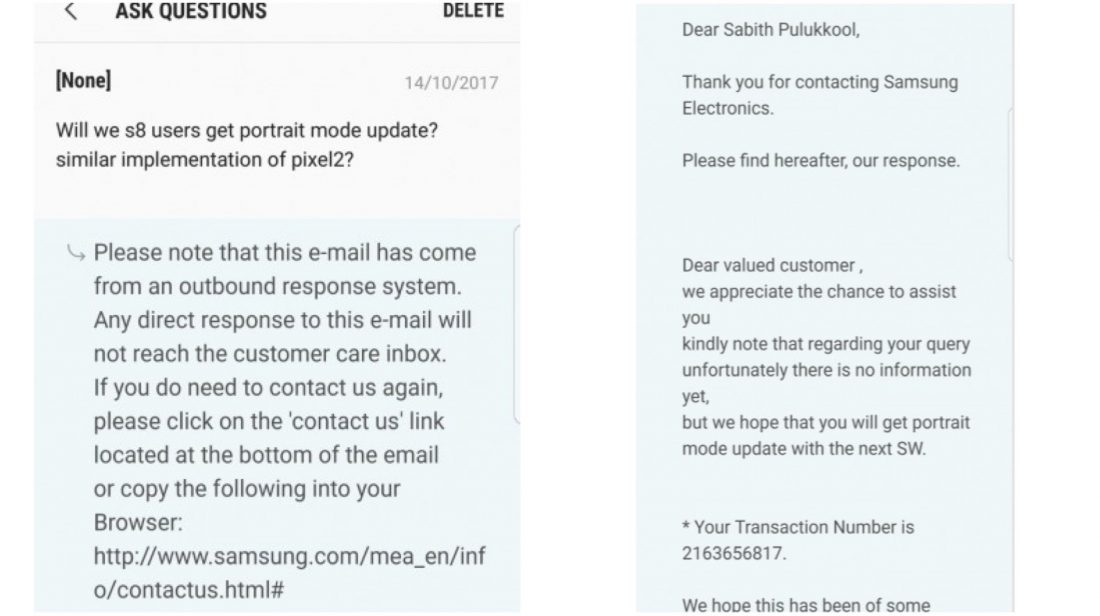
    When Samsung Galaxy S8 was launched in early 2017, the dual-camera craze was just starring to pick up and it as understandable why Samsung stuck to a single camera setup on it flagship smartphone. A customer inquired if such a feature is inbound and the response from Samsung Electronics support read: “there is no information yet, but we hope that you will get portrait mode update with the next SW”. The usual support responses would have only contained the first part, but this one not only suggested that the feature is a possibility, but also gave hope that it’s just around the corner.

    Samsung Galaxy S8 and S8+ lack a telephoto lens but, can achieve this feature with software, just like the Pixel 2 smartphones. There are no details as to when the software update will come but, since the Android 8.0 Oreo update is around the corner, Samsung might just add this feature in the next big software update.


  • Moto X4 To Be Launched In India On November 13th

    Moto X4 To Be Launched In India On November 13th

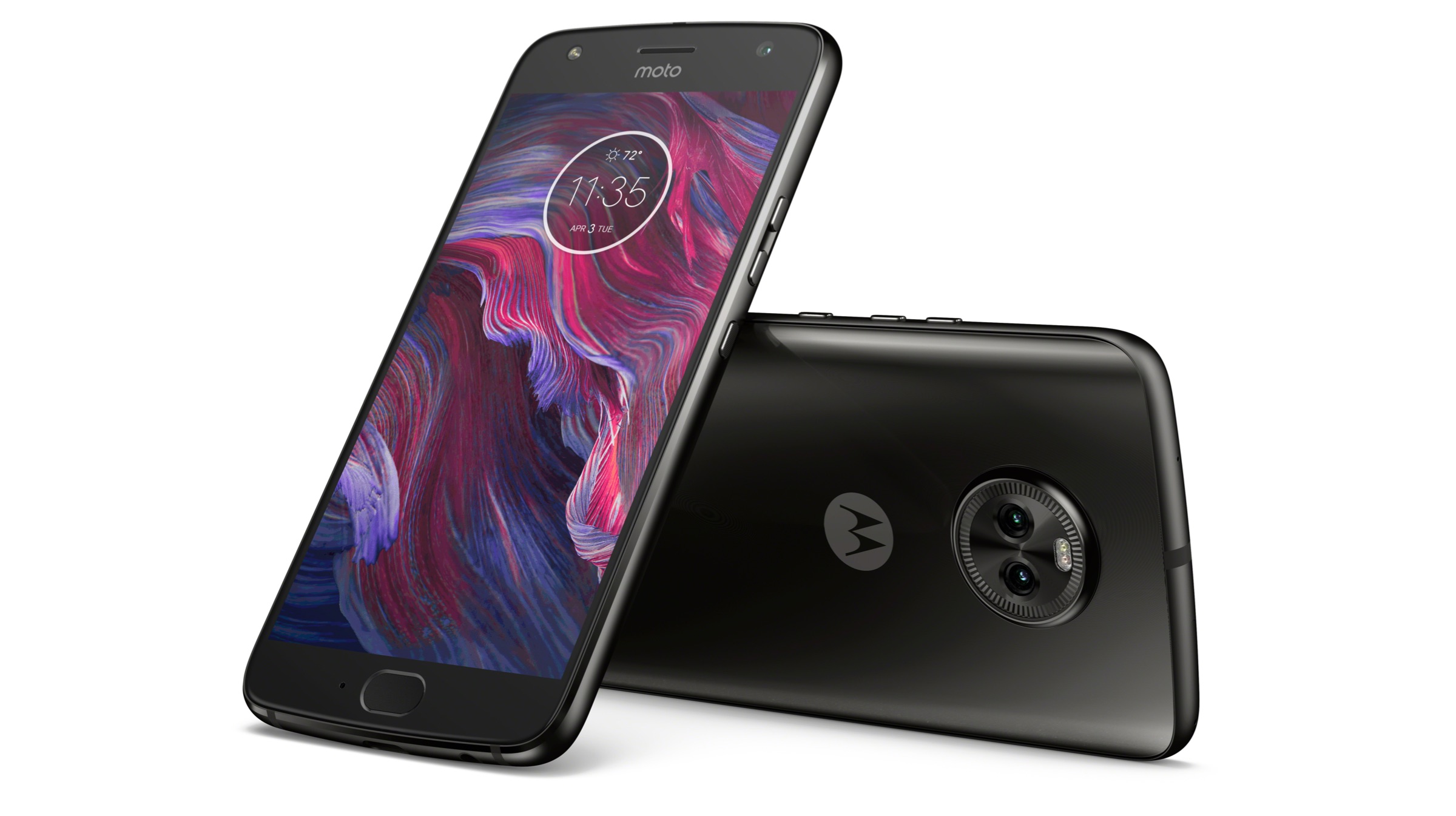
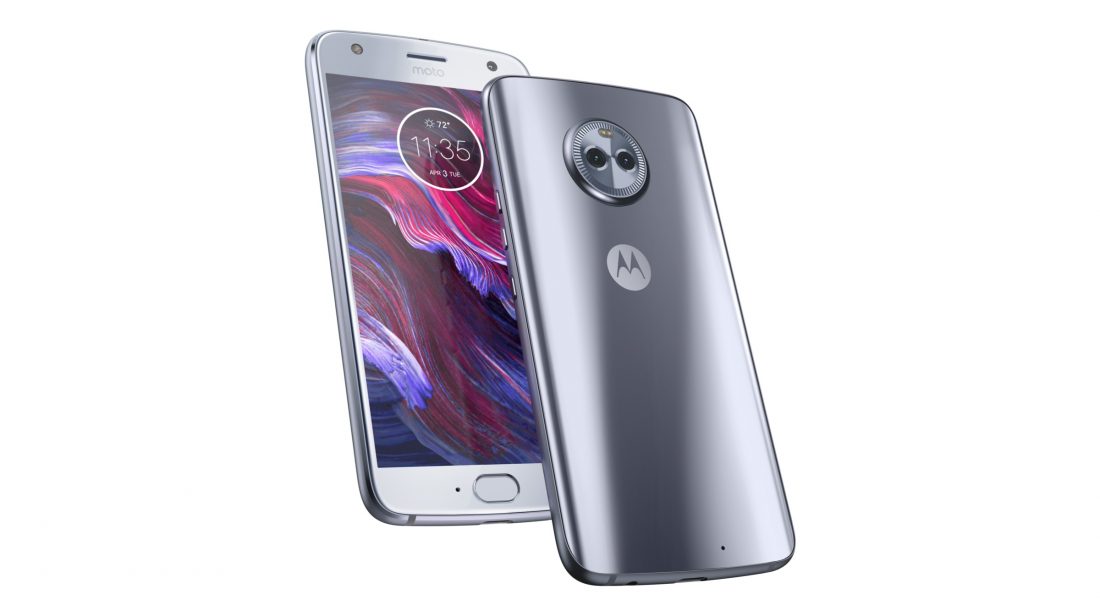
    After unveiling the Moto X4globally during the IFA 2017, Motorola was all set to launch the smartphone in India on 3rd of October. That didn’t happen and no information was given regarding the delay. The Motorola India Twitter account has now announced that the Moto X4 is all set to be launched on 13th of November. More details about the launch will follow suit.

    The Moto X4 has a 5.2 inch 1920 x 1080 px IPS LCD display with Corning Gorilla Glass on top for protection. The smartphone runs stock Android 7.1.1 Nougat and is powered by a 3,000 mAh battery with TurboCharge capabilities. Motorola recently announced that the Moto X4 will receive an update to Android 8.0 Oreo by the end of the year. The company claims that the 15 mins of charge can give up to 6 hours of talk time. The Moto X4 has the Qualcomm Snapdragon 630, 2.2 GHz octa-core processor and Adreno 508 GPU, along with 3GB RAM and 32GB onboard storage which can be expanded up to 2TB via microSD card. The phone has an IP68 rating for water and dust resistance.

    The new smartphone will also feature Alexa, the Amazon AI voice assistant. This isn’t the first time that Alexa has made its way onto a smartphone, the Huawei Mate 9 was the first smartphone to feature the voice assistant. Since then, we have also seen Alexa make its way to the HTC U11.The 4 in Moto X4 signifies that the new smartphone will be able to share the sound with up to 4 devices, thanks to the presence of Bluetooth 5.0.

    The Moto X4 has a dual-camera setup at the back. The main camera is a 12MP sensor with an f/2.0 aperture, and the 8MP secondary camera with an f/2.2 aperture is equipped with a wide-angle lens. The dual-cameras allow users to have depth effect shots, bokeh effect shots, ultra-wide angle shots, and selective focus shots. On the front of the device is a 16MP camera with an f/2.0 aperture and an LED flash. The cameras record 4K videos at 30 FPS.

    The Moto X4, is expected to be priced at around Rs 25000 even though its European price is higher. The promotional poster doesn’t give away any other information but, the smartphone is expected to go on sale on Amazon and Motorola’s recently launched Moto Hub retail stores.


  • All WiFi Devices Vulnerable To KRACK Attacks

    All WiFi Devices Vulnerable To KRACK Attacks

    Security researchers claimed to have found severe vulnerabilities in WPA2 ( WiFi Protected Access II). This is an extremely popular security protocol, so much so that it used by almost every WiFi device on the planet. The vulnerabilities can allow anyone near your your router to access the WiFi traffic being sent through it.

    There is a dedicated website called krackattacks.com, named after the proof-of-concept attack called KRACK (Key Reinstallation Attacks). Researcher Mathy Vanhoef of imec-DistriNet, KU Leuven.

    Concretely, attackers can use this novel [KRACK] attack technique to read information that was previously assumed to be safely encrypted. This can be abused to steal sensitive information such as credit card numbers, passwords, chat messages, emails, photos, and so on. The attack works against all modern protected Wi-Fi networks.

    The attack targets WiFi clients using WPA2, and compromises the encryption protocol used for communicating with the router. Once this is done, any data or information that the victim transmits can be decrypted. He adds that the attack is exceptionally devastating against Linux and smartphones running Android 6.0 or higher, though devices running Apple’s mobile and desktop operating system, Windows, OpenBSD etc. are all vulnerable, too. To protect yourself against attacks, it’s Wi-Fi clients like laptops, smartphones, smart home devices, and the likes, will need to install security updates.

    Our main attack is against the 4-way handshake, and does not exploit access points, but instead targets clients. So it might be that your router does not require security updates

    The vulnerabilities have been assigned Common Vulnerabilities and Exposures (CVE) identifiers: CVE-2017-13077, CVE-2017-13078, CVE-2017-13079, CVE-2017-13080, CVE-2017-13081, CVE-2017-13082, CVE-2017-13084, CVE-2017-13086,CVE-2017-13087, and CVE-2017-13088.

  • Apple Has To Pay US$439.7 Million For Patent Infringement

    Apple Has To Pay US$439.7 Million For Patent Infringement

    Apple has been dealt with a US$439.7 million fine for apparently infringing four patented technologies of VirnetX used in FaceTime and other iOS apps. While this is the final judgment from the US District Court, Apple has plans to appeal the ruling which will prolong the legal battle which began back in 2012.

    Legal battles between these two companies has been a back and forth tennis match since 2010. VirnetX first filed suit against Apple in 2010, winning US$368 million two years later. It then sued Apple again in 2012, which is the suit that was being ruled on this time.  Apple initially lost the suit, and then filed for a mistrial. It won a new trial, lost that trial, and was ordered to pay around US$300 million, then lost some more money and is now having that amount increased even further. This happened because a judge found Apple guilty of wilful infringement, bumping its payment amount from US$1.20 per infringing Apple device to US$1.80 per device. In response to the ruling, VirnetX has said that this was a “reasonable amount.”

    US$440 million might not be a huge amount for Apple and the money involved is certainly not the reason behind Apple’s effort to appeal against the judgement. VirnetX has been known to make money out of filing patent infringement suits. The company’s SEC filing states, “Our portfolio of intellectual property is the foundation of our business model.”

    Legal battles seem to be following Apple nowadays. Qualcomm recently filed a lawsuit against Apple in China in an attempt to stop manufacturing and sales of iPhones in China. China is the largest smartphone market in the world and this lawsuit has come at an extremely crucial time as the company gears up for the sales of the iPhone X.

  • HTC To Announce New Smartphones On 2nd Of November

    HTC To Announce New Smartphones On 2nd Of November

    HTC is hosting an event on 2nd of November in Taiwan and sent out invitations to local media which might hint towards what is possibly coming.

    As can be seen in the event invite, the large “U” at the top might be a hint towards new smartphones which could will be a part of HTC’s U lineup. Over the past few weeks, there have been several leaks suggesting that HTC is working on two smartphones: a mid-range device for Google’s Android One program, and a flagship device which will succeed the HTC U11. It is not clear whether both the phones will be unveiled on 2nd of November or not.

    The mid-range Android One smartphone could be called the U11 Life. The smartphone will have a 5.2-inch display, a Snapdragon 630 chipset, and 16MP cameras on the front and back. It is expected to be launched in two variants, one with 3GB of RAM and 32GB of storage and another with 4GB of RAM and 64GB of storage. Leaked images suggest the smartphone will have a shiny blue back which has become a HTC signature. The price is expected to be around US$400 (Rs 26000 approx.), which will be on par with another Android One device, the Moto X4.

    The flagship smartphone is expected to be called the U11 Plus and will be the bigger and better version of the HTC U11. The smartphone is rumoured to have a 6-inch display, with a 2880 x 1440 resolution, and an 18:9 aspect radio. It is expected to have the Qualcomm Snapdragon 835 chipset, a 12MP rear camera, and IP68 water resistance. Just like the U11 Life, the U11 Plus will be launched in two variants, one with 4GB of RAM and 64GB of storage and another with 6GB of RAM and 128GB of storage. The specifications do sound very similar to the Google Pixel 2 XL but, it is becoming harder to differentiate between flagship smartphones by looking at just the specifications. One huge difference between the two phones will obviously be the HTC Sense UI and stock Android OS.

    In September, it was announced that a cooperation agreement between Google and HTC meant that HTC’s smartphone division was bought by Google for US$1.1 billion. iGyaan reported that despite the deal, HTC will continue making smartphones and the upcoming event will certainly lift the curtain over the next big thing in HTC’s portfolio.

  • Xiaomi Launches Redmi 5A With ‘8-Day Battery Life’

    Xiaomi Launches Redmi 5A With ‘8-Day Battery Life’

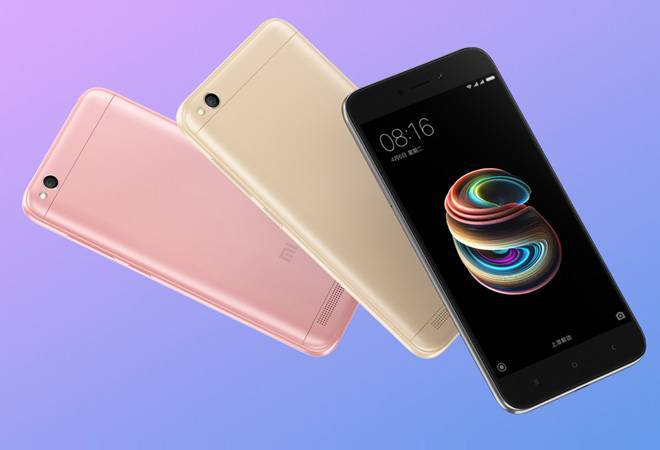
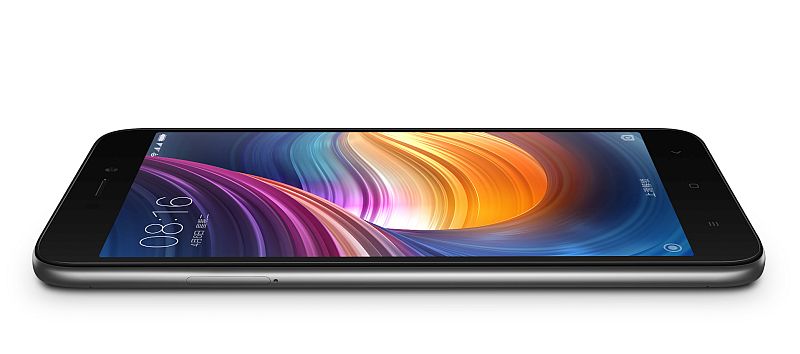
    Xiaomi has launched the successor to 2016’s Redmi 4A, the Xiaomi Redmi 5A in China. Two selling points of the new Redmi 5A according Xiaomi are its ‘8-Day battery life’ and the fact that it weighs only 137 grams.

    The Redmi 5A isn’t a huge upgrade over its predecessor, the Redmi 4A. The Redmi 5A has a 5 inch LCD display with a 1280 x 720 px resolution. Just like the Redmi 4A, the new smartphone is also powered by the Qualcomm Snapdragon 425 chipset, quad-core CPU clocked at 1.4GHz, along with 2GB of RAM. There’s only one storage model announced at the time of its launch but, more storage and RAM variants are expected to be announced in the coming weeks. The current model has 16GB of onboard storage which can be expanded up to 128GB via microSD card. The dual-SIM Redmi 5A is powered by a 3000 mAh battery which seems to be a downgrade when compared to the Redmi 4A which packs a 3120 mAh battery. The device will run Android 7.1 Nougat out of the box with Xiaomi’s custom MIUI 9 skin on top.

    The Redmi 5A has a 13MP rear camera with an f/2.2 aperture, burst mode, panorama mode, HDR mode, and more. To the front is a 5MP camera with an f/2.0 aperture. The smartphone records 1920 x 1080 px videos.

    Xiaomi Redmi 5A is priced at CNY 599 (Rs. 6000 approx.), and will be available for pre-orders starting Monday in China. It will be available via the company’s official site as well as other e-commerce websites in China. There is no official word on the smartphone’s availability in other markets including India as of now.

  • New Snapdragon 636 Chipset Unveiled By Qualcomm

    New Snapdragon 636 Chipset Unveiled By Qualcomm

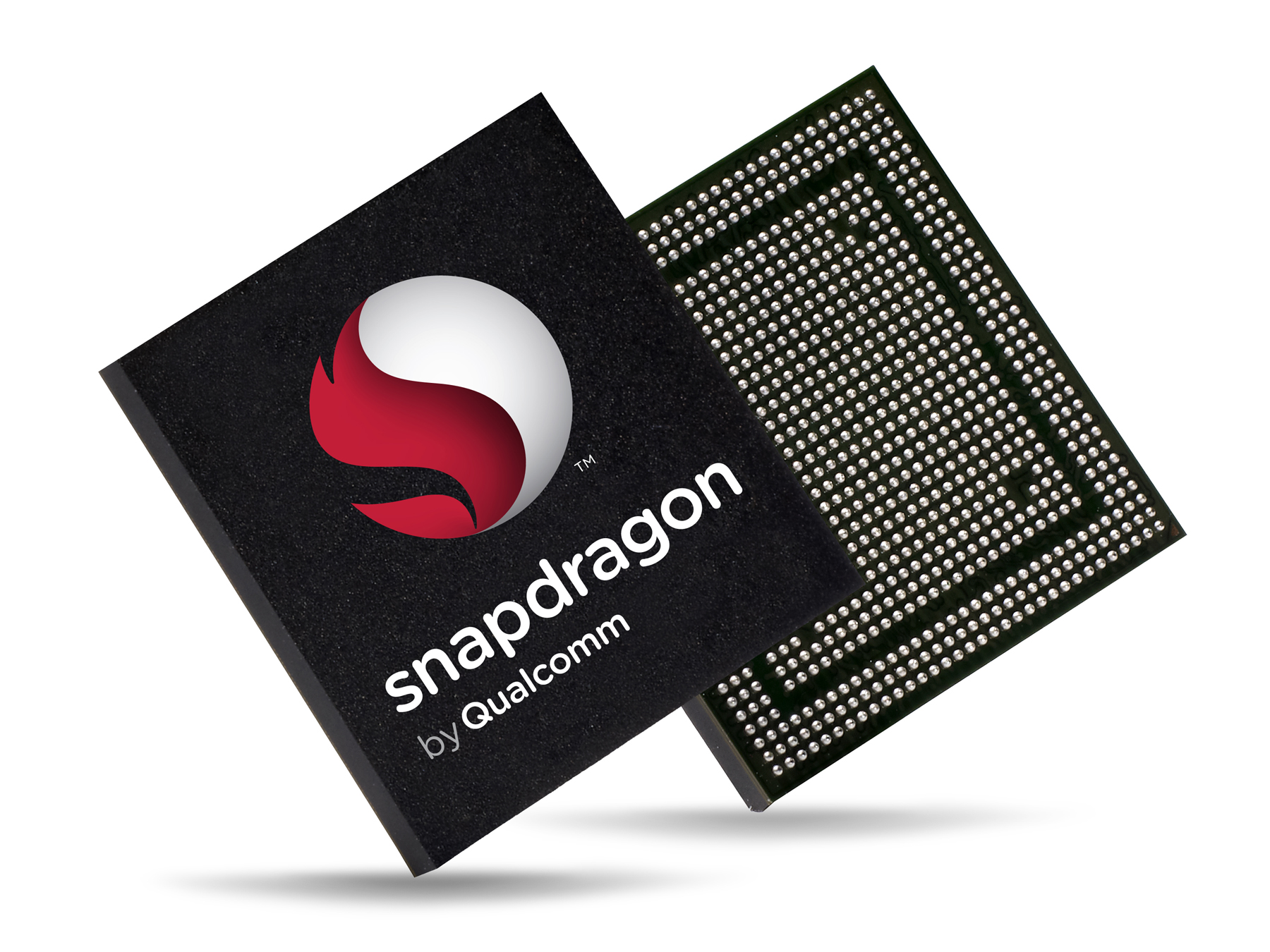
    Qualcomm has unveiled a new mid-range chipset, the Qualcomm Snapdragon 636. The standout point with this chipset is the introduction of Qualcomm’s Kirin 260 CPU cores into the Snapdragon 63X range, bringing additional CPU power to a lower cost chipset.

    Qualcomm says that the Kyro 260 arrangement in the Snapdragon 636 chipset will deliver a 40 percent performance improvement over the Snapdragon 630’s 2.2 GHz octa-core Cortex-A53 CPU arrangement. This change means that the 636 will also give users a little more CPU push than the 653 too, all at a lower price. In addition to the CPU changes, Qualcomm has also bumped up the GPU performance a tad with the introduction of an Adreno 509, up from the 508. This GPU provides about a 10 percent performance boost, however the Snapdragon 660 retains a performance advantage that gamers may be after.

    There’s a 14-bit Spectra 160 ISP with support for up to 24MP cameras, smooth zoom, and fast auto-focusing. The platform also comes with Qualcomm’s Aqustic audio codec, which supports 24-bit, 192 kHz audio playback.

    The chipset will be available in November of 2017.

    Specs Snapdragon 636
    CPU 4x Kryo 260 @ 2.2 GHz
    4x Kryo 260 @ 1.8 GHz
    GPU Adreno 509
    Co-Processors Hexagon, All-Ways Aware, Spectra 160
    LTE X12 LTE
    600 Mbps down,
    150 Mbps up,
    3x20MHz CA, up to 256-QAM
    Process  14 nm
  • Top Tech Lightning Deals During The Amazon Great Indian Festival Sale

    Top Tech Lightning Deals During The Amazon Great Indian Festival Sale

    The Amazon Great Indian Festival is on and lightning deals are a great way to save some bank on all the important tech you would need. iGyaan brings you the top tech lightning deals on Amazon right now.

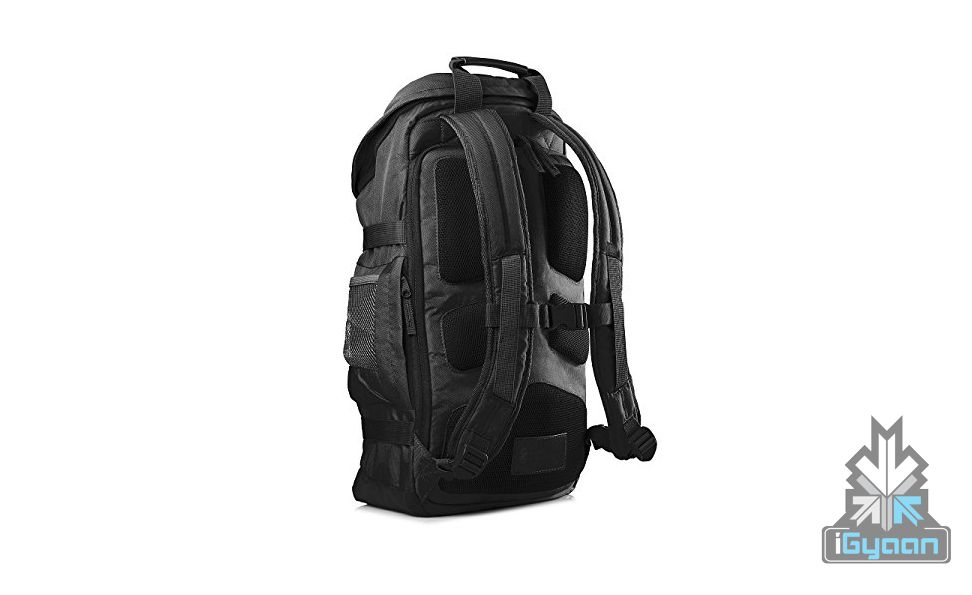
    HP Odyssey 15.6 Inch Laptop Backpack

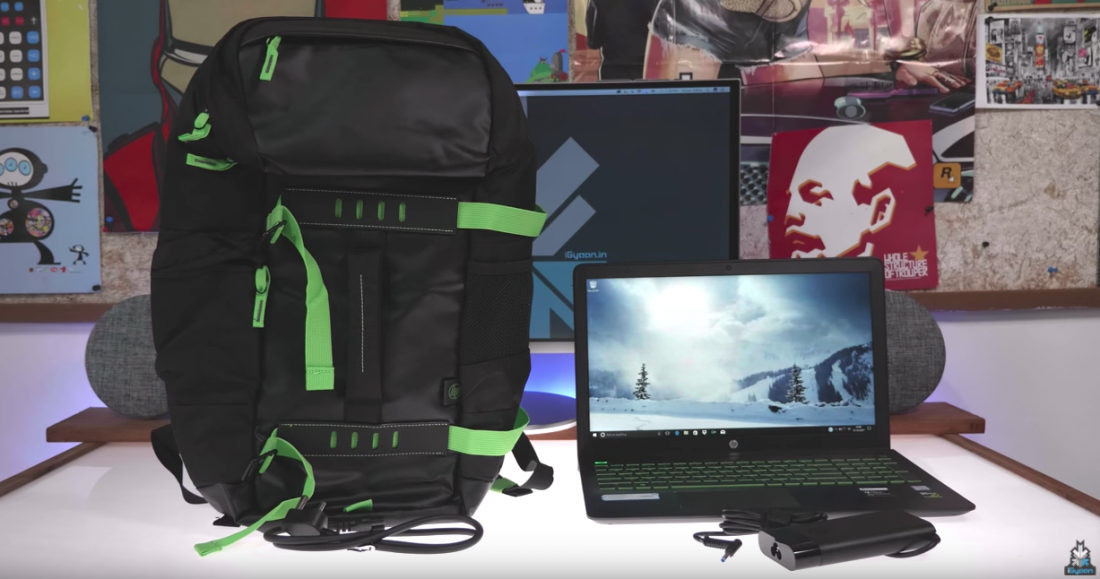
    If you are on the lookout for a new laptop backpack and are bored of the monotonous laptop bags, then take a look at this HP Odyssey laptop backpack. It has a green accent and a lot of compartments for all kinds of tech that you might carry. From your earphones to big headphones, thus bag will fit them all.

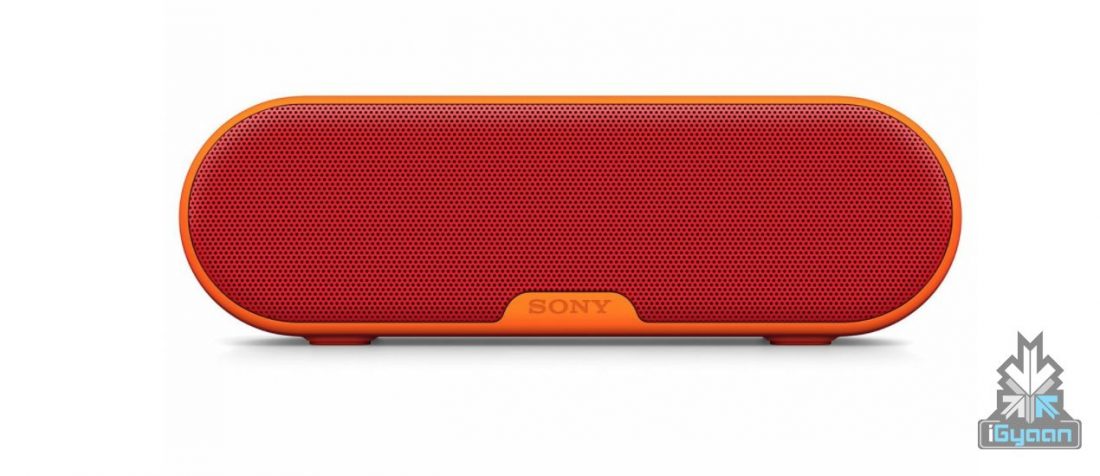
    Sony Extra Bass Bluetooth Speaker

    Available in six different bright colours, the Sony bluetooth speaker is ideal for an apartment and people who like that extra bass in their music. If you have NFC in your phone, you won’t have to go through the hassle of Bluetooth pairing as the speaker has NFC support. It has an audio wattage of 20W and a battery back of up to 10 hours of music playback.

    Fitbit Charge 2

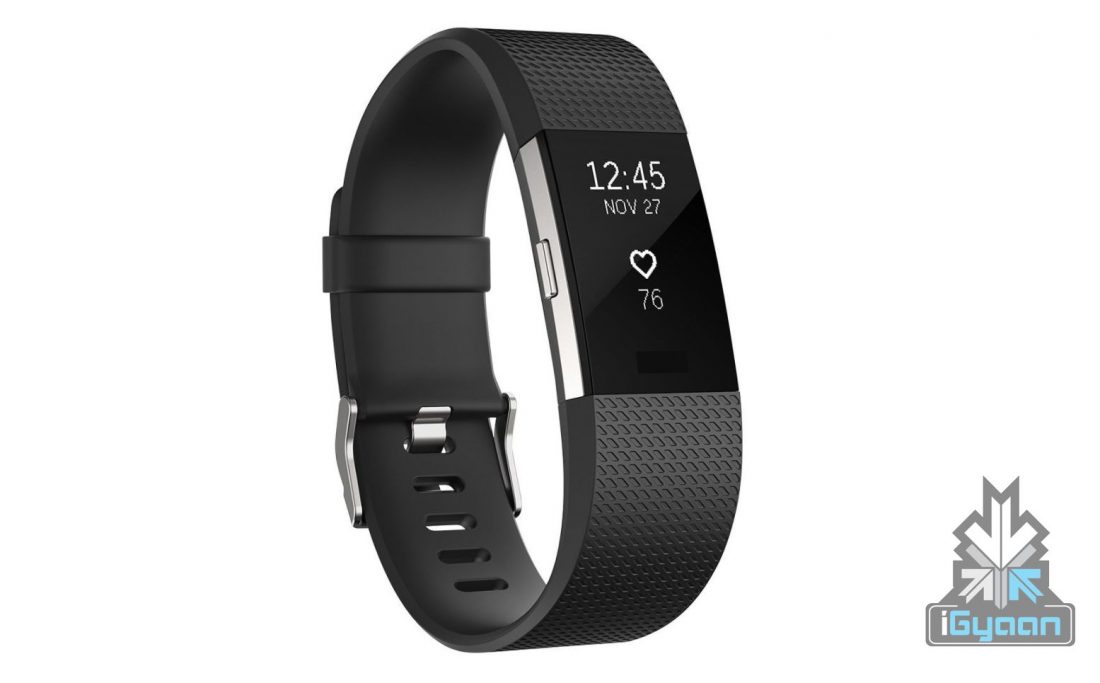
    If you are into fitness or are trying to get serious about fitness, then a fitness tracker always helps. The Fitbit Charge 2 at a price of Rs 9999 is a great deal. The Charge 2 monitors your heart rate, your calorie burn count and notifies you every time your phone rings. It is also available in 4 colours.

    Toshiba 2TB USB 3.0 Hard Drive

    The Toshiba Canvivo 2TB hard drive is ideal for you if you’re on the lookout for a storage expansion option which is portable. The Toshiba hard drive has high transferring speeds since it is USB 3.0 and weighs about 80 grams more than an iPhone 8 Plus making it easy to carry around.

    1More Piston Earphones

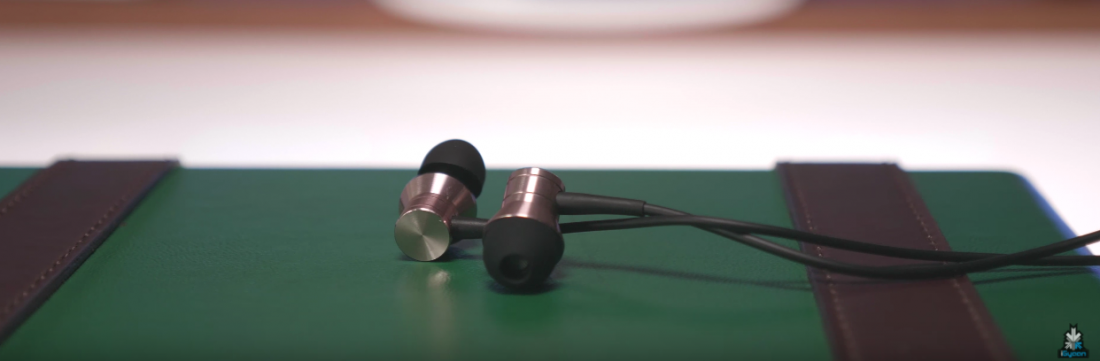
    The 1iMore earphones are sturdy, look premium for a price of Rs 999 and have tangle-resistant cables. The sound is bass-heavy and the fit comfortably in the ears. If you are looking for a budget-friendly pair of earphones which offer a bass-heavy sound, the 1More earphones are worth a shot.


  • Unboxing The HP Pavillion Power 15

    Unboxing The HP Pavillion Power 15

    The new HP Pavillion Power 15 is a premium priced laptop which retails with a HP Odyssey backpack. Let’s un-bag the new Pavillion Power 15 and see what we get inside:

    • The Pavillion Power 15 laptop
    • Fast charger
    • Warranty card
    • Documentation

    The HP Pavillion Power has a matte black finish and a large HP logo in the middle as usual. The laptop has a green accent and that continues on the keyboard as well which has a green back light. The speaker grille is placed above the keyboard. The track pad is large and made out of glass which is easy to use and has good pressure feedback.

    The HP Pavillion Power 15 starts at Rs 77000 and the one we have unboxed is priced at Rs 99000. The laptop is targeted at gamers and professional content creators because of its power packed specifications.


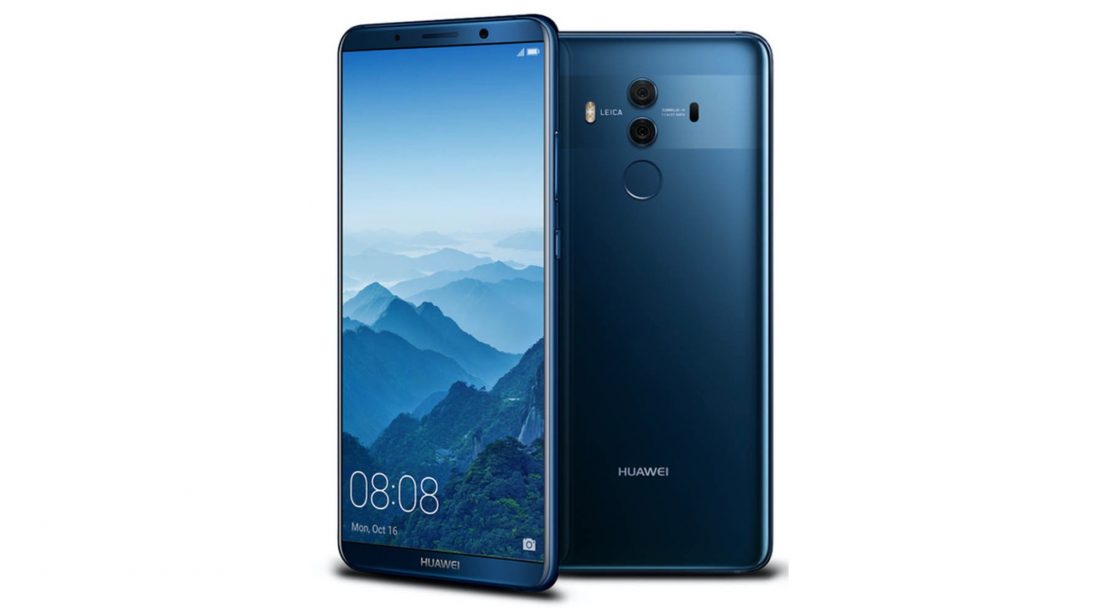
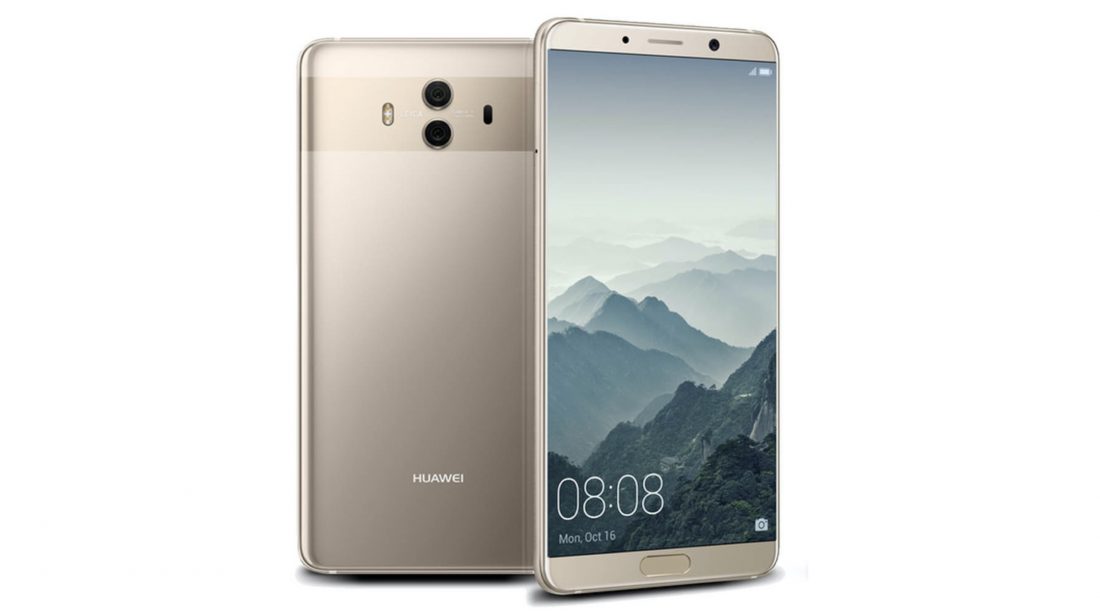
  • Huawei Launches The New Mate 10 And Mate 10 Pro

    Huawei Launches The New Mate 10 And Mate 10 Pro

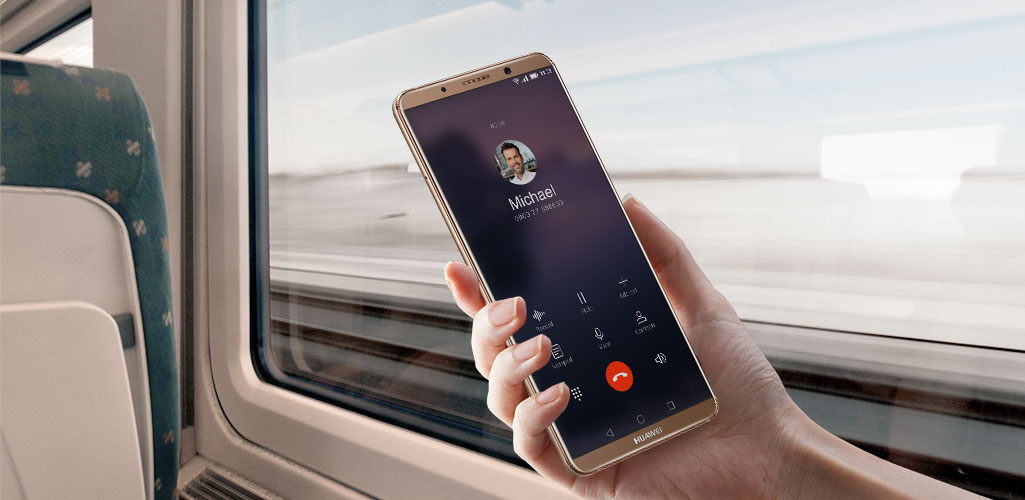
    Huawei has finally launched the much awaited Mate 10 and Mate 10 Pro at an event in Munich on the 16th of October. After several weeks of rumours and leaks, the two phone have been officially unveiled as the new marquee smartphones from the Chinese smartphone maker. Huawei has focussed on the next big thing in smartphones, Artificial Intelligence. Such is the level of Huawei’s commitment to Ai, that it wants to call the two phones, “intelligence machines.”

    The Huawei Mate 10 Pro and Mate 10 differ in quite a few areas from its predecessors. In place of a matte metal finish is a glossy glass back with a horizontal inch-high gray stripe under the cameras.

    Huawei Mate 10 Pro

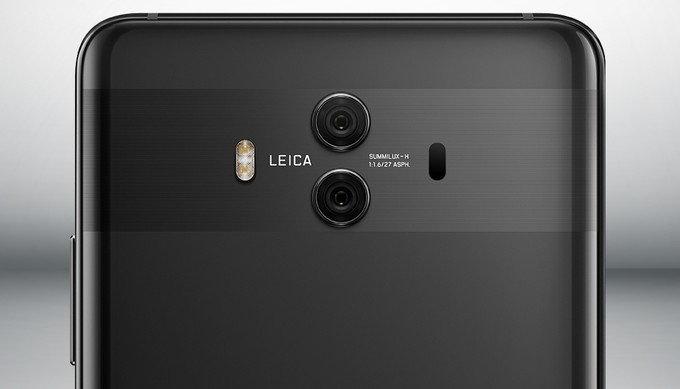
    The Mate 10 Pro has a 6 inch OLED display with a 2160 x 1080 px resolution. It is powered by a 4000 mAh battery and runs Android 8.0 Oreo with EMUI 8 out of the box. Under the hood, the Mate 10 Pro has the new Kirin 970 chipset, 6GB RAM and 128GB onboard storage which can not be expanded. Thin bezels mean the fingerprint sensor is placed at the back just below the vertically placed Leica branded dual-camera setup. The Kirin 970 includes what Huawei is calling an NPU, or neural processing unit, which is designed to handle tasks related to AI and deep learning. One of the biggest claims is that Huawei’s AI processing will be able to significantly reduce the phone’s performance degradation over time, which the company has identified as a major problem with Android devices in general. A notable omission is that of the 3.5mm headphone jack which is becoming a norm nowadays.

    The Leica branded dual-camera setup at the back includes a 20MP RGB sensor and a 12MP monochrome (black and white) sensor. Both the sensors have an f/1.6 aperture, are “designed to gather additional luminance information and detail” and capture 4K videos at 30fps. On the front is an 8MP camera with an f/2.0 aperture. The phone will be available in 4 colour variants, Midnight Blue, Titanium Gray, Mocha Brown, and Pink Gold.

    The Porsche edition of the Mate 10 Pro will be available in a Diamond Black colour and has 256GB of onboard storage. Rest of the specifications remain the same as the Mate 10 Pro.

    Huawei Mate 10

    The Huawei Mate 10 is the “smaller” sibling of the two and has a 5.9 inch LCD display with a 2560 x 1440 px resolution. Under the hood, the Mate 10 has the chipset and processor. The Mate 10 Pro has 4GB of RAM, and 64GB onboard storage which is expandable via microSD card. The fingerprint sensor on the Mate 10 is placed on the front below the display. The phone will be available in Mocha Brown, Black, Champagne Gold, and Pink Gold colour variants. The camera setup is the same as the one found on the Mate 10 Pro.

    Huawei has set European pricing at €699 (Rs 53000 approx.) for the Mate 10, €799 (Rs 61000 approx.) for the Mate 10 Pro, and a staggering €1,395 (Rs 106549 approx.) for the Porsche Design Mate 10 Pro.


  • Android Oreo Update For OnePlus 3, 3T Beta Testers

    Android Oreo Update For OnePlus 3, 3T Beta Testers

    When Android 8.0 Oreo was officially announced, OnePlus was one of the first few smartphone makers to announce its imminent availability to it smartphone portfolio. Now, OnePlus has rolled out the Open Beta build based on Android 8.0 for the OnePlus 3 and OnePlus 3T devices, signalling a full-blown release isn’t too far away. OnePlus wrote:

    We are very excited to announce that we are ready to put out the first Open Beta build based on Android 8.0 for the OnePlus 3 and OnePlus 3T devices.

    The company also pointed out the issues pertaining to the beta build:

    Known issues:

    Fingerprint actions may be slower than you are used to.

    Shortcut to access Google Photos is unavailable

    Some stability issues with NFC and bluetooth Performance and compatibility of 3rd party apps will continue to be optimised

    Back in August, OnePlus subsequently announced that Android 8.0 Oreo will be OnePlus 3 and 3T’s last major software upgrade. This news didn’t go down too well for the owners of the two phones as they were launched recently in 2016 only. But, OnePlus continued its pattern of dropping support to its previous generation flagship phone and concentrate on the new and upcoming flagship smartphone.

    This news comes days after the company was exposed to be collecting personal data of its users. While the company has come out and said that users can disable this function, it has still left a blemish on the perception of OnePlus.

  • Top 5 Smartphones Under Rs 10,000 For This Diwali Season Shopping

    Top 5 Smartphones Under Rs 10,000 For This Diwali Season Shopping

    With the festival of Diwali upon us, there is no better excuse to treat yourself or your loved ones with a new smartphone. If your budget is Rs 10,000 and not a single penny more, then here is the only comprehensive list you’ll ever need this season.

    Lenovo K8 Plus
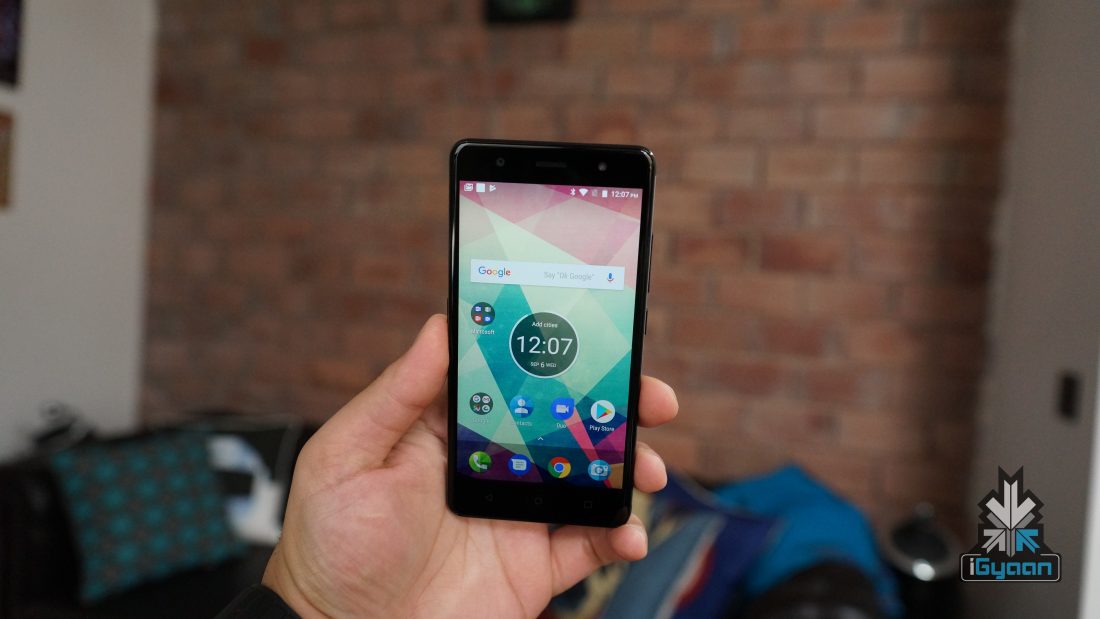
    This phone retails for Rs 10,999 for the 32GB storage variant but, you can buy it right now for Rs 8,999 during the Flipkart sale. The Lenovo K8 Plus has a 5.2 inch 1920 x 1080 px IPS LCD display with three touch capacitive navigation buttons below. Powering the device is a 4,000 mAh battery and it runs stock Android 7.1.1 Nougat. Under the hood, the smartphone has the MediaTek Helio P25 chipset, a 2.6 GHz octa-core processor, Mali T880 GPU, 3GB RAM with 32GB onboard storage which is expandable up to 128GB via microSD card. The device has an all metal unibody design and the fingerprint sensor sits at the back. The Lenovo K8 Plus sports a vertically placed dual-camera setup. One of the cameras is a 13MP Pure cell sensor mated with a 5MP Samsung BSI sensor dual camera with an f/2.0 aperture and dual LED flash. The smartphone is capable of depth effect shots, bokeh effect shots, and dual ISP images. On the front is an 8MP wide angle lens with an f/2.0 and an LED flash. Both the front and back camera record 1920 x 1080 px videos at 30 FPS.

    Xiaomi Redmi 4A
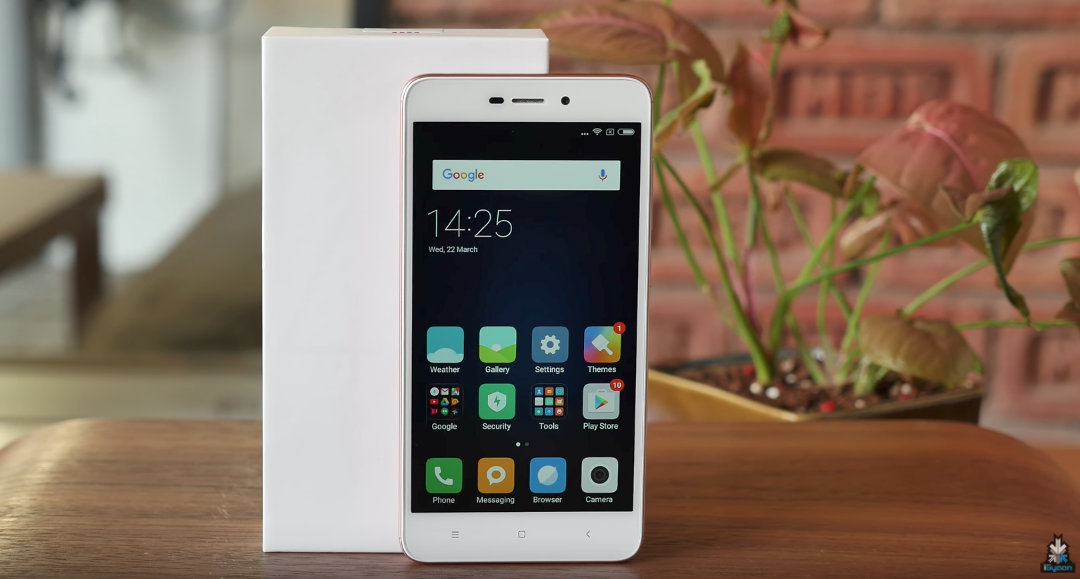
    With an excellent price-to-performance ratio, you can’t go too wrong with the Xiaomi Redmi 4A. At a price of Rs 6,999 it offers a Qualcomm Snapdragon 425 chipset with 3GB of RAM. Contrary to popular belief, you don’t always need 6GB or 8GB of RAM in a phone, 3GB can suffice if you are a light user or indulge in casual gaming. The smartphone has a 5 inch display with a 1280 x 720 px resolution. It has 32GB of onboard storage which can be expanded via microSD card. It is powered by a 3120 mAh battery and runs Android 6.0 Marshmallow out of the box with Xiaomi’s custom skin MIUI on top. The Redmi 4A has a 13MP rear camera with an f/2.2 aperture and PDAF. On the front of the device is a 5MP camera with an f/2.2 aperture.

    Motorola E4 Plus
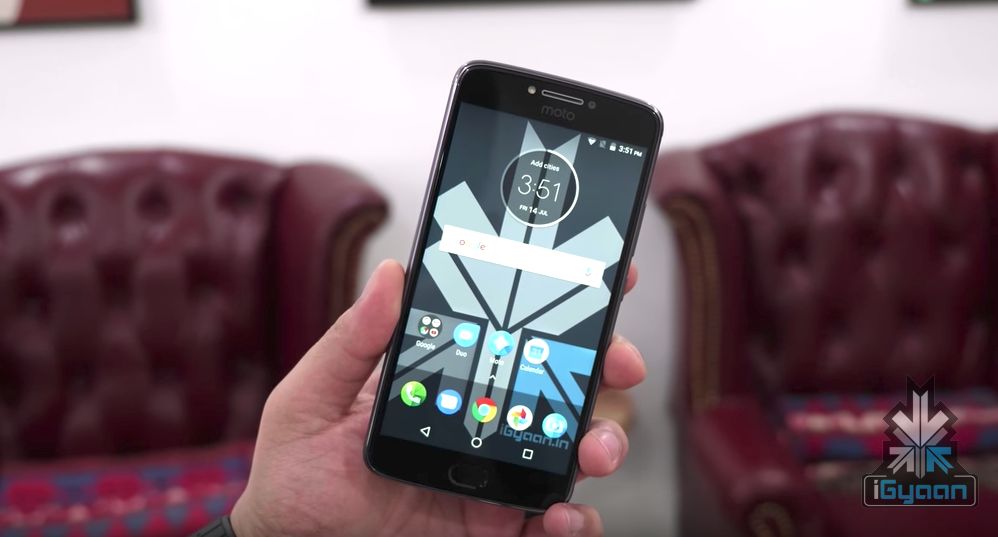
    If you are a fan of stock Android OS and a good battery life is your main priority, then you might want to consider the Moto E4 Plus. The device is powered by a massive 5000 mAh battery and runs Android 7.1 Nougat with very little customisation. The smartphone has a 5.5 inch LCD display with a resolution of 1280 x 720 px. Under the hood, the Moto E4 Plus has the MediaTek MTK6737, 3GB RAM, 32GB onboard storage which is expandable via microSD card. The Moto E4 Plus also has a fingerprint sensor which is housed inside the home button. It has a 13MP rear camera with an f/2.0 aperture and a 5MP camera with an f/2.2 aperture on the front.

    Samsung Galaxy On5
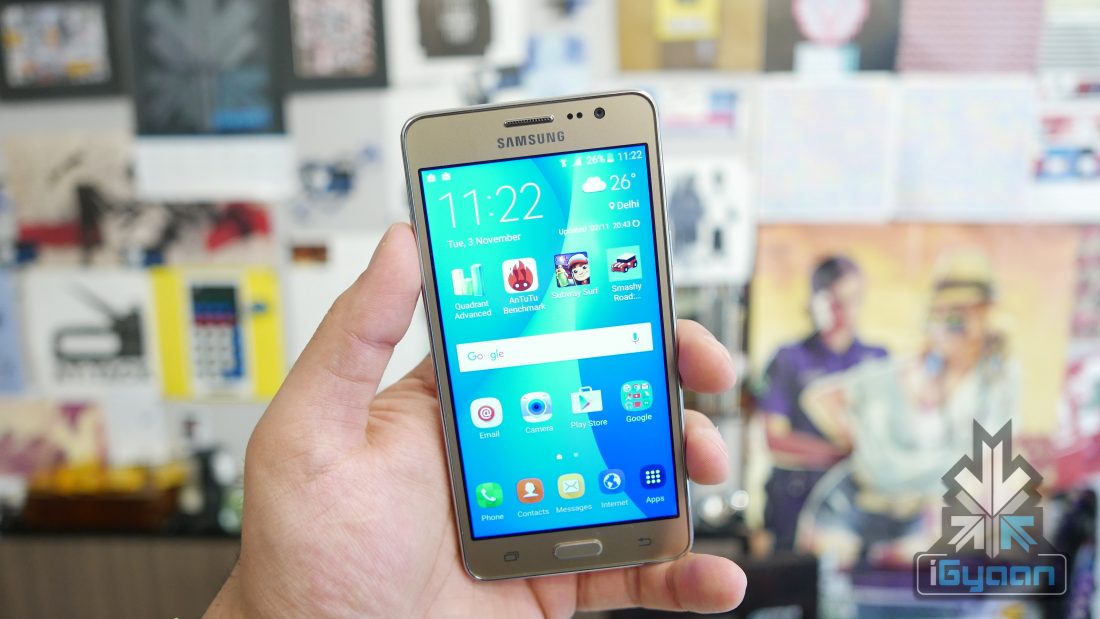
    Samsung Galaxy On5 is a budget offering from Samsung that has a 5-inch 1280 x 720 px display. It has a 1.3GHz Exynos quad core processor, 2GB RAM, and 16GB onboard storage expandable up to 128GB via microSD card. The device is powered by a 2600 mAh battery and runs Android 6.0 Marshmallow. 

    Xiaomi Redmi 4
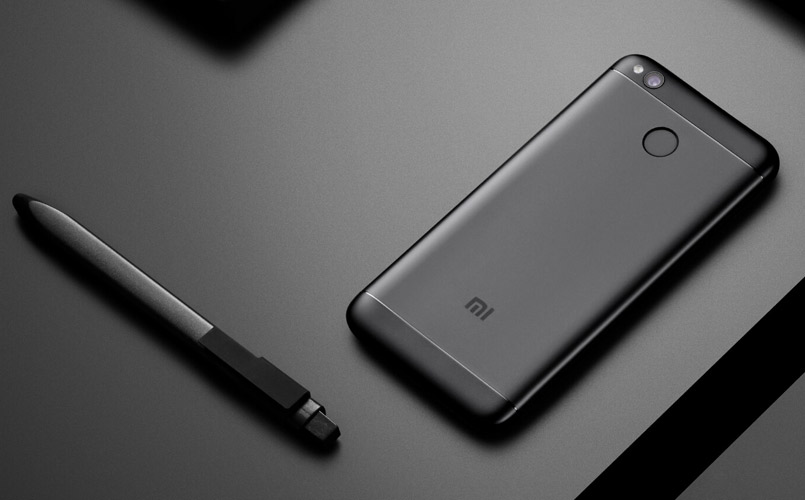
    If you really want a Xiaomi phone and want a fingerprint sensor as well, which is not available on the Redmi 4A, then the Redmi 4 is ideal for you. The Redmi 4 has specs identical to the Redmi 4A with a 5 inch 1280 x 720 px display. It is, however, powered by a much larger 4100 mAh battery and runs the same Android 6.0 Marshmallow out of the box with Xiaomi’s custom skin MIUI on top. The Redmi 4A has a 13MP rear camera with an f/2.2 aperture and PDAF. On the front of the device is a 5MP camera with an f/2.2 aperture. Under the hood, the smartphone has the same Qualcomm Snapdragon 425 chipset, 3GB of RAM, 32GB of onboard storage which is expandable via microSD card.



iGyaan Network
Privacy Overview

This website uses cookies so that we can provide you with the best user experience possible. Cookie information is stored in your browser and performs functions such as recognising you when you return to our website and helping our team to understand which sections of the website you find most interesting and useful.