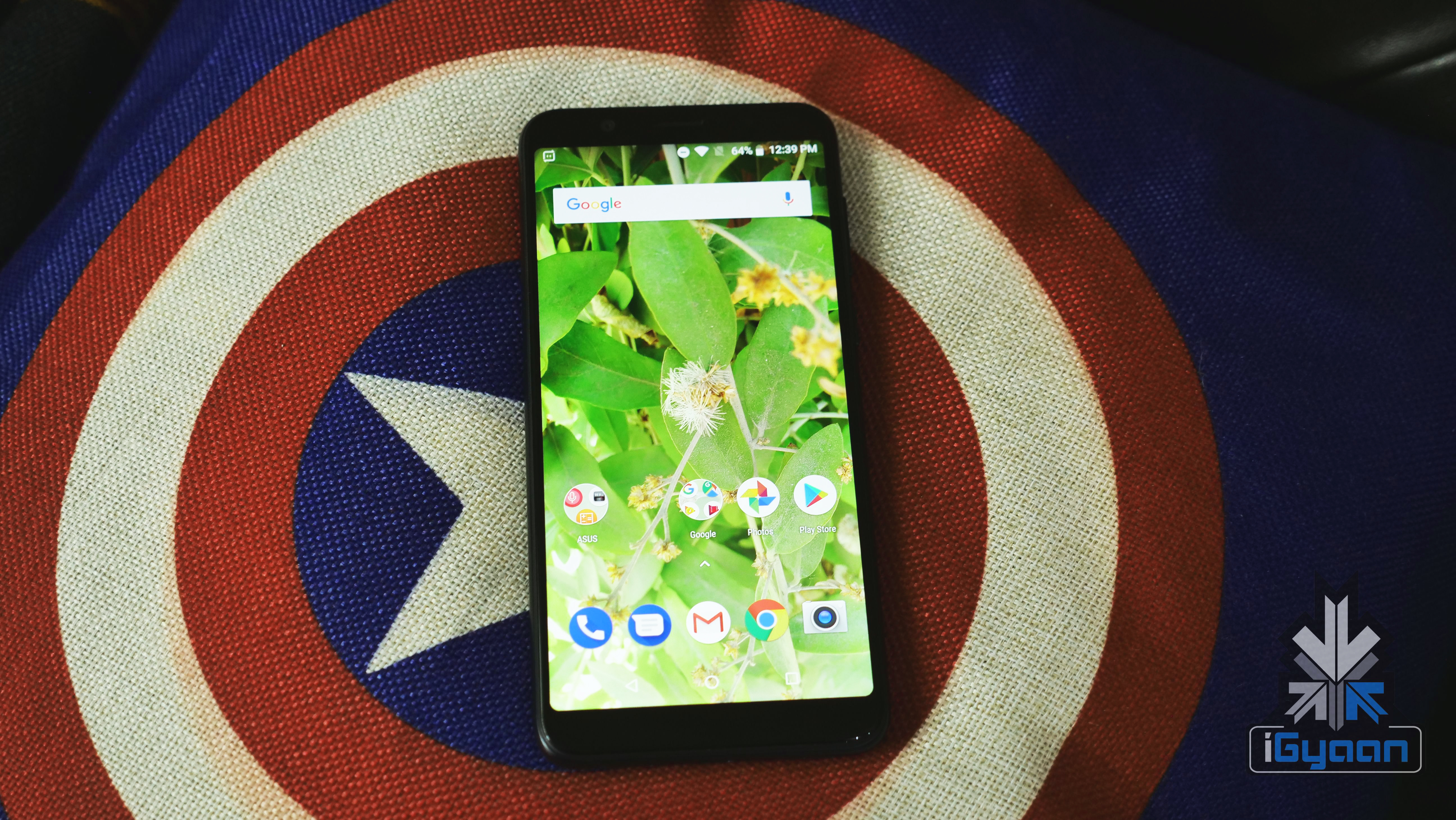
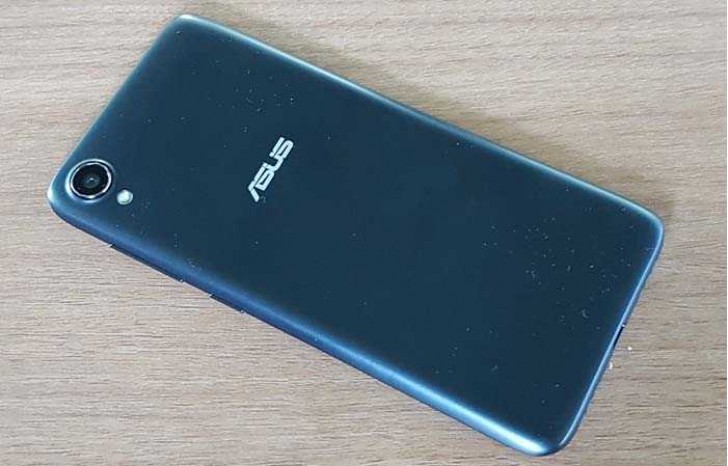
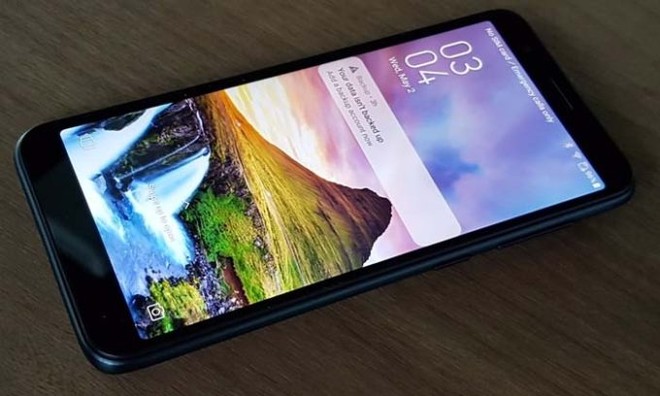
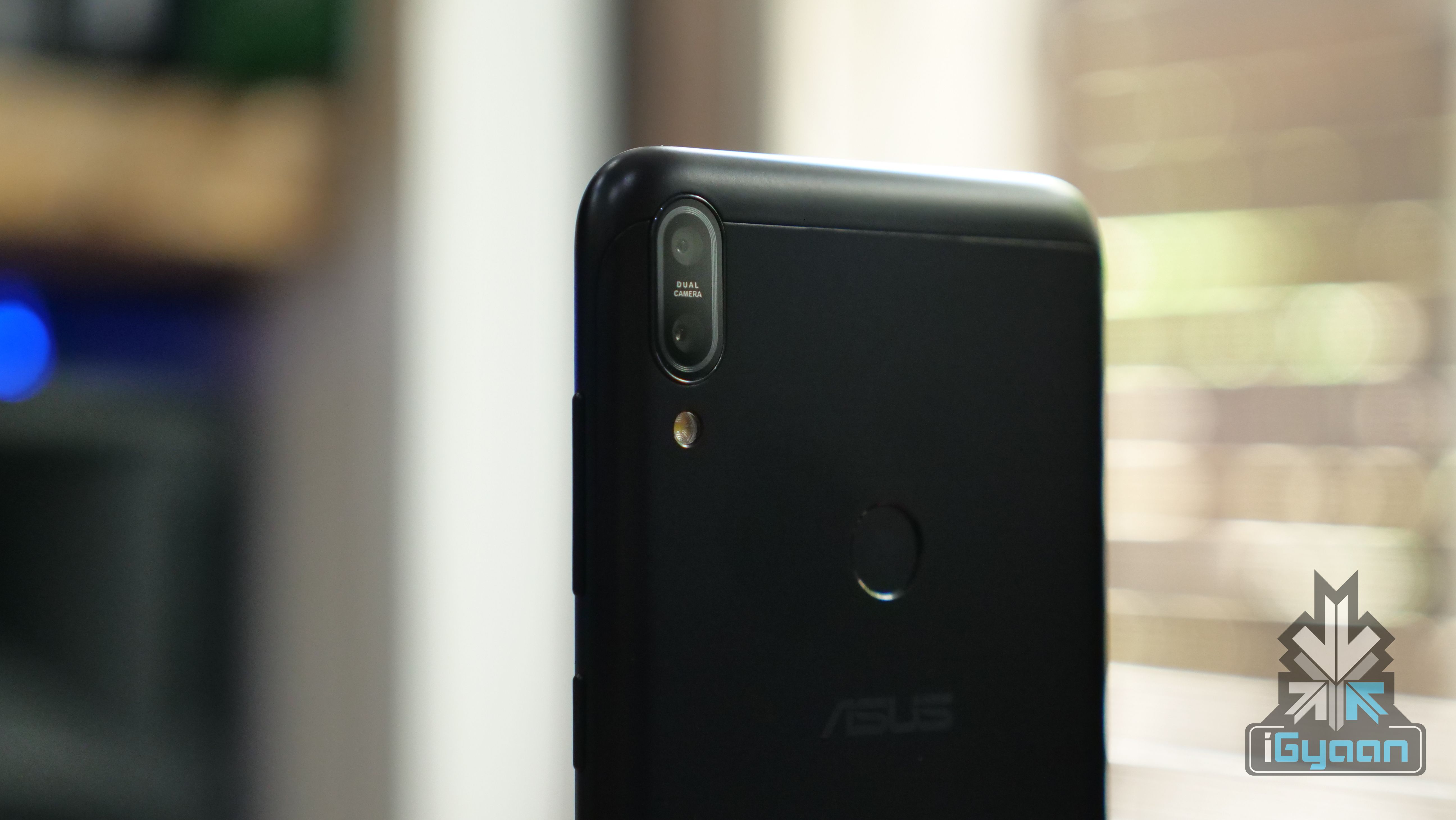
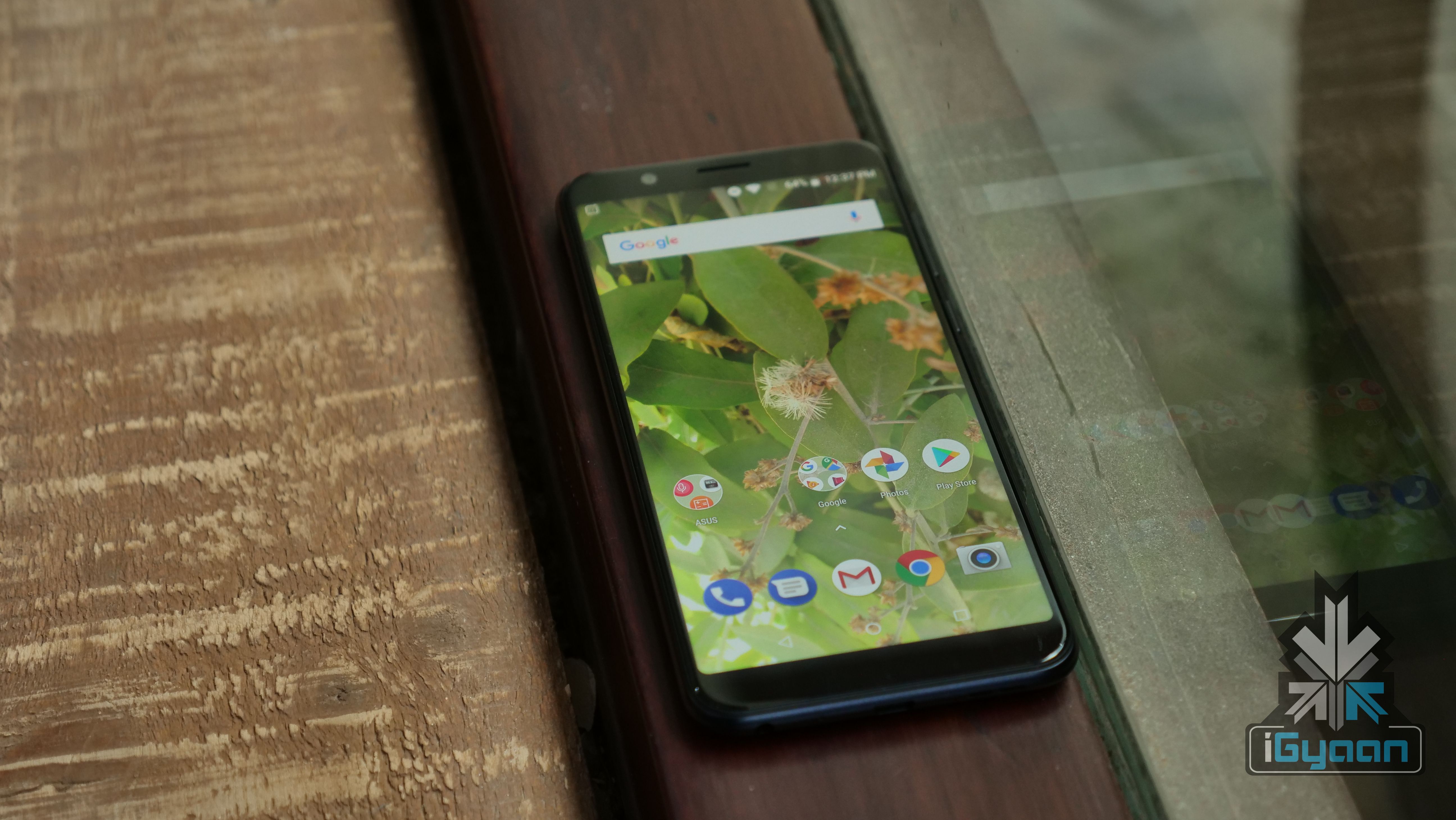
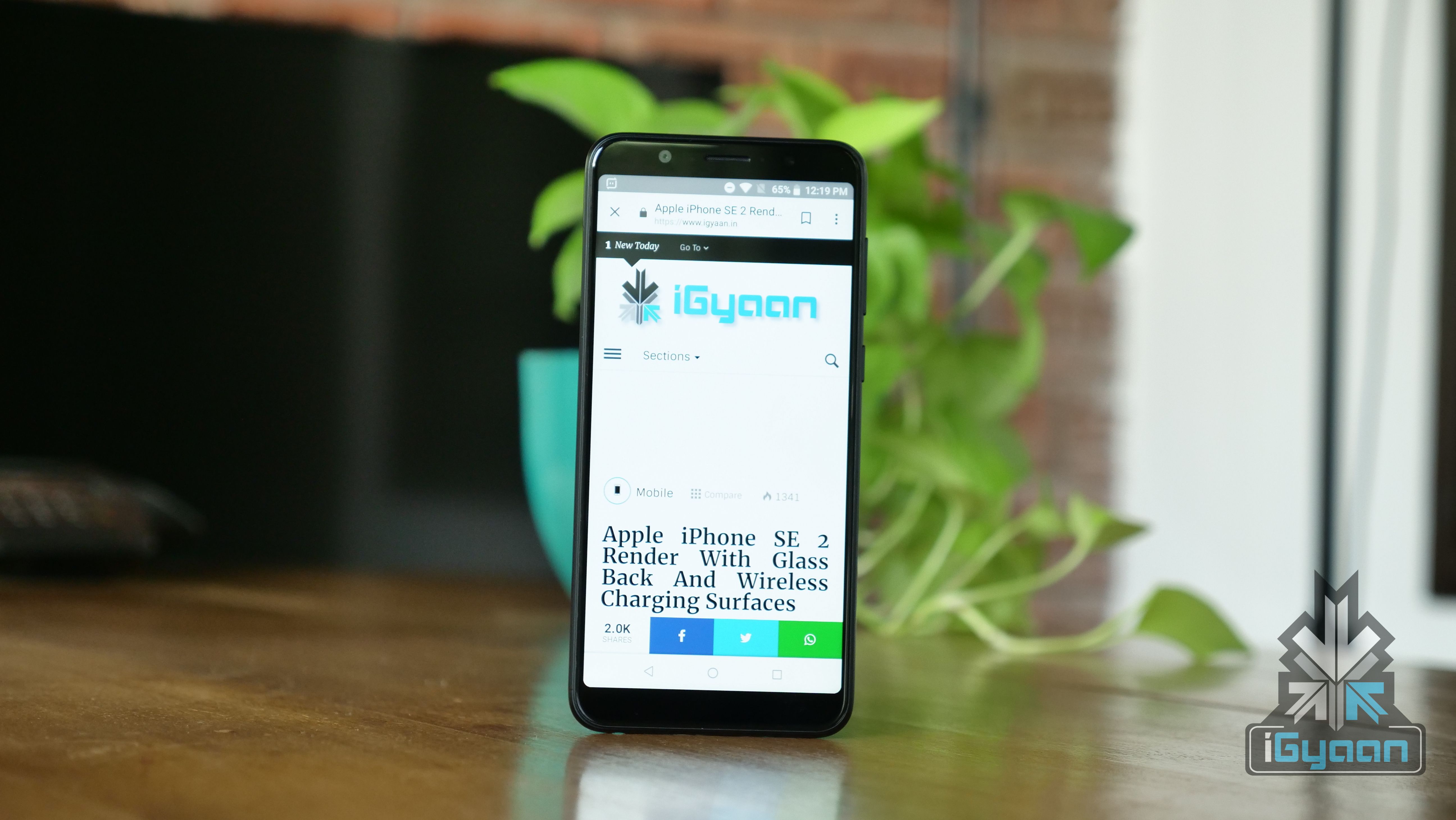
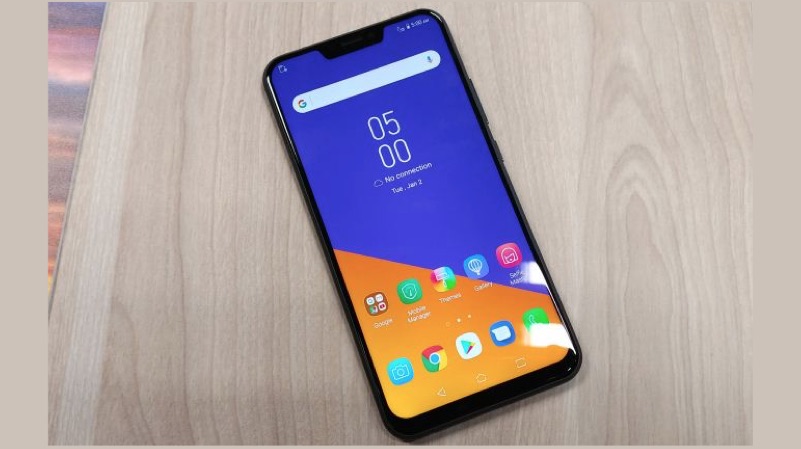
Asus launched an impressive budget smartphone, the Zenfone Max Pro in India in April. The company is also expected to launch the Asus Zenfone 5Z which it unveiled at MWC 2018. However, before a flagship smartphone launch, the company has unveiled its first-ever Android Go smartphone, the Zenfone Live L1. Asus has launched the new smartphone in Indonesia for a price of around IDR 1.5 million (Rs 7200 approx.).
The Asus Zenfone Live L1 is an entry-level Android Go device that has a 5.45 inch display with a 1440 x 720 px resolution.
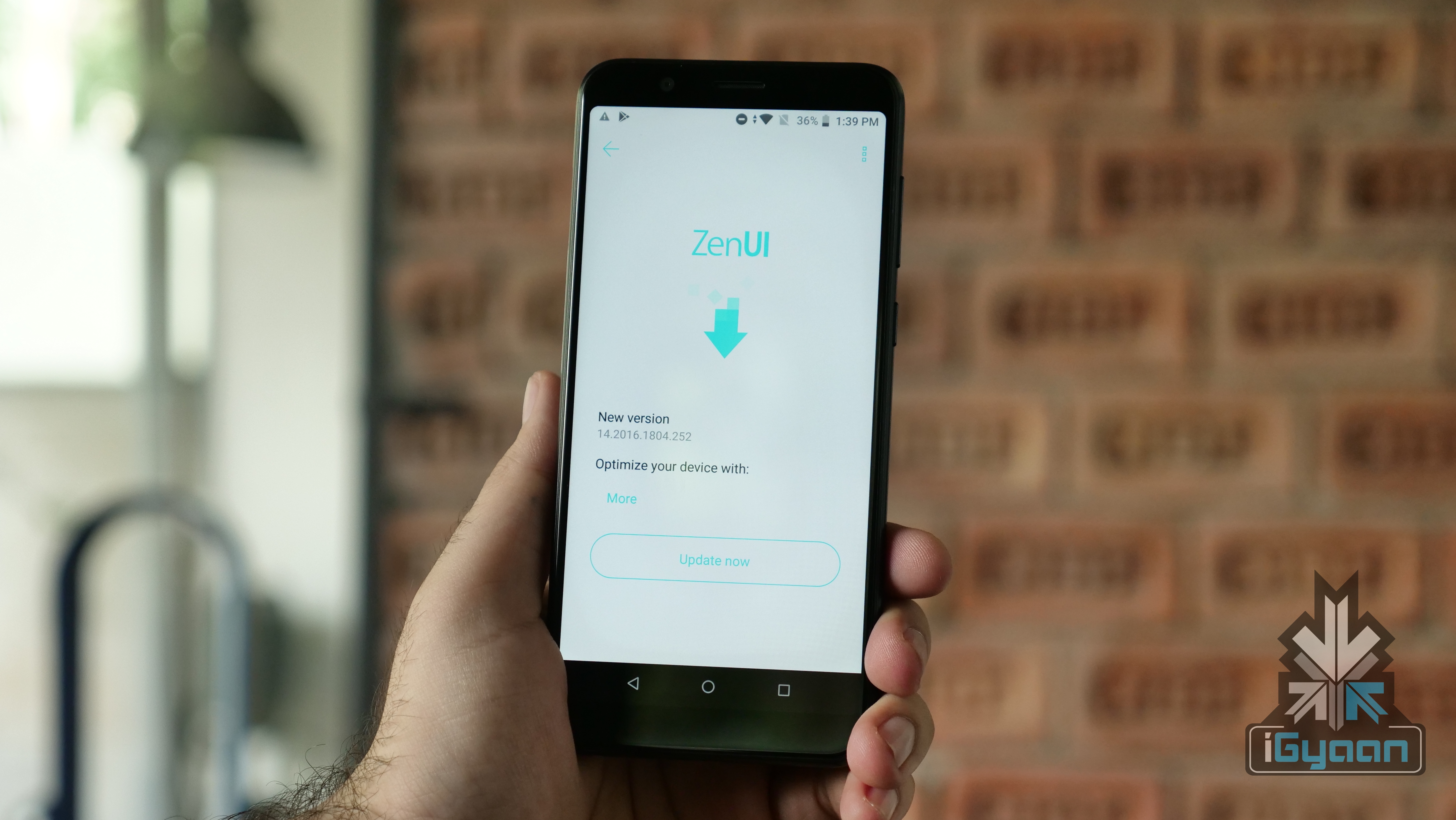
Under the hood, the smartphone runs on the Qualcomm Snapdragon 425 chipset paired with 1GB of RAM and 16GB onboard storage. The onboard storage can be expanded using a microSD card slot. The smartphone runs on Android 8.1 Oreo (Go Edition) out of the box. Asus has also launched a 2GB RAM variant of the smartphone which runs Android 8 Oreo with ZenUI 5.0 on top.
Powering the smartphone is a 3000 mAh battery which charges via a micro USB port. To the back of the smartphone is a 13MP camera with an LED flash while the front of the device houses a 5MP camera.
At the Google I/O event in May 2017, Google promised to launch a custom version of Android tailor-made for lower-end devices. On the 5th of December, Android Go (Oreo edition) was officially launched and made available to smartphone manufacturers and developers.
The idea behind Android Go is for Google to create a version of Android OS which is designed to run better on phones with either 512MB or 1GB of RAM. In the world of OnePlus 5T with its 8GB of RAM or Galaxy Note8’s 6GB RAM, it is easy to forget that there are lower-end smartphones currently available in the market which have 1GB of RAM or less.
Google has claimed that Android Go’s Oreo edition will be a variant of Android Oreo that a manufacturer can just set by ticking off a configuration flag. What this basically does is that it sets up the phone to use the “Go” versions of a handful of Google apps such as the main Google app, Google Assistant, Google Maps, Gmail, and others. Google claims that the smaller apps and slimmer OS can as much as halve the amount of storage that’s taken up by default on a new phone running default OS.
For an entry-level Android Go device, the Zenfone Live L1 has impressive specifications, especially when compared to the likes of the Nokia 1, another Android Go device. However, the Zenfone Live doe snot have a fingerprint sensor which is a norm for a 2018 a smartphone. There are no details about the smartphone’s launch in India as of now.
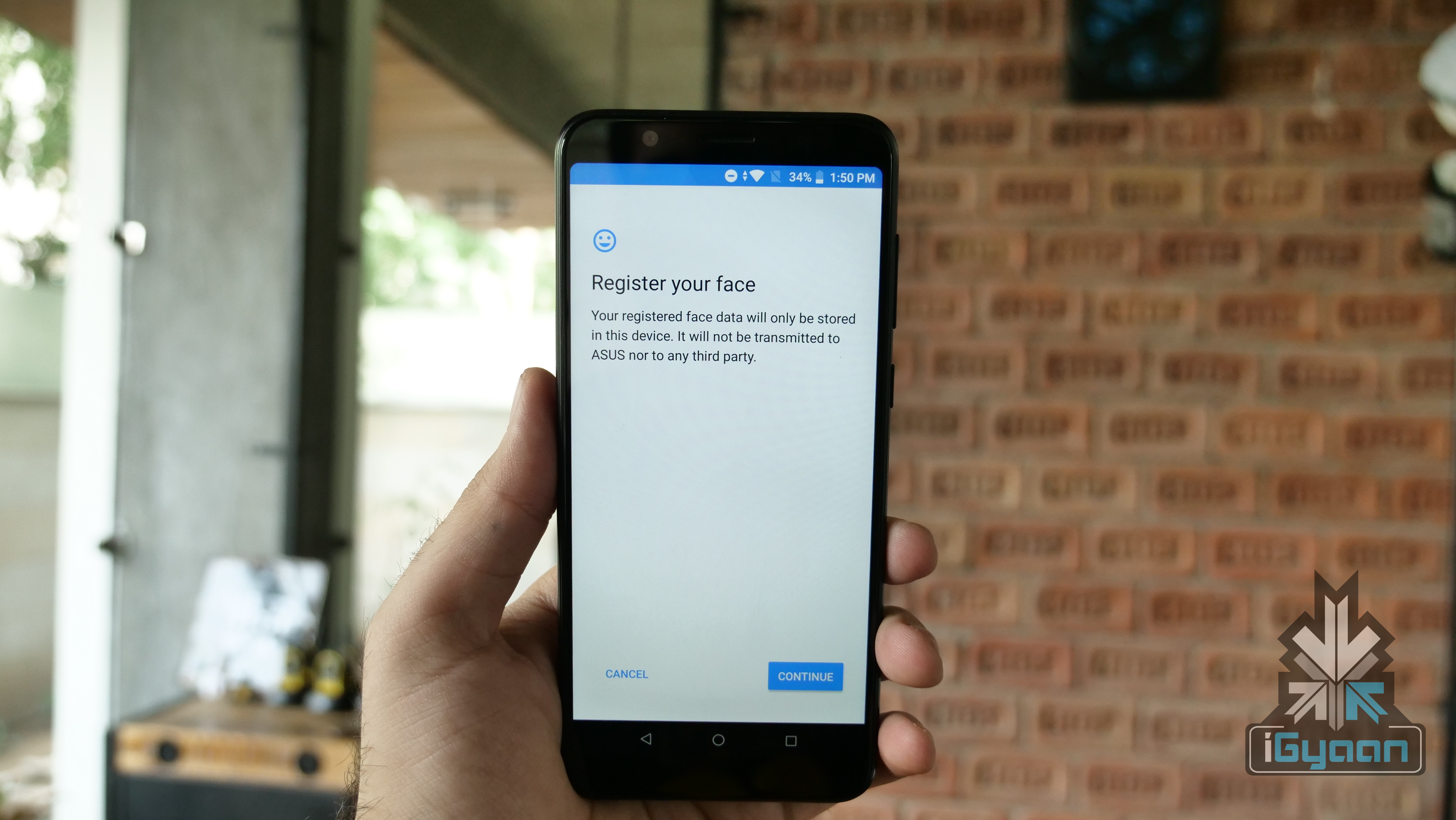
Asus launched its new budget smartphone, the Asus Zenfone Max Pro on April 23rd. The smartphone retails for Rs 10999 for the base variant and the company has already promised to launch a 6GB RAM variant with better camera performance. Asus has been pushing out a few software updates to the Zenfone Max Pro before its first sale and the new update brings the Face Unlock feature to the device.
The Face Unlock feature is definitely the marquee addition with the new software. However, there are a few other changes that might improve the day-to-day usage of the smartphone. The update brings improvement to the gyroscope functionality and some audio parameters. Asus claims that the response speed of the fingerprint sensor will also improve. There are a few improvements in the camera department as well like colour correction, HDR Algorithm, low light photography and more.
Must Read: Asus Zenfone Max Pro Vs Xiaomi Redmi Note 5 Pro
The Asus Zenfone Max Pro is also only the second smartphone running on the Snapdragon 636 chipset to be launched in India. This means that it is a direct competitor of the highly popular Xiaomi Redmi Note 5 Pro.
Without a doubt, one of the highlights of the Zenfone Max Pro is its battery capacity. It is powered by a 5000 mAh battery while the size and weight of the smartphone are almost equivalent to that of the Redmi Note 5 Pro. For context, the Redmi Note 5 Pro is powered by a 4000 mAh battery. However, the Zenfone Max Pro will charge via a micro USB port which means it could take a while to fully charge from 0%.
The Asus Zenfone Max Pro is available in two variants in India for now, one with 3GB RAM and 32GB storage and the other with 4GB RAM and 64GB storage You can buy it by clicking here. At the launch, the company also announced that a 6GB RAM/128GB storage variant with better camera capabilities will be launched at a price of Rs 14999.
That 5000 mAh battery will be powering a 5.99 inch IPS LCD display with a 2160 x 1080 px resolution.
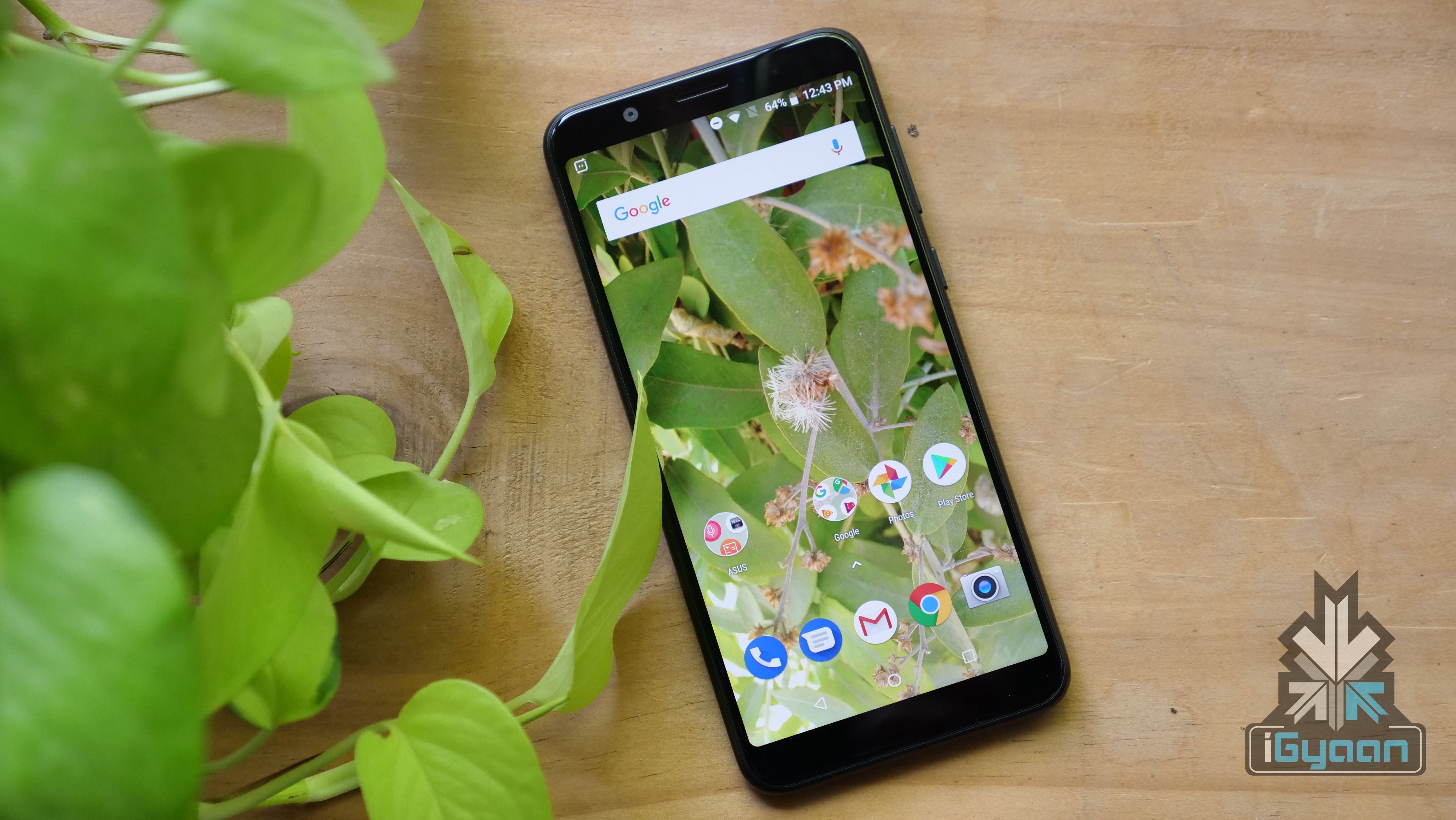
So far, Asus smartphones have had the custom ZenUI on top of Android. However, Asus has gone the stock Android route with the Zenfone Max Pro. Out of the box, the Zenfone Max Pro will run on Android 8.1 Oreo, which is the latest version of Android available right now. Asus has also promised timely software upgrades for their new budget smartphone up to Android Q.
Asus has launched its latest budget offering for the India market, the Zenfone Max Pro. The newly launched smartphone will go on sale via Flipkart on the 3rd of May at a starting price of Rs 10999. The Zenfone Max Pro, in the beginning, will be available two variants, one with 3GB RAM and 32GB storage and the other one with 4GB RAM and 64GB storage. The company also announced that a 6GB RAM and 128GB storage variant with improved camera capabilities will also launch soon in India.
At such a price range, the Zenfone Max Pro directly competes with the Redmi Note 5. However, in terms of features and hardware, it stacks up against the Redmi Note 5 Pro. The Xiaomi Redmi Note 5 Pro was launched in February of this year and has garnered great reviews so far. The only caveat being its annoying flash sales which is still the only way to buy the smartphone. It starts at a price of Rs 13999 for the 4GB RAM and the 6GB RAM model costs Rs 16999.
In a price sensitive market like India, such a price gap between two smartphones can be telling. But, does the Asus Zenfone Max Pro hold up against highly successful Redmi Note 5 Pro? Let’s find out!
Design
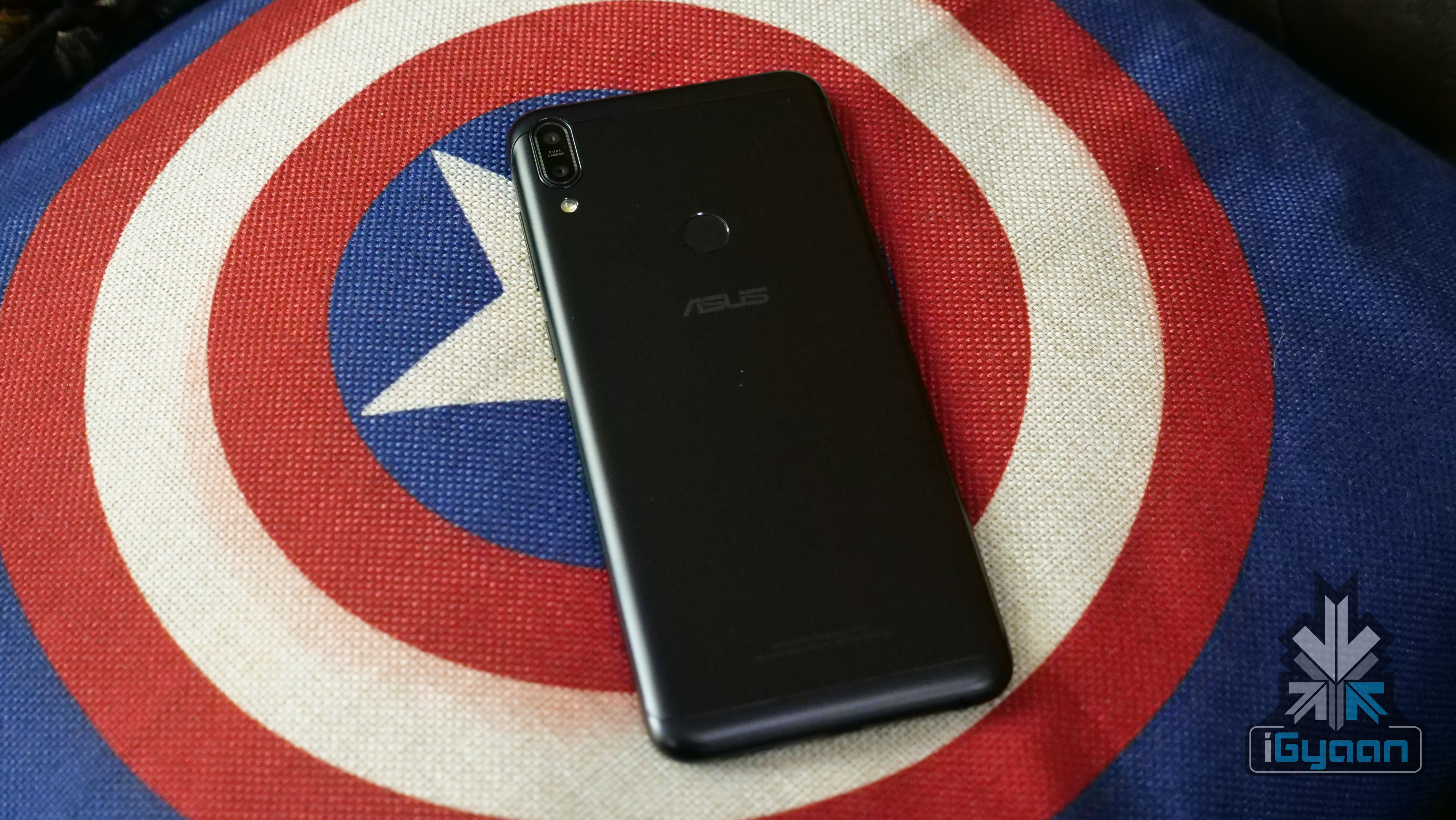
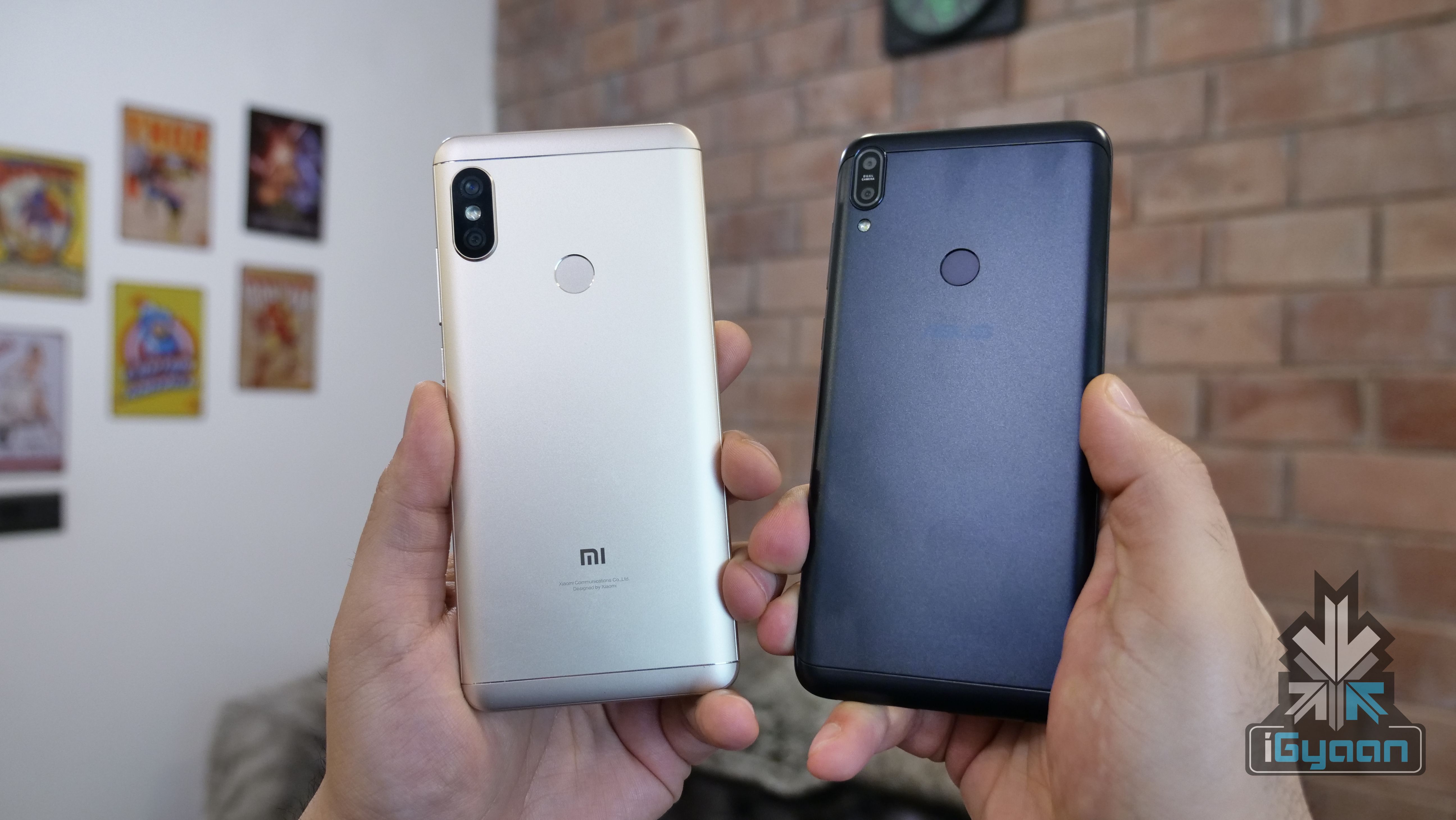
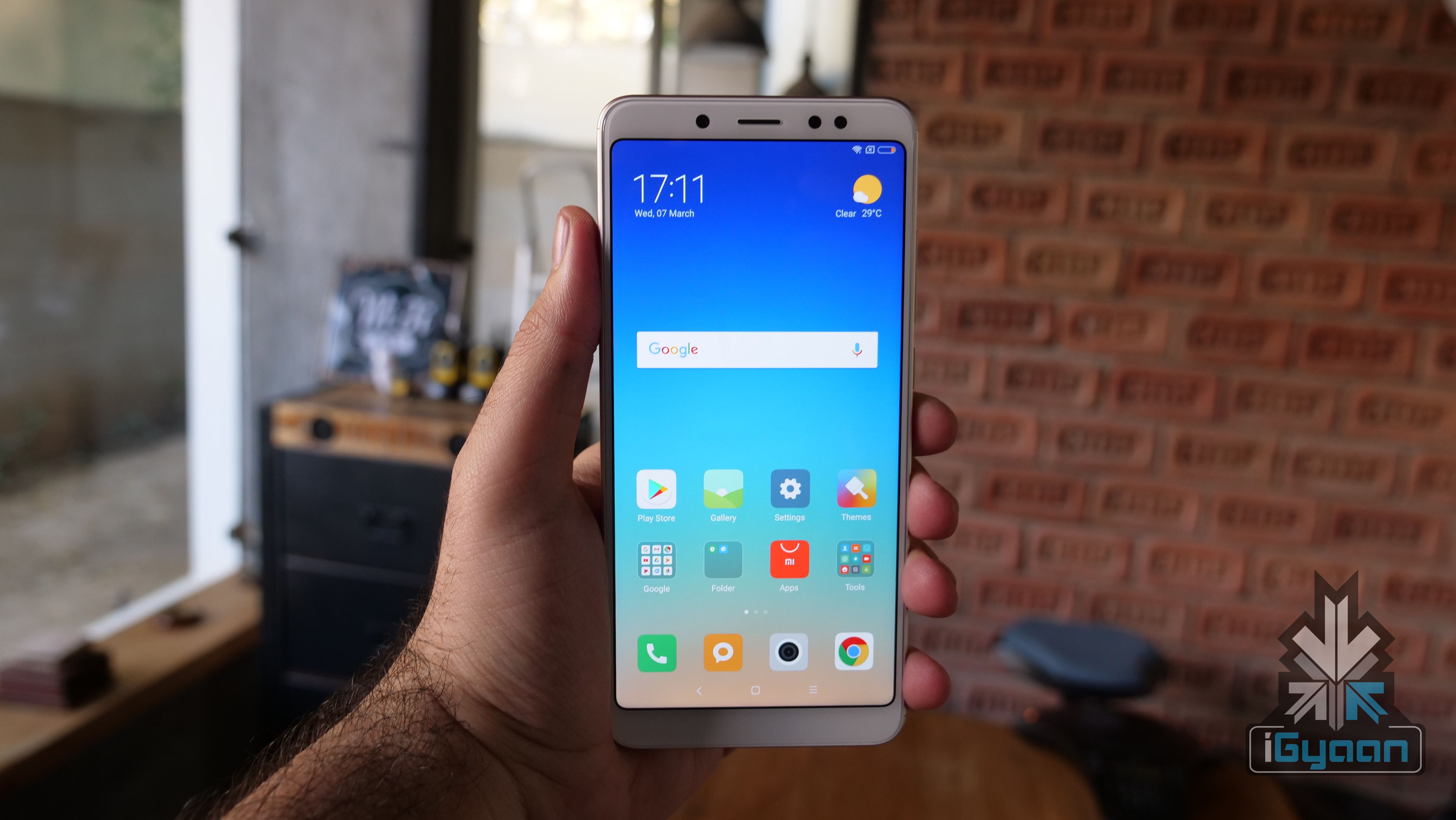
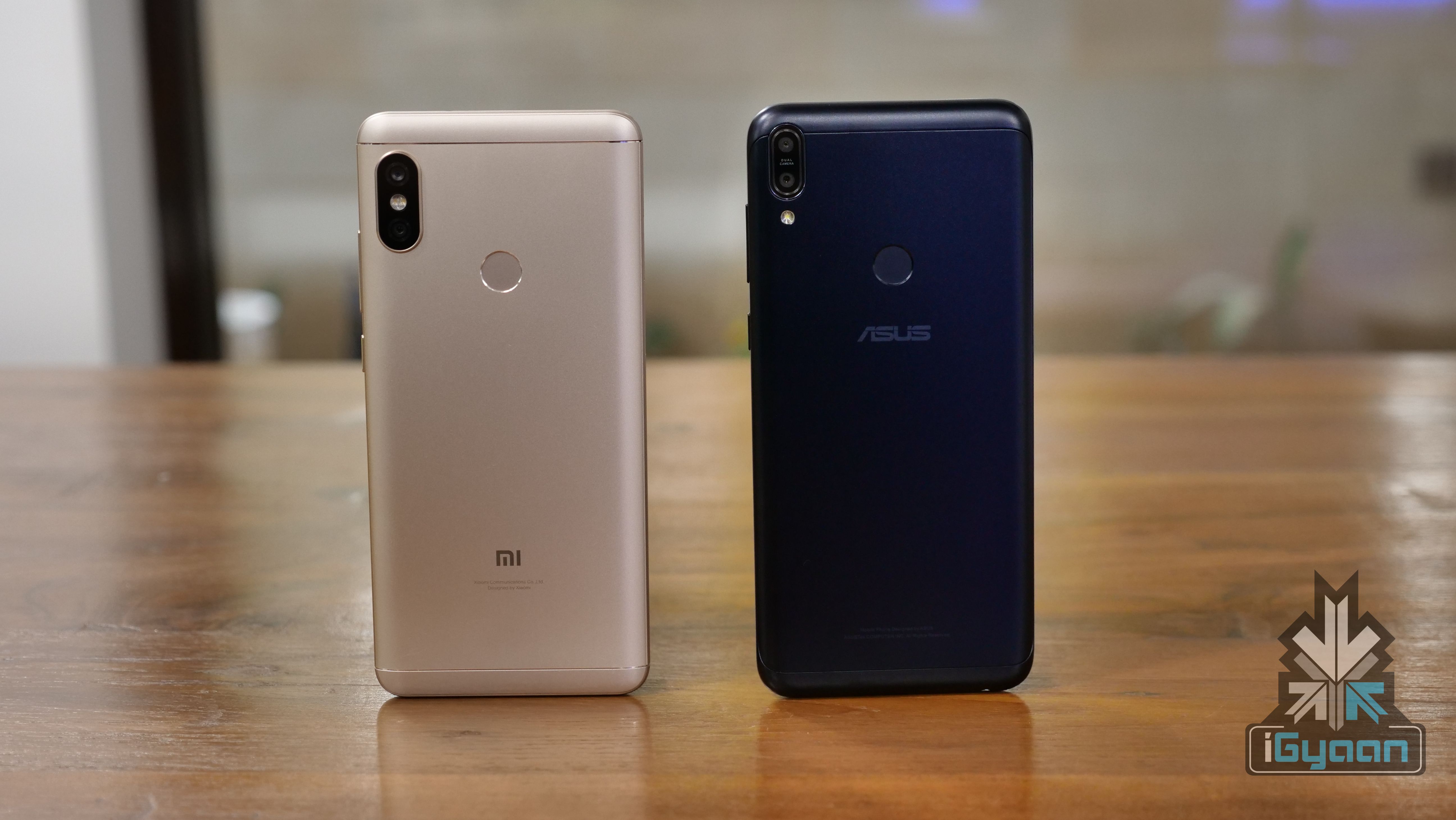
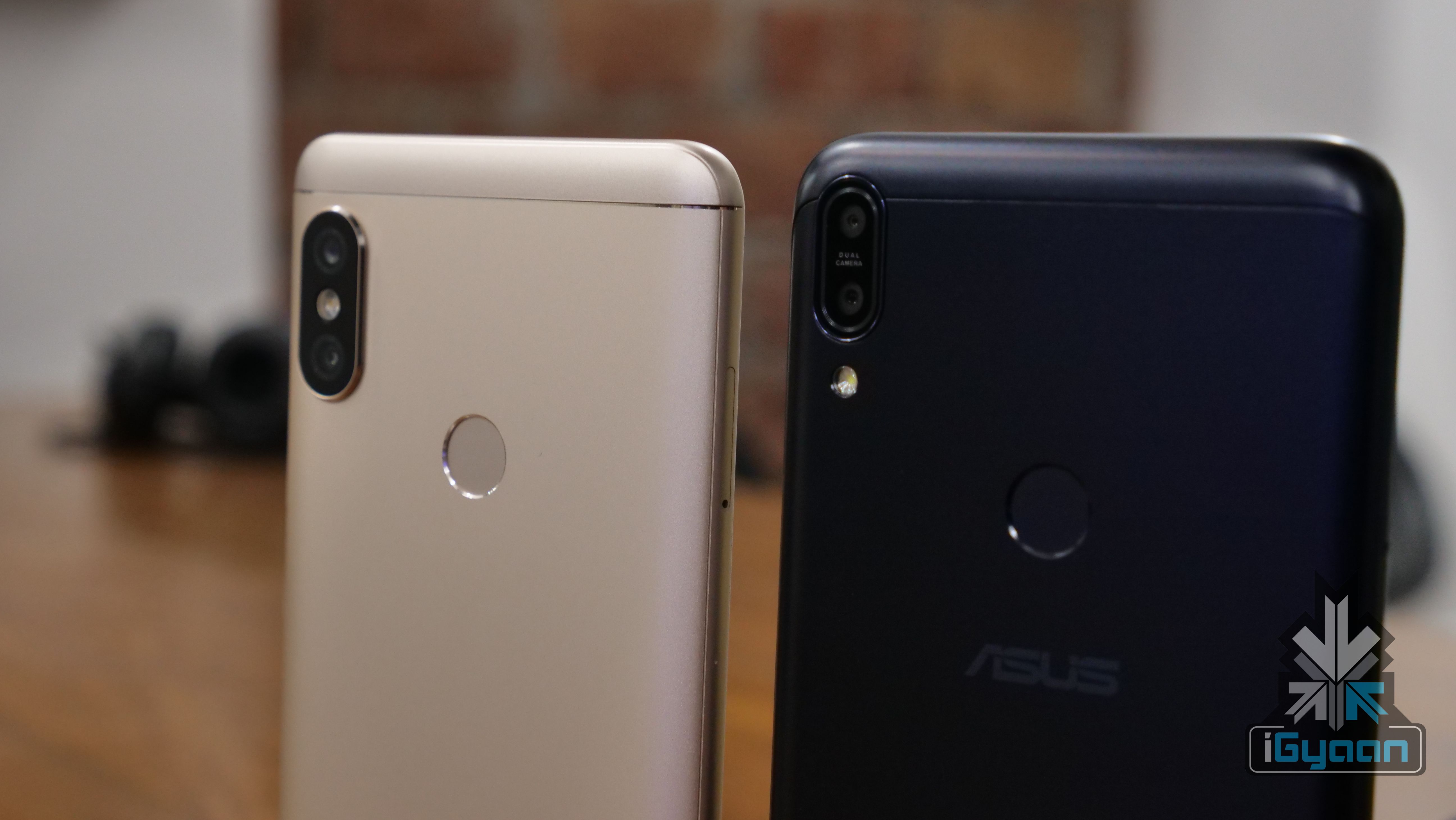
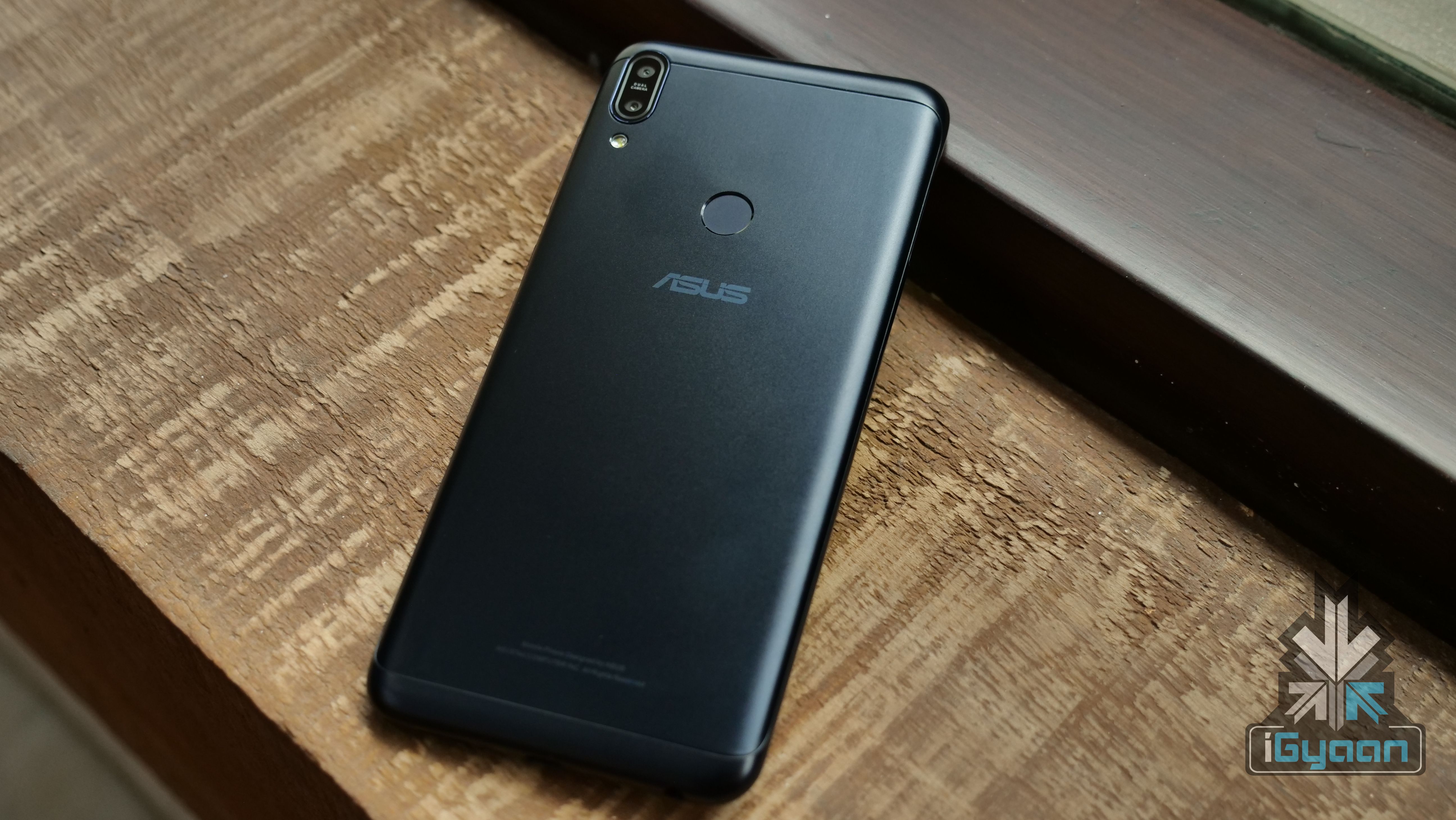
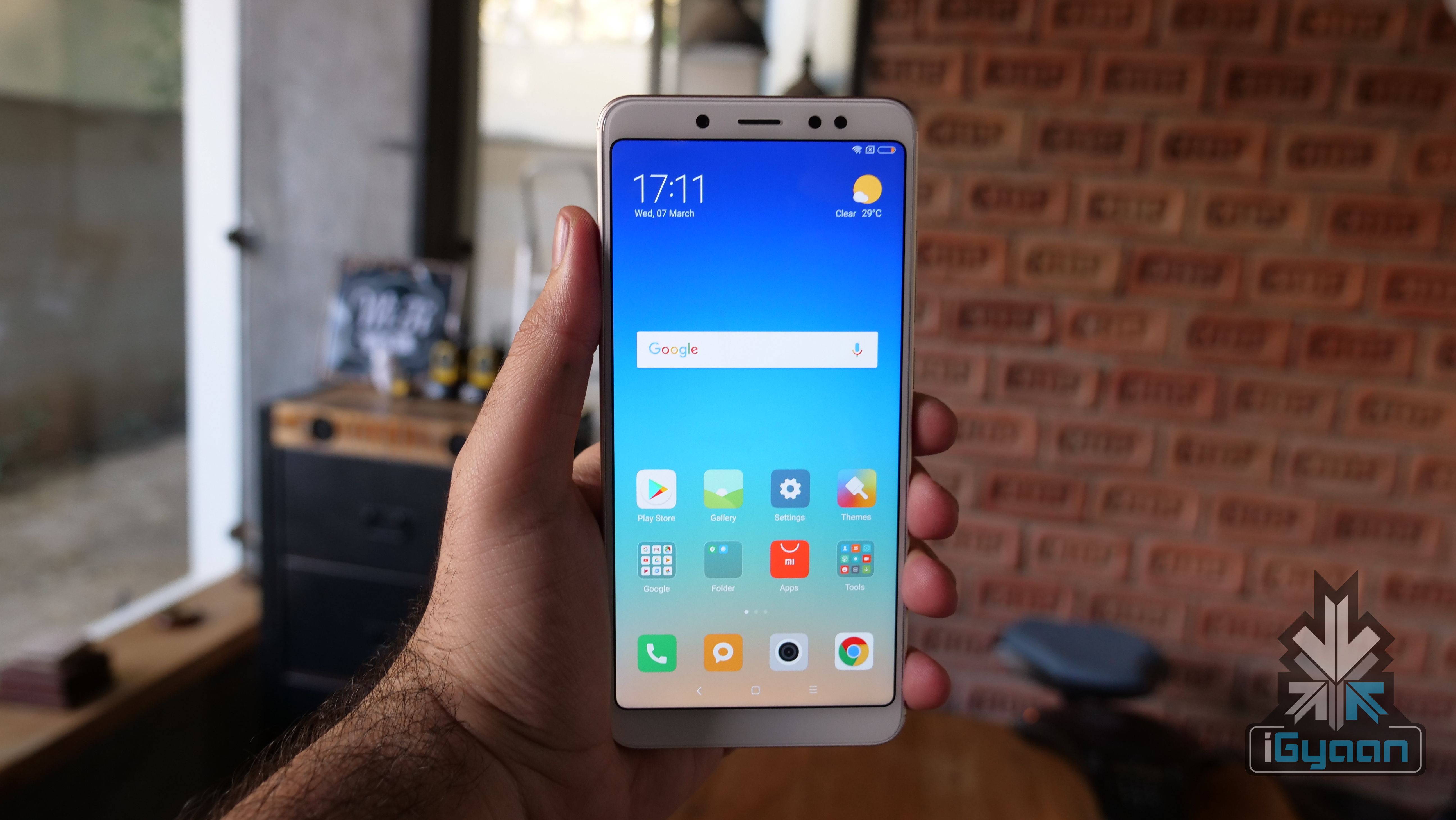
The Xiaomi Redmi Note 5 Pro and Asus Zenfone Max Pro look identical in more than one way. On the front, the bezels have a similar size around the displays of both the phones. On the back, both the devices have a vertically placed dual camera setup with very similar placements as well. However, the LED flash on the Note 5 Pro is placed between the two cameras while on Zenfone Max Pro, it is placed beneath the dual camera setup. The brushed metal finish on both the phones means that the devices can be a bit slippery, especially if you have smaller hands and cannot get a proper grip.
It is also worth noting here that the Redmi Note 5 Pro has a camera bump on the back while the cameras on the Zenfone Max Pro are flush along the body.
Display
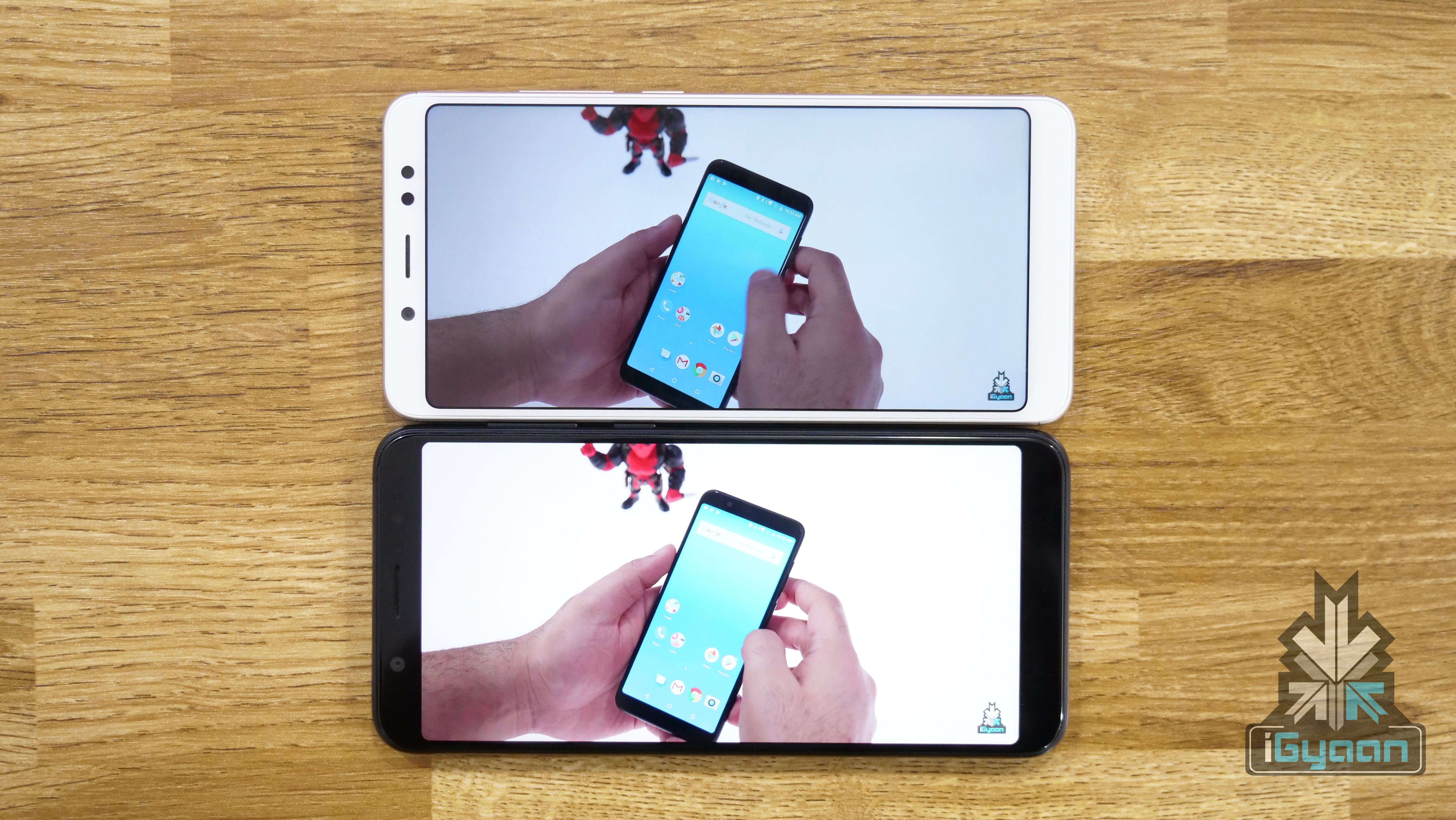
The display on both the smartphones is identical. It is a 5.99 inch IPS LCD display with a 2160 x 1080 px resolution. This translates into an 18:9 aspect ratio. The corners of the displays are curved giving the smartphones a bit more premium look compared to sharp corners found on something like the Honor 7X.
The viewing angles are great and the colour reproduction is exactly what you would expect from an HD+ LCD panel. Considering how smartphones are the primary source of media consumption for a lot of users, both the devices do a great job with their respective displays. Another advantage of a tall display and thin bezels is the ability to fit a larger display in a relatively smaller body.
Hardware
When the Redmi Note 5 Pro was launched, its chipset was one of the highlights. It was the only smartphone to run on the Snapdragon 636 chipset before the Zenfone Max Pro’s launch. The Zenfone Max Pro is available in three different RAM and storage options, while the Note 5 Pro is only available in two RAM and one storage options.
A department where the Zenfone Max Pro hands down one-ups the Note 5 Pro is the battery. The Zenfone Max Pro has a 5000 mAh battery compared to Redmi Note 5 Pro’s 4000 mAh battery. Also, Asus has managed to keep the weight of the Zenfone Max Pro at 180 grams, identical to that of the Redmi Note 5 Pro.
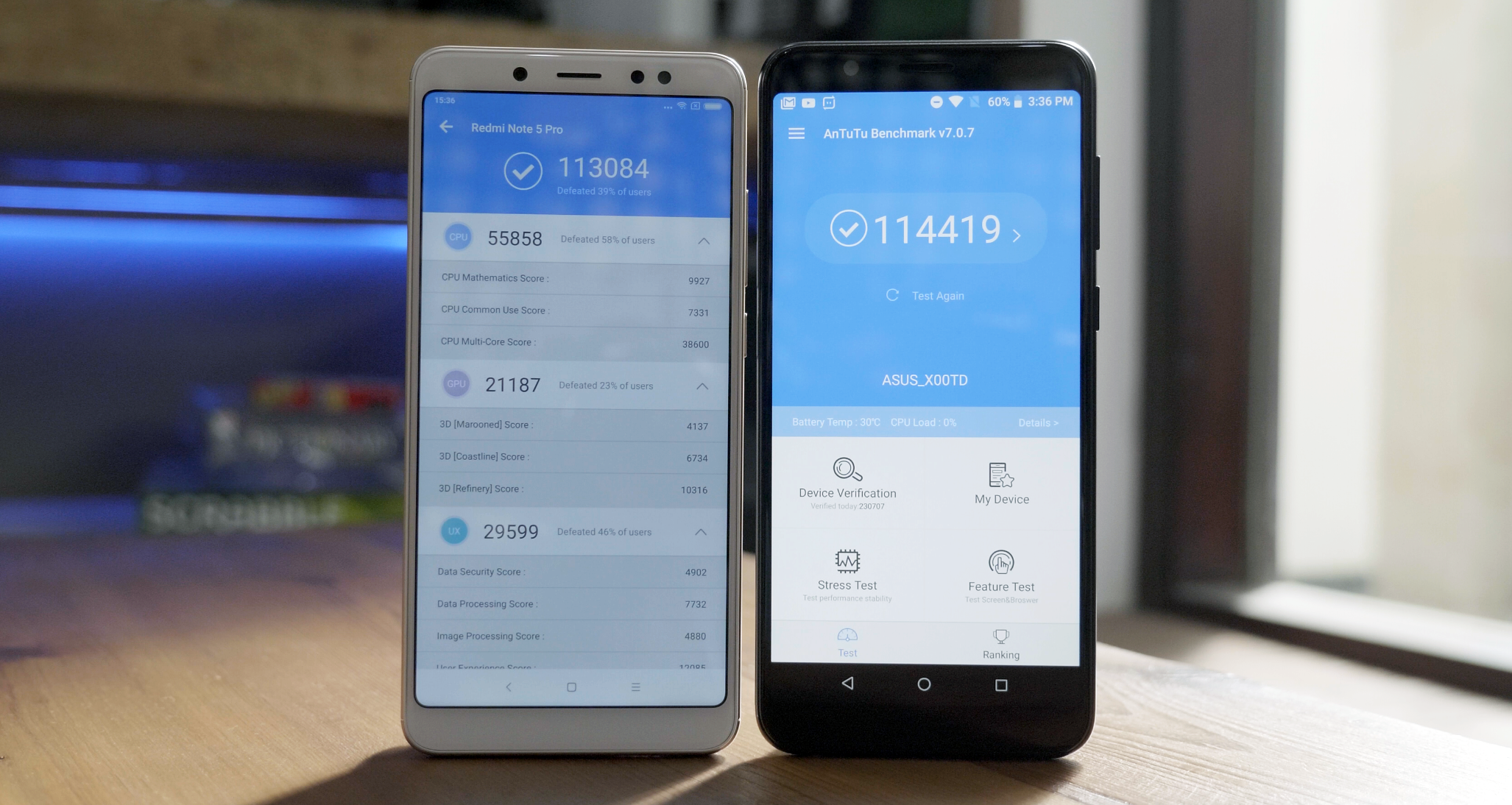
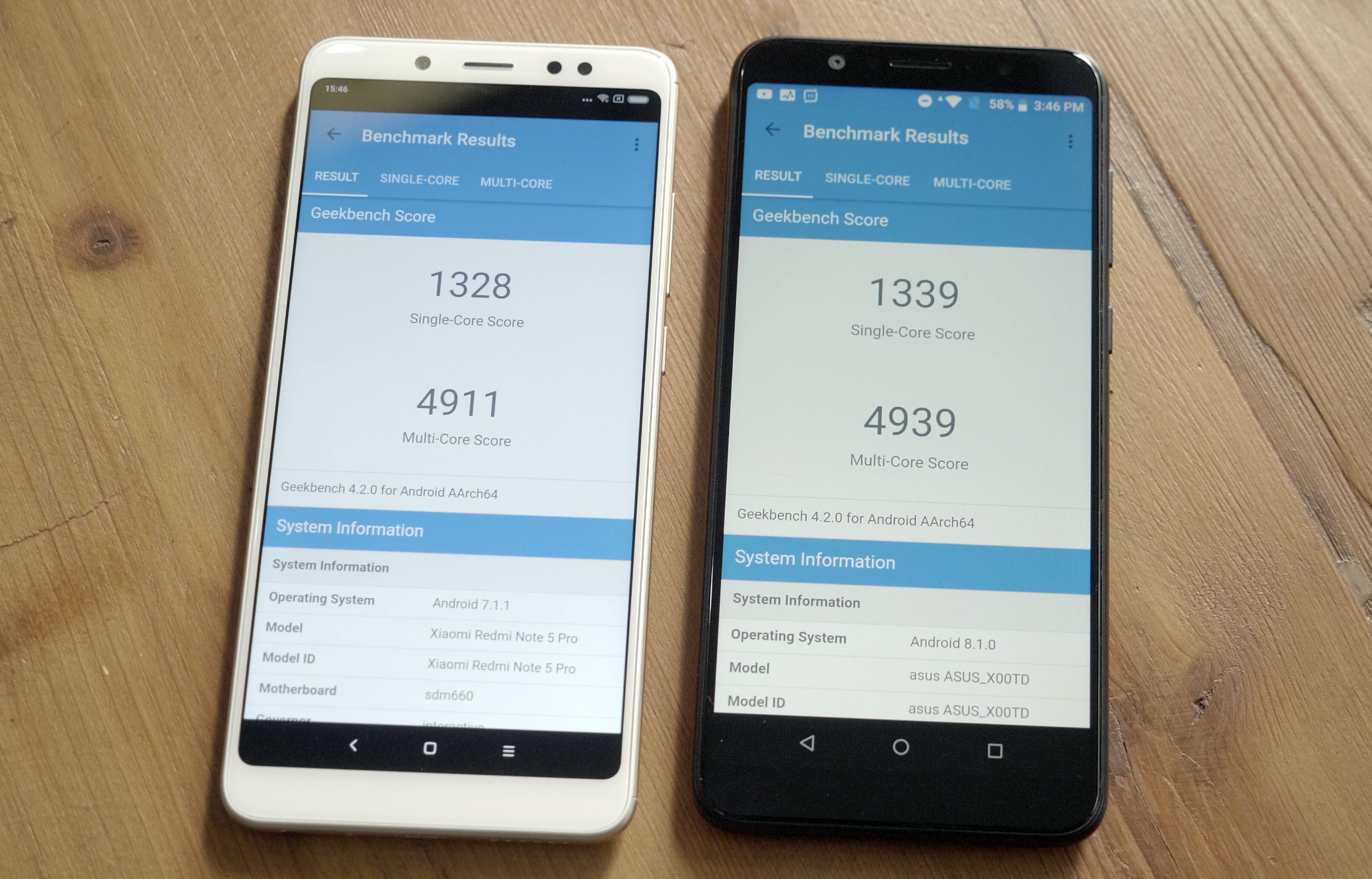
If you are someone who swears by the benchmark scores, here they are for both the devices:
Antutu BenchmarkGeekbench
Camera
The Xiaomi Redmi Note 5 Pro has a 20MP Sony IMX376 camera on the front with an LED light. To the back of the smartphone is a vertically placed dual-camera setup. It is a 12MP colour sensor with an f/2.2 and a 5MPcolour sensor with an f/2.0 aperture setup. The smartphone clicks portrait mode photos from the front and rear cameras.
The Asus Zenfone Max Pro has a 13MP primary sensor with an f/2.2 aperture and the depth sensor is a 5MP camera. The front of the device houses an 8MP camera with an f/2.0 aperture and an LED flash. The Zenfone Max Pro records 4K videos at 30fps while the Redmi Note 5 Pro can only record 1080P videos. Both the smartphones have EIS (electronic image stabilisation) when recording 1080P videos.
Asus launched the Zenfone Max Pro in India on the 23rd of April. The Zenfone Max Pro will be available online via Flipkart exclusively. The smartphone runs on the Qualcomm Snapdragon 636 chipset, which makes it only the 2nd smartphone in India to run on this particular chipset. The Zenfone Max Pro will directly compete with the Redmi Note 5 Pro which also runs on the Snapdragon 636 chipset in India.
Asus has officially launched the Zenfone Max Pro in India at an event in Delhi. The Zenfone Max Pro will go on sale in India via Flipkart. The Asus Zenfone Max Pro will be available in two variants in India for now, one with 3GB RAM and 32GB storage and the other with 4GB RAM and 64GB storage You can buy it by clicking here. At the launch, the company also announced that a 6GB RAM/128GB storage variant with better camera capabilities will be launched at a price of Rs 14999. However, no specific timeline for that launch was mentioned.
The new smartphone has a few interesting features and specifications and at this price, it will compete with the Redmi Note 5 Pro in this highly congested budget smartphone segment in India.
Asus, with the Zenfone Max Pro, is taking a different approach towards to the budget segment of the Indian smartphone market. There are a few aspects of the smartphone that will an “Asus-first,” especially for India. The Zenfone Max Pro launch is also a world first launch, just like the Redmi Note 5 Pro was.
[section label=”Unboxing”]
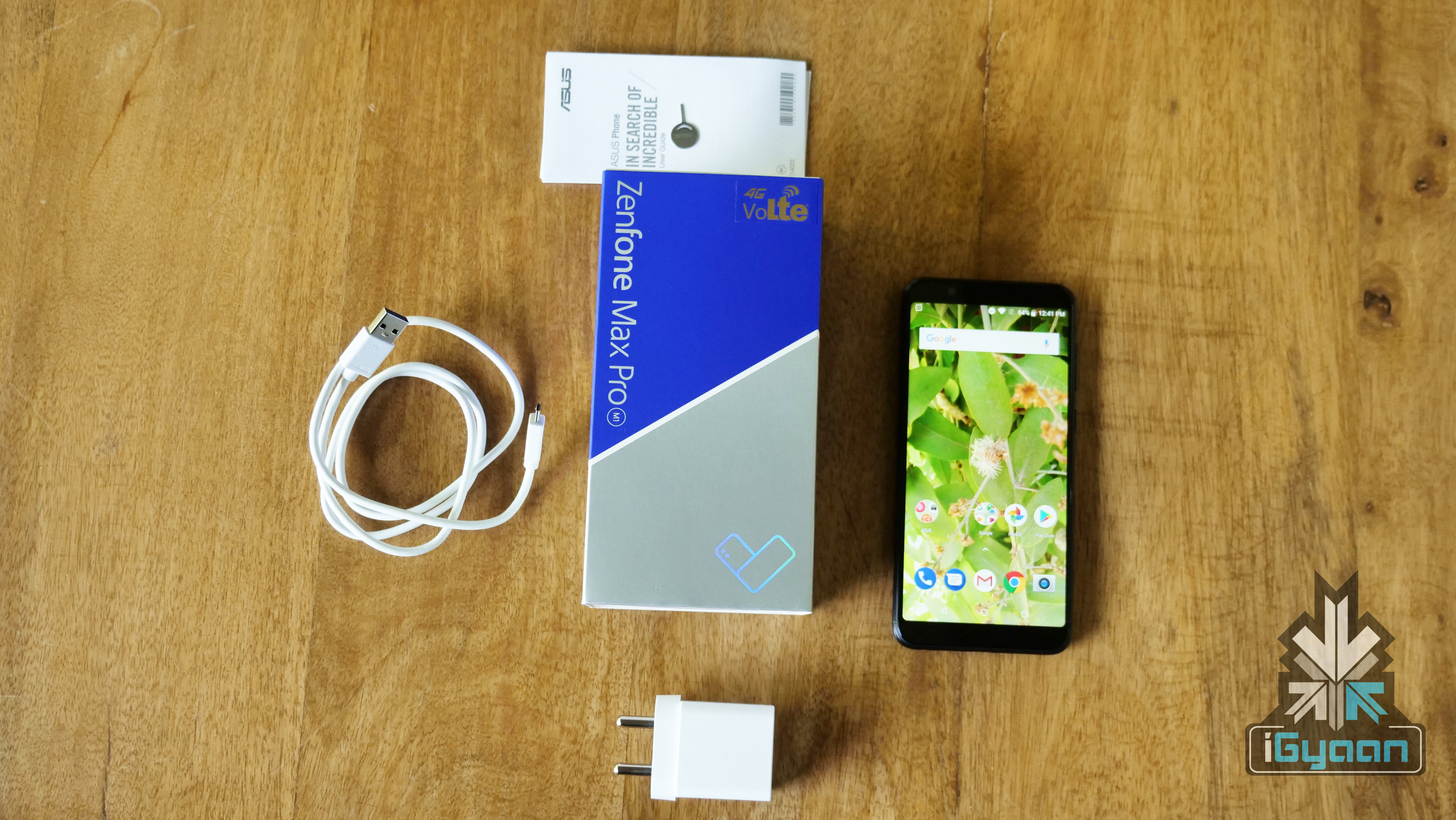
Inside the box of the Asus Zenfone Max Pro:
Asus Zenfone Max Pro
Documentation
Micro USB Cable
10W Wall Charger
Sim Ejector Tool
[section label=”Initial Impressions”]
Right off the bat, the Asus Zenfone Max Pro exuberates a sense of familiarity. The aluminium unibody design is prevalent across the budget category of smartphones and the Zenfone Max Pro is no different. The 18:9 aspect ratio and thinner bezels mean that a 5.99 inch display fits into the body of a regular 16:9 smartphone with a 5.5 inch display. Fair to say that the 18:9 aspect ratio has become the norm even in sub-15K smartphones. It is worth noting that even though the bezels are thin, they are still substantial and not as thin as some of the flagship devices.
Another interesting feature of the Asus Zenfone Max Pro is its OS. So far, we have become accustomed to the heavily customised ZenUI on all Asus Android smartphones. However, with the new Asus Zenfone Max Pro, the company has decided to go for stock Android OS. Now, it is not Android One, which means it is not completely stock OS and there are a few pre-installed apps as well. However, it is much lighter than ZenUI which should bode well with the powerful Snapdragon 636 chipset.
The back of the smartphone also houses a vertically placed dual-camera setup which looks uncannily similar to the Redmi Note 5 Pro. It appears that this trend of vertically placed dual-camera setup on the side of the smartphone also took off with the iPhone X. The dual-camera setup consists of a depth sensor which will be used for portrait mode shots. It has a 13MP primary sensor with an f/2.2 aperture and the depth sensor is a 5MP camera. The front of the device houses an 8MP camera with an f/2.0 aperture and an LED flash.
At a starting price of Rs 10999, the Zenfone Max Pro, despite its specifications matching the Redmi Note 5 Pro, will compete with the Redmi Note 5. Maybe, the launch of the Zenfone Max Pro will push Xiaomi into launching a follow-up to the Mi A1.
Asus has launched a new budget smartphone in India, the Zenfone Max Pro. The new smartphone will be priced at Rs 10999 for the entry-level variant and will be sold via Flipkart. There are no details about the offline availability of the smartphone as of now. The Asus Zenfone Max Pro will be available in two variants in India for now, one with 3GB RAM and 32GB storage and the other with 4GB RAM and 64GB storage. Interestingly, this a world first launch of the Zenfone Max Pro and will eventually launch in other markets as well.
At the launch, the company also announced that a 6GB RAM/128GB storage variant with better camera capabilities will be launched at a price of Rs 14999. However, no specific timeline for that launch was mentioned.
Unboxing Video
The Asus Zenfone Max Pro is also only the second smartphone running on the Snapdragon 636 chipset to be launched in India. This means that it is a direct competitor of the highly popular Xiaomi Redmi Note 5 Pro. Both the smartphones also have a lot of similarities in terms of design and pricing.
Without a doubt, one of the highlights of the Zenfone Max Pro is its battery capacity. It is powered by a 5000 mAh battery while the size and weight of the smartphone are almost equivalent to that of the Redmi Note 5 Pro. For context, the Redmi Note 5 Pro is powered by a 4000 mAh battery. However, the Zenfone Max Pro will charge via a micro USB port which means it could take a while to fully charge from 0%.
That 5000 mAh battery will be powering a 5.99 inch IPS LCD display with a 2160 x 1080 px resolution.
So far, Asus smartphones have had the custom ZenUI on top of Android. However, Asus has gone the stock Android route with the Zenfone Max Pro. Out of the box, the Zenfone Max Pro will run on Android 8.1 Oreo, which is the latest version of Android available right now. Asus has also promised timely software upgrades for their new budget smartphone up to Android Q.
The Asus Zenfone Max Pro will go on sale in India on May 3rd. With such a competitive pricing and specifications, it will be interesting to see how the Zenfone Max Pro holds up in the Indian market.
Asus has announced its partnership with Flipkart today (17th April) for the launch its new smartphone, the Zenfone Max Pro in India on the 23rd of April. No details for Zenfone Max Pro were discussed at the press conference as the company would want to keep all of it under wraps until the launch event.
Flipkart aims to leverage its data-driven research with Asus’ technological advancements to create India-centric smartphones. Flipkart has also revealed that one in every four smartphones sold in India across retail channels were via Flipkart. The e-commerce giant also took the opportunity to announce its ’40 by 20′ plan. According to the plan, the company wants to acquire 40% smartphone market share by the year 2020.
Asus Zenfone 5Z
As of now, we do not have a lot of details about the Asus Zenfone Max Pro. We do know that the Zenfone Max Pro will be an India-first smartphone from Asus. Jerry Shen, CEO of Asus said:
With Flipkart’s partnership, we aim to gain more insights about Indian consumers’ needs which can help us develop even more suitable products for the Indian market. We strongly believe this collaboration will provide both companies better opportunity to provide delightful propositions to Indian consumers.
The Zenfone Max Pro will be a budget smartphone and go up against the likes of Redmi Note 5 Pro and Honor 7X. We expect the Zenfone Max Pro to have a modern design and a competitive price. Should Asus go for an 18:9 aspect ratio, the Zenfone Max Pro could have a 6 inch display with a 2160 x 1080 px resolution. Most budget smartphones like the Mi A1 or Honor 7X have an IPS LCD display and we expect something similar from the Zenfone Max Pro.
Redmi Note 5 Pro
In terms of specifications, Flipkart listing has confirmed that the Zenfone Max Pro will run on the Snapdragon 636 chipset. This makes it the direct competitor to the Xiaomi Redmi Note 5 Pro which also runs on the Snapdragon 636 chipset. This chipset could be coupled with up to 6GB of RAM and 64GB onboard storage. Dual-camera setup on the back has gone from being a flagship feature to the new normal for budget smartphones. Hence, we expect the Zenfone Max Pro to sport a dual-camera setup on the back
The launch is scheduled for 23rd April where all the specifications and pricing of the smartphone will be revealed. It will be interesting to see how Asus prices the Zenfone Max Pro considering how famous the Redmi Note 5 Pro currently is.
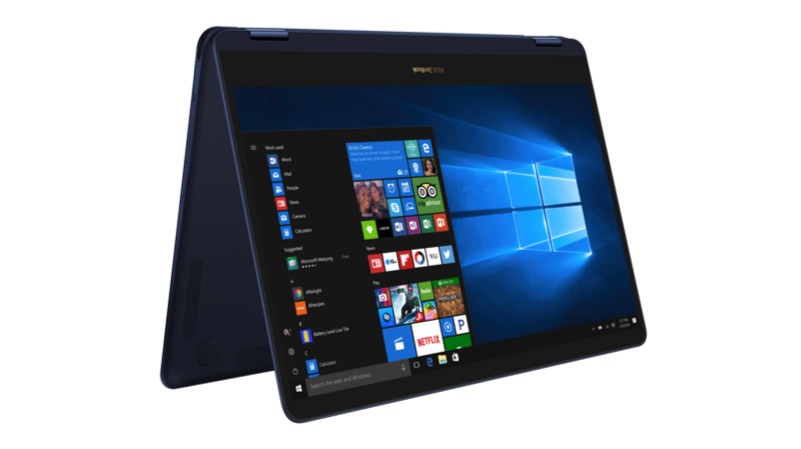
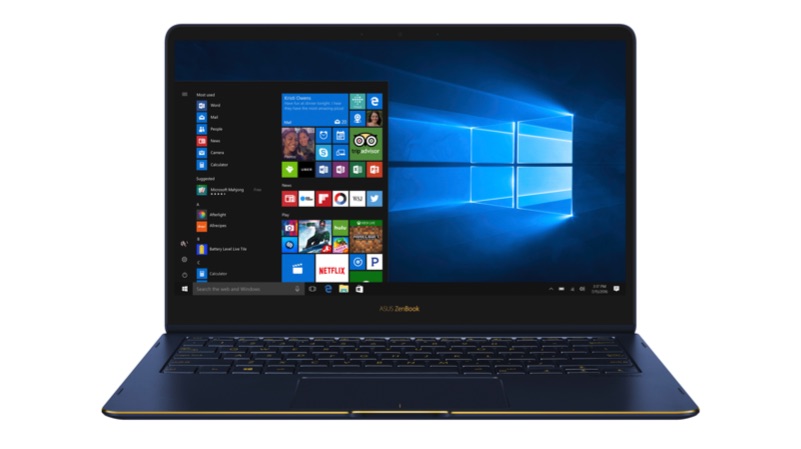
Asus has launched a portable Asus ZenBook Flip S in India on the 19th of March. The company claims that the Flip S is the World’s thinnest and lightest convertible laptop, which is 11.2mm thin. The convertible laptop will be available via retail partners for Rs 1,30,990.
Arnold Su, Business Development Manager, ASUS India said:
We have seen a huge growth in the Stylish yet powerful notebooks in coming year & with the Zenbook Flip S UX370, it becomes a perfect companion for those looking for stylish & powerful notebook for daily use.
Asus ZenBook Flip S Specs:
The notebook comes with a metal unibody design, crafted from a single block of aluminium, which is lighter and stronger than a normal notebook. The notebook has undergone 40 painstaking steps with diamond cut highlights to give a premium finish. The new ErgoLift hinge offers 360-degree flexibility to the screen.
The notebook has a 1920 x 1080px touch-enabled display with a maximum brightness of 300nits. The display is capable of showcasing 72% of the NTSC colour standards. Similarly, the display supports an active stylus, where a user can use devices like Asus Pen for creating sketches. However, the retail package does not include the Asus Pen.
Under the hood, the device has an 8th Generation Core i7 chipset with 16GB RAM and 512GB M.2 SSD storage. The notebook has two USB type C ports, which can support external monitors with a maximum resolution of 4K UHD. Similarly, the company also includes a mini dock, which converts the USB type C port to an HDMI port, a USB 3.1 port, and a USB-C port. The notebook runs on 64-bit Windows 10 operating system.
The Asus ZenBook Flip S has a stereo audio system certified by Harman Kardon. The device also ASUS SonicMaster audio technology to offer louder and clearer sound profile. The notebook supports Windows hello login using an inbuilt fingerprint scanner, which can even read partial fingerprints. The notebook has a built-in 39Wh battery that offers up to 11 hours of battery life. Similarly, the battery can be charged from 0 to 60% in 49 minutes.
Asus has launched its new flagship smartphone, the Asus Zenfone 5Z in India. Astonishingly enough, the smartphone will retail for a starting price of Rs 29999, which is considerably cheaper than the OnePlus 6. The Zenfone 5Z has all the features for a 2018 flagship smartphone and will go on sale in India via Flipkart on 9th July. It is worth noting that there is a flat Rs 3000 discount upon using an ICICI Credit/Debit card, bringing the price down to Rs 26999 for the base model.
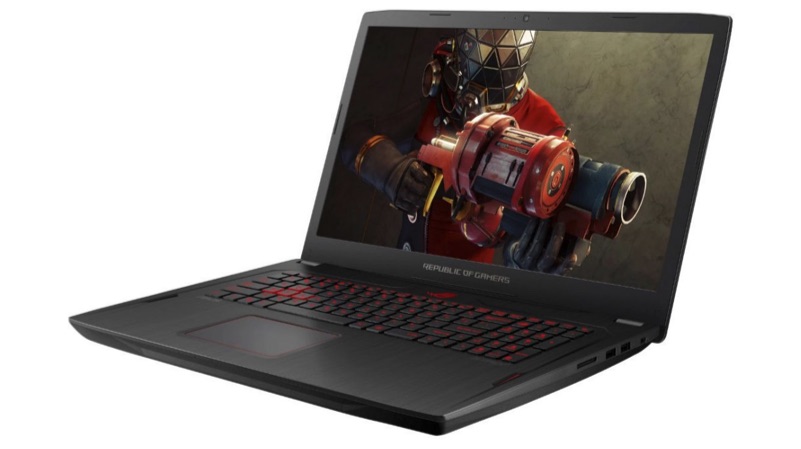
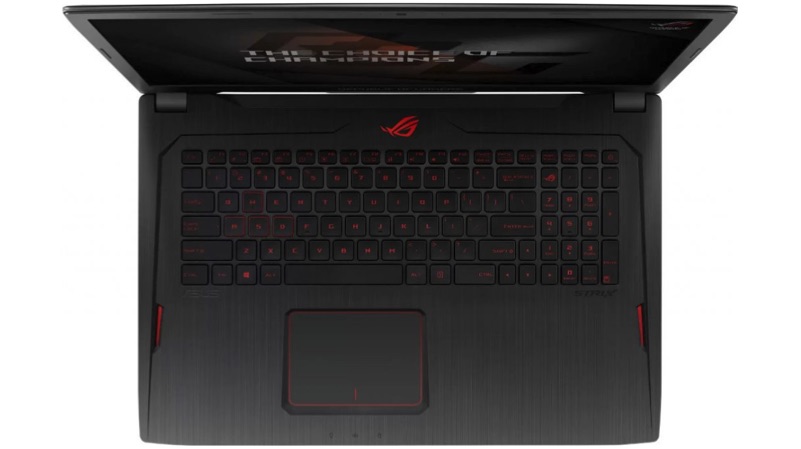
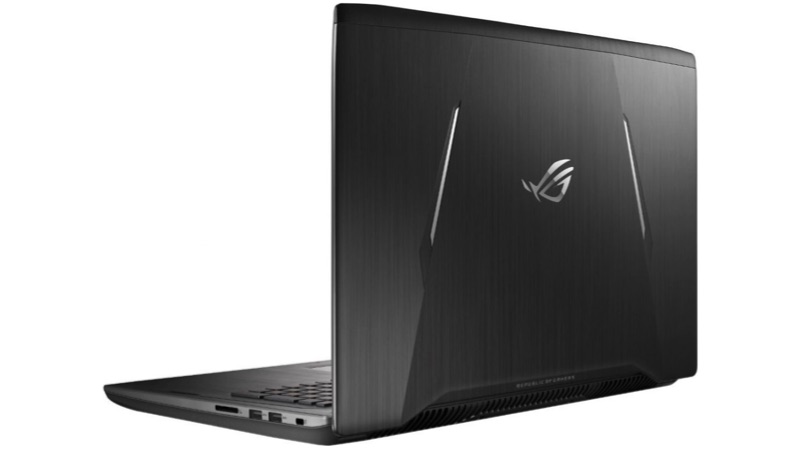
Asus launched the Asus ROG Strix GL702ZC in India, which is the world’s first AMD Ryzen powered gaming notebook. It has a 17.3 inch FHD display with AMD’s Freesync Technology. Similarly, the notebook uses Asus Splendid visual optimization technology to enhance the quality of the content.
The notebook has ROG gaming centre feature, which offers game specific settings in the control menu. The keyboard supports anti-ghosting technology to ensure simultaneous and instantaneous keystroking. In fact, one can press up to 30 keys in a single stroke.
Pricing and availability of the Asus ROG Strix GL702ZC
The Asus ROG Strix GL702ZC will be available in India from the 20th of March. Similarly, the notebook is up for pre-order on Flipkart for Rs 1,34,990.
Arnold Su, National Business Development Manager (PC and Gaming), ASUS India said:
ROG is dedicated to the pursuit of extreme performance and the delivery of ultimate gaming experiences to champions worldwide. With the addition of the all new ROG Strix GL702ZC, the gaming beast & in collaboration with AMD, we are extremely excited to offer the most powerful gaming experience to the gaming community in India.
ROG Strix GL702ZC with AMD Ryzen changes the gaming hardware dynamic. We’re excited to partner with AMD, to bring together the world first and most powerful 8 Core AMD based gaming machine for smooth and shutter free gaming experience.
Specifications of Asus ROG GL702ZC
The Asus ROG Strix GL702ZC has a 17.3 inch FHD 1920 x 1080p IPS LCD display.Similarly, the display has 60Hz refresh rate and AMD FreeSync technology. Under the hood, the notebook is powered by AMD Ryzen 7 1700 processor, clocked at 3.7 GHz with 8-cores and 16 multi-threads. This processor is coupled with 16GB DDR4 2400MHz SDRAM with 256GB SSD and 1TB hard disc.
The 4GB by AMD Radeon RX580 graphics card handles the graphics. In fact, this GPU supports VR content. The company has not skimped on any ports, as it has three USB 3.0, one USB type C, RJ-45, and an HDMI 2.0 compatible. Similarly, there is a mini display port.
The notebook weights at 3.2 KG, which puts it on a heavier side. However, considering the 17.3 inch screen, the weight is acceptable.
Conclusion
The Asus ROG GL702ZC has all the reasons to be called as the gaming-notebook. However, the 17.3 inch display might not be suitable for those who are looking a travel-friendly gaming notebook.
Barcelona, Spain hosted yet another edition of MWC 2018 in February. While smartphones like the Galaxy S9 and Xperia XZ2 were heavily leaked, there were a few surprise launches that caught a lot of attention. Nokia, for instance, launched as many as 5 devices. So, what are the top five smartphones that launched at MWC 2018? Let’s find out!
Samsung Galaxy S9, Galaxy S9+
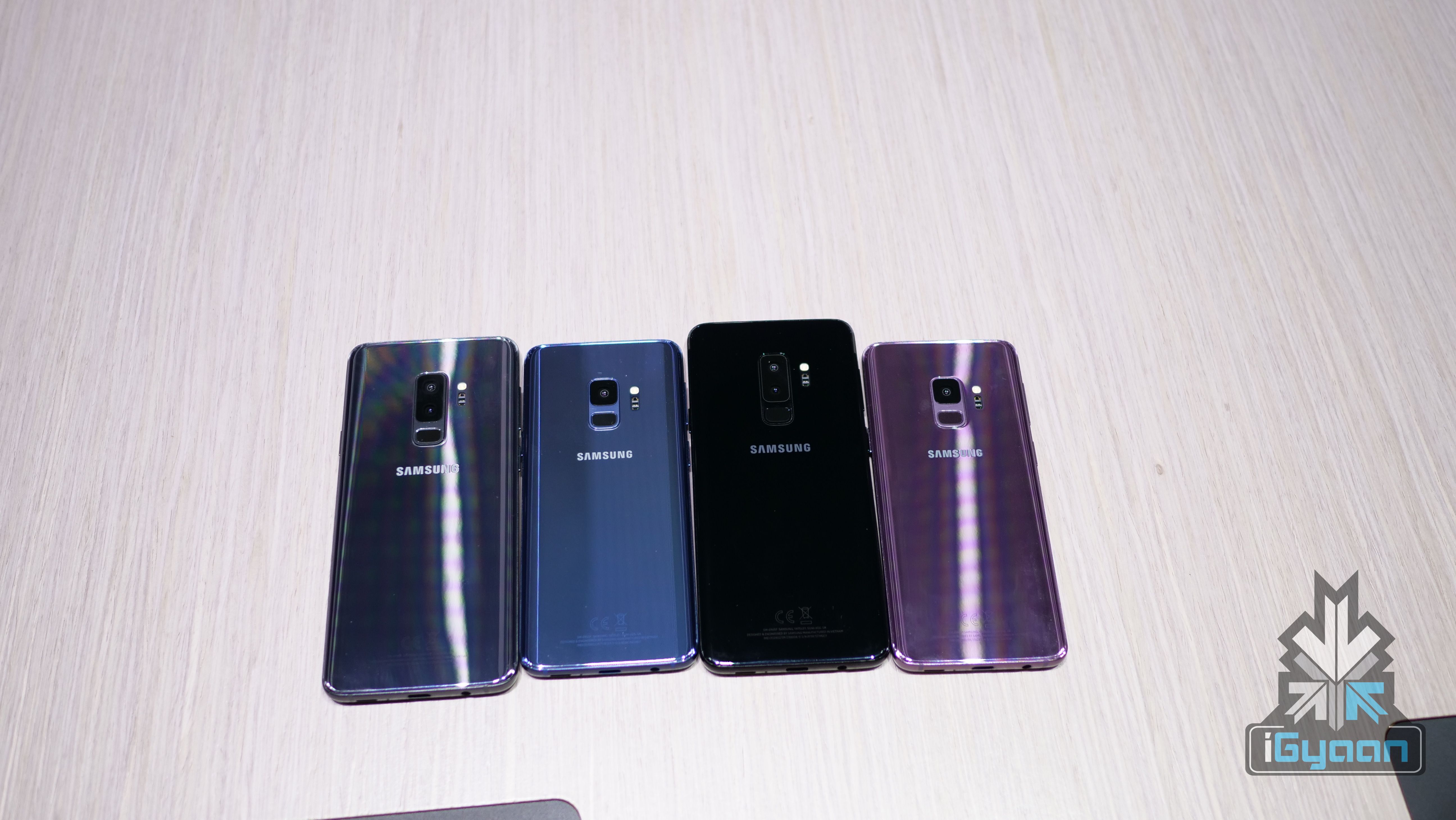
Galaxy S9, S9+ Colour Variants
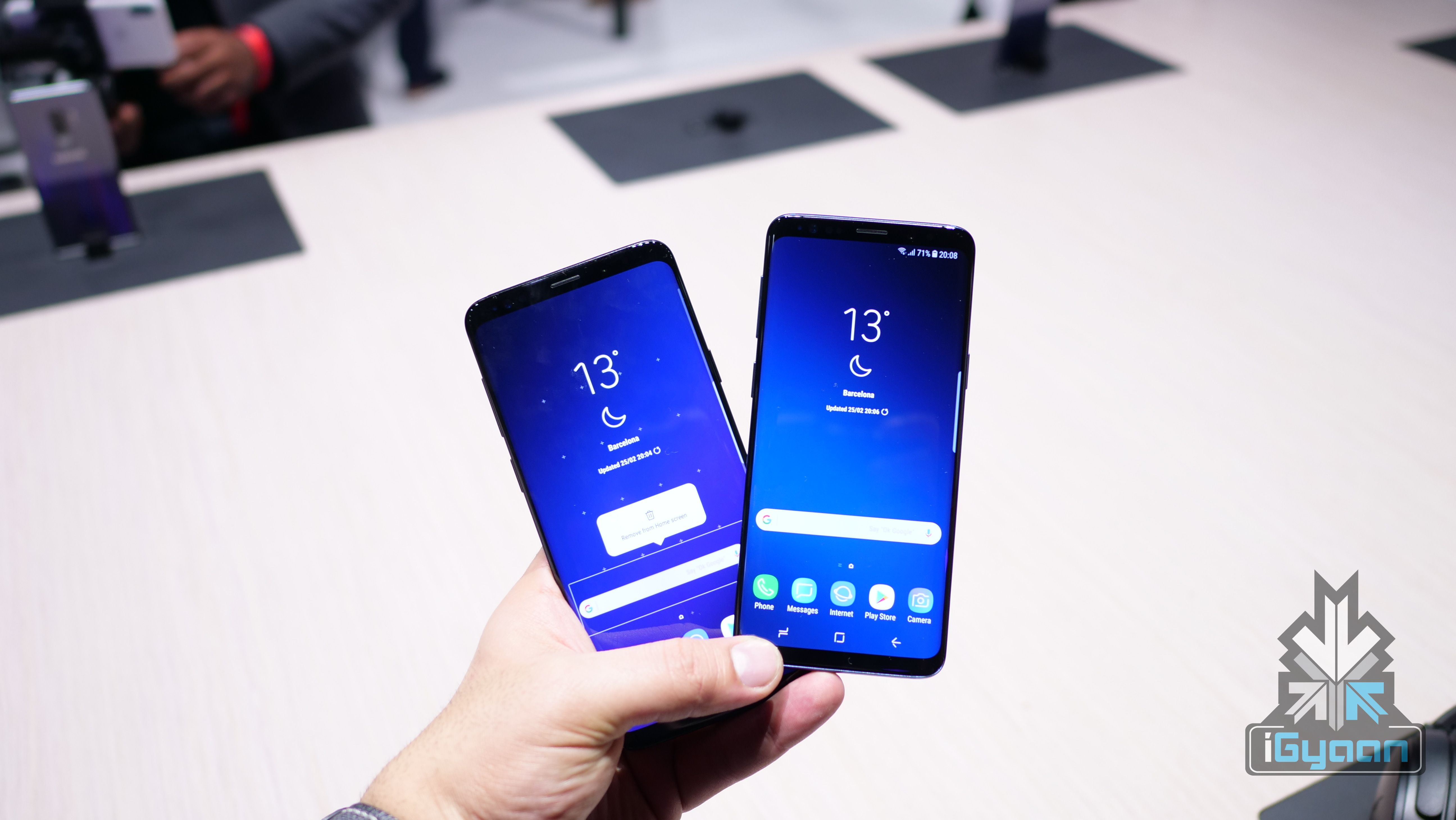
This is an obvious entry on the list. The Galaxy S9 and S9+ were the most anticipated smartphones of MWC 2018. Follow up to 2017’s successful flagship duo, a lot was expected from the Galaxy S9 and S9+. As was expected from the numerous leaks, the Galaxy S9 and S9+ did not look too different from their predecessors.
However, there are a few important upgrades that could be interesting. First one is in the camera department. The Galaxy S9 and S9+ now feature a variable aperture. The Dual Pixel 12 MP sensor has a dual f/1.5 and f/2.4 aperture. In bright lighting conditions, the camera will use the f/2.4 aperture, while the wider f/1.5 aperture is used in dark lighting conditions. It also captures 720P videos at 960fps and 4K videos at 60fps, similar to the Apple iPhone X.
Also, the fingerprint sensor is finally placed below the camera module, something we saw on the Galaxy A8+ as well. The S9 has a single camera setup while the S9+ now has a dual-camera setup similar to the Galaxy Note8. Both the smartphones will be launched in India on the 6th of March and go on sale on March 16th.
This smartphone is not a consumer-ready product yet. However, it is still one of the coolest devices displayed at MWC 2018. Over the years, MWC has been a witness to some amazing concept phones. Even this year, Nokia was expected to unveil the Penta-lens concept phone. However, that did not happen. But, Vivo did turn up and one-upped its CES 2018 unveiling.
The Vivo Apex has an in-display fingerprint sensor that covers almost half the display. While the Vivo X20 Plus UD only had a regular-sized fingerprint sensor underneath the display. In fact, this is not even the most interesting feature of the Apex. To accommodate probably the thinnest bezels on a smartphone, Vivo came up with a very different implementation of the front camera. The Apex has a hidden front camera which pops out every time it has to be used.
Although it is still a concept phone, the implementation is very interesting here. Let’s hope more companies come up with consumer-ready products with such intricate and satisfying design elements.
HMD Global launched not one, not two, but five devices at MWC 2018. Apart from the smartphones, it also announced that all Nokia devices will now be Android One devices. The Nokia 7 Plus, another heavily leaked device was one of the five phones to be launched. Along with the Nokia 8 Sirocco, the Nokia 7 Plus is the only Nokia smartphone with an 18:9 aspect ratio and thin bezels. A follow up to the China-only Nokia 7, the 7 Plus has a great design and build quality.
Under the hood, the 7 Plus has the Qualcomm Snapdragon 660 chipset and 2.2GHz octa-core processor. That is coupled with 4GB of RAM and 64GB of onboard storage which will be expandable via microSD card. The fingerprint sensor is now placed on the back and has the similar colour accents found on the Nokia 6 (2018).
If the European price of the smartphone is anything to go by, it will have a steep price in India. However, for it to work in the Indian market, HMD Global will have to price below Rs. 25000 to keep the Honor View10 at bay, which has flagship specifications and costs Rs. 28999. At under Rs. 25000, the 7 Plus will compete with the likes of the Moto X4.
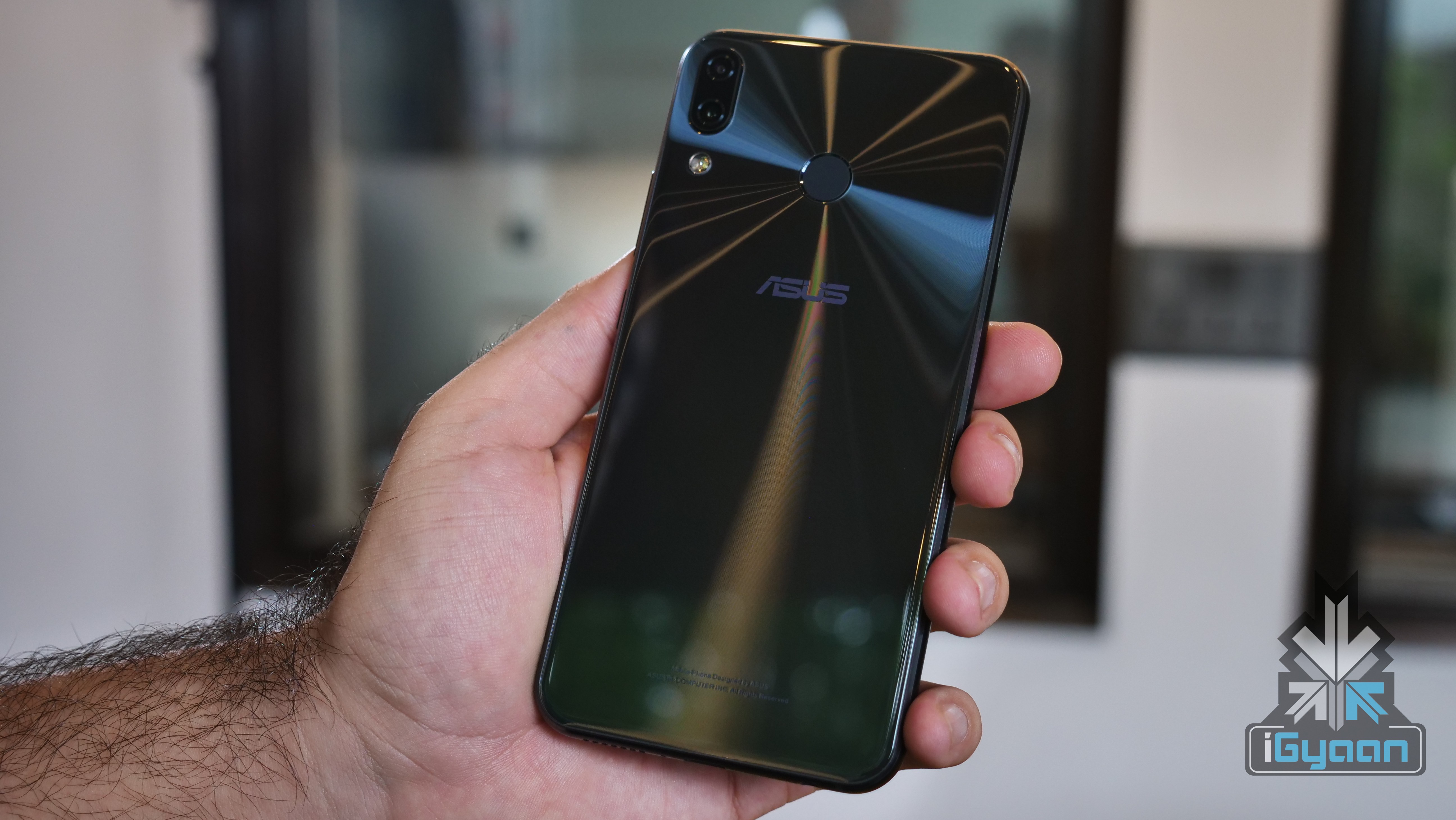
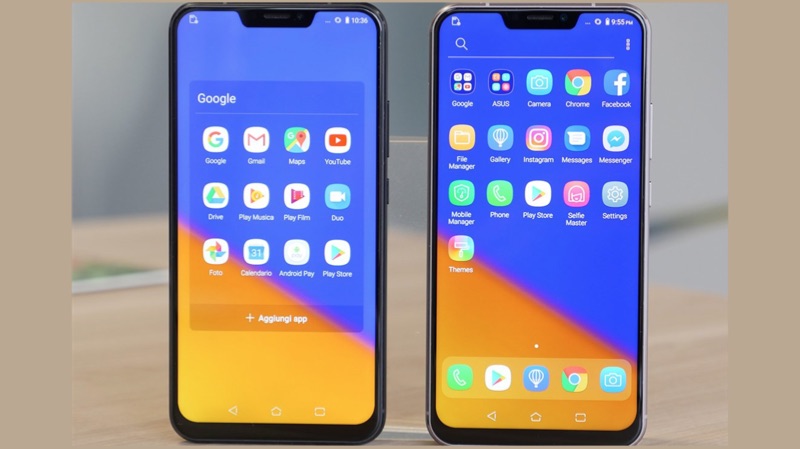
At MWC 2018, companies like Sony and Samsung were expected to launch Snapdragon 845 powered smartphones. However, the most interesting device powered by the flagship chipset was unveiled by Asus. Apparently, this smartphone flew under the radars of leakers online and Asus had a worthy unveiling in its hands. From the moment you look at it, the Zenfone 5Z looks like an iPhone X lookalike.
Although Asus claims the notch on the Zenfone 5Z is smaller than that of the iPhone X, it is still a notch. Also, one thing that the iPhone X achieved was uniform bezels around the display, thanks to the notch. However, the Zenfone 5Z kind of defeats the purpose of a notch as it also carries a thicker chin. That being said, the flagship Asus device has a lot going on for it.
If and when Asus launches the Zenfone 5Z in India, it could nullify the effect of the OnePlus 5T if launched at a price of Rs. 40,000 or less. That is until the OnePlus 6 is launched.
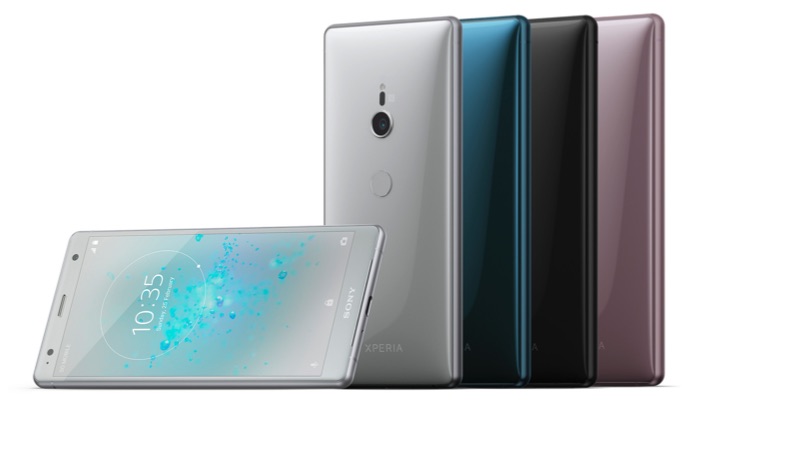
For the past couple of years, Sony smartphones have failed to capture the imagination of many consumers. Even in 2017, when many smartphone makers made a shift to bezel-less design, Sony continued to launch its signature boxy style devices. However, that finally changed at MWC 2018. Sony unveiled the Xperia XZ2 and Xperia XZ2 Compact with an 18:9 aspect ratio and thin bezels. However, still not the thinnest bezels you’ll see this year.
The Sony Xperia XZ2 and the smaller sibling also run on the latest and greatest Snapdragon 845 chipset. Apart from the Galaxy S9 and Zenfone 5Z, they are the only devices to run on the new flagship chipset. Sony still has a single camera setup on the front and back. So, it has still clinged on to a few Sony signature features.
Even for the Sony Xperia XZ2 and XZ2 Compact, the devices will have to be priced competitively in India.
Asus has launched its new flagship smartphone, the Asus Zenfone 5Z at MWC 2018. While at first glance it might look like an iPhone X knockoff, it has a lot more going on for it. In fact, the smartphone was launched along with three other Zenfone devices. The most interesting aspect of the Asus Zenfone 5Z is that it runs on the Snapdragon 845 and is priced at EUR 479 (Rs. 38,000 approx.).
Before MWC 2018 began, many expected Samsung to rule the Snapdragon 845 roost with its Galaxy S9 and S9+. However, smartphone makers like Sony and now Asus, have launched devices powered by the Snapdragon 845 chipset as well. The Asus Zenfone 5Z is the latest one before Xiaomi launches the Mi Mix 2S in late-March.
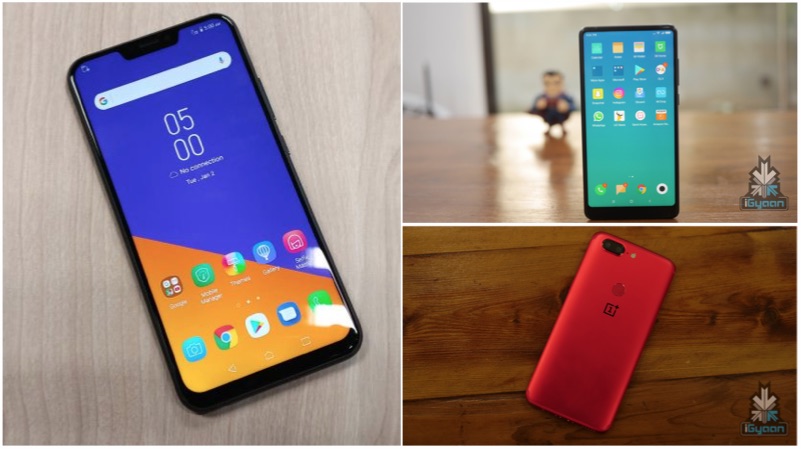
At this price point, the Zenfoone 5Z is much more affordable than the likes of the Galaxy S9 and Xperia XZ2. However, it will be interesting to see if and when Asus decides to launch the device in India, what the pricing will be like. If the company manages to keep the pricing under Rs. 40,000 the Zenfone 5Z will directly compete with the OnePlus 5T and Xiaomi Mi Mix 2. However, both of these smartphones run on the now older Snapdragon 835 chipset.
While the design of the Asus Zenfone 5Z and its UI might not be everyone’s cup of tea, there is no denying the potential of its chipset. The Galaxy S9, however, will be powered by the Exynos 9810 in India, will launch at a price of Rs. 62500. So, how does the Asus Zenfone 5Z hold up against the likes of the OnePlus 5T and Mi Mix 2? Let’s find out.
Comparison
Specifications
Asus Zenfone 5Z
OnePlus 5T
Xiaomi Mi Mix 2
Price
Starting at EUR 479 (Rs. 38,000 approx.)
Starting at Rs. 32999
Rs. 32999
Display
6.2 inch IPS LCD
6 inch Optic AMOLED
5.99 inch IPS LCD
Resolution
2246 x 1080 px
18.5:9
402 ppi
2160 x 1080 px
18:9
401 ppi
2160 x 1080 px
18:9
403 ppi
Chipset
Snapdragon 845
Snapdragon 835
Snapdragon 835
RAM
4GB
6GB
8GB
6GB
8GB
6GB
Storage
64GB
128GB
Expandable up to 400GB
64GB
128GB
Non-Expandable
128GB
Non-Expandable
Battery
3300 mAh
QuickCharge 4.0
3300 mAh
DashCharge
3400 mAh
QuickCharge
Primary Camera
12MP Sony IMX363 sensorf/1.8 aperture
Unspecified MP 120° wide-angle camera with 6p lens
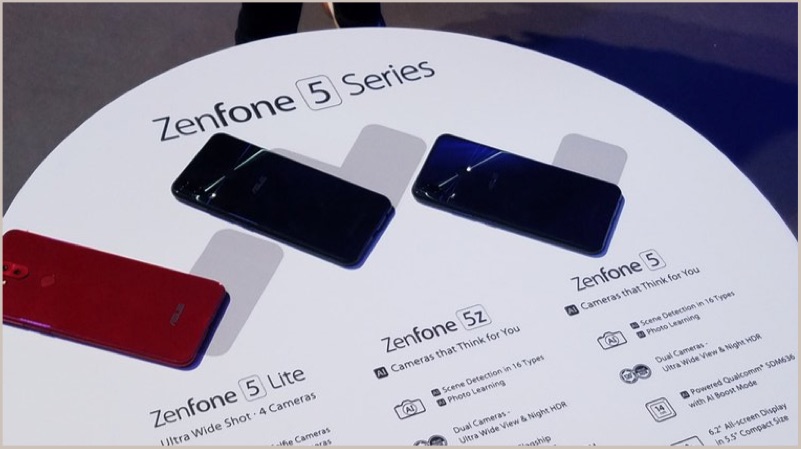
Asus launched three new ZenFone 5 smartphones at MWC 2018. The Asus ZenFone 5 Lite, ZenFone 5, ZenFone 5Z are the latest offerings from Asus, which boasts the modern design philosophy with an 18:9 aspect ratio. In fact, some of the models deliver up to 90% screen to body ratio.
Like Apple and Samsung, Asus introduced its own version of iPhone X’s Animojis called Zenimoji. However, the ZenFone 5z with flagship specifications costs half the amount of the iPhone X. With these three flagship series, the company launched the Asus ZenFone Max (M1) which is a smaller variant of the Asus ZenFone Max Plus (M1).
Price and availability:
The Asus ZenFone Max (M1) will be available in DeepSea Black, Sunlight Gold, and Ruby Red. Similarly, the Asus ZenFone 5 Lite will be available in Midnight Black, Rouge Red, and Moonlight White. The Asus ZenFone 5 and the Asus ZenFone 5z will be available in Midnight Blue and Meteor Silver from June. The Asus ZenFone 5z’s prices will start at 479 Euros.
Jerry Shen Asus CEO said:
We embarked on the ZenFone project four years ago with the idea to create empowering luxury for everyone to enjoy. Today, the ZenFone 5 Series is the most intelligent ZenFone series ever, utilizing advanced AI algorithms and big-data analytics to provide users with a unique slate of intelligent camera, communication and convenience features.
Asus ZenFone Max (M1):
The Asus ZenFone Max (M1) is the most affordable model from the company with the modern design. The smartphone has a 5.5 inch IPS LCD 1440 x 720p 18:9 aspect ratio display. Under the hood, the phone is powered by Qualcomm Snapdragon 425 Quad-core or Qualcomm Snapdragon 430 Octa-core chipset with 2/3GB RAM and 16/32GB storage. Similarly, the storage is expandable up to 256GB using a micro SD card.
The smartphone has a dual primary camera setup with a 13 MP primary sensor and an 8 MP wide angle lens with the electronic image stabilisation. For the front-facing camera, the smartphone offers an 8 MP sensor. The video recording is limited to 1080p due to chipset limitations.
The smartphone is fitted with a 4000 mAH sealed battery with a micro USB port. Additionally, the smartphone also supports NFC and Bluetooth. Finally, the smartphone runs on Zen UI 5.0 based on Android 7.1 Nougat.
Asus ZenFone 5 Lite:
The Asus ZenFone 5 Lite offers a 6 inch FHD+ 2160 x 1080px IPS LCD display with 80.3% screen to body ratio. Under the hood, the smartphone is powered by Qualcomm Snapdragon 630 or Qualcomm Snapdragon 430 Octa-core chipset with 3/4GB RAM and 32/64GB storage. Similarly, the storage is expandable using micro SD card up to 2TB.
The smartphone has a dual camera setup at the back. The primary 16 MP sensor is a normal lens and the secondary 8 MP sensor is a wide angle lens with 120-degree field of view. The primary camera setup offers features like PDAF and EIS. In fact, the smartphone also has a dual front-facing camera setup with a 20 MP + 8 MP sensor setup.
The smartphone runs on Android 8 Oreo with custom Zen UI 5 skin on the top. Finally, the smartphone packs in a 3300 mAH battery with a micro USB port.
Asus ZenFone 5 and ZenFone 5Z
The Asus ZenFone 5 is probably the most affordable smartphone with a notch. On the front, the smartphone has a 6.2-inch FHD+ 2160 x 1080px IPS LCD display with a notch on the top. The device offers a staggering 90% screen to body ratio with 19:9 aspect ratio. In fact, unlike the ZenFone 5 Lite, these devices offer a premium glass shimmery design.
The only difference between the Asus ZenFone 5 and the Asus ZenFone 5Z is the chipset and amount of RAM. The Asus ZenFone 5 is powered by Qualcomm Snapdragon 636 Octa-core chipset with 4/6GB RAM and 64GB onboard storage. Similarly, the Asus ZenFone 5Z is powered by the top of the tier Qualcomm Snapdragon 845 chipset with 4GB and 64GB or 6GB and 128GB or 8GB and 256GB RAM and storage models.
The smartphone has a dual primary camera stacked up vertically like the Apple iPhone X. The primary lens in the primary camera is a 12 MP sensor from Sony with f/1.8 aperture and 83-degree field of view and the second lens is an 8 MP sensor with a 120-degree field of view. The primary camera setup is something similar to the LG V30+’s camera setup.
For the front-facing camera, the phone uses an 8 MP sensor with an 84-degree field of view. The primary and the front-facing cameras are optically stabilised using 3-axial optical image stabilisation method. In fact, the camera setup is similar to the Asus ZenFone 5 Lite.
The Asus ZenFone 5 and the Asus ZenFone 5z also features dual 5-magnets speaker setup with dual NXP smart amplifiers. There is a PMIC internal dual amplifier, triple internal microphones with noise reduction, Hi-Res Audio with DTS Headphone X support. In fact, both the models support 3.5 mm headphone jack.
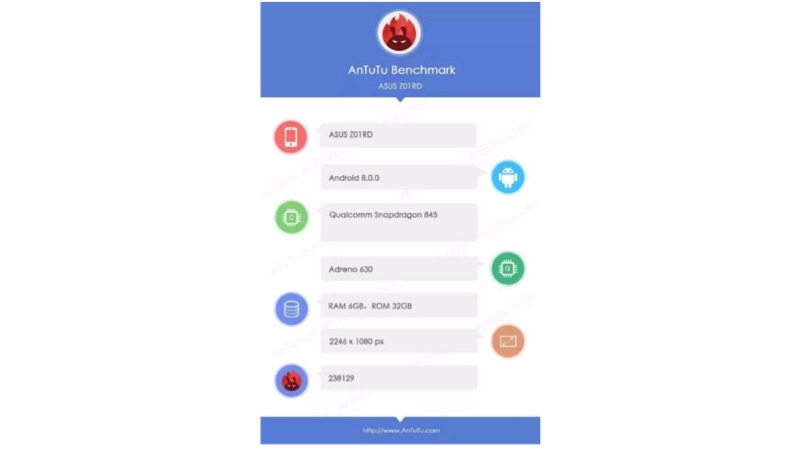
As per the recent leaks and benchmarks listing, Asus might launch it’s flagship ZenFone 5 at MWC 2018. The Asus ZenFone 5 was spotted on AnTuTu with a brief insight into specifications. The one with the top of the line specifications is expected to have the model number Z01RD. We might see multiple variants of the ZenFone 5 with this one being the most powerful of the lot.
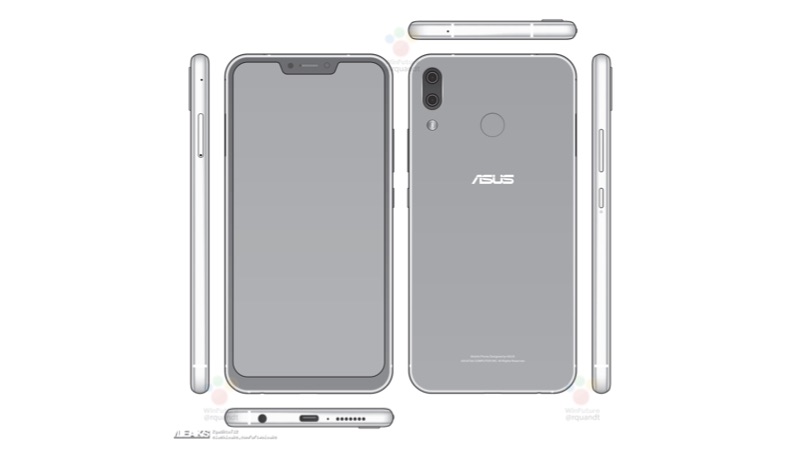
Another leak about the ZenFone 5 reveals an interesting detail about its design. The leaked image shows off an iPhone X-like notch on top of the display, similar to the likes of Huawei P11. However, unlike the iPhone X, the ZenFone 5 might just house a front-facing camera and an earpiece inside the notch. The notch on the iPhone X, on the other hand, serves a much more important purpose.
Early ZenFone 5 Sketches
The notch on the iPhone X was met with scepticism at the time of the launch. However, the users and reviewers have appreciated the notch since its launch. Leaks also suggest that Android P is expected to support the notch natively, which suggests, the upcoming Google Pixel 3 and Pixis3 XL could also come with a notch. However, it will be interesting to see what the implementation of the notch will be like.
ZenFone 5 AnTuTu listing
Specifications:
The AnTuTu listing reveals that the smartphone might be powered by the Snapdragon 845 SoC with 6 GB RAM. The internal storage is listed as 32 GB, which sounds quite weird for a modern day flagship smartphone. Like every other smartphone maker, Asus has planned to go with 18:9 aspect ratio display with 2240 x 1080p resolution.
The ZenFone 5 runs on Android Oreo 8.0 out of the box with custom Zen UI. The ZenFone 5 scores 238129 points, which is marginally less than the 265267 points scored by Galaxy S9. Does it point towards the fact that, ZenFone 5 is using a slightly underpowered processor that the Galaxy S9?
The ZenFone 5 is expected to feature a dual camera setup at the back, possibly with a regular and a telephoto lens. The front notch is expected to house a front-facing camera with hardware for facial recognition like the one on the Apple iPhone X. However, the implementation of the facial recognition technology might differ from Face ID. The smartphone is expected to be available in Midnight Black, Moonlight White, and Rouge Red colour, with a full metal unibody design.
Conclusion:
MWC is a week away and we are already seeing smartphones which are expected to go official at the event. It looks like we will be seeing a lot of Android devices with a notch. With these set of specifications, we are also expecting a price tag of at least US$ 600 for the entry-level model.
Asus will be launching its next generation of Zenfone series smartphones in MWC 2018. Along with that, it could also launch a gaming-centric Android smartphone. As the brand has already established itself in notebook gaming territory, this upcoming device will have a lot to live up to.
Upcoming Asus ZenFone series
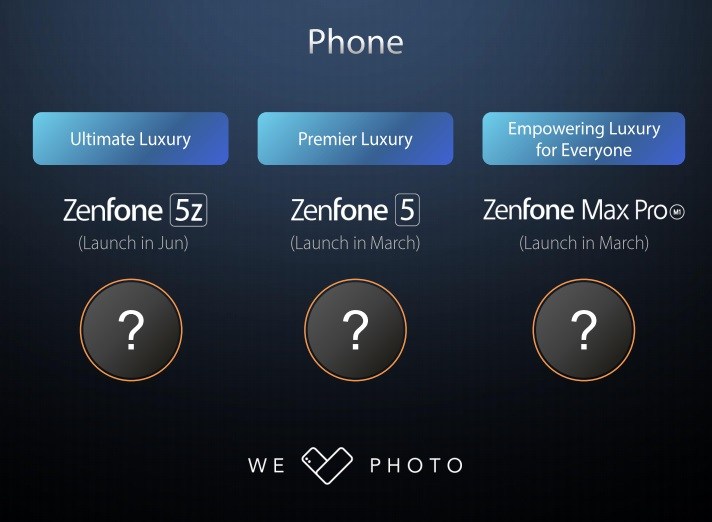
Along with Asus ROG, the brand will also announce a bunch of smartphones like ZenFone 5, ZenFone 5z, and ZenFone Max Pro. These smartphones will feature newer processor (Qualcomm Snapdragon 636) with taller 18:9 aspect ratio screen and a dual rear-camera setup. All three smartphones will be powered by Android Oreo 8.0 with custom Zen UI on the top.
According to sources, the smartphone will be named after ROG (gaming laptop series from Asus). Presently, there is no confirmation of the additional details of the phone. The only thing is that the brand should launch a phone with competitive pricing.
As Razer Phone has already set up an example for a gaming smartphone, here is the list of features that might feature on Asus ROG smartphone.
Speculated specifications:
Following the footsteps of the Razer Phone, the device will have a 120Hz display. It will have an IPS LCD display with a 2880 x 1440 px resolution.
Under the hood, the smartphone is expected to have either the Qualcomm Snapdragon 835 or the 845 chipsets. Depending on when the phone is launched, the chipset inside may vary. To handle the sort of heavy gaming, the chipset will be paired with either 6GB or 8GB of RAM. It will also have either 64 GB or 128 GB onboard flash storage based on UFS 3.0. To tackle overheating, it will apparently have a Liquid Cooling System
Similar to the Razer Phone, the device from Asus will have dual front-firing stereo speakers.
In the day and age of all premium smartphones having top-notch specifications, does a gaming phone make sense? Let us know your thoughts in the comments!