There are currently concerns over an illegal mining operation of tin in Indonesia, and Apple has updated its “Supplier Responsibility” page to note that it is investigating the issue along with the Electronic Industry Citizenship Coalition (EICC). Below is the new section from Apple’s page describing its action in Indonesia.
Bangka Island, Indonesia, is one of the world’s principal tin-producing regions. Recent concerns about the illegal mining of tin from this region prompted Apple to lead a fact-finding visit to learn more. Using the information we’ve gathered, Apple initiated an EICC working group focused on this issue, and we are helping to fund a new study on mining in the region so we can better understand the situation.
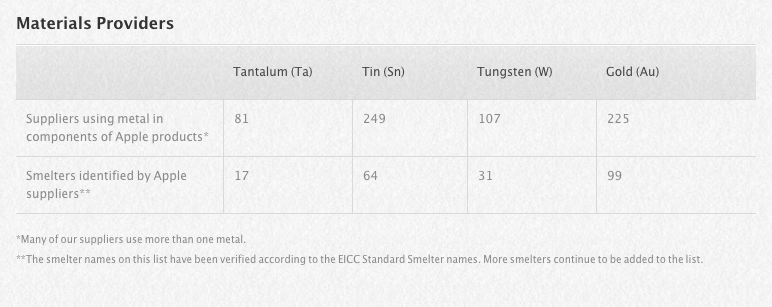
Among Apple’s suppliers, 249 use tin in the components they provide to the company, and 64 EICC-certified tin smelters have been identified. Apple is also tracking sourcing of tungsten, tantalum and gold.
In recent years, Apple has stepped up its examinations of suppliers, issuing yearly Supplier Responsibility Reports and in 2013 fired one of its Chinese suppliers for child labor violations.
Friends of the Earth has been calling for Apple to come clean on whether or not it uses tin from the Bangka area for a long time, amassing over 24,000 signatures on its campaign. The activists say that the tin has been “linked to the destruction of tropical forests, coral reefs and fishermen’s livelihoods.”
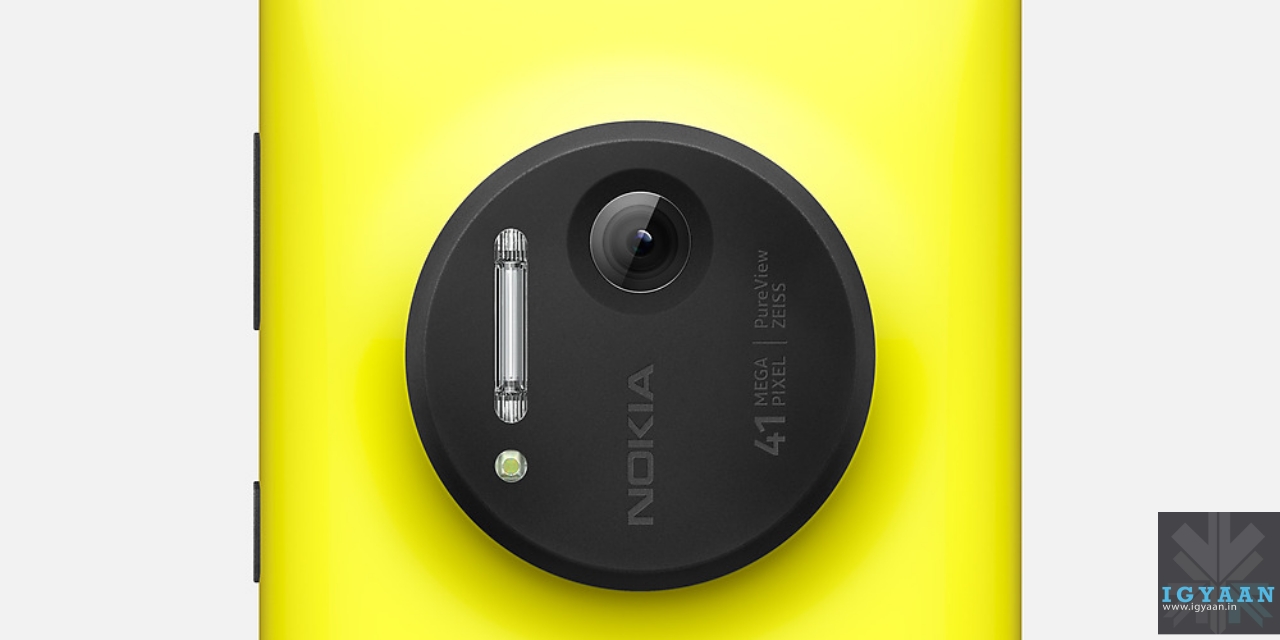
One of the big features in the Nokia Lumia 1020 is the Pro Camera software, which will offer users a lot more control over the imaging settings for the 41 megapixel smartphone. As it turns out, owners of three current Lumia devices will get the benefits of the Pro Camera features as well.
In a post on Nokia’s blog, the company confirms that it will add the Pro Camera features as a software update for the Lumia 920, 925 and 928 smartphones.
This app will be available for 1020 from its launch Lumia and will be coming to all PureView Lumia smartphones (Lumia 920, 925 and 928) but require the software update to Amber.
As WMPowerhouse reports, you can set everything to automatic or take control of settings such as ISO, Exposure Compensation, White Balance, Shutter Speed, and even manually focus the camera. Each setting is controlled by a series of easy-access, on-screen dials making it really convenient to adjust your camera’s settings.
One really cool feature coming to Pro Camera is the ability to preview how the setting changes will effect your photo. The live view will adjust accordingly as you fine tune your camera settings. It’s a feature many stand alone digital cameras have and will go a long way in helping everyone take better pictures.
The Pro Camera software will also have a tutorial built in to help users capture more professional looking images.
Back in March Thorsten Heins, BlackBerry’s CEO, stated that “There’s one new product I’m really excited about, but I can’t really share it… It takes BlackBerry 10 to another level in terms of the user experience.” It’s rumoured that this new product will be their new BlackBerry 10 device called the Blackberry A10, currently given the codename of Aristo.
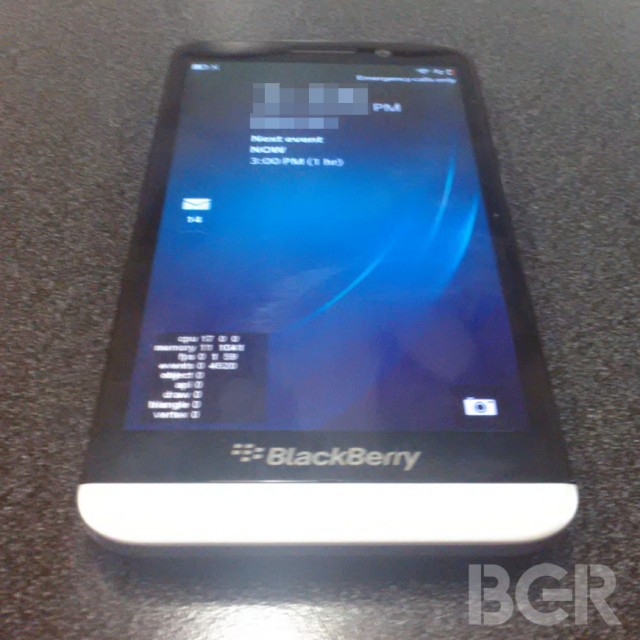
This new flagship smartphone is expected to launch sometime in November and the first image has leaked online. According to BGR, the A10 will sport a 5-inch Super AMOLED display with a resolution of 1280 x 720, and a dual-core processor. As for the design, when compared the Z10, the corners seem to be more rounded at the top, but have a similar look at the base. While there’s no picture of the back, the report indicates that the device will be textured like the BlackBerry Q10. In addition, the Blackberry A10 is currently running BlackBerry 10.2.0.552.
These specs are completely different than what has been rumoured in previous leaks: 4.65-inch Super AMOLED display (1080×1920 resolution), 1.9GHz quad-core Qualcomm processor, 3000mAh battery, and 2GB RAM.
The back of the device is reported as featuring “something similar” to what is found on the current BlackBerry Q10 device, and overall it is more rounded in nature than the company’s other phones. Also leaked yesterday was the BlackBerry 9720, which is a reboot of the Q10 in the same way the Blackberry A10 is a reboot of the Z10 handset.
So for now we’ll have to wait and see what BlackBerry comes out with.
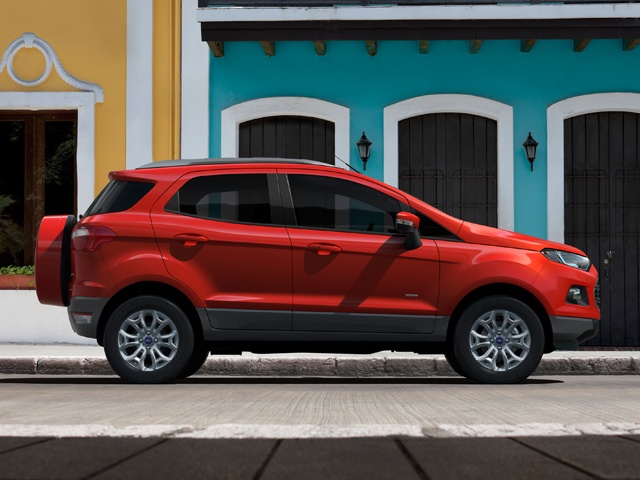
Well, this is slightly awkward. Launched just over 2 weeks, ago, the diesel Ford EcoSport is being recalled to relocate the glow plug module in the car.
The American manufacturer has released a statement saying that a potential concern with the diesel variants of the compact SUV was found during routine checks. This suspected issue can be fixed by relocating the glow plug module, and Ford is contacting customers to take their vehicle to their dealership to have the work carried out.
The highly anticipated EcoSport was launched on the 26th of June with an offer of 3 engines, one of which is a 1.5-litre diesel. According to reports, public response has been great with more than 20,000 cars already booked. However, Ford would’ve definitely wanted to avoid a product recall so early in the car’s life cycle. Could this affect the EcoSport’s future in the market? Let us know what you think, in the comments section below.
While Sony may be busy announcing its next generation console, their present iteration is still doing strong. The Last of Us is a Sony exclusive title developed by company’s Naughty Dog studios, for the PS3. The game plays on the zombie apocalyptic post world era, that we all have come to love and expect, yet there are some exciting new additions to the overall storyline and gameplay experience.
Joel and Ellie
Storyline
The Game begins with the normal life of main character Joel, and how it suddenly gets affected an outbreak that causes the Zombie Fungus Cordyceps to start spreading like wild bushfire. The gameplay is set in the United states and shows how everywhere, post this outbreak, there is utter pain and chaos. The character, like any hero is destined to help end the problems of the world by delivering a solution, where he needs to travel across the badlands of the United States.
Unlike any other Zombie game the Last of Us is designed in a different manner, and you simply cant expect instant hardcore action from the game. The game storyline is slow and progresses as the character fights various kinds of zombies, human enemies known as hunters and the government which basically controls everything. The story as it progresses reminds you from time to time the hopeless situation of the world and how the Joel fights on despite that. The game essentially takes off from the typical end of humanity scenario, but chooses to tell a story about the two people that travel across the pain stricken world in an attempt to revive humanity.
The gameplay is full of beautiful backdrops, amazing sceneries of the untouched wilderness and the post fungus cities which are destroyed and collapsing. The game developer has ensured that each scenery and backdrop shows the status of the world and each new backdrop tells a brand new story about what has happened.
As the game progresses the secondary character Ellie starts to take limelight as she becomes closer and closer to Joel. Their relationship is strengthened by Ellie’s constant need to oppose the exacting situation and Joel constant efforts to keep things under control. Ellie has been born into this world and has no idea what the real world is like, her constant need and discussions to find out what the world was, make for some of the best ingame scenarios.
The story line is beautifully presented and ensures that you build a relationship with the characters as the game progresses. The game defines what possibly is the best ever story written for the Playstation.
Post World Cities
Gameplay
What the storyline builds, the gameplay delivers! With a vast variety of interesting elements that make it a truly exciting and entertaining experience. Despite the fact that the game has many enemies throughout the story, the major focus remains on the infected. Cordyceps infested humans become rage hungry monsters that don’t eat or kill, they simply bite and infest others. The main elements of the infected are the runners that are basically the pawns of the enemies, the clickers are the bishops, blind yet brutal and many other higher ups that define the bosses of the infested chains.
Infected Clicker
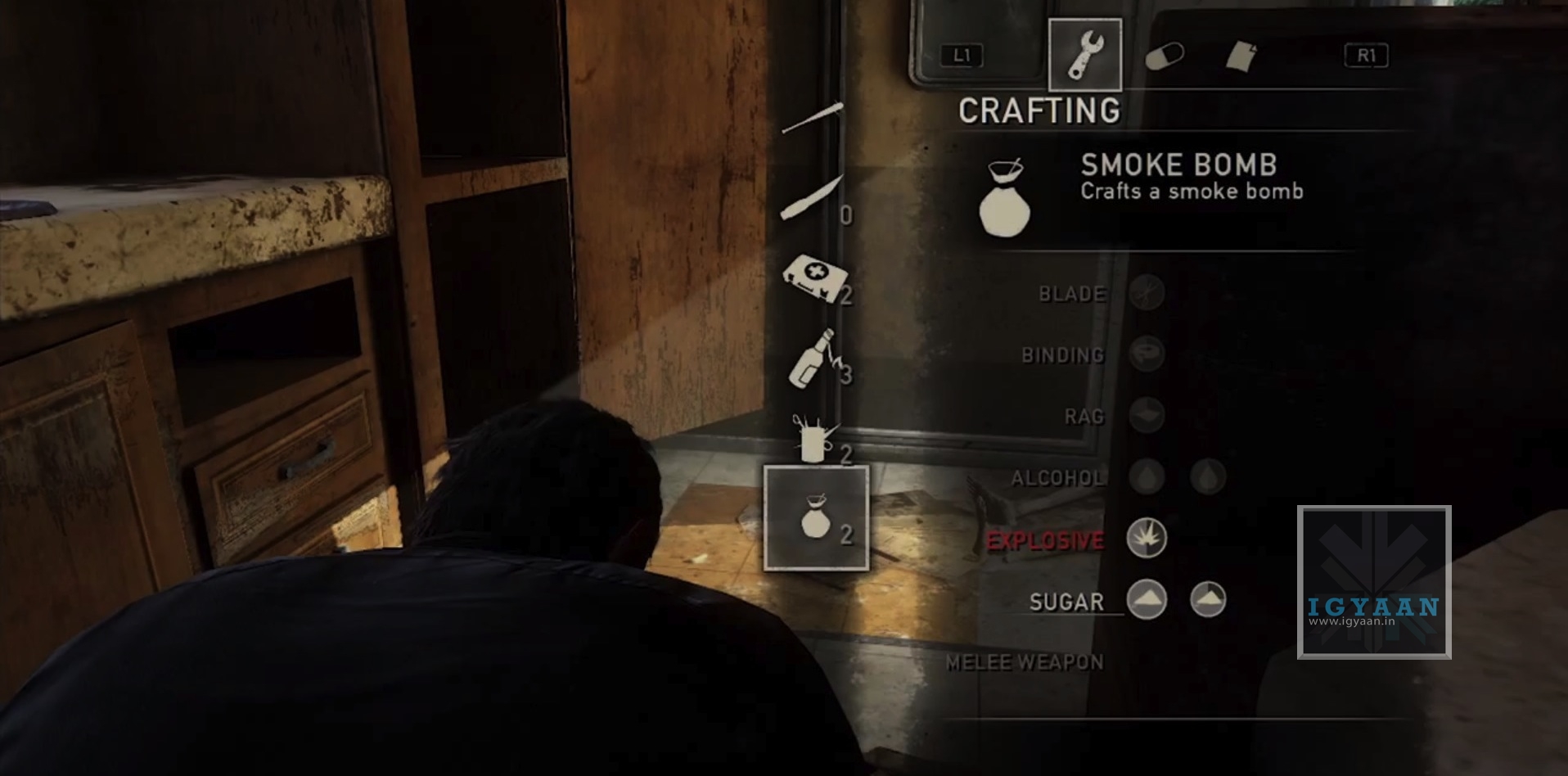
Gameplay becomes intense and inflicts a sense of fear in the gamer as the infected arrive, while Joel has a vast majority of mainstream weapons to his disposal including pistols, automatic guns and even crossbows, the most interesting element of the gameplay is the characters ability to forge destructive weapons from the post world scavenging. While ammo is mostly scarce, hard to find and carried in a limited quantity, the handcrafted grenades, smoke bombs and throat slitting shivs are manufactured from items found on the map, including broken scissors, alcohol and pieces of cloth. All this crafting happens real time and the gamer is in constant stress especially when the threat is nearby.
Nearby Hunter
While the gameplay is close to perfection it may lack the certain finesse and responsiveness that users may expect from a actions scenario game like the Last of Us. The progress is slow and the expansive storyline, mixed in between intense gameplay, tends to take from the mood of the excitement. There are also stages where the characters are simply walking while figuring out their path, which may truly frustrate some.
Multiplayer
Although the Last of Us was not designed to be a multiplayer, the game does a wonderful job of that as well. Making you the leader of a group of survivors, scavenging and fending off enemies, you have to constantly explore the map and ensure that you are on top of the situation and in control of your team that often finds itself surrounded by problems. The multiplayer may not be the main concept but is a well appreciated addition to the overall experience of the Last of Us.
Conclusion
There is no doubt that the Last of Us is possibly the most beautiful game on Playstation 3, and the extensive work behind the tile truly shows from the start to the finish. The story is involving and creates a sense of relation and there comes a point where you actually start to feel bad for the state of the situation. The gameplay adds a lot of action and thrill, and literally keeps your heart pounding, especially when the higher-up infected are around. There is really nothing more you could ask for from a game.
If you own a Playstation 3 and are looking for a game that will keep you busy for hours and days, while making your heart pound and your thumbs smashing the controller, look no further.
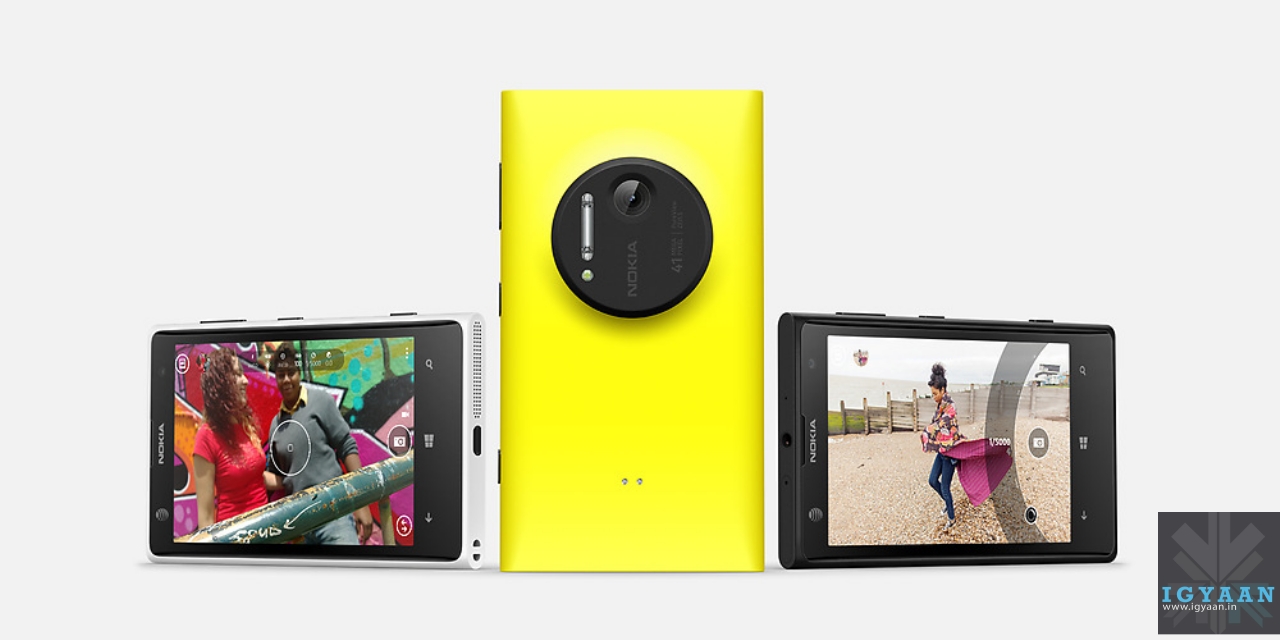
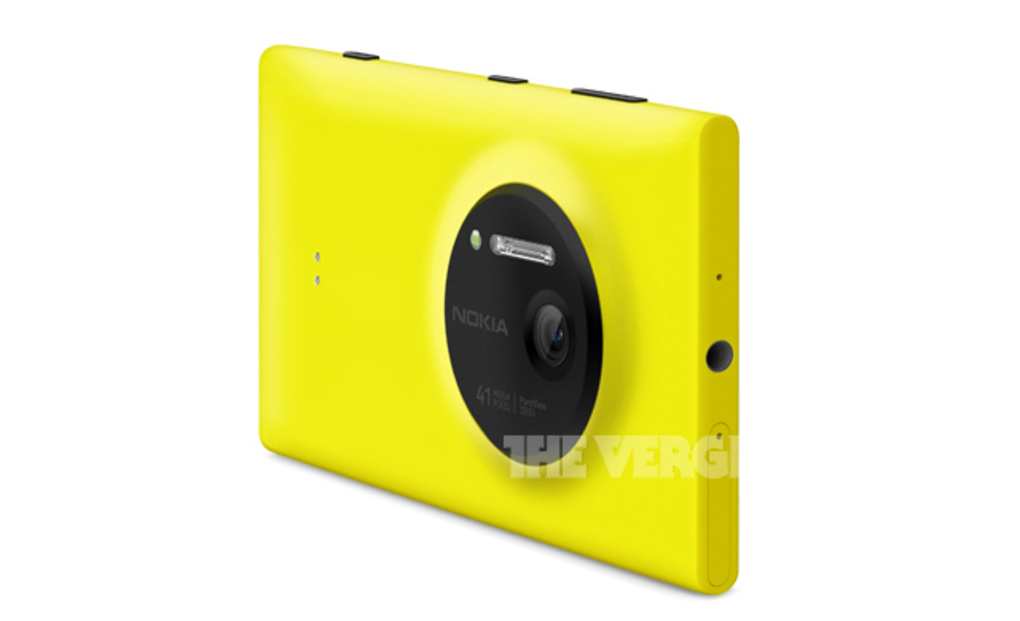
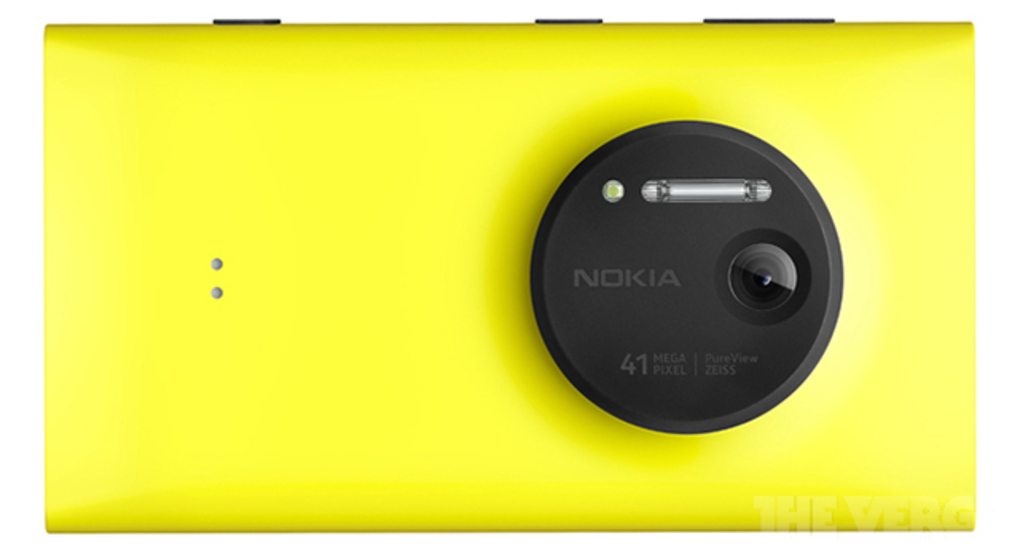
Nokia, the company which applied for its first imaging patent in 1994, has today launched the most advanced camera phone in the market right now, the Nokia Lumia 1020.
Even though it was revealed in entirety a few hours ago, the launch finally makes it official.
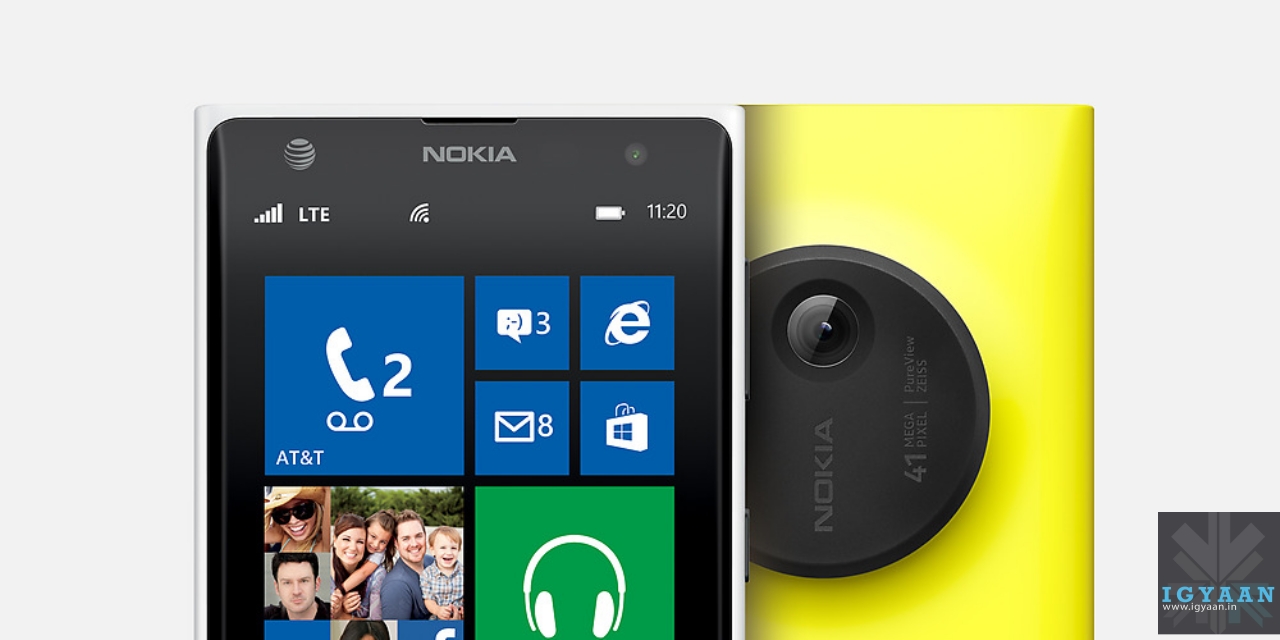
Running Windows Phone 8 ‘Amber’, there are a number of new software features that we’ll get to in a moment. First, the hardware: The Nokia Lumia 1020 has a 4.5-inch, 1280×768 pixel LCD display with PureMotion HD+ and Super Touch Sensitivity. It is powered by a 1.5Ghz dual-core Snapdragon S4 Plus processor with 2GB of RAM and 32GB of internal storage (not expandable).
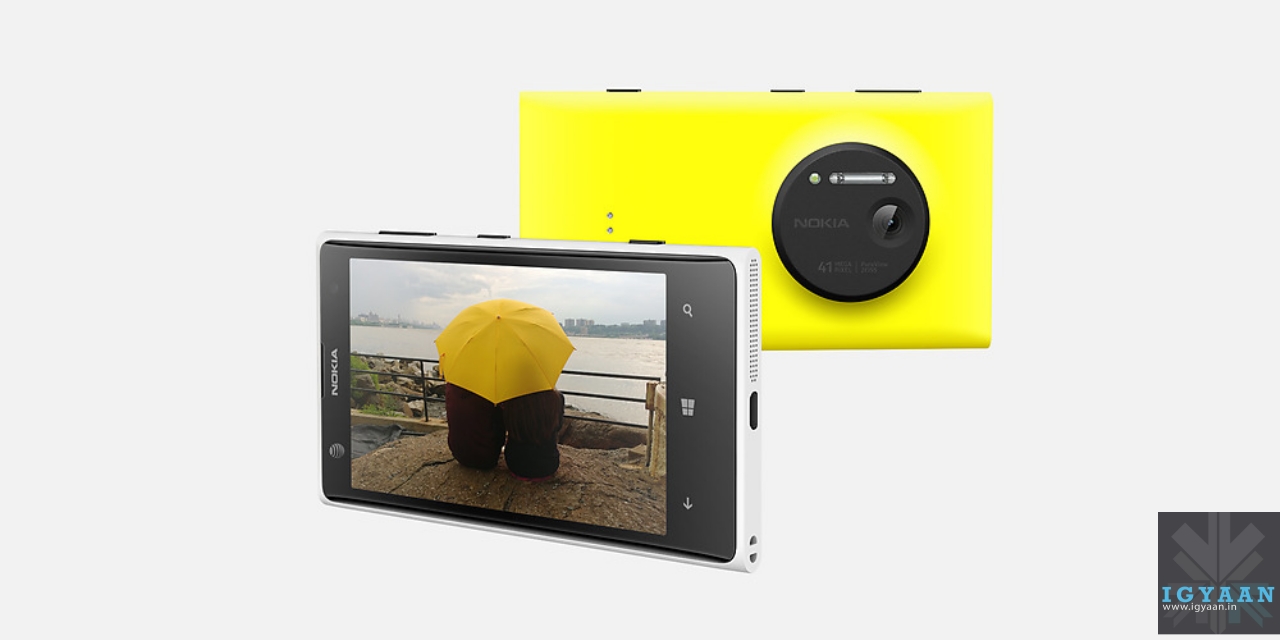
The star of the show is a 41MP BSI camera sensor with Xenon Flash, LED auto-assist flash, Carl Zeiss lens, f/2.2 aperture and Optical Image Stabilization At the front there is a 1.2MP front-facing camera and a 2000mAh battery inside the Nokia Lumia 1020.
The Nokia Liumia 1020 has dimensions that read 130.4 x 71.4 x 10.4 mm and it weighs 158 grams.
Of course, the main draw here is the massive 41MP camera on the back that manages to take ultra-sharp 5MP shots using a technique called oversampling — combining seven pixels into one super-accurate pixel — as well as relatively lossless digital zoom photos. According to Nokia’s CEO, Stephen Elop, these are “the most sensitive pixels in the industry.” Photos can also be captured at 34MP in wide-angle and 38MP in 4:3 aspect ratio.
Nokia has included six Zeiss lenses in wide-angle, which ensures maximum sharpness throughout the picture-taking process. There is a second-generation optical image stabilization system inside, based on ball bearings, to ensure excellent low-light stability.
There is a new camera app called Nokia Pro Camera, which allows users to change granular capture controls, including ISO, white balance, shutter speed and exposure. The viewfinder will show the final result of the image, and capture is instantaneous.
Pro Camera captures 1080p video, which takes advantage of the aforementioned optical image stabilization, and the phone boasts excellent audio capture along with the superlative photo and video experience.
Inside the box of the Nokia Lumia 1020 you will get the device itself, a Nokia Charging and Data Cable (CA-190CD), Nokia Wrist Strap Black, SIM Door Key. Accessories available for purchase include a camera grip and a wireless charging back panel.
The company also confirmed Path and Flipboard will be coming to Windows Phone, in addition to the previously-announced Hipstamatic app that will allow for Instagram sharing. Pricing and availability have not been announced yet.
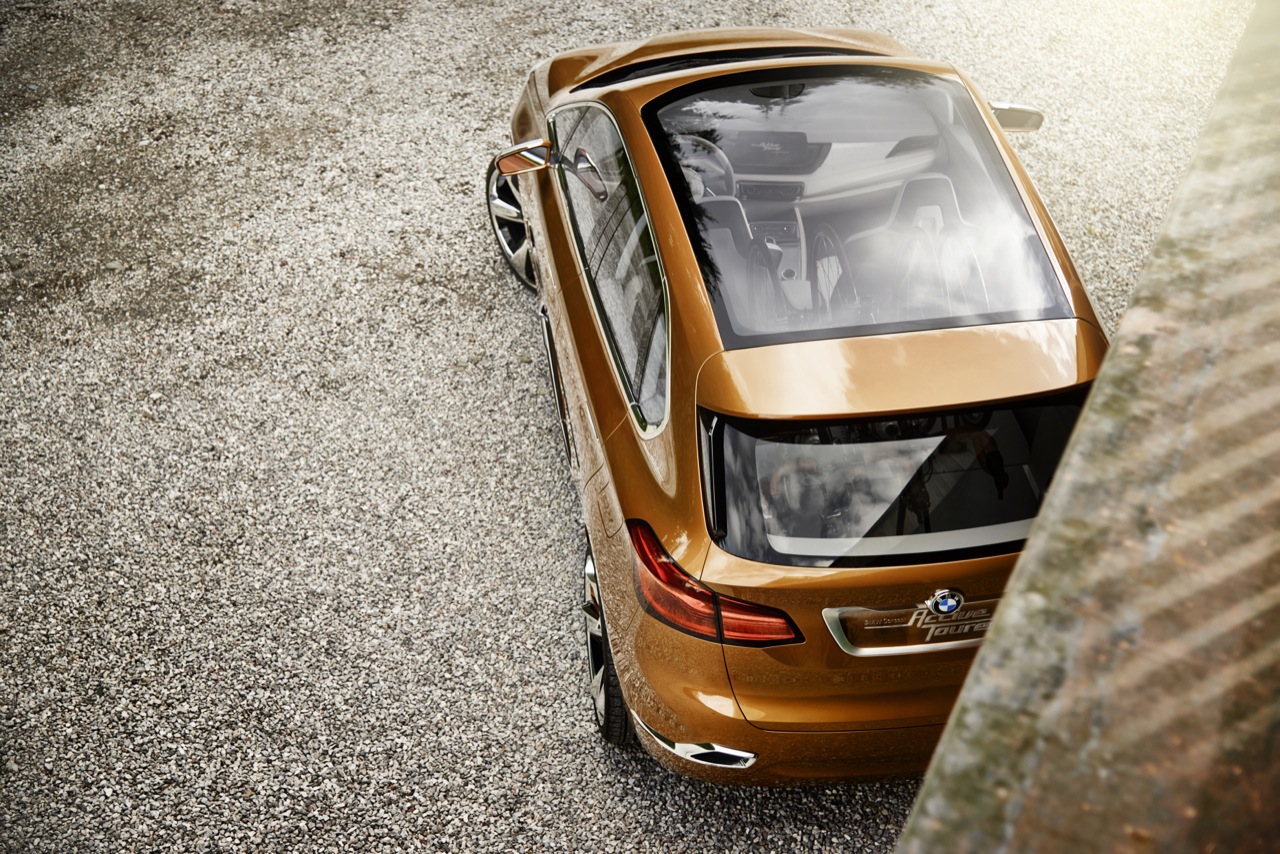
The BMW Concept Active Tourer was unveiled to the world at the 2012 Paris Motor Show. Now BMW has premiered a sturdy, adventurous variant called the Concept Active Tourer Outdoor. Showcased at OutDoor Friedrichshafen, a trade fair held this month in Germany, the wagon is tweaked with new materials, accessories and ConnectedDrive features for those who spend more time under the sky, than inside their cars.
The same plug-in hybrid drive system as found on the original Concept Active Tourer handles the power duties under the hood of the Outdoor variant. A transversely-mounted, 1.5-liter turbocharged three-cylinder engine paired with an electric motor and a battery pack produce a total output of 190 horsepower and 147 pound-feet of torque. Power is sent to the front wheels and gets the car from nought to a 100 kmph in under eight seconds. The Concept Active Tourer Outdoor has a pure electric range of up to 19 miles, a top speed of 198 kmph hour and claimed fuel economy of around 40 kmpl.
What’s special about the car, is the transformable compartment which can be found behind the rear seats. Its capable of stowing two bikes on built-in, retractable carriers and once the front wheel and seat from the bikes have been removed, the frames can be locked into place using two rails and brackets. The wheels can be stowed in a holder attached to the right rear seat, the saddles can go into a compartment in the load floor. If you need to make a quick adjustment or a fix, you can do so since the bikes are aligned across the load bay.
The Concept Active Tourer Outdoor, which by the way doesn’t look like a 21st century concept at all, gets tough interiors to take on the wild outdoors. The load floor is a studded plastic in MoonRock Gray, the forward parts of the cabin are in MoonRock Gray and MoonWhite leather, plastic, Alu Mesh and Steron trim. Gold Race Orange trim inside matches the color of the body outside, and the wagon rides on 20-inch wheels.
Nokia would be better off cancelling their Nokia Lumia 1020 launch event and saving themselves some money, as the complete set of specifications of the device have been leaked online.
Like its predecessors, the Nokia Lumia 1020 will carry a 4.5-inch 1280 x 768p AMOLED 2.5D Gorilla Glass 3 PureMotion HD+ touchscreen with ClearBlack, sunlight readability and super sensitive touch technologies. On the inside, a dual core 1.5GHz Snapdragon S4 processor will power it up and not the 800 chip as previously speculated.
Apart from these, the Nokia Lumia 1020 will be deployed with 2GB of RAM, 32GB of internal storage and a 2000mAh battery. Coming to the main highlight, the device will employ a 41MP camera with OIS, a BSI sensor, 6 lens optics, 3x zoom, AF and 1080p recording at 30fps. There’s also a a 1.2MP HD front cam.
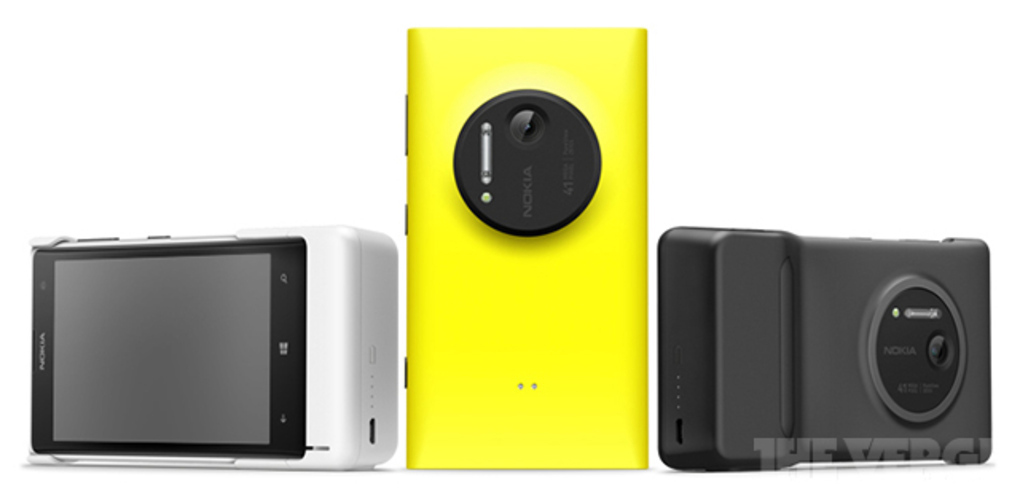
Also, in a series of photos obtained by The Verge, we now have a better look at the device when paired with its camera shell accessory, which you can see pictured at the top. The camera shell accessory is said to be a case of sorts for the back portion of the phone. When attached, it will not only provide the phone with additional battery life, but will make the lens on the back of the phone protrude less, while at the same time providing the phone with a bigger grip which we expect will be more comfortable to snap photos with compared to holding a thin phone.
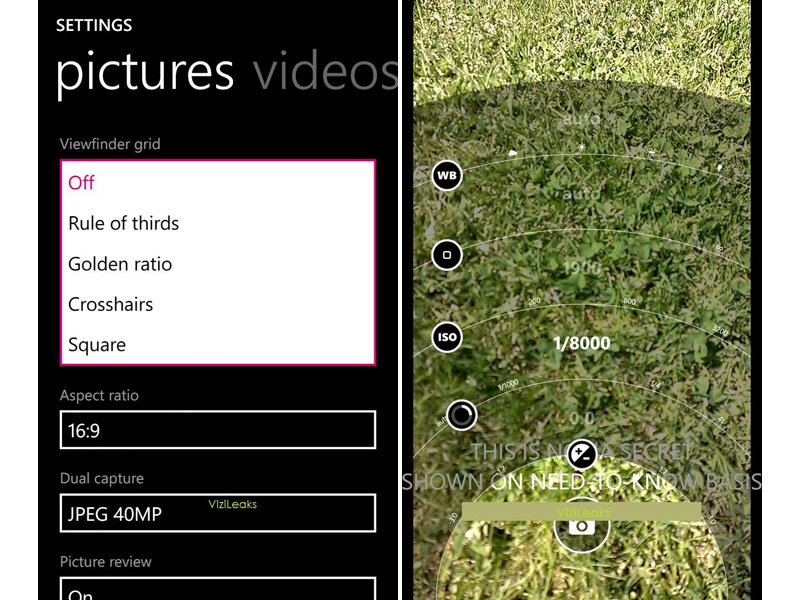
Nokia is planning to give Nokia Lumia 1020 users the ability to fine-tune the controls of the 41-megapixel shooter through a new Pro Camera app that’ll include controls for things like white balance, ISO and shutter speed. Screenshots of the Pro Camera app, which includes the option to take two differently-sized photos at once, have been shared by @ViziLeaks and can be found below.
Someone working AT&T’s YouTube channel apparently couldn’t wait to share the news of the Lumia 1020, as the official ShareATT account has just posted a trio of brief promo videos highlighting the zoom, low-light and video performance of the device.
This is the Lumia handset Nokia has been wanting to build since day one. It’s the 808 in a classier chassis with better spec and a more robust OS. No doubt more details about the handset’s nuances will become clear at the New York launch event.
The Nokia Lumia 1020 event will start in approx. 2 hours.
Micromax announced their latest flagship device this week, the Micromax Canvas 4. While they talked about how they received an enormous amount of pre-bookings, we can’t help but feel that most of the pre-bookers would’ve changed their minds after the launch itself.
The Micromax Canvas 4 only boasts of a camera update and a few software tricks over the previous flagship device, the Canvas A116 HD.
Below, we mention 5 devices (in no particular ranking) as alternatives to the Canvas 4, which cost about the same or less than the Micromax.
1. Micromax Canvas A116 HD
We’ll start with one from Micromax’s stable itself. The Canvas HD has the same 5-inch 720p display, the same quad-core MediaTek processor and Dual SIM capability. The only drawback? It has a 8MP rear camera as opposed to the Canvas 4’s 13, and a 2MP front as compared to the Canvas 4’s 5. And the Canvas HD is about Rs. 4500 cheaper than the Micromax Canvas 4.
So if you can live with the lower resolution camera, then you would be better off choosing the Canvas A116.
Xolo recently stepped up their device portfolio in India with multiple launches and aggressive marketing. One device that stood out was the Xolo Q1000.
Xolo Q1000 is powered by a 1.2GHz quad core processor. It features a 5-inch IPS display that has a resolution of 720×1280 pixels with a pixel density of 295ppi. The screen is made of scratch resistant Dragon Trail glass. The dual-SIM (GSM+GSM) phone runs on the latest Android 4.2 Jelly Bean.
It has 1GB of RAM and PowerVR SGX544 graphics processor. The phone sports an 8-megapixel rear camera with LED flash and BSI sensor and a 1.2-megapixel front facing camera.
The Xolo Q1000 offers 4GB of internal storage expandable up to 32GB via microSD card. The phone features 3G, WiFi 802.11 b/g/n, and Bluetooth 4.0 connectivity options. It has a 2,100mAh battery.
The Lava Iris 504Q has a 5 inch 1280 x 720p screen, 1.2 GHz quad core MediaTek MT6589 (same as that on the Canvas 4) processor, a mix of 8 MP and 2 MP cameras, 1 Gig of RAM and a 4 GB storage. Lava has added various software tweaks to appeal to the market like gestures for the image gallery and clicking pictures. It is essentially a Dual-SIM GSM + CDMA smartphone.
You also get a microSD card slot, Wi-Fi, Bluetooth 3.0, 3G, and 2000 mAh battery.
We were really impressed by this device in our review and feel that it is a really capable alternative to the Canvas 4.
One from the big brand now. The Xperia L is undoubtedly better than the rest as far as the software aspect is concerned. On the specs front the Sony Xperia L sports a 4.3-inch display with 480×854 pixel resolution and is powered by a 1GHz Qualcomm MSM8230 dual-core processor. It runs on Android 4.1.2 Jelly Bean operating system and packs 1GB RAM along with 8GB of internal storage which is expandable up to 32GB via microSD card.
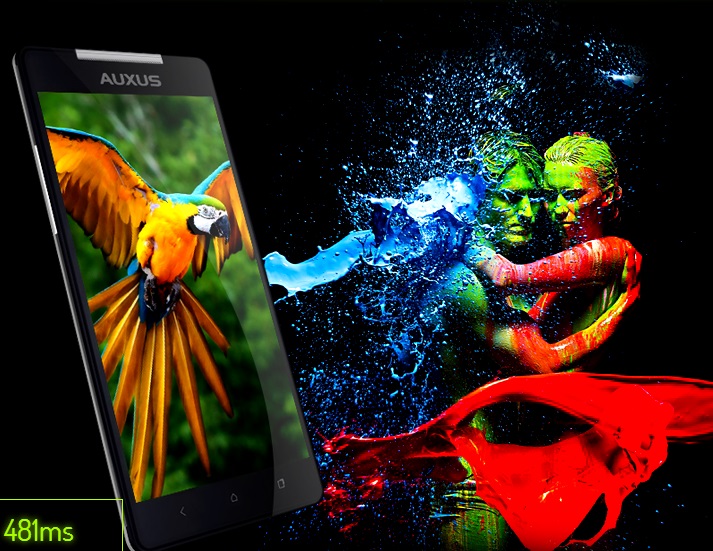
The Auxus Nuclea N1 will have a Full HD 1080p 1920 x 1080 resolution One-Glass Solution display with Active Matrix technology. It will come equipped with a MediaTek MT6589T Quad core Turbo 1.5GHz processor and a PowerVR SGX 544MP GPU clocked at 357MHz for the graphics. The Auxus Nuclea N1 will also come with other features such as Gesture control, Voice Unlock, Magnetic sensors etc. It is a dual Sim phone 3G +2G smartphone.
The Auxus Nuclea N1 will come with a 13MP rear facing camera with a BSI sensor and AutoFocus,along with an impressive 8MP front facing camera and will run on Android 4.2 Jelly Bean. A Li-ion battery measuring 2800mAh will be used in this smartphone.
The internal memory and RAM have not been specified yet. The Auxus Nuclea N1 will go on a 10-day-pre-booking starting from 13 Jul 2013 at a price of Rs.15990 while the regular order price is set at Rs.18000 (same as the Micromax Canvas 4).
Micromax Canvas 4
Related Products
Were you happy with the specifications of the Canvas 4? Have we missed out on any good alternatives? Let us know below!
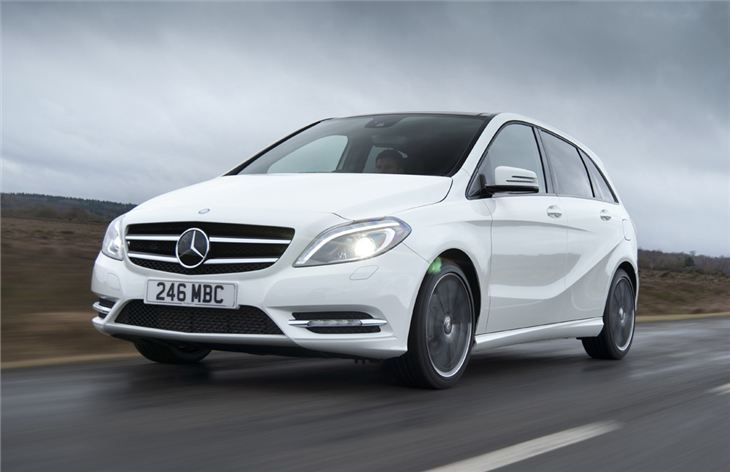
The Mercedes Benz B-Class is now available with the option of a diesel engine, at a price of Rs. 22.6 lakh (ex-showroom Mumbai).
The B-Class was launched last year in India with only petrol options, but now can be purchased with a 107 bhp 2.2-litre diesel unit under the hood. This engine comes mated to a seven-speed DCT gearbox with two drive options, Sport and Manual. The hatchback returns a claimed fuel efficiency of 18.98 kmpl and goes on to a top speed of 190 kmph.
The B180CDI will be available in only one trim, called ‘Style’. A fully powered driver’s seat, leather upholstery, seven airbags, a COMAND interface with a variety of media connectivity options and a whole lot of safety tech comes standard with the diesel B-Class. However, it misses out on features such as the dual-sunroof, parking camera and sat-nav which are available on the more expensive petrol variant.
It still gets 7 airbags, ABS, EBD and ASR. The Audio 20 CD player, 14.7cm screen. It gets bi-xenon headlamps and even paddle shifts are standard. It rides on 16-inch wheels compared to the 17-inch ones which come with the petrol variant.
Panasonic recently added three new cameras to its Mirrorless series- the GX1, G5 and GH3. The price range of the cameras ranges from Rs. 22,000 to Rs. 99,990 (body only).
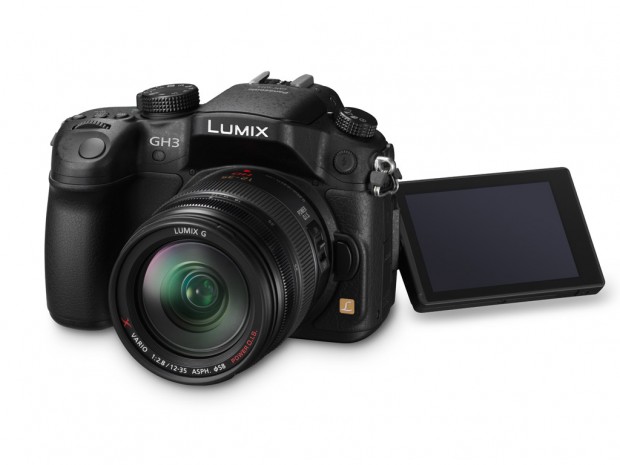
Panasonic GH3
The camera offers smooth high-definition progressive scanning, a host of recording formats, and a heat-dispersing design for extended shooting.
At the heart of the DMC-GH3 lies a re-engineered 16.05-megapixel Live MOS Sensor. To maximize the resolution of the newly developed Live MOS Sensor, the image sensing block is designed as an integrated unit. The new filter optimizes the conventionally conflicting effects of increasing resolution while suppressing moire. The camera also features the new Venus Engine which has an unprecedented ability to process both still and video signals with razor-sharp clarity.
A rugged magnesium alloy body with a splash proof, dustproof design makes the DMC-GH3 tough enough for active outdoor use. . In the DMC-GH3’s Contrast AF system, the image sensor doubles as the AF sensor to resist any mechanical margin of error.
The DMC-GH3 uses a variety of advanced recording media, including the SDXC, SDHC, and SD Memory Cards. It lets you transfer your valuable shooting data at lightning fast speeds. The camera also has a built-in Wi-Fi® (IEEE 802.11 b/g/n) function. By installing LUMIX LINK 2.1 or newer, a dedicated application compatible with iOS and Android for smartphones and tablets, you can enjoy a new shooting style using Wi-Fi.
Price: Rs. 99,990 Body, Rs 154990 with 14140 lens.
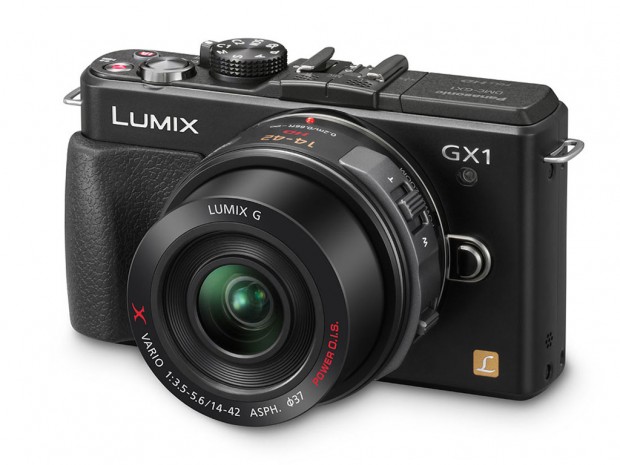
Panasonic GX1
The Panasonic GX1 comes equipped with a 16.0-megapixel Live MOS Sensor. With the dedicated circuit, which reads out signals with minimum noise, the level of noise is significantly suppressed by more than 66%.
The DMC-GX1 features approx. 0.09 second of ultra-high speed Light Speed AF which is achieved by reducing the detection time for focusing by the synchronization of the lens and the sensor at 120 fps.
An electric zoom lever on the left side of the lens barrel makes it smoother to zoom when concentrating on the shutter operation with the right hand.
Price: Rs.34,990 with 1442 mm lens.
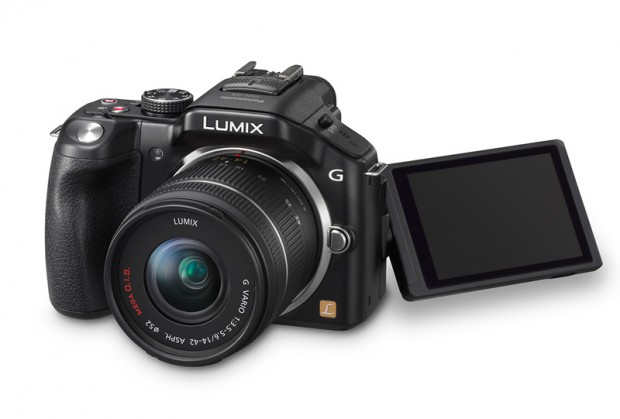
Panasonic G5
Panasonic has formally unveiled the LUMIX DMC-G5, a mid-level mirrorless interchangable lens camera. The G5 is built around a 16MP LiveMOS sensor that the company implies hasn’t been used in a G-series camera before. This, combined with the company’s latest ‘Venus Engine’ allows the capture of 1080p video at 60 frames per second. It also gains an additional control lever, higher-resolution 920,000 dot rear LCD and regains the eye-sensor to automatically switch between LCD and electronic viewfinder.
The Panasonic DMC-G5 features two types of noise reduction: Multiprocess Noise Reduction, which optimizes the noise reduction in the bright parts of the image for both single* and burst shooting, and 3D Noise Reduction, which applies optimal noise reduction by differentiating the edges and the smooth parts of the image in single shots.
It features the world’s fastest level of auto focusing, called Light Speed AF, which is achieved by reducing the detection time for focusing by doubling the drive speed from 60 to 120 frames per second.* The DMC-G5’s high-speed, high-precision AF functions operate even while shooting videos. The DMC-G5 records high-resolution Full-HD 1,920 x 1,080 60p (NTSC)/50p (PAL) videos with 28 Mbps videos in AVCHD Progressive (MPEG-4/H.264) format.
Price: Rs. 37,990 with 1442 mm, Rs. 43,990 with 1442 and 45150 mm lens.
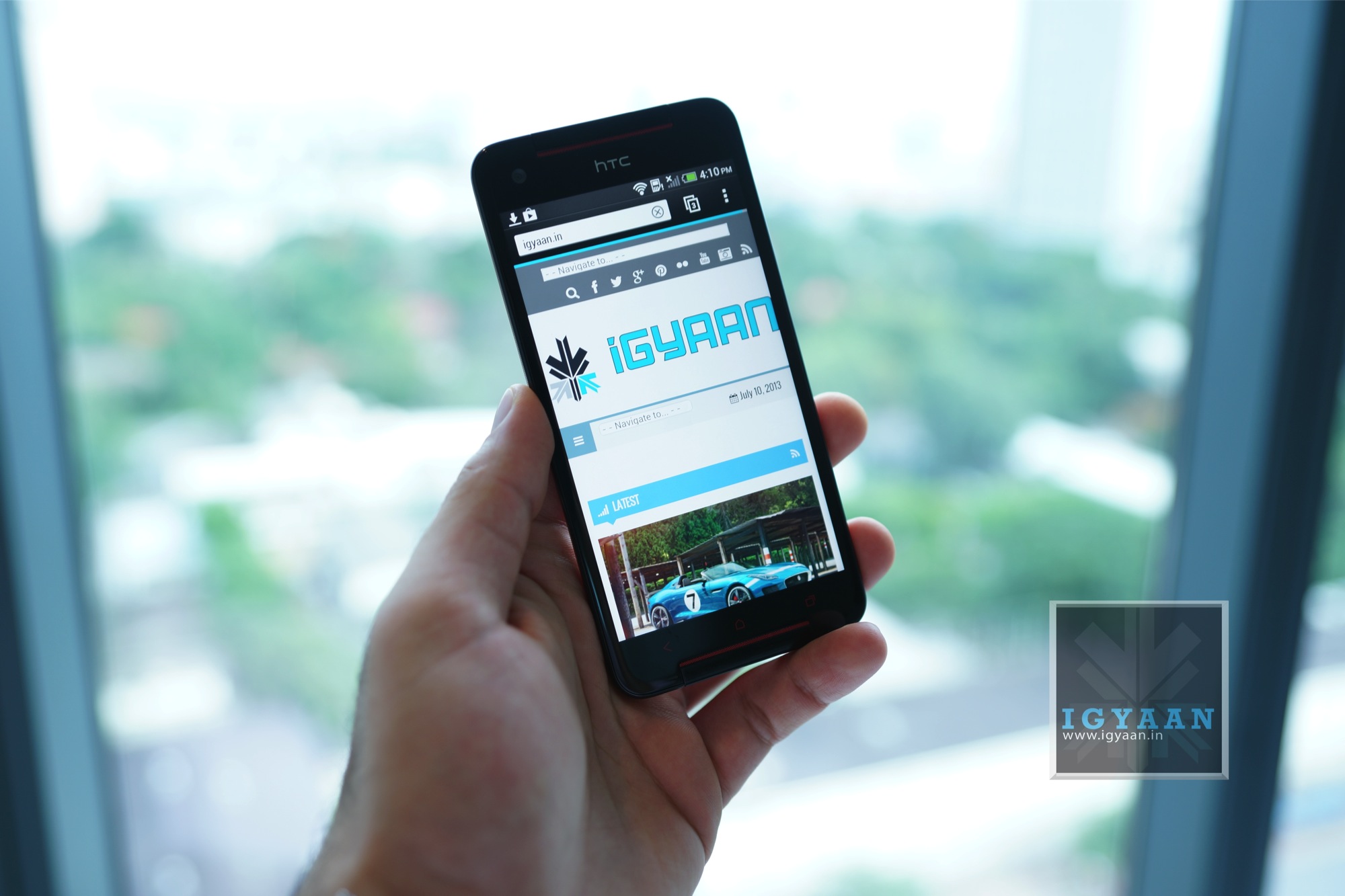
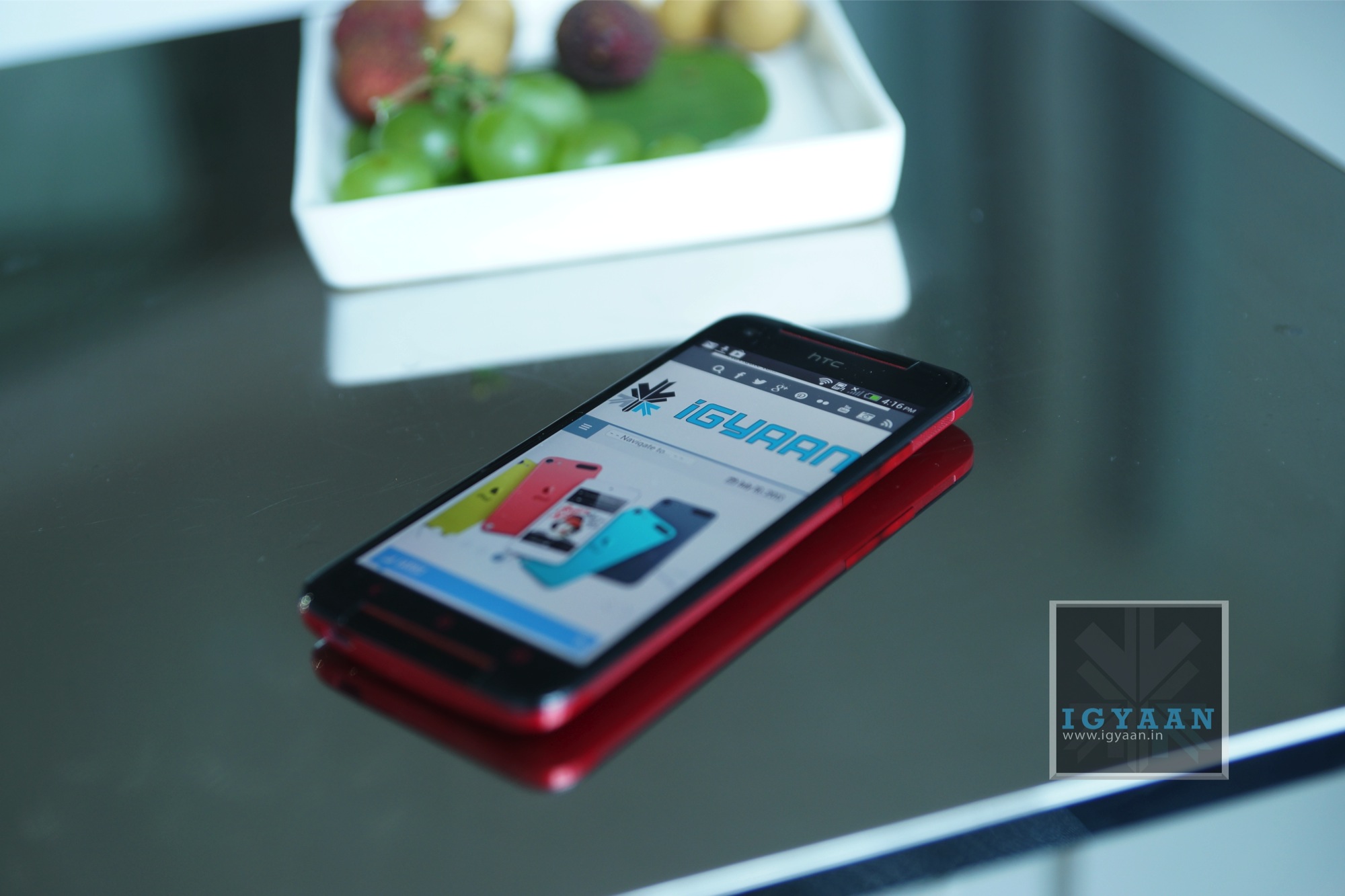
HTC yesterday at a showcase event held in Thailand showed off the new HTC Butterfly S. A revamp of the HTC Butterfly, the new Butterfly S builds along the same design strategy but adding features from HTC’s popular HTC ONE.
Curved to fit in the hand the new Butterfly S has been splashed with a metallic finish making it resemble a “car paint job”. The color options for the handset are also not limited to two like last year, this year they include a white, a metal grey and a glossy red.
The HTC Butterfly S is packed with a lot of exciting elements including a 3200 mAh battery, a Qualcomm APQ8064T Snapdragon 600 chipset with a Quad-core 1.9 GHz Krait 300 CPU and the Adreno 320 GPU. The front has a beautiful IPS LCD 3 display of a 5 inch size and a full HD 1920 x1080p resolution and a layer of Gorilla Glass 3. The design and the materials used in the construction of the HTC Butterfly S show to a great extent what the thought process of the company is when they are building a handset. The HTC Butterfly S is not only functional but looks really good.
The new HTC Sense 5.0 on top of Android 4.2.2 improves on the Blinkfeed experience as well as the Camera features, including enhanced ZOE file management amang many other improvements.
The HTC Butterfly S caters to a niche, an audience which liked the original Butterfly but wants more. Hopefully it reaches India in all three colors with a price tag in the OH-So-Affordable under 40k price bracket, here is hoping anyway! Check out the images below and stay tuned for Video.
In the 2004-2007 period, if you would’ve asked any teenage boy/girl about that one phone they wished they had, the answer would’ve been simple – the Motorola MotoRazr.
Right from its sleek, futuristic design to that V3i advertisement where a guy dressed like 007 (but travelling in the “metro”), uses his blade (read : MotoRazr) to cut through a woman’s dress and then fight her when she retaliates, everything about Motorola spelled success.
It was a period where when you looked anywhere, you would see someone on a Motorola RAZR. The company sold over 120 million units of that phone, making it the second most popular phone in 2005 and then along came the iPhone. Motorola who?
Last year, the company shut down operations in India altogether, after being bought by Google. So we ask ourselves, can we see Motorola charming us with its devices once more?
How It All Began
Motorola is an American company with many “firsts” in the field of science and technology. It started in Chicago in 1928. Company founders Paul V. Galvin and Joseph Galvin created the brand name Motorola for the car radio – linking “motor” (for motorcar) with “ola” (which implied sound)
Founders Paul V. Galvin and Joseph Galvin.
The Motorola car radio was released by the Galvin Manufacturing Corporation in 1930, two years after the company’s founding in Chicago, kicking things off with a battery eliminator, aimed at letting battery-powered home radios run off of household electricity. In 1947, the company dropped its name for simply Motorola.
[pullquote_left] Motorola provided the radio technology for APOLLO 11’s moon landing. [/pullquote_left]
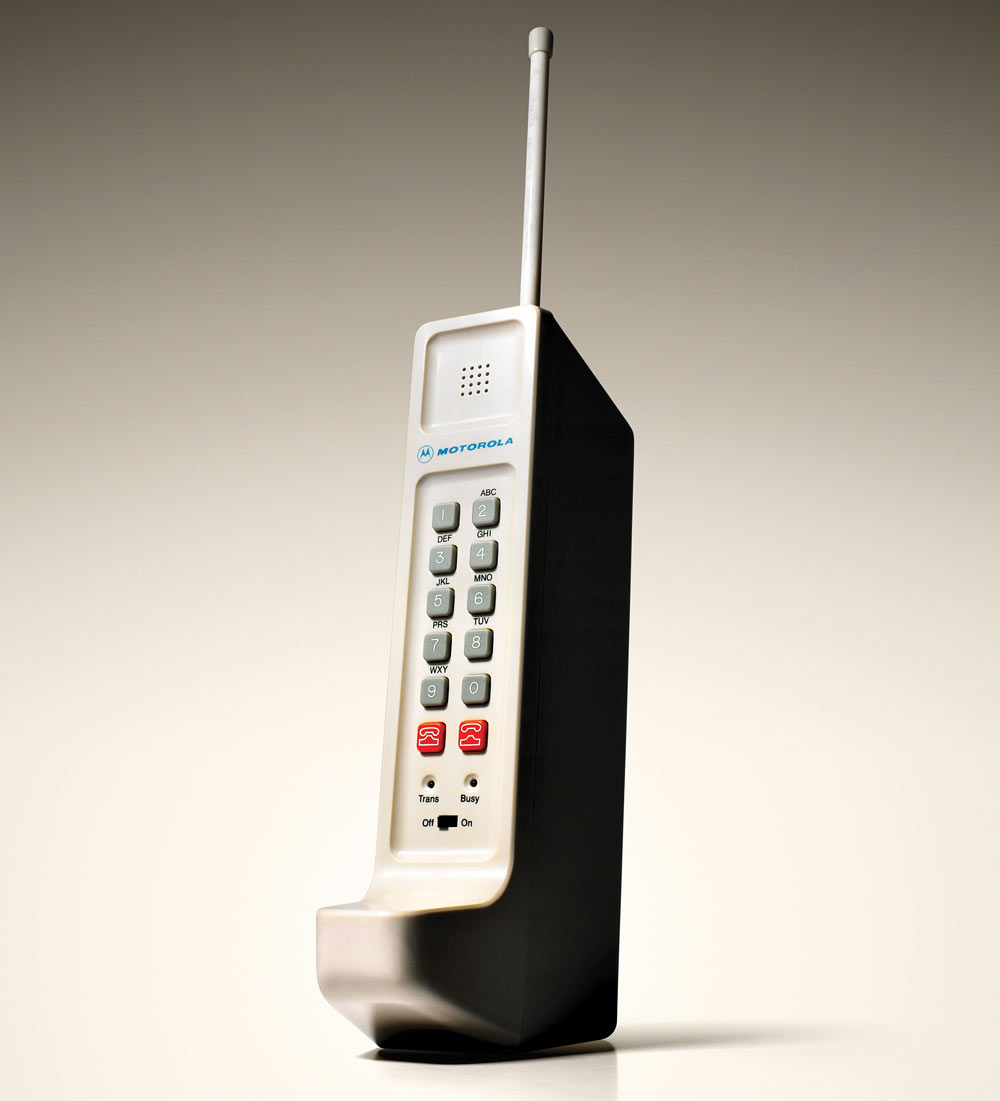
In 1973, Motorola took some major steps toward the technology that would define it in the decades to come, showing off the DynaTAC and demonstrating the phenomenon of cellular telephones to the world. It wasn’t until 1984 that the brick-sized phone would actually start making its way into the hands of consumers.
The Motorola DynaTAC Photo: Dan Forbes
Fast forward to 2004, the MotorRazr became the best selling clamshell ever made.
The Fall
Post 2007, after a certain turtleneck sweater aficionado introduced the iPhone to the world, everyone forgot about their love for Motorola and turned their attention towards Apple.
Steve Jobs unveiling the iPhone in 2007.
And could you blame them?
According to the NPD Group, which released the sales numbers, four of the five best-selling handsets at that time were optimized for messaging and other advanced Internet features. The only one that wasn’t? The Razr.
At the high end of the market, Motorola’s designs didn’t keep up with consumer expectations, and the game-changing iPhone set back the company further. Motorola also got squeezed out by competitors at the lower end, where the cell-phone business had the most potential for growth globally.
Motorola failed to use its huge advantage in the early days of higher end handsets to become one of the leaders in the emerging smartphone business, which is now dominated by Apple and Samsung.
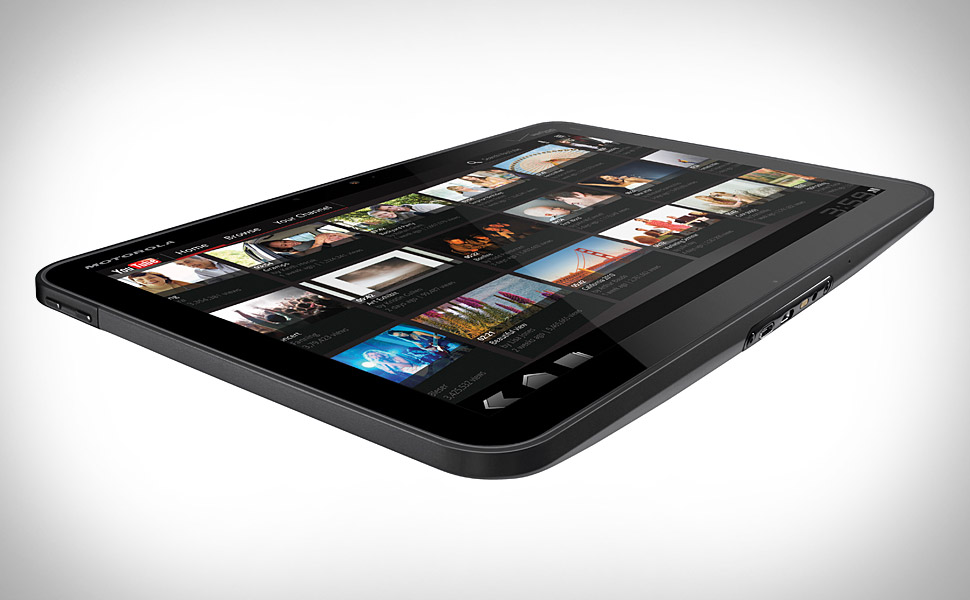
Motorola failed to make an impact in the tablet market with the Motorola XOOM.
After a stint with Android, including it’s XOOM tablet, Motorola gave up altogether and closed down operations in India last year.
The result? In August of last year, Google announced that it would be acquiring Mobility for around $12.5 billion, a deal that would close nearly nine months after it was first made public.
Who’s To Blame?
What Motorola failed to realize was that the cellphone market changed their buying decisions from “hardware”, to a “software decision”. People wanted to run real, native, apps on their phones.
In 2009, Motorola joint-CEO Greg Brown blamed Motorola’s own decisions for the company’s decline. While Brown did make the obligatory hat-tip at the economy – for exacerbating the situation – the executive mainly criticized Motorola’s planning, products and blindness to the changing needs of consumers.
Speaking to the Financial Times, Brown highlighted the absence of a RAZR replacement as a key failure for Motorola. That, together with a misplaced focus on the developing market and over-investment in budget handsets, meant Motorola missed the growing messaging trend.
[pullquote_right] Warren Buffet once said that when a manager with a great turnaround reputation encounters a company with a reputation for dysfunction, it is the company that will keep its reputation. [/pullquote_right]
Warren Buffet once said that when a manager with a great turnaround reputation encounters a company with a reputation for dysfunction, it is the company that will keep its reputation. And that’s how it panned out. Post Geoffrey Frost’s death in November 2005 after putting Motorola on the road to success, Garriques tried to build the next hit with the system.
Then after being unable to conjure up the same magic, Garriques left for Dell and the Motorola machine ran back to the security blanket of processes. Constant “safe pairs of hands” were used to replace him. Casey Keller was brought from Nabisco to do a job and failed too. The succession of replacements for Garriques just made things worse.
What Now?
Everyone loves a good comeback, whether it’s Manchester United stealing a win in the final minute of the Champions Trophy in 1999 or Mickey Rourke snagging an Oscar nomination for The Wrestler.
In Google, Motorola have their own version of Sir Alex Ferguson to take it back to the top.
In Google, Motorola have their own version of Sir Alex Ferguson, the recently-retired Manchester United manager who broke the “Old Firm’s” dominance in Scotland with Aberdeen, and Liverpool’s dominance in England. Google has the expertise and means to take Motorola back to the top.
The rumoured comeback phone, called the Moto X, will be built at a 500,000 square-feet facility in Texas that will employ 2,000 people by August.
Though Motorola boasts of a long, impressive history of mobile innovation, the present CEO, Dennis Woodside, acknowledges how challenging it is for the company to reach the same state of glory it enjoyed some time back. The company aims at hiring a large number of employees to manufacture a new generation of mobile phones.
“We like to be the challenger. So we’re filling the company with people who want to transform the company into a winner,” said Woodside.
There’s still a lot of life left in Motorola, which, bruises and all, remains one of the grand names in world technology.
“Motorola is still a huge business and an iconic company,” Brown says.
If things go according to plan — and Brown says he’s confident they will — the Motorola mobile business could again find itself on the leading edge of wireless, setting the pace of global innovation for the next century and beyond.
The company recently unveiled their new logo, with a clear emphasis on it now being a Google enterprise, and I personally think that the road to its comeback will be long and hard, but Motorola will reach its former glory in the coming years.
What do you think? Will Motorola be able to charm consumers again? Let us know in the comments section below!
According to BGR, Amazon will launch three new models this year, two 7-inch tablets and an 8.9-inch model.
Amazon will be upgrading the displays on the Kindle Fire, Kindle Fire HD and Kindle Fire HD 8.9?. With this latest rumored upgrade, Amazon will finally have HD displays in all of its Kindle Fire models. The lowest-end version, which currently has a 1024×600 display, will be bumped to 1280×800.
The Kindle Fire HD 8.9 will break the Retina barrier and go well past it with a rumoured 2560×1600 resolution display. The 9.7-inch Retina iPad, by comparison, has a 2048×1536 pixel resolution.
As for general design, the rumors state that the new Kindle Fires will feature a more “chiseled” design with sharp, instead of round, corners. The power and volume buttons have also been moved from the side to the top sloping back to avoid accidental button presses.
The report didn’t offer any details on the types of displays. Resolution is just one aspect of a display’s quality. While upping the pixel density will improve Amazon’s tablet line, it would be a mistake to assume that this alone will make its displays offer the same quality experience as Apple’s iPad, Samsung’s high end tablets, or even Google’s Nexus tablets.
Amazon will likely also launch a new version of its forked Android software, bringing up the base version to Android 4.2.
It’s just under a month until LG unveils what will almost certainly be the sequel to its Optimus G, but this year’s version appears more than twice as ambitious.
The LG Optimus G2 — it is rumoured though that the company is expected to drop the “Optimus” moniker from its future versions — looks to come with a 5.2-inch 1080p IPS display, a 2.3Ghz Qualcomm Snapdragon 800 processor, 2GB DDR3 RAM, a 13MP camera, 32GB internal storage, and a glossy plastic build material that may we hope does not resemble the Galaxy S4.
One of the main design decisions that may come back to bite the company is placing the volume rocker on the LG Optimus G2’s rear, right underneath the camera sensor. Whether this will end up causing a camera lens smudging epidemic remains to be seen, but we can’t see it being comfortable reaching for the controls on a regular basis.
A video of the LG Optimus G2 has also surfaced online. Looks authentic and reveals the back volume buttons.
Of the Android UI we can see very little. LG will announce the LG Optimus G2 at an event in New York on August 7th and we’ll provide you with all the information you will need.