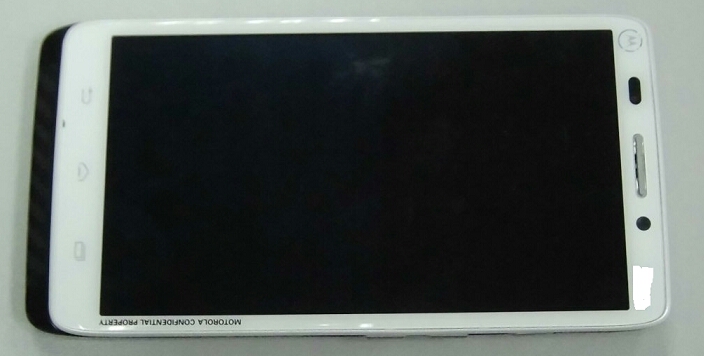
A photo of the Motorola Droid Ultra XT1080 has appeared on the XDA Developers forum as leaked by user xavierk75, according to Engadget. Earlier this week the first press images appeared of Motorola‘s upcoming DROID MAXX.
There is absolutely zero details to go along with the leak, but hopefully more will be coming. A random 1-post user over on XDA revealed the photo, so we’re stuck waiting for more. Right out the gate we see Motorola has changed their mind from last year, and they’ve returned to capacitive touch hardware buttons.
The Motorola Droid Ultra in the photo shows a white face plate with thin bezels. It has a speaker and sensors on its top and a power button and volume controls on one side. Just beside the display, the smartphone is labelled “Motorola confidential property.” It also sports the new Motorola logo that was launched some time ago, the same one which has been seen on other purported photos of leaked Motorola phones. White is expected to be one of the color choices that will be available for the handset, along with red and black, so there may be a chance that this is a real image of the device.
Rumoured specs of the Motorola Droid Ultra include a Dupont Kevlar coating, various color options, a 4.3-inch, 540 x 960-pixel Super AMOLED Advanced qHD screen, Dual-Core 1.5GHz processsor, Android 4.1 Jelly Bean, 8GB of memory, 2000 mAh Li Ion battery, NFC, and 8 MP/0.3 MP cameras.
@evleaks says that the Motorola Droid Ultra has the product code XT1080, whereas the Droid MAXX has the code XT1080M.
We grew up listening to the classic Beatle ( or Kishore Kumar for most) songs that our parents used to listen to. As we matured, we formed our own taste and style in music, and the technology surrounding us evolved. And as consumers, we adapted to it. We embraced the technology, incorporating it into our lifestyle and thereby becoming routine. Music plays a vital role in our society.
Hence, it was only natural for most of us to own a portable mp3 player that we would listen to every day, everywhere. But dwindling sales have led many to believe that the days of portable media players are numbered. We take a look.
Why MP3?
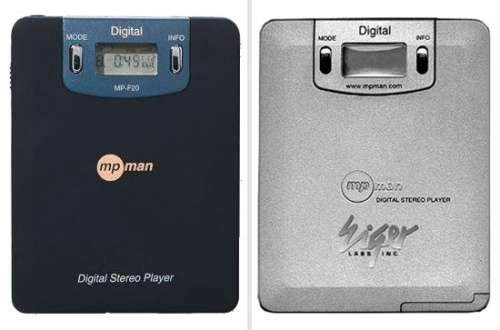
Before there were any MP3 players, there were MP3s: invented in 1987 by a group of German scientists looking for a way to shrink video files so that they would be easier to use on computers. To achieve this they stripped out as much “extraneous” data as possible, supposedly the stuff we wouldn’t miss. This loss of quality is at its least discernable when listening on headphones with the volume cranked up, so by 1998 the first portable digital music player had arrived: the MPMan F10, created by South Korean company SaeHan. (It wasn’t a hit; SaeHan now mostly manufactures textiles.)
The world’s first portable media player.
Mp3 also known as MPEG Audio Layer 3 is used to compress audio files so they take up lesser hard disk space. It can be stored and played on many digital devices such as computers, mobile phones and portable mp3 players. Consumers use mp3 files to listen to and store music.
For example, “A four-minute song on a CD would create a file of 42 MB (megabytes), while the same song encoded to MP3 would be reduced to just 3.84 MB. This reduction means that the file requires one-tenth of the hard disc space, allowing 10 times as much music to be stored in the same space.”
Quick Adoption
These new Portable Media Players would hold 1000 songs, could be recharged within an hour and would cost around 3-4k at that time. They were compact, came in a bunch of colours and were the “in thing” during that era.
[pullquote_left]”The internet and easy-to-share programs like Napster and Limewire played the role of catalysts for Portable Media Players by providing easy and free access to music files.”[/pullquote_left]
By 2004, the digital music market was still wide open, with MP3 players comprising a small portion of all portable audio sales, and the biggest players wanted in. Apple had launched the iTunes Music Store in October of 2003, but wouldn’t sell a billion songs for nearly two years. Companies like Archos, Creative, and iRiver had been building players all along, but the early aughts weren’t for purely digital music yet. With the arrival of faster internet speeds and easy-to-share programs like Napster and Limewire, acquiring music was easier than ever.
This led to people opening up to the idea of carrying a portable, compact device to fulfill their music needs.
Apple – The Biggest Player
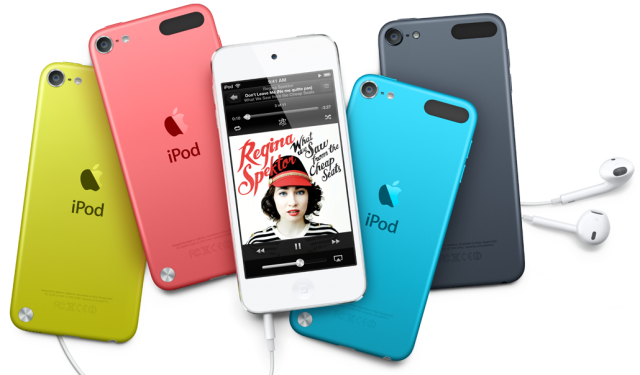
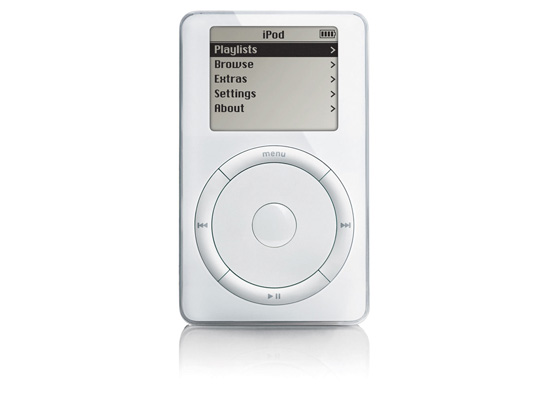
Apple was without doubt the biggest player in this segment. The iPod was a very clever piece of hardware that utilized new 1.8?”hard drives that Toshiba had developed for a market that didn’t exist yet. Encased in a pearl white and metal casing, the iPod utilized a moving scroll wheel (later, a touch-based one) that served a novel scrolling interface on a relatively large 2″ monochromatic display.
The first Apple iPod
The iPod would set the standard for Portable Media Players for years to follow, ignoring the plethora of buttons that plagued devices at the time, going so far as to omit a power button. But while the iPod hardware had many of the markings of a success story, its ecosystem (or rather, lack thereof) and price held it back from significant sales numbers for the first three years of its life.
During that time, numerous other companies realised the hidden potential in this segment of technology. MP3 players were substantially less expensive compared to CD players.
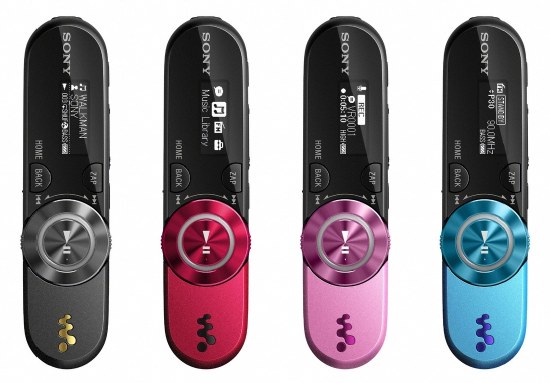
The Sony Walkmans were a hit among teenagers.
Companies like Sony, Philips, Cowon began churning out various different models of Portable Media Players. The Sony Walkman series gained popularity among teenagers.
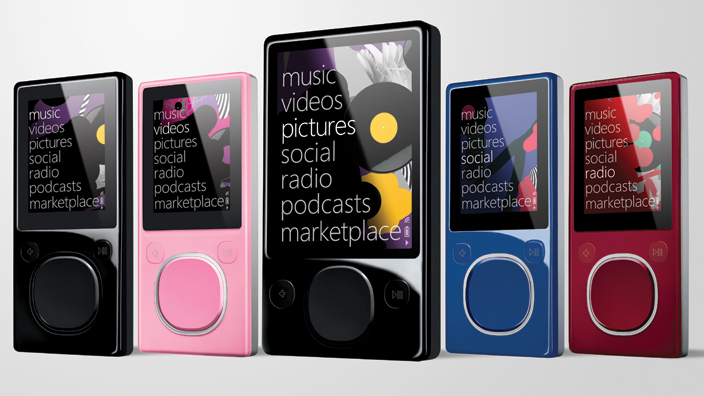
Microsoft unveiled various versions of the Zune to compete with Apple.
Microsoft’s Zune was probably Apple’s closest competitor. The hardware was slightly bigger than iPod’s similar hard drive model at the time, but came equipped with a large 3″ color screen, an FM tuner, a segmented circular directional pad that favored the Media Center-derived Twist interface for navigating menus, and a pair of buttons on its face mirrored by a shallow concavity on the backside. The player’s software was also a direct descendant of the Portable Mobile Center OS.
The casing came in five iridescent color schemes. Connectivity was provided by a proprietary 30-pin connector similar to ones used by the iPod. But their success didn’t last long.
Non-Apple Portable Media Players were put to shame. Bruised. Battered. Beaten to death. All gadgets that attempted to outrank the iPod were ambushed and annihilated. Unless you held a personal grudge against Mr. Steve Jobs, or have had some downers with Apple in the past, you wouldn’t switch to a media player not belonging to the Apple clan.
The Demise
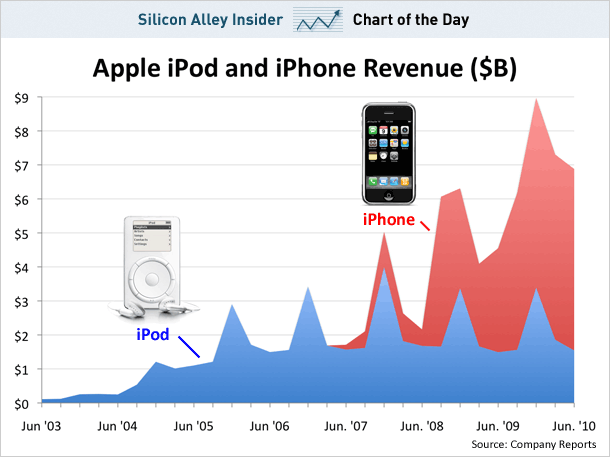
In 2007, Steve Jobs introduced the first iPhone to the world. People were awestruck. But right there, a small iPod logo on the device’s screen spelled the beginning of the end for portable media players.
The iPhone killed its own parent product.
The iPhone promised a music experience which matched that of the iPod. Except you could make calls, play games, surf the internet, all at the same time while listening to your favourite tracks. Why have two gadgets when you can have one?
We all love our shiny smartphones, but the latest stats on MP3 players prove that the sleek handset in your pocket is a cold-eyed killer.
Yep, according to Mintel’s research sales of the humble portable media players – and let’s face it that means mainly Apple iPods – have dropped by a massive 22 per cent year on year.
‘Microsoft will no longer be producing Zune players,’ the company recently said in a statement timed very close to Apple’s latest iPhone announcements – a good time for tech companies to bury bad news.
Earlier, mobile phones did not offer music playback and so consumers were forced to carry a separate MP3 player, but when the smartphone market took off in 2007, offering devices with huge storage and comprehensive media players, the MP3 player’s days were numbered.
Sales have been dwindling.
Despite Sony and Samsung each offering alternatives to the iPod with their Walkman and Galaxy ranges respectively, iPods dominates the MP3 player market; but their sales are falling continuously as smartphones continue to thrive, and while the iPod classic is still available, it features in none of Apple’s advertising and hasn’t received an update for more than three years.
I personally like using my 3rd generation iPod Nano and would’t trade it for anything, but smartphone provide me with the convenience of not having to carry two separate devices in the notorious Delhi public transport.
So while you may still use your portable media players while at the gym (though I’ve seen people use tablets to listen to music in the gym! Ridiculous!) or while out for a jog, the fact is that the end of MP3 players is near.
Its a sad day for Bimmer fans, as the last BMW M3 Coupe has rolled down the production line. This bright orange two-door, fixed-roof M3 is the last there will be. But we don’t just mean the last M3 Coupe of this generation – this is the last M3 Coupe ever, since the next-generation car will be launched under the M4 tag.
This is courtesy of BMW’s new naming nomenclature, where coupes and convertibles use even numbers. The new 3 Series Coupe will be called the 4 Series 2014 onwards. The M3 badge will still be in existence, but only on the 4-door sedan model.
BMW first launched the M3 Coupe in 1986, and since then, more than 40,000 examples have been built. Sedan and convertible versions were added later in the car’s life, and BMW says that the current 2013 model year convertible will remain in production until September of this year. The M3 Coupe was widely known as one of the greatest sport coupes ever built.
EVLeaks, the source of almost all major leaks of the tech world, has just released an image of the rumoured Motorola Droid Maxx.
EVLeaks has also posted a tweet with the names of several upcoming Motorola smartphones and their corresponding model numbers. According to the leak, the XT1030 is the Droid Mini and the XT1080 is the recently-leaked Droid Ultra. The tweet also claims that a Motorola Droid Maxx is coming with the model number XT1080M.
The render shows a device with the same angled corners as previous Motorola Droid Razr devices and a kevlar coating that wraps around to the front of the phone. Interestingly, this DROID MAXX also appears to have ditched the on-screen keys found on its DROID RAZR MAXX HD predecessor in favor of a set of capacitive buttons. We can also see a front-facing camera near the top of the phone as well as a power/lock button and volume rocker on its side. We expect the device to have a massive battery, similar to the one seen on the Motorola RAZR MAXX.
Along with the trio of Droid devices, @evleaks says that the Moto X will come to market carrying the model number XT1060. No specs are available yet.
Samsung is expected to introduce the Samsung Galaxy Note 3 at IFA 2013 in Germany on September 6th or 7th. According to TheKorea Herald, Samsung has decided to go with a 5.7-inch display as opposed to the previously-rumoured 5.9-inch screen size, likely for a more modest chassis change over the Galaxy Note II.
The Samsung Galaxy Note 3 is also expected to run a Snapdragon 800 SoC and 3GB of RAM, along with a full 1080p screen resolution and 13MP camera, both of which debuted on the popular Galaxy S4 flagship earlier this year.
As for RAM supplier for the Samsung Galaxy Note 3, Samsung, LG and SK Hynix have been mentioned. Samsung is already manufacturing 4GB LPDDR3 RAM based on a 20nm process, SK Hynix also demoed such RAM chips.
The Note series has differentiated itself from the rest of the Galaxy family with the inclusion of a pressure-sensitive S Pen, which, in addition to the larger screen size, can be used for taking notes and annotating documents. Despite initial industry reservations, the Galaxy Note has proven to be a hit with consumers: estimates put sales of the Galaxy Note II at above 5 million units.
Early September is also around the time Apple is expected to unveil the iPhone 5S, so back to school expectations will be high this year.
The Samsung Galaxy Note 3 will not be Samsung’s largest smartphone, though. That title is held by the 6.3-inch Galaxy Mega, another category introduced earlier this year.
Google has given its map users access to many wonderful, bizarre and otherwise impossible to access places, but now it is opening up fictional worlds to exploration by adding Diagon Alley from the Harry Potter series to Street View.
The Street View application has just added 360 degree views of Diagon Alley, the fictional cobblestone wizarding marketplace from the Harry Potter books and films, where all manner of magical paraphernalia can be acquired.
For the films, Diagon Alley was built bricks-and-mortar in precise detail on a soundstage at Warner Brothers’ London studios. On Street View, users can swoop in from above the studios’ expansive grounds and into the dark confines of the pre-Victorian marketplace, where they can pass by Potter fan icons like Gringotts Wizarding Bank, Ollivanders Wand Shop and Mr. Mulpepper’s Apothecary.
In reality, Diagon Alley Ollivanders Wand Shop, Weasleys’ Wizard Wheezes joke shop and the entrance to Gringotts Wizarding Bank are all part of the entrance to the Warner Bros Studio Tour in London.
The Diagon Alley set took more than three months to build and the 20,000 products on the shops’ shelves were created over six months.
After Deathly Hallows wrapped filming in 2010, part of Leavesden Studios (where all eight Potter movies were shot) was converted into a tour attraction along with permanent sound stages for future films to use.
The Warner Bros. Studio Tour London: The Making of Harry Potter opened in 2011 and has served as the country’s sole Potter attraction.
Google recently announced that it had added 1,001 new destinations to Street View, including historical landmarks and sports stadiums.
If you use AdBlocks and still find some ads creeping into your webpages, don’t be surprised. Major advertisers, including Google, can pay to have some of their ads “whitelisted” — in essence, given a free pass through AdBlock Plus.
Adblock Plus’ own FAQ addresses the “feature”:
Do companies pay you for being added to the (Acceptable / Non-intrusive Ads) list?
Whitelisting is free for all small websites and blogs. However, managing this list requires significant effort on our side and this task cannot be completely taken over by volunteers as it happens with common filter lists. That’s why we are being paid by some larger properties that serve nonintrusive advertisements that want to participate in the Acceptable Ads initiative.
Adblock Plus’ goal is to eliminate annoying video ads, according to its parent company Eyeo. It defends the whitelisting practice, according to Salon, pointing out that “whitelisting is free for all small websites and blogs.”
Horizont said in a report that it’s unclear how much Google has paid Eyeo, the company behind Adblock Plus, to whitelist its ads, and that it doesn’t know which other companies are doing the same
“However, managing this list requires significant effort on our side and this task cannot be completely taken over by volunteers as it happens with common filter lists.”
“That’s why we are being paid by some larger properties that serve nonintrusive advertisements that want to participate in the Acceptable Ads initiative.”
Which large companies pay to skirt the ad-blocking software remains a mystery, as does the parent company’s criteria for determining small websites and large websites that have to pay.
Canon has launched a new mid-range DSLR called the Canon EOS 70D. The highlight feature of this new camera is the 20.2 megapixel, APS-C CMOS sensor with dual-pixel CMOS AF technology, which is the first of its kind.
DSLRs can shoot amazing quality video. But their autofocus is primarily designed for shooting stills and can result in stuttering movie footage, which is why most filmmakers don’t use it. However, Canon thinks this could change with the launch of the EOS 70D. The new AF system in the Wi-Fi-toting 20.2-megapixel DSLR is said to offer much faster focusing during Live View, to the point that it can shoot almost camcorder-rivaling video.
Capable of capturing up to 7fps via its 14-bit DIGIC 5 processor and 19-point AF System, the Canon EOS 70D can take up to 65 JPEG or 16 RAW image in any single burst.
With an ISO range of 100 – 12800, the Canon EOS 70D is suitable for low-light and night time photography.
It has a 3-inch Vari-angle Clear View LCD Intelligent Viewfinder that offers a 1,040k resolution and 0.95x magnification.
Also packing Wi-Fi connectivity, the Canon EOS 70D has Movie Servo AF mode to keep subjects in shot when making Full 1920 x 1080p HD videos.
EOS 70D Summary of Specifications
Dimensions: Approx. 139.0 x 104.3 x 78.5mm
Weight: Approx. 675g (body only)
Image sensor: 20.2 mega-pixel APS-C sensor
Imaging processor: DIGIC 5+
ISO speed: 100-12800 (expandable to 25600)
Continuous shooting speed: 7 fps
Maximum video quality: Full HD (24fps)
AF System: 19-point all cross type, Dual Pixel CMOS AF system
LCD: vari-angle 3.0-inch wide Clear View II LCD monitor
Wi-Fi: Supported
[toggle title=”Press Release”]Canon introduces the 70D, featuring revolutionary DAF technology to power live view shooting & video recording Canon EOS 70D redefines phase-difference AF technology with the new Dual Pixel CMOS AF system that boasts high-speed and precise auto-focusing and subject-tracking during Live View shooting and movie recording
Gurgaon, 04 July, 2013: Canon, a world leader in digital imaging space, has announced the launch of EOS 70D, the successor of EOS 60D and also an everyday DSLR designed to perfectly complement users who lead an active lifestyle. With the EOS 70D, Canon challenges users to capture images not only via the traditional viewfinder method but also via Live View and Remote shooting. These are made possible due to the development of new technologies, notably the Dual Pixel CMOS AF system. This camera caters to amateur photographers who are seeking a powerful new camera as an upgrade from earlier DSLRs models, as wellas a step-up from entry level DSLRand compact digital cameras.
The EOS 70D features Canon’s latest DIGIC 5+ image processor and a 20.2 megapixel APS-C sized CMOS sensor. The duoworks together to capture detailed and natural-looking photos at high clarity. With an ISO range of 100 to 12800, the EOS 70Dis able to handleeven the trickiest lighting condition with optimal performance.
Superior and FastAuto-Focusing Performance during Live View Shooting The EOS 70D features the newly-developed Dual Pixel CMOS AF system and working in tandem with an initiative vari-angle3.0-inch wide Clear View LCD IItouchscreen monitor, Canon sets to revolutionize how users shoot using their DSLR. The Dual Pixel CMOS AF system boasts swift and precise auto focusing with greatly reduced focusing time, while the vari-angle LCD panel, with its touchscreen capability, allows users to explore and shoot different compositions and perspectives, adjust basic settings via the touch panel’s Quick Control menu andeven perform familiar Multi-touch gestures to zoom in and out of shots, view images and even capturing the shot. The Clear View II LCD has an anti-reflection coating to provide visibility even in bright sunlight. While Hybrid CMOS AF II delivers enhanced focusing speed during Live View photo shooting and movie recording by using certain dedicated pixels for phase-difference AF to measure the subject distance and fine-tuning the focus with contrast AF, Canon’s latest innovation- the Dual Pixel CMOS AF,is one step up from the Hybrid CMOS AF II. This is due to changes made to the CMOS sensor’s design, as two separate photodiodes are integrated into each pixel. This allows every individual pixel to perform both imaging and phase-difference AF. The signals from each photodiode are detected and the signal difference can be used to accurately and quickly calculate the amount of focus shifting required for optimal focus. Withthe Dual Pixel CMOS AF, One-Shot AF is almost instantaneous, and it is able to rapidly and smoothly track moving subjects during still photography in Live View and video recording. The accuracy allows the EOS 70D to attain optimal focus even on the first focus shift. Dual Pixel CMOS AFhas a detection area that covers approximately 80% of the image display. Dual Pixel CMOS AF’s speedy intelligence extends beyond just the initial focus, as it is able to maintain focus with Continuous AF. Continuous AF frequently readjusts the focus, so that the subject is at or near perfect focus at any given time. It can also recognize and track faces, even as they move across the frame. Touching a face on the LCD monitor will select it as the priority subject. With such accurate and rapid focusing, users can expect to snap perfectly focused images at any given time, without missing the magic moment due to focusing delays.
Shooting via the viewfinder Some users prefer the traditional method of shooting via the viewfinder in order to capture fast-moving subjects. The DIGIC 5+ image processor’s rapid processing speed takesan approximate 7.0 frames per second (fps) at full resolution. At this speed, users will be able to capture that one perfect moment of a quick action. The EOS 70D sustains this rate of continuous shooting for up to 40 images in a single burst*. The EOS 70D also features a high-precision 19-point all cross-type AF sensor which is able to accurately track subjects even if they move unpredictably. The AF points are placed throughout a wide area for greater compositional freedom, and are effective whether the camera is held normally or vertically. Focusing is made more precise when the EOS 70D is used with f/2.8 or faster lenses, as it has f/2.8 dual cross-type AF sensor in the center. AI servo AF II keeps moving subjects in focus, as it tracks not only their distance but their up/down and lateral movements too.
Remote control shooting Control the EOS 70D remotely via the EOS Remote app on the smartphone, whereby the smartphone’s screen becomes an extension of the camera’s Live View screen. Users can not only trigger the camera to take a shot, but also select different settings such as aperture, shutter speed and ISO and adjust focus all via their smartphones. With remote shooting, users are empowered to capture images from unique angles and even vantage points that are previously inaccessible. Furthermore, remote shooting eliminates image blur caused by camera shake, thus producing beautiful photographs that are crisp and sharp. In this digital era where sharing images and videos on the internet has become a norm,EOS 70D’s built-in Wi-Fi capability connects the camera directly to the internet via a wireless network, and upload images and videos via the Canon Image Gateway** onto social media sites like Facebook, Twitter and YouTube. This same Wi-Fi capability also allows it to print photos from a PictBridge-enabled (DPS over IP) wireless printer or playback its images on a network-enabled TV (DLNA devices).
Get Creative For users seeking a camera that enhances their creative flair, the EOS 70D offers exciting features such as Multiple Exposure and Creative Filters. With Multiple Exposure,the EOS 70Dcombines two to nine images into one picture, using either the additive or average mode to achieve the desired look. The popular Creative Filters mode features filters such as Toy Camera, Grainy Black and White, Miniature, Soft Focus, Art Bold, Fish-eye and Water Painting.
Optional Battery Grip For heavy duty users, Canon has developed the optional BG-E14 battery grip for high-volume shooting and easier vertical grip. The BG-E14, when outfitted with two battery packs, allows the EOS 70D to take twice as many shots as when using the camera alone.
EOS 70D Summary of Specifications Dimensions: Approx. 139.0 x 104.3 x 78.5mm Weight: Approx. 675g (body only) Image sensor: 20.2 mega-pixel APS-C sensor Imaging processor: DIGIC 5+ ISO speed: 100-12800 (expandable to 25600) Continuous shooting speed: 7 fps Maximum video quality: Full HD (24fps) AF System: 19-point all cross type, Dual Pixel CMOS AF system LCD: vari-angle 3.0-inch wide Clear View II LCD monitor Wi-Fi: Supported**
About Canon Inc. Canon Inc. (NYSE: CAJ), headquartered in Tokyo, Japan, is a leader in the fields of professional and consumer imaging equipment and information systems. Canon’s extensive range of products includes copying machines, inkjet and laser printers, cameras, video equipment, medical equipment and semiconductor-manufacturing equipment. Originally established in 1937 as Precision Optical Industry, Co., Ltd., a camera manufacturer, Canon has successfully diversified and globalized to become a worldwide industry leader in professional and consumer imaging systems and solutions. With over 200,000 employees worldwide, Canon has manufacturing and marketing subsidiaries in Japan, the Americas, Europe, Asia and Oceania; and a global R&D network with companies based in the United States, Europe, Asia and Australia. Canon’s consolidated net sales for fiscal 2011 (ended December 31, 2011) totaled $45.6 billion (at an exchange rate of 78=US$1). Visit the Canon Inc. website at: www.canon.com
Canon in India Canon India achieved a revenue of Rs. 1850 crore in 2012 which is 21% growth over last year. Canon focuses on multiple market segments of consumer, SME, B2B, Government & Commercial. Canon’s product portfolio extends over a vast variety such as copier MFDs, fax-machines, printers, scanners, All-in-ones, digital cameras, DSLR, Cinematic imaging products, camcorders, cable ID printers and card printers. Canon India Pvt. Ltd. is a 100% subsidiary of Canon Singapore Pvt. Ltd., a world leader in imaging technologies. Set up in 1997, Canon India markets over 140 comprehensive range of sophisticated contemporary digital imaging. The company today has offices in 10 cities, warehouses in 13 cities across India and employs over 1100 people. Canon has approximately 400 primary channel partners, 14 National Retail Chain partners, and over 6000 secondary retail points. Canon has over 100 own retail stores called the Canon Image Square across 51 cities in the country. Canon’s service reach extends to over 2800 towns with over 200 service engineers, 7 Canon owned service centers and 37 Canon Care Centers. Visit the Canon India website at: www.canon.co.in[/toggle]
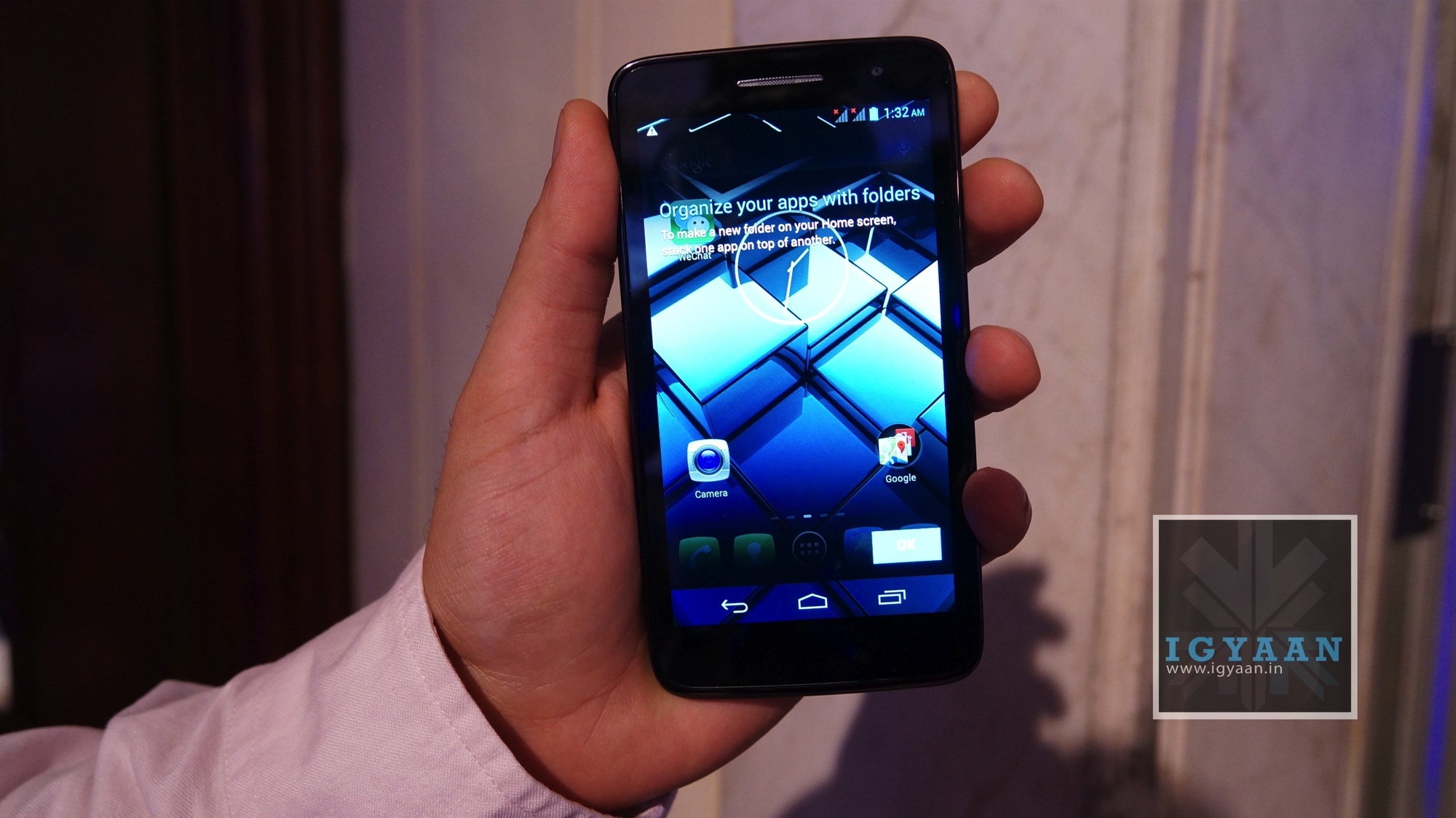
At its launch event, Panasonic talked a lot about the emphasis and effort that went into the design process of the phone. The idea was to keep it simple and functional. They went for a clean black front with rounded edges and a glossy back. There is a 5-inch screen (with a scratch-resistant Asahi Dragontrail glass) towards the front with the earpiece grill, front-facing camera and a bunch of sensors at the top. There are no touch capactive buttons on the device.
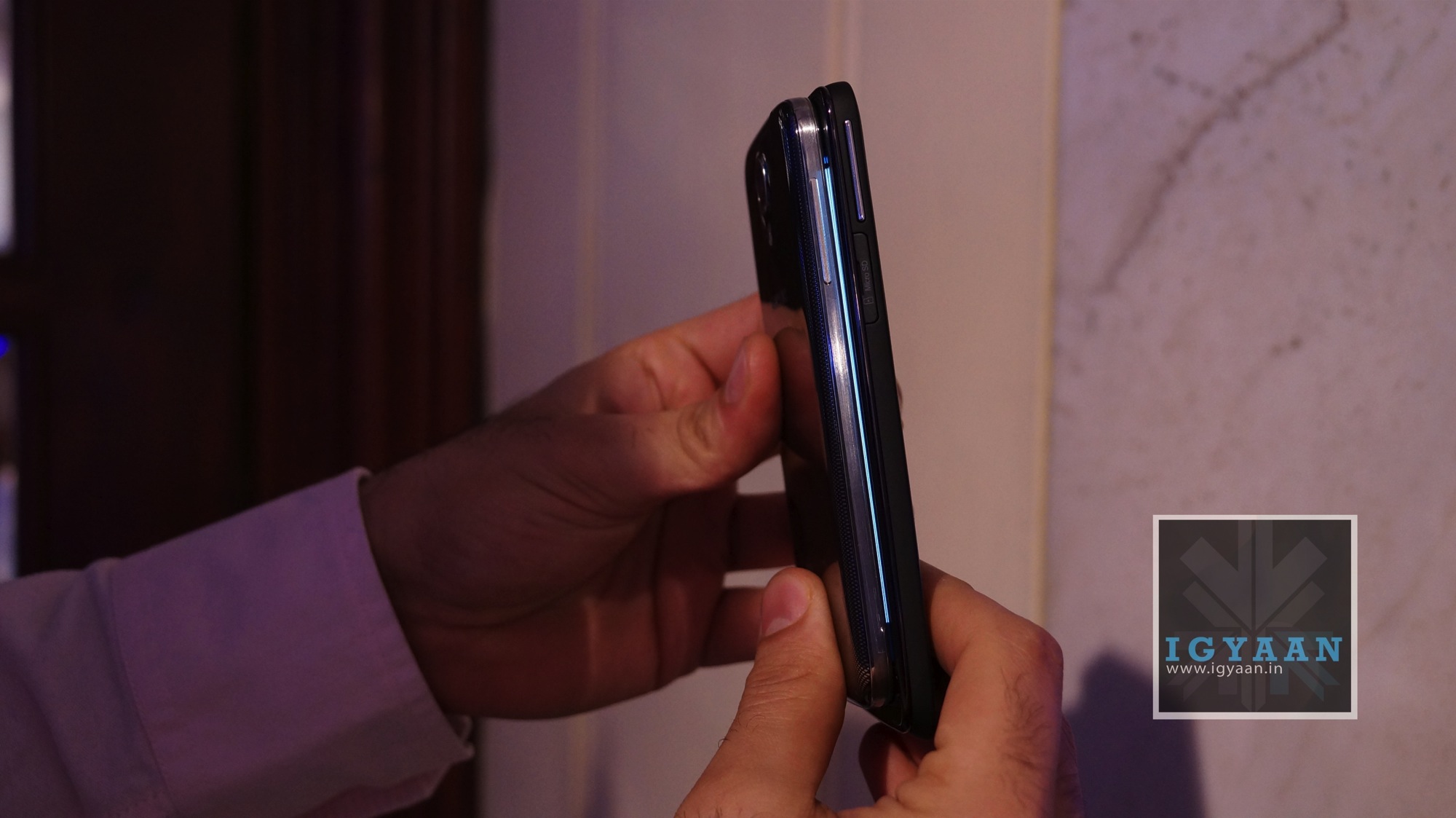
At the top of the phone, you have the 3.5mm jack besides the plastic power button. Towards the right you have your volume rocker and right below it, the spring loaded micro SD card slot. The left side of the phone houses the two micro SIM card slots and a micro-USB port beneath it.
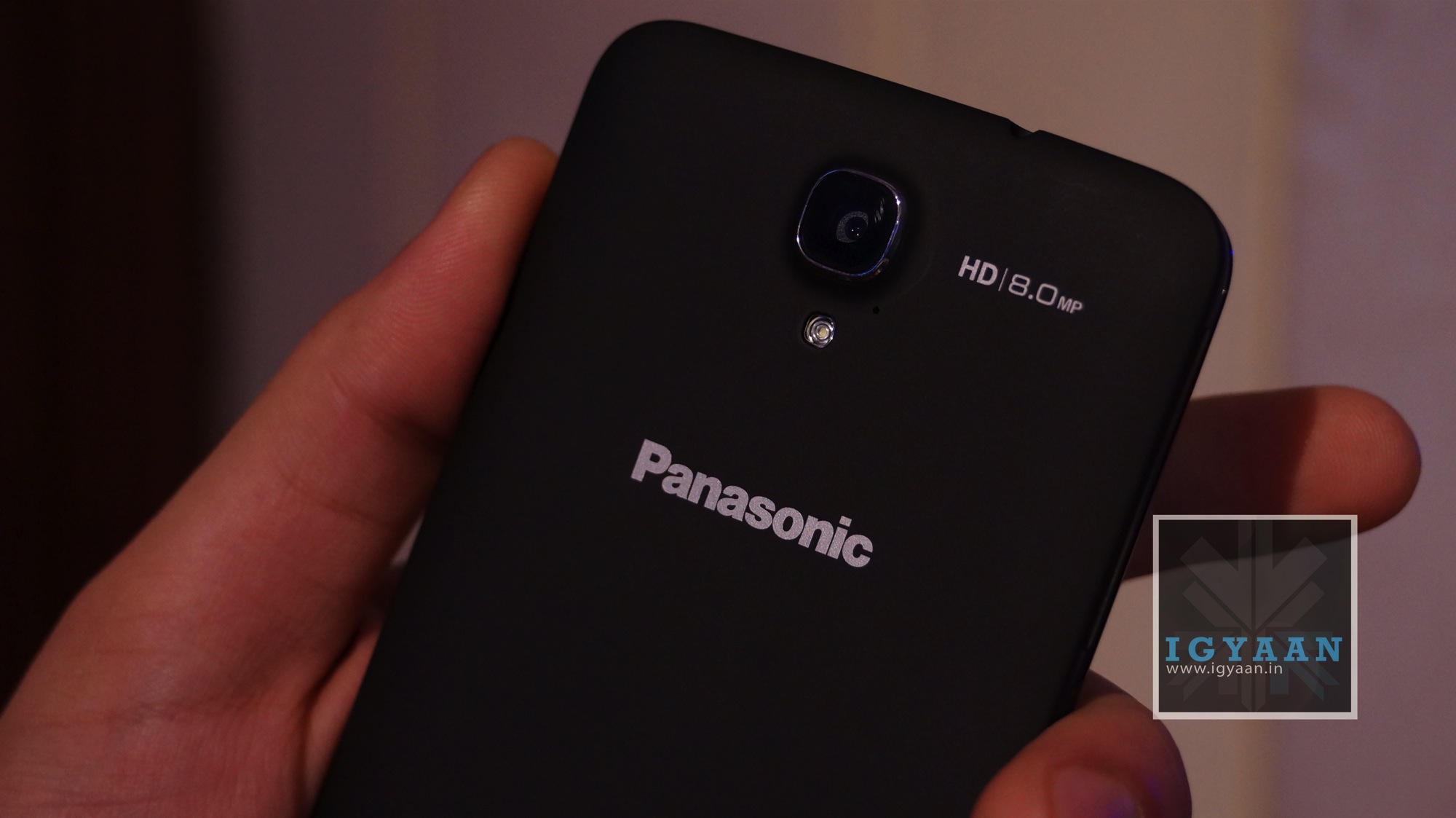
The glossy back (the black Panasonic P51 has a soft rubber finish back) is not removable and houses the 8MP camera and the LED flash.
Overall, the build quality of the Panasonic P51 is quite impressive and the device feels really solid in your hands.
Specifications and Hardware
The Panasonic P51 is powered by a Quad Core 1.2 Ghz Mediatek MT6589 CPU. The quad core chip is of the Cortex A7 architecture, and is coupled with a PowerVR SGX544MP2 GPU for graphics. The Panasonic P51 also has 4 GB of internal storage and 1 GB of RAM.
It has a 5 inch 1280 x720p HD IPS LCD display. For imaging the Panasonic P51 also has an 8 MP main camera and a 1.3 MP front facing camera capable of HD video.
This 3G enabled phone from Panasonic also has Dual Sim Capabilities and has a massive 2500 mAh battery, and despite that remains 8.5 mm slim and 135 gms in weight.
Display and Multimedia
The display on the Panasonic P51 has a pixel density of 294 ppi, which makes it as good as any in this segment. The colour reproduction though seems a tad unnatural and the display has a slightly bluish tint to it. Since it is an IPS display, outdoor visibility and viewing angles are really impressive. Brightness is adequate too. Overall, the display is definitely one of the best in this segment. For scratch resistance, Panasonic has used Asahi Dragontrail glass, which is claimed to be better than the popular Gorilla Glass.
Due to the high quality display, the video playback on the device is again a pleasant experience. Couple this with a decent speaker and you have a really capable media consumption device.
The built in browser of the Panasonic P51 isn’t quite up to the mark. While text clarity was good due to the sharpness of the display, zooming and kinetic scrolling seemed a bit off.
Gaming on the Panasonic P51 was not up to our expectations. Quite a lot of games stopped in between and loading time seemed quite long. You can watch our gaming review video below.
The rear camera on the Panasonic P51 takes quite decent outdoor images. Colour reproduction and exposure are good and the only problem we had was with the over-sharpness of the images. Indoor images were not quite up to the mark. Even with the flash turned on, images turned out quite dark and under-exposed.
The same was the case with the video recording on the device, with outdoor videos coming out quite nice. The Panasonic P51 picked up ambient noise quite nicely too. To avoid shakes while recording it has incorporated software based image stabilisation.
Box Contents
Panasonic provides you with a magnetic flip cover along with the Panasonic P51, which clicks onto the back of the device. The device also comes along with a stylus, but unfortunately it does not have a port to stow the stylus away.
Conclusion
Priced at about Rs. 22,000, the Panasonic P51 seems overpriced given the fact that a lot of manufacturers offer more or less the same features in their smartphones for a lot less money. What works for the Panasonic P51 is its nice display and an impressive camera. Other than that, there is no real feature in this device that would make it feel like a device worthy of a recommendation in its segment.
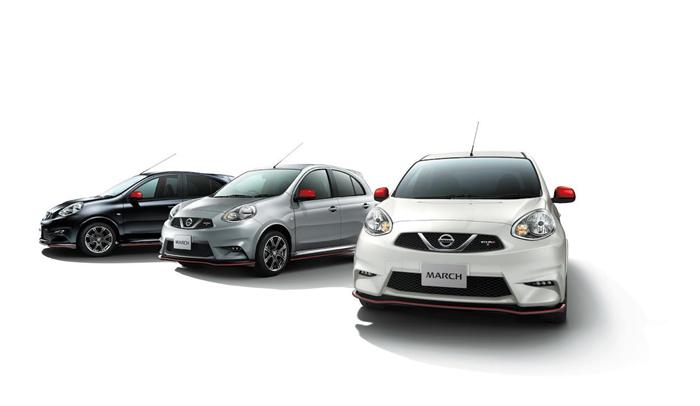
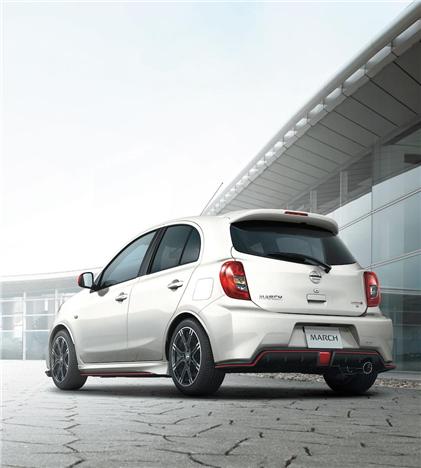
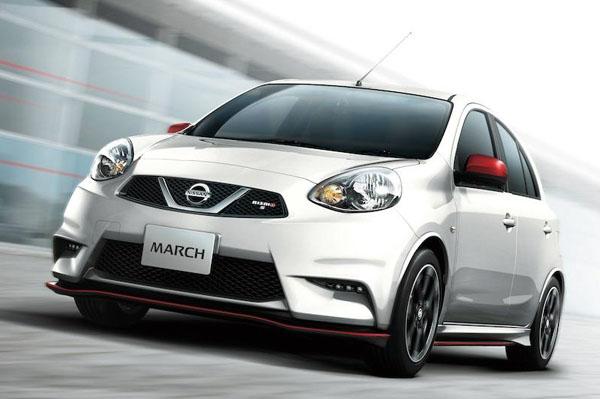
The Micra has performed averagely in the Indian markets since its launch in 2010 and Nissan is well aware of it. The hatchback’s facelifted version was launched in India, immediately after its international unveiling, and with more universally attractive styling too. Reports from Autocar India suggest that Nissan is now pondering over the introduction of a hot version of the Micra, tuned by its performance division, Nismo (Nissan Motorsport).
The new Nismo Micra was revealed internationally soon after the base version and features lots of tempting updates. The Nismo Micra (or March, as it’s called in Japan) offers new bumpers, side skirts and wheels and lots of typical Nismo red accents. The international version gets a different exhaust, stiffer suspension and bigger brakes as well, but these features may not make it to India due to cost-cutting, assuming the car makes it to India at all. The Nismo Micra also has sporty and comfortable interiors.
The international model’s 114bhp, 16kgm, 1.5-litre petrol engine should however make it on to the Indian version. Nissan is working hard to make the deal go through, and introduce the Nismo Micra in the increasingly competitive Indian market, however the move has not been finalised yet. If it does go through, we can expect the car to cost upwards of Rs. 8 Lakh.
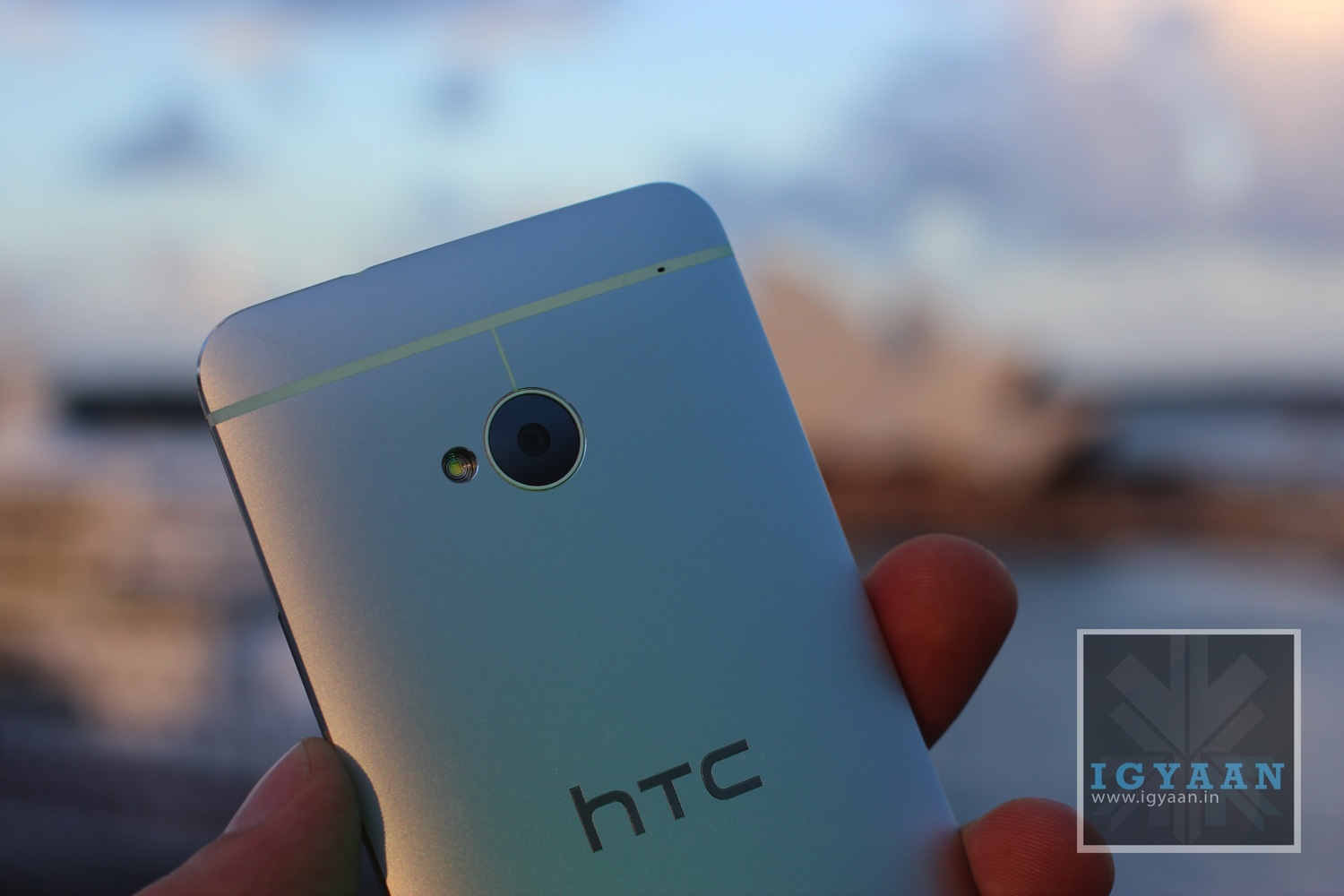
Taiwan smartphone maker HTC said on Friday that despite launching the flagship One smartphone — HTC’s Q2 2013 profit is down a whopping 83 percent on Q2 2012.
The result comes as the firm struggles to turn things around with its high-end HTC One smartphone and heavier marketing strategy.
Unaudited net profit in the second quarter came in at Tw$1.25 billion ($41.67-million), compared with Tw$7.4 billion a year ago but up sharply from the Tw$85 million in January-March, the company said.
Revenue fell 22 percent to Tw$70.7 billion year-on-year but surged 65 percent from quarter to quarter and was line with its own forecast of Tw$70.0 billion.
The company showed its first sign of comeback in May, when it recorded revenue of NT$29 billion ($970 million) and, though sales for June dropped 24 percent to NT$22 billion ($732 million), the company is at least continuing to be profitable.
That, unsurprisingly, is being largely credited to Samsung’s Galaxy S4, which reached the market after the HTC One but with a considerably larger marketing budget.
HTC is yet to comment on the numbers, nor indeed how the company sees its performance changing over the next quarter. Fast incoming is the HTC One Mini, if the rumor-mill is to be believed, which will supposedly bring features like the UltraPixel camera and unibody casing design to a cheaper price point, courtesy of a smaller display.
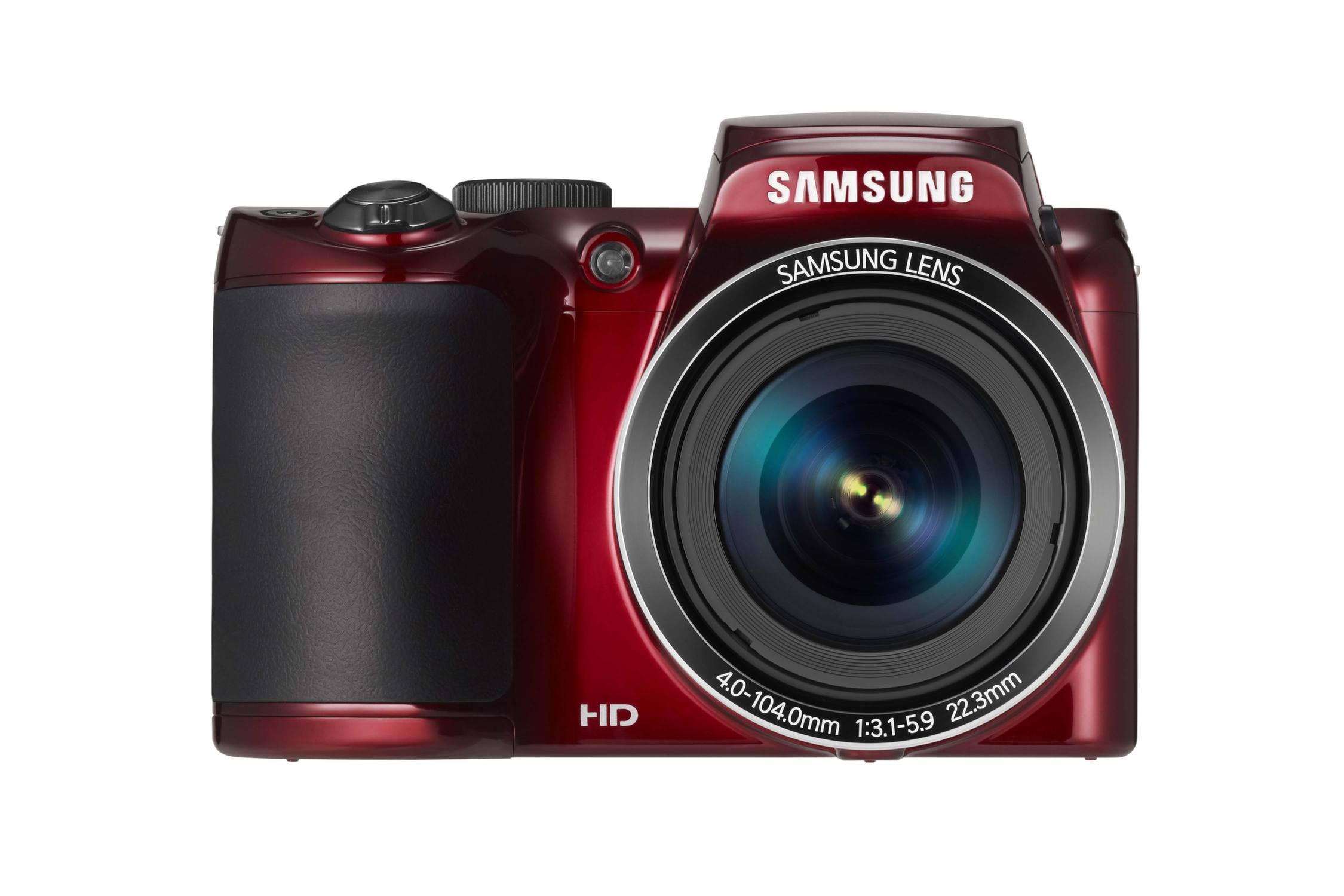
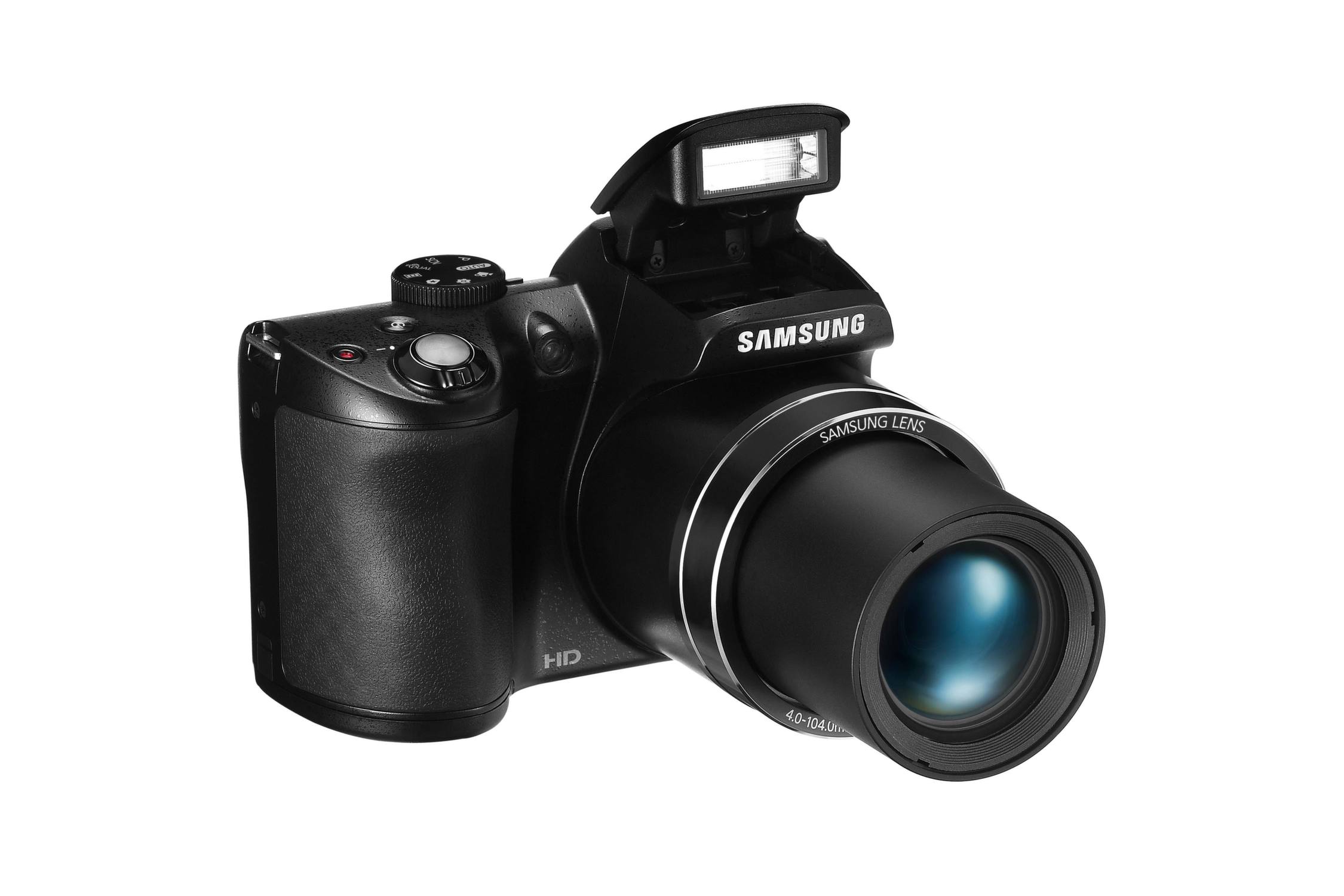
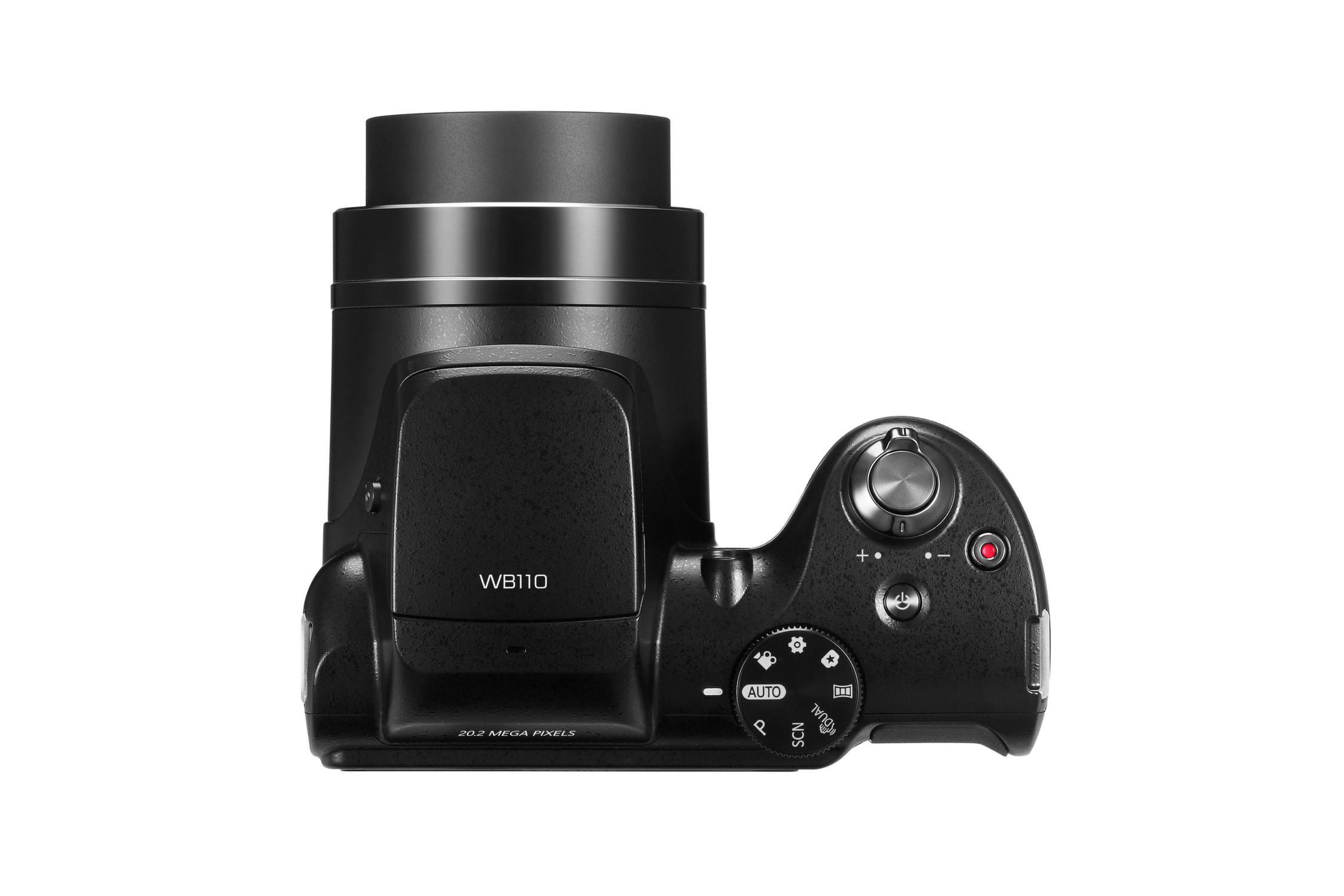
The prosumer / bridge camera market has been eerily quiet since the advent of the interchangeable lens camera, but those still looking for a simple, all-in-one shooter have found a new one in the Samsung WB110.
The new bridge camera follows on from last years WB100 snapper and in doing so boosts the sensor from 16 to 20-megapixels and brings a wide-angled 22.3mm lens into play.
The Samsung WB110 keeps the gigantic 26x optical zoom, which still sits behind some of the super-zooms on the market, but should be ample for most occasions.
The LCD measures in at 3-inches with an hVGA resolution and auto live-level adjustment so it can be viewed ideally in various lighting situations. Video outputs are AV and HDMI 1.4, and ISO (in addition to auto mode) ranges from 100 to 3200. The camera is shipped with the i-Launcher software, which only mentions PC support.
Images are saved in JPEG format, with the highest resolution being 5152 x 3864, while the minimum resolution for images is 1024 x 768. Videos can be recorded in up to 720p in MPEG4, AVC/H.264 with AAC audio at 30fps. Other recording options include 640 x 480 and 320 x 240. It’ll be available in red and black too.
Smart Auto, in still image modes, analyzes key elements in photographers’ compositions, automatically adjusting photo and movie settings to help users capture the best shot possible. Live Panorama lets you photograph seemingly endlessly panoramic shots and preview them live on the screen by holding the shutter-button and sweeping across the scene.
Samsung hasn’t revealed when it expected the Samsung WB110 to go on sale and hasn’t announced an MRP either.
Not many people are interested in full-on pre-configured desktop PCs anymore and so Dell is forced to look at other form factors in order to remain afloat.
Dell is considering a move into the “wearable computing” space. Sam Burd, Dell’s global vice-president of personal computing, told the Guardian that “we’re exploring ideas in that space”.
“There are challenges in cost, and how to make it a really good experience,” Burd said. “But the piece that’s interesting is that computers are getting smaller. Having a watch on your wrist – that’s pretty interesting, pretty appealing.”
The comments suggest that Dell is considering a smartwatch, rather than an entirely new hardware paradigm such as Google Glass.
Dell has tried to take a bite of the mobile market before, but has struggled to make a success of it. TheDell Streak, the company’s 5-inch mini-tablet, showed significant promise but failed to convince the market that Android on a larger screen made sense; ironically, shortly after Android phones began rapidly increasing in screen-size, so that now the Streak’s display actually looks mid-sized.
With falling revenue matching only the slumped demand for traditional computers, the company announced a leveraged buyout of the company in February of this year by founder Michael Dell.
The buyout was set at $24.4bn but recently company directors have asked for more money, indicating that the board no longer feels confident that the deal will find shareholder approval when it comes to the vote on July 18.
Sony has announced that its ‘My Xperia’ service will roll out globally after a successful pilot project in the Nordic regions. The service, which uses a user’s Google login to link phone and web browser, allows users to remotely locate or wipe a device, or sound an alarm to find a lost device when close at hand.
‘My Xperia’ will be available for select 2012 and 2013 devices such as the Xperia S, Xperia ion, Xperia T, and Xperia ZL, and the app will roll out via an over-the-air update, not through the Play Store.
The full feature set is as follows:
– Sound an alert to get someone’s attention –it’ll also override silent mode and wake the display – Map location via myxperia.sonymobile.com – Lock the phone to keep info private, and ping a message with contact details – Erase both internal and external SD card info / data if required
Obviously it’d be nice if Xperia owners didn’t ever need to use a tool like this, but because smartphones are small and expensive, they can easily be lost or fall prey to a thief. That’s where a tool like my Xperia would come in, helping a person to locate their lost phone or wipe all of the personal data stored on it if necessary. It sounds like a pretty useful little app, and it’d probably be wise for owners of eligible Xperia hardware to install the my Xperia app onto their handsets just to be safe. If you’ve got a recent Xperia phone laying around, be sure to keep an eye out for the arrival of the my Xperia app in the coming weeks.
The service will be available on Sony’s website in the coming weeks.
Samsung has released its estimated earnings for Q2 2013, with a full announcement scheduled for later this month. The company estimates profits of $8.33 billion (9.5 trillion won), up nearly $2 billion over Q1’s $6.4 billion profit.
This would give the Korean company a 47 percent year-on-year increase in profit from a revised KRW6.46 trillion in Q2 2012 – slowing from the 54 percent growth it posted in Q1 2013 – and a 20 percent year-on-year increase in revenue from KRW47.60 trillion during the same period.
Analysts had expected a figure of more than 10 trillion won, and Samsung shares lost more than two percent in morning trade.
“Demand for high-priced, high-end smartphones shows slowing growth, which could hurt Samsung’s profit margin,” IBK Investment and Securities analyst Lee Seung-Woo told the Yonhap news agency.
Samsung has lost nearly 30 billion dollars in market value since mid-March, before it launched the Galaxy S4 smartphone a month later. Several brokerages have downgraded Samsung and their earnings forecasts for the company on fears that the S4 is not selling as strongly as hoped.
As Reuters reports, shares in the $185 billion company have dropped 15 percent since early June, hit by a series of brokerages downgrades. The share price reflects concerns about handset margins, with its mobile business generating 70 percent of the tech giant’s total profit.
Its share price woes equate to a fall in market value of 33 trillion won ($29 billion), almost equal to the combined market capitalisation of Sony Corp and LG Electronics Inc .
Samsung was expected to post higher earnings in the current quarter, as analysts were expecting strong smartphone sales to revive its growth exponentially.