Category: Brands and Companies

All Brands and Company Names

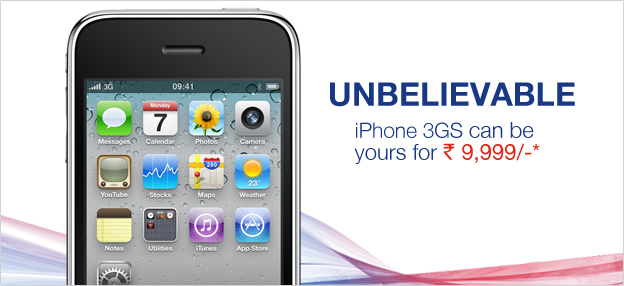
  • Aircel offers Apple iPhone 3GS at Rs 9,999

    Aircel offers Apple iPhone 3GS at Rs 9,999

    Aircel has slashed the prices of the Apple iPhone 3GS 8GB model and it is now available for Rs. 9,999. This deal is for now available only for Aircel postpaid customers.

    In order to attract customers, Aircel is also offering unlimited 3G data for a full one year with the purchase of iPhone 3GS by paying an additional Rs. 3,000 upfront at the time of purchase.

    However, this option is available only in 3G circles and there is a fair usage cap of 2GB per month, post which users can continue to download unlimited data at the speed of 128kbps.

    In 2G-only areas, buyers would have unlimited 2,500 local and national SMS, 100 minutes of local and STD calls and unlimited 2G data for a period of 6 months.

    However, if an Aircel subscribers opts for the company’s ‘money saver plan,’ then they would have to pay Rs.20,990 for this very iPhone.

    Airtel is currently selling the same device for Rs. 20,908, which is double the price of Aircel’s version.

  • HTC confirms Android 4.1 Jelly Bean for One X, One XL and One S

    HTC confirms Android 4.1 Jelly Bean for One X, One XL and One S

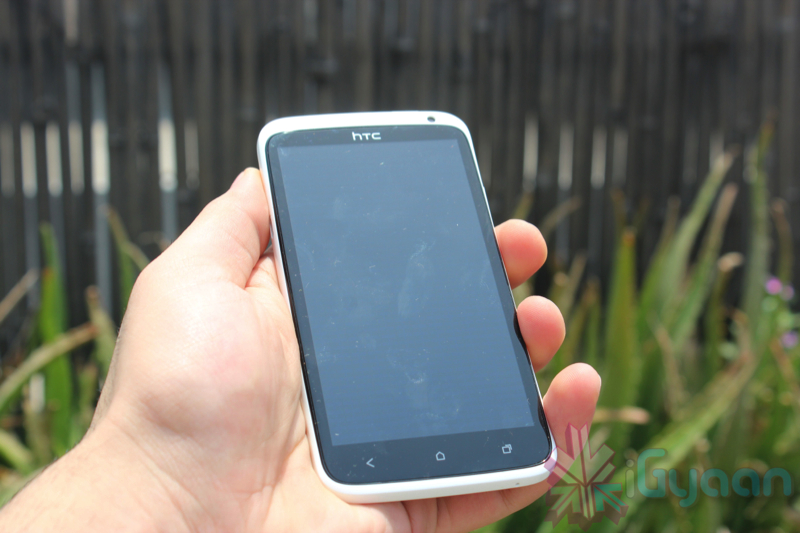
    HTC has confirmed that the HTC One X, the HTC One XL and HTC One S will all get Jelly Bean update. Here is what their official statement read:

    [quote]We know HTC fans are excited to get their hands on Google’s latest version of Android. At this point in time, we can confirm that we have plans to upgrade our HTC One X, HTC One XL and HTC One S to Jelly Bean. Please stay tuned for more updates regarding device upgrades, timing and other details about HTC and Jelly Bean.[/quote]

    No other phones have been mentioned, but details on the fact that unlocked devices will get the update first. 

  • Samsung Launches GALAXY Beam Projector Phone For Rs 30,000

    Samsung Launches GALAXY Beam Projector Phone For Rs 30,000

    Whoops! Something went wrong!
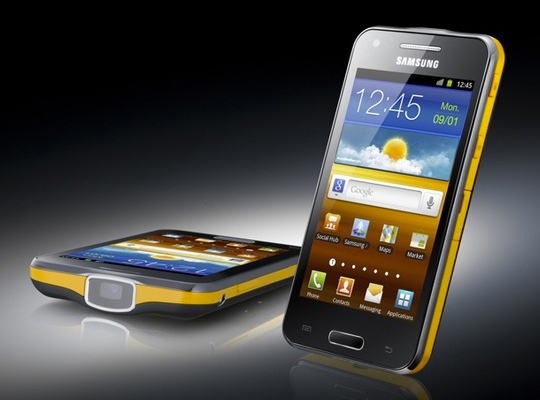
    Samsung Electronics today announced the launch of Samsung Galaxy Beam projector smartphone in India, priced at INR 30,000. The smartphone will enable the users to display and share multimedia content anywhere on a large luminous projector screen or on a clear wall or surface.

    The Beam is said to house a 15 lumen bright lamp that is capable of projecting a high definition 50″ wide image at a distance of 2 meters. It comes with a 4″ WVGA multi-touch capacitive LCD screen, and is powered by a 1 GHz dual-core CPU. Weighing in at 145 grammes, this phone is just 12.5 mm (0.5″) thick, with the rest of the dimensions being 123.9 mm (l) x 64.2 mm (w).

    Other specs include a 5 MP snapper capable of 720p video capture, a front 1.3 mp camera for video chat, and 8 GB of internal storage that’s expandable up to 32 GB via microSD. According to the spec sheet, a pair of 2000 mAh battery packs offer up to 20 hours of talktime. However, it’s wise to take this claim with a pinch of salt, as the figure seems a little too far-fetched to be true. In addition to a wide range of apps available through Google Play, the smartphone comes bundled with a drawing tool for presentations, which is touted to aid in drawing viewers’ attention without the need for a laser pointer.

    However, we feel that the phone might not be able to outshine its competitors based on its Projector feature alone. 

  • YouTube offers face-blurring tool

    YouTube offers face-blurring tool

    Whoops! Something went wrong!

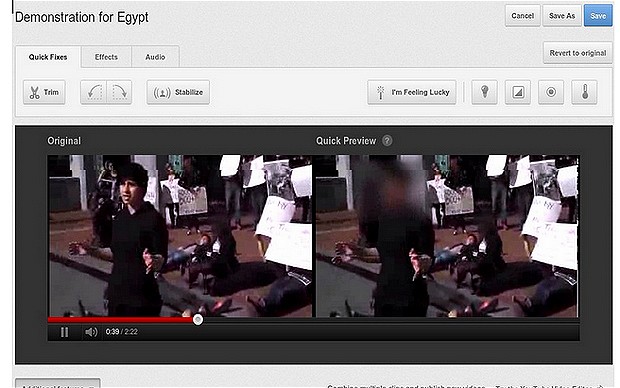
    YouTube has launched a feature which blurs the faces of people in videos uploaded to the site.

    According to a Wednesday blog post by the video sharing site, this application is its first step toward providing visual anonymity for YouTube videos, enabling the sharing of “sensitive protest footage” without showing the faces of activists involved, or protecting the identities of people in the videos.

    [quote]“Whether you want to share sensitive protest footage without exposing the faces of the activists involved, or share the winning point in your 8-year-old’s basketball game without broadcasting the children’s faces to the world, our face blurring technology is a first step towards providing visual anonymity for video on YouTube,” wrote Amanda Conway, a YouTube policy associate, on the company blog post.[/quote]

    The technology is similar to the one deployed by Google across several of its services such as StreetView and Google goggles.

    People can check if the blurring has worked frame by frame through a preview function.

    [quote]Conway added: “This is emerging technology, which means it sometimes has difficulty detecting faces depending on the angle, lighting, obstructions and video quality. It’s possible that certain faces or frames will not be blurred. If you are not satisfied with the accuracy of the blurring as you see it in the preview, you may wish to keep your video private.[/quote]

  • Nokia Q2 Results are out : 4 million Lumias sold, $1.01 billion net US Dollar loss

    Nokia Q2 Results are out : 4 million Lumias sold, $1.01 billion net US Dollar loss

    Nokia’s Q2 result shows that the company has made a loss of over US $ 1 Billion in last quarter, however sales were at US $9.2 billion which is still .5 Billion lower than last quarter.

    Nokia has sold a total of 73 million handsets, most of which are thanks to the Asha series. Nokia is low on cash reserves as the company shows total $5.1 billion in reserves vs the $6.3 billion in Q1. Nokia did get $250 million  support from Microsoft, but that does not have seemed to help the situation.

    You can read the full report at the link below


    [Nokia (PDF)]

  • Windows 8 to be launched on 26 October

    Windows 8 to be launched on 26 October

    Microsoft on Wednesday announced that its next-generation operating system tailored for a world shifting from personal computers to smartphones and tablets will be available on 26 October.

    Windows unit boss Steven Sinofsky revealed the Windows 8 debut date at a sales meeting, Microsoft communications manager Brandon LeBlanc said in a blog post.

    Windows 8 will be available in 109 languages across 231 markets worldwide, according to LeBlanc.

    Microsoft has promised to make the new operating system available in August for computer, tablet or smartphone makers to build into hardware.

    The Redmond, Washington-based firm has gone on record stating that Surface tablets would hit the market when the Windows 8 operating system became publicly available.

  • Apple ordered to publish Notice that Samsung didn’t copy iPad In U.K.

    Apple ordered to publish Notice that Samsung didn’t copy iPad In U.K.

    Apple Inc.  was ordered by a judge to publish a notice on its U.K. website and in British newspapers alerting people to a ruling that Samsung Electronics Co. didn’t copy designs for the iPad.

    The notice should outline the July 9 London court decision that Samsung’s Galaxy tablets don’t infringe Apple’s registered designs, Judge Colin Birss said yesterday. It should be posted on Apple’s U.K. home page for six months and published in several newspapers and magazines to correct any impression the South Korea-based company was copying Apple’s product, Birss said.

    This order means that Apple will, in a way, advertise Samsung’s tablets, that too on its own website. However, Judge Briss shot down Samsung’s request to bar Apple from further claiming that its tablet copied the iPad’s design. On this, he said, “They are entitled to their opinion.”

    As well as Apple’s website, the company must pay for notices in the Financial Times, the Daily Mail, Guardian Mobile magazine, and T3, according to a draft copy of the order provided by Samsung’s lawyers.

    Apple’s lawyer said the company would appeal the July 9 decision and Judge Birss granted the company permission to take its case to the court of appeal.

  • New iPhone to have thinnest screen ever made – with sensors built into the glass

    New iPhone to have thinnest screen ever made – with sensors built into the glass

    Whoops! SOmething went wrong!

    Apple Inc.’s next iPhone, currently being manufactured by Asian component makers, will use a new technology that makes the smartphone’s screen thinner, people familiar with the matter said, as the U.S. technology giant strives to improve technological features amid intensifying competition from Samsung Electronics Co. and other rivals.

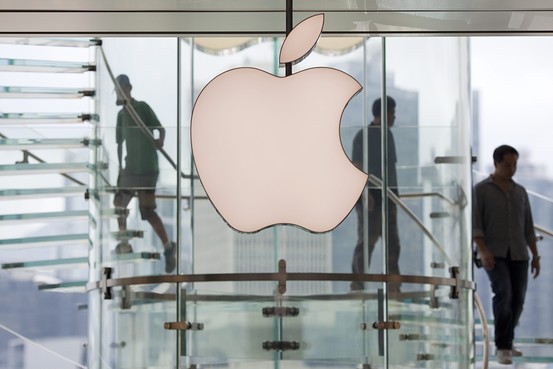
    Apple’s next iPhone, currently being manufactured by the company’s Asian component makers, will boast a thinner screen of the likes used by its rival Samsung. Above, the Apple store in Hong Kong.

    Japanese liquid-crystal-display makers Sharp Corp. and Japan Display Inc.—a new company that combined three Japanese electronics makers’ display units—as well as South Korea’s LG Display Co. are currently mass producing panels for the next iPhone using so-called in-cell technology, the people said.

    The technology integrates touch sensors into the LCD, making it unnecessary to have a separate touch-screen layer. The absence of the layer, usually about half-a-millimeter thick, not only makes the whole screen thinner, but improves the quality of displayed images, said DisplaySearch analyst Hiroshi Hayase.

    The current iPhone 4S is 9.3 millimeters thick, according to Apple’s official website.

    For Apple, the new technology would also simplify the supply chain and help cut costs as it would no longer need to buy touch panels and LCD panels from separate suppliers.

    It was previously reported that the new iPhone will likely come with a screen larger than the current iPhone’s 3.5-inch display. A thinner screen could help offset an increase in weight due to the larger size.

    Technological progress at LCD makers such as Sharp, Japan Display and LG Display is crucial for Apple, given that Samsung has been pushing its organic light-emitting displays as one of the unique features of its Galaxy phones. Samsung’s flagship smartphone, the Galaxy S III, comes with a 4.8-inch OLED screen and is thinner than the current iPhone.

    The vast majority of OLED screens used in mobile devices today are supplied by Samsung. OLED screens, which don’t require backlighting, tend to be thinner than conventional LCD panels.

    While Apple and Samsung together dominate the lucrative market for high-end smartphones, the companies are under constant pressure to meet high expectations for more-powerful, capable devices that are easier to carry.

    A thinner screen in the next iPhone could make the whole device slimmer, or make extra room available for other components such as batteries. But in-cell touch screens are harder to manufacture than conventional LCD screens.

    The people familiar with the situation said that LCD makers are finding the manufacturing process challenging and time-consuming as they scramble to achieve high yield rates.

    Analysts have said that the new iPhone is expected sometime in the fall.

    In May, people familiar with the matter said that the new iPhone will likely come with a screen larger than the current iPhone’s 3.5-inch display. A thinner screen could help offset an increase in weight due to the larger size.

    The LCD industry has been working on the in-cell touch technology for several years. For LCD panel makers like Sharp, Japan Display and LG Display, Apple’s iPhone provides the environment where they can demonstrate their latest technological progress to show that LCD screens can continue to evolve and stay competitive against OLED displays. In the meantime, Sharp, Japan Display and LG Display have also been developing OLED displays.

    At the same time, the adoption of in-cell technology is bad news for makers of conventional touch panels used in many smartphone screens now. Taiwan’s Wintek Corp. and TPK Holding Co., which supplied the touch-panel layer of the iPhone 4S screen, didn’t get orders for the next iPhone, people familiar with the situation said.

    Source : Wall Street Journal
  • Update : Extended! iGyaan Birthday Giveaway Party! Free Blackberry Playbook and More

    Update : Extended! iGyaan Birthday Giveaway Party! Free Blackberry Playbook and More

    Update : The Contest is now extended till 31st July. So make sure you participate.

    GO TO THE CONTEST


    Contest Terms


    Welcome to the iGyaan Birthday Bash Month !
     
    We are Giving Away Goodies !


    Grand Prize : Blackberry Playbook 16GB

    Second Prize : Micromax Andro A85 Superfone 

    Third Prize : Jabra Bt 2020 Bluetooth Headset

    Runners Up : iGyaan Tshirts and Pen Drives.


    Requirements: 

    1. Like us on Facebook : 


    2. Subscribe to both our Youtube Channels :


      3.Follow us on Twitter : twitter.com/iGyaan   : 


    Important : The above steps are necessary, else you will be disqualified !


    NEXT: 


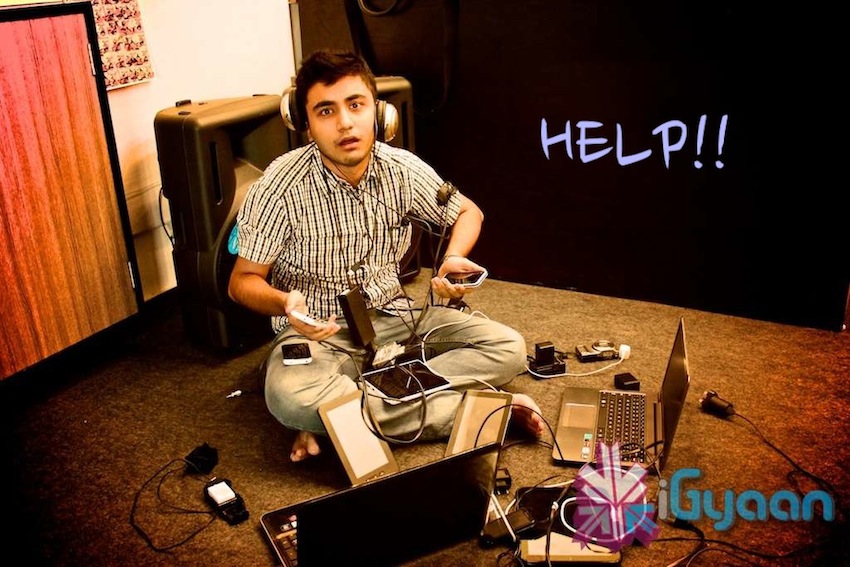
    Click and upload a Photograph/Picture/Image of a Situation or a Scenario where iGyaan can Help! or a Situation where you have used iGyaan’s Help!
     
    The image can be from any camera or camera phones, can be natural or staged, amateur or Professional or just for fun.
     
    The Most Creative and Innovative Images will be selected by Bharat and our Panel. 
     
    We Clicked an Image to Inspire You!


    To get your Images noticed, ask you friends, family and fellow colleagues to Vote for your photograph/image. Remember top rank does not mean automatic winnings, it just means you get more “Brownie Points” when Bharat and the Panel Review your Photographs.
     
    So The More Votes you get the more your Chances of Being Noticed.


    Important : 

    1. All Photographs should be Original and self Captured and not copied.
    2. iGyaan Reserves the Right To Disqualify anyone.
    3. Winner will be Notified via Email at the End of the Contest.

    CONTEST CLOSES JULY 31st 2012
     

    GO TO THE CONTEST


  • Nokia launches Asha 305 dual-SIM phone for Rs. 4,688

    Nokia launches Asha 305 dual-SIM phone for Rs. 4,688

     Whoops! Something went wrong!

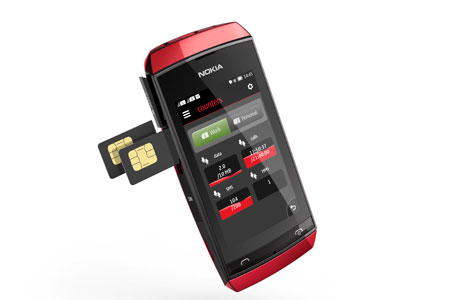
    Nokia has launched its first full touch Series 40 feature phone, the Asha 305, in India. The phone, which was announced globally in June, is now available from Nokia’s online store for Rs 4,688. The handset is powered by Series 40 platform, which is world’s most widely used mobile platform

    The Asha 305 sports a 3-inch resistive touchscreen with a resolution of 240×320 pixels and offers a new Swipe UI elements, which were supposed to be part of its abandoned Meltemi platform. Other features include a 2-megapixel camera, Dual-SIM capabilities and a microSD card support for up to 32GB.

    Nokia sweetens the deal even more by offering 40 EA games for free including classics like Tetris, Need for Speed and Fifa 2012, which can be downloaded from the Nokia Store.

  • Microsoft Touts Office 2013 Integration With Skype, Yammer, Cloud

    Microsoft Touts Office 2013 Integration With Skype, Yammer, Cloud

    Whoops! Something went wrong!

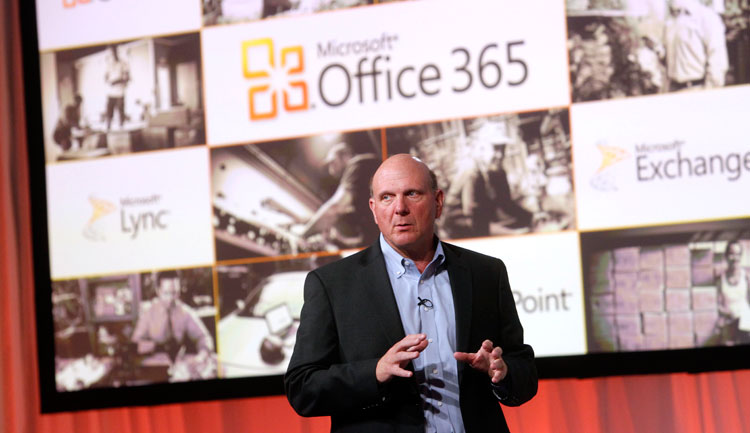
    At a press event in San Francisco, Microsoft has unveiled the new Office suite, sporting a new look in line with Windows 8 and Windows Phone 8.

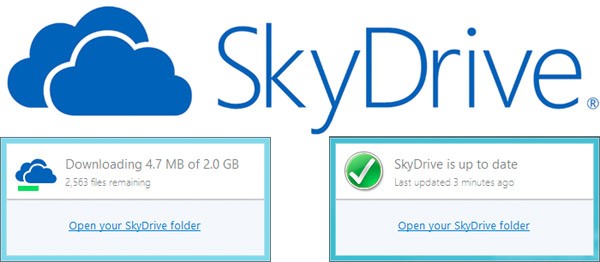
    One of the key features of the new Office is cloud integration using SkyDrive. Users will be able to sync key settings across multiple devices after logging in to SkyDrive. You can continue working on the same document using a different device, as well as share it with others.

    Microsoft also showed off how users can collaborate on Office through social network integration. For example, you can see if your Skype contacts are available from any application in the new Office suite and make Skype calls directly from within Outlook. There’s also the ability to collaborate on documents through Microsoft’s Lync application.

    Good news for tablet users: A Microsoft RT version of Office for ARM-based tablets will be included for free on RT devices, including the Surface. 

    The new Office will have touchscreen capabilities, where users can use taps, swipes, and other gestures to create presentations. You can also draw on your presentations using a stylus.

    Meanwhile, the subscription-based Office 365 will now come with three tiers–Office 365 Home Premium, Office 365 Small Business Premium and Office 365 ProPlus–with pricing information to be announced later.

    Microsoft also unveiled a new version of its notetaking app, OneNote, which will have touch, pen and keyboard input.

    Although Office is currently being used by more than one billion people, it faces stiff competition from cheaper alternatives, such as Google’s suite of Web-based office applications.

  • iOS 6 Beta 3 Seeded to Developers

    iOS 6 Beta 3 Seeded to Developers

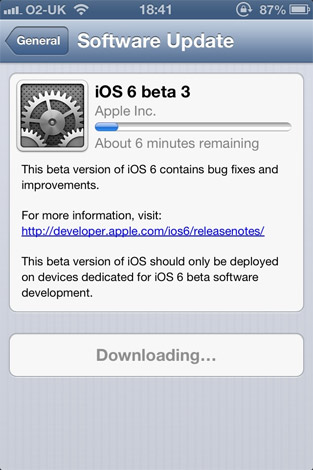
    Three weeks ago iOS 6 Beta 2 arrived, now apple is pushing out Beta 3 of the worldly OS to the developers and those with Developer accounts. This version of iOS6 inches closer with a lot of bug fixes and multiple tweaks that will now finally hit the end user. 

    SInce Apple has already closed down access for in-eligible downloads, its best to wait for the final build to arrive.

  • HTC HD2 Gets Unofficial Android 4.1 Jelly Bean – Epic Phone

    HTC HD2 Gets Unofficial Android 4.1 Jelly Bean – Epic Phone

    The HTC HD2 has always been the most easily adapted phone when it came to running multiple OS’ . This was the first phone to triple boot Android and Windows phone 7 with Windows Phone 6.5.

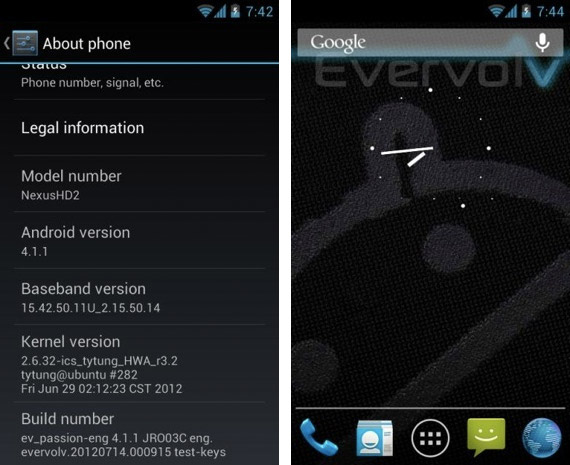
    Evervolv at the XDA-Developers forums has produced a pre-alpha port of Android 4.1 for the originally Windows Mobile-based phone. The funny thing is that in comparison to other devices, the HD2 build is running quite stably, except the camera, Google Now and web browser.

    The build is not meant for day to day use, but the devs are working hard to deliver a fully usable build. And knowing the history of this handset, we don’t fear it too far.

  • Apple rejoins environmental registry

    Apple rejoins environmental registry

    Apple has rejoined an environmental ratings scheme a week after quitting the program. The firm published a letter on its site saying it had realized the move had been “a mistake” after many of its customers had complained.

    The u-turn follows an announcement by San Francisco city officials that they planned to ban local agencies from buying Apple Mac computers saying at the time that they hoped Apple would reconsider.

    Apple helped set up the EPEAT (Electronic Product Environmental Assessment Tool) registry in 2006. It is designed to identify which electronic devices pose the least risk to the environment.

    In dropping out last month from the registry, Apple offered no explanation but speculation centered around its use of batteries on some MacBooks which are glued into the frame and thus are not easily recycled.

iGyaan Network
Privacy Overview

This website uses cookies so that we can provide you with the best user experience possible. Cookie information is stored in your browser and performs functions such as recognising you when you return to our website and helping our team to understand which sections of the website you find most interesting and useful.