Category: Xiaomi

  • Xiaomi Redmi Y1 Vs Moto G5 Vs Micromax Infinity Vs Lenovo K8 Plus – Battle Of The Budget Phones

    Xiaomi Redmi Y1 Vs Moto G5 Vs Micromax Infinity Vs Lenovo K8 Plus – Battle Of The Budget Phones

    Smartphones in today’s day and age have become accessible to everyone because of their cheap price tag without compromising a lot on features. A few years ago what was only available on a premium smartphone has now made its way into the ‘budget category’. As Xiaomi launched the Redmi Y1 at a starting price of Rs 8999, it entered that segment of the market which is already overflowing with different phones from different companies. Let’s stack up four of the best offerings, Redmi Y1, Moto G5, Lenovo K8 Plus and Micromax Infinity from this price range and see which one comes out on top:

    Xiaomi Redmi Y1

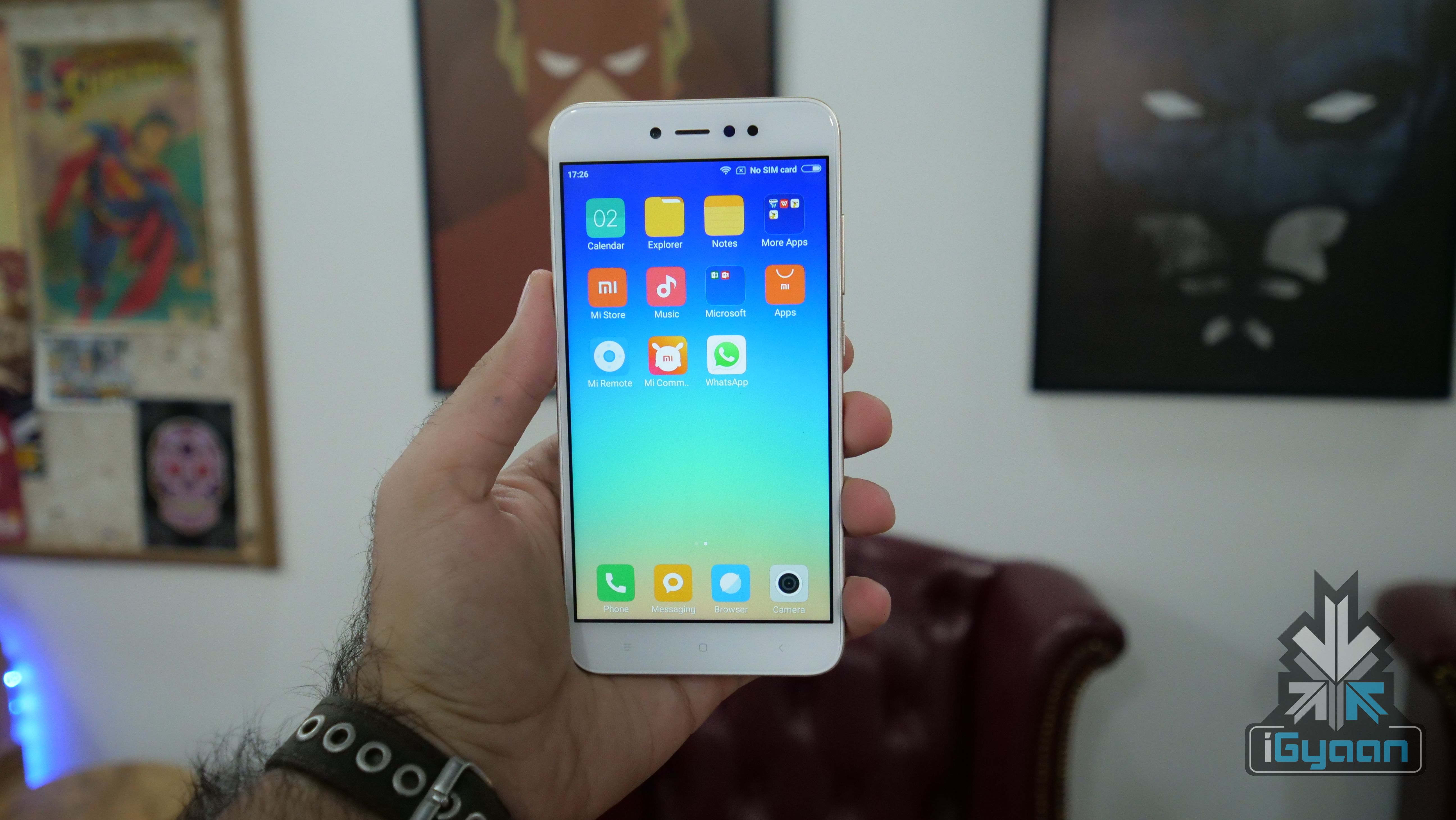
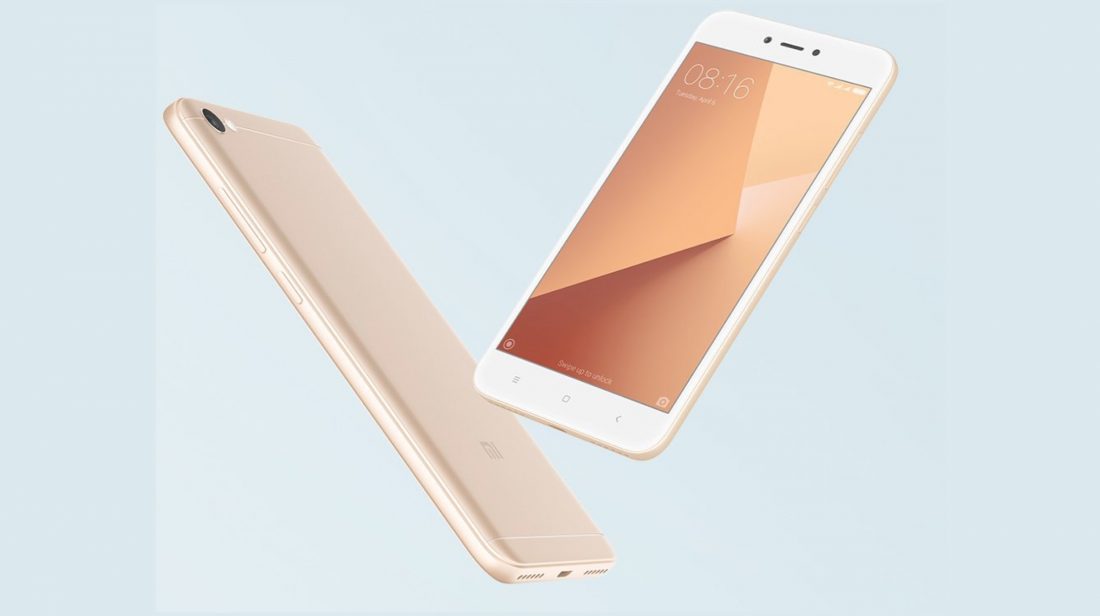
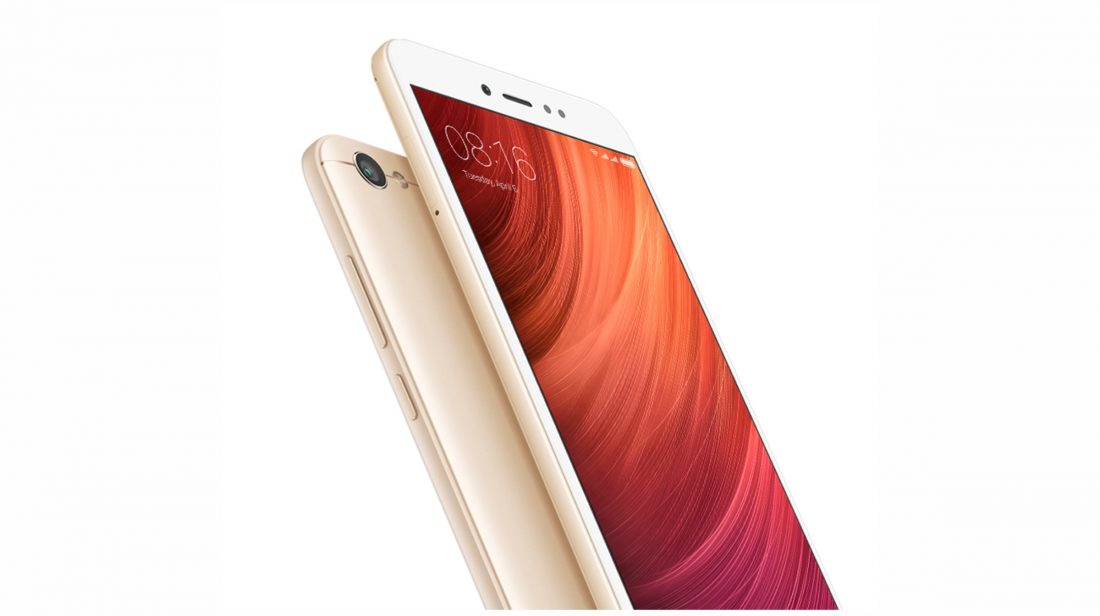
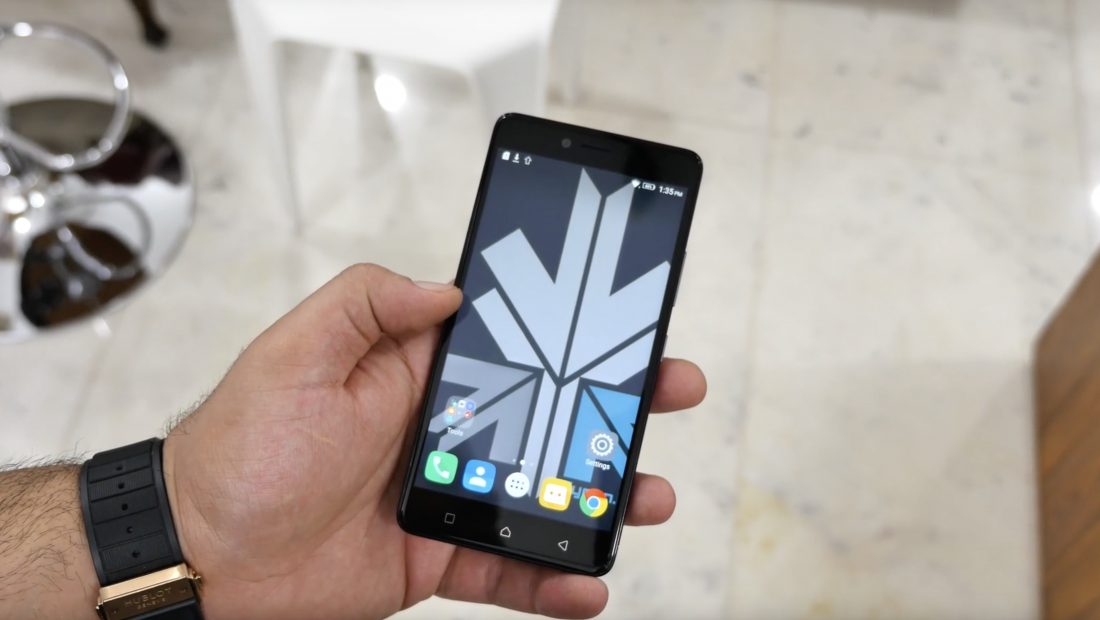
    The Xiaomi Redmi Y1 was launched in India as a part of a new lineup that focuses on selfies. The Redmi Y1 has a 5.5 inch IPS LCD display with a 1280 x 720 px resolution. In a lot of ways, it is an updated variant of the Redmi 4, which is also priced at Rs 8999 with the same chipset and RAM/storage configuration.
    Where the Xiaomi Redmi Y1 supposedly excels is the camera department and specifically, the front camera. On the front of the phone is a 16MP camera with an f/2.0 aperture. Xiaomi claims that the software processing and beautify mode will result “in your best selfie ever.” The rear-mounted 13MP camera with PDAF and LED flash.

    Moto G5

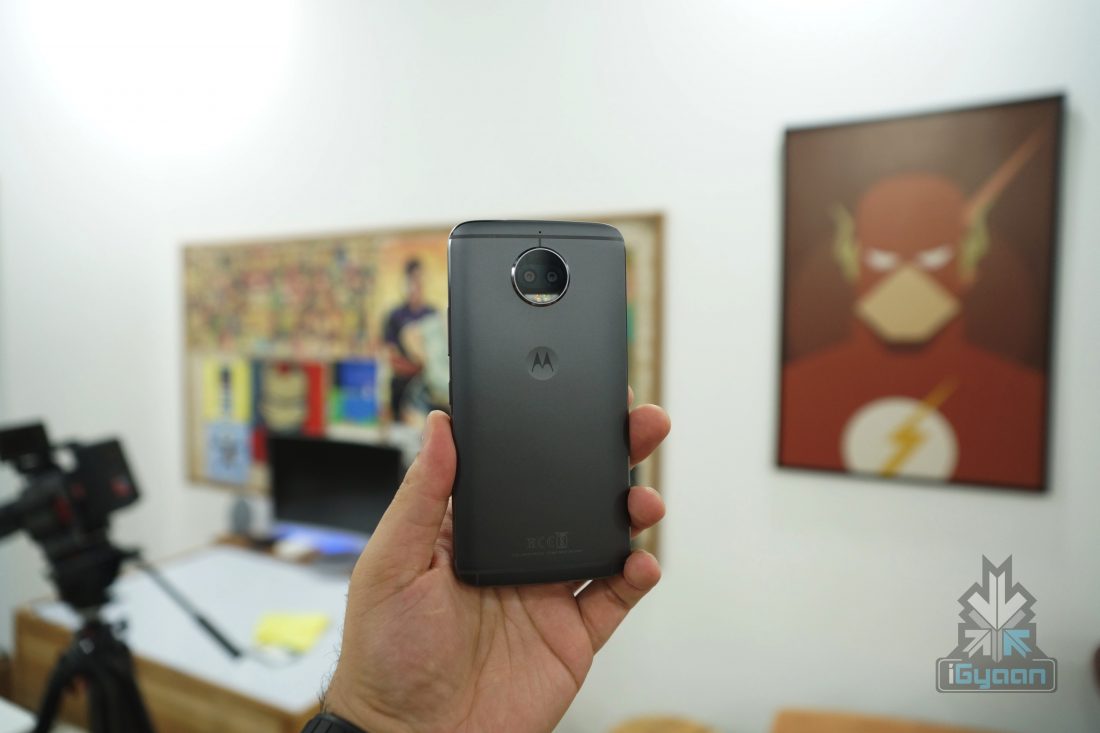
    Lenovo-owned Motorola launched the Moto G5 along with the Moto G5 Plus in India in February 2017. Even though in August, Moto G5s and Moto G5s Plus were launched as an incremental upgrade, the Moto G5 at a price of Rs 10500 is a great option. With stock Android OS, and a more than capable Snapdragon 425 chipset, the Moto G5 fits the bill for a lot of consumers.

    For the Moto G5 as well, the camera has been the highlight. The Moto G5 has a 13MP f/2.0 camera with phase detect autofocus with a 5 MP front camera.

    Micromax Infinity
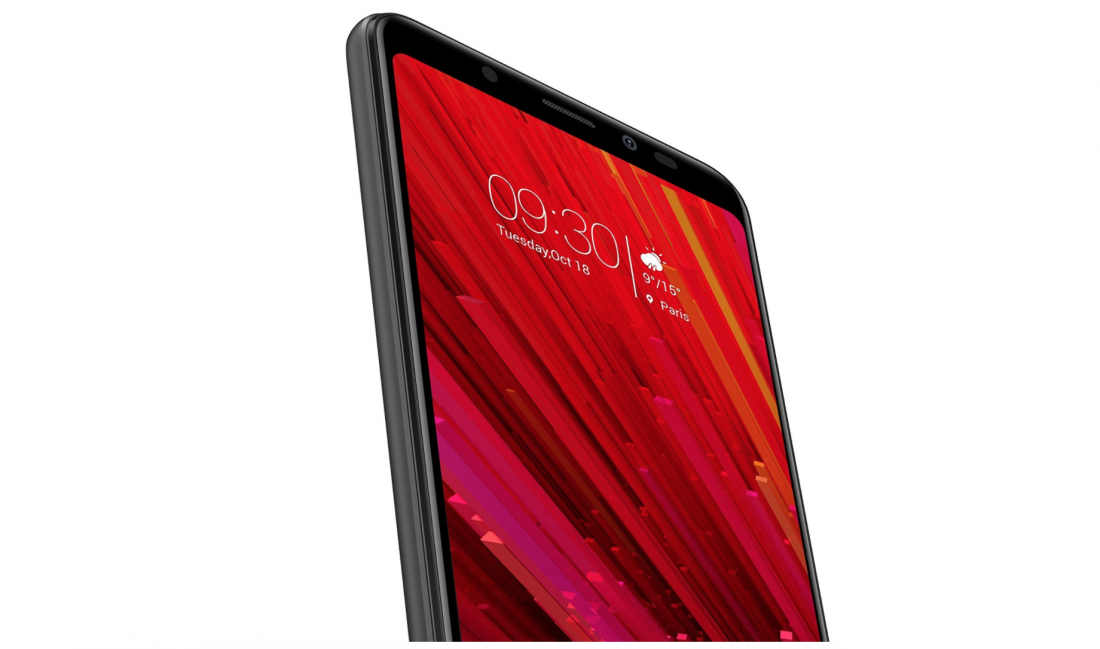
    A phone made for people who prefer design over everything else, the Micromax Infinity offers a display with an 18:9 aspect ratio. The Micromax Infinity has a 5.7 inch IPS LCD display with a 1440 x 720 px display. Similar to the Moto G5, the Micromax Infinity also has the Qualcomm Snapdragon 425 chipset, 3GB RAM and 32GB onboard storage which can be expanded via microSD card.

    It has a 16MP front camera and a 13MP rear camera with auto scene detection, bokeh effect, super pixel and panorama.

    Lenovo K8 Plus

    The Lenovo K8 Plus is the only phone in this list that has a dual-camera setup at the back. It has a 5.2 inch IPS LCD display with a 1920 x 1080 px resolution. The Lenovo K8 Plus runs stock Android 7.1 Nougat and Lenovo has promised an update to Android 8.0 Oreo by early 2018.

    The Lenovo K8 Plus sports a vertically placed dual-camera setup at the back. It has a primary 13MP Pure cell sensor mated with a 5MP Samsung BSI sensor dual camera with an f/2.0 aperture and dual LED flash. The smartphone is capable of depth effect shots, bokeh effect shots, and dual ISP images. On the front is an 8MP wide angle lens with an f/2.0 and an LED flash.

    Specifications Xiaomi Redmi Y1 Moto G5 Micromax Infinity Lenovo K8 Plus
    Price Starting at Rs 8999   Rs 10500  Rs 9999   Rs 10999 (Click here to buy)
    Display 5.5 inch IPS LCD  5.5 inch IPS LCD  5.7 inch IPS LCD 5.2 inch IPS LCD
    Resolution 1280 x 720 px  1920 x 1080 px  1440 x 720 px 1920 x 1080 px
    Chipset Qualcomm Snapdragon 435  Qualcomm Snapdragon 425  Qualcomm Snapdragon 425 MediaTek Helio P25
    RAM 3GB/4GB  3GB  3GB  3GB
    Storage 32GB/64GB (expandable via microSD card) 16GB (expandable via microSD card)  32GB (expandable via microSD card) 32GB (expandable via microSD card)
    Battery  3080 mAh 2800 mAh 2900 mAh  4000 mAh
    Rear Camera 13MP with PDAF  13MP with an f/2.0 aperture 13MP with bokeh effect, super pixel mode 13MP Pure cell sensor + a 5MP Samsung BSI sensor
    Front Camera 16MP with an f/2.0 aperture
    Pro Beauty mode
    5MP with an f/2.2 aperture 16MP 8MP wide-angle with an f/2.0 aperture
    Other features Fingerprint sensor Fingerprint sensor Fingerprint sensor  Fingerprint sensor

    Remappable ‘Music Key’

  • Xiaomi Redmi Y1 Review

    Xiaomi Redmi Y1 Review

    Xiaomi introduced a new lineup of smartphones in India which will focus on the ever-growing craze of selfies. The Redmi Y1 is the first smartphone launched in the lineup along with the Redmi Y1 Lite. Priced competitively, is the Redmi Y1 the new budget king?

    [section label=”Unboxing Video “]

    Watch Our Unboxing

    [section label=”Full Review “]

    Watch Our Full Review

  • Xiaomi Mi Note 3

    Xiaomi Mi Note 3

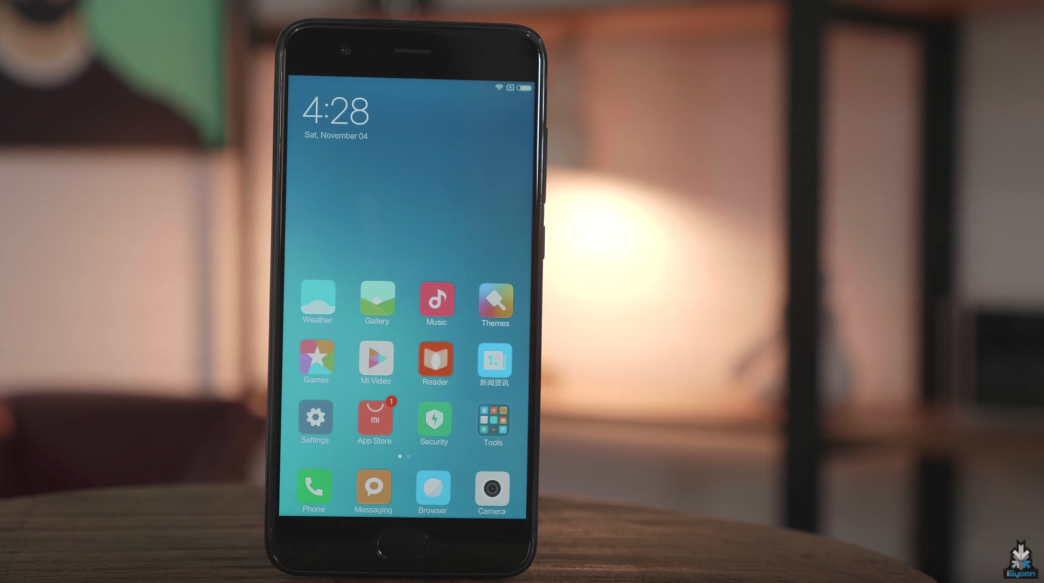
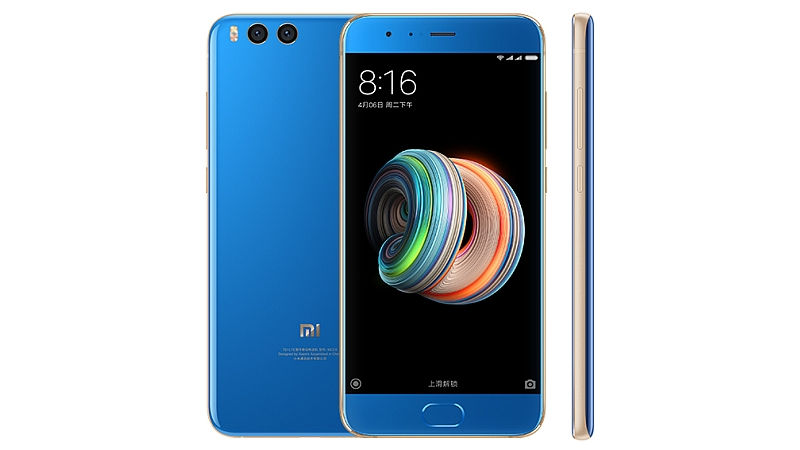
    The Xiaomi Mi Note 3 was launched in China on the 11th of September at a starting price of CNY 2,899 (Rs. 28,300 approx.). The Mi Note 3 succeeds the Xiaomi Mi Note 2 which was launched in 2016 with a fair amount of upgrades.

    [section label=”Latest News”]

    Latest News

    [loop included_tags=”39948″ loading=”paged” layout=”c” postsperpage=”6″ disable_ads=”true” disable_excerpt=”true”]

    [section label=”Videos”]


  • Xiaomi Redmi Y1/Redmi Y1 Lite

    Xiaomi Redmi Y1/Redmi Y1 Lite

    Xiaomi has launched its first ever selfie focussed Android phone lineup in India. The Redmi Y1 and the Redmi Y1 Lite are the first part of a new lineup of smartphones in India which will focus on selfies. Along with the new phone, Xiaomi also introduced MIUI 9 in India. Launched back in August in China, the MIUI 9 brings new features like split-screen and CPU acceleration and new themes.

    [amazon_link asins=’B0756RCTKJ’ template=’ProductAd’ store=’igyaan-21′ marketplace=’IN’ link_id=’ecb2682f-f2ca-11e7-9e14-37e9fbd710f0′]

    [section label=”Videos “]

    Videos

    [section label=”Latest News “]

    Latest News For Xiami Redmi Y1/Redmi Y1 Lite

    [loop included_tags=”40043,40044″ loading=”paged” layout=”c” postsperpage=”6″ disable_ads=”true” disable_excerpt=”true”]


  • Unboxing The Xiaomi Mi Note 3

    Unboxing The Xiaomi Mi Note 3

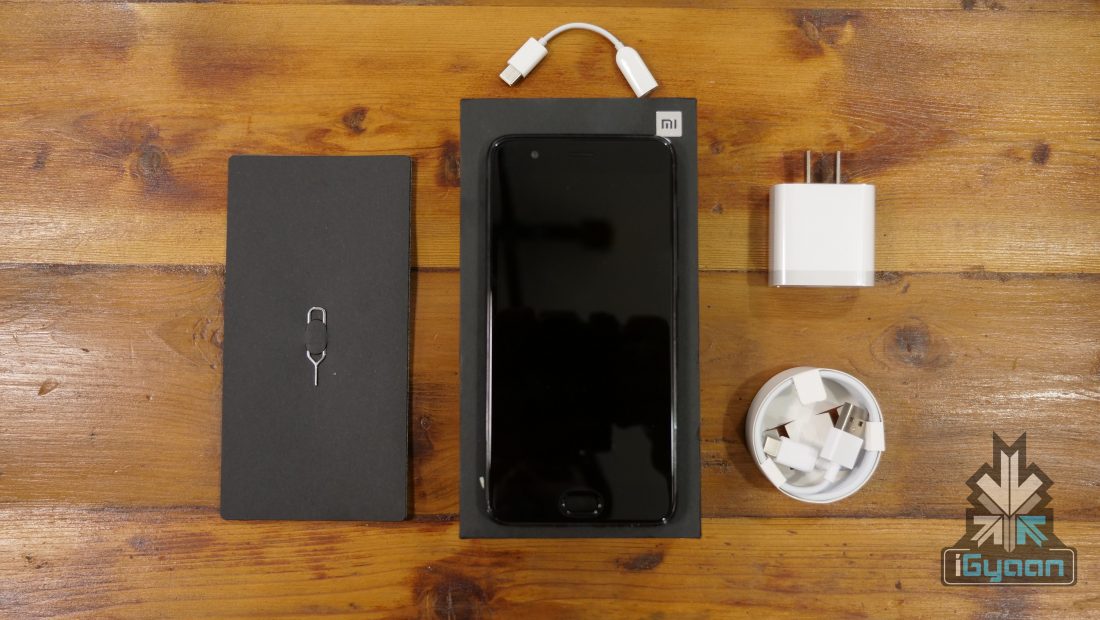
    The Xiaomi Mi Note 3 was launched in China on the 11th of September at a starting price of CNY 2,899 (Rs. 28,300 approx.). The Mi Note 3 succeeds the Xiaomi Mi Note 2 which was launched in 2016 with a fair amount of upgrades. Let’s unbox the Mi Note 3 and see what we get inside:

    • Xiaomi Mi Note 3
    • Documentation
    • USB C cable
    • Wall charger
    • Sim ejector tool

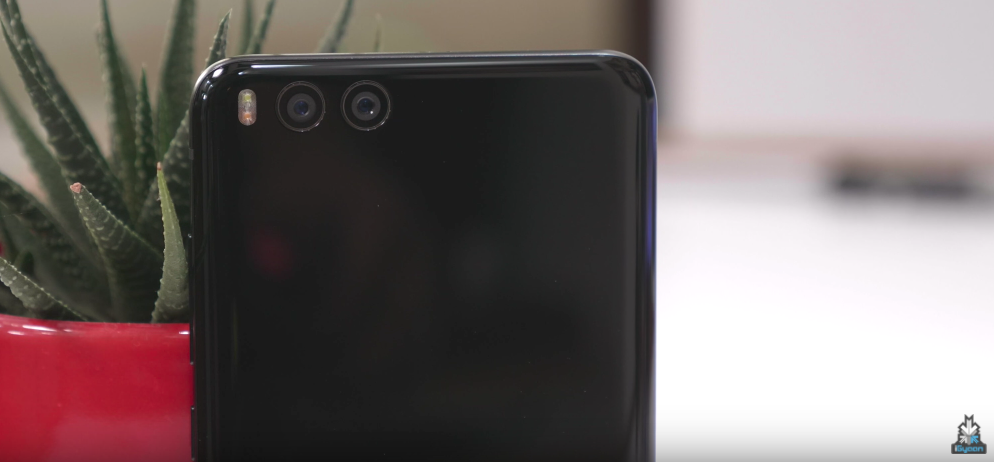
    The Xiaomi Mi Note 3 looks premium. It has a glossy finish to the curved back and the dual-cameras do not have a bump. The phone is very slippery and hence, we recommend that you use the soft cover that Xiaomi provides in the box.

    The Xiaomi Mi Note 3 has a 5.5 inch 1920 x 1080 px IPS LCD display with a pixel density of 403ppi and a 94.4 percent NTSC colour gamut.

    Under the hood, the Xiaomi Mi Note 3 has the Qualcomm Snapdragon 660 chipset, Adreno 512 GPU, 6GB RAM, and 64GB or 128GB onboard storage options. The onboard storage can not be expanded. The fingerprint sensor is placed under the glass at the front device, just below the display. The smartphone is powered by a 3,500 mAh battery with QuickCharge 3.0 through USB Type C port.

    Out of the box, the Xiaomi Mi Note 3 runs Android 7.1.1 Nougat with Xiaomi’s custom MIUI 8.5 on top. As soon as you boot up the device, you get a software update which brings MIUI 9 with all of its features to the Xiaomi Mi Note 3.

    Unlike the Mi Mix 2, the Mi Note 3 features a dual-camera setup at the back. The primary 12MP camera has a wide angle lens and an f/1.8 aperture and the secondary 12MP camera has a telephoto lens with an f/2.6 aperture. This setup is similar to a lot of dual-camera smartphones and offers 2X lossless zooming capabilities. It also has features such as Bokeh effect shots and a portrait mode very similar to the one on the iPhone 7 Plus. The front facing camera has a 16MP sensor with a 2-micron pixel size. Xiaomi has boasted about the phone’s ‘Adaptable AI Beautify’ feature, which the Chinese smartphone maker claims is a result of over half a year’s R&D. The feature uses AI-based algorithms to beautify selfies and has a different algorithm for men and women.

    Watch our unboxing here:

  • Unboxing The Xiaomi Redmi Y1

    Unboxing The Xiaomi Redmi Y1

    [embedyt] https://www.youtube.com/watch?v=sSSr6XhjiXk[/embedyt]

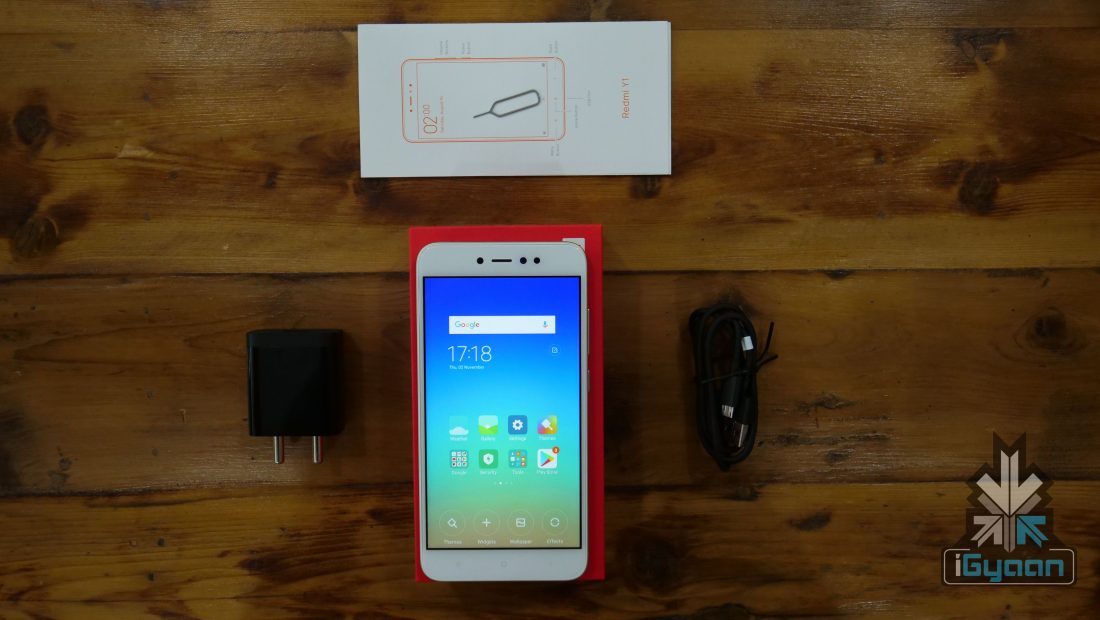
    Xiaomi has launched a new lineup of Android powered smartphones in India. The new series, a part of the Redmi lineup will focus on the growing craze of selfies. The Redmi Y1 Lite and Redmi Y1 were launched as the first two smartphones in this lineup. The Redmi Y1 Lite will retail for a price of Rs 6999 and the Redmi Y1 is priced at Rs 8999 for the 3GB RAM/32GB storage variant and Rs 10999 for the 4GB RAM/64GB storage variant. The Redmi Y1 and Redmi Y1 Lite will go on sale on the 8th of November on Amazon exclusively. Let’s unbox the Redmi Y1 and see what we get inside the box:

    • Xiaomi Redmi Y1
    • Documentation
    • Micro USB cable for charging and data syncing
    • Wall charger
    • Sim ejector tool

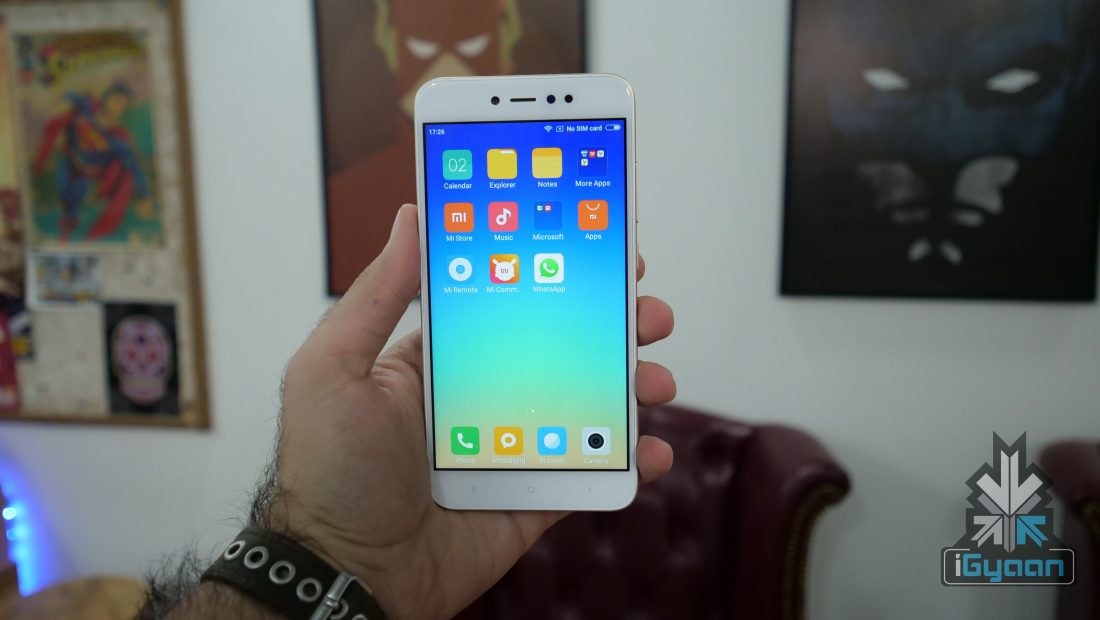
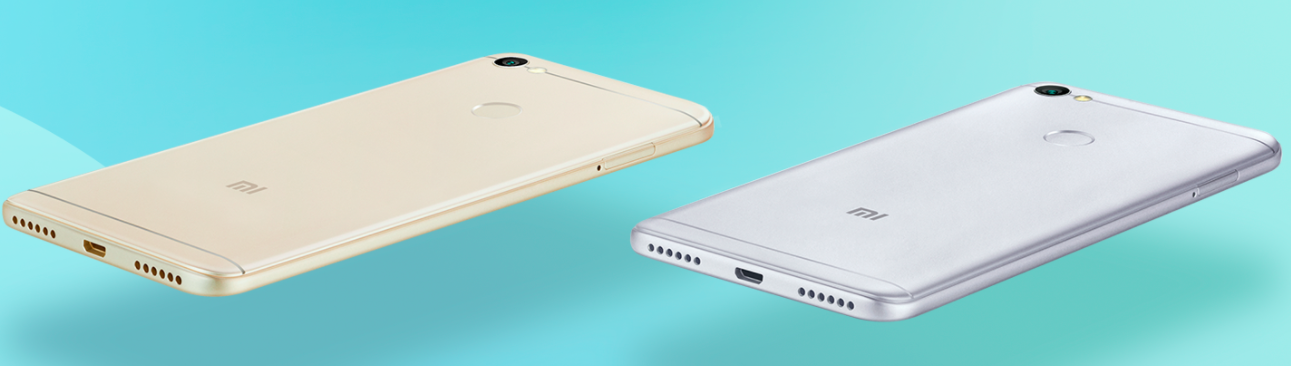
    The Redmi Y1 is built similar to a lot of other Redmi phones. A fingerprint sensor placed at the back with antenna lines on the top and bottom of the device and soft metal finish are reminiscent of a lot of other Redmi phones like the Redmi Note 4 for example.

    The Redmi Y1 has a 5.5 inch IPS LCD display with a 1280 x 720 px resolution. The device also has a 2.5D curved Corning Gorilla Glass on top for protection.

    The smartphone is powered by a 3080 mAh battery and runs Android 7.1 Nougat with MIUI 8.5 on top. Xiaomi has announced that MIUI 9 update will be rolled out for the Redmi Y1 in November. The Redmi Y1 has the Qualcomm Snapdragon 435 chipset, Adreno 505, 3GB or 4GB of RAM and 32GB or 64GB of onboard storage. The onboard storage can be expanded via a dedicated microSD card slot.

    The Redmi Y1 has a front facing 16MP camera with an f/2.0 aperture and an LED flash. Xiaomi claims that the software processing and beautify mode will result “in your best selfie ever.” The rear-mounted 13MP camera with PDAF and LED flash.


  • MIUI 9 Update In India To Start Rolling Out In November

    MIUI 9 Update In India To Start Rolling Out In November

    At an event in Delhi on the 2nd of November, Xiaomi announced that MIUI 9 update will start rolling out to compatible devices in November. The compatible devices for MIUI 9 are

    Mi 2, Mi 3, Mi 4, Redmi Note 4G, Mi Note, Mi 4i, Redmi 2, Redmi 2 Prime, Redmi Note 4G Prime, Redmi Note 2, Mi Mix, Mi Note 2, Mi 5, Mi 5s, Mi Max, Mi Max Prime, Redmi Note 3, Redmi 3, Redmi 3S, Redmi 3S Prime, Mi Mix 2, Mi Note 3, Mi 6, Mi Max 2, Redmi Note 4, Redmi Note 4xX, Redmi Note 5A, Redmi 4, Redmi 4A, Redmi Y1 and Redmi Y1 Lite.

    Faster App Launching Speed

    One of the main criticisms of MIUI has been its sluggish nature and the slow speed of general usage even in the flagship devices. Keeping that in mind, Xiaomi has promised much faster app launching speeds and navigation between multiple apps will be snappier as well. Performance enhancements are always welcome and this looks to be a step in the right direction for the Chinese giant.

    Under The Hood Updates

    Xiaomi has also introduced MIUI 9 with a few features that run in the background for example application prioritisation. This basically means that apps in the foreground will use up more power, but that has been on Android for a while. It also has better cache management, a new file system and a bunch of other tweaks to make the user experience crisper and snappier.

    The ‘Smart’ Features

    Xiaomi has also launched its Smart Assistant to compete with the likes of Google Assistant, Siri, Alexa and even Bixby. The voice assistant will be available in China only for the time being as localisation of the software may take time. Image search allows you to search your image talliers by image context keywords, so if you a looking for pictures with dogs that you have clicked you will be able to do that. The Smart App Launcher is a feature that makes a lot of sense as well. It basically means that you can open up a relevant app on the basis of the content on your current app. For example, if a friend sends you a restaurant’s name, you can open up Zomato to look up the restaurant.

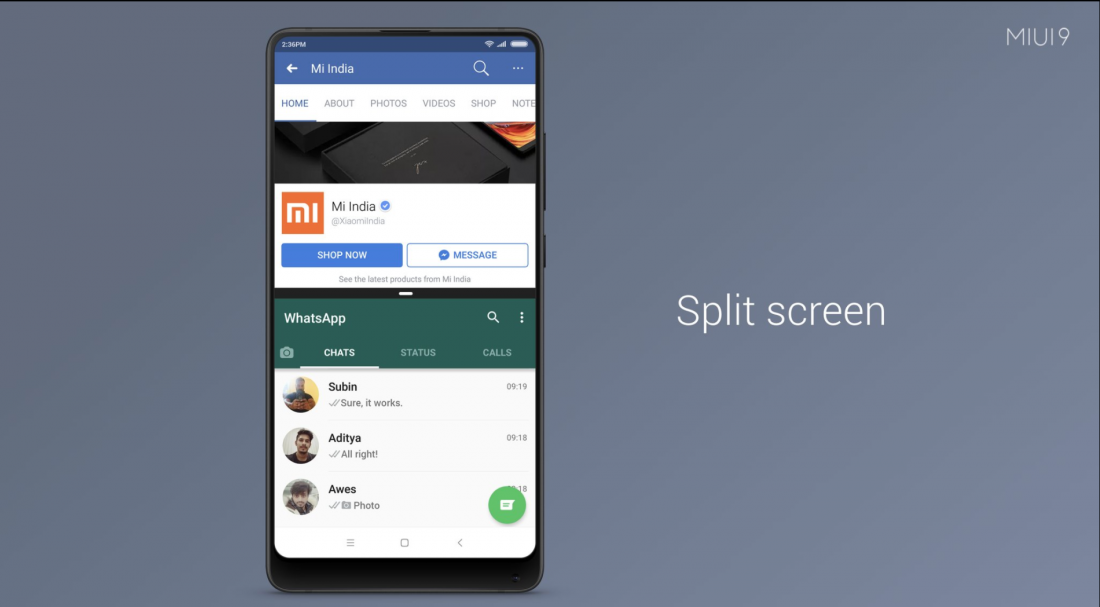
    Split-screen Is here, Finally.

    The split-screen feature was one of the major upgrades in Android Nougat and a plethora of phones from mid-rangers to flagships have embraced this handy little feature. Xiaomi, on the other hand, has launched it just now with MIUI 9 and it’s a welcome update.

    The beta version of MIUI 9 will start rolling out to Xiaomi Redmi Note 4, Mi Mix 2 and Mi Max 2 on the 3rd of November.


  • Xiaomi Launches Redmi Y1 And Redmi Y1 Lite At A Starting Price Of Rs 6999

    Xiaomi Launches Redmi Y1 And Redmi Y1 Lite At A Starting Price Of Rs 6999

    Xiaomi has launched its first ever selfie focussed Android phone lineup in India. The Redmi Y1 and the Redmi Y1 Lite are the first part of a new lineup of smartphones in India which will focus on selfies. Along with the new phone, Xiaomi also introduced MIUI 9 in India. Launched back in August in China, the MIUI 9 brings new features like split-screen and CPU acceleration and new themes.

    Redmi Y1 Lite

    The cheaper of the two phones, the Redmi Y1 Lite has a 5.5 inch IPS LCD display with a 1280 x 720 px resolution. The device also has a 2.5D curved Corning Gorilla Glass on top for protection. The smartphone is powered by a 3080 mAh battery and runs Android 7.1 Nougat with MIUI 8.5 on top. Xiaomi has announced that MIUI 9 update will be rolled out for the Redmi Y1 in November. Under the hood, the smartphone has the Qualcomm Snapdragon 425 chipset, 2GB of RAM and 16GB of onboard storage which can be expanded up to 128GB via a dedicated microSD card slot.

    The Redmi Y1 Lite has a 13MP rear-mounted camera with PDAF. On the front is a 5MP camera with an f/2.0 aperture and pro beauty mode. The Redmi Y1 Lite is priced at Rs 6999.

    Redmi Y1

    The Xiaomi Redmi Y1 has a starting price tag of Rs 8999 for the 3GB RAM variant. The variant with 4GB of RAM and 64GB onboard storage is priced at Rs 10999. The Redmi Y1 also has a 5.5 inch IPS LCD display with a 1280 x 720 px resolution. The device also has a 2.5D curved Corning Gorilla Glass on top for protection. The smartphone is powered by a 3080 mAh battery and runs Android 7.1 Nougat with MIUI 8.5 on top. Xiaomi has announced that MIUI 9 update will be rolled out for the Redmi Y1 in November. The Redmi Y1 has the Qualcomm Snapdragon 435 chipset, Adreno 505, 3GB or 4GB of RAM and 32GB or 64GB of onboard storage. The onboard storage can be expanded via a dedicated microSD card slot.

    The Redmi Y1 has a front facing 16MP camera with an f/2.0 aperture and an LED flash. Xiaomi claims that the software processing and beautify mode will result “in your best selfie ever.” The rear-mounted 13MP camera with PDAF and LED flash.

    Both the phones will see their first sale on the 8th of November and will be sold online via Amazon Exclusively. The Redmi Y1 and Redmi Y1 Lite will also be sold offline in Mi Home, Big Bazaar, Reliance Digital and various offline partners. Idea is offering up to 280GB 4G data to existing Idea customers.

  • Top Smartphones Between Rs 10,000 – Rs 20,000

    Top Smartphones Between Rs 10,000 – Rs 20,000

    India recently became the second largest smartphone market in the world, only behind China. For years, the mid-range smartphone market has had a plethora of phones offering top of the line performance at an affordable price. 2017 saw dual-camera phones entering the sub-20K segment while other phones continued to deliver the best in class performance with very little compromises. Let’s take a look at the top smartphones between Rs 10,000 to Rs 20,000 that you can buy right now.

    Xiaomi Redmi Note 4

    Priced the cheapest in this list, the Xiaomi Redmi Note 4 is by no means the cheapest in terms of specifications and performance. The Redmi Note 4 has a 5.5 inch IPS LCD display with a 1920 x 1080 px resolution. Powering the device is a massive 4100 mAh battery and it runs Android 6.0 Marshmallow out of the box. Under the hood, the smartphone has a the Qualcomm Snapdragon 625 chipset, up to 4GB of RAM and 64GB of onboard storage which can be expanded via microSD card. It has a rear mounted 13MP camera with an f/2.0 aperture and records 1920 x 1080 px videos at 30fps. The front of the smartphone has a 5MP camera with an f/2.0 aperture which records 1280 x 720 px videos at 30fps.

    Lenovo K8 Note

    Another smartphone with a dual camera setup at the back, the Lenovo K8 Note is priced slightly higher than the Redmi Note 4 and offers stock Android OS and a guaranteed update to Android 8.0 Oreo. The Lenovo K8 Note packs the Helio X23 chipset with a 2.3GHz high-performing deca-core processor and the Mali T-880 MP4 GPU. The device has two variants – 3GB RAM with 32GB onboard storage and 4GB RAM with 64GB onboard storage which is expandable up to 128GB via a microSD card and features USB OTG support for added storage options. The phone features a 5.5-inch 1920 x 1080 px display with a pixel density of 441ppi and a Corning Gorilla Glass with oleophobic coating for scratch resistance. The smartphone is powered by a 4,000mAh battery with turbo charge.

    The Lenovo K8 Note has a 13MP Pure cell sensor mated with a 5MP Samsung BSI sensor dual camera setup and dual LED flash at the back. The phone is capable of depth mode effects along with 1920 x 1080 px  Video capture. A 13MP camera with LED flash and an f/2.0 aperture sits on the front of the device above the display.

    Xiaomi Mi A1

    Stock Android OS with Xiaomi’s hardware and a confirmed upgrade to Android 8.0 Oreo and Android P for Rs 14999. This seemed surreal up until August when Xiaomi launched the Android One Xiaomi Mi A1 in India with a best-in-segment dual-camera setup at the back. The smartphone has a 5.5 inch 1920 x 1080 px LTPS display with Corning Gorilla Glass on top for protection and aluminium unibody build. Powering the device is a 3080 mAh battery and 2A charging through the Type C port. The Mi A1 runs pure Android 7.1.2 Nougat OS. Even though the phone has stock Android OS, Xiaomi has retained a few apps, such as the Mi camera app since the Google app doesn’t support dual-camera functions right now. The phone has the Qualcomm Snapdragon 625 chipset, 8x ARM Cortex A53 2.0GHz 64-bit processor, 4GB RAM and 64GB of onboard storage which is expandable via microSD card. Handling the graphics under the hood is the Adreno 505 GPU. The fingerprint sensor sits at the back of the device below the camera. Xiaomi has also included a dedicated headphone amplifier for better music listening experience.

    The Xiaomi Mi A1 features dual sensors – 12MP with an f/2.2 aperture (26mm) and 12MP with an f/2.6 aperture (50mm) setup with 1.25-micron pixel size. Out of the two cameras at the back, the primary one is equipped with a telephoto lens and the secondary camera has a wide-angle lens. The telephoto lens allows the user to take bokeh effect shots with blurred background and a 2X optical lossless zoom. For landscape shots, Xiaomi has introduced a wide angle lens while on the front is a 5MP camera.

    Moto G5s Plus

    Motorola followed up the highly successful Moto G5 Plus with the Moto G5s Plus. With stock Android OS and dual-cameras at the back, it really is a toss-up between the G5s Plus and the Mi A1. The Moto G5S Plus has a 5.5 inch 1920 x 1080 px display with Corning Gorilla Glass 3 on top for protection. The device is powered by a 3,000 mAh battery with included turbo charge capabilities. The Moto G5S Plus runs Android 7.1.1 Nougat with little customisation done by the manufacturer resulting in stock Android OS experience. The smartphone has the Qualcomm 625 chipset, an octa-core processor clocked at 2.0 GHz with 4GB RAM and 64GB of onboard storage which can be expanded up to 128GB via a microSD card. The fingerprint sensor is housed inside the home button which sits below the display.

    The Moto G5S Plus features rear-mounted 13MP dual-cameras with an f/2.0 aperture. The dual camera captures Bokeh, and selective focus shots, along with other capabilities of background replacement and exposure management. On the front is a wide angle 8MP camera with a single LED flash and a panoramic mode. The rear cameras capture videos in 4K at 30 FPS and the front camera records videos in 1080P at 30 FPS.  According to Motorola, additional features such as Night Display and Quick Reply enhance the software experience.

    Apple iPhone SE

    The Apple iPhone SE was launched in India in March 2016, which should automatically make it a no-go. But, the good thing about an iPhone is the support it gets from Apple. The recently launched iOS 11 was made available to a phone as old as the iPhone 5s, which proves that the software of the iPhone SE will be up-to-date for another 2 years at least. If you miss the good old days of smartphones that were truly usable with one hand, then the iPhone SE is the way to go. The iPhone SE has a 4-inch 1136 x 640 px Retina display. Powering the device is Apple’s A9 chipset which can also be found in the iPhone 6s and iPhone 6s Plus. The iPhoen SE has a 12MP rear mounted camera with an f/2.2 aperture and a front facing 1.2MP camera with an f/2.4 aperture. The rear mounted 12Mp camera is capable of recording 3840 x 2160 px videos at 30fps while the front facing camera records 1920 x 1080 px videos at 30fps.


  • New Redmi Phone And MIUI 9 Global ROM Coming To India On 2nd November

    New Redmi Phone And MIUI 9 Global ROM Coming To India On 2nd November

    Xiaomi has announced that its latest version of custom skin, MIUI 9 will be launched in India on the 2nd of November along with a new smartphone which will focus on selfies. MIUI India took to Twitter to announce that MIUI 9 will enter the Indian market on the 2nd of November.

    This means that all eligible Mi and Redmi phones will eventually receive the MIUI 9 Global Stable ROM update very soon. Xiaomi’s MIUI 9 brings in a lot of new features like split screen, faster app launching speed, application prioritisation and more. It will be interesting to see if the Smart Assistant launched with MIUI 9 in China will make its way to India or not.

    The next big announcement was from the Twitter account of Redmi. Redmi confirmed that the new phone launching will not be the Mi Note 3 or even a new Redmi Note phone.

    The Xiaomi Mi Note series has been hugely popular in China and after the success of the Redmi Note series, it was speculated that the Mi Note series will also debut in India albeit a higher price tag. Xiaomi teased the launch of the Mi A1 in a similar way back in August and it looks like the new phone will be an India-centric phone and compete with other mid rangers that claim to have the “best selfie camera.”

    Xiaomi recently launched the Redmi 5A in China earlier in October which is the successor to the Redmi 4A. In August, Xiaomi launched the Redmi Note 5A in China, with a 16MP front camera which focuses on selfies. It might be possible that these two phones will be launched with new names and start a new lineup of mid-ranged selfie phones in India.

  • Xiaomi Mi Note 3 To Be Launched On 2nd November

    Xiaomi Mi Note 3 To Be Launched On 2nd November

    Xiaomi has enjoyed a successful festive period in India and managed to sell over 4 million handsets. Now, Xiaomi is gearing up to launch a new selfie camera centric smartphone in India on the 2nd of November at an event in Delhi.

    The above image reveals that Xiaomi is planning to launch a new series of smartphones in India which will presumably focus on the selfie camera. The phone in question here could be the Xiaomi Ni Note 3 which was launched in China on the 11th of September and features a portrait mode for the front camera.

    The Xiaomi Mi Note 3 has a 5.5 inch 1920 x 1080 px IPS LCD display with a pixel density of 403ppi and a 94.4 percent NTSC colour gamut. The smartphone is powered by a 3,500 mAh battery with QuickCharge 3.0 through USB TYpe C port and runs Android 7.1.1 Nougat with Xiaomi’s custom MIUI 9 on top. Xiaomi has boasted about the phone’s ‘Adaptable AI Beautify’ feature, which the Chinese smartphone maker claims is a result of over half a year’s R&D. The feature uses AI-based algorithms to beautify selfies and has a different algorithm for men and women. Under the hood, the Xiaomi Mi Note 3 has the Qualcomm Snapdragon 660 chipset, 6GB RAM, and 64GB or 128GB onboard storage options. The onboard storage can not be expanded. The fingerprint sensor is placed under the glass at the front device, just below the display.

    Unlike the Mi Mix 2, the Mi Note 3 features a dual-camera setup at the back. One of the cameras has a 12MP wide angle lens with an f/1.8 aperture while the other 12MP camera has a telephoto lens with an f/2.6 apertureThe primary 12MP camera has a wide angle lens and an f/1.8 aperture. On the front is a 16MP camera with AI capabilities to produce selfies personalised to the user’s face after studying the bone structure and lighting around the face.

    The price is yet to be revealed and considering Xiaomi’s competitive pricing strategies so far, the Mi Note 3 could be priced between Rs 24000 to Rs 26000.


  • Xiaomi Launches New Noise Canceling Earphones, Power Bank And VR Headset In India

    Xiaomi Launches New Noise Canceling Earphones, Power Bank And VR Headset In India

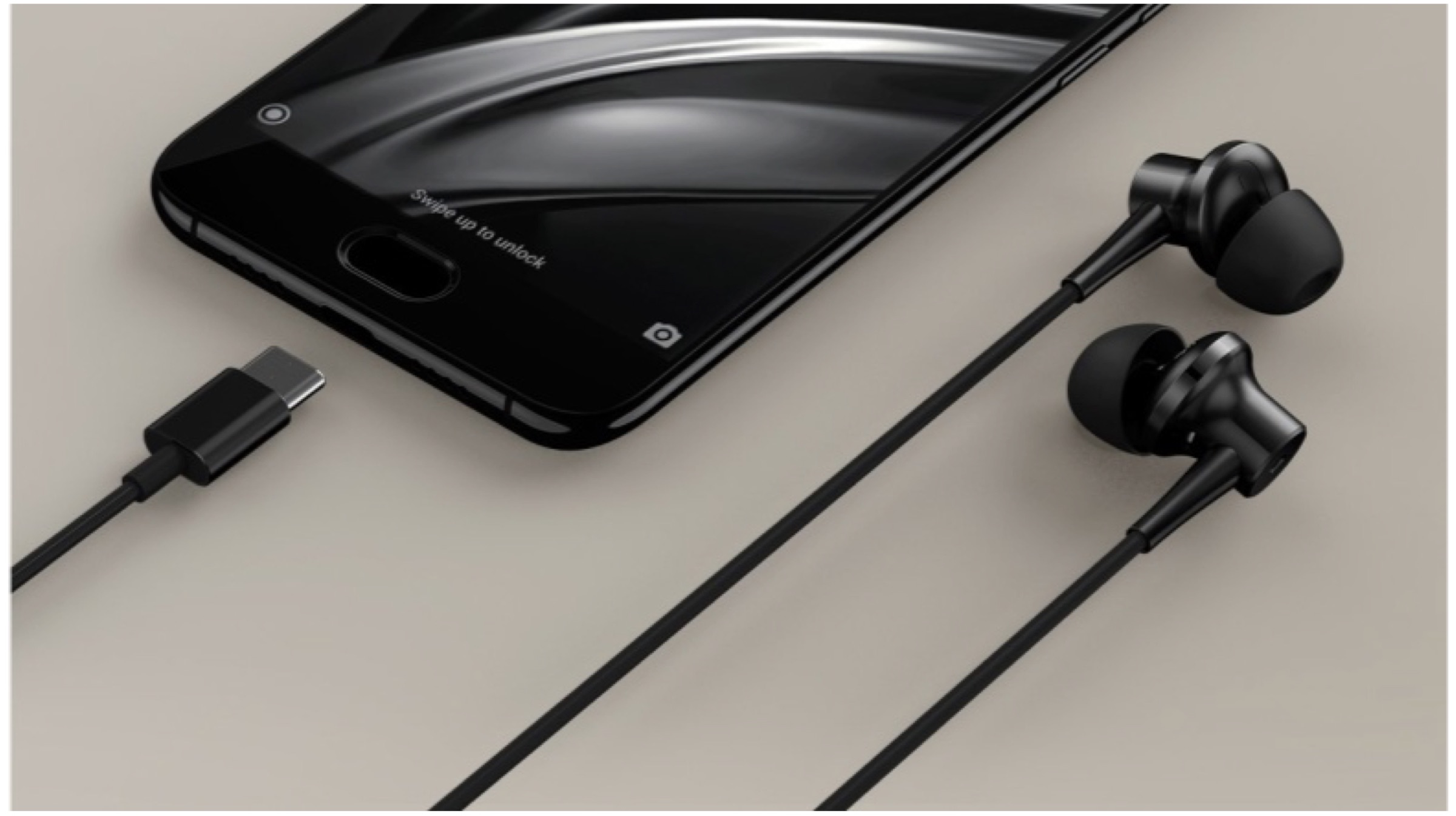
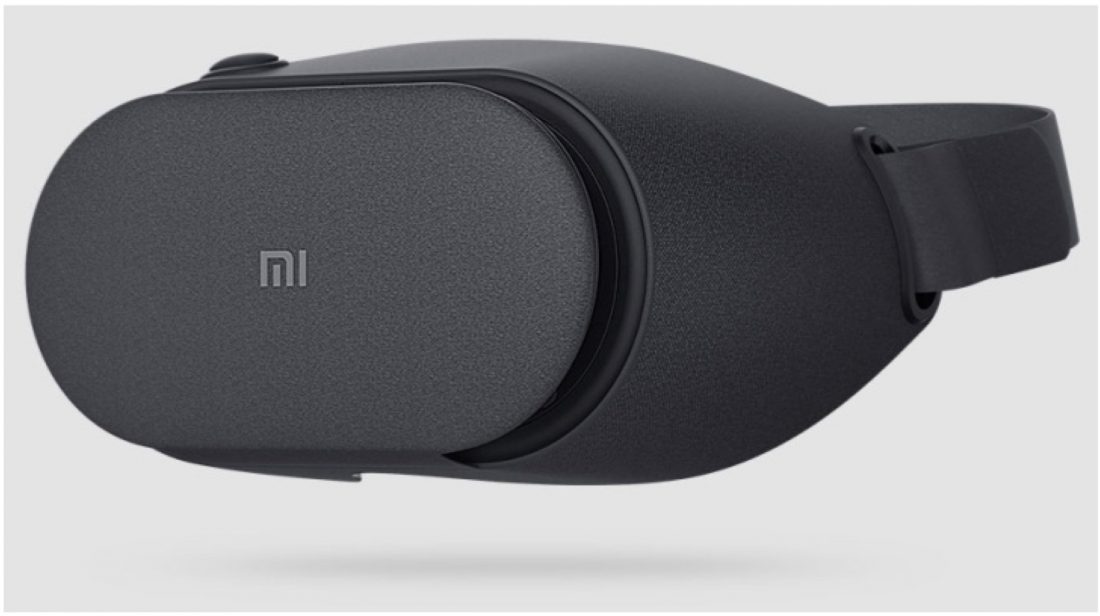
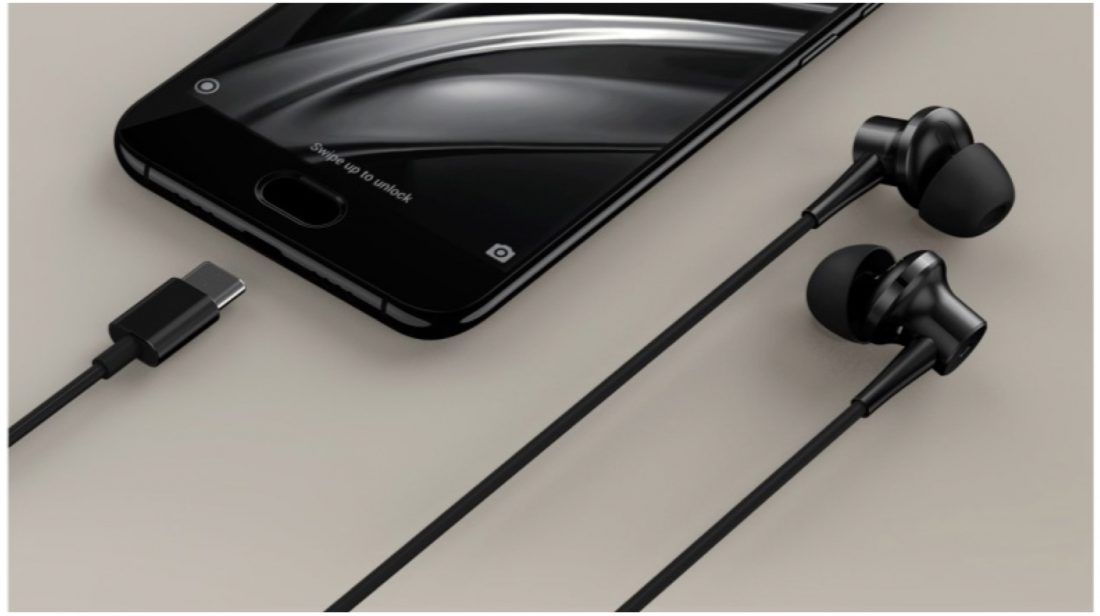
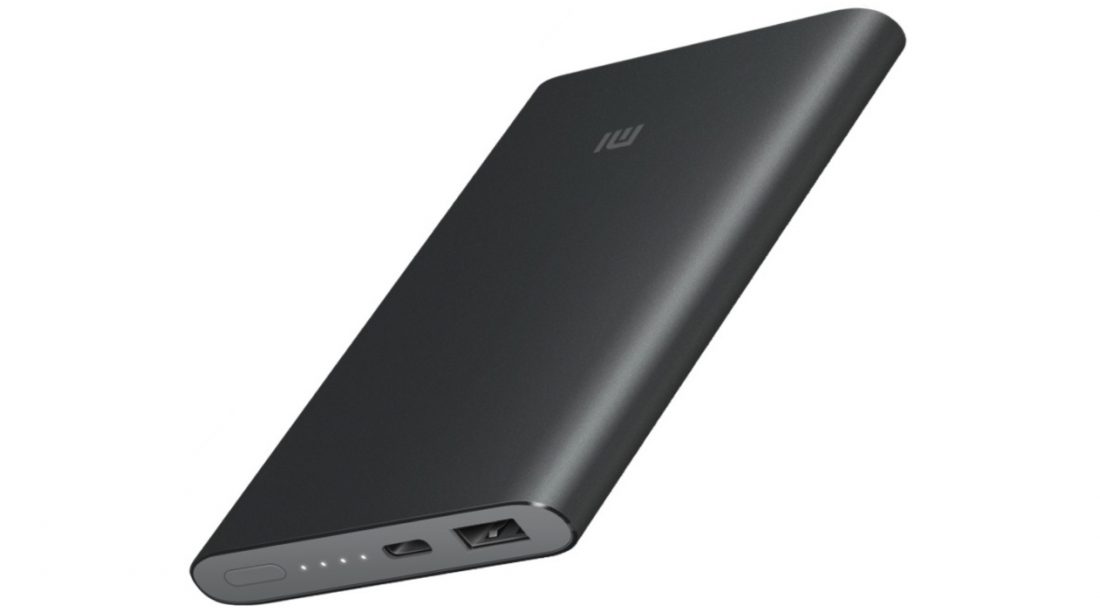
    Xiaomi has launched three new products in India. A new 10000 mAh power bank, Mi VR Play 2 and Mi Noise Cancelling Earphones (Type-C) and will be available via mi.com.

    The Mi VR Play 2 is priced at Rs 1299 and at first glance its hard to tell if you’re looking at the Mi VR Play 2 or the Google Daydream. Apart from a new design, the Mi VR Play 2 is also lighter than its predecessor. The exterior has been covered with soft fabric, which the company claims provides greater comfort.

    The Mi Noise Canceling Earphones (Type-C) are only compatible with the Mi 5 and Mi Mix 2 smartphones. The earphones feature active noise cancellation between 50 – 2000Hz, enough to cut out ambient noise above 25dB. Xiaomi uses MEMS microphones in each earpiece to detect ambient noise and counterbalance it by using opposing frequencies. The earphones are acoustically tuned by Grammy award-winning tuner Luca Bignardi. The Mi Noise Cancelling Earphones are Hi-Res Audio certified, and use patented hybrid dual dynamic and balanced armature drivers to deliver a balanced sound. The earphones are priced at Rs 2999.

    The next upgraded product is the Mi Power Bank Pro with a 10000 mAh capacity. It supports two-way fast charging, taking just 3.5 hours to be fully charged. If you own a smartphone that supports quick charging, you can expect your phone to be charged in under 2 hours. A Type-C adapter comes bundled with the power bank and because of it, the Mi Power Bank Pro can be used to charge smartphones, tablets, notebooks, and other mobile devices. The Mi Power Bank Pro is priced at Rs 1599 and is 42% thinner than its predecessor.

  • Unboxing The Xiaomi Action Camera 4K

    Unboxing The Xiaomi Action Camera 4K

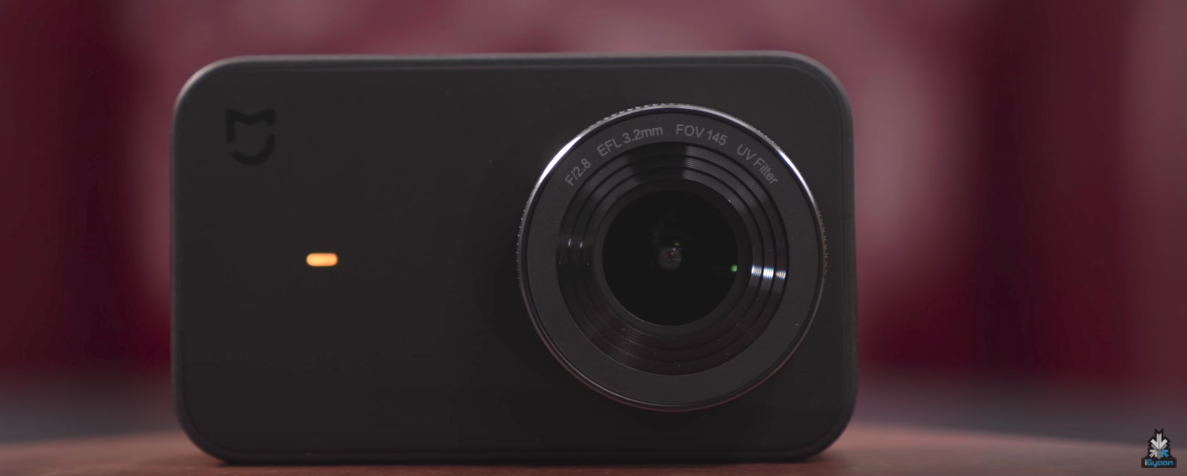
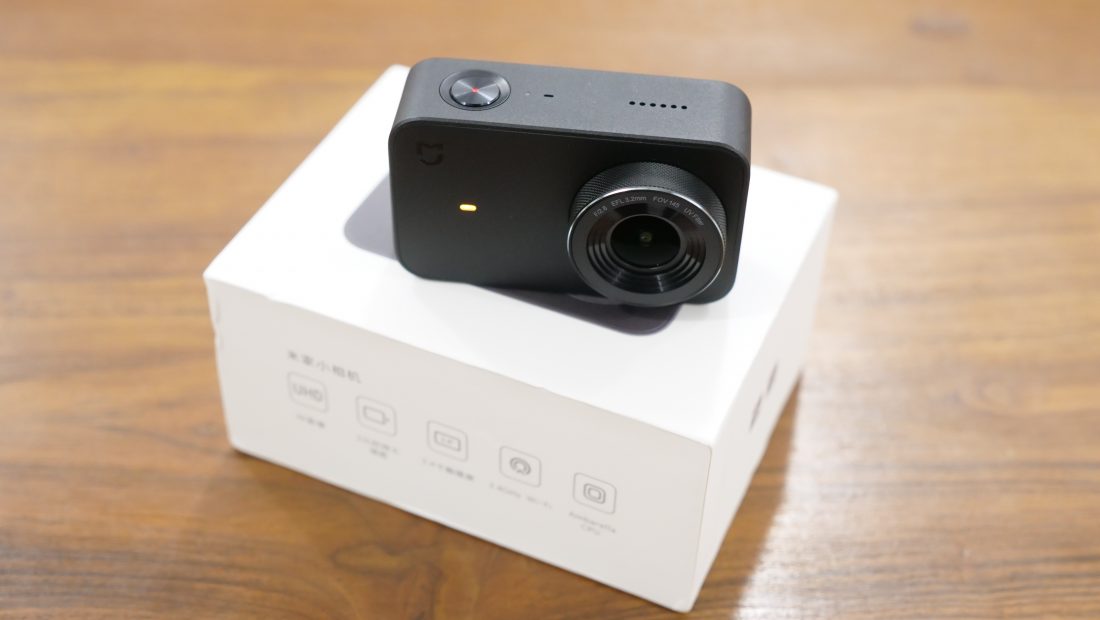
    The Xiaomi Action Camera is a small, compact camera which records 4K videos and won’t break the bank as it costs Rs 7500. Let’s unbox the Xiaomi Action Camera and see what we get inside the box

    • Xiami Action Camera
    • Battery
    • Documentation
    • Micro USB cable

    This action camera from Xiaomi connects to your smartphone via WiFi or Bluetooth and can be controlled through the companion app. The camera takes in a maximum of 64GB microSD card. The camera is powered by a 1450 mAh battery which Xiaomi claims will last up to 4 hours on standby and has a 2.4 inch touchscreen display for in-camera navigation. The camera has a Sony f/2.8 7 element lens with a 145º field of view. One unique thing about the Xiaomi Action Camera is that the lens comes equipped with a UV filter which is not easily found on budget action cameras. For stabilisation, the camera has a 3-axis gyroscope and 3-axis accelerometer which results in 6-axis electronic image stabilisation. Under the hood, the camera has the A12S Ambrella chipset for image processing.

    Buy the Xiaomi Action Camera here

  • Xiaomi Mi Mix 2 Flash Sale Starts At 12 pm

    Xiaomi Mi Mix 2 Flash Sale Starts At 12 pm

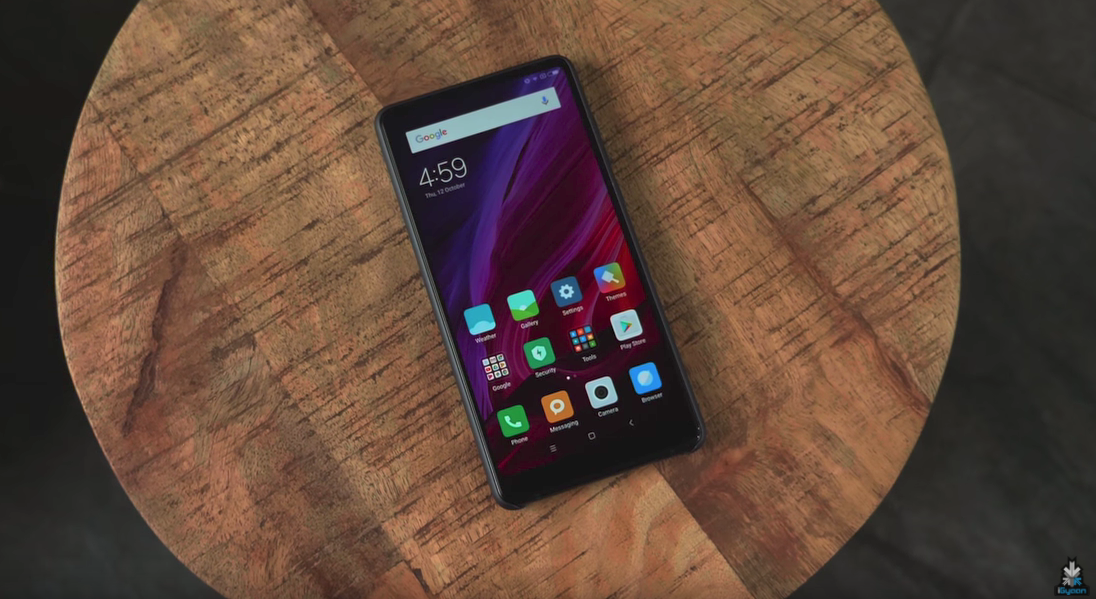
    Xiaomi launched its second generation bezel-less phone, the Mi Mix 2 in India on 10th of October at a price of Rs 35999. The original Xiaomi Mi Mix received a lot of traction in 2016 because of its tri-bezel less design and a front camera placed in the bottom chin. The Mi Mix 2 has been launched with 2017 flagship specifications, thinner bezels and will be available in the Black colour variant. Unlike a lot of flagship smartphones of 2017, the Mi Mix 2 has a single camera at the back.

    For More Information – Xiaomi Mi Mix 2 Official Page

    Check out our unboxing of the Xiaomi Mi Mix 2 here –

  • Xiaomi Redmi Note 5 Leaked In Specifications

    Xiaomi Redmi Note 5 Leaked In Specifications

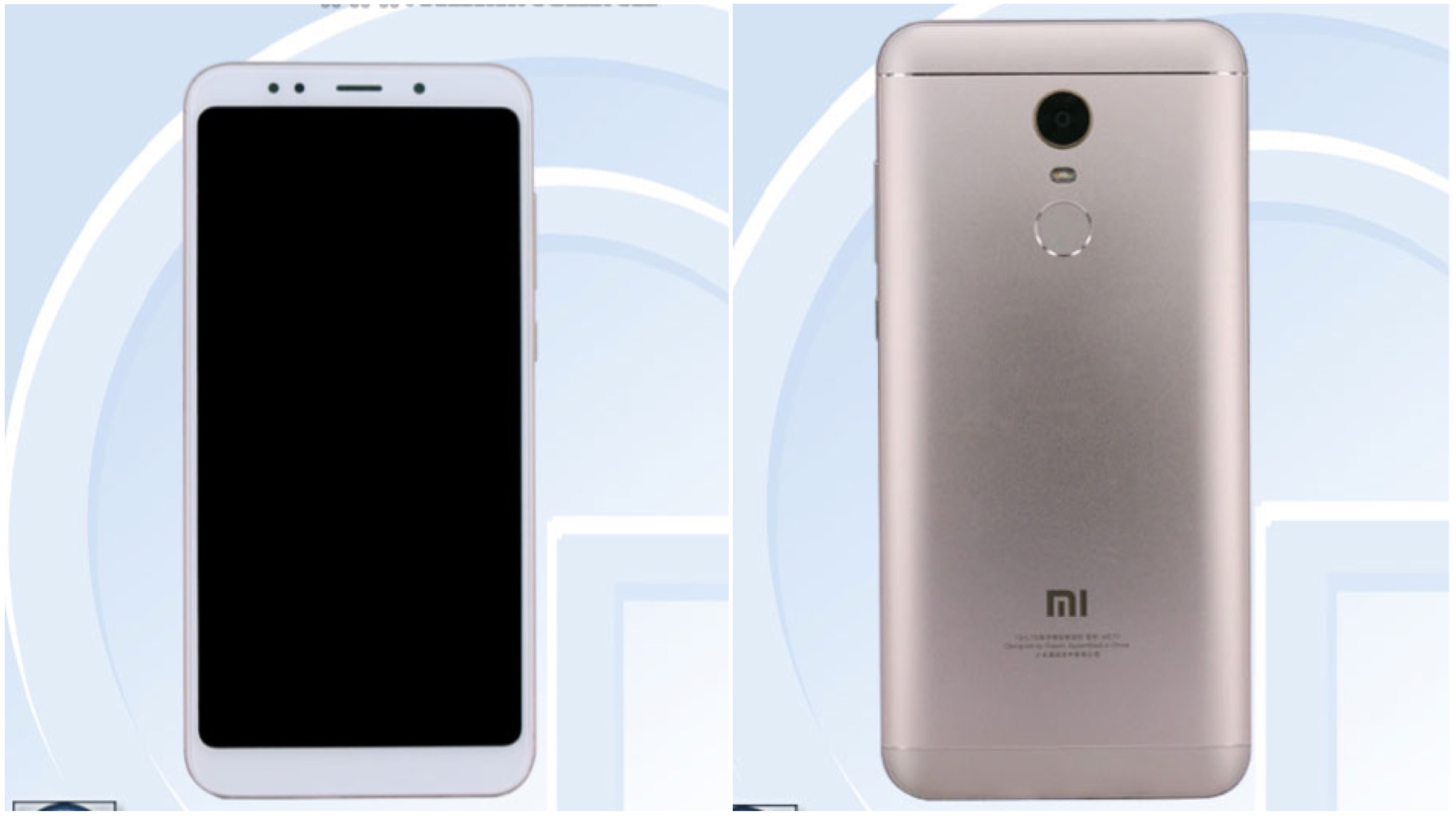
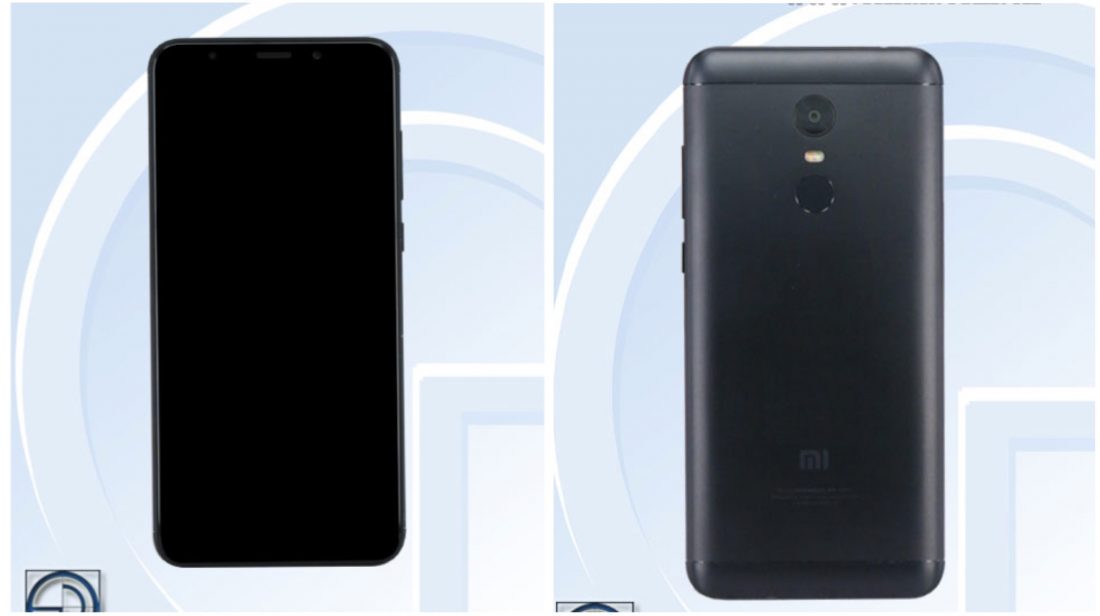
    The Redmi Note 4 is one of the most popular Xiaomi phones in India as part of the highly successful Redmi Note series. A lot will be expected from the successor of the Redmi Note 4. Recently a few leaked images of the Redmi Note 5 gave us a glimpse of what it might look like, and now the smartphone was spotted on the certification website, TENNA.

    The listing on TENNA falls in line with the previous renders suggesting an 18:9 aspect ratio. However, according to the leak, the device will have a single-camera setup at the back, contrary to previous leaks that suggested a dual-camera setup. There is a possibility that the dual camera version can be one of the variants of the new Redmi Note 5. Under the hood, Xiaomi could go for the newly launched Qualcomm Snapdragon 636 chipset which will enable mid-range devices to have bezel-less displays with FHD+ resolution. The smartphone will feature a 16MP rear camera with LED flash, while the front of the phone will sport a 5MP camera. The Redmi Note 5 is expected to be powered by a 4000 mAh battery.

    Xiaomi has also launched the Redmi 5A in China and as was with the Redmi 4A, the Redmi 5A might make its way to the Indian market in early-2018.

    The company had launched the Redmi Note 4 last year in August and has completed its update cycle. Xiaomi might launch the new Redmi Note 5 early next year. As far as pricing goes, the phone might be launched in the same price segment as the previous Redmi Note devices but, due to the bezel-less design and one of the variants might have dual cameras, the pricing could be similar to the Mi A1 or the Mi 5X around Rs 15000.

    Leaked Specifications:

    Display – 18:9 aspect ratio

    Chipset – Qualcomm Snapdragon 636

    Battery – 4000 mAh

    OS – Android 7.1 Nougat with MIUI 9


iGyaan Network
Privacy Overview

This website uses cookies so that we can provide you with the best user experience possible. Cookie information is stored in your browser and performs functions such as recognising you when you return to our website and helping our team to understand which sections of the website you find most interesting and useful.