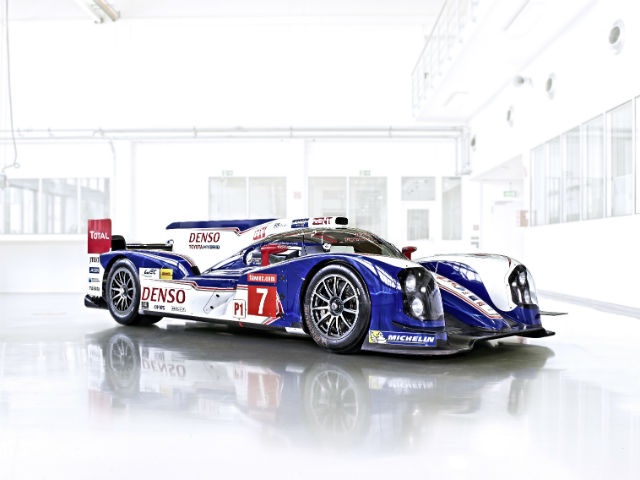
Category: Editorial

  • Edit: All you need to know about the 24 Hours of Le Mans

    Edit: All you need to know about the 24 Hours of Le Mans

    The 24 Hours of Le Mans? What’s that?

    The holy grail of motorsports, the 24 Hours of Le Mans (24LM) is the world’s oldest active sports car race in endurance racing. Widely regarded as one of, if not the most prestigious race in the world,  it has been held annually since 1923 near the town of Le Mans, France. The 2013 24LM will be the 81st edition in 90 years, and is scheduled to start at 6:30pm IST today.


    Why is it so special in the world of motorsport?

    The 24LM is the ultimate test of endurance and efficiency as race teams have to balance speed against the cars’ ability to run for 24 hours without sustaining mechanical damage to the car. At the same time, the cars’ consumables ie the fuel, tyres, braking materials and all sorts of other vital fluids and components must be managed expertly so that the car can last for 24 hours and over 5000 km. 


    But how can a driver race for 24 hours?

    Well, most drivers can’t. Current rules mandate three drivers per team. Each driver puts in a shift of two hours behind the wheel, before stopping in the pits and allowing a relief driver to take over the driving duties. Drivers grab what food and rest they can during this while before returning to drive another stint. However in the long history of the 24LM, there have been attempts to complete the race solo, until the practice was banned.


    What kind of cars will we get to see at the 24 Hours of Le Mans?

    Another element which sets the 24LM apart from other motorsport events. The competing teams race in groups, called classes, for cars of similar specification while at the same time competing for outright placing amongst all of the classes. Originally, the race was held for cars as they were sold to the general public which were then called Sports Cars compared to the specialist racing cars used in Grands Prix. Over time, the competing vehicles evolved away from their publicly available road car roots.

    Today, the race is made of two classes of specialised enclosed-bodywork two-seat Prototype sports cars called Le Mans Prototypes (or LMPs) and two classes of Grand Touring cars (GT) which bear much closer resemblance to high performance sports cars as sold to the public.


    So how does one win the 24 Hours of Le Mans?

    Originally, when the Le Mans start was still in practice, the race results were determined by distance. The car which covered the greatest distance was declared the winner. But something unexpected happened to the Ford Team in 1966. With a dominant grasp on the first two positions, the two cars slowed to allow for a photo opportunity at the finish line, with Ken Miles slightly ahead of the legendary Bruce McLaren. However, since McLaren’s car had actually started much farther back on the grid than Miles’s, McLaren’s car had actually covered the greatest distance over the 24 hours. With the margin of victory determined to be eight metres, McLaren and his co-driver, Chris Amon, were declared the winners. The decision cost Miles and his co-driver Hulme a victory.

    The greatest distance rule was later changed when a rolling start was introduced, and now the winner is the car that has completed the greatest number of laps.


    Wait, Le Mans start? Rolling start? I’ve lost you.

    The race traditionally began with a standing start, or what became known as the Le Mans start. Cars were lined up in echelon along the length of the pits and the starting drivers were made to stand on the opposite side of the front stretch. When the French flag dropped to signify the start, the drivers ran across the track, entered and started their cars without assistance, and drove away. But this became a safety issue in the late 1960s when some drivers began ignoring their safety harnesses (which were a recent invention then) for the first few laps to get ahead of the others, leading to several deaths when cars were involved in accidents due to the bunched field at the start.

    The traditional Le Mans start was changed for 1970. Cars were still lined up along the pit wall, but the drivers were already inside and strapped in. At the dropping of the French tricolor, the drivers started their engines and drove away. The Le Mans start was completely done away with in 1971 and a rolling start (known as an Indianapolis start) was adopted, where cars begin racing while completing their warm up lap.


    Tell me about some cool stories or traditions?

    Le Mans has produced a lot of beautiful traditions and stories in its illustrious history. One of the longest lasting traditions is the waving of the French tricolor to start the race. This is usually followed by a fly-over featuring jets trailing blue, white and red smoke. A similar flag tradition is the waving of safety flags during the final lap of the race by track marshals, congratulating the winners and other finishers.

    The 24 Hours of Le Mans was the venue for the first known instance at a major race of a winning driver celebrating by spraying champagne instead of drinking it. When Dan Gurney won the 1967 race with co-driver A.J. Foyt, the two drivers mounted the victory stand and Gurney was handed a magnum of champagne. Looking down, he saw Ford CEO Henry Ford II, team owner Carroll Shelby and their wives, as well as several journalists who had predicted disaster for the high-profile duo. Gurney shook the bottle and sprayed everyone nearby, establishing a tradition re-enacted in victory celebrations the world over for the next 40+ years.

    A really cool story is that of Jacky Ickx. Ickx found the idea of the Le Mans start unsafe and so, in the 1969 race, Jacky Ickx opposed it by walking across the track while his competitors ran. Although he was nearly hit by a faster competitor’s car while walking, Ickx took the time to fasten his safety belts before pulling away. Privateer John Woolfe died in an accident on the first lap of that race. Ickx went on to win.

    Another story to do with the Le Mans start is that of legendary race car driver Sir Stirling Moss. Sir Moss developed a new way of speeding up the start. His car was waiting with first gear already engaged. When he jumped in, he switched the starter on without depressing the clutch. The car was immediately jerked forward by the starter motor, but the engine did not start due to low RPM. After a few seconds of motion, he then pushed the clutch down, allowing the engine to speed up and start while the car was moving.


    This is really interesting. Where can I watch the 2013 24LM?
    The race starts at 6:30pm IST today, and ends at 6:30pm IST tomorrow. You can catch it at http://www.lemans-tv.com/
  • The Curious Case Of The Nissan GT-R, Part – II (The Heir)

    The Curious Case Of The Nissan GT-R, Part – II (The Heir)

    The iconic Skyline GT-R was discontinued by Nissan in 2002, 33 years after its conception. It was announced that a new GT-R would replace it, independent of the Skyline, but based on it. Although excited for the future, most of the automotive world was left disappointed as they came to the end of an era.

    GT-R

    Nissan realised the gamble they had made by discontinuing one of their most successful cars, and thus did not want to hurry the GT-R back simply to pacify enthusiasts. Carlos Ghosn, who became Nissan’s CEO in 2001, along with chief designer Shiro Nakamura made sure that no stone was left unturned in its development. Their brutal attention to detail was the reason that between 6 and 8 years were spent on the GT-R and the production model wasn’t unveiled until 2007.

    GT-R
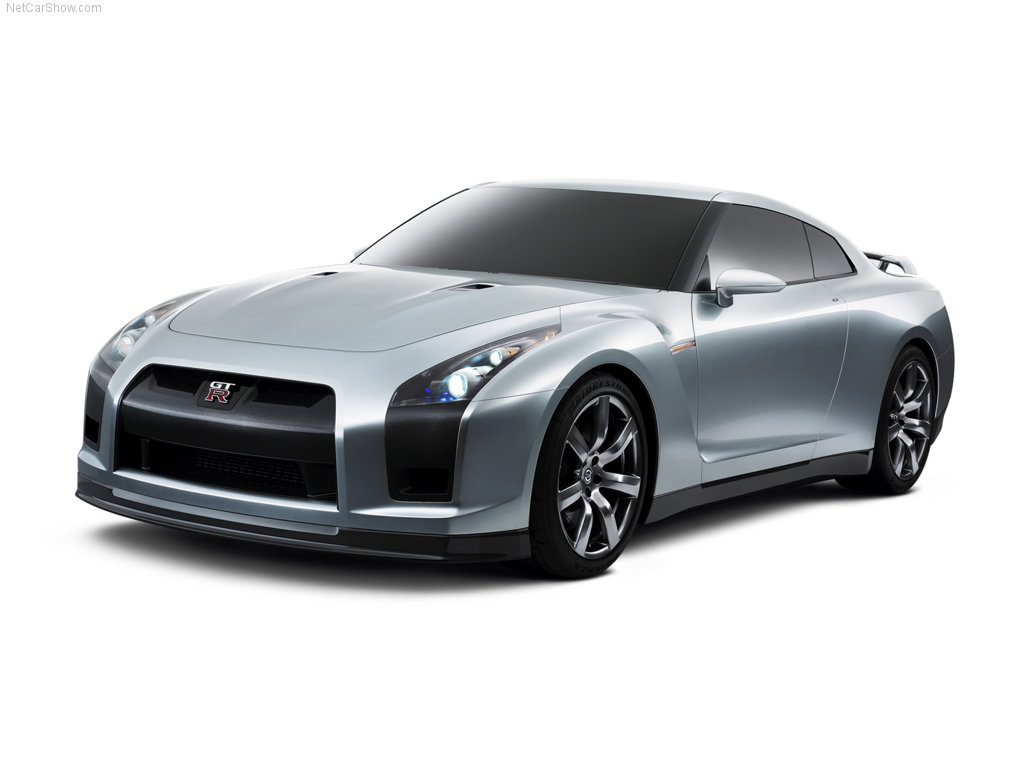
    2005 GT-R Proto Concept

     The first GT-R prototype was displayed at the 2001 Tokyo Motor Show, further pushing the case that Nissan had been planning for this since before the R34’s discontinuation. At the 2005 edition, Nissan said that the production GT-R would be almost entirely like the on-display GT-R Proto and the 2007 edition finally witnessed the much anticipated unveiling of the production version of the GT-R. Nissan’s first supercar, the new Godzilla, had created a ton of hype over the previous half decade. Has it lived up to it?

    That would be a resounding ‘yes’.

    GT-R
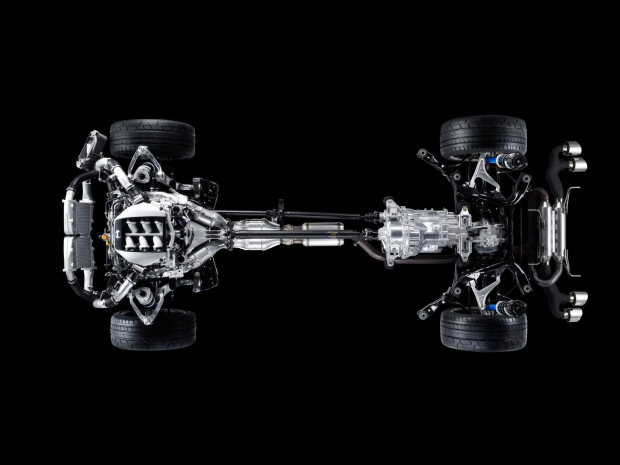
    The well-balanced and extremely capable powertrain of the GT-R

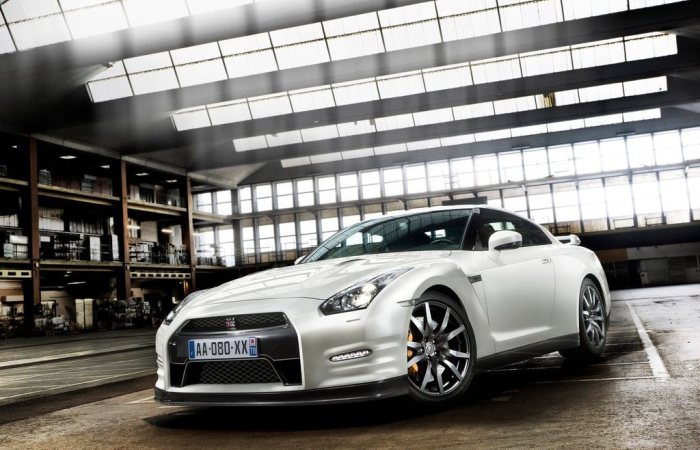
    Powered by a twin-turbo 3.8-litre V6 engine, the R35 (as the GT-R’s chassis is encoded, succeeding the Skyline GT-R R34) models manufactured between 2007 and 2010 produced 478 bhp and 588 Nm of torque. With a 0-97 kmph time of 3.5 seconds, the sub $70,000 (costing half that much in Japan), 4-seater was thrown well into supercar territory. Over the years the powertrain has been regularly upgraded, producing an incredible 545 bhp and 628 Nm of torque in the 2014 model.

    The 2014 Nissan GT-R has a special launch control called ‘R-Mode Start’ and Nissan claimed that this could get the GT-R from 0-97 kmph in 2.9 seconds. However, they were slightly mistaken. Comparison tests have now proven that it can get there in an unbelievable 2.7 seconds. That’s faster in terms of acceleration than the $1.7 million Koenigsegg Agera R hypercar, as well as almost every production car in the world. Even though the 2014 model now starts at $100,000, it still costs a fraction of its very fast, yet slower accelerating peers. It also managed an astonishing time of 7:24.22 at the Nürburgring, making it one of the fastest production cars in the world around the famous racetrack.

    GT-R
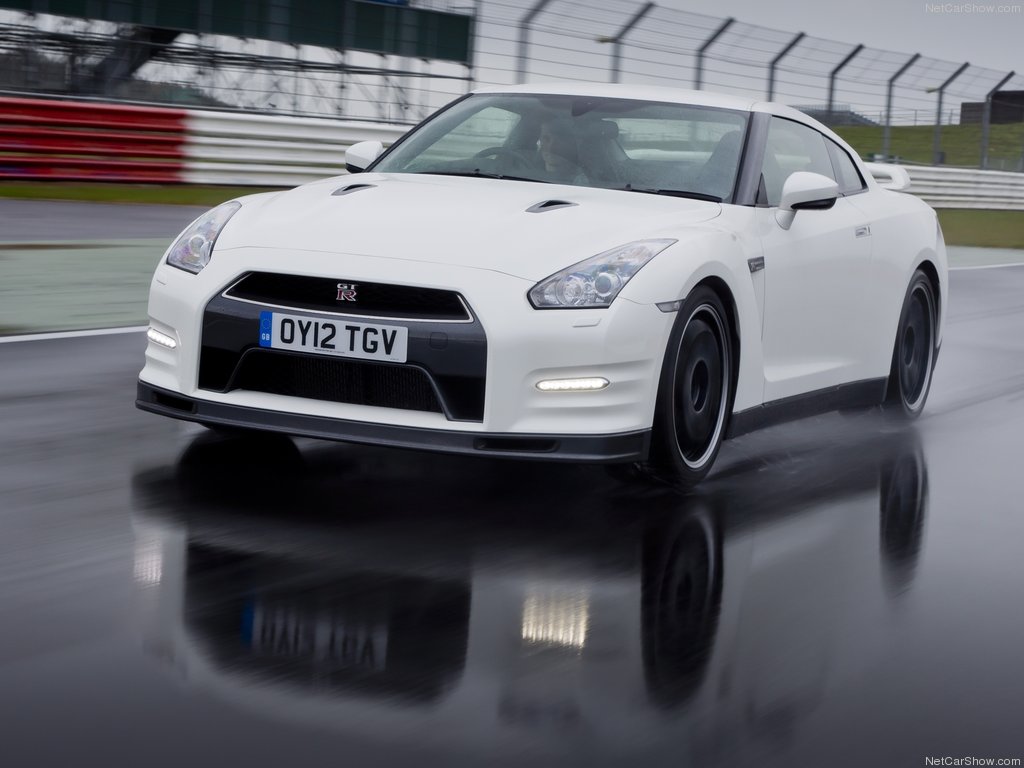
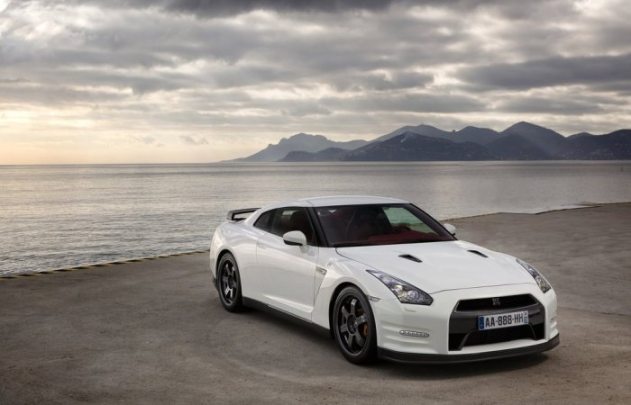
    2012 GT-R Track Pack

    The GT-R is all about grip, grip and then some more grip. The reason for its brutal acceleration is because of the very intelligent ‘ATTESA E-TS’ all wheel drive system designed by Nissan. Used in conjunction with a rear mounted six-speed dual clutch semi-automatic transmission, it puts the GT-R’s power to the road with as much efficiency as the extremely skilled workers who build it by hand. For this reason, Nissan confidently encourages its customers to drive the GT-R in snowy or wet conditions, claiming it will perform just as well as in dry conditions. The stiff suspension may mean decreased ride quality in everyday usage, but is crucial in making the tyres cling to the asphalt at all times, and allow the GT-R to produce the figures that it does.

    GT-R
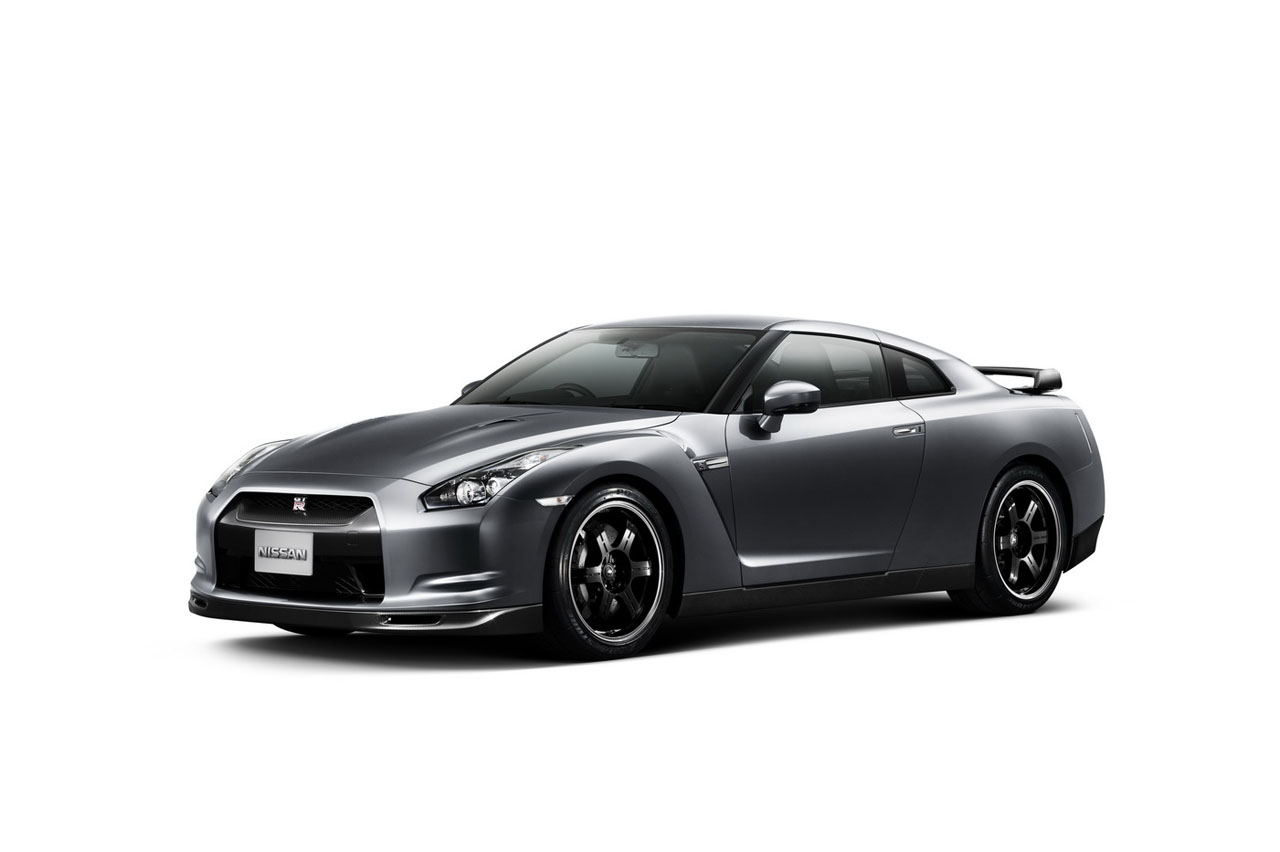
    2009 GT-R SpecV

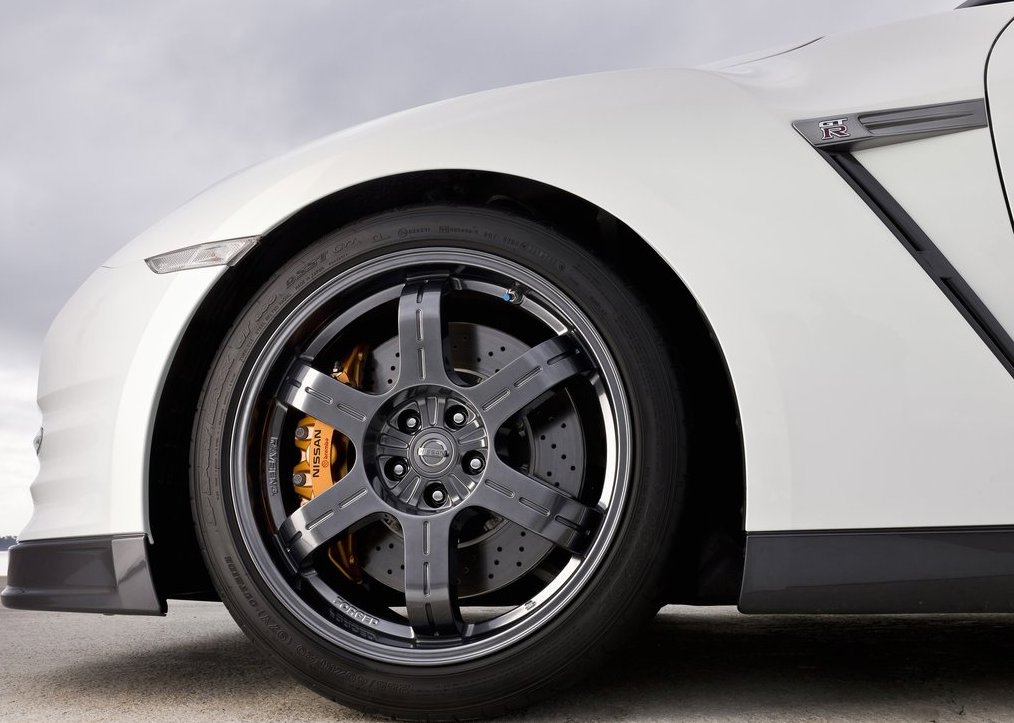
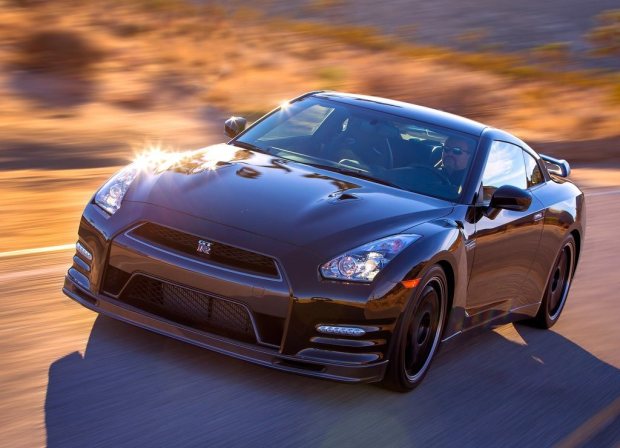
    2009 saw the arrival of the even higher performance Nissan GT-R SpecV. Powered by the same engine as the base GT-R, the SpecV produces the same horsepower, however larger turbos, a reworked suspension, carbon ceramic brakes as well as a weight reduction of 60 kg allow it to accelerate faster and corner harder than the base GT-R. Because 3.5 seconds just wasn’t quick enough.

    Visible changes include a carbon fibre spoiler, grille, brake ducts and an exclusive paint job called the ‘Ultimate Black Opal’. The rear seats were completely removed, the front seats were replaced with carbon fiber Recaro seats, and most of the interior trim was covered in carbon fiber for further weight reduction.

    Brimming with more state of the art technology than Tokyo, the GT-R is a tech geek’s dream come true. Its body construction has a ‘Premium Midship (PM)’ platform, which is a hybrid unibody assembled using high-precision, ultra-low-tolerance jigs. The PM platform allows the transaxle to be placed at the rear, which is connected to the lightweight V6 engine at the front through a carbon composite prop shaft. This results in near perfect weight distribution making the GT-R very balanced improving vehicle dynamics significantly. The tyres are filled with nitrogen instead of air to ensure pressure retention for longer periods, reducing drag and creating more stability. Another stand out feature is the customisable multifunction display in the dash, developed by the creators of the Gran Turismo video game series. The amazingly functional display shows all kinds of information like cornering forces, oil pressures, brake pedal positions and steering angles among many others. Nobody knows who Nissan really had in mind when they chose to include the Playstation like display, but the inner nerd in me definitely likes the idea of knowing how many g’s I’m cornering at.

    GT-R

    The GT-R’s lines are inspired by Gundam Robots from Japanese Anime, the rear three quarters were shaped by Nissan’s American designers whereas the roofline was taken care of by their European designers.

    According to Shiro Nakamura,

    The GT-R is unique because it is not simply a copy of a European-designed supercar; it had to really reflect Japanese culture.

    Very modern looking, the GT-R is quite large for a supercar, but considering it can seat 4 people, comes with a lot of kit and offers a sizable boot, the curb weight of 1,740 kg is reasonably low. It doesn’t retain a lot from the Skyline GT-R save for its signature four round taillights and although featuring a contemporary design, it may not turn every head on the street. But its aggressive front end, flared wheel arches, rear spoiler and large wheels give it tons of character. The designers at Nissan have really managed to strike the right balance between a supercar, and a daily driver, getting the GT-R’s proportions uncannily spot on.

    A large number of petrolheads claim that a $100,000 supercar should look the part and that the GT-R simply doesn’t. “It’s too bulky, look at that rear end. Wouldn’t you much rather spend a 100 grand on a 911 Turbo? Atleast you’ll be driving a Porsche, not a Nissan.” And that’s the dilemma this car creates everywhere it goes. Its a $100,000 Nissan. Some people claim that the computers are too intelligent, that they don’t feel like they have any control over the car themselves. The GT-R is faulted simply because its not an Audi, or a BMW or a Porsche.

    Well, they’re all wrong. The GT-R is a celebration, of the legacy of the legendary Skyline, and of the sheer brilliance that is Nissan. All of us haven’t owned or driven or even seen Skyline GT-R’s, but we’ve all watched the Fast and Furious films, played Need for Speed and seen YouTube videos of a tuned 700 bhp GT-R obliterating a Lamborghini Gallardo. The GT-R is an amazing feat of engineering and a prime example of what mankind is capable of producing, given the right amount of dedication, and attention to detail. It’s the perennial underdog, the David among many Goliaths.

    If I had $100,000 to spend on a car, I know exactly what I’d get myself.

    I’d get myself a Godzilla.

    GT-R

  • The Curious Case Of The Nissan GT-R, Part – I (The Legacy)

    The Curious Case Of The Nissan GT-R, Part – I (The Legacy)

    No petrolhead in the world needs an introduction to the Nissan GT-R. Disturbingly fast and ridiculously awesome, the GT-R holds a unique place in the world of motoring. Relatively practical and cheaper to the cars it’s usually compared with, the GT-R may just be Nissan’s only contribution to the world of supercars. This intoxicating cocktail of characteristics makes it a very interesting animal altogether, powerful and glorious, yet not the leader of the pack. However, the GT-R didn’t pop up in the middle of the night out of nowhere. It’s a carefully crafted successor to a long lineage of cars worthy of their own plaques in the automotive hall of fame. If you were unaware of the GT-R before just now, I’d like you to meet Godzilla.

    It all began with the 1969 Nissan Skyline GT-R, the first ever to flaunt Gran Turismo Racer as its name. With a 2.0-litre 160 bhp engine, it was marketed alongside the Nissan R380 racecar, to showcase the Skyline’s racing heritage. A replacement came in 1973 but due to a gas crisis in the early 70s, demand for sports cars plummeted, and only 197 cars were produced. This was the last GT-R until 1989, when Nissan dropped the R32 on the world.

    GT-R
    The Nismo R32 eats your car for breakfast.
    Image credit: illmotion.com

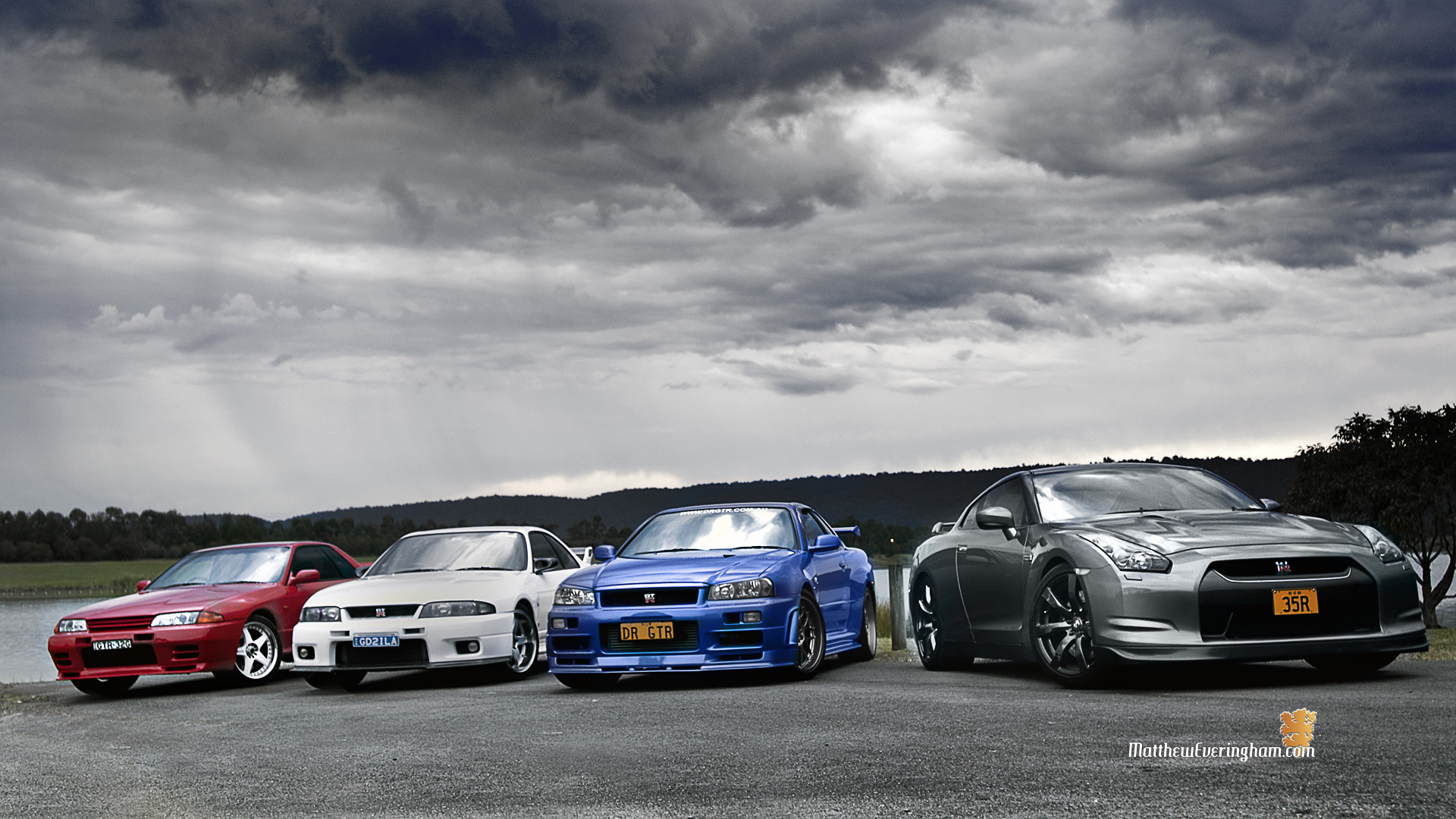
    Nissan designed the GT-R R32 to dominate Group A racing. Regulations required the engine to multiply its displacement by 1.7 putting the Skyline in the 4000 cc class. This further required the use of 10-inch wide tyres, so Nissan developed a special all-wheel drive system to assist it with traction. Then they realised that this added a 100 kg of weight. What do Nissan do next? They decided to put a 2.6-litre engine in, compete in the 4500 cc class with 11-inch wide tyres and a new engine block. And the result? A beast of a car producing a mammoth 600 bhp. This kind of stuff only happens in storybooks, and at Nissan’s engineering labs.

    The all-wheel drive system and the 2.6-litre made its way on to the production R32 GT-R. But due to Group A homologation rules, Nissan was required to sell a series of the Skyline GT-R which more accurately reflected the car they use in Group A racing. This series was launched in 1990 as the Skyline GT-R Nismo edition (Nismo or Nissan Motorsport being Nissan’s high performance division). 500 Nismo R32 Evolution models were sold to the public and 60 were held by Nissan to be made into race cars. A lighter car with an upgraded engine came with the GT-R N1 in 1991 designed for Group N racing. To celebrate the success of the R32 in both Group A and Group N racing, 1993 saw the introduction of an even higher performance model, the Skyline GT-R V-Spec (Victory Specification) and the V-Spec II in 1994. Performance stats like those of the R32 GT-R were unheard of in a car which cost less than $35,000. The R32 was a humongous success selling almost 44,000 cars. 

    GT-R
    Image credit: Matthew Everingham

    The R33 GT-R came in 1995 with a few powertrain refinements but the same engine as the R32. The V-Spec edition had a sport suspension with lower ground clearance, a new all wheel drive system with an active limited slip diff, and 4-wheel independent ABS. Late 1997 saw the arrival of the high performance Nismo R33 400R with an upgraded engine producing 400 bhp and 470 Nm of torque. Capable of hitting 97 kmph in 4.0 seconds and a top speed  of over 300 kmph, only 44 400Rs ever saw the day of light making it a collector’s item. The R33 was the first production car to lap the hallowed Nürburgring racetrack in under 8 minutes.

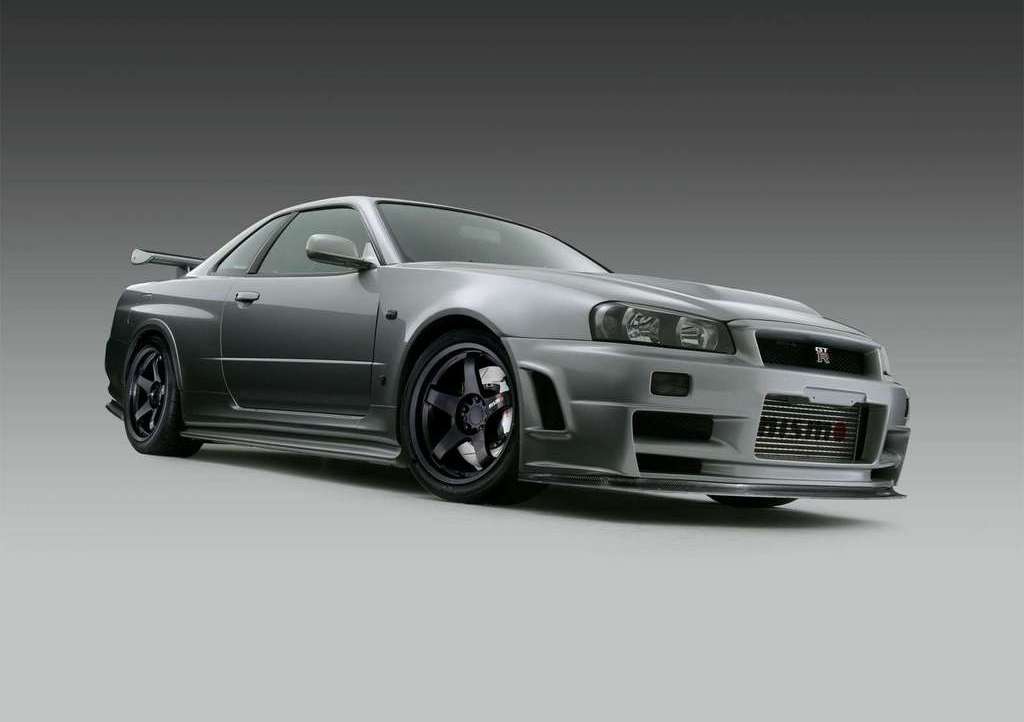
    1999 saw the arrival of the arguably the most influential Skyline GT-R to date. The R34 Skyline GT-R and its numerous variants are the reason the GT-R name still exists today, and how. An instant hit with the growing tuner car culture in Japan and the US, the R34 was immortalised in pop culture through the Fast and the Furious films, the Initial D manga series and the Gran Turismo video games. The standard GT-R opted for a 2.6-litre engine and all wheel drive system. A major change was the 5.8″ multifunction display on the dashboard which tried to satisfy the inner geek in all of us by showing different live readings of engine and vehicle statistics. Multiple high performance variants were introduced such as the V-Spec and V-Spec II having racing suspensions, revised ECU maps and underbody diffusers. 2002 saw the coming of the GT-R V-spec II Nür and the Skyline GT-R M-spec Nür, named after Nürburgring where the Skyline was developed. The V-Spec II Nür had over 330 bhp under the hood, but due to its unbelievable tunability, tuners have been able to churn out over 500 bhp from even standard R34 GT-R’s. Over 3 years, the R34 was released in a total of 9 variants selling more than 12,000 cars.

    GT-R
    Nismo Skyline R34 GT R Z Tune

    The R34 was a real gamechanger for the Skyline range. The GT-R was suddenly an international underground phenomenon. Home-tuned street racer GT-Rs were popping up all over the States and Japan. It was successful on the track as well. People were amazed how Nissan had managed to milk so much performance from a relatively small engine and a relatively cheap mid-range car. There was genuine disappointment among the automotive world and genuine enthusiasts when Nissan announced in 2002 that the GT-R name would no longer be associated with the Skyline. The Skyline still exists in form of the Infiniti G35 range, but its not really a Skyline, is it? Tuners went back to their Toyota Supras, Honda Civics and Mitsubishi Evos quite baffled.

    Once in a while a GT-R R34 V-Spec pops up in the ‘used cars’ section of the classifieds, and its not long before a 30 year old banker is standing in his garage with a spanner in hand, admiring the car he dreamed of owning when he was a 17 year old. As for the successor to the Skyline GT-R, Nissan had a few tricks up their sleeves. More on that in part II, to be out soon.

  • Autogyaan: The XKR-S GT Is The Jaguar We Never Expected

    Autogyaan: The XKR-S GT Is The Jaguar We Never Expected

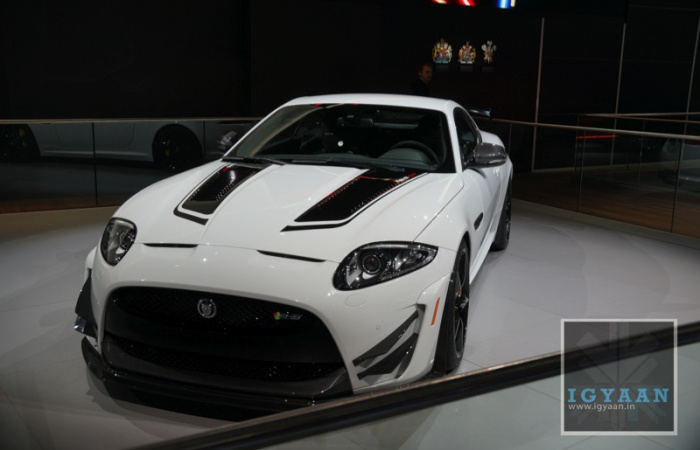
    If its tough to shave off those last few seconds per lap in your Jaguar XKR-S, the Tata owned British manufacturer has unveiled the XKR-S GT at the New York Auto Show just for you. Specifically tuned for the racing circuit, the GT managed a time of 7:40 at the hallowed Nurburgring race track, which is faster than the Murcielago SV, the SLS AMG as well as the Zonda S. It goes from 0 to 100 kmph in less time than you can say Jaaaaaaaaaag; well in 3.9 seconds actually. Safe to say, the XKR-S GT is blisteringly fast. It’s also very rare. Only 30 will be made and sold purely in North America with the US getting 25 of these beasts. Oh, and it costs a measly $175,000.

    Jaguar

    This car can produce some serious downforce, 145 kgs of it in fact, helped to no end with that massive carbon fiber wing at the back and all those aero bits added all over the body. It sports a sharp, equally large carbon fiber air splitter at the front, and diffuser at the back sits pretty right in between the quad-exhaust pipes. With bright yellow carbon ceramic brakes, Pirelli Corsa tyres and a high performance Eibach tuned suspension, the GT means business. It has a 5.0 litre supercharged V8 engine producing almost 550 BHP and even if the all the aero bits make it look like its come out of a Need for Speed game, this car definitely belongs on the track.

    Jaguar

    Jaguar has one of the richest racing heritages of all time, and in recent years has been working very hard to reassert itself among its peers and offer performance as well as comfort to its loyal customers. The GT is a reminder of what Jaguar can do when it comes to fast cars. It looks mental, and goes like it too.

    So if you have $200,000 saved up to spend on a street-legal car tuned for the racetrack, should you buy the Jaguar XKR-S GT? In a word, no. You should buy this instead:  

    Jaguar
    Porsche 911 GT3 RS 4.0
  • Autogyaan: Aston Martin Vanquish, Looks This Good Never Go Out Of Style

    Autogyaan: Aston Martin Vanquish, Looks This Good Never Go Out Of Style

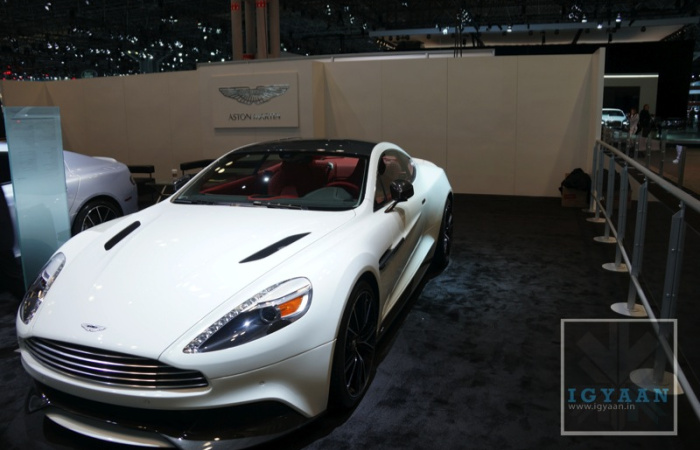
    Walk up to the Aston Martin Vanquish, and at first glance you could almost certainly justify about $100,000 of the $280,000 base price. Aston Martin has been criticized quite a bit in recent years over stubborn design policies. People don’t like how all Aston Martins have looked pretty much the same for a few decades, save for a headlight here and a spoiler there. But does it really matter, when they look like this? Imagine what you sound like when you say, “I’m sorry, I’m sick of the stunning lines on every car”.

    Aston Martin

    The Vanquish, seen here at the New York Auto Show, is absolutely drop dead gorgeous. Its curvier than the DBS, and features some very smooth flowing lines from front to back. The body is now a concoction of aluminium, magnesium and exposed carbon fiber bits for added muscle. It takes some evident design cues from the biggest brother in the Aston Martin lineup, the One-77, and I’m not complaining. It oozes elegance, has tons of character and manages to seek attention in the classiest way possible.

    Aston Martin

    It manages to keep up on the asphalt as well. The 5.9 litre V12 engine produces 565 BHP and has a lot of improvements – variable valve timing at intake and exhaust, improved intake manifold, larger throttle body – which have lowered peak torque deeper in to the rev range. This produces some serious pull coming out of corners leaving quite a few pulses racing. The double wishbone suspension and monotube adaptive adjustable dampers allow some compliance in normal and sport mode, but track mode may definitely cause the small issue of a slipped disc. Carbon ceramic Brembo brakes are standard, and get the job done, and well.

    Aston Martin

    The Aston Martin Vanquish is not as expensive as its V12 competitors, like the Lamborghini Aventador and the Ferrari F12 Berlinetta. Its also not nearly as powerful, with the Lambo grinding out 691 BHP and the F12 a massive 730 BHP. But then again, the Vanquish isn’t going after the same target demographic either. It comes with heated seats, a 13-speaker 1000 watt Bang & Olufsen sound system, and a very functional infotainment system with haptic feedback buttons. The interior is trimmed with Fine Luxmil and semi-aniline leather and Alcantara, all hand stitched. Its aimed at people who want a comfortable grand tourer, which they can take on road trips through Europe, and maybe to the supermarket on the weekends.

    Not many people buy Aston Martins because of superb performance or exclusivity. They buy them because whenever they peep out of their bedroom windows to take a look at the weather, and they see the silhouette of their Aston Martin glowing in the setting sun’s orange light, it puts a big fat smile on their faces.

    Aston Martin

  • Welcome to the New iGyaan 2013

    Welcome to the New iGyaan 2013

    [title title=”Editorial: iGyaan and You” icon=”icon-edit”]

    Few years back when I started iGyaan, it was supposed to be a simple and efficient way for me to give advice to my friends and family who wanted the right information and tips on technology. Today, iGyaan is ranked as India’s leading technology destination and I have only you to thank. With the first few inspirational emails and positive comments, I was constantly fighting the battle to do better and better with something which was a mere hobby for me at that time.

    [pullquote_left] As long as you remember us [/pullquote_left]I remember an anonymous reader stating on the blogspot blog, iGyaan should be a website it will do well. Low and behold months later iGyaan.in was formed. There are many reasons I chose this name, and many have tried to justify it, “India-Gyaan”, “IT- Gyaan”, “I (me) – Gyaan”, It honestly does not matter to me, As long as you remember us.

    I have strived to hold standards on iGyaan, ensuring that I can deliver the best of quality and the right amounts of it. In the years, however, there have been many things which have been not accepted by you, what can I say, we learnt and we moved on. 

    The best thing about iGyaan is the team that holds it together, from Devs, to designers, to writers, editors, video editors among others who helped us reach this milestone. 

    [pullquote_right]Makes us do what we do better[/pullquote_right]The new iGyaan, has been created with careful tinkering and to deliver a fast and efficient reading experience for all those on the other side. The new design also makes it easy for us to deliver the information to you people, so it turns out to be a win-win. We hope you appreciate all the hard work and no-sleep nights that go into delivering a better end-user experience, and continue to give us all the love and appreciation for it. It is truly what makes us do what we do better.

  • Report : 2013 may Unleash the Budget Quad Core in India

    Report : 2013 may Unleash the Budget Quad Core in India

    quad core a90 micromax

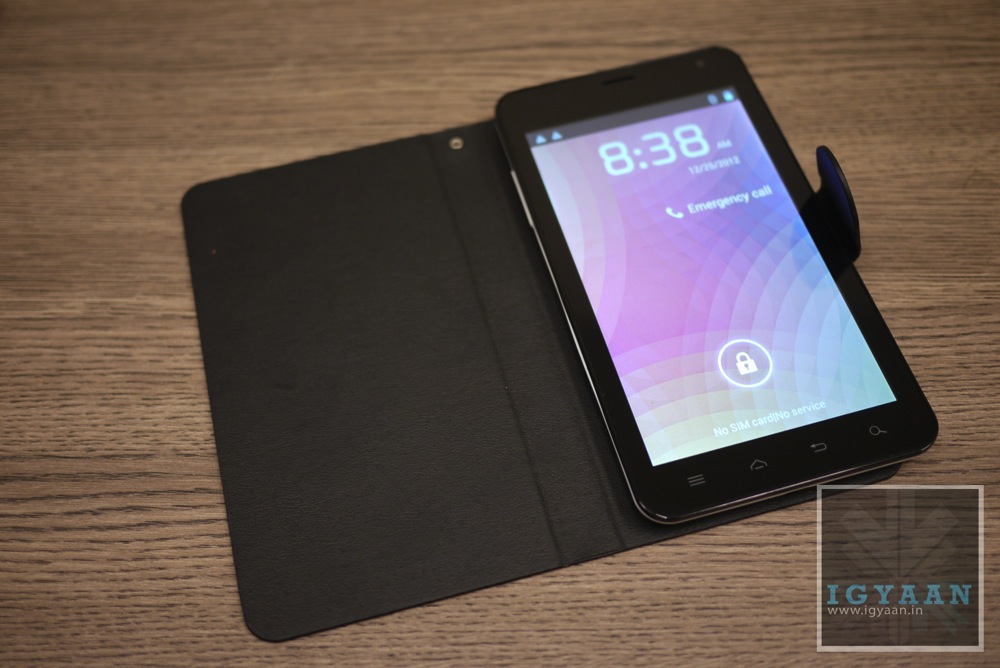
    With several Indian companies running in haste to deliver smartphones, tablets and now phablets into the market. Most have left out essential ingredients to delivering a smart – experience. Some have shoddy screens others have dwindling hardware and most have little RAM. 

    [pullquote_right]Have companies like Micromax and Karbonn truly understood the Indian market?[/pullquote_right]Looks like that is about to change, really soon. Have companies like Micromax and Karbonn truly understood the Indian market? Where Micromax broke the barrier with their A100 and A110 Canvas phones along side their Super Amoled based A90 and A90s . Karbonn had several A Series phones to offer to this mashup of Smartphone goodness. 

    Agreed that these phone truly penetrated the market and gave the user the New Android experience and “somewhat of an upgrade” when it came to hardware capability. However, these devices truly lacked panache, and if the 2012 line of Nexus devices has shown us anything, that price will not equal quality in all cases. 

    Karbonn a30 ta phone 14

    [pullquote_left] Heavily invested in the overall quality and user experience[/pullquote_left]In our recent meeting with one of the Indian Manufacturers, we learnt that the Indian Companies have heavily invested in the overall quality and user experience that users will get from their 2013 lineup of smartphones. With Micromax working on quad core variants of their Canvas and Pixel series, Karbonn has heavily invested in quad core Phablets. 

    These devices promise, Quad Core Mediatek Processors, bumped up graphics and minimum 1 GB of RAM, Micromax Plans to make 8GB standard the In-Built storage with expandability via a 64GB capable slot. Where as Karbonn is talking about storage size options in their quad core Phablets. Some designers are also hinting at close ties with NVidia, so don’t be surprised if you soon see budget NVidia Tegra 3 based smartphones and Tablets running Google’s flagship OS and running against their own Nexus Series. 

    However this circle does not stop there, the gap between flagship technologies and cheaper alternatives is soon deteriorating, and we dont see that date far when A flagship Smartphone will see an identical low budget replacement less than weeks from its launch.

  • Edit : Vodafone : Happy to Help!

    Edit : Vodafone : Happy to Help!

    vodafone

    I don’t think most will disagree when I say that the state of mobile network infrastructure in the country is really poor. Post the 3G era most have struggled to make phone calls let alone get impressive data speeds.

    We recall the time of 2G, where the network bars were always at full and there was little or no dropped calls.We can safely recall what a challenge it was when we shifted from 2G to 3G last year to enjoy the so called “high speed access on our Smartphones”. 

    I personally have been a Vodafone user for as far back as I can remember ( Vodafone was called Hutch prior to this and Essar before that) and I never really had a complaint with the services provided. I usually fully exploit warranties and customer care of every product and service to their fullest, to ensure that  guidelines of  quality of any product or service bought by me are met. 

    [pullquote_right] the past year had been pure turmoil[/pullquote_right]Vodafone was good to me, their network was strong and at one point of time they even had this wonderful Rs. 1899 plan where there was no limit calling and data usage (2G). However, the past year had been pure turmoil, not only at home but for everyone at the office. With no signal in a place like my bedroom, or my office, making a phone call was like fighting a war on the battle field. I literally can remember twisting and turning my phone to get a good reception, peeping out the window and even vodafone 3gjumping out to the balcony for hours to be on conference calls. The call drop numbers were phenomenal, in August itself I had more than 800 calls that lasted no longer than 4 seconds = dropped calls apart from other call drops that happened during a conversation. Not only was it inconvenient it was frustrating.

    Although, most of the members in my house use either Airtel and or services like Dolphin (MTNL), I was not keen on switching over my main Vodafone number to another network. But this time around the water had gone through the roof, if that may be a correct term. I was unable to make a sustained phone call on my main number affecting not only personal but work connections as well. 

    [pullquote_left]MNP came to the rescue[/pullquote_left]Since I need multiple sims for reviews,MNP came to the rescue I switched over one of our numbers to Dolphin and another to Airtel to see any changes in network. After the 10-14 day process I was shocked to see there was really no improvement. Infact it was so bad that Dolphin’s 3G network would disappear while I was getting a call, resulting in a phone crash on the ringer screen.

    This is where iGyaan instincts kicked in and I found it as a great opportunity to test the customer service of all three of these network providers. Here is how it all happened in a matter of two months.

    1st call Standard customer care numbers:

    Vodafone  : “We are sorry for the issues faced we will arrange a call back from our network team”

    Airtel  : “We have not received any other such complaint! please try changing your phone, if the problem persists visit Airtel store to change your SIM”

    Dolphin : “Aisa hi hai network sabka kya karein” (Everyone is facing network issues, what can we do ?) [pullquote_right]”Aisa hi hai network sabka kya karein”[/pullquote_right]

    While Dolphin’s response was truly expected, Airtel’s was not, especially because their landline customer support is simply awesome. 

    Two days later on the Vodafone Number I got a call from the network engineer who said : “we are facing major network issues in the area you stay in, and unluckily in your office area as well”. He added “we are trying to set up the tower to fix your home network area, but the office area wouldn’t be fixed by the end of the year”.

    As I was not expecting any calls from the other two parties, I decided to make my second call:

    Vodafone :”Our engineers have confirmed that your areas are affected by poor networks and our teams are working to fix them soon” He added “the only solution I can offer is that we can send you a replacement SIM card, which might improve your network till this problem is resolved”

    Airtel : “If you have changed your SIM and tried another phone I will ask a senior to call you back”

    Dolphin : “Sanchaar hut mein ja ke written mein complain kar di-jiye ” (Please visit the MTNL Sanchaar Hut and give a written complaint)

    I opted for the replacement SIM card from Vodafone, asked Airtel to arrange a call back and submitted a written complaint at the area’s “Sanchaar Hut” for Dolphin. While Vodafone sent a replacement SIM the very next day, I never got a call back from Airtel. Surprisingly, I did get a call from a Dolphin manager a couple of days later, and he claimed that if I opt for a 2G SIM vs a 3G SIM (since I don’t use data on that number) my network would improve considerably. But, since MTNL is now purely selling 3G sims, he said he might be able to arrange one 2G SIM for me within a week.

    [pullquote_left]didn’t expect a new SIM to work[/pullquote_left]Fifteen days later, there was no improvement in the Vodafone Network ( I didn’t expect a new SIM to work anyway) and no call back from Airtel or Dolphin, I decided to make final contact, But this time to Nodal offices of all three.

    I wrote up a crisp mail, added all the issues and communications along with my case ID’s and sent individual mails to all three Nodal Offices of the networks. I also marked the Airtel’s mail to their 121 email id. 

    This is where the picture began to clear up, Vodafone nodal office replied immediately as if it was an automated reply, but it was personal and included all relevant details along with a promise of a call back with a resolution.

    Airtel 121 replied stating, that they will look into the matter and come out with a resolution soon enough. There was no reply from Dolphin, and honestly I didn’t expect one either.

    Vodafone had escalated my complaint to the Appellate office where a lady named Shweta called me back and offered a resolution : ” We can provide you with a personal network booster which will connect to you cell phone improving the network of your device” she explained. I informed her that many people in our office use Vodafone numbers and we cannot all be linked to multiple of these antennas, and besides I do not wish to convert my cell phone into a land line phone by linking it to a wire. 

    She then explained that she would speak within the office and try and arrange for a Vodafone Mobile booster for the Home as well as the Office affected. Then began the process of multiple mails between Vodafone and me. Throughout this whole process I was updated of the status of my case, via email or or on the phone by professional people, who spoke well  and to the point with accurate information. Soon after the exchanges, a network engineer visited both locations and a week later the installation team came with all the equipment, assembled it at our locations and got the booster running.  The booster consists of a antenna on the roof, a network amplifier and indoor antennas which enhance the indoor signal. 

    [pullquote_right]Professionally wired, carefully cladded and tagged the boosters were installed [/pullquote_right] Professionally wired, carefully cladded and tagged the boosters were installed without affecting the aesthetics of my home or my office. Funnily enough even after all this, there was no improvement in the signal. The Vodafone engineer who came for the installation explained : ” Sir aap do din use karo yeh network pakad lega” (Sir use it for two days, it will automatically register to the network). While I smirked at the thought of the amplifier taking two days to “catch the signal”, I agreed to wait for the said time.

    It has effectively been 2 weeks since the Vodafone boosters were installed at our locations, and I can safely say that I have had, but one dropped call. The booster did start to work within two days and has improved the signal to the extent that there are no more choppy calls or “called failed” messages on my Vodafone phone.

    I still have not received any calls from Airtel or even a response from Dolphin for my complaints. While the booster has improved Dolphin’s network as well, Airtel remains unaffected, possibly due to different frequencies. 

    [pullquote_left]Never intended to be a review[/pullquote_left]At the end, this was never intended to be a review, or a bias of any sort. I have hated 3G services from Vodafone and they are still as bad, even with the booster installed. This is because the booster only boosts voice networks and not data, and Shweta informed me that there is no data booster available at Vodafone, else they would have installed that for us aswell. No other provider stepped forward to offer a resolution where as Vodafone installed multiple boosters costing great amounts each, at both our locations. They didn’t charge us a penny and the voice network is now excellent.

    For that we rate Vodafone’s Customer Care an A+.

    And for our scenario at least – They were really happy to help!

    Have a similar story?  Share it below.

    Photo Credit

  • Edit : Why I Use An iPhone

    Edit : Why I Use An iPhone

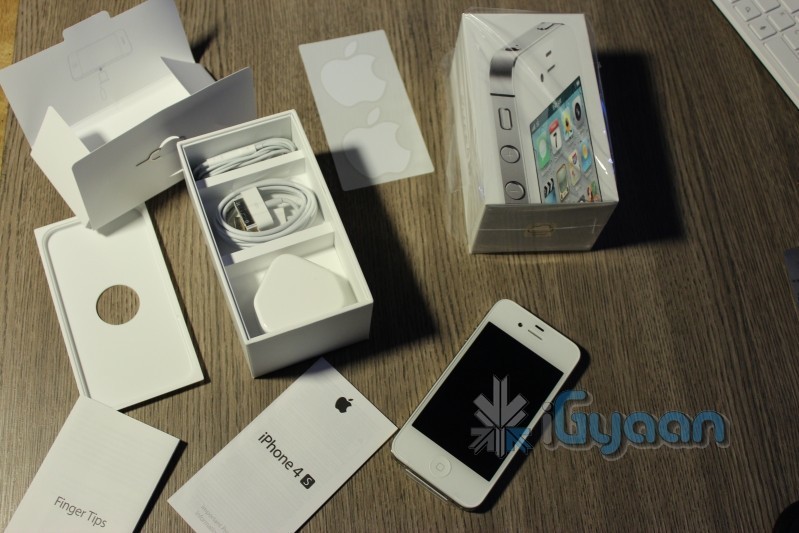
    Ok, so before I begin with this article, let me clarify that I haven’t been paid by Apple to write this, I don’t hate Android phones, and I most certainly am not a “fanboy”. Also, I am not Bharat Nagpal (I know most of you came here expecting Bharat to finally reveal why he uses an iPhone). 

    The question is simple yet one of the most debatable one this side of the century, “Why do you use an iPhone?” 

    Some background details first

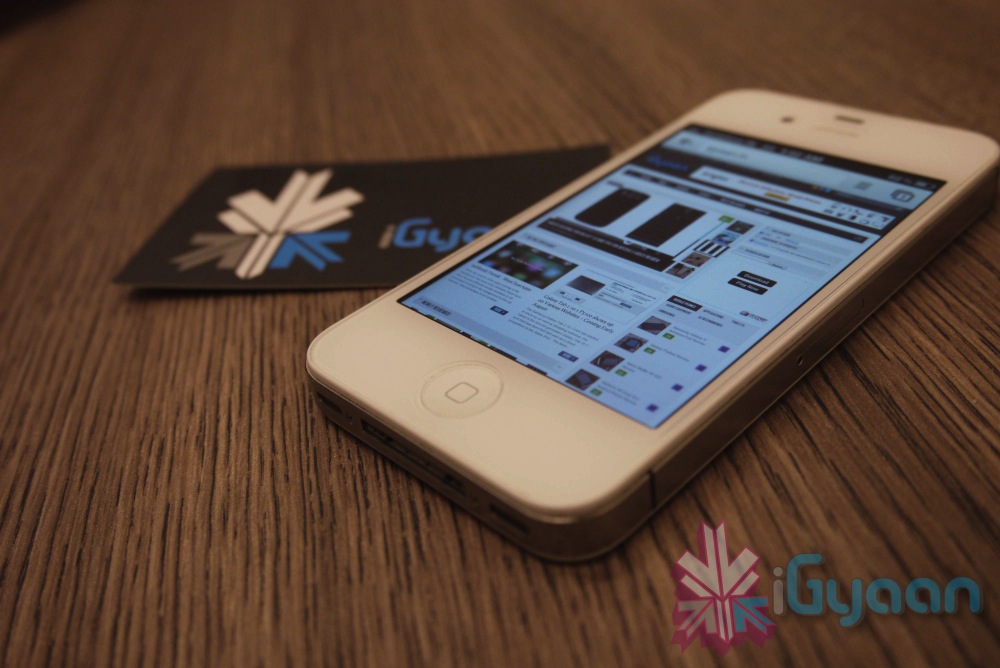
    [pullquote_right]working at iGyaan has its perks![/pullquote_right]I currently use a 16GB iPhone 4s, my first iPhone, which I’ve been using since January, 2012. Before this I had a Nokia 5230 “Express Music”, a Samsung Corby, a Samsung Metro, a Motorola flip phone (don’t remember its name now) and a Nokia 1100 (which I had to crush with a brick and then drown in a bucket full of water to make sure it was dead). Oh, and a couple of Android devices here and there (working at iGyaan has its perks!). 

    iPhone

    Now the Crux

    So, it took me only 1 day to realize that I had a phone in my hand that is perfect for me. Why so? Easy, because it’s is simple and uncomplicated!  I work around technology on a daily basis, but that doesn’t mean I want my products and services to be unnecessarily complex.  In fact, I tend to go the opposite way – I spend a lot of time working with wireless devices, dealing with random issues, playing with settings, and the likes.  In my time off, I’ll always migrate to the solution that’s the easiest.

    I want a device that works the same way every single time.  When I open an app, I expect it to take the same amount of time to open each and every time, when it doesn’t, it aggravates me. [pullquote_left]Having a sluggish phone with a 1.5 GHz dual-core is like having a Pulsar that moves like a Rajdhoot.[/pullquote_left] The iPhone is consistent, fast and ridiculously smooth! While you’ll never have a device that’s 100 percent fail-free, I’ve yet to find another device that performs as fluidly as the iPhone 4S. 

    One of the primary reasons I love the iPhone is the large selection of high quality apps. Even though more apps come to Android every day, I still prefer to buy (cough!) most of my apps and games on the iPhone.

    Not only do most of these apps look better, but i don’t have the same buyer’s (cough again!) remorse as I do with many Android apps I purchase. When given the choice between the same app on Android and on iPhone, I choose the iPhone app. I can’t recall looking at an Android app and complimenting its looks in comparison to its iOS and Windows Phone counterparts. 

    Daily Usage

    iPhoneTyping is a breeze with the auto-correct (though i have suffered some more than embarrassing moments due to it). The phone literally learns as you use it. Overtime Siri picked up on my “Indian Accent”and autocorrect started suggesting Hinglish words. I use dictation on the iPhone 4S to write entire articles with enough accuracy that only minimal editing needed. In fact, I am writing this article through the WordPress app on my phone! The new Voice Actions in Android 4.0 include many of the same features and work just as well as Siri and Dictation on the iPhone, but it is less polished. There is no use of relationships and Voice Actions doesn’t prompt for the message, requiring taps on-screen instead.

    Through iCloud, I have all my emails, contacts, data backed up effortlessly and accessible from anywhere. I don’t have to worry about subscription renewal or periodic updates. All I had to do was create an iCloud account and I was good to go!

    Camera and portability

    iPhoneThe camera is definitely the best I’ve seen on a mobile phone (do not mention the PureView!). It has eliminated the need to carry a separate camera while on a vacation. I am more than satisfied with it!

    One of the biggest feature of a phone for me is the screen, and the iPhone delivers in that aspect! The Retina display is a treat to use! Bright, vivid colours, great viewing angles, outdoor visibility and no pixilation at all! Texts are as crisp as they can be and even though the screen may not be the biggest, it definitely is the best for my needs.


    Jailbreak

    [pullquote_right]For all the things that Apple didn’t include in the iOS, there’s JailBreak![/pullquote_right] You can do anything, literally, once you’ve jailbroken your phone! Be it applying a custom theme (I am using the Windows 8 theme currently), add toggles to the homescreen and download unlimited apps for free!

    Out of all of the smartphones I’ve used, battery life continues to shine on the iPhone 4S in comparison to Android and Windows Phone equivalents.  It has taken a hit for sure with iOS 5 and the 4S’ dual-core processor, but it still outperforms other smartphones I’ve used. It charges ridiculously fast!

    Conclusion (The Only Answer)

    So basically, the iPhone has a smooth and fluid OS (I cannot emphasize this enough!), adequately powerful hardware, and tons of great features! Not to mention it looks great and I don’t have to deal with “minor bug fixes” now and then! So why should I switch to some other phone just because it has ridiculously speedy quad-core processor and an awfully powerful GPU when at the end of the day I have a phone which does what I need perfectly!

    Is it the best phone ever? Nope.  Would I go around recommending it to everyone?  Nope.  I can go off on a tirade of things I don’t like about it.  Email management has been especially bugging me. There’s a ton of features on the Android that I wish I had access to on my iPhone, and there’s no doubt that Android will continue to develop over time, but right now, I just want a phone that pretty much manages itself, so I can enjoy it, without having to worry about if I need to update permissions on my phone.  But for today, it’s the device that allows me to check off the most number of features on my list, so it stays!

  • Edit : Is Nokia another RIM in the Making

    Edit : Is Nokia another RIM in the Making

    Long gone are the times when this legend ruled the streets, Nokia had the major chunk of the market share for 14 years in a row. With over 27% of the total market size cap, Nokia dictated terms of the trade and decided future technology along the lines of mobile telephony.

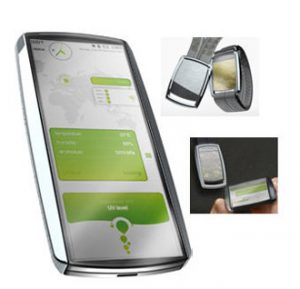
    More than seven years before Apple rolled out the iPhone, the Nokia design team showed to the top executives a phone with a color touch screen set above a single button. The device was shown locating a restaurant, playing a racing game and ordering lipstick. In the late 1990s, Nokia secretly developed another alluring product: a tablet computer with a wireless connection and touch screen—all features today of the hot-selling Apple iPad. According to Frank Nuovo, the former Chief Designer at Nokia Corp.

    The consumers never saw those devices simply because of the internal company politics, that made getting approvals practically impossible. 

    Nokia’s long battle of being the leader in the mobile phone segment was ended when rival Samsung took the lead and never looked back. In 2007, the year the iPhone was announced, Nokia had its highest market share of 40%. Nokia had always claimed that the iPhone would not do well, as it did not have 3G networks, was not drop tested and didn’t have basic things like bluetooth file transfer and message forwarding. But the consumers loved the iPhone, the phone that ushered in the era of the smartphone, leading to the development of what is now called Android OS and Windows Phone, and the inevitable downfall of all those who were left behind (Read RIM and Nokia)

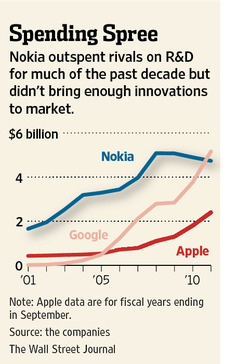
    [pullquote_left]Cash reserves are at an all time low US $5.1 billion[/pullquote_left]Nokia is still fighting hard, even though cash reserves are at an all time low US $5.1 billion in  vs the $6.3 billion in Q1 2012. Nokia’s strategies and internal company politics have often been blamed for  such a major downfall. To battle the current mobile giants, Nokia had developed many products Meego was one of them. Nokia spent over US$ 40 billion in research over the past 10 years, on projects including Meego OS. 

    The company thought they had it right going the Apple way, the Hardware was propriety and so was this super smooth OS. But there was always rivalry within the company as the Symbian and the Meego teams competed with each other for support and the attention of the top executives as each group was accountable for delivering the most competitive phone.

    Nokia design meetings are not anything like you would imagine. In a normal world a few design heads and key executives would sit in a conference hall and discuss design strategies for the company. But with Nokia it was a different ball game together, hundreds of engineers and designers were called in from all over the world to meet in one large auditorium where everyone was shouting to be heard. Your involvement ensured your position at the company, therefore the end resultant was anything short of a legislative assembly on the decision of a Legal Bill in the Delhi Parliament house. 

    In 2010 Stephen Elop joined Nokia as CEO and brought about a massive shift in strategy. The company was at the time spending €5 billion a year on R&D—30% of the mobile phone industry’s total. Elop came in and completely eradicated the future of both Symbian and Meego paving the way for a Windows Phone alliance which would see the light of the Lumia Devices.  

    [pullquote_right]Lumia phones were a generation behind[/pullquote_right]Nokia managed to screw that up, because, the first series of Lumia phones were a generation behind. While companies like HTC and Samsung pushed out their second generation Windows Phone devices, equipped with Mango and ready to handle tasks like VOIP, video conferencing and tethering, Nokia Lumia phones focused on build quality and apps (Nokia’s view since the starting era). Nokia left out key elements that makes the consumer of today lean in to buy smartphones. 

    Every announcement made by Microsoft for the Windows Phone OS update has left Nokia in the dust of the past. Windows Phone 8 will now not work on any Lumia phone already available , and those yet to be announced in India (Lumia 900). While Elop and Nokia are trying to escape the matter by assuring that the Hardware requirements for Windows Phone 8 cannot be met in existing devices, the consumers who did give Nokia another fighting chance may never look at the brand again.

    Symbian based Nokia Asha series and PureView phones belong to totally different sectors. The Asha Series being targeted at the budget line while the PureView at a high end niche market. While these devices show promise for the company, their sales cannot be accounted for positive sustainability of the once leader of mobile telephony. 

    Only if Nokia would drop all side businesses and truly focus on system which was perfect to the core would they be able to capture the market again. Nokia might actually rise again, but this time not thanks to Symbian or any other OS but Windows Phone. If they design hardware keeping in mind the consumer and use the software that is at their disposal, then the company may once again win the heart of the consumer. Until that happens, for the future of this Mobile SmartPhone manufacturer, your guess is as good as mine.

    Sources : WSJ, Economic Times, Nokia Archives and EU Commission 

  • Edit: The Rise and Rise of the next Giant : Samsung

    Edit: The Rise and Rise of the next Giant : Samsung

    2011 was a year of Samsung, the company has taken the consumer electronics market by storm, grabbing attention one way or another. Samsung also led as India’s number one manufacturer for mobile phones in all categories. From basic feature phones to high end Smart phones, the company has managed to challenge all odds and gain the market respect.

    But all this does not come cheap, Samsung employs a huge amount of its annual earning into marketing. In 2011 alone Samsung is estimated to have spent over US $ 2 Billion in advertising their products. Out of which a major 40% is targeted towards mobile devices and 6-7 % towards new phones. Samsung also deploys twice that amount into market research and development, so that its teams know what the next big thing from the company is going to be.

     
    Galaxy S2

    In 2011 Samsung took a huge stab at Apple’s dominant spot as the world leader in smartphone sales. By quarter 3 2011 Samsung had replaced Apple as the world most selling smartphone manufacturer ( if you consider number of handsets and not just one model of handset). Samsung Galaxy S2 was the phone that changed everything for Samsung, the new innovations in the field of mobility that challenged design and construction, and innovative softwares threw huge limelight on Samsung’s potential in this market space. Android  loyalists were drawn by Samsung’s willingness to answer to their demands and stuffing their handsets with all features requested (and more) by the users.

    Who ever imagined a device like the Galaxy Note, a fully capacitive screen that had massive scribbling promise, a handwriting recognizing monster with the capabilities of real time editing and project handling. Live annotations and screen captures were there in previous Samsung handsets, but the precision with with the Note is able to do these tasks is excellent. People want change and innovation and that what Samsung has started to give to its users. 

    The South Korean company is earning high praise for the design of its new line of OLED television sets, its oversized Galaxy Note smartphone and its

    Galaxy Tab 750

    new line of laptops, dubbed Series 9. Samsung has held the title of the top TV maker for the past six years, and recently surpassed Apple Inc. to become the world’s top smartphone manufacturer. Samsung posted a US$4.5-billion profit in the most recent quarter, one of the best in the company’s history.

    The Company now has set its sights on the personal computer and tablet markets, hoping to replicate the success the company has had in its smartphone and television businesses. Targeting their efforts at Apple, Hewlett-Packard Co. and Dell Inc, companies which are current leaders in the domain. This won’t be easy for Samsung either especially because globally they don’t even fall in the top 5 PC manufacturers category.

    nx System Camera

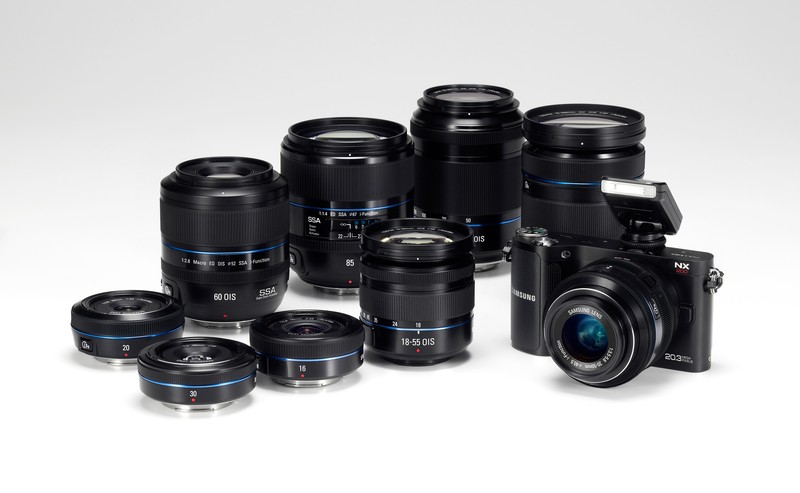
    One of Samsung’s biggest strengths is its component manufacturing facilities. Samsung itself manufactures 75% of the components used in its TVs, PCs and smartphones, enabling the company to innovate and test new products quickly. Samsung is also emerging big in a category seldom seen with asian companies, Cameras. With a exciting range of digital point and shoot cameras from the company, including innovative flip lcd type cameras. The company also has pioneered the professional SLR segment with their range of NX cameras, that are getting  appreciation from professional Photographers.


    The future of the brand also seems bright, as people have less and less faith in Apple’s ability to give what the users want. The next revision of the iPad and the iPhone 5 no longer seem as exciting as the Samsung Galaxy S3 or the Galaxy Tab 3 headed our way in 2012. 

    Its been a long time since our last edit, this one was long over due. The smartphone industry is ever changing, with constant evolutions in a battlefield of major companies and small startups. In a world where companies become large in a matter of months and fall even faster, we can only guess what the future holds in the massive divide. 

  • RIM wants Indian Devs to Make BB Apps

    RIM wants Indian Devs to Make BB Apps

    RIM is working hard to capture the Indian App developers to get them interested in building apps for RIM very own Blackberry platform.

    We see huge opportunity in mobile application development. BlackBerry App World currently has 26,000-odd registered developers from India, against 5,000 two years ago, with the applications numbering over 40,000.

    – Annie Mathew

    RIM also has an Apple-esque revenue share model where the profit is shared 70:30. So if you have a dev brewing up in you, now is the time to filter it out.

    RIM is also pushing for NFC and its development in the country, which would make it a boon for enterprise customers.

  • Edit : Should You Buy The iPhone 3Gs?

    Edit : Should You Buy The iPhone 3Gs?

    The iPhone 3Gs was a hardware revision device for the iPhone 3G, bringing more CPU power and Ram to the equation. The iPhone 3GS also brought about a better 3.2mp camera with tap to focus.


    We got information of the impending re-launch of the iPhone 3Gs on 24th June. Without fail the 3Gs reappeared at the new price point of 20k. Now the question remains does the iPhone 3Gs qualify as a good option? Does is present a value for money deal?

    Here is what we think.

    The iPhone 3GS was originally launched in 2009 in the US and 2010 in India. The Device  features a 600 MHz ARM Cortex A8 processor, PowerVR SGX535 GPU, 256 MB RAM, and upto 32GB of storage. The device also currently features iOS 4 and works brilliantly with iOS 5 (we’ve tested it and can verify, that till beta 2 iOS 5 works great on 3GS).

    Reading a whole bunch of articles written by Tech – Bloggers , I was shocked at how blatantly the iPhone 3GS was being shot down. Though in a personal opinion the 3GS is an old hardware based device and has specs which would disgruntle almost anyone looking for souped up smartphone. The iPhone 3Gs bring a lot more, than any device at the price point can.

    Lets look at it point by point.

    1. OS

    iOS by far is the simplest of operating systems, designed to be used by a finger. The UI is fluid and begs you to interact with it.  Currently multitasking between apps is great on iOS where most Android handsets in that price range don’t support true multitasking, the iPhone 3GS has it and it works great. Using the right setup you can do a lot of things on your device. Wireless sharing of emails, pictures and music, streaming internet radio and movies, home automation, wifi printing and even controlling a quadro-copter  the hundreds of thousands of apps from the App Store let you make your imagination run wild, and then, there is an app for that. The Apps are designed to run perfects in harmony with the iOS infrastructure.

    The best part (according to me) of iOS for someone who does not understand or have the time to understand the intricate details of technology, is that the system is safe and bug free. Because third party apps go through a strict verification process, seldom do you find an App which would slow your device down. So no matter what you install or how many you install, Apps will not slow down the OS. That makes perfect sense for someone who is not a techie.

    On the other hand Android brings the ability to customize the OS, and play around with it, the more you edit and tweak the OS, the more your chances  of a system restore appear. Now there is no need to throw a banter, you can be extremely safe with Android, you just have to know what you are installing and what all does it access. But in Android, third party apps can have a built in snooper sending all your information back to the designer of the app.


    2. BUILD

    While it isn’t an iPhone 4, the 3Gs is pretty solid when it comes to construction. One of the most beautiful phones available today the 3Gs is available in black and white and millions of customization options are available, from skins, decals to plain covers, flip covers, leather covers, plastic covers, branded covers and hard cases. The most number of accessories ever made for a phone? the iPhone stands at number one in that record.


    3. Conclusion

    When we first heard rumors of the iPhone 3Gs being relaunched, we heard a price point of about 16,500/-. But, when the actual price came to be 20,000/- we lost confidence that Apple would do well selling its last year legend. Sure there are those who would love to buy the 3GS for its “Brand” and its simplicity, there are also those who will buy it for the sheer number of apps and usability features that these apps will give.

    There are better options in terms of hardware specs, the rugged motorola defy is much cheaper and its water proof, the Galaxy S, the Nexus S, The Galaxy Sl, Wave 2, Blackberry Bold 3, Nokia  N8. Sure these devices have better hardware, But we can promise one thing No operating system in our opinion comes close to the smooth and lag free experience of the iOS running on the iPhone 3GS (Of-course we mean at that price point)


    So if you don’t have time to mess with your device / Smartphone get the iPhone 3GS because it doesn’t get any better than this. But if you are more of a tech friendly person get an Android device you will be much happier with the open-ness of Android infrastructure.

    [polldaddy poll=5183813]

  • Everything you need to know about the Nokia + Windows Phone alliance.

    Everything you need to know about the Nokia + Windows Phone alliance.

    So, Nokia has joined hands with Microsoft to develop future products, what does this mean? We have the details and will be shedding light on the insides and out of the alliance and what it does for us.

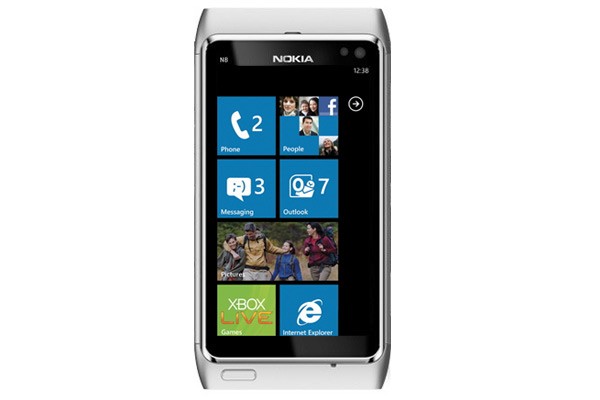
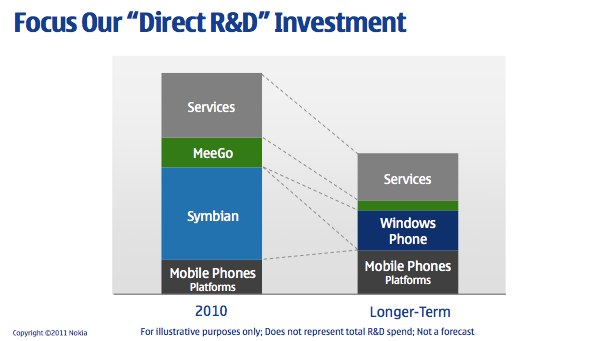
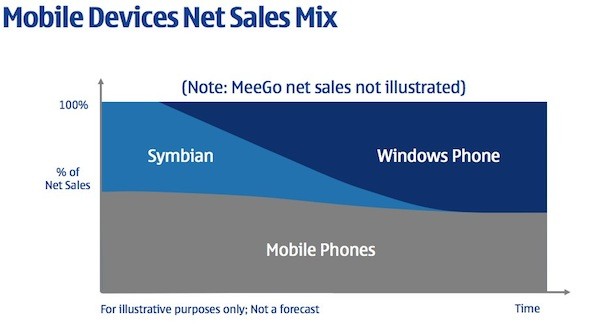
    To start off, we expected Symbian to either be completely re-invented or be completely exterminated. Nokia choose the latter, they probably thought it was much easier than to invent an OS in a market that was way ahead of them. This alliance comes with the death of Symbian in a slow and steady manner. In the presentation created by Stephen Elop (ceo of Nokia) t it’s clear that Symbian which is claimed to be a “franchise” OS that Nokia will “harvest” and will be taken over by Windows Phone on Nokia devices just as soon as Nokia and Microsoft can complete the transition.

    The transition as Nokia and Microsoft stated, would go on through 2011-2012, and by 2013 Nokia will be shipping only Windows Phone 7 or 8 or whatever version Microsoft throws out to the world. In simple words : Nokia will only ship Windows Phone devices 2013 onwards.

    “Nokia expects 2011 and 2012 to be transition years, as the company invests to build the planned winning ecosystem with Microsoft. After the transition, Nokia targets longer-term: (1) Devices & Services net sales to grow faster than the market. (2) Devices & Services non-IFRS operating margin to be 10% or more.”

    Stephen Elop says that he expects Nokia to ramp up the transition this year and be ready to ship Windows Phone 7 devices in significant volume in 2012.

    With the arrival of Windows Phone to Nokia devices, there are substantial changes that will go on in Nokia’s infrastructure. When Elop was asked by a concerned Finnish reporter, “What happens to Finland,” Stephen responded that a successful Nokia is good for Finland but there will be “substantial reductions in employment” in Finland and around the world. That does mean a lot of frustrated Nokia employees, and a lot of anxiety for them. This may also be a great blow to investors or stock holders, as this may ruin Nokia’s market value on the long run.

    Nokia has also been on the Qt warpath for years after purchasing the developer framework from Trolltech back in January of 2008. While Qt will continue on as the development framework for Symbian and MeeGo,  Microsoft will give for free Windows Phone Developer Tools (Visual Studio 2010, Expression, Silverlight and the XNA Framework) to developers interested in the platform and exclusively developing for it. Qt will not be adapted for Windows Phone 7 APIs.

    Whatever said and done, We personally believe, Nokia’s focus on hardware development will improve the outcome and toss Nokia back up on the anticipated phones / devices list. Also we believe Nokia will be launching a tablet later this year. A tablet that will run a mix of operating systems and an interesting hardware speck at a price that will remain unrivaled. There are only good things to see from Nokia now (or at-least we want them).

    Elop also expressed the fact that, Nokia will be allowed to alter anything in the WP7 platform, including layouts and skinning. But, Elop also mentioned that Nokia likely won’t make extensive use of this freedom to tailor Microsoft’s OS. This is a major shift for Microsoft, who forbade HTC from skinning Windows Phone 7 with Sense, the proprietary skin from HTC.

    Read the Q&A below from the post announcement session.

    • No specific announcement for when we’ll see the first Nokia Windows Phone. Ballmer mentioned that the engineering teams have spent a lot of time together already.
    • Elop confirmed that Nokiawill not be moving to Silicon Valley or anywhere else.
    • Ballmer said that the partnership is “not exclusive” but some things that Microsoft is doing with Nokia are “unique” allowing Nokia to differentiate itself in the market. Elop added that it’s important for the Windows Phone 7 ecosystem to thrive, which means that multiple vendors must succeed.
    • Elop didn’t believe that Nokia could create a new ecosystem around MeeGo fast enough.
    • Nokia will “substantially reduce” R&D expenditures while increasing R&D productivity moving forward.
    • Nokia did consider adopting Android but decided that it “would have difficulty differentiating within that ecosystem” and the “commoditization risk was very high — prices, profits, everything being pushed down, value being moved out to Google which was concerning to us.” Microsoft presented the best option for Nokia to resume the fight in the high end smarpthone segment.
    • Elop clarified that MeeGo will ship this year but “not as part of another broad smarpthone platform strategy, but as an opportunity to learn.” Something that sounds very similar to position Nokia took with its so-called “experimental” Maemo-based N900 last year. After the first (and apparently, only) MeeGo device ships this year, the MeeGo team will then “change their focus into an exploration of future platforms, future devices, future user experiences.” Trying to determine the “next disruption” in smartphones.
    • Responding to “hope for a broad MeeGo-based ecosystem,” Elop said that Nokia simply wasn’t moving fast enough to effectively win and compete against Apple and Google. Windows Phone makes it a “three-horse race,” something that Elop says is pleasing to the carriers he’s been speaking with.
    • Nokia has different options for its tablet strategy including using something from Microsoft or something that Nokia has developed internally.

    Watch the Video of the whole event below


    Click on the Next Link Below to read Press Releases

iGyaan Network
Privacy Overview

This website uses cookies so that we can provide you with the best user experience possible. Cookie information is stored in your browser and performs functions such as recognising you when you return to our website and helping our team to understand which sections of the website you find most interesting and useful.