Category: Government, Law and Policy

  • Apple’s Tussle with the FBI ; Why We Should be Concerned

    Apple’s Tussle with the FBI ; Why We Should be Concerned

    The FBI got hold of the iPhone of dead San Bernardino terrorism suspect, Syed Rizwan Farook back in December, but sophisticated encryption technology present on the Apple made phone has prevented the authorities from accessing its contents.

    Hardly two weeks back, the Federal Bureau of Investigation accepting defeat called Apple’s headquarters in Cupertino, California, asking the company to help them get into his iPhone. Apple politely refused.

    snooping

    Things quickly escalated on 16th February, when a federal judge in California on the request of the FBI ordered Apple to provide the investigative agency with the tools required to unlock Farooq’s phone which according to the FBI was used by the shooter in the San Bernardino attack.

    And just last night, Apple CEO Tim Cook responded to this new development with a strong-worded open letter to its customers. Cook in his letter described the FBI’s actions as an “unprecedented step which threatens the security of all customers” hinting that the actions involved in this one case could have far-reaching repercussions beyond just this one isolated case. And, for once, Tim Cook has got things spot on.

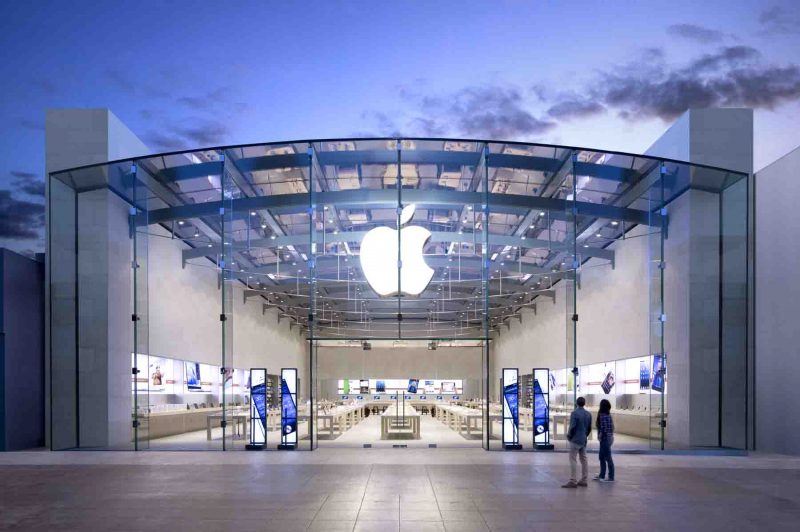
    Apple store 1

    The FBI’s request to violate the privacy rights of a dead suspected terrorist may not ring any alarm bells or the consequent order of the court asking Apple to cook up a custom version of its iOS specifically for this phone to help the authorities gain access to it does not sound malicious in isolation, but As Tim Cook points out this small step has the potential to undermine the security of each and every iPhone around the globe.

    “The government suggests this tool could only be used once, on one phone,” Cook wrote. “But that’s simply not true. Once created, the technique could be used over and over again, on any number of devices.”


    What essentially the FBI wants Apple to do is help it get around crucial privacy features meant for safeguarding the phone from criminals using brute force attack. If Apple complies, and puts its best minds to cook up a software to nullify the encryption chip on its phone, and bypass the AES 256 bit encryption system on it, this will not only set the precedent for further legal or illegal use of this new technique by the government for any iPhone in the world, but also leave the door wide open for criminals to get their hands on this tech, and compromise the privacy of everyone with an iPhone.

    In today’s digital world, the “key” to an encrypted system is a piece of information that unlocks the data, and it is only as secure as the protections around it. Once the information is known, or a way to bypass the code is revealed, the encryption can be defeated by anyone with that knowledge.

    In the physical world, it would be the equivalent of a master key, capable of opening hundreds of millions of locks — from restaurants and banks to stores and homes. No reasonable person would find that acceptable.

    Google’s CEO, Sundar Pichai has in a list of tweets backed Tim Cook’s open letter giving strength to the argument that giving the authorities such overreaching powers could have serious repercussions. The FBI’s request, however innocent, and noble in intention should be rejected at every chance possible because it holds in itself the possibility of malice that if unleashed could undermine our privacy going forward.

    Giving the government access to user data occasionally is wholly different than giving them the power to hack into our phones, and invade our privacy. If the FBI succeeds in this then it could indeed be a troubling precedent going ahead for users not just in the United States, but also here in India.

  • Hydraulic Pop-Up Urinal that Hides During the Day to Surface in Australia

    Hydraulic Pop-Up Urinal that Hides During the Day to Surface in Australia

    Perth City, in Australia, has seen ultra high-tech urinals being installed in the city which might help us understand what public urinals of the future look like. These are believed to be Australia’s first pop-up urinal in the city’s suburb of Northbridge, according to Seven News.

    These pop up urinals will appear on Friday and Saturday evenings for the late-night crowd and then hide away underground during the day.

    urilift

    The Urilift as it’s called is a self-cleaning urinal that has previously been seen in some European cities before and comes at a price of (US$124,381) Approx Rs 85,35,646. The Urilift urinal can be used by three men at a time “in complete privacy”.

    The Urilift requires an operator to hydraulically hide, and unhide the urinal with a remote, taking around two minutes to complete the process. Pretty neat indeed!

  • Amazon Celebrates “Make in India Week” with dedicated Store on Websites

    Amazon Celebrates “Make in India Week” with dedicated Store on Websites

    Showing its support for the ‘Make In India Week’, Amazon India today has put a ‘Make in India’ store which will according to the company showcase products that are manufactured in India, including products from hundreds of Indian and International brands. This initiative will be taken forward and be seen on Amazon’s US web page too.

    The United States based company revealed that it will feature over 6000 products across categories to its users under the ” Make in India” store.

    make in india

    “The Amazon platform, with innovations such as Easy Ship, Fulfillment by Amazon and Global Selling, can serve as a strong enabler for Indian manufacturers artisans, and businesses to reach customers not only in India but also across the globe. We are very excited to support the Make In India week with several initiatives on both Amazon.in and Amazon.com. Make in India connects with our mission to transform how India buys and sells and we are thrilled that it will provide further impetus to Indian manufacturing allowing customers globally to access Indian innovations and creations,” Amit Agarwal, vice-president and country head, Amazon India, said in a statement.

    The Make in India week, a business expo to promote manufacturing in India, commences in Mumbai today, and Amazon along with other e-retailers stand to gain from the growth of manufacturing of smartphones and consumer gadgets in India.

  • Supreme Court Rules in Favour of Cutting Internet Access when ‘Neccessary’

    Supreme Court Rules in Favour of Cutting Internet Access when ‘Neccessary’

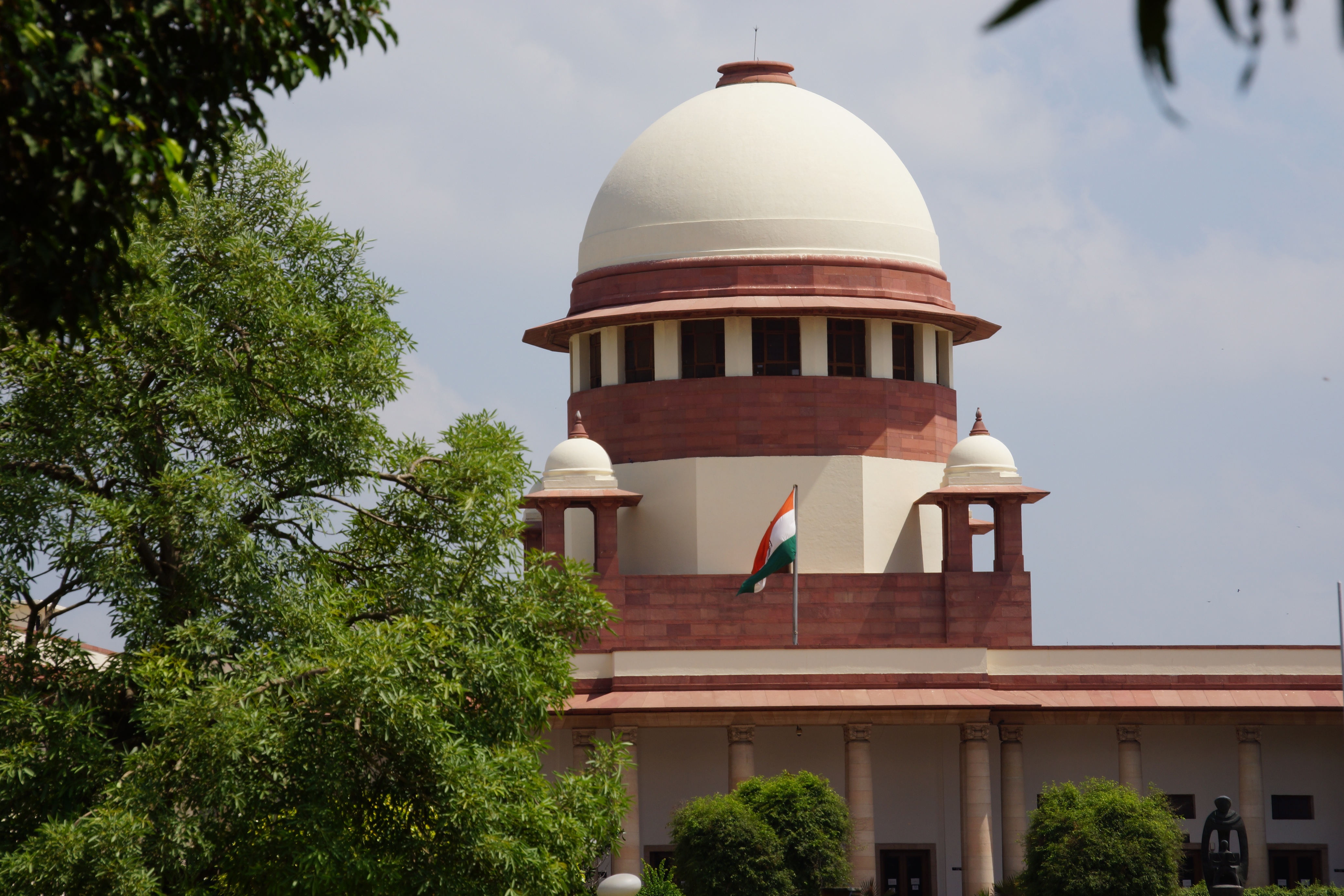
    The Supreme Court of India today ruled that it is ok for districts and states to cut access to mobile internet for a limited time to prevent law and order problems in the country. It basically allows the State to use its curfew powers to block internet access during public agitation that can turn aggressive and disturb the public.

    The case was first brought to the court’s notice by student activist Gaurav Sureshbhai Vyas who challenged the police’s right to ban internet services last year for 63 million users in Gujrat during the Patinder agitation as a way to check unfounded rumours.

    Vyas’ petition also contended that a complete ban would restrict the citizen’s right to free speech. However, The senior judge who ruled in favour of the ban said that “It becomes very necessary sometimes for law and order.”

    The PIL said that while internet services cannot be shut down completely, the access to it can be restricted. The decision to ban internet services when “necessary” puts a serious issue of free speech into question on the one hand. On the other hand, the move is natural for a government that wants to control violent situations from getting worse. The Supreme Court also stated that the ban will only block mobile internet service and not Wi-Fi and broadband services

  • IRS Website Hacked, Down Since Saturday

    IRS Website Hacked, Down Since Saturday

    The Indian Revenue Service (IRS) website has been hacked and reports suggest that a Pakistani group is behind the hack. According to Indian Express, after hacking the website http://www.irsofficersonline.gov.in, the hackers reportedly wrote ‘Pakistan Zindabad’ and ‘We are cyber attack team of Pakistan’.

    After the hack, the website put up a message saying, “We’ll be back soon! Sorry for the inconvenience but we’re performing some maintenance at the moment.” The IRS site is used as an official communicator for official work between the Central Board of Direct Taxes and the IT department field offices in the country.

    IRS

    As per the Daily, the hackers got into the ‘Official Communique (for IRS officers only)’ section and wrote – “Hacked by Faisal 1337, Dated: 05/02/2016, Pakistan Zindabad” and “We are Team Pak Cyber Attacker. Go Home Kiddo India Kids Hacker.”

    The technical team of IRS website is seeking help from the Computer Emergency Response Team of India (CERT-In), an agency that deals in combat hacking, phishing and fortifying security-related defences of the Indian Internet domain.

    Thankfully, the website does not have information that can compromise national security,” an IRS officer commented.

  • Trai Bars Differential Pricing of Data Services, Win for Net Neutrality

    Trai Bars Differential Pricing of Data Services, Win for Net Neutrality

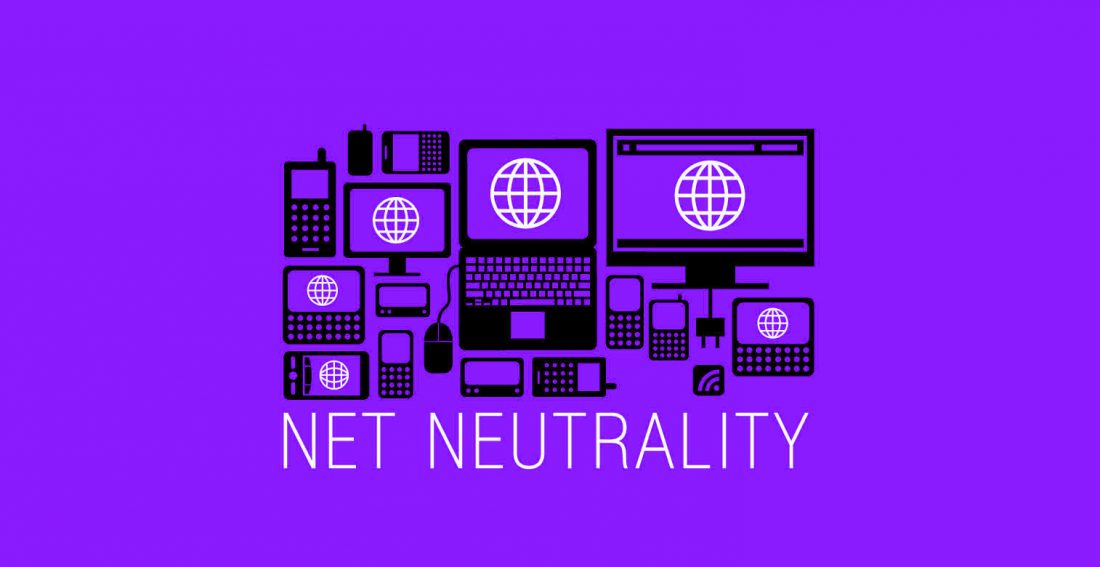
    The Telecom Regulatory Athority of India (TRAI), today has announced final guidelines on differential pricing. Ruling heavily in favour of Net Neutrality, TRAI has said, ” No service provider shall offer or charge discriminatory tariffs for data services on the basis of content”

    The telecom sector regulator with this ruling has barred differential pricing of data products, which effectively will mean that controversial zero-rating ideas such as Facebook’s Free Basics won’t be allowed to kick-off in the country.

    TRAI also looks increasingly likely to disallow subsidised data packages already on offer which allow services, such as Whatsapp or Twitter etc to be availed at discounted prices through special packages.

    Net Neutrality

    The Regulator has warned operators that they cannot enter into any arrangement based on discriminatory pricing failing which they could be fined upwards of Rs 50,000 a day.

    “Prohibition of discriminatory tariff is necessary to ensure that service providers continue to fulfill obligations in keeping internet open and non-discriminatory,” TRAI said.

    This particular decision by TRAI will come as bad news for telecom operators who have been increasingly looking at differential pricing of data services as a source of increasing revenues. It will also come as a huge blow to social networking giant, Facebook which has invested heavily in Free Basics.

  • Mobile Phone Manufacturing Crosses 100 Million Mark in India

    Mobile Phone Manufacturing Crosses 100 Million Mark in India

    Telecom Minister of India, Ravi Shankar Prasad on Saturday revealed that mobile phone production in India had crossed the 100 million mark while also telling the media that many leading companies also want to set up their manufacturing units in the country in the coming year. This favourable news comes in at a time when there is an increased push from the country’s government for its pet project, “Make in India”.

    “Today, I am happy to announce that in December, Rs 1.14 lakh crore investment has come in electronic manufacturing in India. We have attracted around 15 new mobile plants. Earlier in 2014, 68 million (mobile phones) were being manufactured and now 100 million are being manufactured,” Prasad said at Global Business Summit here.

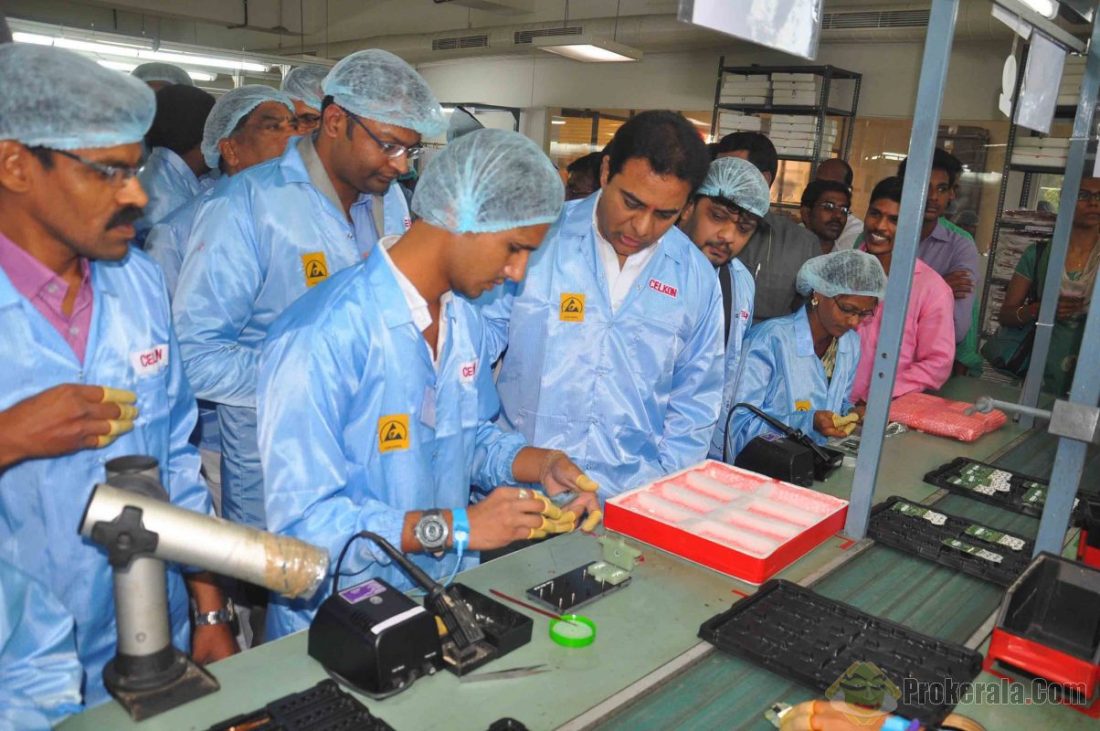
    telangana-it-minister-k-t-rama-rao-during-the-315588

    He added, “All the major companies in the world namely Panasonic, Mitsubishi, Nidec, Samsung, Bosch, Jabil, Flextronics, Continental are in India besides all the top Indian companies who are already here,” Prasad said.

    In addition to this, the president of the Indian Cellular Association, Pankaj Mahindroo was quoted as saying “In terms of value, mobile phone production in India increased 95% in the current financial year as compared to the previous year”

    “Government has made sincere efforts to boost mobile phone production in the country. The new investment has created 30,000 new jobs in the country and state governments have shown keen interest in attracting these investments,”

    The tech savvy telecom minister when asked about the experimentation of new technologies in the country, including that of Project Loon by Google and White space spectrum use for broadband by Microsoft, had this to say, “Once the pilot becomes successful, then depending on security concerns, final call will be taken,”

  • Apple Files Application to Set Up Retail Stores in India

    Apple Files Application to Set Up Retail Stores in India

    Amid growing concerns over the stagnating economies in the western markets, and slowing pace of its own sales in China, Cupertino-based tech giant, Apple Inc, is looking for new markets to expand its business to. On that list of unconquered lands for Apple, India finds itself at the top.

    Apple which has seen a jump of 90% in sales in the country during the last fiscal year is zooming in increasingly on India as the new frontier for its products. To Apple’s credit the company has been quietly building infrastructure for such a move by boosting advertising, logistics network, and most importantly lowering prices for old phones to start making deeper inroads into the homes of millions of customers.

    The next step in this process it seems will be Apple setting up shop in the country. The company plans to bring to Indian customers its very own Apple Stores in the coming months. These stores which are renowned world over for encapsulating Apple’s DNA in their ambience and design will soon start selling you the whole Apple experience.

    According to reports, Apple Inc. has filed an application with the department of industrial policy and promotion (DIPP) to open its own branded stores in India. “We have just received Apple’s proposal. We are examining it,” said DIPP secretary Amitabh Kant.

    Apple store 1

    Apple already has over 460 branded stores worldwide, but there is no information as of now regarding how many such stores Apple wants to set up in India. The move comes on the heels of the government easing foreign direct investment (FDI) rules for single-brand retail in the country. According to new rules, the government has relaxed the mandatory local procurement stipulation for technology manufacturing companies and allowed single-brand retail permission holders to sell their products directly online.

    Apple along with its own branded stores also plans to set up mini stores within stores in a bid to promote its brand. The first set of these could be seen opening at Chroma in the near future.

  • TRAI Takes on Free Basics After Response from Users

    TRAI Takes on Free Basics After Response from Users

    In what will come as welcome news to millions of netizens across the country, the Telecom Regulatory Authority of India(TRAI) in its latest communication to Facebook, has in rather stern words intimated to the company that it does not approve of the manner in which Facebook is misrepresenting the results of its ‘support Free Basics’ campaign, and what it seems to be suggesting is a subtle attempt at nudging the voice of the people out of the decision-making equation.

    This letter from the desk of TRAI’s joint advisor K.V Sebastian, pulls up Facebook for the way it has conducted itself through the campaign to save Free Basics from being shut down. TRAI has suggested that Facebook is guilty of not conveying the full text of the regulator’s message to users who had supported Free Basics, and hence is misleading them into making uninformed choices.

    India-for-or-against-Net-Neutrality

    TRAI had earlier asked Facebook to convey to its users in support of Free Basics and zero-rating campaigns four specific questions which the telecom regulator wanted answers to before taking any final decision on the matter. Facebook, for its part responded to TRAI’s request by sending back a highly charged template response in favour of saving Free Basics which it claimed reflected the sentiment of its users.

    TRAI’s reply to this read,

    “Your response is silent on whether the text of TRAI has been shared with users as was specifically requested by TRAI. In light of the tangential natures of the responses by the users to the questions asked, the communication of the text was vital to demonstrating and ensuring that those who are responding to TRAI are making informed decisions.”

    The letter further goes on to say that in light of Facebook not disclosing crucial information to users, TRAI does not accept Facebook’s assertion that the initial template responses in support for ‘Free Basics’ and ‘Digital Equality’ are an appropriate representation of what people are saying.

    TRAI, not mincing its words, has also slammed Facebook in this letter over what it calls as ‘self-appointed’ spokesmanship on behalf of its users who it says “have not authorized Facebook of speaking on their behalf collectively.”

    It has further said that it does not approve of this practice of Facebook, and believes that what the company is doing through these uninformed template responses is curbing “public consultation” which it believes “has the flavour of reducing this meaningful consultative exercise designed to produce informed decisions in a transparent manner into a crudely majoritarian and orchestrated opinion poll”.

  • Could Smart Gun Technology be the Cure to Gun Violence?

    Could Smart Gun Technology be the Cure to Gun Violence?

    Gun violence in America is an issue that cannot be brushed under the rug. Last year, gun violence resulted in at least a 1,000 injuries and deaths, and about 400 deaths were caused due to mass shootings alone. An incident last April shocked the world to no end when a three year old boy shot a baby (Braylon Robinson) dead using a gun the boy found lying in the house in Cleveland, Ohio.

    Such horrific stories have made politicians stand up and take notice, turning towards technology for help. President Barack Obama asked during his Jan. 5 gun control address from the White House that, “if we can set it up so you can’t unlock your phone unless you’ve got the right fingerprint, why can’t we do the same thing for our guns?” The proposition was reasonable indeed, and this is exactly what ‘smart gun technology’ is all about.

    Walther-PPK-S-9MM-Short

    The United States President has called for three called for three federal agencies – the Department of Defence, the Justice Department, and the Department of Homeland Security – to speed up research in smart gun technology with the aim of preventing the “accidental discharge or unauthorised use of firearms.”

    The technology has been around since the 90s. Digitally equipped firearms were designed to work for the authorized owner only. Smart guns typically employ fingerprint scanners, or a radio-frequency-identification device (RFID), such as a ring or bracelet that sends a signal to unlock the weapon. Like modern smartphones, smart guns are being developed that use biometrics to unlock.

    https://www.youtube.com/watch?time_continue=20&v=6LTKSuHNEmk

    One such device, the Identilock, created by Detroit-based engineer and National Rifle Association (NRA) member Omer Kiyani, takes the form of a black box that fastens on to the end of a handgun. The Identitylock works by preventing the trigger to move unless the device recognizes the user’s fingerprint when they place their fingertip against the scanner on the side of the device. Once the device recognizes the fingerprint, the Identitilock falls to the ground allowing the user to fire the gun.

    Armatix is another company that has worked on a smart gun, iP1 that requires the user to wear a companion watch into which a pin number is entered. The gun will refuse to fire if it is taken more than 10-inches away from the watch.

    https://www.youtube.com/watch?v=XHHT1PuM3K8

    Smart guns aren’t likely to completely stop deliberate mass shootings, like the racially motivated shooting at a South Carolina church last year where nine people were killed. However, smart guns can avoid incidents like the above mentioned Braylon Robinson shooting.

    Smart gun technology has also met with a lot of criticism. The opposition comes due to the unreliability of technology and the security concerns that such gins can be hacked. Moreover, the fact that fingerprint scanners take a couple of seconds before authorizing the user can be fatal in a situation where the user needs to act under duress. Nevertheless, the need for a solution is at hand and perhaps technology is the only way out. We’ll just have to wait and see how far this goes to curb gun violence in America and other countries with liberal gun laws.

  • BlackBerry Will Continue to Operate in Pakistan

    BlackBerry Will Continue to Operate in Pakistan

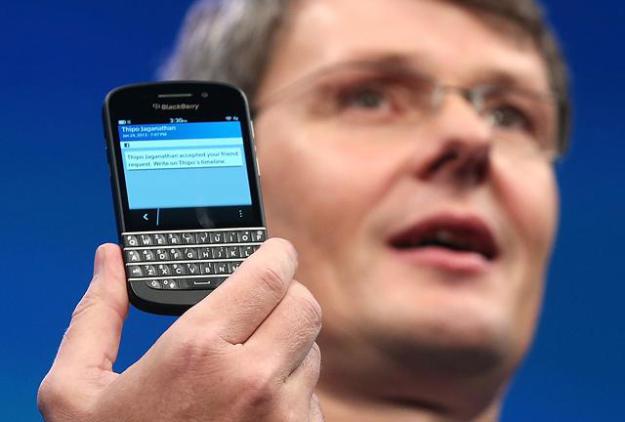
    Last month, we heard that BlackBerry was planning to leave Pakistan due to privacy concerns. BlackBerry refused to accept the Pakistan Telecommunication Authority’s plea for “unfettered access” to use users’ information that included emails and BBM conversations.

    The request made by the PTA would directly infringe on users’ privacy. And BlackBerry is not one to jeopardise the privacy of its customers. Earlier in July, the PTA sent out notifications to the country’s mobile phone operators stating that BlackBerry’s BES servers won’t be allowed to operate in the country starting December due to “security reasons”. It was then that the Canadian phone company decided to leave Pakistan for good.

    blackberry-q10-heins

    However, after some “productive discussions”, the government is willing to let go of its order.This means that BlackBerry is staying put in Pakistan and will not be risking its privacy. Marty Beard, chief operating officer of BlackBerry, wrote on the company’s blog: “We are grateful to the Pakistan Telecommunication Authority and the Pakistani government for accepting BlackBerry’s position that we cannot provide the content of our customers’ BES traffic, nor will we provide access to our BES servers.”

  • Xiaomi is Being Sued by a US Firm for Patent Infringement

    Xiaomi is Being Sued by a US Firm for Patent Infringement

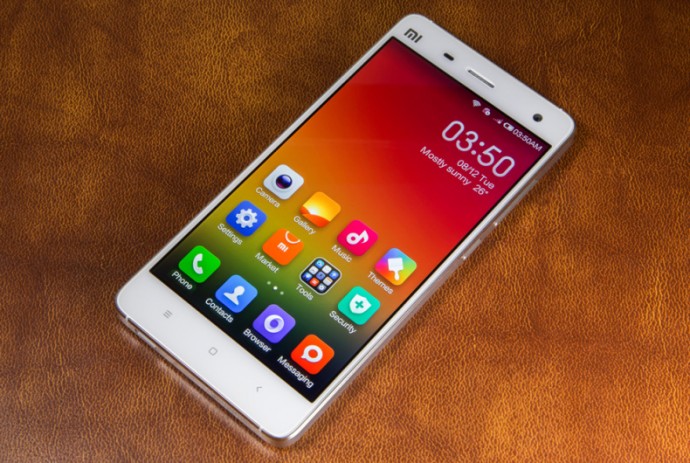
    Xiaomi is being sued by a US firm by the name of Blue Spike, LLC. In a complaint filed in the US District Court for the Eastern District of Texas, Blue Spike has alleged that several of Xiaomi’s mobile devices, including the upcoming Mi 5 and Mi 5 Plus, are infringing on a patent titled  “Data Protection Method and Device”.

    Mi5

    Other handsets that are included in the lawsuit are  the Mi 4, Mi 4 LTE, Mi 4c, Mi 4i, Mi Note Plus, Mi Note Pro, Redmi 1S, Redmi 2, Redmi 2 Prime, Redmi 2 Pro, Redmi 2A and Redmi Note 2. However, the Mi 4 and Redmi 2 Pro have already cleared FCC.

    But what really makes one stamp a giant question mark on this story is that the US firm doesn’t appear to have much credibility to its name. The company claims its business revolves around Address Space Layout Randomization (“ASLR”) software, systems, and technology. However, their website seems to show no clients or products. All this suggests that Blue Spike LLC, which has also filed lawsuits against other companies like Google and Apple, is merely a patent troll.

    Source

  • Twitter is Trying to Trademark the Word ‘Subtweet’

    Twitter is Trying to Trademark the Word ‘Subtweet’

    Twitter is trying to trademark the word ‘subtweet’ which means a tweet directed at someone without mentioning their Twitter handle typically as a form of mockery or criticism. To put it in pre-social media terms, it would mean to talk about someone behind their back. The trademark was filed on October 30 and was up for opposition on November 19.

    The trademark is a commercial mark in that Twitter’s control of the word would exclusively be in commercial settings. So when Twitter gets the word trademarked, no one else can name their new product “Subtweet” or sell things that say “Subtweet” on them.

    “When you need to protect your namespace from people who would misuse it. #keepingit,” a Twitter spokesperson said.

    subtweet
    What being passive-aggressive on Twitter is like

    Words like ‘tweet’, ‘subtweet’ and ‘tweetstorm’ have actually been coined by users referring to a specific Twitter activity. Twitter has tried to trademark a few them in the past but have not always been successful. In fact, Twitter could not trademark ‘tweet’ since the term has been in use for a long time, though now the word has become almost synonymous to Twitter.

    If left unopposed, Twitter will gain the right of the word ‘subtweet’ within a few months.

  • Gamergate Cannot be Sorted From the Outside, Says Australian Senator

    Gamergate Cannot be Sorted From the Outside, Says Australian Senator

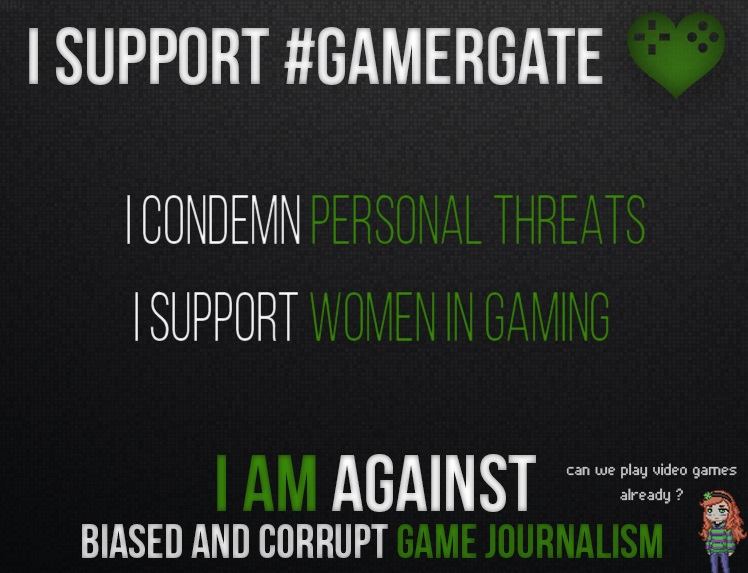
    Some of you may be aware of Gamergate. For those who don’t know, Gamergate was a controversy that began in August 2014. It concerned issues of sexism and progressivism in video game culture. Gamergate began when a former boyfriend of Quinn wrote a lengthy disparaging blog post about her, leading others to falsely accuse her of entering a relationship with a journalist in exchange for positive coverage. Quinn denied the charges, but in the internet world, things escalated quickly.

    The movement resulted in women being harassed online, being driven from their homes in fear of threat and violence. Most of the harassment were coordinated through online discussion forums in websites like Reddit, 4chan and 8chan.

    Gamergate


    Things have changed since then. In the course of two years, the audience for gaming has become more diverse. “The fight has how become about how broad and welcoming the gaming industry can be. Australian Greens senator for Western Australia, Scott Ludlam told Mashable Australia the government has no direct role to play in Gamergate, but doesn’t rule it out entirely. “I don’t think the government has a role in culture wars,” he said. “Anytime a government is engaging in a culture war it always tends to end badly.”

    There is a palpable tension in the going community over whether women and minorities will be included as the industry grows, and Ludlam understands this. But resolution won’t come via legislation. In the end the issue has to be dealt with internally.

    “Ultimately, something like GamerGate can’t be sorted from the outside,” he concluded. “It’s a cultural hand grenade for this community that only it can sort out. It’s not going to get resolved by someone passing a law.”


  • 5G Will Become the New Standard by 2020

    5G Will Become the New Standard by 2020

    Trust our species to think ahead. 4G has yet to establish itself firmly around the world and now news has reached our ears that plans on 5G mobile network is very much on. The UN said on Thursday that member countries have approved the roadmap for the development of the next generation of mobile networking – 5G.

    Needless to say, 5G mobile networks will promise lightening-fast downloads and will also help bring driverless cars closer to reality. The future 5G technology will supposedly deliver data speeds up to 1,000 times faster than the current 4G network. Just when you thought such speeds were too farfetched for the present. But a lot can happen in 4 years.

    5g 01

    UN’s 193 member countries have approved the plan and are now working on how to harmonise the development of the next-gen networks. Sanjay Acarya, spokesman for the International Telecommunication Union (ITU) told AFP that the UN agency is “looking at a 2020 timeframe” for rolling out 5G networks.

    Interestingly, many countries have yet to harness the potential of 4G networks. India, too, is far behind in the 4G game. The need is to build infrastructure that can carry mobile signals quickly, consistently, and reliably so as to support split-second activities. Spectrum allocation is the biggest concern and the UN member countries will have to decide how much spectrum can be allocated for this at next month’s World Radiocommunication Conference.

    It has been estimated by Boston Consulting Group earlier this year that mobile companies will need to spend $4.0 trillion on research and investments by 2020 to develop 5G.

iGyaan Network
Privacy Overview

This website uses cookies so that we can provide you with the best user experience possible. Cookie information is stored in your browser and performs functions such as recognising you when you return to our website and helping our team to understand which sections of the website you find most interesting and useful.