All the Latest, News, Reviews, Updates, How To, Mobile Phone news, Global and International News, From Cameras to Automobiles, from TV To PC and a lot more! Constantly updating!
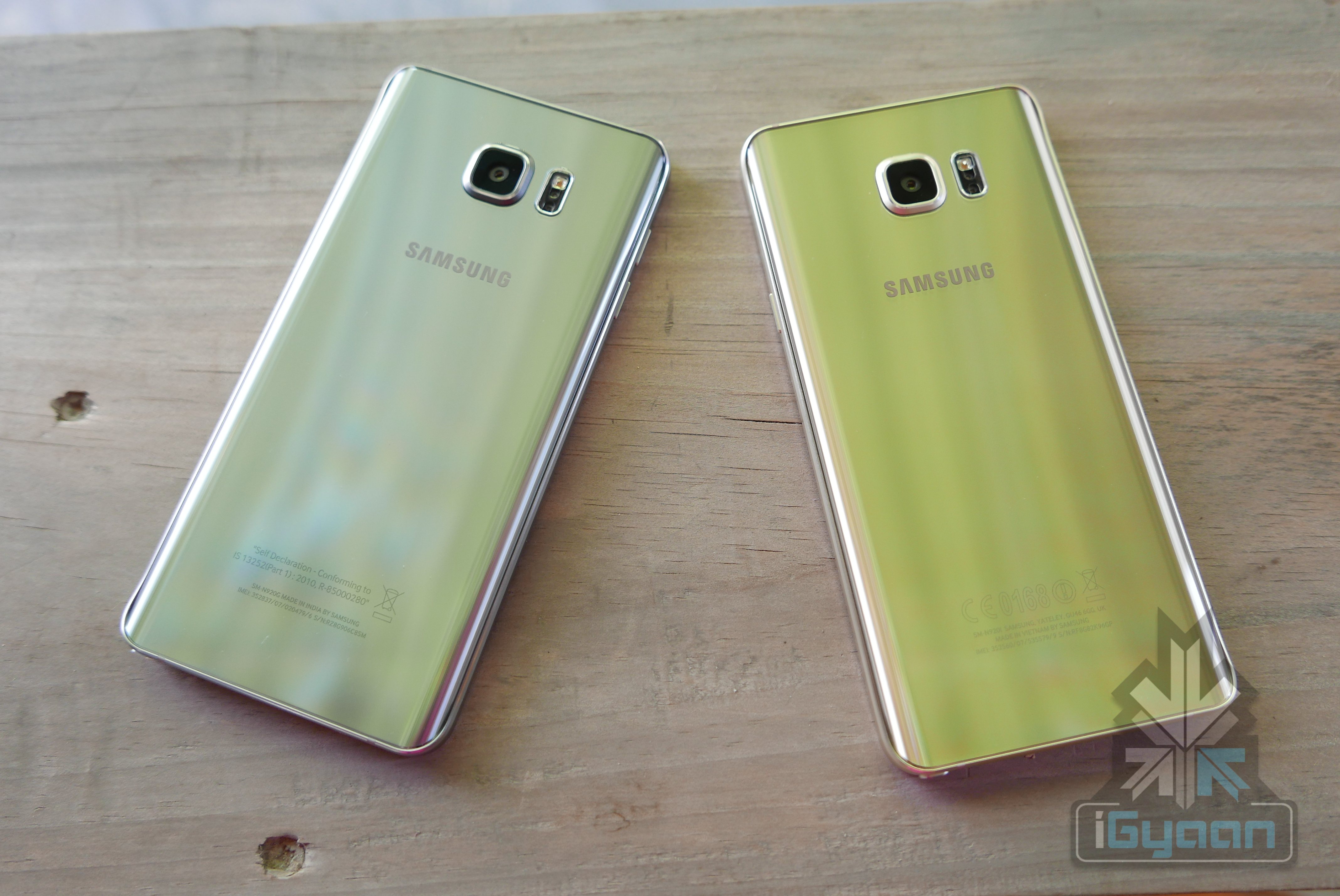
Rumors are pegging the release of the Note 6 and the Galaxy S7 Edge Plus earlier than its usual IFA launch for July 2016. The segment defining Note series that still comes with a stylus may launch at the time Samsung launched the Galaxy S6 Edge Plus along with a successor of the same.
One of the smartphones pegged for July will feature a large 5.8 inch Edge display, much like the S7 edge and will come with Android N on board. Soon after which most Samsung flagships will start to get their own builds/ upgrades of Android N. The Other will feature the same size, however with a flat display.
There is also talk of a 4000 mAh battery, which may not be such a problems thanks to the large size. The processors seem to be the same as well, according to the tip, with no major changes under the hood. However, the Note 6 for the US market will get Snapdragon 823.
Both the devices will feature the same cameras already found in the Galaxy S7 and S7 Edge, along with features like a fingerprint sensor and an iris scanner. While the latter does not seem very likely.
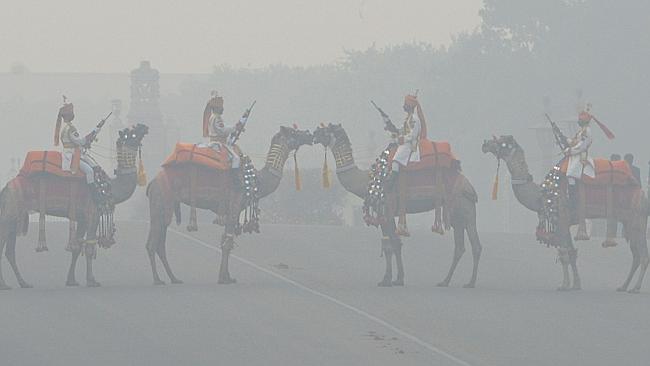
There is no denying that India is top on the list of polluted countries in the world. In-Fact 13 of the Top 20 polluted cities in the world come from India according to a report published by World Health Organization( WHO) in 2014.
Many claim that the reason for the pollution is the large population that is only second to China. To measure the levels of pollution PM10 and PM25 counts are used, PM10 is suspended particulate matter 10 micrometers or less in diameter; PM2.5 is suspended particulate matter 2.5 microns or less in diameter. Safe levels numbers kept by health organizations are PM10: Safe 40 µg/m3 over a period of a year and for PM2.5: Safe 25 µg/m3 over a period of a year.
Here is the list of Top 10 cities, any guesses for Number One?
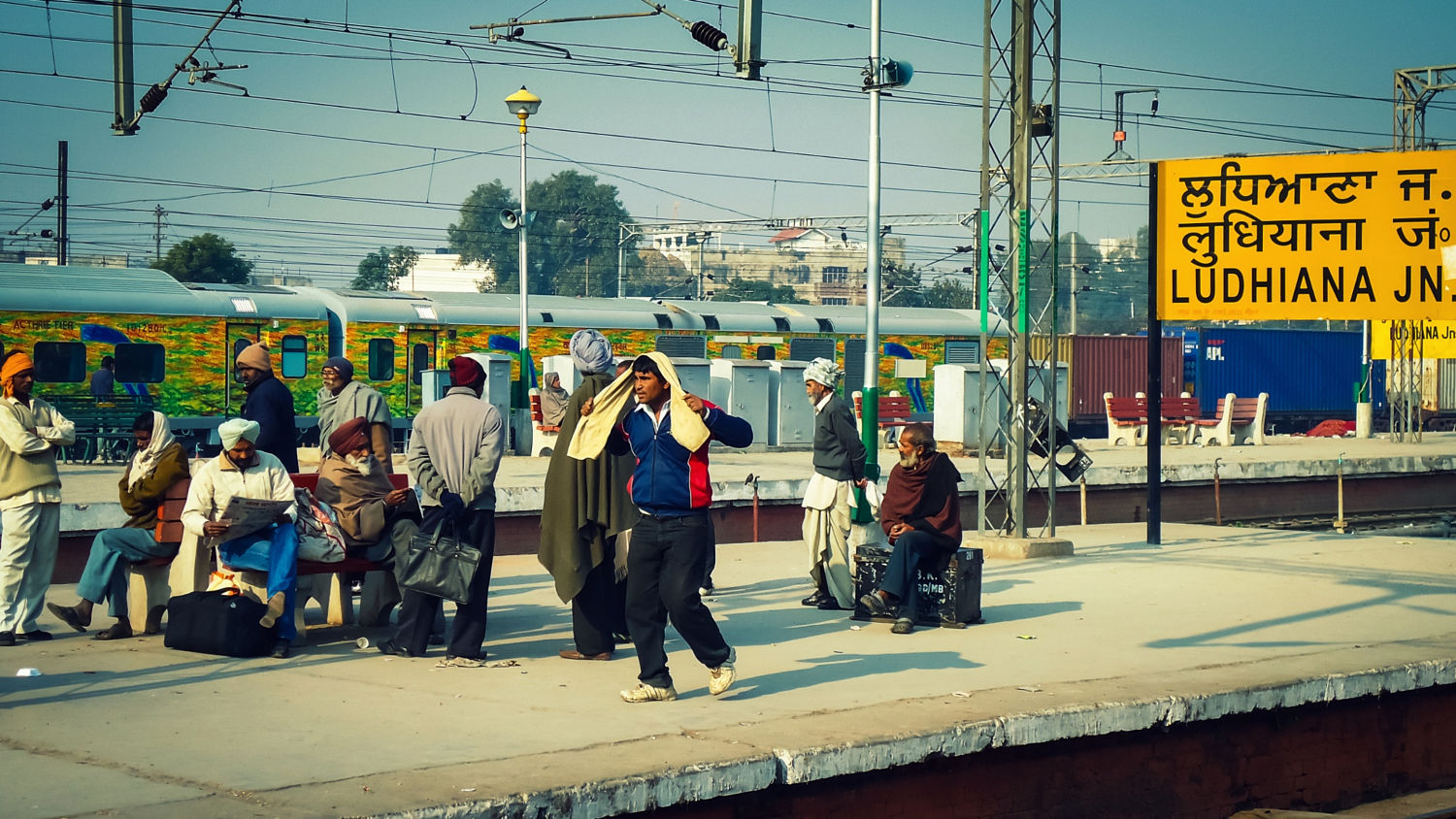
10. Ludhiana
While a relatively small city, Ludhiana is seeing massive development and a large influx of traffic.
PM10 : 207 µg/m3
PM 2.5 : 91 µg/m3
The Pollution levels are almost four times the permissible levels for a healthy life.
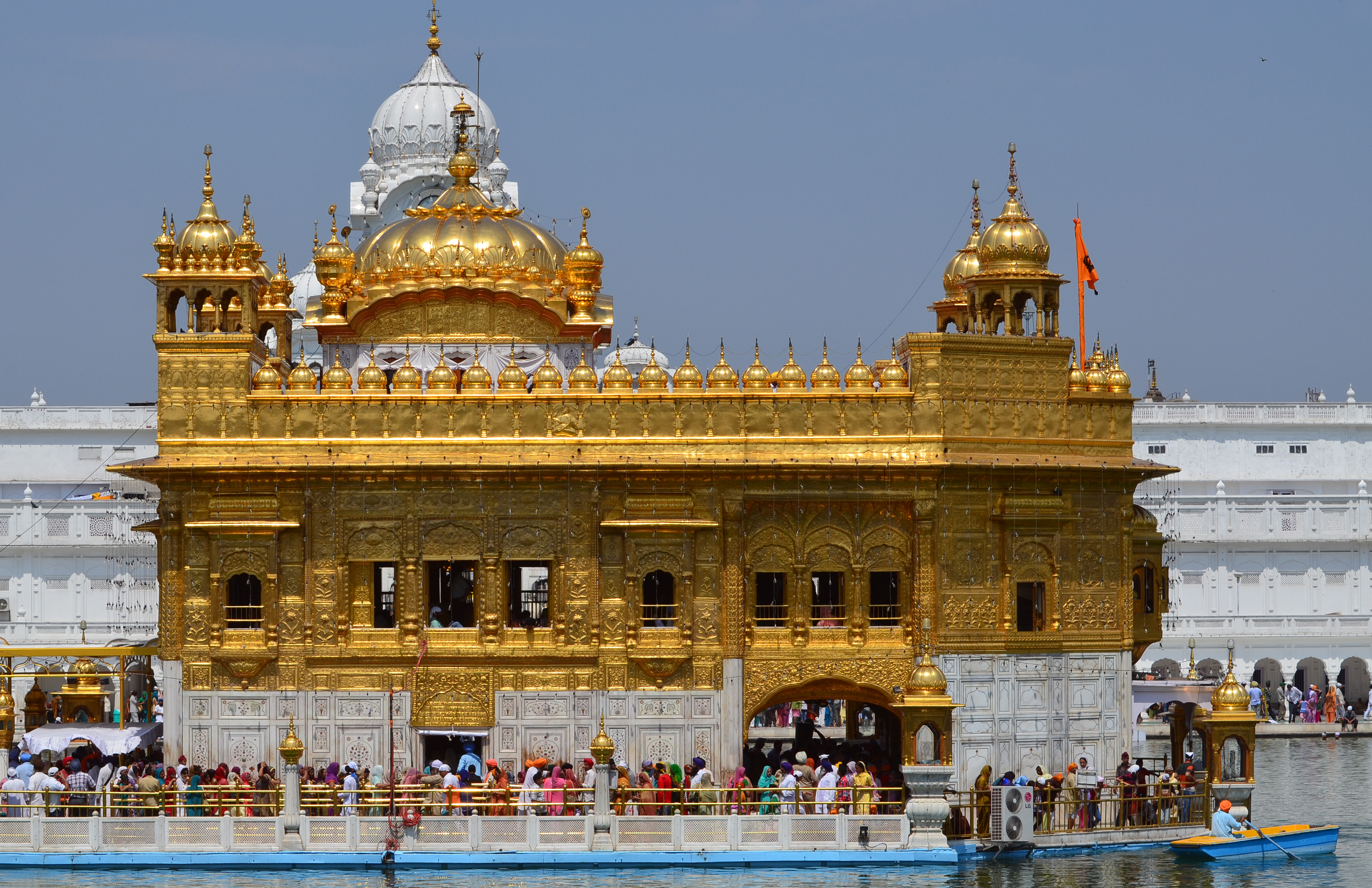
9. Amritsar
Another small city of Punjab and the home of the Golden Temple, Amritsar hits the list at number nine. While the food there is amazing and the people happy, the pollution levels are off the charts. Only a little more than Ludhiana but much above the safe permissible limits.
PM10 : 210 µg/m3
PM 2.5: 92 µg/m3
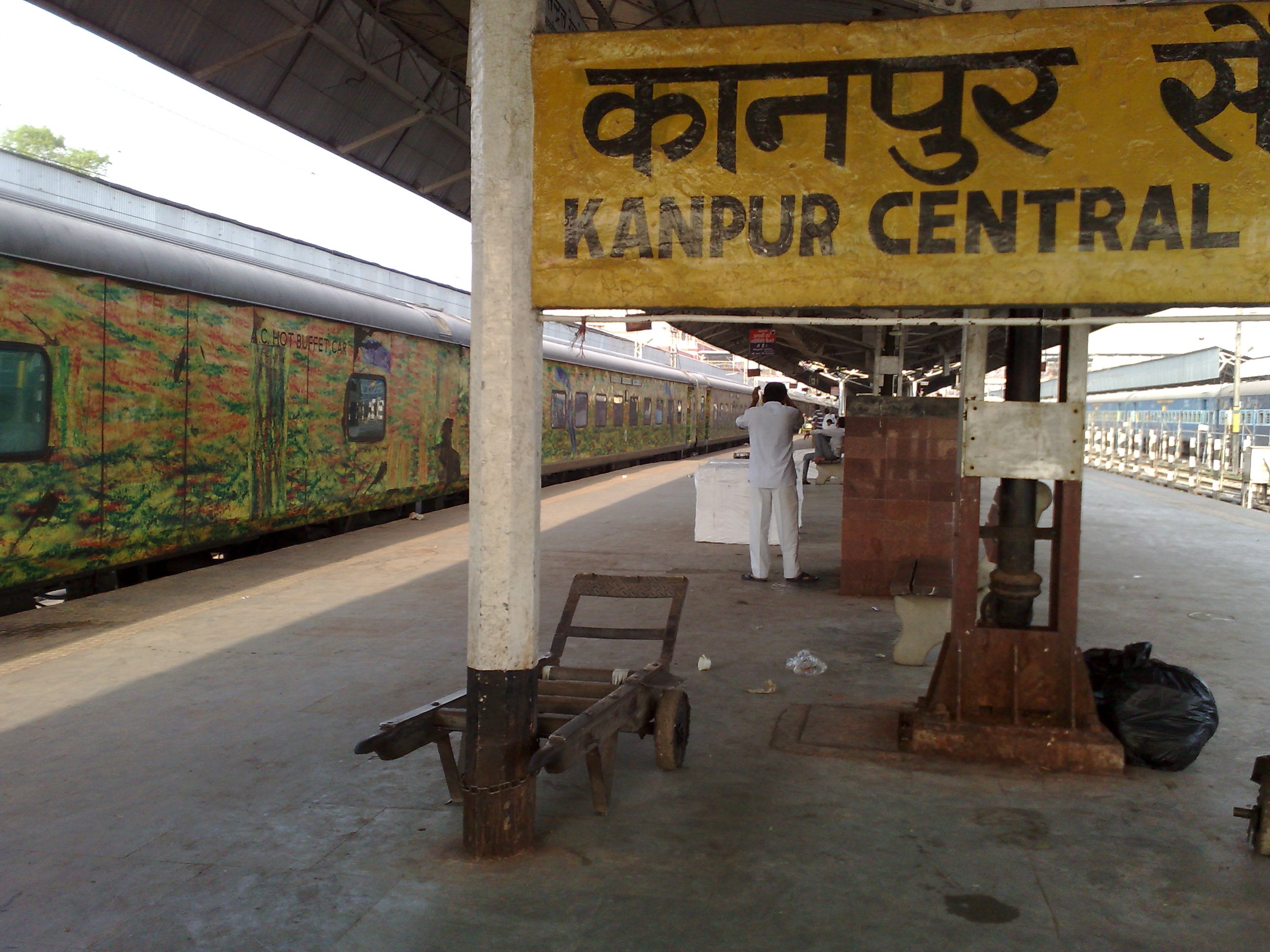
8. Kanpur
A city with a population crossing 40 lac or 4 million residents Kanpur hits the list at number 8. with a
PM10 : 212 µg/m3
PM2.5 : 93µg/m3
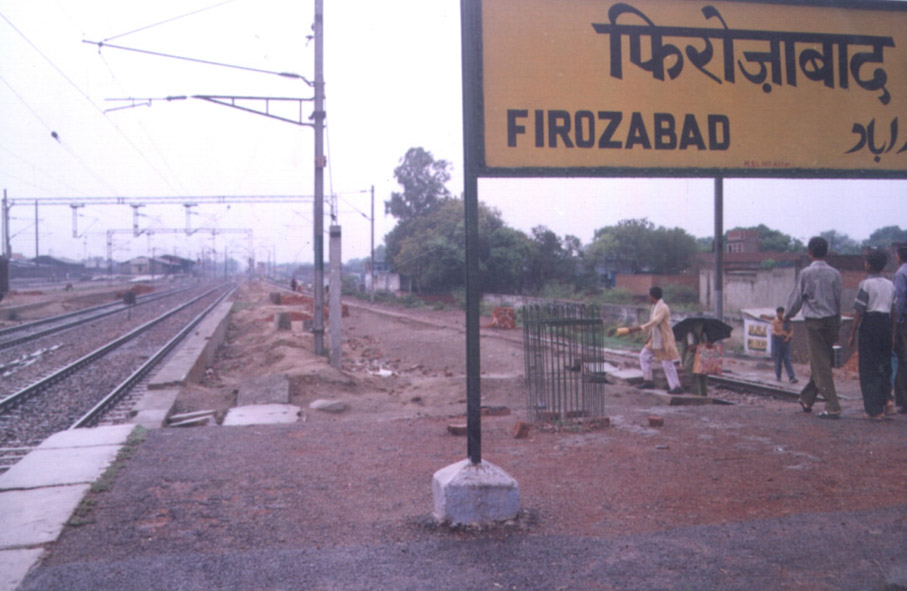
7. Firozabad
Firozabad is located in north central India, in western Uttar Pradesh , 40 km from Agra and around 240 km away from Delhi. Firozabad has a large industry with a high pollution output which gets the blame for the degradation of the Taj Mahal’s white marble.
PM10 : 219 µg/m3
PM2.5 : 96 µg/m3
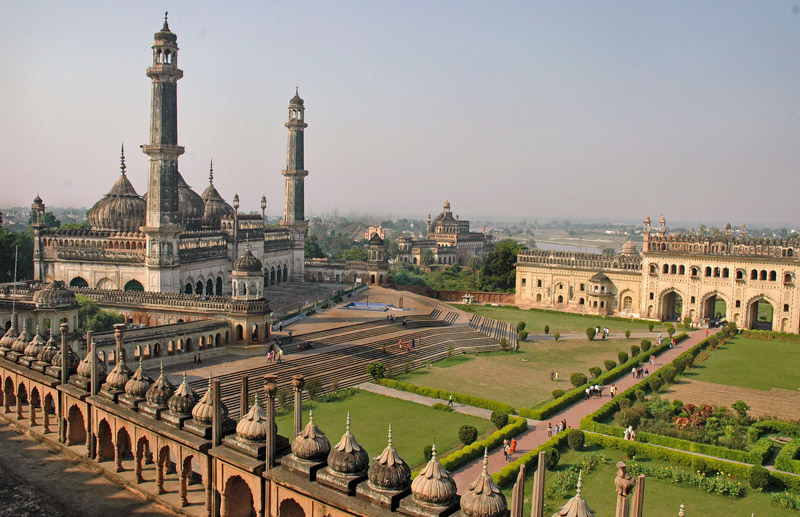
6. Lucknow
Lucknow is the largest city in Uttar Pradesh and the second largest in India after Delhi. Home of the Royals of the Mughal Empire also known as Nawabs of Awadh is no longer safe for Royalty or any inhabitation of any kind.
PM10 : 219 µg/m3
PM2.5 : 96 µg/m3
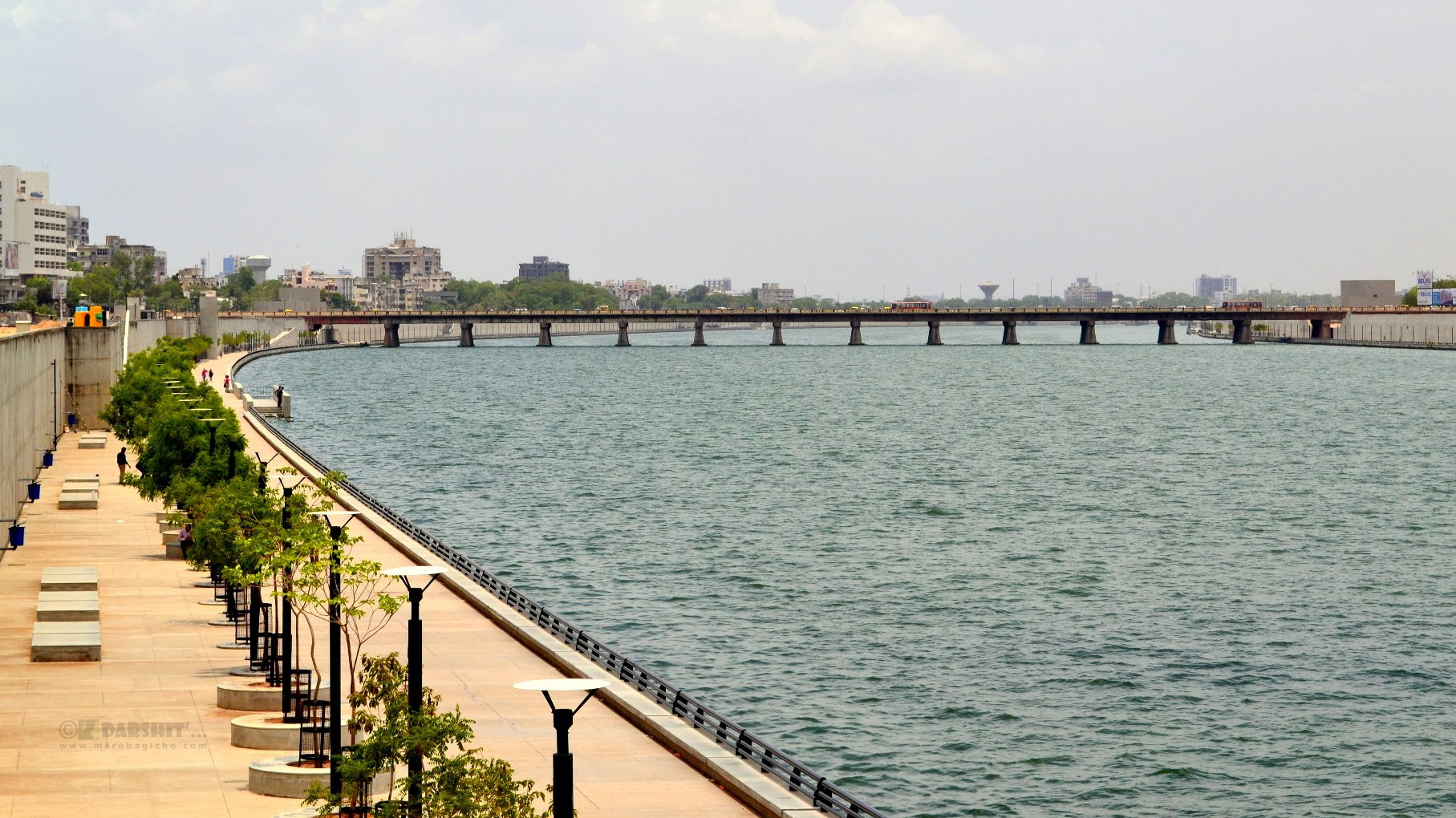
5. Ahmedabad
Ahmedabad River Front
The pride of the Prime Minister of India and the former capital of the State of Gujrat, Ahmedabad has a population of 6.3 million and an extended population of 7.2 million. While the PM10 count is well under control at 67 µg/m3, still above the permissible level, the PM2.5 is extremely high and toxic for humans.
PM10 : 67 µg/m3
PM2.5 : 100 µg/m3
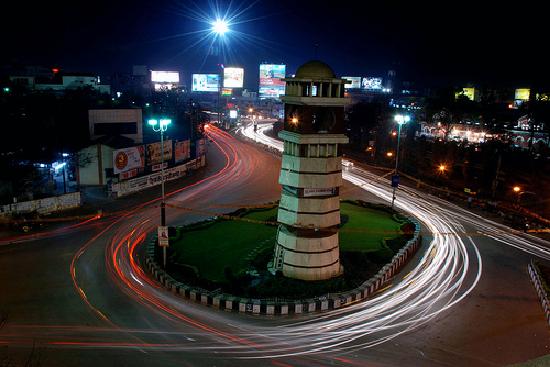
4. Raipur
Clock tower in Raipur
Here is where the list goes shockingly out of proportion, Raipur the capital of Chhattisgarh is losing the battle with PM10 count and not only is it extremely high it is so bad that if you were to explain this with an image, you would use the following:
PM10 : 304 µg/m3
PM2.5 : 135 µg/m3
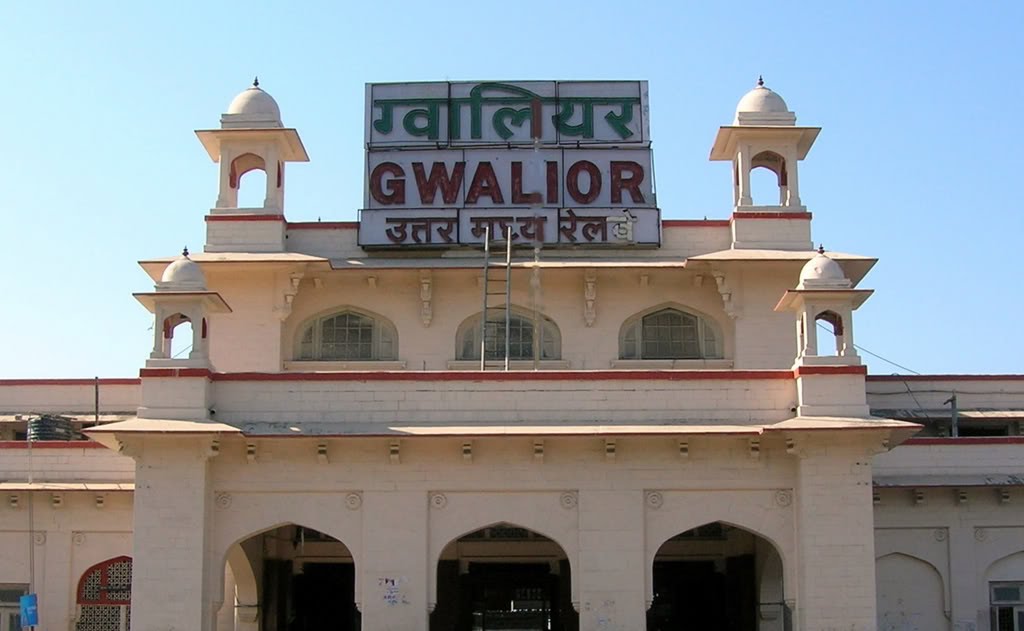
3. Gwalior
Coming it at a cool number 3 the City of Gwalior is located 319 kilometers south of Delhi in the heart of Madhya Pradesh. The 2014 WHO report calls Gwalior the third most polluted city in the world, only because the top two are also from India.
PM10 : 329 µg/m3
PM2.5 : 144 µg/m3
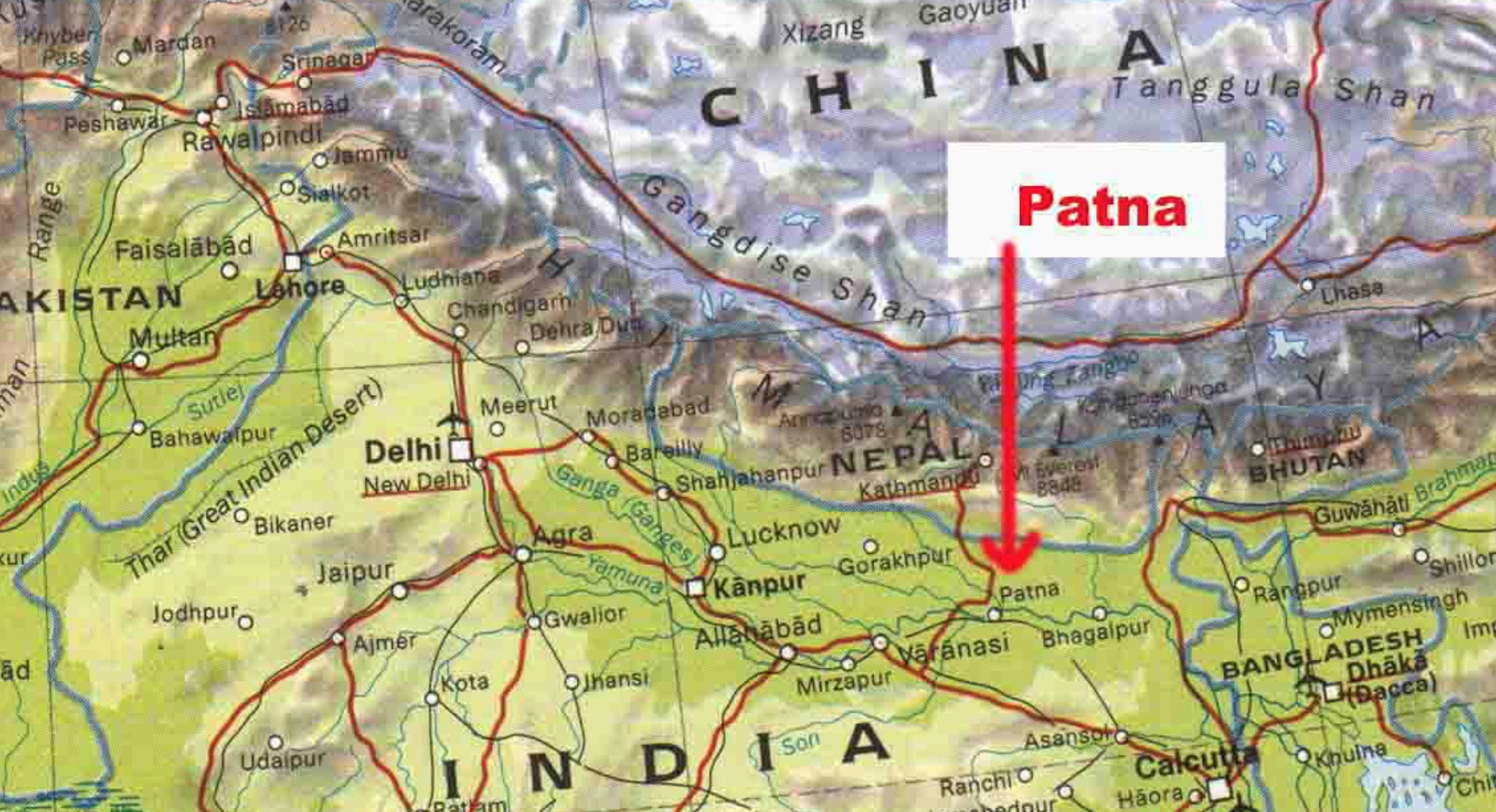
2. Patna
The state capital of Bihar, Patna is the second most polluted city in the world and also the second most polluted city in India. One of the oldest continuously inhabited places in the world. Patna was founded in 490 BCE by the king of Magadha, little did he know the levels of pollution it would reach.
PM10 : 164 µg/m3
PM2.5 : 149 µg/m3
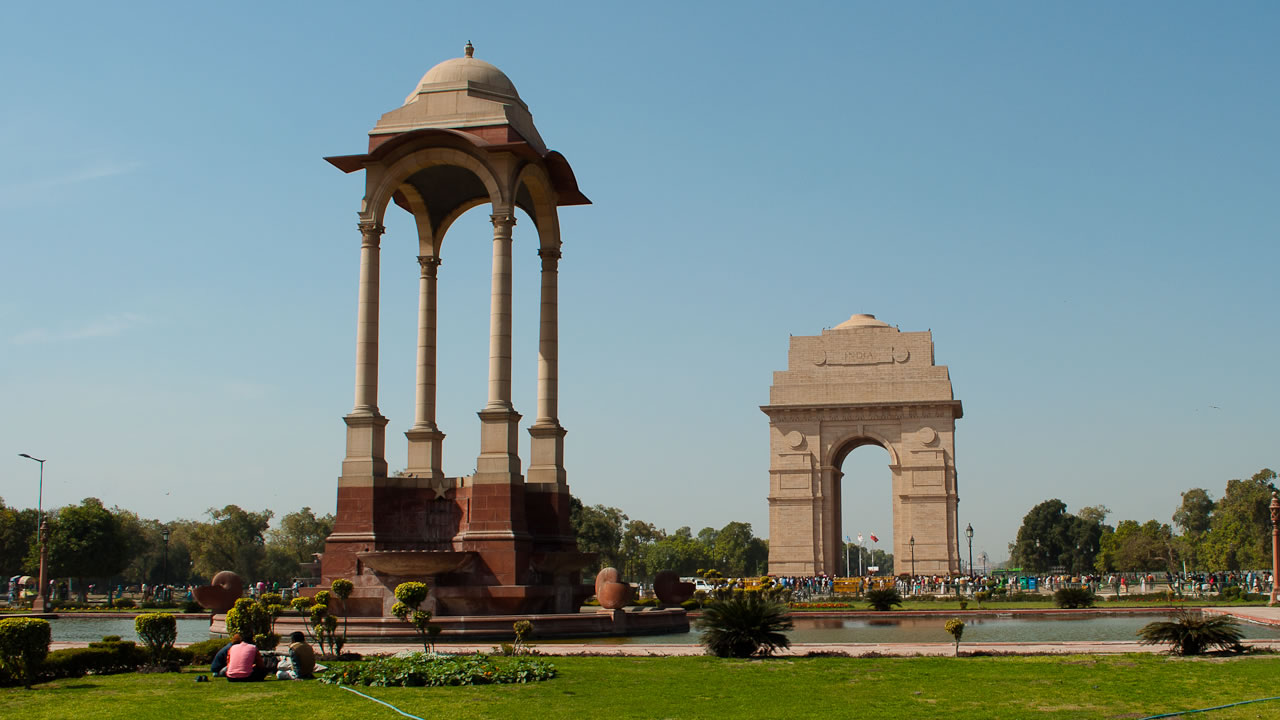
Delhi
You guessed it; the odd-even traffic laws will be little or no relief for Delhi, which is the capital of India and also the largest city in the country. In the 2011 census, Delhi’s population crossed 16 million inhabitants or around 1.6 crore people. A large number of vehicles and traffic is attributed as the primary cause of the city’s toxic levels of air pollution. No signs can signify the levels of damage this does to the human body.
PM10 : 286 µg/m3
PM2.5 : 153 µg/m3
Remember the safe limits of PM10: 40 µg/m3 and for PM2.5: 25 µg/m3 over a period of a year. The worst part about this situation is that the last collected numbers are from the 2014 report, which means that the current levels are expected to be much higher. The state or local authorities have taken no significant preventive measures or steps to control the rising levels of pollution.
While Delhi tries the Odd-Even formula, it may be too little too late.
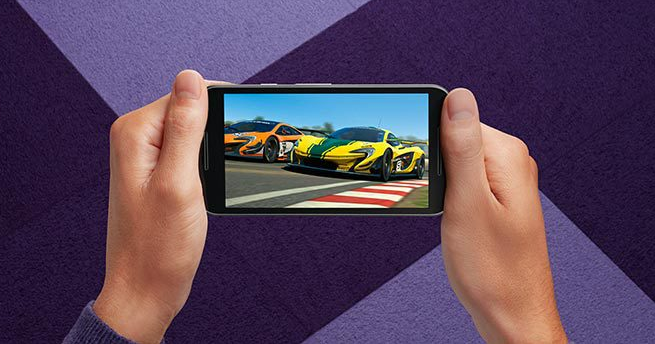
More Moto news, according to GizmoChina, the Lenovo-owned Moto will launch the revisions to the G3 this June in two variants as the Moto G4 and G4 plus.
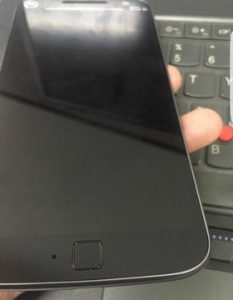
The leaks have already suggested that Moto G4 will sport a front facing square fingerprint sensor. The Moto G4 is expected to have a 5.5-inch display, 13MP camera and 16GB of internal storage. The Moto G Plus is also expected to get a 5.5-inch display, a 16MP camera and 16GB of internal storage with prices set at approximately Rs 21,000.
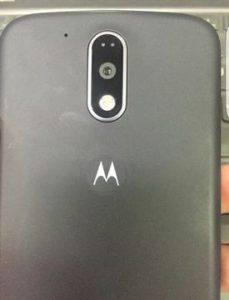
The Rear leaked image suggests a Laser focus style two dots above the camera which may indicate that Motorola is stressing on the camera which has been a big sell point in the past few years. We also expect it to retain the water resistance of the Moto G3 which was a big feature last year.
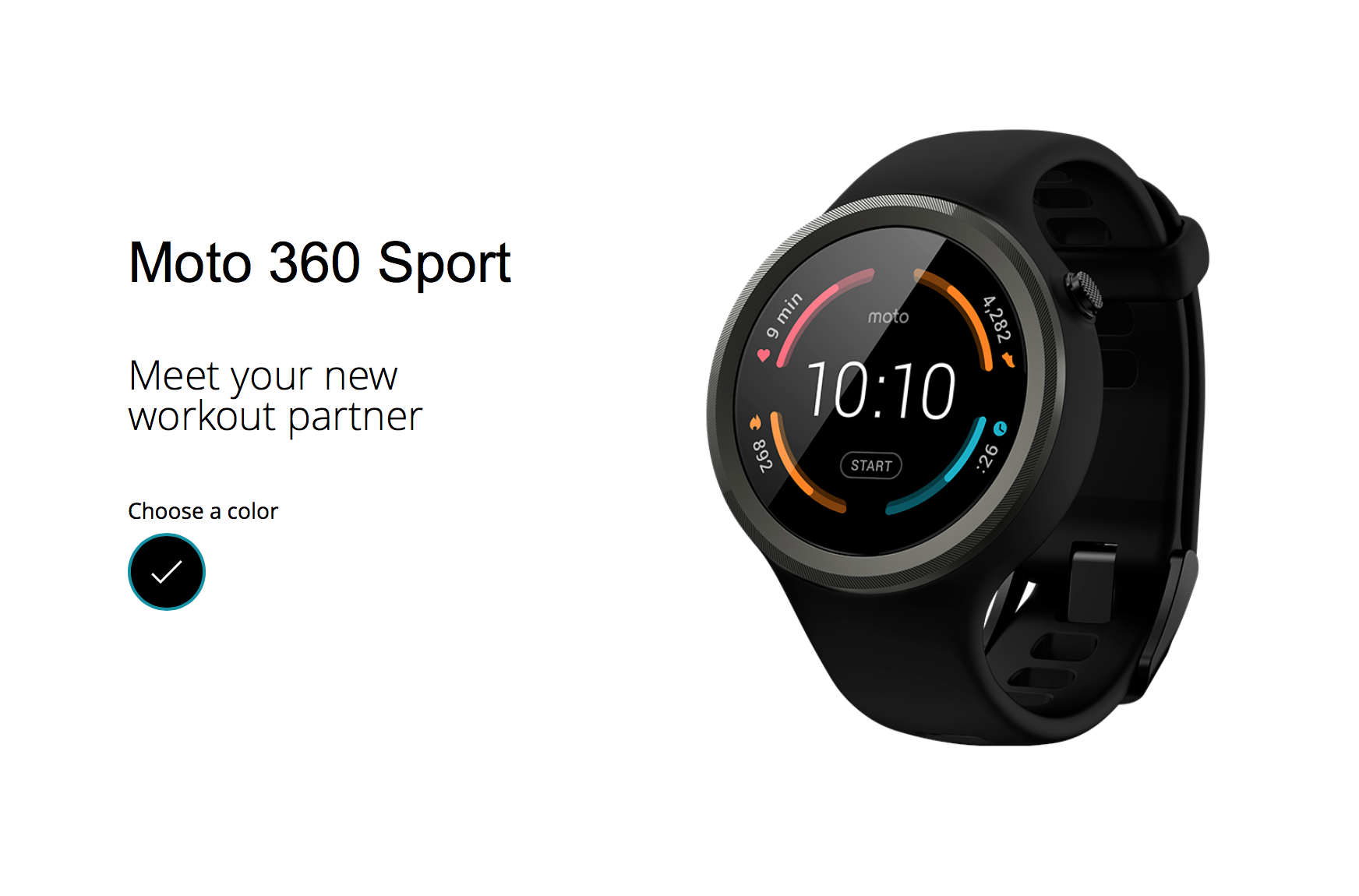
Motorola has already started teasing the Moto 360 sport on their Facebook and twitter pages. The company is all set to launch the Moto 360 sport in India officially.
The watch which is a sportier variant of the Moto 360 launched last year, features a black silicone casing and strap that is sweat and dust resistant. The watch which costs US $ 299 in the US is expected to launch in India for a price of Rs. 17999 and will go on sale on Flipkart.
Moto 360 Sport has built-in GPS that works with Moto Body to measure your performance. It Also works independently without the smartphone. With inbuilt storage, Sync’d music can be directly played onto bluetooth speakers or headphones during workouts.
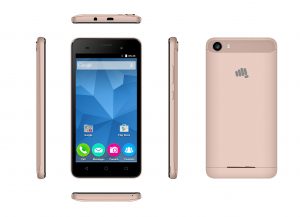
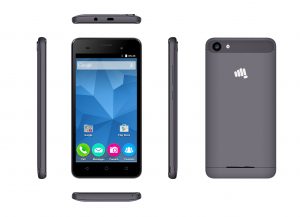
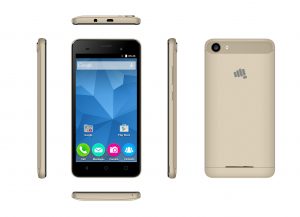
Micromax has launched the Micromax Canvas Spark 2 Plus, a ultra budget android phone with Android Marshmallow out of the box.
Specs wise Micromax has thrown in a 5-inch display, a 1.3GHz quad-core processor, 3G connectivity, 8GB Storage, a 5 MP rear camera and 1 GB RAM. The Canvas Spark 2 Plus comes loaded with Indus which supports 10 regional languages. The phone also has a 2000 mAh battery and a 2 MP front camera .
Features like a swipe right to translate or left to transliterate their messages in the language they want to communicate in. The phone goes on sale on Snapdeal from April 22nd 2016 and will be available in three colours- Metallic Grey, Copper Gold and Champagne Gold. One of which is very much like the Rose Gold from Apple.
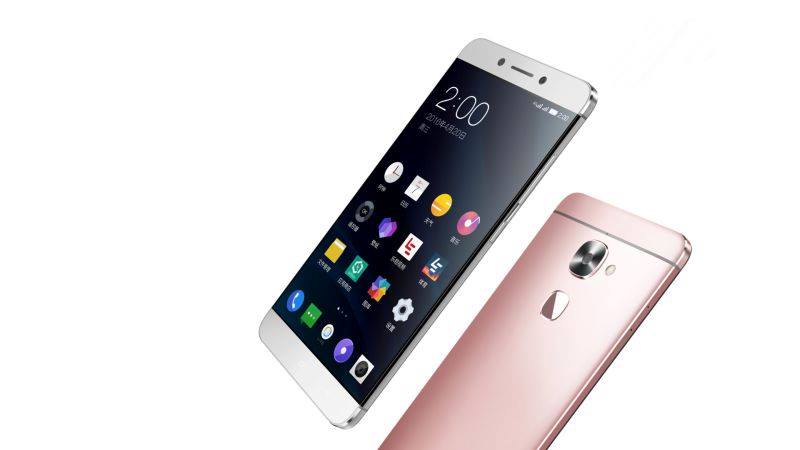
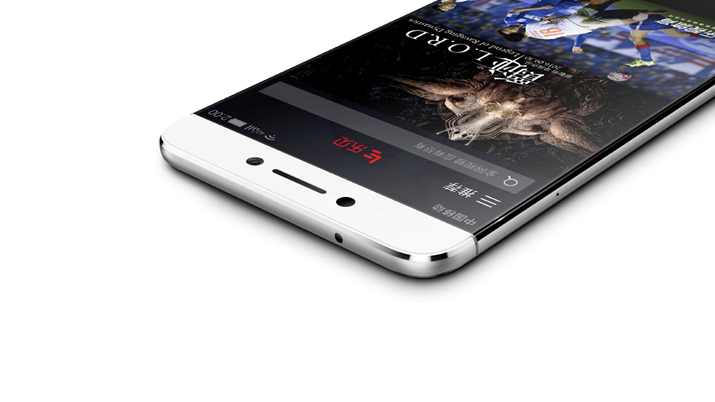
LeEco has just confirmed that they will be launching the Le 2 and Le 2 pro and LeMax 2 in India on the 3rd of May 2016. These phones were launched today at the LeEco event in Beijing, China.
The Phones feature newer chipsets and hardware along with better build and charging capabilities. The company wants to aggressively move sales in India.
According to LeEco, the phones will go on sale in India in the month of may itself on online website Flipkart. The Indian pricing for the phones is presently unknown however they are expected to launch at competitive prices in India
The Le 2 which costs 1,099 yuan ($170) in China will launch in India for Rs. 11999.
The Le 2 Pro, which costs 1,499 yuan ($230) in China, will launch for Rs. 13999.
Whereas the two variants of the LeMax, The Basic (4GB RAM and 32GB storage) which costs 2,099 yuan ($325)in china is expected for Rs. 24999.The high-end(6GB RAM and 64GB storage) version which costs 2,499 yuan ($390) in China is expected for Rs. 27999
The phones will go on pre-order on May 3rd itself. To learn more about specifications click here.
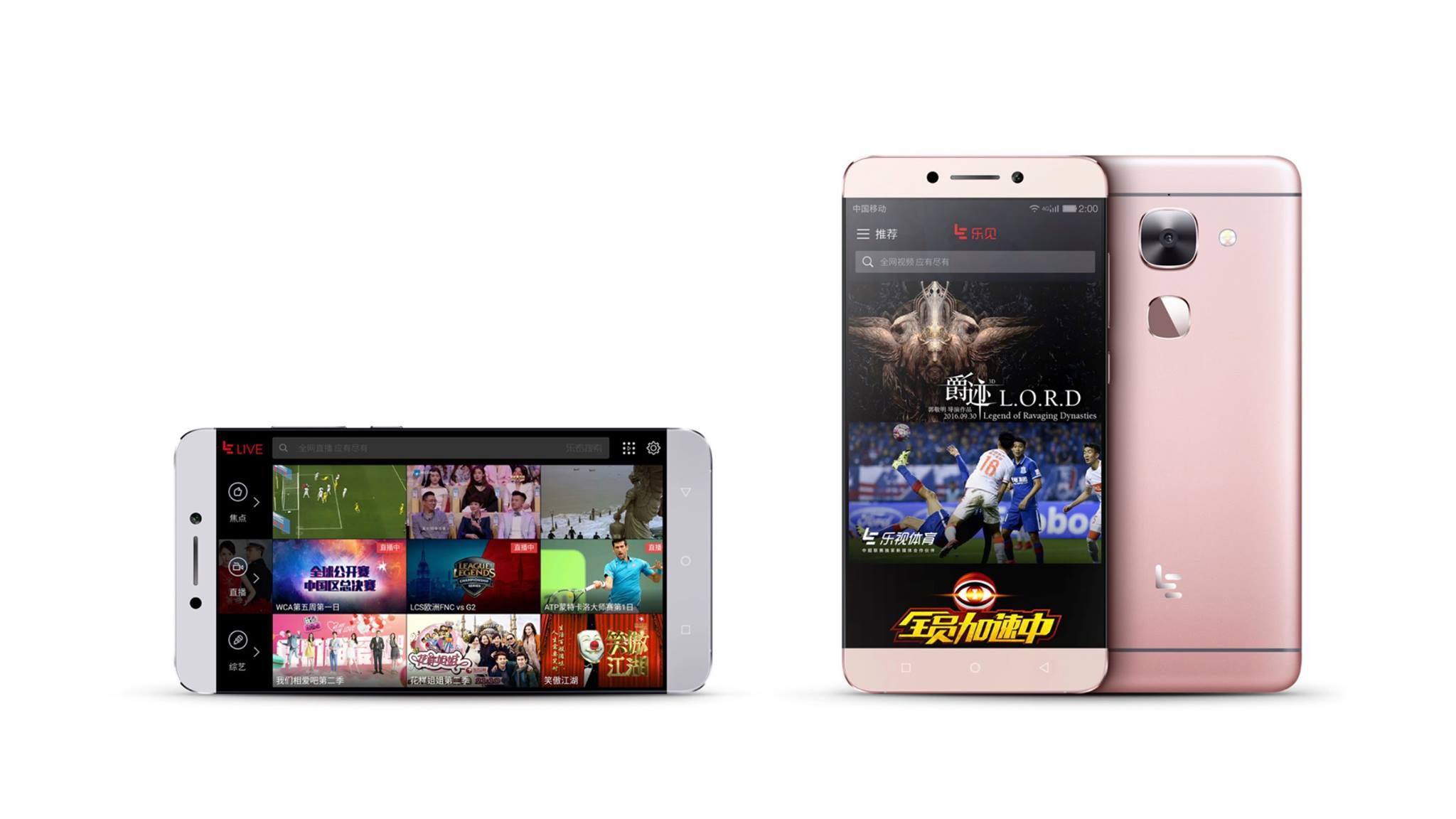
As strange as the names may sound, LeEco has launched the Le 2, Le 2 Pro and Le Max 2 phones at their Beijing event held today.
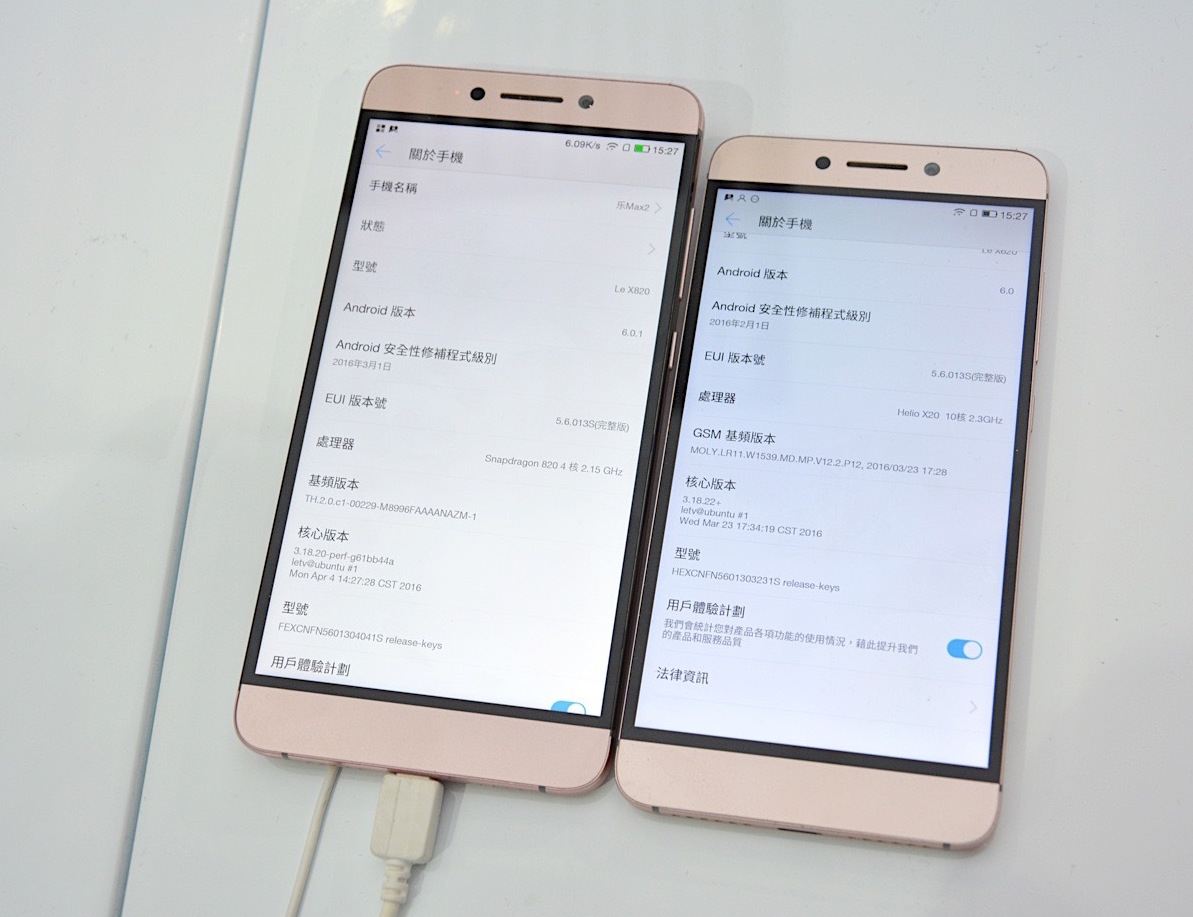
LeEco Le 2: Has a 5.5-inch full HD (1080p) display and is powered by MediaTek’s Helio X20 with 3GB of RAM and 32GB of onboard storage. The primary Camera is a 16-megapixel with aperture f/2.0 with PDAF and LED flash; The front camera is an 8-megapixel shooter. The Le 2 is a seques to the Le 1s and will feature a 3,000mAh battery with fast charging support
LeEco Le 2 Pro: The Le 2 and Le 2 Pro are identical in appearance, powered by MediaTek’s Helio X25 deca-core chipset with 4GB of RAM and 32GB and 64GB internal storage variants. The Le 2 Pro has a 21-megapxiel rear camera and an 8-megapixel front camera.
LeEco Le Max 2: The Le Max 2 has a 5.7-inch QHD display with a resolution of 2560×1440 pixels. Based on the Qualcomm’s Snapdragon 820 quad-core with 6GB of RAM and 64GB of onboard storage. The phone runs on a 3,100mAh battery with Quick Charge 3.0.
All the phone run on Android 6.0 Marshmallow OS with LeEco’s customized EUI 5.5.
Pricing for the phones is kept at 1,099 yuan ($170) for the Le 2, 1,499 yuan ($230) for the Le 2 Pro, 2,099 yuan ($325) for the basic (4GB RAM and 32GB storage) Le Max 2 and just 2,499 yuan ($390) for the high end(6GB RAM and 64GB storage) version. Pre-order starts on April 20th in China.
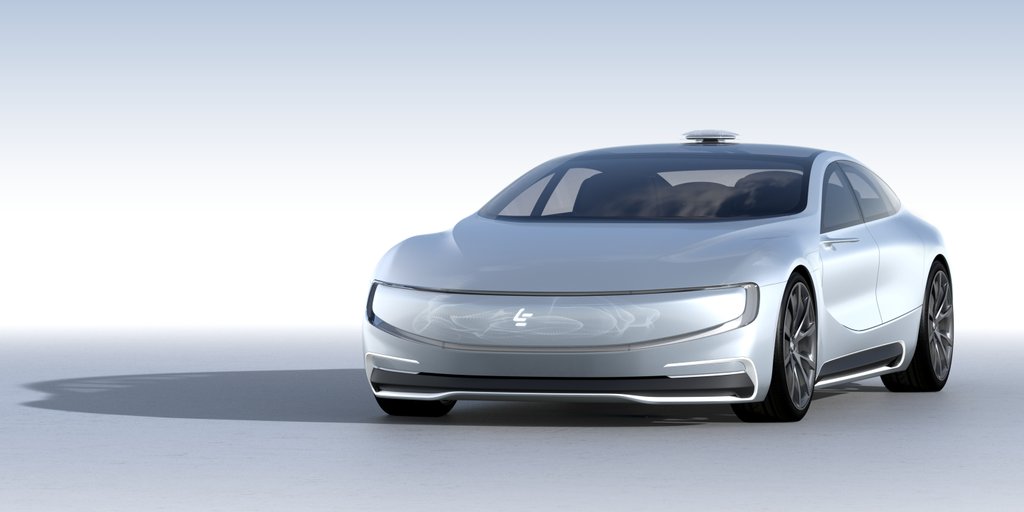
LeSEE Supercar concept
The LeSEE concept car has hands-free automatic drive capabilities. Along with facial recognition, emotion recognition, system recognition, and path recognition.
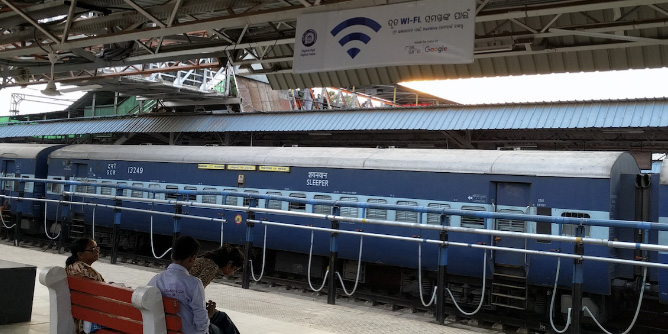
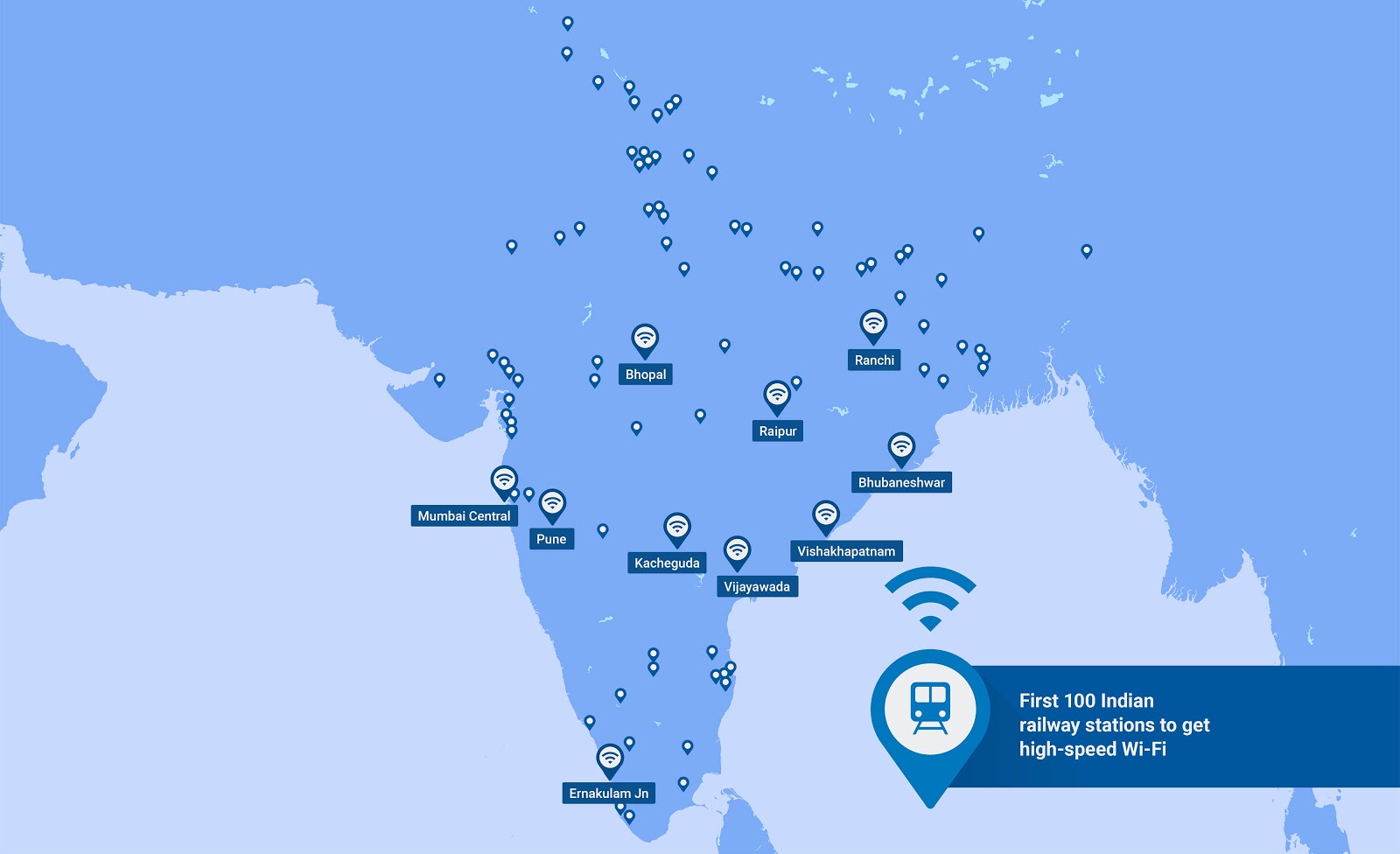
Delhi Metro is not the only one working on Free Wi-Fi. Google is woking with the Indian Railways and Railtel to provide High-Speed Wireless Internet access to 100 Railway stations by the end of this year and a total of 400 Stations in the coming years. A service which will be free to all passengers and visitors.
The service has already been launched at 9 stations including Bhopal, Bhubaneshwar, Ernakulam Jn, Kacheguda, Pune, Raipur, Ranchi, Vijayawada, and Vishakhapatnam. In January, the service was launched at Mumbai Central which makes the list a complete 10.
Google aims to make free Wi-Fi available to 10 Million Indians every day in its goal to hit 100 Railway stations by the end of 2016. The service is already a success according to Google with over 100,000 users logging in daily at Mumbai Central alone.
Google’s target of 400 stations may take a few years to come, but the service will be appreciated by everyone none the less.
DMRC or Delhi Metro Rail Corporation is working on launching free Wi-Fi for all its passengers at all 187 stations and 250 + Km of track on its 222 trains. The service will be free to passengers and will be rolled out by the end of 2016.
Delhi Metro Network is amongst the largest Metro Networks in the world with ridership touching 3.5 Million in a day. With lines launching in 2016 which will also interconnect existing lines, daily ridership is expected to increase dramatically.
The current model is set to provide seamless connectivity via the Metro app or a Third party app which will also track your location and tell you wat station you are on or if your stop has arrived.
Earlier this year DMRC had also announced smart-tags which could be managed using their app to be reloaded and used to access train stations. The DMRC is trying to catch up with the modern world. Hopefully, their execution is as exciting as these launch announcements.
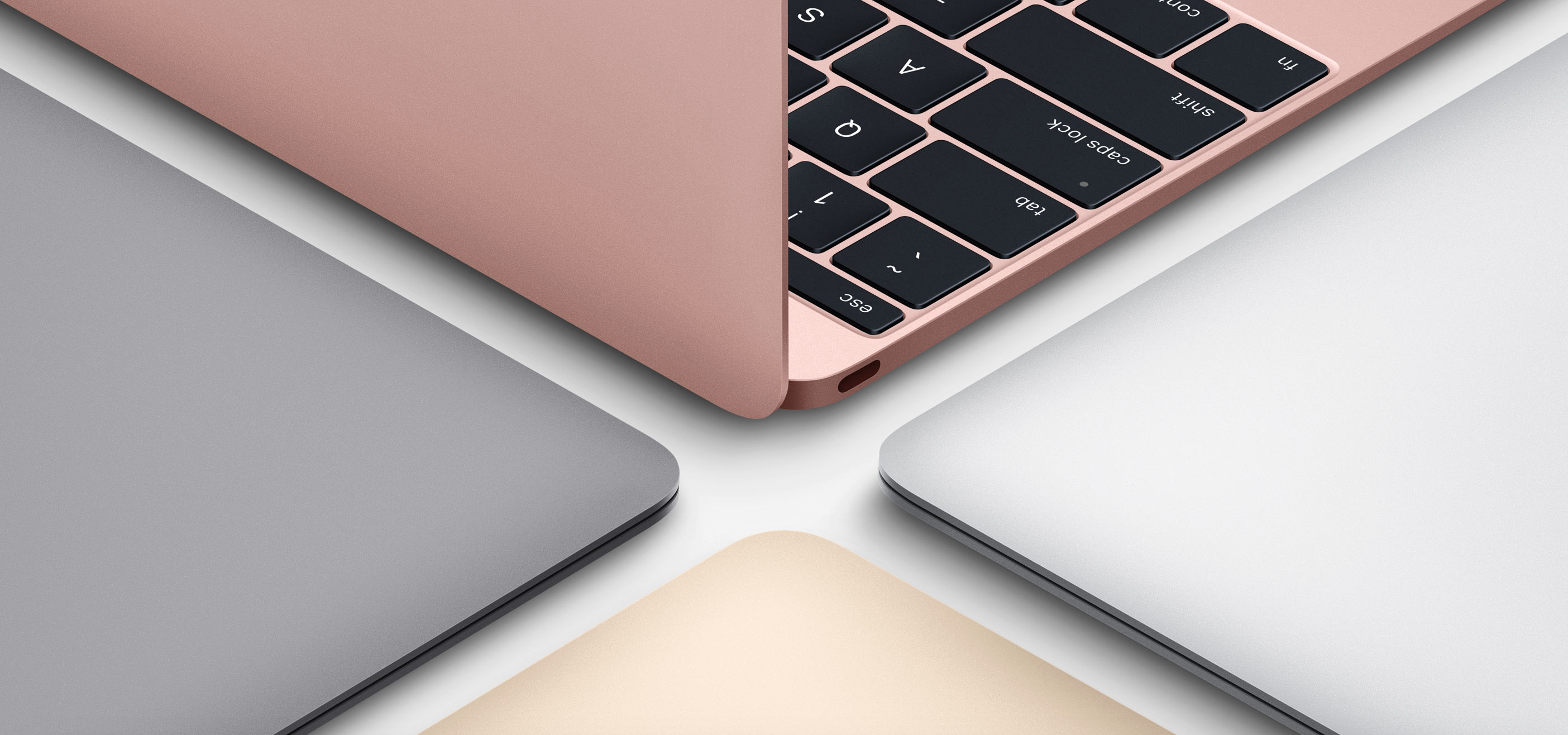
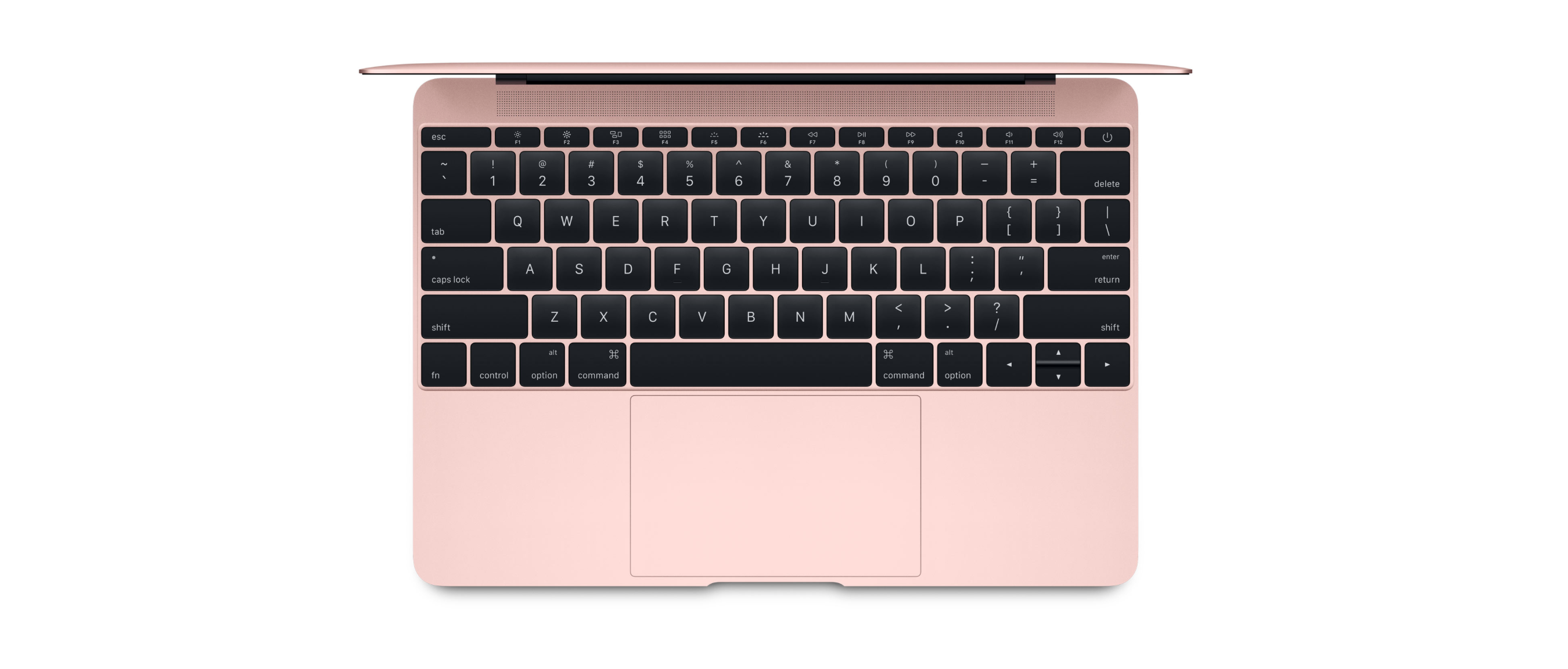
Apple’s Retina Macbook had a lot of buyers last year, despite its high price tag and low specs. This year Apple has updated the Retina MacBook and added a Rose Gold option, considering a lot of people seem to like that color. Spec wise changes include :
6th Generation Intel Core M 1.3-GHz processor
8 GB of 1866 MHz memory
Intel HD Graphics 515
PCIe-based flash storage
41.4-watt/hour lithium-polymer battery
Up to 10 hours of battery life
Rose gold color option
Things that should have changed but have not include a single USB TYPE C port and the pricing which has changed in India but not for good. The new Retina MacBook comes with a 1.1 GHz dual-core Intel Core m3 processor with Turbo Boost speeds up to 2.2 GHz, 8GB of memory and 256GB of flash storage for MRP INR 106900 , and with a 1.2 GHz dual-core Intel Core m5 processor with Turbo Boost speeds up to 2.7 GHz, 8GB of memory and 512GB of flash storage for MRP INR 129900. Configure-to-order options include a 1.3 GHz dual-core Intel Core m7 processor with Turbo Boost speeds up to 3.1 GHz.
While the US price remains at US $ 12999 for the 1.1 GHz variant and US$ 1599 for the 1.2 GHz variant.
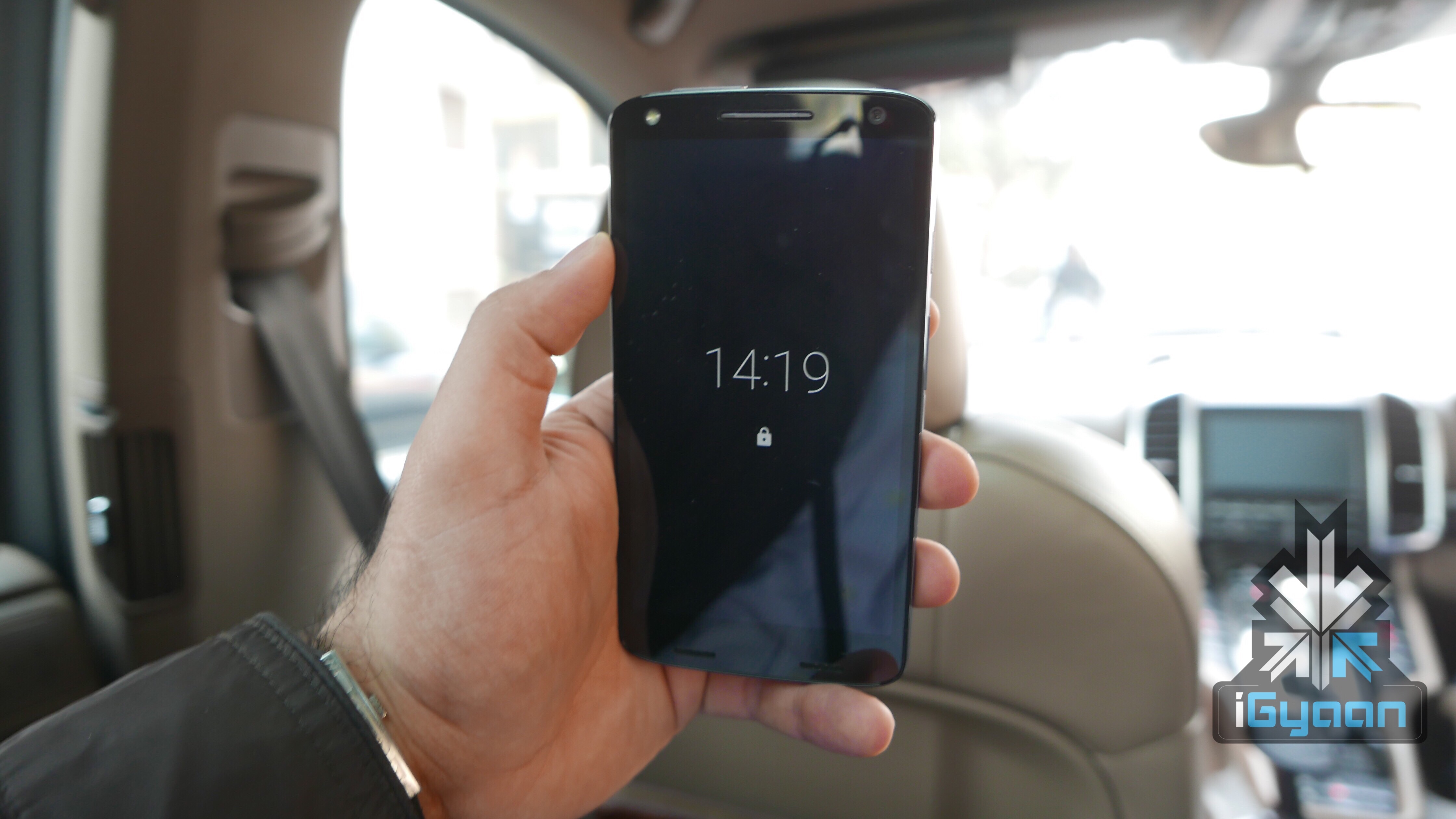
The Moto X-Force which has a shatter shield display is now available for Rs 34999 after a massive discount of Rs. 15000 has been applied to it. The X-Force which initially launched for Rs. 49999 received huge flack for the pricing and it looks like the company wants to make this device more affordable for the consumer.
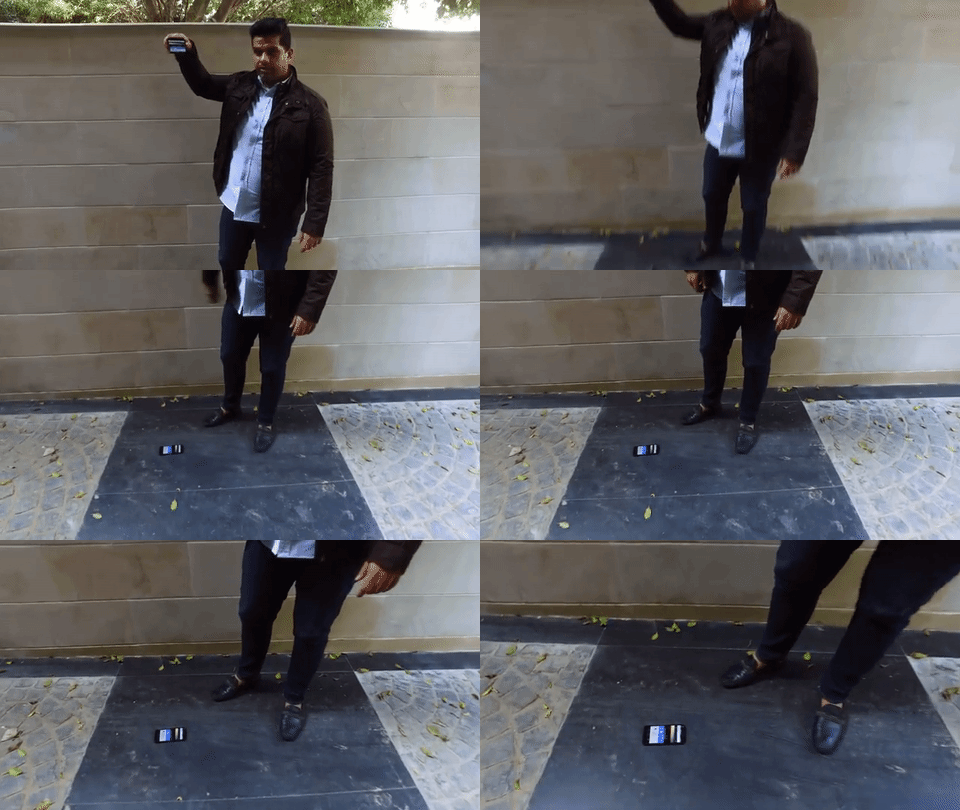
The display on the X-Force is really the key for the handset, made up of multiple layers of clear polycarbonate the display doesn’t really shatter. We ran multiple tests of the handset to try and break the screen and found it surviving all of them. The best part is that the 64 GB variant is available for just Rs. 3000 at Rs 37999
.
Specification
Moto X Force
Display
5.4 inch Quad HD AMOLED with ShatterShield technology
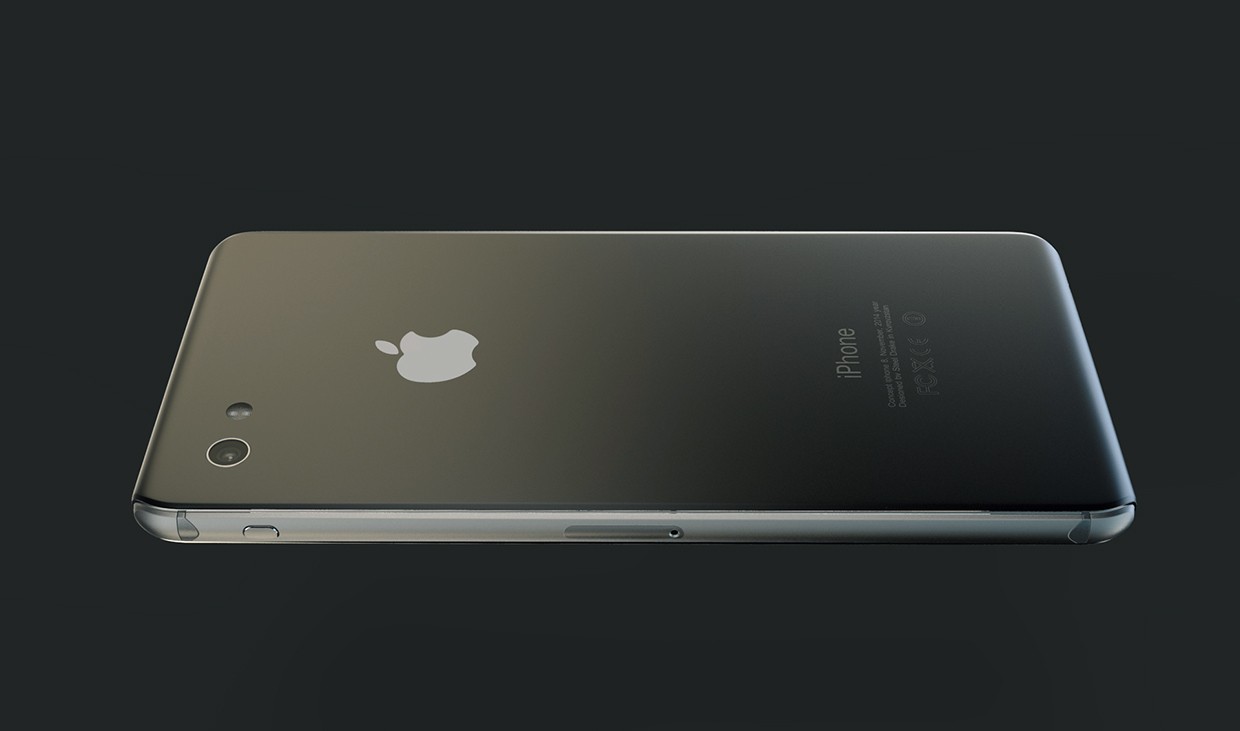
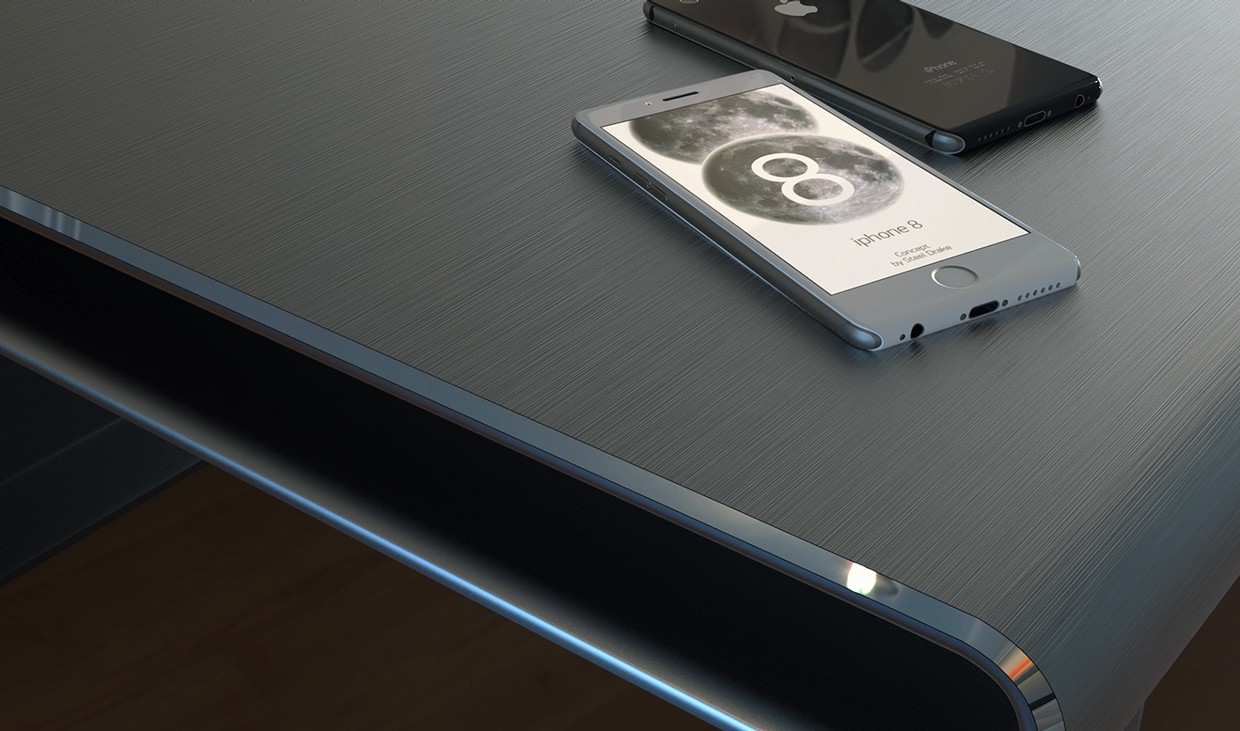
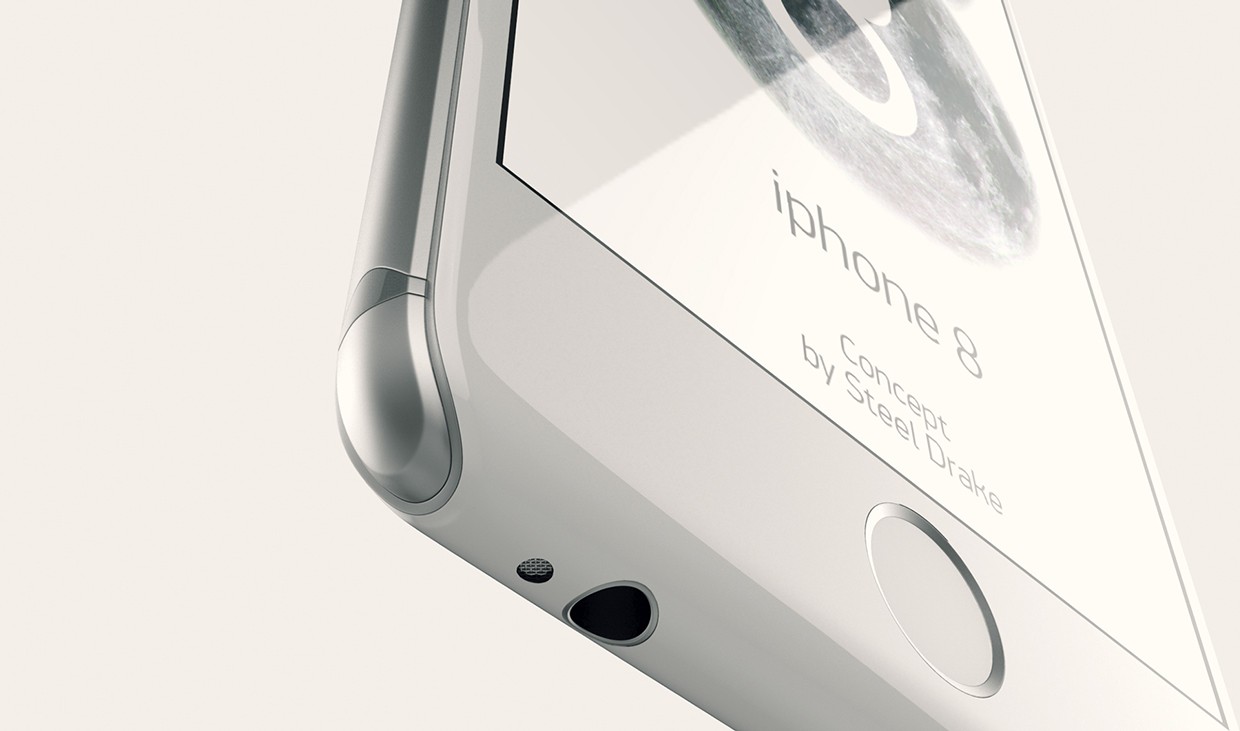
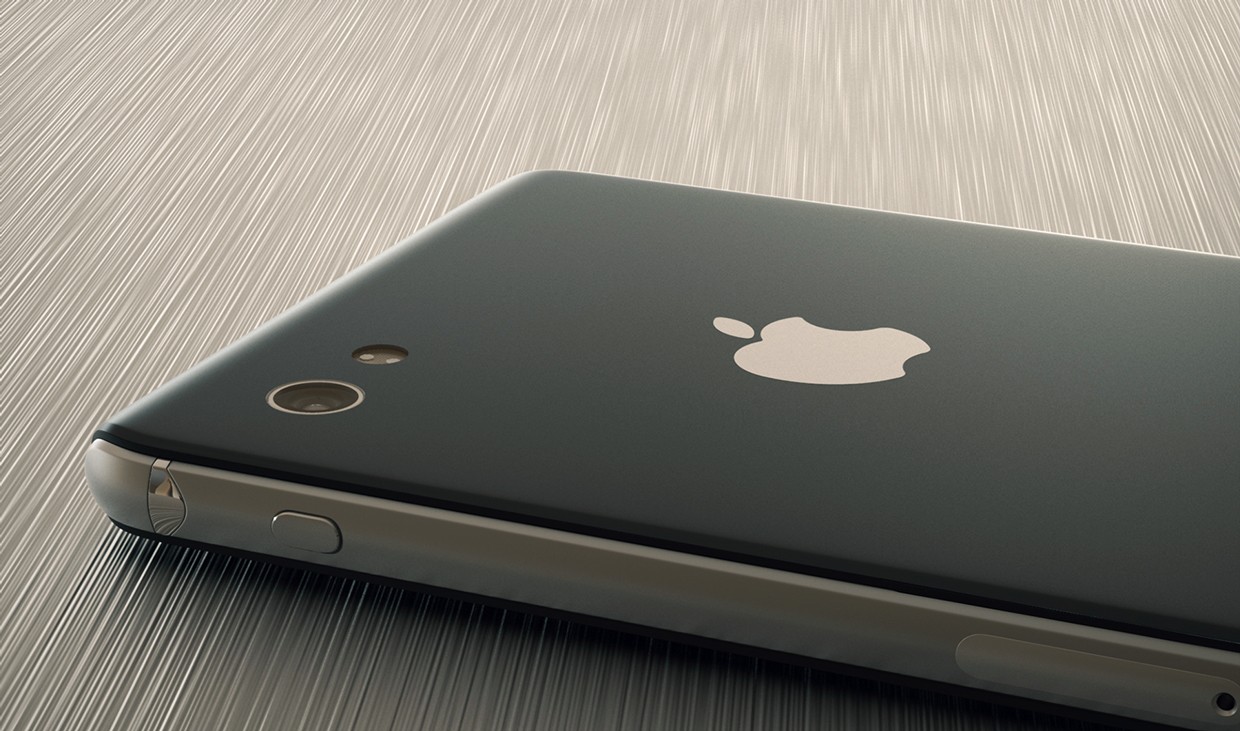
Apple may be working on an iPhone that may shed metal from the front and rear giving it a unique rounded glass design. A single piece of glass that goes from front to back held in place with liquid metal sides.
This may be this year’s redesign or a variant of the iPhone which may launch in 2017 as perhaps the iPhone Pro. Apple has previously used glass front and back on the iPhone 4 and 4s.
The new iPhone will also have an AMOLED display which will allow the iPhone to become lighter and thinner, which in turn will also allow Apple to utilize the Apple Watch type 3D touch technique.
According to industry reports, Apple has already placed a $2.59 billion order to Samsung which is to supply 100 million 5.5-inch OLED displays starting 2017.
Which makes the iPhone 7 launching this year a non-AMOLED display based device, leaving a lot of Apple fans disappointed. Most leaks of the iPhone 7 have shown of similar iPhone 6/6s style designs with aluminum backs. With Apple revamping the iPhone lineup in 2017, the 2016 winter may not belong to the Cupertino fruit company.
But, as with all launches, we won’t know till we know.
In the near future wearable tech, not watches and glasses, but the tech that you wear right on your skin may become something that we take for granted. However, we might be headed in that direction sooner than expected. University of Tokyo researchers have developed an optoelectronic skin whose polymer LEDs and organic photodetectors are thin enough to directly slap onto your skin. This 3 Micrometer thin display at the moment doesn’t do much more than tell your blood oxygen concentration levels.
This 3 Micrometer thin display at the moment doesn’t do much more than tell your blood oxygen concentration levels. The current prototype is a little rough and requires a lot of refinement, however it the display can be crumpled and stretches without affecting output result and may make for a great first step in finding a true wearable display skin in the near future.
Thin-film electronics intimately laminated onto the skin imperceptibly equip the human body with electronic components for health-monitoring and information technologies. When electronic devices are worn, the mechanical flexibility and/or stretchability of thin-film devices helps to minimize the stress and discomfort associated with wear because of their conformability and softness. For industrial applications, it is important to fabricate wearable devices using processing methods that maximize throughput and minimize cost. We demonstrate ultraflexible and conformable three-color, highly efficient polymer light-emitting diodes (PLEDs) and organic photodetectors (OPDs) to realize optoelectronic skins (oe-skins) that introduce multiple electronic functionalities such as sensing and displays on the surface of human skin. The total thickness of the devices, including the substrate and encapsulation layer, is only 3 ?m, which is one order of magnitude thinner than the epidermal layer of human skin. By integrating green and red PLEDs with OPDs, we fabricate an ultraflexible reflective pulse oximeter. The device unobtrusively measures the oxygen concentration of blood when laminated on a finger. On-skin seven-segment digital displays and color indicators can visualize data directly on the body.
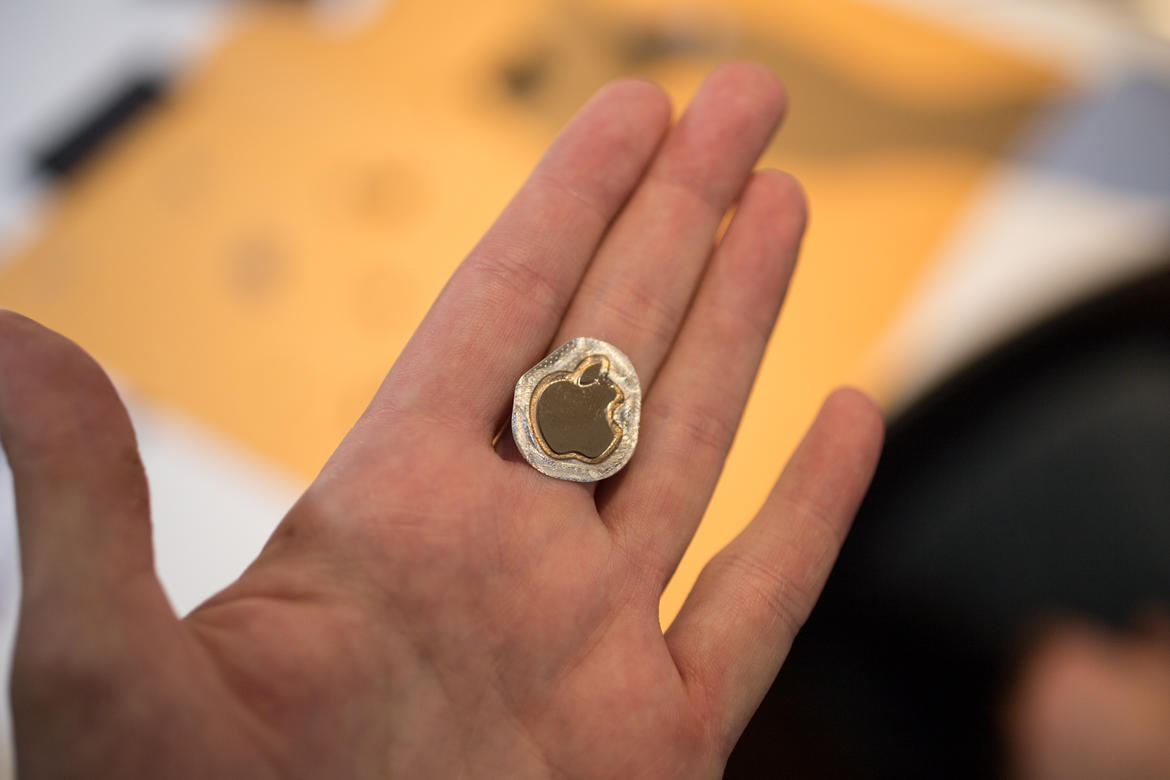
Apple has run its recycling program for a very long time and users often return their old beat down phones to Apple in efforts to properly dispose of the ruined smartphone. Apple’s latest Environmental Responsibility Report (PDF) shows that it recovered 89 million pounds of materials in its recycling program last year, including $40 million worth of gold.
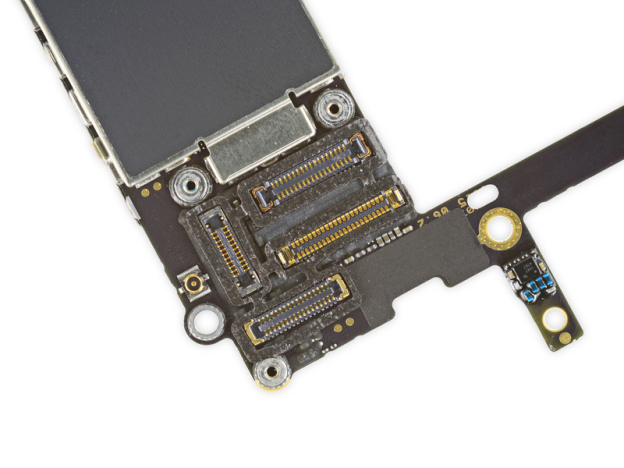
Gold is used in many Apple portable components and circuit boards because “it has low electrical resistance and, unlike copper, doesn’t corrode.” This adds to the efficiency of the product and if recycled properly can save the wastage of the precious material.
Apple has already shown off its interests in Recycling this year, pushing the user to add to helping save the environment and the new Auto Recycling Robot LIAM.
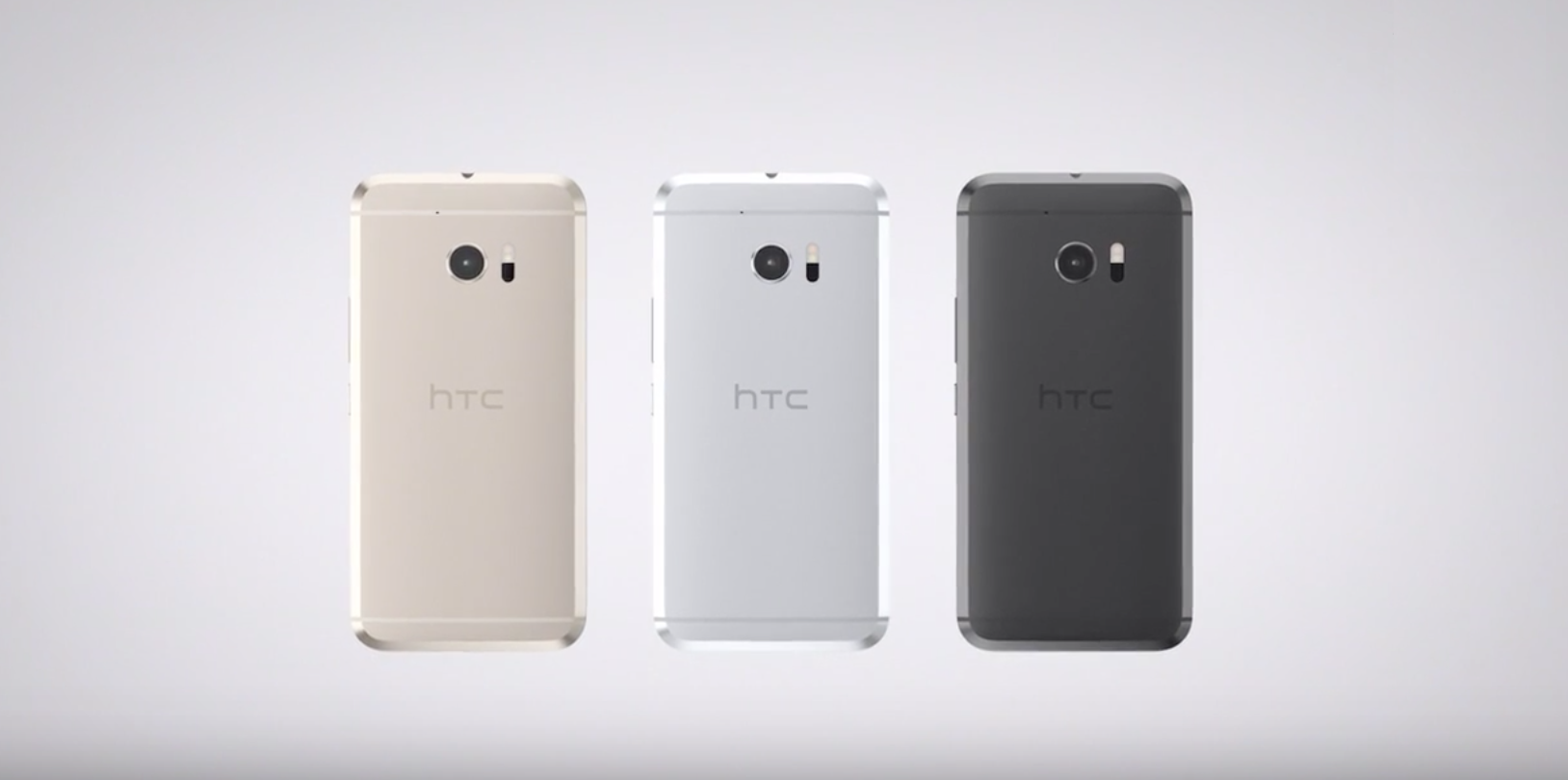
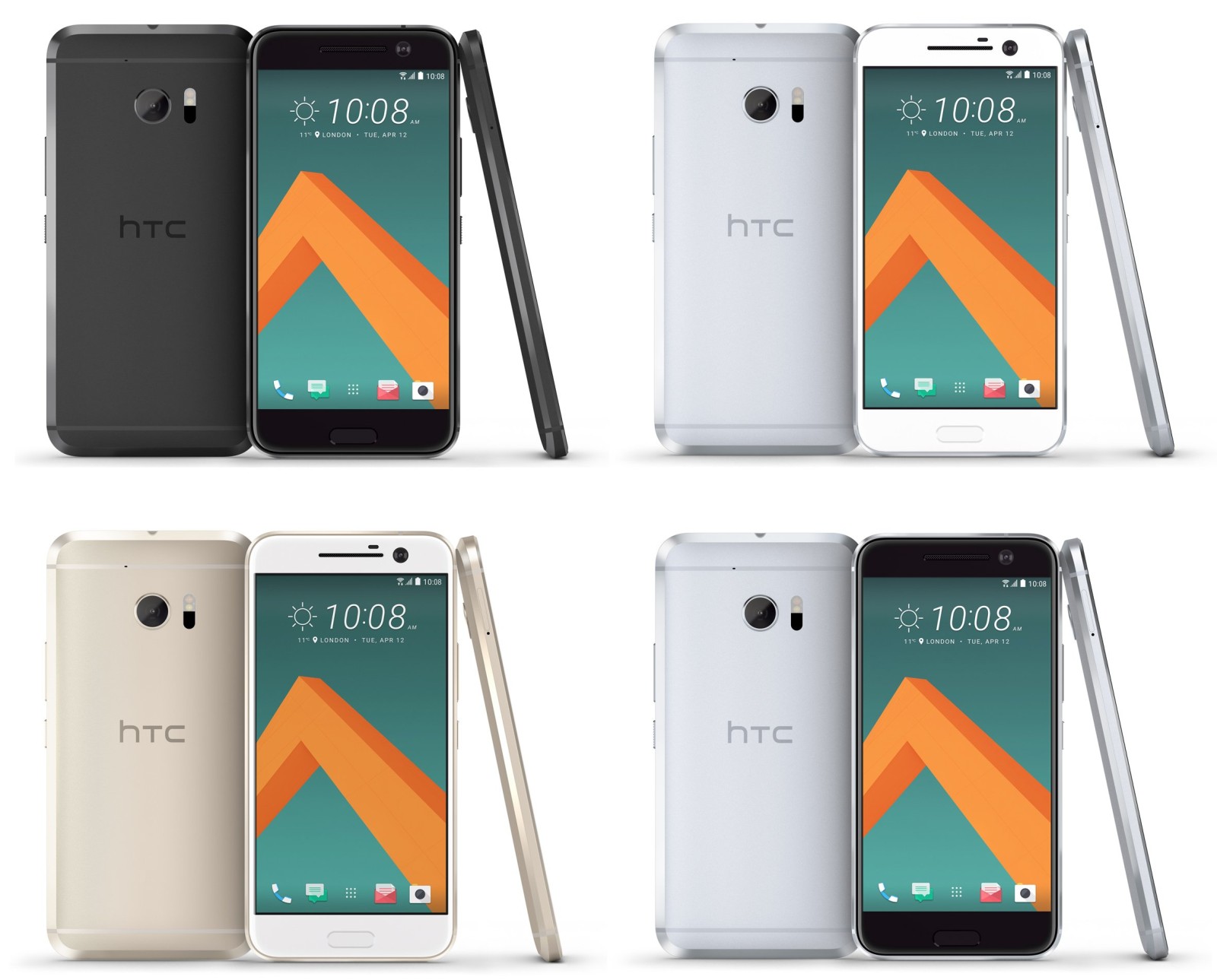
HTC India has confirmed that it will be bringing the HTC 10 to India , that too earlier than before. While the news on which variant will launch in India remains mum, sources close to iGyaan tell us that the HTC 10 will be launched in both variants. The HTC 10 with Snapdragon 820 for those looking for a high-end device, along with the Snapdragon 652 variant for those looking for the handset in a less powerful format.
The source also tells us that the HTC 10 Life which sports the Snapdragon 652 will be cheaper and will be launched in India for less than Rs. 35000, whereas the HTC 10 with Snapdragon 820 will be launched for Rs. 47000 with 32 GB of storage. The Taiwanese company may not launch the HTC 10 with 64 GB of storage in India.
The HTC 10 will also come only in the Carbon Grey, Glacier Silver and Topaz Gold leaving out the highly coveted Camellia Red for the Indian market.