All the Latest, News, Reviews, Updates, How To, Mobile Phone news, Global and International News, From Cameras to Automobiles, from TV To PC and a lot more! Constantly updating!
Mars, for long has remained a planet which has captivated the imagination of the human race. For some reason, we have always maintained an obsession with the red planet making it become almost an enigma for us. Much of it is down to the fact that for all our technological advancements, we haven’t yet deciphered a fuel efficient and quick way to reach Mars, but all of it is about to change.
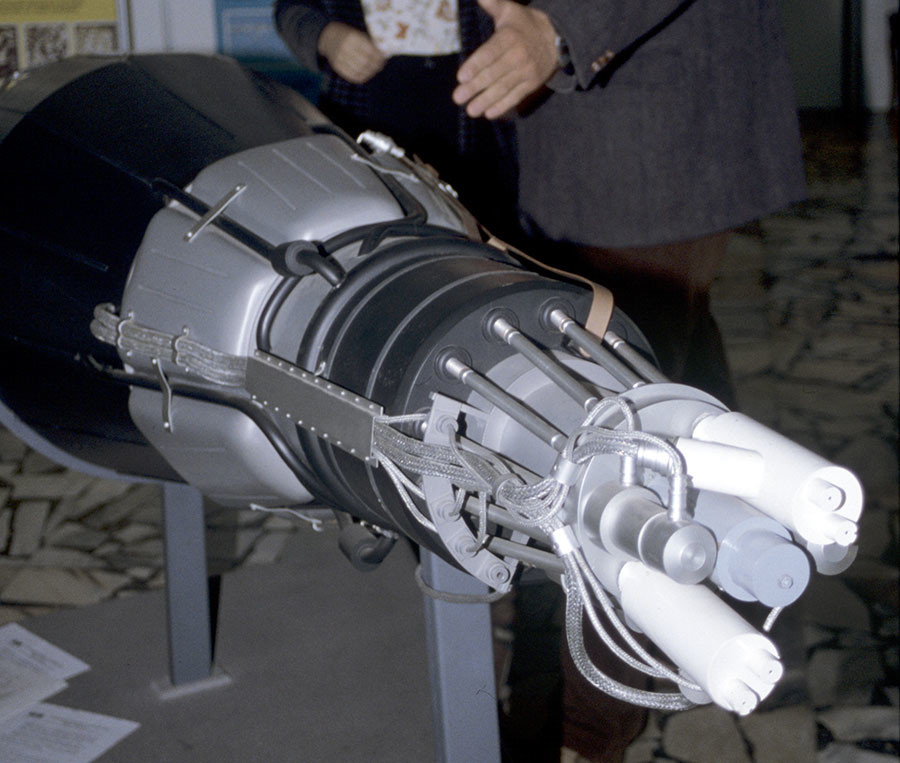
Russia is reportedly working on a super-fast spaceship which will take Astronauts to Mars in 45 days, as compared to what is 18 months using the current generation rocket propulsion technology. Talking about this, head of Russia’s state nuclear body Rosatom, Sergey Kirienko said,
” A nuclear power unit makes it possible to reach Mars in a matter of one to one and a half months, providing the capability for maneuvering and acceleration. Today’s engines can only reach Mars in a year and a half, without the possibility the of return.”
According to reports, a prototype nuclear drive could start testing by 2018. Traditional rocket engines are believed to have reached the limit of their potential and can’t be used for deep space exploration. The nuclear engine project was first launched in 2010 and by 2012, an engineering design had been created. The project’s budget is estimated at 20 billion rubles (about $US274 million). This is highly economical also in comparison to traditional rocket engines whose cost goes into 10s of Billions of US Dollars.
Needless to say that a “Nuclear powered” spaceship comes with its obvious set of risks. As with rockets, many do not manage to cross the earth’s atmosphere, and some even blow up at the site of launch. Keeping that in mind, having a nuclear-powered spaceship blow up in the atmosphere leading to radioactive debris falling from the air onto areas of our planet does sound like a dangerous idea. In 1978, a nuclear-powered Soviet satellite crashed in northern Canada, spewing radioactive waste over nearly 50,000 square miles. But having said that, we’re sure the Russians will have some failsafe in place for a mishap like this, or at least we hope they would.
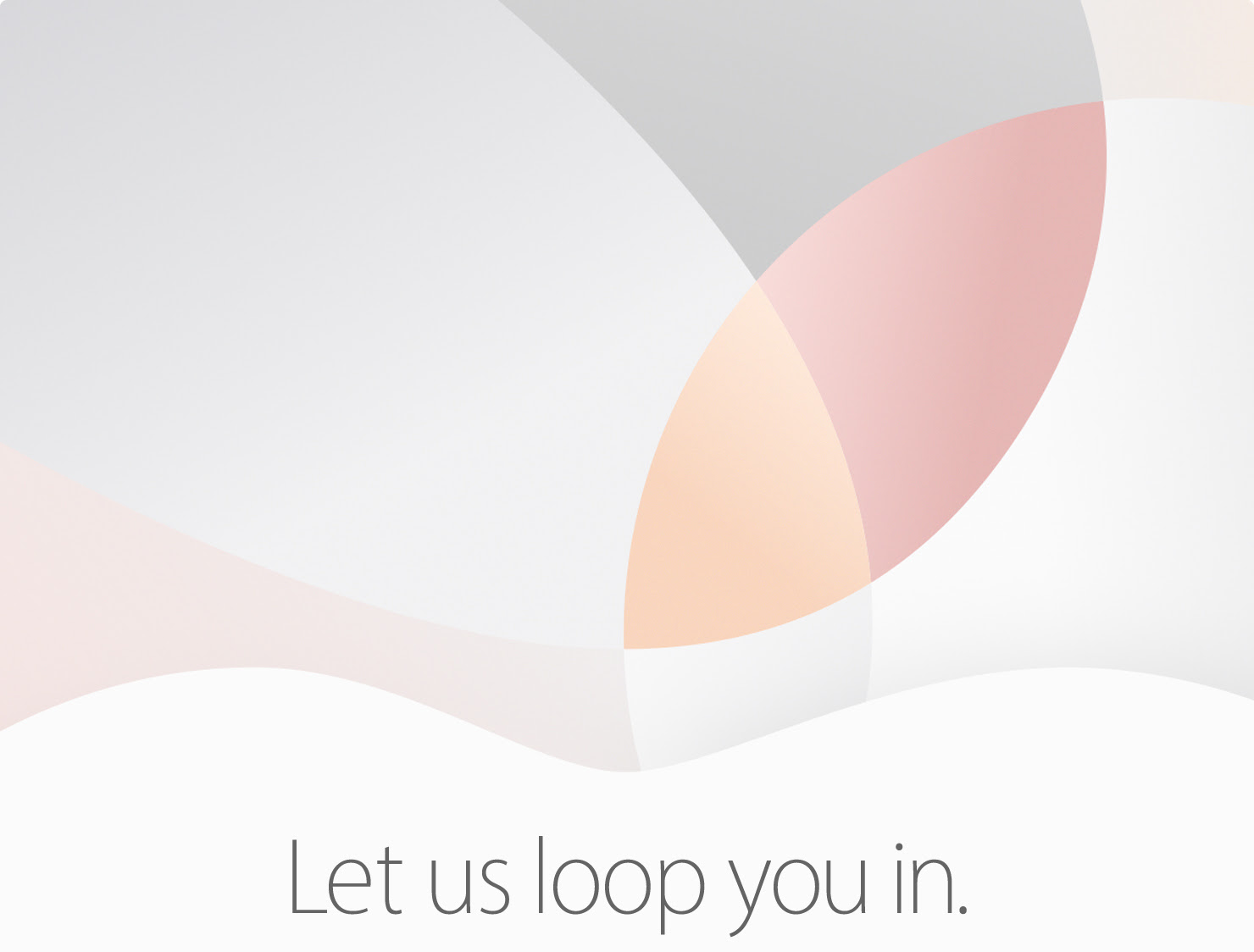
Apple has finally put an end to all the speculation and announced the date for what will be a major day for the tech giant.The day will most likely see Apple announce a couple of new products at an event held at its headquarters in Cupertino. Along with these product launches, Apple is also expected to unveil new software for its Apple Watch, and new build of the OS X.
The launch event which comes a day before the crucial hearing of the high-profile case involving the FBI and Apple. The tech giant will no doubt look to make the event on 21st a blockbuster, and gain some positive press before the case hearing the next day.
The invite sent out by Apple teases, ” Let’s Loop You In”. This could be a possible reference to the unveiling of new bands for the Apple Watch, or could simply be a play on words hinting at what is Apple’s idea of keeping the world in the loop about its product launches.
The event should see Apple launch the 4-inch iPhone Se. As rumours reveal, this phone will see modern day internal hardware crammed inside the body of the older generation iPhone 5. The iPhone Se will come packing an A9 SoC, along with a fingerprint sensor and a beefed up camera. The phone in a bid to not eat up into the premium iPhone 6S’ share will stay away from bringing premium features such as the 3-D Touch display found on the 6S and 6S Plus.
Apart from the new entrant to the iPhone lineup, the company is also widely expected to unveil the successor of the iPad Air 2 or even a smaller iPad Pro to the media present at the event. Let’s just hope Apple can match up to the hype that has been created regarding this event over the past couple of weeks.
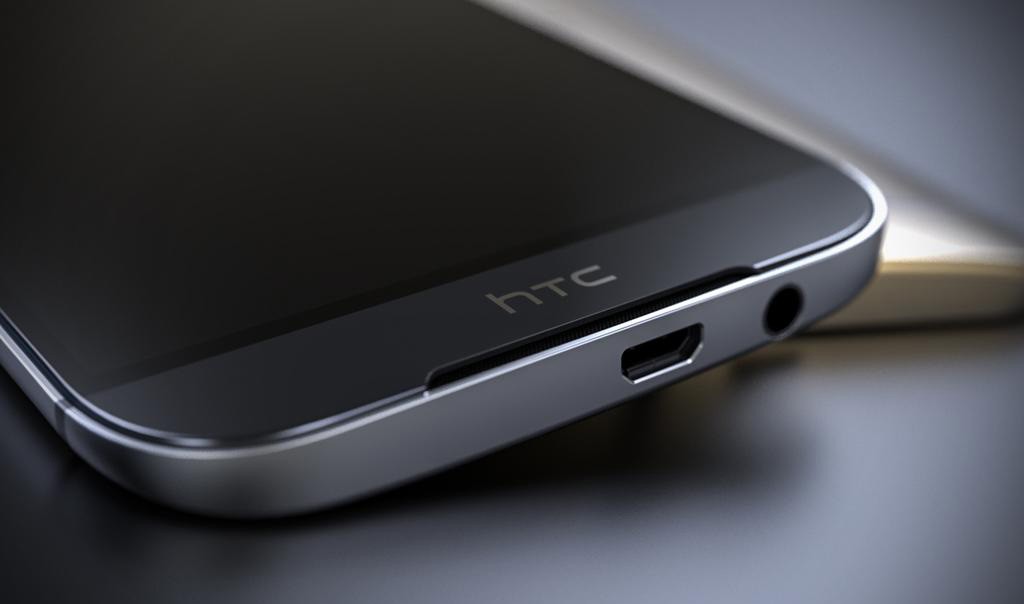
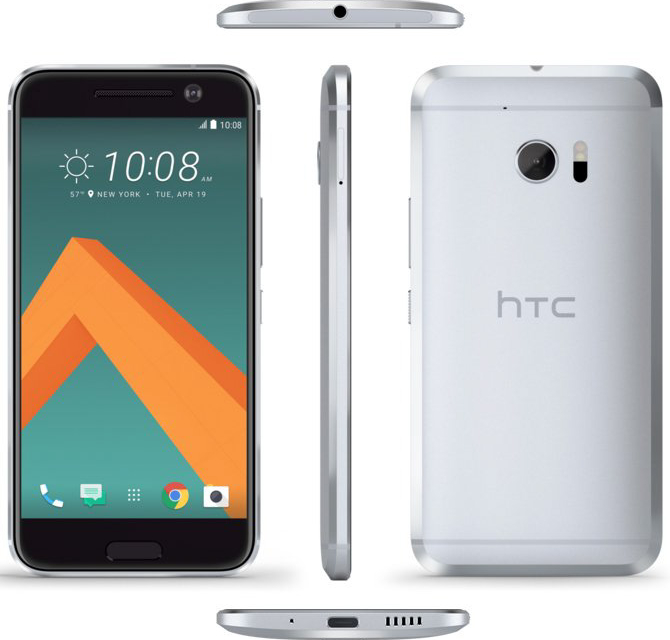
In what is a clear indication that the HTC 10 launch is right around the corner, more images of the beautiful looking device have leaked online. After the previously leaked images which gave us a glimpse into what the back of the phone would like, the latest batch from today, courtesy a tweet from Steve Hemmerstoffer, reveals the phone’s back and the front in all its glory.
Today’s leak reveals a very interesting development in the HTC 10’s design scheme. The front of the phone carries a home button below the display of the phone which, by the looks of it, also houses a fingerprint scanner. This is an important development as this move will see HTC move away from its usual three capacitative button system.
Other than this, previous renders, and leaked benchmark scores peg the phone to come with a 5.15-inch Quad HD display with a top of the line Snapdragon 820 SoC paired with 4GB RAM running the show. The phone’s camera is also being touted to be something of a breakthrough, and HTC will be seen fitting a 12UP (Ultra Pixel) camera sensor with proprietary tech which will enable the phone to click amazing photos.
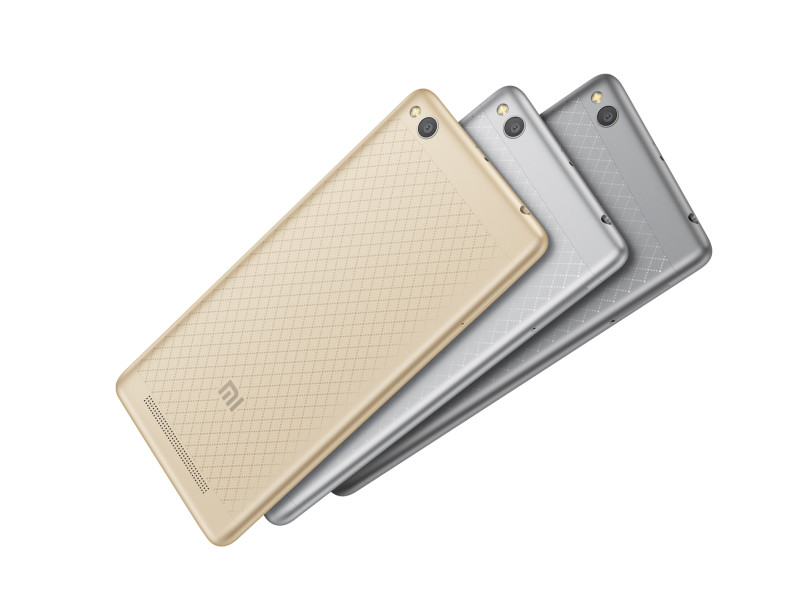
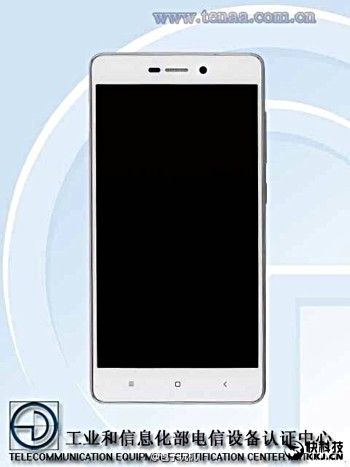
Xiaomi had announced the Redmi 3 a couple of months ago but it seems that the device was not the only variant in the works. According to the Chinese certification site TENAA, a new variant of the Redmi 3 is soon to come out, and this one will feature a fingerprint scanner whereas the original one did not.
Fingerprint scanners on smartphones have become an important feature and one wonders why Xiaomi did not add it in the Redmi 3. However, a $100 price tag justifies no fingerprint scanner. The new Redmi 3 is rumoured to feature a 5-inch display with 720p resolution, 1.5 GHz octa-core CPU and 2GB of RAM with 16GB of storage. The new variant, however, might come with a smaller 3000mAh battery pack as compared to the 4100mAh battery in the original.
With a fingerprint scanner, the device is likely to be priced at RMB 799 ($122), an RMB 100 more than the original Redmi 3. It is still unknown when Xiaomi plans to launch the new variant but it could happen some time this month.
Artificial Intelligence, as many analysts predict, is the next frontier for the tech industry. As it stands today, scientists and researchers are putting in long hours to make the dream of machines with “human-like intelligence” a reality rather than just a possibility.
Intelligent machines and softwares which possess deep human-like knowledge are growing in numbers leading to them being employed for use in a number of tasks. From hospitality to defence, use of artificial intelligence has been explored in various fields, latest of which will now be health-care.
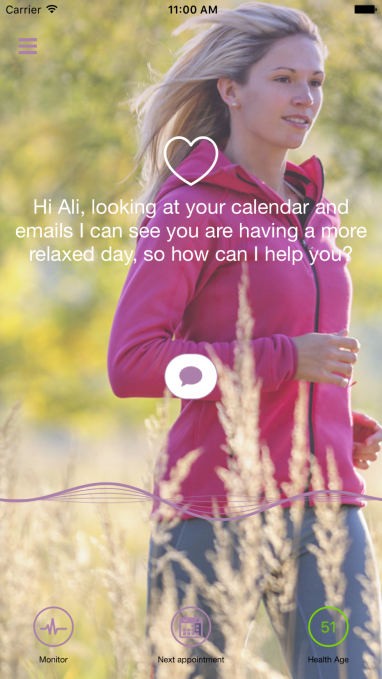
Babylon, a U.K.-based subscription health service will soon launch an AI-based app designed to provide medical diagnosis to patients just like a real life doctor would. The idea behind Babylon is to create an artificially intelligent ‘doctor’ which will help humans stay away from illnesses.
For this, Babylon will walk the extra step that your family doctor won’t, and track your daily habits, collect data about heart rate, diet and medical records and then cross reference them with the symptoms that the patient reports to Babylon. Upon doing all this, Babylon will scan through its vast database and diagnose the illness and offer an appropriate course of action.
The idea of Babylon is comparable to IBM’s Watson Smart A.I tech, which is already employed at the Memorial Sloan-Kettering Cancer Center in New York. Watson Smart assist’s doctors in their work by going through a database of 600,000 medical evidence reports, 1.5 million patient records and clinical trials, and two million pages of text from medical journals to help doctors develop treatment plans tailored to patients’ individual symptoms, genetics, and histories.
The founder of Babylon, Parsa reveals that the A.I will not look to replace human doctors by acting as a substitute, but would rather work by keeping a close eye on the users health and help users prevent illnesses before they happen.
Talking about the A.I driven app, Parsa said, “For example, if your heart rate is faster than normal and your physical activity hasn’t increased, it’s a sign you’re either stressed or dehydrated or you’re fighting something. The platform can bring this to your attention and suggest the best course of action to fight the illness before it surfaces.” The app will also remind patients to take their medication, and follow up to find out how they’re feeling.
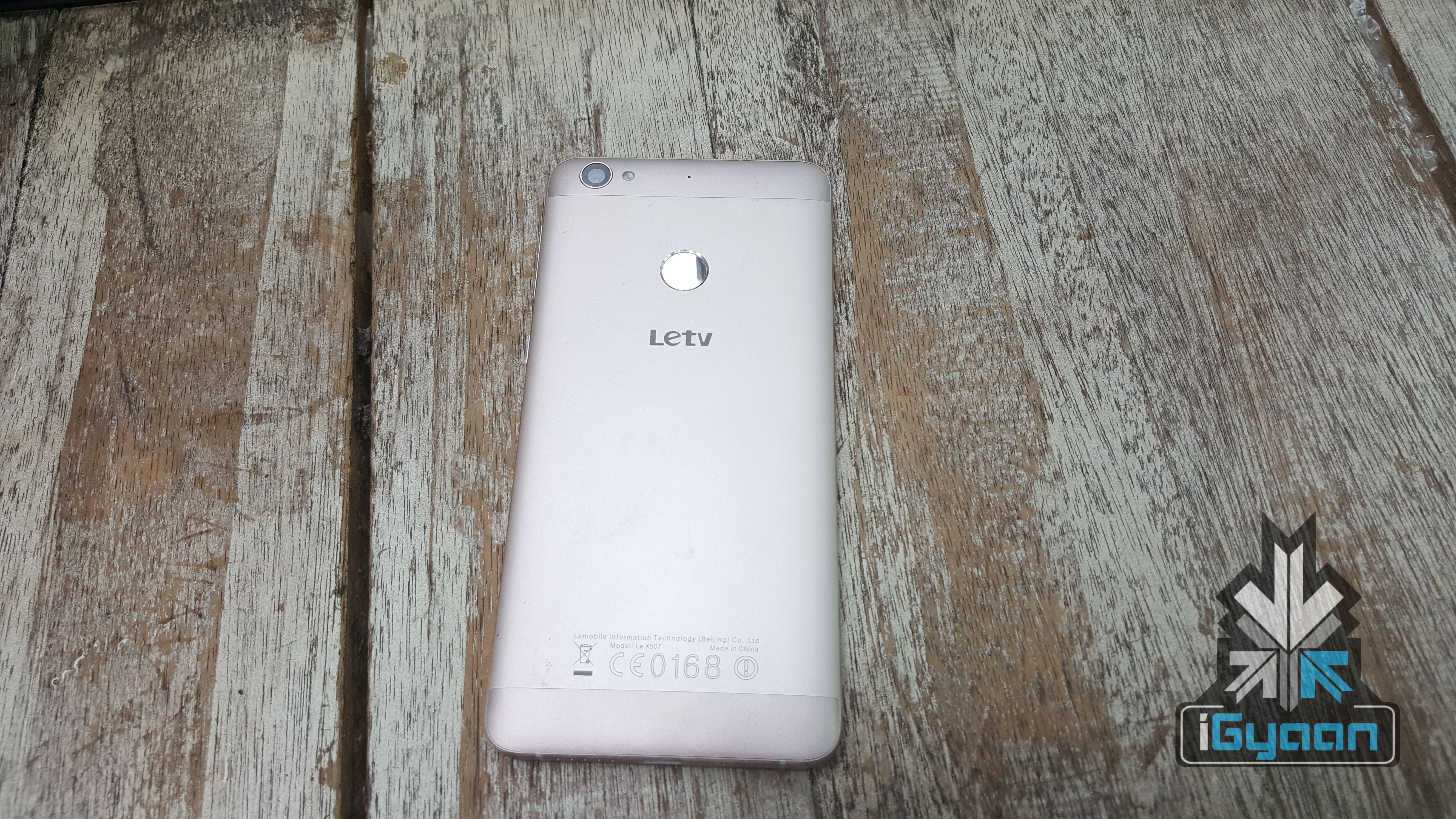
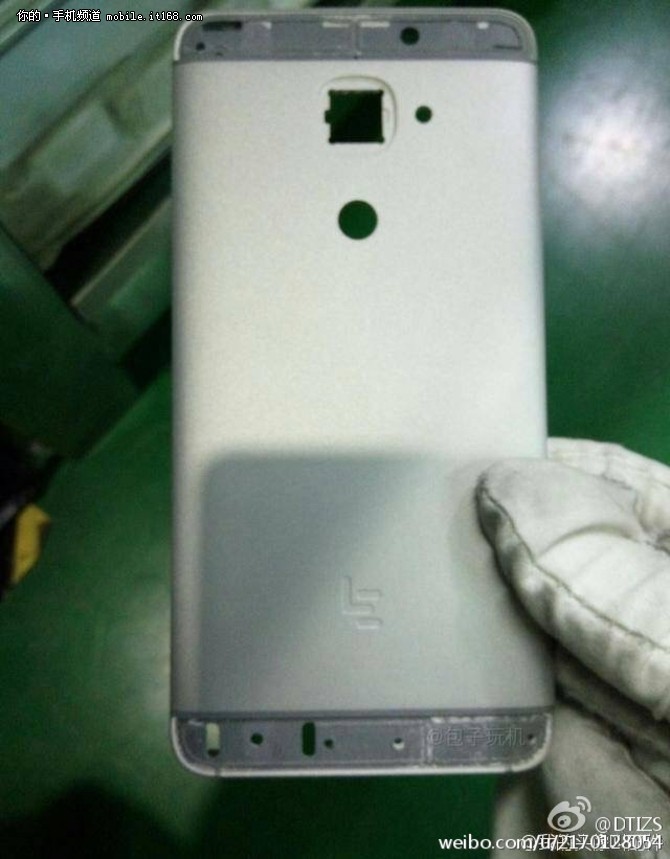
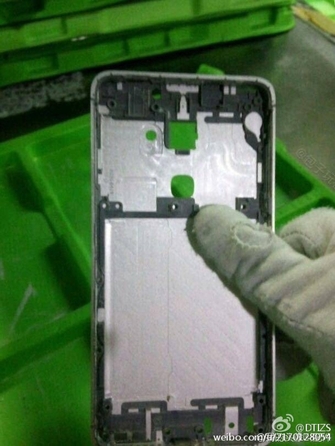
It was only yesterday that eager “Superfans” of LeEco were treated to leaked images of the Le 2, and today pictures and specifications of the Le 2 Pro have found their way to the Internet. The new leak suggests that the Le 2 Pro could be shown off to the world as soon as April, which in all honesty sounds like a bit of a stretch.
The phone looks to have carried forward the design scheme followed by LeEco for its first generation of mobile devices. The body seems to be made completely out of metal, possibly even the same aluminium unibody design from the Le1s which won’t be too surprising considering the positive response it got from customers across the board.
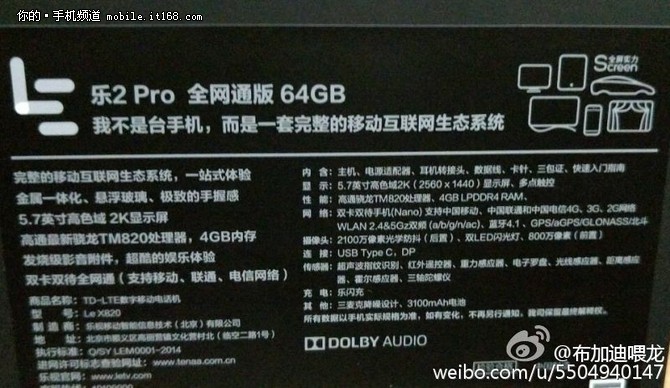
The leaked images which were earlier posted on Chinese Social Networking site, Sina-Weibo reveal the phone to come packing a Snapdragon 820 SoC paired with 4GB RAM along with 64GB of inbuilt flash storage. Leaked specifications further show the phone to bear a beautiful 5.7-inch Quad HD display and a 20-Megapixel rear camera. The Le 2 Pro will get the juice it needs from a 3100mAh battery pack.
The device will be equipped with Dolby Atmos tech, three microphones for noise cancellation, ultrasonic fingerprint scanner along with a USB Type-C port. The source indicates the pricing of the device could be set around the $380 mark(Approx Rs 25,673) putting it firmly in competition with Xiaomi’s Mi5.
Facebook has always tried to reach out to the most, if not all, of the human population on earth. Facebook currently has around 1.6 billion monthly active users. Seeing as how Facebook also owns Instagram and WhatsApp, it is evident that the company doesn’t want to leave out a single human being. However, despite a world hungry for social media sites, there are still millions who are unable to jump in due to slow internet speed or limited amount of data. To solve this problem, a team of Facebook engineers worked on ways to make the site accessible to those who were left out.
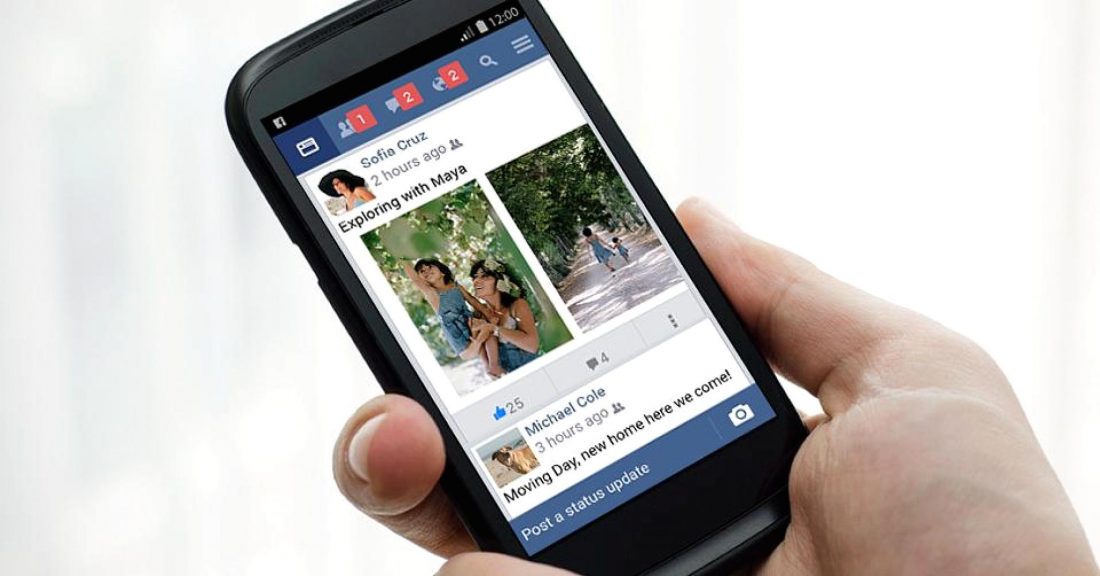
What came out of it was Facebook Lite, a tiny Android-only app that is lighter and less cluttered compared to the original. The app was launched in June 2015 and recently crossed a 100 million mark. That is the magic number that tells us how fast users have accepted the lighter app in just a few months. The app is less than 1MB in size and practically takes no time at all to download.
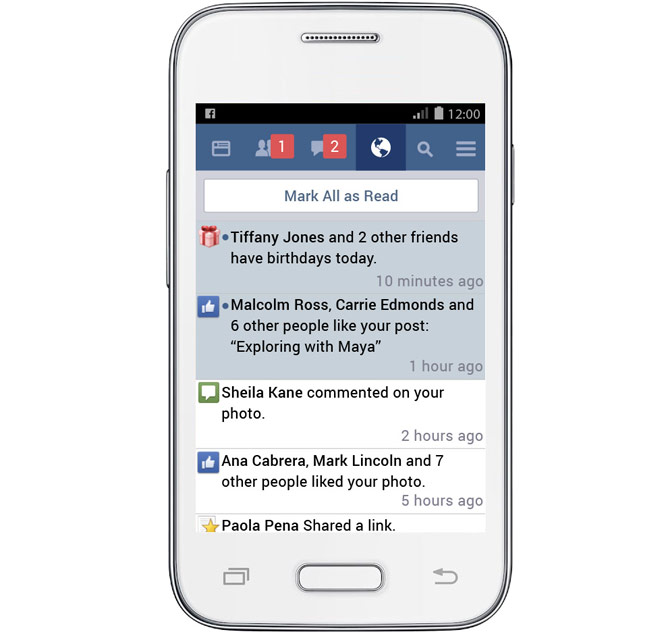
There are certain design changes with the ‘Lite’ version but the core functionality is uniform in both the Facebook app and its lighter version. Features like News Feed, status updates, photos and notifications on Facebook Lite are almost identical to the original version.
Facebook Lite is the company’s push to make basic Facebook services available in developing countries at the lowest price possible. There are places in the world where buying internet data isn’t the easiest as it is expensive. The app works fast with any device, and is data efficient, providing the same features as you would find on the original app only with less data consumption. It’s like Facebook with an in-built Data Saver mode.
As it works even on slow mobile networks, the page loads comparatively faster. Users can upload, download and check photos instantly, for which users had to wait for more than a couple of minutes on 2G networks. Users can have a real-time conversation with friends – either one-on-one or in group – on the slimmer Facebook edition.
One of the best features about Facebook Lite is that the app helps conserve battery life. Facebook has been recently in the news for being one of the most battery draining apps out there, especially for iOS users. As is the case, we could be seeing a Facebook Lite for iOS in the near future, unless Facebook does something to reduce battery consumption in its original app.
Vijay Shankar, Product Head, Facebook Lite said that the app was made for developing countries like India, Brazil, Mexico, Indonesia and Philippines where slow internet speeds is still a major issue. One of the biggest chuggers of mobile data is videos. To solve this, the team behind Facebook Lite offered users the option to see how large a video so that they may decide whether to view the video or not. There is also the option to view a video later so that you may continue to browse the News Feed and come back to the video once it has been downloaded. Both the features are extremely helpful for users on 2G speeds as it means not having to wait around for a video to load.
It is still unknown as to when Facebook Lite will be available for iOS and Window phone users. As of now, Shankar and his team want to get the Android experience right before moving on to the next step. It is still early in the day but the fact that 9 months on the app has reached a 100 million users means that the app does what it was intended to do – provide a social media experience at an affordable price.
VR technology which has gained traction amongst users in the last couple of months looks set to be breaking barriers and becoming a truly social hub for activities in the coming days. Facebook-owned Oculus has decided to shift its focus towards making our VR experience in the coming days more social with the addition of a number of features such as the addition of social games and social elements to viewing videos while using the Gear VR.
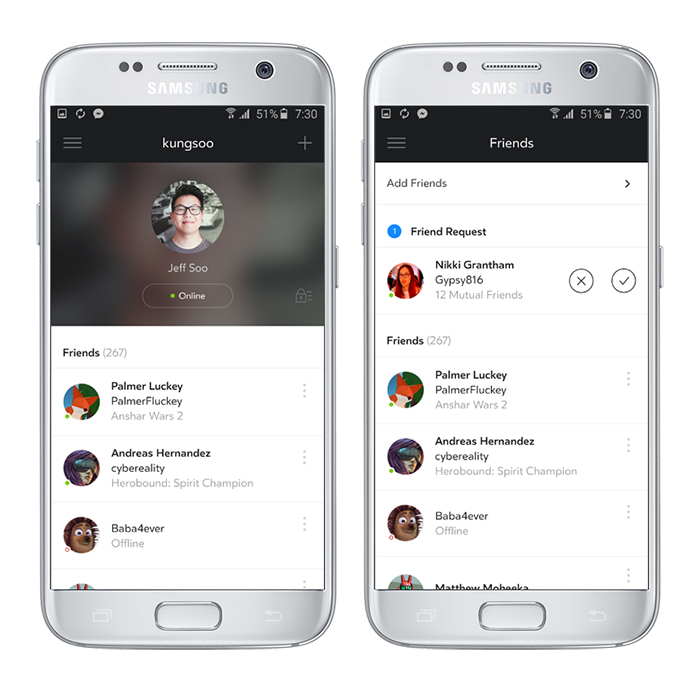
The Gear VR, which was launched on 21st January here in India and is available for free with all S7 and S7 edge Pre-Orders, is Samsung’s VR offering that was developed in partnership with Oculus. Owners of the VR headset which is regarded as one of the best available offerings in the market, starting tomorrow, will be able to create accounts on the Oculus servers, and then get in touch with other users of the Gear VR, and also leave reviews for all apps in the Oculus Store.
Oculus wants its users to enjoy the immersive world of Virtual Reality with friends, and to help make this possible it has announced two new social heavy VR games that will allow users to go up against their friends.
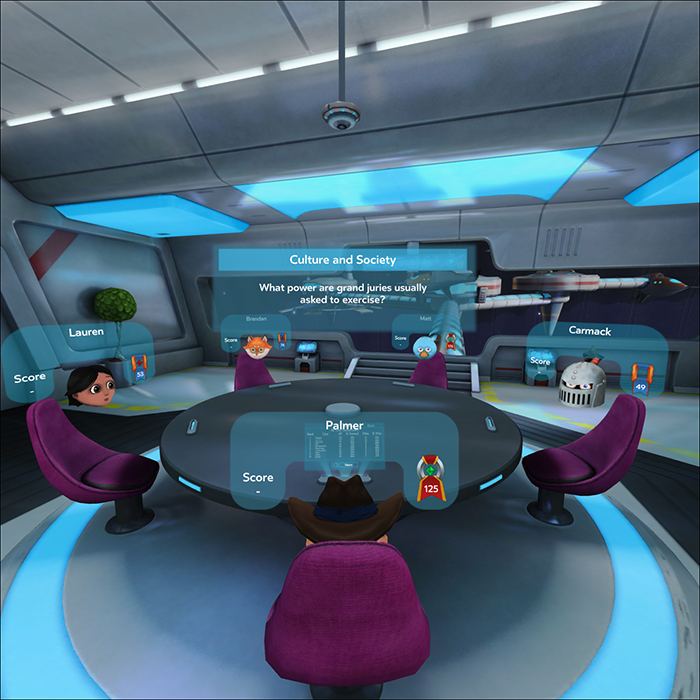
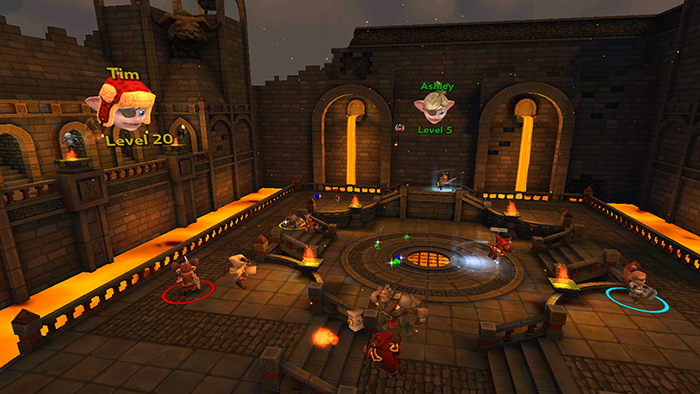
First up is Social Trivia, a game that lets you and up to four friends compete in a battle of knowledge in an artificial VR environment. The second game is Herobound: Gladiators which is a multiplayer adventure game. The game lets you take the VR gaming experience to another level and sees the user Band together with up to four people to conquer goblins and demons in arena battlefields. The game also allows for integrated voice chat to talk and strategize in real time for an unmatched co-op experience.
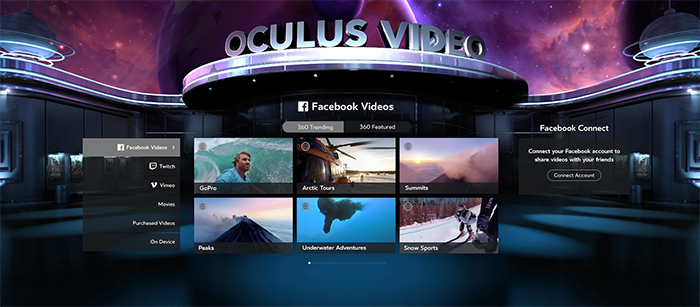
For users who would rather stay away from games, Facebook’s Oculus has announced host of other features that sees it bring to the platform with the help of Oculus Video the functionality to personalize your 360-degree video feed based on the pages and people you follow on Facebook. It has revealed that in the coming weeks, users will be able to connect and react to their favorite Facebook 360 videos directly in virtual reality.
And, if that’s still not good enough to get you excited, Oculus is adding the functionality to create private VR chat rooms with friends which let you watch Vimeo and Twich streams with them in a Virtual Reality environment.
Oculus’ efforts to push for social VR does not end there as it has also communicated to developers that it wants to “drive deeper social connections” and hence later this month “will release new tools for developers that make it even easier to create more incredible social VR games and apps.
Virtual Reality is the next big thing to happen to technology and every big name out there is getting into the game. Samsung, Apple, Google and many more are all working on VR technology as we speak. When it comes to virtual reality, Oculus is the name that first comes to mind. While the Oculus Rift is one of the more premium VR headsets out there, there is also the Oculus-powered Samsung Gear VR for the general masses that stands as a stepping stone into the realm of virtual reality. Here’s everything you need to know about the Samsung Gear VR.
Design, Features, and Compatibility
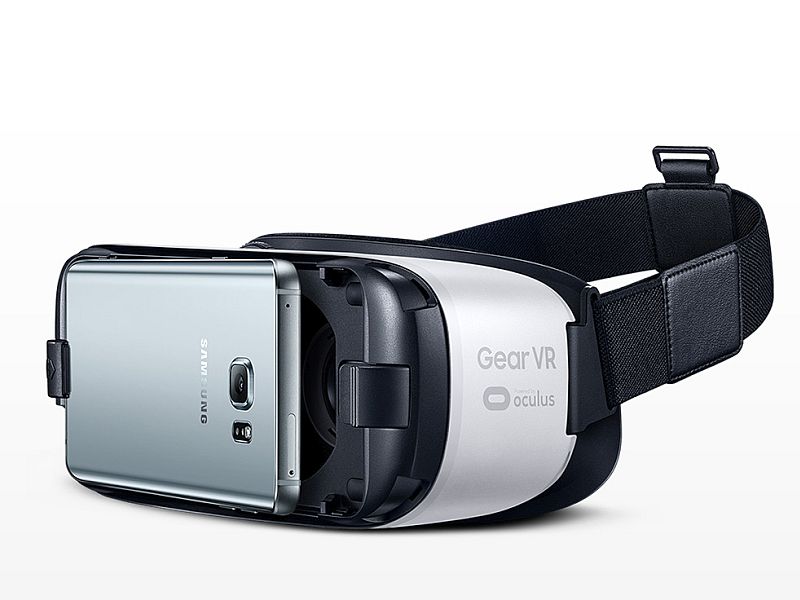
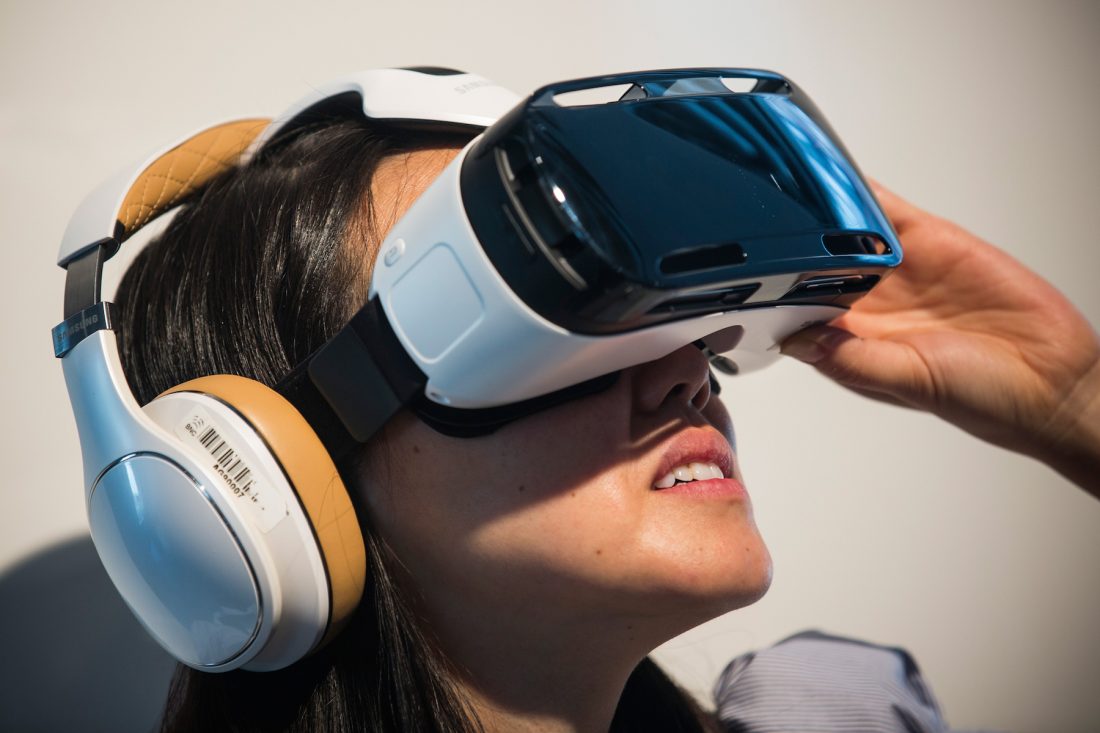
Samsung launched the Gear VR headset in India last month at a price of Rs 8,200. The headset is currently being offered for free on pre-orders for the Galaxy S7 and S7 Edge. The headset features a large touchpad for control. It weighs about 318 grams and measures 201.9×116.4×92.6mm. The Gear VR comes with an impressive field of view of 96 degrees and houses back, volume, and focus adjustment wheel button for controls.
The Gear VR also packs sensors such as gyro, accelerometer, and proximity, and the device will support Micro-USB charging. The Gear VR comes with soft, flexible cushioning material, and also features adjustable straps for ease use of use.The Gear VR Headset will also support 360-degree videos.
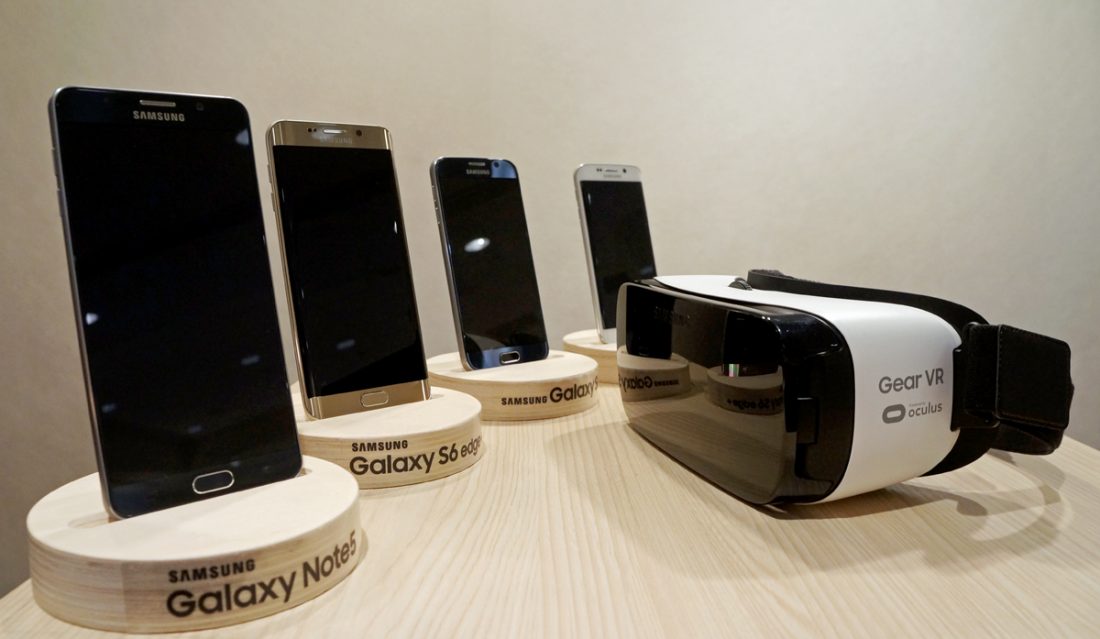
The Gear VR Headset features a wide interface, ergonomic design, and a large touchpad. Gear VR promises convenient and accurate control to enjoy games and videos. At the launch, the company stressed that Gear VR Headset works seamlessly with high-end Galaxy smartphones including the Galaxy Note 5, Galaxy S6 Edge+, Galaxy S6, Galaxy S6 Edge and the new Galaxy S7 series.
Applications
The Gear VR got a major media boost few months ago with Netflix, Hulu and Twitch among the few new services made available for the headset. The Netflix app, for example, creates a virtual living room for the viewer to watch in. The virtual television in front of you will have the Netflix UI on the screen. You simply look to move the cursor and tap the touchpad on the side of the Gear VR to make your selection. And since Netflix is now in India, streaming movies never sounded this good!
The Netflix Experience
As the Gear VR is still a work in progress, applications and uses are still limited. As of February 2016, here are 185 Apps available for the Gear VR on the Oculus Store. Apart from media entertainment, the Gear VR also offers an entirely new gaming experience. After all, virtual reality is all about immersing the user completely in a virtual world for a 360-degree experience.
Notable games include Herobound: First Steps, Ikarus, Dreadhalls, Esper and Proton Pulse. “The new games include “Social Trivia” and “Herobound: Gladiators,” Oculus says. Social Trivia pits you against friends or strangers in a battle of knowledge while Herobound: Gladiators lets you band together in groups of four to battle goblins and demons.
https://www.youtube.com/watch?v=-4vhtpa8JRA
Furthermore, Oculus is ready to get Gear VR owners a lot more social. Starting today, Gear VR owners will get to set up their own social profiles and connect with other Gear VR friends by searching their Oculus username or real name. You will then be able to kick back and watch movies together and engage with each other in social games.
You also may be aware that Facebook started 360-degree videos a while ago that lets users navigate the video for a complete 360-degree view. With the Samsung Gear VR, you’ll now be able to connect your Facebook account to “Like” and share 360-degree videos from inside it. From next week, Oculus will let users sign into Facebook and get a personalised news feed based on people and pages they follow.
With this, Facebook-owned Oculus is taking the first big step in bringing virtual reality and social media together.
Is There a Downside?
Perhaps the few main problems about a VR headset is that it can make you look silly, which is why users usually prefer to wear it in the confines of their homes, away from the eyes of passersby. VR headsets tend to cause headaches or nausea if worn for too long. But the Gear VR, being on the lighter side, hasn’t caused these symptoms as much as the heavier Oculus Rift has.
Nevertheless, the Gear VR is a great new product from Samsung that promises a good virtual reality experience at an affordable cost.
Samsung is looking to expand its consumer base and is looking to make the Gear VR not just a device for niche audience. It may take a while before people take to the virtual reality experience, but the future of media and gaming technology looks pretty clear. So, for those who want to experience the next season of Daredevil (which begins March 18) in virtual reality can get their hands on the Gear VR today.
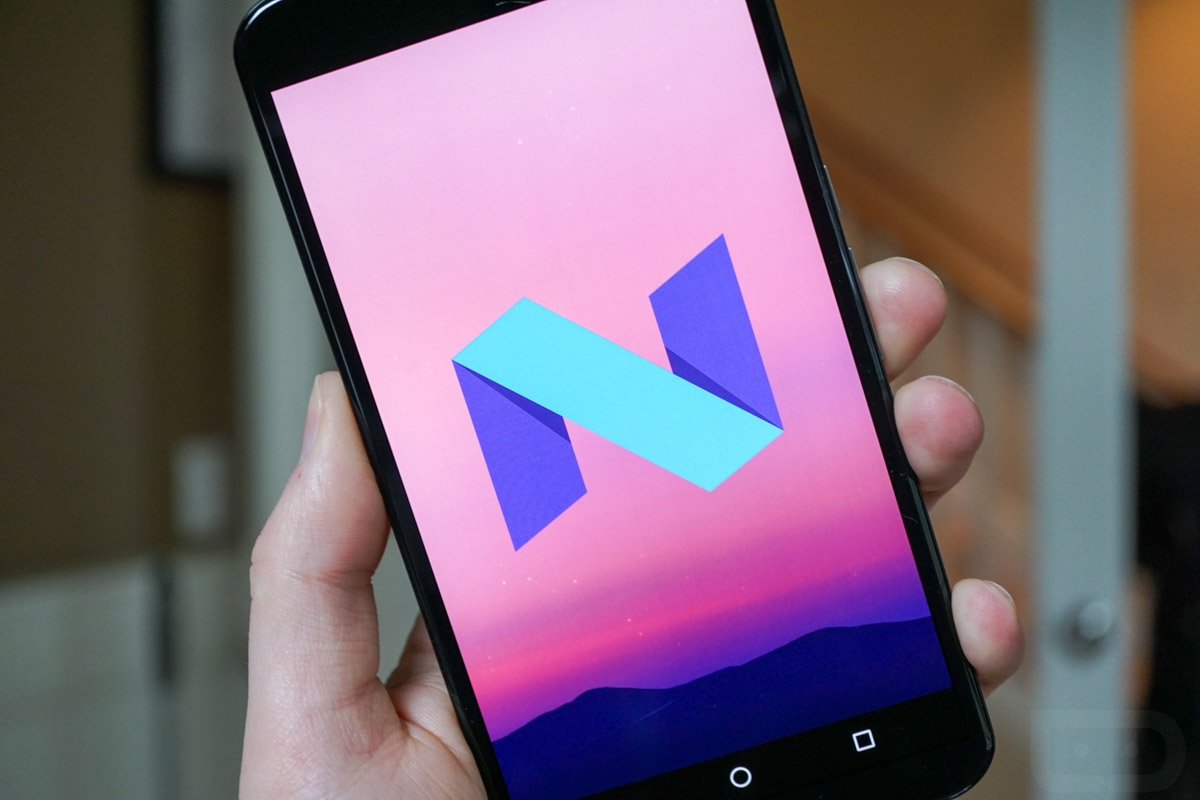
Google has taken the lid off the latest bombshell to hit Android smartphones, the all new Android N. Though it’s still just at developers preview stage, and is understandably bug ridden, but that does not mean we should not be excited.
Android N comes with a host of cool features which promise to get you addicted to this sweet OS. Today we bring to you the best features that Android N comes with.
Multi-window support that allows for multiple apps to run simultaneously
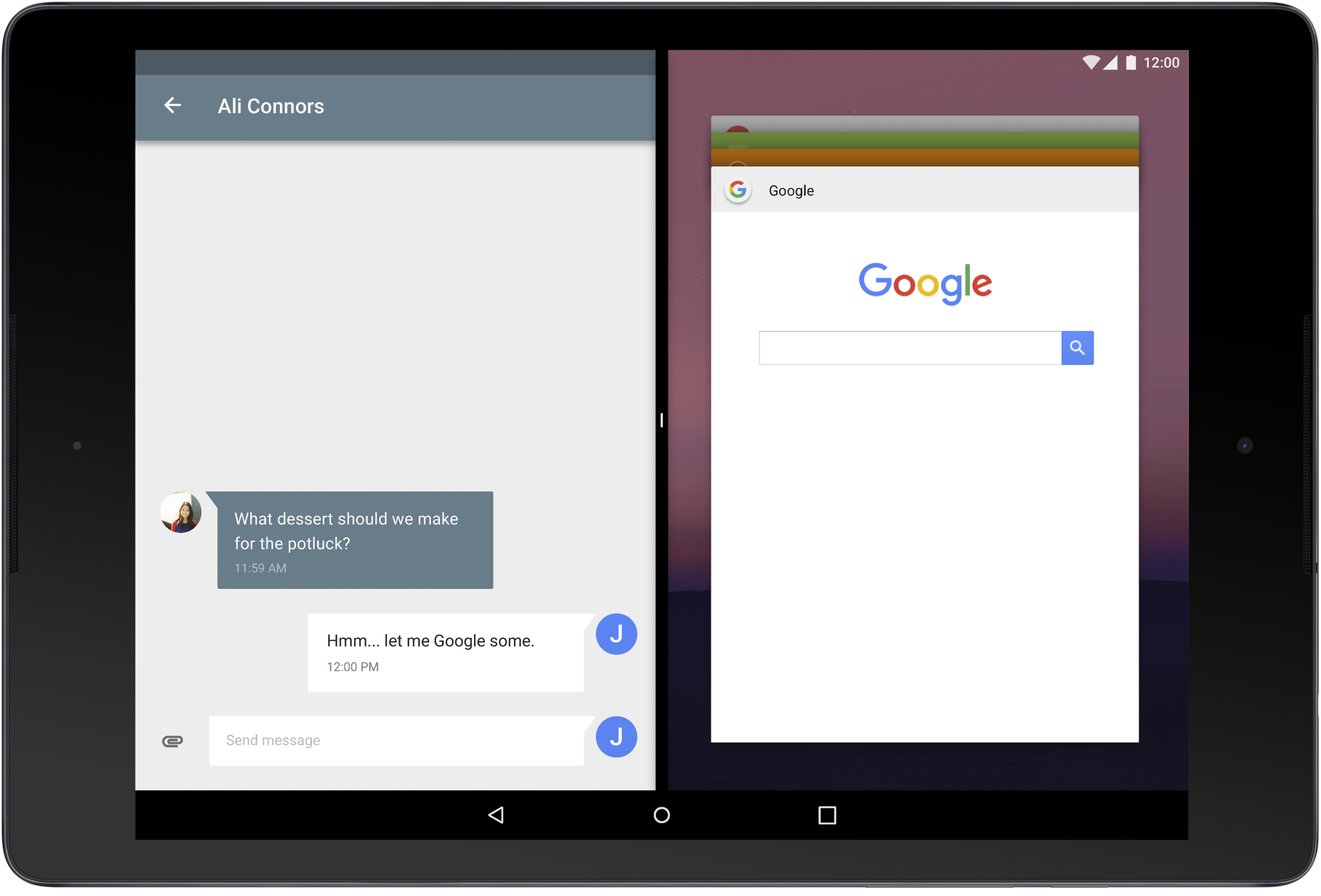
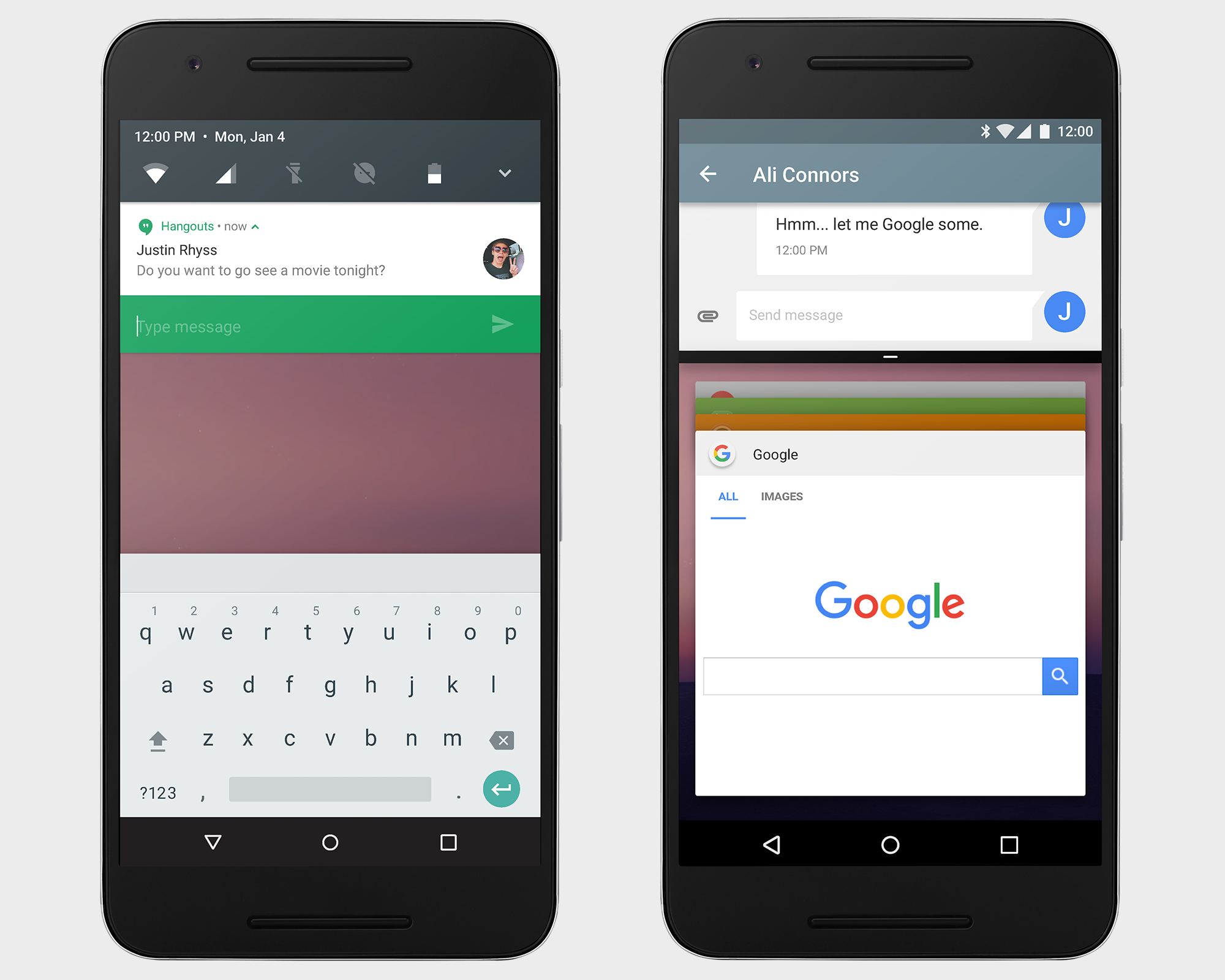
This is one feature that is sure to grab headlines in the coming days. This poster boy of features will surely make a lot of happy Android fans as it adds the functionality of running multiple apps side by side in the same view. With the all new Android N installed, users will be able to launch and use multiple apps right next to each other.
The Android N team hasn’t yet explained how this will particular feature will be executed, but early impressions suggest the interface looks much like Microsoft’s split-screen function. The guys at Android have also revealed that this feature, for now, will only work when developers enable the feature for their apps.
More Power to the Overview Button
This might not look like something huge as most custom ROMs for some time now have had this feature in some or the other form, but now Google is doing its bit in bringing to the overview button the power it deserves.
With the Android N, users can now switch between your current and previous apps simply by double-tapping the overview button.If you keep tapping the overview button you’ll cycle through all the open apps. Long-pressing the overview button opens the current app in split-screen. You can use the same double-tap and continuous taps to switch between apps in split-screen mode too.
Reworked Notifications Center
The latest version of Android brings with it a reworked notifications center that will see Android tweak the notification area again, but this time, adding features which will add amazing functionality. In what will be welcome news for Android users across the globe, this new functionality will give users the power to reply to notifications from within any window without having to close the app first, or open an app to view them.
Android N will also bring a new option for clubbing multiple notifications from a single app. Android N will intelligently handle your notifications and upon receiving multiple alerts from the same app, they will be grouped together into an expandable “bundle.”
Picture-in-Picture
This one feature is one that users had been asking for some time now. Picture-in-Picture support will now mean users will be able to minimise a running video with sending the application to the background and carry on doing other tasks such as searching for rating on IMDB or browse something on the internet while the video still keeps playing in the background.
Talking about this feature, Google explained to devs, “Your app can provide a way for users to queue up additional content while they watch a video. The video continues playing in PIP mode while the main screen displays a content selection activity.”
Enhancements to Improve Battery Life
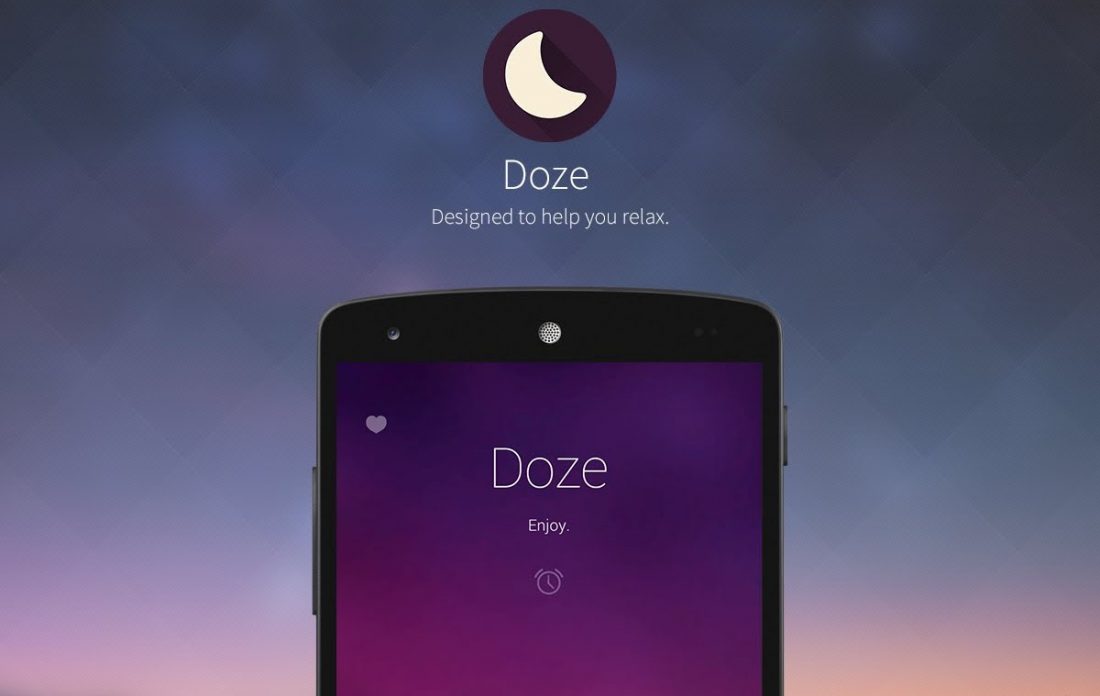
Marshmallow brought with it a very cool Doze feature that was built to conserve power and battery life on your Android powered smartphone. With Android N, Google devs have taken this a step further as Google has added functionality to Doze to make optimisations whenever the screen is turned off.
Google also plans on adding improvements to how apps operate in the background, which has long been a big drain on users’ battery life.
New Data Saving Options
With Android N, Google has turned its focus towards increasing efficiency of data usage on its Android platform. Apps will gain the functionality to monitor Data Saver changes enabling them to intelligently make changes to how certain apps consume data in the foreground and the background.
Google explains: “In the N Developer Preview, users can enable Data Saver on a device-wide basis to use less data, whether roaming, near the end of the billing cycle, or on a small prepaid data pack.”
There is very little left to know about HTC’s upcoming flagship smartphone, HTC 10. Courtesy popular leakster Evan Blass, we now what the device is going to look like as well as the fact that it will drop the ‘One M’ from the title for a simpler ‘HTC 10’. We’re still not sure about what the new name signifies, but what we do know is the various colors the device will be offered in.
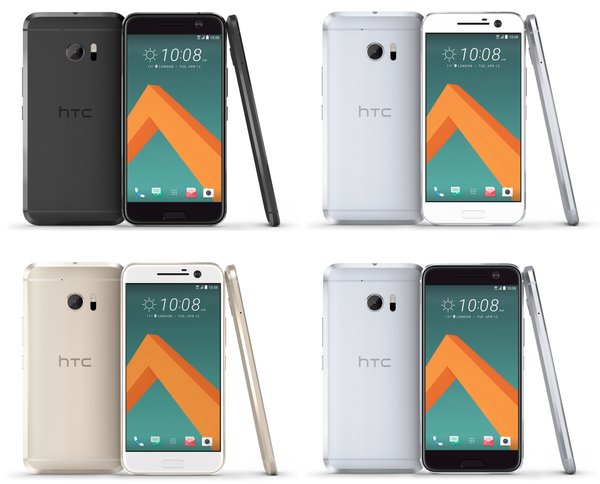
Blass today tweeted four colour options for the HTC 10: carbon gray, glacier silver (white face), glacier silver (black face), topaz gold. Apart from showing us the colours, the image also confirms that this is what the HTC 10 will look like and much like the One A9 and the One M9, the HTC 10 looks rather underwhelming. The most obvious disappointment comes from the disappearance of BoomSound front speakers and from the (still) large bezels on he top and bottom.
The HTC 10 will instead have a single speaker grille at the bottom and a USB Type-C port. Over at the back we see the camera placed at the center and chamfered edges. Another popular leakster, @onleaks, started a leaking spree of the actual handset and Antutu benchmark scores that pin the device at 109,936 points on the famous benchmark app.
This all leaked along with the following information : 5.15? QHD / SD820 / Adreno 530 / 4GB RAM / 12MP / USB Type-C. Which means that HTC might finally be on the right track as far as specs are concerned, and we also see a home button fingerprint scanner like last year.
HTC has also stated that it’s working hard to bring a “very compelling camera experience” with the HTC 10. HTC’s Chief Financial Officer Chialin Chang is confident about the HTC 10’s camera “after seeing what’s going on in the market.”
The rear camera is rumoured to sport a 12UP (Ultra Pixel) module with OIS and autofocus while the front still is unknown. If HTC wants to be a contender in the camera department, knowing that Samsung has upped its camera specs in the Galaxy S7, then nothing short of 5UP for the front and some absolutely spectacular images that compliment a Quad HD AMOLED display will be accepted by fans. HTC needs to get the pricing right if it wants to compete in a market that has already seen the new Samsung Galaxy S7 series, LG G5, and Xiaomi Mi 5 flagships.
Google in an unnatural move has made the next upgrade of Android , aka Android N beta for developers. Google writes that the team decided it wanted to release the preview earlier in order to get more feedback from developers earlier in the process and get the final N release into the hands of device manufacturers this summer.
As we look to the next release of Android, N, you’ll notice a few big changes aimed at you as developers: it’s earlier than ever, it’s easier to try and we’re expanding the ways for you to give us feedback. We hope these changes will ensure that you are heard and reflected — that’s what makes Android stronger
Like all beta releases Google claims that this beta edition is a work in progress and you should expect a lot of bugs.
Many new changes are talked about but namely the ability to directly reply to notifications and split screen view for both tablets and phones seems to be the major highlight of this update. You will also get PIP (picture in picture ) for video play like you have seen on Samsung Galaxy devices for a while.
Google will also put major focus on improving performance and battery life by improving features like Doze. Google also claims its aim is to help apps become less memory and resource hungry.
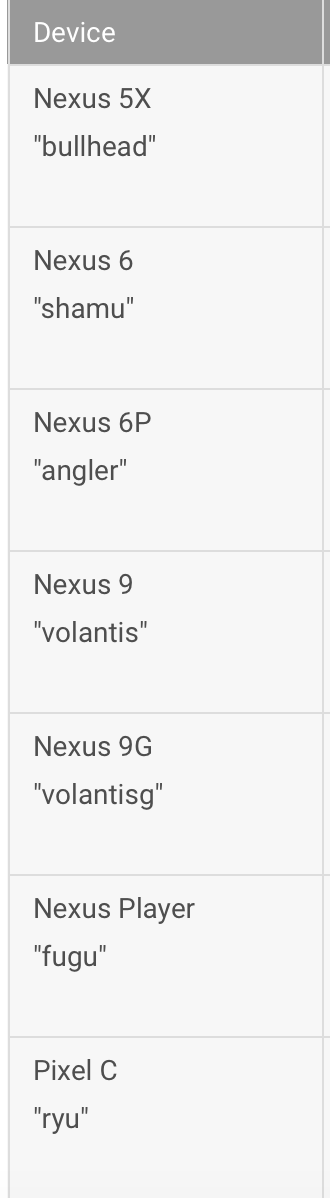
The update can be had today if you are running any of the following devices: Google’s Nexus 6, Nexus 5X, Nexus 6P, Nexus Player, Nexus 9 and Pixel C devices. Once you’ve updated your device, Google will also continue to push new updates OTA to it as they are released.
While the percentage of people on Marshmallow is still low, Google has already moved forward with Android N, what the final name will be, is still unknown. (leave your possible ideas below)
Hit the source link in case you want to try out the new Beta, however if it is your main device, we strongly suggest against it.
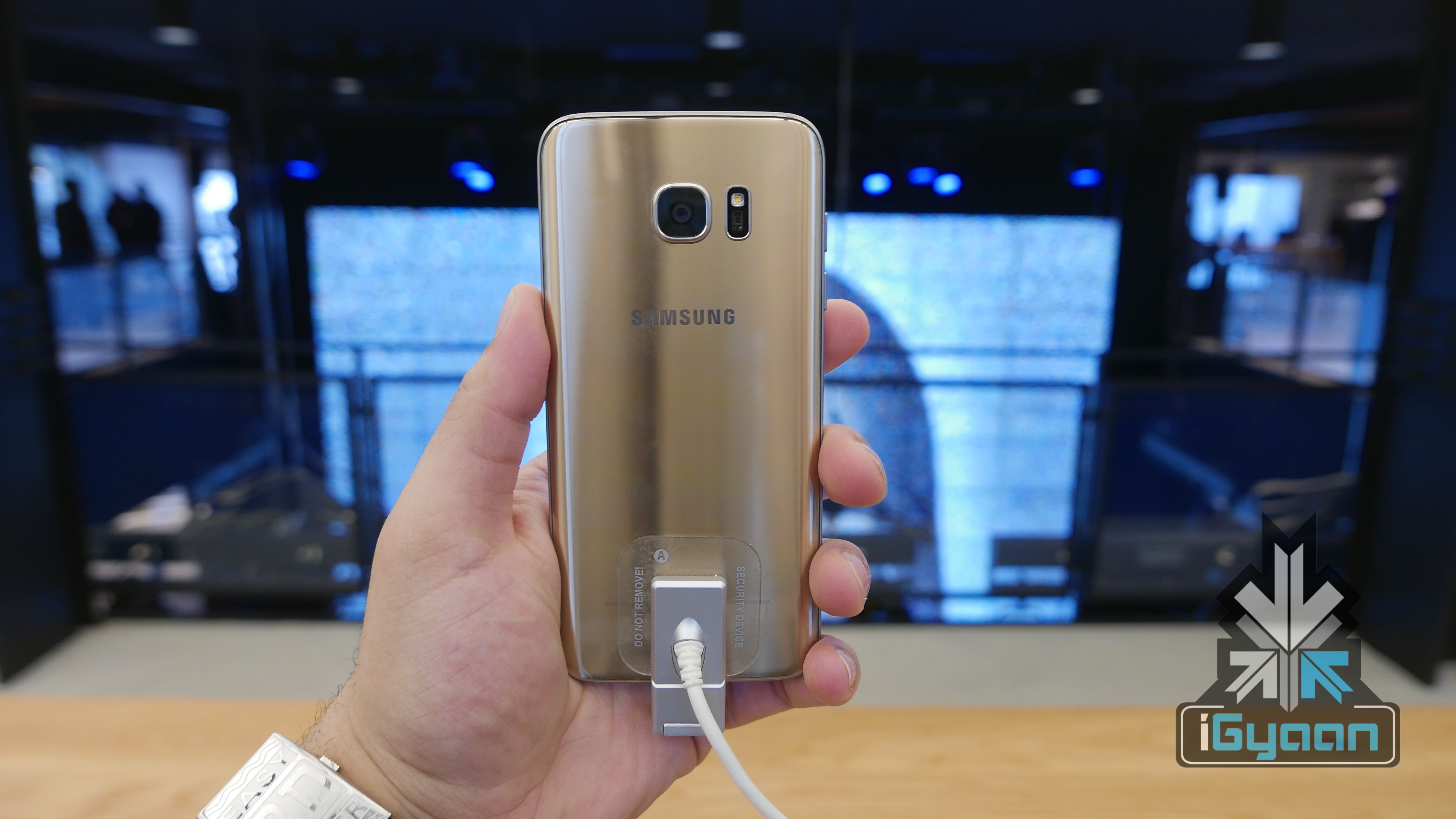
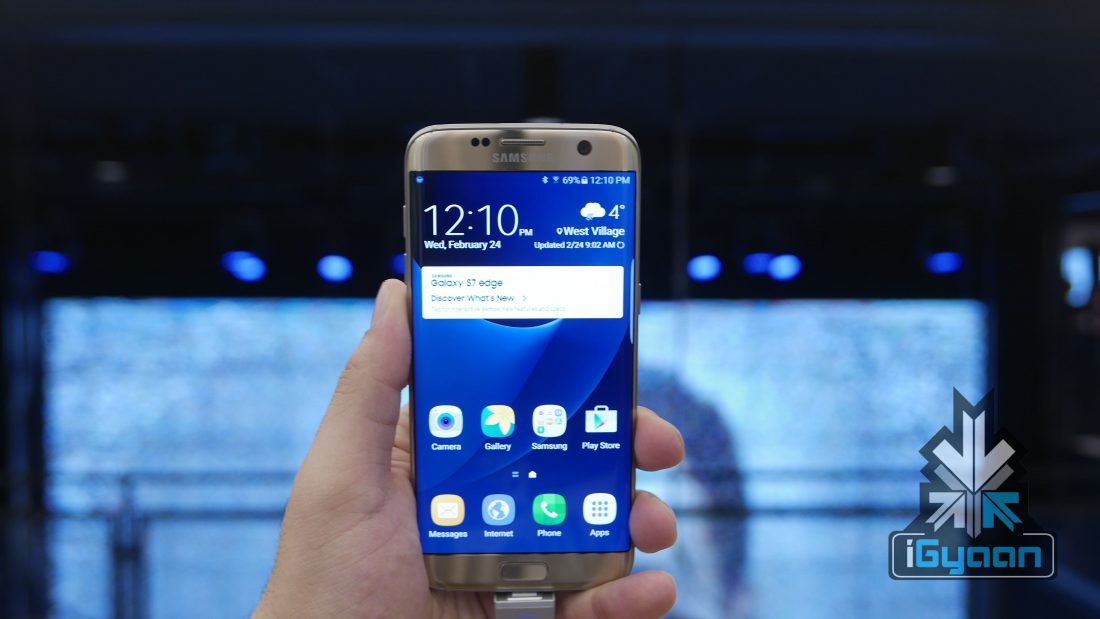
Samsung launched its flagship Galaxy S7 and S7 Edge in India yesterday. The devices are priced at Rs 48, 900 and 56, 900, respectively. The Galaxy S6 and S6 Edge successors come packed with top-of-the-line specifications and next-gen technology, along with a beautifully crafted design that is carried forward from the S6. We take a look at some of the best new features the Galaxy S7 and S7 Edge have to offer and whether the devices are worth your money.
Powerful Hardware
The new flagship devices have improved on specifications wherever it could. The pair is powered by newly powerful Exynos 8890 Octa, Mali-T880 MP12 and 4GB of RAM. Check out the detailed spec table below.
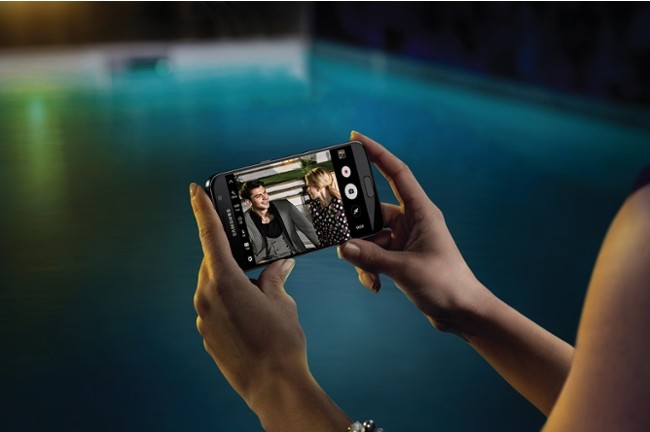
Among the bumped up specs inside the new Galaxy S7 and S7 Edge, one new technology that grabbed everyone’s attention at the MWC last month was the new Dual Pixel technology employed in the rear camera.
The Dual Pixel, essentially, is an improvement or a natural evolution from the Phase-Detection Auto-Focus technology used by many other smartphones. Firstly, Samsung downgraded from 16MP found in the S6 to 12MP in the S7. The decision to do this was to focus more on quality rather than quantity. The 12MP sensor brings 56% bigger individual pixels with1.4um pixels as compared to the S6.
The S7 comes with a wider f/1.7 aperture (the S6 had a f/1.9 aperture) that allows for a lot more light to come in, 25% more to be more accurate. This results in great low-light captures that are sharp and colourful. Much like the human eye, the Dual Pixel technology sends light from the lens to two image sensors separately to adjust the focus.
Water Cooled Systems to Rival Desktop Machines
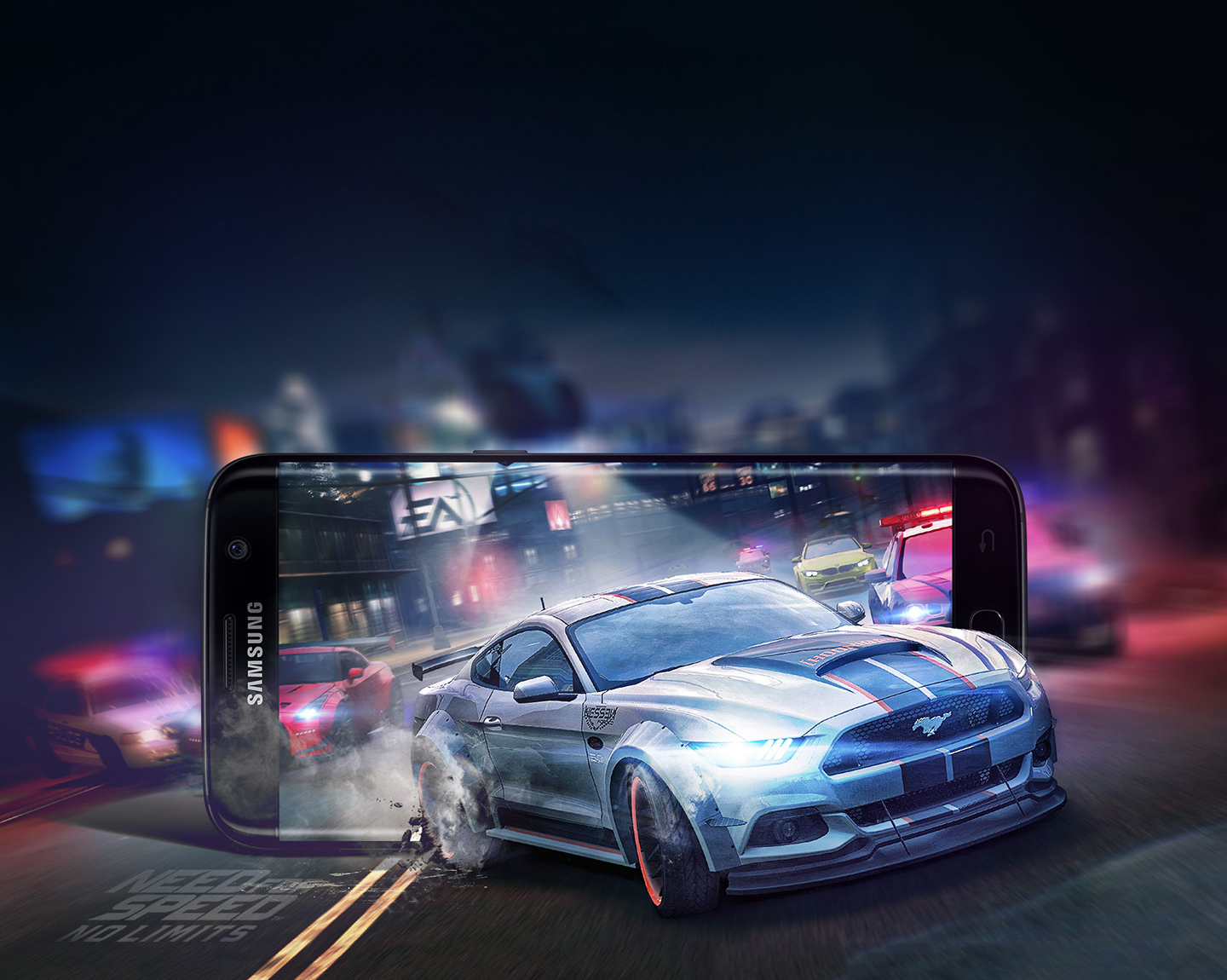
Phones running high-end multi-core CPUs are notorious for running a bit too hot under stress, and as we know, heat is the ultimate enemy of any gaming machine. No matter the exalted processing capabilities of a phone, or beefy battery packs that they come with, if it runs hot, you game not.
Samsung in its bid to fight this menace has come up with a system that’s not new to bigger desktop machines but is groundbreaking for mobile devices. The Galaxy S7 and S7 edge are equipped with a very thin sealed copper liquid based cooling system, enabling these phones to run cool and fast without facing any CPU or GPU throttling. The system keeping the internals of the phone cool will also result in better battery life.
Vulkan API
Mobile phones benefiting from the great advancements in silicon technology over the years have become smaller, thinner and at the same time grown more powerful. The latest generation of mobile phones bring with them specs which boast of computing power at times even surpassing that of the last generation consoles such as the Xbox 360 and PS3.
MicroSD is Back
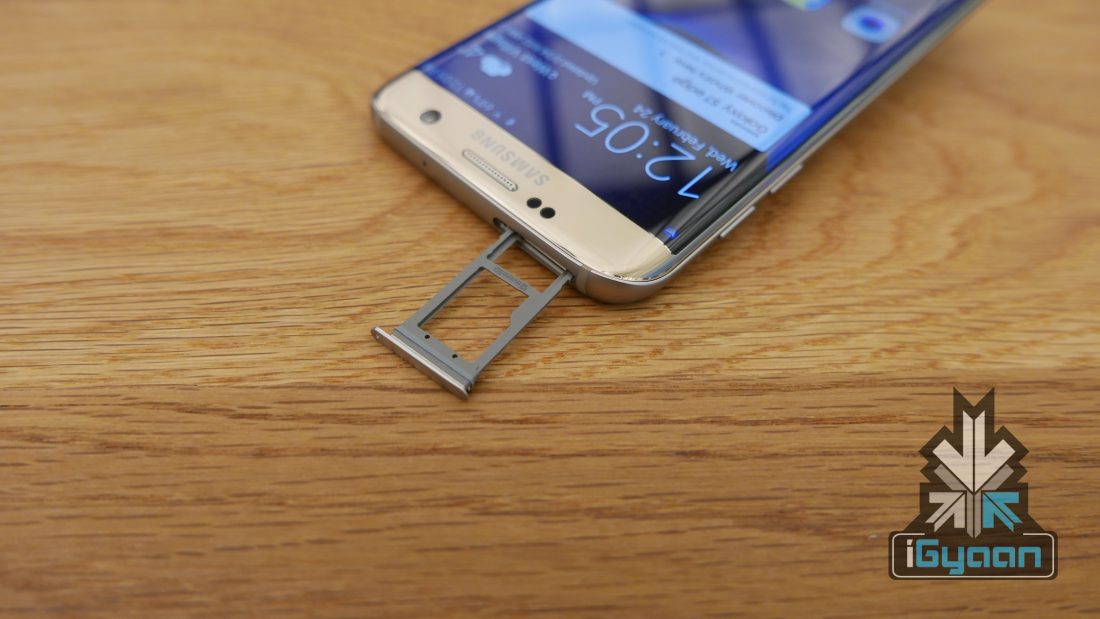
Samsung heard the cries of thousands of fans who were disappointed that the Galaxy S6 did not come with a MicroSD card slot. The Galaxy S7 series brings the slot back that allows up to 200GB of expandable storage. With read and write speeds having improved over the years, Samsung felt it was the right time to bring back the option.
It’s Dust and Waterproof
The Galaxy S7 series come with IP68 rating which means the devices are dust proof and can handle a rainy day as well. The devices can be submerged underwater up to 3 meters. With premium devices such as these, an IP68 rating is what consumers would love to hear.
Design
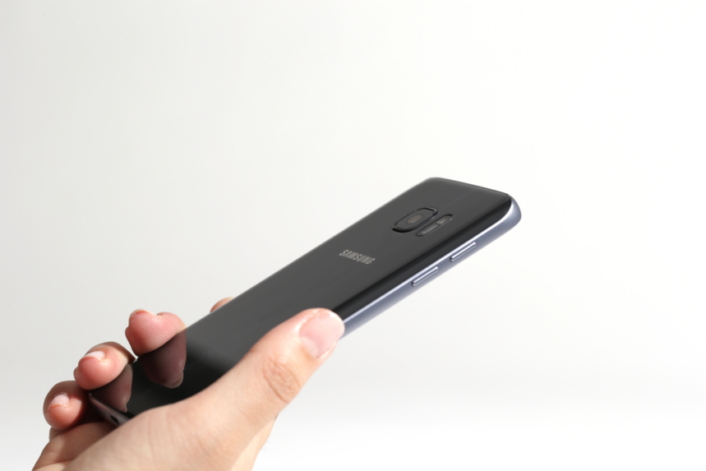
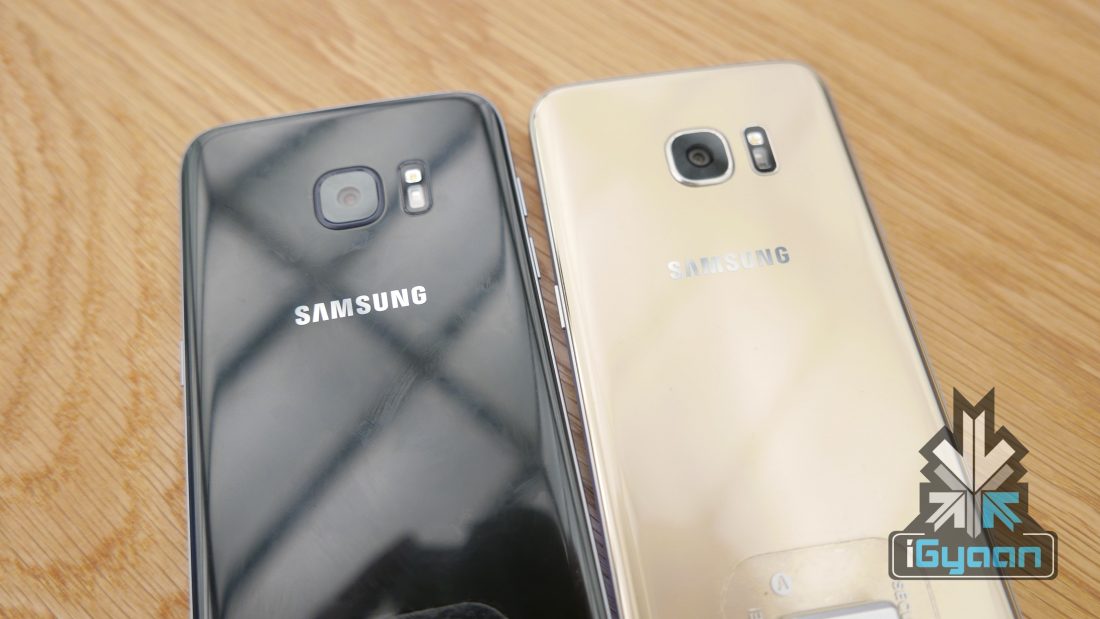
We keep design at the end as it is the one thing that isn’t all that new with the new Galaxy S7 devices. And that is not a bad thing at all. Last year’s Galaxy S6 series were praised for its brilliant design language that brought together glass and metal to form a beautiful piece of machinery.
It’s not surprising, then, that Samsung decided to stick to the same design language with the successor, Galaxy S7. The new flagship retains the looks, adds a MicroSD card slot, and packs next-gen specifications. But what the S7 also adds is a curved edge at the back that exquisitely blends into the metal frame and gives a great looking shape as well as improves the grip.
Meanwhile, The S7 Edge features the same dual edge design as its S6 counterpart but on a bigger 5.5-inch form factor and comes with a QHD Super AMOLED display with a pixel density of 534 ppi compared to the 5.1-inch QHD 577 ppi screen that we saw on the S6 Edge.
Artificial Intelligence over the past couple of years has progressed at a rapid pace. Be it Robots like Pepper which possess the capability to understand human emotions or simple pieces of intelligent code such as Siri which can based on your past behaviour patterns assist you in your day to day tasks, artificial intelligence is slowly but surely taking center stage in our lives today.
In a continuation of this trend, robots with artificial intelligence are now making way to hotels near you. Hilton, the famous hotel chain, has partnered with IBM to create a robotic concierge that it will fondly call “Connie” in memory of its founder, Conrad Hilton.
https://www.youtube.com/watch?v=jC0I08qt5VU
Connie is a Nao robot, a French 58cm-tall bot which is powered by IBM’s AI tech, Watson Smart. IBM claims that this Robo Concierge can understand speech, and the tech giant further claims that it enables the ‘bot to greet guests, answer questions about the hotel, and provide details about local services, sights and restaurants.”
Talking about the move, Rob High, chief technology officer of Watson said in a statement,
“This project with Hilton and WayBlazer represents an important shift in human-machine interaction, enabled by the embodiment of Watson’s cognitive computing. Watson helps Connie understand and respond naturally to the needs and interests of Hilton’s guests—which is an experience that’s particularly powerful in a hospitality setting, where it can lead to deeper guest engagement.”
Just in case you were wondering, Hilton’s friendly Robo Concierge, Connie, is not the first robot to to be employed by a hotel. Japanese hotel, the Hen-na in Nagasaki has a staff which is majorly manned by robots, speaking both Japanese and English.
Dell India at a press event in Delhi launched the 7000 Series Latitude range of ultrabooks. This new 7000 series of ultrabooks are targetted towards users looking to maximise business and productivity, and as Dell says these “provide the perfect blend of industry-leading security, manageability and reliability features.” Dell has done an excellent job with the 7000 series ultrabooks as this new range of ultrabooks is beautiful to look at with stunning design and InfinityEdge display.
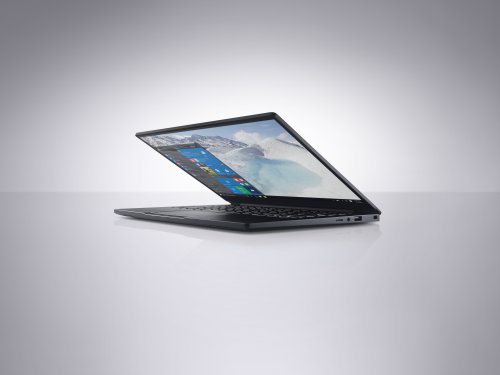
Dell Latitude 13 (7370) 7000 Series Ultrabook
It is the world’s smallest business-class Ultrabook and 33 cm(13) and is an ideal device for users looking for a machine to take care of their business needs on the go. It is built using layers of unidirectional 40-ton carbon fiber and as such Dell claims it is ready for the rigors of heavy business use.
The Dell Latitude 13 is also the world’s only business-class Ultrabook with InfinityEdge display which is great or watching videos, surfing the web, and making documents and presentation on the go. In keeping up with the times, the ultrabook comes equipped with a USB Type-C port. It also includes Thunderbolt 3 for 8x faster data transfer than USB 3.0. It also brings with it a smartcard reader, fingerprint reader, RFID reader, and security and encryption software.
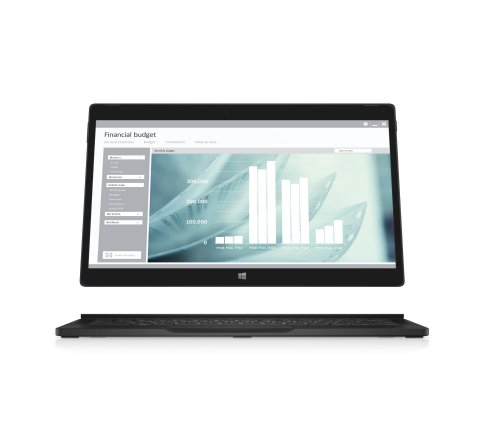
Dell Latitude 12 (7275) 7000 Series 2-in-1
Dell claims the Latitude 12 to be one of the lightest 31.8 cm (12.5) 2-in-1 devices in the world. It provides a good blend between the functionality of a laptop and the sleek, lightweight profile of a tablet. The unique design is free of cumbersome latches, locks or alignment pins, and instead uses magnets, easily transitioning from various use modes for maximum flexibility and productivity.
This offering from Dell comes with two keyboard options. The first being the Dell Latitude 12 Slim Keyboard, which is a full-sized, lightweight, well-spaced keyboard with backlit chiclet keys. The second alternative that the company brings to its users is the Dell Latitude 12 Premium Keyboard, which single-handedly connects to the tablet, and features backlit keys and mouse cursor control with high precision, gesture touchpad.
The Dell Latitude 12 2-in-1 comes with a very sleek 8mm screen which is the only business 2-in-1 device with a 4K UltraSharp UHD touch display. This display is covered by Corning Gorilla Glass, and the body of this device features a magnesium unibody build.
Dell has revealed that the Latitude 13 7000 Series Ultrabooks will be available starting next month at a price of INR 79,999. Dell Latitude 12 7000 Series 2-in-1 will find its way to the markets a bit late, and will be available by available March end at a starting price of INR 87,999.