Category: Camera

Camera, Camcorders, DSLR, Mirrorless, Lenses and Accessories. All Here

  • Apple And Google Join Forces To Acquire Kodak Patents

    kodak

    According to a Bloomberg report, Apple and Google could be joining forces to buy Eastman Kodak patents out of bankruptcy for around $500 million.

    Apple’s groups aiming for the Kodak patents included Microsoft and Intellectual Ventures Management LLC, sources said, while Google’s associates included patent risk solutions company RPX and the makers of Google’s Android phones.

    Kodak went into Chapter 11 bankruptcy in January and got a cash infusion based largely on the value that could be realized on the auction of its patent portfolio. Kodak has a huge amount of digital imaging patents and estimates the stack’s value at over $2bn at current market rates.

    Unlikely partnerships are typical in patent sales because they allow competitors to neutralize potential infringement litigation. A group including Apple,Microsoft Corp. and Research in Motion Ltd. bought Nortel Networks Corp.’s more than 6,000 patents for $4.5 billion out of bankruptcy last year. Google lost the auction for those patents after making an initial offer of $900 million.

    [quote]”Apple and Google learned a lesson from the Nortel’s auction,” said Richard Ehrlickman, former vice president of Intellectual Property at International Business Machines Corp. and president of IP Offerings, a patent brokerage and consulting company in the Bloomberg report. “They have decided to come together in this process to reduce the cost of purchasing the Kodak patents, while meeting their business needs.”[/quote]

    What exactly the two companies would do with  the Kodak patents is unclear, but owning patents is a thing companies like to do. So, maybe they’ll just own them to own them. There’s always that option.

  • Couple Finds Camera Buried In Earthquake With Wedding Photos Intact

    Couple Finds Camera Buried In Earthquake With Wedding Photos Intact

    Camera

    A crazy story of photo survival has emerged over in New Zealand. Apparently a couple had lost their camera during the Christchurch earthquake last February. They found the demolished camera yesterday, 18 months after it got buried in silt, and were overjoyed to find that their precious photos were still readable.

    According to Stuff (via PetaPixel), Martin lost his camera in the damaging earthquake that struck Christchurch in February, 2011. He and his wife had just returned from their honeymoon, and had only been back in their home an hour when the quake hit.

    In the ensuing panic to evacuate their crumbling house, the camera – with more than six months’ worth of pictures on its Adata 4GB SDHC memory card – was washed away with other belongings in silt more than a meter deep. The newly married couple, though upset by the loss of the precious photos, accepted there was nothing they could do and carried on.

    Then on Wednesday evening, a full 20 months after the quake, Martin noticed an object sticking up out of his driveway. On closer inspection, he realized it was his long-lost camera. As you can see from the image above, the snapper was in bad shape, but Martin wondered if the memory card might be made of sterner stuff.

    To his astonishment, following “a bit of tinkering” with the memory card on his computer, the New Zealander was able to recover all the shots contained on it, including those from his wedding and honeymoon.

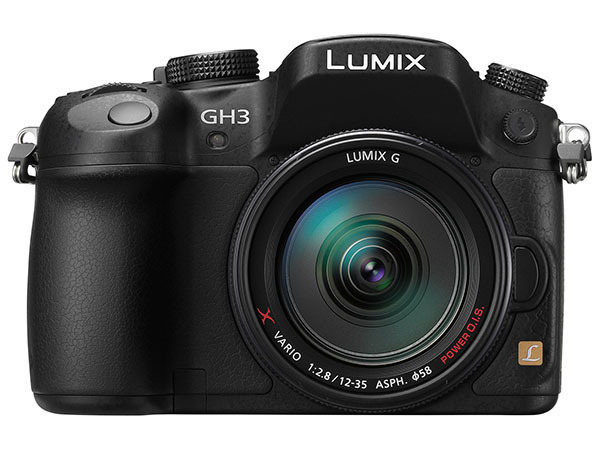
  • Panasonic’s GH3 mirrorless camera Launched with16.05MP, WiFi and 72Mbps HD video rugged shell. (PR)

    Panasonic’s GH3 mirrorless camera Launched with16.05MP, WiFi and 72Mbps HD video rugged shell. (PR)

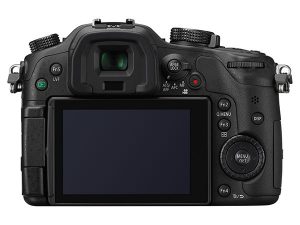
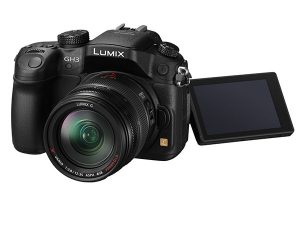
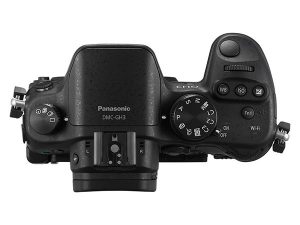
    Panasonic has teased, teased and teased its new G series camera, to finally launch it with interesting specs.  The Micro-Four Thirds almost as bis as a DSLRs and loaded with features  including dust- and splash-proof magnesium alloy body, you’ll find a 16.05-megapixel Live Mos sensor with 200 to 12,800 ISO natively with extension from 125 to 25,600. Alos in the mix is the Panasonic’s latest Venus engine, with 6 FPS burst shooting (20 in 4-megapixel mode).

    Video is a major feature for Panasonic’s big baby,  You’ll be able to shoot in either MP4, MOV, AVCHD or AVCHD Progressive, with a maximum bandwidth of “72 Mbps (ALL-Intra) / 50 Mbps (IPB).” The formats can be recorded using frame rates of 24, 30 and 60p (excluding MOV and AVCHD), and you’ll even be able work with SMPTE time-codes for syncing footage easily in post production.

    The GH3 is equipped with two OLED displays, a 1,744k-dot electronic viewfinder (EVF) and 614k-dot, 3-inch LiveView(LV) swiveling screen. In our experience, we found that OLED displays tend to provide greater viewing clarity compared with typical TFT screens. Also a proximity sensor–located near the eyepiece–lets users switch between EVF and LV mode quickly.

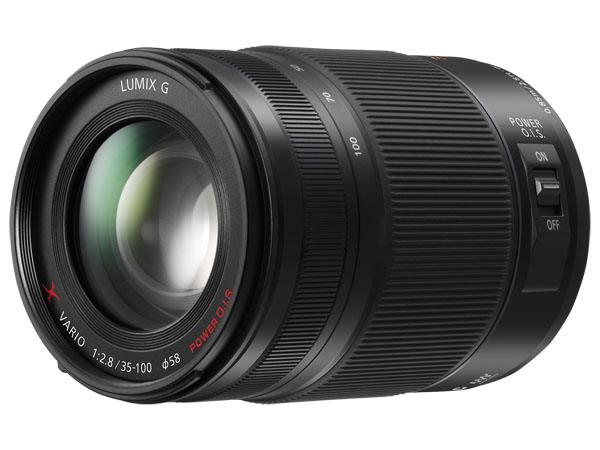
    Also announced is a new Lumix G X VARIO 35-100mm F2.8 zoom lens (70-200mm, 35mm equivalent) that features a constant F2.8 aperture The highlight of this lens is that it uses an inner focusing mechanism which does not extend during zooming and incorporates the company’s proprietary Nano Surface Coating for reduction of flare and ghosting during image capture.


    Panasonic Lumix DMC-GH3 key specifications:


    • New 16.05-megapixel Live MOS sensor
    • Improved Venus Image processor
    • Wi-Fi
    • Weather-proof (dust- and splash-proof)
    • Built-in 1,744k-dot, OLED electronic viewfinder
    • 614k-dot, 3-inch fully articulating LCD display
    • ISO 200 to 12,800 (Expandable to 25,600)
    • 6fps in burst-mode shooting
    • 1080p full-HD video recording
    • RAW image capture

    If you want the most indepth PR read below:


    [toggle_box title=”Press Release” width=”Width of toggle box”]

    THE ALL NEW GH3 – CHANGING PHOTOGRAPHY


    Engineered For The Multimedia Photographer


    September 17, 2012 (Secaucus, NJ) – Panasonic is proud to introduce the new Digital Single Lens Mirrorless DMC-GH3. The LUMIX GH3 is not just a compact, lightweight camera. It is an attractive, top-of-the-line mirrorless single lens system camera that is tough enough to withstand the extreme conditions of heavy field use.


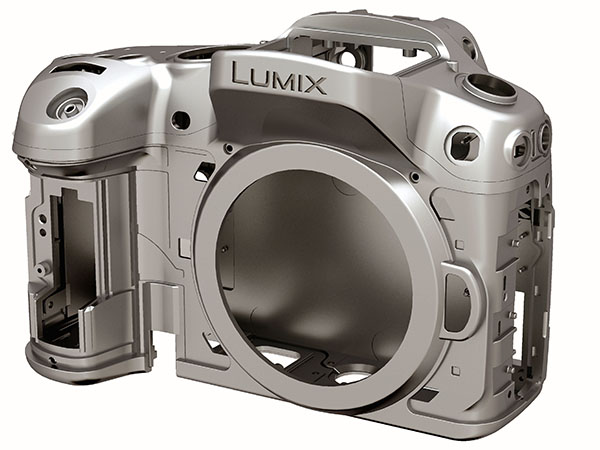
    The new Live MOS Sensor achieves high-resolution images with minimum noise. And the new Venus Engine attains high-speed, high-quality signal processing. These features combine to maximize shooting fun and operating ease. Another prominent feature of the LUMIX GH3 is a tough body that is rugged enough to stand up to professional use. It features a magnesium alloy full diecast body and advanced splash / dustproof construction that was achieved by sealing the sections of the camera body to enable shooting under extreme conditions. Although the LUMIX GH3 integrates features a class above other G Series models, it is still compact when compared with an SLR camera featuring equivalent performance and functions. The body has enabled a new control layout with three dials on the front and back as well as single-function buttons. The LUMIX GH3 allows users to capture images in extreme environments and provides superb mobility. It also records still images consecutively at a rate of about 6 fps. The LUMIX GH3 is proud to assume the role of Panasonic’s flagship digital single-lens mirrorless camera.


    The video recording capability, which is highly acclaimed in the GH2, now comes with more variety of options in its format and bit rate to meet wide-ranging needs. It is packed with advanced technologies developed by Panasonic for professional video creation.

    The LUMIX GH3 uses OLED displays both in its viewfinder and in the rear free-angle monitor. Panasonic has also developed optional accessories to expand the shooting possibility of DMC-GH3. A detachable battery grip DMW-BGGH3 for vertical viewing angle, integrates control featuring splash/dustproof design. The external TTL flash DMW-FL360L comes with wireless function and even integrates LED for video recording. A Stereo Shotgun microphone DMW-MS2 is also available. They represent a first of their kind for Panasonic LUMIX cameras.


    Panasonic also offers a full lineup of lenses that reinforce the LUMIX GH3. The LUMIX G X VARIO 12-35mm / F2.8 ASPH. / POWER O.I.S. (H-HS12035) is currently on the market. In addition to this, Panasonic is releasing a new fast F2.8 telephoto zoom lens LUMIX G X VARIO 35-100mm / F2.8 / POWER O.I.S. (H-HS35100) to introduce with the LUMIX GH3. These two lenses achieve high resistance performance against splash and dust when combined with the LUMIX GH3.


    The LUMIX G lens lineup includes a variety of models with superb image rendering, such as Leica lenses and smooth, silent power zoom lenses suitable for video recording. *This is the largest lineup of interchangeable lenses for a digital single lens mirrorless camera*. And Panasonic will continue to develop and introduce new lenses with distinctive features.
    *As of 17, September 2012.


    Delivering the highest ever picture quality with a new Live MOS sensor
    The DMC-GH3 realizes high-quality photo images with real-to-life details through excellent resolution, image rendering and color reproduction; high-grade lens and precision AF achieves high resolution, optimal balance of resolution and noise reduction achieves lifelike image rendering and high precision auto exposure and white balance with live light metering results in faithful color reproduction.


    The newly developed 16.05 effective megapixel Live MOS sensor boasts wide dynamic range and high sensitivity image recording even at ISO 12,800 or ISO 25,600 in extended mode. The key point here was reducing noise, for which Panasonic focused on the following three areas: (1) minimizing noise in the sensor, (2) preventing sensor noise from entering the output signal, and (3) preventing noise from entering the signal processing circuit, power supply line and grounding line. To reduce noise, it is also important to design the power supply wiring and the signal wiring connected to the engine to be as close to the same length as possible. These measures not only suppress noise but also help to improve processing speed. Standard sensitivity is from ISO 200 to ISO 12,800, but the user can set sensitivity to ISO 125 or ISO 25,600 by using an extension function. The LPF (Low Pass Filter) has been also newly designed to minimize generation of moire while drawing maximum resolution of the image out of the sensor.


    The image processor Venus Engine is also refined to achieve superior noise reduction. With a combination of 3DNR (3D Noise Reduction) and MNR (Multi-process Noise Reduction), both bright area and dark area are faithfully reproduced with minimum noise across the entire focusing range in high sensitivity image recording.


    The built-in flash is enhanced to feature more power and flexibility. The new built-in flash of GN12 equivalent (ISO 100 •m) / GN17 equivalent (ISO 200 •m) covers 24mm wide angle of view. Synchronization for flash dimming and exposure compensation is available with adjustment of 1/3EV Step ±3EV. Manual control and a sync terminal are newly added for more versatile use of external flash.


    The GH3 also integrates HDR (High Dynamic Range) to cope with the extreme bright and dark contrast that you get, for example, with backlighting, or when consecutive photos are taken with different exposure levels and overlapped. Blown highlights and blocked shadows are then deleted and a single photo is composed. All processing is done in the background, so you can take your next shot without having to wait, ensuring that you don’t miss a photo opportunity.


    Other practical shooting functions including Time Lapse Shot or Multiple Exposure are available on DMC-GH3. The electronic shutter with silent operation prevents pixel declination which is undesirable in photographing of commercial products.


    Awesome quality of video for unlimited expressions – versatile recording formats, bitrate and frame rates?
    Panasonic defies the conventional boundaries of a digital camera elevating the potential of video recording capability even higher. Users can freely choose the format from AVCHD, AVCHD Progressive, MP4 or MOV with the frame rate at 60p(NTSC), 30p(NTSC) or 24p according to the usage*. The DMC-GH3 is capable of recording ultra high bit rate video recorded at 72 Mbps (ALL-Intra) or 50 Mbps (IPB). And it is capable of recording continuously for an unlimited time**.


    Heat generated during long continuous recording can cause problems. It not only affects internal components but can also degrade image quality. Effective thermal diffusion is an essential design challenge. By drawing on the expertise accumulated through its many years of developing camcorders, Panasonic has revamped and redesigned the electronic parts arrangement and internal structure to achieve the optimum layout. This has eliminated heat problems in the LUMIX GH3.


    When recording the video in MOV, AVCHD Progressive and AVCHD, the DMC-GH3 automatically generates multiple seamless files for continuous recording. During playback, the AVCHD Progressive / AVCHD files are reproduced with seamless, interruption-free continuity. The DMC-GH3 also embeds SMPTE-compliant Time Code either in Rec Run or Free Run count-up methods, which makes it easy to synchronize the multiple video footage or sound source in the post production workflow. Time Code Value can be started at any point of [Reset], [Manual Input] and [Current Time]. Drop frame or Non Drop Frame time code is selectable***.

    For high quality sound recording, DMC-GH3 adopts Dolby Digital® for AVCHD?Progressive /AVCHD videos and linear PCM(LPCM) for non-compressed video recorded in MOV. In addition to the built-in stereo microphone, the GH3 is equipped with two 3.5mm terminals for an external microphone and headphones to facilitate sound recording.


    The DMC-GH3 also features Creative Video mode: Exposure mode and Slow/Fast-Motion mode. In the Exposure mode, four manual video modes: Program AE / Aperture-Priority / Shutter-Priority / Manual Exposure can be selected and they will faithfully reflect your shooting intent, and give you a wide range of video images. The Slow/Fast-Motion mode enables slow-motion (40% / 48% / 80%) and fast–motion (160% / 200% / 300%), all in Full-HD.


    Not only full-time AF, AF Tracking and Face Recognition AF are also available. The Touch AF in video recording also lets users enjoy professional-like rack focusing. Just by pointing at the subject, the focus is shifted to it and lets it stand out to attract attention.


    *60p(NTSC) video recording is not available in AVCHD and MP4 video recording.
    **In the model for PAL areas, motion image can be recorded up to 29 min 59 sec.
    ***Available in the model for NTSC regions.


    Intuitive response with nimble movement
    All cameras in the LUMIX G assortment adopt Contrast AF for their focus system. Compared with the Phase difference system AF, the Contrast AF boasts higher accuracy when shooting with a bright lens with a wide open aperture.


    The DMC-GH3 features ultra-high-speed AF which makes it possible to capture fast-moving subjects clearly. Both accuracy and speed are improved over high-end DSLRs with Phase difference AF with the GH3’s advanced Contrast AF system. The camera and the lens exchange the digital signal at 240 fps to minimize the time to focus. Together with the quick start-up and short release time lag, the DMC-GH3 never lets photographers miss fleeting shooting opportunities.


    The DMC-GH3 boasts high-precision, high-speed dual OLED (Organic Light-Emitting Diode) displays for LVF (Live View Finder) and rear monitor. Increasing the resolution of the display area to 1,744K-dot equivalent, the new 16:9 Wide Screen LVF boasts approx.1.34x / 0.67x (35mm camera equiv.) magnification and 100% field of view and eye point of approximately 21 mm. By adopting the OLED display, the time lag is minimized dramatically compared with the predecessor DMC-GH2. The image output between the LVF and the rear monitor is switched automatically with the eye sensor on the LVF, which features options of sensitivity – high, low and off – to reduce accidental activation of the rear monitor.


    The 3.0-inch 614K-dot free-angle OLED rear monitor (3:2 aspect) with wide-viewing angle rotates 180° to the side and tilts 270° up and down offers approx. 100% of field of view. The OLED rear monitor adopts static touch control for smoother operation either in shooting or in playback.


    The DMC-GH3 captures moving subjects clearly with the burst shooting at 6 fps in full resolution (max. 18 consecutive shots of RAW+JPEG) and 20 fps in 4-megapixel recording using an electronic shutter(max. 80 consecutive shots of JPEG).


    The DMC-GH3 comes with a Level Gauge which lets the camera detect the horizontal/vertical angle of view with its internal level working with the acceleration sensor. Photos shot in a portrait aspect will be automatically displayed vertically whichever lens is used.


    Superb controllability and rugged design
    Panasonic developed DMC-GH3 in pursuit of the best-balanced body design possible with the ergonomic grip and optimum layout of control buttons and dials. Each button has a single function to allow intuitive operation. Major controls such as shutter speed, exposure compensation, ISO and white balance settings can be quickly adjusted with the front/rear dials and rear jog dial. Users can customize a total of 7 function buttons (5 in buttons and 2 in the touch menu tab) by allotting a function they use often. The control panel is fully redesigned enabling even more intuitive operation. Using the LUMIX G Series’ first detachable battery grip with integrated controls for vertical shooting angle, which was developed concurrently with the LUMIX GH3, the user can operate the dials and buttons easily in virtually the same way when shooting horizontally.


    The new LUMIX GH3 is tough enough to withstand heavy field use. The main structural features of the LUMIX GH3 are its magnesium alloy full diecast frame and splash / dustproof construction.


    Like previous models, the LUMIX GH3 has many moving parts, such as the free-angle OLED rear monitor. Thus, ensuring a high level of splash / dust resistance was not an easy task. In particular, careful attention was given to the popup flash. To prevent vignetting caused by the lens, the popup flash incorporates a sliding mechanism that raises the flash to its operating position. Panasonic has taken thorough measures to prevent the entry of dust and water from this section. There are also splash/dust-proof interchangeable lenses (LUMIX G X VARIO 12-35mm / F2.8 ASPH. / POWER O.I.S. and LUMIX G X VARIO 35-100mm / F2.8 / POWER O.I.S.) and the new Battery Grip DMW-BGGH3 to secure its high resistance.


    5. A variety of interfaces
    The DMC-GH3 comes with a variety of connection terminals for more flexible shooting options. The newly added 3.5mm microphone jack allows high quality audio recording using an external microphone. It also comes with a 3.5mm headphone jack enabling monitoring the recorded audio while shooting video real-time. The DMC-GH3 is also capable of real-time image output not only on the OLED display (LVF or the rear monitor) but also on the external monitor via an optional HDMI mini cable simultaneously while recording video. It is suitable for professional video that requires serious monitoring of the imagery. Users can choose to output only the recording content or the content with the setting menus individually depending on the display.


    In addition to these, the DMC-GH3 offers remote control with optional Remote Shutter DMW-RSL1 and AV output (Audio 2ch, Composite). The compatibility with the UHS-I (Ultra High Speed I) SDXC/SDHC Memory Card allows faster data writing even in RAW recording mode.


    6. Wireless connectivity via Wi-Fi ®
    The DMC-GH3 integrates a built-in Wi-Fi® module for wireless connectivity (IEEE 802.11 b/g/n) to expand shooting possibilities. A smartphone or a tablet can be used to remote control and a remote monitor. What the camera is seeing is displayed live smoothly on the smartphone/tablet, and it is possible to set various controls including focus, exposure compensation, ISO, WB and Photo Style in addition to shutter release via live view using Wi-Fi.

    After shooting, images including RAW files can be transferred to a smartphone or tablet immediately. Users can choose to upload images to the LUMIX CLUB Cloud Sync. Service via Wi-Fi- tethering and to send them to the DLNA (Digital Living Network Alliance) -compliant AV equipment via a wireless router at home. In addition, it is possible to tag the location information to the image by utilizing the GPS (Global Positioning System) log of a smartphone/tablet. All these flexible shooting / browsing / sharing styles are made possible with the DMC-GH3 and Panasonic’s dedicated application software “LUMIX LINK” for Android / iOS smartphones.


    Archiving of images can be accomplished wirelessly with the DMC-GH3. Users can save precious images to the Panasonic’s exclusive “LUMIX CLUB Cloud Sync. Service”. In this cloud service, a personal folder is allotted to the GH3 users to upload image data anytime to transfer the image saved at this space to Facebook™, Flickr™, Picasa™, Twitter™ or YouTube™. With the LUMIX CLUB Cloud Sync Service, not only full-resolution photos but also HD quality videos can be synchronized among the compliant electronic devices you are using (e.g. PC, smartphone and AV equipment) or transferred to the websites you like. The Wi-Fi function also allows playback of images on the DLNA-compliant VIERA HDTV for viewing in private or public*.
    *The wireless access point (router) is required.


    7.?Creative Expression
    The DMC-GH3 incorporates Photo Style and Creative Control for more unique expression tailored for the photographer.


    With Photo Style, users can manually choose from 6 color types to get even more detailed image settings, or to match the shooting situation. In addition, the contrast, sharpness, saturation or noise reduction for each mode parameter can be customized in 11 steps and stored in memory. In Custom Mode, finely customized settings can be stored for easy recall and use.

    The Creative Control lets you enjoy making the image even more impressive. A total of 14 filters are available – Expressive, Retro, High Key, Low Key, Sepia, Dynamic Monochrome, Impressive Art, High Dynamic, Cross Process, Toy Effect, Miniature Effect, Soft Focus, Star Filter and One Point Color. Most of the filters can be used in video recording, too. With the new GUI and menu tabs, switching filter effect is extremely easy and is possible to preview via the Live View. Effect parameter, defocusing area and exposure compensation are also adjustable.


    8. Rich options for further expandability
    Micro Four Thirds System products provide customers with even higher levels of performance in a digital interchangeable lens camera. In addition to LUMIX G lenses, the LUMIX DMC-GH3 can use any interchangeable lens that complies with the Four Thirds System standard via an optional mount adaptor DMW-MA1 and with the prestigious Leica M/R Lenses via DMW-MA2M or MA3R. This gives the user access to an unlimited number of lens properties.


    Also, the LUMIX DMC-GH3 offers a wide variety of options to choose from to match every shooting situation and shooting style.


    New Battery Grip DMW-BGGH3
    The ergonomically designed Battery Grip DMW-BGGH3 enables the GH3 to offer a longer battery life of more than 1,000 pictures*. It offers comfortable grip and easy handling even when shooting vertically.
    *When using LVF and the battery inside the body.


    New External Microphone DMW-MS2
    The new plug-in power type External Microphone DMW-MS2 with windjammer enables high quality audio recording. Directional control Stereo/ Shotgun is switchable in the menu. The holder is designed with a vibration absorption mechanism. This advanced external mic suppresses the camera’s motor noise and handling noise, to capture the sound that you’re aiming for.


    New External Flash DMW-FL360L
    The new GN36( ISO100?m) flash complies with useful bounce lighting. A wireless capability is handy for multiple-flash shooting. The LED light is especially useful for video shooting. Charging is fast at only about 2 seconds, to provide comfortable and easy flash shots.


    • “AVCHD Progressive”, “AVCHD”, the “AVCHD Progressive” Logo and the “AVCHD” Logo are trademarks of Panasonic Corporation and Sony Corporation.
    • Dolby and the double-D symbol are trademarks of Dolby Laboratories.
    • HDMI, the HDMI logo and High-Definition Multimedia Interface are trademarks or registered trademarks of HDMI Licensing LLC.
    • All other company and product names are trademarks of their respective corporations.
    •This unit is compatible with both SD/SDHC/SDXC Memory Cards. You can only use SDHC Memory Cards on devices that are compatible with them. You cannot use SDHC Memory Cards on devices that are only compatible with SD Memory Cards. (When using an SDHC Memory Card on another device, be sure to read the operating instructions for that device.)
    • Some accessories are not available in some countries.
    • The use of recorded or printed materials that are protected by copyright for any purpose other than personal enjoyment is prohibited, as it would infringe upon the rights of the copyright holder.
    • Design and specifications are subject to change without notice.

    [/toggle_box]


  • Lomography Diana Baby 110 : Super-Small Camera

    Lomography Diana Baby 110 : Super-Small Camera

    Lomography has had great success with the small Diana F+ and the Diana Mini, and they’ve just added an even smaller camera dubbed the Diana Baby 110 Camera featuring a 24mm lens.

    The Diana Baby 110 fits into the palm of your hand or easily in your pocket using their B/W Orca 110 film and their new Tiger 110 color film to capture your memories on the fly. Baby 110 also comes with the interchangeable 12mm super-wide angle or 24mm standard lens with flash capability to keep you shooting into the night. It is available now at Lomography for $49.

    What do you think about it?

  • Kodak to sell the film business

    Kodak, the company that defines the Film camera days of our own country, has decided to let go of its Film business in order to save the brand from plummeting into bankruptcy . Kodak had already announced the sale of  their patent portfolio, online gallery, commercial scanning, photo kiosk and theme park businesses. The company will now keep focus on the upcoming Printer business, and that to if it picks up.  The company needs $660 million to revive itself and pay back the creditors by next year.

  • Red claims Dragon is ‘Single most Significant Sensor in the History of Image Capture’


    Red Camera’s  CEO, Jim Jannard claims that  the company’s new camera sensor are going to be the most extreme thing that has happened to the movie industry in a long time. While the company calls this camera the new resolution and dynamic range king. It is also touted as the cleanest sensor you have ever seen, ISO 2000 looks better than MX at ISO 800.

    The company showed off its sensor at NAB touting 15+ stops of DR and 120fps at a full 5K of resolution, with $6,000 upgrades for Epic customers coming at the end of the year. Dont worry if you own their new  $9,700 (brain only) Scarlet-X, which is also set to get the Dragon Sensor.

    [Reduser Forum]

  • Your Canon Camera may cause an allergic reaction!

    Your Canon Camera may cause an allergic reaction!

    Whoops! Something went wrong!

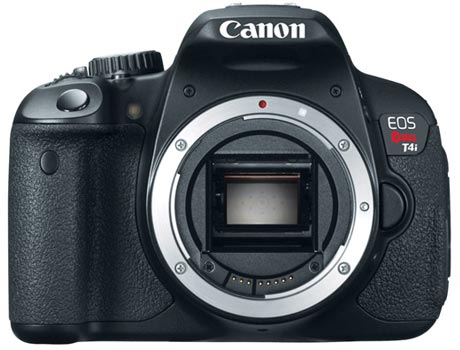
    Canon has just released a statement saying the front rubber grips of some Canon T4i DSLR cameras may cause an allergic reaction. The grips could also turn white after a short period of time, which combined with the possibility of allergies, can cause big problems for users. 

    According to Cannon’s statement, the front rubber grips of some EOS REBEL T4i units produced in certain lots during the sixteen-day period between May 31st through June 15th, 2012 may turn white after a short period of time due to the presence of the substance zinc bis (N,N’-dimethyldithiocarbamate) is what causes the rubber surface to turn white.  the quantity of rubber accelerator used in the affected production lots was slightly higher than usual.

    Zinc bis is what can cause allergic skin reactions. To find out if your T4i is affected, you’ll have to plug in your serial number into Canon’s website. You’ll only need to do this if the sixth digit of the serial number is “1”. 

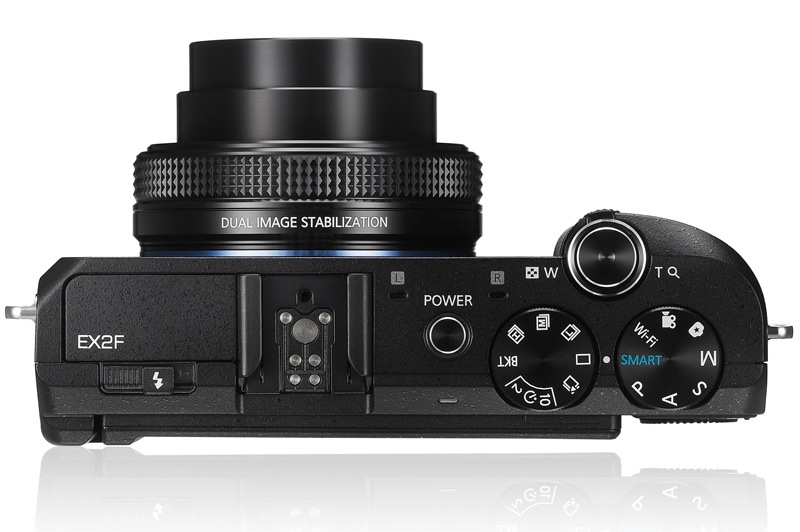
  • Samsung launches f/1.4-equipped EX2F (PR)

    Samsung launches f/1.4-equipped EX2F (PR)

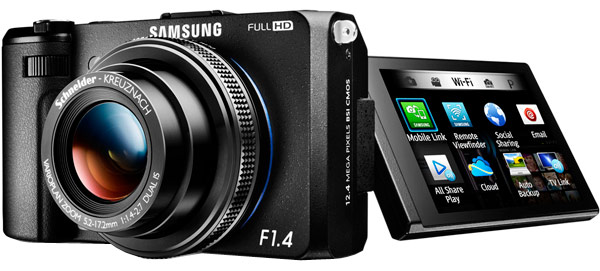
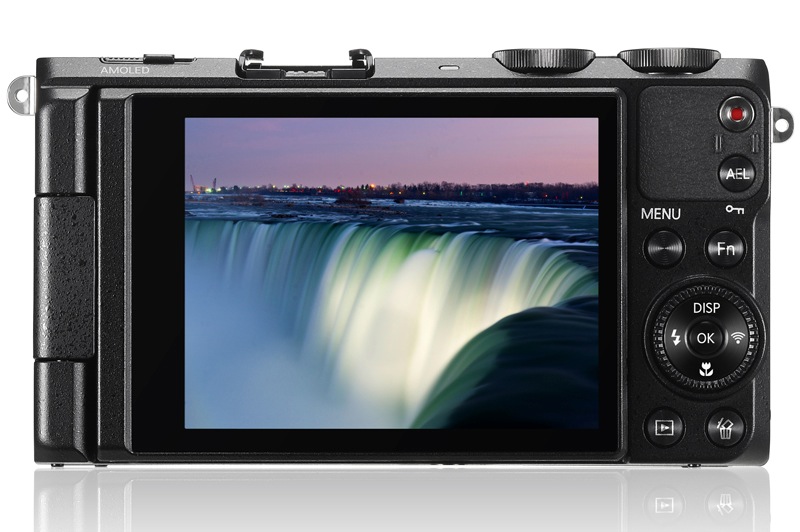
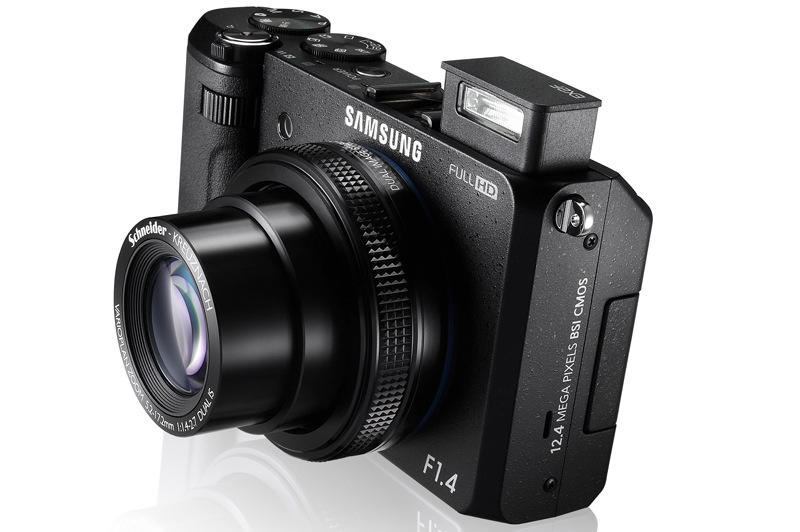
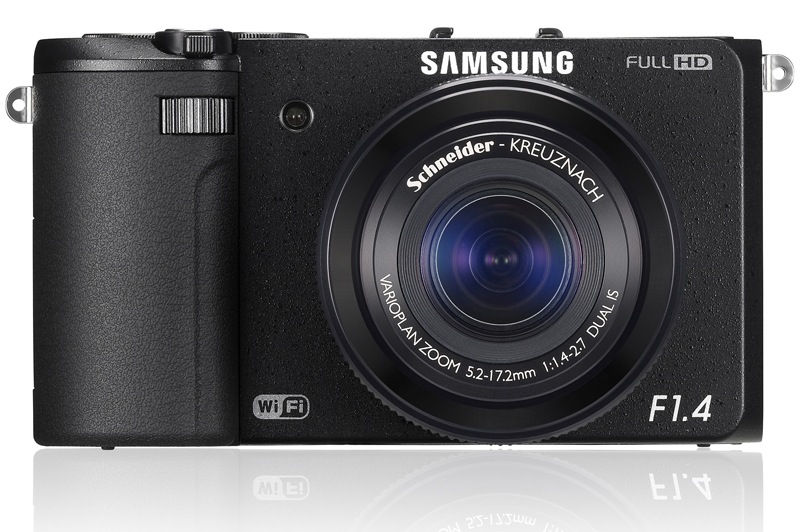
    Samsung has just launched a new point-and-shoot camera to rival the competition. The small size camera pack a lot of professional features. 

    The Specs include

    • 12.4 MP sensor
    • f/1.4-2.7 lens 
    • full-size hot shoe
    • dual image stabilization
    • ISO setting of 12,800 (extended)
    • 24-79mm 3.3x lens 
    • 3-inch swivel VGA-resolution AMOLED display
    • full manual shooting mode
    • RAW option
    • 1080/30p HD video capture 
    • WiFi options, including Remote Viewfinder and Auto Backup.


    According to Samsung , The EX2F’s F1.4 24mm wide-angle lens is approximately four times as bright as a F2.8 camera lens. The camera has been launched for a price of US $ 549/- (IN Rs. 30,000)


    [toggle_box title=”Press Release” width=”Width of toggle box”]


    Samsung combines super-bright photography with easy sharing in the new SMART CAMERA EX2F


    The new model boasts the world’s brightest compact camera lens with F1.4 aperture


    SEOUL, Korea – July 12, 2012 – Samsung Electronics Co., Ltd, a global leader in digital media and digital convergence technologies, has announced the launch of the EX2F, the latest model in its growing range of Wi-Fi-enabled SMART CAMERAs. Following the success of the EX1 with F1.8 lens, the new model is engineered to deliver super-bright photography thanks to its F1.4 lens, the brightest in any compact camera. The high image and video quality of the EX2F also comes with the advantage of being able to store and share images remotely using Wi-Fi functionality. Encompassing Full Manual Control in a strong but lightweight body, the EX2F is ideal for DSLR-owners looking for more portable equipment to capture images spontaneously and subtly, and for photographers looking for a step-up in quality from their point-and-shoot whilst retaining ease-of-use and portability.


    The EX2F combines a number of features to deliver incredible picture quality in all conditions. With the segment-leading advanced F1.4 24mm Lens, the wide range of aperture steps delivers clear images and video even in very low light conditions. These are easily controlled using the professional front wheel key and Dual Dials, which enable switching between parameters and modes quickly for greater manual control. The low-light capabilities of the EX2F are also added to by the 1/1.7″ 12 Megapixel BSI CMOS sensor, which delivers clear, blur-free images – even when shooting objects in low-light situations.


    Fusing quality with creativity, 1080/30p Full HD Movie Recording with stereo sound allows users to capture video in high enough quality to enjoy on a Full HD TV. The EX2F also allows still 12 Megapixel photos and video to be captured simultaneously using the Dual Capture feature, so that any scene can be shot as both photo and video.


    The world’s brightest compact camera lens
    The EX2F’s F1.4 24mm wide-angle lens is approximately four times as bright as a F2.8 camera lens. A further development is that the lens unit now consists of eleven elements in nine groups, with four aspherical lenses and two high refractive lenses. Combined, these provide a 20% increase in the amount of light on the sensor, a 20% increase in image quality and a 10% increase in zoom ratio.


    The lens on the EX2F also incorporates a Neutral Density (ND) filter, giving the user greater control over exposure time in different conditions and making photos appear more neutral in situations of over-exposure. It also allows for shooting at a very shallow depth of field, so users can isolate their subjects from backgrounds to create stunning portraits. To make bright images clearer, the EX2F also includes Dual IS (OIS and DIS) to minimize the effect of shaking – particularly useful in low-light situations.


    Complete control
    Housed in a sleek yet durable high-intensity magnesium body, more commonly found on DSLR models, the EX2F combines high-end image quality with convenience and speed. For those accustomed to the level of creative control on DSLRs, the EX2F allows for shooting in RAW mode for professional standard pictures.


    The EX2F also encompasses Full Manual Control as well as Aperture and Shutter Priority modes. The Dual Dial and front wheel keys also allow users to quickly and easily adjust exposure for effortless pro-style control. This is all combined into a body that is compact and light, making it possible to carry the camera anywhere for spontaneous shots without the complication and intrusiveness of a weighty DSLR.


    Bright and intuitive display
    The 3.0″ Swivel AMOLED display is perfect for lining up great shots and viewing them under any light conditions – and does so whilst consuming little battery power. The screen responds swiftly and displays images in high contrast, while the swivel display allows picture-taking from low and high angles – even self-portraits. The screen also incorporates Samsung’s Smart Panel user interface, which integrates all parameters into one display for easy control over the end result.


    Shooting and sharing from anywhere
    The EX2F is the latest in Samsung’s SMART CAMERA range of Wi-Fi-enabled cameras, which take the combination of high-quality imaging paired with connectivity to a new level. Wi-Fi connectivity enables the secure storage of images through Auto Backup to a PC or saving to the Cloud. In addition, sharing to social networking sites such as Facebook or Picasa is easy – or pictures can be sent via email.
    The EX2F’s Mobile Link opens doors for connectivity with smartphones, without even having to resize images or video. Users can also access the Remote Viewfinder to use their smartphone’s screen to frame shots from a variety of angles. Through the SMART LINK button, all these functions can be accessed with one touch for simplified sharing and storage.


    “We created the EX2F to show that taking great pictures doesn’t have to involve carrying a heavy and bulky DSLR wherever you go. Because the best shots often arise when you least expect them, the EX2F delivers manual control and stunningly bright image quality in a body that is small and light enough to carry around every day. It’s the perfect compact on-the-road companion for the DLSR user who expects the best image quality with full creative control.” said Mr. Myoung Sup Han, Senior Vice President and Head of the Digital Imaging Business, Samsung Electronics. “The inclusion of Samsung’s pioneering Wi-Fi technology also means that you can share those images straight from the camera, giving you the freedom to shoot and share wherever the journey takes you.”

    [/toggle_box]


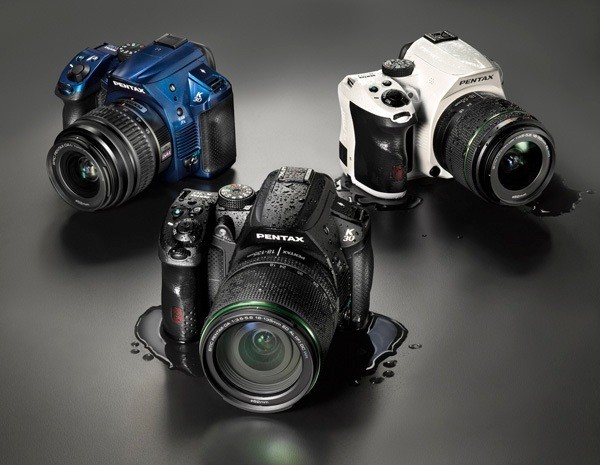
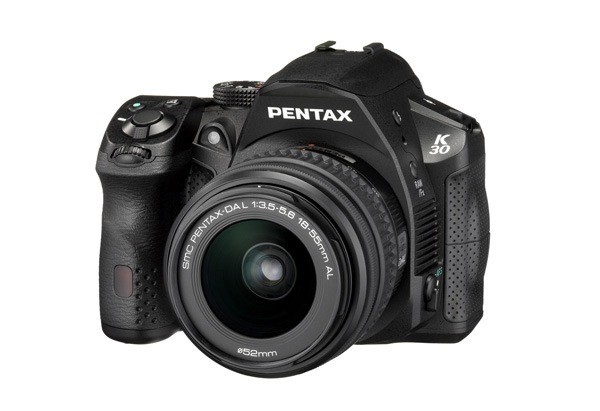
  • Pentax Launches new K-30 Weather-sealed DSLR (PR)

    Pentax Launches new K-30 Weather-sealed DSLR (PR)

    Pentax has today announced a new Weather sealed K-30 DSLR  with a 16 MP APS-C CMOS sensor with an ISO range that extends up to ISO 12800 (expandable to ISO 25600). The camera body is both resistant to rain as well as to dust and temperature extremes.

    According to Pentax this is one of the cheapest cameras to offer those features. The camera also features a 3-inch TFT LCD display with a resolution of 921,000 dots.

    The K-30 is also capable of shooting 1080p video at 30, 25, or 24 frames per second, or 60 fps at 720p.

    Available in black, white, and blue, the K-30 will go on sale in July. The body  will be priced at $849.95 (Rs. 47,000) , while a $899.95 ( Rs. 50,000) kit will be available with a 18-55mm zoom lens.

    [toggle_box title=”Press Release” width=”Width of toggle box”]

    PENTAX Introduces New K-30 Digital SLR Camera

    Featuring weather resistant capabilities, new mid-level DSLR is the perfect creative companion for active travel and outdoor photographers

    Denver, CO (May 21, 2012) – PENTAX RICOH IMAGING AMERICAS CORPORATION today announces the introduction of its new weather and dust resistant digital SLR camera – the PENTAX K-30. Ideal for photographers with active outdoor lifestyles, the new PENTAX K-30 combines a compact, lightweight body with many advanced features found only in higher end DSLR camera models, such as a weather, dust and cold resistant body, a glass prism optical finder with 100% field of view, state-of-the-art autofocusing, and full HD video recording capabilities.

    “No detail was overlooked when designing the dynamic new K-30 to be weather resistant,” explains John Carlson, Sr. Manager of Sales and Marketing, PENTAX. “Every seam, every button, every hinge has been weather sealed for adventure-proof creative photography. Whether enjoying outdoor activities such as hiking in the Rocky Mountains or on vacation cruising along on the Maid of the Mist at Niagara Falls, photographers can stop worrying about weather conditions and start focusing on capturing the perfect shot.”

    In addition to its versatile weather-proof capabilities, the new K-30 offers features including high-speed burst shooting at a maximum speed of six images per second, a high-speed shutter unit with a top speed of 1/6000 second, and convenient dual electronic dials for quick, fingertip access to exposure control and several Auto Picture and scene modes. Coupled with an ergonomic grip that provides firm, comfortable control of the camera, and a sporty, functional design, the K-30 assures dependable, flawless performance in the field. The new K-30 is available in three body colors: Crystal White and Crystal Blue, with brilliant, glossy finishes reminiscent of the finish of an exclusive sports car; and Black, for a traditional SLR look. It is also compatible with all PENTAX K-mount lenses.

    The new PENTAX K-30 will be available at retail outlets nationwide and online in July 2012 with a suggested retail price of $849.95 for body only, and $899.95 for the kit including the DA L 18-55mm zoom lens.

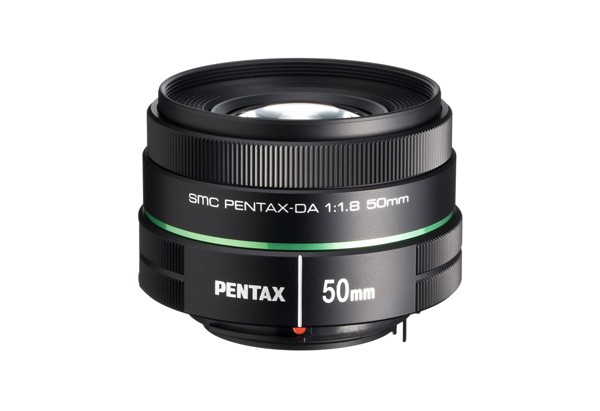
    PENTAX Introduces smc DA 50mm f/1.8 Medium-Telephoto Lens

    Compact, lightweight autofocus lens designed exclusively for PENTAX K-Mount interchangeable-lens digital cameras

    Denver, CO (May 21, 2012) – PENTAX RICOH IMAGING AMERICAS CORPORATION today announces the introduction of its new smc PENTAX-DA 50mm f/1.8 medium-telephoto autofocus lens, which is designed exclusively for use with the company’s K-mount interchangeable-lens (ILC) digital cameras. Thanks to state-of-the-art optical design technology from PENTAX, the lens’ image coverage is optimized for PENTAX K-mount ILC cameras to deliver sharp, clear images from edge to edge. With a sleek, modern look and a lightweight body, the new PENTAX-DA 50mm f/1.8 lens was designed with versatility and flexibility in mind and is ideal for photographers of varying levels, from amateurs to professionals.

    The PENTAX-DA 50mm f/1.8 lens will be available July 2012 with a retail price of $249.95.


    [/toggle_box]

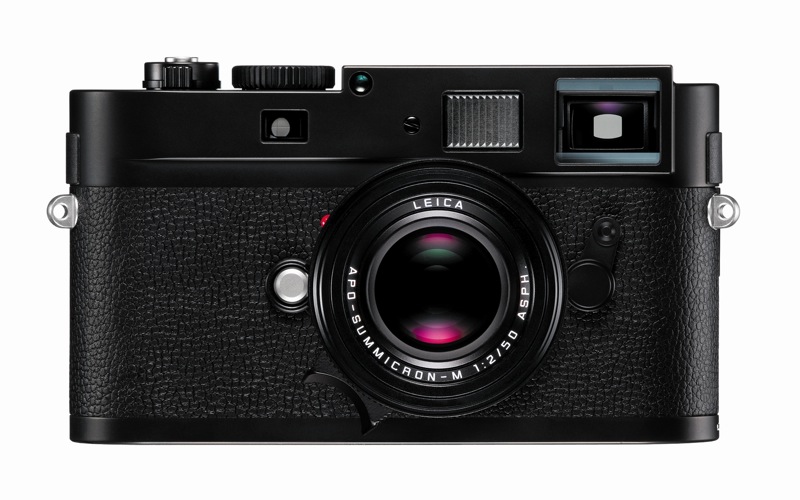
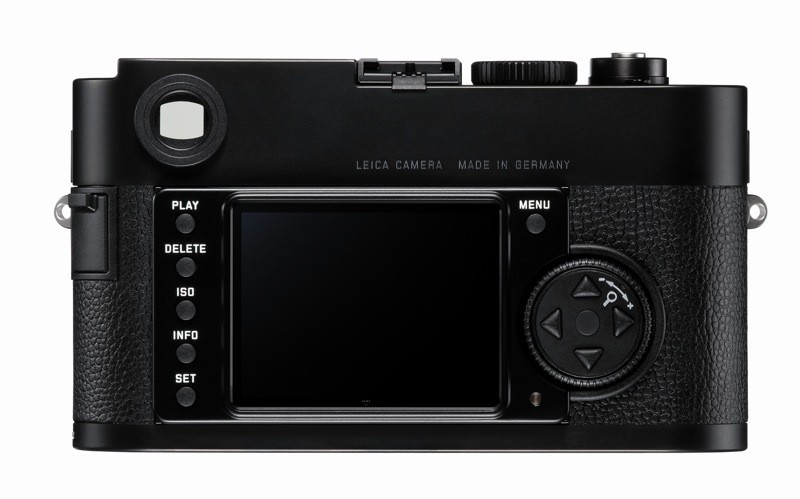
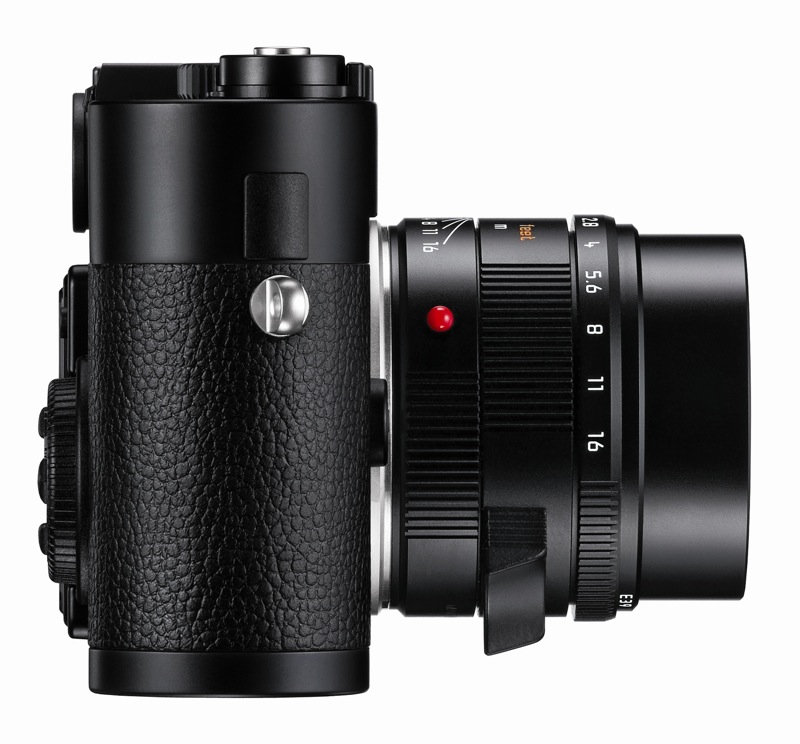
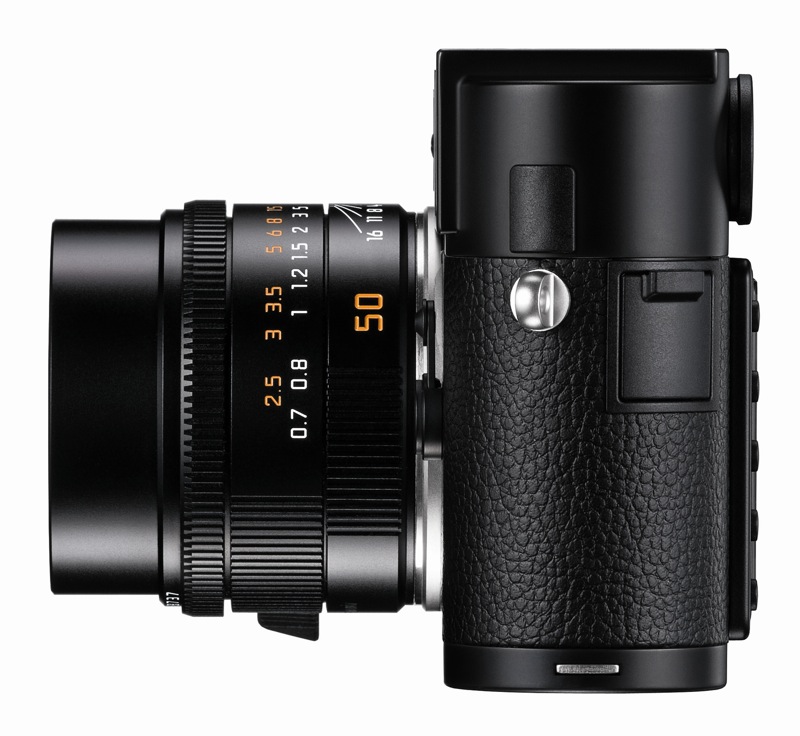
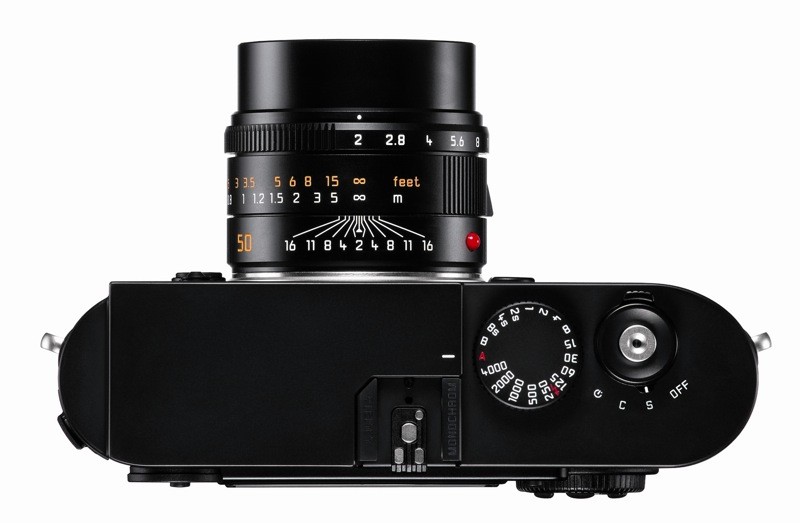
  • Leica M Monochrome, does what the name says for  $7,970 (PR)

    Leica M Monochrome, does what the name says for $7,970 (PR)

    Leica has just announced a camera meant for serious “Monochrome” photography enthusiasts  (talk about putting those old sensors to new artistic uses). On a amuck more serious not the camera has a 18-megapixel full-frame sensor, and M-mount if you have any of those lenses at your disposal. The price is set at just under US$ 8000 (Rs 425,000) without the lenses.

    The revolutionary new sensor is capable of outputting one pixel of data for each pixel captured, so the resulting images are incredibly sharp. The camera also has incredibly high ISO setting of 10,000, 2.5-inch 230k-dot color LCD, a rangefinder-type optical viewfinder and a 14-bit uncompressed RAW mode with 36MB DNG output.

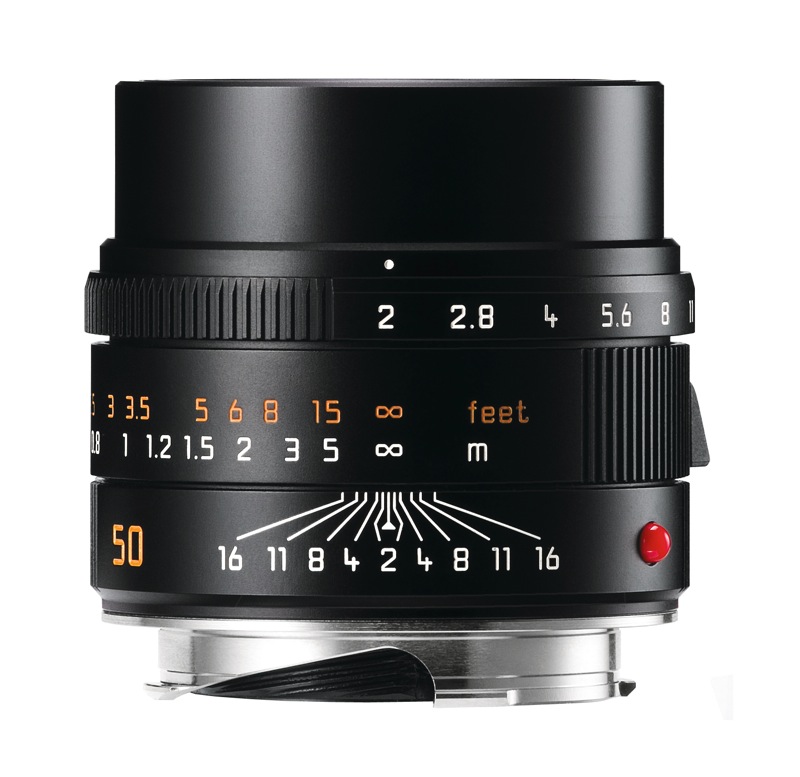
    The camera is expected to go on sale in July for US $ 7970, alongside a new Leica APO-Summicron-M 50 mm f/2 ASPH prime lens for $7,195. Ready for some black and whites?


    [toggle_box title=”Press Release” width=”Width of toggle box”]


    LEICA M MONOCHROM: THE FUTURE OF BLACK-AND-WHITE PHOTOGRAPHY

    Solms Germany (May 10, 2012) – Leica Camera AG presents the Leica M Monochrom, the world’s first digital camera exclusively for full-frame, 35 mm black-and-white photography. Featuring a sensor designed specifically for this purpose, the new addition to the Leica portfolio enables photographers to capture images in outstanding black-and-white quality, setting entirely new standards. The latest camera in the flagship Leica M-System, the Leica M Monochrom continues the successful story of the Leica rangefinder system, which has written numerous chapters in the history of innovative photography.

    “Black-and-white photography is more popular than ever before. Even today, it has lost none of its fascination as an expressive medium, not even for younger generations of photographers. This is confirmed by the numerous monochrome images shown by members of the M-Community, who we are in constant contact with,” said Jesko von Oeynhausen, Product Manager for the M-System at Leica Camera AG. “For the first time ever, we are offering an opportunity to consistently and authentically explore black-and-white photography with the M Monochrom, a tool that is unique in the digital world. The camera’s exclusively black-and-white sensor brings an enormous technical benefit that is reflected in the amazing imaging quality it delivers.”

    The 18 MP image sensor of the M Monochrom is perfectly matched to the unique properties of the Leica M-System and the superior performance of Leica M-Lenses. As the sensor does not ‘see’ colors, every pixel records true luminance values – as a result, it delivers ‘true’ black-and-white images that are significantly sharper than comparable exposures from a camera with a color-sensitive sensor.

    To allow precise control of tonal values, the Leica M Monochrom offers a raw data histogram display to exhibit original, unprocessed and unmodified raw data. This, combined with a configurable clipping display, allows precise correction or optimization of exposures.
    At the touch of a button, images captured by the M Monochrom can be converted with characteristic toning effects from black-and-white film photography (sepia, cold or selenium toning). All users need to do is save the image in JPEG format and select the desired toning effect – simply and conveniently, with no need for post-processing.

    The classic, iconic design of the Leica M-cameras is carried forward by the Leica M Monochrom. The matte-black finish of the chromed top deck allows the camera to be an unobtrusive tool. Only an engraved script on the accessory shoe reveals the product name. The camera features particularly soft leather trim with ideal grip that perfectly complements the camera’s discreet character. The camera package also includes a genuine leather carrying strap in premium full-grain cowhide.

    The M Monochrom is supplied complete with Adobe Photoshop Lightroom, a professional digital workflow solution. The software is available to customers as an online download after product registration. Adobe Photoshop Lightroom offers a wide range of functions for the management, processing and presentation of digital images. For example, this software allows for the creation of simple print layouts, slide shows and photo books.

    A full-version of Silver Efex Pro 2, the world’s leading black-and-white image processing software, is also included in the package. Silver Efex Pro 2 offers an impressive collection of unique and powerful, darkroom-inspired tools for the creation of high quality black-and-white images. Silver Efex Pro 2 emulates over 20 different types of black-and-white film to recreate the glory of classical black-and-white film photography. The emulation of each film type is based on the analysis of many rolls of the respective type and guarantees perfect reproduction of the characteristic look of many popular films from ISO 32 to ISO 3200.

    For the production of high-quality black-and-white prints, Leica Camera AG also offers a unique service in collaboration with Whitewall. After registering their Leica M Monochrom on the Leica website, customers can have their digital images from the M Monochrom printed on premium-quality baryte paper. These prints can be ordered from Whitewall through a personal link.

    From photojournalism and available light photography to discreet, artistically aesthetic, creative compositions – the Leica M Monochrom adapts flexibly to every application and enables the expression of personal photographic style and consciously creative composition. The enormous potential performance of the current M-Lens portfolio, with focal lengths from 16 to 135 mm, is also fully accessible. In line with Leica’s renowned commitment to extreme system compatibility, almost all lenses of the Leica M range built since 1954 can still be used on the M Monochrom.

    All characteristic properties of the Leica rangefinder system are also present in the new Leica M Monochrom. This, for instance, also includes the system’s intuitive and discreet handling. Its manual focusing based on the combined viewfinder and rangefinder concept and aperture priority exposure mode is an aid to photographers rather than placing undesired limitations on their creative freedom. In combination with the monitor display on the back of the camera, the simple menu navigation needs only a few control elements to enable rapid access to the entire range of camera functions. Together with its compact construction, the camera’s almost silent shutter benefits discreet and unobtrusive photography. Photographers can even select the appropriate moment for re-cocking the shutter. When longer exposure times requiring an extremely steady camera stance are essential, a slight pressure on the shutter release button in ‘soft release’ mode is sufficient.

    All functions of the Leica M Monochrom are constructed with extreme robustness and a long working life in mind. Its one-piece, full-metal housing, made from a high-strength magnesium alloy, and the top deck and bottom plate, machined from solid brass blanks, provide perfect protection for its precious inner mechanisms. The digital components and shutter assembly of the M Monochrom are similarly constructed with a view to a lifetime of endurance. For photographers, this provides absolute reliability over decades of use. The experienced hands of Leica technicians at the factory in Solms are responsible for the assembly and calibration of M Monochrom bodies and the precise testing of all mechanical and electrical components. Leica Customer Care has decades of experience in repairs and maintenance and therefore creates a solid foundation for long life and enduring value. Even today, the service department maintains and repairs all M-Cameras built since 1954.

    The Leica M-System has played a significant role in the development of the company’s performance in recent years. The annual figures have been correspondingly positive since the launch of the Leica M9 in September 2009 and are now registering record revenues.

    The Leica M Monochrom in black chrome will be available from Leica dealers including the Leica Store Washington DC beginning in late July 2012.

    LEICA APO-SUMMICRON-M 50 MM F/2 ASPH.: THE NEW MILESTONE IN LENS CONSTRUCTION

    Solms, Germany (May 10, 2012) – Leica Camera AG presents a new milestone in the history of lens construction: the Leica APO-Summicron-M 50 mm f/2 ASPH. With the goal of creating a lens that fully achieves the opportunities offered by high-resolution camera systems, Leica engineers have successfully redefined the limits of what is technically possible. The result is an extremely high-performance lens that sets entirely new standards and currently stands as an exceptional talent amongst the standard lenses of the Leica M portfolio.

    This new reference lens achieves the best test results ever seen in the Leica M-Lens program. The MTF curves of the Leica APO-Summicron-M 50 mm f/2 ASPH. that describe the contrast of fine details and, in turn, the image sharpness, confirm its outstanding performance. Even the finest details are resolved with more than 50% contrast across the entire image field. This previously unattained value confirms the exceptional positioning of this lens. All images captured with the Leica APO-Summicron-M 50 mm f/2 ASPH. in any photographic situation show extreme sharpness and resolution of details from corner to corner of the image. Additionally, the apochromatic correction of the lens minimizes chromatic aberration on sharp edges to ensure natural rendition of every detail. As a result, photographers benefit from the best possible reproduction results at any print size.

    The outstanding performance of the Leica APO-Summicron-M 50 mm f/2 ASPH. is founded on the perfect interaction of all its design and construction parameters, from optical calculation and choice of materials to the sophisticated and elaborate manufacturing and finishing of the lens. Together with more than 150 years of experience in the design and construction of optical instruments, Leica’s reputation as the manufacturer of the world’s best lenses is once again emphasized.

    The new design of the Leica APO-Summicron-M 50 mm f/2 ASPH. is based on the optical design of its predecessor that has been on the market since 1979 and is the oldest lens represented in the Leica M portfolio. The classical specifications, 50 mm focal length and a maximum aperture of f2, offered an ideal starting point for further development. As such, Leica’s expert lens designers were able to concentrate exclusively on the improvement of imaging quality within these standard specifications.

    In its optical design, the Leica APO-Summicron-M 50 mm f/2 ASPH. is oriented on particular features of the Summilux-M 50 mm f/1.4 ASPH. and the Summilux-M 35 mm f/1.4 ASPH. lenses. For instance, the Leica APO-Summicron-M 50 mm f/2 ASPH. also incorporates a floating element. The lens group behind the diaphragm is designed as a floating element that changes its position relative to the front group during focusing, ensuring that the lens achieves outstanding imaging quality throughout its focusing range, including at closer focusing distances.

    The realization of the apochromatic correction of the Leica APO-Summicron-M 50 mm f/2 ASPH. involved the use of specially formulated glasses based on original developments from the former Leitz glass laboratory. The use of such glasses requires great effort and many years of experience. As a result of the consistent advancement of optical processes, working with these high-quality glasses has been refined to such a fine art that they are integrated in the best possible quality into Leica lenses as evidenced today in the Leica APO-Summicron-M 50 mm f/2 ASPH.

    As a particularly reliable product with enduring value and made in Germany, the Leica APO-Summicron-M 50 mm f/2 ASPH. is manufactured from only the best materials and is assembled in an elaborate process completely by hand at Leica’s factory in Solms. The combination of cutting-edge technologies and painstaking manufacturing procedures guarantees the consistently excellent quality of every single Leica lens.

    The Leica APO-Summicron-M 50 mm f/2 ASPH. in black finish will be available from Leica dealers including the Leica Store Washington DC from late July 2012.

    [/toggle_box]


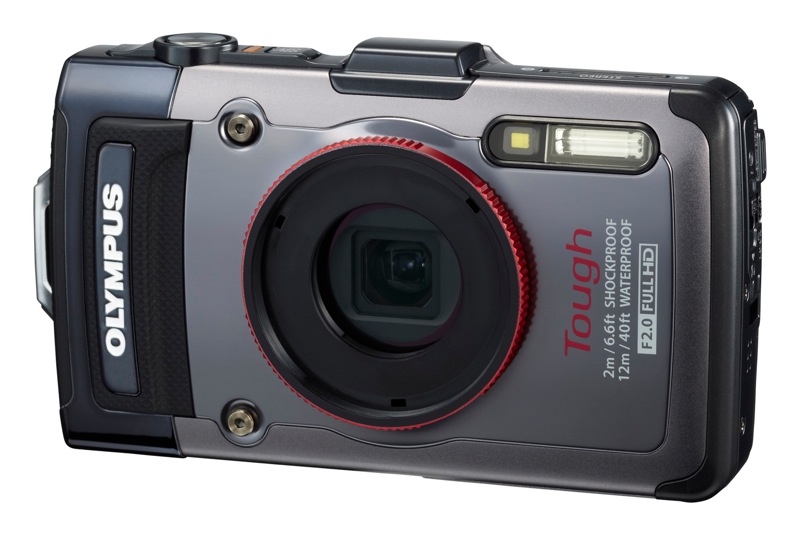
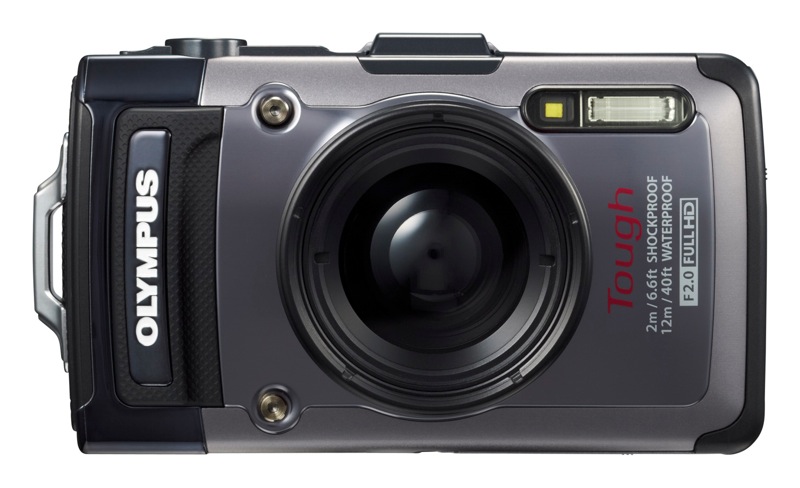
  • Olympus Launches Rugged Tough TG-1 iHS with 12-megapixel sensor f/2.0 lens (PR)

    Olympus Launches Rugged Tough TG-1 iHS with 12-megapixel sensor f/2.0 lens (PR)

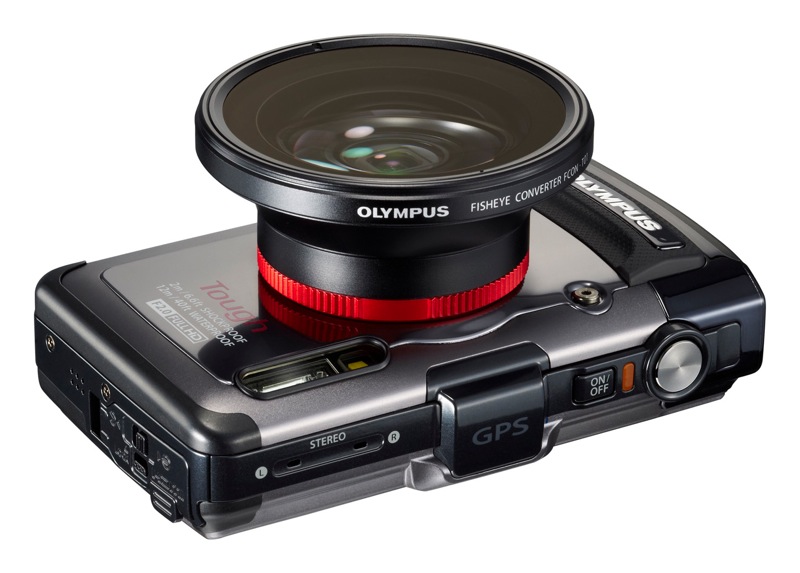
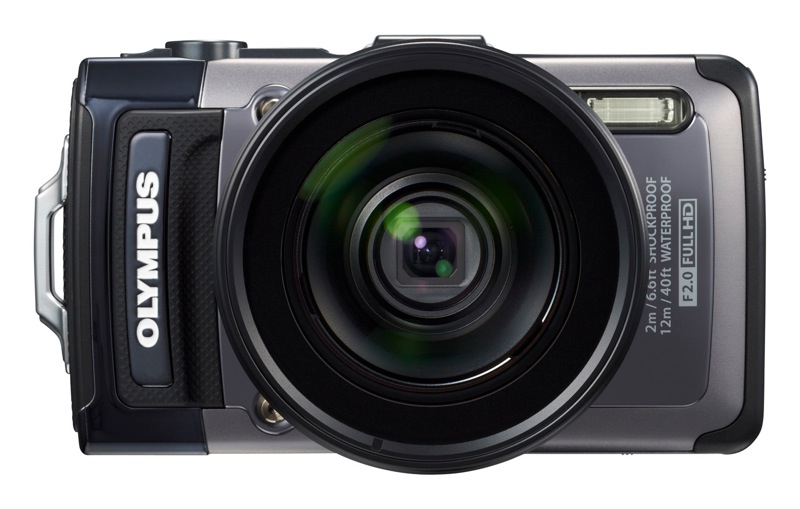
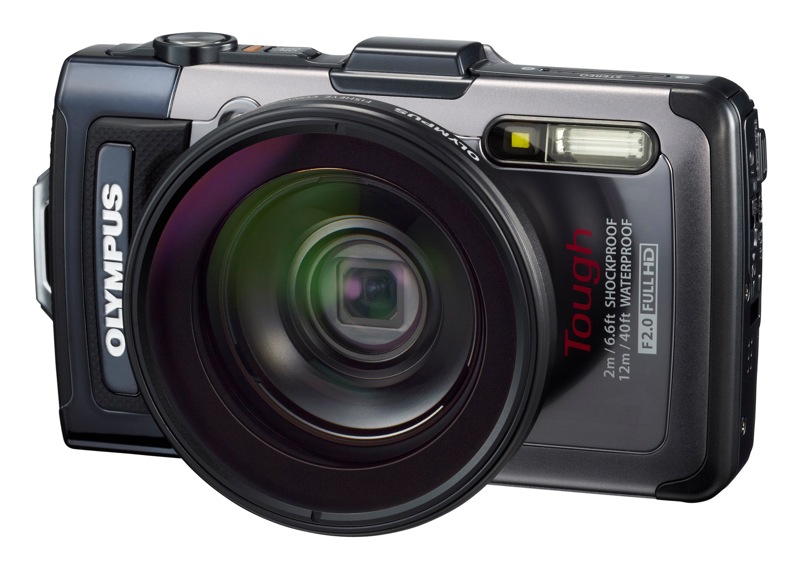
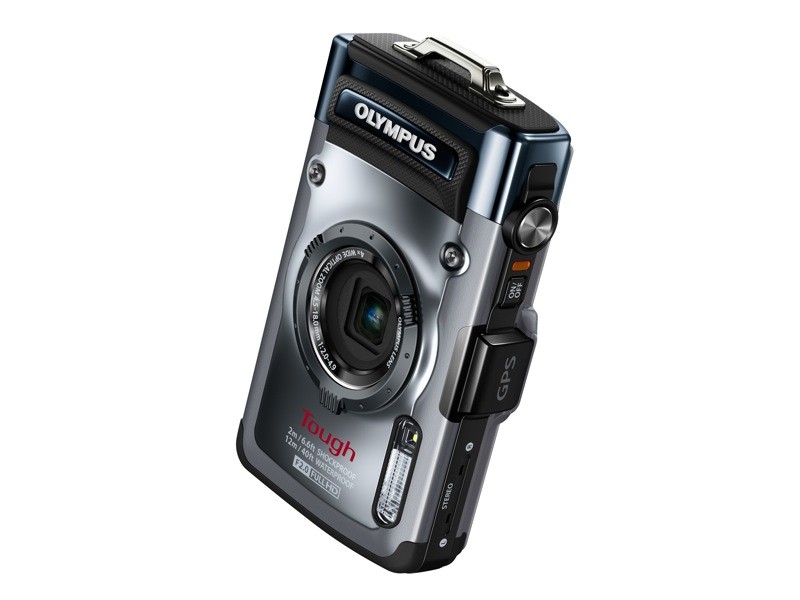
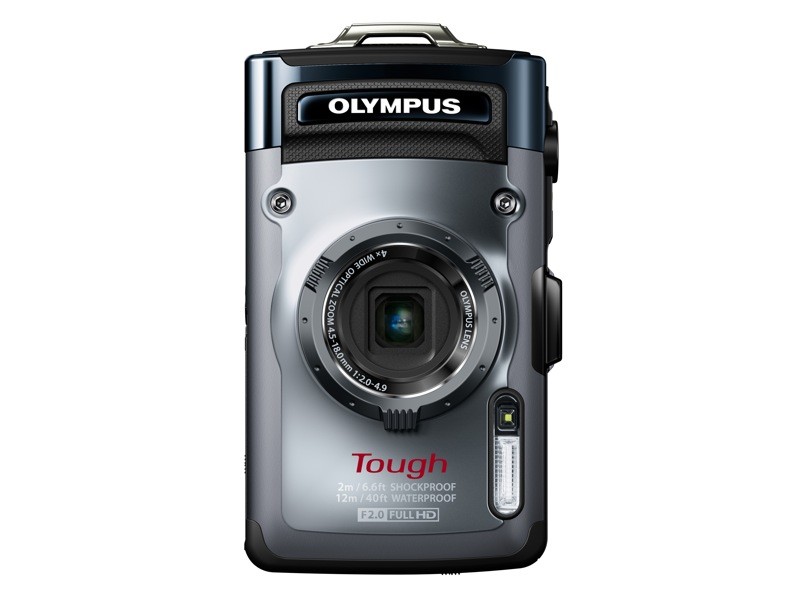
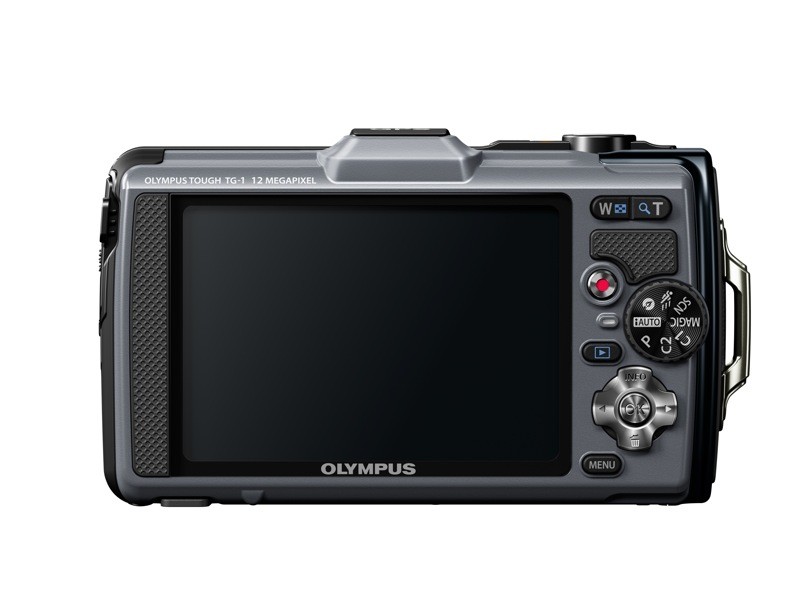
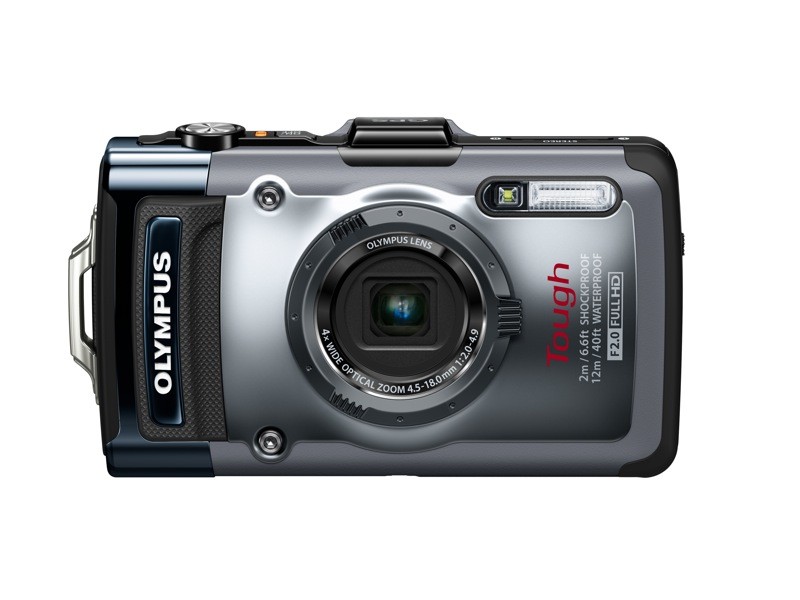
    Olympus has launched a new rugged camera called “Tough TG-1 iHS”. It sports a 12 megapixel 1/2.3-inch BSI CMOS sensor, 25-100mm, f/2.0-4.9 4x zoom lens and 3-inch 610k OLED display. The camera is manufactured in a reinforced body shell.

    The camera has been tested to work under 40 feet of water, temperatures as low as -10 Degrees C and after falling frm a height of approx. 6.6 feet. The camera also sports a 30 fps full-res rapid-fire shooting (for 50 consecutive shots, or 220 in a 3-megapixel 60 fps mode).

    The image processor has been borrowed from the Pen lineup of cameras, TruPic VI image processor, gives it impressive focusing speeds. You can use all the above features in video, including underwater video at 1080p at 30fps. It also has Linear PCM audio recording and a powerful Multi-Motion Movie image stabilization that allows for smooth movie capture.

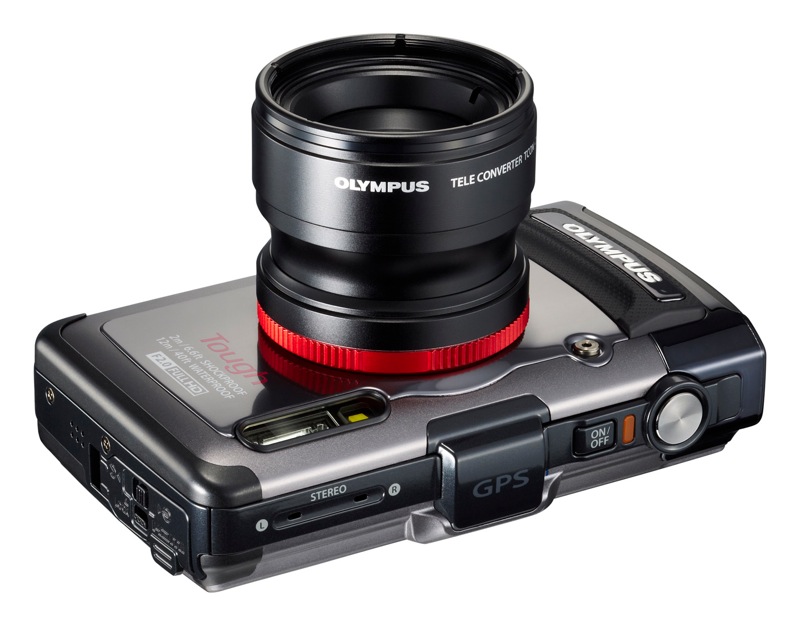
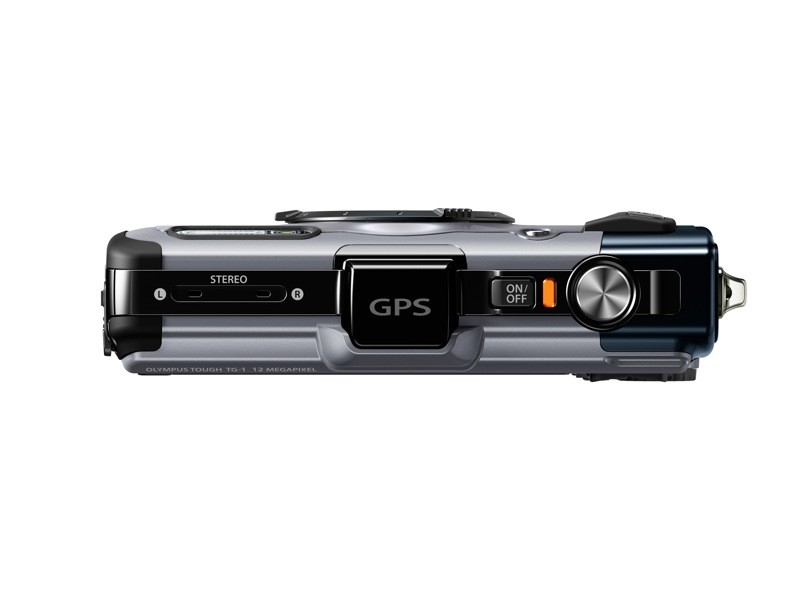
    The body also has a GPS, an e-compass and pressure-measuring manometer for added image data, along with in-camera tools, like a compass with 3D renders and a power-efficient GPS that helps to identify more than 700,000 landmarks around the globe.

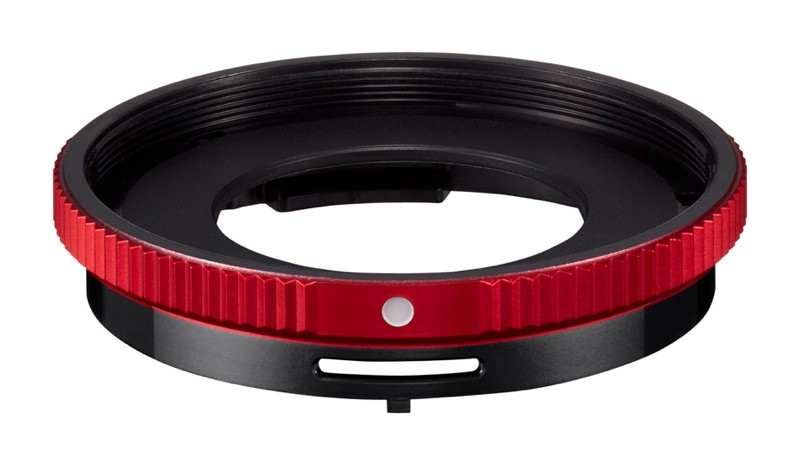
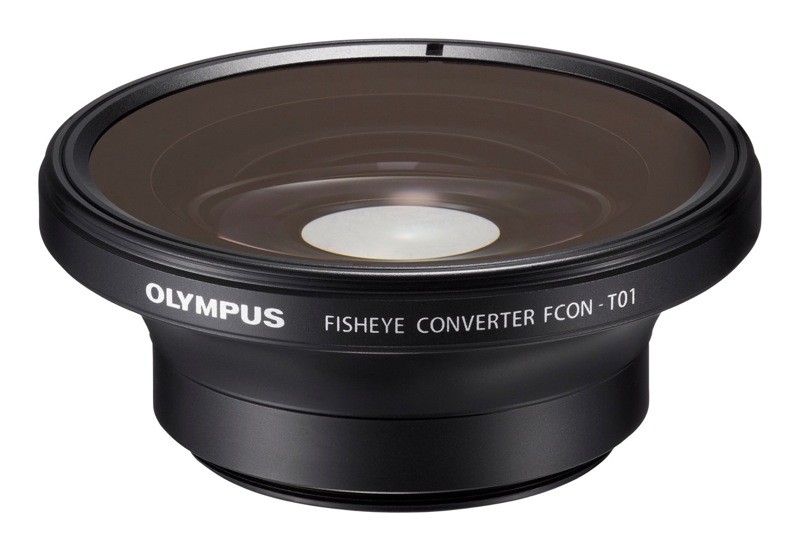
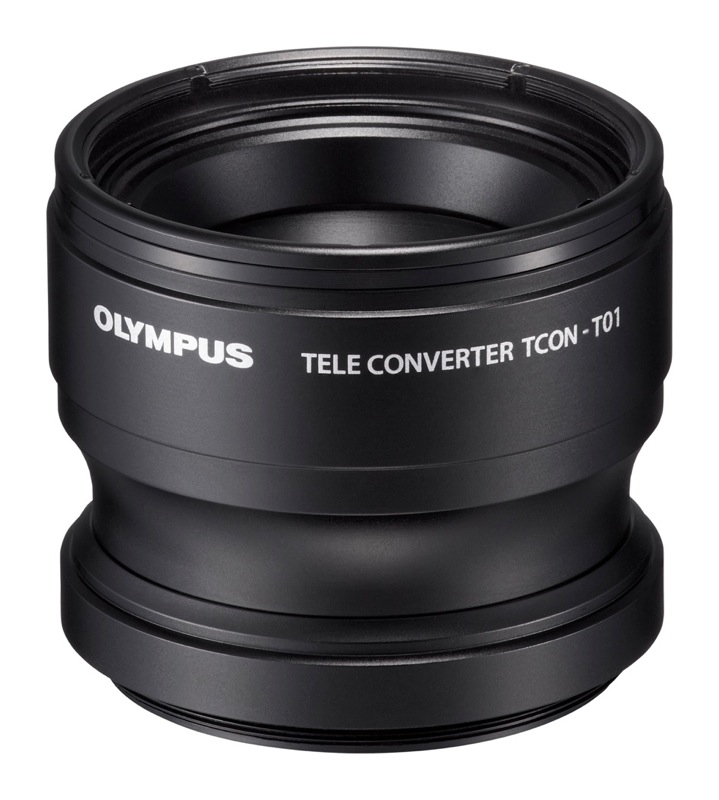
    Olympus will also offer fisheye and telephoto attachments which can even be swapped while underwater. Double-locking battery and HDMI port doors and a repellant coating on the lens helps fight water and dust.

    The camera will be available in June for US $ 399 (Rs. 21,200).

    [toggle_box title=”Press Release” width=”560″]

    CAPTURE PRO IMAGE QUALITY FROM A WHOLE NEW PERSPECTIVE: OLYMPUS TOUGH TG-1 iHS

    Durability Unites with DSLR-Image Quality, Best-In-Class f2.0 Lens, Full 1080p HD Video and Amazing Features for Thrill Seekers, Reef-Loving Explorers and Everyone In Between

    CENTER VALLEY, Pa., May 8, 2012 – Olympus draws on its heritage of creating rugged, durable cameras that take the worry out of life-on-the-go shooting with the new Olympus TG-1 iHS. Marking a revolution for the Tough Series of Waterproof, Shockproof, Freezeproof, Crushproof and Dustproof compact cameras, the Olympus TG-1 iHS combines incredible durability with iHS technology, the world’s first high-speed bright f2.0 lens on a Tough camera and converter-lens compatibility to create a versatile system camera. The combination of durability and outstanding image quality make it possible to shoot in even the harshest conditions. Capture beautiful underwater scenes and aquatic life, snap photos of dusk-lit peaks or record your ride down the rapids in dazzling 1080p Full HD Video.

    Superior Optics

    The Olympus TG-1 iHS is the world’s first rugged camera to incorporate an ultra-bright, high-speed f2.0 lens* so you can capture high-quality images at blazing fast shutter speeds, even in low-light conditions. The camera’s three-inch high-resolution OLED display (610K dots) provides excellent visibility in bright situations, enabling you to compose the perfect shot in direct sunlight. Protective coatings help to prevent scratches and cut down on reflective glare, and the new lens on the Olympus TG-1 iHS transforms your photographs with the same FAST AF system technology found in Olympus PEN® cameras. Never worry about water droplets obstructing your images thanks to the water-repellent lens coating that prevents water from remaining on the lens surface.

    Unmatched Rugged Durability

    From atop an Alpine mountain to the depths of a tropical lagoon, the Olympus TG-1 iHS captures the perfect shot in unforgiving environments. Waterproof to 40 feet, Shockproof to 6.6 feet, Freezeproof to 14°F and even Crushproof to a weight of 220 pounds, the flagship Olympus Tough model is the toughest Tough model to date and an exceptionally high-speed performer with faster start-up time and quicker refresh rates.

    Outstanding Image Quality

    A high-sensitivity, high-speed 12-megapixel backlit CMOS sensor combined with a blazing fast, DSLR-quality TruePic™ VI image processor results in high-speed autofocus, enhanced Intelligent Auto for spectacular scene and subject recognition, and 10x Super-resolution Zoom to produce jaw-dropping images in locations that make even the most seasoned photographers cringe. This family of technologies combines for unmatched image quality in challenging shooting conditions with improved lighting, less noise and response times twice as fast as traditional cameras.

    Designed specifically to keep up with the on-the-go photographer, the new Super Sport Mode combines high-speed autofocus with extra fast shutter speeds – up to 1/2000 – to freeze the action. Conveniently located on the dial, this mode captures five shots in a high-speed burst to ensure crisp shots in even the most extreme action sport settings. Low Light Mode is perfect for capturing the mood of low-light indoor scenes, beautiful sunsets or late night outdoor festivities without ruining the ambience with a bright flash. Shoot like a pro with 10 frames-per-second high-speed burst shooting and 1080p Full HD videos (1920×1080 pixels) or 60 frames-per-second (3mp) at the touch of button, allowing for slow-motion playback. Thanks to iHS Technology, your videos will benefit from excellent color reproduction and faster processing speeds, while Multi-Motion IS compensates for user movement during recording, creating smoother videos. Linear PCM Recording, an audio technology pioneered by Olympus for professional voice recorders, records your videos with high-definition audio for optimal playback results.

    In iAuto mode, the Olympus TG-1 iHS automatically detects the subject, lighting and situation to identify the scene you’re shooting – up to 30 different scenes including Night, Sport, Beach and Snow, Underwater Snapshot and Backlight HDR – and adjusts the settings for ideal results.

    System Expandability

    For serious photographers, Olympus is offering system expandability for the Olympus TG-1 iHS. A converter ring allows you to add a lens converter adapter, waterproof Fisheye Converter Lens and Teleconverter Lens for use on land or in water. The Fisheye Converter Lens captures panoramic, wide-angle shots without sacrificing the brightness of the 4x wide optical zoom (25-100mm*) f2.0 lens. The Teleconverter Lens extends your optical zoom from 4x to 6.8x, delivering dramatic close-ups with professional-looking background blur. Combined with the Olympus TG-1 iHS’ 8x Super-resolution Zoom, which extends the range of the optical zoom with virtually no loss of image quality, you can reach an unmatched 13.6x magnification. Both converter lenses are waterproof to 40 feet. If 40 feet is not deep enough for you, the new Olympus PT-053 underwater housing is designed specifically for the TG-1 iHS, enabling you to dive to depths of 135 feet (45m).

    Extreme Versatility

    With the GPS and e.compass functions on the Olympus TG-1 iHS, location and landmark information will be displayed and recorded along with every image. The camera is also equipped with a logging function so you can track the route taken from recorded images by using applications such as Google Earth and Picasa. And with the brand-new LI-90 battery, you’ll worry less about battery life and more about your next destination. Mark your spot on the map with the built-in manometer, which records elevation and water depth and even displays a warning when the user approaches a depth of 40 feet. The Olympus TG-1 iHS boasts four different underwater scene modes — Underwater Snapshot, Underwater Wide 1, Underwater Wide 2 and Underwater Macro — each carefully calibrated to allow for optimal color balance, exposure and flash so you automatically get the best results. An LED illuminator on the front of the camera enhances focus and exposure for macro shooting – great for underwater close-ups where light is scarce. The LED illuminator also works in conjunction with the flash to help illuminate your subject in low-light conditions.

    U.S. Pricing and Availability

    The Olympus TG-1 iHS will be available in June and ships with a USB Cable & Charger (F-3AC), Lithium-Ion Battery (Li-90B), Wrist Strap, Instruction Manual and ib Software CDs, Quick Start Guide and a Warranty Card.

    Estimated Street Price: $399.99 (Available in Silver)

    Underwater housing will be available in July.

    [/toggle_box]


  • Ikea makes cameras fun with : Ikea cardboard digital camera

    Ikea makes cameras fun with : Ikea cardboard digital camera

    With the over popularity of Instagram plaguing the internet, IKEA has made cameras fun again by announcing the new IKEA cardboard camera. It runs on two AA batteries and features a swing-out USB plug, viewfinder cutout, shutter key and paperclip-friendly erase button.

    This simple camera has no details included, except that it holds 40 pictures at a time.

    [Fancy]

  • Samsung launches 3 new Mirror-less Micro 4/3 cameras with 20.3 MP sensors (PR)

    Samsung launches 3 new Mirror-less Micro 4/3 cameras with 20.3 MP sensors (PR)

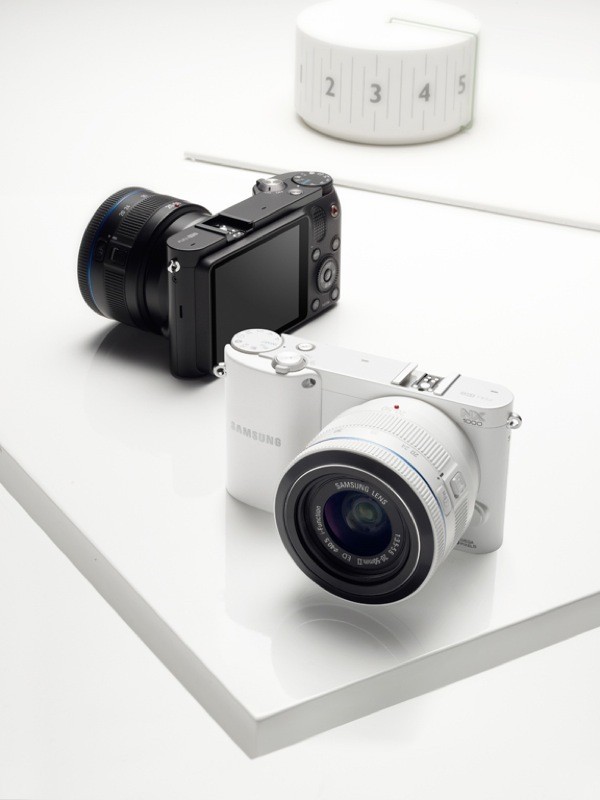
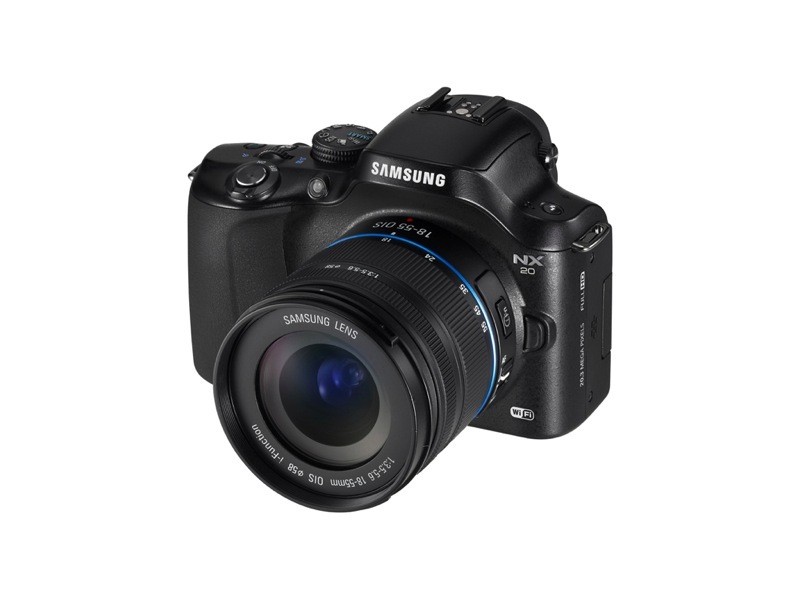
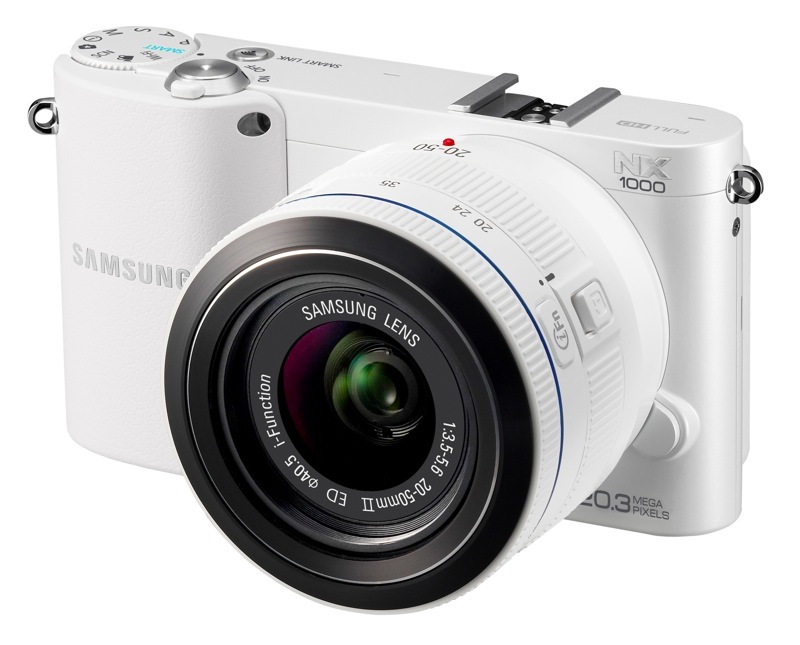
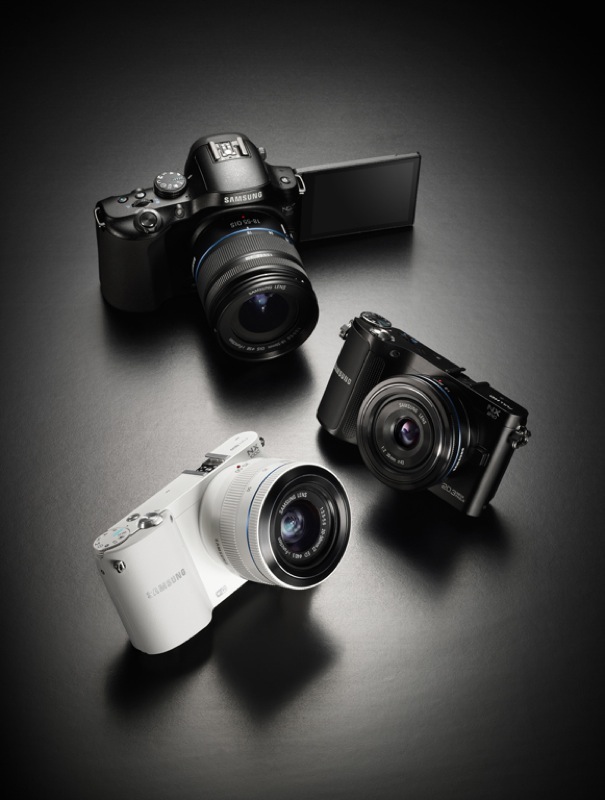
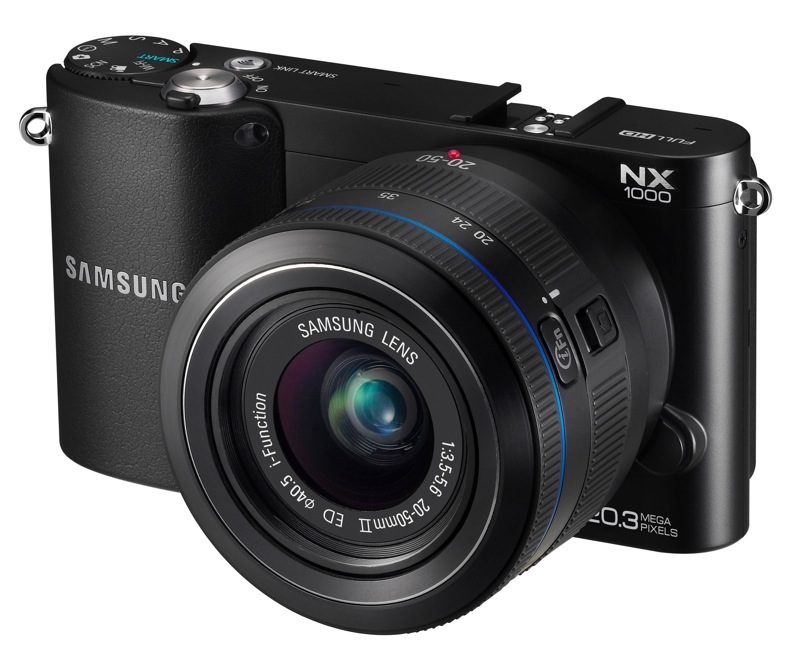
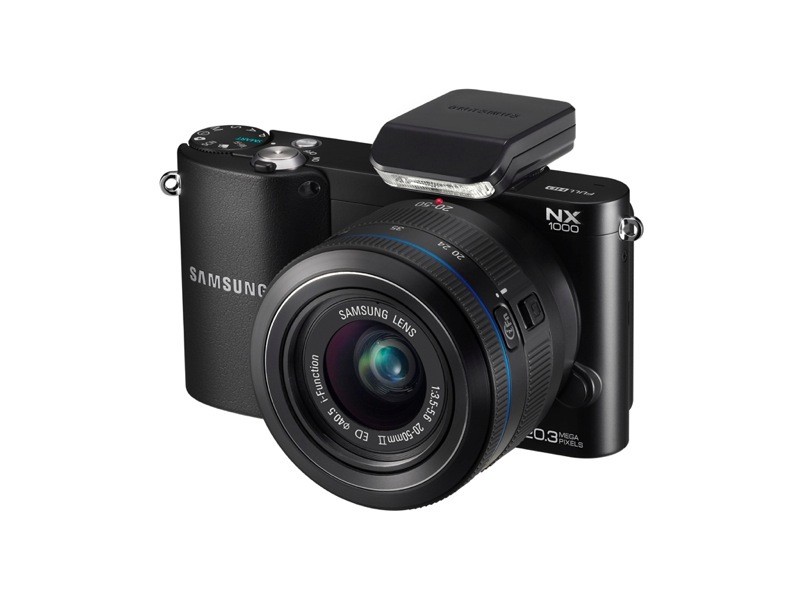
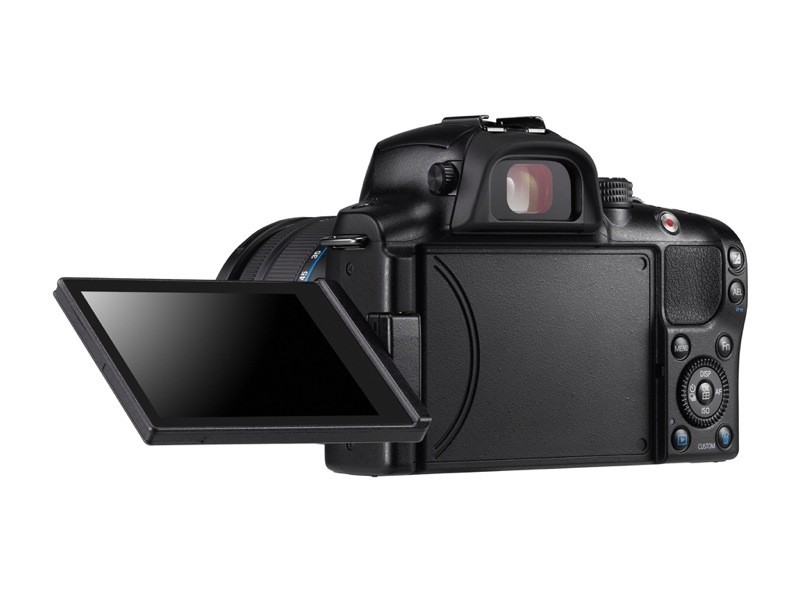
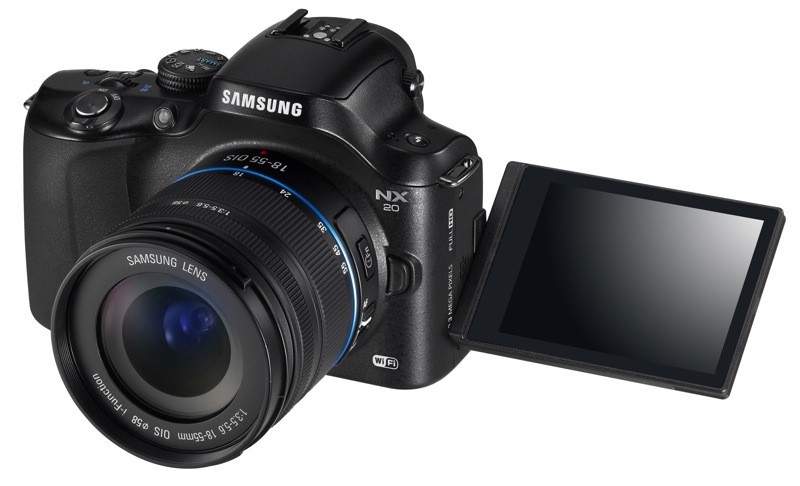
    Samsung has just added three new Micro Four Thirds cameras to its lineup, the NX20, NX210 and the NX1000. All three of these tiny Compact Sensor mirror less cameras sport a 20.3 MP APS-C CMOS sensor with an ISO range up to 12,800 and 1080/30p video capabilities.

    The camera bodies also have inbuilt WiFi and 3 inch displays, the interface however for each camera is different.

    The NX20

    The Most expensive camera of the lot features a hotshoe and a  price of $1,100 (Rupees 55,000/-) including an 18-55mm f/3.5-5.6 kit lens.The camera has an interchangeable lens body with a popup flash and built-in SVGA EVF. There is also a  tilt-and-swivel 614k-dot, 3-inch VGA PenTile AMOLED display. 


    The NX210

    Slightly lower priced but shares the same sensor as big brother up there and also ships with an 18-55mm f/3.5-5.6 kit lens. The camera body has built-in image stabilization, a focus mode switch and an iFunction button along with built-in WiFi.. The camera will be available for $900 (Rupees 45,000/-) in mid-May

    The NX1000

    The NX1000 is possibly the cheapest of the lot, but, there is no pricing available. The design is similar to many cameras already available in the market including Sony NEX and Nikon 1. The NX1000 has a  3-inch LCD and will come with a compact 20-50mm f/3.5-5.6 kit lens. The whole body_lens weighs in only at 360 grams and has the same 20.3 MP APS-C CMOS sensor.


    [toggle title_open=”Press Release” title_closed=”Press Release” hide=”yes” border=”yes” style=”default” excerpt_length=”0″ read_more_text=”Read More” read_less_text=”Read Less” include_excerpt_html=”no”]


    Capture, connect and share with a Samsung SMART CAMERA


    Share life in perfect detail with the NX1000, NX20 and NX210 – the world’s first SMART compact system cameras with built-in Wi-Fi connectivity


    BEIJING, China – April 19, 2012 – Samsung Electronics Co., Ltd, a global leader in digital media and digital convergence technologies is breaking new ground with its award-winning NX series with three new compact system cameras (CSC) that pioneer built-in Wi-Fi connectivity: the NX1000, NX210 and NX20. Now professional quality images can be easily captured, shared and stored straight from your camera – wherever you are in the world.


    Introducing the NX1000, NX210 and NX20


    The innovative additions to Samsung’s NX range represent the future in CSC technology: SMART cameras with in-built Wi-Fi technology that allow users to connect to wireless networks without any additional cards or devices. Full Wi-Fi connectivity is complemented by an impressive range of features, continuing the heritage of innovation that the NX series has been consistently recognized for since the launch of the NX10 in 2010.


    As standard, all three NX models feature a 20.3 Megapixel APS-C CMOS sensor, developed in-house by Samsung to give high quality images in rich color and detail. They are also fully compatible with the NX series’ unique i-Function system, enabling users to control parameters using the lens itself, adjusting the image without ever having to move off target. With Samsung’s range of nine lenses and professional standard accessories, the NX eco-system ensures that all imaging ambitions can be realised, whatever the user’s photographic speciality or interest.


    Enhancing Samsung’s 2012 SMART CAMERA ecosystem, these latest additions to the NX range have been designed to satisfy the ambitions of users of all abilities, whether an experienced professional or someone just looking to trade-up from their point-and-shoot.


    The NX1000 is highly portable and its eye-catching compact design makes it as useable as it is attractive. Available in stunning White, classic Black or eye-catching Pink it houses a feature-rich range of specs, with technology such as Smart Auto 2.0 and the Smart Link Hot Key, making it simpler than ever to shoot and share great images instantly.


    The NX210 follows the NX’s design heritage, with a premium metallic finish. Like its predecessor the NX200, the NX210 also offers a 3.0″ AMOLED display for viewing images and Full HD movies in brilliant resolution. With easy access to Wi-Fi functions, the NX210 allows quick sharing with friends and family, whilst with Samsung Mobile Link users can show off their best images on phones and tablets, or on the big screen with TV Link connecting the NX210 wirelessly to internet-enabled TVs.


    The NX20 is the perfect match for enthusiast amateur or professional photographers looking for a highly portable camera that gives the professional look and feel of a DSLR but at a fraction of the size and weight, with the addition of an ergonomic grip to fit comfortably into the hand. Delivering impressive speed with its 1/8000s Fast Shutter, breath-taking images are shown on its clear 3.0″ clear AMOLED swivel display, increasing visibility by approximately 20%. The NX20 also incorporates a range of functions and manual controls in order to deliver pro-standard pictures every time, including SVGA EVF so users can frame images like a professional.


    In-Built Wi-Fi for simple sharing and saving


    With Samsung’s latest SMART features, users can share pictures at the touch of a button, uploading to social networks including Facebook and Picasa, or emailing them to friends and family – all straight from their new NX camera. The cameras also offer further options for capturing and displaying images via other devices, including the ability to link to a Samsung smartphone and use as a remote viewfinder, and – with the Samsung Mobile Link function – to display images on devices such as tablets or internet-enabled TV.


    Creative control at the touch of a button


    Pictures shared on the spur of the moment are no longer restricted to simply shooting and sending – with the creative features of the new NX cameras, Facebook pictures can be artistic without ever going near a computer. The ten Smart Filters and added Selective Color function, for example, mean that users can adjust the look and feel of shots as they take them. In addition, all three cameras also feature Panorama and 3D Panorama, allowing the whole story to be told in one complete picture. With the Smart Panel featured on all the new models, settings and features can be easily accessed and applied, making creative photography easier than ever.


    Mr. Myoung Sup Han, Senior Vice President and Head of the Digital Imaging Business, Samsung Electronics, commented: “The three new additions to the NX range mark an evolution in Samsung’s SMART CAMERA offering, demonstrating our understanding that digital imaging is about sharing the best moments with family and friends, and not only about taking great pictures. Samsung is paving the way, introducing the world’s first SMART Compact-System-Cameras for professional standard images that are worth sharing.”


    “With the inclusion of in-built Wi-Fi connectivity, our customers can now share pictures and videos straight from their NX camera. More importantly, however, the NX camera’s wireless connectivity does not mean sacrificing fantastic image quality – you can now have the best of both at your fingertips. This dedication to innovation will make Samsung a leader in the SMART CAMERA market.”

    [/toggle]

  • Panasonic’s next Micro Four-Third Wonder camera : GF5 Leaked

    Panasonic’s next Micro Four-Third Wonder camera : GF5 Leaked

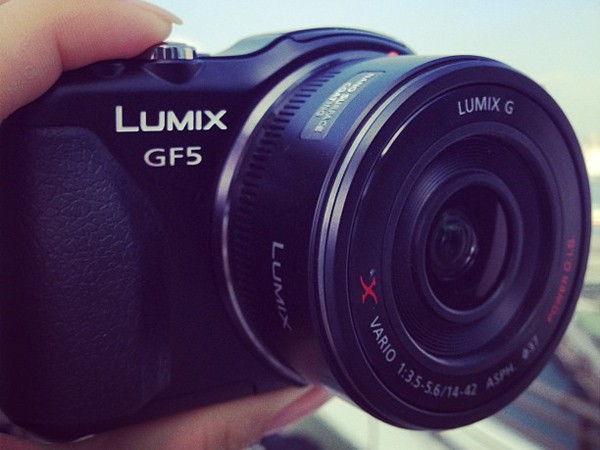
    Hong Kong celebrity Angelababy who is also the Brand Ambassador for Panasonic has accidentally posted the picture of the company’s next wonder on none other than, the popular Instagram.  The G1x was not well received by the audience so hopefully panasonic can make a mark with this new camera. The specs are still in the rumor mill and the GF5 will supposedly feature a 12-megapixel sensor but with a better signal-to-noise ratio and a higher ISO 12800, it’ll also have a much sharper LCD with 920k dots (instead of just 460k on the GF3).

    [Instagram]

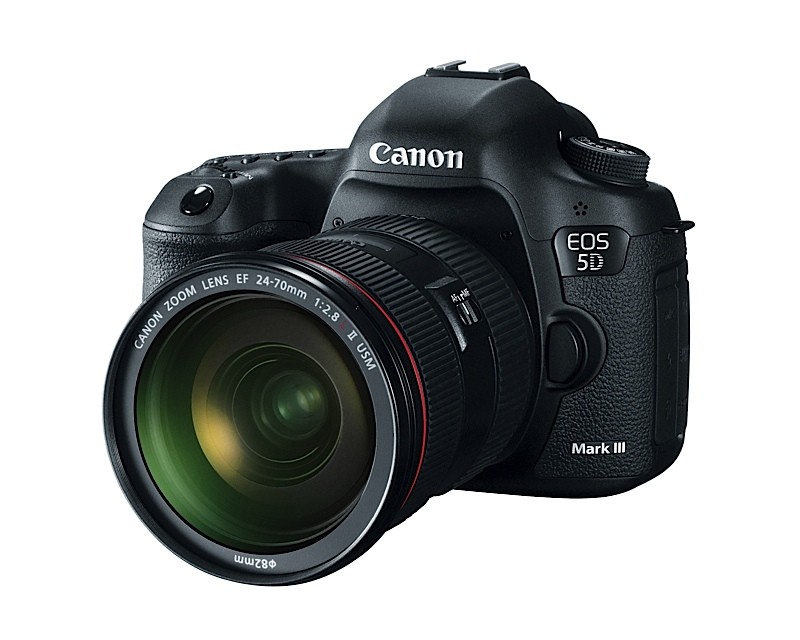
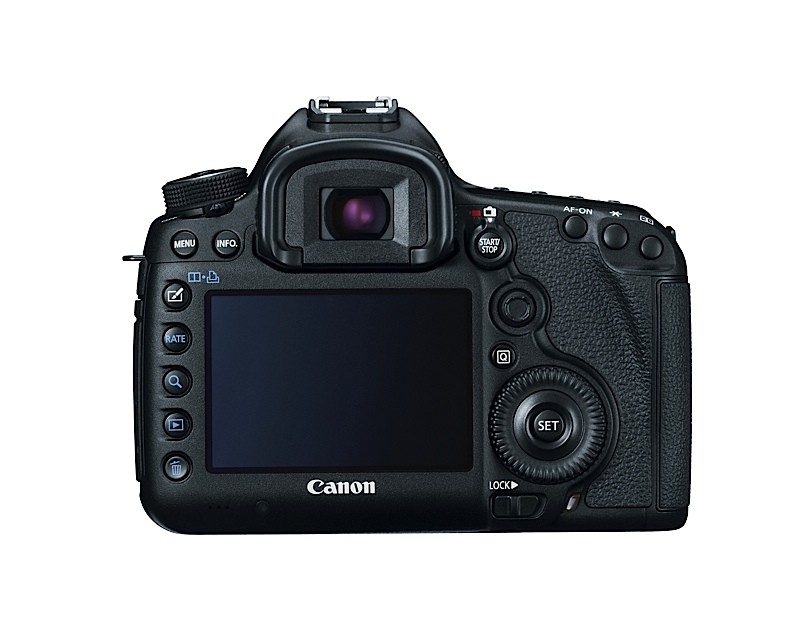
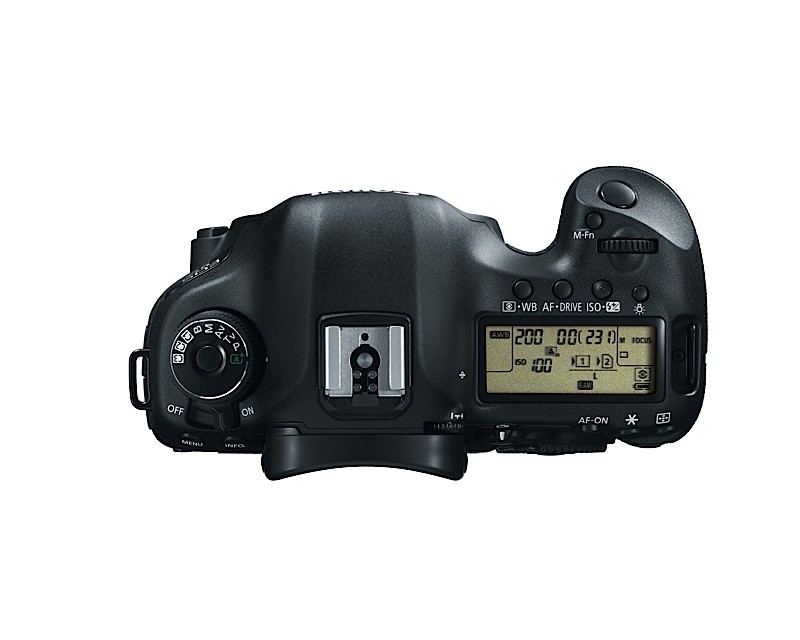
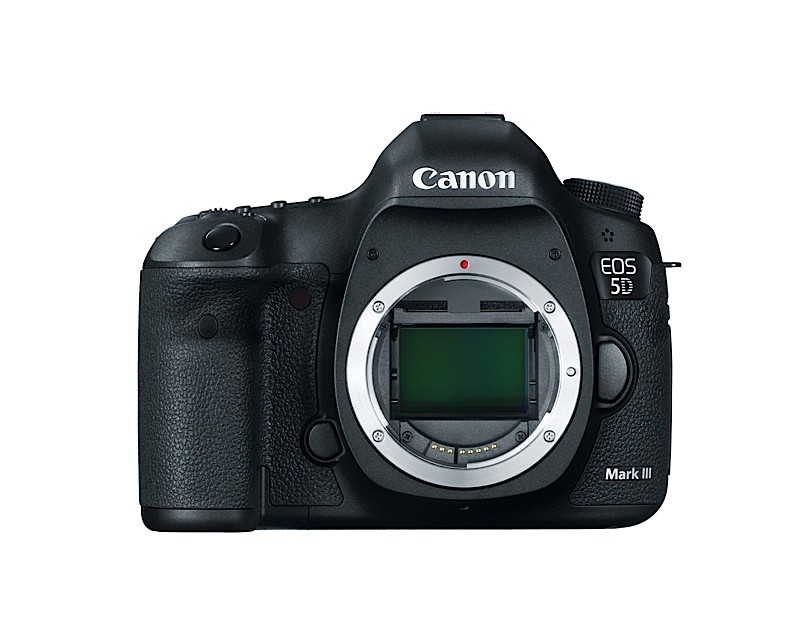
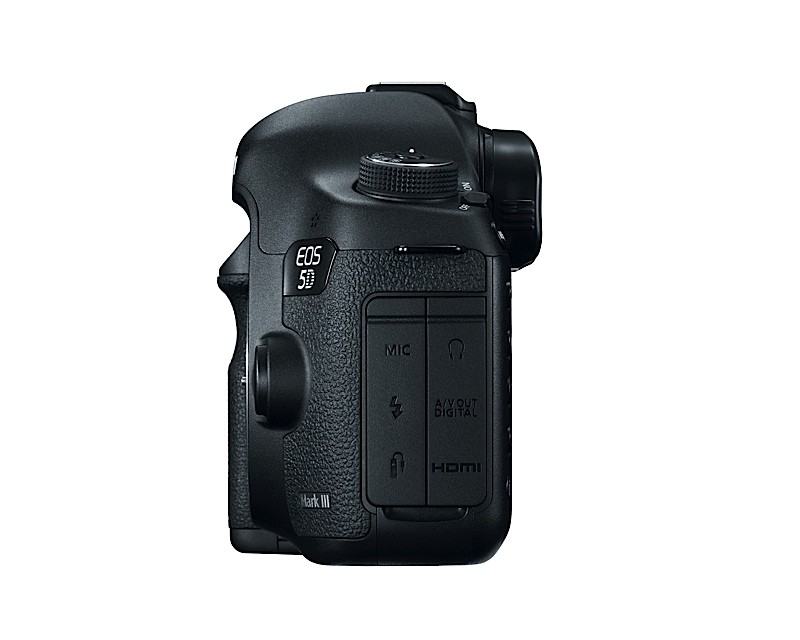
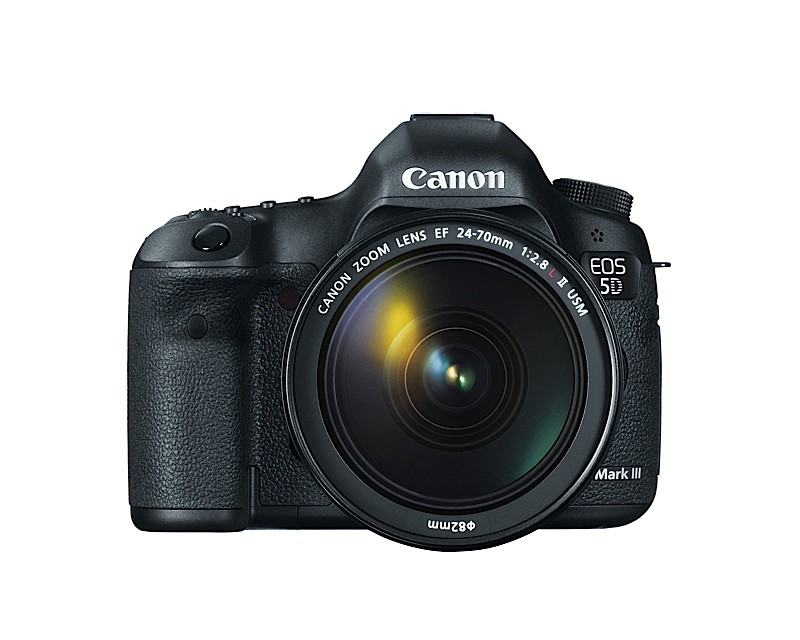
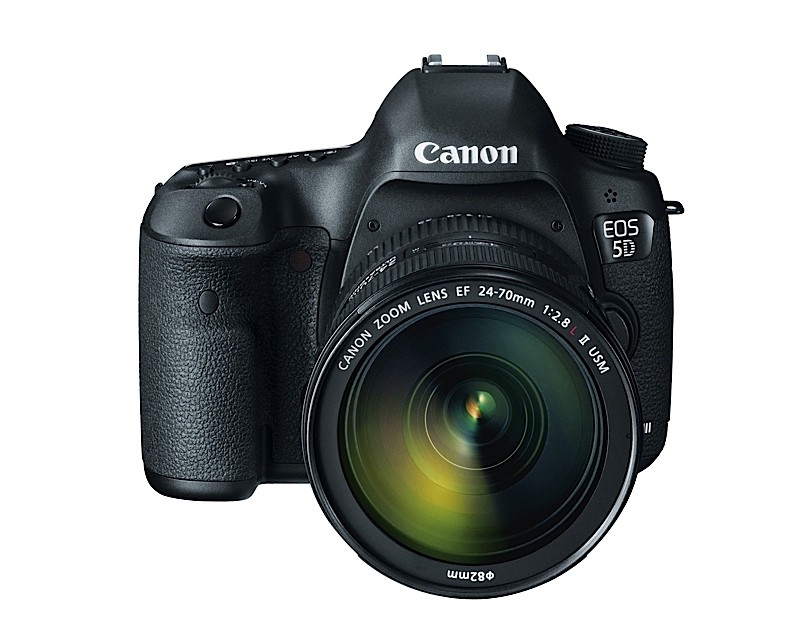
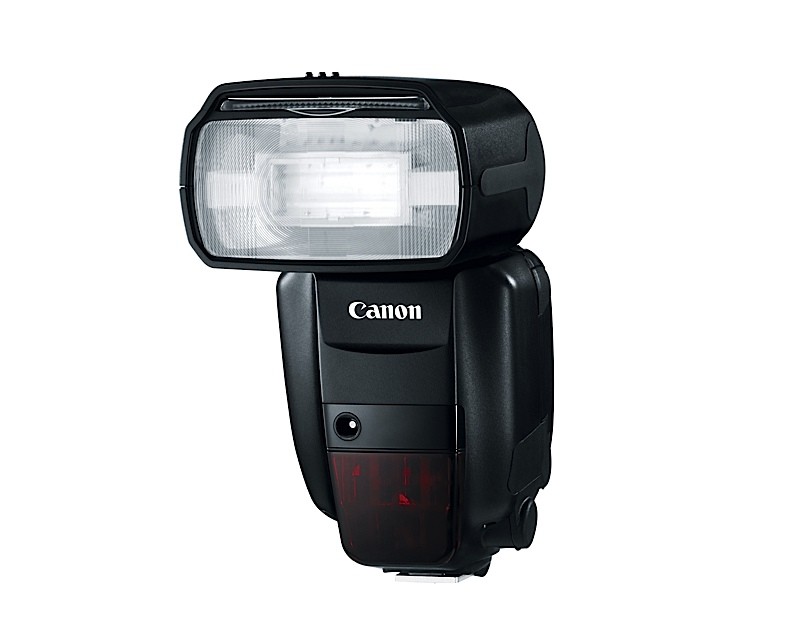
  • Canon announces EOS 5D Mark III: 22.3 MP full-frame sensor,102,400 max ISO, 1080/30p HD Video (PR)

    Canon announces EOS 5D Mark III: 22.3 MP full-frame sensor,102,400 max ISO, 1080/30p HD Video (PR)

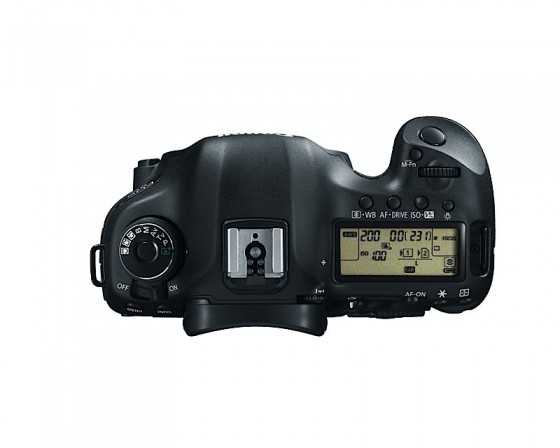
    On the 25th year anniversary of the first EOS SLR Canon has launched the new EOS 5D Mark III, a successor to its popular 5D Series. Not only does the 5D have a large 22.3 MP Sensor it also marks key changes in the over all functionality of the SLR Camera. Canon has also launched a whole series of add ons for the camera to complete the accessory kit. 
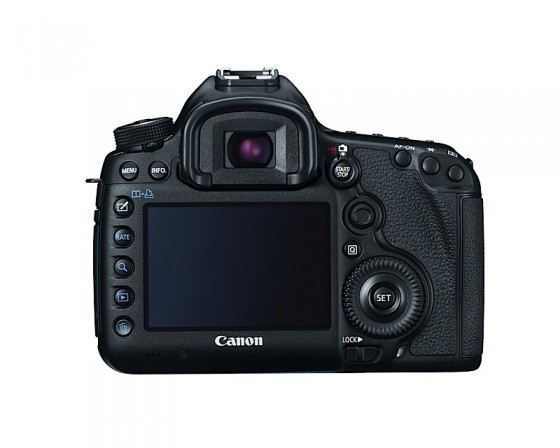
    New specs include a larger 1,040,000-dot 3.2-inch rear LCD, Digic 5+ processor, 22.3-megapixel CMOS sensor, 61-Point High Density Reticular autofocus with 41 cross-types, dual memory card slots (SD and CompactFlash) an extended ISO range of 50 to 102,400 (100 to 25,600, natively), OVF with 100 percent coverage (98 previously), and a maximum 6 FPS burst speed.

    5D MII will capture h.264 footage at HD resolutions up to 1080 at 24/25/30p or 720 at 50/60p, with an effective ISO range of 100-128,000, for audio you have an inbuilt mic or stereo mic input. 
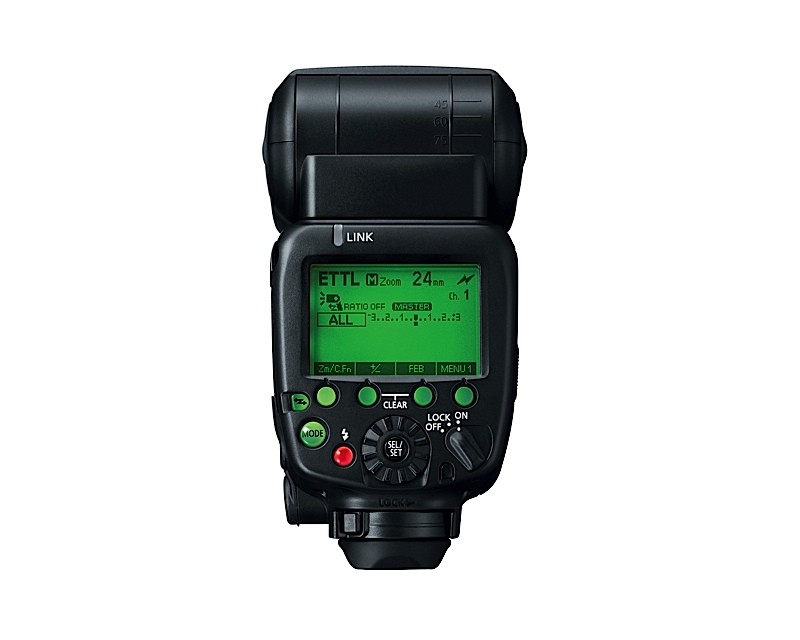
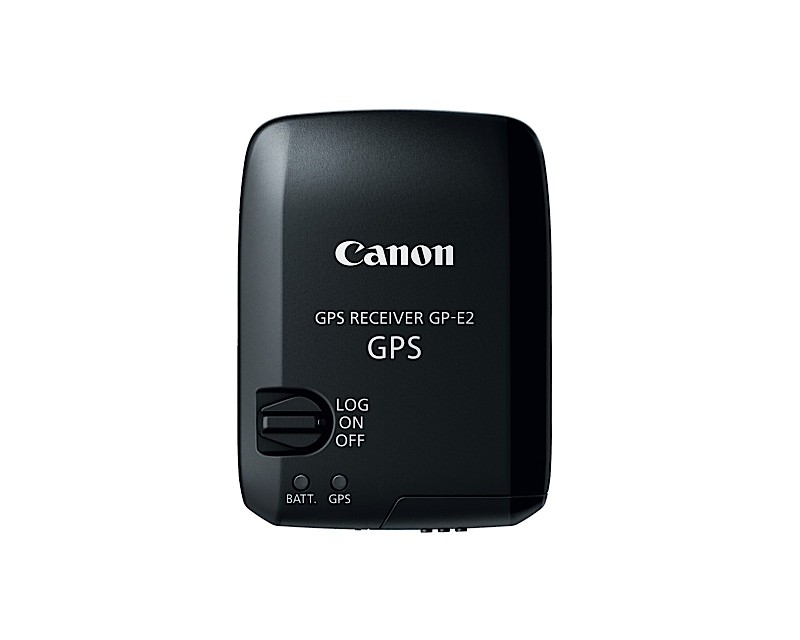
    The camera will be available by the end of March, priced at $3,500 for the body-only and $4,300 as kit with an EF24-105mm f/4L IS USM zoom lens. For accessories you will need to wait till April and pay $390 for the GP-E2 GPS receiver, $850 for the WFT-E7A Wireless Transmitter, and $490 for BG-E11 Battery Grip (dual battery and weather resistant)

    Read the rather large and extensive Press Release below if you are in search for more info.

    [toggle title_open=”Press Release” title_closed=”Press Release” hide=”yes” border=”yes” style=”default” excerpt_length=”0″ read_more_text=”Read More” read_less_text=”Read Less” include_excerpt_html=”no”]


    CANON U.S.A. ANNOUNCES THE HIGHLY ANTICIPATED EOS 5D MARK III DIGITAL SLR CAMERA

    Featuring Improved Image Quality, a 61-Point High Density Reticular AF, Six fps High-Speed
    Continuous Shooting and Enhanced HD Video Recording Features

    LAKE SUCCESS, N.Y., March 2, 2012– On the 25th anniversary of its world-renowned EOS System, Canon U.S.A., Inc., a leader in digital imaging solutions, is proud to announce its latest model, the new EOS 5D Mark III Digital SLR Camera. Positioned between the extremely popular EOS 5D Mark II and Canon’s top-of-the-line professional EOS-1D X model, the EOS 5D Mark III delivers superb image quality, thanks to a new 22.3-megapixel full-frame Canon CMOS sensor, a high-performance DIGIC 5+ Imaging Processor, a 61-point High Density Reticular Autofocus (AF) System and six frames-per-second (fps) continuous shooting speed. Building upon the trailblazing success of the EOS 5D Mark II, the EOS 5D Mark III also incorporates enhanced video features for professionals in the fields of cinematography, television production and documentary filmmaking, including better noise reduction, longer recording times and a built-in headphone jack for audio monitoring. The EOS 5D Mark III is Canon’s answer to hundreds of thousands of advanced amateurs and emerging professionals looking for a compact, high-quality camera system to help them achieve their artistic vision, whether it be through still or video imagery. The EOS 5D Mark III introduction coincides with Canon’s 25th anniversary celebration of the EOS camera system. Canon’s award-winning EOS system first debuted in March of 1987 with the introduction of the EOS 650 SLR camera and three EF lenses.

    “We are extremely excited to announce the highly anticipated follow-up to our EOS 5D Mark II, a camera which has been called a ‘game-changer’ in most professional photography and videography circles. The EOS 5D Mark III will carry on that tradition, delivering better and more advanced features, helping our customers achieve excellent image quality for stills and video,” stated Yuichi Ishizuka, executive vice president and general manager, Imaging Technologies and Communications Group, Canon U.S.A.

    The EOS 5D Mark III inherits many features from Canon’s recently announced flagship DSLR, the EOS- 1D X, including a DIGIC 5+ Imaging Processor and a high-performance 61-point High Density Reticular AF array with up to 41 cross-type points and five dual cross-type points available, depending on the lens in use.

    The enhanced processing power enables fast continuous shooting of up to six fps, exceeding the speed of the EOS 5D Mark II model by more than 50 percent, and with improved weather resistance the EOS 5D Mark III is a serious option for sports and wildlife photographers.

    EOS 5D Mark III Video: The Legacy Continues
    The EOS 5D Mark II blazed the trail for EOS cameras and Canon to enter the professional video and cinema markets, paving the way for Canon’s recent introduction of the Cinema EOS system of cameras and lenses. Now, the EOS 5D Mark III continues Canon’s commitment to these new markets with new and requested features from cinematographers, television production professionals and independent filmmakers. This new model captures 1080p Full HD video at 24p (23.976), 25p, and 30p (29.97) fps; 720p HD recording at 60 (59.94) and 50 fps; and SD recording at 30 (29.97) and 25 fps, giving cinematographers and videographers more flexibility and options for video capture.

    The EOS 5D Mark III includes new H.264 video compression formats to simplify and speed up post-production work: intraframe (ALL-I) compression for an editing-friendly format and interframe (IPB) compression for superior data storage efficiency, giving professionals options to help achieve their ideal workflow. Like the EOS-1D X, the 5D Mark III also includes two methods of SMPTE-compliant timecode embedding, Rec Run and Free Run, allowing video footage from multiple cameras and separate audio recordings to be synced together in post production.

    The new full-frame CMOS sensor and DIGIC 5+ processor have enhanced the camera’s image processing performance over the 5D Mark II, significantly reducing moiré and color artifacts in scenes with horizontal lines. The video footage produced will exhibit less moiré than seen in previous DSLR models, resulting in a significant improvement in HD video quality. Accommodating documentary filmmakers, and event videographers using EOS DSLR cameras, the 5D Mark III includes the ability to record video continuously up to 29 minutes and 59 seconds across multiple 4GB files. Long-form filmmakers will enjoy the camera’s automatic file splitting in combination with the extended memory capacity offered by dual card slots.

    The Canon EOS 5D Mark III also includes manual audio level control with 64 levels, adjustable both before and during movie recording. There is also an automatic audio level setting, or sound recording can be turned off entirely. A wind filter is also included. Sound can be recorded either through the internal monaural microphone or via an optional external microphone through the stereo mic input. Notably, the EOS 5D Mark III is the first EOS Digital SLR to feature a built-in headphone jack for real-time audio monitoring during video capture.

    Newly Developed Canon CMOS Sensor
    With its completely new 22.3-megapixel full-frame Canon CMOS image sensor, the EOS 5D Mark III becomes the highest resolution Canon Digital SLR released to date. It is eminently suitable for a wide variety of assignments including weddings and portraits, nature and wildlife, travel and landscapes as well as commercial and industrial photography. With a gapless microlens design, a new photodiode structure and improved on-chip noise reduction, the new sensor achieves higher sensitivity and lower noise levels for both RAW image data as well as in-camera JPEGs and EOS Movies compared to the 5D Mark II. The result is outstanding image quality in all shooting conditions, even low light. An eight-channel readout doubles the speed of image data throughput from the sensor to the DIGIC 5+ processor, resulting in better video image quality as well as six fps for still photos.

    The low-light capability of the EOS 5D Mark III is evident in its incredible ISO range and image quality in poor lighting conditions. Adjustable from ISO 100 to 25,600 within its standard range, the new model also offers a low ISO 50 setting for studio and landscape photography and two extended ISO settings of 51,200 and 102,400, well suited for law enforcement, government or forensic field applications.

    The new 5D Mark III is also equipped with Canon’s EOS Integrated Cleaning System, featuring a Self Cleaning Sensor Unit with a fluorine coating that repels dust and dirt particles.

    Canon-Exclusive DIGIC 5+ Imaging Processor
    The EOS 5D Mark III’s new DIGIC 5+ Imaging Processor is 17 times faster than the DIGIC 4.The EOS 5D Mark III uses that extra speed not only for improved image quality, but also to add no less than nine new features that do not exist on the 5D Mark II. These new features include six fps continuous shooting, HDR and Multiple Exposure modes, in-camera RAW processing, a comparative playback function, Scene Intelligent Auto mode, two forms of movie compression, and support for high-speed UDMA 7 Compact Flash memory cards.

    Another extremely valuable feature enhanced by the DIGIC 5+ Imaging Processor is the EOS 5D Mark III’s choice of reduced resolution M-RAW (10.5 megapixel) and S-RAW (5.5 megapixel) recording modes. These settings are particularly useful to wedding photographers for candid photos that do not require the EOS 5D Mark III’s 22 megapixel full resolution, because they take up less space on the memory cards and speed up post-processing without losing the critical benefits of RAW image data, such as highlight and shadow control as well as white balance adjustment. M-RAW and S-RAW also preserve the full field of view rather than cropping the image or resorting to JPEG mode to reduce resolution.

    High-Performance 61-Point High Density Reticular AF
    For still photographers, Canon has included its new 61-point High Density Reticular AF System, originally introduced with the top-of-the-line EOS-1D X professional camera. A significant advancement over previous 5D-series AF systems, the new 61-Point High Density Reticular AF included in the EOS 5D Mark III is the most sophisticated SLR AF system Canon has ever released. All 61 points are manually selectable and sensitive to horizontal contrast with maximum apertures larger than or equal to f/5.6. The camera’s twenty one focusing points in the central area are also standard precision cross-type and effective with maximum apertures larger than or equal to f/5.6. The center five points are ultra-high-precision diagonal cross-type points for maximum apertures larger than or equal to f/2.8. The 20 outer focusing points function as high- precision cross-type points with maximum apertures larger than or equal to f/4.0. Other innovations of the new 61-point High Density Reticular AF include expanded AF coverage area, superior focusing precision and low-light sensitivity to EV -2, and greater low-contrast subject detection capability compared to earlier EOS AF systems. (See image below for AF point configuration)

    All AF functions now have their own menu tab for quick and easy access (formerly AF custom functions in previous EOS models). A new AF Configuration Tool allows for customized setting of tracking sensitivity, the acceleration and deceleration of tracking subjects, and AF point auto switching, all of which are easily accessed and adjusted via the new AF menu tab. A built-in Feature Guide advises photographers on which settings to use according to subject matter.

    The EOS 5D Mark III uses the same high-performance AI Servo III AF tracking algorithm as the flagship EOS-1D X professional DSLR. This new feature works together with the 61-point High Density Reticular AF system to provide superb tracking performance that blends very well with the new camera’s 6 frames-per-second high-speed continuous shooting capabilities.

    Similar to the AF point selection options offered in the EOS 7D and EOS-1D X camera models, the EOS 5D Mark III offers six AF point selection modes: Spot, Single Point, Single Point with surrounding four points, Single Point with surrounding eight points, Zone selection and Automatic AF point selection.

    iFCL Metering
    Complementing the EOS 5D Mark III camera’s 61-point AF system is Canon’s 63-zone iFCL dual layer metering system. The ‘FCL’ stands for ‘Focus, Color and Luminance,’ and references the fact that the metering system not only measures color and luminance data, but also analyzes the data provided by each point of the AF system. Canon’s iFCL metering keeps exposure levels stable from shot to shot, even as the light source changes. The camera’s autofocus information is also used to help determine which area of the scene is of greatest importance in determining exposure.

    HDR Mode
    The EOS 5D Mark III camera features a built-in HDR mode, merging three images at various exposure levels into a single image, in-camera, for stunning photographs of landscapes and architecture with enhanced tonal gradation beyond the range of the naked eye. The exposure levels in the camera’s HDR mode can be set to cover a range of up to ±3 stops, in a choice of five settings: Natural, Art Standard, Art Vivid, Art Bold and Art Embossed providing unique visual effects. Individual source images can be saved as separate files, and the HDR mode has an optional automatic alignment function that can be useful for hand-held shooting. The EOS 5D Mark III’s standard Auto Exposure Bracketing function has been upgraded to allow for up to seven exposures per sequence, and exposure compensation can now be set for up to +/- 5EV.

    Multiple Exposure Mode
    The EOS 5D Mark III is the second EOS Digital SLR after the EOS-1D X to feature Multiple Exposure capabilities with the ability to combine up to nine individual images into a single composite image, with no need for post-processing in a computer. Four different compositing methods are provided for maximum creative control, including Additive, Average, Bright and Dark. Compositing results can be viewed in real time on the camera’s LCD monitor, and there is a one-step Undo command that allows photographers to delete an image and try again if desired. The EOS 5D Mark III camera’s Multiple Exposure mode even allows photographers to specify a previously captured RAW image as the starting point for a new Multiple Exposure composite image, or shoot continuously when photographing moving subjects.

    Comparative Playback
    A new feature seen for the first time in the EOS System on the 5D Mark III is Comparative Playback allowing photographers to display two images side by side on the camera’s 3.2-inch LCD screen. The images can be displayed with a histogram to check exposure levels, or magnified to check for focus or facial expressions.

    Durability, Reliability and Other Features
    The EOS 5D Mark III features a rugged camera body with magnesium alloy body covers and a stainless steel lens mount. The new camera also has dust- and moisture-resistant design with improved gaskets and seals. Although not quite as weatherproof as an EOS-1D-series camera, the EOS 5D Mark III does feature improved weather resistance over the EOS 5D Mark II model. The EOS 5D Mark III’s newly developed shutter unit has a durability rating of 150,000 exposures, and shutter release lag time has been reduced to 59 milliseconds, making the shutter button very responsive. Canon’s locking mode dial is standard on the new model and a new custom function allows photographers to shut off other dials to prevent inadvertent operation.

    The EOS 5D Mark III uses the same LP-E6 lithium-ion battery pack as other popular EOS cameras like the 5D Mark II, 7D and 60D. Battery life is estimated at 950 exposures at normal temperatures, an improvement of 100 exposures more than the EOS 5D Mark II. The EOS 5D Mark III body weighs approximately 33.5 oz. with a battery installed, and the dimensions are approximately 6.0 x 4.6 x 3.0 inches.

    The EOS 5D Mark III incorporates Silent shooting modes, available for low-speed continuous shooting as well as single exposures. This feature is ideal when photographing in quiet environments. For better file management especially when working with multiple cameras, the new model also supports custom file names. There is also a new image rating feature that lets photographers rank their photos from 1 to 5 stars for quick editing.

    The EOS 5D Mark III features a 3.2-inch Clear View II LCD screen with 1,040,000 dot resolution. This is the same screen that’s used in the top-of-the-line EOS-1D X. The camera’s optical viewfinder has been upgraded to approximately 100 percent coverage, and it features an Intelligent Viewfinder display with an optional grid on demand. The EOS 5D Mark III also has a built-in Dual Axis Electronic Level that can be displayed on both the LCD screen and the optical viewfinder.

    The EOS 5D Mark III accepts both Compact Flash Type 1 and SD/SDHC/SDXC memory cards in a dual card slot configuration. Three recording methods are supported: Record the same data to both cards, record different file sizes or types to each card, or automatically switch to the second card when the first card is full.

    Accessories
    The EOS 5D Mark III DSLR also has a number of new optional accessories, including the new Canon Wireless File Transmitter WFT-E7A featuring wireless LAN support for 802.11 a/b/g/n signal protocols for various network environments. The WFT-E7A connects to the camera through its USB port and includes a built-in gigabit Ethernet connection, time syncing for multiple cameras on the same network, FTP mode, EOS Utility mode, WFT Server mode and Media Server mode. With this new WFT model, professionals can synchronize clocks on multiple cameras and use the unit to support linked shooting when utilizing multiple cameras. In addition, Bluetooth-compatible equipment can be easily linked to the device as well.

    The EOS 5D Mark III also has an optional Canon GPS Receiver GP-E2, which can be connected to the camera via the accessory shoe or a USB cable. With a GPS logging function built-in, the GP-E2 will log latitude, longitude, elevation, and the Universal Time Code – and allow viewing of camera movement on a PC after shooting. With its built-in compass, the GP-E2 receiver will also record camera direction when shooting, even when shooting vertically. The Canon GPS Receiver GP-E2 is compatible with the EOS-1D X and EOS 7D as well as the EOS 5D Mark III.

    Battery Grip BG-E11 is an optional accessory for the EOS 5D Mark III that accepts one or two LP-E6 lithium-ion battery packs or a set of six AA-size batteries. This new grip has a multicontroller and a multifunction (M.Fn) button together a with a full set of grip controls for easy operation when shooting portraits or other vertical format photos. The BG-E11 is made from sturdy magnesium alloy and has the same degree of weather resistance as the EOS 5D Mark III.

    Speedlite 600EX-RT
    In addition to the EOS 5D Mark III, Canon is also announcing the first professional Speedlite on the market with a built-in wireless radio transmitter, the new Speedlite 600EX-RT. The new Canon Speedlite 600EX-RT is the flagship model in the Speedlite line, ideal for wedding portrait and photojournalism. Compatible with all EOS Digital SLRs, this new model eliminates the need for accessory radio slave units and their inherent limitations. Speedlite 600EX-RT features Master-Slave two-way transmission, letting the photographer control the Speedlite settings directly from the “Master” camera.

    Radio-based Wireless E-TTL can be performed with up to 15 Speedlite 600EX-RT “slave units”, used off-camera up to 98.4 feet (30m) away, and triggered by either a “Master” 600EX-RT on-camera, or the optional new Speedlite Transmitter ST-E3-RT. Used with the EOS 5D Mark III or EOS-1D X, up to five groups of flashes can be completely controlled, independently, off-camera. And, it remains fully compatible with Canon’s legacy optical-based Wireless E-TTL technology, for users already committed to existing EOS Speedlites. The Speedlite features enhanced weather-resistant construction – matching that of the EOS-1D X camera body – and a more reliable electrical contact. The flash head zoom range now reaches from 20mm to 200mm.The Speedlite also allows remote shutter release of a single EOS camera, or Linked Shooting (simultaneous firing of up to 15 cameras, when one “Master” camera is fired), and includes gelatin filters and a dedicated filter holder to help photographers match ambient light.

    Speedlite Transmitter ST-E3-RT
    Canon is also introducing the new Speedlite Transmitter ST-E3-RT. Providing full support of Canon’s new radio-based wireless flash technology, the new ST-E3-RT can control up to five groups of flashes, up to 98.4 feet (30m) from the camera. The remote shutter release capability enables photographers to either fire a single camera remotely (by pressing a button on the ST-E3-RT), or to fire up to 15 EOS cameras with Canon’s Linked Shooting feature. Making it easy to control and adjust, all of the Speedlite Transmitter features are accessible through the Flash control menu of the EOS-1D X and EOS 5D Mark III cameras.

    Pricing and Availability
    The Canon EOS 5D Mark III Digital SLR camera is expected to be available at the end of March 2012 and will be sold in a body-only configuration at an estimated retail price of $3,499.00. The EOS 5D Mark III will also be available with the EF24-105mm f/4L IS USM zoom lens in a kit for an estimated retail price of $4,299.00. The Wireless File Transmitter WFT-E7A is scheduled to be available by the end of April 2012 at an estimated retail price of $849.99. Availability for GPS Receiver GP-E2 is expected by the end of April 2012, with an estimated retail price of $390.00.Battery Grip BG-E11 is scheduled to be available at the end of April 2012 for an estimated retail price of $490.00. The Speedlite 600EX-RT and Speedlite Transmitter ST-E3-RT are also scheduled for end of March 2012 availability at estimated retail prices of $629.99 and $470.00 respectively.

    About Canon U.S.A., Inc.
    Canon U.S.A., Inc., is a leading provider of consumer, business-to-business, and industrial digital imaging solutions. With $45.6 billion in global revenue, its parent company, Canon Inc. (NYSE:CAJ), ranks third overall in patent holdings in the U.S. in 2011† and is one of Fortune Magazine’s World’s Most Admired Companies in 2011. Canon U.S.A. is committed to the highest levels of customer satisfaction and loyalty, providing 100 percent U.S.-based consumer service and support for all of the products it distributes. Canon U.S.A. is dedicated to its Kyosei philosophy of social and environmental responsibility. To keep apprised of the latest news from Canon U.S.A., sign up for the Company’s RSS news feed by visiting www.usa.canon.com/rss.

    ###

    †Based on weekly patent counts issued by United States Patent and Trademark Office.

    All referenced product names, and other marks, are trademarks of their respective owners.

    Availability, prices, and specifications of all products are subject to change without notice. Actual prices are set by individual dealers
    and may vary.

    [/toggle]

iGyaan Network
Privacy Overview

This website uses cookies so that we can provide you with the best user experience possible. Cookie information is stored in your browser and performs functions such as recognising you when you return to our website and helping our team to understand which sections of the website you find most interesting and useful.