Category: Tech

Latest Technology News, Alternative, Bio-Tech, Medical, R&D and Innovations

  • LG G5 vs LG G4: Everything’s Changed

    LG G5 vs LG G4: Everything’s Changed

    The opening day fight for the spotlight at the MWC 2016 was always going to be between Samsung and LG. While Samsung had a very sober event, unveiling its S7 devices which didn’t really wow the mass as one would have liked, LG, on the other hand, stole the show with its new modular G5 flagship. Samsung may not have changed too much with the S7, but LG redefined the smartphone with the G5. We look at how much the LG G5 has changed from its G4 predecessor.

    Design
    LG G4
    LG G4

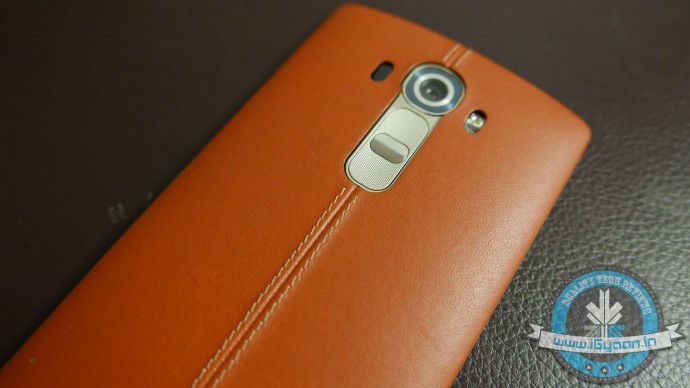
    The LG G4 was designed in a new way back in 2015 with the introduction of a genuine leather back panel that received mixed reactions in certain religious countries. For example in India, LG refrained from mentioning that the leather back panel was made from cow hide, which prevented some people from buying the handset. The use of leather, however, was done in a brilliant way. The back panel takes 12 weeks to manufacture and uses a new technology for a process which normally takes a few days.

    Although some had mixed opinions about the design and use of leather, LG had done it rather tastefully and not only did it look impressive, but also felt great in the hand.
    LG G5
    LG G5

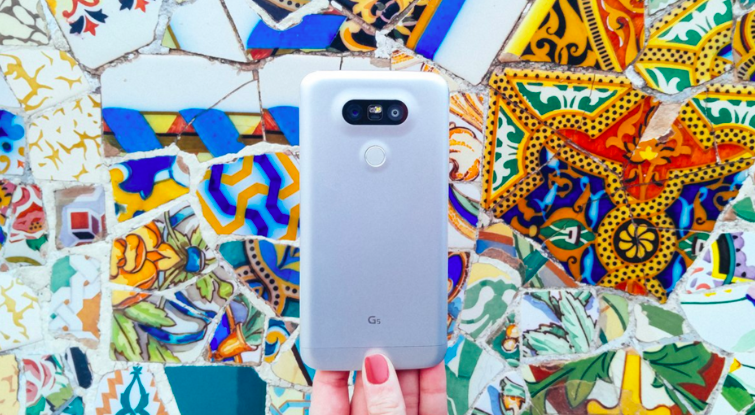
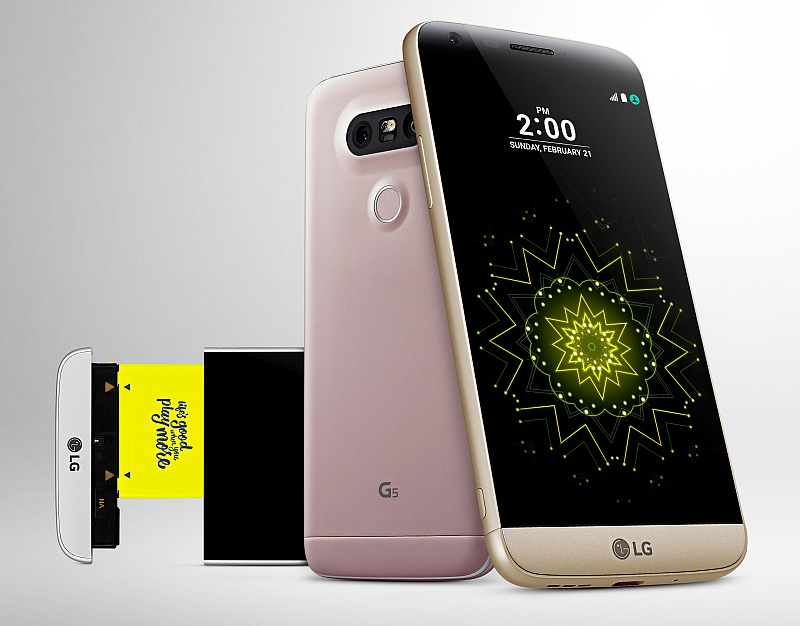
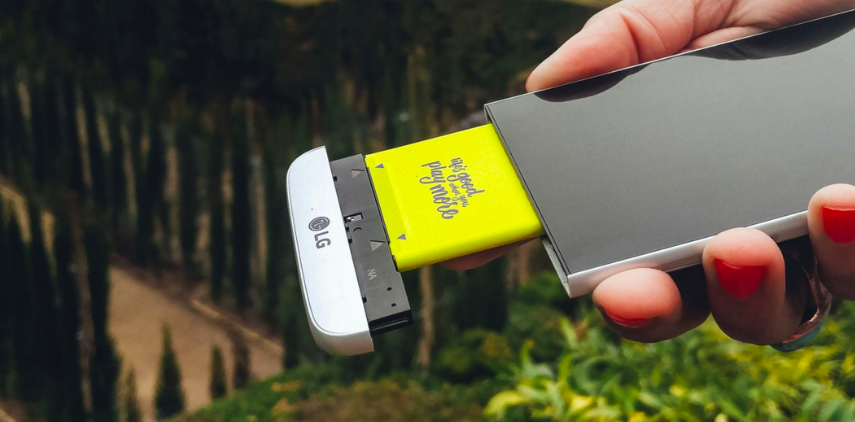
    With the G5, LG again made a drastic design change and incorporated a modular design to its new flagship, which is, in our opinion, a stroke of brilliance. The G5 introduces a full metal body and comes with impressive specifications but the what sets the phone apart from its competition is the fact that it comes with modular attachments which can be utilised to enhance the camera and battery of the phone. Over to the back, you can see the dual camera module and a rounded fingerprint sensor below it which was missing in the G4.

    However, the back of the G5 looks rather dull and pales in comparison to the back of the G4. Of course, this is just going by the images of the G5 and it may just feel good in the hands. The actual look of the G5 isn’t much to brag about but what will really sell it is it’s modular nature.

    Display

    The G4 had a 5.5-inch Quad HD LCD display with a 2560 x 1440 pixel resolution and a pixel density of 534ppi. Now while the display on the G4 was bright and crisp, the size factor and poor battery pack made it hard to make it through an entire day with enough juice.

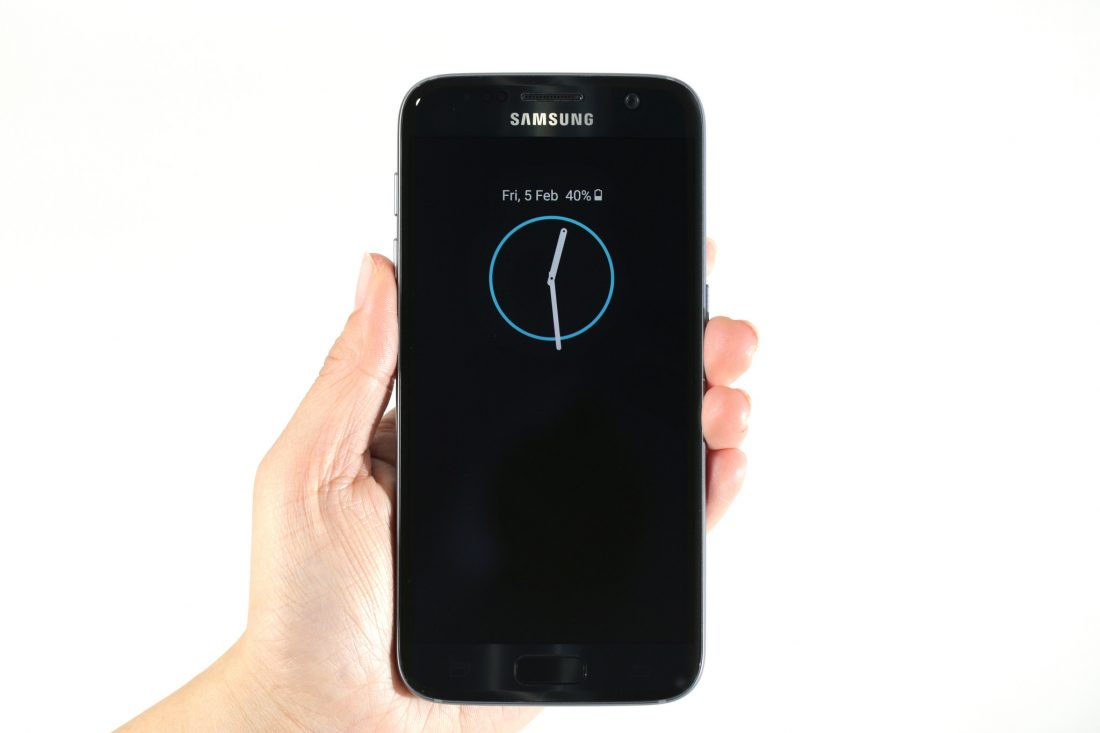
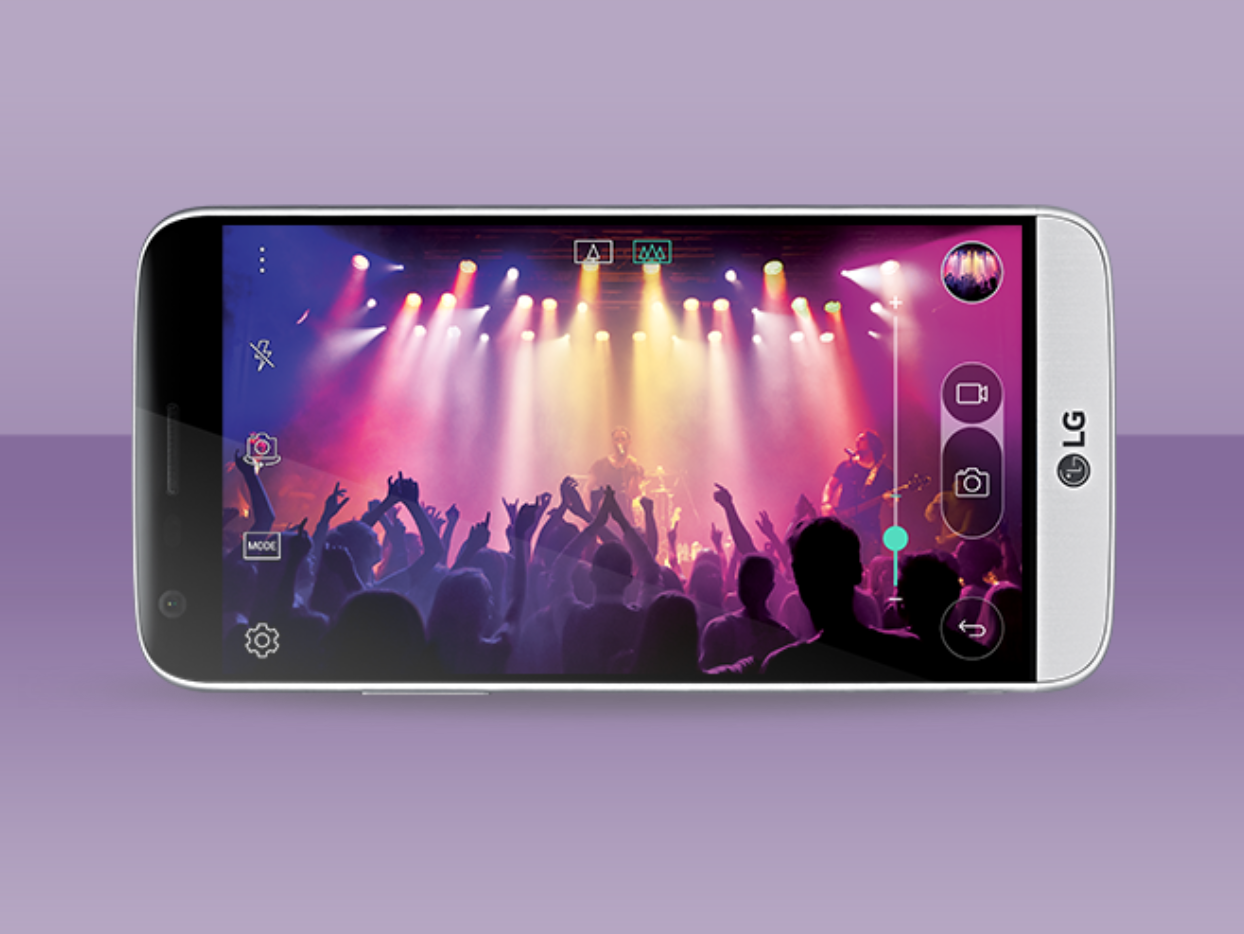
    LG has reduced the screen size of the G5 from 5.5-inch to a 5.3-inch Quad HD display. This will not only add much sharper colours and brightness, but will also help conserve precious battery life. Add to this, you also have a new Always On mode that displays notifications and messages without having to turn on the phone. The Always On feature uses only 0.8 percent of battery per hour, which means the phone will last a lot longer than the G4.

    Hardware

    Like every new flagship successor, specifications are bound to get a bump. 2016 is the year of the Snapdragon 820 and many flagship devices this year will be sporting that chipset. The G5 is no different. It comes with a smaller 5.3-inch screen as compared to the G4 and is powered by the Snapdragon 820 chipset and Adreno 530 GPU. RAM also gets a bump to 4GB and adds a USB Type-C port. The battery pack drops from 3,000mAh to 2,800mAh, though it is still removable and LG has some ‘Friends’ that bring in some help when needed.

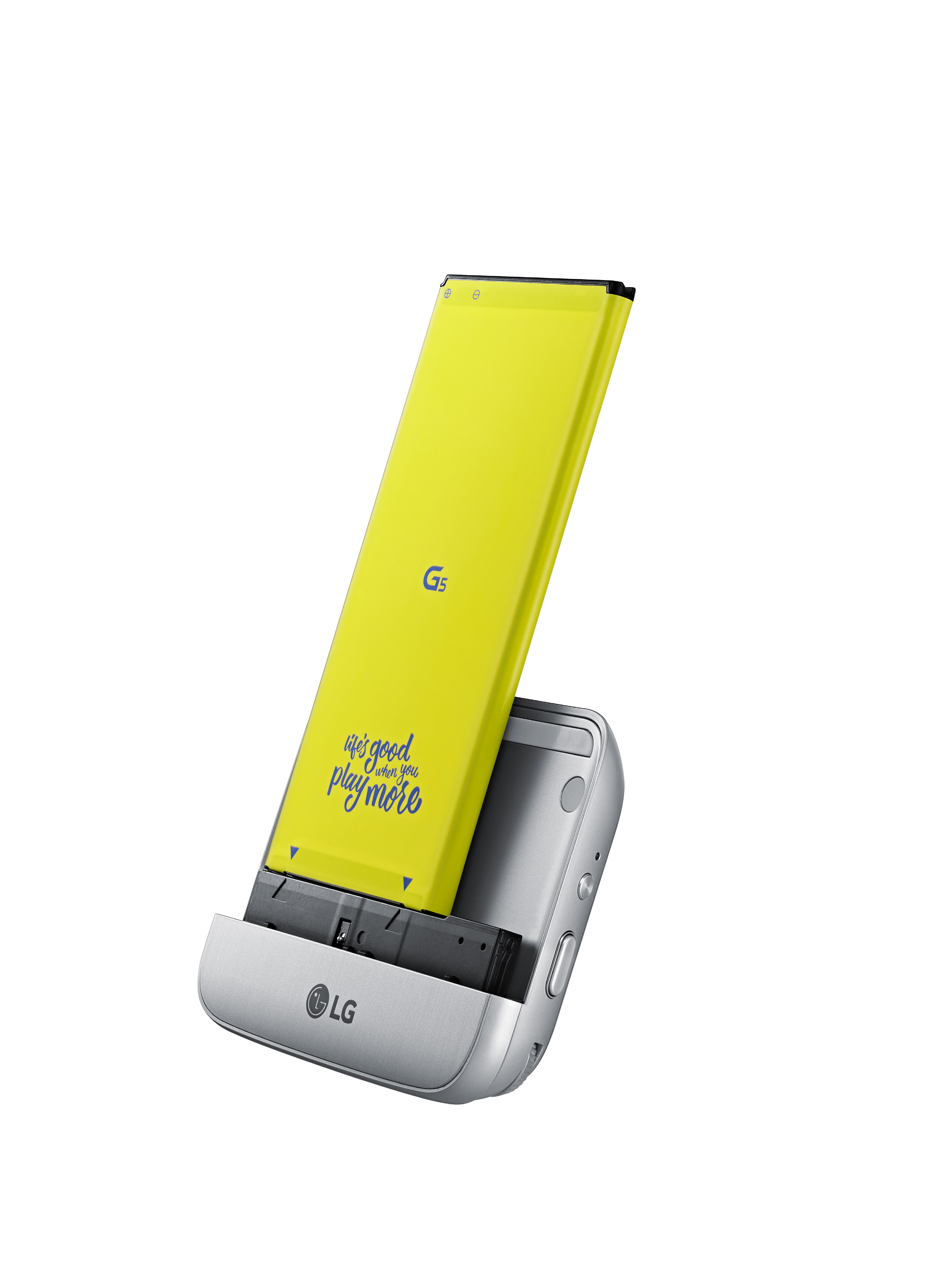
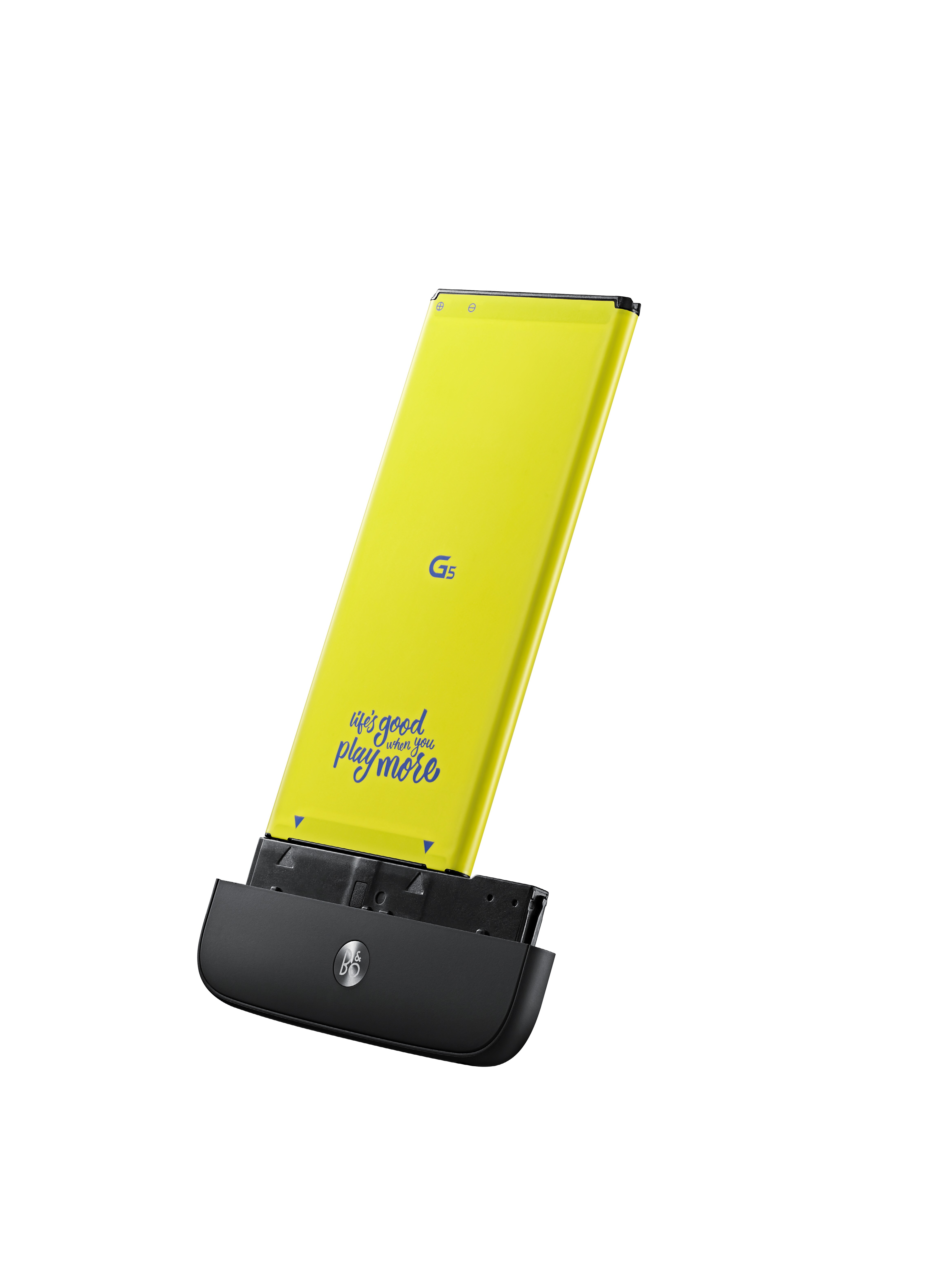
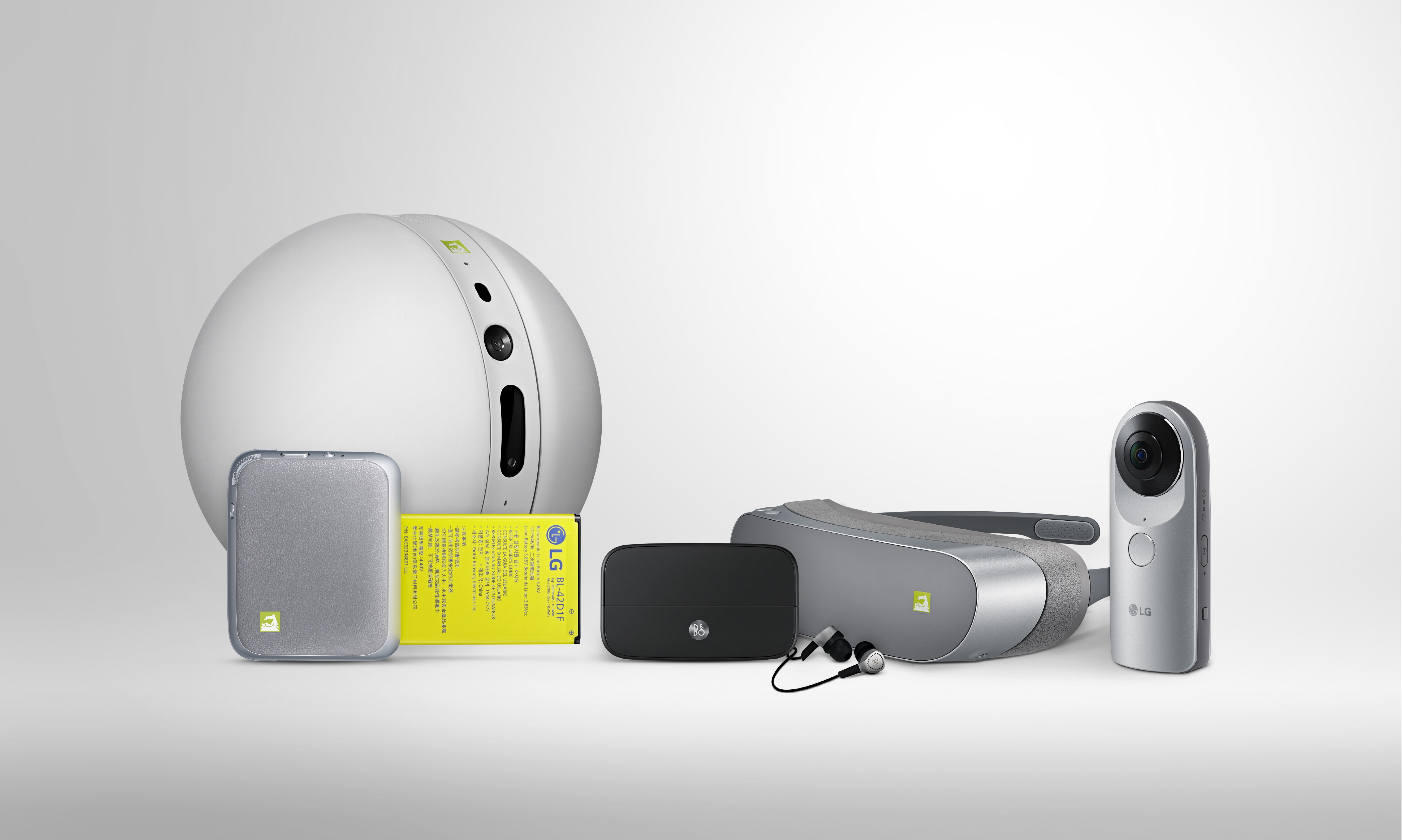
    But the USP of the G5 is its modular design and modules is what you get with the G5. The handset comes with various modules that can be attached to the bottom of the device. LG calles these modules Friends that include LG Cam Plus and LG HI-Fi Plus.
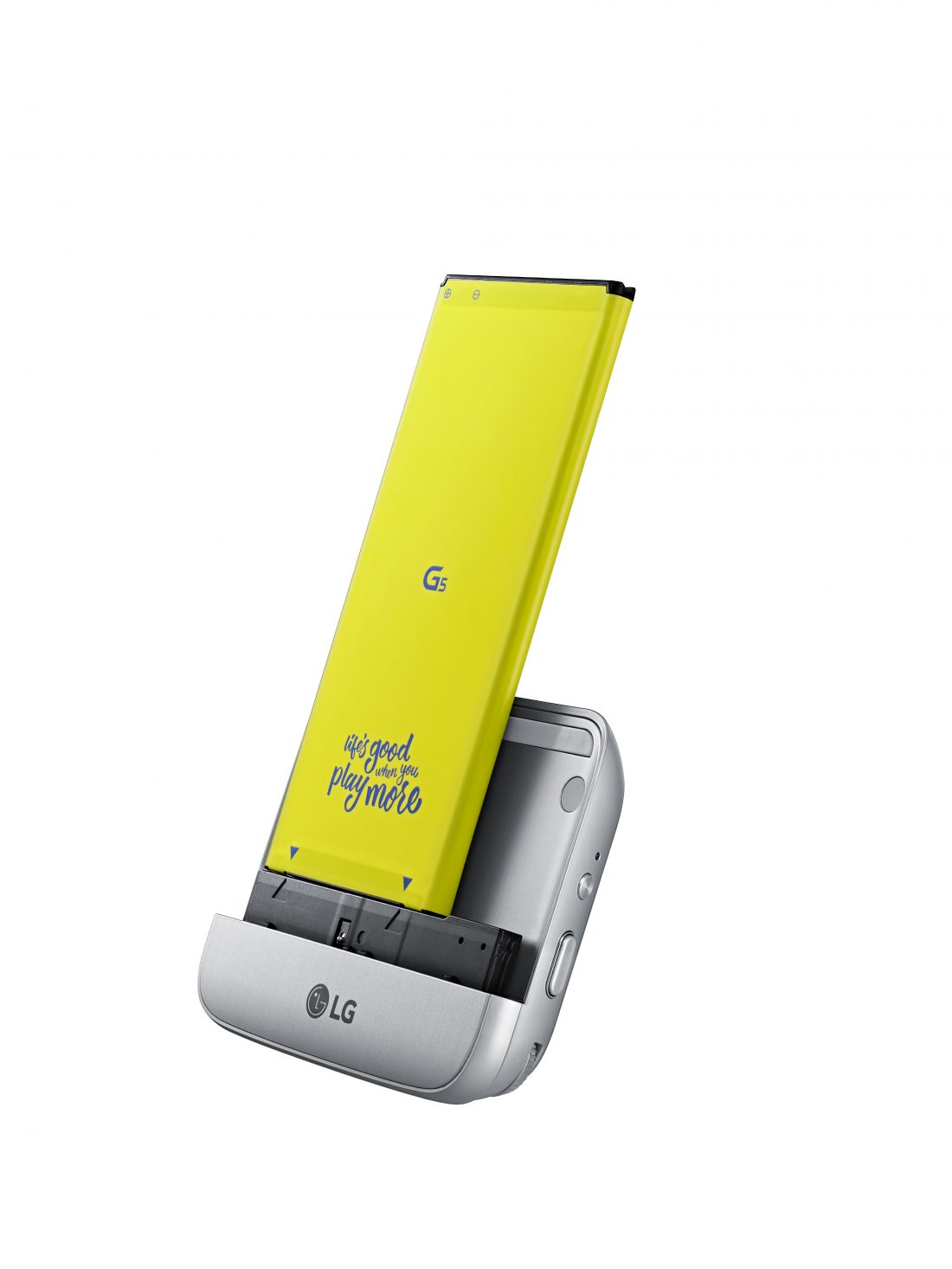
    LG-G5 CAM-Plus
    LG-G5 CAM-Plus

    The LG Cam Plus is a camera module that is attached to the device for grip and raises the battery capacity to 4,000mAh by adding an extra 1,200mAh battery pack module to the existing 2,800mAh pack. The module also includes other camera functions including auto focus with the shutter button and zoom with the analogue dial.

    Next is the Hi-Fi Plus with B&O Play module. This is a  Hi-Fi DAC audio player which is perfect for audiophiles. It can also play high-definition audio files encoded in 32-bit at 384KHz that will offer better sound quality over the 24-bit DAC that is already on the G5.

    Specs

    LG G4

    LG G5

    Display  5.5-inch Quad HD LCD 5.3-inch screen Quad HD IPS display with Corning Gorilla Glass 4
    Resolution  2560 x 1440 pixels / 534 ppi  2560 x 1440 / 554ppi
    Processor Qualcomm Snapdragon 808 with X10 LTE Qualcomm Snapdragon 820 Processor
    GPU Adreno 418 Adreno 530
    RAM 3GB 4GB
    Storage 32GB 32GB
    Rear Camera 16MP  f/1.8 aperture Standard 16MP, Wide 135 degrees 8MP
    Front Camera 8MP  f/1.8 aperture 8MP
    Expandability Up to 2TB via MicroSD Up to 200GB via MicroSD
    Battery 3000mAh battery 2800mAh battery Quick Charge 3.0
    Connectivity Wi-Fi 802.11 a/b/g/n/ac, Wi-Fi Direct, hotspot, Bluetooth v4.1, A-GPS, GLONASS, NFC Wi-Fi 802.11 a/b/g/n/ac, Wi-Fi Direct, hotspot, Bluetooth v4.1, A-GPS, GLONASS, NFC
    OS Android 5.1 Lollipop  Android 6.0 Marshmallow

    Camera

    The G4 had an impressive camera with a 16MP rear and f/1.8 aperture that gave excellent low-light captures. Over the past few years, LG has done well with its camera modules, and is among the top brands in that department.
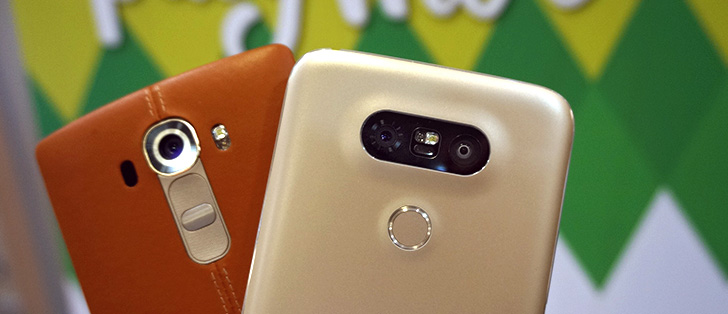
    LG G5

    The G5 takes the camera module from the G4 and adds a little more to it. The rear camera on the G5 comes in two this time, one with a 16MP sensor and one with an 8MP 135-degree wide angle lens, both together promise a lot more functionality, offering impressive auto wide angle captures. LG has stated that its wide angle camera offers a field of view like a human eye and doesn’t restrict photography like other standard camera modules.

    Conclusion
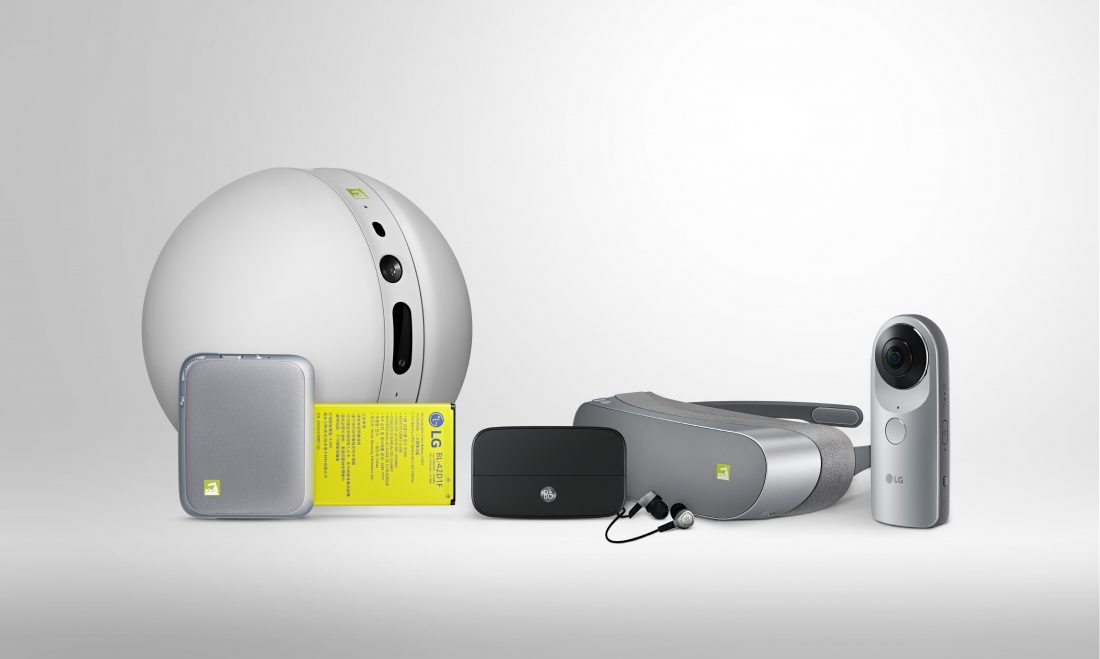
    LG-G5

    There is no doubt that LG has made some crazy changes with the G5 over the G4. The company did not rest on the laurels of the latter and instead made some bold new changes while still keeping the best parts from last year. LG has basically taken one step forward towards making a truly modular phone a reality.

    LG has dropped a panic bombshell on the audience and the tech industry, and the world should take notice. This is the evolution of smartphone design, and with the future only closer to what modular requirements each customer would have.

  • OPPO Unveils 15-Minute Flash Charge and SmartSensor at MWC 2016

    OPPO Unveils 15-Minute Flash Charge and SmartSensor at MWC 2016

    Oppo, fresh off its major milestone of achieving 50 million smartphone sales in 2015 is looking to capitalise on its good work and has presented today Smart Sensor image stabilization and Super VOOC Flash Charge technologies for smartphones at Mobile World Congress 2016.

    OPPO, as it seems, has made a significant dent in the problem of slow charging of batteries by the introduction of Super VOOC Flash Charge technology. Super VOOC Flash Charge is a marked improvement over 2014’s VOOC Flash Charge tech. The new offering from OPPO takes things to another level by promising 10 hours of talk time with only five minutes of charging, and filling a 2500 mAh battery in only 15 minutes, a never-before-seen speed, as claimed by OPPO.

    “With our commitment to equipping consumers with the best technology, OPPO invests great efforts in technological innovation,” said Mr. Sky Li, OPPO Global Vice-President, Managing Director of International Mobile Business and President of OPPO India. “We are excited to share these breakthrough technologies with the world at MWC 2016 — they’re the result of our commitment to listening to consumers and valuing their feedback to create more delightful user experiences for them in the future.”

    Super VOOC Flash Charge uses a 5V low-voltage pulse-charge algorithm, ensuring a low-temperature charge that’s safe for the battery and dynamically regulating the current to charge the phone in the shortest time possible.  Super VOOC Flash Charge supports Micro USB or type-C interfaces, in line with the global standard.

    SmartSensor Image Stabilization: The first ever sensor-based, pixel-level optical image stabilizer

    According to OPPS claims, OPPO’s SmartSensor which relies on groundbreaking MEMS (micro-electro-mechanical system),  is the first-ever sensor-based solution for smartphones, as well as the smallest optical image stabilizer of any kind in the world.

    OPPO also claims that its SmartSensor tech is better than the competition in the sense that Existing lens-based stabilizers can only correct for vibrations on two axes of motions, the pitch axis, and yaw axis, even though the most common type of unwanted shaking during photography actually takes place on the roll axis. SmartSensor solves this problem, allowing for image stabilization on three axes, pitch, yaw and the all-important roll. Making split-second adjustments with its comb-shaped monocrystalline silicon MEMS, SmartSensor achieves full three-axis image stabilization in a mere 15 milliseconds.

    SmartSensor solves this problem, allowing for image stabilization on three axes, pitch, yaw and the all-important roll. Making split-second adjustments with its comb-shaped monocrystalline silicon MEMS, SmartSensor achieves full three-axis image stabilization in a mere 15 milliseconds. OPPO’s Smart Sensor is also higly efficient and as such OPPO expects it to be a hit in the coming days.

    SmartSensor is the world’s first pixel-level image stabilizer, and if OPPO’s claims are to be believed making OPPO smartphones become essentially like pocket-sized SLR cameras.

  • LeEco’s Le Max Pro Goes on Sale

    LeEco’s Le Max Pro Goes on Sale

    LeEco took over January with a storm. The company that was formerly known as LeTV stole the spotlight at CES 2016 by unveiling the Le Max Pro. Now, at the ongoing MWC, LeEco announced the sale of the Le Max Pro. This makes the Le Max Pro the world’s first Snapdragon 820 smartphone to go on sale after a 1000 units were made available for purchase today. The ‘Superphone’ is priced at RMB 1,999 (Rs 21,000).

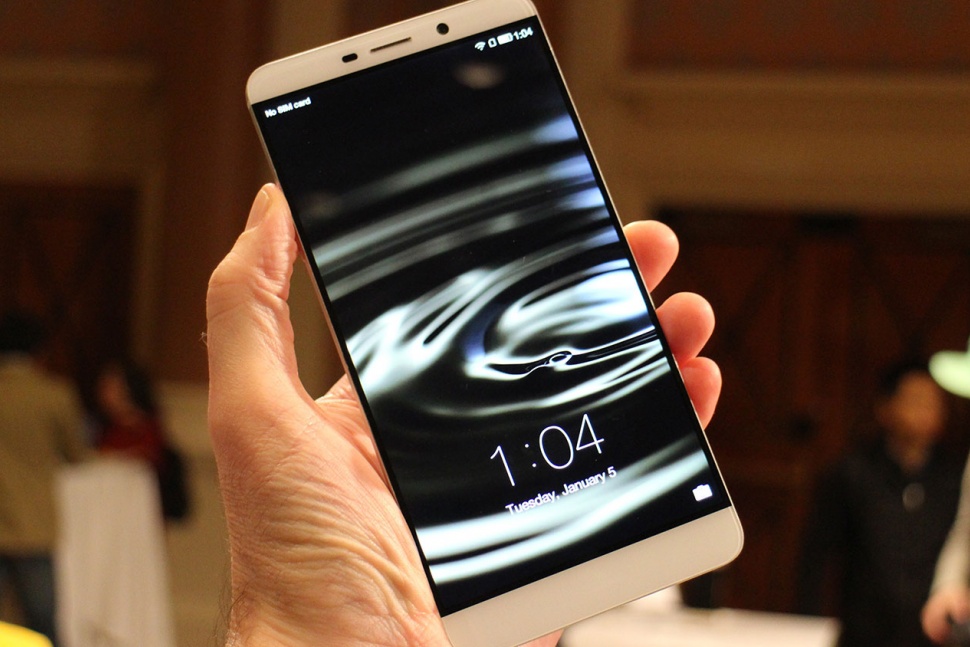
    The Le Max Pro sports a 6.33-inch display with QHD resolution powered by Snapdragon 820 chipset. The device will be equipped with 4GB of RAM and 64GB of internal storage. The camera is said to feature a 21MP sensor for the rear and a 4MP sensor for the front. The phone a 3,400mAh battery that can be charged through a USB Type-C port. It also features a fingerprint scanner on the back and runs Android 6.0 Marshmallow.

    letv-le-max-pro_9824-1500x844

    Like the Le Max and Le 1s, the Le Max Pro features a bezel-less, full metal unibody design out of aircraft grade aluminum. It also comes with the world’s first full-floating glass made by Sharp exclusively for LeEco.

    LeEco has made a successful mark in international markets. It had three record-breaking flash sales this month with 220,000 (2.2 lacs) total orders received within 31 seconds, the shortest record of time, and an incredible record of 20,28,000 (20.2 lacs) registrations.

  • Samsung Galaxy S7’s Dual Pixel Technology Explained

    Samsung Galaxy S7’s Dual Pixel Technology Explained

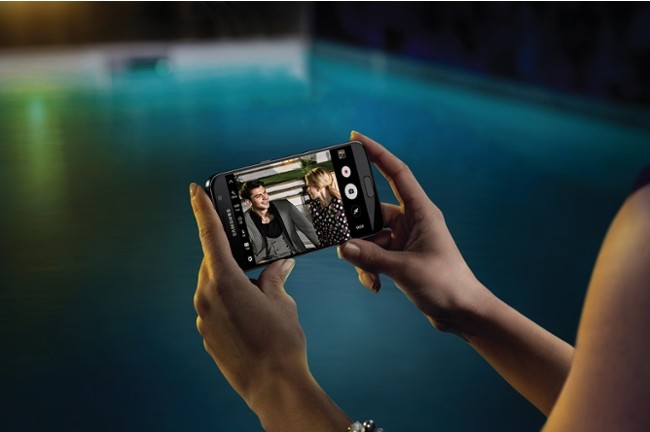
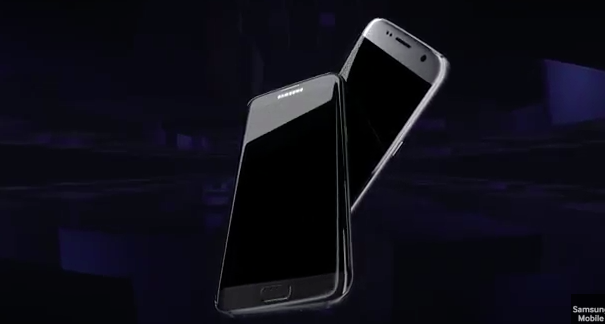
    Samsung unveiled its flagship Galaxy S7 and S7 Edge smartphones at the MWC 2016 on Sunday. The newest flagship devices came bearing pretty much similar looking design language as the Galaxy S6 and S6 Edge, while the main improvements resided within the devices themselves. Among the bumped up specs, one new technology that grabbed everyone’s attention was the new Dual Pixel technology employed in the rear camera.

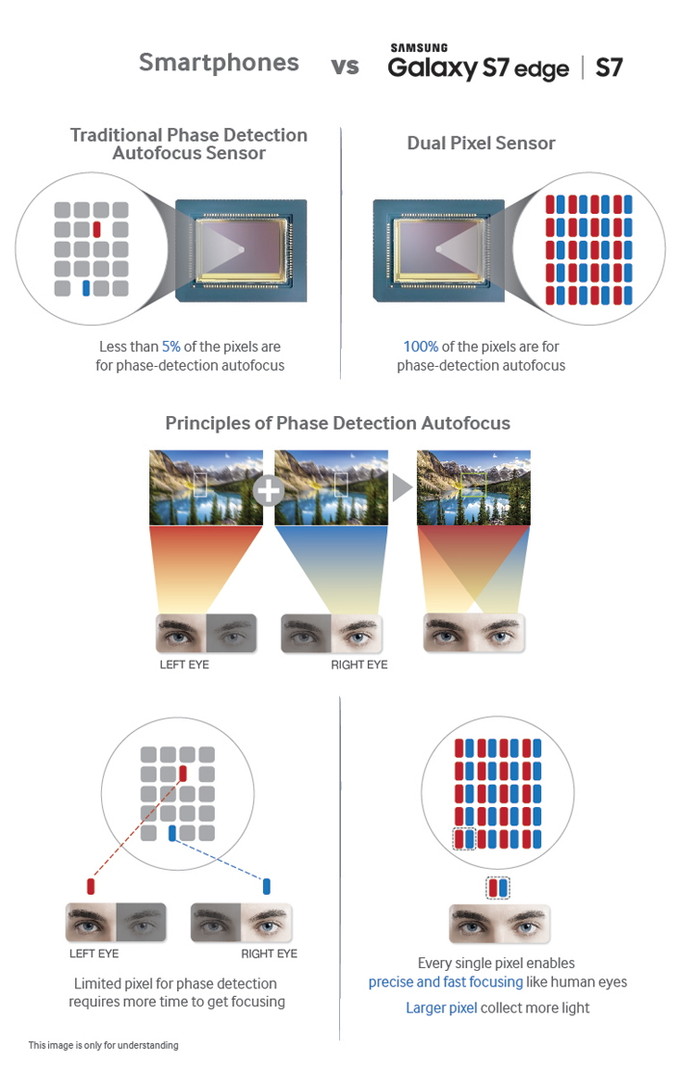
    The Dual Pixel, essentially, is an improvement or a natural evolution from the Phase-Detection Auto-Focus technology used by many other smartphones. Firstly, Samsung downgraded from 16MP found in the S6 to 12MP in the S7. The decision to do this was to focus more on quality rather than quantity. The 12MP sensor brings 56% bigger individual pixels with1.4um pixels as compared to the S6.

    Galaxy S7

    To understand Dual Pixels one needs to first wrap their heads around PDAF. PDAF traditionally uses less than 10% the total number of pixels equipped with focusing photodiodes and uses it strategically in the sensor area to focus on a subject. This requires more time for focusing. Dual Pixel, on the other hand, uses a 100% of the pixels for extremely precise and fast focusing. Using the whole of the pixels also allows more light in.

    This combined with a wider f/1.7 aperture (the S6 had a f/1.9 aperture) allows for a lot more light to come in, 25% more to be more accurate. This results in great low-light captures that are sharp and colourful. The Dual Pixel image sensor splits every single pixel into two photodiodes for on-chip phase detection, promising vastly improved autofocus performance. Much like the human eye, the Dual Pixel technology sends light from the lens to two image sensors seperately to adjust the focus.

    Galaxy-Dual-Pixel-infographic


  • Galaxy S7 Series : Samsung’s Step Towards the Future of Mobile Gaming

    Galaxy S7 Series : Samsung’s Step Towards the Future of Mobile Gaming

    Samsung on the first day of the Mobile World Congress 2016 announced its new flagship, the Galaxy S7 and the Galaxy S7 edge phones to the world. While on the outside the phones might look very similar to their predecessors, but from the inside, the S7 series may well just be a much-awaited leap towards the future of mobile gaming.

    With the Galaxy S7 phones, the company wants users to “rethink what a phone can do”. It has a vision of making mobile games look and feel as much like desktop games as possible on the Samsung Galaxy S7 mobile platform. This is an ambitious project, to say the least, and quite frankly there’s a huge difference between saying “we take games seriously” and delivering on such tall promises, but a quick look at the fancy tech that the Galaxy S7 series comes packing on both the hardware and software front sheds more light at what really Samsung has in store for mobile gamers across the globe.

    Optimized for Performance

    GalaxyS7_Feature_Game_Main_4

    The core requirement for any graphics intensive game is raw processing power at the CPU and GPU’s end. The Samsung Galaxy S7 series phones depending on the variant availability come with the Qualcomm Snapdragon 820 SoC or the Exynos 8890.

    These brand new SoCs will provide more than 30 percent faster CPU processing and more than 60 percent faster GPU processing capabilities when compared to the last generation of chipsets on the Samsung phones. The SoCs on the Samsung S7 series phones are paired with 4GB of RAM for seamless performance, and the Galaxy S7 and S7 edge as a result, have decent firepower to run games available on the Play Store.

    These SoCs as the company claims are going to be great at power efficiency and that working in tandem with the 3000mAh and 3600mAh battery packs on the Galaxy S7 and S7 edge will mean longer gaming sessions.

    Water Cooled Systems to Rival Desktop Machines

    GalaxyS7_HandsOn_Main


    Phones running high-end multi-core CPUs are notorious for running a bit too hot under stress, and as we know, heat is the ultimate enemy of any gaming machine. No matter the exalted processing capabilities of a phone, or beefy battery packs that they come with, if it runs hot, you game not.

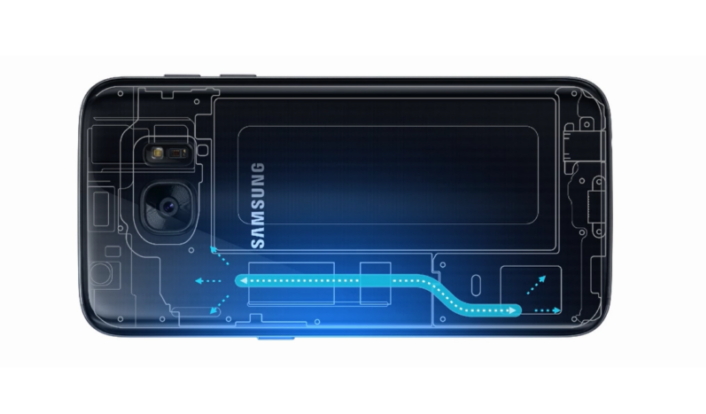
    Samsung in its bid to fight this menace has come up with a system that’s not new to bigger desktop machines but is groundbreaking for mobile devices. The Galaxy S7 and S7 edge are equipped with  a very thin sealed copper liquid based cooling system, enabling these phones to run cool and fast without facing any CPU or GPU throttling. The system keeping the internals of the phone cool will also result in better battery life.

    Vulkan API

    galaxy-s7_gamaing_serious2_l

    Mobile phones benefiting from the great advancements in silicon technology over the years have become smaller, thinner and at the same time grown more powerful. The latest generation of mobile phones bring with them specs which boast of computing power at times even surpassing that of the last generation consoles such as the Xbox 360, and PS3.

    Though at the hardware end the industry has been able to cram in such advanced hardware inside the miniature chassis of these phones, but on the software end, owing to many bottlenecks the industry has not been able to put the hardware at hand to optimum use and recreate the truly immersive gaming experience that is often seen on desktop systems and consoles. With the Galaxy S7 Samsung is taking the first step at changing just that.

    Galaxy S7 03

    Galaxy S7 and S7 edge are the first smartphones to utilize Vulkan: the next generation graphics API. The Vulkan API was developed by the Khronos Group using the AMD’s Mantle API as a base.The switch to Vulkan API in the future with supported games will offer users significantly better performance and lesser CPU usage in the form of increased distribution of workload on the multiple cores of the chipset. Multi-Core processing will also see the phone being far more energy efficient at the same time.

    This switch to Vulkan API will further allow processing of games utilising the full power of the Octa-Deca core CPUs, in comparison to the current generation OpenGL ES API which only allowed processing of games using a single core. This will result in more graphic intensive games making its way to the mobile platform, and in real life situations unlock the true potential that mobile devices in our hand hold inside them.

    Game Launcher

    https://www.youtube.com/watch?v=dnzQP8MJTCk

    Just to show Samsung really cares about gaming and gamers on the Galaxy S7 platform, the South Korean tech giant has brought with the Galaxy S7 and Galaxy S7 edge an all new app which it fondly calls the “Game Launcher.”

    It is essentially an evolution of the ” Game Tuner” already available on the last generation S6 devices, and comes with a suite of utilities and nifty tricks for improving user experience while gaming on the Galaxy S7 devices.

    All games on your Galaxy S7 device will automatically be added to the Game Launcher folder and will be accessed from there for what Samsung claims will be a “better experience”, and that’s indeed what the Game Launcher really does.

    GalaxyS7_Feature_Game_Main_3

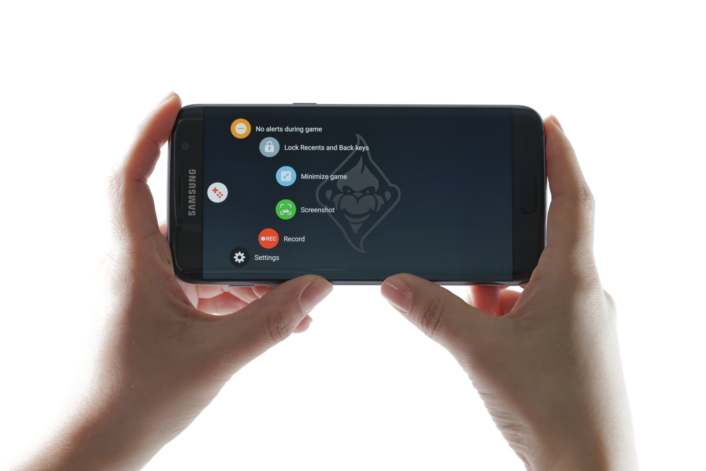
    A new “No Alerts” mode is added which tells the S7 to suppress all notification pop-ups so you can play uninterrupted without the fear of a notification of a SPAM mail ruining your immersive gaming experience. The Game Launcher also allows the user to lock the Recent and Back keys so that accidentally kicking yourself out of a game can be avoided.

    The Game Launcher feature further allows the user to maximize game-playing time through instant downloads, shortcuts and power-saving options. In addition, it also helps you to take screenshots, record your game, scores and rankings, and share them with friends.


  • Timex Launches Metropolitan+ Analog Activity Tracker

    Timex Launches Metropolitan+ Analog Activity Tracker

    In a bid to join the ever growing market of fitness trackers, Timex today launched its very own fitness tracker housed in a traditional analog watch at a price of Rs 9,995 and is exclusively available at Amazon.in. In what is the first ever analogue activity tracker, Timex looks to keep up with modern technology and health wear and yet still maintain its traditional roots.

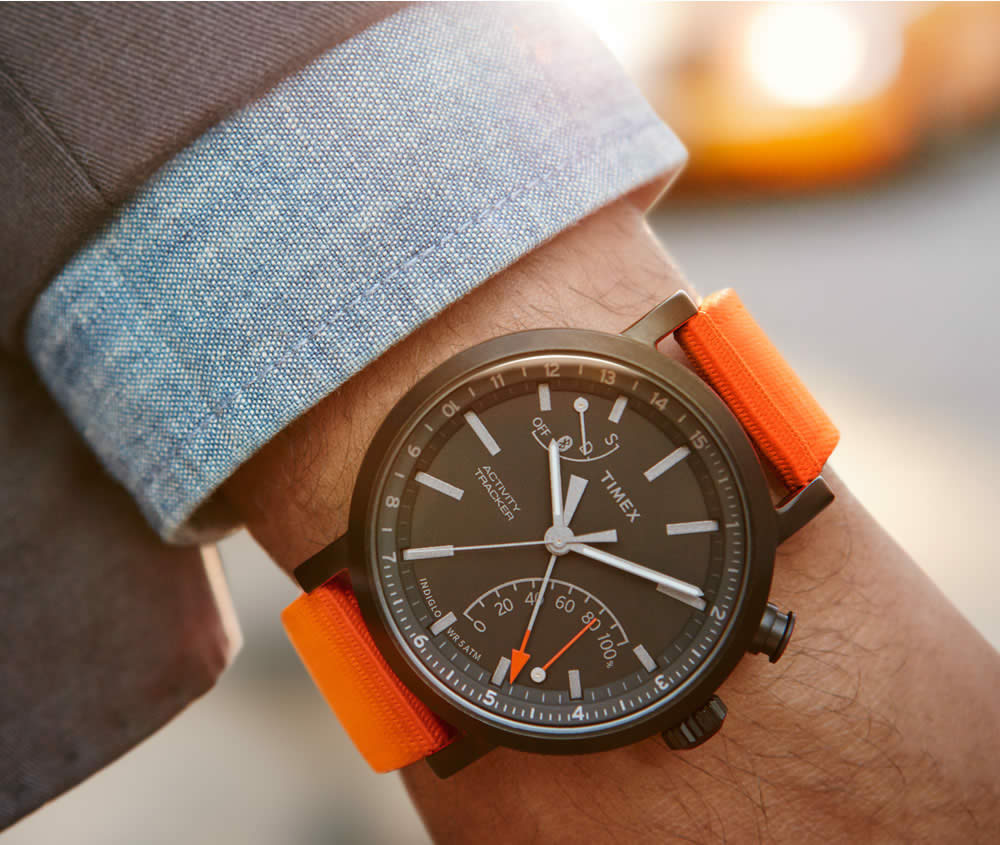
    The Metropolitan+ uses Bluetooth technology to connect to your phone to track your everyday activity. What’s more, unlike other fitness trackers out there, the Metropolitan+ will last you up to 18 months on a single charge. You can view your stats on the watch dial without having to push any button to do so.

    485232-timex-metropolitan-analog-activity-tracker


    Anupam Mathur, Head – Sales and Marketing, Timex Group India Limited said, “An active lifestyle often makes you give up on important things in life. Timex wants its consumers to not give up on their style for functionality or vice versa. Metropolitan+ is for the modern day men who demand a fit and active lifestyle and are always connected on the go. It is a perfect fit for the men who are interested in tracking their daily progress but wouldn’t want to sacrifice the beauty of a traditional watch on their wrist, a best of both worlds. With Metropolitan+, the daily lifestyles of our male consumers will become effortless, convenient and dynamic.”

    The Metropolitan+ comes in two styles – one with a silver case, a black dial and a textured leather strap while the other features a black case with a black dial and comes with interchangeable black silicone and orange nylon straps. The app to sync the watch to your phone is available on both Android and iOS.

  • Vivo XPlay 5 with 6GB RAM Leaked in Renders

    Vivo XPlay 5 with 6GB RAM Leaked in Renders

    Vivo had earlier announced a March1 launch of the XPlay 5 – the first smartphone to sport a 6GB RAM. It was only a matter of time before leaked images were leaked showing off the design of the phone before the launch event.

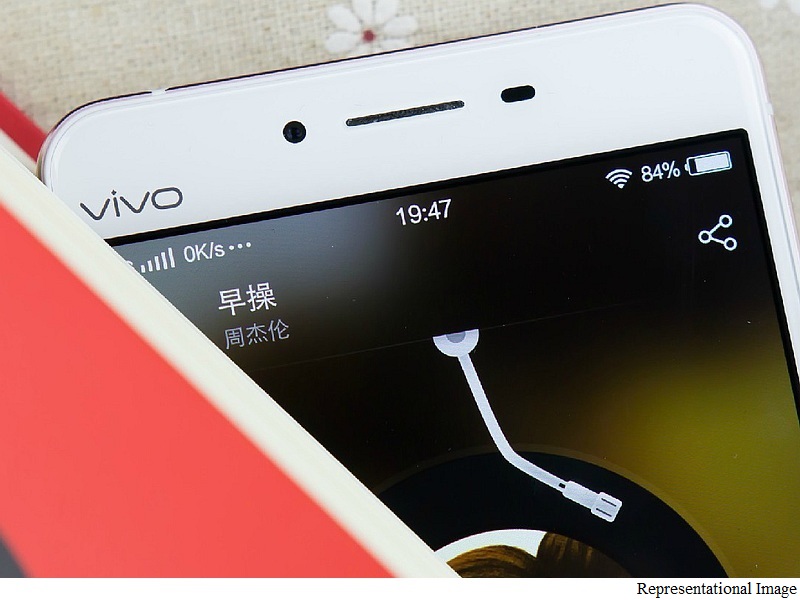
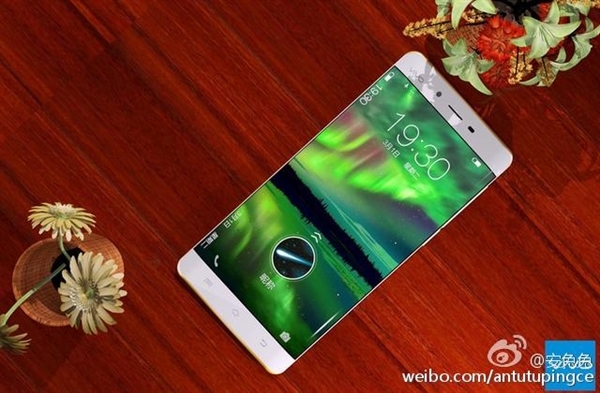
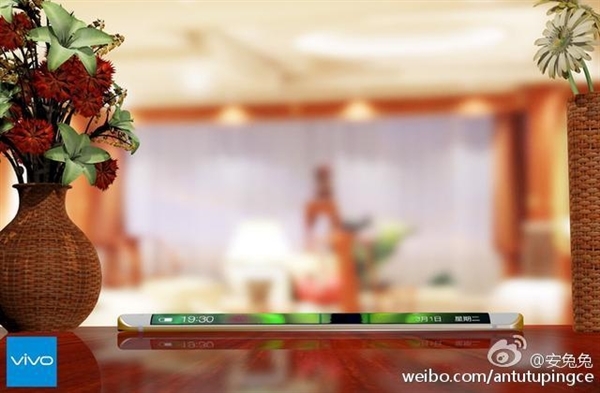
    Apart from 6GB of RAM, the XPlay 5 will come with a Snapdragon 820 processor and will sport a dual curved display, which brings a certain Samsung model to mind. The renders show a beautiful design of the XPlay 5 with a metal body and the curved sides. You also see a square-shaped fingerprint scanner  at the back just below the camera module.

    Vivo 3

    Not much has been revealed about the phone as Vivo has kept it under wraps. The handset is expected sport 6.0-inch QHD with 1440×2560 pixel resolution. Other likely features are a 6MP primary camera on the rear side, 8MP snapper on the front and a massive 4300mAh battery.

    Vivi 01

    Source

  • Samsung Galaxy S7 and S7 Edge to Launch on March 11

    Samsung Galaxy S7 and S7 Edge to Launch on March 11

    Samsung unveiled its much-awaited flagship Galaxy S7 and S7 Edge smartphones at the MWC on Sunday. The Korean giant has confirmed a March 11 launch of the devices while pre-orders begin starting tomorrow. The devices will be made available in 60 countries initially.

    Samsung is hoping to rake in a lot of numbers in the first month which is why it is offering the Gear VR headset free for those who pre-order or buy the S7 between February 23 to March 18. Samsung is expecting to sell over 40 million units of the S7 by the end of the year.

    The 5.1-inch S7 Super AMOLED display with quad HD resolution. Two SoC configurations are offered – one being the new Exynos 8890 and the other being Qualcomm’s Snapdragon 820. The device comes with 4GB of RAM and 64GB of internal storage as well as a MicroSD card slot this time around and the battery is 3000mAh. A fingerprint sensor is housed in the home button.

    Galaxy-S7-in-the-rain-702x336

    The S7 Edge comes with a 5.5-inch Super AMOLED display with quad HD resolution. A Snapdragon 820 processor powers the device along with 4GB RAM and 64GB storage and 3600mAh battery pack.

    The Galaxy S6 and S6 Edge Plus had incredible cameras that won last year. This year, Samsung wants to take its camera up a notch which is why it’s using a new Britecell technology for the Galaxy S7 for better low-light photography. Both the S7 and S7 Edge feature ‘Dual Pixel’ cameras with a 12MP with f/1.7 aperture rear camera and a 5MP front. Samsung has boasted of exceptional low-light captures with the Galaxy S7 devices and it may just dominate the camera department once again this year.

  • Acer Launches new Liquid Series Phones at MWC 2016

    Acer Launches new Liquid Series Phones at MWC 2016

    Acer has unveiled two new handsets at the ongoing Mobile World Congress,2016 that the company will soon be bringing to markets across the globe. Let’s take a look at what Acer has in store for us.

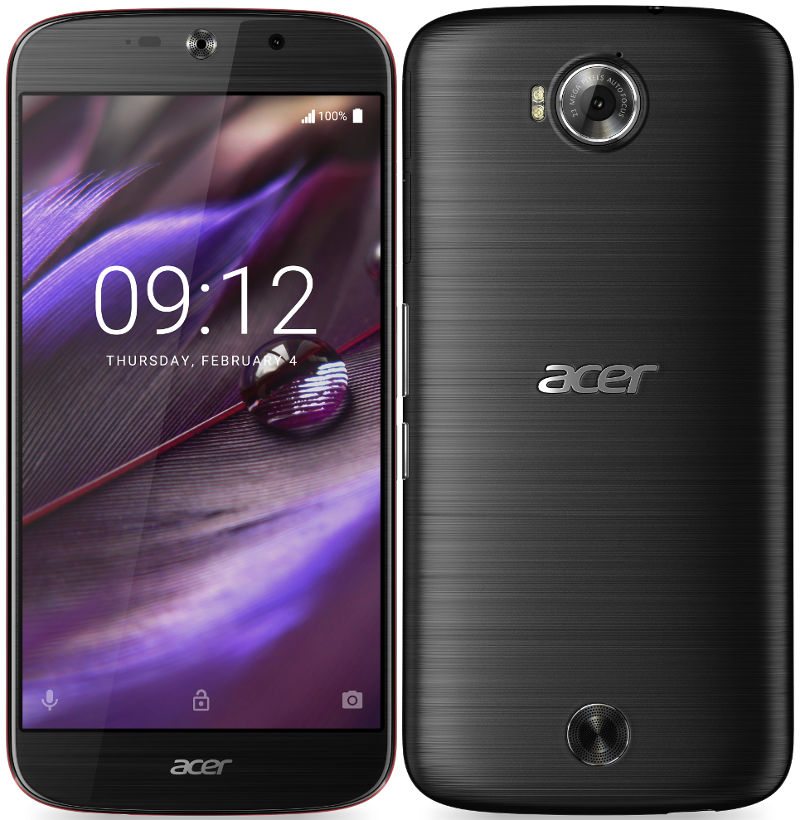
    Acer Liquid Jade

    Acer-Liquid-Jade-2

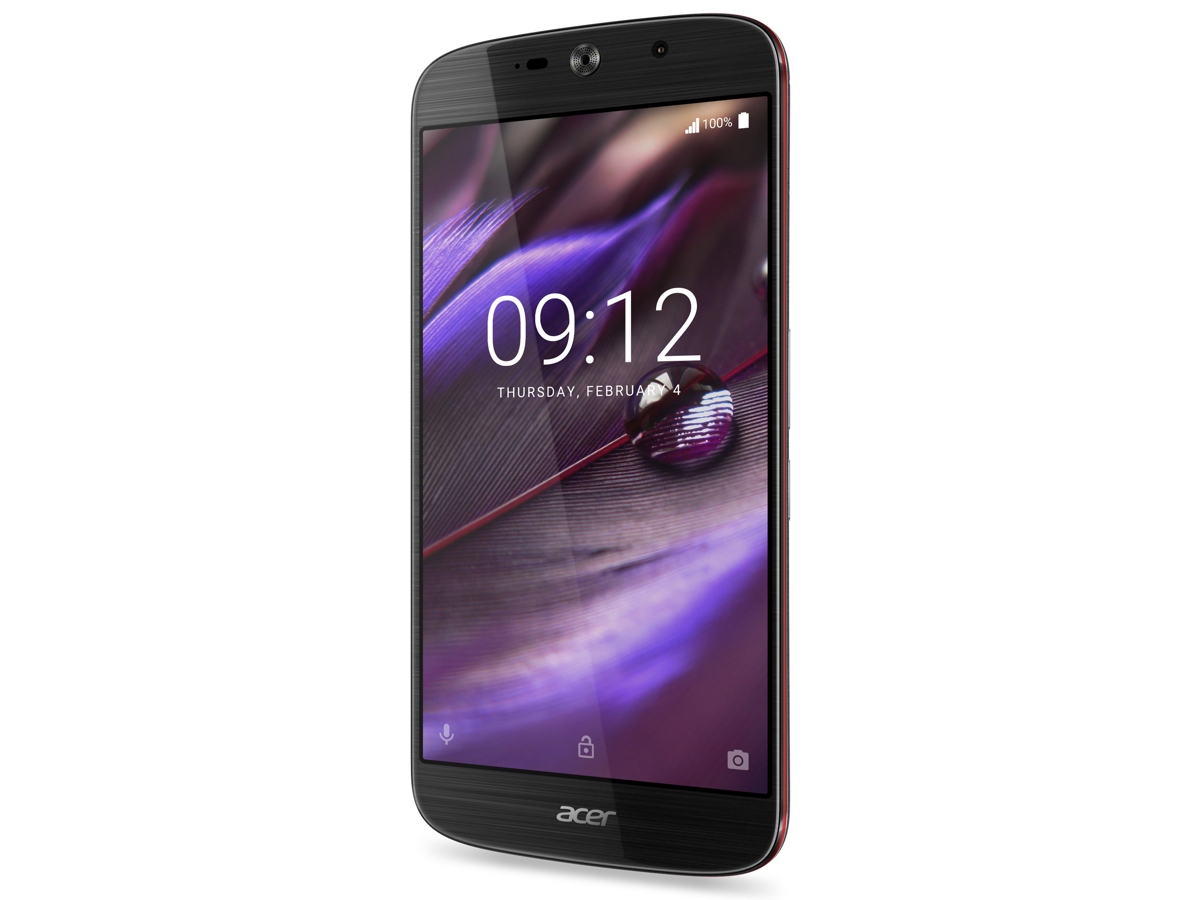
    The Acer Liquid Jade 2 comes equipped with a 5.5-inch 1080p AMOLED screen. The phone also features a mammoth 21MP camera with fast autofocus and 4K video recording support at 30fps. The front-facing camera is 8MP and has 84-degree wide-angle lens

    It is powered by a Snapdragon 808 chipset with hexa-core CPU and 3GB of RAM. The internal storage is 32GB and is expandable via the microSD card slot.

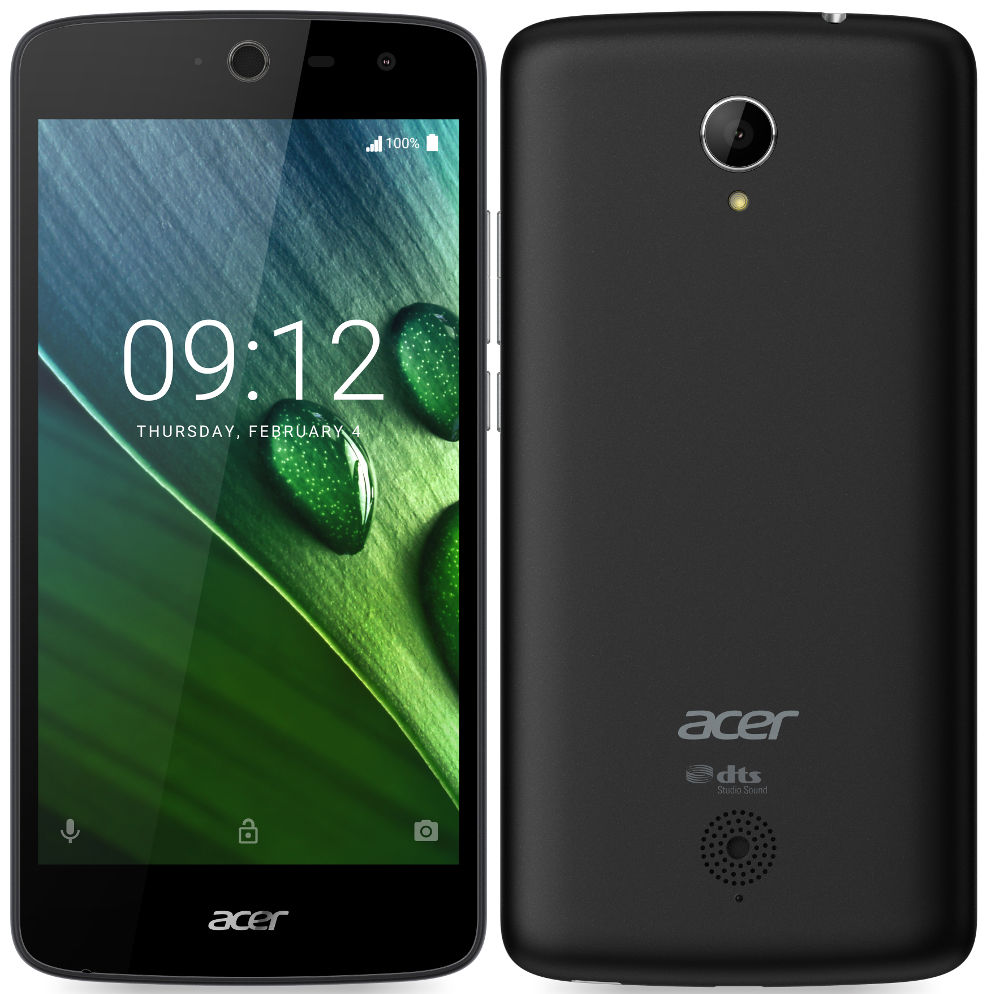
    Acer Liquid Zest 

    Acer-Liquid-Zest-Z525-Z528

    The Liquid Zest comes in two variants 3G, and 4G. The 3G variant houses a Mediatek MT6580 chipset with a quad-core 1.3GHz CPU and comes equipped with DTS Sound Studio while the Zest 4G comes on board with a MediaTek MT6735 with a quad-core processor clocked at 1,3 GHz and upgraded DTS-HD Premium Sound.Both the variants come with the same 8MP f/2.0 main camera with autofocus and a 5MP selfie unit.

  • MWC 2016 Day 1: 360-Degree Camera, VR, and More

    MWC 2016 Day 1: 360-Degree Camera, VR, and More

    The Mobile World Congress is already underway and has wrapped up with the first day today. The conference actually began yesterday with the Unpacked event where LG, Huawei and Samsung kicked off the show with their products. Flagship mobiles aside, the MWC attention being given to new technology as well. 360 cameras and virtual reality were big at the MWC. Here are the products that grabbed our attention the most.

    Gear 360 Camera

    IMG_6563-930x620

    The MWC has always been the grandest stage for Samsung as it is where the Korean giant always unveils its flagship smartphones. That being said, yesterday’s Unpacked event for Samsung seemed a lot less about its flagship S7 devices and a lot more VR-centric. Indeed, the event opened with a virtual reality presentation, having the audience wear the Gear VR headset to experience the arrival of the Galaxy S7 and S7 Edge with a VR presentation.

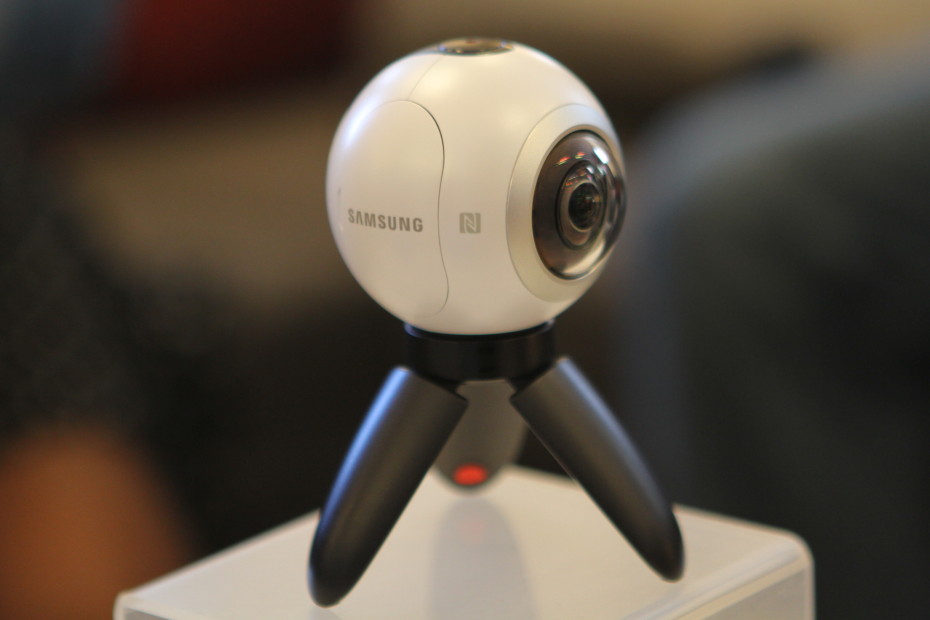
    Along with the flagship devices, Samsung also unveiled the Gear 360 camera that can capture 360-degree videos that can capture and share 360-degree images and videos thanks to its double-lense spherical shape. The eyeball-shaped camera has a flat bottom that allows it to rest on any surface, a MicroSD card slot (up to 128GB) and swappable battery, hidden within.

    Each of the opposing f/2.0 lenses have a 195-degree field view and the resulting 15 degrees of overlaps helps the software stitch the two images together. The camera shoots 30-megapixel spherical photos and 3840 x 1920 video that offers a great experience, especially inside the Gear VR.

    LG 360 Cam

    landscape-1456045875-p1260062

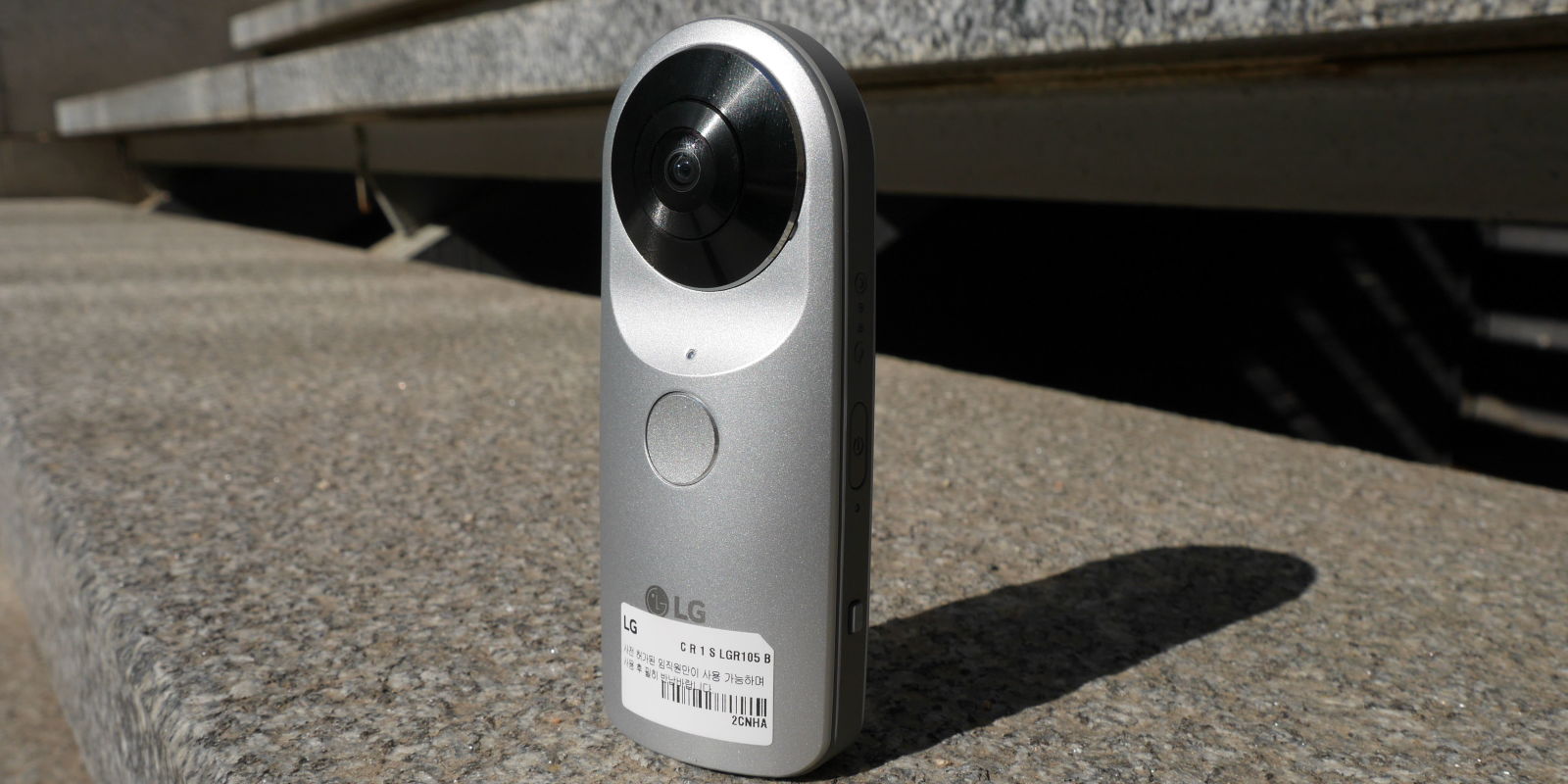
    The LG 360 Cam is a low-cost, and easy way to record 360-degrees video. The camera uses two 13MP lenses on either side with a 200-degree field of view. The camera carries a 1,200mAh battery pack inside and can record up to 70 minutes on a single charge. The camera also records 2k videos.

    This is one of the major modular attachments announced by LG at the launch event and the company has high hopes from the LG 360 Cam for helping increase sales for the LG G5

    LG 360 VR

    lg-360-vr-buttons-1456006662-VUAu-full-width-inline

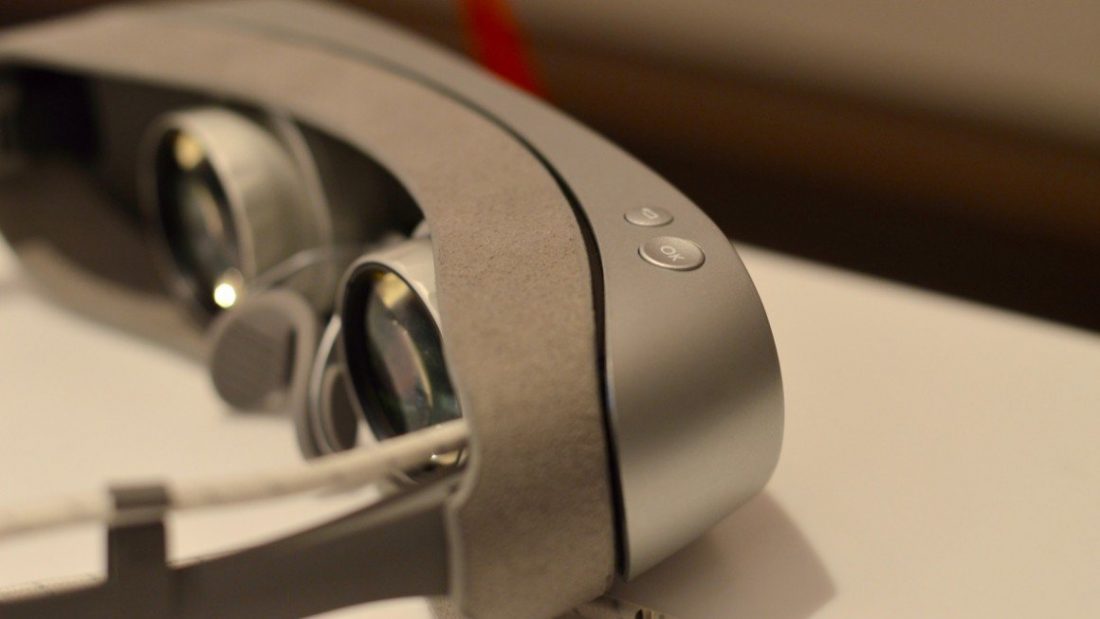
    Apart from its revolutionary modular flagship G5 smartphone, LG also displayed its 360 VR headset that is designed to work as a standalone display, without the need to attach a smartphone like the Google Cardboard and Samsung Gear VR.

    The LG 360 VR has a pixel density of 639ppi, which is pretty high. The headset connects to the G5 using a USB Type-C cable.

    Nokia Ozo VR Camera

    OZO-PRESS-PHOTO-05.0

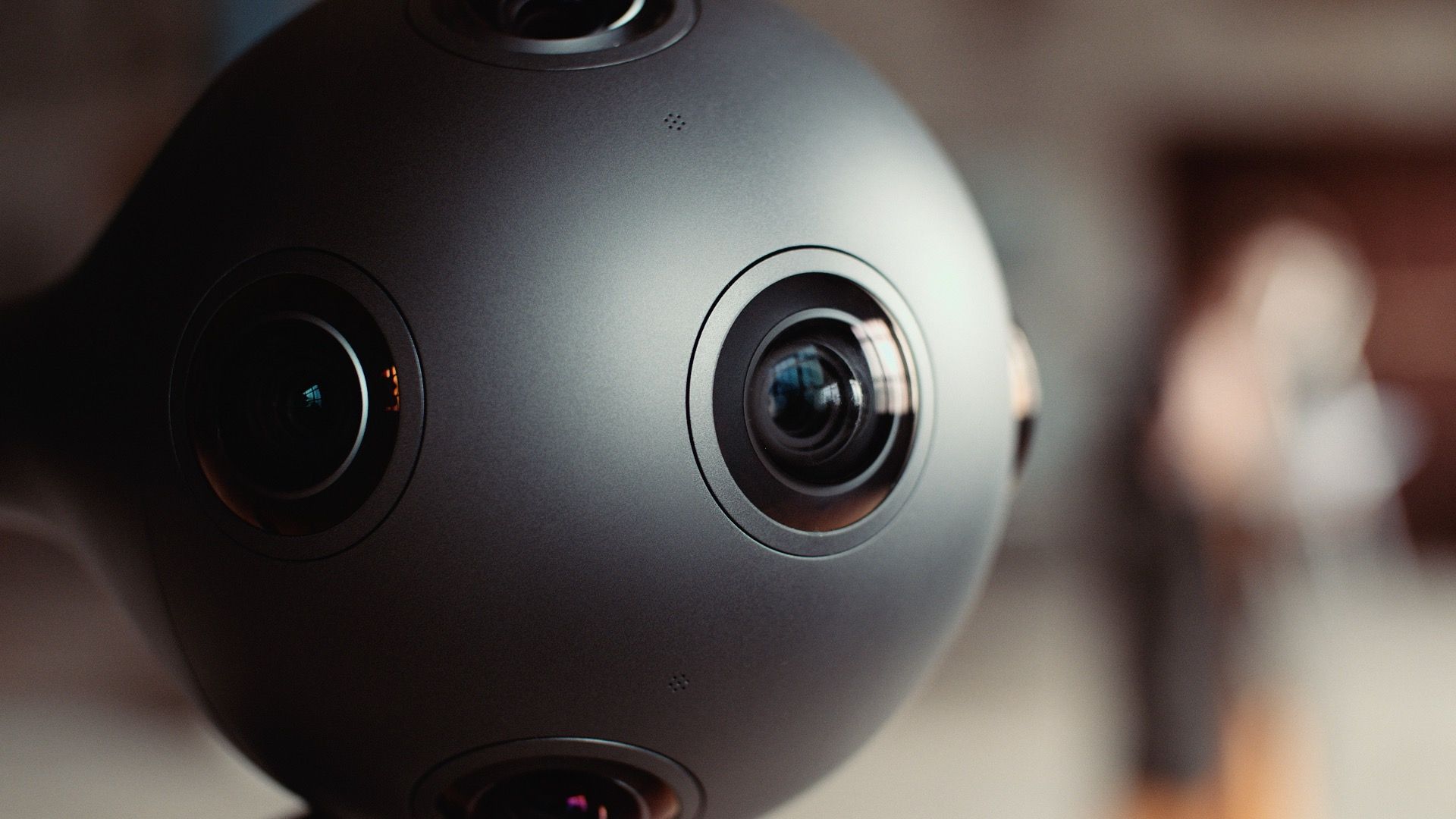
    One very interesting device here is the Nokia Ozo VR camera which will in all probability be the first cinema grade virtual reality recorder. The device comes with the capability to record and store up to 45 minutes of audio and video. we checked out the results first hand and the VR quality is really high standard.

    Nokia thinks the Ozo VR will be able to revolutionise the movie-making industry with this new offering, and as such will look to make a big push for the Ozo VR Camera in the coming days. How it fares in the market though only the future knows.


  • Samsung S7 Edge vs S6 Edge : What’s Changed

    Samsung S7 Edge vs S6 Edge : What’s Changed

    The Samsung Galaxy S7 edge is here, and it’s come to the party with a high-end smartphone featuring great design, premium materials and impressive under-the-hood specs. Samsung with the S7 edge has done well to listen to its user base and improve on the flaws of the last year’s S6 edge. Today we put these two up against each other, and do a quick comparison to show how much really has changed in this new handset.

    Display and Design

    GalaxyS7_HandsOn_Main_2

    The S7 edge has a bigger 5.5-inch form factor and comes with a QHD Super AMOLED display with a pixel density of 534 ppi compared to the 5.1-inch QHD 577 ppi screen that we saw on the S6 edge. The display though not an upgrade in terms of resolution does come as a welcome upgrade when it comes to size. To Samsung’s credit, it has managed to cut down on the screen-to-body ratio and bring a bigger display to the S7 edge without adding significantly to the phone’s dimensions.

    To Samsung’s credit, it has managed to cut down on the screen-to-body ratio and bring a bigger display to the S7 edge without adding significantly to the phone’s dimensions. The phone’s display also comes with an intelligent “Always-On” feature which figures out when the phone’s display is not face down on a surface or kept in a pocket and stays lit up to show important notifications and time.

    25174521745_ab62afa3f2_k

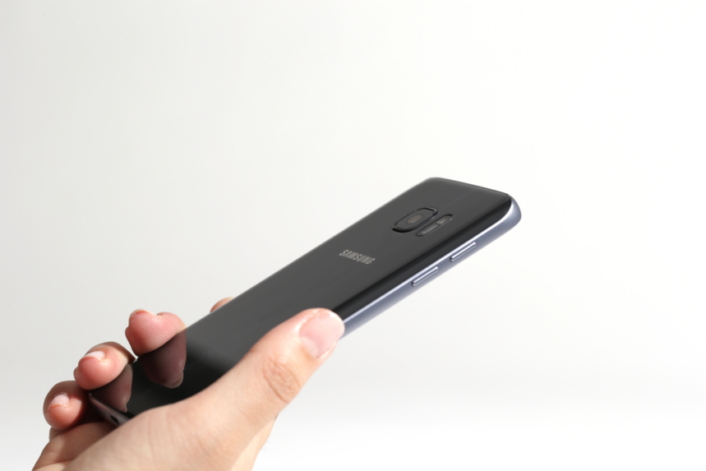
    The phone also comes with more rounded edges which combined with the rounded edges at the back provides for a far better grip to the user. Samsung claims it has “made the camera nearly level in the S7 edge which carries forward the premium glass and metal design scheme of the S6 edge while incorporating IP68 waterproofing, and dust resistance, capabilities which provides safety up to 30 minutes while submerged under 1.5 metres of water to this latest iteration by sealing the metal chassis of the phone from the inside.

    https://www.youtube.com/watch?v=r0epWiMGAkc

    Under-the-hood Specifications

    The S7 edge is available in two versions with two different processors. The first will see a 64-bit octa-core (2.3GHz Quad + 1.6GHz Quad) processor, the other will come with a 64-bit quad-core (2.15GHz Dual + 1.6GHz Dual) processor. The device that makes it to India is expected to carry the Octa-Core Exynos 8890 SoC. This will be an upgrade over last year’s 1.5 Ghz Exynos 7420 Octa-core SoC present on the S6 edge.

    25148180546_96f631d370_k

    The S7 edge also gets one up over the S6 edge when it comes to RAM on board. The S7 edge comes equipped with 4GB of RAM while, the S6 edge came only with 3GB on board. In terms of inbuilt memory, the S7 edge comes in only 32GB and 64GB options as compared to the S6 edge which had a 128GB variant too in its arsenal, but what makes the S7 edge a clear upgrade over the S6 edge is the fact that the former houses a microSD card slot for memory expansion.

    Camera

    https://www.youtube.com/watch?v=rEblmHmKz3c

    Samsung pulling out of the Megapixel race has decided to jump into the fray with a ‘Dual-Pixel’ 12-megapixel camera at the back, and a 5-Megapixel front camera both with F1.7 aperture. Galaxy S6 edge on the other hand, came with a 16-megapixel rear camera with OIS and a 5-Megapixel front camera.

    Samsung claims this is the most advanced camera to date that it has used on its phones and that the pixels in its camera are around 30 percent bigger than the competing phones such as the iPhone 6s Plus and thus allow for sharper, clearer pictures, even in low-light surroundings.

    The company claims that the dual-pixel technology which it has incorporated works like a human eye and results into 100 percent of the pixels being used to focus allowing for a faster focus while taking a picture.

    Battery & Gaming

    https://www.youtube.com/watch?v=dnzQP8MJTCk

    Samsung S6 edge was notorious for it’s short battery life, and Samsung has looked to correct this basic flaw with a significantly bumped up battery pack in the S7 edge. The new phone features a 3600mAh battery pack, which is a cool 1000mAh over its predecessor.

    The S7 edge also comes with new Air-Cooling tech to help keep the temperature of the phone down, and also adds to the mix wireless and fast charging capabilities. One thing that Samsung did miss out on was the widely expected USB Type-C port.

    The mobile phone gaming market is emerging as an important space and Samsung is making a very strong push for it with the S7 edge. The S7 edge will be the first device to use the Vulkan API which Samsung claims will provide users the ability to experience PC-quality gaming on the S7 series devices with lower battery consumption. The company has also added a new ‘Game Launcher,’ to enable users to better manage battery consumption, and block notifications for immersive gaming sessions.


  • HP Unveils the Windows 10-Powered Elite X3

    HP Unveils the Windows 10-Powered Elite X3

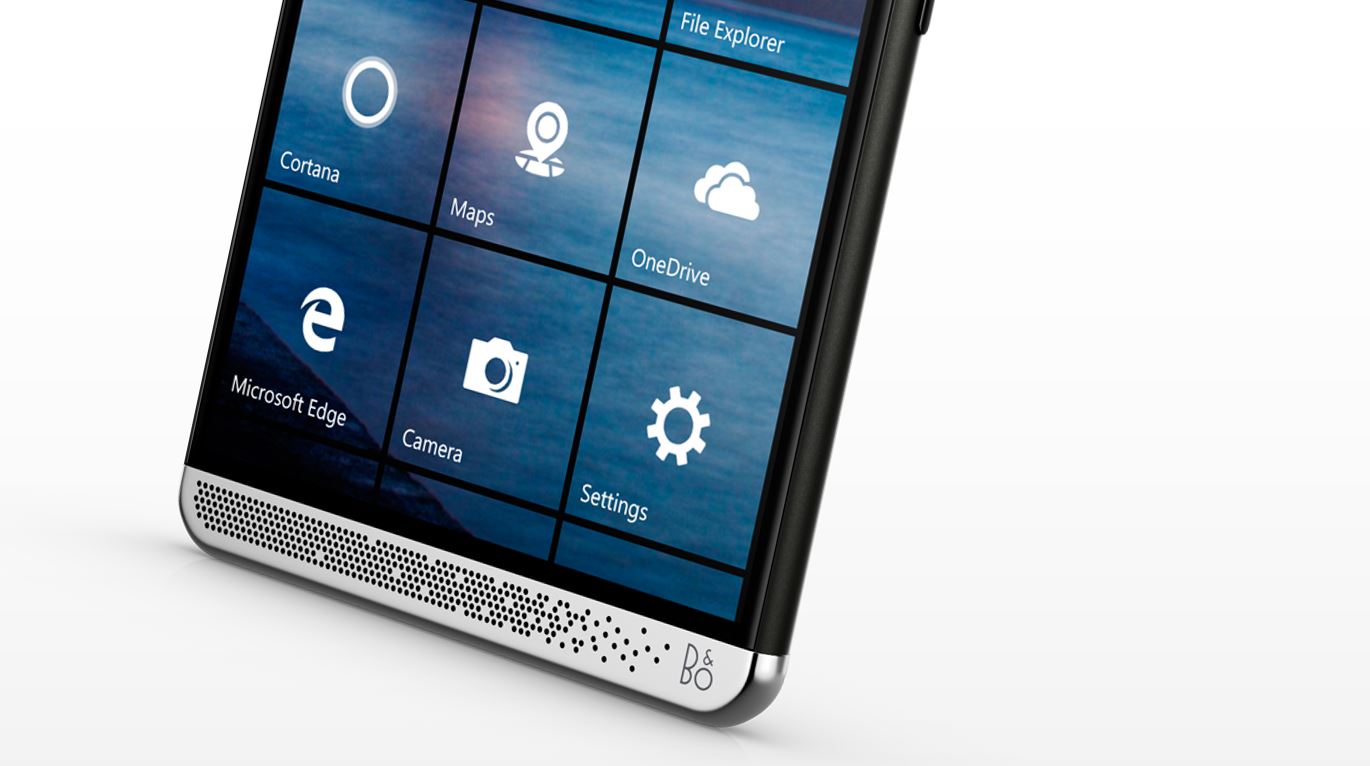
    HP has unveiled its Windows 10-powered Elite X3 smartphone at the ongoing Mobile World Congress. HP claims that this smartphone can be used as a laptop as well as a desktop. The Elite X3 bears some high-end specifications.

    The phone comes with a 5.96-inch QHD touchscreen, a 16-megapixel camera at the back, an 8-megapixel camera at the front for clicking selfies. It will be powered by Qualcomm’s Snapdragon 820 SoC paired with 4GB of RAM, 64GB storage and up to 2TB of expandable storage via MicroSD card slot. The device packs a large 4,100mAh battery and comes with support for USB Type-C and will also support USB 3.0, Qi wireless charging.

    Elite X3

    The Elite x3 also houses a fingerprint scanner, a fancy iris sensor, a special docking connection, IP67 certification for water and dust resistance, as well as MIL-STD-810G rating for withstanding drops from 1 meter or less. It will also support Microsoft’s Continuum feature. Pretty impressive we say.

    HP confirmed the Elite X3 will be available this summer although the company did not specify the exact date or pricing of the device. We’ll know more in the weeks to come.

  • The LG G5  Just Made Smartphones Interesting Again

    The LG G5 Just Made Smartphones Interesting Again

    As a chunk of the world awaited Samsung’s release of their yearly flagship revision, LG got on stage and announced the G5. The Korean company which has remained an underdog in comparison to Samsung massive fan appeal may finally bring back its glory of the Nexus 5.

    With a first look the all aluminum design is a stark reminder of the Nexus inspired design and while the LG G5 resembles the Nexus 6p it is much smaller and more rounded. Which the location of the fingerprint scanner and the bump of the camera module almost falling exactly in place.

    lg g5

    The LG G5 has a 5.3 inch 2560 x 1440 pixel display which also features a new always-on technology which consumes a fraction of a single percent of battery power per hour.

    Qualcomm’s new Snapdragon 820 chipset, 4GB of RAM inside the G5. LG now actually offers two camera module on the back: a regular 16-megapixel image and a 135-degree wide angle 8-megapixel camera. with both offering different features and capability.

    lg_g5_all

    But with all of the above, the G5 is a mere upgrade with beefy specs and power to boot. Where it radically changes the perception of a flagship smartphone, is by offering a modular 3 tier design.

    screen_shot_2016-02-21_at_8.26.16_pm

    The LG G5’s bottom compartment slides out, and along with it the 2800 mAh battery. Once removed the module can be interchanged, presently LG offers two, and with third party manufacturers getting access the possibilities are vast. The ones on offer include a camera grip that adds advanced hardware controls for use with the main camera on the device and a beefier stack for a better grip in the hand. The module also doubles up as a battery pack, offering 1200 mAh of additional juice in today’s battery hungry age.

    LG-G5 CAM-Plus

    Of course, the personal preference and the more interesting module is the LG Hi-Fi Plus, an external 32-bit DAC and amplifier combo unit, manufactured in collaboration with Bang & Olufsen. It supports native DSD playback and will come with a pair of H3 B&O Play earphones.

    LG-G5 HiFi-Plus

    Audiophiles have been long carrying portable amps and DACs and LG aims to remove that additional problem and this may work out really well for a lot of people.

    LG has basically taken one step forward towards making a truly modular phone a reality. Now if we could just replace out the chipset and the camera we are golden.

    LG has dropped a panic bombshell on the audience and the tech industry, and the world should take notice. This is the evolution of smartphone design, and with the future only closer to what modular requirements each customer would have.
    LG-G5

    Samsung has done little with the Galaxy S7 and the Galaxy S7 Edge, a safer play, giving the consumer what they wanted. Hybrid sim-slot and waterproofing, are majority changes in the Galaxy S7 in comparison.

  • HTC Desire 825,630,530 Budget Phones Unveiled

    HTC Desire 825,630,530 Budget Phones Unveiled

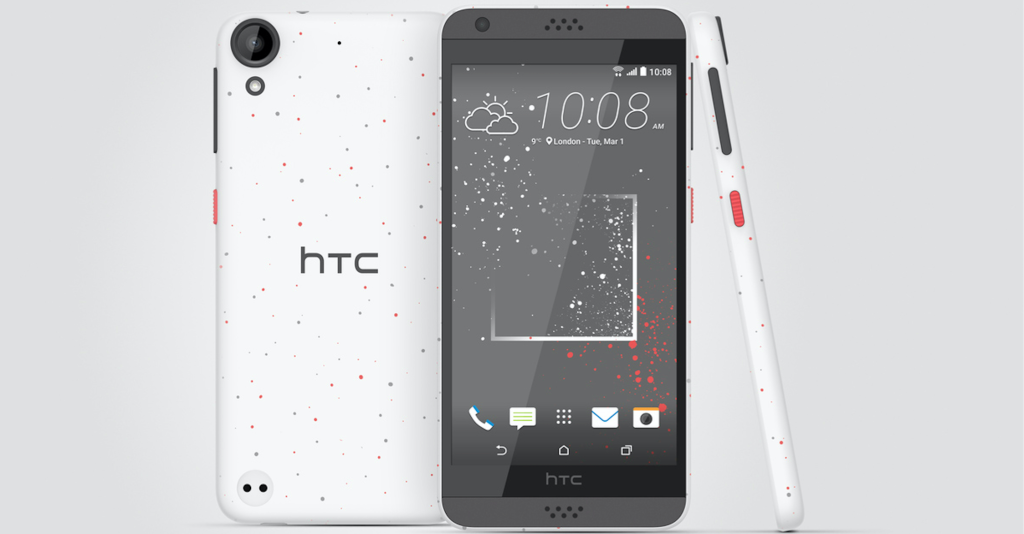
    HTC at the Mobile World Congress has unleashed a new lineup of mid-range smartphones with great designer looks but modest hardware. The lineup includes three new phones the HTC Desire 530, 630, and 825.
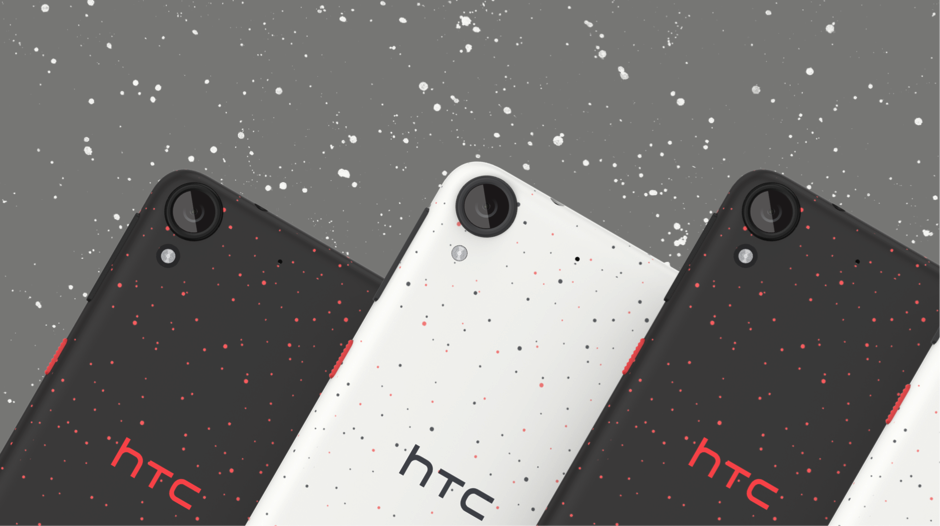
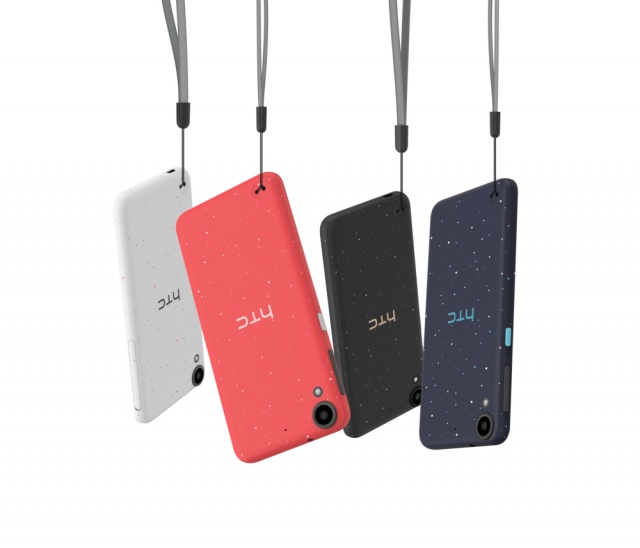
    Of the three, the 530 and 630 are quite similar and come in a 5-inch form factor. Both come packing a 720p Super HD display. The Desire 530 is powered by a Qualcomm Snapdragon 200 1.0GHz processor which is paired with 1.5GB of RAM and 16GB of internal storage.

    htc-desire-825

    The Desire 630, on the other hand isn’t too great on specs either and comes with a Snapdragon 400 1.6GHz processor paired with 2GB of RAM, and 32GB of internal storage.On the camera front, the desire 530 comes packing a 8-Megapixel camera while the Desire 630 comes with a 13-Megamixel camera on board.

    htc-desire-530630-640x0

    The Desire 825 is the bigger sibling, and features a 5.5-inch form factor but disappointingly,  the Desire 825 also has just a 720p HD display which is sure to be a turn-off for a lot of users.On the specifications front, it is equipped with a Snapdragon 400 1.6GHz processor and is matched with 2GB of RAM and 32GB of storage. There’s also a large 2,700mAh battery, which coupled with a low-resolution display promises good battery performance.

    The standout feature of these phones is their design which includes the “micro splash” paint design that HTC claims is unique to each and every of these new phones built which will be designed with special nozzles that sprays colorful dots on the phone’s rear plastic casing. No pricing details have been revealed so watch this space for further details.

  • Sony Unveils New Xperia X Phones at MWC 2016

    Sony Unveils New Xperia X Phones at MWC 2016

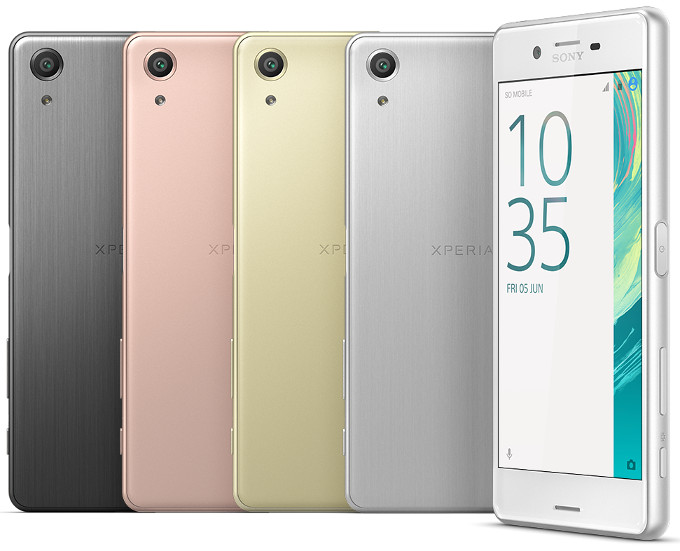
    Sony just held its press conference at the MWC 2016 in Barcelona. The company today unveiled its new Xperia X lineup of device that consists of the Xperia Performance. X and XA. Sony launched the devices stressing on a more connected world, with improved and smart technology. Along with this, Sony also launched the Xperia Ear, Eye, and Projector as smart accessories that allow for a more hands-free way to connect with your smartphone.


    Xperia-X-Performance-Colours

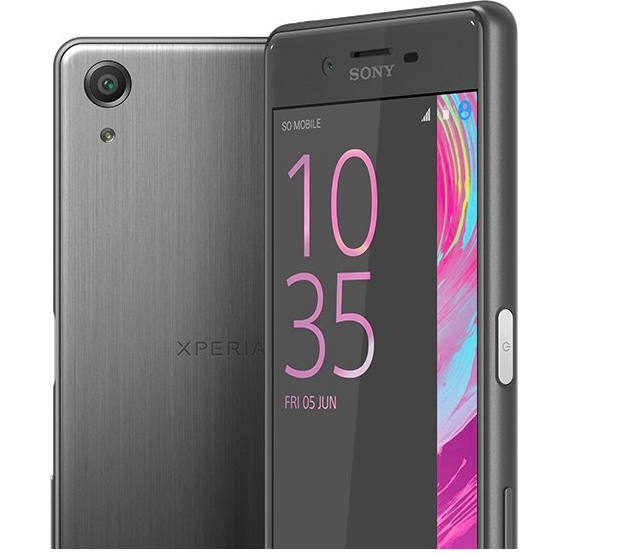
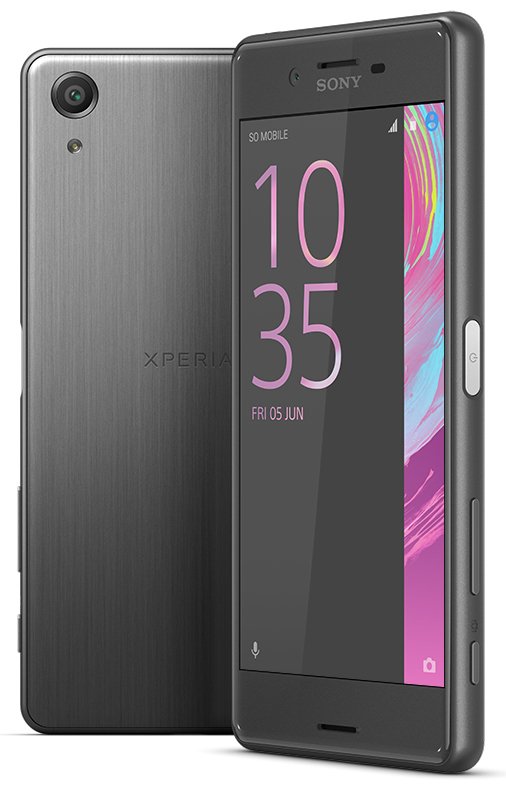
    Sony didn’t reveal too much about the specs of the devices. The X Performance sports a 5-inch 1080p Full HD display and is powered by Snapdragon 820. The device, which is the bigger of the three has a premiu metal finish with a rectangular chasis and rounded edges and a 2.5D curved glass on top. The X Performance comes with a 23MP rear camera with a  Predictive Hybrid Autofocus, 5x Clear Image Zoom and ISO 12800 sensitivity, and a 13MP selfie shooter.

    The Xperia X and XA also feature Predictive Hybrid Autofocus tech that offers motion tracking. The mid-range devices are powered by the Snapdragon 650 hexa-core processor, run on Android 5.0 Lollipop and come with a 2.5D curved glass on the front and a metallic rear for a premium feel.

    Xperia X

    The device looks really slim and you can see the Xperia logo at the back with the camera on the top left and the LED flash just below. Along the right side, you have the power button, volume controls and a dedicated camera button as well. Up in front, you have a large display with exceptionally thin side bezels and a 2.5D curved glass.

    Sony also showed off the Xperia Ear, a earpiece that informs you of your schedule, news and weather. It responds to voice commands, and can make calls, search the internet, read and respond to emails and messages or navigate to a location. Pricing has not been revealed as of yet. Sony confirmed that the devices will start shipping in Summer this year. We’ll know more about the devices and new connected products in the weeks to come.

iGyaan Network
Privacy Overview

This website uses cookies so that we can provide you with the best user experience possible. Cookie information is stored in your browser and performs functions such as recognising you when you return to our website and helping our team to understand which sections of the website you find most interesting and useful.