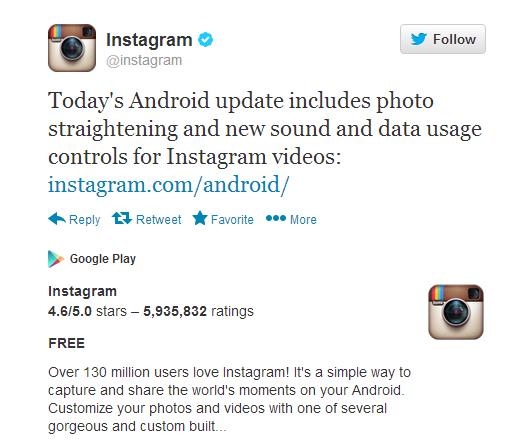
The Instagram 4.1 version for iOS users has the ability to straighten photos from a long time now, with today’s update for Android, users can now enjoy the same feature on the smartphones running on Android OS.
The latest Android application update, which will supposedly hit Google Play store today, brings the photo straightening feature and some more add on benefits as the new update enables sound and data usage controls for the video.
While you enjoy these additions, one feature of Instagram still remains out of the reach for Android users. Cinema Stabilization is a feature that iOS users have been enjoying from a long time now, but this update does not seem to give Android users a chance to get benefit of it. However, the update is still not active but is expected to hit your devices some time today.
If your usual projects at school were tough, and you thought internships were boring, this piece of news might change your mind. According to Chinese media, over 1,000 students from the Xi’an Institute of Technology have been working on the PlayStation 4 production line at Foxconn as part of a work experience partnership.
Just like regular workers, the students get paid and get workex on their CVs to make PS4 units however there seems to be no relevance to their courses. Foxconn has admitted to Quartz that some students were designated night shifts and overtime in disagreement with internship protocol. Foxconn says it’s taken steps to make sure it won’t happen again.
While reports claim that Xi’an Institute of Technology is holding credits of Students who don’t complete this “Mandatory” Internship. A real strategy for education, or a way to get cheap and effective labor ? You decide!
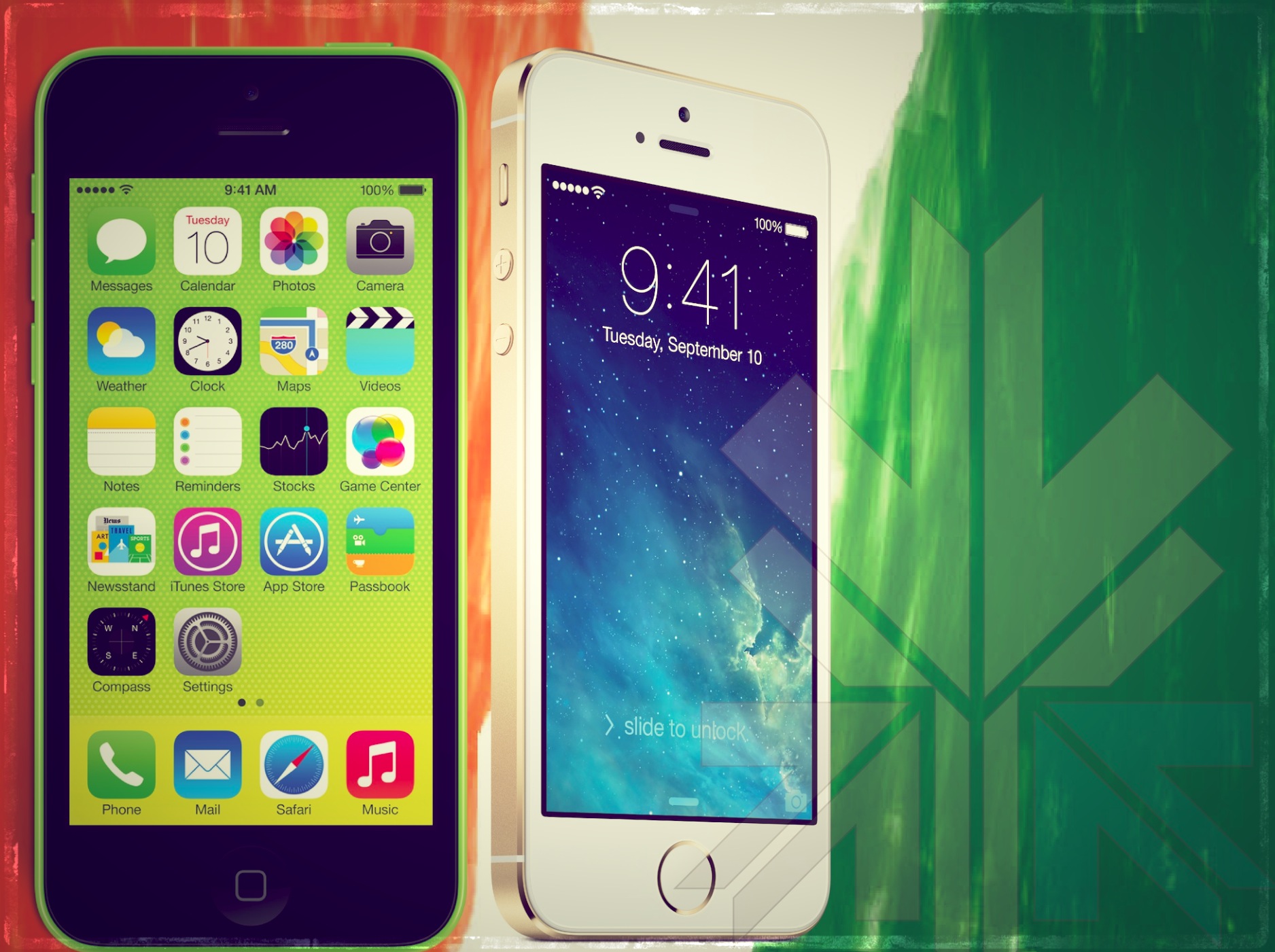
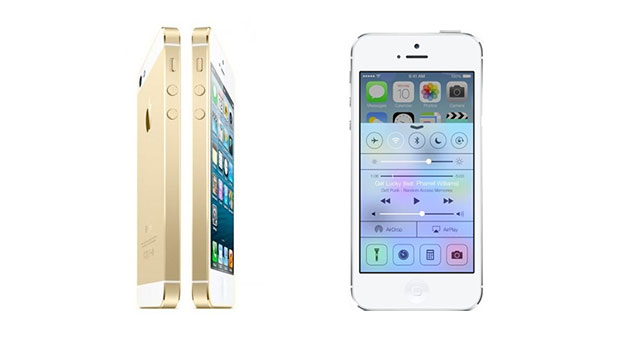
iGyaan is the first to know exclusively, directly from Apple, that the Public launch of the new iPhone 5s and iPhone 5c in India will be on 1st Nov in 10 cities across the country which include Delhi, Mumbai, Bangalore and Chennai among 6 other cities. The Pricing for the phones is as follows:
iPhone 5s 16 GB : Rs. 53500
iPhone 5s 32 GB : Rs. 63500
iPhone 5s 64 GB : Rs. 71500
iPhone 5c 16 GB : Rs. 41900
iPhone 5c 32 GB : Rs. 53500
The iPhone 5s and 5c will be available on first come first serve basis at the event,
Here is another exciting thing, iGyaan is also planning a few giveaways post the iPhone launch in India, so you can stay tuned for the days ahead.
The iPhone 5s and 5c were announced in September at an event held at Cupertino in the United States. The iPhone 5s is the first phone to integrate a 64bit chipset and a TouchID fingerprint Sensor.
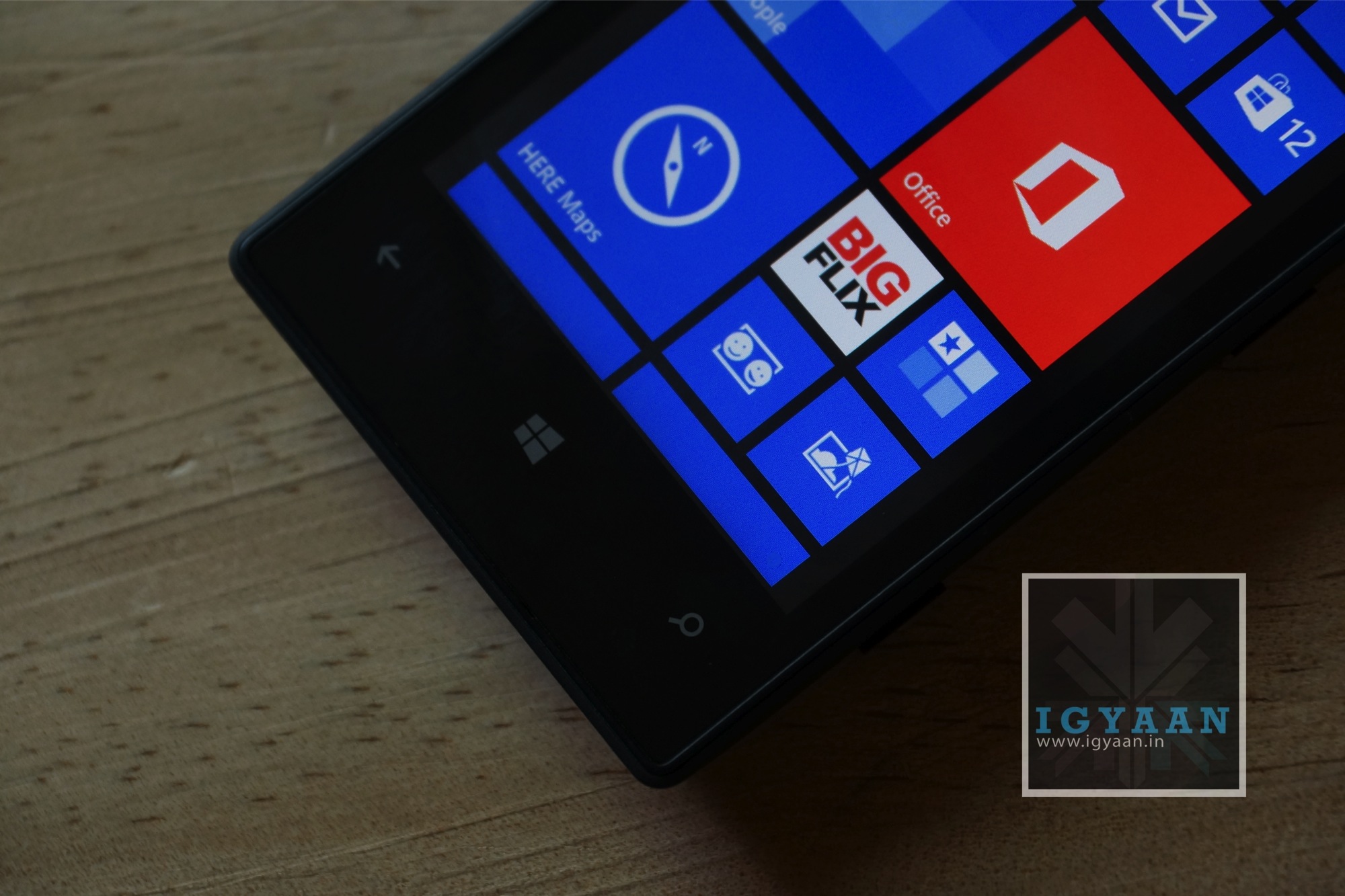
Windows Phone 8.1 is set to inspire hope in the Microsoft loyalists, who expect great things from its future versions. Paul Thurrott, one of Microsoft’s most vocal critics and supports, is hearing that WP8.1 is set to address most of those incumbent issues, including API unity with Windows RT, an improved multitasking experience, support for even bigger screens, and removal of the hardware back button requirement.
Specifically, Windows Phone is expected to reach API unity of around 75% with Windows RT, bringing more desktop-like classes to the mobile OS. As screen sizes get bigger and chips more powerful, users will be able to do an increasing number of complex tasks without tablets or laptops, and Microsoft realizes its Office ecosystem is primed for such things.
The removal of a hardware back button requirement for Windows Phone 8.1 is also in the cards, since like Android the behaviour is often predicated on how a specific developers wants it to act; on-screen back buttons are more consistent. The home button will likely remain, along with search, but we’ll see.
More importantly, multitasking is set to receive an overhaul in Windows Phone 8.1 Microsoft is already addressing the issue of “closing” apps in the upcoming GDR3 update, but Windows Phone 8.1, codenamed ‘Blue’, is expected to go even further, allowing for better background notifications and behind-the-scenes updates.
Global shipments of personal computers (PCs) have hit a five-year low, according to new figures from the research firm Gartner.
Shipments totalled 80.3m units in the three months to September, down 8.6% from a year ago.
PC sales have now fallen for six quarters in a row, hurt by the growing popularity of tablets and smartphones. Gartner said falling prices of tablets had further hurt sales of PCs in emerging markets.
“The third quarter is often referred to as the ‘back-to-school’ quarter for PC sales, and sales this quarter dropped to their lowest volume since 2008,” said Mikako Kitagawa, principal analyst at Gartner in a canned quote.
“Consumers’ shift from PCs to tablets for daily content consumption continued to decrease the installed base of PCs both in mature as well as in emerging markets. A greater availability of inexpensive Android tablets attracted first-time consumers in emerging markets, and as supplementary devices in mature markets.”
Lenovo is still the top dog in this dying sector with 17.6 per cent of the market, growing its sales by 2.8 per cent of the year. Lenovo’s sales slacked off slightly in its home Chinese market but grew strongly in the US to offset this.
Taiwan-based Acer and Asus, the world’s 5th and 6th largest PC makers, meanwhile, suffered a sharp fall in shipments of 22.6 and 22.5 percent on-year in the third quarter as both companies shift their focus away from PCs to other device markets.
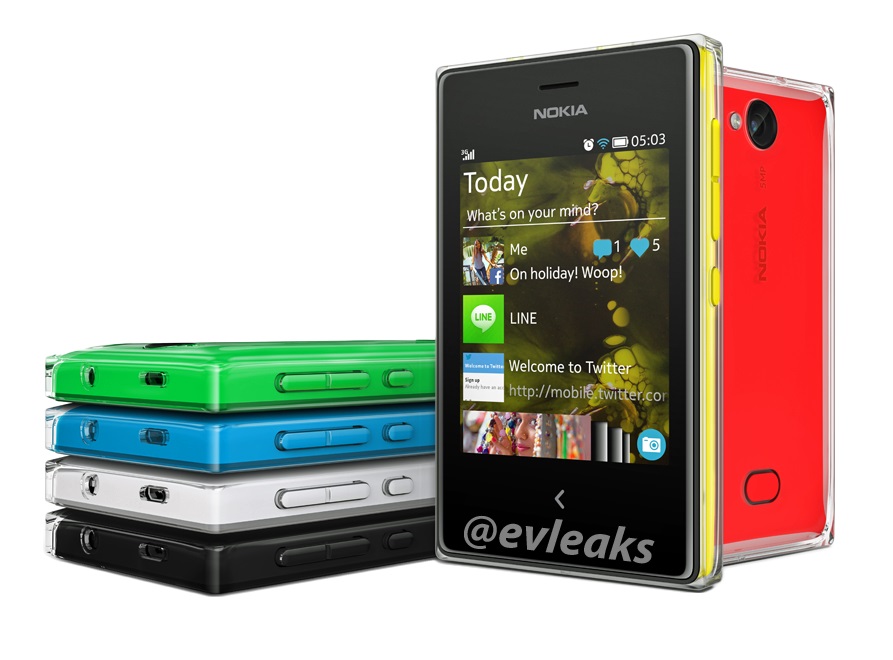
We have been hearing rumors since a long time now, that Nokia is to launch the Asha 503. With the recent news, Nokia Asha 503 is revealed in an image showing different colors.
Evleaks shows up yet another leak for the latest upcoming feature phone from Nokia, the rumoured Nokia Asha 503 on Twitter. The tweet also shows that the phone might launch by the end of this year. The leaked image of the Asha 503 shows the feature phone in multiple colors, with a 5 MP camera sensor accompanied with the LED flash. The image also shows the power button, volume rocker, audio jack and a Micro USB port.
The device shown up in the image has a glass like coating, which could be a clear case from Nokia which might be available in the box. The official launch will be within this year as per the source, we will keep you posted till then enjoy our quick review of Nokia Asha 501:
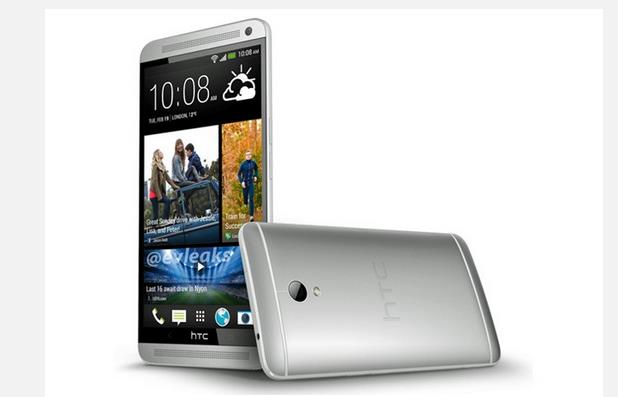
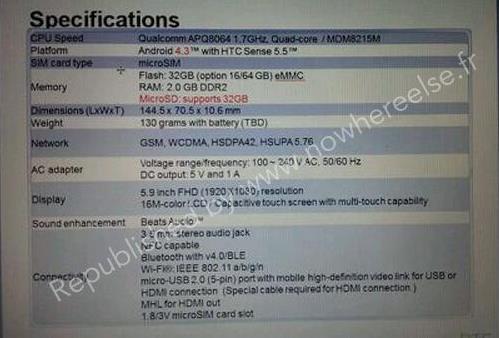
The HTC One Max leaks out again, within this week we have seen many leaks hinting the HTC One Max. Just few days before we saw the images of the device with the branding of US telecom provider Verizon, and now what we have is leaked specifications that were shared by the editor of Nowhereelse.fr. The image shows some specifications that we are already aware of, like the same 5.9 inch full HD screen resolution and a 3200 mAh battery.
The new specifications that were listed, suggested that the One max will feature a quad-core 1.7 Ghz processor along with a Snapdragon 600 chipset. If rumors are to be believed the device will be packed with a 2 GB of RAM, 16/32/64 GB of inbuilt storage and the device will run on Android 4.3 along with Sense 5.5.
As mentioned, these are leaked specification the official news for the launch should not be away. Stay tuned!
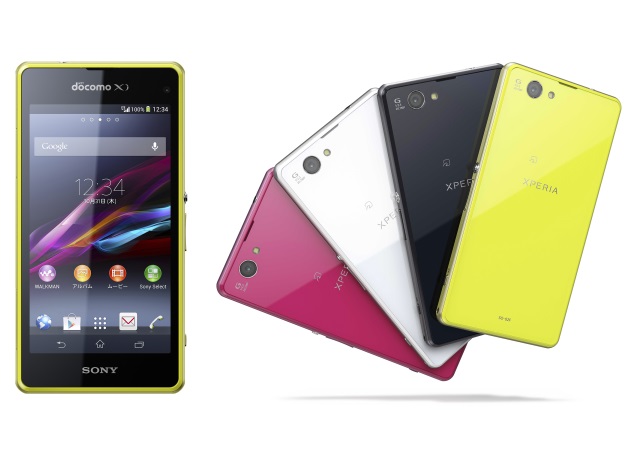
Japanese carrier NTT Docomo has announced the Sony Z1F, It has a 4.3 inch(720p) Triluminos Display with X-Reality engine and a resolution of 1280 x 720 pixels, the device is powered by 2.2 GHz quad-core Snapdragon 800 processor and runs on Android 4.2 Jelly Bean.
The Sony Z1 F has the same 20.7 MP rear camera along with Sony’s G lens and a 27 mm wide angle f/2.0 aperture custom 1/2.3 Sony Exmor RS image sensor, BIONZ image processing engine. The device does full HD recording at 1080p and has a 2 MP front camera.
The Z1 F can be considered as the mini version of the Sony’s flagship Z1, but if you consider other same smartphones like the HTC One mini and the Samsung galaxy S4 mini, all these phones have been compromised when it comes to hardware. But, in this case this device has the same of the features that his brig brother introduced to the market, like the phone itself being waterproof, same camera, same processor and alot more. The device weighs 140 grams.
Sony Xperia Z1 f specifications:
4.3 inch TRILUMINOS HD (720×1280) display
2.2 GHz quad-core Snapdragon 800
2 GB of RAM
Android 4.2.2 Jelly Bean
20.7 MP Exmor RS sensor with BIONZ image processor engine
2 MP megapixel front facing camera
16 GB inbuilt storage
2300 mAh battery
The Sony Xperia Z1 is available in Lime, Black, White and Pink. colors. It would be available from NTT Docomo from late December 2013. No word on pricing and availability in India yet.
This festive season Apple is launching iPhone 5s and iPhone 5c in the Indian market. As Apple has just confirmed in a global announcement that the iPhone 5C and iPhone 5S are launching in India and several other countries on Friday November 1st.
Pricing information is still not revealed but you can expect it to be around 50000 for the 5s and around 40000 for the 5c. The prominent features of the iPhone 5S include the new TouchID scanner , better camera camera , faster processor. Whereas the iPhone 5c is pretty much the same as the iPhone 5, except the the vibrant color choice that Apple has given to its consumers.
However, iPhone 5s and 5c will be available on October 25 in Austria, Belgium, Bulgaria, Croatia, Czech Republic, Denmark, Estonia, Finland, French West Indies, Greece, Hungary, Ireland, Italy, Latvia, Liechtenstein, Lithuania, Luxembourg, Macau, Malta, Netherlands, New Zealand, Norway, Poland, Portugal, Reunion Island, Romania, Russia, Slovakia, Slovenia, South Korea, Spain, Sweden, Switzerland, Taiwan and Thailand. iPhone 5s and 5c will also be available on Friday, November 1 in Albania, Armenia, Bahrain, Colombia, El Salvador, Guam, Guatemala, India, Macedonia, Malaysia, Mexico, Moldova, Montenegro, Saudi Arabia, Turkey and UAE. Both iPhone 5s and iPhone 5c are currently available in the US, Australia, Canada, China, France, Germany, Hong Kong, Japan, Puerto Rico, Singapore and the UK.
Today, Microsoft announced one researcher, James Forshaw, has been awarded a whopping $100,000 for finding and reporting a new mitigation bypass exploit in Windows 8.1.
James Forshaw, who heads vulnerability research at London-based security consulting firm Context Information Security, won Microsoft’s first US$100,000 bounty for identifying a new “exploitation technique” in Windows, which will allow it to develop defenses against an entire class of attacks, the software maker said on Tuesday.
Forshaw earned another US$9,400 for identifying security bugs in a preview release of Microsoft’s Internet Explorer 11 browser, Katie Moussouris, senior security strategist with Microsoft Security Response Center, said in a blog.
“Coincidentally, one of our brilliant engineers at Microsoft, Thomas Garnier, had also found a variant of this class of attack technique. Microsoft engineers like Thomas are constantly evaluating ways to improve security, but James’ submission was of such high quality and outlined some other variants such that we wanted to award him the full $100,000 bounty,” Microsoft explained.
Microsoft has now paid out over $128,000 in bug bounties. Six “very smart people” received the prizes, said Moussouris.
Not all of them kept the cash. Ivan Fratric of the Google security team was awarded $1,100 for finding an Internet Explorer 11 (IE 11) bug, but donated it to the Save the Children Fund. Fermin Serna, also from Google, gave $500 for finding a bug in the IE 11 Preview release to the Seattle Humane Society.
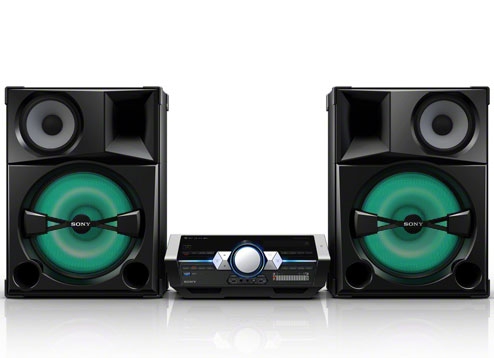
Sony India adds Shake 6D to its collection of home audio systems. The Shake 6D offers wireless music playback, a 2400W (SBR 2000W) and 35 cm woofer unit.
The device has around 20 LED effects on the speaker, and the device also features wireless music playback via Bluetooth and one-touch listening via NFC.
The key features of Sony Shake 6D include:
• 35cm Subwoofer, 20cm Woofer, 2.5cm Tweeter
• MRC (Mica Reinforced Cellular) woofer cone
• BASS BAZUCA/DJ EFFECT/Karaoke Mode/Child Lock
• Bluetooth, 2USB, 1DVD, FM/AM, 1 Composite video output, 2 Audio inputs (RCA), 2 Mic input
The newly launched Shake 6D will be available across all Sony Center and major electronic stores across India from 20th September and the device is priced at 59990 INR.
We live in a world where technology evolves every minute, heck, every second. Even before you’ve got the hang of something, it is replaced by something newer, better.
The other day while I was watching an episode of “The Big Bang Theory”, I was intrigued by something I hadn’t heard of before – 3D printing.
While the “Third Dimension” had crept into virtual space quite some time ago – 3D games, 3D movies etc. – I never really imagined it being introduced into print any time soon (though it has been available and used by companies in automobiles sector for the past 8-10 years).
So the first thing I did after the episode was to switch on my computer and, as is the norm these days, turn to the tried and trusted Google Search to enlighten me on this topic.
What is 3D printing? – An Overview.
Imagine a future in which a device connected to a computer can print a solid object. A future in which we can have tangible goods as well as intangible services delivered to our desktops or highstreet shops over the Internet. And a future in which the everyday “atomization” of virtual objects into hard reality has turned the mass pre-production and stock-holding of a wide range of goods and spare parts into no more than an historical legacy.
Such a future may sound like it is being plucked from the worlds of Star Trek. But lo and behold, 3D printing. The medium which can help us achieve these.
[pullquote_left]Charles Hull is the inventor of the modern 3D printer and originator of de facto standard technologies. The first published account of a printed solid model was made in 1981 by Hideo Kodama of Nagoya Municipal Industrial Research Institute.[/pullquote_left]
There are a variety of very different types of 3D printing technologies, but they all share one core thing in common: they create a three dimensional object creating it layer by successive layer, until the entire object is complete.
Each of these layers is a thinly sliced, horizontal cross-section of the eventual object. Imagine a multi-layer cake, with the baker laying down each layer one at a time until the entire cake is formed. 3D printing is similar, but just a bit more precise, and scientific if you may, than 3D baking.
Two particular technologies are used in 3D printing – fused deposition modeling (FDM) and PolyJet.
FDM printers essentially use thermoplastic ABS filament, that is fed into the printhead which melts the material and then deposits it layer by layer to build up the object.
PolyJet printers, on the other hand, are more similar to regular inkjet printers, but instead of jetting drops of ink on paper, a PolyJet 3D printer deposits droplets of liquid photopolymer which is then cured (or hardened) by exposing it to ultraviolet (UV) light.
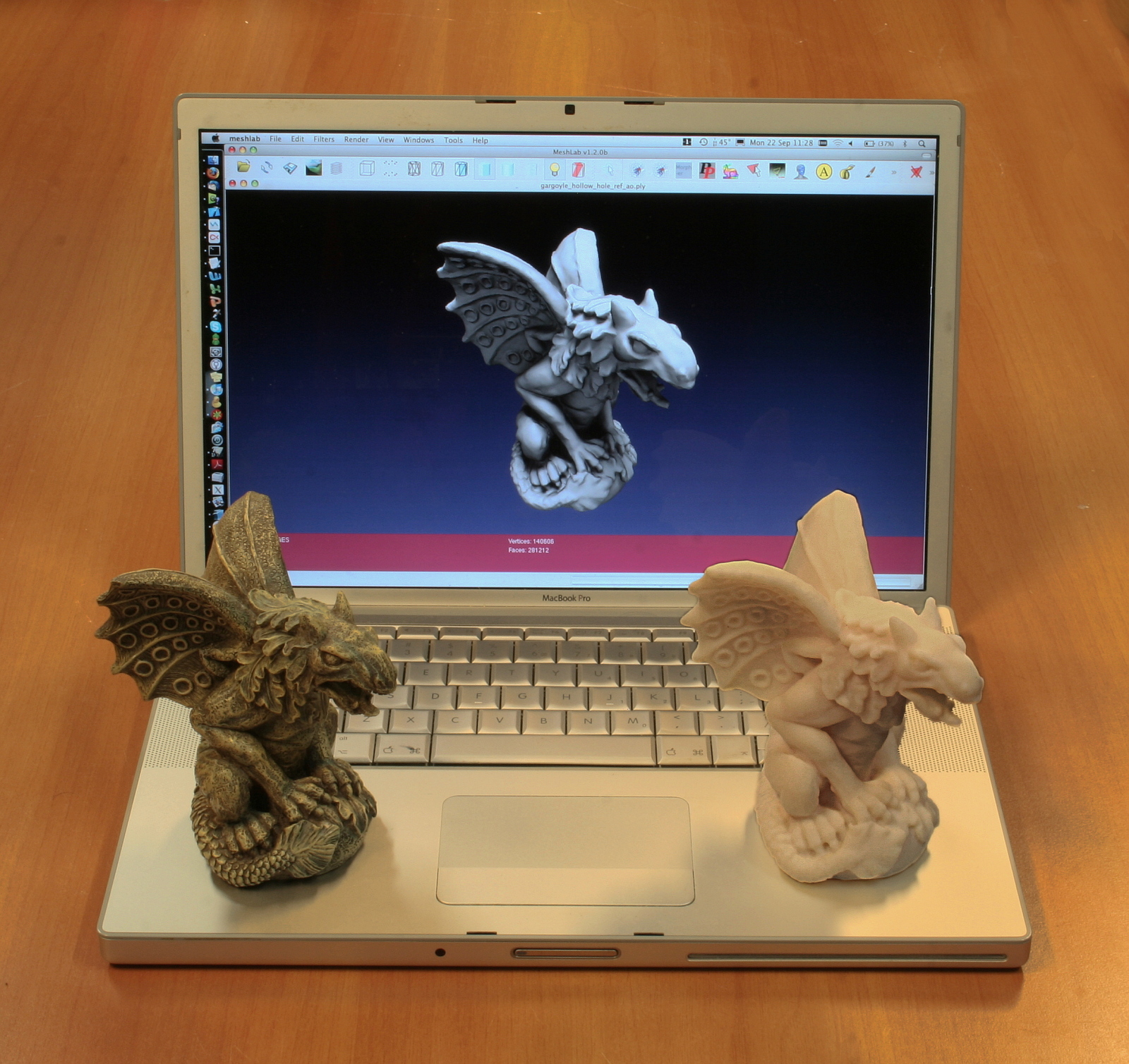
Each 3D-printed object begins with a digital Computer Aided Design (CAD) file, created with a 3D modeling program, or which was scanned into a 3D modeling program with a 3D scanner. To get from this digital file into instructions that the 3D printer understands, software then slices the design into hundred or thousands of horizontal layers.
The 3D printer reads this file, and proceeds to create each layer exactly to specification. As the layers are created, they blend together with no hint of the layering visible, resulting in one three dimensional object.
What can we do with 3D printing?
The answer to the above question is simple yet complicated – anything.
Once a science-fiction fantasy, three-dimensional printers are popping up everywhere from the desks of home hobbyists to Air Force drone research centers. The machines, generally the size of a microwave oven, cost from $400 to more than $500,000.
From bicycles, toys, accessories to Nuclear warheads, guns and buildings. Anything and everything.
Recently, a baby was afflicted with a condition that blocked his ability to breathe, professors at the University of Michigan developed a 3D-printed splint that saved the child’s life.
A 3D printed splint helped cure this baby’s breathing problem.
Companies are continuing to reap the benefits of 3D printing, a decades-old technology that has increased in popularity over the past few years as the prices of printing machines and materials have come down.
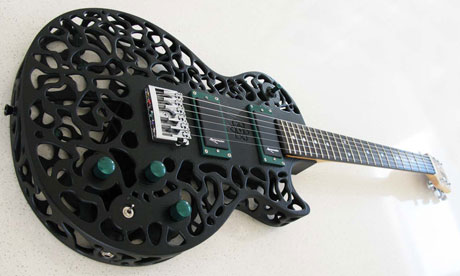
A 3D printed guitar
The Wall Street Journal recently took a look at how three major U.S. manufacturers — Ford, GE and Mattel — are using 3D printing to cut costs and production times during the prototyping phase.
Thanks to 3D printing, production time for one type of cylinder head, used in its fuel-efficient EcoBoost engines, is cut down from four to five months to three, shaving 25% to 40% off production time.
The Side Effect
[pullquote_right]The effect of 3D printers falling into the wrong hands can be catastrophic.[/pullquote_right]
New South Wales Police Force, the largest in Australia recently issued a public warning video about the ‘emerging worldwide threat’ of 3D printable weapons.
In a YouTube video highlighting the dangers 3D printable guns, Andrew Schipione, the commissioner for New South Wales Police, urges the public not to download the Computer Aided Design (CAD) files for the gun, known as the Liberator.
A 3D Printed Gun
He explained how his ballistics team had acquired a 3D printer, downloaded the blueprint for the weapons and assembled two possible future application is in the use of 3D printers to create replacement organs for the human body. This is known as bioprinting, and is an area of rapid development.pistols at a cost of just £22.
When fired, a bullet from one of the guns penetrated almost seven inches into a solid resin block resembling human flesh, deep enough to kill any human. The other weapon fell apart when it was fired.
Though some fear it is already too late.
A May 21 Department of Homeland Security bulletin distributed to several law enforcement agencies across the country, and obtained by Fox News, basically states that there might be nothing that can be done to stop people from downloading and printing plastic guns. “Limiting access may be impossible,” the memo states.
What Lies Ahead
A possible future application is in the use of 3D printers to create replacement organs for the human body. This is known as bioprinting, and is an area of rapid development.
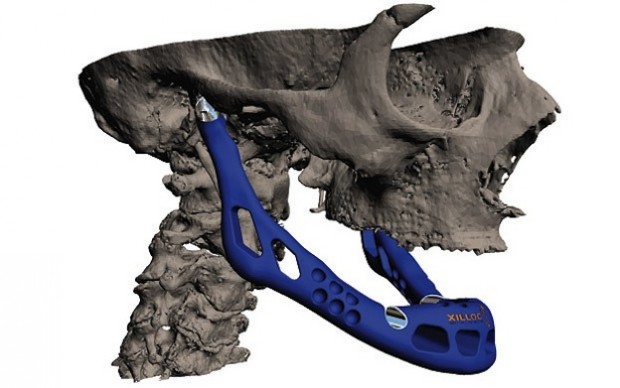
A 3D printed jaw.
Instantly printing parts and entire products, anywhere in the world, is a game changer. But it doesn’t stop there. 3D printing will affect almost every aspect of industry and our personal lives.
3-D printing is a disruptive technology of mammoth proportions, with effects on energy use, waste, customization, product availability, art, medicine, construction, the sciences and of course manufacturing. It will change the world as we know it. Before you know it.
[With valuable inputs from Explaining The Future, Wikipedia and 3dprinter,net]
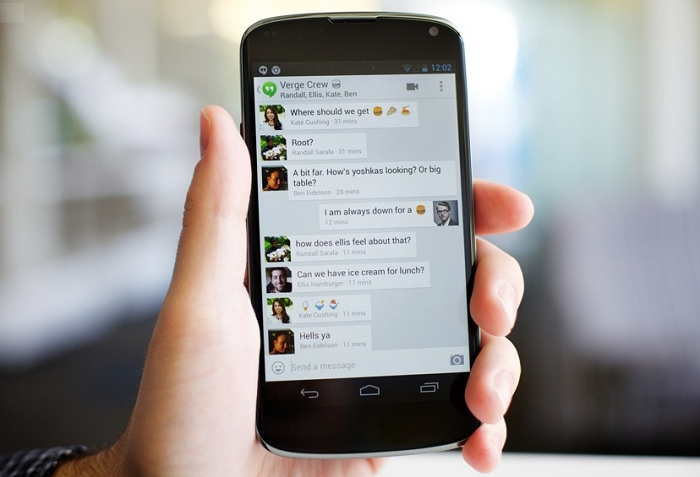
The next version of Google Hangouts for Android will likely replace the stock Messaging app with a single, unified Hangouts version that detects whether the respondent is also using Google’s new multi-platform chat-and-conference service, and if so will send the message over data, and if not will send it via SMS.
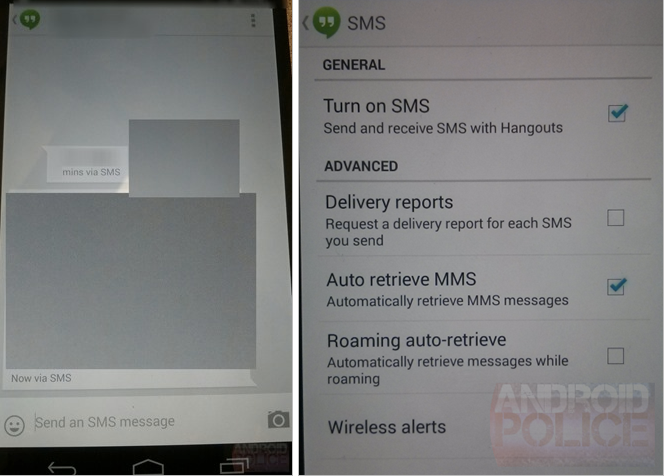
The revelation was made by Android Police who, after hearing rumours of the service consolidation in Android 4.4 KitKat, received some pretty convincing screenshots showing Hangouts sending messages “via SMS.”
Messages sent via SMS will show “via SMS” next to the timestamp so that you can always figure out the protocol used for each message delivery. You can request delivery reports for sent SMSes – a feature that is part of the SMS protocol that some of you may be using regularly.
The fundamental question is whether this will be an Android 4.4-only thing, and how it will work with previous versions. It’s not like Google can update Play Services and all of a sudden hundreds of millions of Android users have a single, unified SMS app. More likely, Hangouts, like many third-party SMS apps, will ask to become the “default” and take over the role of the stock messaging app. Nexus devices will probably receive an update to remove the legacy Messages app and go forth with just Hangouts.
Google is planning to get into Indian televisions as Google is reportedly in talks with direct to home cable providers to bring its very own YouTube service to televisions screens in India.
Every month over 6 billion hours of videos are viewed on YouTube, whereas 100 hours of videos push their servers every minute. The company believes that by collaborating with DTH providers, TV makers or the device manufacturers, people can access YouTube on every possible screen like mobile, tab, PC, and TV.
The Global Director Francisco Varela declined naming the DTH providers they were in talks with, but mentioned that the company was seeking a tie-up as soon as possible. Access to DTH subscribers would certainly increase viewership for YouTube and this already is a key factor in the company’s digital marketing and advertising cost.
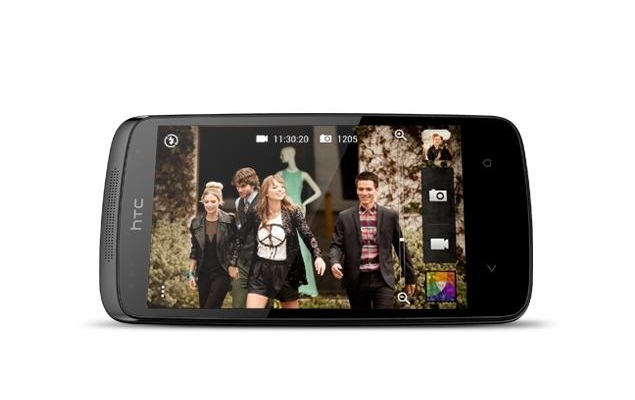
HTC has finally launched its latest smartphone in India, the Desire 500 is now available for 21490 INR in India. The HTC Desire 500 will be available in stores starting wednesday.
The HTC Desire 500 is powered by a Quad-Core 1.2 GHz processor along wth a Qualcomm Snapdragon 200 chipset. The device has a 1 GB of RAM along with a 4 GB of inbuilt storage which is expandable via Micro SD. Desire 500 sports a a 4.3 inch WVGA display with a resolution of 480 x 800 pixels. The device features a 8 MP rear camera with LED flash and a 1.6 MP front facing camera. HTC Desire 500 is capable of recording at 720p and also features Beats Audio.
The Desire 500 is packed with a 1800 mAh battery, the device runs on Android 4.2 with Sense 5.0. The phone measures 131.8 x 66.9 x 9.9mm and weighs 123 grams