Blog

  • Facebook Announces Beta Program, Lets You Test Android App

    Facebook Announces Beta Program, Lets You Test Android App

    Facebook is going head-on into the path of most resistance when it comes to Android. Its main app has been the butt of jokes since it was launched, and even since it went native in 2012 the company has endured scrutiny for poor performance.

    Today, Facebook has announced plans to combat such scorn with the launch of a beta program for its main app. By partnering with Google Groups and the Google Play Beta Program, Facebook will allow users to sign up for the beta program, giving them access to the new app through official means — Google Play itself — as opposed to download an APK and overwriting the original file.

    Google announced support for an extensive and granular alpha and beta program at its developer conference in May, allowing third-party developers to use Google Groups or Google+ to officially distribute tester versions of its apps through the Play Store. Customers like Falcon Pro, Plume, Sliding Messaging and Flesky, among others, have already taken part.

    In a blog post today, Facebook said of Android: “Facebook is the most-downloaded app in the Play Store, so we need to make sure it works for everyone, no matter their amount of RAM, network conditions, or version of Android they might be using. We want to make sure we’re always optimizing their experiences. With so many use cases to solve, testing becomes crucial to ensuring positive, consistent experiences across Android.”

    In other words, Facebook wants early adopters, across a variety of devices, form factors and network speeds, to be the guinea pigs for its Android team. Recently, the company released Facebook Home, a launcher replacement for a small subset of Android devices running Ice Cream Sandwich or above. The reception was tepid at best, but the social networking giant, which surpassed 750 million mobile users recently, has promised to work out the kinks in monthly updates.

    So too will it endeavour to fix the issues plaguing many Facebook for Android users. Notably, the app scrolls slowly and renders images at glacial speeds. Early indications point to dramatic improvements in the first beta version, along with some neat updates to the interface. For example, it’s possible to open the left- and right-side menu bars by swiping in from either side. This was previously only possible by tapping a button at the top left or right of the interface.

    To join the beta program, follow the following instructions. Once joined, downloading an update from the Play Store will replace the original Facebook app. Most users won’t notice much of a difference at first, but Facebook promises monthly updates.

    1) Join the Facebook for Android Beta Testers Google group
    2) Allow beta downloads by clicking Become a Tester in the Play Store (you need to join the Google Group before becoming a tester)
    3) Download Facebook from the Play Store to update your app
    4) Join the Facebook for Android Beta Testers group on Facebook to tell us what you think

  • Instagram CEO : Instagram For BlackBerry, Windows Phone Not Coming ‘Anytime Soon’

    Instagram CEO : Instagram For BlackBerry, Windows Phone Not Coming ‘Anytime Soon’

    Instagram is currently available via the web, or as a mobile app on the iPhone and Android devices. Knowledgable BlackBerry 10 users can unofficially get in on the fun and port the Android version over to their Z10, Q10 or Q5. There has also been several attempts to bring Instagram to Windows Phone, mainly begging by Nokia, but the Facebook-owned company has no imminent plans of a releasing a native app on either platform.

    It took the iOS-only service roughly 18 months–and 25 million users–to launch on Android, in early 2012, making it one of the operating system’s most anticipated app releases. Since then, the company has been acquired, introduced a slew of new features including video, and yet still has not migrated to other platforms.

    According to an article in Fast Company, CEO Kevin Systrom was asked if they’d be bringing the app Google Glass. “We’re not yet on BlackBerry or Windows Phone, so I think those will come before Google Glass… I’m not saying those will come anytime soon. I’m just saying that in order of priority, the way we evaluate where to expand to is really simply where our users are, and where the growth is. It took us a very long time to get to Android.”

    This is not the first time a popular app developer has shunned BlackBerry and Windows Phone. Netflix also stated the same reply of ‘we go where our users are.” Instagram has amassed over 130 million active users who’ve uploaded 16 billion photos and 5 million videos.

    Instagram has more than 100 million monthly active users on Android and iOS. The company recently added a video-sharing feature to help the service better compete with Twitter’s popular Vine app.

  • Honda CBR250R now available in Repsol race livery

    Honda CBR250R now available in Repsol race livery

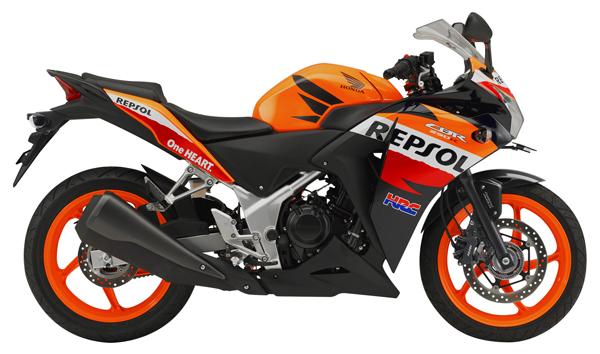
    Honda’s CBR250R sports bike has been a success since it was launched on Indian soil in 2011. Honda has now announced that customers can buy the CBR250R in its Repsol race livery at a higher cost. The Repsol CBR250R will be a special edition on sale for a short period ot time, and available only in limited numbers.

    Initially the motorcycle was offered in three paint schemes, red, silver and black. Later on Honda decided to bring its famous Fireblade inspired Pearl Heron Blue. We will also see a white paint scheme for this bike priced at Rs. 1,62,091 for the standard variant and Rs. 1,91,636 for the ABS variant (both ex-showroom, Pune). The Repsol paint scheme will be available at a premium, it will be sold at a price of Rs. 1,97,699 (ex-showroom, Pune).

    The CBR250R’s special edition is yet to be dispatched from the Honda factory hence waiting periods may be prolonged, but dealerships are accepting bookings for this paint scheme.


    [Autocar India]

  • Polaris to bring Indian and Victory bikes to India

    Polaris to bring Indian and Victory bikes to India

    Globally famous marques Indian and Victory are going to set up shop in India sometime in 2014. Minnesota based Polaris Industries is planning to bring both their motorcycle brands after witnessing the success of similar motorcycles such as Harley Davidson. Polaris India Pvt Ltd is headed by Indian two-wheeler industry veteran Pankaj Dubey who plans as managing director to import the new motorcycles in via the CBU route. Contrary to popular belief, Indian and Victory motorcycles will sell from independent showrooms, not sharing space with ATVs from the same parent company.

    It is unknown when the brands will be launched, and which will come first. Indian and Victory motorcycles rely mainly on V-twin configuration engines, which will mean competition for Harley-Davidson, once these new motorcycles are available in the exponentially growing Indian market. That said, HD holds the early bird advantage, and brings most of their motorcycles into India via the more affordable CKD route, giving its motorcycles a pricing edge.

    Polaris acquired Indian Motorcycles in 2011 to complement their Victory brand and give direct competition to HD in the cruiser and tourer bike segments.

    Polaris India remains tight lipped about further details at this stage. Watch this space for updates! 


    [Autocar India]

  • Webber to leave F1 after 2013 season for Porsche’s sportscar team

    Webber to leave F1 after 2013 season for Porsche’s sportscar team

    Red Bull driver Mark Webber has announced that he will leave Formula 1 at the end of the season. The 36-year-old Australian is joining Porsche’s new sportscar programme and will compete in the classic 24 Hours of Le Mans race for the German manufacturer.

    Webber was first linked to Porsche earlier this season. He drove in sportscars with Mercedes in 1998-99, participating in the 24 Hours of Le Mans both years, before returning to single-seaters in Formula 3000 and joining F1 with Minardi in 2002. After spells at Jaguar and Williams, he joined Red Bull in 2008. He won a race for the first time with Red Bull and became a genuine title contender with the team, but was unable to match team-mate Vettel’s success. He had a turbulent relationship with the German, exemplified by Vettel’s famous disregard of team orders at this year’s Malaysian Grand Prix. Webber had the option of staying with Red Bull for another season, and as also offered a seat from another big team, but, with a big change in regulations next year that will dramatically alter the demands of F1, he has decided to seek a fresh challenge. He has also been critical of the Pirelli tyres that F1 teams have been forced to use since 2011, claiming their rapidly degrading nature prevents drivers pushing to the limit throughout a race.

    It’s an honour for me to join Porsche at its return to the top category in Le Mans and in the sports car World Endurance Championship and be part of the team. Porsche has written racing history as a manufacturer and stands for outstanding technology and performance at the highest level. I’m very much looking forward to this new challenge after my time in Formula 1. Porsche will undoubtedly set itself very high goals. I can hardly wait to pilot one of the fastest sportscars in the world.
    – Mark Webber

    Neel Jani, Romain Dumas and Timo Bernhard are the other drivers who have already signed for Porsche’s LMP1 programme. This will be Porsche’s first assault on outright Le Mans 24 Hours honours since its 1998 triumph.

    I’m very pleased to have secured Mark Webber for our LMP1 project as one of the best and most successful Formula 1 pilots of our time. Mark is without doubt one of the world’s best race drivers, he has experience at the Le Mans 24 hour race and on top of that he’s been a Porsche enthusiast for many years.
    – Wolfgang Hatz, Porsche’s board member for research and development

    The Australian’s decision leaves the second Red Bull seat alongside world champion Sebastian Vettel available for 2014, with Kimi Raikkonen already strongly linked to the drive. Toro Rosso’s Daniel Ricciardo and Jean-Eric Vergne are also options, with many fans hoping for Force India’s Paul di Resta getting a shot as well.

    In 12 years in Formula 1, Webber won 9 grands prix, achieved 36 podium finishes, 11 pole positions, 15 fastest laps and twice finished third in the World Championship. His best season was 2010, when he led the championship for much of the year before faltering in the final three races, falling behind team-mate Sebastian Vettel and Ferrari’s Fernando Alonso.

    [Image Source: Porsche via Facebook]

  • Google Updates Maps And Google Earth, Removes Clouds, Adds 800,000 MP Worth Imaging

    Google Updates Maps And Google Earth, Removes Clouds, Adds 800,000 MP Worth Imaging

    Google’s attempt to compress the entire world’s streets, websites, businesses, and countries into one comprehensive database got another boost today with the announcement of an updated version of Google Maps’ Earth view. 

    Google have updated their popular Google Maps and Google Earth with 800,000 megapixels of new imagery.

    Google Earth

    Google Earth for Android or iOS now features a new user-interface and Street View imagery, enabling explorers to virtually browse the Earth from street-level straight from their handsets.

    “We’re unveiling new satellite imagery for all Google mapping products today. This stunning new imagery of the earth from space virtually eliminates clouds, includes refreshed imagery for regions of the world where high-resolution imagery is not yet available, and offers a more comprehensive and accurate view of the texture of our planet’s landscape,” wrote Matt Hancher, Tech Lead for Google Earth Engine in a blog post.

    The updated app brings a new streamlined interface, where a tap on the Earth logo in the top-left corner serves up informative layers like Panoramio Photos and Wikipedia. Google Earth also features improved directions, allowing users to “visualise step-by-step transit, walking and biking directions in full 3D”, according to a post on the Google Lat Long blog.

    Google Earth

    The new imagery offers a nearly cloud-free snapshot of the entire planet, providing unobstructed views of Earth’s topography, as well as more detailed looks at previously low-resolution areas of the map.

    Thanks to hundreds of terabytes of data swiped from the USGS’s and NASA’s Landsat 7 satellite, zooming out to a global view now fills your screen with 800,000 megapixels of pristine, cloudless Earth. Plus, multiple regions have been bestowed with refreshened imagery including Russia, Indonesia and central Africa.

    Google said the new Landsat 8 satellite, which launched earlier this year, would capture even more up-to-date imagery in the months and years ahead. Users can access the new satellite imagery by going to Google Maps and turning on satellite view or by launching Google Earth. 

  • PlayStation 3 Firmware 4.46 Now Available, Fixes Bricking Issue

    PlayStation 3 Firmware 4.46 Now Available, Fixes Bricking Issue

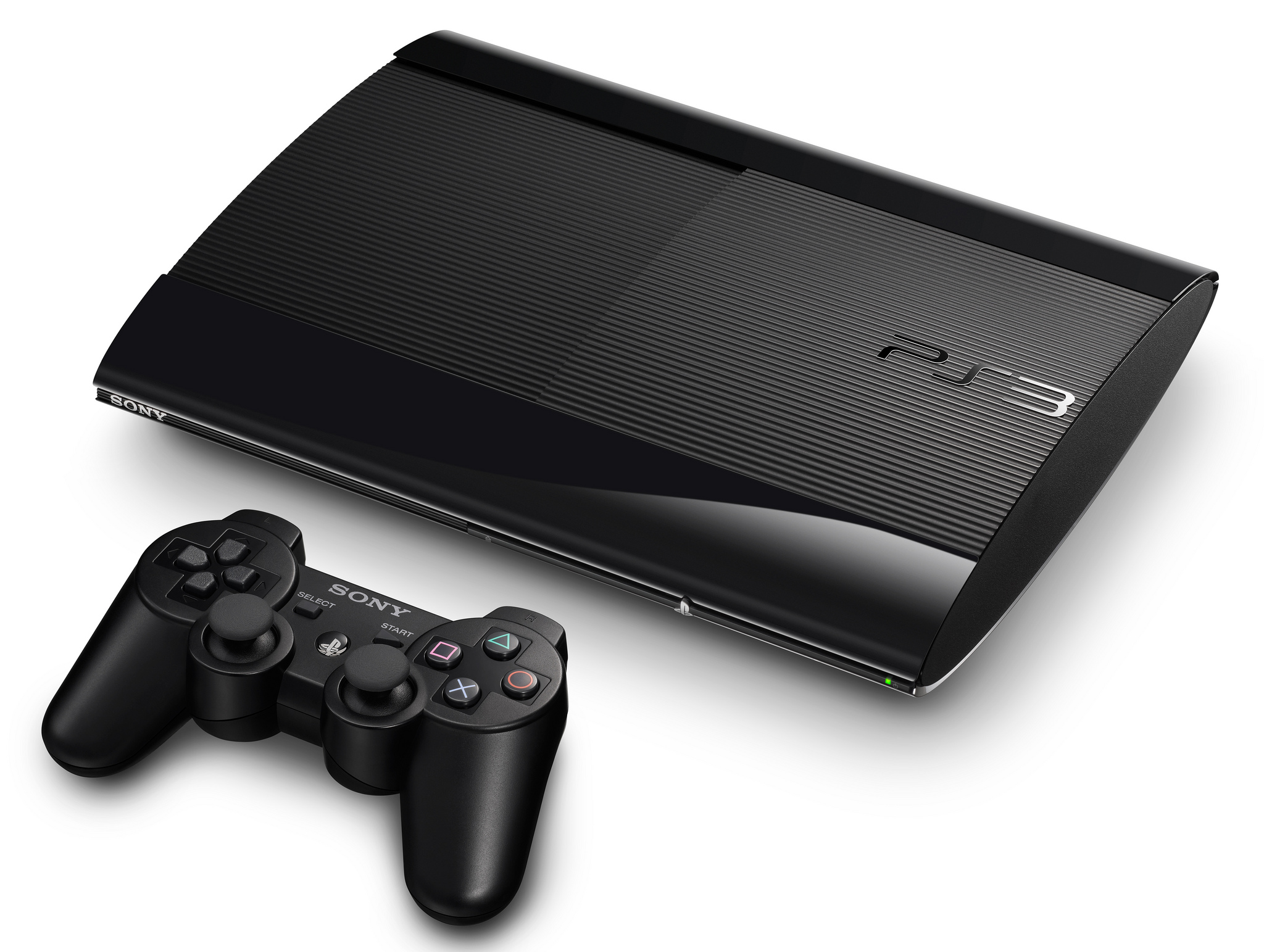
    If you were one of the few unfortunates affected by firmware 4.45?s perfidy (you’ll know, because your console won’t load the XMB) don’t despair; a fix is here.

    Firmware 4.46 is now available for download and can be applied on PlayStation 3 units that were soft-bricked by the earlier update using a special technique.

    If you’re trapped on the “ribbon” screen, you’re going to need a USB stick with at least 168MB free space, and to download the new 4.46 firmware using a PC.

    Over on the official PlayStation support website, Sony explains how to enter the PlayStation 3 Safe Mode to initialize the updating process without XMB access. We’ve republished the instructions below:

    Step 1: Manually Download System Software

    1. You will need a USB Mass Storage device such as a USB flash drive with at least 168 MB of free space. If your PlayStation 3 is either CECHA00/CECHB00 series model, you can also use Memory Stick™, SD Memory Card, and CompactFlash®.
    2. Create a folder named “PS3” on the storage media or USB device.
    3. Within the PlayStation 3 folder, create a folder named “UPDATE”.
    4. Using your computer, click the following hyperlink to begin downloading system software 4.46
    5. Download the update data from the webpage and save it in the “UPDATE” folder.
      • Location: Save in the “PS3” folder > “UPDATE” folder
      • File name: Save as file name “PS3UPDAT.PUP”

    Note: If the data is not saved in the correct way, the PS3 will not recognize the update data. The folder name must be in all uppercase letters.


    Step 2: Activate Safe Mode

    1. With the PlayStation 3 off (power light should be red), touch and hold the Power button, you will hear the 1st beep indicating that the PS3 is powering on.
    2. Continue to hold the power button, and after approximately 5 seconds you will hear a 2nd beep.
    3. Continue to hold the power button and after 5 more seconds you’ll hear a 3rd beep, and system will power off (Power light goes red).
    4. Release power button.
    5. Touch and hold the Power button, you will hear the 1st beep, again for PS3 power on.
    6. Continue to hold and after approximately 5 seconds you will hear the 2nd beep for video reset.
    7. Continue to hold and after 5 seconds you will hear a quick double beep.  At that point release power button. 
    8. If you succeeded in activating Safe Mode, you will see a message on screen saying, “Connect the controller using a USB cable and then press the PS button”. 
    9. Connect a controller to the PlayStation 3 with a USB cable.

    If you were not able to get into Safe Mode, your system may need service. Please contact us for further assistance.


    Step 3: Manually Update PS3 Software

    1. Connect the storage media to PS3 system.
    2. Select [6 – System Update] and Press X.
      • Please note: Data and settings may be deleted if you choose any of the first (5) options. Please make sure to only choose option [6 – System Update].
    3. Press Start and Select at the same time.
    4. The PS3 system will restart and recognizes the update file in the storage media.
    5. Press right on the d-pad to scroll through the update description and user agreement.
    6. Press X to confirm the update.
    7. The system will now install the new system software and restart automatically upon completion.

    [Via]

  • Microsoft Launches Windows 8.1 Preview

    Microsoft Launches Windows 8.1 Preview

    Microsoft has launched its long-awaited “Blue” update for Windows 8, now dubbed Windows 8.1, in Preview form today for early adopters. Major improvements include improvements to the Start Screen, the addition of a permanent Search button in the Charms menu, new versions of Internet Explorer, Xbox Music and Windows Store.

    windows 8.1

    “Refinement” is the word of the day here, with many changes being seen as necessary to fix the majority of user complaints from Windows 8. The new version is rolling out to x86- and ARM-based users in the form of Windows 8 and Windows RT, and users of the Surface RT especially will find some of these changes useful.

    Microsoft now allows variations in the way two apps can coexist side-by-side — it’s no longer limited to 80/20 — and apps, such as Mail, can open others, such as IE or Gallery, to work in tandem, without user input. The virtual keyboard has also been overhauled, allowing users to swipe horizontally on the spacebar to choose between words in autocorrect.

    windows 8.1

    Ahead of the official unveiling, there had been rumors that Windows 8. 1 would also allow users to customize how the OS would handle corner navigation, but so far, it only looks as if the only options are to turn this feature off.

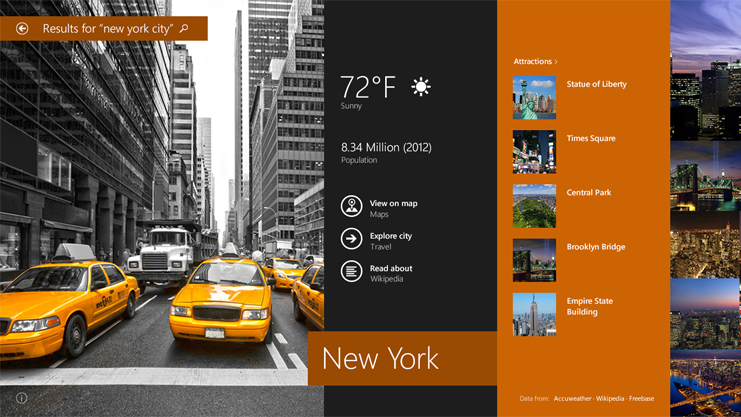
    Another marquee feature of Windows 8.1 is the new search tool. As Microsoft previously revealed, the built-in search tool can now look for way more than files and settings. Instead, it’s now a universal search tool that looks for results on the web (using Bing), your hard drive, SkyDrive, inside your documents and in apps that support this feature.

    windows 8.1

    Bing Search, which has been more tightly integrated into the OS, is a show-stopper here, with big, dynamic search results that users will actually want to use. Whether it will encourage people to use Bing on a regular basis remains to be seen, but it certainly rivals Google’s Knowledge Graph from an aesthetic perspective.

    For Windows 8.1, SkyDrive is the cloud. This new version deeply integrates SkyDrive, so you don’t need a separate app for syncing your files with SkyDrive anymore. Many of your PC’s settings are also now stored on SkyDrive, so when you log in to a new PC, everything should quickly feel at home.

    Xbox Music is now organized around your music collection in Windows 8.1. Before, it was organized around helping you discover new music.

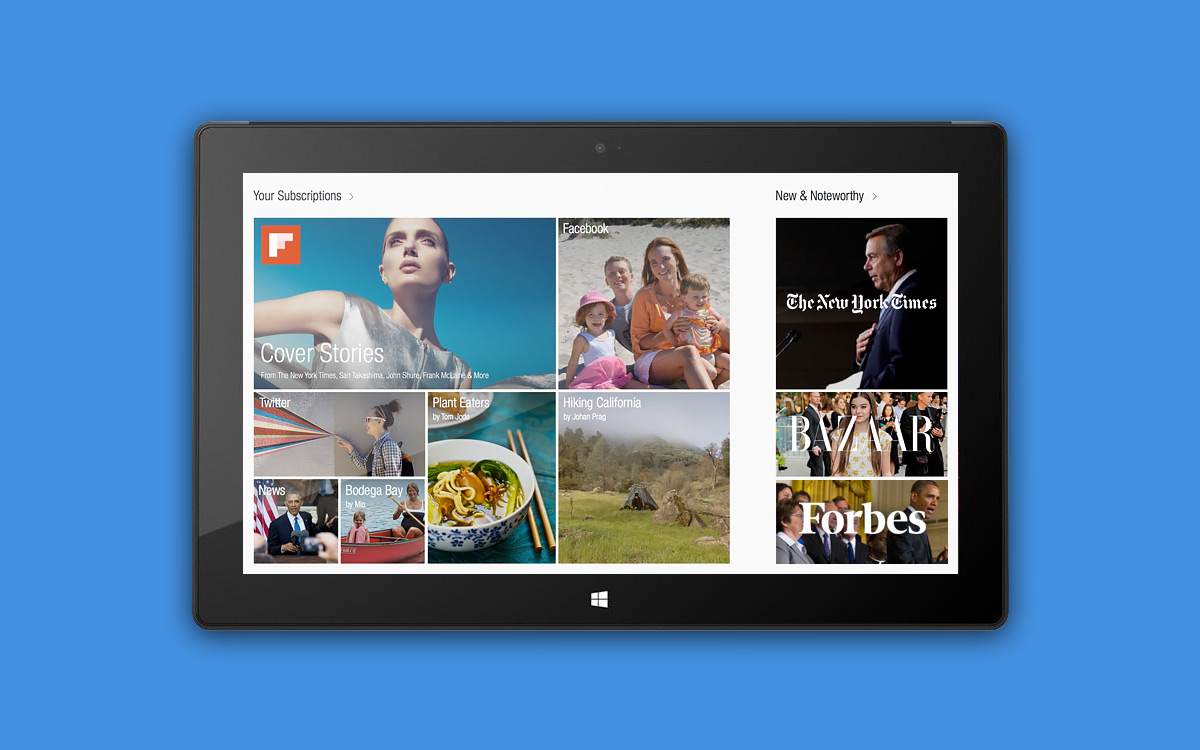
    Microsoft also announced that, among others, Facebook and Flipboard would be creating apps for the Windows Store. Both apps will be designed custom for the Windows “Modern UI” experience, so users can expect more than mere iPad or Android ports.

    Existing users of the Surface Pro, Surface RT or any other Windows 8-based device can download the Windows 8.1 Preview for free.

  • “Mechanical Issue” Forces Nvidia Shield Delay

    “Mechanical Issue” Forces Nvidia Shield Delay

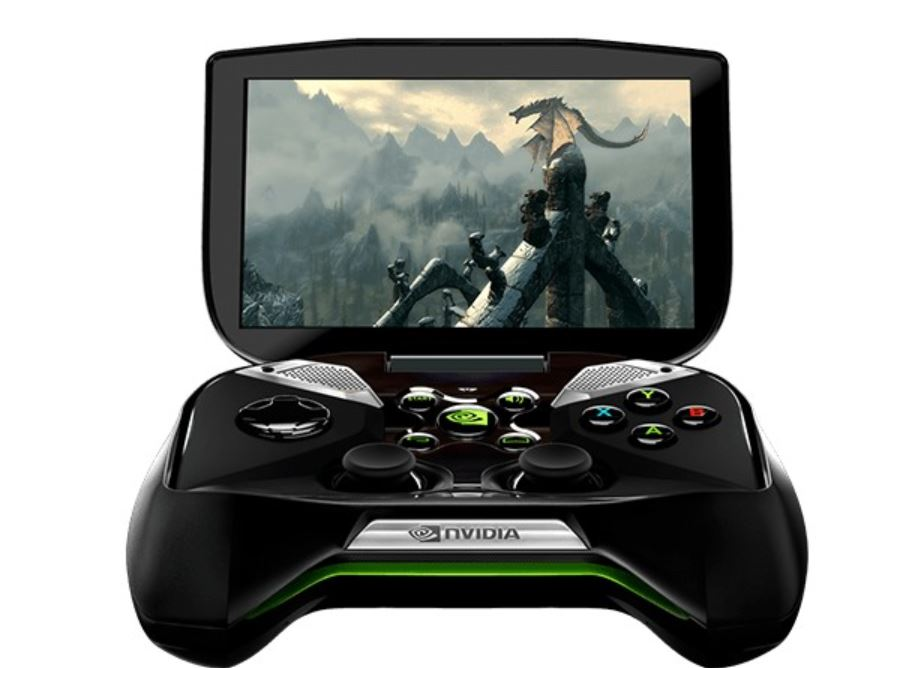
    The Tegra 4-touting Nvidia Shield clamshell portable gaming device was supposed to debut tomorrow in North America. 

    But due to an unforeseen mechanical issue, the company has been forced to delay the launch until sometime next month, though specific dates were not provided.

    During our final QA process, we discovered a mechanical issue that relates to a 3rd party component.  We want every SHIELD to be perfect, so we have elected to shift the launch date to July.  We’ll update you as soon as we have an exact date.

    The issue apparently surfaced during final quality assurance checks, and are being blamed on a third-party component, the name of which was not given. The magnitude of the issue could range from recalibration and tweaking of already-made devices (many of which were likely in transit to North America already) or replacing thousands of faulty components, one by one.

    The Nvidia Shield is being met with quiet optimism, as the Android gaming ecosystem has steadily improved since the launch of the TegraZone portal in 2011. Tegra 4 also promises performance up to 10x better than Tegra 3, and some three times faster than the previous-gen Tegra 3.

    Nvidia has apologized to those affected, but for anyone who pre-ordered, the one day notice probably stings.

    When it arrives, the Nvidia Shield will fill a unique space within the gaming industry, as it’s a portable Android handheld that’s also designed to function as a console, streaming client for PC gaming and a set-top box.

  • A Guide To PC And TV Cables

    A Guide To PC And TV Cables

    Despite advances in wireless technologies, most computer networks and Televisions in the 21st century continue utilizing cables as a physical medium for devices to transfer data. Several different types of network cables exist, each designed for specific purposes. 

    We try explain the most commonly used cables, both for your PC as well as your TV/Entertainment console.

    1. HDMI

    cables

    Technically speaking, HDMI (which stands for High Definition Multimedia Interface) is a global connectivity standard developed by a consortium of major electronics manufacturers including Hitachi, Panasonic, Philips, Sony, Thomson (RCA), Toshiba, and Silicon Image. HDMI establishes a “future-proof” foundation for the transmission of high-definition video and multichannel audio among a wide variety of audio, video and computer products. Today, more than 800 companies have adopted the HDMI standard and are building HDMI into their products.

    Having a single cable handling both images and sound has the potential to make home theaters much simpler. This cable connects every device to your home network, allowing you to distribute movies, music and photos from PCs to HDTVs.

    2. Component Cable

    cables

    Component cables provide a high definition connection between devices, such as between an HD converter and an HDTV. They include three separate color-coded video wires. To ensure that the three cables are connected to the correct ports, devices usually identify the ports by both color and letter:

    1. Y — Green

    2. Pb — Blue

    3. Pr — Red

    Component cables are for video up to 1080p, but audio cables must also be used.

    3. Composite Cable 

    cables

    Composite is what the name says – a composite signal made up of all the components of the video signal, limited to 480 line (standard definition) resolution.

    There are three separate colored wires in a composite cable:

    1. Red and white for left audio and right audio.

    2. Yellow for video.

    Composite cables are sometimes referred to as RCA cables, Audio/Video cables, or just A/V cables. They are common on older equipment.

    4. DVI

    cables

    DVI (Digital Visual Interface) is a digital video interface developed by the Digital Display Working Group (DDWG). It is able to support both digital and analogue video signals over a single DVI cable and is commonly found on computers, LCD monitors, projectors and other digital display equipment.

    The DVI digital connection removes the digital – analogue – digital conversion process that plagues older generation devices, and so removes inaccuracies and information loss due to each conversion process.

    The DVI interface has proven to be extremely versatile; it provides manufacturers with the flexibility to support digital devices while remaining backwards compatible with analogue devices.

    Many PCs now have built-in AV connectors, but DVI, a video-only screen output, is still the most common way to get HD images out of a computer. 

    5. Cat-5e (Ethernet Cable)

    cables

    Cat-5 cable, sometimes called Ethernet cable, is short for Category 5 cable, a current industry standard for network and telephone wiring. This type of cable is unshielded wire containing four pairs of 24-gauge twisted copper pairs, terminating in an RJ-45 jack.

    The Cat 5e standard was first released in 1999 as part of the Telecommunications Industry Association’s TIA/EIA-568-5-A document specification. 

    This cable connects every device to your home network, allowing you to distribute movies, music and photos from PCs to HDTVs.

    6. RCA Audio Cable

    cables

    The RCA connector is named for the Radio Corporation of America, which first used it in the 1940s to connect phonographs to amplifiers.

    It is a standard type of cable used to transmit analog audio and composite-videosignals between devices such as televisions, satellite or cable receivers, VCRs, game console systems, speakers and more. Typical RCA cables will have two or three color coded connectors.

    RCA cables transmit analog, or non-digital, signals. Because of this, they cannot be plugged directly into a computer or other digital device.

    7. Auxiliary Cable

    cables

    If you buy a new car or borrow a friend’s you may be presented with a handy-dandy aux jack. Aux stands for auxilliary, it lets you hook up your music player to the car’s stereo. You’ll also find these ports on stereo systems, as well.


    Let us know in the comment’s section below if we missed out on any other important cables!

  • Sony Xperia Z Android 4.2.2 Update Starts Rolling Out

    Sony Xperia Z Android 4.2.2 Update Starts Rolling Out

    Following the Sony Xperia Z Ultra unveiling yesterday, latest reports have suggested the Sony Xperia Z Android 4.2.2 update has started rolling out.

    According to Xperia Blog, users from all around the world are reporting receiving firmware version 10.3.A.0.423.

    Among those who have received the Sony Xperia Z Android 4.2.2 update are owners of LTE-enabled models sold in Spain and Ukraine (C6603); carrier customized versions in Austria, Czech Republic and the Netherlands; as well as unlocked HSPA+ model sold in Taiwan (C6602).

    That’s obviously just a part of the list with others, including Indian customers, getting the new software in the next few days or weeks.

    The Sony Xperia Z Android 4.2.2 update brings little in terms of UI changes, bar the ability to use special lock screen widgets. A changelog for the 4.2.2 release states that in addition to the updated software, Sony has pushed newer versions of its media apps, thrown in a remote phone location app, a new Functionalities widget, and support for MicroSD cards up to 64GB.

    If you want to check to see if the update is ready for your phone, you can force check for an update via Android’s settings. Alternatively you can use the PC companion app included with the Xperia Z to do the same thing.

    Let us know below if you’ve been able to get the update on your device!

  • Mozilla Firefox 22 Launched With Web Video Calls, 3D Gaming

    Mozilla Firefox 22 Launched With Web Video Calls, 3D Gaming

    Mozilla this week launched the latest version of its Firefox 22 browser seeking to woo users with new features including 3D gaming and video calls.

    Support for video calls, voice calls and file sharing are also available without the need to install additional software or use third-party plugins. 

    Mozilla said it and Ericsson demonstrated this at Mobile World Congress, to show how Firefox can integrate seamlessly with a users’ mobile phone “and make voice or video calls and share files.”

    Mozilla demonstrated its new 3D capabilities in a blog post, by offering first-person shooter ‘BananaBread’ in a bid to lure developers. The technologies behind Firefox 22 include WebGL, Emscripten, asm.js and WebRTC.

    Mozilla has been working on integrating the WebRTC protocol, which eliminates the need for separate browser plug-ins to enable those rich functions, for some time.

    And asm.js, the new JavaScript protocol, is “a supercharged subset of JavaScript” that loads quickly and enables Firefox 22 to run intense applications such as games and photo-processing in real-time without the need for plug-ins.

    It’s all part of Mozilla’s plan to “unlock the power of the web.”

    “Firefox allows developers to create amazing high-performance Web applications and enables video calls and file-sharing directly in the browser, all without the need for plugins or third-party software. What has been difficult to develop on the Web before is now much easier, faster and more fun,” Mozilla said.

    At the Game Developer Conference in San Francisco, the companies showed off Unreal Engine 3 applications running natively in Firefox using JavaScript.

  • Leaked : Motorola X Phone Image, And Ad Campaign

    Leaked : Motorola X Phone Image, And Ad Campaign

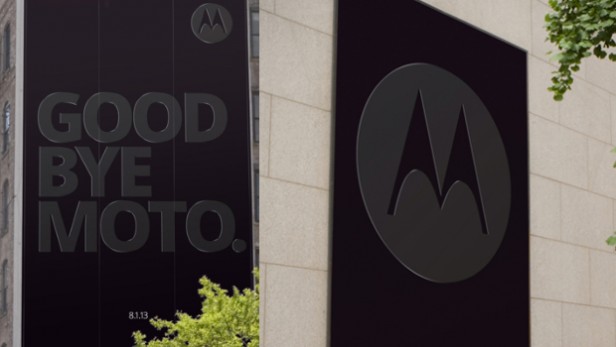
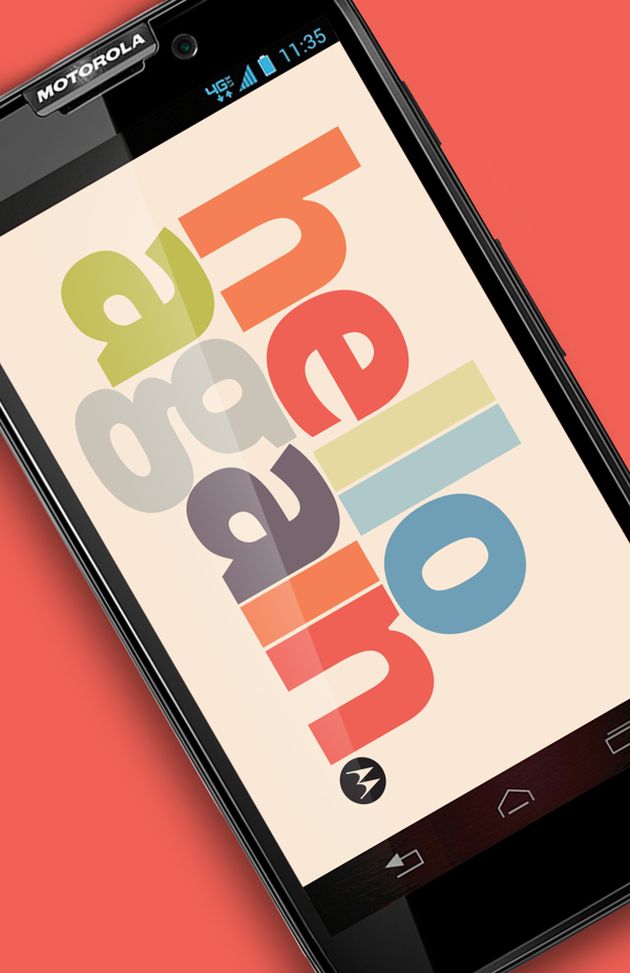
    After last night’s cryptic leak about a possible ad campaign for Motorola, the internet is back today with some more info. Once again posted on B.A. Bäkken’s Behance page, these pictures present a different story. A story of Motorola’s return; emphasized with the phrase “hello again”.

    motorola X Phone

    The company is understood to be undergoing some sort of rebranding, re-emerging with its new Motorola X Phone on August 1. 

    “The Motorola that returns will not be the company you once knew. But we have some work to do”, reads one of the images. “So until we’re ready, we’re going away. No new ads or tweets. No site updates. Just silence until we begin the next chapter. Until we meet again, goodbye Moto.” 

    The most recent specs leak that we have seen came from an often-reliable source though, and these included a 1.7GHz MSM8960 Pro dual-core processor, 720p HD display, 2GB of RAM and 16GB of internal memory, a 10-megapixel rear camera and 2-megapixel front-facing shooter. Along with these specs we also heard that the Moto X phone would run the Android 4.2.2 Jelly Bean operating system, but we must remind you that all of this is not yet confirmed. If accurate though, then the specs are decent enough, but we feel that many potential customers are hoping for a lot more.

    Motorola X Phone

    PhoneArena also posted an image of the Motorola X Phone, which you can see above.

    Google and Motorola have also indicated that the Moto X phone will use the phone’s sensors in interesting new ways. We’ve heard Motorola talk about how the Moto X phone will be able to know when you’re driving and it will dynamically adjust the interface based on that information. 

    [Via, Via]

  • Intel Launches 4th Generation Intel Core processors in India (PR)

    Intel Launches 4th Generation Intel Core processors in India (PR)

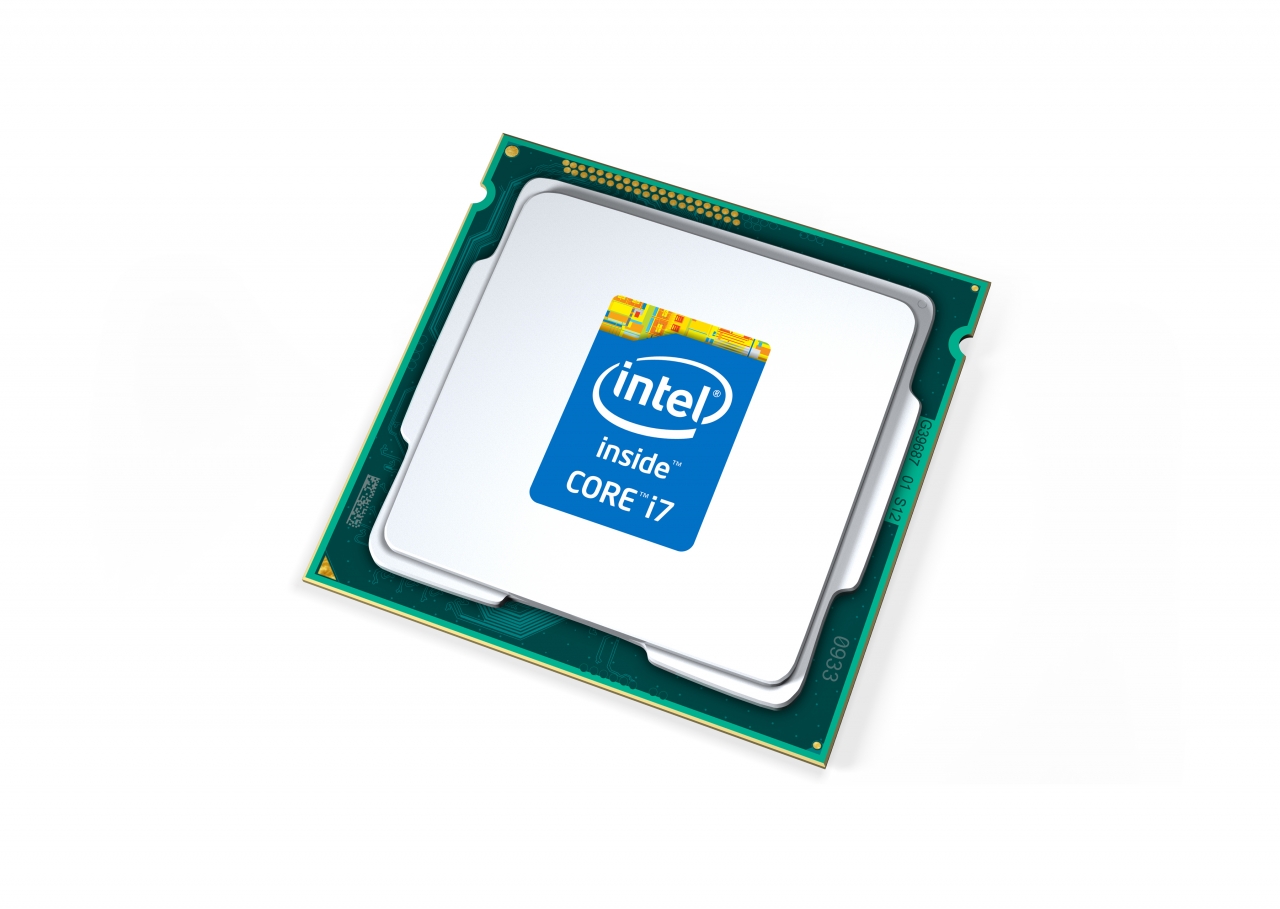
    Intel today introduced the 4th Generation Intel Core™ processor family in India. Based on Intel’s leading 22nm microarchitecture, the 4th generation Intel Core processors deliver up to 50 percent increase in battery life in active workloads over the previous generation1. This is the largest generation-over-generation gain in the company’s history, equating to 9 hours of battery life in active workloadsfor some Ultrabooks based on the new processors.

    The 4th generation Intel Core processors will also serve as the foundation for a new era of 2-in-1 computing. A 2-in-1 device works as a PC when you need it and a tablet when you want it. 

    “Today we deliver on the vision set forth 2 years ago to reinvent personal computing with the introduction of our 4th Generation Intel Core processors,” said Leighton Phillips, Director, Product Management & Pricing, Intel Asia-Pacific. “Today’s announcement accelerates a new category of 2-in-1 computing devices delivering the best of a notebook and a tablet in amazing new form factors.”    

    Delivering Intel’s largest generation-over-generation gain in battery life enablement in company history, the 4th gen Intel Core processors deliver up to a 50 percent improvement in battery life over the previous generation in active workloads such as watching movies or surfing the Internet, and two to three times improvement in standby battery life. For some systems coming to market this year, over 9 hours of active use battery life or 10 to 13 days of standby with fresh data on a single charge is expected. 

    Intel exceeded its expectations on power reduction at the CPU level to as low as 6 watts and also worked across the system for power optimization.

    The 4th generation Intel Core processors also bring the great performance currently available in mainstream computing with the additional benefit of superior graphics support. People will be able to experience every day computing approximately two times faster; systems can wake up approximately eight times faster and users will have the ability to edit and share HD video about 20 times faster; than a similar 4-year-old computer.

    [toggle title=”Press Release”]Intel launches 4th Generation Intel® Core™ processors in India
    Reinvents computing experience by accelerating a new category of 2-in-1 devices

    HIGHLIGHTS
    ? First system-on-a-chip for PCs, enabling new form factors and 2-in-1 designs.
    ? 4th gen Intel Core processors enable 50 percent improvement in battery life, biggest gain in company history
    ? 4th gen Intel Core with Intel® Iris™ graphics delivers up to double the graphics performance over the previous generation
    New Delhi, June 26, 2013 — Intel today introduced the 4th Generation Intel Core™ processor family in India. Based on Intel’s leading 22nm microarchitecture, the 4th generation Intel Core processors deliver up to 50 percent increase in battery life in active workloads over the previous generation1. This is the largest generation-over-generation gain in the company’s history, equating to 9 hours of battery life in active workloads for some Ultrabooks based on the new processors. The 4th generation Intel Core processors will also serve as the foundation for a new era of 2-in-1 computing. A 2-in-1 device works as a PC when you need it and a tablet when you want it.

    The new Intel Core processors provide incredibly responsive, secure and powerful performance for users to create and consume content wherever their mobile lifestyles take them. The new Ultrabooks as well as 2-in-1 devices, powered by the 4th gen Core processors are perfect for the new age Indian constantly on the move. The highest-performing processor family, 4thgen Intel Core processors are capable of delivering up to 15 percent better performance than the previous generation while consuming lower amounts of power.

    “Today we deliver on the vision set forth 2 years ago to reinvent personal computing with the introduction of our 4th Generation Intel Core processors,” said Leighton Phillips, Director, Product Management & Pricing, Intel Asia-Pacific. “Today’s announcement accelerates a new category of 2-in-1 computing devices delivering the best of a notebook and a tablet in amazing new form factors.”

    Speaking at the launch, Debjani Ghosh, Managing Director, Sales and Marketing Group, Intel South Asia said: “The 4th Generation Intel Core processors offer the most significant gain in battery life ever achieved by Intel, up to double the graphics and significant CPU performance improvements that will deliver an exciting user experience. Improvement have been made keeping in mind the user’s needs and requirements of a power efficient, high performance device.”

    Also present to support the launch of the new processor family were Mr. S. Rajendran, CMO, Acer India Pvt. Ltd; Mr. Shishir Singh, Director EUC Marketing, Dell India; Mr. Vinay Awasthi Sr. Director, PC Category, HP India and Mr. Shailendra Katyal- Director, Consumer business, Lenovo India.

    Speaking about the ecosystem support, Ms. Ghosh said, “It is heartening to see the ecosystem support the launch of the 4thgen Intel Core processors is receiving. To get great performance in the most innovative form factors we have a number of OEMs who are working to bring 4th gen Intel Core Processor based products to the market.”

    Low Power + Stunning Performance + Graphics
    With a surge in ‘on the move lifestyle’ in the country there is a strong need for devices with great battery life. Delivering Intel’s largest generation-over-generation gain in battery life enablement in company history, the 4th gen Intel Core processors deliver up to a 50 percent improvement in battery life over the previous generation in active workloads such as watching movies or surfing the Internet, and two to three times improvement in standby battery life. For some systems coming to market this year, over 9 hours of active use battery life or 10 to 13 days of standby with fresh data on a single charge is expected.

    To achieve this breakthrough, Intel exceeded its expectations on power reduction at the CPU level to as low as 6 watts and also worked across the system for power optimization. These improvements range from System-on-a-Chip (SoC) and platform level technologies to Intel’s leading-edge 22nm process technology.

    The 4th generation Intel Core processors also bring the great performance currently available in mainstream computing with the additional benefit of superior graphics support. People will be able to experience every day computing approximately two times faster; systems can wake up approximately eight times faster and users will have the ability to edit and share HD video about 20 times faster; than a similar 4-year-old computer.

    Intel expanded its range of Intel graphics in the highly integrated SoC to deliver even more stunning visuals in thinner and lighter devices. Intel® Iris™ graphics, available on select SKUs of the 4th Gen Intel® Core™ processor family, delivers up to double the 3-D performance over today’s fastest mobile Intel HD Graphics solutions.

    New Computing Experiences, More Peace of Mind with new Intel Core processor -powered Ultrabooks
    The 4th gen Intel Core processor, completely redesigned from the ground up specifically for the Ultrabook represents a huge shift in the computing landscape because it enables a number of new computing interactions to enhance the user experience. It raises the bar for Ultrabooks and realizes the vision Intel outlined 2 years ago to combine best-in-class performance, impressive responsiveness and battery life and built-in security2 in thin and elegant mobile designs. All new Ultrabooks will be touch-enabled and have Intel Wireless Display3 capability built in to bring natural touch and motion interactivity and speed mode for low-latency gaming on the big screen. Ultrabooks are also equipped with built in security capabilities including Intel Identity Protection Technology4 (Intel IPT) and Intel Anti-Theft Technology5 (Intel AT) for more secure computing.

    Making India future-ready with perceptual computing
    With the introduction of “perceptual computing” Intel technology allows people to interact with their computing devices by using gestures, expressions, and language that humans use with each other., “We need to make technology less intimidating and allow people to interact with devices in a more natural way. We see a future in this space with perceptual computing and are committed towards its integration across various applications that help in fields like education and healthcare” said Debjani Ghosh.

    Driving Local Adoption of Technology
    Speaking at the launch, Ms. Ghosh further said, “For decades we’ve been working not only on creating compelling computing experiences in the country but we’ve also focused on building awareness of the importance of personal computing and increased domestic technology adoption in India. This launch further strengthens our resolve to bring a slew of exciting computing experiences to life for Indian consumers.”
    Last year Intel in India launched the National Digital Literacy Mission where it partnered with other industry players and the government to drive digital literacy in India. In addition, Intel has recently undertaken a nationwide campaign to spread awareness on the importance of personal computing device in every household.
    About Intel
    Intel (NASDAQ: INTC) is a world leader in computing innovation. The company designs and builds the essential technologies that serve as the foundation for the world’s computing devices. Additional information about Intel is available at newsroom.intel.com and blogs.intel.com.
    – 30 –
    Software and workloads used in performance tests may have been optimized for performance only on Intel microprocessors. Performance tests, such as SYSmark and MobileMark, are measured using specific computer systems, components, software, operations and functions. Any change to any of those factors may cause the results to vary. You should consult other information and performance tests to assist you in fully evaluating your contemplated purchases, including the performance of that product when combined with other products. For more information go to http://www.intel.com/performance

    Intel, Intel Atom, Intel Core, Intel Xeon, Centrino, vPro, Ultrabook, Iris and the Intel logo are trademarks of Intel Corporation in the United States and other countries. * Other names and brands may be claimed as the property of others.

    1 Measured on OEM system using battery life during local offline video playback of a 1080p MP4 in landscape mode. Measured on OEM System using MobileMark* 2012. For more information, see www.bapco.com.

    2 No computer system can provide absolute security under all conditions. Built-in security features available on select Intel® processors may require additional software, hardware, services and/or an Internet connection. Results may vary depending upon configuration. Consult your system manufacturer for more details. For more information, see http://security-center.intel.com/.

    3 Requires an Intel® Wireless Display enabled system, compatible adapter and TV. 1080p and Blu-Ray* or other protected content playback only available on select Intel® Core™ processor-based systems with built-in visuals enabled, a compatible adapter and media player, and supporting Intel® WiDi software and graphics driver installed. Consult your PC manufacturer. For more information, see www.intel.com/go/widi.

    4 No computer system can provide absolute security. Requires an Intel® Identity Protection Technology-enabled system, including an enabled Intel® processor, enabled chipset, firmware, software, and Intel integrated graphics (in some cases) and participating website/service. Intel assumes no liability for lost or stolen data and/or systems or any resulting damages. For more information, visit http://ipt.intel.com/. Consult your system manufacturer and/or software vendor for more information.

    5 No computer system can provide absolute security. Requires an enabled Intel® processor, enabled chipset, firmware, software and may require a subscription with a capable service provider (may not be available in all countries). Intel assumes no liability for lost or stolen data and/or systems or any other damages resulting thereof. Consult your Service Provider for availability and functionality. For more information, visit http://www.intel.com/go/anti-theft . Consult your system manufacturer and/or software vendor for more information.
    [/toggle]

  • Ford EcoSport Launched, Starts At Rs. 5.59 Lakh

    The much awaited Ford EcoSport compact SUV has been launched in India at an astonishing base price of Rs. 5.59 Lakh. The EcoSport will be offered in no less than 10 variants spread across 4 trims, 3 engine options and 7 colours.

    The EcoSport is the first Ford vehicle in India to offer the famous turbocharged 3 cylinder, 1.0-litre EcoBoost engine. Despite being the smallest in the range, the 2-time Engine of the Year award winning EcoBoost churns out the maximum power output of around 122bhp and 170Nm torque. It also returns a claimed fuel efficiency of around 18 kmpl. The other two engines – 1.5L petrol and 1.5L diesel are the same as those which fulfill the power needs of the Fiesta sedan. The petrol unit puts out 110 bhp and 140 Nm of torque whereas the diesel mill produces 90 bhp and 204 Nm of torque.

    Ford Ecosport

    The sub-4 metre compact SUV is also the first car in India to offer Ford’s voice-enabled in-car connectivity system, SYNC. This means you can operate your Bluetooth-enabled phone and USB devices, dial calls, read out text messages and browse and select music tracks via voice commands. In terms of safety equipment, the EcoSport will come with Ford’s Emergency Assistance system. This system enables the car to deliver a voice message directly to emergency operators in the event of an accident in which the airbags have been deployed or fuel pump shut-off is triggered.

    Ford Ecosport

    The EcoSport is available in four trims – Ambiente, Trend, Titanium and Titanium Optional.

    The Ambiente version comes with a quite a bit of equipment despite being the base version. Tilt and telescopic steering, a music player with Aux-in and Bluetooth, electric wing mirrors, remote locking, a multi-function display, front power windows and 15-inch wheels make up most of the Ambiente trim.

    Next up the ladder is the Trend trim, which comes with rear power windows, steering-mounted audio controls and driver-seat height adjust over everything that the Ambiente has to offer. Both these trims will be available only with manual transmissions coupled to 1.5-litre petrol or diesel engines.

    Further up is the aptly named Titanium trim. The famous 1.0-litre EcoBoost petrol engine is available only with the Titanium trim which also comes with a leather-wrapped steering wheel, 16-inch alloy wheels, climate control, cooled glovebox, roof rails, front fog lamps, reverse parking sensor, and dual airbags. An option pack for the Titanium is also available, which offers push-button start, leather seats, keyless entry, and side and curtain airbags. The EcoBoost engine is mated to a manual gearbox but an automatic-gearbox-equipped Titanium version is available with the 1.5-litre petrol engine. There is no diesel version available for the top-spec EcoSport.

    The Ford EcoSport will not only compete with the likes of the Renault Duster as was expected, but with its aggressive pricing, it may have a drastic impact on other hatchbacks in the similar price range. Ford seems to have a winner on its hands with the EcoSport.


    Ford EcoSport prices (ex-showroom, Delhi):

    1.5-litre Petrol Manual

    Ambiente: Rs 5.59 lakh

    Trend: Rs 6.49 lakh

    Titanium: Rs 7.51 lakh

    1.5-litre Diesel Manual

    Ambiente: Rs 6.69 lakh

    Trend: Rs 7.61 lakh

    Titanium: Rs 8.62 lakh

    Titanium (O): Rs 8.99 lakh

    1.0-litre EcoBoost Petrol Manual

    Titanium: Rs 7.89 lakh

    Titanium (O): Rs 8.29 lakh

    1.5-litre Petrol Auto (DCT)

    Titanium: Rs 8.44 lakh

iGyaan Network
Privacy Overview

This website uses cookies so that we can provide you with the best user experience possible. Cookie information is stored in your browser and performs functions such as recognising you when you return to our website and helping our team to understand which sections of the website you find most interesting and useful.