According to reports, Yahoo might be considering to put itself or its core businesses up for sale. This could include selling off Yahoo’s internet business, spinning off its shares in Alibaba, or doing both.
Yahoo has been deteriorating slowly through the years, and CEO Marissa Mayer had been given several years to work on it, in the hope to turn things around. Despite all of that, Yahoo’s biggest asset remains its stake in Alibaba. The company was planning to spin off its holdings in Alibaba for a while, however, the plan was never executed due to tax concerns.
If Yahoo does decide on selling off its internet business shares, it will end up remaining barely anything more than a holding company for its Alibaba shares. On the other hand if they decide to keep the internet business and let go of its Alibaba holdings; that will just leave Yahoo a weaker company than it is now. Despite such worrying reports emerging, Yahoo has not made any official announcement yet.
‘Make in India’ is an initiative that was started back in September 2014 by the Prime Minister of India, Narendra Modi. The primary objective of this initiative is to create manufacturing firms within India to create more job opportunities and enhance the skills of the people of India across different sectors like automobile, aviation, biotechnology, defence manufacturing, mining, oil and gas, ports, railways, textile and much more. With this initiative, the Government of India hopes to bring in high-quality standards and minimise the impact on the environment.
The scope and potential, the breadth and length of infrastructure and related developments is very huge in India: PM @narendramodi
Many companies are in support of the Make in India campaign. Companies from China like Alibaba and Xiaomi showed their full backing for the project. Alibaba Chairman said, “We are excited about India. We are excited about Make in India and Digital India.” Xiaomi President Lin Bin too, showed his support and stated, “We have some big plans for India. We fully support Make in India.”
In response to the Make in India call, The United Kingdom announced in January, about its campaign to forge collaborations with Indian companies. Dubbed as the ‘Great Collaboration’, it will be the first partnership between UK’s BP Petroleum company and India’s Reliance Industries Limited for developing and producing energy. The UK and the Indian Prime Ministers have already appreciated the financial ties between the two countries.
Many companies have started putting up manufacturing houses in India. Celkon, one of the leading cellphone players, is right now in the planning process of setting up its manufacturing firm in Medchal, Telangana. IT Minister, KT Rama Rao, said the manufacturing business unit will be set up within a few days after June and will begin with four production lines, and will eventually increase its capacity to higher levels.
Celkon Plant in Medchal, Telangana
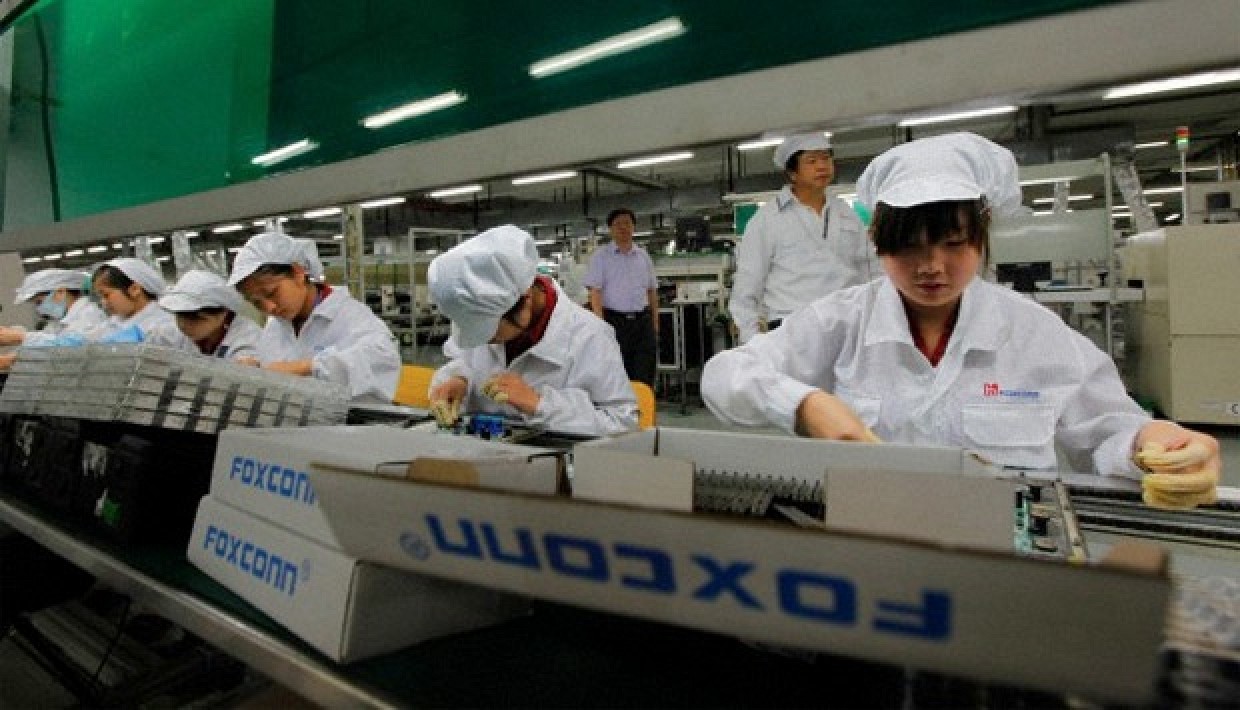
Similarly, Foxconn Technology, who is one of the world’s largest contract makers of electronic products, is trying to develop 10-12 facilities in India, including factories by 2020. The Taiwan-based tech giant said that the company is in talks to manufacture Apple iPhones in India. This could lower the price on the world’s No.3 smartphone market where the US firm trails Samsung Electronics and local players.
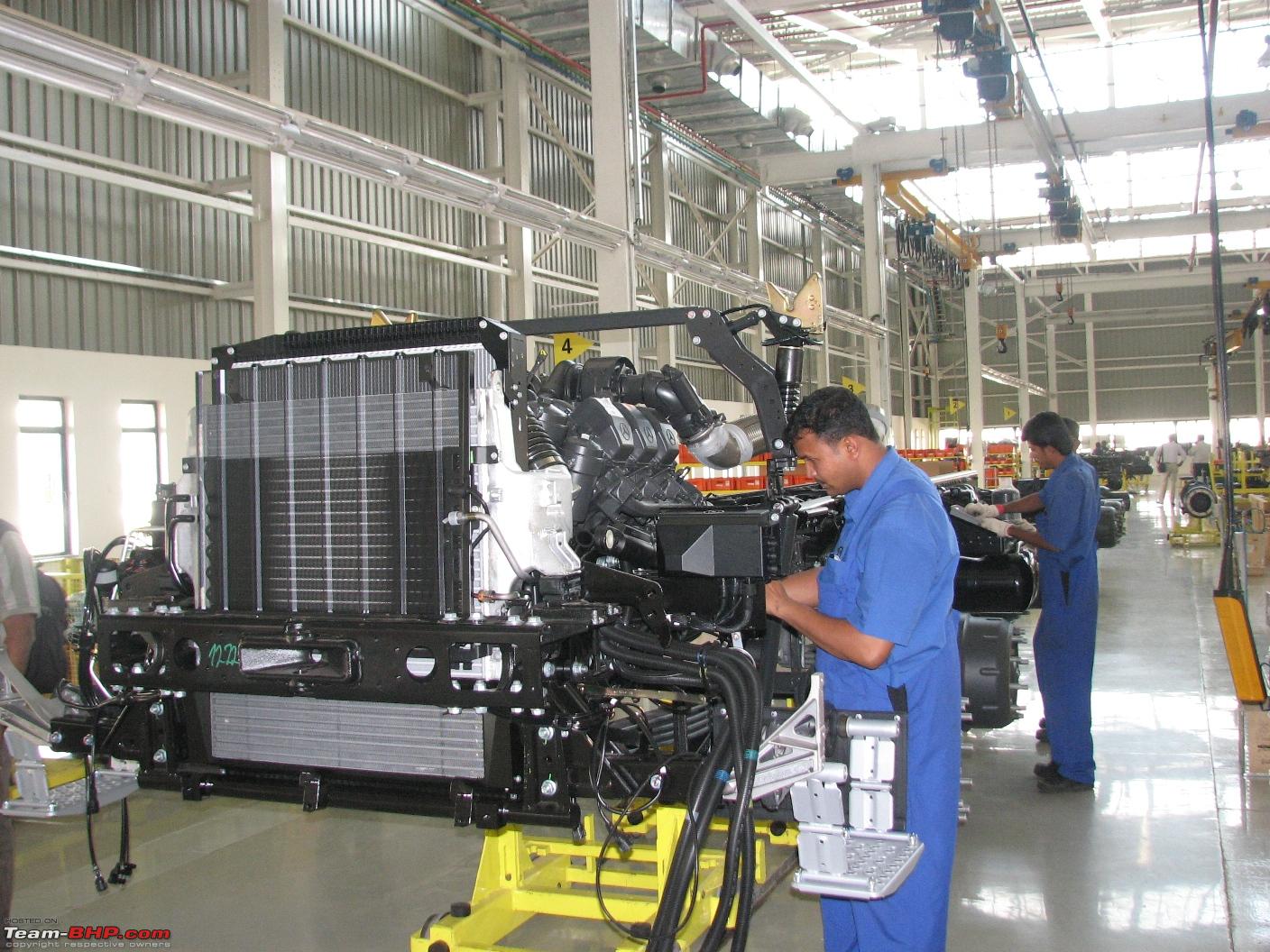
Mercedes-Benz will be doubling its annual capacity in India to 20,000 units, thanks to the Make in India project. India will also be the first market to receive the GLA entry SUV outside of Germany.
“India is one of the focus markets for Mercedes-Benz internationally, and with the addition of a new plant, we are getting future ready,” said company India MD & CEO Eberhard Kern. The plant was inaugurated by Maharastra chief minister Devendra Fadnavis and Union environment minister Prakash Javadekar. With the addition of the GLA SUV to the assembly line, the company now makes six models locally which include C-, E-, S-Class sedans and the ML- and GL-Class SUVs. The CLA entry sedan will be added to the local assembly list later this year while the A- and B-Class models come in after that.
On a smaller scale, Amity scientists have developed a 100% safe, pure and indigenous herbal colours with absolutely no synthetic or harmful additives, in a bid to contribute towards Modi’s ‘Make in India’ initiative. “The herbal colours indigenously produced at Amity, when used extensively in all the industries, will herald a revolution in the country, which is reeling under the pressure of products loaded with synthetic components and chemicals,” said Harsha Kharkwal, faculty at Amity University.
In February 2015, Huawei opened a new research and development (R&D) campus in Bengaluru. It had invested $170 million to establish the research and development centre. In February 2015, Hitachi said it was committed to the initiative. It said that it would raise its employees in India from 10,000 to 13,000, and it would try to boost its revenues from India from ¥100 billion in 2013 to ¥210 billion. It said that an auto component plant will be set up in Chennai in 2016.
This initiative looks very promising. It is understandable that many more companies will join in, soon.This can create a lot of job opportunities here in India and improve the economic well-being of its masses.
Let us see how the campaign shapes up in the future.
You can also follow Make in India YouTube campaign here.
The widely popular Chinese electronics manufacturer Xioami is making headway into the finance sector with the launch of a new product service. Termed as ‘Huoqi Bao’, the newly launched personal finance service will offer deposit rates higher than the traditional Chinese banks. The recently inaugurated financial unit by Xiaomi pits it against the big players in the online finance arena like Alibaba, Tencent and Baidu.
The China’s Apple has collaborated with a fund management company called E Fund Management that, as per Xiaomi, will expand into offering personal lending and security brokerage in the near future. The Huoqi Bao service will be accessible via an app bundled with Xiaomi’s operating system.
Xiaomi Co-Founder Hong Feng said in a statement –
We’re aiming to build a smart platform to help financial partners find high quality clients, while helping our users earn money and borrow money.
China’s two biggest internet companies, Tencent and Alibaba, have established themselves in such a short span of time. Xiaomi aims to follow the footprints of the firms and provide investors with higher growth rates and cash-on-demand service. As per Reuters report, the world’s third largest smartphone brand has recently “generated annualized returns on deposits of 4.5 percent.”
Alibaba’s financial arm Yu’E Bao was reported to have assets of worth 578 billion yuan ($93 billion) by end 2014. The E Fund Management is not exclusive to Xiaomi only and will also provide services to the Tencent’s Licaitong.
Asia’s largest e-commerce name Alibaba is keen on entering the Indian market. With all the buzz around the online space, a new pro-investment Prime Minister and the booming Mobile phone market in India, Alibaba has found a secret route to enter.
Sources claim that Chinese search and e-comm giant Alibaba will invest heavily in Micromax, acquiring upto 20 % stake in the Indian bred company. A deal that would cost the company over $ 1.2 Billion, would allow the chinese giant easy access into the market which is tough to get into for new companies.
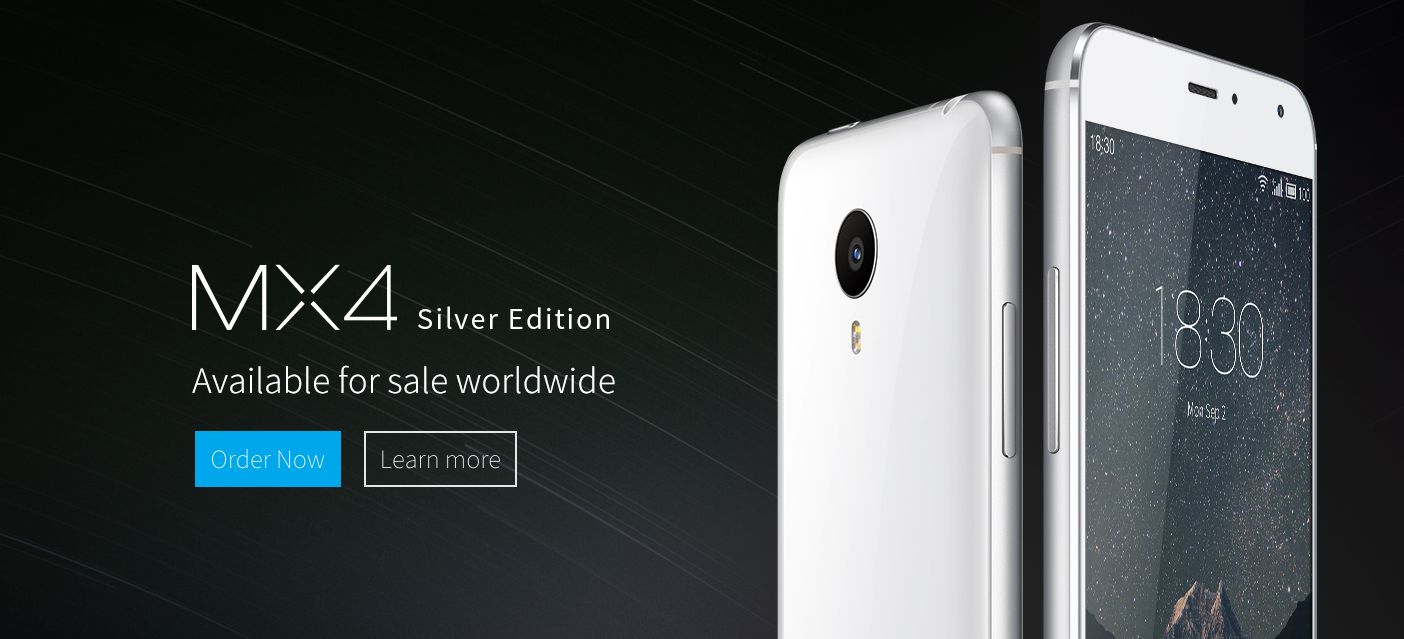
Alibaba has also been in the news recently for investing in brands like Ouya, Meizu and Snapchat. Micromax is one of the largest mobile phone manufacturer in the domestic market. With its constant damage to Samsung’s position in India, and the new brand “YU” taking on the likes of Xiaomi and OnePlus in the local markets, Micromax makes for a good investment option.
Micromax’s new brand YU is apparently set to launch a new product in India on the 12th of May to provide a more premium outlook, taking on flagship killers. The company was also recently in the news for the sad breakup of OnePlus and Cyanogen .
The investment, however, focuses on Micromax devices and their wide spread reach. Alibaba plans to deploy services like Alipay, the company’s new payment platform. Ant Financial Services Group, which owns Alipay, is China’s largest payment service provider and is controlled by Alibaba’s executive chairman and founder Jack Ma.
Mobile payments have now been around for a while. A large number of users have by now grown accustomed to paying for their shopping through their phones. Apple and Samsung have also introduced new technologies that lets you use your phone as a credit/debit card. But the Chinese e-commerce company, Alibaba, has given a whole new look to mobile payment and has made spending your hard earned cash more fun.
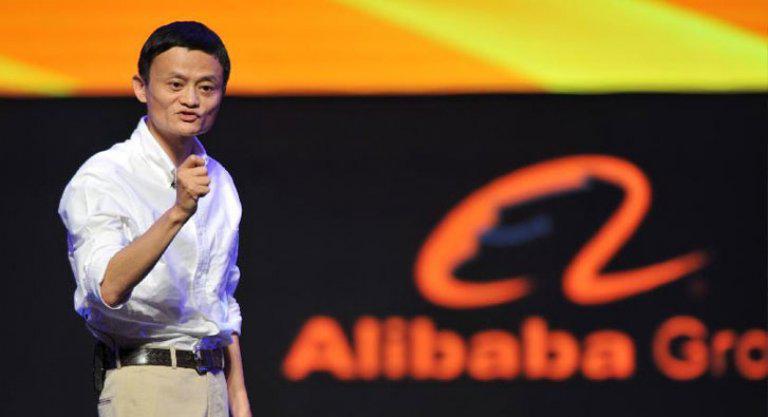
Alibaba founder Jack Ma showcased their new facial recognition technology which lets users pay through their mobile devices. This new payment method is expected to be called “Smile to Pay”. This feature will let users pay for their purchases by just scanning their faces. It is something like the Apple Pay and Samsung Pay where users have to authenticate a payment by using their fingerprint instead here you get to do it with a selfie.
Mr. Jack Ma presented his innovation at the CeBit conference being held at Hanover, Germany. He gave a live demo in which he went to Alibaba’s website and clicked buy after which the facial recognition screen turned up. As soon as the software recognized Ma, the purchase was done. He said that this technology would replace passwords and this is the manner in which people will engage in online shopping in the future. Mr. Ma though did not give any more details about the technology. Smile To Pay is expected to be first released in China. We’ll learn more about it later, but you have to admit that it is a cool way to pay for your purchases.
Alibaba, the Chinese e-commerce giant, has been trying for a while to put its foot in the profitable smartphone business. The company created a record last year with the biggest IPO ever worth $25 Billion. Alibaba is now betting big on Chinese smartphone maker Meizu and has invested a sum of $590 Million in the company.
Through this merger, Alibaba would try to take its operating system Yun OS further in the market. The os is based on the Android platform and provides cloud-based features like e-mail, Web search, weather updates, and GPS navigation tools. It is also called Aliyun OS. Google had previously dissuaded Acer to ship devices based on Aliyun as it was incompatible with other Android devices, and Acer is a signatory of the Open Handset Alliance (OHA).
Meizu like Xiaomi, gets its design “inspirations” from Apple
Meizu has tried to emulate Xiaomi, which in turn “borrows” from Apple. This deal might also help Meizu to take on Xiaomi, which has replaced Samsung in China as the biggest smartphone brand. Meizu isn’t even in the top-5 of that points tally, and a push by Alibaba might work in its favor.
[quote text_size=”small” author=”Alibaba “]
Alibaba Group will provide Meizu with resources and support in the fields of e-commerce, mobile Internet, mobile operating system and data analysis with the aim of developing Meizu’s smartphone ecosystem.
[/quote]
Alibaba has, in the past, invested $280 million in a messaging app called Tango and $120 million in US game maker Kabam. But these investments are yet to bear fruit for the company. It makes sense for it to invest in an established brand rather than starting a brand from scratch.
Drone technology has taken the market by a blow. And why not, there are endless possibilities through which this technique can come to use. Now, e-commerce giant, Alibaba is set up to try drone technology for deliveries in China.
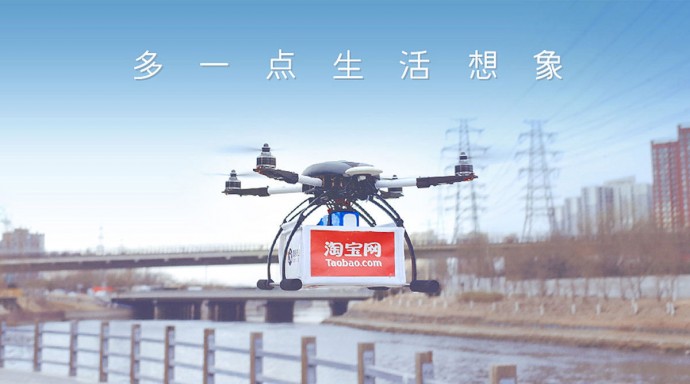
Alibaba is partnering with Shanghai YTO Express Logistics to deliver ginger tea packets to the customers who volunteered for the drone test. The remote-controlled drones will transfer packages to 450 Chinese customers today in Beijing. These drones will fly from the warehouse of Shanghai YTO Express Logistics to different destinations. A deliveryman will stand at the final spot waiting for the parcel and as soon as the drone delivers the packet, the deliveryman on the ground will hand it over to the end customer.
Alibaba’s flagship consumer-to-consumer platform Taobao said in a statement –
For consumers… such a cool consumption experience will give them more surprises
The company says they have notified Chinese Aviation Administration about the unmanned commercial flights as per the regulations issued in 2009.
The largest Internet retailer (sales) Amazon.com had started the drone delivery testing and is awaiting approval from US Federal Aviation Administration for the remote delivery testing in Washington State. The use of drones by the e-commerce websites would make deliveries faster than we could ever imagine.