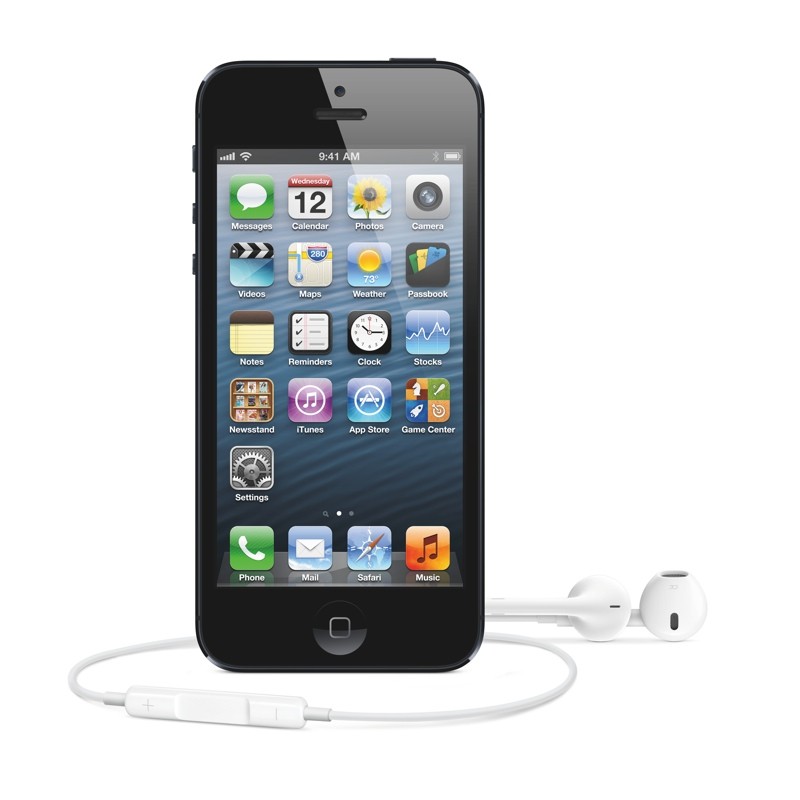
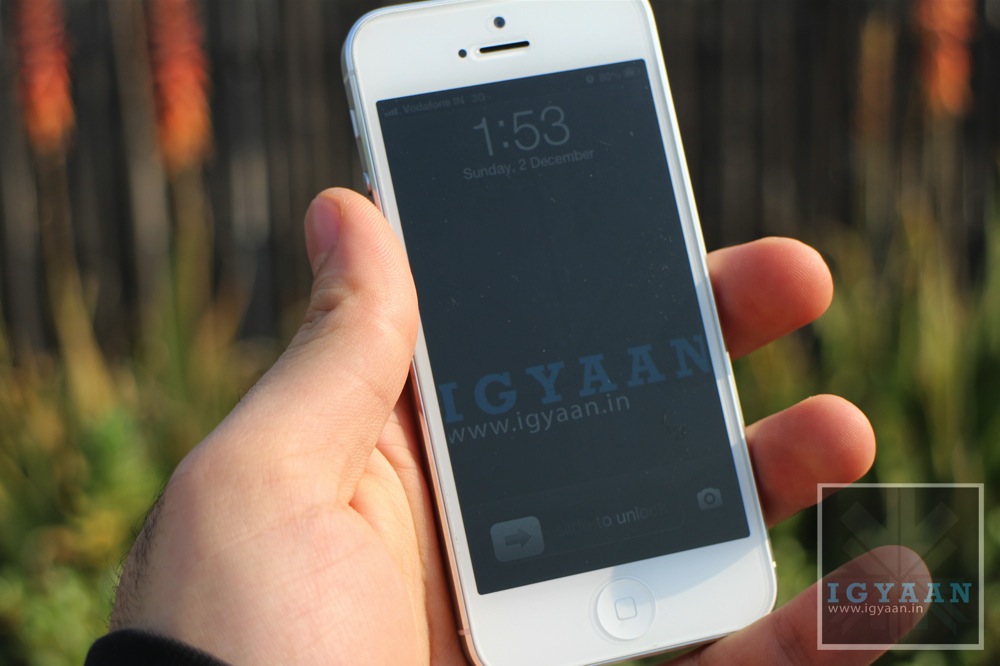
Apple’s next big game changing event is slated for 10th of September if AllThingsD are to be believed. The next editions of the iPhone are slated to have 4.7 and 5.7 inch display and a cheaper variant popularly known as the plastic clad – iPhone 5C.
It is also easy to assume that iOS7 will be pushed out to all the remaining iPhones officially around that very time. iPod Lovers can expect an iPod refresh ranging from a new iPod Shuffle all the way over to a iPod touch to match the dimensions of the next iPhone.
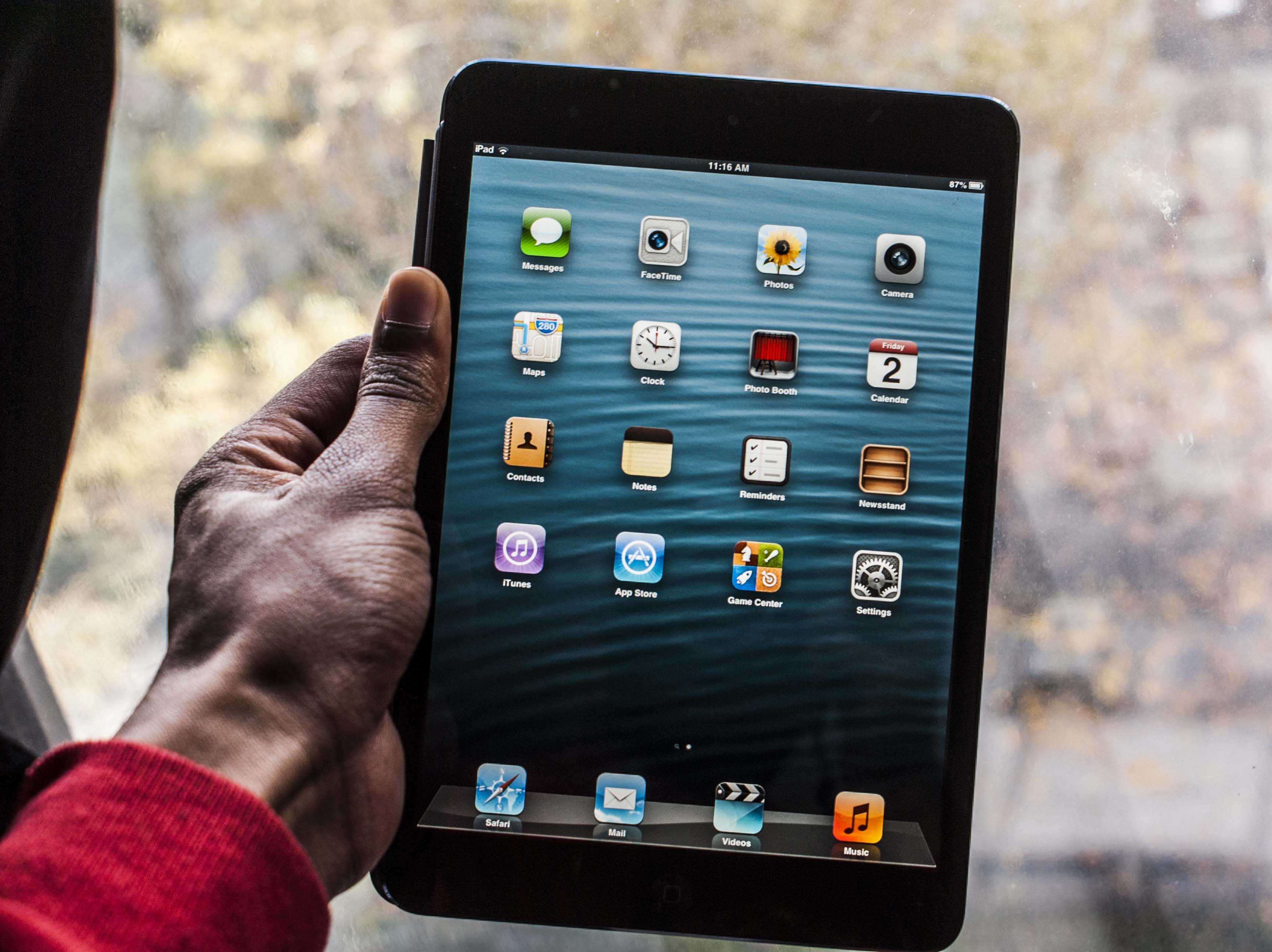
If the event is anything like last years, then an iPad refresh might be on the table, with a new iPad mini with retina display and a new iPad 5.
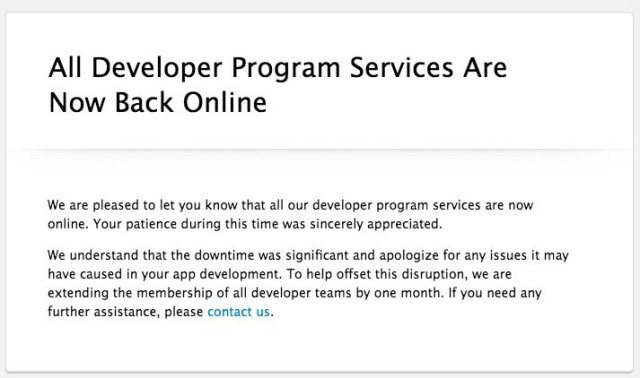
Apple today restored the Developer Center – the place where it stores all of its resources and information for third-party app creators. A message on the website read :
We are pleased to let you know that all our developer program services are now online. Your patience during this time was sincerely appreciated.
We understand that the downtime was significant and apologize for any issues it may have caused in your app development. To help offset this disruption, we are extending the membership of all developer teams by one month. If you need any further assistance, please contact us.
The short update to developers, which apologizes for the service outage that lasted just over three weeks, comes five days after Apple announced plans to have the portal at full capacity by the end of this week.
As promised, Apple has extended developer memberships to make up for all of the down time. Devs will be pleased to see that 1 month has been added to their remaining membership time, meaning if you were set to expire next May, it’s now next June.
A Turkish security researcher by the name of Ibrahim Balic came forward shortly after the outage and claimed responsibility as the intruder that breached the Dev Center’s database. No personal data was stolen from users, but Apple decided the breach warranted a complete rebuild of the backend.
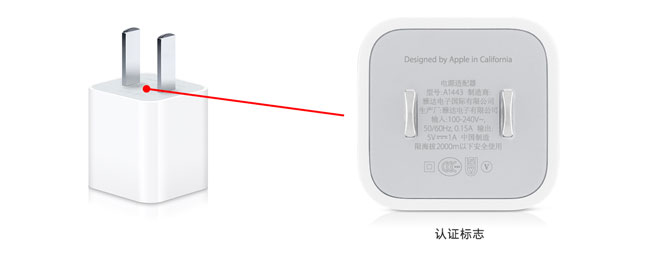
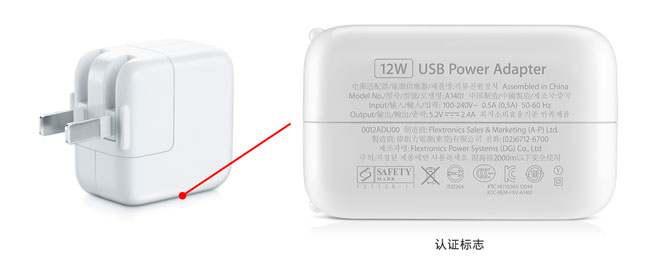
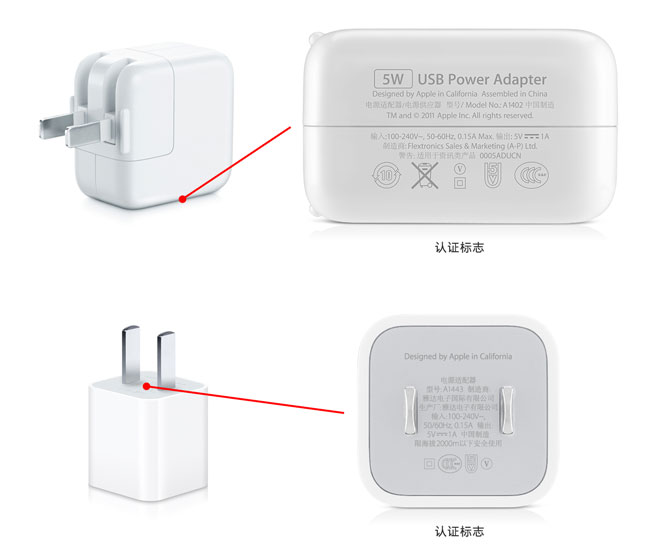
Recent reports have suggested that some counterfeit and third party adapters may not be designed properly and could result in safety issues. While not all third party adapters have an issue, Apple is announcing a USB Power Adapter Takeback Program to enable customers to acquire properly designed adapters.
Customer safety is a top priority at Apple. That’s why all of the products — including USB power adapters for iPhone, iPad, and iPod — undergo rigorous testing for safety and reliability and are designed to meet government safety standards around the world.
Starting August 16, 2013, if you have concerns about any of your USB power adapters, you can drop them off at an Apple Retail Store or at an Apple Authorized Service Provider. They will ensure that these adapters are disposed of in an environmentally friendly way.
If you need a replacement adapter to charge your iPhone, iPad, or iPod, they recommend getting an Apple USB power adapter. For a limited time, you can purchase one Apple USB power adapter at a special price — $10 USD or approximate equivalent in local currency. To qualify, you must turn in at least one USB power adapter and bring your iPhone, iPad, or iPod to an Apple Retail Store or participating Apple Authorized Service Provider for serial number validation. The special pricing on Apple USB power adapters is limited to one adapter for each iPhone, iPad, and iPod you own and is valid until October 18, 2013.
iphone4
Apple also said:
Due to the complexity of testing required to detect an unsafe or counterfeit adapter, Apple Retail and Apple Authorized Service Providers cannot advise you on the authenticity or safety of your adapter. We are offering this special takeback program for any USB power adapter made for use with iPhone, iPad, and iPod for which you have concerns”
Apple’s move comes after multiple reports that surfaced recently saying two iPhone users in China were electrocuted while using counterfeit power adapters. Following these accidents Apple has cleared all this on its China’s website(www.apple.com.cn/power-adapters/)
Apple’s developer portal went down without warning mid-July, the victim of a minor hack the company took very, very seriously.
While few, if any, sensitive information was compromised, Apple took down the developer portal to rework the security backend and plug the hole. Today, the company has confirmed that most of the important developer tools will be returned to users this week.
Developers with accounts set to expire during the downtime have been extended for the same period, so any apps about to be removed due to non-payment will remain in the App Store for a little while longer.
“We plan to reinstate most of the remaining services this week: Xcode automatic configuration as well as access to license agreements, TSIs, program enrollments, and renewals in Member Center,” Apple said in an e-mail that went out to developers Monday morning.
Following the breach, Apple promised that it would be performing an “overhaul” of its developer systems, including security updates and a rebuilding of the company’s database. In its initial status updates on the security breach Apple promised that no “sensitive” information had been accessed, but as always we recommend a password change and two-factor authentication for any registered Apple developer whose information may be at risk.
Apple is said to have fixed a powerful charger-based hack, which previously allowed iDevices to be compromised by hackers using a modified power charger in under a minute.
As Reuters reports, Apple said the issue had been fixed in the latest beta of iOS 7, which has already been released to software developers.
“We would like to thank the researchers for their valuable input,” Apple spokesman Tom Neumayr said. The researchers were Billy Lau, a research scientist at the Georgia Institute of Technology, and graduate students Yeongjin Jang and Chengyu Song.
Andy Greenberg, Forbes technology and information security reporter explains that the researchers took advantage of a security flaw in Apple’s developer model, which allows anyone with a developer license to install third-party apps on a registered device.
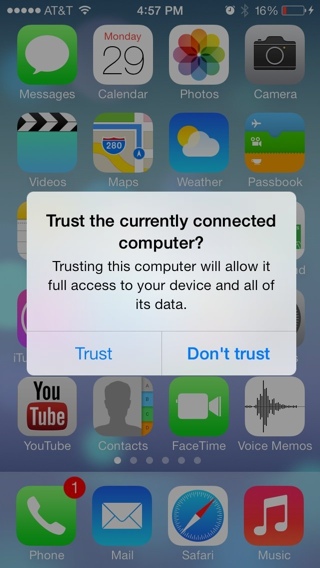
iOS 7 prompts a new warning message to the user when they plug their iOS device to any device that attempts to establish a data connection informing them that “Trusting this computer will allow it full access to your device and all its data.”
Of course, this leaves iPhones and iPads that won’t get the iOS 7 update vulnerable. According to the researchers, all other versions of iOS can be hacked in this manner.
However, end users will have to wait for iOS 7 before the fix arrives.
According to a report by the Wall Street Journal, Apple has chosen Samsung to supply the displays for the next generation iPad Mini, which will also boast a retina resolution. As originally imagined, Apple was intending to only employ LG and Sharp for the supply of the LCD panels, but the it seems due to lack of supply, the displays have been also ordered from Samsung’s display division.
Apple has often been known to test components before confirming the final elements of the build. Earlier reports had stated that Apple will not launch an iPad Mini Retina this year, but if the present report is to be believed, not only will Apple Launch a iPad Mini with a high resolution Retina Display, they will also employ their arch nemesis with the job of providing hardware for the unique build.
Apple has tried to completely block off purchasing from Samsung, but the korean giant is probably the only producer of high quality panels that can be produced at an economical and profitable price. Apple presently gets their displays form AU Optronics, who have clearly stated
We cannot take [Apple’s] orders because our rate of output efficiency is too low to be profitable, the company doesn’t make a profit from manufacturing the current iPad Mini’s screens. – said an AU Optronics manager.
In these desperate time it appears that Apple might just have to buy a LCD technology company, but unfortunately for them none are for sale.
In case you were wondering whether or not the next-generation iPhone will have that rumored fingerprint sensor, look no further than the latest iOS 7 beta.
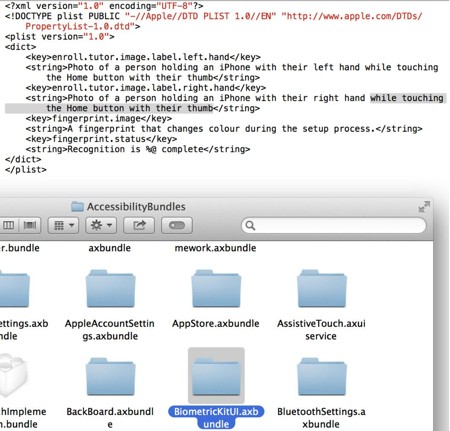
A folder dubbed “BiometricKitUI” has been discovered in iOS 7 Beta 4 by Hamza Sood (and made public by 9to5mac) and, while the folder bears enough evidence of the fingerprint sensor in and of itself, the contents provide even more clues regarding the biometric capabilities of Apple’s next iPhones.
Following its 2012 acquisition of mobile security firm AuthenTec, which specialized in fingerprint sensors, Apple has been rumored to be looking to incorporate its technology into its future products.
The folder references a biometric user interface, complete with descriptions of a setup process that includes images of a colour-changing fingerprint and a person holding an iPhone with their thumb on the Home button.
Earlier this month Apple was granted a patent for an in-display fingerprint sensor which would allow for biometric functionality while negating the need for a separate sensor panel.
Details on the names for the new iPhone models have been scarce until earlier this week when a new photo leaked showing the packaging for a device called the iPhone 5C. This could be the name for the low-cost model scheduled to come out this fall.
But it’s potentially even more interesting than that. As Bulgarian designer/developer Pavel Simeonov just tweeted, “Fingerprint sensor in iPhone 5S is much more than a gimmick. This + iCloud keychain = end of passwords.” So this is not just about security, but also convenience. If iCloud keychain converts and safeguards all of your passwords that you—and only you—can access via your iPhone, then Apple will have scored a tremendous usability coup that potentially makes its phone the key to your life—quite literally.
Rumblings of a low-cost, plastic iPhone have been popping up on a fairly frequent basis throughout 2013, and today the rumored device is making headlines once again.
Apple’s future plan to introduce a plastic device is confirmed within this morning’s shocking report into labor abuses at manufacturing partner, Pegatron.
As part of the investigation, China Labor Watch inserted people inside three of Pegatron’s factories. In one of these reports it confirms the future debut of a plastic iPhone:
“Today’s work is to paste protective film on the iPhone’s plastic back cover to prevent it from being scratched on assembly lines. This iPhone model with a plastic cover will soon be released on the market by Apple,”the report explains.
“The new cell phone has not yet been put into mass production, so quantity is not as important,” a worker wrote. “This makes our job more slow paced than in departments that have begun mass production schedules.”
In addition, China Labor Watch’s company profile notes that Pegatron is responsible for building “low-priced plastic iPhones” for Apple, in addition to the iPhone 4, 4S and the 5.
The report accuses Pegatron of violating labor regulations in China, as well as international labor laws and Apple’s own standards.
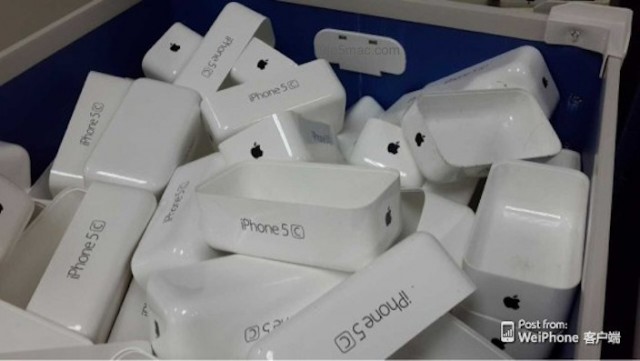
Photographs allegedly detailing the new iPhone’s packaging were uploaded to the Chinese forum WeiPhone over the weekend. The name iPhone 5C is printed on the side of the box, possibly leaking the name of the device.
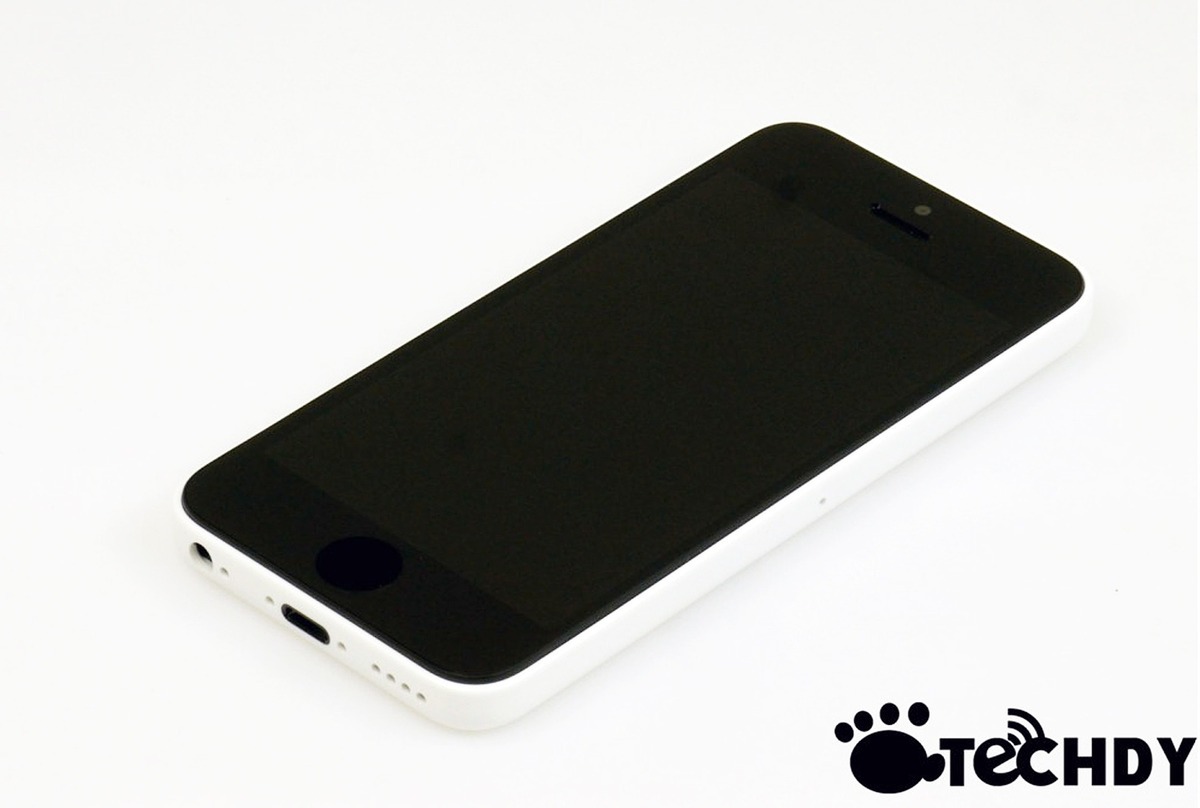
Apple is expected to launch a new iPhone in the coming weeks. Images and videos of what’s being rumoured to be a budget iPhone – or the iPhone ‘Lite’ – have surfaced online. This new iPhone will reportedly come with a plastic build, 4-inch display and multiple colour options.
Additional proof of this new Apple device has popped up, courtesy of WeiPhone, and potentially shows its final retail packaging. A picture reveals a bin full of boxes indicating this budget device will go under the brand name of “iPhone 5C. ” Some speculation is that the C stands for ‘colour’.
This, or course, is still a rumour until Apple officially announces the device. The new low-cost device could possibly be released in August or September. The WeiPhone forums are a fairly frequent source of Apple rumors, although the site itself does not frequently report on them, making it difficult to determine a steady track record as posting in the site’s forums come from a variety of different posters.
The iPhone 5, which is almost a year old, was the most popular iPhone sold in Apple’s quarter ending June 30, but the 4 (first available June 24, 2010) and 4S (first available October 14, 2011) models sold well in emerging markets, indicating demand for a more updated budget smartphone to go along with the new, rumoured iPhone 5S in the fall lineup.
Future iPhone devices may come with intelligent batteries that draw down power based on a user’s location and charging habits, a new patent application suggests.
From the application :
A method for modifying one or more characteristics of a mobile electronic device in order to save or reduce power consumption of the device. The method includes determining by, a processor of the mobile electronic device, an estimated use of the mobile electronic device during an upcoming time period; using the estimated use, determining, by the processor, whether an internal power source of the mobile electronic device has sufficient power to continue operation of the mobile electronic device in a first state during the upcoming time period; based on the estimated use and the internal power source, if the internal power source does not have sufficient power, adjusting the one or more characteristics to reduce a power consumption of the mobile electronic device during the upcoming time period.
Apple proposes a system that can compare the estimated time period a user will spend on their device with battery reserves, determining whether the device has sufficient power to last for said period. If the battery does not have sufficient power, the system will adjust “one or more characteristics” to conserve energy.
Image Courtesy : Apple Insider
As devices like the iPhone get thinner and come packed with more features, improving or maintaining the same battery life will be one of the biggest challenges for Apple. It will also have to come out with innovative software based solutions to improve battery life.
We’re already seen Apple use software based solutions such as intelligent scheduling, opportunistic updates, coalesce updates, push notification triggers etc. to bring us smarter multitasking in iOS 7 without having a major impact on your iPhone’s battery life.
Apple, in a bid to improve its infamous mapping system, today acquired popular transportation app HopStop.
Apple confirmed the purchase late Friday afternoon, though did not go into detail about what it intends to do with the company.
The new mapping software Apple debuted in September with the iPhone 5 has been faulted for getting users lost and for its lack of public transportation directions. HopStop shows users in more than 500 cities the fastest way to travel by foot, bike, subway and car; Locationary deploys real-time data from a variety of sources to help users find featured businesses.
The functionality is similar to the newly-acquired Waze, except it is for transit rather than automobile traffic.
HopStop’s App Store description reads :
Get detailed subway, bus, train, taxi, walking and biking directions, real-time transit information via “HopStop Live!”, as well as official transit maps, nearby station search, and station-to-station schedules in over 600 cities throughout the US, Canada, Europe, Australia and New Zealand.
In addition, you’ll benefit from our latest feature, HopStop Live!, which lets you see what other HopStop users are saying, in real-time, about the stations, trains, lines and buses you use most. HopStop Live! empowers our community of millions of transit riders to work together towards a common goal to get everyone to where they need to go, faster.
With HopStop Live! you can:
Follow your favorite lines, stations or stops
Report real-time delays and issues
Contribute pictures of what you’re seeing on buses and trains
Share to Facebook and Twitter
The app also supports these great features as well:
Get directions from your current location
Get schedules for hundreds of regional rails, subways, buses, ferries, light rails, streetcars, trams, trolleys & more
Map a location & see nearby subway & bus stops
Estimate travel time & cost for a taxi & call cab companies
See a list of all possible routes with Smart Route
Get biking directions in NYC, DC, Chicago, & SF
Earlier on Friday a report from All Things Digital noted that Apple had purchased Locationary, a location-based data company that blended data from multiple sources, including things like business listings and products and services.
Apple has already filed for a trademark for the name, “iWatch” in Japan and a new report from the Financial Times suggests that Apple’s also working to ramp up the number of employees working on the iWatch.
In what would be Apple’s first new product launch since the death of Steve Jobs, CEO Tim Cook seems acutely aware of the need for perfection – perfection the company can ill afford to miss.
The Financial Times report that the recruit stems from the “hard engineering problems that they’ve not been able to solve”, which could be seen as a blow to investors.
According to the sources of Financial Times, Apple chief executive Tim Cook may consider delaying the launch of the product if these engineering problems are not resolved in time.
The report says : As Apple moves from iPods, iPhones and iPads into an entirely new category of product, it is looking beyond its existing staff in Cupertino for the talent required to build it – an indication that the endeavour involves “hard engineering problems that they’ve not been able to solve”, according to one source.
Given these developments, it seems very likely that we won’t be seeing the iWatch for at least another year. A survey a couple of months ago suggested that 19% of consumers have interest in purchasing an iWatch, or at least something like it, and there’s no doubt that Apple understands the potential here.
While some might consider it unfortunate that the wait for the iWatch has effectively been extended, what results should be very interesting.
There are currently concerns over an illegal mining operation of tin in Indonesia, and Apple has updated its “Supplier Responsibility” page to note that it is investigating the issue along with the Electronic Industry Citizenship Coalition (EICC). Below is the new section from Apple’s page describing its action in Indonesia.
Bangka Island, Indonesia, is one of the world’s principal tin-producing regions. Recent concerns about the illegal mining of tin from this region prompted Apple to lead a fact-finding visit to learn more. Using the information we’ve gathered, Apple initiated an EICC working group focused on this issue, and we are helping to fund a new study on mining in the region so we can better understand the situation.
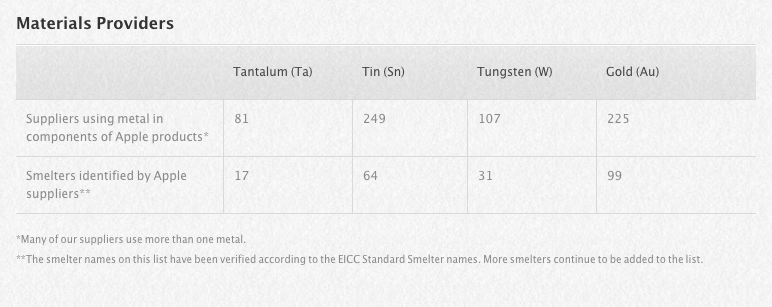
Among Apple’s suppliers, 249 use tin in the components they provide to the company, and 64 EICC-certified tin smelters have been identified. Apple is also tracking sourcing of tungsten, tantalum and gold.
In recent years, Apple has stepped up its examinations of suppliers, issuing yearly Supplier Responsibility Reports and in 2013 fired one of its Chinese suppliers for child labor violations.
Friends of the Earth has been calling for Apple to come clean on whether or not it uses tin from the Bangka area for a long time, amassing over 24,000 signatures on its campaign. The activists say that the tin has been “linked to the destruction of tropical forests, coral reefs and fishermen’s livelihoods.”
We grew up listening to the classic Beatle ( or Kishore Kumar for most) songs that our parents used to listen to. As we matured, we formed our own taste and style in music, and the technology surrounding us evolved. And as consumers, we adapted to it. We embraced the technology, incorporating it into our lifestyle and thereby becoming routine. Music plays a vital role in our society.
Hence, it was only natural for most of us to own a portable mp3 player that we would listen to every day, everywhere. But dwindling sales have led many to believe that the days of portable media players are numbered. We take a look.
Why MP3?
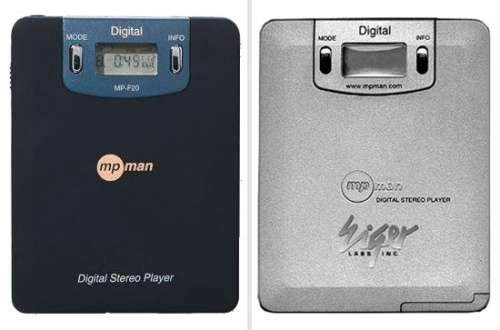
Before there were any MP3 players, there were MP3s: invented in 1987 by a group of German scientists looking for a way to shrink video files so that they would be easier to use on computers. To achieve this they stripped out as much “extraneous” data as possible, supposedly the stuff we wouldn’t miss. This loss of quality is at its least discernable when listening on headphones with the volume cranked up, so by 1998 the first portable digital music player had arrived: the MPMan F10, created by South Korean company SaeHan. (It wasn’t a hit; SaeHan now mostly manufactures textiles.)
The world’s first portable media player.
Mp3 also known as MPEG Audio Layer 3 is used to compress audio files so they take up lesser hard disk space. It can be stored and played on many digital devices such as computers, mobile phones and portable mp3 players. Consumers use mp3 files to listen to and store music.
For example, “A four-minute song on a CD would create a file of 42 MB (megabytes), while the same song encoded to MP3 would be reduced to just 3.84 MB. This reduction means that the file requires one-tenth of the hard disc space, allowing 10 times as much music to be stored in the same space.”
Quick Adoption
These new Portable Media Players would hold 1000 songs, could be recharged within an hour and would cost around 3-4k at that time. They were compact, came in a bunch of colours and were the “in thing” during that era.
[pullquote_left]”The internet and easy-to-share programs like Napster and Limewire played the role of catalysts for Portable Media Players by providing easy and free access to music files.”[/pullquote_left]
By 2004, the digital music market was still wide open, with MP3 players comprising a small portion of all portable audio sales, and the biggest players wanted in. Apple had launched the iTunes Music Store in October of 2003, but wouldn’t sell a billion songs for nearly two years. Companies like Archos, Creative, and iRiver had been building players all along, but the early aughts weren’t for purely digital music yet. With the arrival of faster internet speeds and easy-to-share programs like Napster and Limewire, acquiring music was easier than ever.
This led to people opening up to the idea of carrying a portable, compact device to fulfill their music needs.
Apple – The Biggest Player
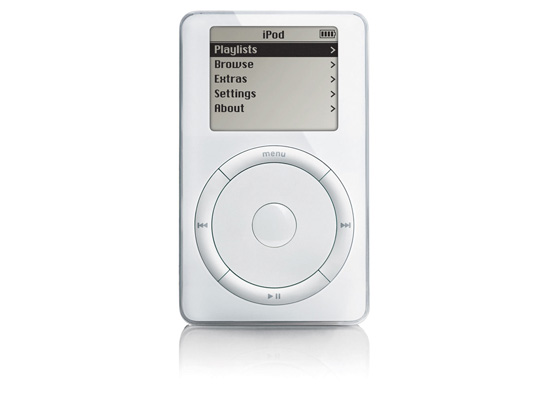
Apple was without doubt the biggest player in this segment. The iPod was a very clever piece of hardware that utilized new 1.8?”hard drives that Toshiba had developed for a market that didn’t exist yet. Encased in a pearl white and metal casing, the iPod utilized a moving scroll wheel (later, a touch-based one) that served a novel scrolling interface on a relatively large 2″ monochromatic display.
The first Apple iPod
The iPod would set the standard for Portable Media Players for years to follow, ignoring the plethora of buttons that plagued devices at the time, going so far as to omit a power button. But while the iPod hardware had many of the markings of a success story, its ecosystem (or rather, lack thereof) and price held it back from significant sales numbers for the first three years of its life.
During that time, numerous other companies realised the hidden potential in this segment of technology. MP3 players were substantially less expensive compared to CD players.
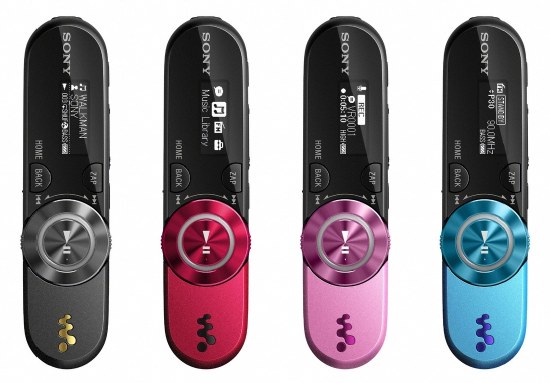
The Sony Walkmans were a hit among teenagers.
Companies like Sony, Philips, Cowon began churning out various different models of Portable Media Players. The Sony Walkman series gained popularity among teenagers.
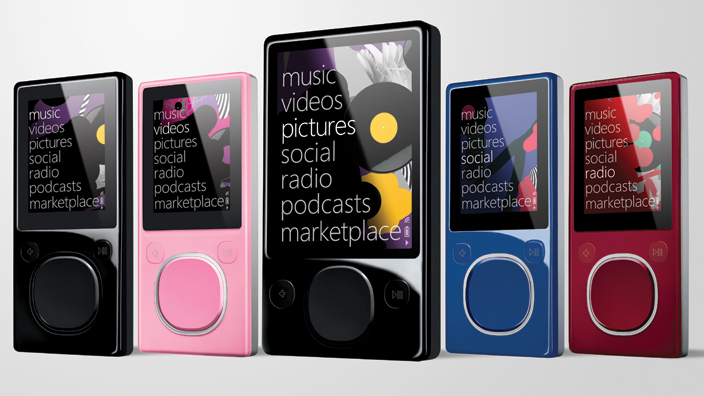
Microsoft unveiled various versions of the Zune to compete with Apple.
Microsoft’s Zune was probably Apple’s closest competitor. The hardware was slightly bigger than iPod’s similar hard drive model at the time, but came equipped with a large 3″ color screen, an FM tuner, a segmented circular directional pad that favored the Media Center-derived Twist interface for navigating menus, and a pair of buttons on its face mirrored by a shallow concavity on the backside. The player’s software was also a direct descendant of the Portable Mobile Center OS.
The casing came in five iridescent color schemes. Connectivity was provided by a proprietary 30-pin connector similar to ones used by the iPod. But their success didn’t last long.
Non-Apple Portable Media Players were put to shame. Bruised. Battered. Beaten to death. All gadgets that attempted to outrank the iPod were ambushed and annihilated. Unless you held a personal grudge against Mr. Steve Jobs, or have had some downers with Apple in the past, you wouldn’t switch to a media player not belonging to the Apple clan.
The Demise
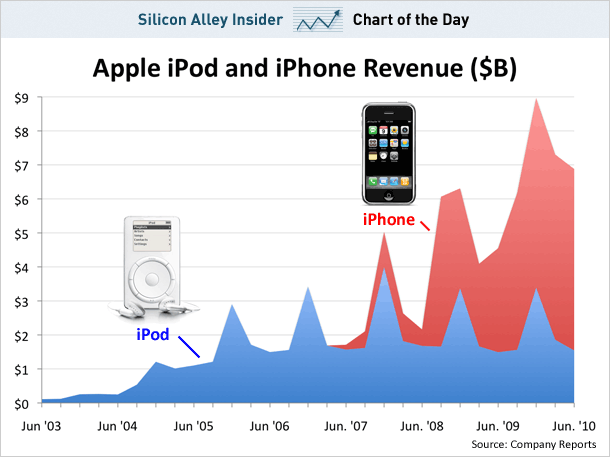
In 2007, Steve Jobs introduced the first iPhone to the world. People were awestruck. But right there, a small iPod logo on the device’s screen spelled the beginning of the end for portable media players.
The iPhone killed its own parent product.
The iPhone promised a music experience which matched that of the iPod. Except you could make calls, play games, surf the internet, all at the same time while listening to your favourite tracks. Why have two gadgets when you can have one?
We all love our shiny smartphones, but the latest stats on MP3 players prove that the sleek handset in your pocket is a cold-eyed killer.
Yep, according to Mintel’s research sales of the humble portable media players – and let’s face it that means mainly Apple iPods – have dropped by a massive 22 per cent year on year.
‘Microsoft will no longer be producing Zune players,’ the company recently said in a statement timed very close to Apple’s latest iPhone announcements – a good time for tech companies to bury bad news.
Earlier, mobile phones did not offer music playback and so consumers were forced to carry a separate MP3 player, but when the smartphone market took off in 2007, offering devices with huge storage and comprehensive media players, the MP3 player’s days were numbered.
Sales have been dwindling.
Despite Sony and Samsung each offering alternatives to the iPod with their Walkman and Galaxy ranges respectively, iPods dominates the MP3 player market; but their sales are falling continuously as smartphones continue to thrive, and while the iPod classic is still available, it features in none of Apple’s advertising and hasn’t received an update for more than three years.
I personally like using my 3rd generation iPod Nano and would’t trade it for anything, but smartphone provide me with the convenience of not having to carry two separate devices in the notorious Delhi public transport.
So while you may still use your portable media players while at the gym (though I’ve seen people use tablets to listen to music in the gym! Ridiculous!) or while out for a jog, the fact is that the end of MP3 players is near.
As reported by Bloomberg, Apple recently applied for iWatch name ownership in Japan, a country where devices arrive in stream — and the filing reveals that Apple’s iWatch is categorized as “handheld computer or watch device.
The maker of iPhones is seeking protection for the name which is categorized as being for products including a handheld computer or watch device, according to a June 3 filing with the Japan Patent Office that was made public last week.
Apple has a team of about 100 product designers working on a wristwatch-like device that may perform some of the tasks now handled by the iPhone and iPad, two people familiar with the company’s plans said in February.
You may call it a “defensive move” against copycat manufacturers, but it also shows that Apple is looking to introduce its own wearable device to compete with the other big guns.
In May, speaking at an All Things Digital conference, Apple Chief Executive Tim Cook said the market for wearable computing is ripe for innovation, noting that the wrist was a natural place for such a device.
The Apple iWatch will likely include biometric sensors and applications such as mapping tools and ways to view information that comes via an iPhone or iPad.
As The Verge reports, the company has been known to trademark plausible names for future products, like 2009’s iSlate application, as well as ideas it’s more loosely tied to, such as 1988’s Knowledge Navigator.
Apple’s rivals are already offering their own version of smartwatch, including Sony, a maker of the Android-based devices.