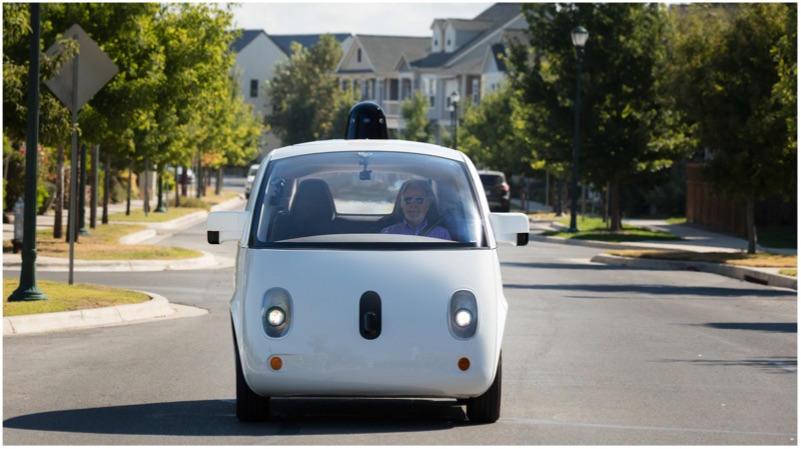
Companies like Uber and Google have been testing driverless and autonomous car technology for the past few years. Recently, there was an incident, where a driverless car killed a woman in broad daylight. The autonomous car had a backup driver, which was not enough to stop the accident. According to the driver, the victim walked out in front of them in a flash. In fact, the backup driver was alerted by the sound of the collision.
There are several reasons for this accident. Firstly, the autonomous driving system might have failed to register her as a human or it failed to detect her presence at all. This technology has to reduce accidents. But, such malfunctions make us question the feasibility and progression of autonomous driving.
Autonomous or Driverless Car
A driverless car is similar to a programmed device, which follows set of instruction written by the author. This means that a driverless vehicle should be able to operate fully by itself without any human interaction.
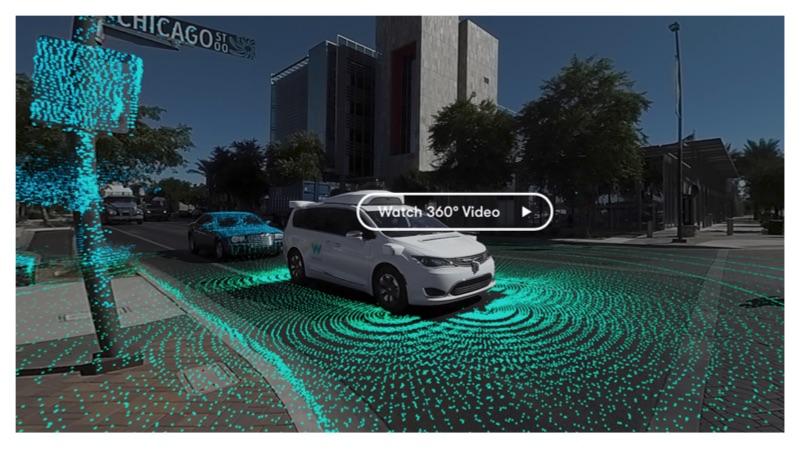
These cars use a technology called LIDAR (Light Detection and Ranging) that monitors around 60 meters of the vehicle in real time. Similarly, this creates a virtual 3D map of the surrounding to gauge the upcoming obstacles. There will be additional sensors fitted on the rear and front end of the vehicle to measure the distance from surrounding obstacles, which includes other vehicles.
The vehicle will use GPS system to calculate real-time positioning. When it comes to decision making, the car will have a set of instructions to follow. Similarly, the AI will be able to make other actions in an emergency situation. However, as a security feature, a user can always override the decisions made by the machine at any given time.
In theory, driverless cars will reduce accidents, as it will be programmed in a certain way. In a dangerous situation, these cars will negate the human error. However, the recent incident in Arizona means that the technology is not yet fool-proof for the real world.
CES, short of Consumer Electronics Show, is the place where new and shiny gadgets are revealed that sets the tone for the technology that year. CES 2016 will be no different. The event will take place at in Las Vegas from Wednesday, January 6 to Saturday, January 9, 2016. Here are some of the many technologies that will be unveiled at the four-day conference.
Samsung
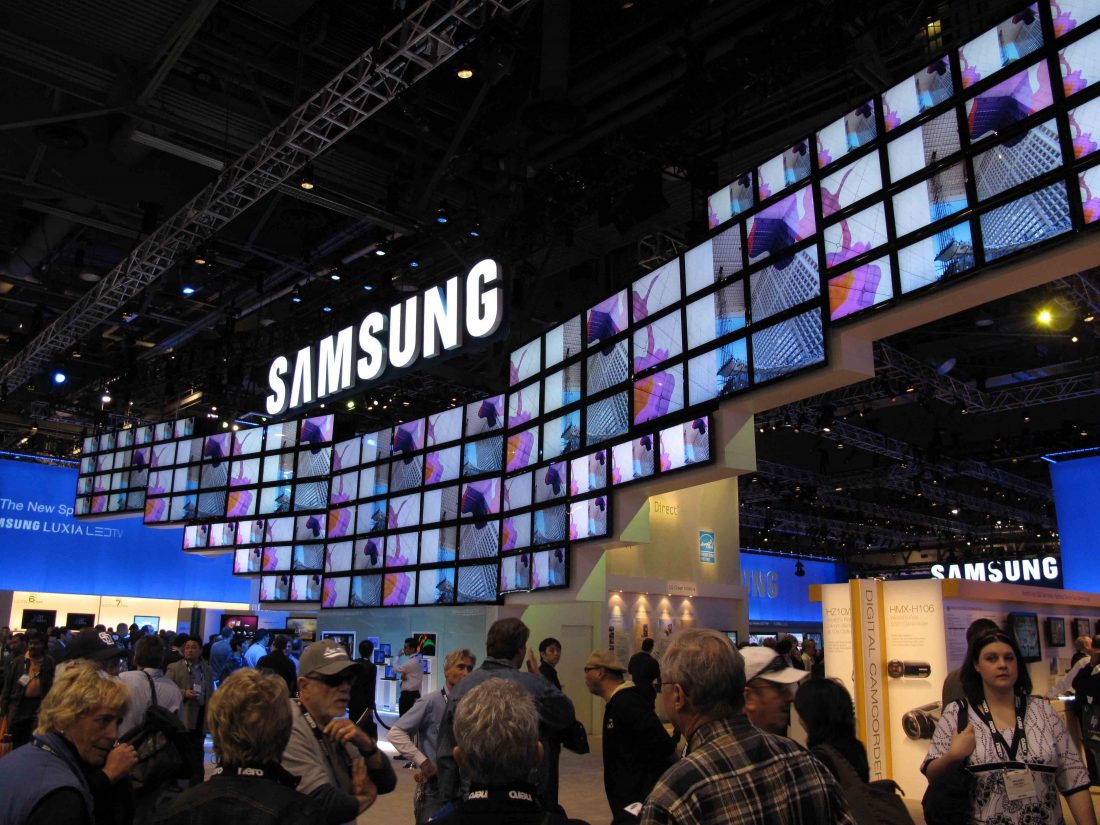
Samsung is likely to draw a lot of attention at CES 2016. Or perhaps that may have been the case when it was expected that the company would launch its next flagship Galaxy S7 devices at the event. However, this rumour has been almost completely denied. Samsung’s invitation puts highlight TVs and home appliances as their main showcases.
But this doesn’t rule out a phone launch by the company. It may not be the Galaxy S7, but Samsung has many other handsets in its pockets that are just waiting to come out. It is likely that the Korean-based company will reveal some mid-range devices – possibly the Galaxy A4 and A7 smartphones, or perhaps the new Galaxy Tab Pro and Note Pro tablets. On the TV front, you can expect some 4K and 8K products in the offing.
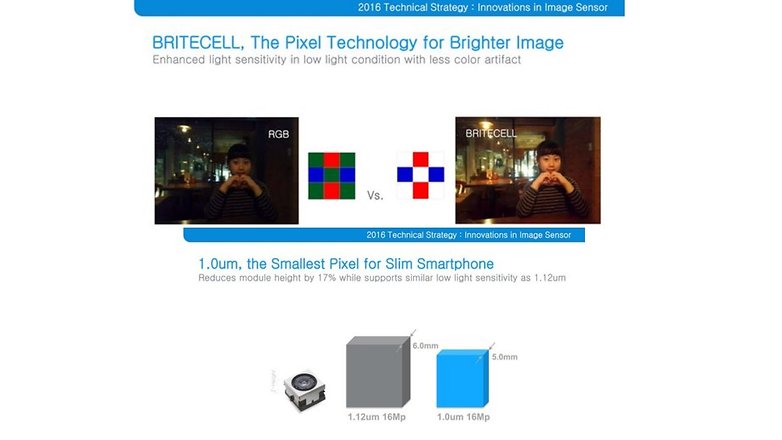
Camera Tech – BRITECELL
BRITECELL is Samsung’s new camera technology that IS expected in the upcoming Galaxy S7. The technology will be showcased at CES and viewers will get a sneak peek into what they can expect from the flagship handset, at least on the camera front.
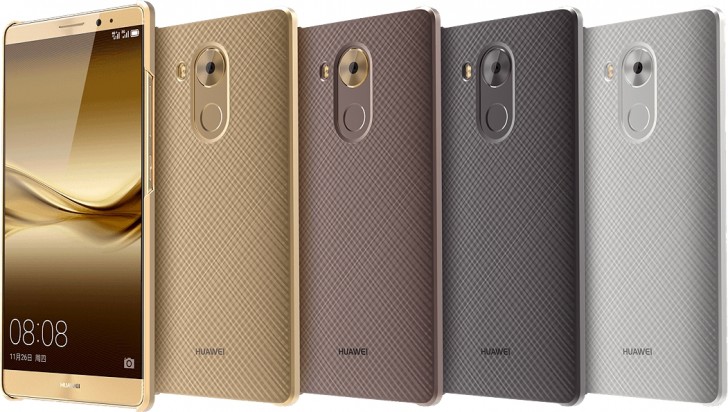
Huawei Mate 8
Huawei has been eager to launch the Mate 8 in the U.S and has received the green light for it. The device has already passed FCC and will be unveiled at CES 2016.
For those of you unaware about the Mate 8, the device sports a 6-inch 1080p touchscreen display and will be powered by Huawei’s new Kirin 950 chipset and an ARM Mali-T880 GPU. Furthermore, the handset will be available in 3GB and 4GB of RAM with 32GB and 64GB and 128GB storage variants. The Mate 8 has a large 4,000 mAh battery and will run on Android 6.0 Marshmallow.
HTC One M10
There’s a lot of uncertainty surrounding the launch of HTC’s next flagship device. The HTC One M10 has been floating between CES and MWC for a while. HTC is still enjoying the launch of the One A9, but fans have already been asking about the One M10, and HTC is likely to reveal the device soon enough.
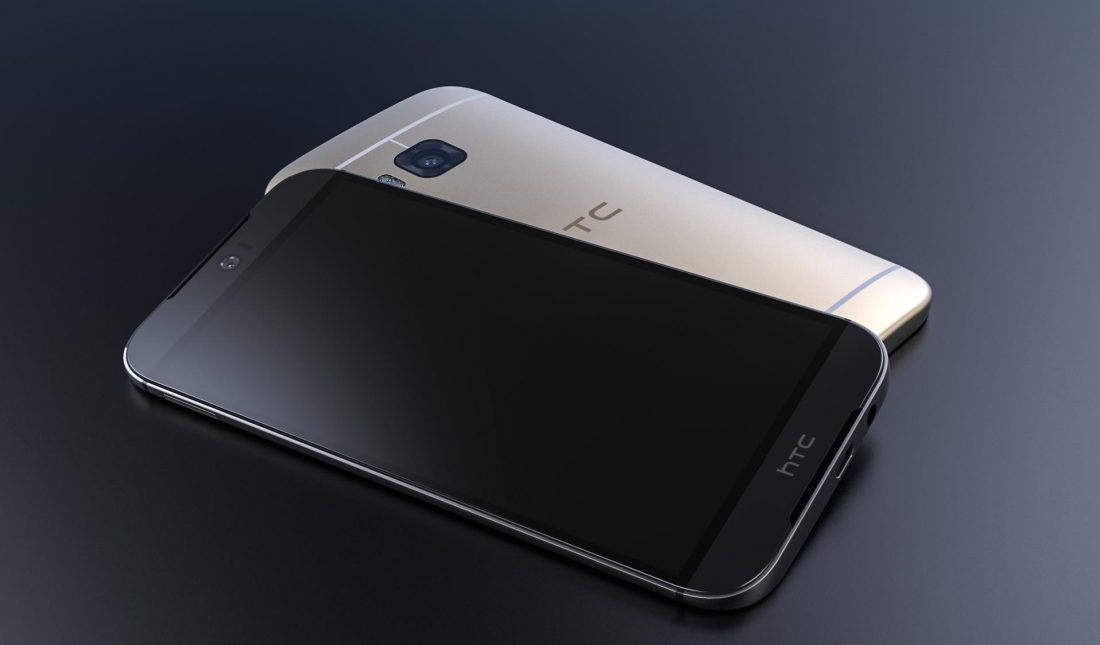
HTC One M10 Concept
What we know so far about the One M10 is that the handset will likely sport a 5.5-inch screen with 2 GB of RAM and 16 GB storage. The device will come pre-installed with Android 6.1, which is a good piece if information. More details will be known as we get closer to the unveiling.
VR
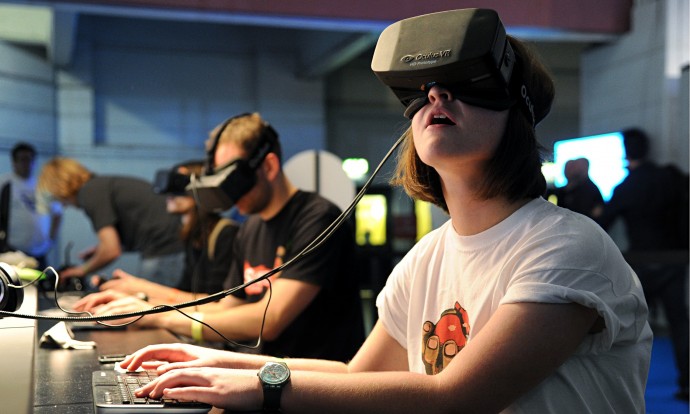
Smartphones and other technology aside, it in VR and autonomous cars that the CES 2016 will revolve around. The two technologies are set to be the highlights at the press conference. We’re slowly moving towards an age of wearable technology and virtual reality is the next big leap. 2015 has already seen the the Oculus Rift and in action, but 2016 will see the official launch of the headgear in the first quarter.
The Oculus Rift will not be the only VR headgear at the CES. Sony’s Project Morpheus, now known as Playstation VR, will also be at the event. Furthermore, Samsung may also reveal a second version of the Gear VR, though nothing has been confirmed on that front. Lastly, HTC is also likely to present a developer version of the Vive VR at CES 2016.
While these were the major names in the department let it be known that there are more than 40 companies presenting VR gear at CES. If that doesn’t tell you how the future of technology looks, nothing will.
Autonomous Cars
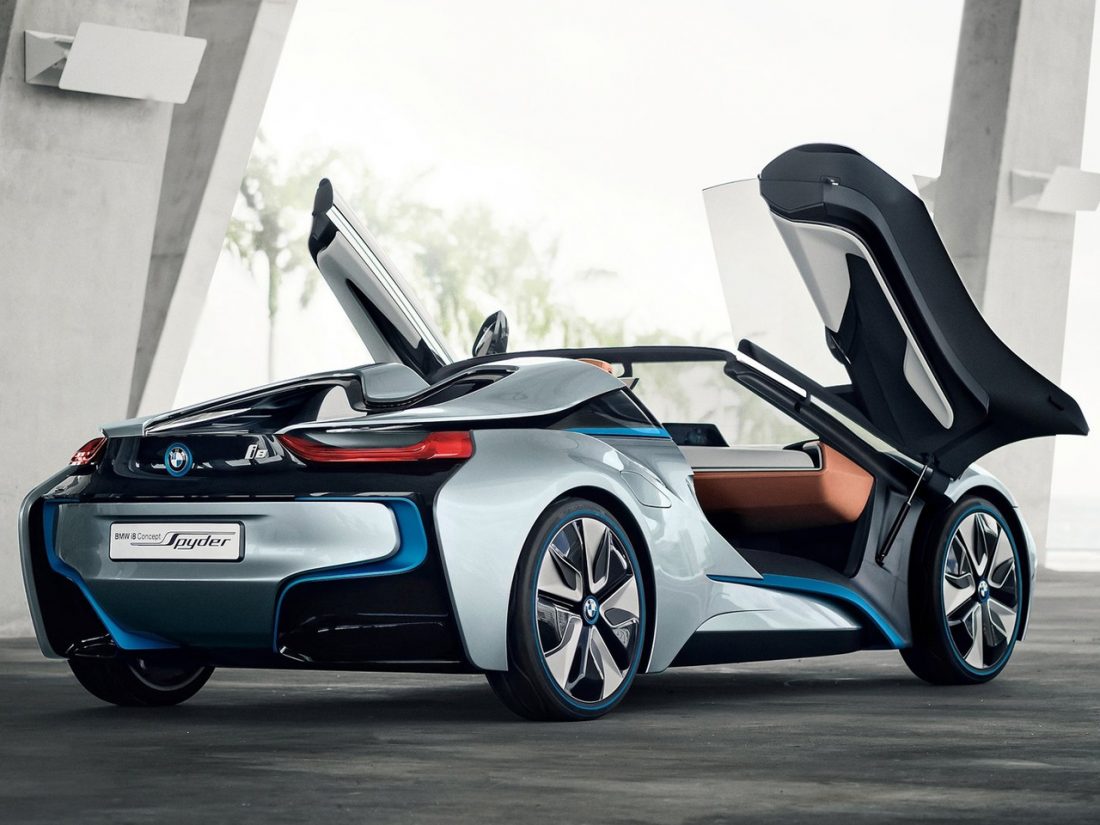
Finally, the other major focus at CES 2016 will be on smart cars. A number of players in the automobile industry are set to unveil autonomous or self-driving vehicles. Some of the speculated names include BMW’s i8 Spyder and the Apple Car. Volkswagen is also keen on shifting people’s attention from the the dieselgate scam, which is why the company is also ready to unveil its first all-electric autonomous vehicle. A teaser revealed earlier this month showing a boxy shape front has raised suspicion that VW is ready with its much-talked about microbus revival.