Tag: business

  • Apple Q2 Earnings show net profit of $11.6 billion, $39.2 billion in revenue

    Apple Q2 Earnings show net profit of $11.6 billion, $39.2 billion in revenue

    Talk about big bucks, while companies stubble to hit the million mark, Apple continues to show good results Quarter over Quarter. The new numbers rank in at US $ 39.2 Billion in Revenue for the company , with upwards of 30 million iPhones sold and 12 million iPads sold.

     The new $12.30 earnings per share, compared to an estimated $10.04 earnings per share – adds up to $39.2 billion in revenue and $11.6 billion in profit. The iPhone sales show an 88% growth from the previous years quarter and the iPad sales show a whopping 151% increase over the last years same quarter. 

    Apple also sold over 4 million Mac units, making it a 7 % increase, with the same quarter last year.


    We’re thrilled with sales of over 35 million iPhones and almost 12 million iPads in the March quarter. The new iPad is off to a great start, and across the year you’re going to see a lot more of the kind of innovation that only Apple can deliver.”

    -Tim Cook , CEO Apple

    In a comparison with the last 2 years, Apple’s profits ar double compared to Q2 2011, and Four times compared to Q2 2010.

    [Apple]

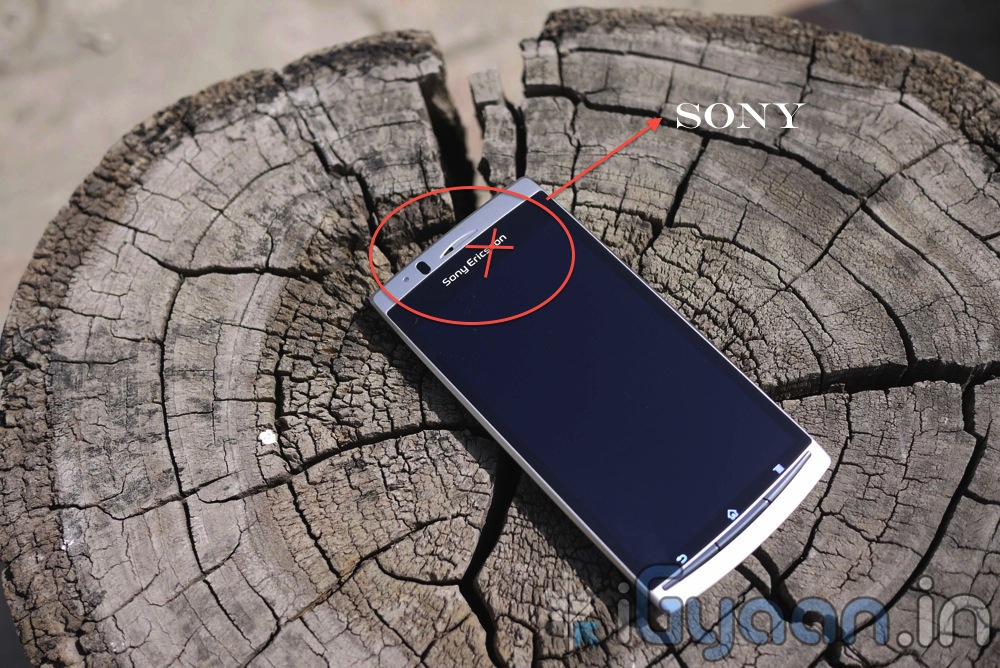
  • Sony Ericsson split complete : Sony Mobile Communication is the new name

    Sony Ericsson split complete : Sony Mobile Communication is the new name

    The big split is finally, final. Sony and Ericsson have finally spilt up, to name the new company Sony Mobile Communications. Sony has finally taken over Telefonaktiebolaget LM Ericsson’s 50-percent stake in the pair’s former joint venture, reported to have cost €1.05 billion ($1.37 billion). The reports of this split started to appear in the last months of 2011.

    PRESS RELESE : 

    • The previously announced divestment of Ericsson’s share of Sony Ericsson to Sony, including the broad IP cross-licensing agreement, completed on February 15, 2012
    • Ericsson’s gain on the transaction will be approximately SEK 7.5 billion and reported as ‘Other operating income’

    Ericsson (NASDAQ:ERIC) has today completed the divestment of its 50 percent stake in Sony Ericsson Mobile Communications AB (“Sony Ericsson”), including the broad IP cross-licensing agreement, jointly announced by Sony Corporation (“Sony”) and Ericsson on October 27, 2011. This makes Sony Ericsson a wholly-owned subsidiary of Sony. The agreed cash consideration for the transaction is EUR 1.05 billion.

    Ericsson’s gain on the transaction will be approximately SEK 7.5 billion and will be reported in the first quarter result on April 25, 2012, as ‘Other operating income’ in the income statement.


    [via]

    [Sony]

  • Gartner: Apple leads, Android level dips

    Gartner: Apple leads, Android level dips

    According to a recent report by Gartner Apple leads as the world’s top smartphone vendor by market share (19 percent), majorly thanks to the holiday quarter. During the season Apple sold some 35.5 million handsets to end users, a 121.4 percent increase from Q4 2010.

    Apple now also overtook LG as the Third largest seller of mobile handsets with 7.4 percent market share in the past holiday quarter right behind Nokia (23.4 percent) and Samsung (19.4 percent).


    [box style=”rounded” border=”full”]

    Gartner Says Worldwide Smartphone Sales Soared in Fourth Quarter of 2011

    Apple Became Top Smartphone Vendor in Fourth Quarter of 2011 and in 2011 as a Whole

    Egham, UK, February 15, 2012-

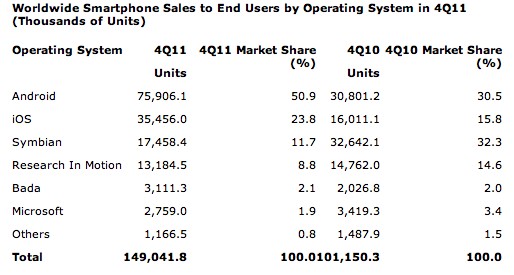
    Worldwide smartphone sales to end users soared to 149 million units in the fourth quarter of 2011, a 47.3 per cent increase from the fourth quarter of 2010, according to Gartner, Inc. Total smartphone sales in 2011 reached 472 million units and accounted for 31 percent of all mobile devices sales, up 58 percent from 2010.

    Smartphone volumes during the quarter rose due to record sales of Apple iPhones. As a result, Apple became the third-largest mobile phone vendor in the world, overtaking LG. Apple also became the world’s top smartphone vendor, with a market share of 23.8 percent in the fourth quarter of 2011, and the top smartphone vendor for 2011 as a whole, with a 19 percent market share. “Western Europe and North America led most of the smartphone growth for Apple during the fourth quarter of 2011,” said Roberta Cozza, principal research analyst at Gartner. “In Western Europe the spike in iPhone sales in the fourth quarter saved the overall smartphone market after two consecutive quarters of slow sales.”

    The quarter saw Samsung and Apple cement their positions further at the top of the market as their brands and new products clearly stood out. LG, Sony Ericsson, Motorola and Research In Motion (RIM) again recorded disappointing results as they struggled to improve volumes and profits significantly. These vendors were also exposed to a much stronger threat from the midrange and low end of the smartphone market as ZTE and Huawei continued to gain share during the quarter.

    Worldwide mobile device sales to end users totaled 476.5 million units in the fourth quarter of 2011, a 5.4 percent increase from the same period in 2010 (see Table 1). In 2011 as a whole, end users bought 1.8 billion units, an 11.1 percent increase from 2010 (see Table 2). “Expectations for 2012 are for the overall market to grow by about 7 percent, while smartphone growth is expected to slow to around 39 percent,” said Annette Zimmermann, principal research analyst at Gartner.

    In the fourth quarter of 2011, Nokia’s mobile phone sales numbered 111.7 million units, an 8.7 percent decrease from last year. “Samsung closed the gap with Nokia in overall market share,” said Ms. Cozza. “Samsung profited from strong smartphone sales of 34 million units in the fourth quarter of 2011. The troubled economic environment in Europe and Nokia’s weakened brand status posed challenges that were hard to overcome in just one quarter. However, Nokia proved its ability to execute and deliver on time with its new Lumia 710 and 800 handsets. Nokia will have to continue to offer aggressive prices to encourage communications service providers (CSPs) to add its products to portfolios currently dominated by Android-based devices.”

    Apple had an exceptional fourth quarter, selling 35.5 million smartphones to end users, a 121.4 percent increase year on year. Apple’s continued attention to channel management helped it take full advantage of the strong quarter to further close the gap with Samsung, which saw some inventory build up for its smartphone range. Apple’s strong performance will continue into the first quarter of 2012 as availability of the iPhone 4S widens. However, since Apple will not benefit from delayed purchases as it did in the fourth quarter of 2011, Gartner analysts expect its sales to decline quarter-on-quarter.

    After Apple, ZTE and Huawei were the fastest-growing vendors in the fourth quarter of 2011. “These vendors expanded their market reach and kept on improving the user experience of their Android devices,” said Ms. Cozza.

    In the fourth quarter of 2011, ZTE moved into fourth place in the global handset market. ZTE posted a strong smartphone sales increase of 71 percent sequentially. The company was able to extend its portfolio to three CSPs in its home market and benefited from consumers’ interest in low-cost smartphones. Huawei moved ahead of LG in the Android marketplace to become a top-four Android manufacturer, thanks to strong smartphone growth in the quarter. Huawei has made significant progress in moving to its own-branded devices, and it has continued to expand its portfolio into higher tiers as its tries to build more iconic products.

    RIM dropped to the No. 7 spot in the fourth quarter of 2011, with a 10.7 percent decline. RIM’s delay with its BlackBerry 10 platform will further impair its ability to retain users. However, RIM’s biggest challenge is still to expand the developer base around its ecosystem and convince developers to work and innovate with BlackBerry 10.

    In the smartphone OS market (see Table 3), competition between Google and Apple intensified. Android’s share declined slightly sequentially. This was due to strong iPhone sales, driven in particular by the iPhone 4S in mature markets and the weakness of key Android vendors as they struggled to create unique and differentiated devices. Samsung remained the main contributor to Android share gains in the second half of 2011. iOS’s market share grew 8 percentage points year-on-year, but Gartner analysts expect Apple’s share to drop in the next couple of quarters as the upgrade cycle to the iPhone 4S slows. Nokia’s first Windows Phone smartphones, the Lumia 710 and 800, made their debut, but, as expected, sales were not enough to prevent a fall in Microsoft’s smartphone market share.[/box]
  • China government Ban on iPad causes removal of stocks from stores.

    China government Ban on iPad causes removal of stocks from stores.

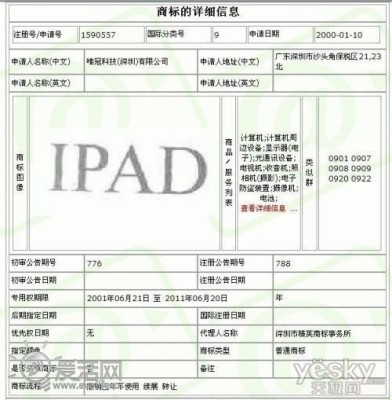
    Government authorities and retailers in China have started removing stocks of iPad from the shelves in the market,  in response to a ruling issued in December. According to Hebei Youth Daily, local representatives of the country’s Administrations of Industry and Commerce (AIC) have started confiscating Apple’s tablet from retail outlets, with some merchants are voluntarily removing the device from their storefronts as a pre-emptive measure. 

    As a part of a local campaign this incident only  took place in the city of Shijiazhuang, but vendors weary of the outcome have started to take precautions. Remember this is the same country where people literally give body parts to own iPads.

  • Samsung to borrow 1 Billion US dollars to expand capacity in Texas

    Samsung to borrow 1 Billion US dollars to expand capacity in Texas

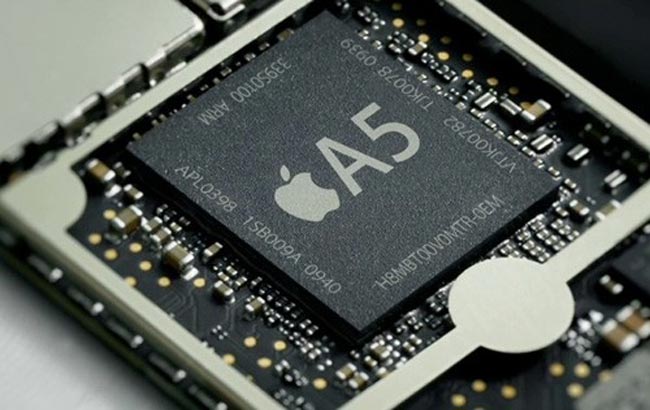
    Samsung Semiconductor makes main processor chips for iPhones, iPad’s and many other tablets and smartphones from other vendors including Samsung Mobiles. To meet with the exceeding demand for these products the supply of the said chips needs to be in order. Bloomberg is reporting that Samsung Semiconductor has “sent requests for proposals to banks to borrow as much as $1 billion to expand production capacity at its factory in Austin, Texas,” with the bonds to be issued by Samsung’s United States unit.

    The company which is about US $ 20 Billion cash rich will sell its bonds first time since 1997, due to the low borrowing rate. The company plans to utilize this money to boost production of mobile phone processor and GPU chips as well as invest in innovation in their OLED manufacturing.

    [Bloomberg]

  • Nokia acquires mobile OS Smarterphone

    Nokia acquires mobile OS Smarterphone

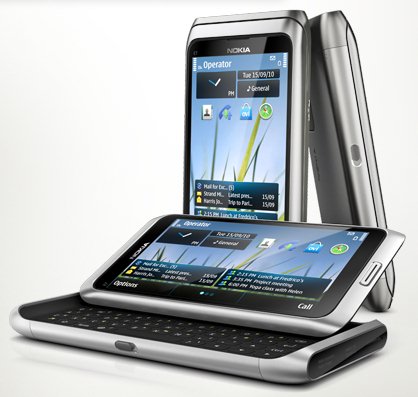
    Nokia is playing around with a lot of operating systems on its plate. Symbian, MeeGo, Series 60 and not to forget WindowsPhone. The company has now gone and acquired the mobile OS known as Smarterphone. Ferd Capital has sold Smarterphone AS to Nokia, back in November 2011. The company claims that it makes ultra-smart mobile operating system software for featurephones, enabling users to get a smartphone-like experience on “affordable hardware.” 

    No official plans for the utilization of the OS have been given out by either Ferd Capital or Nokia. Butm an OS like this would do brilliantly in developing countries like India, where feature phones are still the most selling handsets.

    [Ferd Capital]

  • Sony sells its stake in SLCD back to Samsung for US$ 939 Million (PR)

    Sony sells its stake in SLCD back to Samsung for US$ 939 Million (PR)

    Sony has sold its stake in the SLCD division of Samsung, the initial tie up was a 50%-50% partnership between the two companies. The venture was started seven years ago and now the companies have decided to part ways. The 50% stake that Sony owned was bought back by samsung for a sum of US $ 939 million, and Sony believes that it will continue engineering efforts for LCD developments in the future alongside Samsung.

    [toggle title_open=”Press Release” title_closed=”Press Release” hide=”yes” border=”yes” style=”default” excerpt_length=”0″ read_more_text=”Read More” read_less_text=”Read Less” include_excerpt_html=”no”]Sony and Samsung Shift to New LCD Panel Business Alliance

    • Samsung to acquire all of Sony’s shares of S-LCD, making the joint venture its wholly-owned subsidiary
    • Sony and Samsung enter into a strategic agreement for supply and purchase of LCD panels.

    Tokyo, Japan – Sony Corporation (“Sony”) and Samsung Electronics Co., Ltd. (“Samsung”) today announced that the two companies have signed agreements to transition the current business relationship with respect to LCD panels.

    Under the agreement, Samsung will acquire all of Sony’s shares of S-LCD Corporation (“S-LCD”), the two companies’ LCD panel manufacturing joint venture, making S-LCD a wholly owned subsidiary of Samsung. In consideration for the share transfer, cash consideration of approximately KRW 1.08 trillion* will be paid to Sony by Samsung. Concurrently, the two companies have entered into a new strategic agreement for the supply and purchase of LCD panels with a goal of enhancing the competitiveness of both companies. The agreement also allows Sony and Samsung to continue cooperative engineering efforts focused on LCD panel technology.

    For Sony, this transaction will enable it to monetize its shares in S-LCD and aims to secure a flexible and steady supply of LCD panels from Samsung, based on market prices and without the responsibility and costs of operating a manufacturing facility. With whole ownership of S-LCD, Samsung anticipates heightened flexibility, speed and efficiency in both panel production and business operations.

    Established in April 2004, S-LCD has continued to deliver advanced and cost-competitive LCD panels to both of its parent companies, contributing to the expansion of the respective parties’ TV businesses, and the large-sized LCD TV market overall. However, LCD panel and TV market conditions have now changed. In order to respond to such challenging conditions and to strengthen their respective market competitiveness, the two companies have agreed to shift to a new LCD panel business alliance.

    The share transfer and payment are targeted to close by the end of January 2012, subject to necessary approvals from regulatory authorities.

    As a result of this transaction, a non-cash impairment loss of approximately JPY 66 billion is expected to be incurred by Sony in the third quarter of the fiscal year ending March 31, 2012, due to the reevaluation of its S-LCD shares. This loss includes an impact from the fluctuation of exchange rate. Despite this one-time loss, Sony estimates that the transaction will result in substantial savings on and after January 1, 2012 in respect of costs associated with its
    procurement of LCD panels. The current estimate of the yearly savings in respect of such costs is approximately JPY 50 billion, compared to LCD panel procurement costs estimated for the fiscal year ending March 31, 2012. Neither the one-time loss nor the estimated cost savings were included in Sony’s forecast of consolidated financial results for the current fiscal year ending March 31, 2012, announced on November 2, 2011. Sony is currently reevaluating this forecast, taking into account this transaction and other factors that might affect its full year FY2011 consolidated financial results forecast.

    Facts about S-LCD
    Established: April 26, 2004
    Capital: KRW 3.3 Trillion
    (Samsung Electronics: 50% plus 1 share, Sony: 50% minus 1 share)
    Representative: Location: Production Items:
    Donggun Park, CEO
    Tangjeong, Chung Cheong Nam-Do, South Korea 7th and 8th generation Amorphous TFT LCD
    *Note: The final amount of such payment will be determined based on S-LCD’s financial statements as of the end of December 2011.[/toggle]

  • Apple acquires Anobit for $500 million, will set up R&D in Israel

    Apple acquires Anobit for $500 million, will set up R&D in Israel


    Apple has consumed yet another piece of the puzzle in a bid to have all in-house manufacturing. Apple uses all Nand Flash storage in their iDevices, including iPod, iPad and the iPhone, an acquisition of a company that manufacturers this storage was an obvious step from the self sustained giant.  Apple has bought Anobit for a straight sum of US $ 500 million, with aims to lower costs and improve efficiency in their manufacturing process.

    [threecol_one_last]

    “Welcome to Israel, Apple Inc. on your [first] acquisition here. I’m certain that you’ll benefit from the fruit of the Israeli knowledge.”

     [/threecol_one_last][threecol_two_last]

    Apple is also planning to set up its first off-US Research & Development lab in Israel, with no confirmations from either sides of the deal. Apple is expected to come clean in its next financial report, where it shall disclose billions of dollars in earnings and some million spending.

    [/threecol_two_last]

  • Dell to discontinue Mini series netbooks, focus on Ultrabooks

    Dell to discontinue Mini series netbooks, focus on Ultrabooks

    Dell has announced that it will discontinue all focus and manufacture of Mini series and other Netbooks, their reason for doing this is the investment of the same effort in up ramping of Ultrabooks that seem to be the new rage in the Industry. Samsung had announced similar plans earlier last month, shifting their focus to Ultrabook. Dell has already discontinued the Streak tablets, now they have retired the netbooks. The netbooks appear to be missing from the Dell India site swell so it looks like a global deployment. 

    Apparently business/enterprise clients can still get the Mini for large scale orders.

  • Sony and Ericsson literally get divorced, to become Sony in Mid 2012

    Sony and Ericsson literally get divorced, to become Sony in Mid 2012

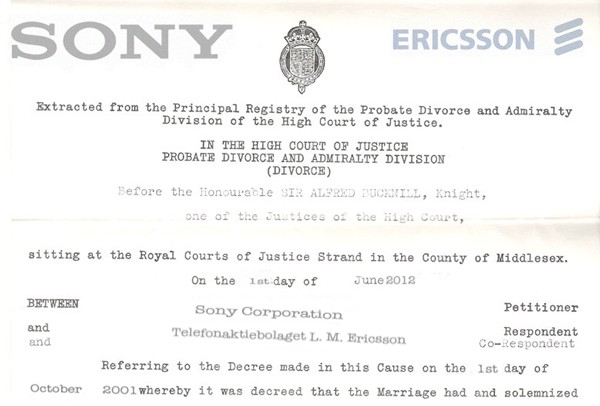
    The court of MiddleSex  has announced a Divorce b/w Sony and Ericsson and the latter has till the mid of 2012 to clear out their stuff and vamoose. Sony Ericsson will be renamed Sony in mid 2012 as apart of a merger break up decided earlier this year. Sony Vice President Kristian Tear said that the company will have a “‘fierce” advertising campaign to push the brand back into the eyes of the consumer.

    [Times of India]

  • HTC Releases Profit Reports for Quarter 3 profit up 68 percent

    HTC Releases Profit Reports for Quarter 3 profit up 68 percent

    HTC has issued its Q3 results and their profits are up by 68%. The total net income rose to $624.6 million this quarter

    Revenue rose by 79 percent on the year toaround $4.54 billion

    The reasons cited by HTC for this growth are :

    “strong brand recognition, leading product portfolio and expanded distribution channels.”

    “We aim to lead the way as the smartphone market continues to expand and change rapidly,We pride ourselves on anticipating market and consumer needs and addressing them before they are realized. We are growing rapidly and responsibly around the globe and continue to expand our leadership in new areas, such as LTE.”

    Peter Chou, CEO of HTC.

    HTC saw the strongest growth in China where the sales were up nine times, which may also possibly the main reason for the increase in handset shipments, which increased 93 percent over the year, to 13.2 million units. 


    [toggle title_open=”Press Release” title_closed=”Press Release” hide=”yes” border=”yes” style=”default” excerpt_length=”0″ read_more_text=”Read More” read_less_text=”Read Less” include_excerpt_html=”no”]


    PRESS RELEASE


    HTC REPORTS 3Q 2011 RESULTS


    QUARTERLY REVENUES, NET PROFITS AND EPS ALL HIT NEW HIGHS


    Taoyuan, Taiwan, R.O.C. October 31, 2011 – HTC Corporation (“HTC”, or the “Company”, TWSE: 2498), a global leader in smartphone innovation and design, today announced consolidated results of the Company and its subsidiaries for the third quarter of 2011.


    3Q Highlights


        •   After-tax profit was NT$18.68bn, up 68% year-on-year; EPS was NT$22.07


        • Total revenues grew for the sixth consecutive quarter since 1Q 2010 and reached


          NT$135.82bn, up 79% year-on-year


        • Handset shipments totalled 13.2mn units, up 93% year-on-year


        • ASP was US$344, up 0.6% year-on-year

      • Gross profit margin and operating margin were both in line with original guidance at 28.0%


        and 14.9%, respectively


    3Q 2011 Results


    HTC’s diverse product offerings, expanded distribution network and growing global brand recognition, have helped the Company deliver a record-high quarterly revenue of NT$135.82bn in the third quarter of 2011, resulting in after-tax earnings of NT$18.68bn and EPS of NT$22.07.


    HTC sold 13.2 million smartphones in 3Q 2011: 93% more than the same period last year, and 9% more than the second quarter of this year.


    New products launched during 3Q addressed a wide variety of customers and market segments. Co- branded with Beats, HTC Sensation XE and HTC Sensation XL offer a studio-quality experience to consumers. HTC Rhyme bundled a new HTC Sense experience and sleek accessories to create a lifestyle device. The Company expanded its entry-level offerings by launching HTC Explorer into emerging markets, such as India, on the heels of HTC Wildfire’s success. And HTC Titan and HTC Radar were the first smartphones to launch with the new Windows Phone “Mango” platform.


    China is one of the most important growth regions for HTC, and China reported top sales growth across all regions this quarter – 9x more than its sales volume in the same period last year. HTC Wildfire has become an iconic, mainstream smartphone in the region, and HTC launched the flagship HTC Sensation into two major operators (China Mobile and China Unicom) networks. Two highly- customized social networking devices – HTC ?? with Sina Weibo and HTC ChaCha with QQ – showed HTC’s strong committment to deepen Chinese comsumers’ experience. The Company aims to capture early brand preference in China, as smartphone penetration is at an early stage.


    Operating profit continued to grow from NT$12.40 billion in the same period last year, to NT$20.18 billion this quarter- up 63% year-on-year and 5% quarter-on-quarter – on the back of expansion inoperating scale and increased revenue. HTC is focused on driving economic scale to achieve efficient operating leverage and a healthy operating margin level.


    “We aim to lead the way as the smartphone market continues to expand and change rapidly,” said Peter Chou, CEO of HTC. “We pride ourselves on anticipating market and consumer needs and addressing them before they are realized. We are growing rapidly and responsibly around the globe and continue to expand our leadership in new areas, such as LTE.”


    LTE technology is expected to be the next generation wireless communication technology for high- speed data. Since 2009, HTC has maintained its leadership position in 4G, developing and shipping more 4G devices than any other company. An LTE device upgrade cycle is foreseeable in 2012 in both the United States and some advanced markets in Asia (e.g., Japan, Korea, and Hong Kong). HTC is poised to capture an advantage in this market.


    In addition to LTE, HTC has invested in delivering innovation to the entry-level smartphone sector. HTC Wildfire has become one of the Company’s top selling products, and the newly-launched HTC Explorer continues to attract first-time smartphone buyers. The Company is committed to drive innovation, not only with high-end LTE devices, but also to the mass market.


    Despite uncertainties in the macro-economic environment, HTC believes in its ability to continue to drive strong growth, and is committed to continue investing in marketing, operations and R&D. Going into fourth quarter this year, HTC’s retail presence in China is expected to expand, totaling up to 2,000 outlets. A new factory in Taoyuan is scheduled to complete beginning of next year, which has the potential to increase capacity by up to 40 million units per year. Last but not least, the Company continues its focus on creating global brand preference and emotional connection with customers.


    4Q 2011 Outlook


    The Company’s outlook for the fourth quarter of 2011 is as follows:

        • 4Q revenue expected to be around NT$125 to 135bn, up 20% to 30% year-on-year

      • 4Q shipment expected to be around 12.0 to 13.0mn units, up 31% to 42% year-on-year


      • Gross margin expected to be around 28.0%±0.5%


      • Operating margin expected to be in the range of 14.5%±0.5%


        Conference Call and Webcast


        HTC will host its quarterly conference call in Chinese beginning at 4 p.m. (Taiwan Time, GMT+8), and quarterly conference call in English beginning at 8 p.m. (Taiwan Time, GMT+8) on Monday, October 31st, 2011. The conference call in Chinese will be webcast live with audio and slides at:


        http://www.mzcan.com/cancast/taiwan/index.php?id=tw2498_143&version=c and webcast link for the call in English is http://www.mzcan.com/cancast/taiwan/index.php?id=tw2498_143&version=e.


        About HTC


    PRESS RELEASE


    HTC Corporation (HTC) is one of the fastest growing companies in the mobile industry. By putting people at the center of everything it does, HTC creates innovative smartphones and tablets that better serve the lives and needs of individuals. The company is listed on the Taiwan Stock Exchange under ticker 2498. For more information about HTC, please visit www.htc.com.


    ###


    HTC, the HTC logo are the trademarks of HTC Corporation. All other names of companies and products mentioned herein may be the trademarks
    of their respective owners.


    HTC IR & PR Contacts


    HTC IR / Finance & Accounting Division


    Disclaimer:
    This press release contains forward-looking statements which may include projections of future results of operations, financial condition or business prospects based on our own information and other sources. Our actual results of operations, financial condition or business prospects may differ from those expressed or implied in these forward-looking statements for a variety of reasons, including but not limited to market demand, price fluctuations, competition, international economic conditions, supply chain issues, exchange rate fluctuations and other risks and factors beyond our control. The forward-looking statements in this release reflect the current belief of HTC as of the date of this release. HTC undertakes no obligation to update these forward-looking statements for events or circumstances that occur subsequent to such date. 


    [/toggle]


  • Dropbox for multiple Users/Teams start at US$795 a year

    Dropbox for multiple Users/Teams start at US$795 a year

    Dropbox has just announced its plans for Dropbox for Team users. Starting at US$ 795 / Year for up to 5 users sharing a mere 1 TB of data (200GB x 5). We would rather off get our own server, But hey not everyone is capable of maintaining their own server. The price seems quite reasonable for enterprise applications, where there is more bulk to spend than required.T he business offering also includes special tools for administrators to add or delete users and dedicated phone support Check out the Full PR 

    [toggle title_open=”Press Release” title_closed=”Press Release” hide=”yes” border=”yes” style=”default” excerpt_length=”0″ read_more_text=”Read More” read_less_text=”Read Less” include_excerpt_html=”no”]Dropbox Now Open for Business

    Dropbox Launches “Dropbox for Teams” With Administrative Controls and Plenty of Space

    People Are Using Dropbox in Over One Million Businesses Globally

    SAN FRANCISCO, Calif. – October 27, 2011 – Dropbox, a free service that lets people bring their documents, photos and videos everywhere and share them easily, today introduced Dropbox for Teams. More than 45 million people already depend on Dropbox, and with Dropbox for Teams, businesses can now experience the same ease-of-use along with new administrative controls, centralized billing, phone support, and plenty of space for everyone on the team.

    “People in over a million businesses around the world trust Dropbox for its simplicity and reliability,” said Sujay Jaswa, vice president of business development and sales at Dropbox. “Now, Dropbox for Teams will give businesses the control and freedom to rethink how they work.”

    How Dropbox for Teams Works

    Dropbox for Teams delivers the same user experience as the free Dropbox service. Adding and updating files is as easy as saving any document, photo or video to the Dropbox folder. Changes sync immediately across all devices which have Dropbox installed. Dropbox is compatible with nearly every computer and smartphone operating system, including Windows, Mac, Linux, iOS, Android, and BlackBerry.

    With Dropbox for Teams, administrators get new features including centralized billing, phone support, and controls allowing them to add or delete users. Dropbox for Teams is priced at $795 annually for five
    users, with additional seats available for $125 each. The base plan includes 1,000 GB of storage, and each additional seat comes with 200 GB.

    Like Dropbox, Dropbox for Teams is a secure solution. Files are stored encrypted on Amazon S3 in secure data centers and also remain on users’ Dropbox-synced computers for added backup.

    Visit www.dropbox.com/teams for more information.

    About Dropbox

    The mission of Dropbox is to simplify life for people around the world. Dropbox lets people bring their documents, photos and videos everywhere and share them easily. The service has more than 45 million
    users in 175 countries saving one billion files every three days. Dropbox was founded in San Francisco in 2007 by Drew Houston and Arash Ferdowsi and has received a total of $257.2 million in funding.[/toggle]

  • End Of Days: Sony Buys out stake from Sony Ericsson at €1.05 billion

    End Of Days: Sony Buys out stake from Sony Ericsson at €1.05 billion

    Rumors are all out, and put to an end. Sony has confirmed that it will buy out its stake from the JV of Sony Ericsson for a whopping €1.05 billion in exchange for its 50 percent. This will give Sony full ownership of the company soon to be rebranded worldwide. This will also enable the company to have a more systematic alignment with the arsenal of tablets and PCs it plans in the future.

    The buyout will also give IP cross-licensing agreement and ownership of “five essential patent families” to ensure they stay in the mobile phone business. The separation will be finalized in Jan 2012.

    [toggle title_open=”Press Release” title_closed=”Press Release” hide=”yes” border=”yes” style=”default” excerpt_length=”0″ read_more_text=”Read More” read_less_text=”Read Less” include_excerpt_html=”no”]Ericsson: Sony to acquire Ericsson’s share of Sony Ericsson

    October 27, 2011, 08:16 (CEST)

    Sony Ericsson to become a wholly-owned subsidiary of Sony and integrated into Sony’s broad platform of network-connected consumer electronics products
    The transaction also provides Sony with a broad IP cross-licensing agreement and ownership of five essential patent families
    Ericsson to receive EUR 1.05 billion cash payment
    Sony and Ericsson to create wireless connectivity initiative to drive connectivity across multiple platforms
    Ericsson (NASDAQ:ERIC) and Sony Corporation (“Sony”) today announced that Sony will acquire Ericsson’s 50 percent stake in Sony Ericsson Mobile Communications AB (“Sony Ericsson”), making the mobile handset business a wholly-owned subsidiary of Sony.

    The transaction gives Sony an opportunity to rapidly integrate smartphones into its broad array of network-connected consumer electronics devices – including tablets, televisions and personal computers – for the benefit of consumers and the growth of its business. The transaction also provides Sony with a broad intellectual property (IP) cross-licensing agreement covering all products and services of Sony as well as ownership of five essential patent families relating to wireless handset technology.

    As part of the transaction, Ericsson will receive a cash consideration of EUR 1.05 billion.

    During the past ten years the mobile market has shifted focus from simple mobile phones to rich smartphones that include access to internet services and content. The transaction is a logical strategic step that takes into account the nature of this evolution and its impact on the marketplace.

    This means that the synergies for Ericsson in having both a world leading technology and telecoms services portfolio and a handset operation are decreasing. Today Ericsson’s focus is on the global wireless market as a whole; how wireless connectivity can benefit people, business and society beyond just phones. Consistent with that mission, by setting up a wireless connectivity initiative, Ericsson and Sony will work to drive and develop the market’s adoption of connectivity across multiple platforms.

    “This acquisition makes sense for Sony and Ericsson, and it will make the difference for consumers, who want to connect with content wherever they are, whenever they want. With a vibrant smartphone business and by gaining access to important strategic IP, notably a broad cross-license agreement, our four-screen strategy is in place. We can more rapidly and more widely offer consumers smartphones, laptops, tablets and televisions that seamlessly connect with one another and open up new worlds of online entertainment. This includes Sony’s own acclaimed network services, like the PlayStation Network and Sony Entertainment Network,” said Sir Howard Stringer, Sony’s Chairman, Chief Executive Officer and President. Mr Stringer also noted that the acquisition will afford Sony operational efficiencies in engineering, network development and marketing, among other areas. “We can help people enjoy all our content – from movies to music and games – through our many devices, in a way no one else can.”

    “Ten years ago when we formed the joint venture, thereby combining Sony’s consumer products knowledge with Ericsson’s telecommunication technology expertise, it was a perfect match to drive the development of feature phones. Today we take an equally logical step as Sony acquires our stake in Sony Ericsson and makes it a part of its broad range of consumer devices. We will now enhance our focus on enabling connectivity for all devices, using our R&D and industry leading patent portfolio to realize a truly connected world” said Hans Vestberg, President and CEO of Ericsson.

    When Sony Ericsson started its operations on October 1, 2001, it combined the unprofitable handset operations from Ericsson and Sony. Following a successful turnaround the company has become a market leader in the development of feature phones by integrating Sony’s strong consumer products knowledge and Ericsson’s telecommunications technology leadership. The WalkmanTM phone and Cyber-shotTM phone are well known examples.

    With the successful introduction of the P1 in 2007, Sony Ericsson early on established itself in the smartphone segment. More recently, the company has successfully made the transition from feature phones to Android-based Xperia(TM) smartphones. By the end of the third quarter of 2011, Sony Ericsson held a market share of 11 percent (by value) in the Android phone market, representing 80 percent of the company’s third quarter sales. During its ten years in operation Sony Ericsson has generated approximately EUR 1.5 billion of profit and paid dividends totalling approximately EUR 1.9 billion to its parent companies. Prominent models include “XperiaTM arc” and “XperiaTM mini” which received 2011 EISA Awards, while recent notable additions to the lineup include “XperiaTM PLAY” and “XperiaTM arc S”.

    The transaction, which has been approved by appropriate decision-making bodies of both companies, is expected to close in January 2012, subject to customary closing conditions, including regulatory approvals.

    Ericsson has accounted for its 50 percent share in Sony Ericsson according to the equity method. Following completion of the transaction, Ericsson will have no outstanding guarantees relating to Sony Ericsson and will no longer account for Sony Ericsson as an investment on balance sheet. The transaction will result in a positive capital gain for Ericsson which will be defined after closing of the transaction.

    SEB Enskilda is acting as Ericsson’s sole financial advisor in the transaction.[/toggle]

  • Did you suffer from the Blackberry Outage? RIM will give you 12 free Paid Apps! (PR)

    Did you suffer from the Blackberry Outage? RIM will give you 12 free Paid Apps! (PR)

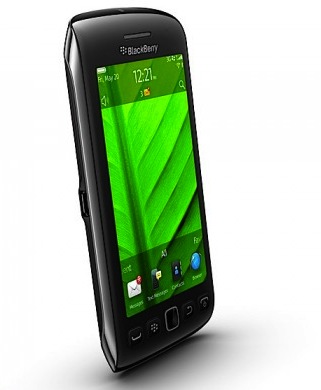
    Following the major outages for Blackberry services in the past week, RIM will offer free premium apps to its consumer. These apps include 

    • SIMS 3 – Electronic Arts
    • Bejeweled – Electronic Arts
    • N.O.V.A. – Gameloft
    • Texas Hold’em Poker 2 – Gameloft
    • Bubble Bash 2 – Gameloft
    • Photo Editor Ultimate – Ice Cold Apps
    • DriveSafe.ly Pro – iSpeech.org
    • iSpeech Translator Pro – iSpeech.org
    • Drive Safe.ly Enterprise – iSpeech.org
    • Nobex Radio™ Premium – Nobex
    • Shazam Encore – Shazam
    • Vlingo Plus: Virtual Assistant – Vlingo (Almost SIRI)

    Good move from CEO Lazaridis, to prevent users from jumping the boat for iOS or Android.


    [toggle title_open=”Press Release” title_closed=”Press Release” hide=”yes” border=”yes” style=”default” excerpt_length=”0″ read_more_text=”Read More” read_less_text=”Read Less” include_excerpt_html=”no”]Research In Motion Offers Free Premium Apps to Customers Following Service Interruptions

    Waterloo, ON – Research In Motion (RIM) (NASDAQ: RIMM; TSX: RIM) announced today that a selection of premium apps worth a total value of more than US $100 will be offered free of charge to subscribers as an expression of appreciation for their patience during the recent service disruptions. The apps will be made available to customers over the coming weeks on BlackBerry® App World™ and will continue to be available until December 31, 2011.*

    “Our global network supports the communications needs of more than 70 million customers,” said RIM Co-CEO Mike Lazaridis. “We truly appreciate and value our relationship with our customers. We’ve worked hard to earn their trust over the past 12 years, and we’re committed to providing the high standard of reliability they expect, today and in the future.”

    The complete selection of premium apps will become available to download at BlackBerry App World over a period of four weeks beginning Wednesday, October 19th. The selections over this period will include the following (with more to come):

    SIMS 3 – Electronic Arts
    Bejeweled – Electronic Arts
    N.O.V.A. – Gameloft
    Texas Hold’em Poker 2 – Gameloft
    Bubble Bash 2 – Gameloft
    Photo Editor Ultimate – Ice Cold Apps
    DriveSafe.ly Pro – iSpeech.org
    iSpeech Translator Pro – iSpeech.org
    Drive Safe.ly Enterprise – iSpeech.org
    Nobex Radio™ Premium – Nobex
    Shazam Encore – Shazam
    Vlingo Plus: Virtual Assistant – Vlingo

    RIM’s enterprise customers will also be offered one month of free Technical Support. Current customers will be offered a complimentary one month extension of their existing Technical Support contract, and customers who do not currently have a Technical Support contract will be offered a one month trial of RIM’s BlackBerry Technical Support Services – Enhanced Support, free of charge. Additional details about the program and information about how to register will be available at www.blackberry.com/enterpriseoffer.

    “We are grateful to our loyal BlackBerry customers for their patience,” added Lazaridis. “We have apologized to our customers and we will work tirelessly to restore their confidence. We are taking immediate and aggressive steps to help prevent something like this from happening again.

    * Please note that the availability of this offer will depend on the type of device, operating system version, access to BlackBerry App World and local conditions and/or restrictions.[/toggle]

  • Asus Releases the Eee Slate B121 for the Business market, secretly.

    Asus Releases the Eee Slate B121 for the Business market, secretly.

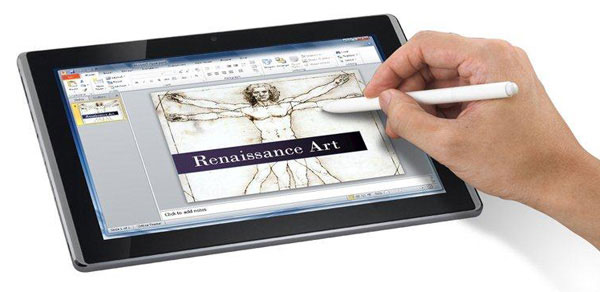
    Asus has silently intro’d the new Eee Slate B121 for the Enterprise market. Like the Eee Slate 101 this runs Windows 7 Professional on a full fledged Intel Core i5 chipset.

    FOr the data conscious it has the Computrace LoJack for remote location and data wipe, and encryption amenities. A price of  $1,500 US or about INR 65000 , put it in the price range of a Macbook/ top line notebook.  Other features include 12.1-inch Display with 1280 x 800 LED Gorilla Glass display, 4GB RAM, 64GB of storage, dual USB 2.0 ports, mini-HDMI out, SD card slot and 2 megapixel front-facing camera. 

    This Tablet also has a Wacom digitizer for hand inputs et all.

    [ASUS]

iGyaan Network
Privacy Overview

This website uses cookies so that we can provide you with the best user experience possible. Cookie information is stored in your browser and performs functions such as recognising you when you return to our website and helping our team to understand which sections of the website you find most interesting and useful.