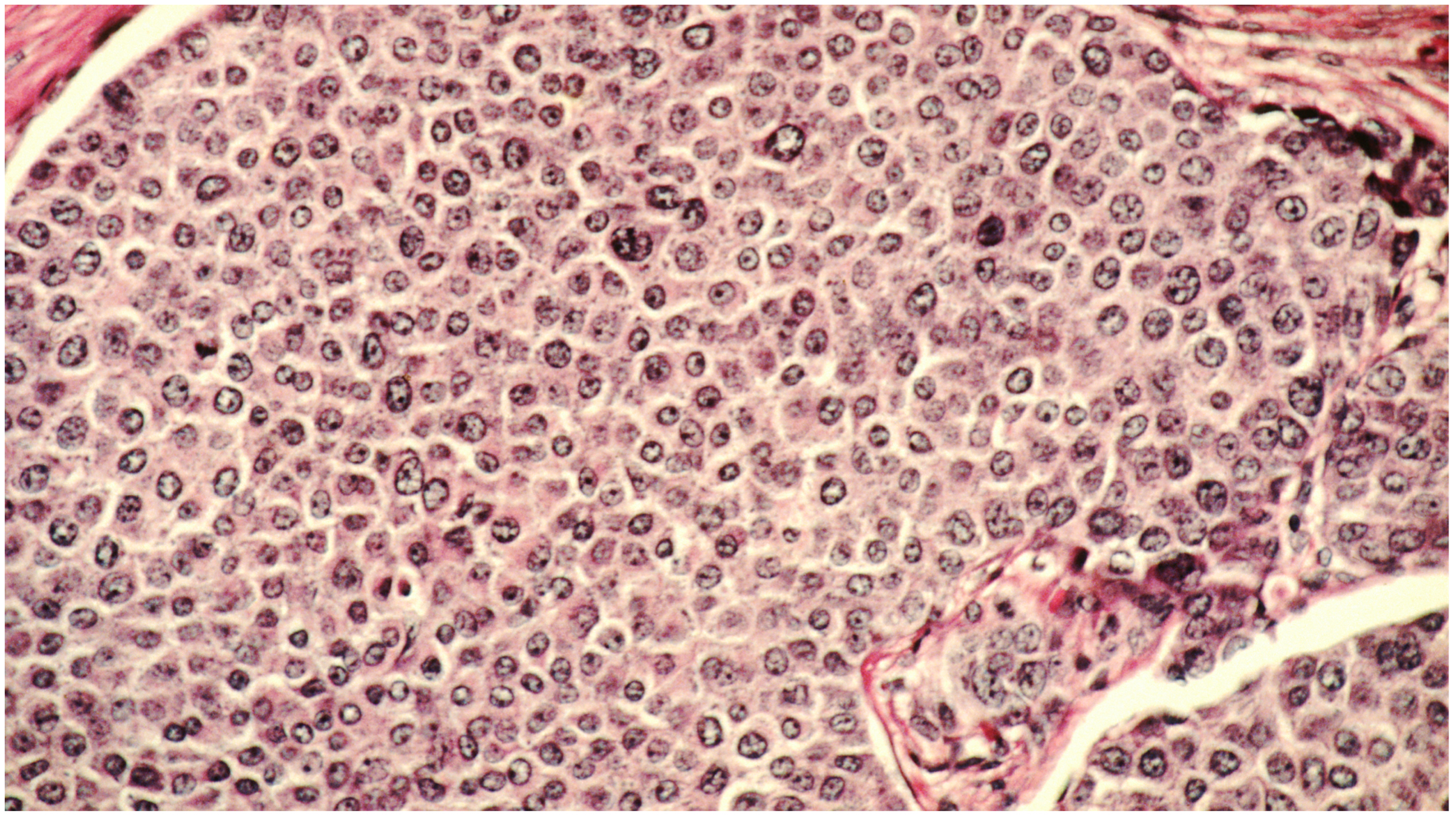
Breast Cancer is one of the most common forms of cancer known to mankind, with more than 2.09 million woman affected by it each year. As per latest reports, Researchers at the John Hopkins University (USA) have discovered a test that can induce cancer cells to push through narrow spaces, helping them to predict the form of the malignant/non-malignant tumour. Furthermore, the test may also help to track the spread of the cancer to other sites.
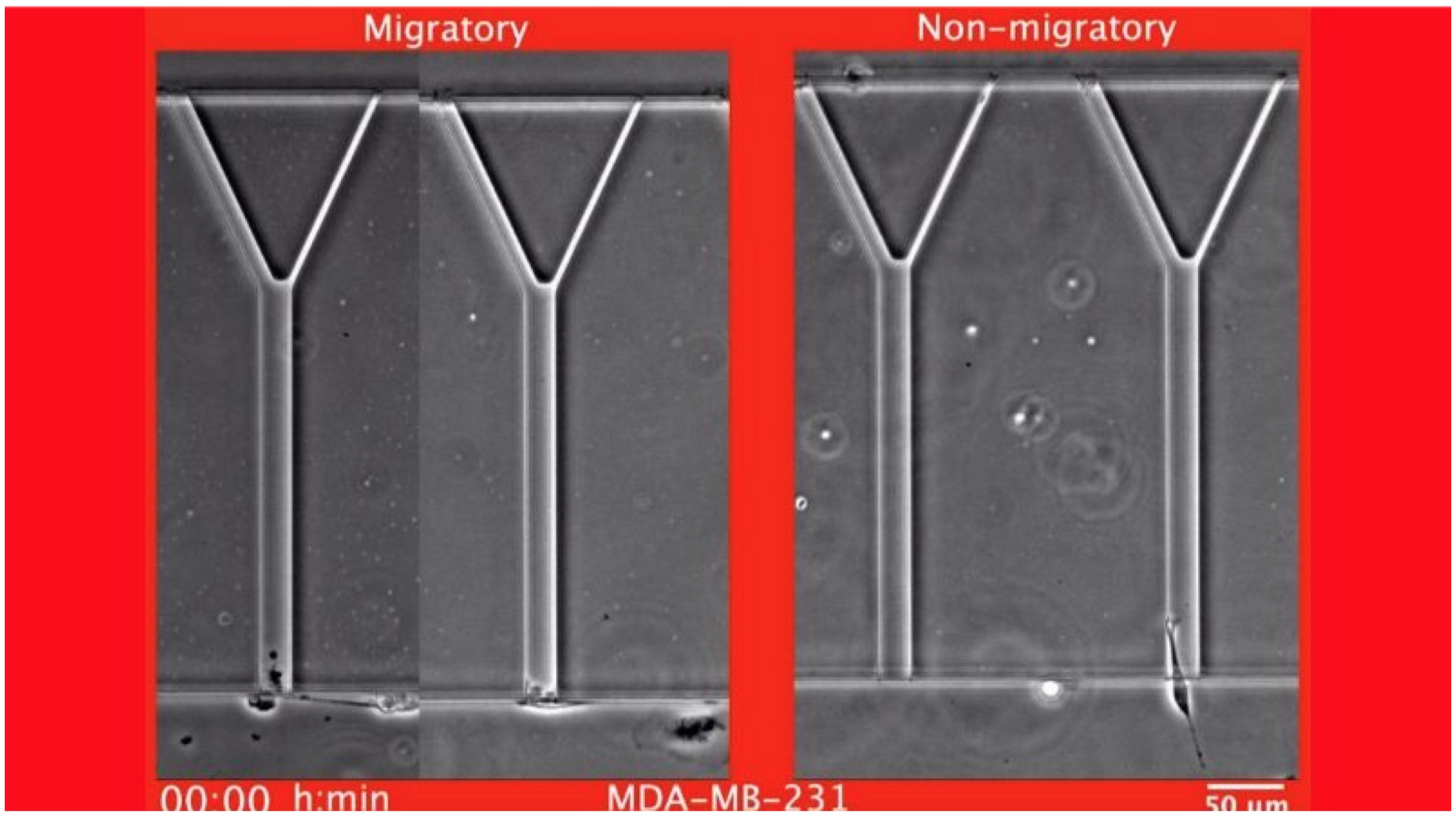
 The test has been patented with the name “Microfluidic Array for the quantification of Cell Invasion”, or MAqCI. The technique makes use of a device to analyze the primary features of metastasis (cancer that has spread to other sites). Reports further state that the MAqCI device was accurate in its predictions regarding breast cancer cell lines and of tumours that were grown in animals.
 Since a doctor cannot really predict with confidence whether the cancer mass will be aggressive in the future or not, tests like MAqCI become highly necessary to track the movement of the metastasis cancer. The major challenge, however, remains in the case that failure in the prediction of the cancer mass. This is because anonymity of the metastasis can lead to overtreatment in some cases, leading to inadequate treatment methods. The new test will also help clinicians to choose the most compliant and necessary drugs to prevent the spread of malignant cells.
Also Read: Unlocking Bootloader OnePlus 7 Pro Results In Loss Of Widevine L1
Once the cancer cells are able to squeeze through, the specimens can be used for testing instead of regular biopsy, which may present errors in some cases. The finding of the researchers is illustrative regarding the different ways in which tumours respond to varied drugs. Furthermore, if future studies are able to affirm the extended capability of the MAqCI test, scientists can use it to effectively monitor the tendency of cells to move to other tissues and organs. This in turn may help them to prevent the malignant cells from doing so.
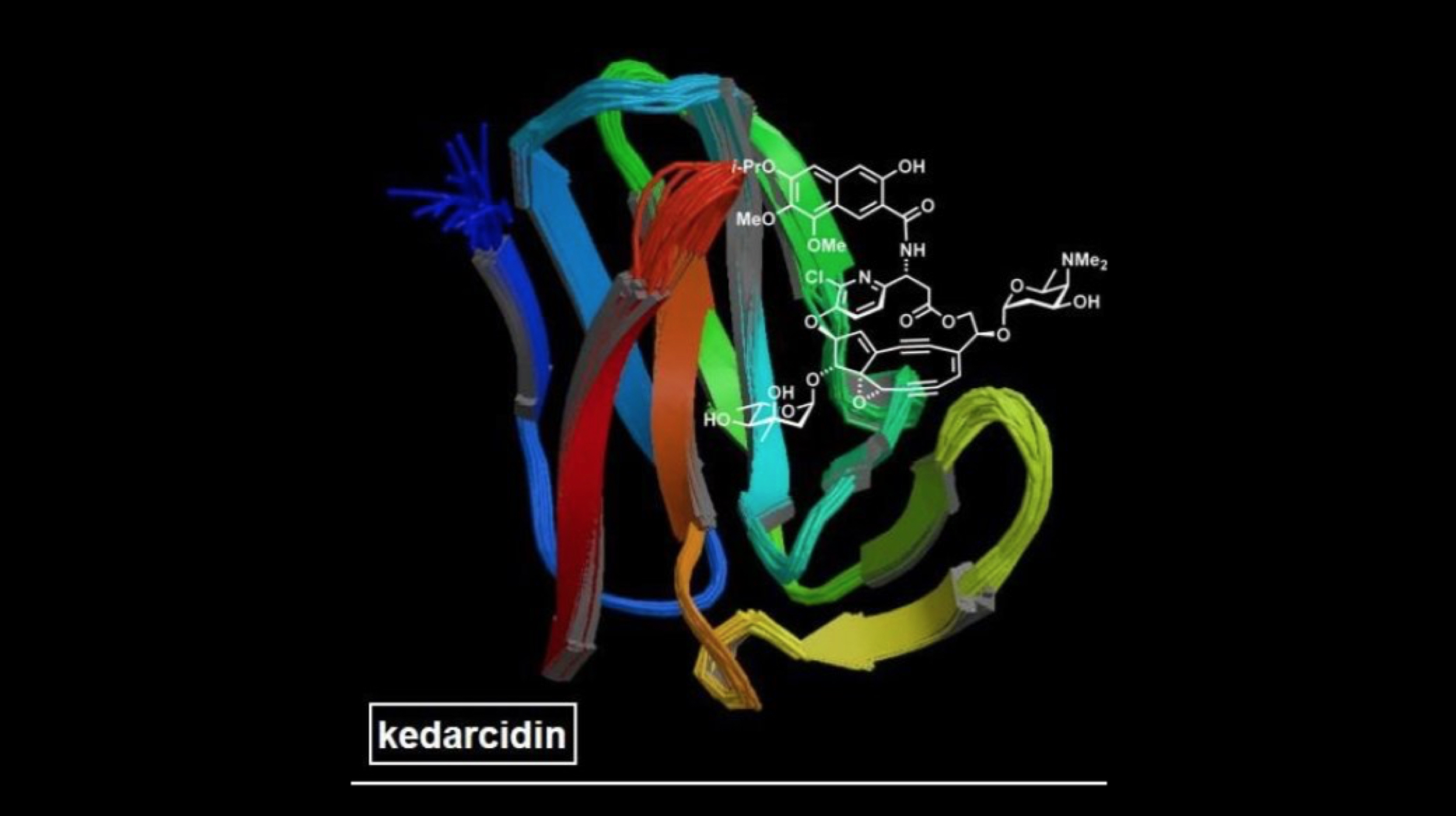
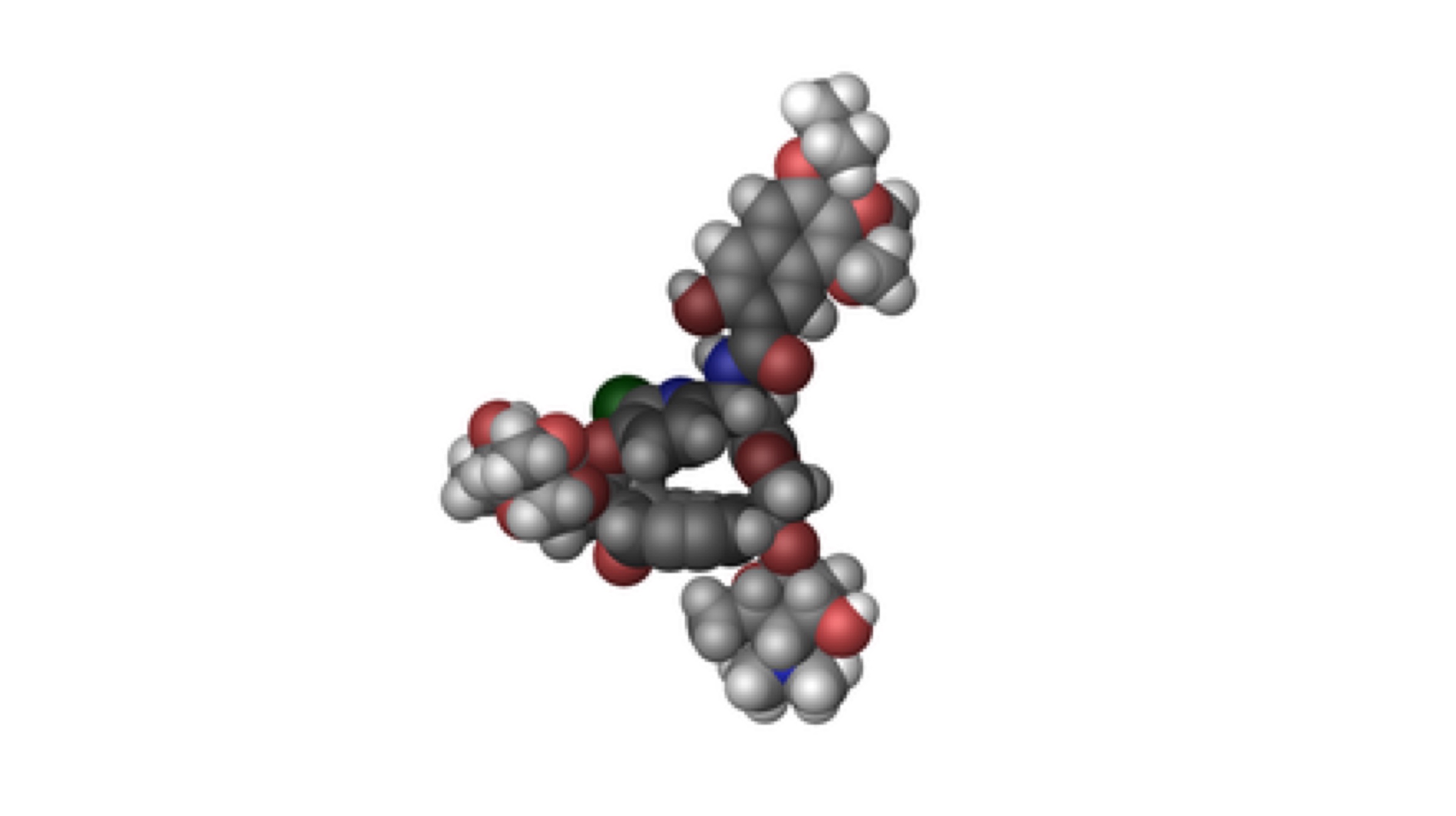 The antibiotic, or rather, the “super-substance” is called Kedarcidin. It was first discovered almost 30 years ago by a pharmaceutical company in India. Extracted from a soil sample, Kedarcidin’s natural form was unusable as a potential drug to fight cancer. In fact, most antibiotics developed in the last 70 years have been derived out of soil, but in order to use them as a drug for treatments, the antibiotics have to be reproduced via the process of chemical synthesis in the laboratory. Kedarcidin, however, is different from conventional antibiotics.
  For starters, Kedarcidin is capable of harming tumour cells instead of just killing the bacteria involved (like many other antibiotics). This makes it a very potential candidate as a primary drug in effective cancer treatments. The biological structure of Kedarcidin enables it to harm the DNA structure of the target tumour to a level of complexity that the tumour cannot spread at all. Because of the complex structure of Kedarcidin, scientists were unable to replicate it’s “potential drug” form, until now.