Tag: china

  • China to Bring Out its Own Operating System and Take On US-Based Systems

    China to Bring Out its Own Operating System and Take On US-Based Systems

    The Chinese, can be called the shop floor for all of the world’s smartphone needs. If it’s an electronic product, at least one bit of it is produced in China. The communist nation has seen phenomenal economic growth ever since the technocrats running the country transformed the country into a manufacturing giant. Inspired by the boom that the Chinese economy has seen, the Indian government urged the world to manufacture in India.

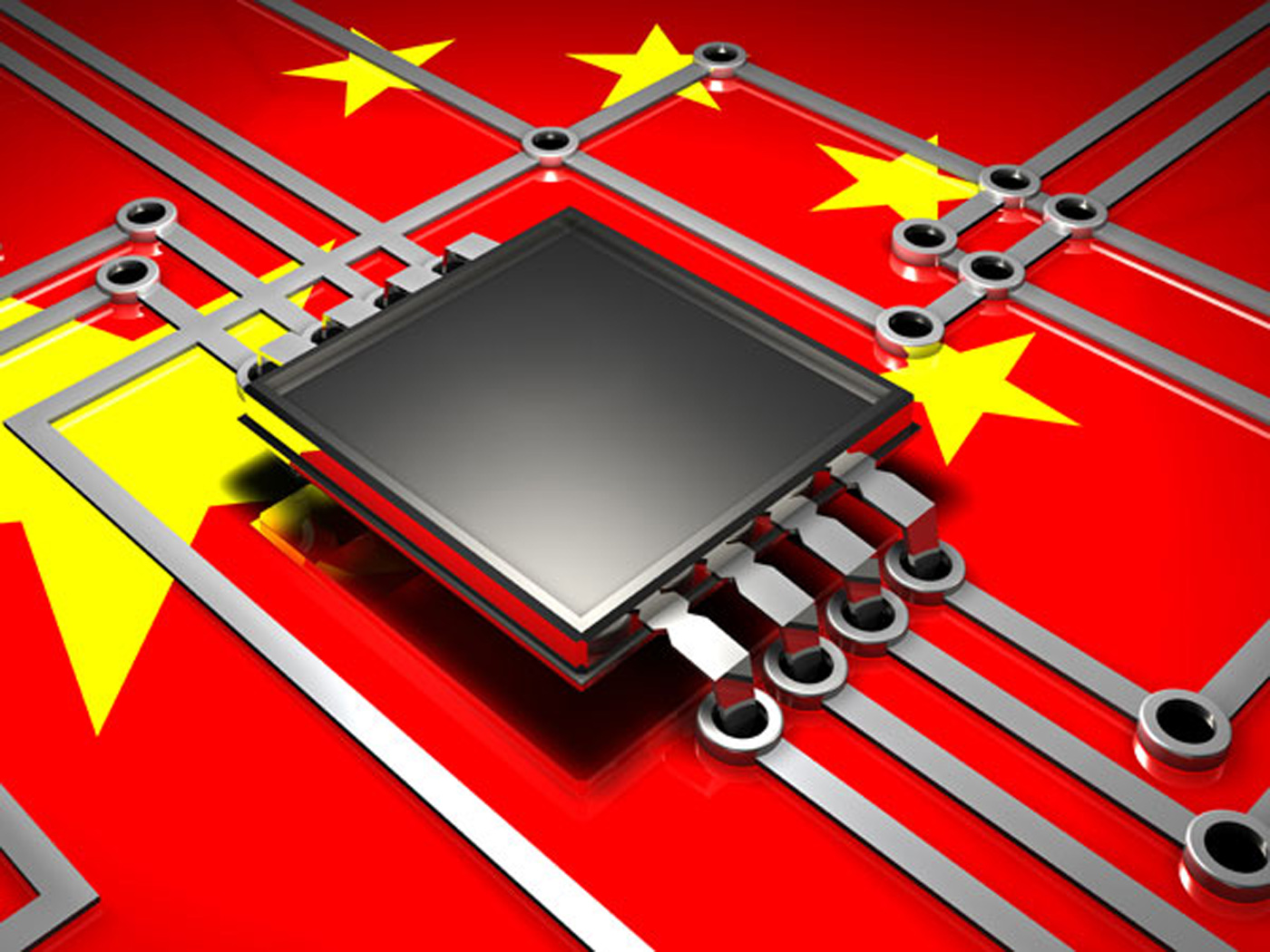
    The Chinese are now trying to stake a claim in one more important arena in the international business, the Operating System. China is proactively developing an operating system that will help it decrease its reliance of US-made OS like the ones from Windows, Apple and Google. In fact, China wants to take on the OS giants with their version.

    The new OS will be based on Android. It is being developed by a team which is headed by the co-founder of Lenevo, Guangnan Ni. It will be released this October. The OS will be available for the Chinese government offices as well as fr consumer use.

    Spying concerns have been cited a reason for China opting for its own OS
    Spying concerns have been cited a reason for China opting for its own OS

    China, in recent years, has tried to create an alternative to the US based OS’s. The Chinese Academy of Sciences released the China Operating System (COS), in January of this year, but it wasn’t appreciated as much. This new OS will be first released for desktop and later a mobile version will also be released.

    The recent revelation of software backdoors that can be used by agencies like NSA to spy on users was cited as one of the major reasons for the development of the OS. China had recently banned all Windows 8 systems in its government offices after terming Microsoft a monopolistic company.

    The country has intense information restrictions and prefers to use systems developed within the country. Getting an OS made at home will also add to the nationalistic pride in the communist nation.

    In India, the Rs. 1,13,000 Crore Digital India Project will work towards constructing a informational highway that connects the whole of India. The project will also encourage software systems to be programmed in India for the use of the nation. Clearly the goal of the government of India too is to reduce the dependency on foreign based products. This is a valid thought and if the government puts its money where its mouth is, it will be able to encourage a generation of tech entrepreneurs who are presently working to make foreign enterprises profitable. These entrepreneurs will help create a powerful economy for the future India.

    The Dragon has made its mark on the world and is standing as a formidable adversary. It’s for us to see if the Tiger can ever catch up.
  • Xiaomi Dethrones Samsung from the Top Spot in China

    Xiaomi Dethrones Samsung from the Top Spot in China

    Seems like a bad day for Samsung, earlier we reported that their No. 1 position in India slipped away, and sounds like they’re headed towards trouble in China as well. Xiaomi is just four years old but the way the company has taken over the market in the last quarter is remarkable.

    Just last year, Xiaomi was just another dubious Chinese handset maker. Well, things certainly have changed and according to the report by research firm Canalys, Samsung is no longer the top phone manufacturer in China.

    Xiaomi distributed around 15 million phones in early 2014 while Samsung is lagging behind at 13.2 million. The report published on Monday by Canalys, revealed that Xiaomi’s remarkable growth, surpassing giants like Samsung and Lenovo to become the top player in China. Because of its huge growth in China, Xiaomi became the fifth largest smartphone maker in the world.

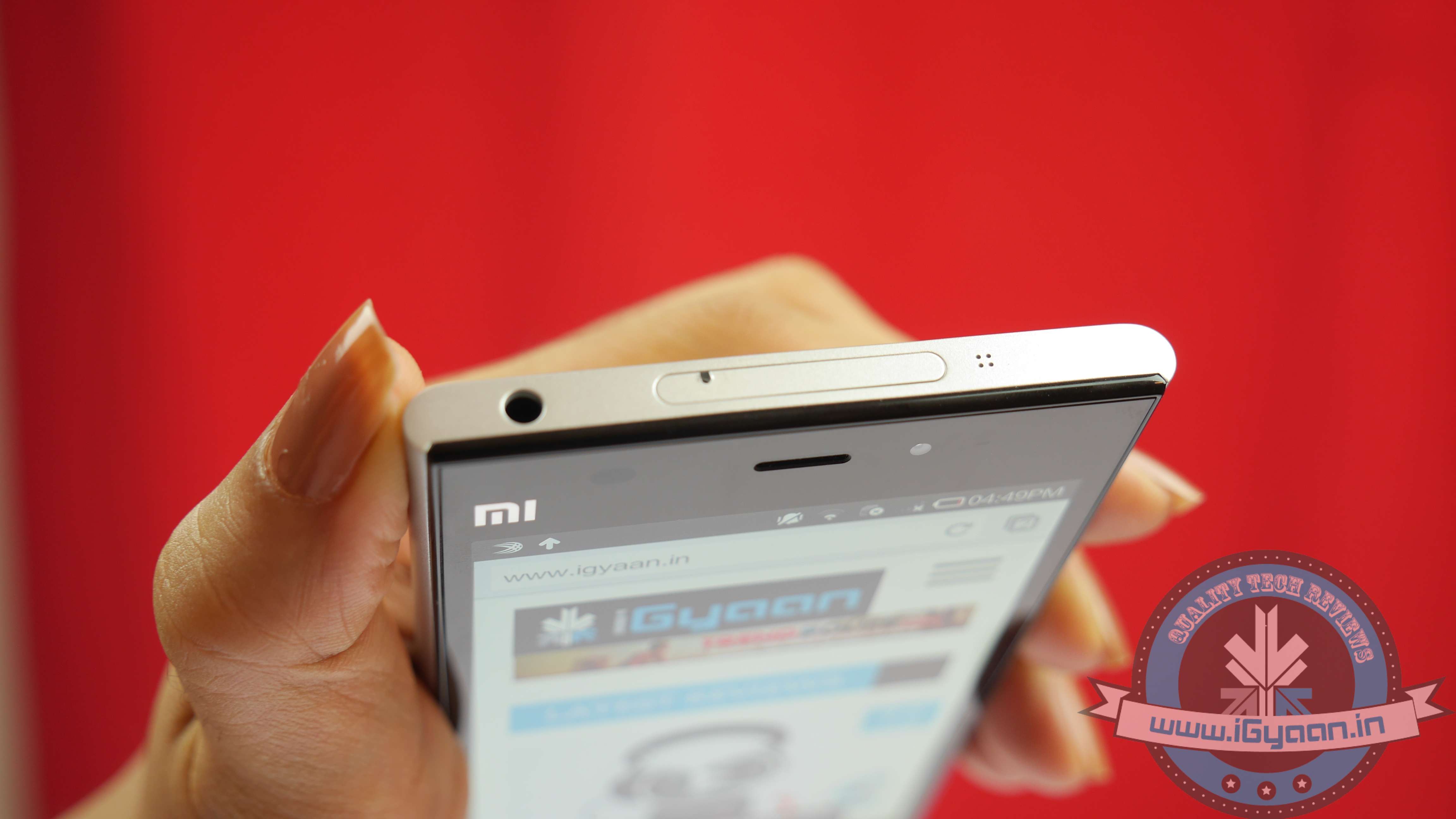
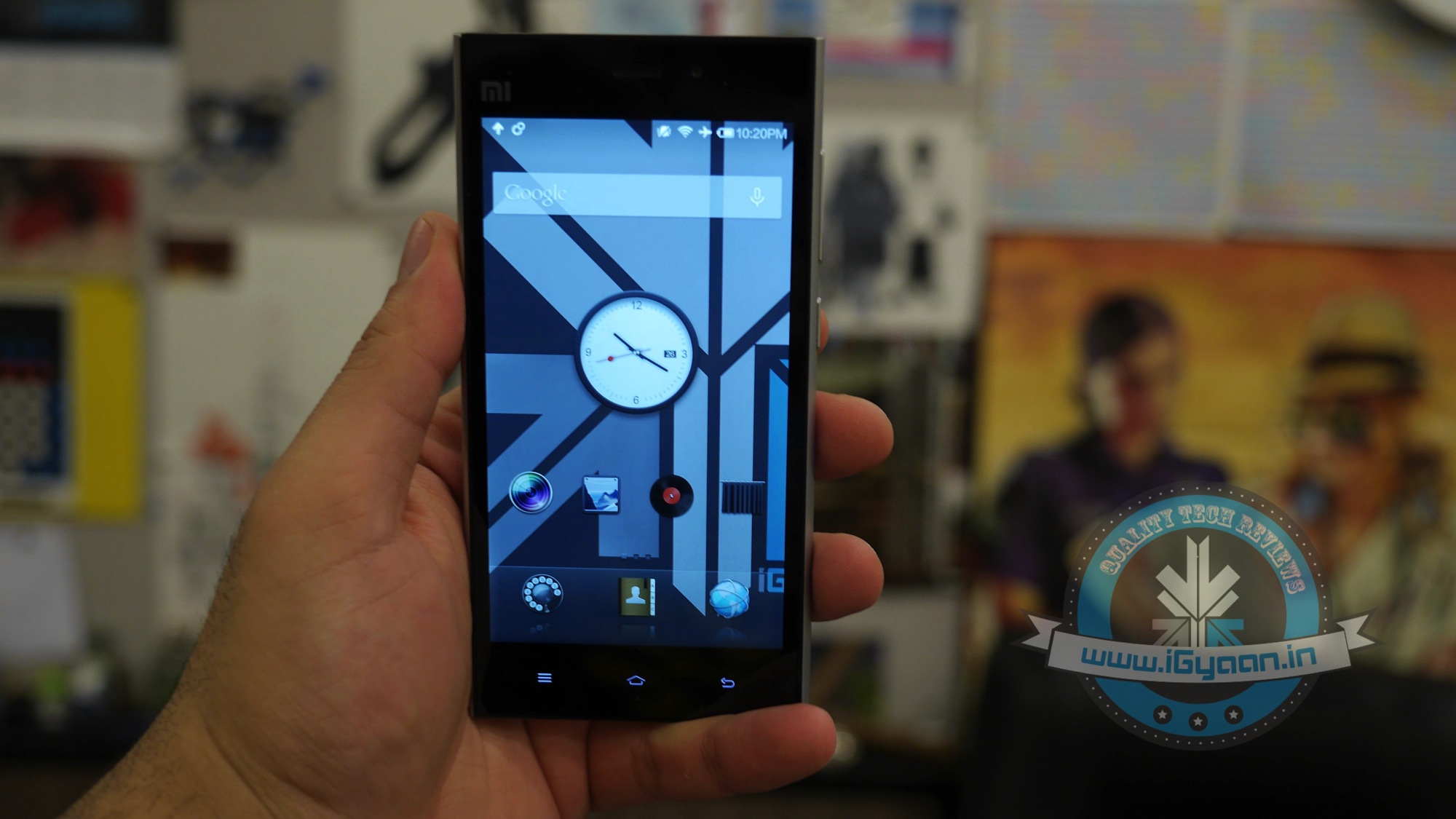
    Xiaomi mi3 Review 10

    Xiaomi is little known in Europe or in North America because it sells nearly all of its smartphones in mainland China. But strong growth in China and Indian-subcontinent (recently) was enough to get Xiaomi to a top five position among the world’s smartphone makers from nowhere the previous year.

    “Over all, Xiaomi grew 240 per cent, compared with the second quarter last year, to take 14 percent of the Chinese smartphone market. Undoubtedly, this was helped by an under-strength Samsung performance during the quarter,” Canalys research analyst Jingwen Wang wrote in a statement, “But that is only half the story — Xiaomi has also executed on its strategy to grow volume shipments. It has delivered compelling products at aggressive price points, backed by effectively targeted marketing.”

    04bits-xiaomi-tmagArticle

    To increase customer base, Xiaomi offered special software that customers cannot get with other Android devices. The company offers a customized version of Android, called MIUI, which customers can help design by giving feedback online; the company releases a new version of the operating system every Friday to keep fans excited.

    Samsung reported last week its lowest quarterly profit in two years for the second quarter, partly blaming a slowdown of cheap smartphone sales in China. Samsung said it faced higher competition from local brands and weaker demand for its 3G handsets as Chinese consumers shifted to 4G smartphones.

    China has highest percentage of mobile users than any other country and makes up 37% of the global phone market. Encouraged by its success at home, Xiaomi is looking to expand into other countries in the next year, including Mexico, Thailand, Indonesia, Russia and Turkey.

  • RBI Cautions Users of Virtual Currencies(Bitcoin) against Risks

    RBI Cautions Users of Virtual Currencies(Bitcoin) against Risks

    Bitcoin is a decentralized digital currency, they are digital coins that can be sent through the internet. The company claims that Bitcoins has number of advantages over the other alternatives. Using Bitcoins money is directly transferred from a person to another, which means no bank is involved in between. This further means lower cost of transfer and Bitcoins can be used in any country, user’s account cannot be frozen, there are no prerequisites or arbitrary limits.  

    However, authorities of India does not like this concept at all. Several Indian Bitcoin exchanges have suspended operations following a warning from the Reserve Bank of India, which is concerned on digital currencies. The Reserve Bank of India has today cautioned the users, holders and traders of Virtual currencies, including Bitcoins, about the potential financial, operational, legal, customer protection and security related risks that they are exposing themselves to.

    RBI says, the creation, trading or usage of VCs including Bitcoins, as a medium for payment are not authorized by any central bank or monetary authority. No regulatory approvals, registration or authorization is stated to have been obtained by the entities concerned for carrying on such activities. As such, they may pose several risks to their users, including the following:

    • VCs being in digital form are stored in digital/electronic media that are called electronic wallets. Therefore, they are prone to losses arising out of hacking, loss of password, compromise of access credentials, malware attack etc. Since they are not created by or traded through any authorised central registry or agency, the loss of the e-wallet could result in the permanent loss of the VCs held in them.

    • Payments by VCs, such as Bitcoins, take place on a peer-to-peer basis without an authorised central agency which regulates such payments. As such, there is no established framework for recourse to customer problems / disputes / charge backs etc.

    • There is no underlying or backing of any asset for VCs. As such, their value seems to be a matter of speculation. Huge volatility in the value of VCs has been noticed in the recent past. Thus, the users are exposed to potential losses on account of such volatility in value.

    • It is reported that VCs, such as Bitcoins, are being traded on exchange platforms set up in various jurisdictions whose legal status is also unclear. Hence, the traders of VCs on such platforms are exposed to legal as well as financial risks.

    • There have been several media reports of the usage of VCs, including Bitcoins, for illicit and illegal activities in several jurisdictions. The absence of information of counter-parties in such peer-to-peer anonymous/ pseudonymous systems could subject the users to unintentional breaches of anti-money laundering and combating the financing of terrorism (AML/CFT) laws.

    Bitcoin came into existence in 2009, and the current number of Bitcoin units generated so far is about 12 million. However, India is not the only country to suspend the use of Bitcoins, as Thailand and China did the same. RBI is examining the issues on the usage of the virtual currency under the extant legal and regulatory framework of the country.

    [Source]

  • Chinese kids allegedly forced to work at Foxconn making PS4s to get School Credits

    Chinese kids allegedly forced to work at Foxconn making PS4s to get School Credits

    If your usual projects at school were tough, and you thought internships were boring, this piece of news might change your mind.  According to Chinese media, over 1,000 students from the Xi’an Institute of Technology have been working on the PlayStation 4 production line at Foxconn as part of a work experience partnership.

    Just like regular workers, the students get paid and get workex on their CVs to make PS4 units however there seems to be no relevance to their courses. Foxconn has admitted to Quartz that some students were designated night shifts and overtime in disagreement with internship protocol. Foxconn says it’s taken steps to make sure it won’t happen again. 

    While reports claim that Xi’an Institute of Technology is holding credits of Students who don’t complete this “Mandatory” Internship. A real strategy for education, or a way to get cheap and effective labor ? You decide!

    Hit up the source below, to get more details!

    [Source]

  • Samsung Launches Dual SIM Version of Galaxy Note 3

    Samsung Launches Dual SIM Version of Galaxy Note 3

    Samsung’s latest flagship device Galaxy Note 3 is already available in the Indian markets for the consumers, as we all know Samsung launched an Exynos version in the Indian market whereas in other markets the company launched Snapdragon 800 versions of the very same device.

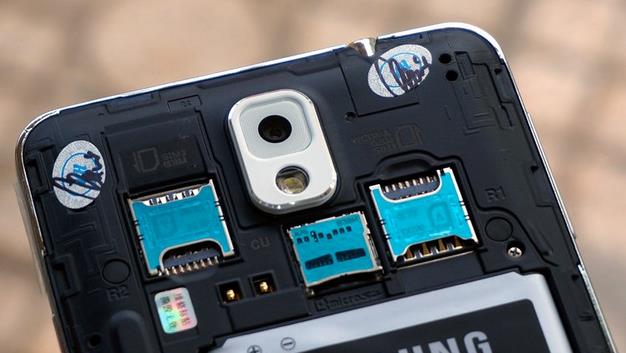
    Samsung has now come up with a Dual SIM variant of its flagship, but its only said to be available in China as this is what happened with Note 2 last year. The company’s Chinese website shows up the device with a Dual SIM variant. The model number is referred as N9002. The device comes up with Dual Micro SIM card slots along with a Micro SD card slot. 

    This N9002 is powered by a 2.3 GHz quad-core Snapdragon 800 chipset. Rest all features are pretty much the same except the 4K recording, it comes up with a 5.7-inch resolution of 1920 x 1080 pixels pixels Full HD Super AMOLED display. The device  and runs on Android 4.3, 13MP rear camera with LED and 4K video recording along with a 2 MP front-facing camera. Like the Indian version this device also packs 3 GB of RAM, 32 GB of internal memory with a  microSD slot up which supports upto 64 GB.

    [via]

  • HTC One Makes an Appearance in Gold

    HTC One Makes an Appearance in Gold

    We recently witnessed Apple unveil the new iPhone 5s in a new Gold color variant, earlier this week. It now appears that another flagship smartphone is all set to join the Gold league that was kicked off by Apple.

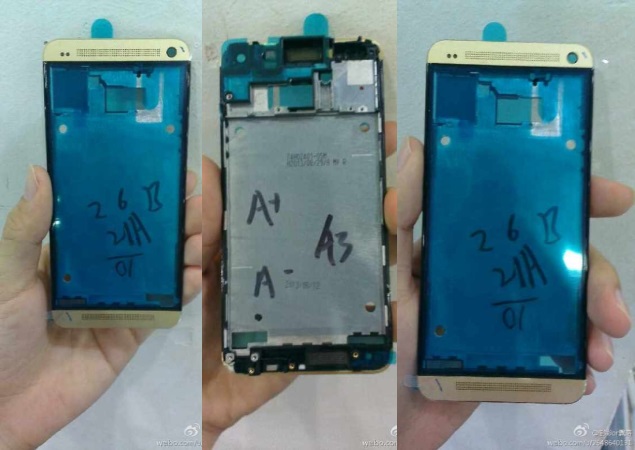
    HTC’s flagship, the Full HD screen phone has been spotted in a Gold colour. The leaked images have been posted by the Chinese forum Weibo. The leaked images show the front and rear chassis of the HTC One Gold model. However, the parts from the rear panel are missing in the images. The site does not reveal any additional details related to the alleged HTC One Gold variant.

    Originally the HTC One was launched in two colour variants, Black and Silver. Soon, the company showcased a ‘Glamour Red’ version of the device. The Glamour Red variant of HTC One was offered initially in the UK.

    Recently, HTC announced a new colour option for the HTC One, dubbed as Vivid Blue which joined the three existing colour options – Black, Silver and Red. Recently, it was announced that the HTC One will get Android 4.3 by the end of September.

    [via]

  • Samsung wants 64 bit processors in its Smartphones too

    Samsung wants 64 bit processors in its Smartphones too

    Post Apple’s September 10th announcement of the two new iPhones, with the iPhone 5s running a 64 bit chipset, Samsung head JK Shin has said that the next Samsung smartphone will run a 64 bit processor too, reports Korea Times.

    JK Shin added that Samsung is aware of the Apple’s plans in China and will be affected by them. The upcoming 64 bit smartphones will come “not in the shortest time,” but that “our next smartphones will have 64-bit processing capability.”

    ARM has been promoting their 64 bit architecture for some time and this would be any easy in-house production for Samsung for their next Exynos 6 and Galaxy S5 combination expected to be announced at CES January 2014.

    Is this a knee-jerk move by Samsung, or is it a planned announcement? Only the folks at Samsung know.

  • 2015 Facelifted Nissan Sunny Leaked?

    2015 Facelifted Nissan Sunny Leaked?

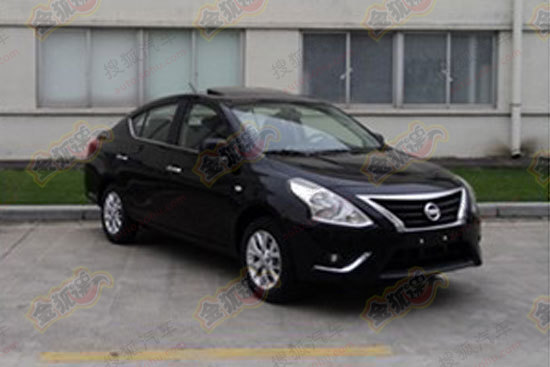
    Images of the 2015 facelifted Nissan Sunny have been leaked on to Chinese auto site Sohu. Introduced at the 2010 Guangzhou Auto Show, the Sunny is expected to be given a mid-cycle refresh and the images shown here come from China, where the refreshed Sunny could go on sale first. According to the Chinese media, the new Sunny could make its debut at the Chengdu Auto Show in September.

    From the grainy pictures, the biggest change will evidently be to the headlights with the Sunny getting boomerang-style units as seen on the new Nissan Micra. Other changes to the grille and front bumper are in the works with a new housing for fog lights and the addition of a chrome strip.

    Sunny

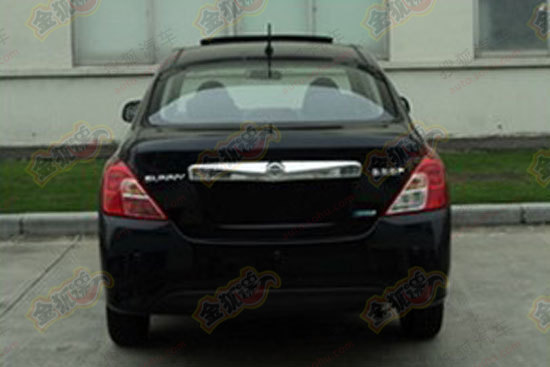
    A bigger chrome strip finds its way to the rear-end of the sedan, and a restyled bumper can be seen. New alloy wheels make up all the changes to the sides, and the interiors are expected to be the same as well. All in all, as it stands, the mid-cycle refresh isn’t a major overhaul, but only time will tell whether this will really be the production model, or if more changes are yet to be executed.

    [Source: Sohu via IndianAutosBlog]

  • Apple Named In China Porn App Probe

    Apple Named In China Porn App Probe

    Apple has been named in an article listing several websites and app stores being investigated in China for providing pornographic content. 

    The People’s Daily article is not featured prominently in Wednesday’s paper, nor does it make efforts to emphasize Apple, which is listed next to the names of other app stores singled out in the middle of the second paragraph of the article. According to Apple’s terms of use, pornographic content is not allowed on its app store.

    Apple has been scrutinized by the Chinese government over pornographic content before, and it’s not the only major company to come under fire for this. Back in 2009, Chine Central Television accused Google of spreading pornography, leading to hacks that cause Google to move its operations to Hong Kong the following year.

    As the Wall Street Journal reports, the Chinese government is better known for its crackdowns on politically sensitive content, but it has also long sought to keep pornography off the web in China. To accomplish this quixotic task, it has launched repeated campaigns to block illicit material online, shuttered hundreds of websites and blog accounts, and even called Internet executives into industry-wide meetings to call for greater vigilance. Occasionally the Chinese government will use bans on pornography to censor politically sensitive content, according to analysts.

    Apple was recently criticized by Chinese media over its hardware warranty policy, forcing CEO Tim Cook to publicly apologize and announce a few changes to that policy.

    [Wall Street Journal]

  • HTC Launches Budget Desire U with single-core 1GHz processor

    HTC Launches Budget Desire U with single-core 1GHz processor

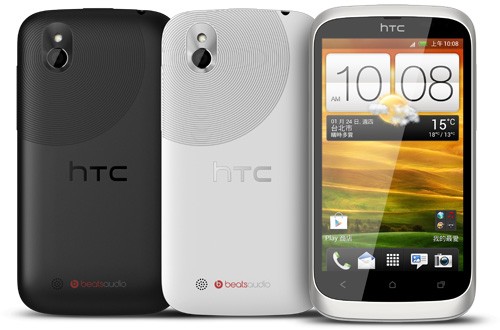
    HTC Desire U

    HTC has launched a brand new budget phone targeted at developing markets like our very own. The HTC Desire U will come with a 1 GHz Single core CPU along with Android 4.0 with HTC Sense. The HTC Desire U will have 4 GB of Store and 512 MB of RAM along with microSD card expandability.

    The working bands will include HSPA/WCDMA : 900/2100 MHz / GSM/GPRS/EDGE : 900/1800/1900 MHz. Connectivity includes WiFi, Blutooth 4.0 and micro-USB 2.0. A  5-megapixel WVGA Video capable camera and Beats audio support inbuilt into the device. 

    As far as battery is concerned 1650mAh is the number, and the display is a 4 incher with a resolution of 480 x 800 px. 

    While this device could be a good replacement for the HTC explorer in India, pricing will be key to the success of this HTC 

    HTC Desire U White

    [HTC]

  • Foxconn Plant Closed After Riot

    Foxconn Plant Closed After Riot

    Image Courtesy : Engadget

    About 2,000 Chinese employees of an iPhone assembly company fought a pitched battle into the early hours of Monday, forcing the huge electronics plant where they work to be shut down. Authorities in the northern city of Taiyuan sent 5,000 police to restore order after what the plant’s Taiwanese owners Foxconn Technology Group said was a personal dispute in a dormitory that erupted into a mass brawl.

    The company said the incident was confined to an employee dormitory and “no production facilities or equipment have been affected.” It said the cause of the disturbance was still under investigation.

    One Foxconn employee reached by telephone Monday afternoon, however, said the incident began when workers started brawling with security guards. Unconfirmed photographs and video circulated on social networking sites, purporting to be from the factory, showed smashed windows, riot police officers and large groups of workers milling around. The Foxconn plant, in the Chinese city of Taiyuan, employs about 79,000 workers.

    The Chinese state-run news media said 5,000 police officers had been called in to quell the riot.  The disturbance is the latest problem to hit Foxconn, which also is a key supplier to Dell, Hewlett-Packard and Microsoft. It is part of Hon Hai Group of Taiwan and has been struggling to improve labor conditions at its China factories after reports about labor abuse and work safety violations.

    Apple and Foxconn have worked together in the last year to improve conditions, raise pay and improve labor standards.

  • Is the iPad 7 inch real? Leaked images of back panel emerge.

    Is the iPad 7 inch real? Leaked images of back panel emerge.

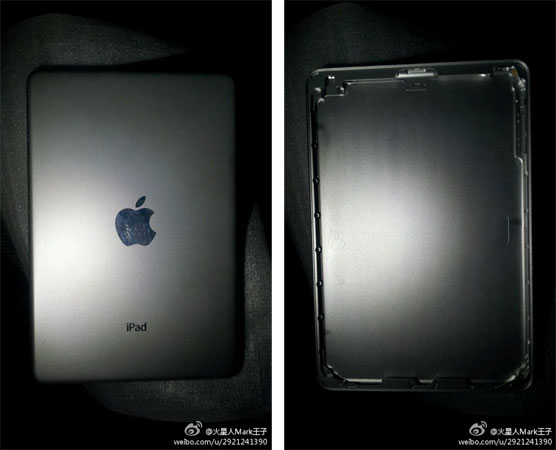
    Rumours of the Apple iPad mini are heating up the stadium. These images of supposedly legit iPad parts were put up on Chinese social media site Sina Weibo. The back panel apprears to be pre production as there is no cutout for camera. It could also be a prototype design, one of many that Apple tests. 

    The rumours this year have been hotter than ever, maybe, just maybe, Apple shows off the iPad mini at the September event?

    (Sina Weibo)

  • Proview sued by its iPad Case Law Firm, 2.4 million owed

    Proview sued by its iPad Case Law Firm, 2.4 million owed

    Proview the company that sued Apple for the iPad trademark in China has been sued by its very own legal firm for the non payment of its legal fees for the said case. According to Sina Tech, Grandall Law Firm confirmed that its shady client refused to pay up the promised 4 percent of Apple’s settlement fee, which equates to $2.4 million.

    Proview founder Yang Rongshan told Sina Tech that Grandall’s behavior is “nonsense,” and that his company isn’t obliged to pay back immediately as it isn’t under normal operation right now. 

  • Apple Pays USD 60M for iPad Trademark in China

    Apple Pays USD 60M for iPad Trademark in China

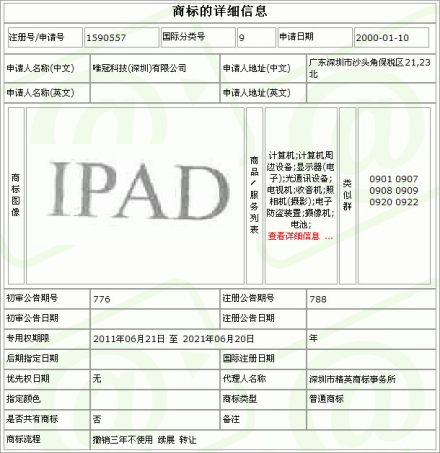
    Apple has agreed to pay US$60 million for ownership of the iPad trademark in China, as part of a settlement with a little-known Chinese firm called Proview that had tried to ban sales of the tablet in the country, according to a local court.

    The Guangdong Province Higher People’s Court announced the settlement on Monday, and stated that the legal dispute had been put to rest. Following the payment to Proview, Chinese authorities transferred the “IPAD” trademark to Apple.

    The two companies have been locked in a legal dispute to determine ownership of the iPad trademark, with Apple claiming to have bought the iPad trademarks for China from Proview in 2009.

    The Guangdong court was originally expected to rule on the case. But Apple and Proview were in recent months in talks to settle the dispute, at the initiative of the court.

    Proview had wanted as much as $400 million in settlement from Apple in order to help clear its debts. Eight banks have taken over Proview’s assets and are owed $180 million.

    Li Su, the head of the consultancy representing the eight banks, said Apple initially wanted to pay only a few million dollars for the iPad trademark. But over time, Apple negotiated in good faith, realizing the dispute would linger in Chinese courts unless a settlement was reached, he added.

    Su said he did not know how the $60 million received from Apple would be spent.

  • Huawei Launches Ascend P1 2600 mAh XL with E5151 hotspot (PR)

    Huawei Launches Ascend P1 2600 mAh XL with E5151 hotspot (PR)

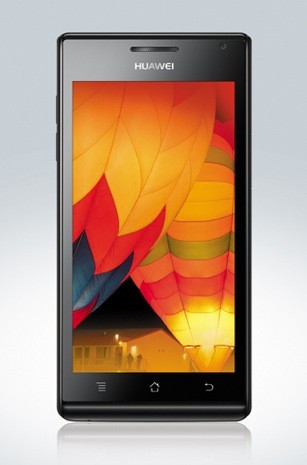
    Huawei has come out with a 2600 mAh XL variant for their Ascend P1, dubbed Ascend P1 2600 mAh XL, which like the name suggests has a larger 2600 mAh battery. That’s almost a 56 % increase over the original version which is also the Razor Maxx. 

    Also in the might package, expect a E5151 3G Mobile Hotspot that also allows tethering via WiFi but what’s new is that it also allows it via a LAN port on the device. As far as the news is concerned the device will only be launched in China, and has a honest chance of heading down to India.


    [toggle_box title=”Press Release” width=”Width of toggle box”]


    Huawei Device showcases its portfolio of star products at the Mobile Asia Expo 2012


    Launch of the Ascend P1 TD- SCDMA and 2600mAh XL smartphones highlight Huawei’s commitment to expanding its product portfolio


    Shanghai, China, 20 June 2012: Huawei, a leading global information and communications technology (ICT) solutions provider, launched the Ascend P1 TD-SCDMA and the 2600 mAh XL versions at the GSMA Mobile Asia Expo 2012 in Shanghai today. The Ascend P1 TD-SCDMA will be available for sale through e-commerce channels in China at the end of June, while the Ascend P1 XL will be available for sale in China in Q3. At the Expo, Huawei is also showcasing its star products including quad-core smartphone Ascend D quad, the dual-core smartphone Ascend D1, the quad-core HD tablet MediaPad 10 FHD, the compact dual-core smartphone Ascend P1, and Mobile WiFi E5331 and E5151.

    “2012 has been an exciting year for Huawei Device as we innovate and transform to achieve a stronger performance in this competitive market,” said Shao Yang, Chief Marketing Officer, Huawei Device. “With the creation of both our star and flagship product series, Huawei Device is working towards establishing a new industry standard that provides outstanding product experiences for consumers. At the same time, Huawei Device is transforming to become a more consumer-facing brand, actively communicating our own value proposition and steadily progressing towards our goal of becoming one of the world’s leading mobile phone brands.”

    The Ascend P1 TD-SCDMA and 2600 mAh XL versions, displayed for the first time at the Mobile Asia Expo, are the latest in the Ascend P1 series providing a high-end experience while offering a more personalized choice for consumers. Also on display are other star products from Huawei such as the Ascend D quad, Ascend D1, MediaPad 10 FHD, Ascend P1, Huawei Honor, and the new generation 4.0 thousand yuan smartphone Ascend C8812.

    At the Mobile Asia Expo, Huawei Device is also showcasing its data card product series which includes a total of seven products ranging from PA+ standard of 21Mbps downlink speed to LTE Cat4 standard of 150Mbps downlink speed. Highlights of the data card products include the Mobile WiFi E5331, winner of the Red Dot Design Award in Germany, and the new Mobile WiFi E5151 with its Ethernet port supporting Ethernet and 3G dual-WAN connectivity.

    Huawei Device’s presence at the Mobile Asia Expo is testament to the company’s ongoing commitment to the global smartphone industry. In 2011 Huawei generated sales revenue of US$6.8 billion, and smartphone shipments of 20 million units. In 2012, Huawei is expected to achieve revenue of US$9 billion, with smartphone shipments of 60 million units.

    The Ascend P1 launched in China in April this year and is now available in more than 1,000 high-end retail stores throughout the country. In the coming half year, the Huawei Ascend P1 will be commercially available in Germany, Russia, Australia, Singapore, Indonesia, and Malaysia. The Huawei Ascend D1 will soon be available on e-commerce channels in China, while Ascend D quad is scheduled for commercial availability in China in the second half of 2012.

    [/toggle_box]


iGyaan Network
Privacy Overview

This website uses cookies so that we can provide you with the best user experience possible. Cookie information is stored in your browser and performs functions such as recognising you when you return to our website and helping our team to understand which sections of the website you find most interesting and useful.