Tag: Clear ID

  • Nokia A1 Plus With In-Display Fingerprint Sensor, Snapdragon 845 To Launch At IFA 2018

    Nokia A1 Plus With In-Display Fingerprint Sensor, Snapdragon 845 To Launch At IFA 2018

    Commencing on the 31st of August, the IFA Berlin conference is expected to see the launch of a few exciting smartphones. One such smartphone could be the Nokia A1 Plus. A report claims that HMD Global is gearing up to launch its first-ever smartphone with an in-display fingerprint sensor at IFA Berlin this year.

    The flagship smartphone will run on the latest high-end chipset, the Snapdragon 845. It is worth noting that a Snapdragon 845-running Nokia device, the Nokia 9, has been heavily leaked over the past few months. There are chances that the Nokia A1 Plus could be nothing but a rebranded Nokia 9, which will serve as a successor to the Nokia 8 Sirocco. The Nokia 8 Sirocco was launched at MWC 2018 which runs on the Snapdragon 835 chipset.
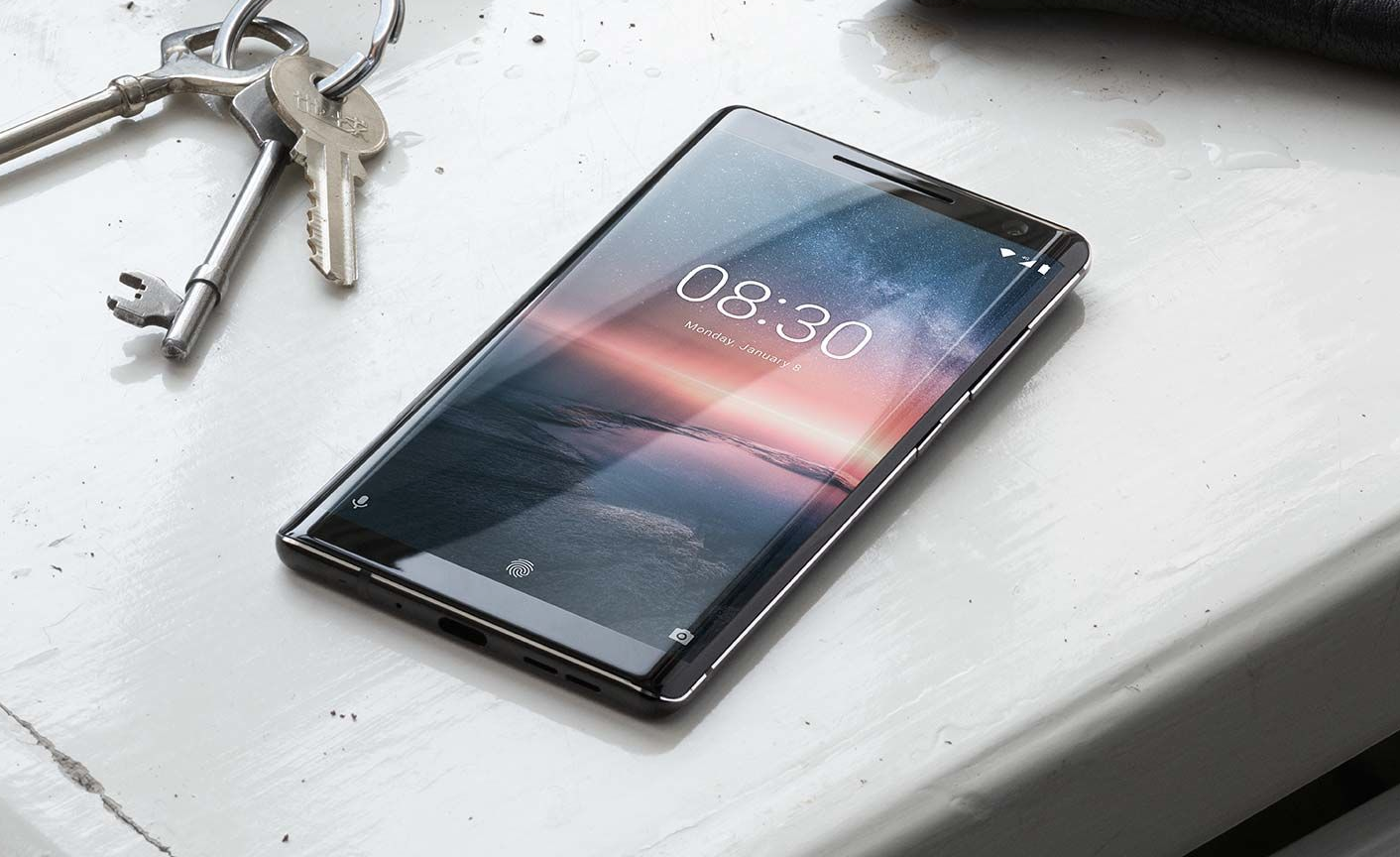
    Nokia 8 Sirocco

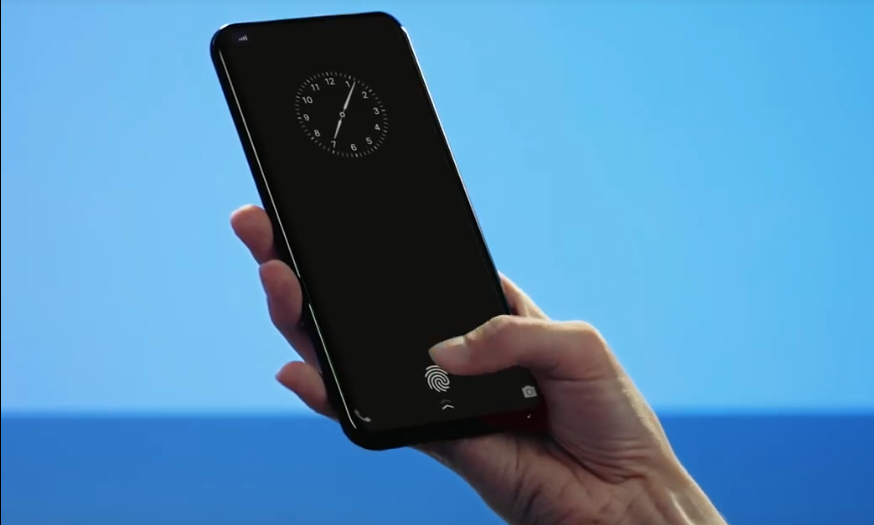
    HMD Global will use the same in-display fingerprint sensor found on the Vivo X21 Plus UD. The fingerprint sensor was developed by Synaptics and goes by the moniker ‘Clear ID’. The in-display fingerprint sensor sits between the mainboard and the OLED panel where it illuminates the finger and then processes the beams of light. Hence, this technology will not work on LCD panels as the sensor looks through the dots of an OLED panel, and then recognises the fingerprint.

    Reportedly, HMD Global is working with its manufacturing partner Foxconn to release the smartphone in the European market.

    The moniker of the smartphone is also interesting. HMD Global has so far stuck to using numbers for its Android smartphone lineup. The ‘A1 Plus’ here could signify a software difference between this smartphone and other Nokia-branded Android smartphones. The Nokia A1 Plus could be an Android One device. It is, however, worth noting that so far, Nokia smartphones have shipped with near stock Android OS. With Android One, the A1 Plus will receive faster software updates.

    While the Nokia A1 Plus seems like an exciting prospect, these are still rumours. With the IFA 2018 conference more than a month away, we are expected to get official announcements from brands in the coming days.

  • Xiaomi Mi 7 Will Have An In-Screen Fingerprint Sensor

    Xiaomi Mi 7 Will Have An In-Screen Fingerprint Sensor

    Xiaomi was earlier expected to launch the Mi 7 at an event during the Mobile World Congress 2018. The delay in the launch of the Mi 7 was initially attributed to just the timing of the Mi MIX 2s launch. However, it now appears that the company delayed the launch to incorporate within the Mi 7 new biometric technology. Xiaomi CEO has confirmed via an online post that the MI 7 will indeed have an in-screen fingerprint sensor.

    Xiaomi’s CEO Lei Jun commented on a Weibo post confirming the feature. The exchange happened on a post containing official Xiaomi Mi Mix 2s disassembly photos. In the image, it appears that a user jokingly mentions that the Mi 7 will have an in-screen fingerprint sensor. Lei Jun then replied to that comment confirming the presence of an in-screen fingerprint sensor.

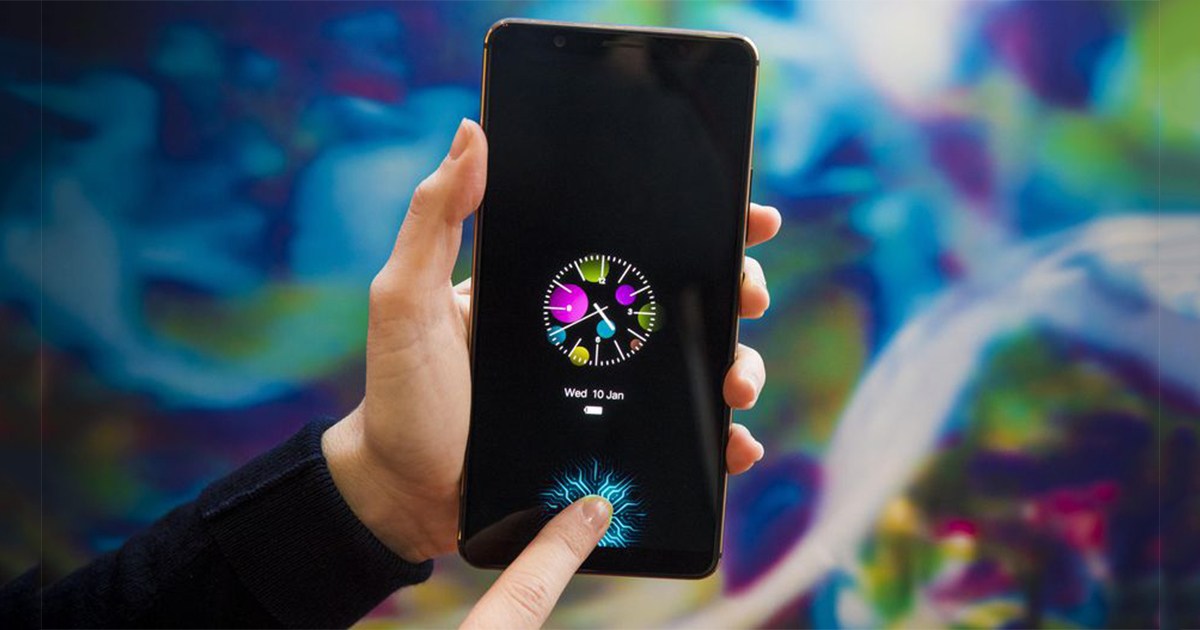
    In-display Sensor demo

    It is worth noting that the nature of the exchange is not serious and the following comment sort of dismisses the claim. However, there has been a lot of chatter of the Xiaomi Mi 7 sporting the Clear ID technology. If so, the Mi 7 is confirmed to also have an OLED display which is required to embed this type of fingerprint sensor.

    The fingerprint sensor sits between the mainboard and the OLED panel where the OLED panel illuminates the finger and then processes the fingerprint scan. Hence, this technology will not work on an LCD panel, at least for now. Synaptics claims that it has a failure rate of 1 in 50,000. So far, the consensus on the use of Clear ID tech has been positive. However, many have pointed out that it is still much slower than traditional fingerprint sensors. With Xiaomi taking its time to launch the Mi 7, we expect the phone will launch with a more refined version of this Clear ID tech.

    Xiaomi Mi 7 Specs
    Price US $485 (Tentative)
    Display 5.7 inch
    OLED
    Resolution 2160 x 1080 px
    Chipset Snapdragon 845
    RAM 8GB
    Storage 128GB
    Non-Expandable
  • Samsung Galaxy Note9 To Have In-Display Fingerprint Sensor

    Samsung Galaxy Note9 To Have In-Display Fingerprint Sensor

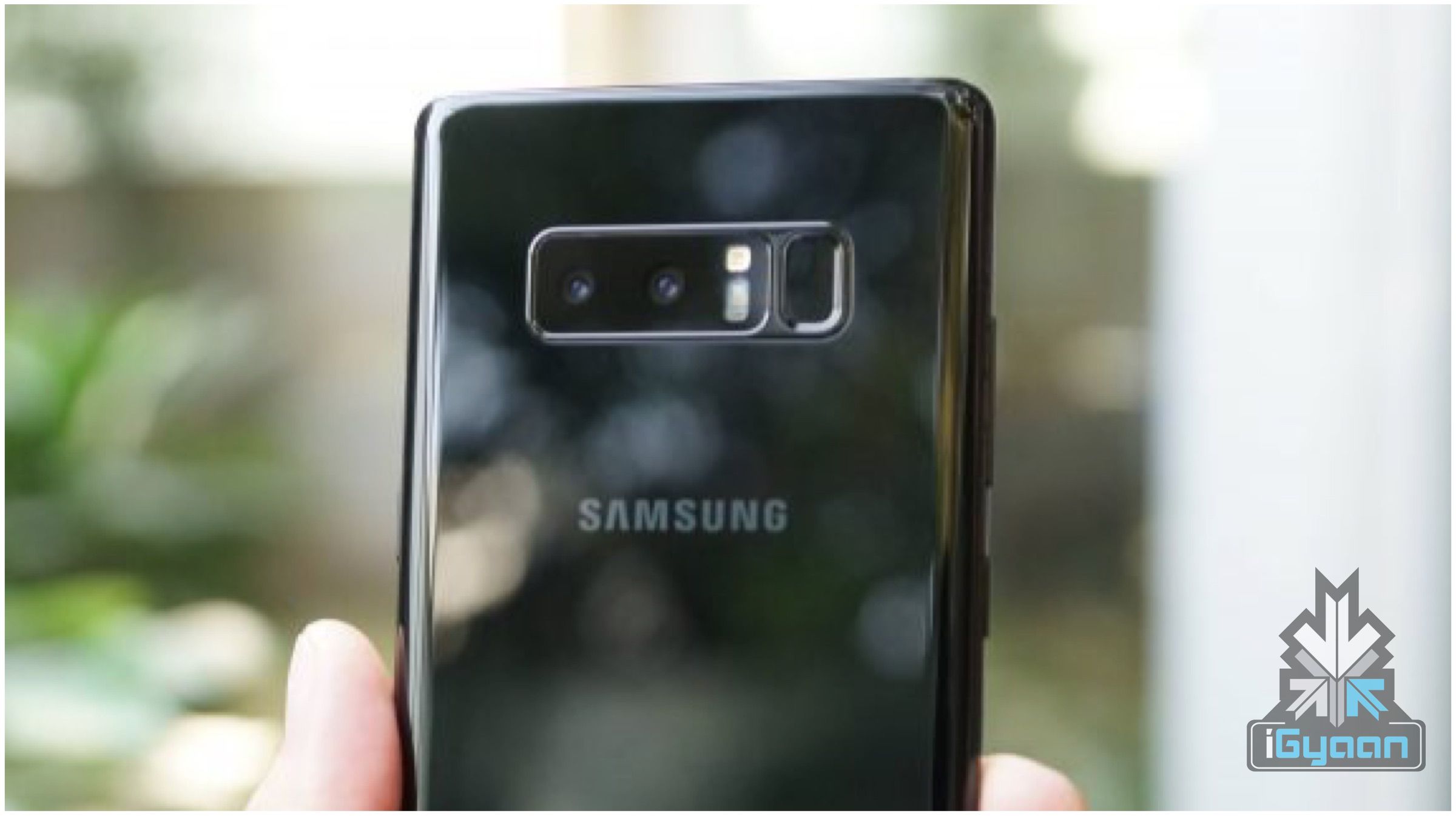
    A new report claim that the Samsung Galaxy Note9 will be the first-ever Samsung phone to feature an in-display fingerprint sensor. For weeks leading up to the launch of the Samsung Galaxy Note8, there were speculations that it would have an in-display fingerprint sensor. The Galaxy Note8 was launched in August 2017 and by then, screen embedded fingerprint sensors were found in concept phones only.

    Galaxy Note9

    However, since the launch of the Galaxy Note8, this technology has come a long way and is finally consumer-ready. Vivo recently launched the Vivo X20 Plus UD in China, becoming the first ever smartphone to feature the new Clear ID technology. For Samsung to implement this technology makes a lot of sense since it already uses OLED panels for its premium smartphones and Clear ID, right now, only works on OLED panels.

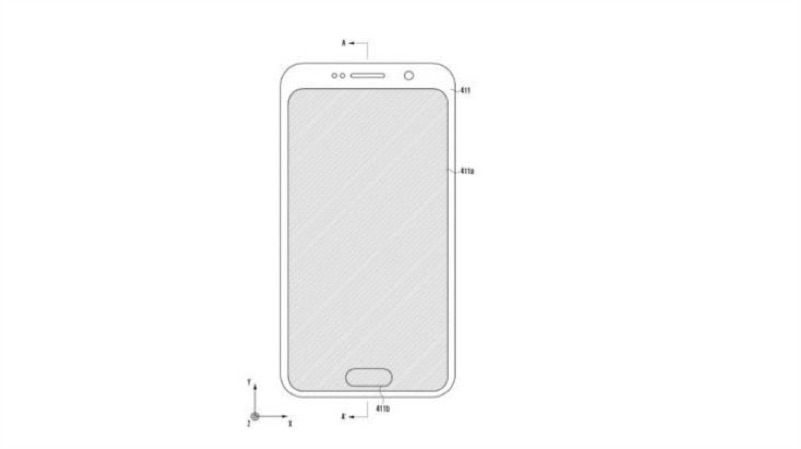
    The report claims that a Samsung patent unearthed has indications toward a screen embedded fingerprint sensor. Apparently, Samsung doesn’t want to rely on Synaptics and wants the in-screen fingerprint sensor of the Galaxy Note9 to be based on its own technology. While this sounds like an irrational decision as it will increase the R&D cost and take up a lot of time, a company of Samsung’s stature and resources can definitely go this route.

    Galaxy Note9
    Vivo X20 Plus UD

    It is worth noting that the design in the image is merely for reference. It certainly does not indicate the future design of the Galaxy Note9 or any premium Samsung smartphone. Industry sources claim that Samsung has been trying to master the Clear ID technology for quite some time now. Both the Galaxy S8 and Galaxy Note8 devices were eluded of the technology as Samsung struggled with manufacturing yield rates.

    The Samsung Galaxy Note9 is expected to be launched in August 2018, similar to its predecessor. It will have better S Pen implementation, improved dual-camera performance and in all probability, a screen-embedded fingerprint sensor.

  • Vivo X20 Plus UD With In-Display Fingerprint Sensor Launched

    Vivo X20 Plus UD With In-Display Fingerprint Sensor Launched

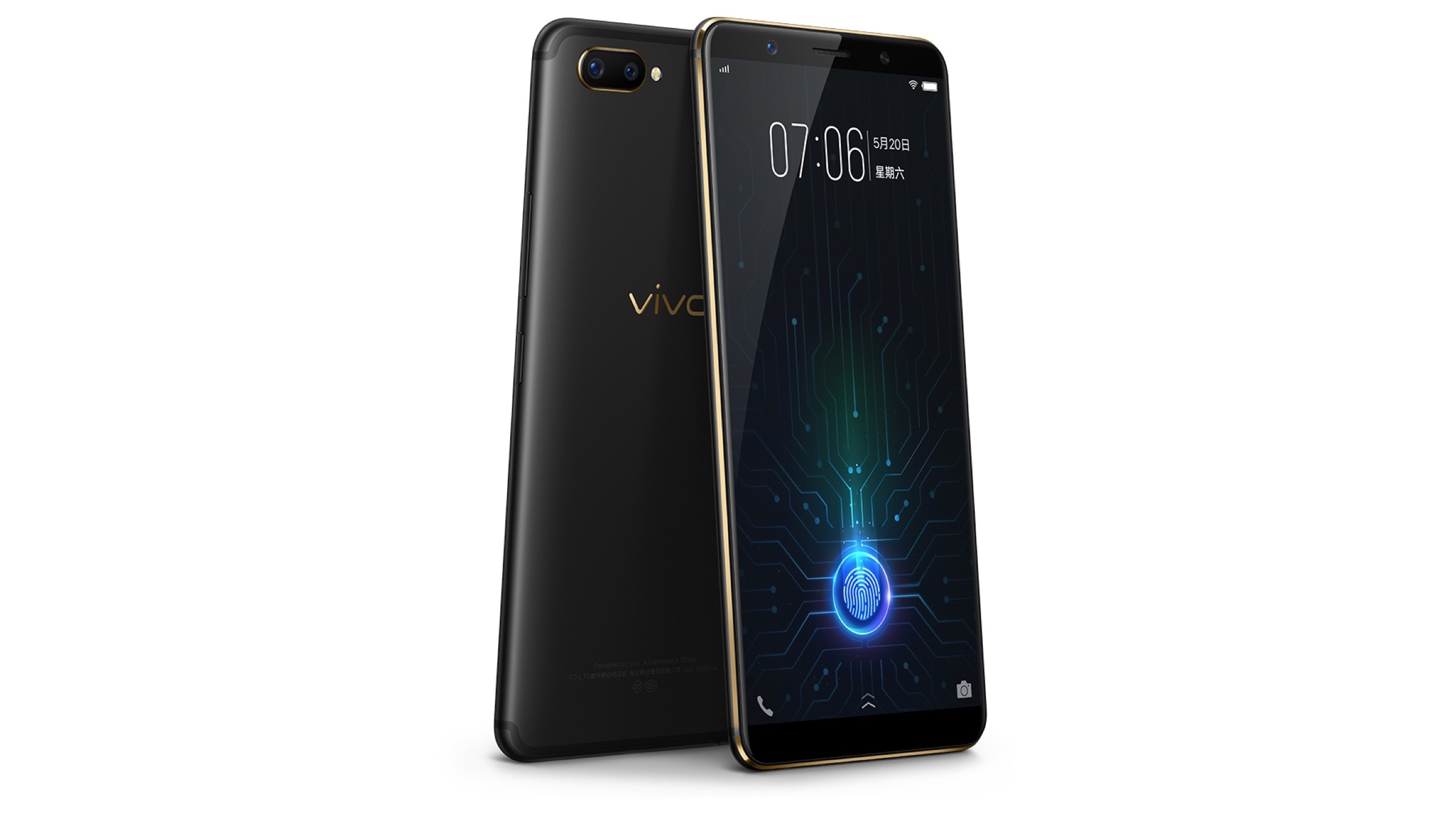
    The launch of the Vivo X20 Plus UD was highly anticipated. Vivo, one of the top five smartphone manufacturers in the world became the first company to unveil a phone with an in-display fingerprint sensor. The Vivo X20 Plus UD is not a prototype or a concept, it is a consumer-ready device with a fingerprint sensor placed inside the display.

    Now, the company has made officially launched the device in China. UD, presumably, stands for “under display”. It will go on sale in China starting February 1st at a price of CNY 3598 (Rs. 36100 approx.).

    Vivo X20 Plus UD

    Specifications

    The Vivo X20 Plus UD is basically the Vivo X20 Plus, with an in-display fingerprint sensor instead. It has a 6.43 inch Super AMOLED display with a 2160 x 1080 px resolution which translates to an 18:9 aspect ratio.

    The Qualcomm Snapdragon 660 chipset powers the device. The Vivo X20 Plus UD has 4GB of RAM and 128GB of onboard storage which is further expandable up to 256GB via a microSD card.

    The smartphone is powered by a 3900 mAh battery. The Vivo X20 Plus UD runs Android 7 Nougat out of the box. Since Android 8 Oreo was launched in August of 2017, this news is a bit disappointing.

    To the back, it has a dual-camera setup consisting of a 24MP sensor with an f/1.8 aperture and OIS along with a 5MP sensor. To the front of the phone is a 12MP sensor with a soft LED flash and an f/2.0 aperture.

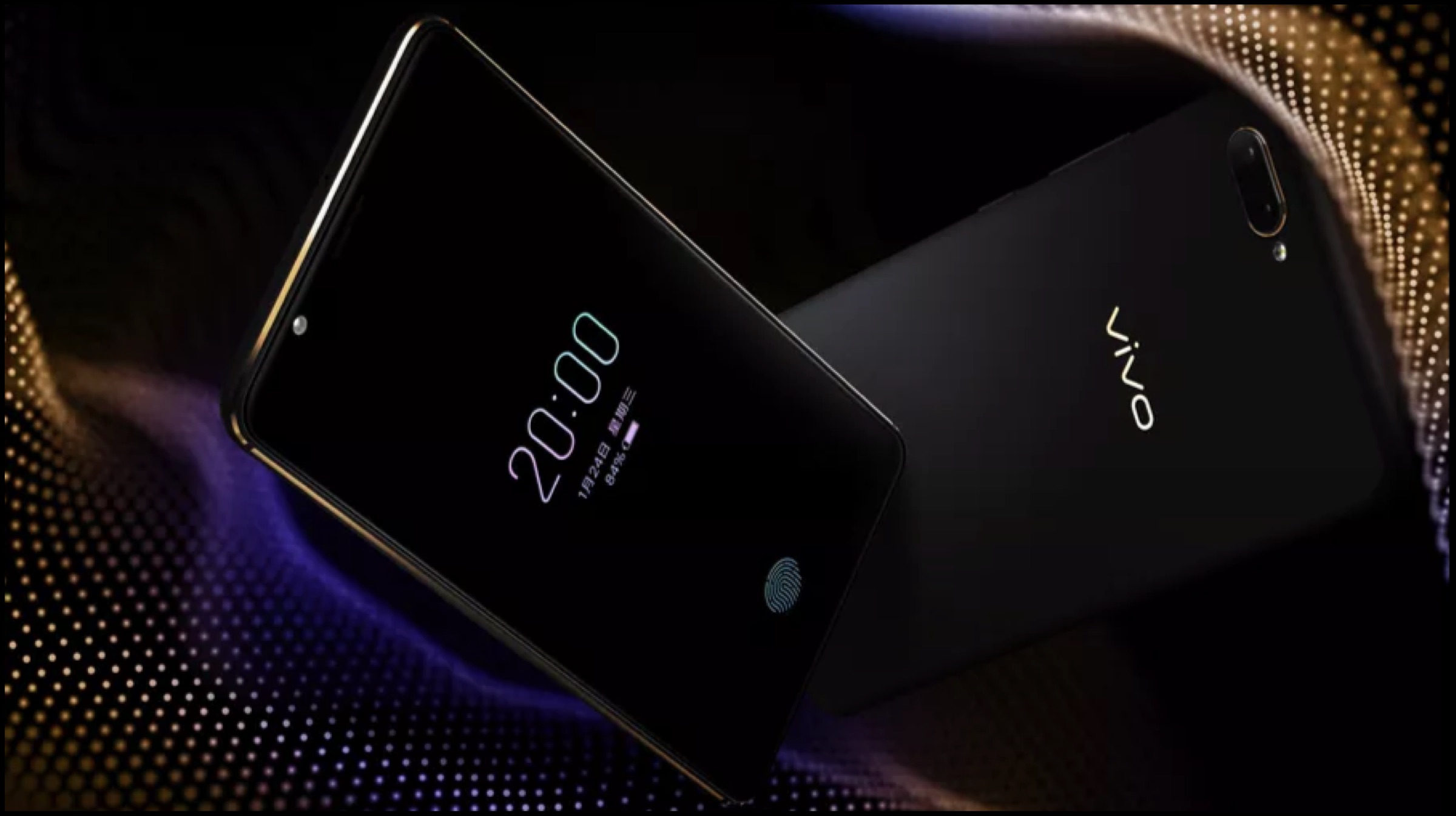
    Vivo X20 Plus UD

    What Is Clear ID?

    Clear ID lets users OEMs embed a fingerprint sensor under the display. Synaptics claims that it has a failure rate of 1 in 50,000 which, for a first gen product, is admirable. Early reviews of the device are in and mostly paint a positive picture. People have praised the accuracy of the sensor after initial usage. While it is slower than the OnePlus 5T, it is hard to complain when the process feels so futuristic.

    The fingerprint sensor sits between the mainboard and the OLED panel where it illuminates the finger and then processes the beams of light. Hence, this technology will not work on LCD panel, at least for now.

    Vivo has already listed the device on its official website in China. However, there is no word on its global availability yet. Considering the precedence that this phone has set, Vivo would want to launch the smartphone in other markets as well, since there will be a lot of suitors for a new technology like Clear ID.

  • Vivo X20 Plus UD With In-Display Fingerprint Sensor Is Now Official, Launch Set For 24th January

    Vivo X20 Plus UD With In-Display Fingerprint Sensor Is Now Official, Launch Set For 24th January

    It was a highly anticipated unveiling and one that would set the precedence for all the smartphone makers across the market. Vivo, one of the top five smartphone manufacturers in the world became the first company to unveil a phone with an in-display fingerprint sensor. Not a prototype or a concept, a consumer-ready device with a fingerprint sensor placed inside the display.

    Now, the company has made the device official in China as the Vivo X20 Plus UD. UD, presumably, stands for “under display.” While there is no word on the smartphone’s availability or price yet, it is expected to be priced at around CNY 3998, which is Rs. 39000 approximately. The smartphone will be officially launched on the 24th of January.

    The Vivo X20 Plus UD is basically the Vivo X20 Plus, with a fingerprint sensor placed inside the display instead. It has a 6.43 inch Super AMOLED display with a 2160 x 1080 px resolution which translates to an 18:9 aspect ratio.

    Under the hood, the smartphone is powered by the Qualcomm Snapdragon 660 chipset, has 4GB of RAM and 128GB of onboard storage which is further expandable up to 256GB via a microSD card. It is powered by a 3930 mAh battery which charges via a USB C port.

    To the back, it has a dual-camera setup consisting of a 24MP sensor with an f/1.8 aperture and OIS along with a 5MP sensor. To the front of the phone is a 12MP sensor with soft LED flash and an f/2.0 aperture.

    The technology found in the new smartphone is known as Clear ID and lets users OEMs embed a fingerprint sensor under the display. Synaptics has claimed that it has a failure rate of 1 in 50,000 which, for a first gen product, is admirable. Early reviews of the device are in and mostly paint a positive picture. People are praising the accuracy of the sensor while it is slower than other fingerprint sensors found on devices like the OnePlus 5T, it is hard to complain when the process feels so futuristic.

    The in-display fingerprint sensor sits between the mainboard and the OLED panel where it illuminates the finger and then processes the beams of light. Hence, this technology will not work on LCD panels as the sensor looks through the dots of an OLED panel, and then recognises the fingerprint.

  • Vivo Unveils First Ever Smartphone With An In-Display Fingerprint Sensor

    Vivo Unveils First Ever Smartphone With An In-Display Fingerprint Sensor

    Vivo, one of the most famous Chinese smartphone maker in its native country, has done something incredible. Teaming up with Synaptics, it has unveiled the first-ever smartphone with an in-display fingerprint sensor that might be the answer to reducing bezels, shaky facial recognition technology and the inconvenience of rear-facing fingerprint sensors.

    The technology is known as Clear ID and lets users OEMs embed a fingerprint sensor under the display. Synaptics has claimed that it has a failure rate of 1 in 50,000 which, for a first gen product, is admirable. Early reviews of the device are in and mostly paint a positive picture. People are praising the accuracy of the sensor while it is slower than other fingerprint sensors found on devices like the OnePlus 5T, it is hard to complain when the process feels so futuristic.

    The in-display fingerprint sensor sits between the mainboard and the OLED panel where it illuminates the finger and then processes the beams of light. Hence, this technology will not work on LCD panels as the sensor looks through the dots of an OLED panel, and then recognises the fingerprint.

    Alex Feng, Senior VP in Vivo, said in a press release that this technology is the solution to the industry’s challenge of providing a more convenient authentication experience. The smartphone is ready for mass production and should be announced in “early 2018.”

    While the device might not be available in a lot of markets, it marks the beginning of more smartphone makers integrating this technology into their upcoming flagship devices. There are rumours already that Doogee V will also have a screen embedded fingerprint sensor and a design similar to the iPhone X.

    With bezels becoming almost negligible, the implementation of this technology will be crucial for Vivo and other OEMs to keep producing smartphones with a front-facing fingerprint sensor.

iGyaan Network
Privacy Overview

This website uses cookies so that we can provide you with the best user experience possible. Cookie information is stored in your browser and performs functions such as recognising you when you return to our website and helping our team to understand which sections of the website you find most interesting and useful.