Tag: display

  • HTC Sensation XE is Official with 1.5 GHz and Beats Audio, Comes in September

    HTC Sensation XE is Official with 1.5 GHz and Beats Audio, Comes in September

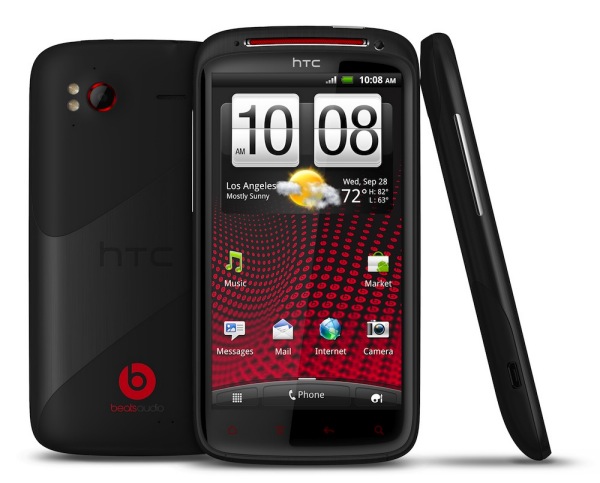
    HTC has finally intro’d the long rumored HTC Sensation XE, the new smartphone will have a revamped 1.5 GHz processor and beats audio. Now the unit itself essentially is the same with a qHD display (540 X 960) resolution and boasts a larger 1730mAh battery.

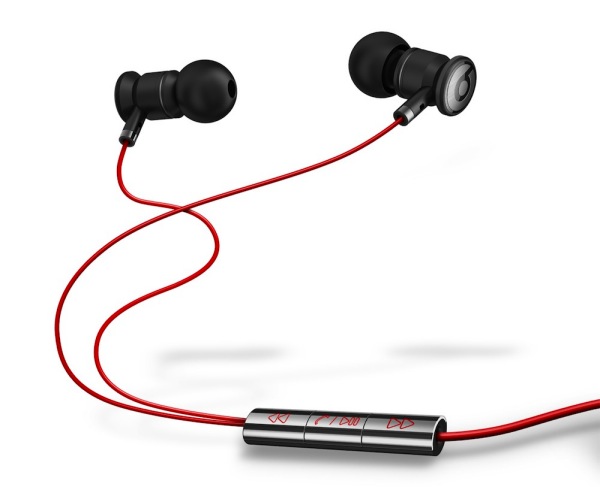
    This Special edition unit will come with a set of Beats by DRE Headphones and 8/16GB microSD cards and a remote control that allows audio track management. The Sensation XE is slated to launch in Europe, Asia, Africa and the Middle East sometime this month. So you can expect the device to hit our Review labs sooner than later.
     

    [toggle title_open=”PRESS RELEASE” title_closed=”PRESS RELEASE” hide=”no” border=”yes” style=”default” excerpt_length=”0″ read_more_text=”Read More” read_less_text=”Read Less” include_excerpt_html=”no”]HTC AND BEATS INTRODUCE NEW HTC SENSATION XE™, THE FIRST PHONE WITH INTEGRATED BEATS AUDIO™

    New 1.5 GHz dual core processor and longer battery life extend the HTC Sensation XE’s sophistication and overall experience.

    TAOYUAN, TAIWAN – September 14, 2011 – HTC Corporation, a global designer of mobile devices, today unveiled the new HTC Sensation XE – the first in a new line of HTC smartphones to feature Beats Audio technology to deliver studio quality audio. Taking HTC’s flagship handset to a new level of high fidelity audio, the HTC Sensation XE offers consumers the ultimate multimedia experience, setting a new standard for audio quality in the mobile market. In addition, the HTC Sensation XE boosts performance and battery life even further with the addition of a blazing fast 1.5GHz dual core processor and an extended battery that enables you to listen, watch, speak and browse for even longer.

    “Audio is a crucial part of any consumer’s mobile experience and we are continually pushing the audio boundaries to encompass not only improved voice but music, movies and games,” said Jason Mackenzie, president of global sales and marketing, HTC Corporation. “The HTC Sensation XE offers a truly incredible experience that demonstrates our commitment to place consumers at the center of their mobile worlds.”

    The ultimate audio experience

    The HTC Sensation XE is the first handset to offer a Beats Audio experience – a combination of software & hardware that allows you to hear music the way the artist intended. When used with the exclusive Beats by Dr. Dre in-ear headphones, the handset automatically switches to the bespoke Beats by Dr. Dre sound profile, delivering audio tracks tuned specifically for the headphones.

    Whether you are using any of the many music services available in the Android market you will notice fuller bass and crisper vocals and a new level of clarity and range offering audio the way the artist intended it to be heard.

    Beats Headphones

    The HTC Sensation XE also ships with a microSD card (8GB/16GB) allowing you to carry thousands of songs. The exclusive Beats by Dr. Dre in-ear headphones feature a remote control, allowing you to pause, play or skip through tracks and answer/end calls while the phone is in your pocket.

    Availability

    HTC Sensation XE will be available across EMEA and Asia Pacific from late September[/toggle]

  • LG fixes iPad display problems and increases panel shipments

    LG fixes iPad display problems and increases panel shipments

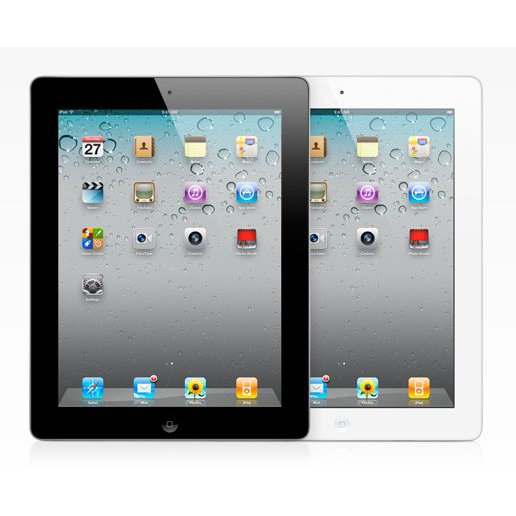
    LG has addressed the quality issues and has now boosted its shipments back to their original levels. The company reportedly shipped 4 million 9.7-inch iPad 2 panels during the month of August, up from the 2.4-2.5 million it shipped in July, and it is expected to maintain its current volume through September. Digitimes reports that Apple expects another 12-15 million iPad 2 sales in the next quarter.

    [Read]

  • The Razer Blade Laptop

    The Razer Blade Laptop

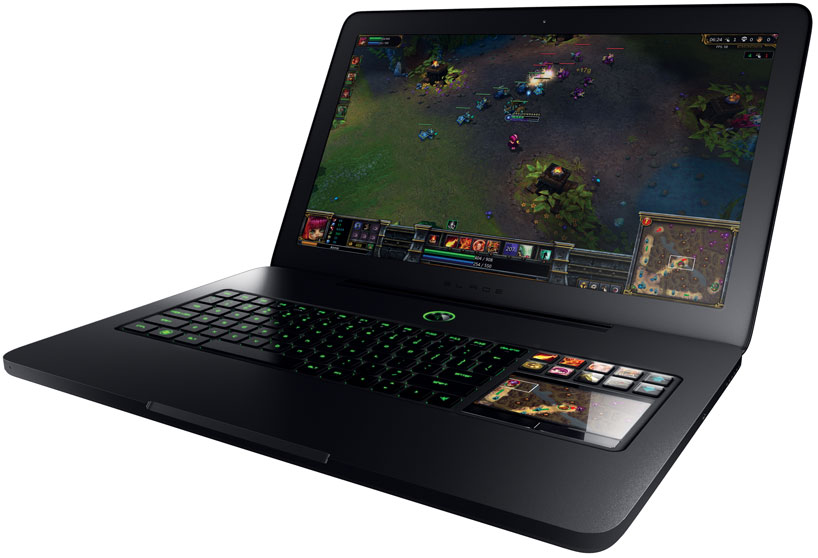
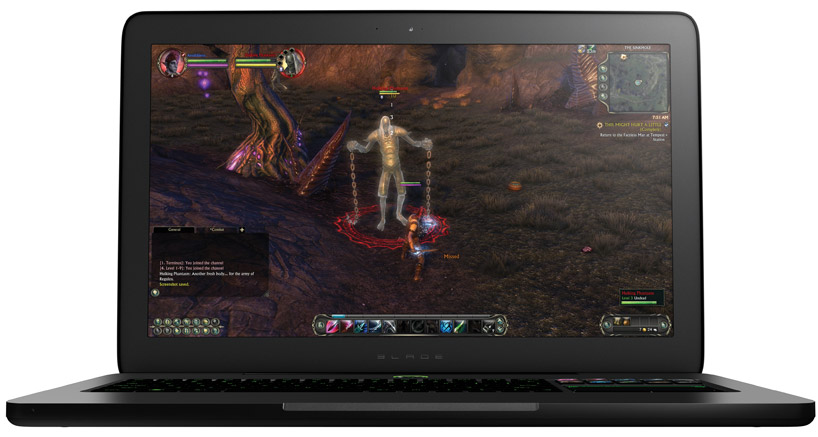
    Razer, nVidia and Intel have teamed up to create what they call the worlds first “True” gaming laptop.

    Dubbed the “Blade”, the laptop is made with an aluminium body that’s only .88″ thick, weighs 3.2 Kgs and houses some pretty mean hardware. It features a 17″ 1920 x 1080 px LED display which is powered by an nVidia GPU and the latest generation Intel Core i7 processor.

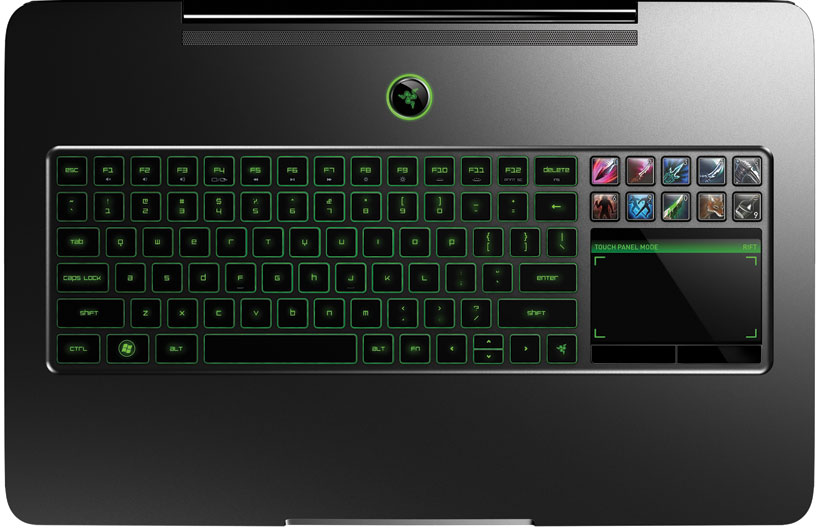
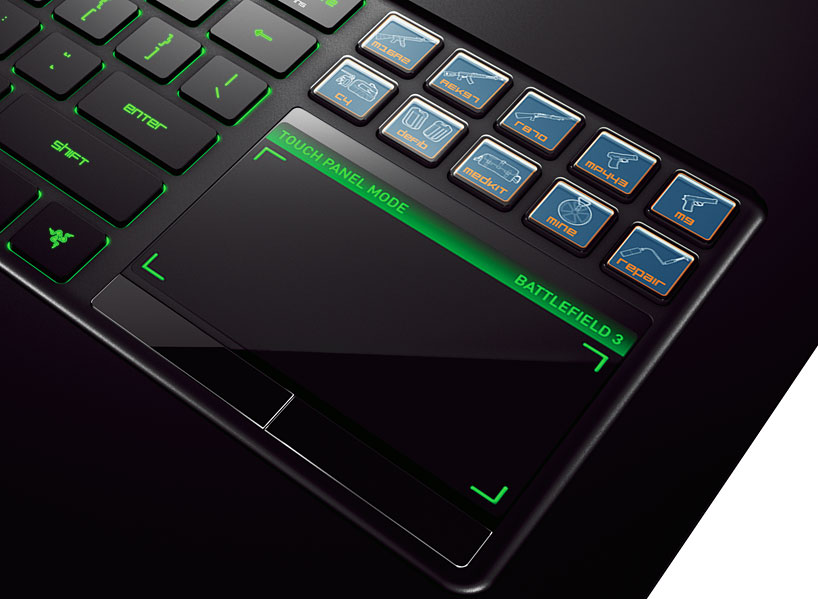
    The laptop also has a back-lit keyboard as well as Razer’s Switchblade interface which consists of ten programmable tactile keys and an LCD which doubles as a multi touch input and a display for in-game information when the system detects an external mouse being used. Each of the ten buttons can be programmed for in-game commands/actions and they can also be assigned an image which would be displayed on the in-built LCD.

    It also features a HD web-cam and is expected to retail for around USD 2800 later in the year.

  • iPhone 4S Parts leak, promises for a budget iPhone flourish

    iPhone 4S Parts leak, promises for a budget iPhone flourish

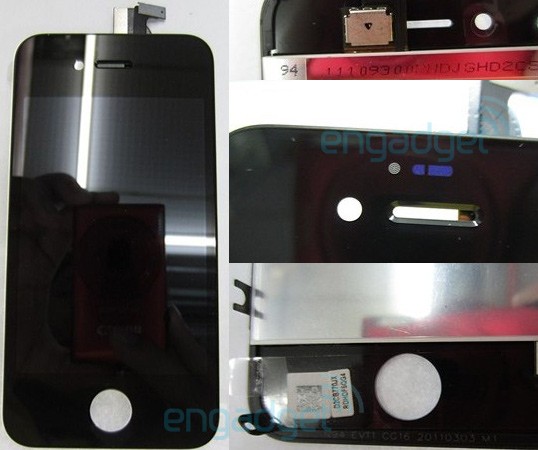
    There have been several news stories speculating the release of a budget version of the iPhone 4 to tap the market. But engadget has been able to get hold of some images of spare from ubreakifix that pertain to the upcoming iPhone model the iPhone 4S. Lots of indications point towards this device being a 8GB variant of the iPhone 4 offered at a much cheaper price. There is also speculation of the top grill sensor placement, this could mean a led notification light?


    Looks like Apple is unto something mischievous this year. Hopefully the device is worth the added wait Apple has caused its followers.

  • Ideum Takes On The Microsoft Surface With Its Ultrathin Multitouch Table

    Ideum Takes On The Microsoft Surface With Its Ultrathin Multitouch Table

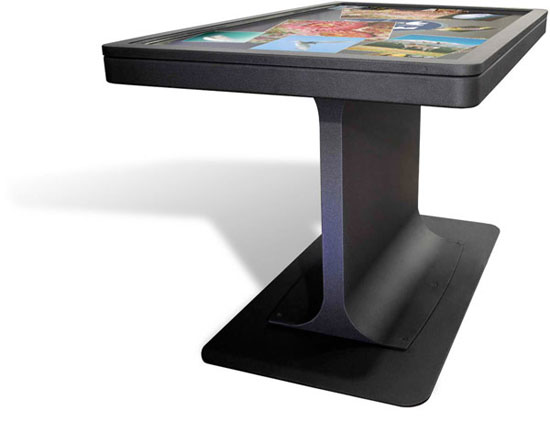
    Microsoft’s Surface Table hasen’t quite taken the world by storm. This is probably due to the table’s bulky size and hefty price tag. I you are one of those people who was more upset with the table’s size than its price tag, Ideum hopes that you will be interested in its MT-55 multi-touch table.

    Instead of sitting in a box, Ideum’s table is more like a flat-screen TV mounted on a stand. The table, which is only 3 inches thick, costs a whopping $18,000. The screen features a 5,000,000:1 contrast ratio and has a 178o viewing angle and supports a 64-bit copy of Windows 7. The viewing angle is important because it means that even someone whose peeking over the edge of the table will be able to see the display clearly.

    Multi-touch table’s may become the rage someday, but until the price comes down, and they create more software specifically for this kind of application, we don’t think that they’re going to sell too many.

  • Tech 101: How OLED Displays Work

    Tech 101: How OLED Displays Work

    In our previous article, we explained How Modern LCDs Work. In this article, we’ll be exploring how the new generation of displays based on OLED technology work.


    What Exactly are OLEDs?

    There are a lot of products in the market today ranging from TV’s to Laptops and even Smart Phones that contain an OLED display. But what are these displays and how do they work? OLED stands for Organic Light Emitting Diode. This technology is named after the organic polymers that are used in its construction. For a long time, organic compounds have been assumed to be electrical insulators but new research and manufacturing techniques have allowed the industry to use these polymers for many applications on a vast scale.

    OLEDs are solid-state devices which are composed of thin films of organic molecules which emit light when a current is applied. OLEDs can provide brighter crisper displays that use less power than conventional Light Emitting Diode (LED) and Liquid Crystal Display (LCD) technologies. Another application for OLEDs is in the form of lights to be used in homes and offices. These lights have a long life and are very efficient.


    The Manufacturing Process

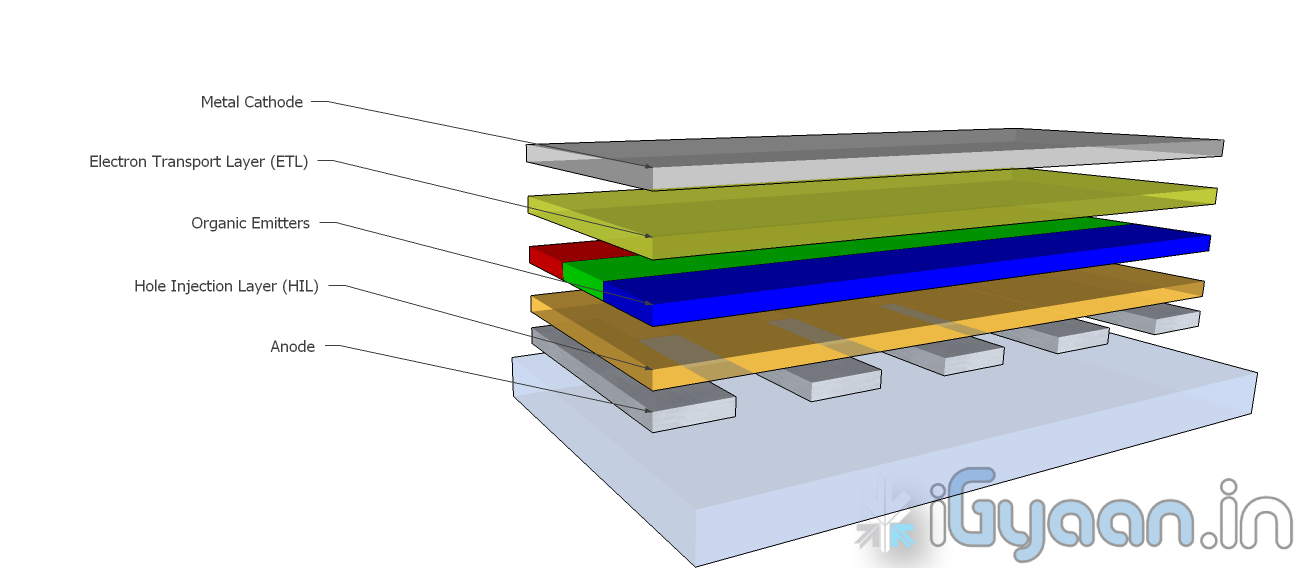
    OLEDs are basically layers of organic material sandwiched between an anode and a cathode and mounted on a substrate. This entire device is usually between 100 to 500 nanometers thick or is about 200 times thinner than a human hair.

    The substrate is usually a sheet of glass which is coated with a transparent conductive oxide which works as the anode. The next layer consists of hole injection material, the organic emitters and the electron transport layer which are together referred to as the organic stack. On top of the organic stack is the inorganic cathode. The device operates as follows:

    • Cathode – The cathode injects electrons into the system when a current flows through the device. It may or may not be transparent.
    • Organic Stack – This layer is made up of different organic polymers that are built up in layers. This is where light is made. The organic stack consists of the following layers:
      • Electron Transport Layer (ETL) – This layer consists of organic polymers or plastics that transport electrons from the cathode to the Organic Emitters.
      • Organic Emitters (OE) – This is a layer that is made up of organic polymers that may or may not be mixed with phosphorescent chemicals.  One polymer used in this layer is polyfluorene.When an electron finds a hole, it falls into the hole and gives up energy in the form of light.
      • Hole Injection Layer (HIL) – This layer is made up of polymers that transport electrons to the anode. This leaves ‘holes’ for electrons transported from the ETL to fill.
    • Anode – The anode removes electrons from the system when a current flows through the device. It is always transparent.

    This is the process by which a single OLED works. To turn them into colour displays, manufacturers place several layers of OEs on a display. There are various methods with which these individual pixels can be turned into a full colour display.


    Types of OLED Displays

    There are several types of OLED Display

    • Passive-matrix OLED
    • Active-matrix OLED
    • Transparent OLED
    • Top-emitting OLED
    • Foldable OLED
    • White OLED
    Passive Matrix OLEDs or PMOLEDs

    PMOLEDs are designed in a hash pattern. The anode and cathode are made in strips that are arranged perpendicular to each other. The points of intersection of the strips of anode and cathode make up the individual pixels where light is emitted. External circuitry is used to control which pixels are on and what colour they emit. The brightness of each pixel is dependent on the amount of current in the system.


    Active Matrix  OLEDs or AMOLEDs

    AMOLEDs have a full layer of anode and cathode materials but they borrow a technology from LCDs to produce a visible display. Sandwiched between the anode and the organic layer is a layer of thin film transistors or TFTs that makes the array. The TFT array is the circuitry that decides which pixel is on and what colour it displays. AMOLEDs are more efficient than PMOLEDs because the external circuitry used to run the PMOLEDs consumes more power. AMOLEDs also have a faster refresh rate which makes them more suitable to larger displays used in televisions and computer monitors.


    Transparent OLEDs or TOLEDs

    TOLEDs are constructed with only transparent  components, and are upto 85% as transparent as the substrate used when they are turned off. When it is turned on, the display still allows light to pass both ways and remains transparent. It can have either an active matrix or a passive matrix. This technology would be perfect for Heads Up Displays and Medical Equipment.


    Top Emitting OLEDs or TEOLEDs

    TEOLEDs are constructed with a substrate that is either opaque or reflective. They are perfectly suited for an active matrix design. They are used in smart-cards.


    Foldable OLEDs or FOLEDs

    FOLEDs are constructed with a highly flexible substrate which could either be a plastic or metallic foil. These types of OLEDs are very lightweight and durable. They are used in cell phones and can reduce breakage. They could also potentially be integrated into fabrics to create smart clothing.


    White OLEDs or WOLEDs

    WOLEDs  emit pure white light that is brighter and more uniform than the light which is emitted by fluorescent lights. . WOLEDs can be made in large sheets and can reduce energy costs massively if used to light homes and buildings due to their low power consumption.


    Advantages and Disadvantages of OLEDs

    OLEDs offer many advantages over the current favorite, LCDs and LEDs.

    • The organic construction of an OLED is much thinner than the many layers required for an LCD or LED display.
    • OLEDs can be built onto a thin plastic substrate which allows them to be flexible instead of the glass used in LCDs and LEDs.
    • Due to its design, an OLED display is much brighter than an LED display. This is because the conductive and emissive layers of an OLED can be stacked several times to produce more light than an LED while still remaining extremely thin.
    • Since OLEDs emit light themselves, they do not require a back-light. LCDs work by selectively  blocking areas of the back-light to produce individual pixels. OLEDs are also much more energy efficient than LCDs because they lack a back-light.
    • As OLEDs are made from plastics, they can be built into large thin sheets which makes them much easier to produce. It is much more difficult to create an LCD display of the same size.
    • OLEDs have a much viewing angle than LCDs because they do not block light in any fashion. Since they produce their own light, they can provide a field of view of upto 170o.

    For all their advantages over LCDs and LEDs, OLEDs have a few problems as well.

    • Red and green OLED films have a very long life of between 46,000 to 230,000 hours while blue OLED films currently have a much shorter lifespan of around 14,000 hours.
    • The manufacturing process for OLEDs is not cheap as of now.
    • OLEDs are not at all water resistant and can easily be damaged on contact with even a few drops of water.


    While LCD and LED technology remains in the mainstream, OLEDs are making headway into the television, computer and mobile segments. Manufacturers and engineers are realizing the potential benefits of using OLED technology for their devices. In the next few years we should see an increase in OLED sales as well as some novel applications of the technology.

    Stay tuned to the Tech 101 segment to learn more about what makes our everyday devices tick.

  • LG’s Launches 20-inch D2000 / DX2000 glasses – free 3D monitor

    LG’s Launches 20-inch D2000 / DX2000 glasses – free 3D monitor


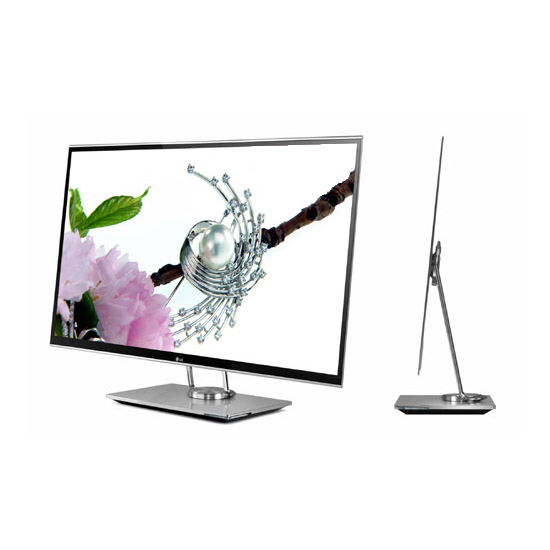
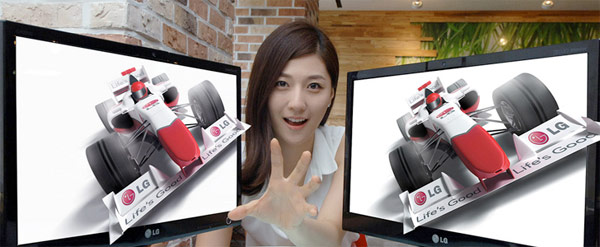
    The LG D2000 has been officially launched and It features a glasses free 3D experience. 


    “With a full line-up of 3D TVs, laptops, projectors and smartphones, LG Electronics is by far and away the industry leader in all things 3D.” said Si-hwan Park, Vice President of the Monitor Division at LG’s Home Entertainment Company. “LG’s position has always been that 3D will and must eventually function without glasses. The D2000 is a look at what the future has in store.”

    The monitors are already shipping in Korea with the DX2000 label and will soon hit India somewhat south of September 2011.

    Read the press release below


    [toggle title_open=”Collapse” title_closed=”Read the Press Release” hide=”yes” border=”yes” style=”default” excerpt_length=”0″ read_more_text=”Read More” read_less_text=”Read Less” include_excerpt_html=”no”]

    SEOUL, July, 13, 2011 – LG Electronics (LG) today unveiled the world’s first glasses-free monitor utilizing eye-tracking technology to maintain an optimal 3D image from a range of viewing angles. The 20-inch D2000 (Korean model: DX2000) monitor was developed as a fully functional entertainment display capable of reproducing games, movies and images in all their realistic glory. “With a full line-up of 3D TVs, laptops, projectors and smartphones, LG Electronics is by far and away the industry leader in all things 3D.” said Si-hwan Park, Vice President of the Monitor Division at LG’s Home Entertainment Company. “LG’s position has always been that 3D will and must eventually function without glasses. The D2000 is a look at what the future has in store.”

    The D2000’s 3D effect comes courtesy of glasses-free parallax barrier 3D technology, and the application of the world’s first eye-tracking feature to the monitor. The combination of parallax barrier and eye-tracking in a single unit promises to open up new horizons for glasses-free 3D products.

    Existing glasses-free 3D technologies generally require viewers to stay within a tightly restricted angle and distance to perceive the 3D images. However, the D2000 has done much to resolve this issue, allowing viewer much freer movement and more comfortable viewing. Eye tracking in the D2000 works via a special camera sensor attached to the monitor which detects changes in the user’s eye position in real-time. With this information, the monitor calculates the angle and position of the viewer and adjusts the displayed image for the optimal 3D effect.

    In addition to playing back existing 3D content, the D2000 has a highly refined 2D to 3D conversion feature which adds a new dimension to existing movies and game playing.

    The D2000, available in Korea this month, will be introduced in other markets around the world in the latter part of 2011.
    [/toggle]
  • LG Announces Nano Ultra Slim LED Cinema 3D TVs.

    LG Announces Nano Ultra Slim LED Cinema 3D TVs.


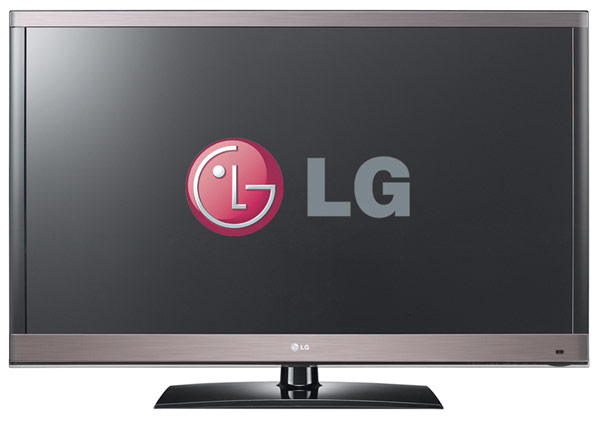
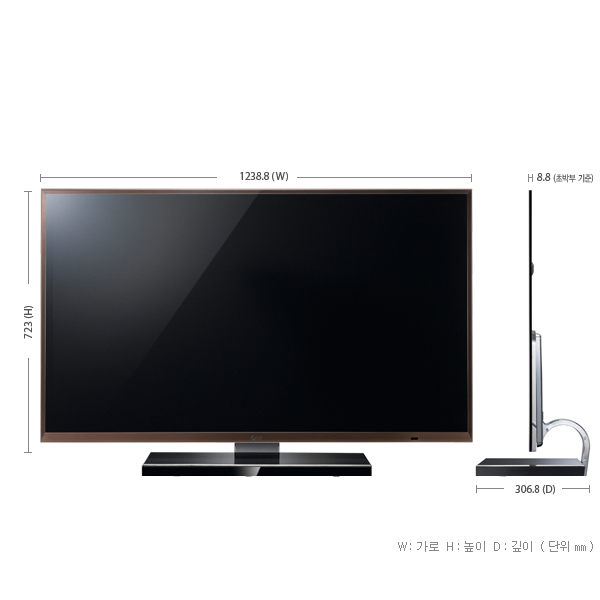
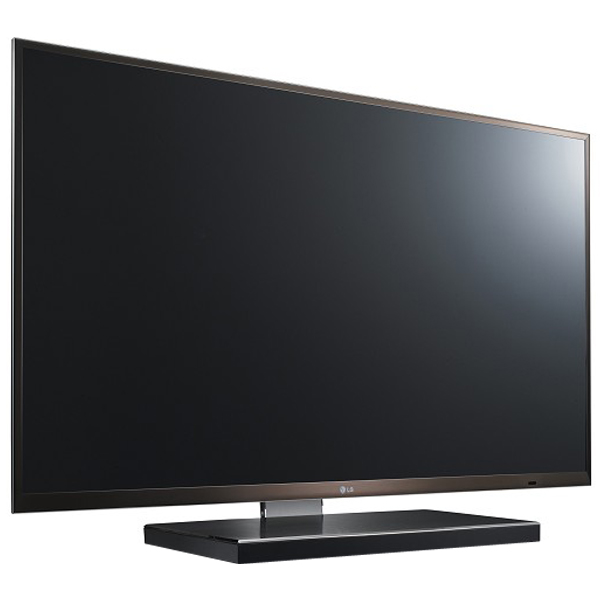
    LG is now bringing 3D experience to lower range TV sets with three new models

    • 32-inch 32LW5700
    • 42-inch 42LW5700
    • 47-inch 47LW5700


    Specs include

    • USB HDD recording
    • Integrated tuner
    • IPS panel
    • 8.8mm thick a
    • 1080p resolution

    No Pricing information available yet, the TVs launch this Month and are expected to hit India next Quarter.

    [LG]

  • iPad 3 to have a Double Resolution Screen?

    iPad 3 to have a Double Resolution Screen?

    Rumors abound that the iPad 3 will have twice the resolution of the iPad 2. While the current device has a 1024×768 resolution, images discovered by a person familiar with the beta release of iOS 5 have a resolution of 1536 x 2048 and have created further speculation on wheather Apple will increase the resolution on the device.

    Doubling the resolution of the iPad 3 will quadruple the number of pixels over the iPad and iPad 2. This would be similar to the introduction of the Retina Display on the iPhone 4 which allowed the phone to jump from a resolution of 480x320px to 960x640px. According to Apple CEO Steve Jobs, the limit of the human retina to discern pixels is 300ppi at 10 to 12 inches. The new iPad 3 display at 2048x1536px would still fall short of the ‘Retina Display’ as it would still have a pixel density of 264 ppi.

    Rumors of an enhanced display for the iPad have persisted since before the release of the iPad 2, with some reports suggesting that Apple planned to include a 2048 x 1536 display on the iPad 2, but ran into last-minute “engineering issues” that prevented it.

  • Tech 101: Modern LCD Displays

    Tech 101: Modern LCD Displays


    Displays have come a long way since the old CRT monitors and TVs. Advancements in display technology have made many modern devices possible such as mobile phones, mobile gaming platforms like the Sony PSP, thinner Televisions and Monitors. We use them everyday, for a variety of tasks but do we really know how they work? What is an LCD? What is a TFT Screen? How do they display so many millions of colours? This article will answer these questions and many more.

    What is an LCD?

    The term LCD stands for Liquid Crystal Display. But what exactly are Liquid Crystals? The term is quite confusing. A substance can either be a crystal, like quartz, which is hard as rock, or it can be a liquid which is obviously different. How can it be both? We all learned that matter can exist in 3 states, solid, liquid and gas. Solids have their molecules in a very rigid orientation while liquids and gasses are exactly the opposite. There are a few substances that have properties that are like solids and liquids at the same time. What this means is the the molecules of the substance tend to maintain their orientation, like a solid, but they also tend to move around, like a liquid. This is why they are called Liquid Crystals.

    It takes a lot of energy to convert a solid into this state, and only a little more to convert it into a liquid. This is why LCD’s are so sensitive temperature changes. This property allows them to be used in the making of Mood Rings and Thermometers. There are many types of liquid crystals. The major type used in monitors and other displays are called Twisted Nematic Liquid Crystals. These type of crystals twist and untwist at varying degrees to allow light to pass through when a voltage is applied.

    What is a TFT?

    A Thin Film Transistor LCD or TFT-LCD is named after a very thin layer of transistors that are applied to the back of a Liquid Crystal Display. These transistors allow only one row of pixels to be updated at any given point in time. The speed with which this updation takes place fools your brain into thinking that its viewing a static image.

    In small LCDs such as the ones used in calculators and other devices, a voltage can be applied across one segment without interfering with other segments of the display. This is impractical for a large display with a large number of pixels, since it would require millions of connections, two for each one of the three colors (red, green and blue) of every pixel. To avoid this issue, the pixels are arranged in rows and columns, reducing the connection count from millions to thousands. The column and row wires attach to transistor switches, one for each pixel. The one-way current passing characteristic of the transistor prevents the charge applied to the pixel from draining between refreshes, which creates the persistence of vision.

    What is a Pixel?

    A single pixel is the smallest addressable screen element in a display device, or it is the smallest unit of picture that can be represented or controlled. Each pixel has its own unique address which corresponds to its coordinates on the screen. Pixels are normally arranged in a grid pattern. Each pixel is made up of three Sub-Pixels which have a different color, Red, Green and Blue. The voltage applied to each subpixel decides its colour intensity. There are 256 possible gradations for each subpixel and together all three give a combination of 256 x 256 x 256 = 16,777,216 colours to each pixel on the screen.


    How it Comes Together

    A simple LCD monitor has many layers of technology that make it function. The basic principle behind these types of monitors is the Polarization of Light. What this means is that light is strategically allowed or not allowed to pass through any given point on the screen.

    At the base of a monitor, you have a single line of white LED’s that provide a backlight. There are many layers of films placed on top of these LED’s to create even lighting across the back panel. The next layer consists of a plate of glass. At the back and front of this sheet of glass are two polarization films. Light passes through the back film and is twisted by the glass to be ‘in sync’ with the front film. If the light is ‘in sync’, it passes through, if not, it is blocked by the film.

    The sheet of glass is an amazing piece of technology. It basically consists of a layer of TFT’s and a Liquid Crystal array that is arranged in a grid format. Each point or pixel of the grid consists of three subpixels. These subpixels are what give the pixel its colour. They have a maximum intensity of 255. What this means is that if we set the intensity of the red subpixel to 0, then no light passes through, and it appears black. If the intensity is set to 255, then all the light passes through and it appears bright red. If we wanted to create a single pixel of sky blue colour, the red subpixel would be set at 135/255 intensity, the green subpixel would be set at 206/255 intensity and the blue subpixel would be set at 250/255 intensity. This is how each pixel of your display is updated 60 times a second. Thereore, for a display of 1024 x 768 resolution, the monitor is making 141,557,760 updates per second. If it takes you half a second to flip a switch, making these many updates would take you 819.2 days or 2.24 years. Thats a LOT of updates (and finger cramps).


    To conclude, we would like to point out how much all of us take technology for granted. We have really got no idea what goes in to making most things we use everyday. We bicker and complain about our Tech being too slow or too old. We cant wait for the next big thing. At iGyaan, we have decided to start this section to demystify the basics of technology, so that the end user/consumer understands the true nature of the products that he/she is buying. We hope that you enjoy this section and learn something new from it. We’ll continue to bring you updates on the basics of technology. If you have something specific that you’d like us to talk about, please leave your requests on the comment section below.

    Stay tuned for the next update, continuing along the display line on OLEDs and AMOLEDs.

  • Sony Demonstrates Foldable / Flexible Organic TFT displays

    Sony Demonstrates Foldable / Flexible Organic TFT displays

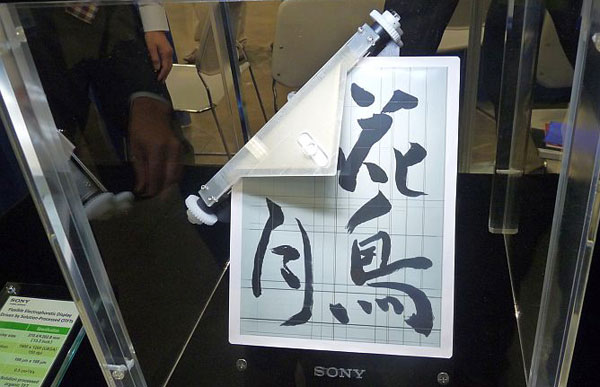
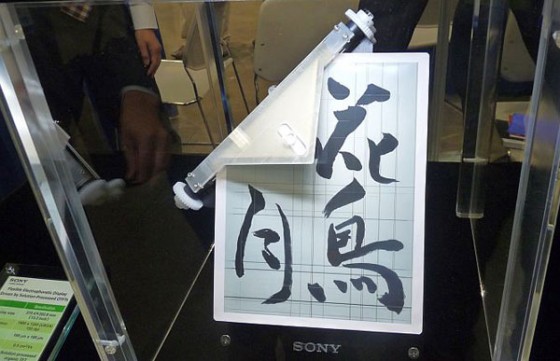
    While woes for Sony’s loss and security breaches continue. They have just showcased their new foldable and super-flexible Organic TFT display. The displays like the one above can be bent to a 5mm curvature radius. The 13.3-inch sheet has a 1,600 x 1,200 (150ppi) resolution and is powered by organic TFTs.

    [Tech-On]

  • The iPhone 5 may have a curved Glass Front

    The iPhone 5 may have a curved Glass Front

    According to a report by DigiTimes, a rumor around the supply chain in Taiwan is that Apple is going to adopt a curved cover glass for the iPhone 5.

    Cover glass makers are reluctant to commit investment to the purchase of glass cutting equipment due to the high capital involved, said the sources. However, in order to push forward the production of curved glass, Apple reportedly has purchased 200-300 glass cutting machines to be used by glass makers, said the sources. The glass slicing machines are currently being stored at associated assembly plants and will be brought online once yield rates for the production of curved glass reaches a satisfactory level, the sources revealed.

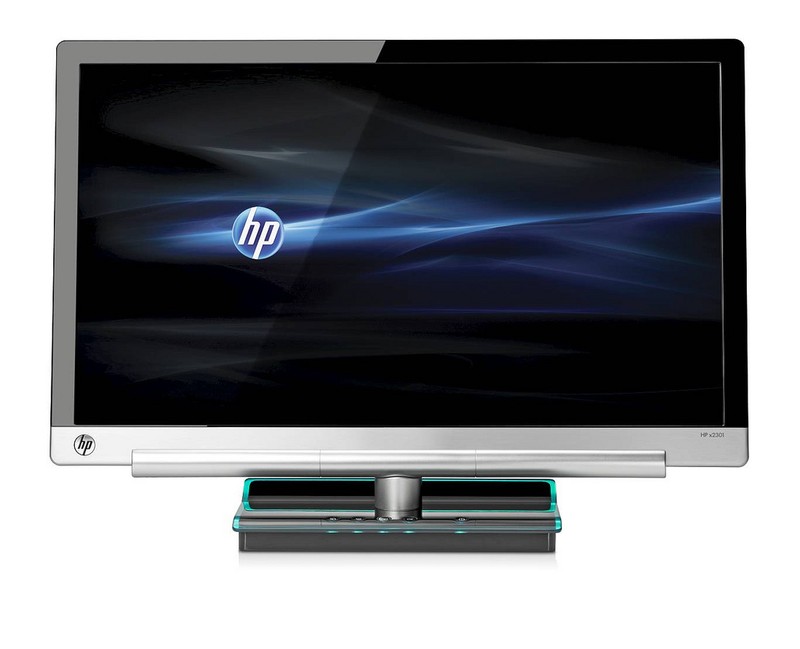
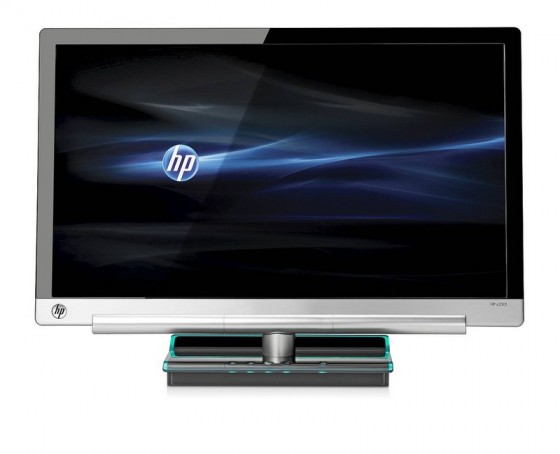
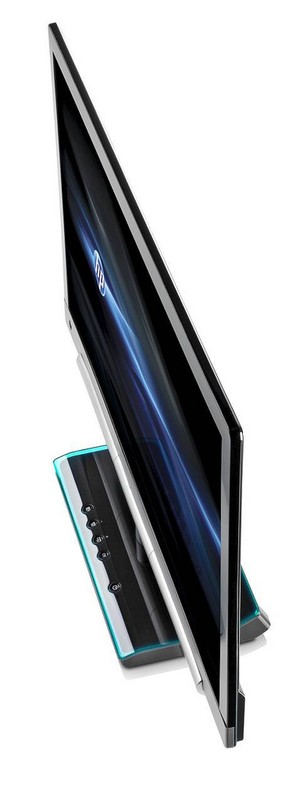
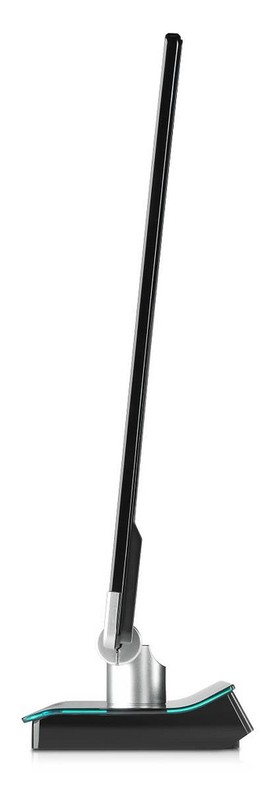
  • HP x2301 Micro Thin monitor is freakishly Anorectic (PR)

    HP x2301 Micro Thin monitor is freakishly Anorectic (PR)

    Look at this thin piece of display for your Desktop wonders.

    • 23-inch
    • LED-backlit
    • 1080p
    • 9.8mm (0.39 inches) thick
    • brushed aluminum and glossy black screen
    • 3ms response time
    • 8,000,000:1 dynamic contrast ratio
    • Price $280, Approx INR 14,000

    Press Release

    A perfect partner: the HP x2301 Micro Thin LED backlit monitor

    HP also introduced the HP x2301 23-inch Micro Thin LED backlit monitor. The HP x2301 is crafted to take display design to a new dimension, offering consumers a striking micro-thin profile (9.8 mm) complemented by a translucent aquamarine base and brush anodized aluminum accents.

    Users will appreciate not only its sleek aesthetics but also its high-dynamic contrast ratio, full high-definition resolution,(2) glare-reducing BrightView technology and fast response time. The HP x2301 also is ENERGY STAR® 5.0 qualified and EPEAT® Silver registered, containing mercury-free LED backlights and arsenic-free display glass(3) to reduce environmental impact. It’s the ideal partner for any new HP Pavilion desktop PC.

    Pricing and availability(4)

    • The HP HPE h8 series PCs are expected to be available on HP Home & Home Office on May 18 at a starting price of $599.99 and at select U.S. retailers on June 19.
    • The HP Pavilion p7 series PCs are expected to be available on HP Home & Home Office on May 18 at a starting price of $299.99 and at select U.S. retailers on June 19.
    • The HP Pavilion Slimline s5 series PCs are expected to be available on HP Home & Home Office on June 15 at a starting price of $329.99 and at select U.S. retailers on June 19.
    • The HP x2301 consumer monitor is expected to be available on June 10 in the United States at a starting price of $279.99.

    About HP

    HP creates new possibilities for technology to have a meaningful impact on people, businesses, governments and society. The world’s largest technology company, HP brings together a portfolio that spans printing, personal computing, software, services and IT infrastructure at the convergence of the cloud and connectivity, creating seamless, secure, context-aware experiences for a connected world. More information about HP (NYSE: HPQ) is available at http://www.hp.com.


  • Rumor: Lg to release Optimus Big 4.3 inch Smartphone

    Rumor: Lg to release Optimus Big 4.3 inch Smartphone

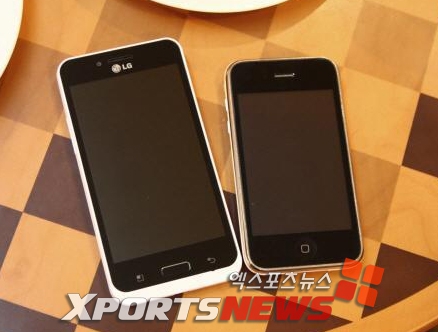
    According to some leaked images and specs, LG has a new phone in the works codenamed “Optimus Big”. This device is all set to take on the likes of HTC with their humongous displays. The Optimus Big sports

    • 4.3-inch screen
    • Single-core 1GHz processor
    • T-DMB TV tuner
    • LG’s NOVA display.
    • Forward-facing camera for video chats
    • Android (version unknown)

    [hankyung]

  • iPad2 Display Leaked

    iPad2 Display Leaked

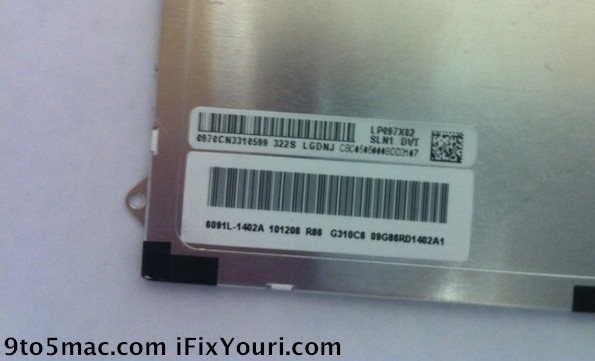
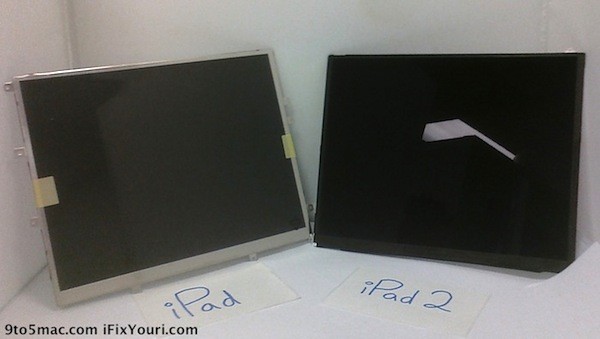
    9t05 mac and iFixyouri are reporting that they have spares for the new and upcoming version of the iPad. Namely the display for the iPad2. A 9to5Mac commenter claims to have deciphered the part number to reveal its LG Phillips 9.7-inch XGA 1024 x 768 H-IPS display origins (same resolution as the current iPad, if true). These could also just be newer versions of spares for the existing lineup.

    Source: 9to5mac

iGyaan Network
Privacy Overview

This website uses cookies so that we can provide you with the best user experience possible. Cookie information is stored in your browser and performs functions such as recognising you when you return to our website and helping our team to understand which sections of the website you find most interesting and useful.