Tag: DSLR

  • Canon Launches The EOS Rebel SL3 DSLR Camera

    Canon Launches The EOS Rebel SL3 DSLR Camera

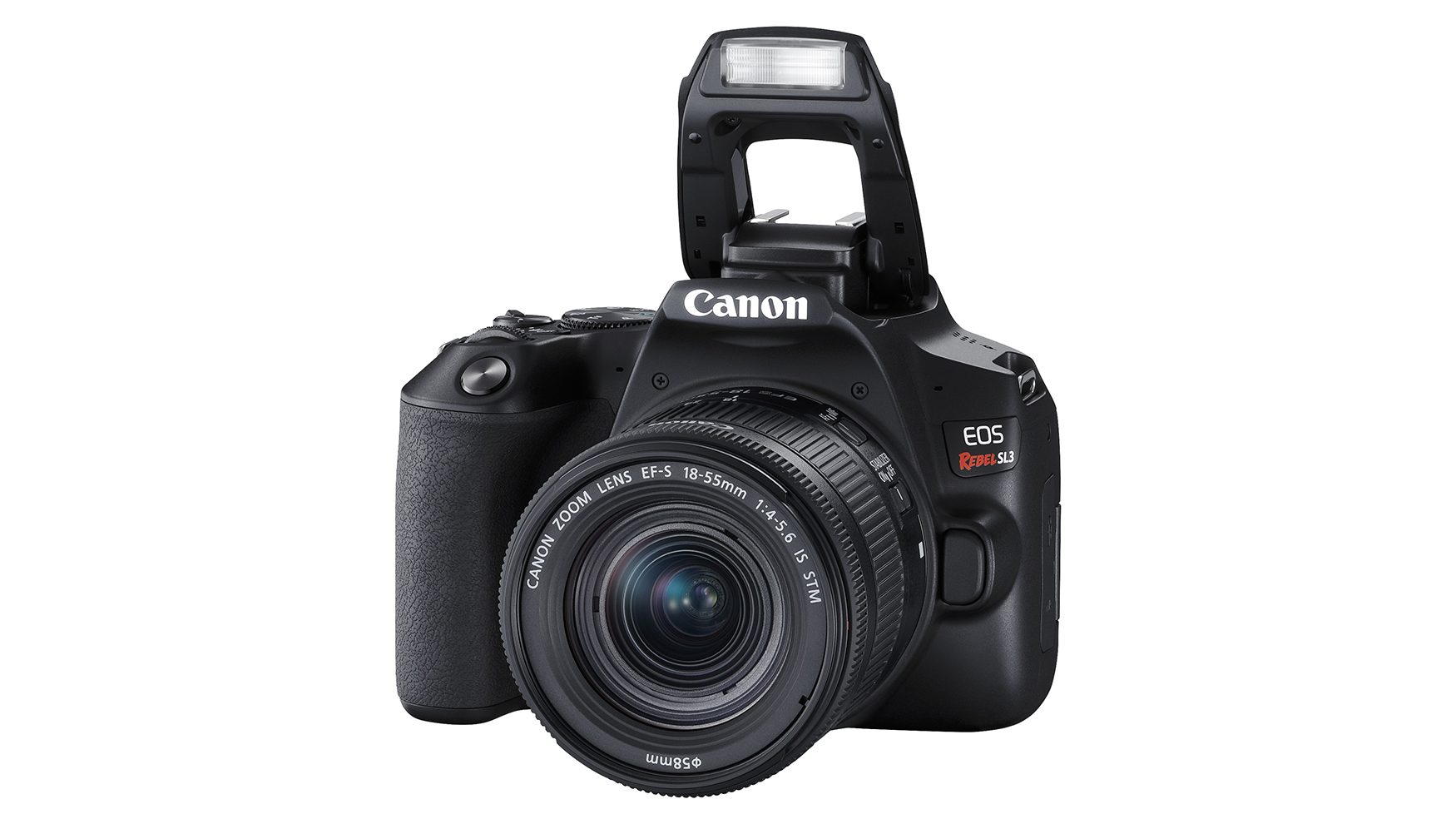
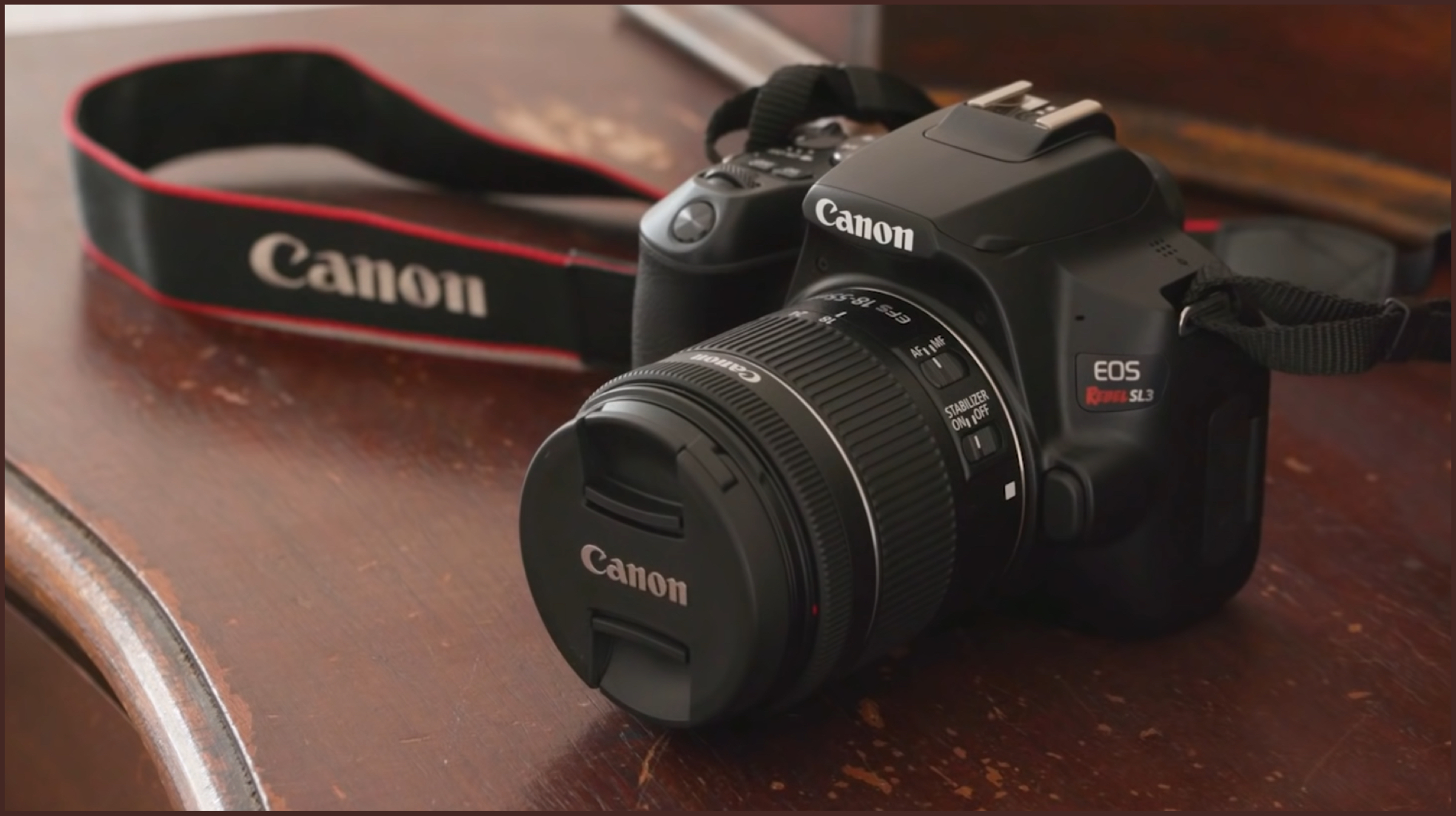
    Amidst heavy rumours, Canon launched the new EOS Rebel SL3 DSLR on April 10, 2019. The company claims that the Rebel SL3 is its smallest and lightest DSLR so far. It offers almost similar specifications to the mirrorless EOS M50 but has some significant upgrades that give it an edge over its predecessors. Moreover, the DSLR is Canon’s first DSLR model to feature Dual Pixel Autofocus with eye detection during live-view shooting mode.

    Canon EOS Rebel SL3 Features And Specifications

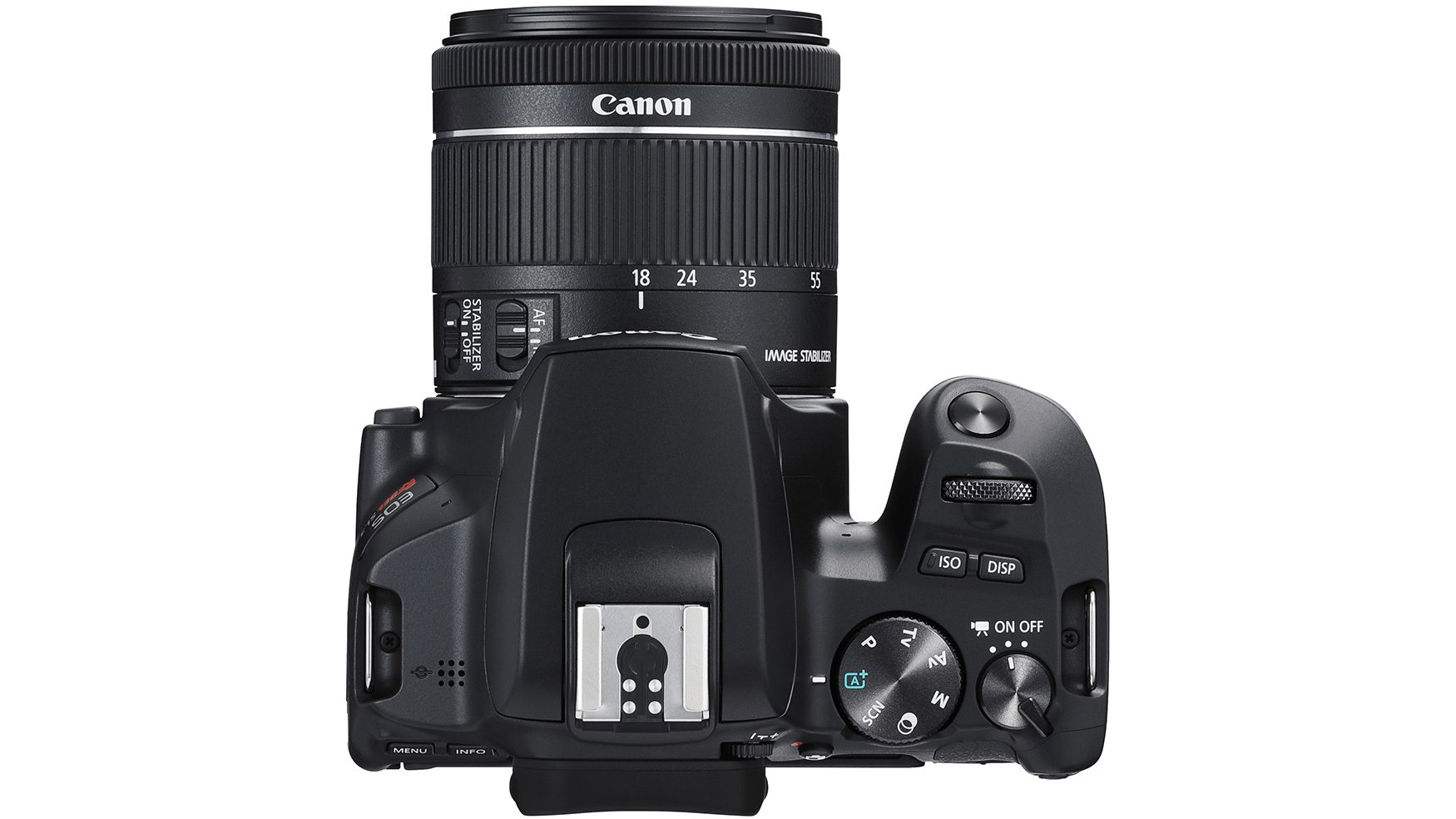
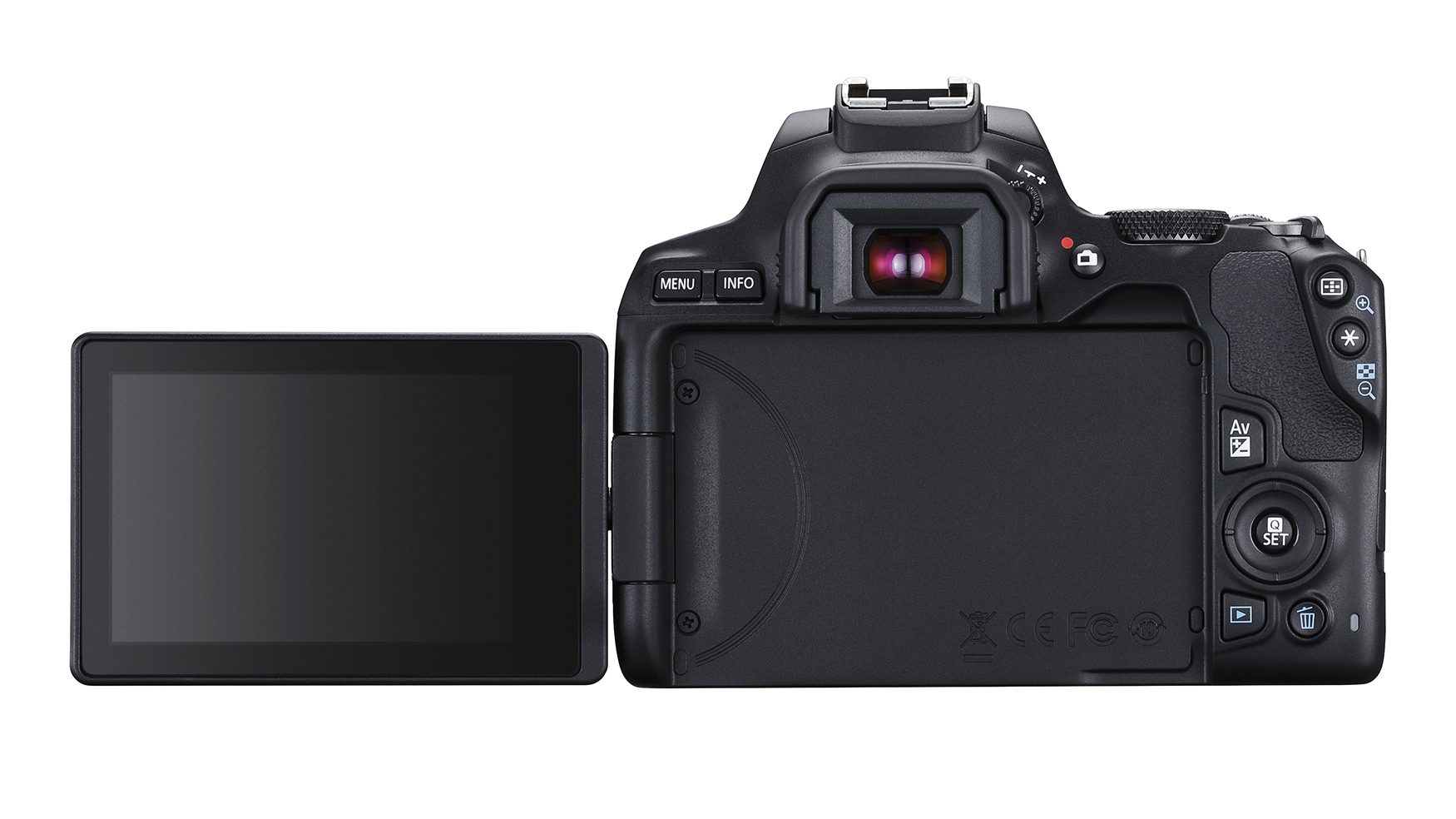
      Weighing at 449 grams, the Rebel SL3 packs a DIGIC 8 Processor, along with a 3.0-inch touchscreen (that flips around for selfies or vlogging) and 4K video support. The camera features a 24.1 megapixel APS-C (Advanced Photo System Type-C) sensor, which is also used in Nikon and Sony DSLRs. Furthermore, the Rebel SL3 offers a 9AF point-optical system and spot focus feature, so that users can accurately select their subjects while capturing images.

    The Canon EOS Rebel SL3 offers an on-sensor Dual-Pixel system, which may not be as efficient as the optical system, but still provides accurate eye-tracking Auto-Focus in 1080p videos considering the price of the budget DSLR camera. The SL3 also takes the spot for being the first Canon Rebel Series camera that can shoot in 4K resolution. A downside of the camera is the lack of sensor-based-in-body stabilization, which forces the Rebel SL3 to use Digital Image Stabilization. Moreover, the camera supports wireless image transfer via built-in Wi-Fi and Bluetooth across smartphones and tablets.  

    Photographers can utilize the Burst Shoot feature at a rate of 5fps. The DSLR has a native ISO range of up to 25,600 and an expanded ISO range of 51,200. In terms of the battery, Canon claims that the camera can shoot a total of 1,630 images on a single charge, and the number comes down to 350 shots with the Live View feature turned on. Talking of features, another nice addition to the camera feature list is the “smooth skin” mode, which enables the user to blur the background (similar to portrait mode in smartphones) without the presence of a fast lens. 

    Canon EOS Rebel SL3 Price And Availability

    https://youtu.be/6Xoo8MclmOI

    Also Read: Qualcomm Launches Three New Snapdragon Chipsets For Mobile Devices

    The Canon EOS Rebel SL3 will be available by the end of April. The DSLR will be priced at US$ 599.99 (~ INR 41,500) for just the body, and US$ 749.99 (~ INR 51,900) for both the camera and the EF-S 18-55 f/4-5.6 IS lens. The camera is expected to go up against the Nikon D3500 and the Nikon D5300, which are priced at a lower point than the EOS Rebel SL3. 


  • Trends For The Photography Industry In 2019

    Trends For The Photography Industry In 2019

    The photography industry is evolving rapidly and has seen a lot of ups and down in the past twenty years. With micro four thirds cameras giving way to 35mm film, film cameras giving way to point and shoot and then ultimately 35mm DSLRs and now Mirrorless cameras. The industry has changed as and when consumers have needed it to. During the war, cameras such as Zenit and Zorki were built robustly for the soldiers to take to war. As time went by, camera manufacturers started focussing on bigger image sizes, instant print cameras and so on. But now, we are knocking on the doors of 2019, which may dawn a new era in the camera and overall photography industry. Let’s find out which new camera technology we feel will emerge and will be in 2019’s photography trends.

    More Mirrorless Cameras

    Sony and Fujifilm have been manufacturing mirrorless cameras for a while now and with technology advancing at a very fast pace, there cameras are now performing as good as, or sometimes better than DSLRs. Mirrorless cameras are smaller in size and easier to carry due to the lack of the mirror mechanism. The digital viewfinder also helps one see the exact output when changing the settings in a camera through their viewfinder. These cameras were generally avoided by professionals in earlier years since it’s inception because of the lack of it’s lens portfolios.

    But with big players such as Canon and Nikon entering the mirrorless game this year, all manufacturers have stepped up and released a huge lens portfolio for their mirrorless line up. There are many users who hate switching brands and brand loyalty is something that will be put to test with the camera companies now competing in a level playing field.

    DSLR Sales Will Decrease

    DSLRs have been the choice of photographers for a long time now. These cameras have established lens lineups, are robustly built and can be built in all price ranges. But with mirrorless cameras slowly gaining ground in the market, DSLR sales may decrease drastically. Many news agencies use DSLRs from Canon and Nikon and were reluctant to shift to a new system till now. This was because a shift would mean changing lenses and accessories as well.

    With the two major players entering the high end mirrorless segment, interchangeability might be possible between different systems. This means use of DSLR lenses on mirrorless cameras and vice versa. This can be done with the help of proprietary adapters. These adapters will not reduce the lens’ focussing speeds and other capabilities like Image stabilisation. In 2019’s photography trends, there is a good chance that a large chunk of the DSLR users will shift towards mirrorless. This will therefore decrease DSLR sales.

    Video Centric Micro-Four Thirds Cameras

    Since ages, filmmakers have used either 35mm or 16mm to shoot videos. Be it in film or in digital backs. The 35mm cameras have been the choice of many filmmakers. Great Hollywood films such as Black Swan, 127 Hours, Avengers, Whiplash and even TV series like Dexter and House have all used DSLRs for their shoot at some point. Documentary filmmakers use the 16mm format more often. But a new format is gaining ground and camera manufacturers are trying to push this format hard on the market. The Micro four thirds, is a format that sits between full frame cameras or 35mm and APS-C sensors. This format allows the camera to be less bulky but provides great quality footage.

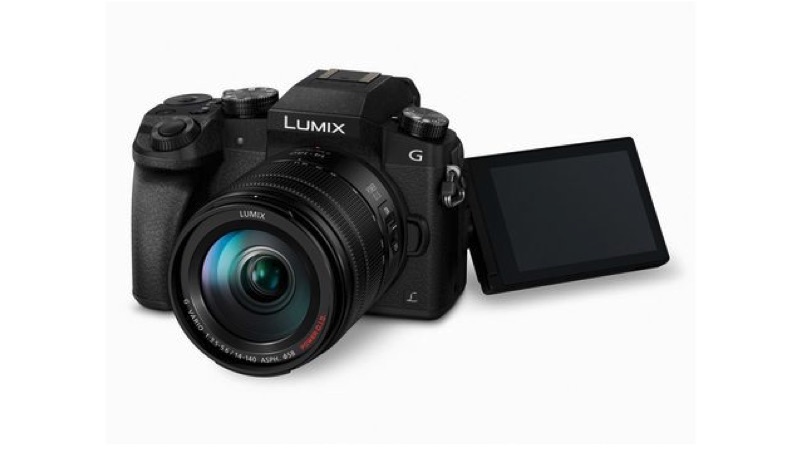
    The micro four thirds are also mirrorless cameras but differ in sensor size. These cameras have a sensor size equivalent to a 4/3-inch video tube. Having a digital viewfinder also helps filmmakers look at exposure and framing in real-time through the viewfinder itself and not have to look at the screen. Now, having a smaller sensor size has not reduced the resolution as many of these cameras provide the same, and at times more, resolution than a DSLR’s video. Cameras such as Panasonic’s GH5  or Olympus’ OM-D E-M1 Mark II are being made with filmmakers in mind. It will be great to see other companies joining the bandwagon. With the digital space growing at an alarming rate, Vloggers, Streamers and Youtubers can definitely take advantage of this format.

    Panasonic Lumix G85

    Artificial Intelligence In DSLRs and Mirrorless

    If we can have a digital assistant at home for us to switch on and switch off lights and perform other tasks, why can’t we have artificial intelligence in our cameras? Cameras, like smartphones are becoming smarter by the day. Even a few years back, it was unimaginable to ask your camera “GoPro, take a photo” and the camera would follow. Well, now you can. With technology evolving at an alarming rate, camera manufacturers are including features like WiFi connectivity, bluetooth, voice commands and so on for cameras as well.

    Artificial Intelligence is already present in many cameras that can detect faces, click photos when it sees smiling faces, connect to your phones and so on. While a personal assistant for all your photography needs may be a long time away, we feel that there may be a good chance that more AI features will be integrated into a camera in the coming year’s photography trends.

    Fingerprint Sensors In Cameras

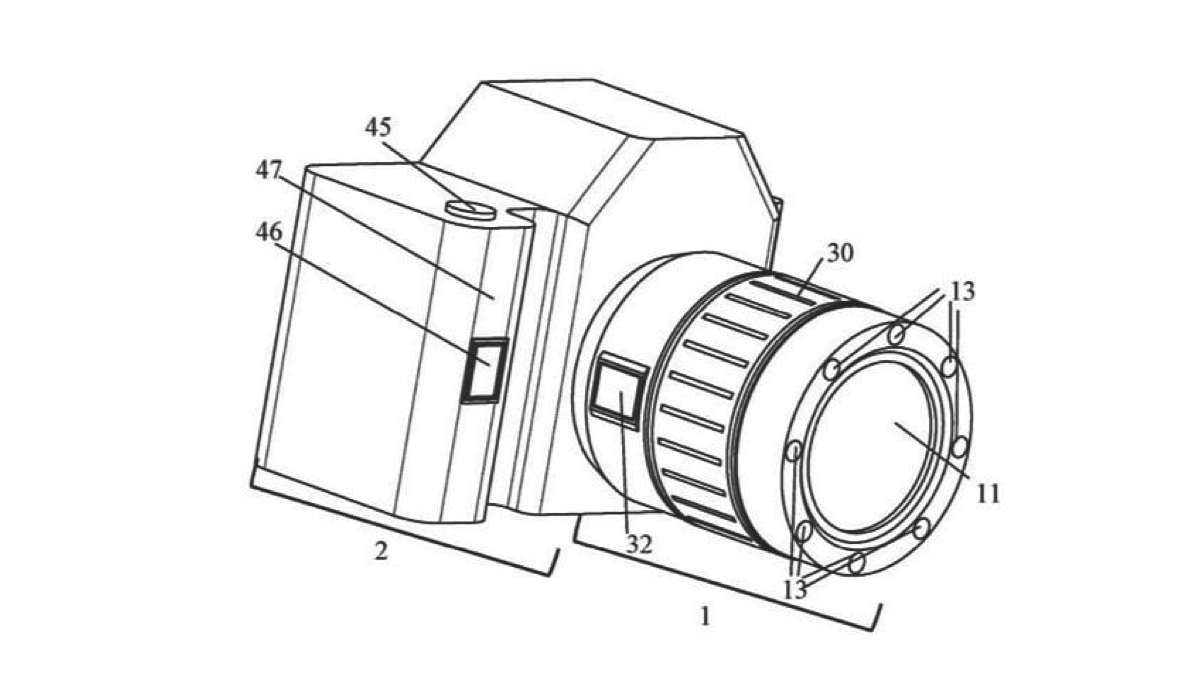
    For photojournalists and studio photographers, for media houses and wedding photography teams, several users share a single camera in different times. And every user has his or her own preference. Be it the exposure setting, focus or colour settings and so on. This is where fingerprint sensors come in. Just like a computer has different user settings where a particular user can log-in to his or her user preferences a camera with a fingerprint sensor can scan the fingerprint of the user and immediately change the current settings to that.

    This would be a great to see in 2019, if manufacturers do decide to include such a thing. Canon has already patented a fingerprint scanner technology for it’s camera. But it is unclear what they plan on doing with it.  With the sensor, one can also be sure that the camera will not fall into the wrong hands and will prevent it from being stolen and used.

    Better Lenses

    Lenses are as important as the camera body itself.  A photographer needs to choose his or her lenses carefully and according to the need. Lenses are also quite expensive so it is best to select expensive and well performing ones than buying cheap ones. Specially if you are a professional. In photography trends of 2019, we expect to see some really great lenses. One of the major complaints most photographers have with DSLRs are that the cameras don’t fare too well in extreme low light conditions.

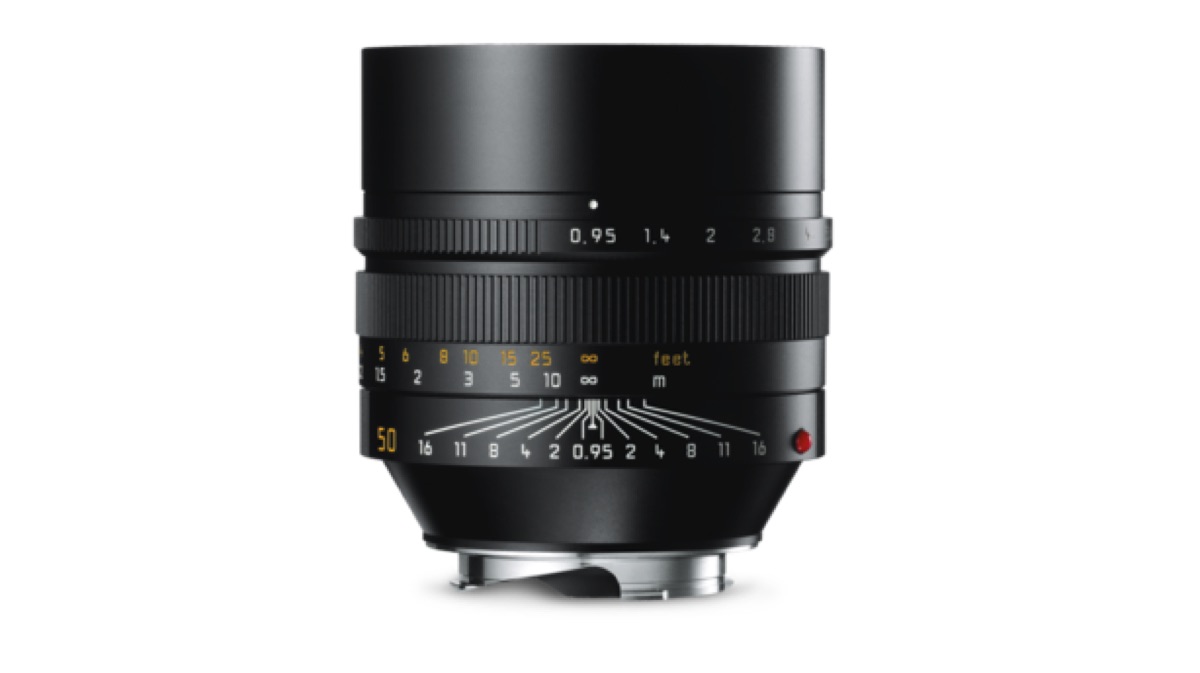
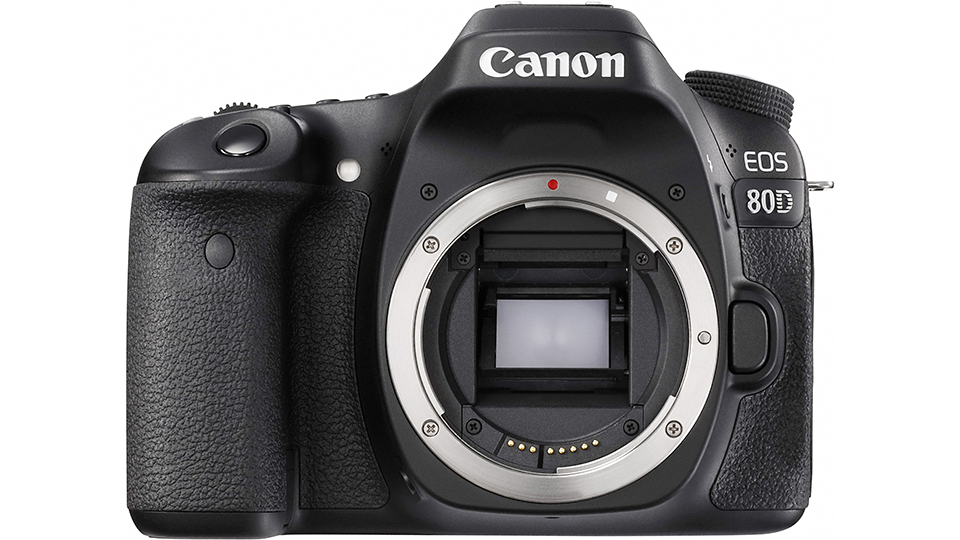
    Next year can be a welcome change for them as many manufacturers, with meteoric advancements in optics, are now creating extremely wide aperture lenses. These lenses can go as low as f/1.2 or even f/1 or f/0.95. Canon’s 50mm f/1 or Leica’s 50mm f/0.95 are great examples. These lenses can shoot at extremely low lighting conditions with relatively lower ISOs providing great images without noise. This year we can expect more of these lenses from different manufacturers as well.

    These were our predictions for photography trends of 2019. Let us know in the comments, what you feel should make it in this piece and we will try and include the same!

  • Huawei’s Recent P9 Image Blunder Paints a Poor Picture for Mobile Brands

    Huawei’s Recent P9 Image Blunder Paints a Poor Picture for Mobile Brands

    Huawei’s recent launch of the new P9 put a lot of attention on the brand, with claims that the smartphone camera can match DSLR quality shots.

    Huawei P9 blunder

    This image recently posted by Huawei on its Facebook page, promoting the P9.  Even though Huawei never directly claimed it was clicked with the P9. The caption read :

     The #HuaweiP9’s dual Leica cameras makes taking photos in low light conditions like this a pleasure.

    The EXIF data, however, spoke another story altogether. The photo was actually shot with a Canon 5D III using a 70-200 F2.8  L series lens. This reminds us of the bad marketing Nokia did with the Lumia 920 back in 2012.

    Using DSLR images for marketing is more common than users expect. Most companies do it in their mainstream advertisements, and more so on social media.

    Huawei issued an apology on the issue :

    It has recently been highlighted that an image posted to our social channels was not shot on the Huawei P9. The photo, which was professionally taken while filming a Huawei P9 advert, was shared to inspire our community. We recognize though that we should have been clearer with the captions for this image. It was never our intention to mislead. We apologize for this and we have removed the image.

    However, trust once broken is seldom regained, and Huawei seems to have upset a large chunk of its followers.

    Claims in marketing media from brands often mislead users into expecting more from their phones. Claims like 2-day battery life, amazing cameras, and magical unicorns are made with phones that can barely manage to give average results.

    With no regulations in place for marketing norms, a consumers knowledge becomes his best weapon against poor and unethical marketing warlords.


  • Canon Unveils 80D Upgrade and PowerShot Updates

    Canon Unveils 80D Upgrade and PowerShot Updates

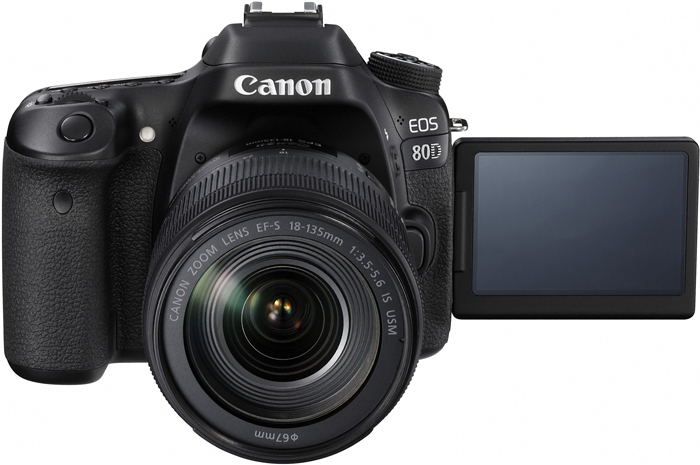
    Canon has been unveiling a bunch of new cameras in the recent few months. Earlier this month, the company unveiled the 4K-capable EOS-1D X Mark II and today it has unveiled the mid-range EOS 80D DSLR Camera with a versatile EF-S 18-135mm f/3.5-5.6 IS USM Lens, which come alongside the DM-E1 Directional Microphone and the unique PZ-E1 Power Zoom Adapter.

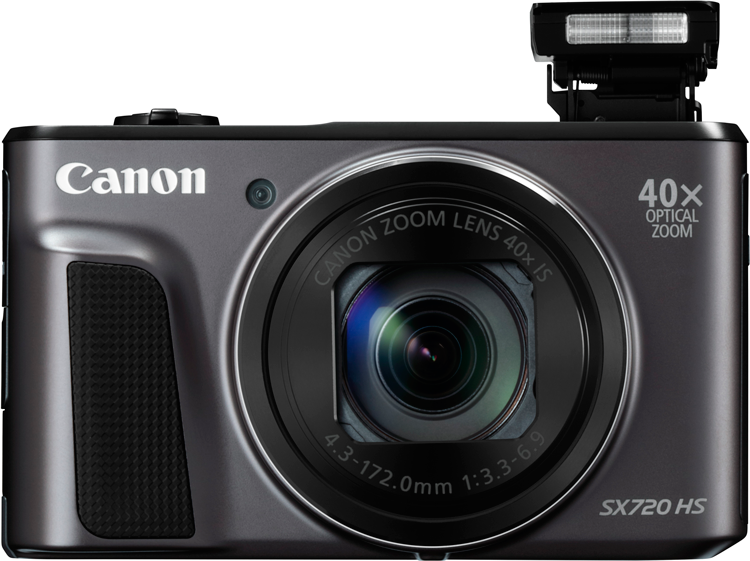
    Canon also unveiled two point-and-shoot cameras for those who are looking for more pocket-friendly options. the svelte and powerful PowerShot G7 X Mark II Digital Camera and the compact long-zoom PowerShot SX720 HS Digital Camera. video -The new 80D comes with 24.2MP APS- C CMOS sensor and the DIGIC 6 image processor. Dual Pixel CMOS AF has received a boost for improved focusing accuracy and speed when recording video.

    kit_7


    Image quality has been given a bump and the images captured promise exquisite detail and colur.The camera comes with Full HD 1080p at up to 60 fps in the MP4 format, headphone and microphone jacks, and a 3.0” vari-angle touchscreen Clear View II LCD monitor which offers flexible positioning. Additionally, the camera has Wi-Fi with NFC, HDR Movie, Time-Lapse Movie, and Creative Filter options.

    ef-s-18-135-is-usm_side_without_cap

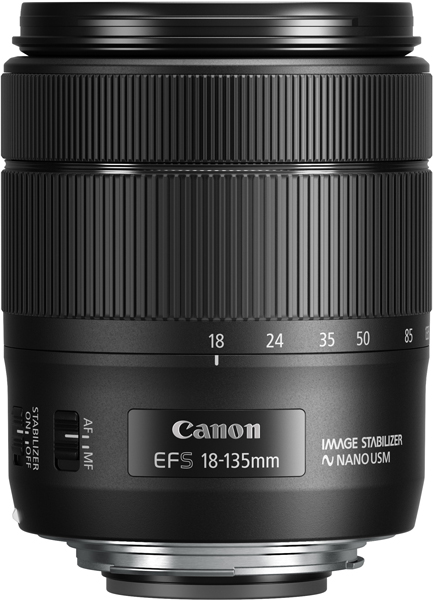
    Along with this, Canon is offering a EF-S 18-135mm f/3.5-5.6 IS USM Lens which is compatible with APS-C cameras like the 80D. The focal length range goes from 28.8-216mm and allows faster autofocusing than before. The lens also works with PZ-E1 Power Zoom Adapter, allowing users to perform more controlled zooms and making it ideal for video use. The lens comes with Optical Image Stabilizer and a Dynamic IS system.

    powerzoom_slant02

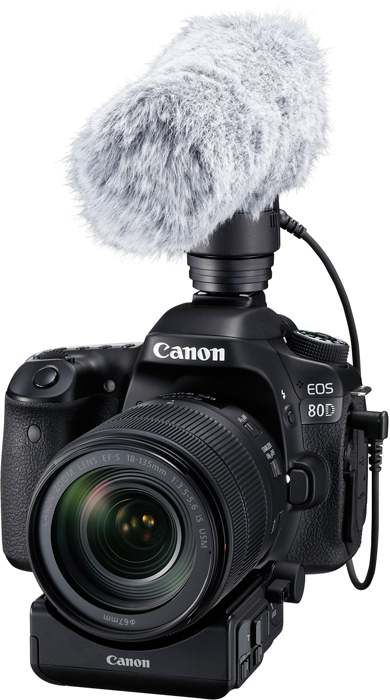
    Canon finally unveiled the DM-E1 Directional Microphone, the DM-E1 which comes with a windjammer to reduce noise and a shock mount to lessen handling noise. It has a frequency response of 50 Hz to 16 kHz and runs on a single button-type lithium cell battery.

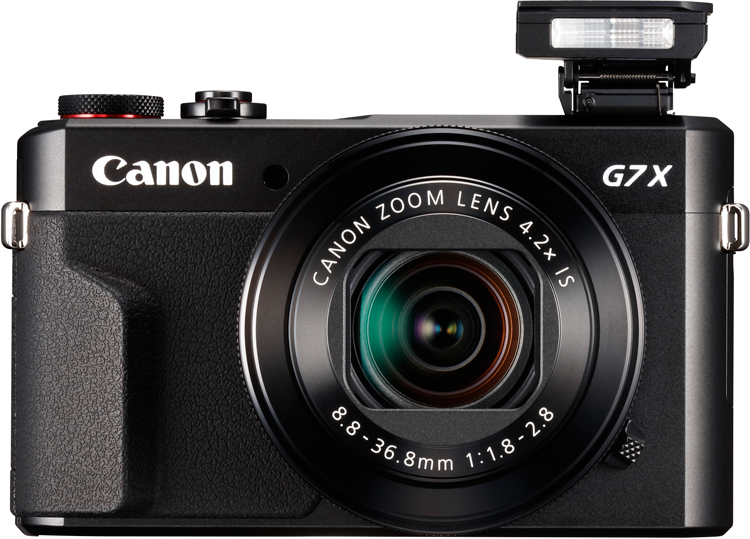
    Finally, Canon wrapped up the announcement with two new PowerShot cameras.The first one is the PowerShot G7 X Mark II that features the latest DIGIC 7 image processor which powers a high-speed continuous shooting rate of 8 fps with raw or JPEG. It comes with a 20.1MP 1” CMOS sensor and 24-100mm equivalent f/1.8-2.8 lens combination.

    g-a_10
    PowerShot G7 X Mark II

    It has a multi-angle 3.0” 1.04m-dot touchscreen LCD that can flip 180° for selfies. In addition to stills, the G7 X Mark II can record Full HD 1080p video and offers built-in Wi-Fi with NFC for connecting to a mobile device.

    PowerShot SX 720HS
    PowerShot SX 720HS

    The second one is the PowerShot SX720 HS with a 40x optical zoom range and a relatively compact body. It features a 20.3MP CMOS sensor along with the DIGIC 6 image processor to create high-resolution, low-noise images and Full HD 1080p60 video. It also comes equipped with a large 3.0” 922k-dot LCD for easy viewing.

  • Nikon D5 D-SLR Camera Launches in India

    Nikon D5 D-SLR Camera Launches in India

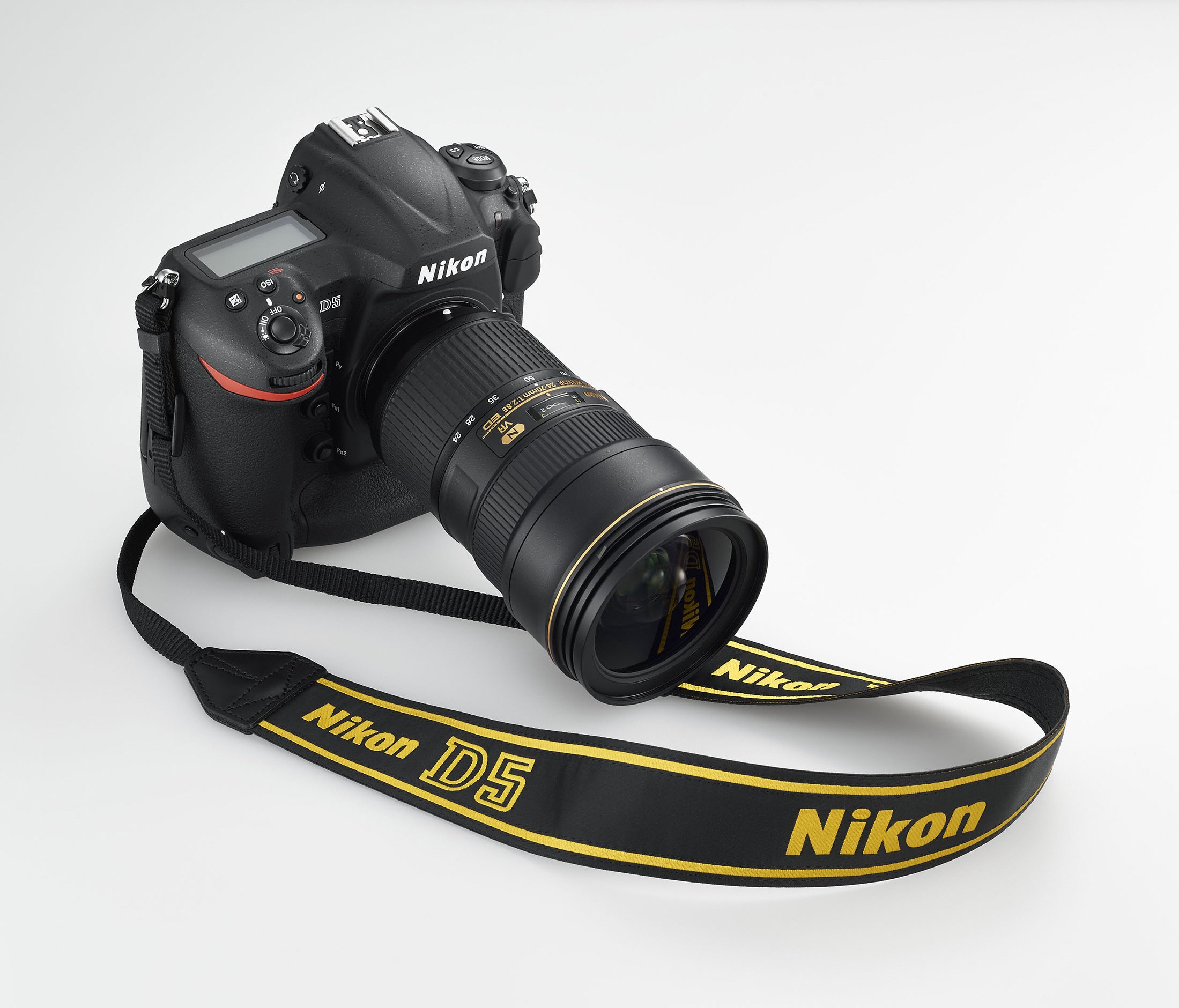
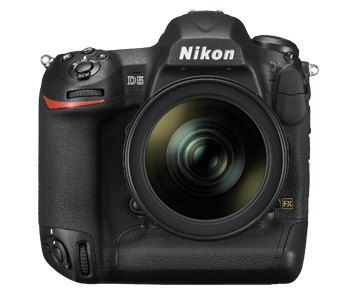
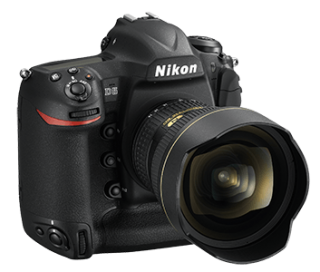
    Launched globally two days ago, Nikon D5 arrives in India today. The new Nikon camera was officially unveiled at CES on Tuesday. The camera boasts a new 20.82-megapixel full-frame CMOS sensor. This along with  a 180,000-pixel RGB metering sensor will deliver more accurate tonal gradations and detail, according to Nikon.

    3245352727

    Nikon’s newest flagship camera is powered by a new EXPEED 5 image processing engine. Some notable features include 4K/UHD video recording. The Nikon D5 can shoot 4K movies (3840×2160 pixels) at 30p/25p/24p in dot-by-dot native pixel crop, which ensures the highest image quality as well as record Full HD (1080p) videos at frames up to 50p/60p in multiple formats.

    2039650605

    Capturing lowlight images will be a cinch as the camera provides a native ISO range from 100 to 102,400, extendable up to a whopping 3,280,000 equivalent at the Hi 5 setting. The D-SLR also comes with what Nikon calls a ‘next-generation AF’ system boasting 153 focus points and 99 cross-type sensors.

    “Nikon D5 is a professional’s formidable photography partner, sporting a phenomenal new autofocus system, highest standards of expanded ISO sensitivity, turbocharged workflow, and exceptional durability, for superlative flexibility to shoot both stills and 4K movies. The new-fangled D5 outperforms the expectations by delivering a potent fusion of extensive image capturing power alongside a detailed and immediate acquisition performance, regardless of the environment. Nikon D5 is ‘I AM VISION OUTPERFORMED’.” said, Mr. Sajjan Kumar, Vice President – Imaging Division, Nikon India Pvt. Ltd.

  • After the Epic 5DS, Canon Brings Out the T6i

    After the Epic 5DS, Canon Brings Out the T6i

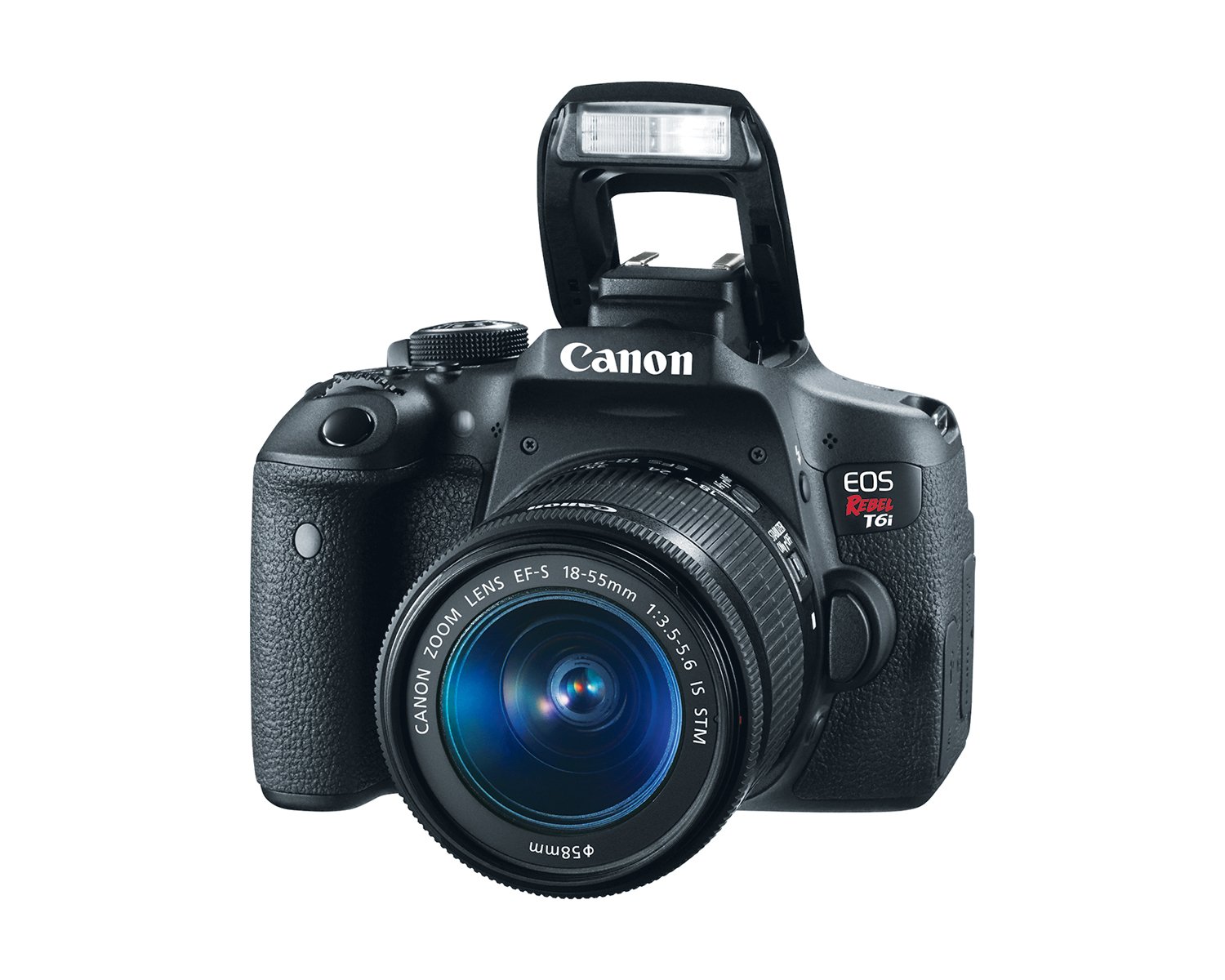
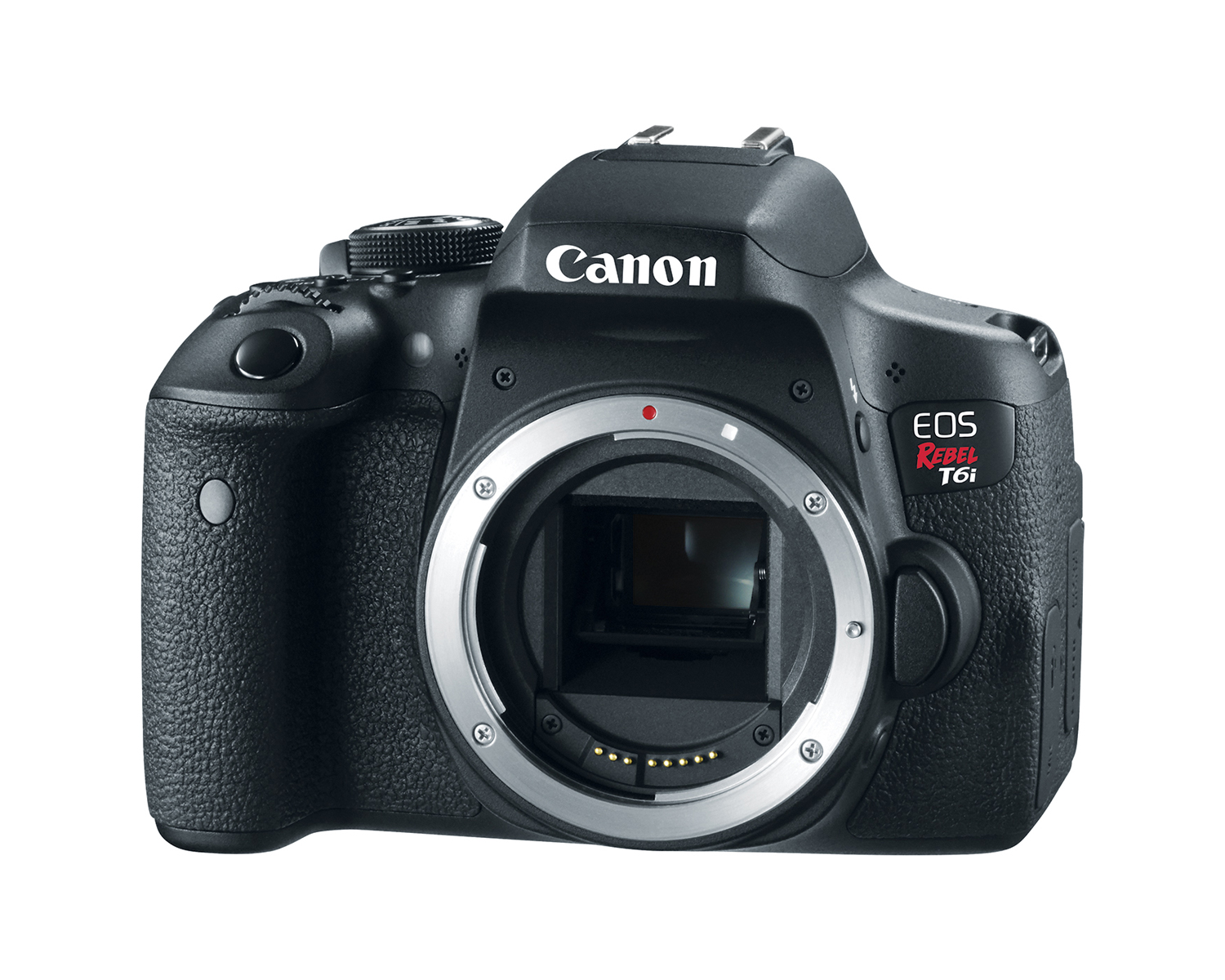
    The Rebel series of Canon is perhaps one of the best tools for a budding photographer. This affordable camera family provides the same specs as the higher end 7D cameras but come at an affordable price tag. Canon understands the volume of sales in the segment and puts active efforts into updating these mid-range DSLRs. Now the company has unveiled the new Rebel T6i and Rebel T6s to take on the market.

    Canon t6i 1
    In Burst mode the camera shoots at 5 fps.

    This time around Canon seems to have given some thought into their product. The last offering known as the T5i (Canon 700D) was just a nominal improvement over its predecessor T4i (Canon 650D). Canon T6i gets 24.2 Megapixel APS-C sensor with 19-point autofocus. It offers an ISO range of 100-12800 which is expandable up to 25600. The camera shoots continuously at 5 frames per second (fps) which is great for shooting action shots.

    Canon t6i 4
    The Rebel T6i comes with a 24.2 Megapixel APS-C image sensor

    The 3 inch swivel display also returns to this device that comes handy while shooting videos. Like the Rebel models before it, the T6i allows you to shoot 1080p videos at 30 fps.

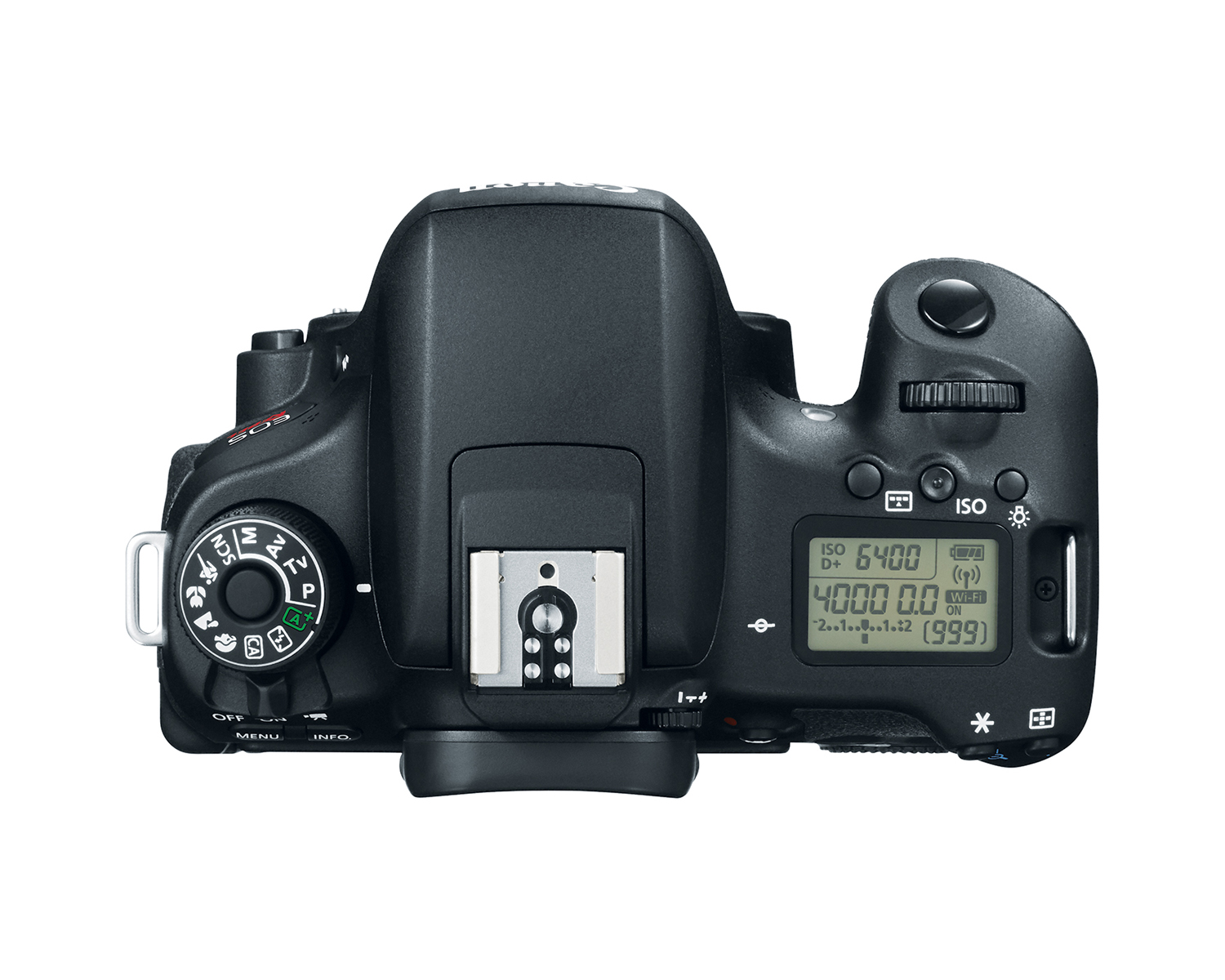
    The second launch from Canon is the T6s that offers a few additional features over the T6i. The T6s lets users shoot HDR video and also offers a built-in electronic level meter. The unique bit added to the T6s is the LCD data panel on the top. This feature till now was only available with the models above the 60D.

    Canon t6i 2
    The Rebel T6s is the first Rebel DSRL with an LCD information display.

    The T6i is priced at $749.99 for the body-only, $899.99 with an EF-S 18-55mm STM lens and $1,099 with an EF-S 18-135mm STM lens. The T6s will cost $849.99 the body-only and $1199 with an EF-S 18-135mm STM lens. The cameras are expected to arrive in the market by the end of April.

  • At 50 Megapixel, Canon 5DS is the Highest Resolution Full-Frame DSLR

    At 50 Megapixel, Canon 5DS is the Highest Resolution Full-Frame DSLR

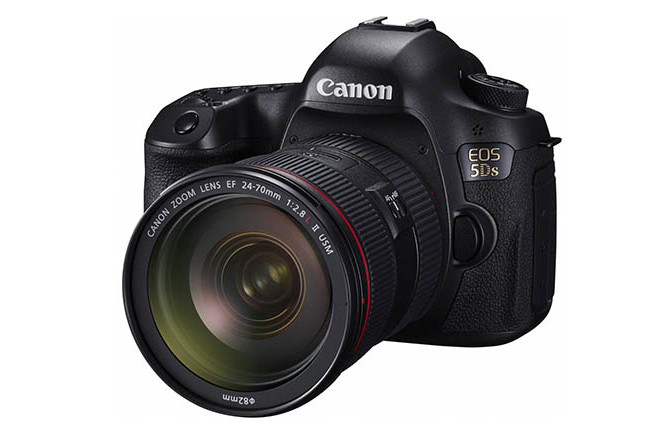
    Canon is one of the top choices for prosumers and professionals when it comes to DSLRs. The company has given a boost to photography with its wide choices of lenses and accessories. It is now trying to take on all its competition in the premium segment with the introduction of the 5DS and 5DS R.

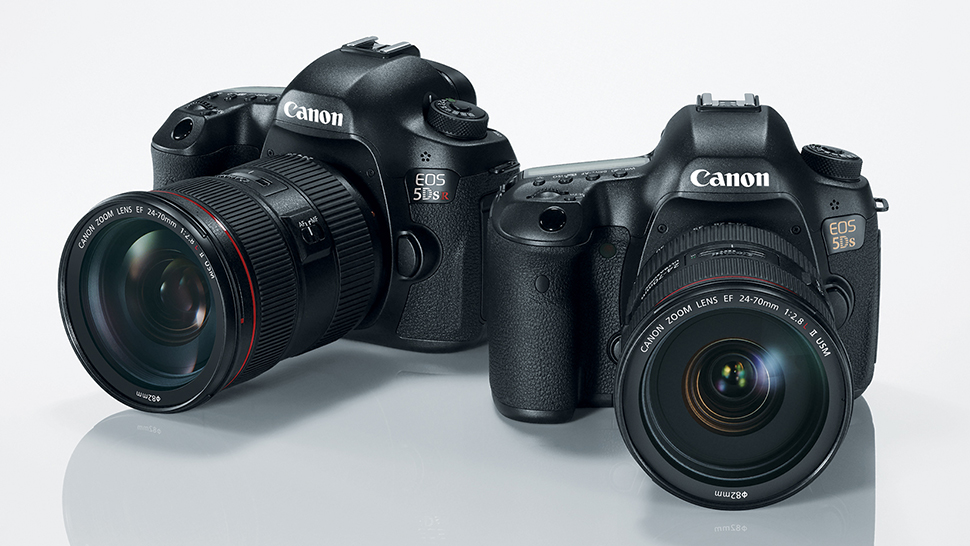
    Canon has packed in a mammoth 50 megapixels into the camera that makes it the highest resolution full frame camera ever. The 5DS R is almost the same as the 5DS, but it gives you the option for canceling the anti-aliasing filter which helps give much finer details.

    Canon 5DS 1

    The cameras are powered by dual DIGIC 6 processor and offers 61-point autofocus system that would provide it with snappy autofocus capabilities. The offering of 50 MP also means that the camera allows you to shoot 19 MP images on cropped APS-C sensor, which is fantastic.

    Canon 5Ds 2

    What maybe a disappointment to some would be the lack of advanced video features in the camera. Canon DSLRs are seen as a great tool for video production, but this camera doesn’t offer any extra features for video shooting. It does offer the usual 1080p video recording.

    Canon 5DS 3

    Overall, these new products from Canon’s stable seem only for the battle-hardened photographers and will help them create spell bounding images. The Canon 5DS is priced at $3700 while the 5Ds R will be $3900, and they will be available June onwards. For the normal folks going on their Sunday morning photo walks, your 18-20MP DSLR would work just fine, you would be better off investing in quality lenses for your camera instead of these monstrosities.

  • Winner | Best Budget DSLR | iGyaan Tech Awards 2014

    Winner | Best Budget DSLR | iGyaan Tech Awards 2014

    If you are a photographer looking for high display pictures with brilliant quality images, all within a respectable price, then we have compiled a list of the Best Budget DSLRs.

    Voting is now Closed! The Winner for the Best Budget DSLR in the iGyaan Tech Awards 2014 is Nikon D 3300.
    The winner of the giveaway is announced HERE.


    [button link=”https://www.igyaan.in/awards/” size=”large” text_size=”beta” newtab=”on”]Back To Awards Categories[/button]


  • Winner | Best Premium DSLR | iGyaan Tech Awards 2014

    Winner | Best Premium DSLR | iGyaan Tech Awards 2014

    If you are a true photographer willing to pay the extra bucks for a high megapixel camera which gives brilliant images along with auto focus capability and unbelievably life-like images then this list of premium DSLRs are for you.

    Voting is now Closed! The Winner for the Best Premium DSLR in the iGyaan Tech Awards 2014 is Canon 7D Mark II.

    The winner of the giveaway is announced HERE.


    [button link=”https://www.igyaan.in/awards/” size=”large” text_size=”beta” newtab=”on”]Back To Awards Categories[/button]


  • The Light and Powerful Nikon D750 Comes to the Market

    The Light and Powerful Nikon D750 Comes to the Market

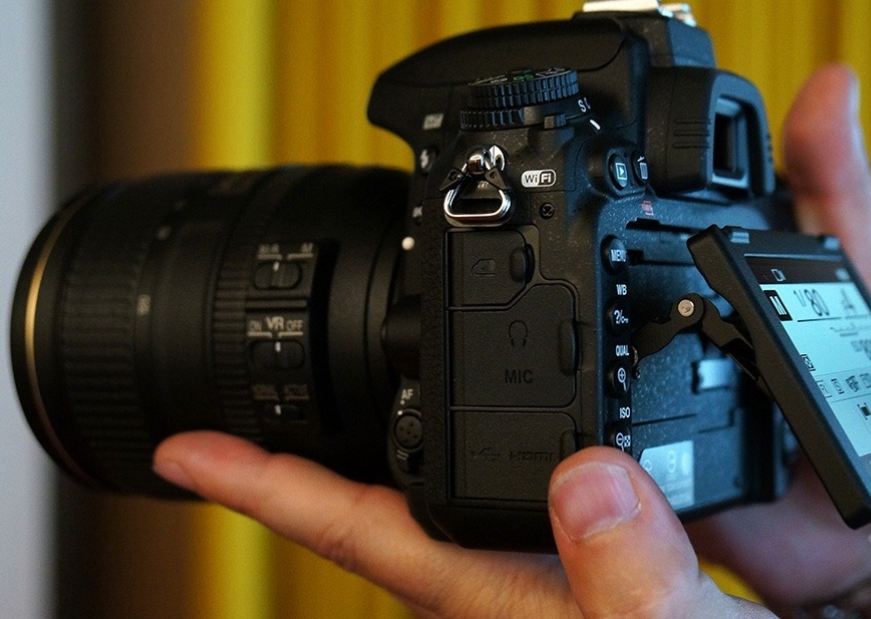
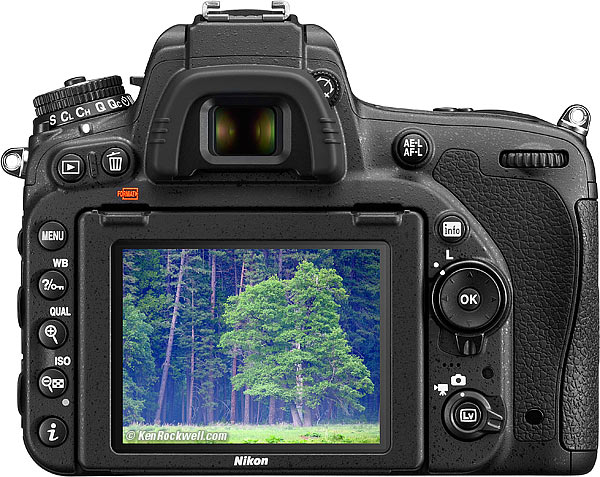
    Nikon has launched a new hybrid camera D750. It combines the best features from Nikon’s D810, and the company’s flagship D4S, and wraps them inside a smaller, lighter body. Nikon D750 is full frame DSLR that slots in between the D610 and D810. Replacing the crowd’s favourite D700, this new camera is actually the lightest among Nikon’s traditional pro series.

    The D750 has a 24-megapixel FX format CMOS sensor, an Expeed 4 image processor (the same one seen in the much pricier D810), a more light-sensitive 51-point autofocus system, and an ISO range that stretches from 100 to 12,800. It weighs around 750g, it’s significantly lighter than both the D4S and D810, and even bests Nikon’s D610 and Canon’s full-frame EOS 6D

    770.

    It uses a 51-point autofocus system that’s near identical to the higher-end cameras, so you get 15 cross-type AF sensors, 11 of which work up to f/8. The D750 supports burst shooting at 6.5 frames per second in full resolution, which may come as a slight disappointment for those hoping to use it for sports or fast action.

    The D750’s greatest strength is its low-light performance. Its ISO range extends from 100 to 12,800 (plus Nikon’s Hi2 mode offers an equivalent of ISO 51,200), and this thing can practically see in the dark and focus at -3EV. That’s a first for any Nikon DSLR. It’s better than what the D810 can manage; even the D4S is only capable of focusing as low as -2EV.

    back

    However, the light weight doesn’t come at the cost of functionality. The D750 includes a new 3.2-inch tilting LCD, built-in Wi-Fi, and space for two SD cards. It’s the company’s first FX format camera to have a tilting LCD screen which is 3.2-inches diagonally. It is the first camera to have built-in WiFi which has been crammed into a body that’s thinner than usual. It shoots 1080p at 60, 30, or 24fps with full control over aperture whenever you’re filming. A Power Aperture feature, borrowed from the D810, smooth outs transitions when you’re adjusting aperture.

    The Nikon D750 will be available with price tag of $2300 which falls between the $1900 D610 and the $3300 D810. It’s got the same resolution sensor as the D610 as well as a similarly compact design. The D750 is going on sale from September 23rd in a body-only configuration. A kit including Nikon’s 24-120 f/4 lens will follow up in October.

  • Now You Can Create Your Own Google Street View, Even With a Smartphone Camera

    Now You Can Create Your Own Google Street View, Even With a Smartphone Camera

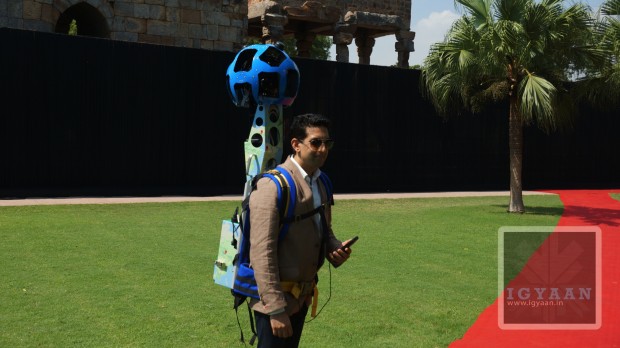
    Google’s Street View has shown us various places closely, and it seems now Google wants us to see even more places. In order to capture images for the Street view, Google uses various techniques one of them is called the trekker. We saw the trekker(image below) when Google launched Street view for the Indian Monuments

    google-maps-620x348

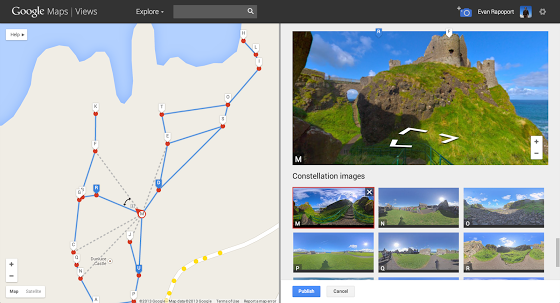
    However, Google wants people to now submit there own Street View, which means users can now now take multiple pictures of the place they like and put in Street View. To get started, users just need to create photo spheres using Android phone or a DSLR and then share them on Views, which is a special section made for these kind of images. After that, users simply need to connect them on a map. 

    We are excited to see the different types of Street View experiences that everyone will contribute. For example, this feature can now enable environmental non-profits to document and promote the beautiful places they strive to protect. It also opens up a new tool for photographers to showcase diversity in a specific location — by times of day, weather conditions or cultural events — in a way that Street View currently doesn’t cover.

    Evan Rapoport,  Product Manager, Google Maps & Photo Sphere, shared a self made Street View for a location visited in a vacation. The Street View shown below is made with help of a Nexus 4 and DSLR. 

    For more information check out the source below.

    [Google Blog]

  • Nikon D5200 Launched

    Nikon D5200 Launched

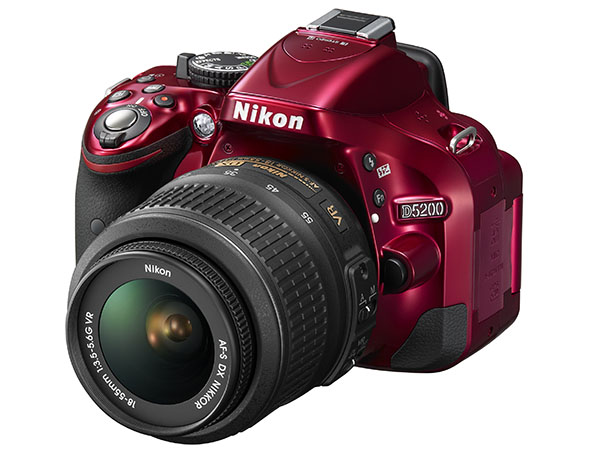
    Nikon D5200

    If the Nikon D600 is a bit much for you , then you might want to look at Nikon D5200 a new entry level DSLR. Replacing the D5100, the new Nikon D5200 comes with several upgrades such as a new 24.1-megapixel sensor, Expeed 3 image processor and a new 39-point AF system.

    The Nikon D5200 offers a 39-point AF system for smarter focusing and tracking of moving subjects (compared to the 11-point module on the D5100), a 2,016-pixel RGB metering sensor ( D5100 judged exposure based on just 420 pixels), and a new Expeed 3 processor that permits up to five shots per second (D5100 had 4 fps).

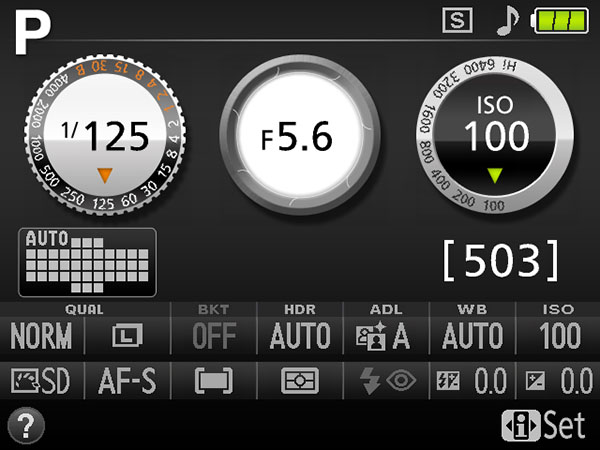
    One of the Main Features is the new UI which displays shooting settings, namely shutter speed, aperture and ISO on three onscreen dials. Users also get a quick overview of their shooting settings and can easily make adjustments on the go.

    There’s also a brand new main image sensor: a DX-format chip that is the same size as the D5100’s and yet somehow squeezes in 8 million more pixels, bringing the effective resolution to 24.1 megapixels.

    Nikon D5200 key specifications:

    • 24.1-megapixel CMOS sensor
    • Expeed 3 image processor
    • 921k-dot, 3-inch articulating LCD
    • 1080 60i/50i full-HD video capture
    • 39-point autofocus system (9 cross types with 3D tracking)
    • 5fps burst mode shooting
    • 555g (Body only, with batteries)

    Available in matte black, glossy red and bronze, the Nikon D5200 is expected to hit store shelves in Asia come December. Prices are set at for Body only: £719.99 / €899.00, Body & 18-55mm VR lens: £819.99 / €1029.00.

    UPDATE : The Indian Price has been set at :MRP of Rs. 46,950 for D5200 body & AF-S DX NIKKOR 18-55mm f/3.5-5.6G VR Kit Lens

    Nikon D5200 colors
    Nikon D5200 Colors


    [toggle_box title=”Press Release” width=”Width of toggle box”]

    Discover new perspectives with the inspiring Nikon D5200


    RRP:
    Body only: £719.99 / €899.00
    Body & 18-55mm VR lens: £819.99 / €1029.00
    Sales start date: December 2012


    London, UK, 6 November 2012: Nikon introduces the latest D-SLR to its mid-range DX-format line-up, the 24.1 megapixel Nikon D5200, designed to bring out your creative side. From beautiful still photos to smooth Full HD movies, this camera empowers your freedom of expression, letting you capture your own unique view of the world.


    Simon Iddon, Product Manager DX Products at Nikon UK, says: “The Nikon D5200 is ideal for those who are passionate about photography and are keen to explore their creative potential.”


    He adds: “The versatile vari-angle screen is ideal for composing shots and for experimenting with the camera’s superior features to enhance images and add an individual twist.”


    Breath-taking image quality
    The third camera in its series, following the D5000 and the D5100, the Nikon D5200 offers a massive leap in image-quality. In addition to the 24.1-megapixel DX-format CMOS sensor for finely detailed images, the new EXPEED 3 image processor provides high-speed operation and excellent, rich colour reproduction – as well as enhanced movie recording. The high ISO sensitivity (100-6400 which is extendable to 25600) delivers brilliant shots in dark or poorly lit environments as well as producing clear images of fast moving subjects.


    The Nikon D5200 shares an AF system, metering sensor and scene recognition with the Nikon D7000 series, giving this camera a new level of performance and much enhanced image quality. The superior accuracy of the 39-point AF system and nine cross-type sensors delivers razor sharp images by focusing precisely on the subject you choose. Meanwhile, the 2,016-pixel RGB metering sensor provides precise data to the camera’s Scene Recognition System, which optimises exposure, autofocus and white balance immediately before the shutter is released.


    Image creations from any angle
    The Nikon D5200’s versatile 7.5cm (3-in) vari-angle LCD monitor provides the ultimate freedom and flexibility to take beautiful shots and movies from virtually any position. You can flip, tilt or turn the swivel monitor to get really creative with your angles. In addition, the Nikon D5200 is an intelligently designed lightweight camera, with clear menus and superior ergonomics, making it a pleasure to maneuver and shoot with.


    Wireless connectivity to share your creations
    Wirelessly transmitting images from your camera to an Apple™ or Android™ smart device is possible by using the optional WU-1a Wireless Mobile Adapter. This means you can share images that you are proud of with friends via social networks and email for instant reactions. It is even possible to control your camera remotely from your smart device to help you take beautiful shots without disturbing your subjects.


    Distinctive HD movies
    Effortlessly alternate between shooting stills and Full HD movies with smooth (up to 60i/50i) recording at the flick of a switch. The camera’s subject tracking of moving objects in three dimensions, with full time servo AF (AF-F), ensures focus of moving objects throughout filming. Adding to that, creating movies to be proud of can be achieved with in-movie editing and the camera’s built-in stereo microphone.


    Inspirational Effect and Scene modes
    Be even more original with the Nikon D5200 Effects mode. A range of seven special effects: Selective Colour, Miniature, High and Low Key, Silhouette, Colour Sketch and Night Vision can be applied in real time to images and movies through Live View so you can see what your final creation will look like before you shoot it. In addition, in-camera High Dynamic Range (HDR) and D-lighting capture detailed images of high-contrast scenes, increasing creative possibilities. You can also select from 16 different Scene modes – they optimise the camera settings, such as shutter speed, ISO and aperture – to the situation you are shooting. It is great for a quick shot or if you are still learning about D-SLR photography.


    Key features
    • DX-format, 24.1 megapixel CMOS image sensor with EXPEED 3 for exceptional quality
    • Vari-angle LCD monitor: View life at a unique angle with a high resolution, 7.5cm (3.0-in), 921k dot vari-angle screen
    • Compatible with Wireless Mobile Adaptor WU-1a to transmit images from the camera to Apple™ or Android™ smart device and remote shooting
    • High ISO (100-6400) extendable to 25600: keeps the detail with low noise in low-light situations
    • Razor-sharp 39-point AF system with nine cross-type sensors in the center. Offers fast and precise autofocus coverage across the frame
    • 2,016 pixel RGB metering sensor delivers highly accurate metering for exact exposures and provides precise data to the camera’s Scene Recognition System
    • Scene Recognition System optimises exposure, autofocus and white balance immediately before the shutter is released
    • Continuous shooting at 5fps: so you do not miss that fast-moving action shot
    • High dynamic range (HDR): Gives detailed shots of high-contrast scenes by combining two shots taken within a single shutter release
    • Active D-Lighting: Retains details in highlights and shadows for well-balanced images, even if the subject is moving
    • D-Movie: Full (1080p) HD movies with smooth (up to 60i/50i) recording and a built-in stereo microphone
    • D-Movie AF modes: Live View autofocus works when shooting movie clips, keeping subjects in sharp focus
    • In-built stereo-microphone for improved sound quality
    • Updated new generation GUI Design
    • 16 Scene modes: Automatically adjusts camera settings, including Picture Controls and Active D-Lighting, for optimal results.
    • Effects mode – seven effects including Selective Colour and Miniature, which can be applied in pre-shoot, for more creative movies and stills
    • Compatible with WR-R10 Wireless Remote transceiver and WR-T10 Wireless Remote transmitter that let you control key camera functions from a distance
    • GPS compatible: Records the exact location of the camera when a picture is taken by using the optional GP-1 unit
    • NIKKOR lenses: take advantage of Nikon’s legendary NIKKOR lenses and make the most of the camera’s 24-megapixel resolution. Capture photos with vivid colour and striking contrast. Shoot movies with crisp detail or experiment with cinematic effects.
    • Available in three colours: black, red and bronze
    • Lightweight body (505g) with an intelligent design and superior ergonomics

    [/toggle_box]


  • Canon launches EOS 6D 20.2-megapixel Full Frame DSLR with Wifi (PR)

    Canon launches EOS 6D 20.2-megapixel Full Frame DSLR with Wifi (PR)

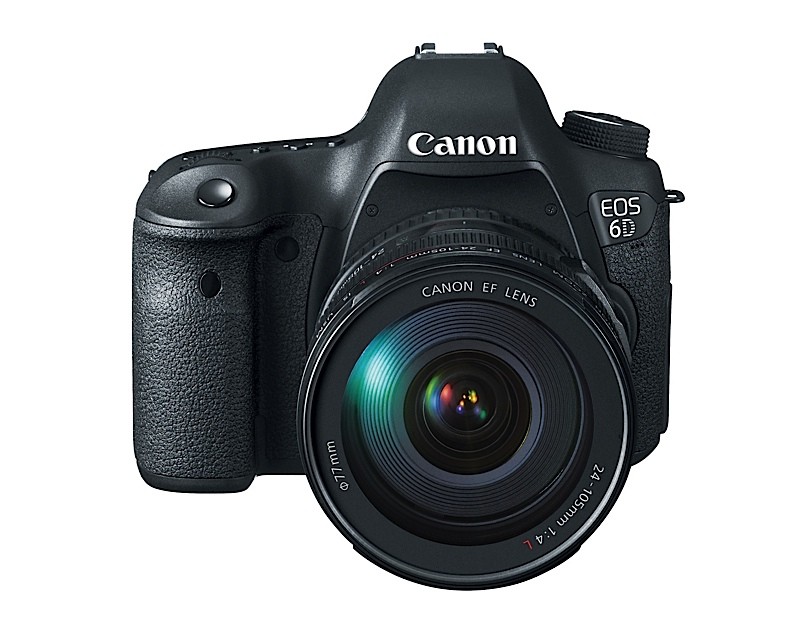
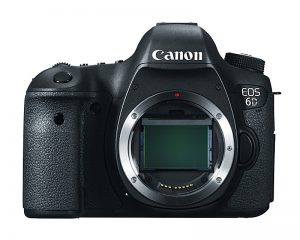
    Looks like the Full frame party is just getting started, with the Sony A99, the Nikon D600 and now the new Canon EOS 6D with 20.2 MP full frame sensor. But, the best feature to be brought about for a pro shooter would be the inclusion of WiFi in the body of the camera. Weighing 690g, the 6D is 20 percent lighter than the 5D Mark III, the price is also cheaper which also puts it directly in line with Nikon’s D600.  

    When paired with Canon’s iOS and Android apps, you can use your phone to change the 6D’s settings, take and geotag photos using the live remote function, and even transfer those shots to your handset wirelessly.


    Other details include :

    • DIGIC 5+ image processor 
    • Shooting at 4.5fps
    • HDR 
    • 1080p 30fps video in 29 minute 59 second clips
    • ISO 100 up to 102,400 (extended) 
    • 11-point autofocus system 
    • EV -3 sensitivity rating
    • 3-inch, 1.04 million dot ClearView LCD o
    • Optical viewfinder
    • Stereo mic jack
    • Single SD card slot that’s SDHC and SDXC compatible
    • Price $2,099 for the body only, Kit 24-105mm f/4L USM zoom lens for $2,899.


    [toggle_box title=”Press Release” width=”Width of toggle box”]

    CANON ANNOUNCES ITS SMALLEST AND LIGHTEST FULL-FRAME DIGITAL SLR CAMERA FOR SERIOUS PHOTOGRAPHERS

    The EOS 6D Digital SLR Camera Includes a New Full-Frame Sensor, Built-in Wireless and GPS

    LAKE SUCCESS, N.Y., September 17, 2012 – Canon U.S.A., Inc., a leader in digital imaging solutions, today introduced the EOS 6D Digital SLR Camera, a versatile mid-range full-frame camera with the durability and performance professionals require and the creative imaging options serious photographers crave. Canon has coupled the incredible image quality of a newly designed 20.2-megapixel full-frame CMOS sensor and DIGIC 5+ Image Processor with the creative potential of built-in wireless transmitter and GPS features. The camera also includes an 11-point AF array and 63-zone dual-layer iFCL metering sensor together with 1080p Full HD video capabilities, in an affordable camera body. Building upon the qualities that made the EOS 5D Mark II camera so successful, the EOS 6D bridges the gap for budget-minded photographers, videographers and cinematographers who are eager to step up into the world of full-frame imaging.

    “The introduction of this camera completes a well-rounded ecosystem from input through output for Canon, allowing us to provide the right combination of features for every level of photographer. We believe the EOS 6D Digital SLR Camera along with our new PIXMA Pro printers will help unlock the creative vision of so many who aspire to capture and display their artistic abilities,” stated Yuichi Ishizuka, executive vice president and general manager, Imaging Technologies & Communications Group, Canon U.S.A.

    Designed for advanced amateurs and videographers making the move to a full-frame Digital SLR, the EOS 6D fits neatly into Canon’s professional imaging system with an advanced feature set including full manual options for creative control in addition to new and intuitive automatic settings to help even novice photographers capture great images. The camera’s construction helps meet the needs of professionals with a 100,000-cycle shutter durability and EOS Integrated Cleaning System for high-quality vibration-based dust removal. Among the many advancements in Canon’s new EOS 6D is the Company’s proprietary DIGIC 5+ Image Processor that powers the camera’s fast 14-bit analog-to-digital conversion for exceptionally smooth color tones and gradation. The camera offers a full-frame, 20.2-megapixel CMOS sensor and continuous shooting up to 4.5 frames per second (fps).

    Thanks to the combination of its new CMOS image sensor and the powerful DIGIC 5+ image processor, the EOS 6D provides a wide ISO range from 100-25600 with a low setting, L: 50 and two high settings, H1: 51200 and H2: 102400. These outstanding low-light capabilities allow the EOS 6D to easily capture dimly lit scenes such as wedding ceremonies, indoor corporate events, or landscapes at dusk. To support the ample sensitivity of the new camera’s sensor, the EOS 6D camera’s Auto Focus (AF) system includes a newly-developed 11-point AF sensor featuring a high-precision center cross-type point with an exceptional EV -3 sensitivity rating for accurate focusing even in extremely low-light conditions.

    The EOS 6D has a large 3.0-inch Clear View LCD monitor with 1,040,000 dot VGA resolution and 170 degree viewing angle, with high-transparency multicoating for maximum protection and clarity when viewing images or navigating menu screens. When used for Live View shooting, the camera’s bright high-performance LCD screen provides 100 percent coverage, for easy focusing and framing.

    Full-Frame 1080p Full HD Video

    Videographers, student filmmakers, and creative independent spirits will appreciate the full-frame video capabilities of the EOS 6D in an affordable and compact body. Borrowing from the best of the EOS 5D-series, the EOS 6D provides full manual control over exposure and audio levels while recording video. The camera features NTSC and PAL video modes at multiple frame rates, recording 1080p at 30 (29.97), 24 (23.976) and 25 fps, 720p at 60 (59.94) and 50 fps and standard video at 30 (29.97) and 25 fps. The camera provides up to 29 minutes and 59 seconds of continuous recording (with 4GB automatic file partitioning) in selectable All i-frame or IPB compressions with embedded timecode. Especially when used with large aperture lenses, the EOS 6D camera’s full-frame sensor offers a tremendous degree of creative control over depth-of-field, helping users to achieve pro-quality cinematic effects in Full HD video recordings.

    Built-in Wi-Fi and GPS

    For the ultimate in DSLR connectivity and control, the EOS 6D features a built-in wireless transmitter which allows the camera to share images and video with the user’s choice of wireless devices such as select PowerShot cameras, smartphones, or tablets, as well as cloud-based destinations including social networking sites through the Canon iMAGE GATEWAY . A very intuitive and useful wireless feature is the new, free Canon EOS Remote app available for iOS and Android systems which will allow a smartphone or wireless device such as a tablet to remotely connect, control and operate the connected EOS 6D . This seamless connection and control will open new opportunities for professional photographers shooting weddings or remote wildlife, without the need for tethered operation or accessories.

    For on-location shooters, landscape photographers or enthusiast photo travelers, the EOS 6D features a built-in GPS receiver to record longitude, latitude, elevation and Coordinated Universal Time (UTC) as EXIF data for seamless geo-tagging while shooting. The GPS coordinates are appended to each image and easily syncs with Canon software or mapping apps on social network sites to show image locations. Use of UTC data allows images to be chronologically mapped and trails plotted and recorded.

    Boundless Creativity

    To help photographers unlock their full creative potential and explore all the different avenues of digital photography, the EOS 6D includes several creative modes for image capture. First is the HDR (High Dynamic Range) mode allowing the camera to capture three separate exposures and combine them in-camera for a stunning image capturing both enhanced shadow detail and bright highlights. Next is the camera’s Multiple Exposure mode where users can combine up to nine individual images into a single composite image, with no need for later computer post-processing. Four different compositing methods are provided for maximum creative control, including Additive, Average, Bright and Dark. Compositing results can be viewed in real time on the camera’s LCD monitor, and there is a one-step Undo command that allows photographers to delete an image and try again if desired. The EOS 6D will even allow photographers to specify a previously captured RAW image as the starting point for a new Multiple Exposure composite image. In addition to HDR and Multiple Exposure modes are Canon’s standard Scene Intelligent Auto and special scene modes to capture great images with ease. The camera is compatible with SD, SDHC, and SDXC memory cards including the new Ultra High Speed (UHS-I) cards.

    Pricing and Availability

    The EOS 6D Digital SLR Camera will be sold in a body-only configuration at an estimated retail price of $2,099.00 and it will additionally be offered in a kit version with Canon’s EF 24-105mm f/4L IS USM zoom lens at an estimated retail price of $2,899.00. Both configurations are expected to be available in December 2012.

    [/toggle_box]


  • Nikon launches cheaper Full Frame D600 DSLR with 24-megapixel Sensor (PR)

    Nikon launches cheaper Full Frame D600 DSLR with 24-megapixel Sensor (PR)

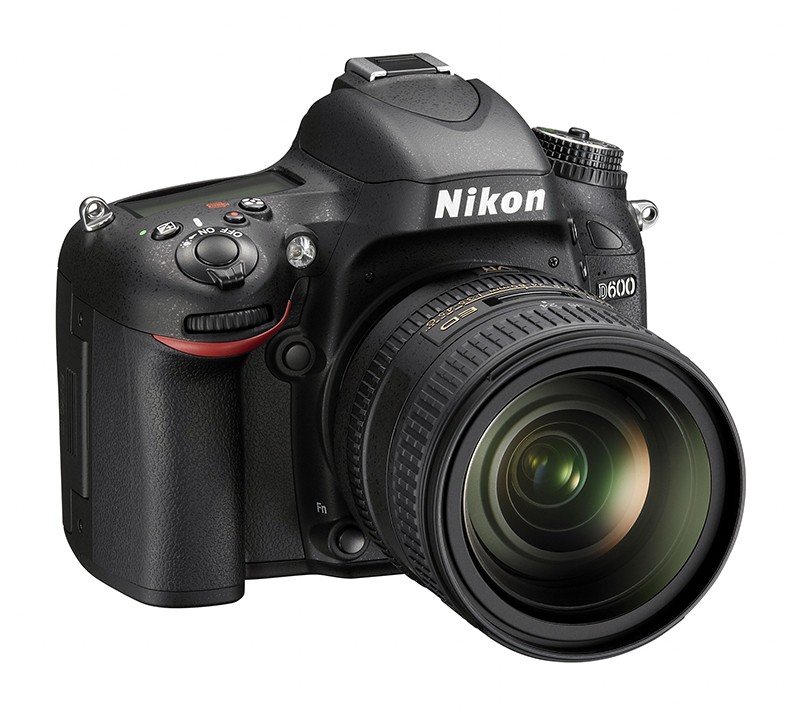
    Nikon has jiust unleashed another Full Frame DSLR into the market the D600, Priced at US $ 2100 (or IN Rs 1,14,000 approx) the camera is relatively cheaper than its 36 MP elder sibling the D800. What’s more its also cheaper than Sony’s full frame SLT A99 launched yesterday. 

    The new camera has a weather-sealed magnesium alloy build, fast Exspeed III processor, and AF that works down to f/8, its also 15 % lighter than the D800 and slightly smaller in size.

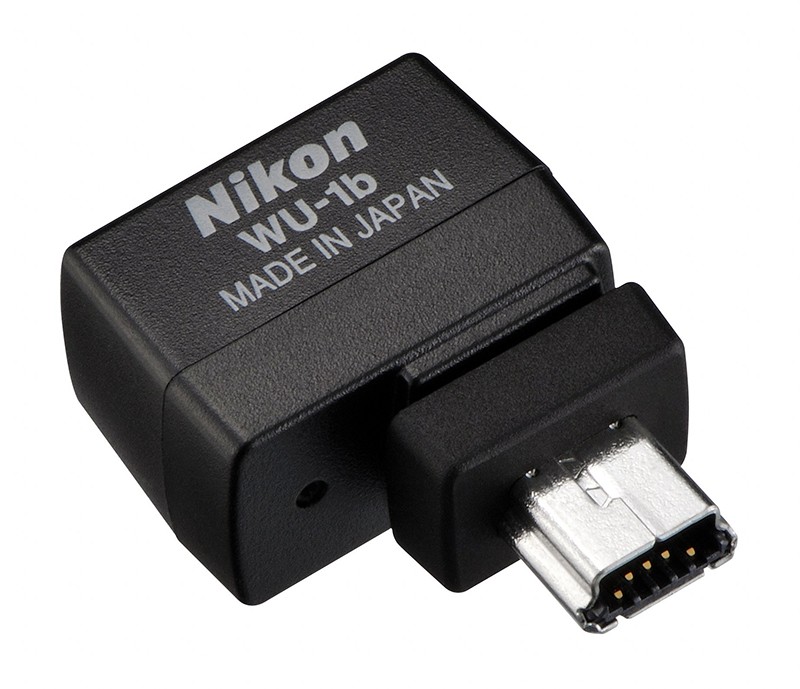
    The D600 handles wireless transfers and triggers using the new WU-1b widget accessory, that plugs into the mini USB port, so now you can remotely control your camera. You can even control the camera using a proprietary android app.


    [toggle_box title=”Press Release” width=”Width of toggle box”]

    PERFORMANCE THAT FUELS THE PASSION: THE NEW NIKON D600 PUTS FX-FORMAT IN FOCUS FOR PHOTO ENTHUSIASTS


    As Nikon’s Smallest, Lightest and Most Affordable Full-Frame HD-SLR, the D600 Packs in Powerful, Pro-Grade Photo and Video Features with Wireless Sharing and Capture Capabilities


    MELVILLE, N.Y. (September 13, 2012) – Today, Nikon Inc. announced the 24.3-megapixel (MP) D600, a camera that is designed to deliver the image quality and performance benefits of a full frame FX-format sensor to the enthusiast looking to take their dedication to the next level. The Nikon D600 offers a remarkable value, merging the perfect combination of a lightweight, compact form factor and superior image quality, making the leap into FX-format photography more attractive than ever.


    Whether shooting stills or Full HD video, advanced features and Nikon technologies like the newly developed high resolution CMOS sensor and EXPEED 3 image processing engine are designed to meet the needs of the most demanding creative vision. Additionally, Nikon’s new optional WU-1b wireless adapter allows users to shoot high quality HD-SLR images and transfer them to their mobile device, making it easier to stay connected, without the need for wires.


    “For many, image making is so much more than a hobby; it is a way of life that changes the way the world is perceived. The Nikon D600 represents a new category of camera for this user and demonstrates Nikon’s devotion to the passionate photographer who is always looking for new ways to express their creativity through their photos and HD videos,” said Bo Kajiwara, Vice President of Marketing, Planning and Customer Experience, Nikon Inc. “By offering users the advanced FX-format and key features inherited from our professional cameras, along with new functions like optional wireless capabilities, Nikon is inspiring photographers by providing an imaging experience that satisfies like never before.”


    Superior Image Quality
    Nikon’s FX-format offers photographers exciting image quality possibilities, from dazzling dynamic range and exacting detail to stellar low-light ability. The D600 employs Nikon’s newly developed, large 24.3 MP FX-format CMOS Sensor (35.9 x 24mm) to offer photographers a versatile camera that provides amazing image quality and sharpness, with ample resolution to tackle almost any project. Because the needs of the advanced amateur varies widely, the new CMOS sensor provides a wide ISO range from 100-6400 (expandable from 50-25,600) to give photographers maximum low-light flexibility yielding clean images with minimal noise and accurate color. The full ISO range can also be used while capturing HD video in challenging light. Nikon’s exclusive EXPEED 3 image processing engine interprets the massive amount of image data flowing from the sensor to quickly process images and HD video. The result is striking images and impressive HD video that exhibits faithful color reproduction and tonal range throughout the frame.


    Precision Technology Engineered for the Enthusiast
    Enthusiasts of all types demand the best from their gear, and the Nikon D600 is a camera engineered with intuitive features that give photographers an edge in the field. Whether shooting lush landscapes, action sports or the elusive animals of the Serengeti, Nikon’s Scene Recognition System and 2,016 pixel RGB sensor excels in any situation. By recognizing the scene prior to capture, the system meticulously analyzes factors such as color and brightness with extraordinary precision and compares all the data using Nikon’s exclusive 30,000 image database. The result is enhanced AF performance and flattering exposures.


    For precise AF performance in a wide variety of shooting conditions, the D600 features a 39 point AF system with the new MultiCAM 4800FX AF module. This AF array is well suited to a wide variety of shooting styles and disciplines, offering AF modes to let users select a single point, continuous AF, Dynamic AF or use 3D tracking to keep pace with a moving subject throughout the frame. Additionally, the system features nine cross type sensors for maximum accuracy, while seven AF points are fully functional when using compatible NIKKOR lenses and teleconverters with an aperture value up to f/8 for extreme telephoto applications.


    To keep up with action sports, active wildlife or the photo opportunity that unexpectedly arises, the D600 is ready to shoot in 0.13 seconds, with a 0.052 second shutter release. The camera emphasizes speed and performance, from overall operation and image processing, helped in part by the exceptional EXPEED 3 processing engine. The camera is also capable of bursts of images at 5.5 frames per second (fps) at full resolution with full AF, to capture decisive moments. To further enhance speed and workflow, images and video can also be rapidly transferred to dual SD card slots that are compatible with the latest SDXC and UHS-1 high speed standards.


    Enthusiasts will also appreciate other thoughtful features made to appeal to more advanced photographers, such as the 100% frame coverage seen through optical viewfinder. The wide and bright view makes it easy to compose in a variety of conditions, and affords the ability to enjoy shooting for hours on end with minimal eye fatigue. Additionally, the D600 features several scene modes and features to enhance creativity, including one-touch access to Picture Control functions through a new dedicated button. Photographers can also shoot images in High Dynamic (HDR) mode for amazing highlights, and create awe-inspiring time lapses with ease.


    Experience Full HD
    The Nikon D600 has advanced video features that are ideal for those ready to embrace the world of HD-SLR video, as well as those already enjoying its benefits such as manual control, depth of field, low-light ability and lensing options. This camera gives users the ability to record Full HD at varying frame rates and resolutions including 1080p video at 30, 25 or 24p, and 720p video at 60, 50 and 30p. When shooting HD video at the highest quality setting, up to 20 minutes can be recorded, or up to 29 minutes and 59 seconds in normal quality for added convenience when shooting static shots such as interviews and events. The large 3.2-inch 921K dot LCD screen makes it easy to preview images or video captured, navigate the menu system or confirm critical HD focus, while automatic brightness control adapts seamlessly to changing lighting conditions.


    Sophisticated video features help to increase the production value on any project, including full manual control of exposure, and the ability to switch between FX and DX-format (1.5X) at Full HD for a telephoto boost and alter depth of field. Users can opt to focus manually or can take advantage of the full-time AF while recording to help ensure faces are in focus or track a moving subject. Additionally, videographers have the ability to capture audio with the onboard microphone or record stereo audio externally using the mic input. Audio can be monitored through the headphone jack and levels can be displayed on the LCD with peaking.


    In addition to the ability to play back HD video and images through the HDMI terminal, users are also able to experience pro-grade video features in the Nikon D600. For monitoring and streaming applications, the image can be displayed on the LCD screen while simultaneously shown on another monitor through the HDMI, with or without shooting data. What’s more, the D600 adds the ability to transfer uncompressed video via the HDMI connection, which can then be routed to a digital recorder or similar device.


    Remote Sharing and Capture
    Photography is a form of expression, which can now be shared more ways than ever before through social networks and online communities. To accompany the D600, Nikon has also announced the optional WU-1b Wireless Adapter that allows users to connect wirelessly to the camera. A companion Wireless Mobile Adapter Utility application for Android™ based mobile devices is also available at no additional cost. 1 Furthermore, an application for the iPhone® and iPad® mobile digital devices will be available on September 15, 2012.2


    When connected, users are able to share their images taken with the D600 through their mobile device to their social circles, as well as send and download images from their camera to a compatible device.3 The adapter also allows users to remotely fire the D600’s shutter from up to 50 feet from the camera, which is ideal for capturing photos from unique vantage points.


    NIKKOR, Speedlight and System Compatibility
    Supporting the D600 is Nikon’s heritage in optical excellence, more than 70 NIKKOR AF and AF-S compatible lenses for maximum versatility. Those with DX-format lenses will also be happy to know that these lenses can also be used on the camera as well as the ability to set DX crop for stills or video to extend the reach of telephoto or telephoto zoom lenses.


    The new Nikon HD-SLR is also a gateway to Nikon’s renowned Creative Lighting System (CLS) which illuminates a whole new world of creative image making using multiple Speedlights. A built-in Speedlight commander can control multiple Speedlights such as Nikon’s SB-700, SB-910 or Wireless Close Up Speedlight System, and the camera can also control up to two individual speedlight groups for further creative control.


    Constructed to Inspire
    Built to withstand the wide variety of shooting conditions enthusiasts face, the body of the D600 is sealed and gasketed against dirt and moisture. The camera uses magnesium alloy top and rear construction to provide a lightweight camera with maximum durability. The shutter has been tested for 150,000 cycles, and sensor cleaning is also employed. The battery is rated for approximately 900 shots, affording photographers the ability to shoot all day. Additionally, the optional MB-D14 Multi Power Battery Pack extends the grip for comfort and can effectively double the battery capacity when using two batteries.


    The D600 is also built with an emphasis on handling with thoughtful ergonomics and button placement, in a body that is compact enough to carry comfortably on any excursion. The hand grip has been improved for comfort, while the overall impression from using the camera is reassuringly solid. To avoid accidental engagement, the shutter button has been recessed, while the Mode Dial can be locked.


    Price and Availability The Nikon D600 will be available on September 18, 2012 for the suggested retail price (SRP) of $2,099.95*, for body only, or with the AF-S NIKKOR 24-85mm f/3.5-4.5G ED VR for the SRP of $2,699.95*. The WU-1b will be also available on September 18, 2012 for an SRP of $59.95*. The MB-D14 Multi Power Battery Pack will be available in late September for an SRP of $322.00*. For more information on the new Nikon D600 and other Nikon products, please visit HYPERLINK “http://www.nikonusa.com”www.nikonusa.com.

    [/toggle_box]


  • Sony Launches the A99 Full Frame Camera (PR)

    Sony Launches the A99 Full Frame Camera (PR)

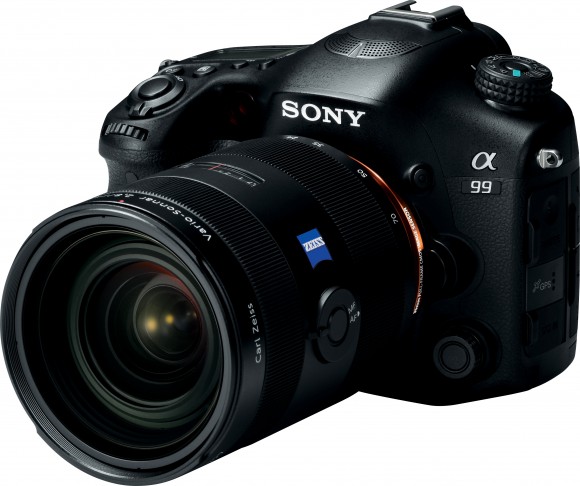
    Sony alongside the new NEX VG30 and VG900 has announced a full frame image camera, dubbed The Alpha A99, a flagship priced at $2,800 or about Rs 1.5 lac. The company is targeting both professional photographers and leading filmmakers, with plenty of features that will appeal to both.

    The glory all comes from a all-new 24.3-megapixel Exmor sensor, with an increased photodiode area for overly impressive low light quality  images(up to ISO 102,400). The camera also features what Sony’s calling the “world’s first dual-AF system,” which includes two different phase-detect AF systems, including the same 19-point system on the A77, plus an additional 102 points on the imager itself.
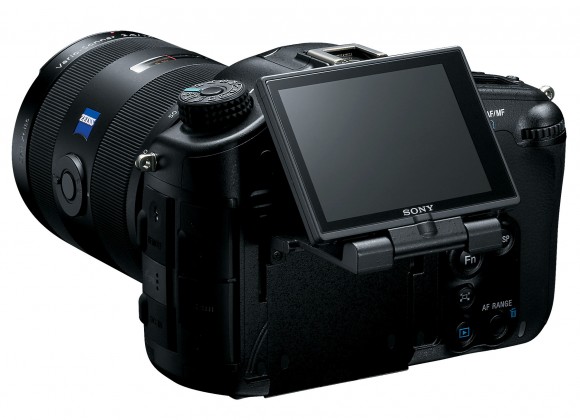
    Video capabilities include  1080/60p and 24p options with AVCHD 2.0, uncompressed output through HDMI and phase-detect focus support in video mode.Other features include 

    Sony a99

    • 6 frames-per-second burst mode
    • 14-bit RAW output for stills
    •  1.229-million dot, 3-inch Xtra Fine twilt-and-swivel LCD 
    • OLED viewfinder
    • 34-degree viewing angle and color tone adjustment control
    • 25.9 ounces
    • Price: $2800 body only
    We are expecting it to Hit India for similar pricing by the end of the year.


    [toggle_box title=”Press Release” width=”Width of toggle box”]

    SAN DIEGO, Sept 12, 2012 – Sony’s long awaited ?99 digital camera sets a new performance standard for professional-class DSLRs, combining all of the benefits of full-frame imaging with the responsiveness and speed of Translucent Mirror Technology.


    The successor to Sony’s flagship ?900 DSLR, the ?99 camera features a brand new 24.3 MP full-frame image sensor, a unique dual phase-detect AF system and a host of other innovative technologies that work together to deliver the best image and full HD video quality in the history of Sony’s acclaimed line of ?  cameras.


    “The new ?99 camera is the ultimate combination of Sony’s expertise and rich history of image sensor production coupled with our truly innovative approach to camera design” said Mike Kahn, director of the alpha interchangeable lens camera division at Sony.  “It redefines what can be accomplished with a full frame DSLR camera.” 


    New Levels of Imaging Performance and Response


    The flagship ?99 model combines its new 24.3 effective megapixel Exmor® CMOS sensor with a highly advanced BIONZ image processing engine, delivering unprecedented levels of performance in both still and video shooting. 


    The full frame sensor is enhanced by a newly-developed separate multi-segment optional low-pass filter, increasing its resolving power.  Assisted by an all-new front-end LSI, the BIONZ engine can process massive amounts of image signal data from the sensor at very high speeds. Together with a powerful new area-specific noise reduction (NR) algorithm, it allows to the camera to achieve 14-bit RAW output, rich gradation and low noise.


    The evolved BIONZ processor also gives the ?99 model a maximum sensitivity range (in expanded sensitivity mode) as wide as ISO50 – 25600 – a range of nine stops.  Its unprecedented processing power enables the camera to shoot a burst of images at up to six frames per second at full resolution or up to 10 fps in Tele-zoom high speed shooting mode.


    The new ?99 digital camera features a unique dual AF system, a world’s first for digital cameras.  This camera’s main focusing system – a 19-point AF system with 11 cross sensors – is complemented by a 102-point focal plane phase-detection AF sensor overlaying the main image sensor. Harnessing the power of Translucent Mirror Technology, light is passed to both phase-detection AF sensors simultaneously and continually, measuring subject distance and position more completely than other cameras.  This unique Dual AF System permits ultra-fast, accurate autofocusing that maintains tracking focus even if a subject temporarily leaves the frame.


    The AF-D (depth) continuous autofocus mode* utilizes the Dual AF system for wider and more dense coverage of the frame, significantly improving AF performance with fast or erratically moving subjects against complex backgrounds. Additionally, during movie shooting, AF Duration control provides reliable depth focusing information and ensures that the camera maintains proper focus on its subject when objects or people cross the focal plane.     


    A new AF range control allows photographers to manually select foreground and background distance to which the AF system will not respond, especially useful for shooting fast moving sports or animals through a nearby wire mesh or in front of a complex background that commonly distracts camera AF systems.


    Crafted for Videographers and Movie-makers


    The new ?99 camera’s video capabilities build on Sony’s expertise in developing professional motion picture cameras, combining the unmatched resolving power and sensitivity of the full-frame sensor with several advanced features optimized for professional video production.


    The flagship ?99 model is the first full-frame DSLR to offer Full HD 60p/24p progressive video recording to meet AVCHD™ Version 2.0 specifications and Full-time Continuous AF Movie mode, allowing smooth, non-stop tracking of moving subjects. Other enhancements include real-time Full HD video output via HDMI®, and uninterrupted ‘dual-card’ recording using both of the camera’s media slots.


    For added convenience while shooting video, a new silent, programmable multi-control dial on the front of the camera body allows silent adjustment of common settings during shooting including exposure compensation, ISO sensitivity, shutter speed, aperture and much more.


    The camera’s audio features are designed to meet the demanding needs of serious videographers. An audio level display and adjustable audio record levels are joined by a headphone jack for accurate in-the-field monitoring.  Additionally, the multi-interface shoe provides balance audio input for the optional XLR-K1M adaptor kit, which adds a high-quality mono shotgun microphone and pro-standard XLR connections for dependable audio acquisition.


    Uncompromised Handing for Advanced Photographers


    The camera’s XGA OLED Tru-Finder™ viewfinder offers 100% frame coverage on the viewfinder screen with exceptional brightness, contrast, clarity and resolution, ensuring a detail-packed view of the desired scene and subject.  The unique electronic viewfinder will also maintain a 100% field of view with DT lenses that are optimized for APS-C sensor cameras, converting the angle of view automatically for image recording and display. 


    Complementing the Tru-Finder EVF is a three-way tiltable 1229k-dot (VGA equivalent) XtraFine LCD™ display with WhiteMagic™ technology to boost overall screen brightness.  It’s especially useful for framing and shooting with the LCD in outdoor, sunny conditions.


    Despite its impressive pro-class credentials, the ?99 camera is the world’s lightest 35 mm full-frame interchangeable-lens digital camera. Constructed of high-rigidity magnesium alloy panels, it weighs in at just 733g (without lens and battery).  Translucent Mirror Technology, which eliminates the need for a full-frame moving mirror mechanism and heavy glass pentaprism, also contributes to the extremely light design. 


    Additionally, the camera is weather-sealed and all buttons and controls have been ruggedized.  A redesigned shutter block, tested to approximately 200,000 releases, further ensures the camera’s stamina and reliability.


    The camera’s enhanced ergonomics include a re-designed grip and differentiated designs of several switches and buttons that allow for intuitive fingertip operation. A new exposure mode dial lock prevents accidental rotation, and a newly-developed Quick Navi Pro interface gives quick, intuitive one-handed access to common shooting parameters and controls.


    The new model can also be operated via remote PC connection. Supported functions include switching between still and video shooting plus automatic transfer of still images from camera to PC for an improved studio workflow.


    Designed for Professionals: New ? Lens and Accessories


    The full-frame imaging capabilities of the ?99 camera make it an ideal partner for the new 300mm F2.8 G SSM II (SAL300F28G2) lens. Designed for demanding sports and wildlife applications, this bright super-telephoto offers a significantly improved optical design and handling compared with its predecessor. The Sony-developed Nano AR Coating assures flawless still images and HD video with reduced flare and ghosting, offering enhanced contrast.  Further, a new LSI drive circuit offers faster, more accurate autofocus with enhanced subject tracking.  The new lens is also dust- and moisture-resistant, making it an ideal candidate for the toughest outdoor shooting assignments.


    Additionally, a new wide-aperture Carl Zeiss® A-mount prime lens is now under development. Optimized for superb results with the camera’s new 35mm full frame image sensor, the Planar T* 50mm F1.4 ZA SSM will be available next spring. 


    Offered exclusively for the ?99 camera, the brand-new VG-C99AM vertical grip can house and manage three batteries in total (including the camera’s own on-board battery). Resistant to dust and moisture, the grip is ideal for lengthy shooting sessions in the studio or outdoors.


    The brand new, range-leading HVL-F60M is a powerful flash (GN60, in meters at ISO 100) with built-in LED light that’s ideal for creative applications with still image or movie shooting.  Smart functions include wireless multi-flash ratio control and Sony’s unique Quick Shift Bounce adjustment, while operation can be controlled quickly via the flash’s intuitive Quick Navi system. Also resistant to dust and moisture, the HVL-F60M flash comes supplied with a bounce adaptor for flash and a color conversion filter for use with LED lighting.


    Compatible with 49mm and 55mm diameter lenses, the new HVL-RL1 Ring Light offers highly effective LED illumination of small subjects and is ideal for macro shooting**. Its high output level (approx. 700 lx/0.3m) is approximately four times brighter than the previous model, and operation can be switched between full-ring illumination and half-ring illumination.  


    The new XLR-K1M XLR Adaptor Kit is designed to meet the most demanding audio needs. It provides two pro-standard XLR terminals for connecting the ?99 camera with professional microphones and mixing consoles and offers MIC/LINE input selection and separate adjustment of two channel levels to maximize operating flexibility.  The adaptor kit comes supplied with Sony professional ECM-XM1 monaural shotgun microphone, but may also be used with a wide range of professional microphones. An optional bracket is required when using the XLR-K1M kit with the ?99 model.


    The RMT-DSLR2 Remote Commander allows wireless shutter release for still images and start/stop control of video shooting. It’s compatible with the new ?99 models as well as other ? A-mount and E-mount cameras that include a remote control receiver.


    Styled to reduce carrying fatigue, the new LCS-BP3 Backpack can hold the ?99 camera body, an attached telephoto zoom lens plus the VG-A99AM vertical grip as well as three to four spare lenses, accessories and a laptop up to 15.5”.


    The ADP-MAA is a new shoe adaptor that allows Multi Interface Shoe cameras to be used with Auto-lock Accessory Shoe accessories. This adaptor will be supplied with the new HVL-60M flash and HVL-RL1 ring light mentioned above.  Conversely, the ADP-AMA shoe adaptor allows Auto-lock Accessory Shoe cameras to be used with Multi Interface Shoe accessories.


    Lastly, the PCK-LM14 Screen Protector Semi Hard Sheet safeguards the camera’s LCD screen against dust, scratches and fingerprints, and is supplied with a separate protector sheet for the top display panel.


    Sony’s new SDXC memory UHS-1 memory card, SF-64UX (64 GB) is ideal for burst shooting with the ?99.  It’s ultra-high speed interface (UHS-1) compatibility offers high transfer speeds up to 94 MB/s (read) and rapid data rates when transferring large RAW files of video files to  PC.  The new cards are water-resistant and designed to perform under a wide range of operating temperatures.  For additional data integrity, Sony’s File Rescue Software can help recover photos and videos that may have been accidentally deleted.


    Pricing and Availability


    The ?99 full-frame digital system camera will be available this October as body-only for about $2800. 


    The SAL300GF28G2 lens will be available this November for about $7500.


    The VCG-C99AM vertical grip, HVL-F60M flash and HVL-RL1 ring light will be available this October for about $380, $550 and $350, respectively.  The XLR -K1M XLR adaptor kit and RMT-DSLR2 remote commander will also be available in October for about $800 and $30, respectively.


    The LCS-BP3 backpack and PCK-LM14 screen protector will be available in October as well for about $160 and $17, respectively.

    [/toggle_box]
     

iGyaan Network
Privacy Overview

This website uses cookies so that we can provide you with the best user experience possible. Cookie information is stored in your browser and performs functions such as recognising you when you return to our website and helping our team to understand which sections of the website you find most interesting and useful.