Tag: editorial

  • Android 10 Announced: Looking Back At The 10-Year-Old History Of Android Versions

    Android 10 Announced: Looking Back At The 10-Year-Old History Of Android Versions

    American technology behemoth Google announced earlier this week that the latest version of its Android operating system will be officially called Android 10. By this decision, the company has also broken on the long going tradition of naming the versions after sweet treats or desserts. The latest release also marks the tenth version of the platform, as is evident from the name. The operating system may have had a rocky start back in the year 2008, it has significantly evolved over the years. So to mark the landmark release of Android 10, we look at the extensive history of the software over the years.

    Android 1.0 and 1.1

    Android


    The one that started it all. The first version of the platform was released back in 2008 and it seems like so long ago that it did not even have a dessert name. But just to complete the cycle, enthusiasts have started calling it Android Alpha and Beta for the versions 1.1 and 1.2 respectively. The first generation of the operating system included basic Google apps like Gmail, Maps, Calendar and YouTube. While all of it seems very basic now, it was quite a big deal to have a suite of applications on a mobile phone.

    Android 1.5 – Cupcake
    Android Cupcake

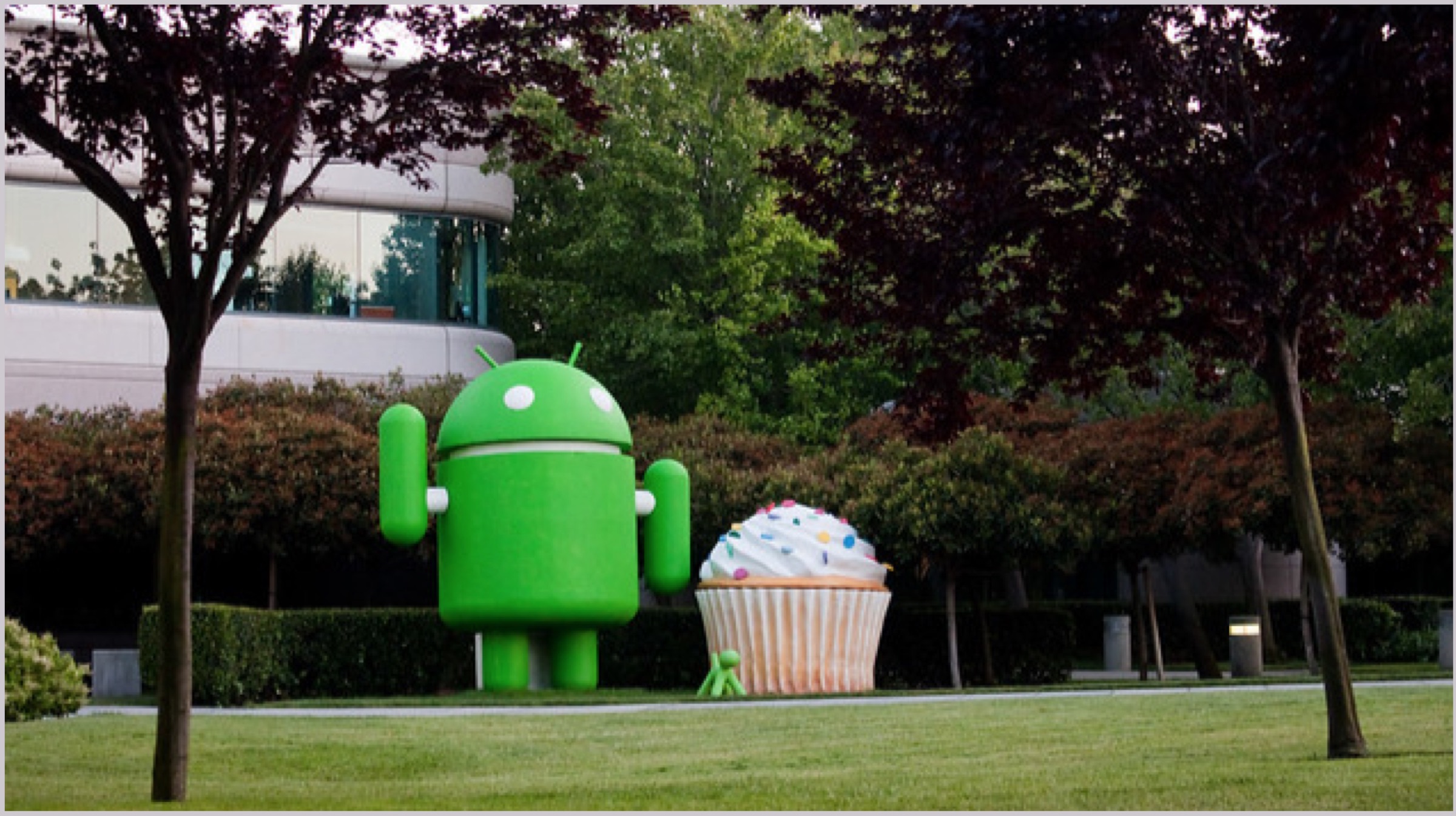
    The Android 1.5 Cupcake was released in 2009, which also established the naming scheme based on sweet treats. Apart from being a monumental release, Cupcake brought about many changes to the platform. It was the first version to include an on-screen keyboard and third-party widgets. The latter provided the platforms one of the most unique features. Fun fact, this was also the first time the operating system gained the functionality enabling video recording on smartphones.

    Android 1.6 – Donut
    Android Donut


    Android 1.6 Donut was also released in the year 2009 and brought about many features to the platform. The first and most significant was adding the search box. What is now a ubiquitous feature was first added to Donut. The version also added support for multiple display sizes, which is a key element for the platform’s success. It also introduced Google Play, which was called the Android Market at the time. The store enabled users to download and try out different apps and games.

    Android 2.0/2.1 – Eclair
    Android Eclair

    The Android Eclair was released after almost six months of Donut, which is not something the company does today. It was sort of like an incremental update, with the platform adding support for Google’s turn by turn navigation and speech to text among other features. Eclair also added live wallpapers, which while it drained a lot of battery, was a really cool feature at the time.

    Android 2.2 – Froyo

    Android Froyo

    Google plopped up the Android 2.2 Froyo just four months after Eclair. This release, just like the Frozen Yogurt it is named after, was a sweet treat to the users as it focussed on increasing the performance of the devices. The release added the support for new Voice Actions and added support for mobile hotspots; which is also an important addition by historical importance.

    Android 2.3 – Gingerbread
     

    Android 2.3 Gingerbread was released in the year 2010 and marked an incremental update over Froyo. The platform gained support for new and improved gaming API for better and graphically intense gaming. It also added NFC connectivity to compatible devices; enhancing their connectivity. Fun fact, Google added a hidden easter egg in the operating system starting Gingerbread. The first hidden surprise was a zombie artwork when the users tapped on the version number multiple times in settings.

    Android 3.0/3.1/3.2 – Honeycomb
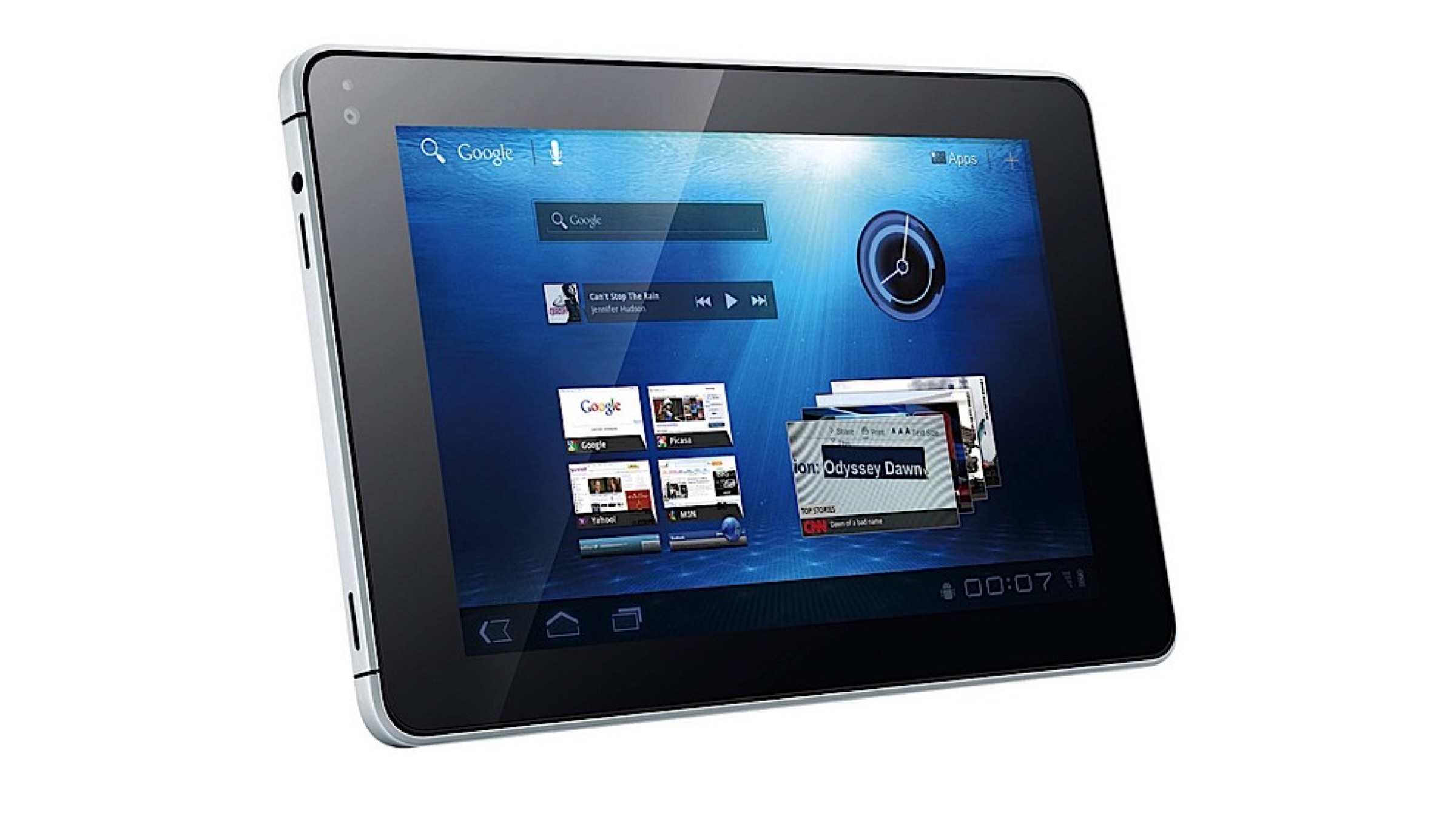
     

    Back in the year 2011, when tablets were becoming all the rage in the market, Google released the Android 3.0 Honeycomb. As a tablet exclusive operating system, it didn’t see many takers but was an important step in the redesigning of the platform. The version saw a user interface that utilised the whole display of the device, which was important in a tablet. However, due to limited application support and not many makers adopting it, Honeycomb is one of the more obscure versions on the list.

    Android 4.0 – Ice Cream Sandwich
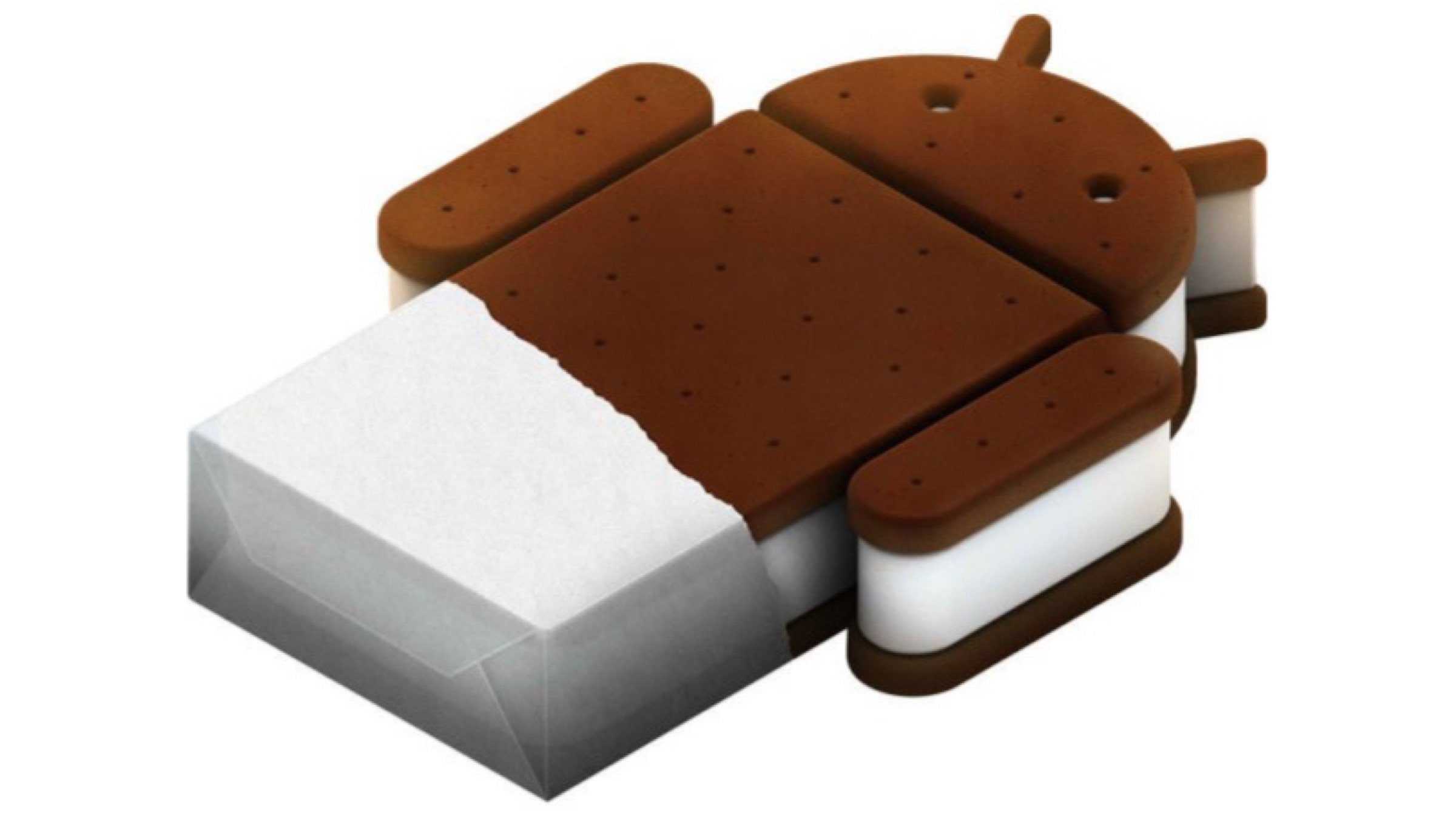


    Android 4.0 Ice Cream Sandwich was a major design overhaul for the operating system. Released in the same year as Honeycomb, the version brought about changes like a new Holo design, swipe gestures for notifications and recent apps, and support for Android Beam. Looking back at Ice Cream Sandwich now feels like it was an extremely ambitious update, one which has futuristic vibes going on for it.

    Android 4.1/4.2/4.3 – Jellybean
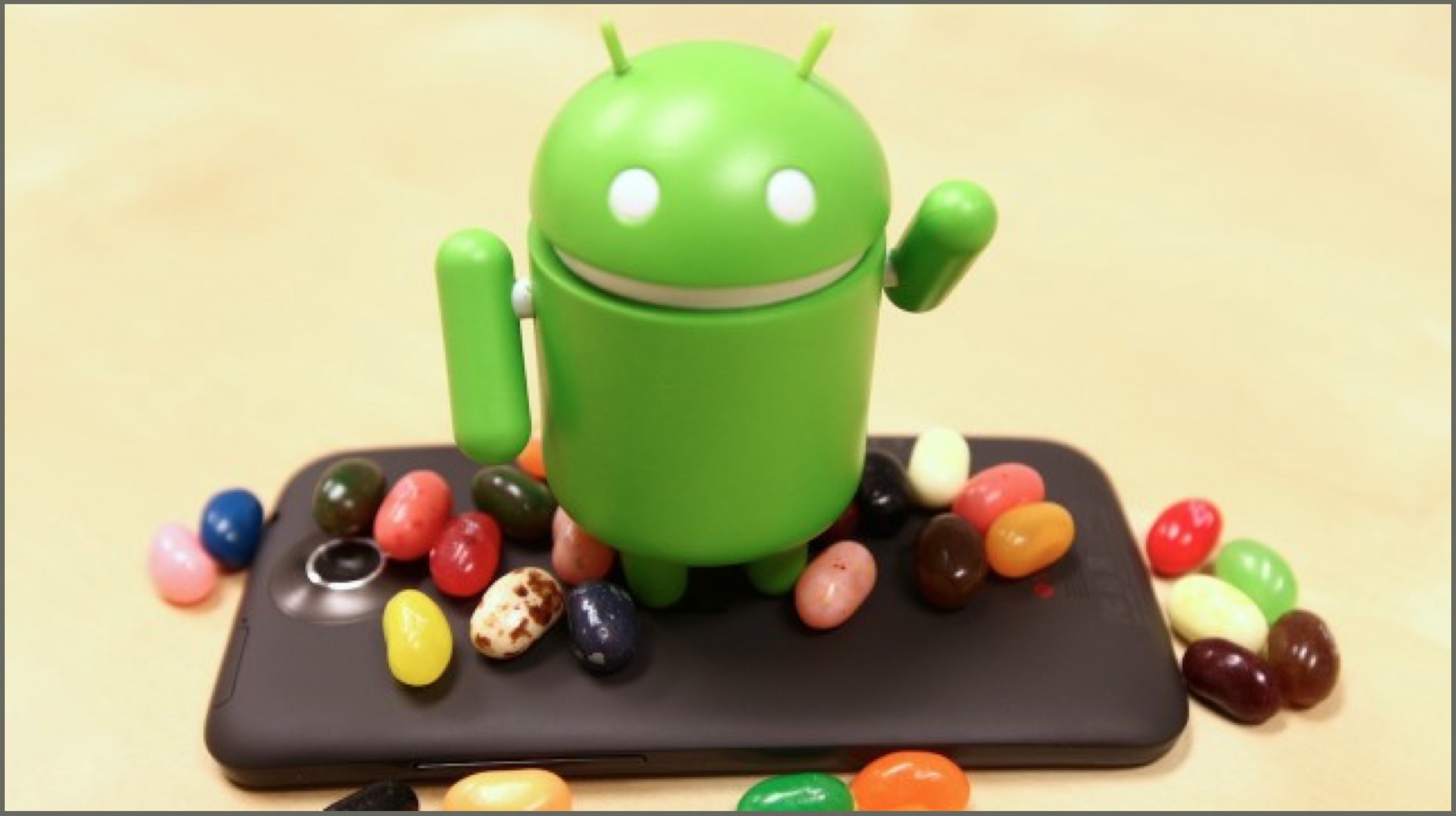
    Released over multiple periods between 2012 and 2013, the Android 4.1/4.2/4.3 Jellybean was an incremental update over Ice Cream Sandwich. The platform gained support for account switching, which lets multiple users use a smartphone in different ways. It also has Google Now, a barebones digital assistant which has now been christened as Google Assistant. Jellybean also got actionable notifications, which let taking actions without opening certain applications easier.

    Android 4.4 – KitKat
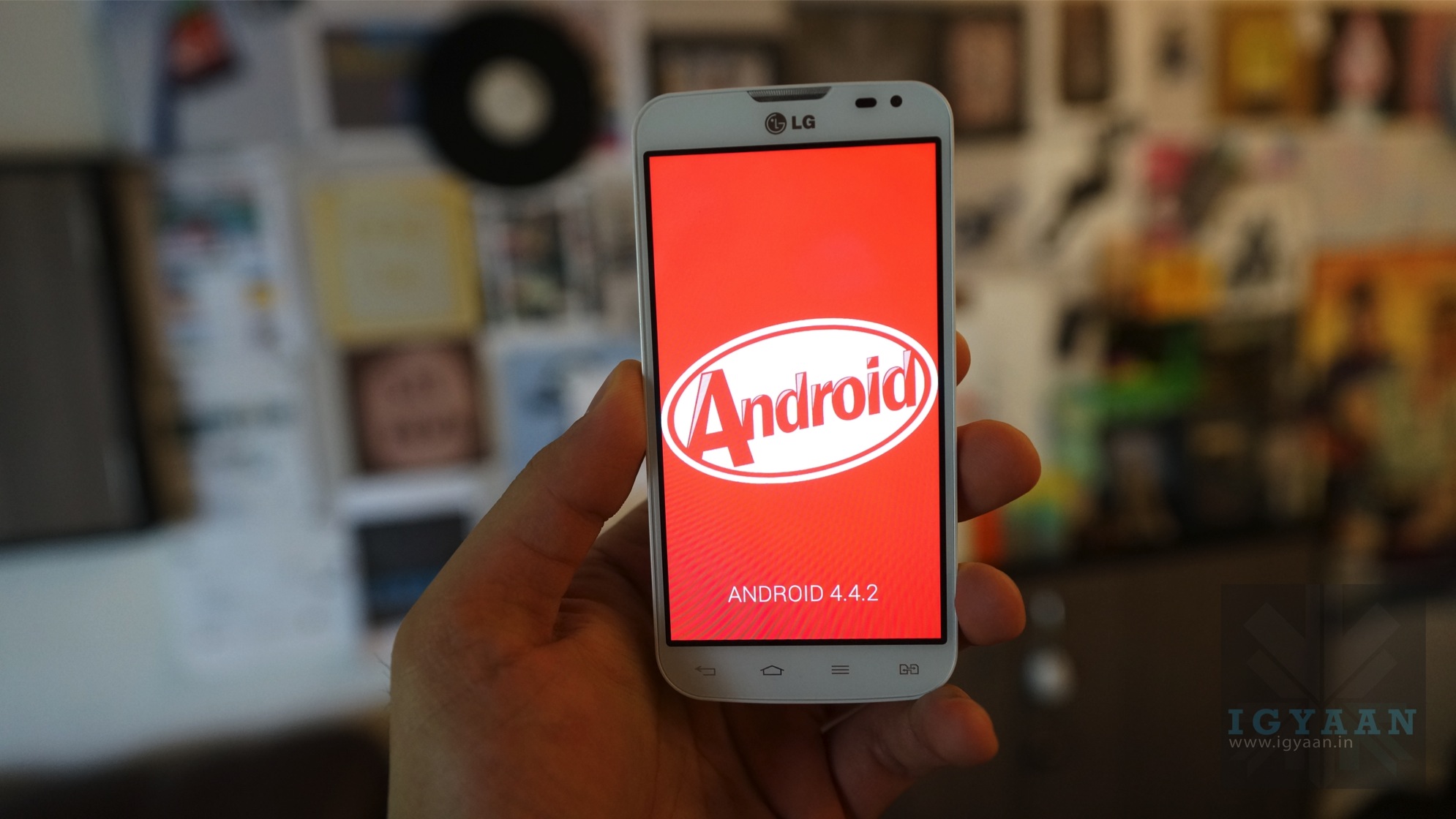
    The name for Android 4.4 KitKat was a result of Google’s partnership with Nestle in the year 2013. This release made for a delicious name, and software refinements all around the operating system. Things like a smart dialer, full-screen applications and the “Okay Google” keyword; which we now take for granted, were first added in KitKat.

    Android 5.0 – Lollipop
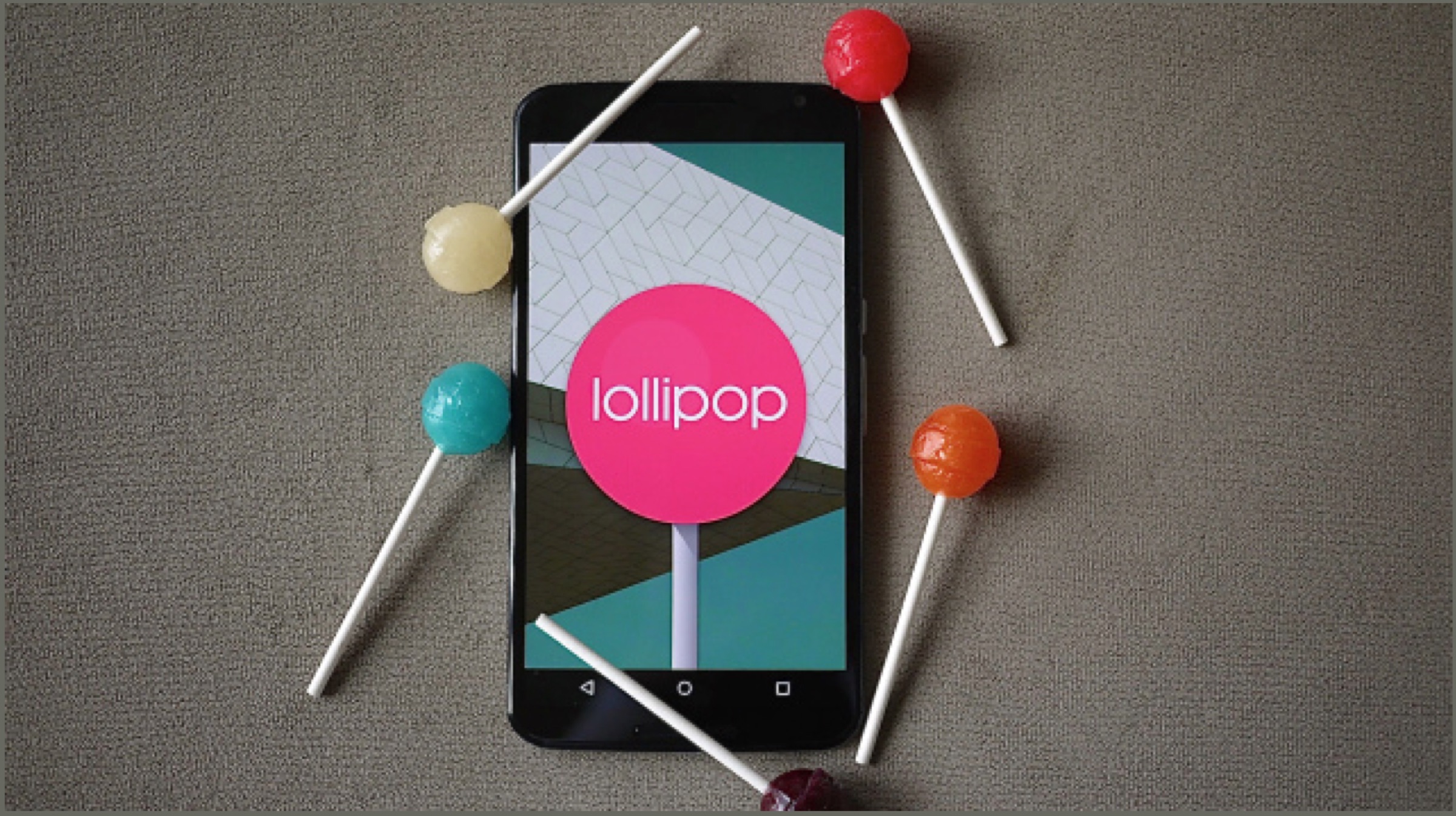
    One of the biggest releases of the operating system, Android 5.0 Lollipop saw Google going back to the drawing board in 2014. The company adopted the Material Design theme, which is still in use today and almost redesigned the platform. With the release, lock screen notifications became a thing, and the software gained support for full hands-free “Ok Google” detection. Not to mention the change in the recent apps drawer with the release. Fun fact, Google added a neat little game in the easter egg which resembled Flappy Bird, another smash hit game of the time.

    Android 6.0 – Marshmallow
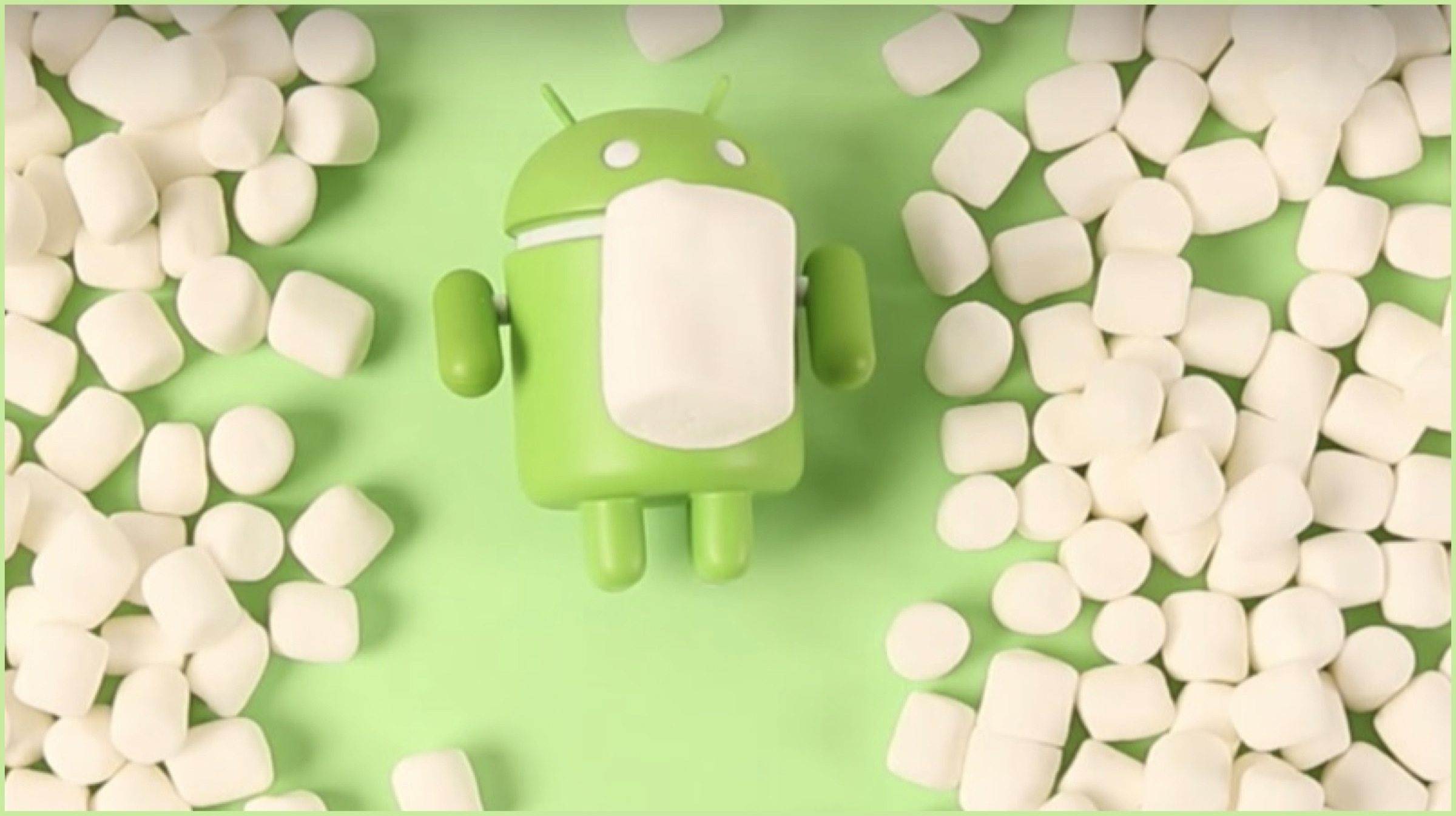
    Android 6.0 Marshmallow was released in 2015 and was an incremental update over Lollipop. It was in part because the previous version was such a design overhaul that it made for Marshmallow not to do anything drastic. The version added support for things like fingerprint readers and USB Type C ports and added a feature called Now on Tap. It used the company’s machine learning to provide more information on what is being displayed on the device. For granular privacy settings, Marshmallow also had permission controls for each application.

    Android 7.0 – Nougat
    nougat android

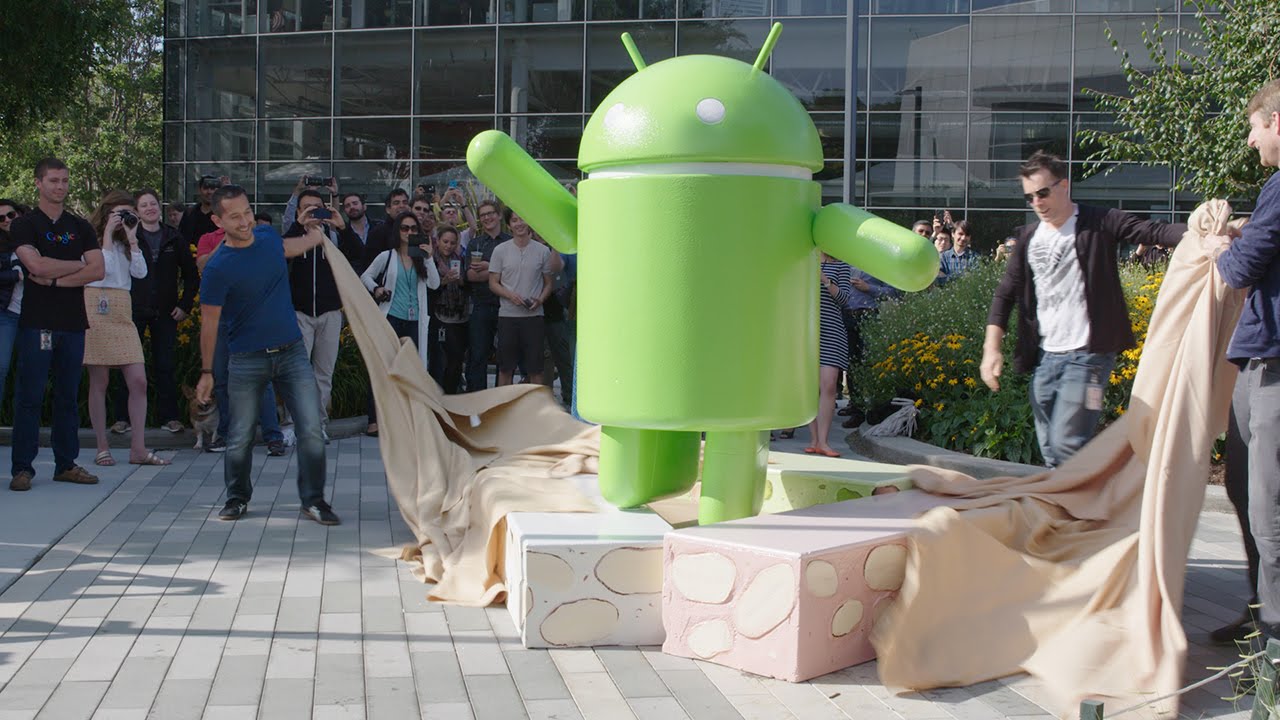
    Android 7.0 Nougat, was released in the year 2016 and focussed on improving upon Marshmallow. It was launched alongside the first Google-made smartphone, the Pixel and Pixel XL. With Nougat, the company introduced the split-screen feature and debuted Google Assistant, which is arguably the best digital assistant on a smartphone.

    Android 8.0 – Oreo
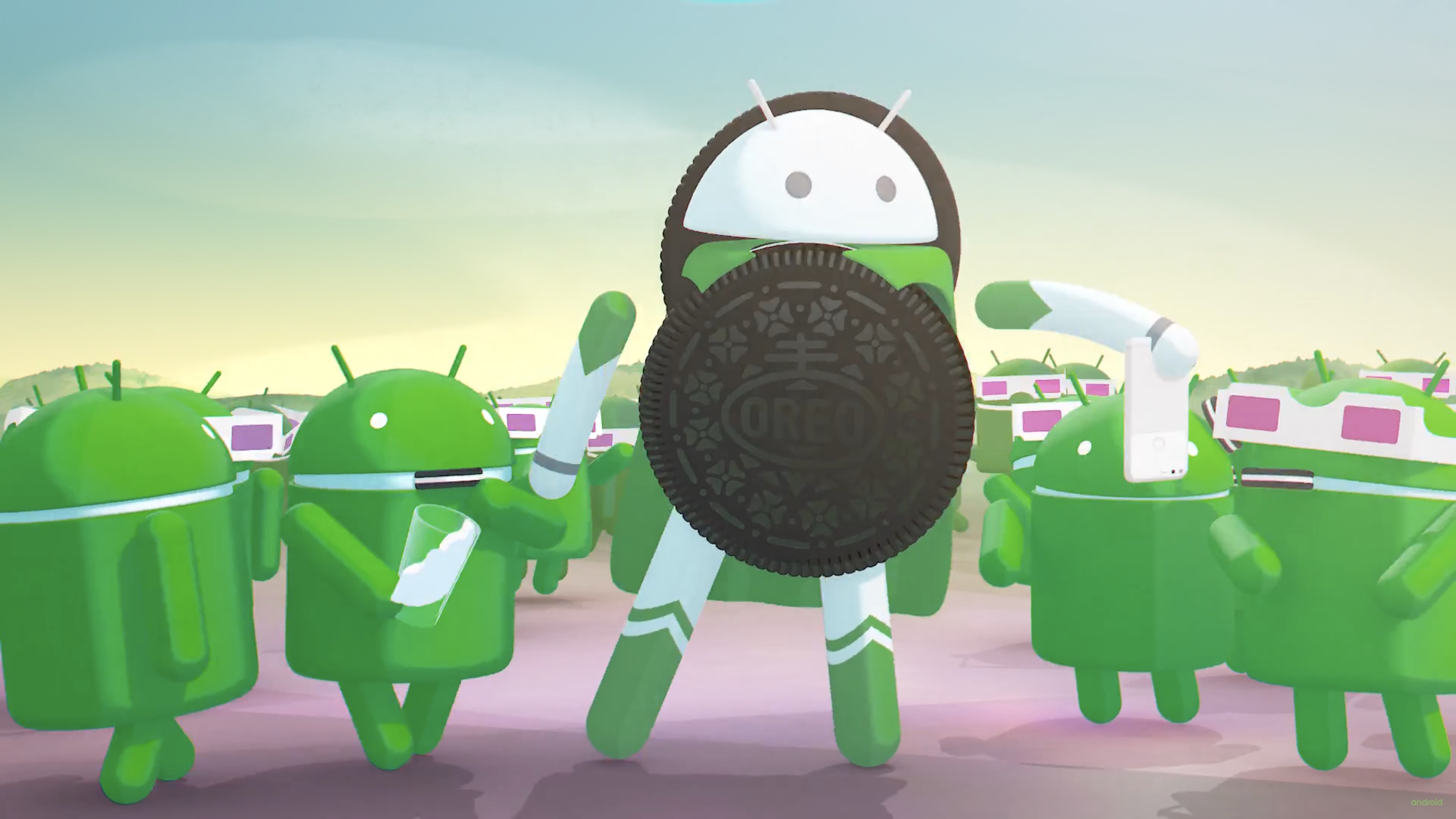
    Android 8.0 Oreo was released in the year 2017 and again, was an incremental update over Nougat. The name, much like KitKat was a result of Google’s partnership with a big company, this time it being Nabisco. This release brought about feature like a picture in picture mode, granular control over notifications. One of the landmark features of the sandwich cookie version was the support for Project Treble. It was an attempt by Google to minimise Android Fragmentation; by getting the latest release on most devices faster. Sadly the last bit has not played out very well.

    Android 9 – Pie
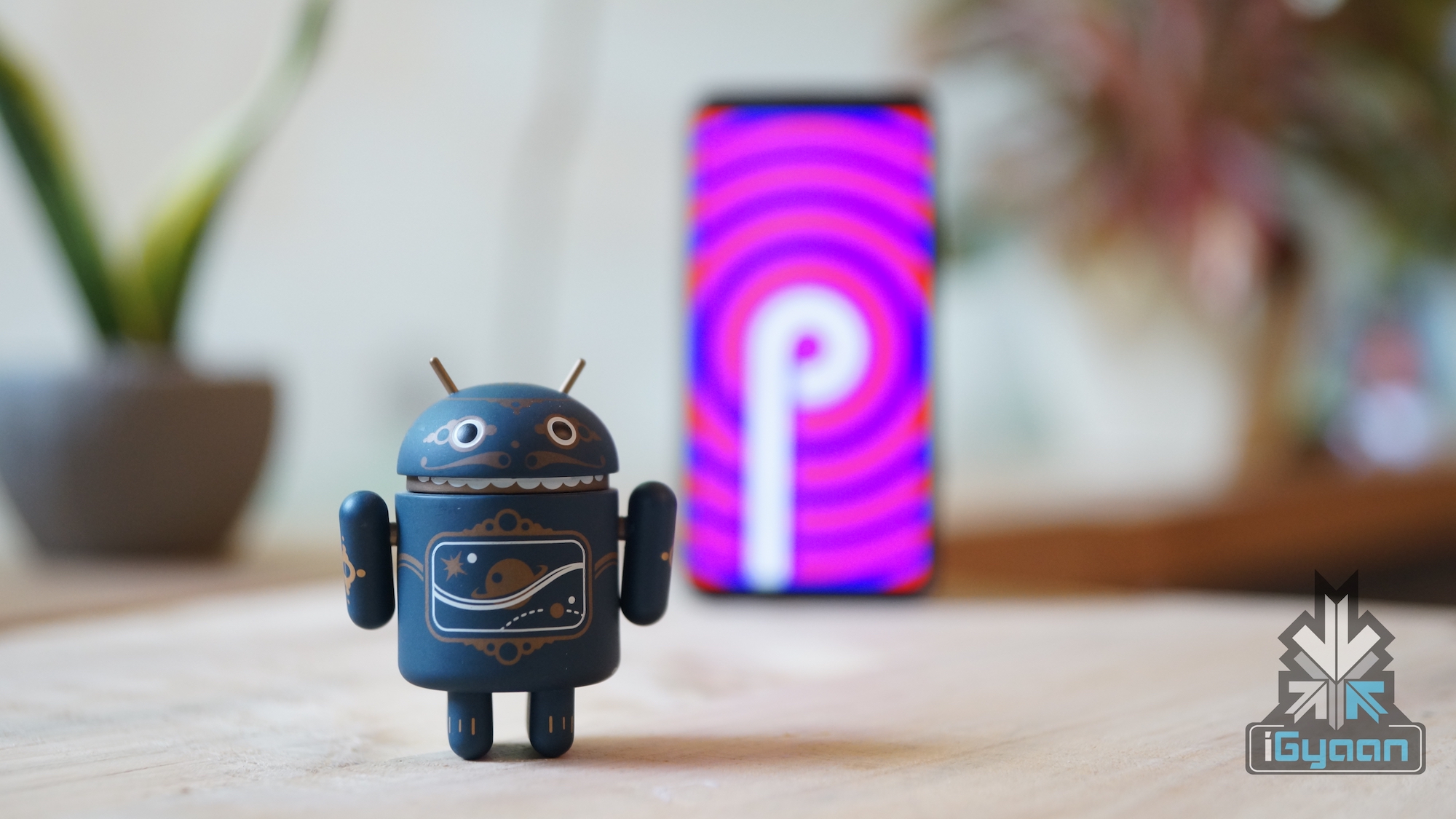
    The last release of the platform yet and one of the most important, Android 9 Pie was baked in the year 2018. It marked a soft reboot in designing the operating system, with the company trying to move away from Material Design. The release introduced new gesture-based navigation, which however half baked they may be; paved the way for all-screen smartphones. Also added to the release were clever software controls for Wi-Fi and mobile data. It also introduced the Digital Wellbeing feature on some devices. This lets users see the amount of time they spend on their smartphones and can limit it.

    Android 10 – No Desserts For You!
    Also read: Lenovo Teases An Upcoming Budget Smartphone, The Lenovo A6 Note

    The latest release by the company, Android 10 as mentioned above does not have an official dessert name. However, according to some reports, Google still has the codename for the release which is named after a dessert that starts with Q. Take your guesses, I’m going with Quiche. However sad the company’s naming decision may be, the latest release will bring about significant changes in the platform. The first one is an all-new navigation gesture system, which resembles the new iPhone gestures. Also arriving in the release are better and faster security updates and support for Live Captions. The final developer’s Beta for the software has just been released; so Google is expected to roll out a stable update in the following weeks.
  • Has Apple Ended it for Paid Operating Systems with OS X Mavericks

    Has Apple Ended it for Paid Operating Systems with OS X Mavericks

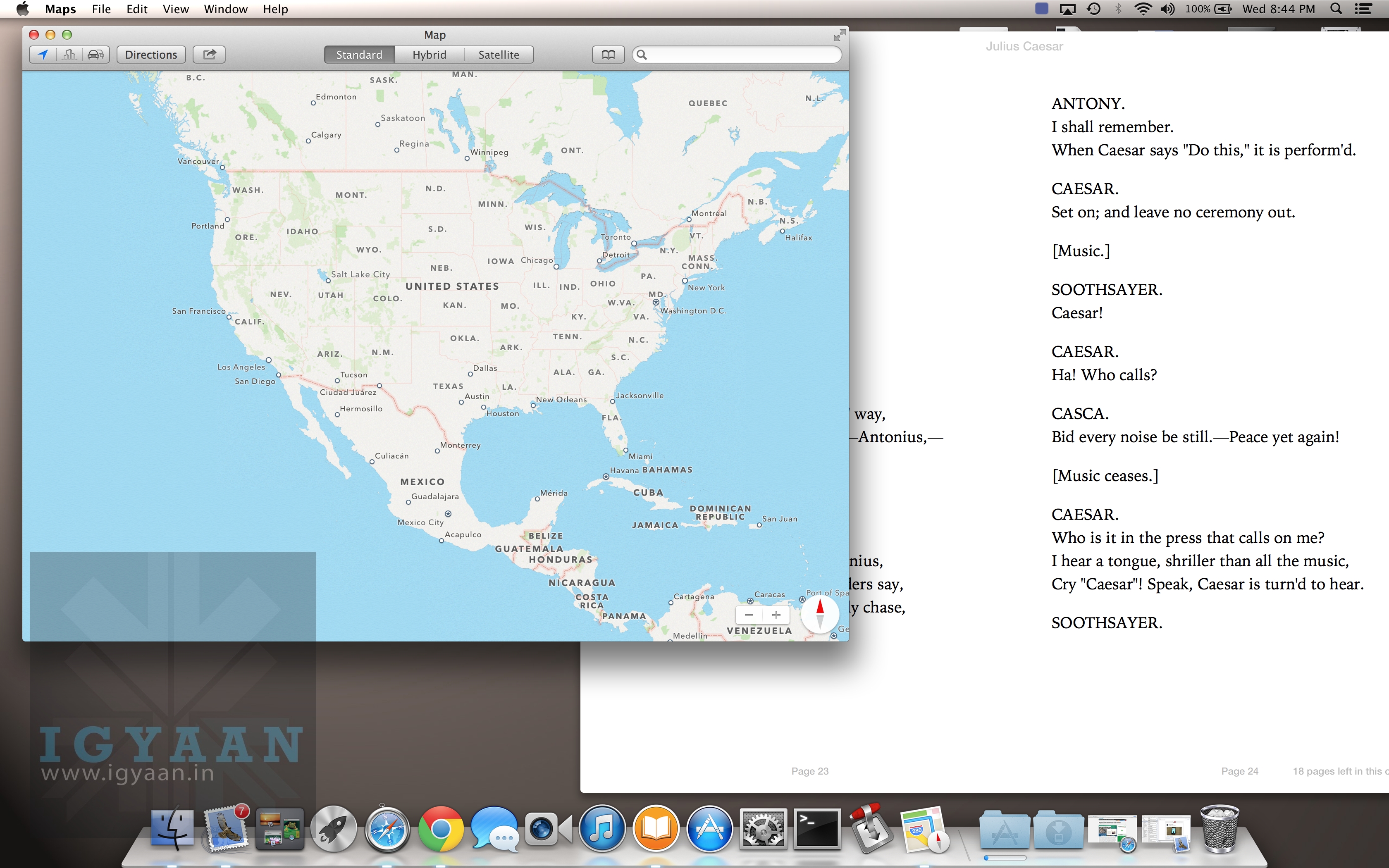
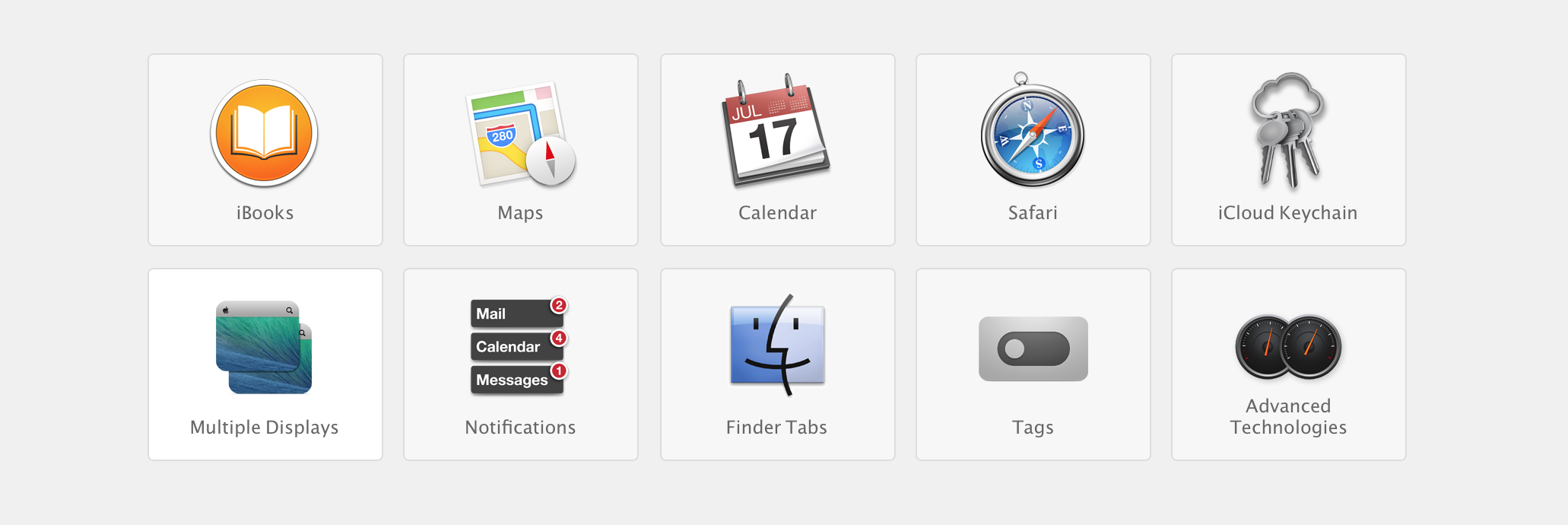
    Apple yesterday announced a flurry of new products from the new iPad Air to the iPad Mini with Retina Display, brand new Mac Pro and a revamped Macbook Pro with retina display. Possibly the most subtle and less talked about are the software launches. Apple launched the new Mac OS X 10.9 Mavericks and 7 new applications including a revamp of popular iMovie, iPhoto and Garage Band which made the iLife suite and work based Pages, Numbers and Keynote which made the iWork suite. The best part being the fact that all of the above comes free to Mac owners. 

    Logically all these Apps and Operating System updates are meant for consumption on Apple products, and by making these crucial applications and a major Operating System update free, Apple may have stirred the industry and the likes of Microsoft who basically survive by selling their operating systems and apps.

    Highlights
    Highlights

    Prices of Apple’s Mac OS X have dropped in cost considerably over the years. Apple charged users US $129 for four main OS updates, then Apple dropped the operating system’s upgrade price to $29 with 2009’s OS X 10.6 Snow Leopard, and then to $19 with last year’s OS X 10.8 Mountain Lion. 

    Microsoft was forced to lower the price of its expensive Windows 8 to a mere US $ 29 to compete with Apple last year, where the Redmond company offered its previous OS owners a cheaper upgrade to the new Operating System. However post a golden period the price was returned to a whopping US $ 199 which the company charges for their PRO variant of Windows 8. Microsoft this year however offered Windows 8.1 as a free upgrade to Windows 8 owners, and while many may call it an incremental upgrade, Microsoft continues to claim that Windows 8.1 is a major software overhaul which is “worthy of a price tag”.

    Back in the 80’s software was a part of commuters as a vertically integrated product. Apple with OS X Mavericks has suddenly sprung that era into present day. Since Apple is the only company that manufactures hardware for their software or vice versa, it makes sense for the company to gain profit from hardware sales and make the software free. In essence the user sees it as a freebie especially since it had a price tag prior to it being free. 

    Apple has also ensured that anyone with a Mac computer upto 4 years ago can update to the new Mac OS X Mavericks, which will make old owners of Apple computers happy, since they won’t need to spend money for new operating systems each year. 

    What’s more, Apple has also enabled users to get Apple own apps like the iLIfe suite and iWork suite free of cost, making it a boon for students and daily users. Apple used to drive huge profits from selling applications and operating system upgrades. Most people don’t upgrade their Operating Systems till they buy a new computer, Apple however has sort of changed that, or has tried to change it. Just like software updates on the iPhone that drove more than 80% iPhone owners to upgrade to iOS 7, it is expected that a whole chunk of Mac owners have probably already upgraded to Mac OS X 10.9 Mavericks, or plan to over the weekend. 

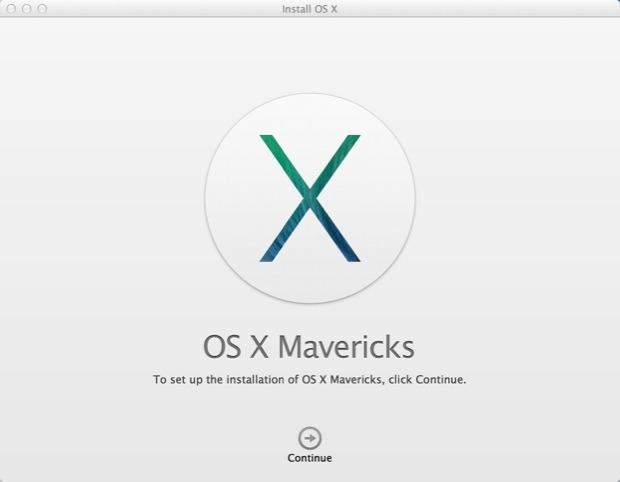
    Installer
    Installer

    The upgrade process is simple, hit the Mac App Store download the Mavericks installer, run the installer and about 20 minutes later you are upgraded. As Steve Jobs would say “It just Works!”,  exactly how upgrading a modern operating system should feel like. It gets done with the minimal of fuss and fanfare, and then the operating system steps aside and lets the user get back to work. 

    For Apple owners this may not seem as a big deal, however the folks over at Microsoft are probably festering out new plans as we speak to keep their investors happy. Do you think OS should be free? Let us know below!

  • Welcome to the New iGyaan 2013

    Welcome to the New iGyaan 2013

    [title title=”Editorial: iGyaan and You” icon=”icon-edit”]

    Few years back when I started iGyaan, it was supposed to be a simple and efficient way for me to give advice to my friends and family who wanted the right information and tips on technology. Today, iGyaan is ranked as India’s leading technology destination and I have only you to thank. With the first few inspirational emails and positive comments, I was constantly fighting the battle to do better and better with something which was a mere hobby for me at that time.

    [pullquote_left] As long as you remember us [/pullquote_left]I remember an anonymous reader stating on the blogspot blog, iGyaan should be a website it will do well. Low and behold months later iGyaan.in was formed. There are many reasons I chose this name, and many have tried to justify it, “India-Gyaan”, “IT- Gyaan”, “I (me) – Gyaan”, It honestly does not matter to me, As long as you remember us.

    I have strived to hold standards on iGyaan, ensuring that I can deliver the best of quality and the right amounts of it. In the years, however, there have been many things which have been not accepted by you, what can I say, we learnt and we moved on. 

    The best thing about iGyaan is the team that holds it together, from Devs, to designers, to writers, editors, video editors among others who helped us reach this milestone. 

    [pullquote_right]Makes us do what we do better[/pullquote_right]The new iGyaan, has been created with careful tinkering and to deliver a fast and efficient reading experience for all those on the other side. The new design also makes it easy for us to deliver the information to you people, so it turns out to be a win-win. We hope you appreciate all the hard work and no-sleep nights that go into delivering a better end-user experience, and continue to give us all the love and appreciation for it. It is truly what makes us do what we do better.

  • Edit : Vodafone : Happy to Help!

    Edit : Vodafone : Happy to Help!

    vodafone

    I don’t think most will disagree when I say that the state of mobile network infrastructure in the country is really poor. Post the 3G era most have struggled to make phone calls let alone get impressive data speeds.

    We recall the time of 2G, where the network bars were always at full and there was little or no dropped calls.We can safely recall what a challenge it was when we shifted from 2G to 3G last year to enjoy the so called “high speed access on our Smartphones”. 

    I personally have been a Vodafone user for as far back as I can remember ( Vodafone was called Hutch prior to this and Essar before that) and I never really had a complaint with the services provided. I usually fully exploit warranties and customer care of every product and service to their fullest, to ensure that  guidelines of  quality of any product or service bought by me are met. 

    [pullquote_right] the past year had been pure turmoil[/pullquote_right]Vodafone was good to me, their network was strong and at one point of time they even had this wonderful Rs. 1899 plan where there was no limit calling and data usage (2G). However, the past year had been pure turmoil, not only at home but for everyone at the office. With no signal in a place like my bedroom, or my office, making a phone call was like fighting a war on the battle field. I literally can remember twisting and turning my phone to get a good reception, peeping out the window and even vodafone 3gjumping out to the balcony for hours to be on conference calls. The call drop numbers were phenomenal, in August itself I had more than 800 calls that lasted no longer than 4 seconds = dropped calls apart from other call drops that happened during a conversation. Not only was it inconvenient it was frustrating.

    Although, most of the members in my house use either Airtel and or services like Dolphin (MTNL), I was not keen on switching over my main Vodafone number to another network. But this time around the water had gone through the roof, if that may be a correct term. I was unable to make a sustained phone call on my main number affecting not only personal but work connections as well. 

    [pullquote_left]MNP came to the rescue[/pullquote_left]Since I need multiple sims for reviews,MNP came to the rescue I switched over one of our numbers to Dolphin and another to Airtel to see any changes in network. After the 10-14 day process I was shocked to see there was really no improvement. Infact it was so bad that Dolphin’s 3G network would disappear while I was getting a call, resulting in a phone crash on the ringer screen.

    This is where iGyaan instincts kicked in and I found it as a great opportunity to test the customer service of all three of these network providers. Here is how it all happened in a matter of two months.

    1st call Standard customer care numbers:

    Vodafone  : “We are sorry for the issues faced we will arrange a call back from our network team”

    Airtel  : “We have not received any other such complaint! please try changing your phone, if the problem persists visit Airtel store to change your SIM”

    Dolphin : “Aisa hi hai network sabka kya karein” (Everyone is facing network issues, what can we do ?) [pullquote_right]”Aisa hi hai network sabka kya karein”[/pullquote_right]

    While Dolphin’s response was truly expected, Airtel’s was not, especially because their landline customer support is simply awesome. 

    Two days later on the Vodafone Number I got a call from the network engineer who said : “we are facing major network issues in the area you stay in, and unluckily in your office area as well”. He added “we are trying to set up the tower to fix your home network area, but the office area wouldn’t be fixed by the end of the year”.

    As I was not expecting any calls from the other two parties, I decided to make my second call:

    Vodafone :”Our engineers have confirmed that your areas are affected by poor networks and our teams are working to fix them soon” He added “the only solution I can offer is that we can send you a replacement SIM card, which might improve your network till this problem is resolved”

    Airtel : “If you have changed your SIM and tried another phone I will ask a senior to call you back”

    Dolphin : “Sanchaar hut mein ja ke written mein complain kar di-jiye ” (Please visit the MTNL Sanchaar Hut and give a written complaint)

    I opted for the replacement SIM card from Vodafone, asked Airtel to arrange a call back and submitted a written complaint at the area’s “Sanchaar Hut” for Dolphin. While Vodafone sent a replacement SIM the very next day, I never got a call back from Airtel. Surprisingly, I did get a call from a Dolphin manager a couple of days later, and he claimed that if I opt for a 2G SIM vs a 3G SIM (since I don’t use data on that number) my network would improve considerably. But, since MTNL is now purely selling 3G sims, he said he might be able to arrange one 2G SIM for me within a week.

    [pullquote_left]didn’t expect a new SIM to work[/pullquote_left]Fifteen days later, there was no improvement in the Vodafone Network ( I didn’t expect a new SIM to work anyway) and no call back from Airtel or Dolphin, I decided to make final contact, But this time to Nodal offices of all three.

    I wrote up a crisp mail, added all the issues and communications along with my case ID’s and sent individual mails to all three Nodal Offices of the networks. I also marked the Airtel’s mail to their 121 email id. 

    This is where the picture began to clear up, Vodafone nodal office replied immediately as if it was an automated reply, but it was personal and included all relevant details along with a promise of a call back with a resolution.

    Airtel 121 replied stating, that they will look into the matter and come out with a resolution soon enough. There was no reply from Dolphin, and honestly I didn’t expect one either.

    Vodafone had escalated my complaint to the Appellate office where a lady named Shweta called me back and offered a resolution : ” We can provide you with a personal network booster which will connect to you cell phone improving the network of your device” she explained. I informed her that many people in our office use Vodafone numbers and we cannot all be linked to multiple of these antennas, and besides I do not wish to convert my cell phone into a land line phone by linking it to a wire. 

    She then explained that she would speak within the office and try and arrange for a Vodafone Mobile booster for the Home as well as the Office affected. Then began the process of multiple mails between Vodafone and me. Throughout this whole process I was updated of the status of my case, via email or or on the phone by professional people, who spoke well  and to the point with accurate information. Soon after the exchanges, a network engineer visited both locations and a week later the installation team came with all the equipment, assembled it at our locations and got the booster running.  The booster consists of a antenna on the roof, a network amplifier and indoor antennas which enhance the indoor signal. 

    [pullquote_right]Professionally wired, carefully cladded and tagged the boosters were installed [/pullquote_right] Professionally wired, carefully cladded and tagged the boosters were installed without affecting the aesthetics of my home or my office. Funnily enough even after all this, there was no improvement in the signal. The Vodafone engineer who came for the installation explained : ” Sir aap do din use karo yeh network pakad lega” (Sir use it for two days, it will automatically register to the network). While I smirked at the thought of the amplifier taking two days to “catch the signal”, I agreed to wait for the said time.

    It has effectively been 2 weeks since the Vodafone boosters were installed at our locations, and I can safely say that I have had, but one dropped call. The booster did start to work within two days and has improved the signal to the extent that there are no more choppy calls or “called failed” messages on my Vodafone phone.

    I still have not received any calls from Airtel or even a response from Dolphin for my complaints. While the booster has improved Dolphin’s network as well, Airtel remains unaffected, possibly due to different frequencies. 

    [pullquote_left]Never intended to be a review[/pullquote_left]At the end, this was never intended to be a review, or a bias of any sort. I have hated 3G services from Vodafone and they are still as bad, even with the booster installed. This is because the booster only boosts voice networks and not data, and Shweta informed me that there is no data booster available at Vodafone, else they would have installed that for us aswell. No other provider stepped forward to offer a resolution where as Vodafone installed multiple boosters costing great amounts each, at both our locations. They didn’t charge us a penny and the voice network is now excellent.

    For that we rate Vodafone’s Customer Care an A+.

    And for our scenario at least – They were really happy to help!

    Have a similar story?  Share it below.

    Photo Credit

  • Edit : Why I Use An iPhone

    Edit : Why I Use An iPhone

    Ok, so before I begin with this article, let me clarify that I haven’t been paid by Apple to write this, I don’t hate Android phones, and I most certainly am not a “fanboy”. Also, I am not Bharat Nagpal (I know most of you came here expecting Bharat to finally reveal why he uses an iPhone). 

    The question is simple yet one of the most debatable one this side of the century, “Why do you use an iPhone?” 

    Some background details first

    [pullquote_right]working at iGyaan has its perks![/pullquote_right]I currently use a 16GB iPhone 4s, my first iPhone, which I’ve been using since January, 2012. Before this I had a Nokia 5230 “Express Music”, a Samsung Corby, a Samsung Metro, a Motorola flip phone (don’t remember its name now) and a Nokia 1100 (which I had to crush with a brick and then drown in a bucket full of water to make sure it was dead). Oh, and a couple of Android devices here and there (working at iGyaan has its perks!). 

    iPhone

    Now the Crux

    So, it took me only 1 day to realize that I had a phone in my hand that is perfect for me. Why so? Easy, because it’s is simple and uncomplicated!  I work around technology on a daily basis, but that doesn’t mean I want my products and services to be unnecessarily complex.  In fact, I tend to go the opposite way – I spend a lot of time working with wireless devices, dealing with random issues, playing with settings, and the likes.  In my time off, I’ll always migrate to the solution that’s the easiest.

    I want a device that works the same way every single time.  When I open an app, I expect it to take the same amount of time to open each and every time, when it doesn’t, it aggravates me. [pullquote_left]Having a sluggish phone with a 1.5 GHz dual-core is like having a Pulsar that moves like a Rajdhoot.[/pullquote_left] The iPhone is consistent, fast and ridiculously smooth! While you’ll never have a device that’s 100 percent fail-free, I’ve yet to find another device that performs as fluidly as the iPhone 4S. 

    One of the primary reasons I love the iPhone is the large selection of high quality apps. Even though more apps come to Android every day, I still prefer to buy (cough!) most of my apps and games on the iPhone.

    Not only do most of these apps look better, but i don’t have the same buyer’s (cough again!) remorse as I do with many Android apps I purchase. When given the choice between the same app on Android and on iPhone, I choose the iPhone app. I can’t recall looking at an Android app and complimenting its looks in comparison to its iOS and Windows Phone counterparts. 

    Daily Usage

    iPhoneTyping is a breeze with the auto-correct (though i have suffered some more than embarrassing moments due to it). The phone literally learns as you use it. Overtime Siri picked up on my “Indian Accent”and autocorrect started suggesting Hinglish words. I use dictation on the iPhone 4S to write entire articles with enough accuracy that only minimal editing needed. In fact, I am writing this article through the WordPress app on my phone! The new Voice Actions in Android 4.0 include many of the same features and work just as well as Siri and Dictation on the iPhone, but it is less polished. There is no use of relationships and Voice Actions doesn’t prompt for the message, requiring taps on-screen instead.

    Through iCloud, I have all my emails, contacts, data backed up effortlessly and accessible from anywhere. I don’t have to worry about subscription renewal or periodic updates. All I had to do was create an iCloud account and I was good to go!

    Camera and portability

    iPhoneThe camera is definitely the best I’ve seen on a mobile phone (do not mention the PureView!). It has eliminated the need to carry a separate camera while on a vacation. I am more than satisfied with it!

    One of the biggest feature of a phone for me is the screen, and the iPhone delivers in that aspect! The Retina display is a treat to use! Bright, vivid colours, great viewing angles, outdoor visibility and no pixilation at all! Texts are as crisp as they can be and even though the screen may not be the biggest, it definitely is the best for my needs.


    Jailbreak

    [pullquote_right]For all the things that Apple didn’t include in the iOS, there’s JailBreak![/pullquote_right] You can do anything, literally, once you’ve jailbroken your phone! Be it applying a custom theme (I am using the Windows 8 theme currently), add toggles to the homescreen and download unlimited apps for free!

    Out of all of the smartphones I’ve used, battery life continues to shine on the iPhone 4S in comparison to Android and Windows Phone equivalents.  It has taken a hit for sure with iOS 5 and the 4S’ dual-core processor, but it still outperforms other smartphones I’ve used. It charges ridiculously fast!

    Conclusion (The Only Answer)

    So basically, the iPhone has a smooth and fluid OS (I cannot emphasize this enough!), adequately powerful hardware, and tons of great features! Not to mention it looks great and I don’t have to deal with “minor bug fixes” now and then! So why should I switch to some other phone just because it has ridiculously speedy quad-core processor and an awfully powerful GPU when at the end of the day I have a phone which does what I need perfectly!

    Is it the best phone ever? Nope.  Would I go around recommending it to everyone?  Nope.  I can go off on a tirade of things I don’t like about it.  Email management has been especially bugging me. There’s a ton of features on the Android that I wish I had access to on my iPhone, and there’s no doubt that Android will continue to develop over time, but right now, I just want a phone that pretty much manages itself, so I can enjoy it, without having to worry about if I need to update permissions on my phone.  But for today, it’s the device that allows me to check off the most number of features on my list, so it stays!

  • Edit : How The Micromax P300 Booklet will Change the Tablet game in India

    Edit : How The Micromax P300 Booklet will Change the Tablet game in India

    Micromax was the first Indian Mobile phone manufacturer to make a global mark, a year and some months ago they introduced their first Android Phone the Andro A60, which changed the face of Android phones in India. 

    Today the company stands at a different crossroad in between their future as a brand, with a new identity, and what they possibly aim to achieve. They have a long way to go to achieve the brand snob value they wish to achieve. The consumer feedback speaks of the lack of unique products from the company and more importantly the lack of after sales support. Micromax is today considered a glorified china-manufactured product seller in India, infact Micromax is probably aware of their market image.

    The story does not end here infact it changes completely from here, Micromax is now bent on changing their market appeal in a big way. Of-course their re-branding is the first step, but the biggest possible change is going to be their overall process revamp. Lets read about their latest marvel:

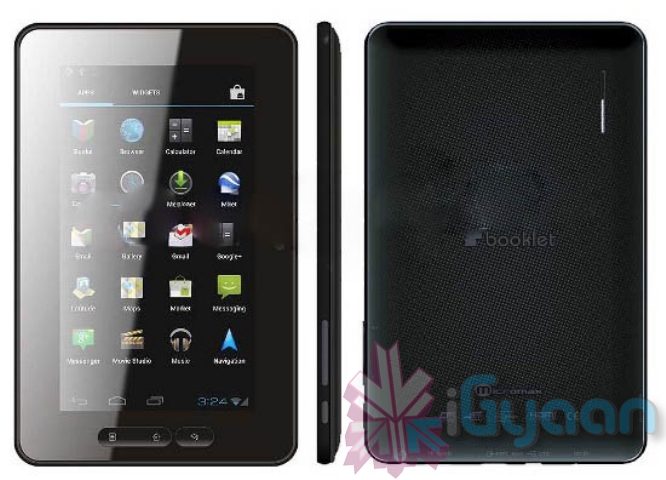
    The Micromax P300 Booklet

    Yes many already know about this tablet from the company, recently a popular online retailer outed the tablet in the inter webs sparking a cracker that refuses to go down.

    Hardware

    A sub Rs. 8000 tablet that includes a 7.0-inch TFT-LCD multitouch capacitive screen along with a 1 Ghz processor(rumors suggest a dual core processor) and Bluetooth, Wi-Fi,USB port and a 3.5mm AV. we have come to know that the tablet will also possibly support 3G data and voice calls/ video calls using a Micromax dongle, possibly supplied with the tablet bundle. The image appears to show a front camera and no rear camera, but the fact remains that a 0.3mp camera makes more sense on the front than it ever did on the back. Yes there is also HDMI out and HD video playback.

    India Inc.

    Yes the tablet will be manufactured in India (or so is the buzz), so expect better after sales support and spares for the device. This is also set to change the company’s image in the market giving the P300 Booklet a “Made in India” moniker, that might actually do owners proud to own the Tablet.

    P300 will succeed where others have Failed

    Lest we bring up the failure of the Indian Government in bringing a budget Tablet to the market. The Aakash Tablet, a well heard name, yes we felt excited when the product actually came to market, but all was lost. The performance matched expectations, but their deliveries couldn’t. With more than hand-able orders the company “data wind” seems to have imploded and is unable to deliver to the millions waiting for any sign of their tablet.

    Others like the Beetel tab, Reliance tab, HCL Me Tab, etc have one big thing in common, they are imports built on a system type that is bound to fail. The performance levels and specs in those tablets don’t come anywhere close to the supposed specs of the P300 Booklet.  Not to forget they all are priced way over 10,000 rupees, with the old Android 2.3 and some with Android 2.2, never to get updated to ICS. The Micromax P300 will come out of the box with Android 4.0.3, with possible customizations to make an impact on the user market.

    The Future

    The tablet is expected to launch in the coming weeks, and should do immensely well in our consumer market. The specs and features, if anywhere close to the ones discussed, will deliver a promising experience. The ID of the tablet will also be unique because the Company (Micromax) is making an extra effort to define themselves as unique manufacturers. 

    Made in India, tablets and phones could also mean that Micromax actually invests in a company to start manufacturing their own equipment, which could result in better service and unique new Research into the Mobile sector.

    Hopefully the tab is more than we expect it to be and a total joy to review for you guys.

  • EDIT : 2012 Another Year of the iPad

    EDIT : 2012 Another Year of the iPad

    Its been 2 years since Steve Jobs got up on stage with a device that would change the way we look at portable computing forever. Since it launch, the iPad has held the crown as the most loved Tablet, with multimillion units sold each quarter. Now with the iPad 3, around the corner one can only wonder if Apple will continue to hold the lead over the competition. A kind of competition that never hindered them, there has been no real problem for Apple except the launch of the Amazon Kindle, but thats a story for another day. 

    Lets look at why we feel the iPad 3, if keeps up with claims, will be another tablet of the year.

    Build and Form Factor

    Since the beginning the iPad has been the only tablet in a unibody aluminum shell, the sheer feel of the tablet exudes to the effect of a premium device. Slim and well weighted the tablet is robust in construction and not easily destroyed, especially if you take care of the 9.7 inch display in front which can be extremely fragile. 

    The iPad was a wonderful device to hold in the hand, typing was easy – better in portrait and possible in landscape, it was not the most comfortable device to hold single handedly. The iPad 2 changed that completely, with a newer design that fit better, was lighter and had improvements to software which also made single hand operation easy ( gestures).

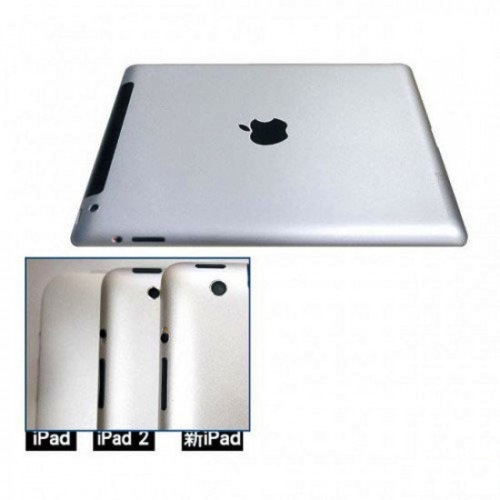
    The iPad 3 is supposedly going to be built on the same platform as the iPad 2 with a small thickness increase, something that will not bother the buyer.

    OS and Apps

    When the original iPad was launched people called it an oversized iPod touch, possibly because the iOS was the same iOS as on an iPhone or iPod touch. Things have changed since then and Apple has added a bucket load of goodies to make the OS more a powerhouse for the best selling tablet. The OS is streamlined to make the iPad a pseudo-personal computer, with iCloud – data handling and synchronization has never been easier. 

    iOS for iPad also has better custom apps including professional creative apps from companies like Adobe, including Photoshop, Office apps from Apple themselves: iWork with pages, keynote and numbers for easy as pie office documentation. 

    Customizations to the OS, like a split keyboard and gesture navigation, make it really easy to use the tablet and no other company has been able to replicate the process in an easy streamlined manner.

    The iOS platform also has the largest number of Apps on a mobile OS platform, with mostly all apps compatible with the iPad the entertainment and quality of games on the iPad still remains unmatched.

    The iPad 3 is said to feature a major OS upgrades for the tablet including a main feature that is Siri on the iPad, which is already possible if you own a jailbroken iPad, but an official version will be well accepted and appreciated.

    Hardware 

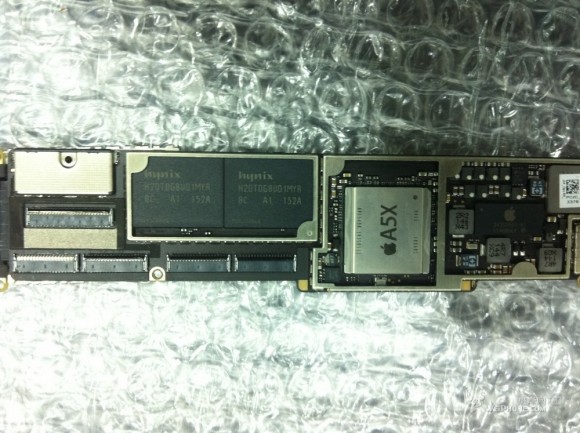
    The new iPad 3 is supposedly coming with a bumped up processor(A6 or the rumored A5X), which is supposedly carrying a new quad core processor with an advanced GPU, which will -or should improve performance by atleast 10 times. The new display will be a retina display (246 ppi : not true retina) with a double resolution ( 2048 x 1536 px) compared to the existing iPad /iPad 2, which will not only improve the media quality on the iPad, but also make it an excellent Book Reader, especially considering the new iBooks upgrade

    There are also claims of a network capability boost in the iPad 3, where some rumors point to a 4G/ LTE equipped iPad chipset, others claim that it will be a unified global device capable of CDMA/GSM network capabilities in the same device.

    Apart from the above obvious upgrades, speculations of more ram and upgraded camera optics along with better speakers are also in the mix. So expect HD FaceTime and better speakers for your iPad 3s. 

    Games and Apps will perform better and open faster, seamless integration with iCloud will sync all your devices and keep them up to date. Apple may also bump to storage capacities to a possible 128 GB iPad.

    Availability 

    The industry is buzzing with news of the iPad 3s release date, almost everyone claims that its going to be announced on the 7th of March 2012 with availability within 2 weeks.
    Conclusion

    Arguably, the iPad is not the best tablet in the market, but truly its the only one that has sold units in numbers close to PC sales. The Apple ecosystem developed by iOS – iCloud and Mac OS make it an Apple owners delight, somethings are just better on the iPad. Agreed Android offers more flexibility but the platform is still very fragmented. Even with ICS, android is laggy and the overall interface is not nearly as smooth as iOS.  

    If Amazon does come out with a 10 inch tablet, you can expect it to eat heavily into Apple’s share of the profit pie, only because Amazon will price it aggressively. Windows 8 / Windows Phone Apollo Tabs could also be another factor ( if ever released) . 

    Unless something truly unique is outed by manufacturers ( possibly a 10 inch Galaxy Note) no one will be able to bother Apple iPad sales, and the new iPad 3 will continue to lead the way through 2012.

    What do you think?

    [polldaddy poll=5963093]

  • Edit: The Rise and Rise of the next Giant : Samsung

    Edit: The Rise and Rise of the next Giant : Samsung

    2011 was a year of Samsung, the company has taken the consumer electronics market by storm, grabbing attention one way or another. Samsung also led as India’s number one manufacturer for mobile phones in all categories. From basic feature phones to high end Smart phones, the company has managed to challenge all odds and gain the market respect.

    But all this does not come cheap, Samsung employs a huge amount of its annual earning into marketing. In 2011 alone Samsung is estimated to have spent over US $ 2 Billion in advertising their products. Out of which a major 40% is targeted towards mobile devices and 6-7 % towards new phones. Samsung also deploys twice that amount into market research and development, so that its teams know what the next big thing from the company is going to be.


    Galaxy S2

    In 2011 Samsung took a huge stab at Apple’s dominant spot as the world leader in smartphone sales. By quarter 3 2011 Samsung had replaced Apple as the world most selling smartphone manufacturer ( if you consider number of handsets and not just one model of handset). Samsung Galaxy S2 was the phone that changed everything for Samsung, the new innovations in the field of mobility that challenged design and construction, and innovative softwares threw huge limelight on Samsung’s potential in this market space. Android  loyalists were drawn by Samsung’s willingness to answer to their demands and stuffing their handsets with all features requested (and more) by the users.

    Who ever imagined a device like the Galaxy Note, a fully capacitive screen that had massive scribbling promise, a handwriting recognizing monster with the capabilities of real time editing and project handling. Live annotations and screen captures were there in previous Samsung handsets, but the precision with with the Note is able to do these tasks is excellent. People want change and innovation and that what Samsung has started to give to its users. 

    The South Korean company is earning high praise for the design of its new line of OLED television sets, its oversized Galaxy Note smartphone and its

    Galaxy Tab 750

    new line of laptops, dubbed Series 9. Samsung has held the title of the top TV maker for the past six years, and recently surpassed Apple Inc. to become the world’s top smartphone manufacturer. Samsung posted a US$4.5-billion profit in the most recent quarter, one of the best in the company’s history.

    The Company now has set its sights on the personal computer and tablet markets, hoping to replicate the success the company has had in its smartphone and television businesses. Targeting their efforts at Apple, Hewlett-Packard Co. and Dell Inc, companies which are current leaders in the domain. This won’t be easy for Samsung either especially because globally they don’t even fall in the top 5 PC manufacturers category.

    nx System Camera

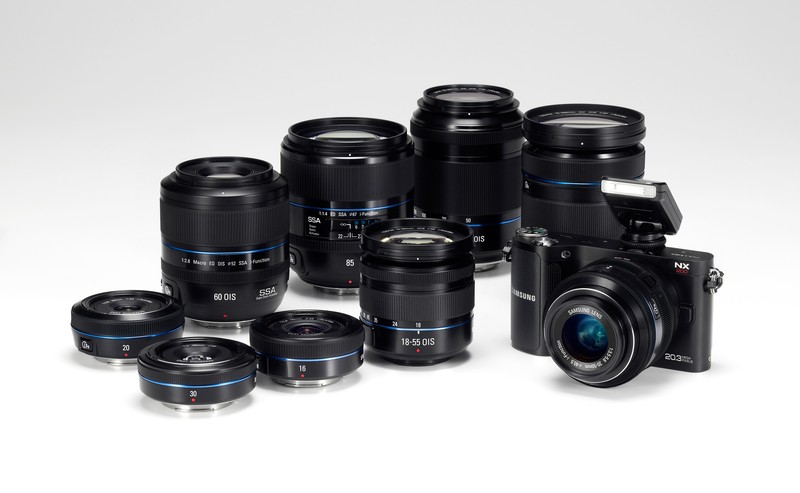
    One of Samsung’s biggest strengths is its component manufacturing facilities. Samsung itself manufactures 75% of the components used in its TVs, PCs and smartphones, enabling the company to innovate and test new products quickly. Samsung is also emerging big in a category seldom seen with asian companies, Cameras. With a exciting range of digital point and shoot cameras from the company, including innovative flip lcd type cameras. The company also has pioneered the professional SLR segment with their range of NX cameras, that are getting  appreciation from professional Photographers.


    The future of the brand also seems bright, as people have less and less faith in Apple’s ability to give what the users want. The next revision of the iPad and the iPhone 5 no longer seem as exciting as the Samsung Galaxy S3 or the Galaxy Tab 3 headed our way in 2012. 

    Its been a long time since our last edit, this one was long over due. The smartphone industry is ever changing, with constant evolutions in a battlefield of major companies and small startups. In a world where companies become large in a matter of months and fall even faster, we can only guess what the future holds in the massive divide. 

  • iPhone 4S Unboxing and Hands on

    iPhone 4S Unboxing and Hands on

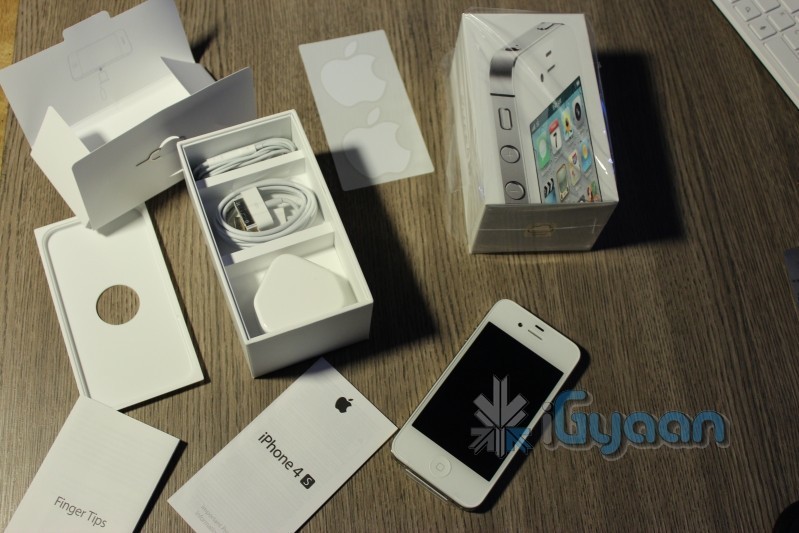
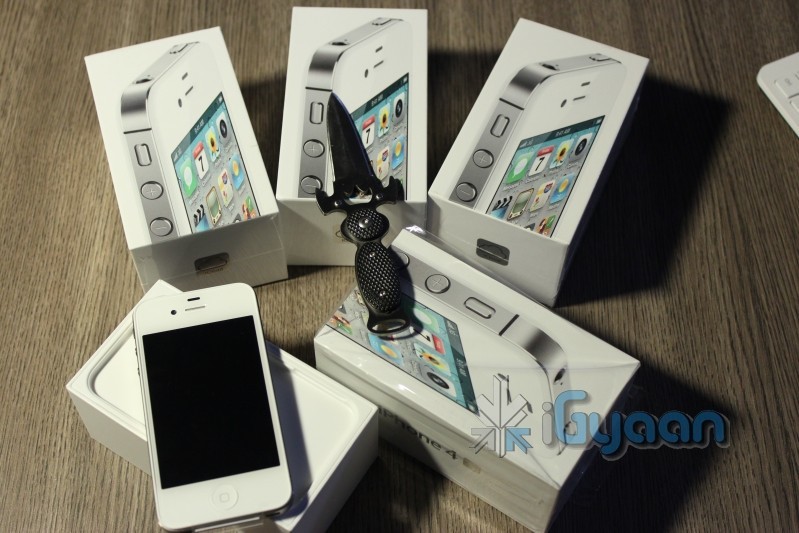
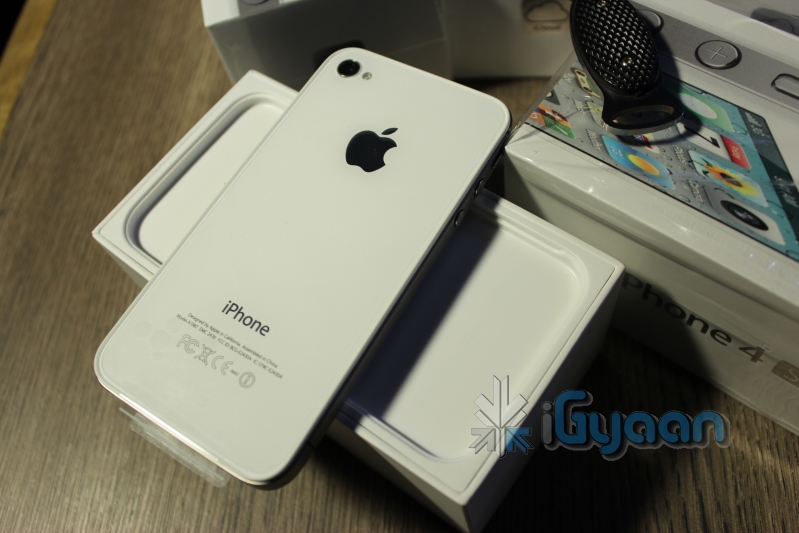
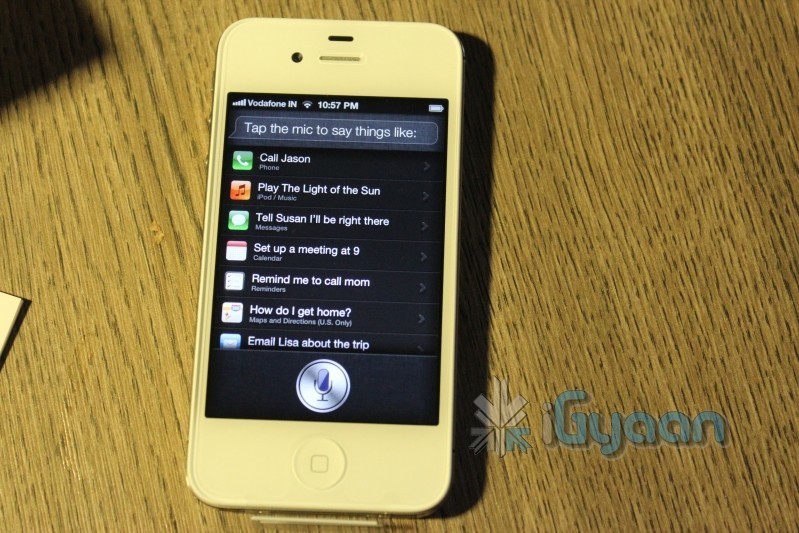
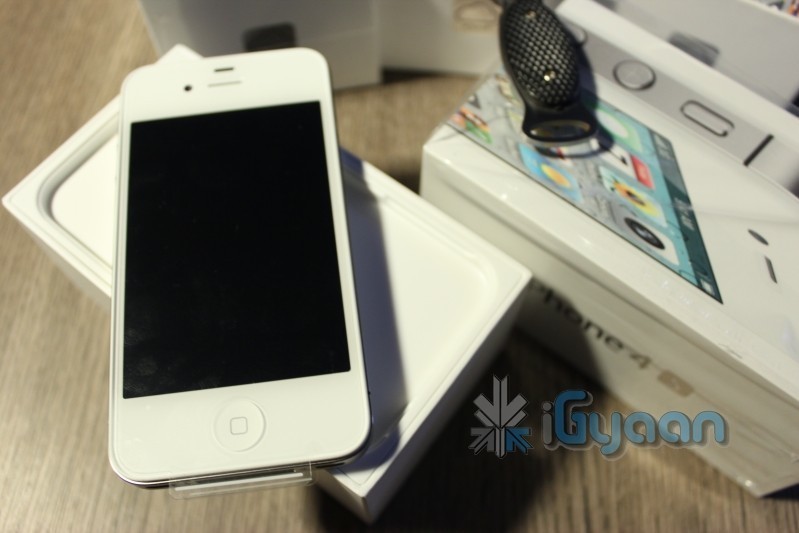
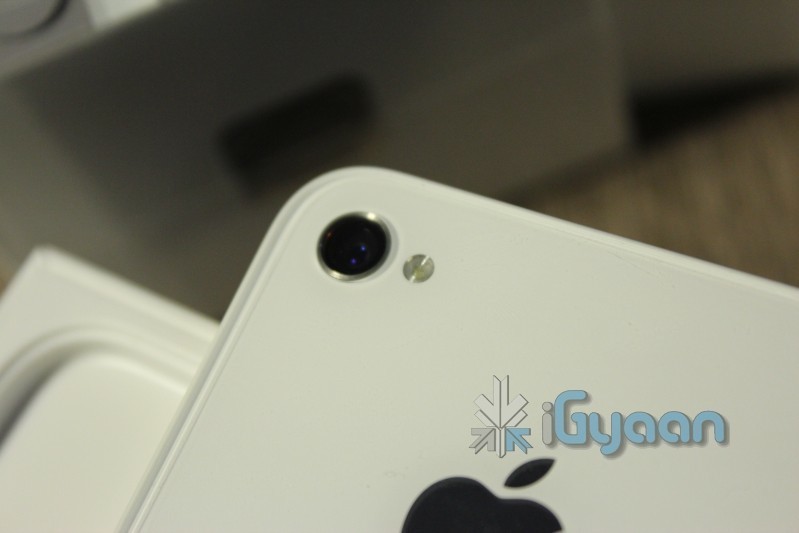
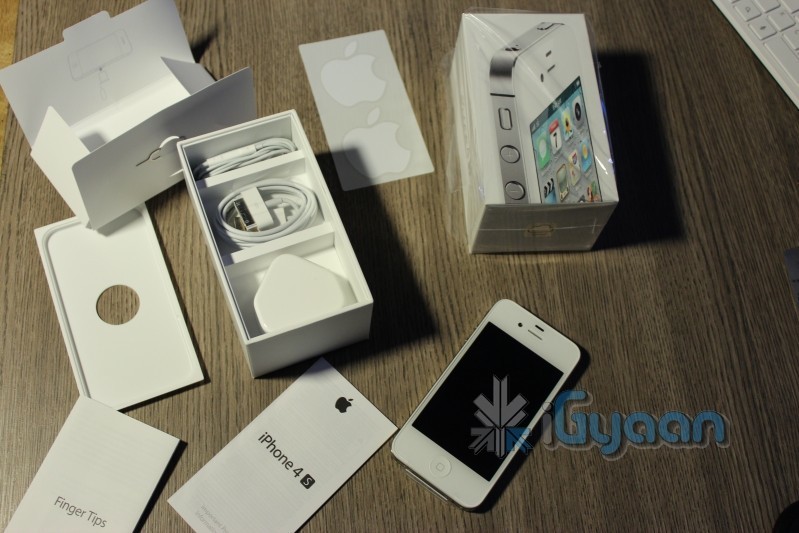
    Its already later than I expected it to be! Anyway we have them now all iPhones for the iGyaan team have arrived with a bunch of Black ones that are still in transit. The new iPhone 4S follows in traditional Apple iPhone Packaging with only 4 essential things in the box, the device, the cable, the charger and the handsfree.

    Check out the pictures while an unboxing video and some fun things start to pop up around iGyaan.

    Oh and one big disappointment : Siri does not support navigation and maps in India , everything else seems ok!

    Stay Tuned for the Video : Going Up!

  • Edit: iPhone 4s Pandemonium

    Edit: iPhone 4s Pandemonium

    Seldom does the world come close to such an instance where things happen so fast that its almost impossible to catch upto them. Last time this year we were discussing the iPhone 4 launch in India. Throughout this year there were speculations of a Jesus Phone in the form of the iPhone 5, a slim design, bigger screen, high spec’d cameras and a lot going on under the boot.

    There were several devices launched in the mean time, the Samsung Galaxy S2 being the most prominent of them all followed by the likes of Sensation, Optimus 2 and now the Galaxy Note and galaxy Nexus. But companies like Samsung and LG live in the global markets, they cater to a vast audience, with a vast range of products. That makes them impressive industry giants but that also slows them down when it comes to device support.

    Apple has followed a simple less product portfolio system from the get go, whereas other companies tend to branch out and diversify. Take the notebook for example, the Apple line has been consistent since the beginning with the Macbook, Macbook Pro (earlier know as powerbook) and the recent new addition the Air. Apple has essentially also eliminated the Macbook line and only now has the Pro and the Air.

    In a similar scenario Samsung has a vast variety of Notebooks, even though they are relatively new to the industry. From over 300 different models in the Indian catalogue alone, it is difficult to imagine developing bios updates and bug fixes for each individual product.  


    For Apple the win – win  scenario lies in their simplicity, One update to rule them all! Since all their MacBooks are essentially based on the same platform, Apple is usually able to send out app and OS updates without any problems. But that does not mean they are let off easy, issues are usually tested for several months before fixes are released, sometimes causing major problems too. But its easy to tackle problems if you have only two products to worry about.

    The case of the iPhone

    Same is the case with the iPhone, since its launch in 2007 several people have suggested year in and year out, that Apple will add a new phone to their lineup, an iPhone nano, a mini touch phone and possibly even a cheap variant of the main device. They have all been proven wrong, Apple’s strategy comes to light very simply: they have a yearly refresh cycle where they offer the last years product at a considerably lower price to see market response before they diminish stocks and stop selling the devices. This policy as we have seen is only applicable for the iPhone and not any other device.

    Apple does not intend to give themselves competition by releasing two variants of the same device when their earning lie in numbers from the same device. Apple couldn’t be bothered giving os and bug fixes to previous adapters. Those who bought the iPhone 3Gs will start to hurt over the neglect that Apple will give to their updates. Its simple Apple want consumers to buy the latest products so they can continue to evolve and are able to enjoy the innovations of the company. But not everyone can afford new products yearly! Especially in India where contract systems don’t exist. Apple devices are expensive and much more than other devices, Apple includes the cost of one year of “Apple no questions asked service and repair” in their products. No other company offers you the ability to walk into a store with a defective product and walk out with a shiny new one. Other companies usually repair devices, sometimes delivering no real solution to the problem. No to mention that your precious device gets unscrewed and manhandled. 

    The iPhone 4s

    The critics and investor management companies deemed the iPhone 4s as a major failure for Apple, but the truth really lies in the numbers. Apple got over 1 Million pre-orders of the iPhone 4s in the US alone in the first 24 hours. That is actually more than the total life sales of many companies. So what makes Apple iPhones so special? The first iteration of the device made people all over the world want it, possibly because they couldn’t buy one (sales were restricted to the US). This made people want it even more, causing groups from all over the world to indulge in home brewing the device.

    The most significant specification change to the iPhone 4S from its predecessor is the bump to Apple’s A5 processor. Just as in the case of the iPad we should see a vast improvement in overall speed and responsiveness of the device. The iPhone 4S also bumps the resolution of its digital stills from 5 megapixels to 8 megapixels and its HD video capture resolution from 720p to 1080p this was seen in almost all cameras in higher end Android phones. But, the fact that apple continues to improve its rear illuminated sensor adding better optics and image stabilization is a mighty improvement. 

    Siri

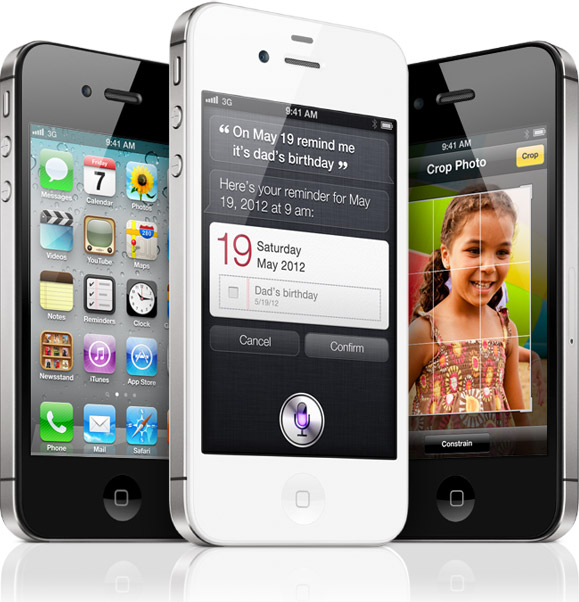
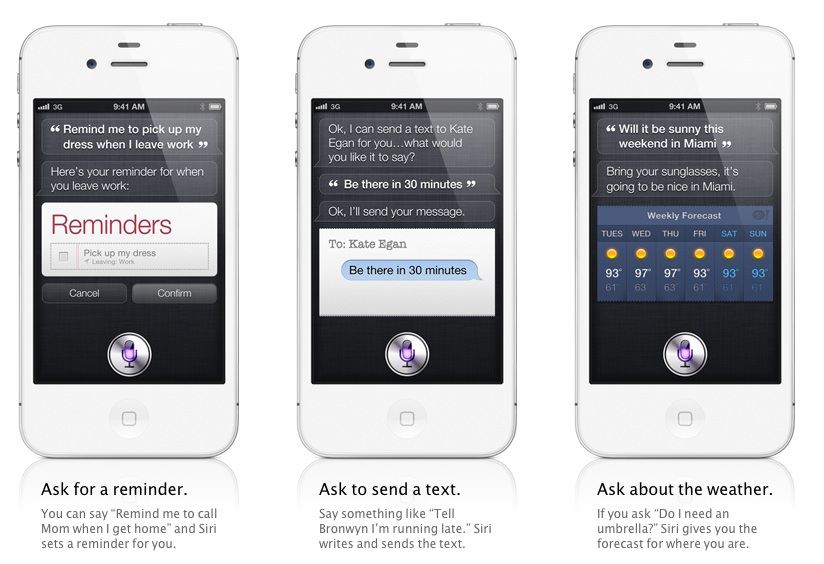
    The inclusion of Siri was not much of a shock because Apple had acquired the company some time ago, but the software has obviously come a long way since Apple purchased it and is integrated into core functions of the handset as well as Wolfram Alpha for getting answers directly from the internet. This personal assistant Siri was one thing that made me stop writing and start watching during launch. 

    Owner : How many cups in an ounce?

    Siri : Let me think : Here is your answer!

    Owner : Schedule my meeting for budgets at 12.

    Siri : Note : You already have a meeting at 12 , would you like me to schedule it anyway?


    For all those who have seen Terminator the movie, should know that this is the dawn of Skynet in the form of Siri. Jokes apart this is possibly the most advanced Ai you can think about putting in a handheld device. Forget peta flops of processing this takes a measly A5 chipset with a dual core processor. 

    The only reason Apple continues its success if because they not only focus on hardware but deliver the software as promised. They can always announce the iPhone 5 next year and they will, but till then Siri will rule the smartphone haven riding a 4s which houses brand new optics, a full hd 8 MP camera and a spec bumper Dual core A5 chip. 

    Now its only time before people start to mention the good aspects of Samsung phones and LG, i don’t deny them or dispute them. i love my Android devices, the S2 the Sensation and even the Evo 3D, my honeycomb tablets, a daily user of Blackberry and even my Windows Phones. I have used vLingo on the S2 and my tab But its no where near what Siri does. Honestly we do wish Apple paid us for what we write about them. But it does not seem that they need anymore hype than what they can already generate by themselves.


    Is it the answer to world peace?

iGyaan Network
Privacy Overview

This website uses cookies so that we can provide you with the best user experience possible. Cookie information is stored in your browser and performs functions such as recognising you when you return to our website and helping our team to understand which sections of the website you find most interesting and useful.