Tag: eSIM

  • Apple iOS 12.1.2 Update Brings Fix For eSIM Activation Bugs

    Apple iOS 12.1.2 Update Brings Fix For eSIM Activation Bugs

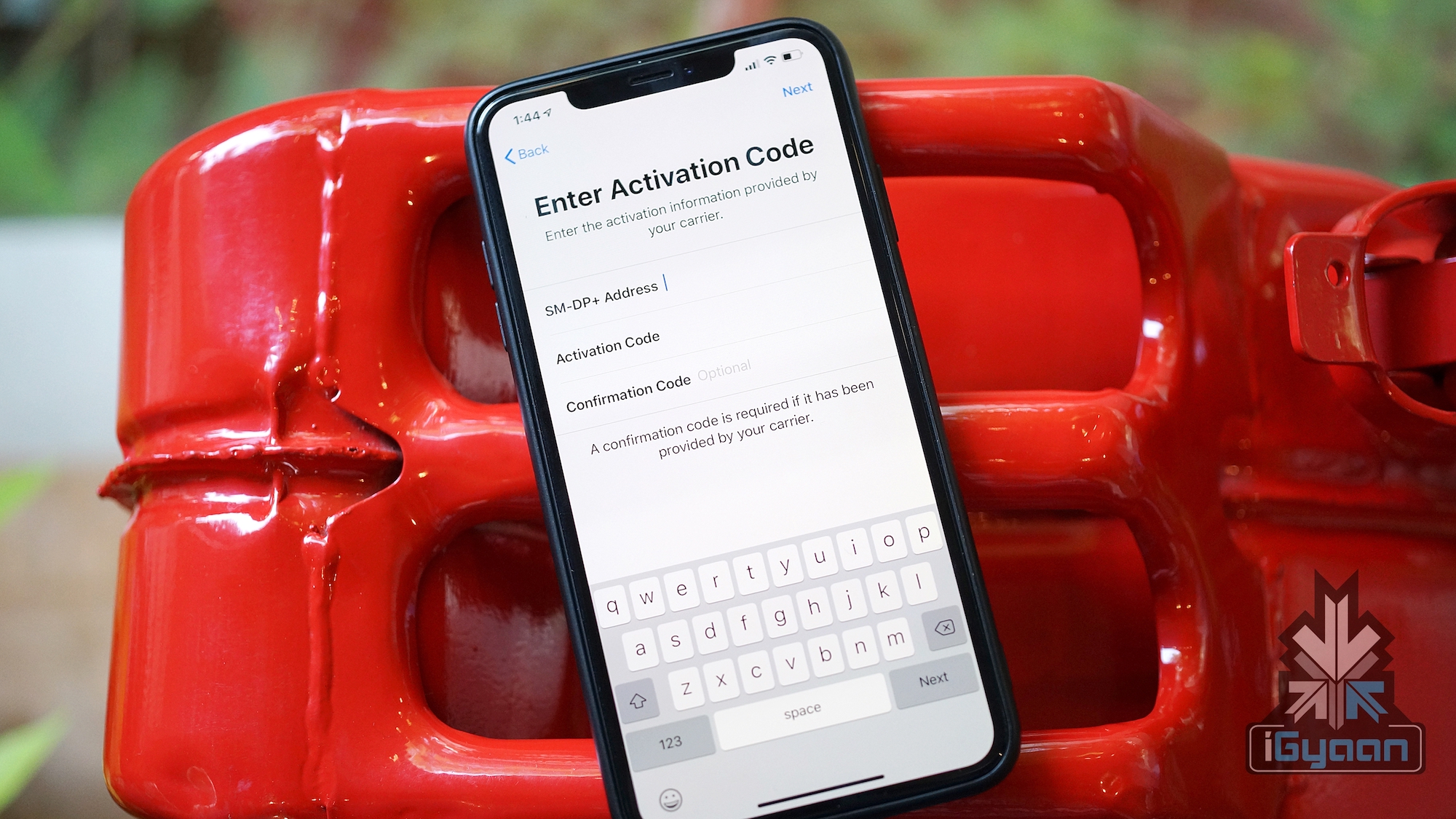
    The eSIM was one of the features bought in with this year’s lineup of iPhones. The feature now enables the iPhones to be dual-SIM, something that had been missing from the Apple flagship devices for a long time. However, the eSIM feature did take its sweet time to reach users, and came with its own set of bugs and issues. Now, Apple has pushed out the iOS 12.1.2 update which not only brings a way to expand the eSIM capabilities of the phone, but also fixes issues with eSIM activation.

    The release note for the update says that it fixes bugs with eSIM activation for iPhone XR, iPhone XS and iPhone XS Max. This issue was being reported by users around the world, and now is being addressed with the latest update. The update also fixes a few more things, which have to do with the issues affecting Apple in China as well. This had to do with the fact that select iPhone devices did not allegedly comply with the patent regulations set by Qualcomm. This would result in a ban in the sale of certain iPhone models, and can hurt Apple’s sales pretty bad, as China is its third largest market. 
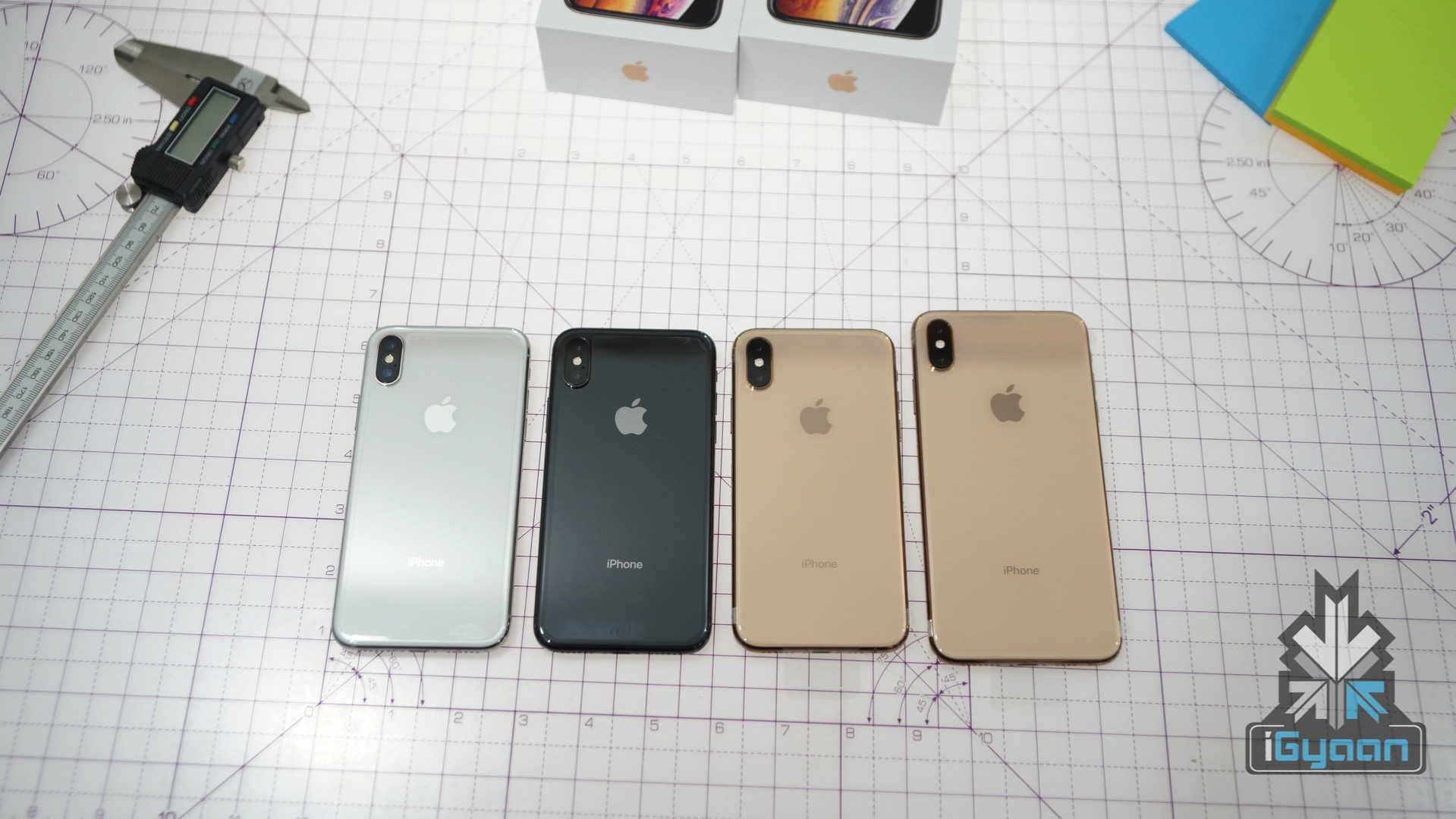
    The iOS 12.1.2 is compatible with all iOS 11 compatible devices. This includes iPhone 5s or later, iPad mini 2 or later and 6th generation iPod touch or later. The update will be prompted automatically, however Beta testers might need to unroll their devices for the update to appear.

    Also ReadeSIM Technology Explained : Why Do More Phones Not Have It

    What Is eSIM?

    The eSIM is an electronic SIM card, as the name suggests. It replaces the physical SIM cards which are used in smartphones these days. This allows for a lot of space inside the phone to be freed up, whcih can be used to incorporate other technology. As manufactures are looking to make phones sleeker, while sitting phones with more technology, eSIM is a great way to do the same. The eSIM also has another interesting feature. For example, you can register a number of eSIM cards on your phone, giving you the ability to switch between carriers without the need to swap out physical SIM cards every time.

  • eSIM Technology Explained : Why Do More Phones Not Have It?

    eSIM Technology Explained : Why Do More Phones Not Have It?

    We get a lot of questions from our readers regarding eSIM cards. Are they physical SIM cards? Do they require changes in hardware or software? If they are just software changes then why aren’t they introduced to phones that have already been released and so on. In this article, we will discuss this relatively new technology and try to clear the air regarding eSIMs. We will also try and answer some of these questions.

    What Is An eSIM?

    As the name suggests, eSIM is an electronic SIM card. An eSIM replaces the need for a physical SIM card that has been a part of our phones for ages. There are several reasons for the SIM cards to face the axe but we will talk about those later. The eSIM was introduced out of need, more than out of want. Samsung was working on a smartwatch that would allow a person to remotely connect to cellphone carriers without the need for a phone. Samsung’s Gear S2 smartwatch was the first device to use the eSIM. With the launch of Apple XS and XR, eSIM has now become a widely known technology.

    Is It Hardware Or Software?

    This has been a huge question for the uninitiated as everyone wants to know if the eSIM feature has any hardware complications or does it just happen via software. Well, it involves both. The eSIM is a very small SIM card that is attached to the phone. It is much smaller than a Nano SIM card. The eSIM card is 6mm x 5mm in size. Comparing it to a Nano SIM card which stands at a much larger 12.3mm x 8.8mm, the eSIM provides the manufacturers an opportunity to get rid of the bulky SIM card tray and use that space to include something else.

    Since the entire eSIM technology involves hardware, it will not be possible to inculcate this technology into smartphones that do not have this tech. So your Oneplus 6 or 6T or even your Samsung Galaxy S9 won’t be able to make use of this feature. The eSIM is non removable and it is safely tucked inside the phone. The most important thing about the eSIM feature is that one does not need to change SIM cards when changing their network operator. They can simply do so using software.

    If you are using an eSIM on your watch, it can have the same number as your phone. This helps you to make and receive call from your watch even if you do not have your phone with you. eSIM cards will also negate the hassle that one has to face when changing phones. Some phones use a Nano SIM, some use a Micro SIM and so on.

    Future Of eSIM

    GSMA, the organisation that represents the interests of mobile operators, has announced a standard for this new kind of SIM. The use of smartwatches have also increased in the recent times and this means more and more use of eSIM card. This is good news as the future is definitely moving towards eSIM cards. AT&T, Deutsche Telekom, Etisalat, Hutchison Whampoa (owner of Three and soon O2), Orange, Telefónica (the current O2 owner) and Vodafone have all shown their support for this technology and we can definitely expect more and more phones to use this feature in the future.

  • Google To Introduce eSIM To More Countries Including India

    Google To Introduce eSIM To More Countries Including India

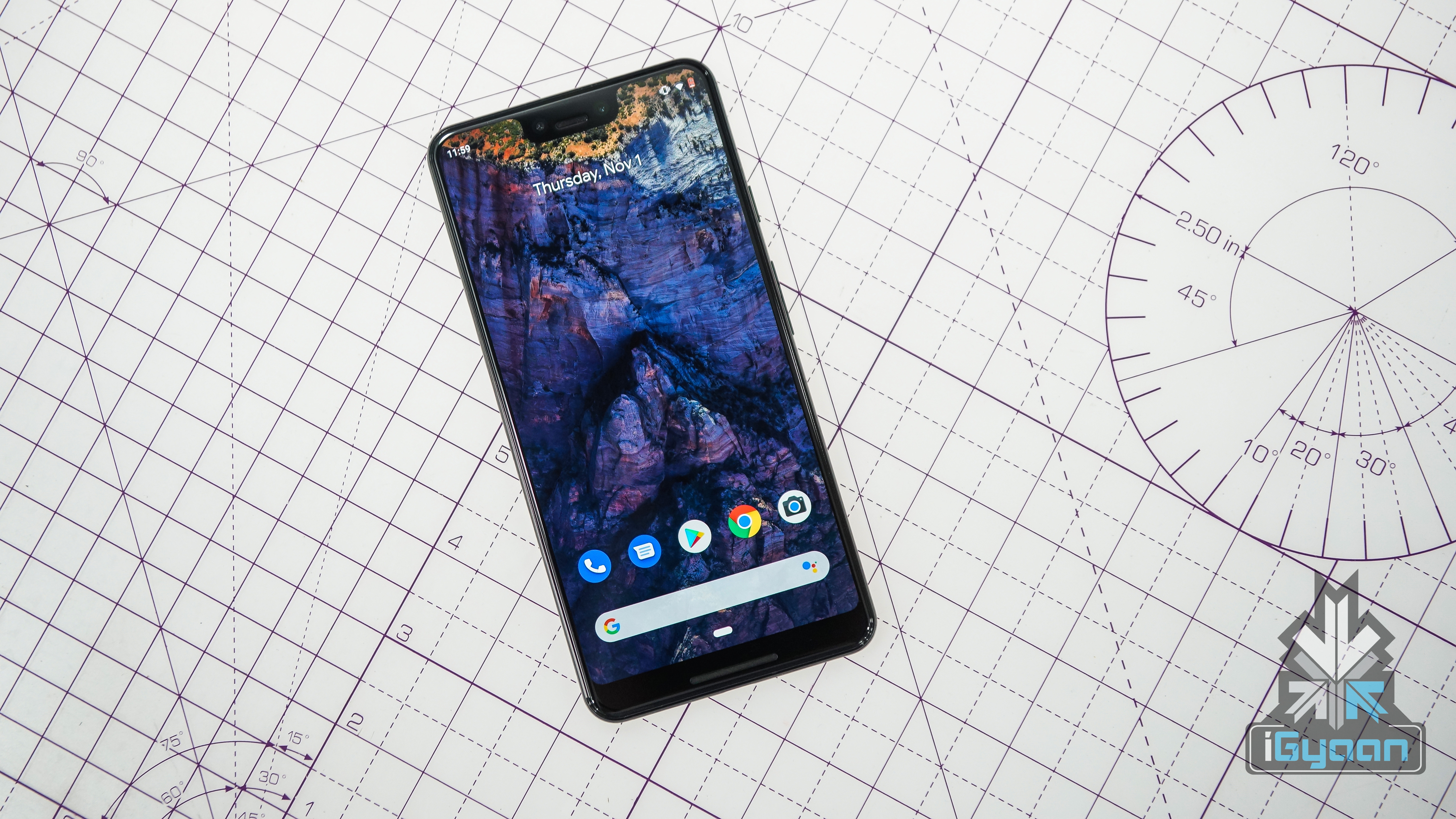
    Google, in it’s blog, has given some great news for Pixel owners around the world. They will soon introduce the eSIM feature to phones in India.  A few other countries will receive it as well. eSIM cards are electronic SIM cards that negate the need to have physical SIM cards as well as the need to have any SIM card slots. Apple introduced the eSIM in their latest range of iPhones and now other manufacturers are slowly catching on. With eSIM, Google says it hopes to bring their users instant connectivity across more carrier networks. Pixel 2 was the first major smartphone to introduce the eSIM feature to their smartphones.

    eSIM Availability

    If you’re in the U.S. and want a phone that has eSIM, you can do so through the Google Fi App. You can alternatively use the Google Store app as well. If you’re in Germany, you can purchase the Pixel 3 with an eSIM functionality from Deutsche Telekom and Vodafone soon. According to Google, Sprint in the U.S., EE in the UK, Airtel and Reliance Jio in India, and Truphone and Gigsky in various countries will also roll out eSIM support for Pixel 3 very soon.

    Also read: No Decision To Shutdown Hangouts, Says Google Representative

    Google is also building a program that allows Android device makers to build eSIM-capable smartphones. eSIM, in-display cameras and foldable smartphones are the three features that most smartphone manufacturers are focussing on at the moment. The eSIM card is a great feature and the reason is twofold. One, is that it gets rid of the hassle of inserting and ejecting SIM cards. One also needs to have a SIM ejector tool handy at all times. The second reason is that the eSIM feature can now replace the SIM tray, which creates more space in smartphones for manufacturers to use to include other features like more camera lenses or bigger batteries.

iGyaan Network
Privacy Overview

This website uses cookies so that we can provide you with the best user experience possible. Cookie information is stored in your browser and performs functions such as recognising you when you return to our website and helping our team to understand which sections of the website you find most interesting and useful.