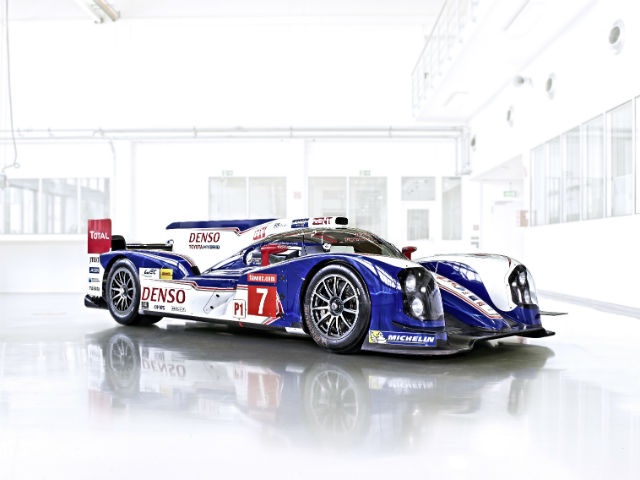
The 24 Hours of Le Mans? What’s that?
The holy grail of motorsports, the 24 Hours of Le Mans (24LM) is the world’s oldest active sports car race in endurance racing. Widely regarded as one of, if not the most prestigious race in the world, it has been held annually since 1923 near the town of Le Mans, France. The 2013 24LM will be the 81st edition in 90 years, and is scheduled to start at 6:30pm IST today.
Why is it so special in the world of motorsport?
The 24LM is the ultimate test of endurance and efficiency as race teams have to balance speed against the cars’ ability to run for 24 hours without sustaining mechanical damage to the car. At the same time, the cars’ consumables ie the fuel, tyres, braking materials and all sorts of other vital fluids and components must be managed expertly so that the car can last for 24 hours and over 5000 km.
But how can a driver race for 24 hours?
Well, most drivers can’t. Current rules mandate three drivers per team. Each driver puts in a shift of two hours behind the wheel, before stopping in the pits and allowing a relief driver to take over the driving duties. Drivers grab what food and rest they can during this while before returning to drive another stint. However in the long history of the 24LM, there have been attempts to complete the race solo, until the practice was banned.
What kind of cars will we get to see at the 24 Hours of Le Mans?
Another element which sets the 24LM apart from other motorsport events. The competing teams race in groups, called classes, for cars of similar specification while at the same time competing for outright placing amongst all of the classes. Originally, the race was held for cars as they were sold to the general public which were then called Sports Cars compared to the specialist racing cars used in Grands Prix. Over time, the competing vehicles evolved away from their publicly available road car roots.
Today, the race is made of two classes of specialised enclosed-bodywork two-seat Prototype sports cars called Le Mans Prototypes (or LMPs) and two classes of Grand Touring cars (GT) which bear much closer resemblance to high performance sports cars as sold to the public.
So how does one win the 24 Hours of Le Mans?
Originally, when the Le Mans start was still in practice, the race results were determined by distance. The car which covered the greatest distance was declared the winner. But something unexpected happened to the Ford Team in 1966. With a dominant grasp on the first two positions, the two cars slowed to allow for a photo opportunity at the finish line, with Ken Miles slightly ahead of the legendary Bruce McLaren. However, since McLaren’s car had actually started much farther back on the grid than Miles’s, McLaren’s car had actually covered the greatest distance over the 24 hours. With the margin of victory determined to be eight metres, McLaren and his co-driver, Chris Amon, were declared the winners. The decision cost Miles and his co-driver Hulme a victory.
The greatest distance rule was later changed when a rolling start was introduced, and now the winner is the car that has completed the greatest number of laps.
Wait, Le Mans start? Rolling start? I’ve lost you.
The race traditionally began with a standing start, or what became known as the Le Mans start. Cars were lined up in echelon along the length of the pits and the starting drivers were made to stand on the opposite side of the front stretch. When the French flag dropped to signify the start, the drivers ran across the track, entered and started their cars without assistance, and drove away. But this became a safety issue in the late 1960s when some drivers began ignoring their safety harnesses (which were a recent invention then) for the first few laps to get ahead of the others, leading to several deaths when cars were involved in accidents due to the bunched field at the start.
The traditional Le Mans start was changed for 1970. Cars were still lined up along the pit wall, but the drivers were already inside and strapped in. At the dropping of the French tricolor, the drivers started their engines and drove away. The Le Mans start was completely done away with in 1971 and a rolling start (known as an Indianapolis start) was adopted, where cars begin racing while completing their warm up lap.
Tell me about some cool stories or traditions?
Le Mans has produced a lot of beautiful traditions and stories in its illustrious history. One of the longest lasting traditions is the waving of the French tricolor to start the race. This is usually followed by a fly-over featuring jets trailing blue, white and red smoke. A similar flag tradition is the waving of safety flags during the final lap of the race by track marshals, congratulating the winners and other finishers.
The 24 Hours of Le Mans was the venue for the first known instance at a major race of a winning driver celebrating by spraying champagne instead of drinking it. When Dan Gurney won the 1967 race with co-driver A.J. Foyt, the two drivers mounted the victory stand and Gurney was handed a magnum of champagne. Looking down, he saw Ford CEO Henry Ford II, team owner Carroll Shelby and their wives, as well as several journalists who had predicted disaster for the high-profile duo. Gurney shook the bottle and sprayed everyone nearby, establishing a tradition re-enacted in victory celebrations the world over for the next 40+ years.
A really cool story is that of Jacky Ickx. Ickx found the idea of the Le Mans start unsafe and so, in the 1969 race, Jacky Ickx opposed it by walking across the track while his competitors ran. Although he was nearly hit by a faster competitor’s car while walking, Ickx took the time to fasten his safety belts before pulling away. Privateer John Woolfe died in an accident on the first lap of that race. Ickx went on to win.
Another story to do with the Le Mans start is that of legendary race car driver Sir Stirling Moss. Sir Moss developed a new way of speeding up the start. His car was waiting with first gear already engaged. When he jumped in, he switched the starter on without depressing the clutch. The car was immediately jerked forward by the starter motor, but the engine did not start due to low RPM. After a few seconds of motion, he then pushed the clutch down, allowing the engine to speed up and start while the car was moving.
This is really interesting. Where can I watch the 2013 24LM?
The race starts at 6:30pm IST today, and ends at 6:30pm IST tomorrow. You can catch it at http://www.lemans-tv.com/
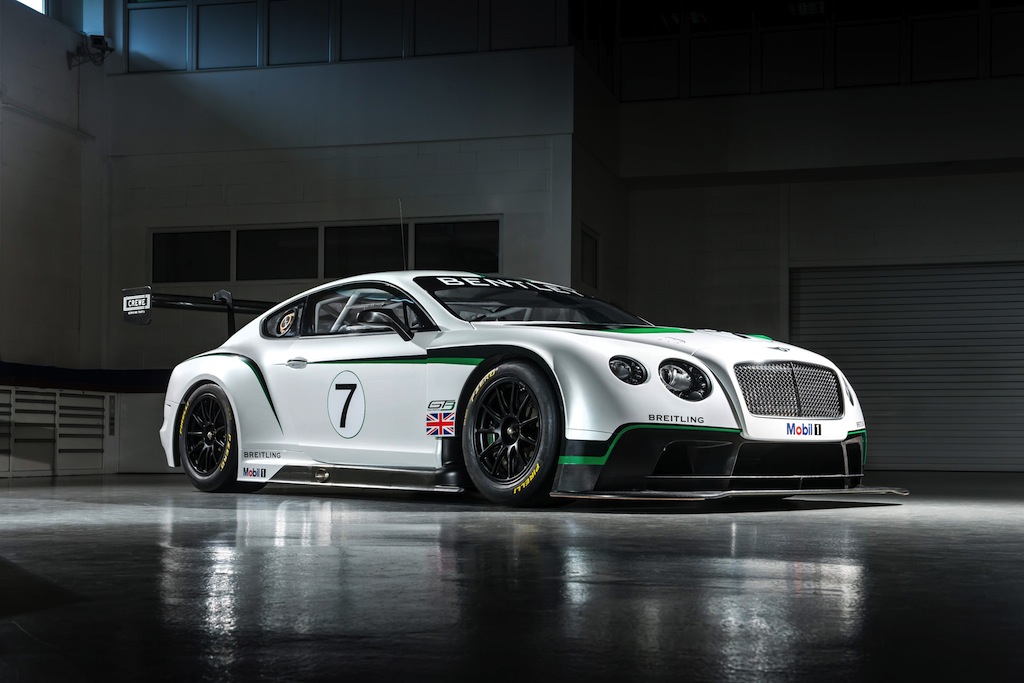
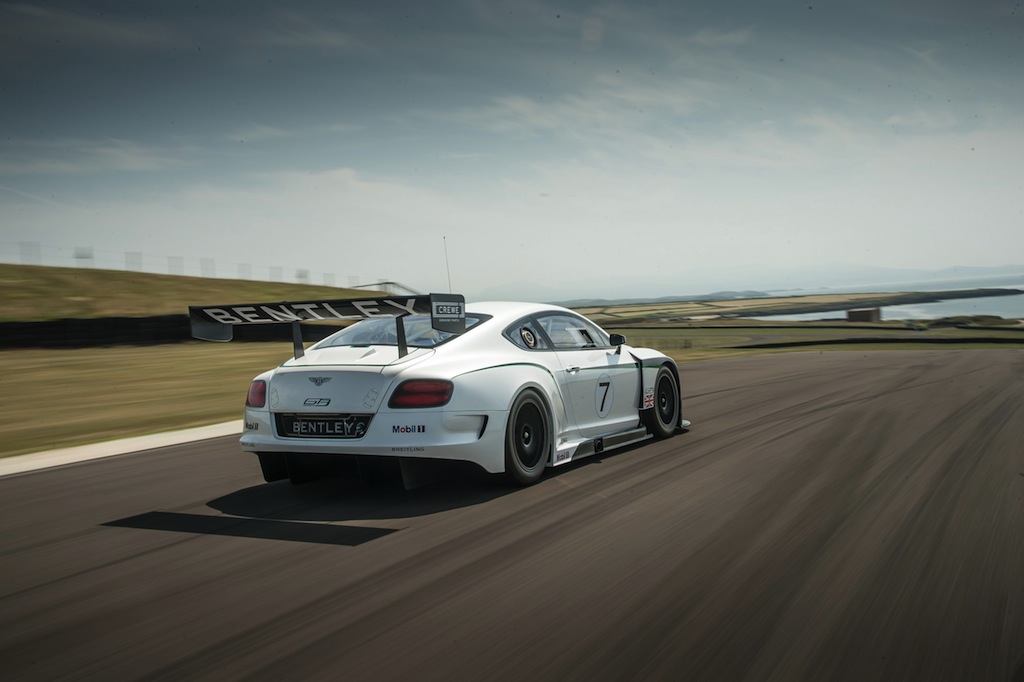
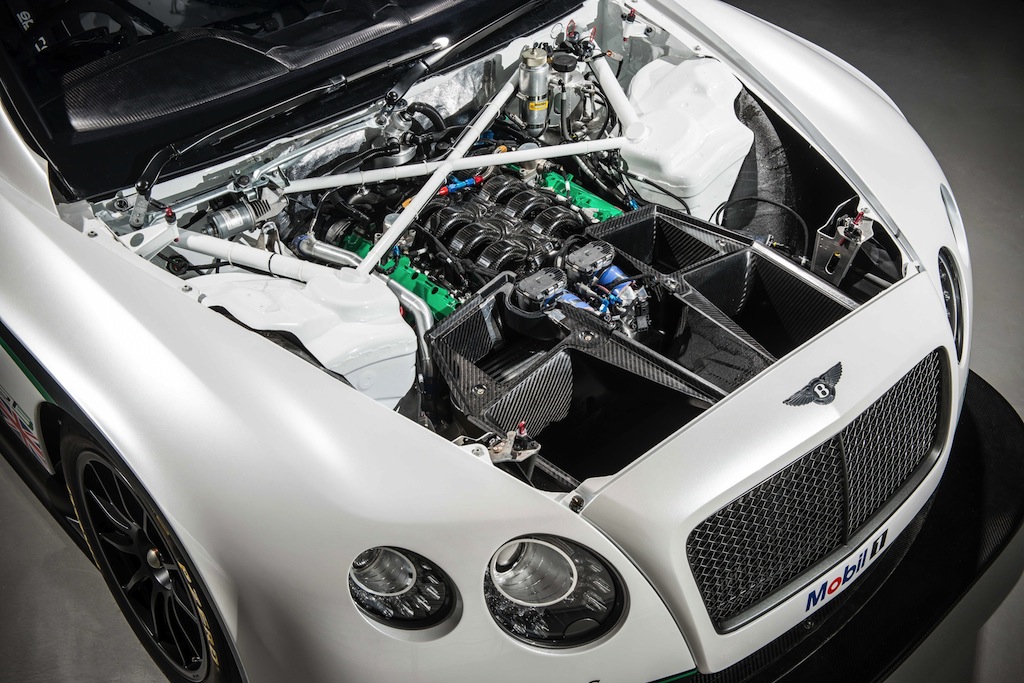
![Bentley Continental GT3 debuted at Goodwood Festival [w/Video]](https://www.igyaan.in/wp-content/uploads/2013/07/Continental-3.jpg)