Tag: identity theft

  • Using Virtru To Secure Confidential Emails

    Using Virtru To Secure Confidential Emails

    You may have come across a situation when you need to send some personal information to someone, but wondered if email is a secure enough channel? In that case, Virtru can help you out.

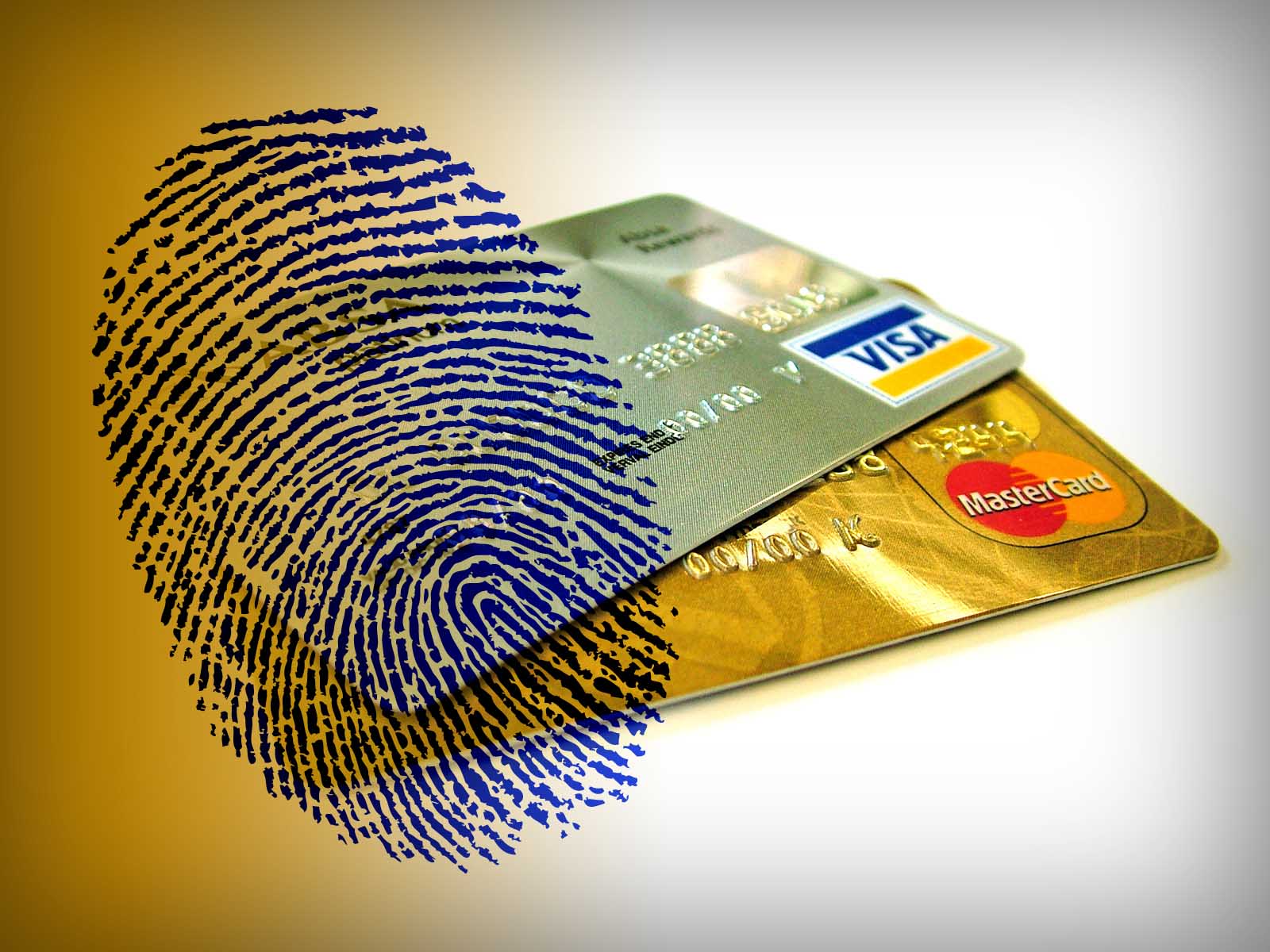
    Identity theft is huge problem on the internet. You don’t know when and from where your confidential information can be hacked. Be it your credit card payment, bank details or just an address, hackers find way to get it. An email message may only be virtual but if it falls in immoral hands, the cost and damages can be very fatal. The service offers encryption, message tracking, and the option to delete sent messages after the work is done.
    Secure-Email-Digital-Privacy-for-Consumers-Enterprise-_-Virtru

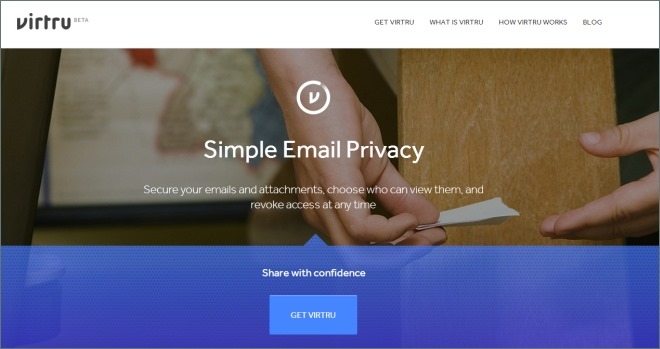
    With Virtru, you can decide when to keep your digital content private and secure even after it’s shared online. You can manage and revoke access to emails, photos, files and other content at any time, right from within your favorite programs like Gmail, Outlook, and Mac Mail on your desktop or smartphone.
    Virtru-Activate

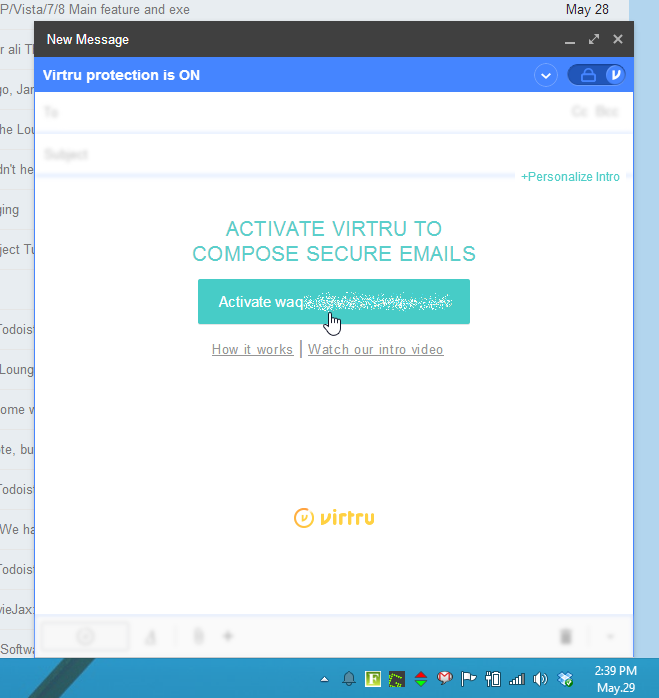
    There are ample of ways to encrypt your email much like a full PGP encryption, but all of them can be difficult and complicated to set up and use. Virtru took this seriously and created an add-on that makes encryption automatic—every message you send and choose to be secure is encrypted before it leaves your computer.

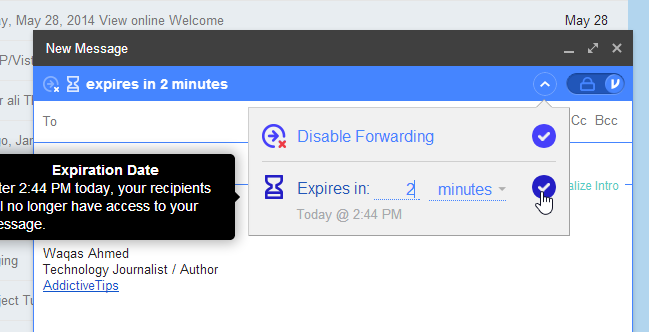
    Setting it up is easy as well, and doesn’t require as many of the hoops as other tools do. The service provides you a dashboard which can be used to see if your messages have been forwarded to others or read by the recipient. You get access to files or recall messages at any time.

    Virtru provides you a multi-platform service. At present it supports Firefox and Chrome, while Internet Explorer and Safari versions are not available yet. Apps are available for Android and iOS, which give you most of the same options as their web browser equivalent.
    Virtru_Options

    When you send email through Virtru, it by design encrypts your email message and transfers it through its own server instead of that of your email provider. The original email message is replaced with a link to the Virtru website where the message can be then read.

    It is a great way for securing your emails while not bothering about PGP encryption, which mostly goes over your head. It’s compatibility and multi-platform service makes it one of the best software for encrypted Emails.
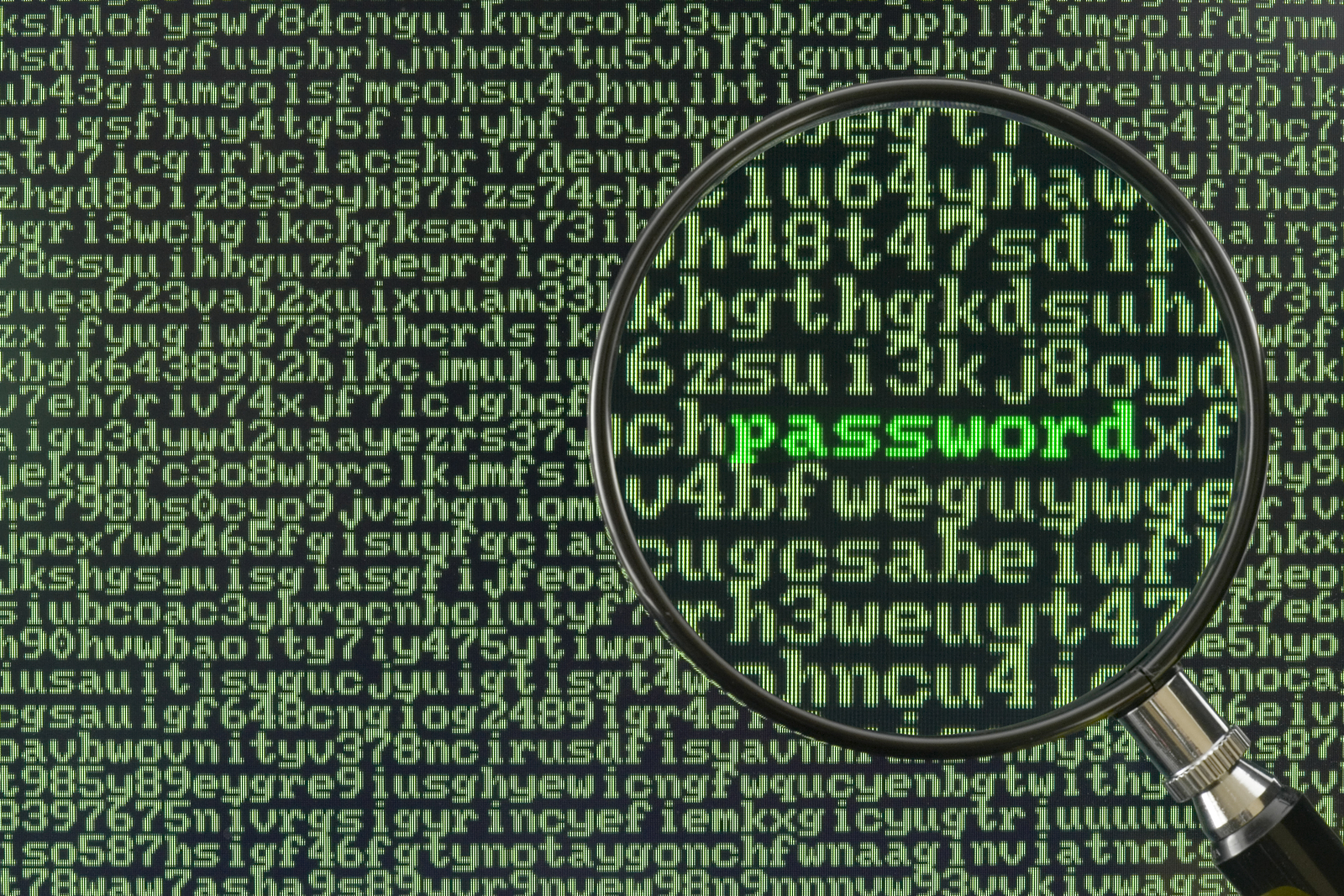
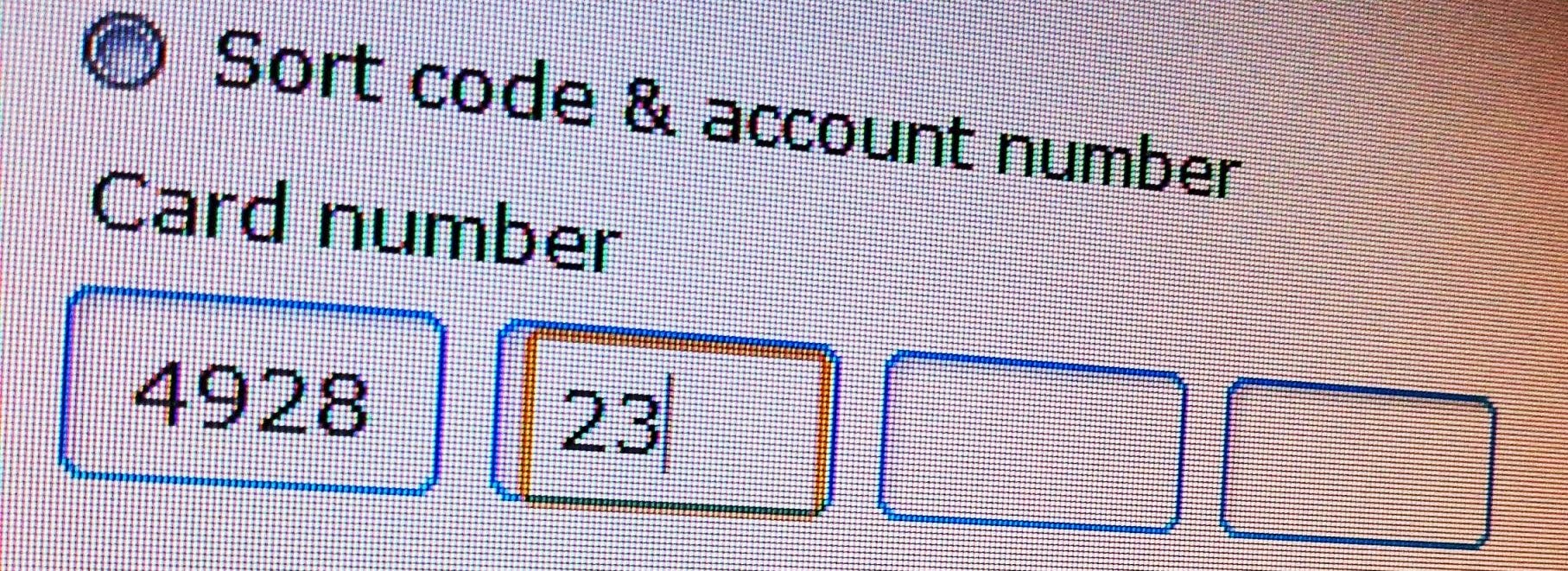
  • Identity Theft : How Safe is Your Personal Information Online?

    Identity Theft : How Safe is Your Personal Information Online?

    Clicking on the ‘Buy Now’ tab on Amazon or Flipkart surely gives you that good feeling of owning the very product you wanted to have for long time. But have you ever thought of the possibility of you compromising your personal information in internet Eco-system; that may be used against you or for stealing your money. We’re sure you are aware of these crimes but you think they won’t happen to you. Well you are wrong, and statistics say otherwise.

    photo-4

    According to ‘Internet Security Threat’ report that was recently released by Norton (Symantec), India has 42 million cyber crimes affecting 42 million cyber crime victims every year on a pan-India basis. During the last year, 52 per cent of such victims had suffered attacks such as malware, viruses, hacking, scams, fraud and theft. The report adds eighty people are vicitimised under various cyber crimes, every minute across India. The study reports seven out of 10 adults have been victims of different modes of cyber crime in their life time.

    Anonymous_emblem.svg_
    Anonymous Group Embelem

    With the Internet becoming available at the touch of a button and wannabe computer whiz kids dabbling in hacking for sport, cyber crime has seen an unprecedented upsurge. What makes it infinitely more dangerous than any other crime is the comparative lack of awareness and identification. How could you be expected to know that behind the innocent looking website lurks a compulsive hacker, or worse, consummate identity thief?

    History of hacking and identity theft can be traced back to 2004 with the rise of collective called ‘Anonymous‘ who targeted government organisations and corporate. Wikileaks is another major example of hacking and recent one’s like Heartbleed bug posed a major threat to many international organisations. Think if these hacker can bring down biggest names in the global business, where we stand in this mayhem of cyber-crime and identity theft.

    Identity theft is a crime whereby criminals impersonate individuals, usually for financial gain. In today’s society, you often need to reveal personal bits of information about yourself, such as your social security number, signature, name, address, phone number, cell number or even banking and credit card information. If a thief is able to access this personal information, he or she can use it to commit fraud in your name.

    Armed with your personal information, a malicious person could do any number of things, like apply for loans or new credit card accounts. This individual could request a billing address change and run up your existing credit card without your knowledge. A thief could use counterfeit checks and debit cards or authorize electronic transfers in your name and wipe out funds in a bank account.

    Supposedly, Identity theft is one of the biggest practiced crime of our generation and you need to secure your self with these thefts. Almost every worldwide government agency responsible for identity theft issues will tell you the same thing: The first step to fighting identity theft is to minimize the risk.

    To do this they urge consumers to protect their personal information. Start by asking companies how they use your information, and for online transaction, take a moment to review a website’s privacy policy.  For Internet transactions, be sure the Web site offers secure data encryption and other services to protect your personal information.

    cc-ID_Theft

    In offline transactions don’t provide credit card numbers, financial account numbers, and personal identifying information over the phone unless you know the communication line is secure. Ideally, you should initiate the phone conversation.

    Lastly, there are recommended everyday practices, such as keeping an eye on postal mail to ensure your bills are arriving when they should be, and taking the time to properly dispose of paper documents that may contain credit card numbers and other identifying personal information.

    Remember: The more private and secure you keep your personal identifying information, the less susceptible to identify theft you are.

iGyaan Network
Privacy Overview

This website uses cookies so that we can provide you with the best user experience possible. Cookie information is stored in your browser and performs functions such as recognising you when you return to our website and helping our team to understand which sections of the website you find most interesting and useful.