Tag: Indian Air Force

  • IAF Fighter Plane Crashes In UP, Pilot Safely Ejects

    IAF Fighter Plane Crashes In UP, Pilot Safely Ejects

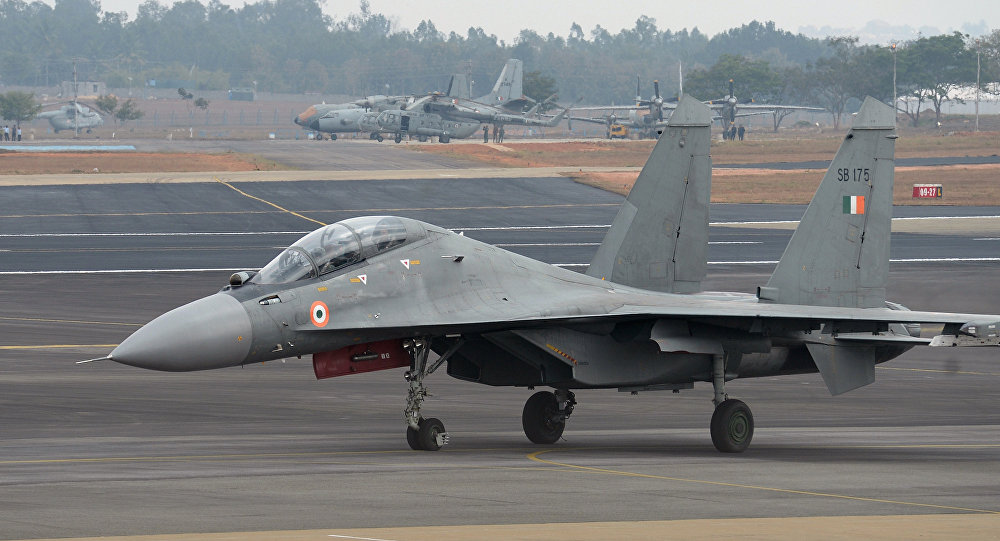
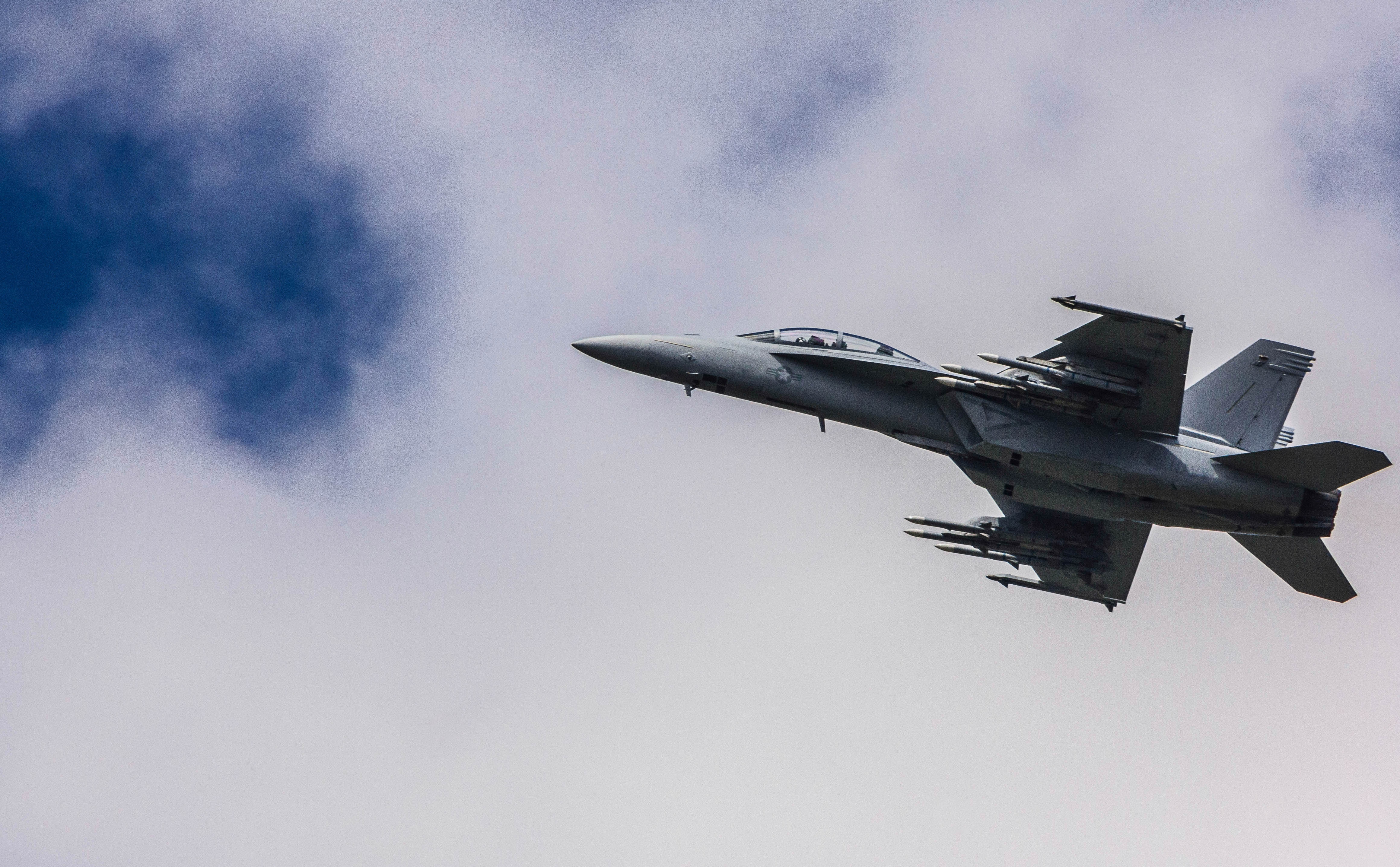
    An Indian Air Force(IAF) Jaguar Fighter plane has crashed in UP’s Kushinagar area on Monday morning at 11:30am. Both the pilots managed to eject safely. No casuality has been reported yet as the plane crashed in the non residential area of Kushinagar. According to reports, the aircraft was on a routine mission from Gorakhpur Air Force station. 

    According to the statement by IAF given to ANI, “Today (Monday) morning, a Jaguar aircraft while on a routine mission from Gorakhpur, crashed. Pilot ejected safely. A court of Inquiry has been ordered to investigate the accident,”

    The police and administration officials have rushed to the accident site. The IAF Fighter Plane had taken off from the Gorakhpur Air Base.

    Similar incidents like these:

    The news of crashing aircrafts of the defence force is not anything new, last year a similar incident happened in June 2018 when a Jaguar crashed in Gujarat’s Kutch soon after taking off. The pilot, Air Commodore Sanjay Chauhan passed away in the incident. A Sukhoi 30 MKI fighter jet has crashed near Nashik in Maharashtra on June 27, 2018. A MiG 27 also crashed near Jodhpur’s Banad area on September 4, 2018.

    Read More: More Images Of The Samsung Galaxy S10 Leak

    The name of the pilot of the IAF Fighter Plane has not been yet ascertained. A Court of Inquiry has been ordered to investigate the incident. 
  • Indian Air Force Successfully Tests Its First Plane Powered By Biofuel

    Indian Air Force Successfully Tests Its First Plane Powered By Biofuel

    With the advancement of technology and the need for more fuel to power everything around us, manufacturers are turning to greener alternatives to do the same. Over the past few years, we have seen huge growth in the sector of eco-friendly automobiles. The same drive has spread to a larger industry, that of aviation. Earlier this year, SpiceJet had tested India’s first commercial flight which ran on biofuel. Now, the Indian Air Force has also stepped into the same arena. It has successfully tested its first military aircraft, flying using biofuel.

    Painting The Skies Green

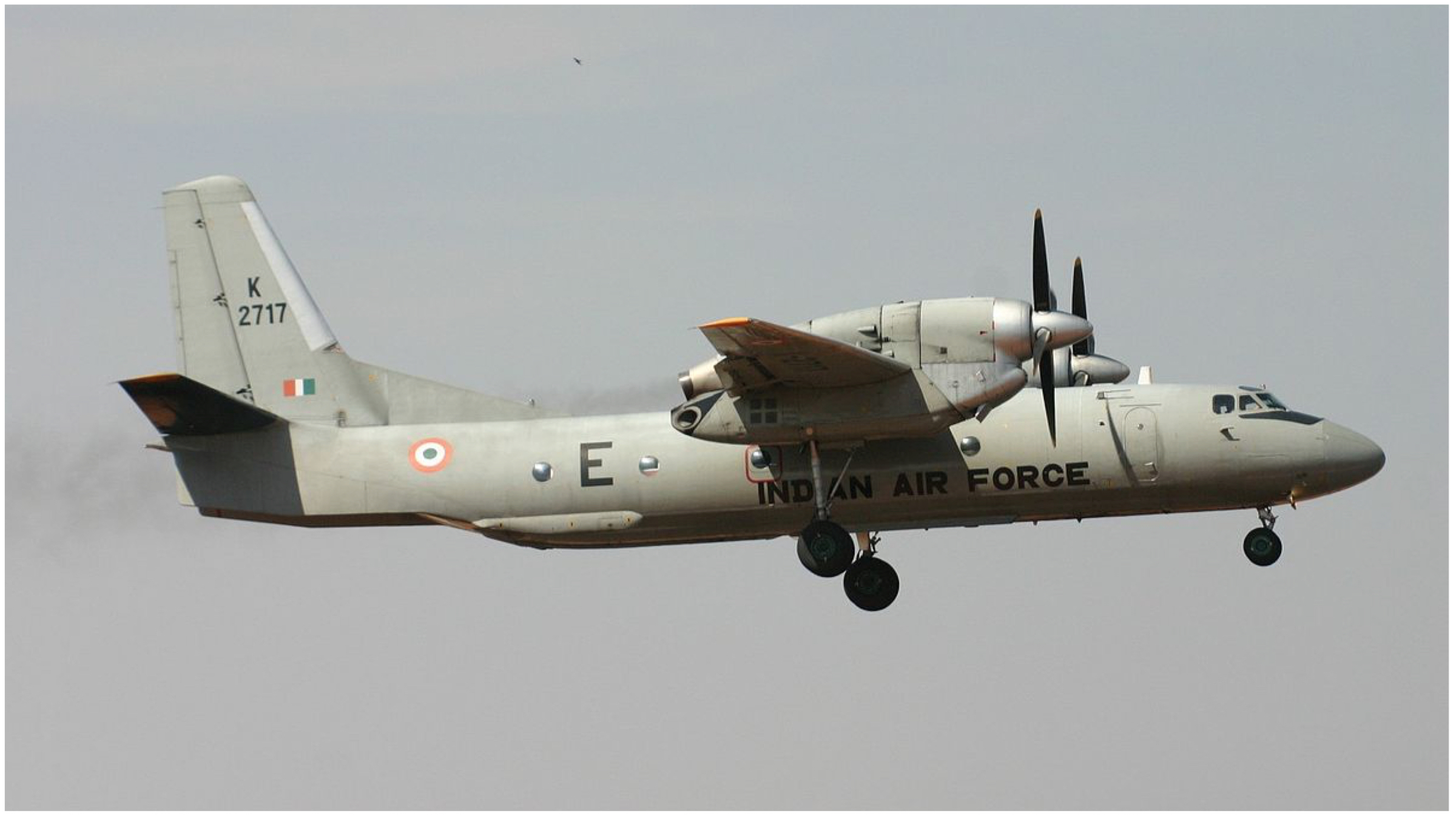
    The test was carried out using an AN-32 transport aircraft and the Indian Air Force plans to use this biofuel powered An-32 for the flypast during the republic day parade. This was a step closer towards the same. The test was carried out by Test Pilots from the Aircraft Systems and Testing Establishment (ASTE). But it must be noted that the entirety of the fuel used was not biofuel, and only 10% biofuel was used along with conventional aviation fuel. This is similar to the SpiceJet flight which used 25% biofuel and 75% aviation fuel.

    The successful test was done with the help of the Defence Research and Development Organisation (DRDO) and the Indian Institute of Petroleum (IIP). The fuel is made from Jatropha oil sourced from the Chattisgarh Biodiesel Development Authority (CBDA). It was then processed at the IIP facility in Dehradun. The Indian Air Force plans to have transport aircrafts flying with biofuel by 2021. 

    Also ReadSpiceJet Operates India’s First Biofuel Driven Flight

    The test also added India’s name to a very elite list of countries which has done so. This includes the USA , which had done similar tests on transport and fighter aircrafts as well. The Indian Air Force added that they plan to expand this capability to their fighter jets as well. This includes the MiG 29 and the Su-30 MKI fighter jets.

  • Heeding to Privacy Concerns, Xiaomi Shifts User Data Out of Beijing

    Heeding to Privacy Concerns, Xiaomi Shifts User Data Out of Beijing

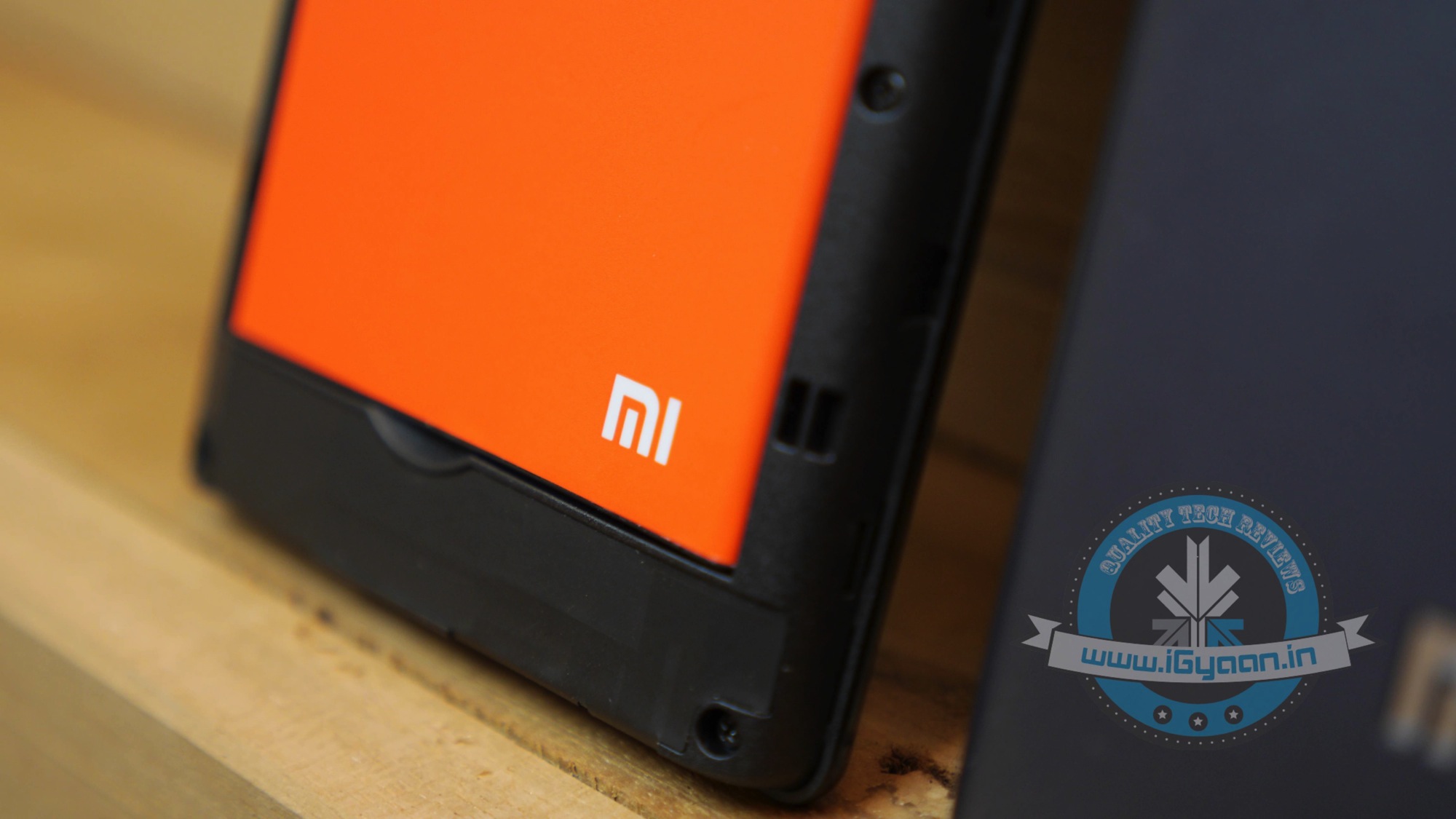
    Xiaomi has taken into consideration the massive privacy scares regarding their devices and are taking proactive steps towards addressing them. The company is planning to shift non-Chinese user data out of its Beijing data center. This comes after the directive issued by the Indian Air Force for its personnel, asking them or their families to refrain from using Chinese phones.

    The Air Force had cautioned its employees, warning that Xiaomi was secretly sending user information to a secret location in China. Xiaomi has been a favorite amongst the young population because of high spec devices which are available for attractive prices. The buzz around it has led to a figurative stampede to get the device on Flipkart.

    Xiaomi Redmi 1s Unboxing 11
    One of the most popular phones in India, the Xiaomi Redmi 1S sells out within seconds on Flipkart.

    Seeing this accusation by the Air Force could cause trouble for its business in India, Xiaomi quickly went into damage control mode. Xiaomi’s Vice President of International, Hugo Barra wrote a detailed blog post on how the company plans to take on the issue.

    Mr.Barra said that the company has been setting up servers in multiple locations and will be moving user data outside China. All international user data will be shifted to Amazon AWS data centers in California (USA) and Singapore. This migration process will be completed by the end of October and will benefit its users in Hong Kong, India, Indonesia, Malaysia, Philippines, Singapore, and Taiwan.

    It was also said in the post that by next year the company will try to set up a local data centre in India and Brazil itself. This will give users faster access and privacy can be maintained in-country.

    The Chinese authorities have been facing heavy criticism for engaging in a man-in-the-middle attack on Apple iCloud account. Considering the interfering nature of that government, it is rather safer to keep your data away from their prying eyes. We have to wait and see if these measures taken by the company offer some good solutions to the concern. People love these irresistible devices, but the importance of privacy cannot be overlooked.

  • Watch India’s Indigenous Tejas Light Combat Aircraft In Action (Video)

    Watch India’s Indigenous Tejas Light Combat Aircraft In Action (Video)

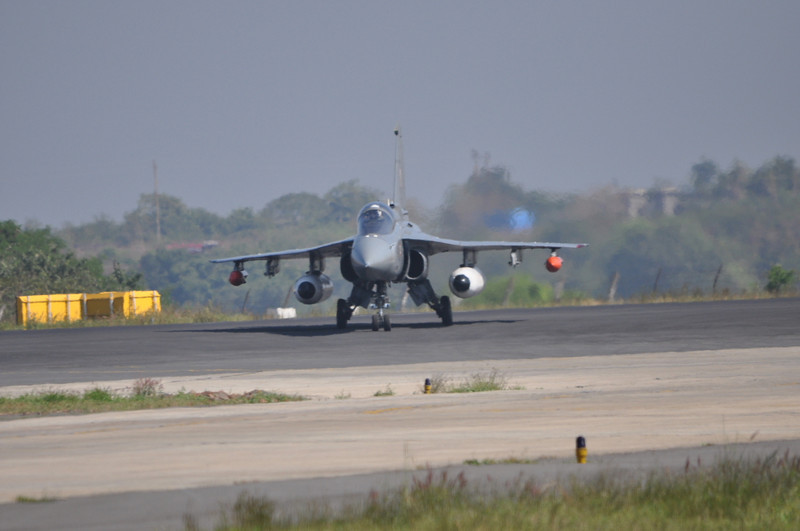
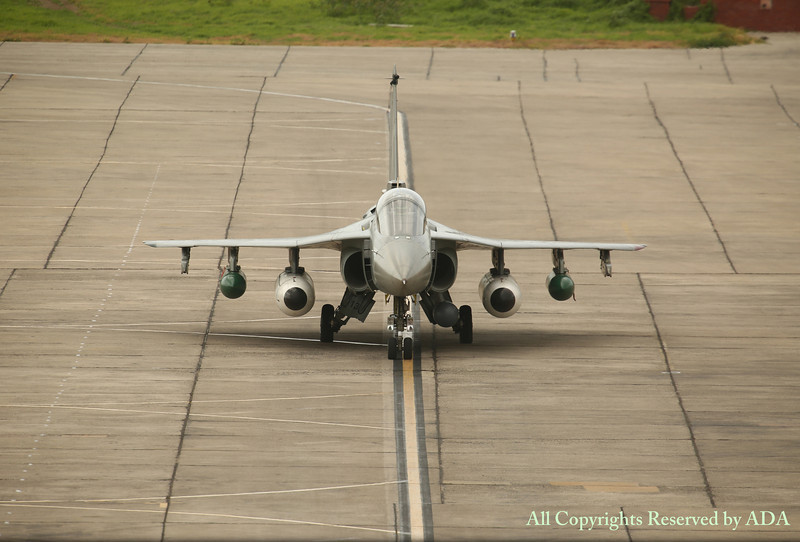
    The country’s indigenously designed and developed multi-role supersonic fighter aircraft LCA-Tejas got the Initial Operational Clearance (IOC II) on Friday, a significant step towards its induction into IAF squadron.

    The single-engine light weight state-of-the-art fighter aircraft will replace the ageing fleet of MiG 21s from the IAF and will be fully operational after attaining the ‘Final Operational Clearance’ (FOC) scheduled for the end of 2014.

    tejas
    Image Courtesy : ADA

    Defence Minister AK Antony handed over the 500-page ‘Release to Service Certificate’ of the aircraft to IAF Chief NAK Browne marking the country’s elevation into the select club of nations with capability to produce fighter aircraft.

    “During the last three years, the capabilities of the aircraft have been improved significantly. In recognition of the enhanced capabilities, IAF has decided to grant it a higher status, namely, the IOC-II for induction into the service,” Antony said.

    After this the production of MK-II variant would be undertaken and IAF would raise four squadrons. In all about 200 aircraft would be inducted into the force. On why more aircraft would not be inducted, Air Chief Marshal Browne said it was so because the operational requirement for a particular type of aircraft were limited. “We require a balanced force which also has medium and heavy aircraft. The LCA seeks to replace the MiGs, whereas the medium range comprises aircraft like Mirage and the heavy like Sukhoi.”

    About 250 MiGs still remain in the IAF which at the peak of their use had about 600 of them. The IAF had started decommissioning Mig 21 Type FL 77 category earlier this month.

    The Light Combat Aircraft (LCA) achieved Initial Operational Clearance (IOC-1) in January this year, the IOC-1 was a watered down version of a full IOC because the LCA did not meet the complete requirements.

    When limited IOC was granted by the IAF last year, HAL was expected to deliver the first 20 Tejas Mk-1 aircraft to the IAF by end 2013, followed by the next batch of 20 aircraft in mid 2015. The Tejas was also expected to have 75 per cent indigenous content according to Defence Research & Development Organisation (DRDO) sources by the time it attained FOC, something that will be impossible to achieve in the time-frame set. 

    The second lot of 20 aircraft will see the addition of a new Close Combat Missile (CCM – Python-5), Beyond Visual Range (BVR) missiles, rockets, guided and unguided bombs along with new drop tanks and other refinements. The mid-air refueling system, however, will be integrated only on the Mk-2 variant. 

iGyaan Network
Privacy Overview

This website uses cookies so that we can provide you with the best user experience possible. Cookie information is stored in your browser and performs functions such as recognising you when you return to our website and helping our team to understand which sections of the website you find most interesting and useful.