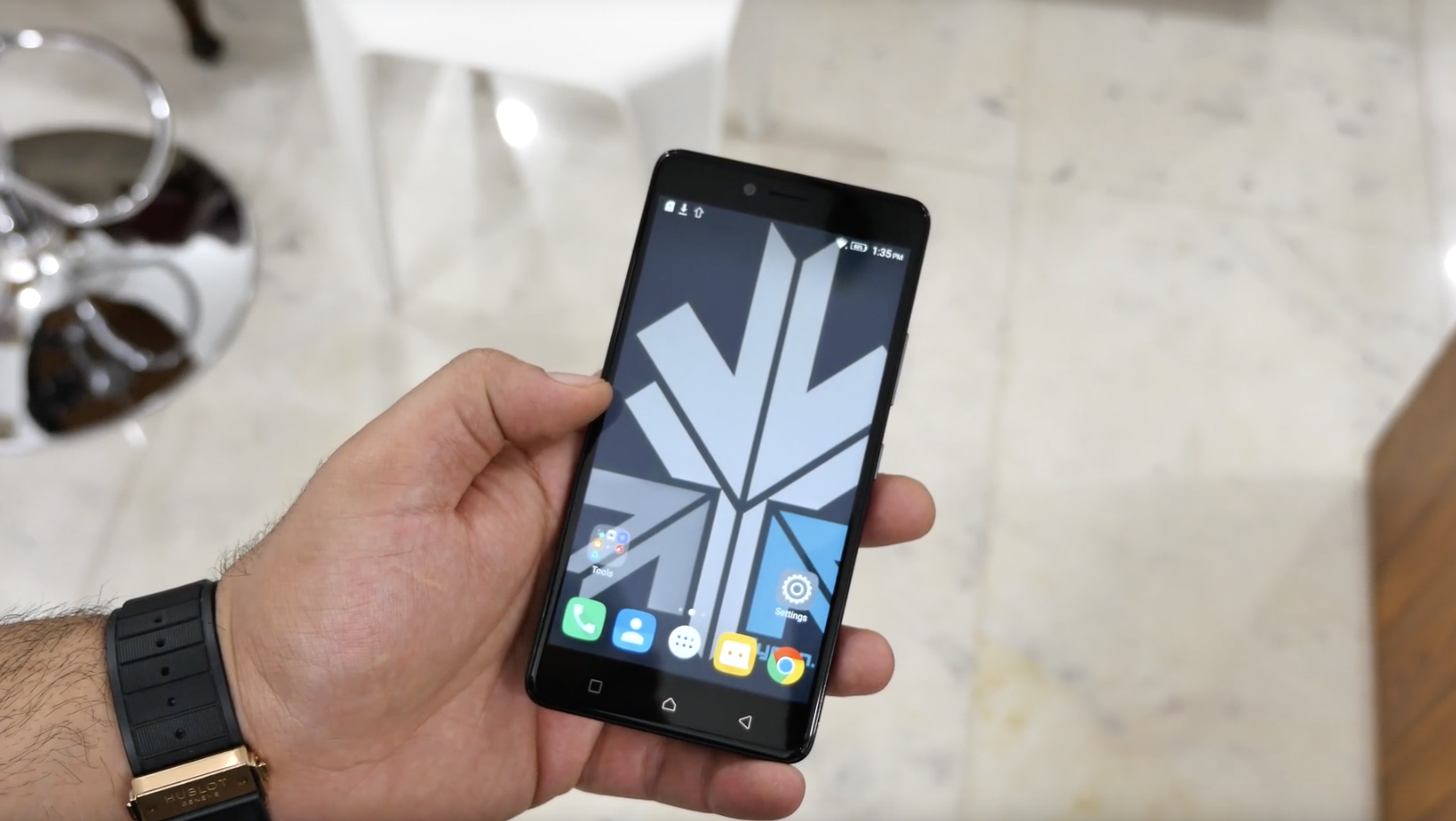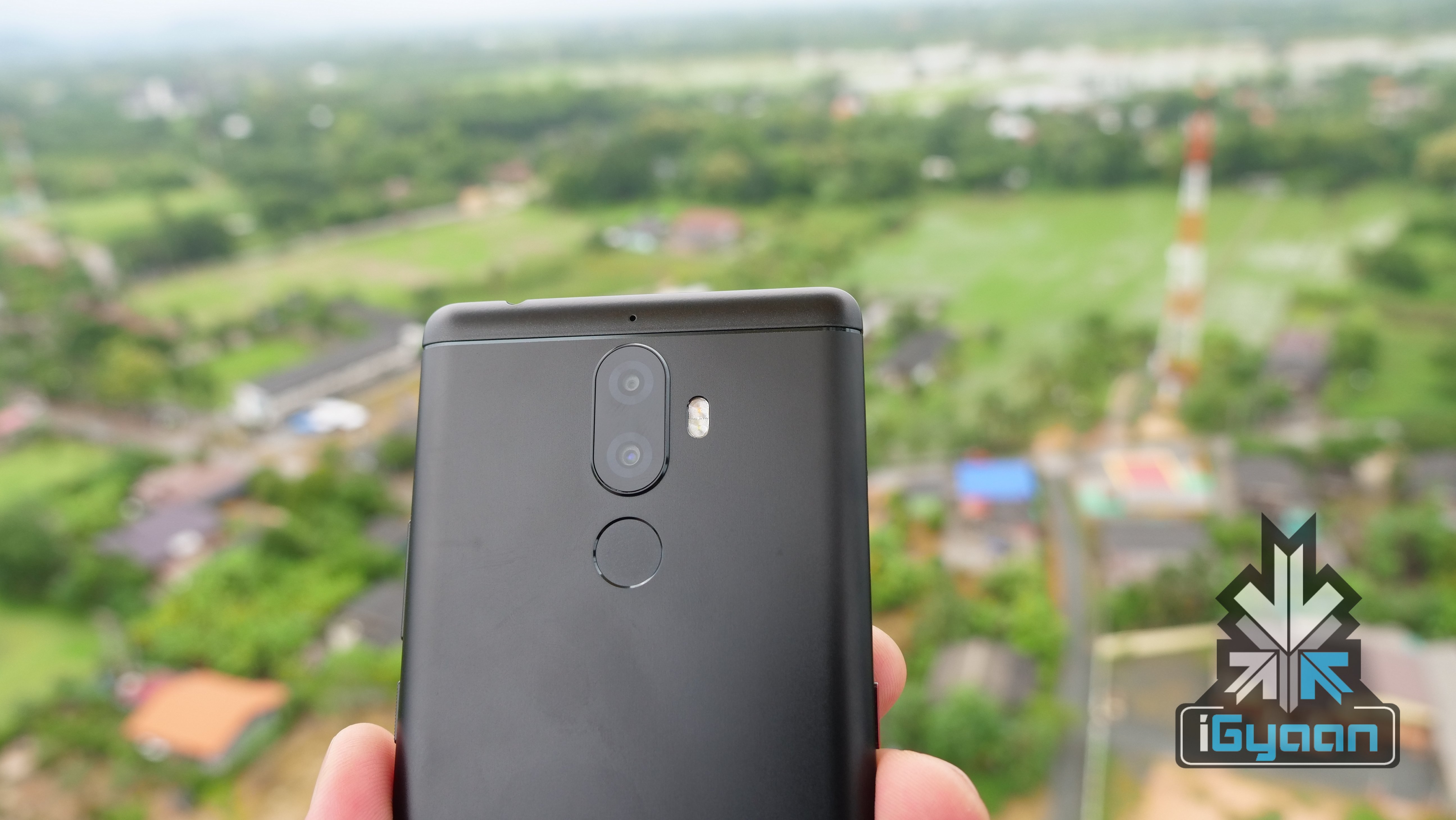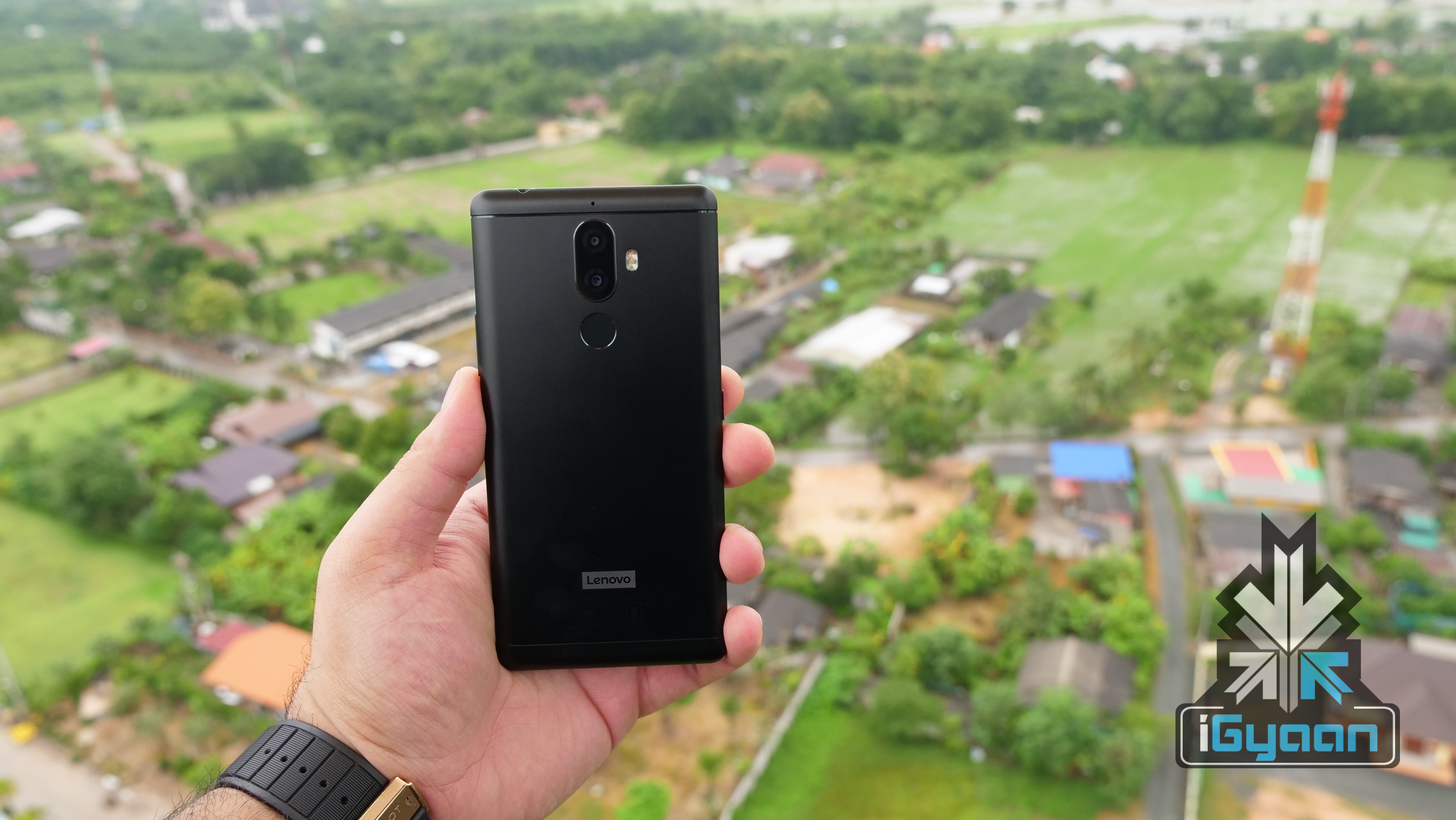
Tag: k8 note

  • Top Five Smartphones Under Rs 20,000 With A Massive Battery

    Top Five Smartphones Under Rs 20,000 With A Massive Battery

    Smartphones have improved a lot in the last few years. And now, we have smartphones with four cameras, high-resolution displays and faster chipsets. However, when it comes to battery, we still use older Li-ion batteries, which can drain out rapidly. All these hardware features require a lot of power and to address this issue, smartphone makers have started including a bigger battery, which can last up to 2 days. Here are the top 5 smartphones under Rs 20,000 with a massive battery.

    Xiaomi Redmi Note 5 Pro
    Battery

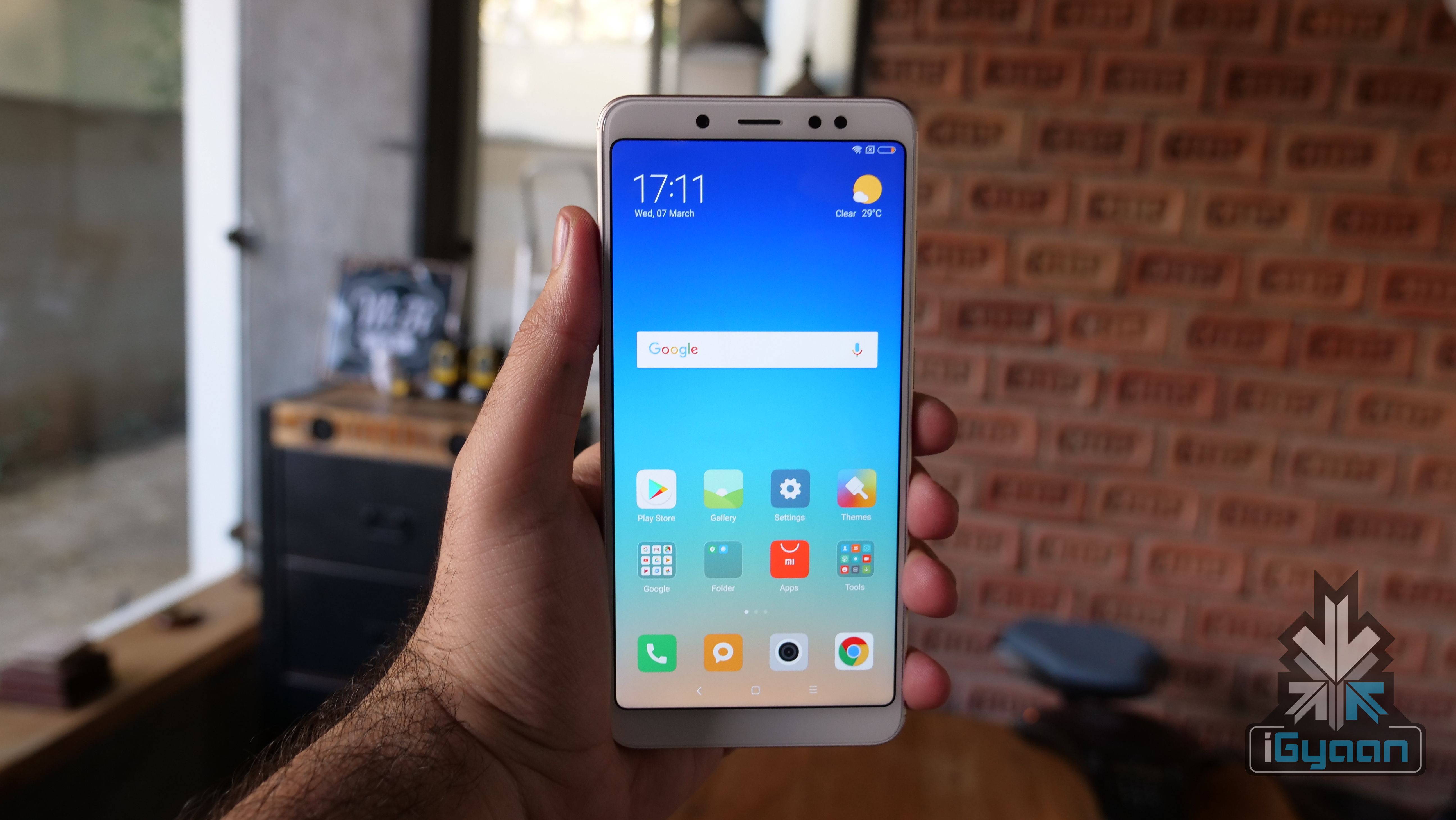
    The Xiaomi Redmi Note 5 Pro has a large 5.99 inch FHD+ 2160 x 1080 px IPS LCD screen. Under the hood, the device has the Qualcomm Snapdragon 636 Octa-core chipset with 4/6GB RAM and 64GB storage. The phone has a 4000 mAh battery with Qualcomm QuickCharge 2.0 support. The device has a dual camera setup with a 12MP sensor and a 5MP depth sensor to produce bokeh shots. The 4GB RAM and 64GB model is priced at Rs 13,999 and the 6GB RAM and 64GB model is priced at Rs 16,999.

    Xiaomi Redmi Note 5

    Battery

    If you think, that the Xiaomi Redmi Note 5 Pro is over your budget, then consider this miniature version of the same. The Xiaomi Redmi Note 5 has a same 5.99 inch FHD+ 2160 x 1080 px IPS LCD display powered by the Qualcomm Snapdragon 625 chipset. The smartphone has a 12MP primary camera and a 5MP front-facing camera. Like the Note 5 Pro, the Note 5 packs in a 4000 mAh battery with Qualcomm quickcharge 2.0 capability. The 3GB RAM and 32GB storage is priced at Rs 9,999 and the 4GB RAM and 64GB storage model is priced at Rs 11,999.

    Xiaomi Mi MAX 2
    Battery

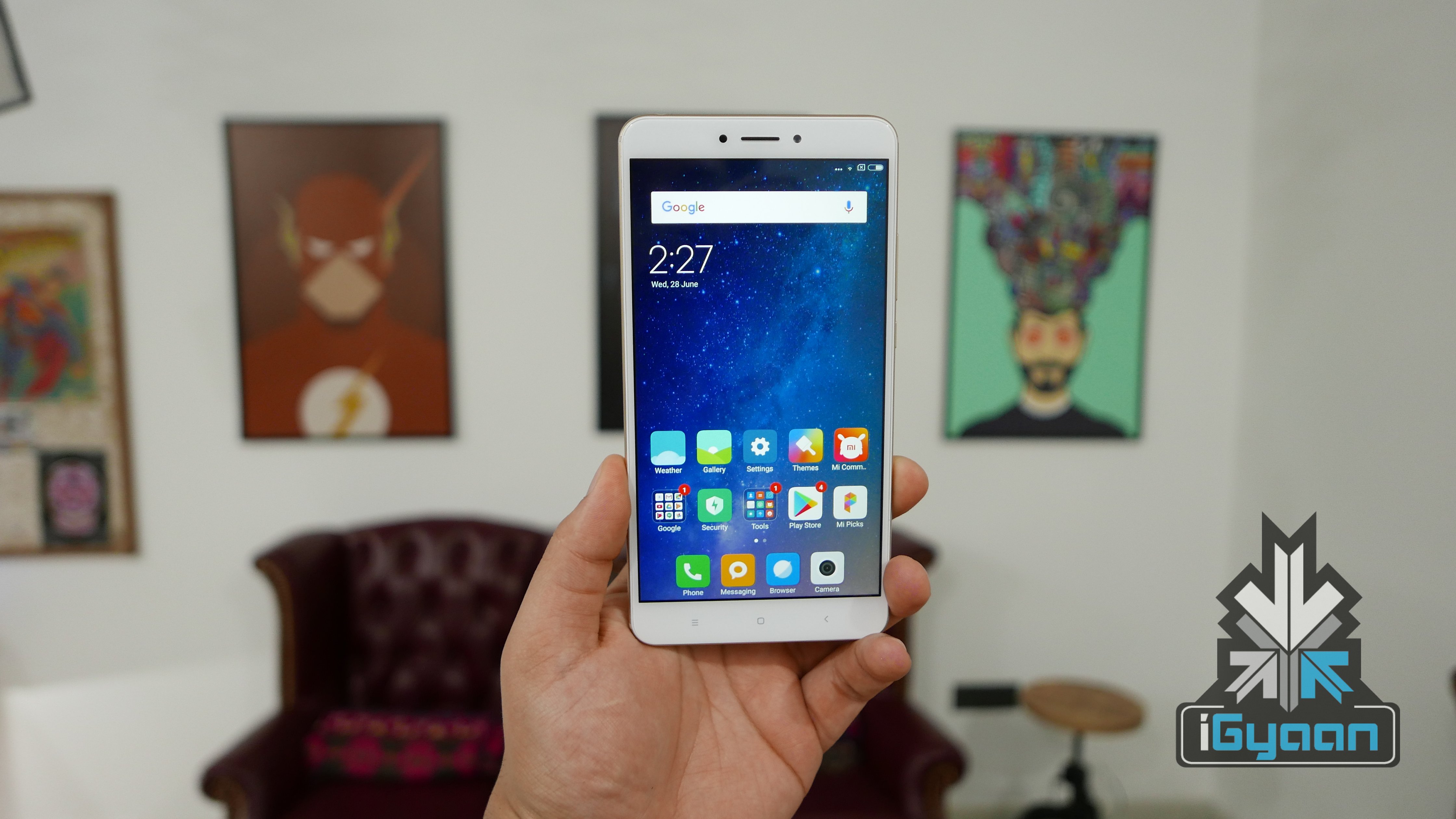
    The Xiaomi Mi MAX 2 is a multimedia-centric device, which has a 6.44 inch 16:9 1920 x 1080 px IPS LCD screen. Under the hood, the device has the Qualcomm Snapdragon 625 Octa-core chipset with 3/4GB RAM and 32/64GB storage. Similarly, the 3GB RAM model retails for Rs 13,999 and the 4GB RAM model retails for Rs 15,999. To fulfil the power requirements of this massive display, the device has a 5300 mAh battery with fast charging support via USB type C port.

    Lenovo K8 Note
    Battery

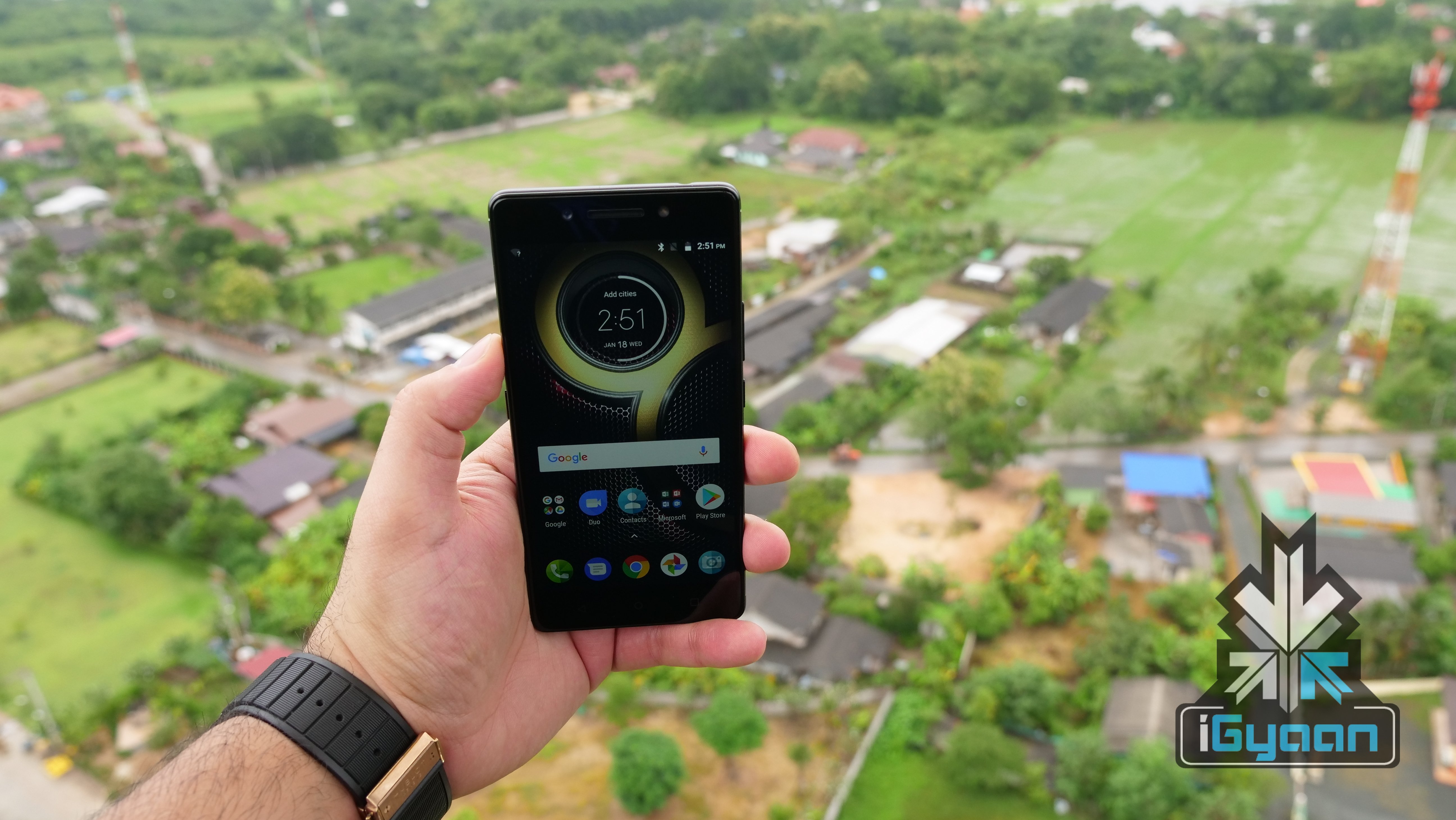
    When it comes to features packed specifications, the Lenovo K8 Note is no slouch either. The smartphone is powered by MediaTek Helio X23 Deca-core chipset with 3/4GB RAM and 32/64GB storage. Similarly, the 3GB model retails for Rs 10,550 and the 4GB RAM model retails for Rs 11,615. The Lenovo K8 Note has a dual camera setup, which can capture bokeh shots. Additionally, the device runs on stock Android 7 Nougat and expected to receive Android 8 Oreo update.

    Moto C Plus
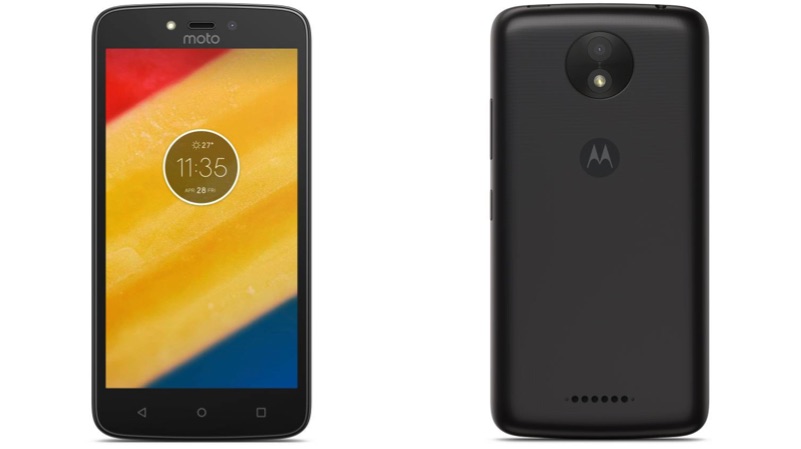
    Battery

    The Moto C Plus is one of the most affordable smartphones with a 4000 mAH battery. The device has a 5 inch HD 1280 x 720 px IPS LCD screen. The smartphone is powered by MediaTek MTK6737 Quad-core chipset with 2GB RAM and 16GB storage. Additionally, storage is expandable up to 32GB. The device runs on stock Android 7 Nougat and expected to receive Android 8 Oreo update.


  • Top Budget Dual-Camera Phones You Can Buy Right Now

    Top Budget Dual-Camera Phones You Can Buy Right Now

    Dual cameras, a trend that started in 2016 in flagship phones trickled down to budget smartphones in 2017. From the iPhone 7 Plus in 2016 to Lenovo K8 Plus in 2017, the trend of dual-camera smartphones is here to stay and has become a norm for a top-performing budget Android device. In a sea of budget smartphones with identical specifications and price, which dual-camera phone should you buy this holiday season? iGyaan brings you its pick for the best budget dual-camera phones you can buy right now:

    Xiaomi Mi A1

    One of the best budget phones to be launched in 2017, the Mi A1 combines Xiaomi’s hardware and Google’s stock Android OS in this perfectly priced budget phone.

    The smartphone has a 5.5 inch 1920 x 1080 px display with Corning Gorilla Glass on top for protection and metal unibody build.

    The phone has the Qualcomm Snapdragon 625 chipset, 2.0GHz octa-core processor, 4GB RAM and 64GB of onboard storage which is expandable via microSD card. Handling the graphics under the hood is the Adreno 505 GPU. The pyrolytic graphite sheet will help in heat management as well, Xiaomi claims. The Xiaomi Mi A1 has an IR blaster to control appliances in your home or office. Powering the device is a 3,080 mAh battery and fast charging through the Type C port

    The fingerprint sensor sits at the back of the device below the camera. Xiaomi has also included a dedicated headphone amplifier for better music listening experience.

    The Mi A1 runs pure Android 7.1.2 Nougat OS and thanks to Android One program, the Mi A1 will get software to Android 8.0 Oreo and Android P as well.

    It’s worth noting that despite the stock Android OS, Xiaomi has still introduced a few apps of its own like the Mi Camera app, since Google’s app doesn’t support dual-camera right now. Other apps like the Mi Remote and the Mi Store are also present in the Xiaomi Mi A1.

    In terms of optics, the smartphone features a 12MP dual-camera setup with 1.25-micron pixel size. Out of the two cameras at the back, the primary one is equipped with a telephoto lens and the secondary camera has a wide-angle lens. The telephoto lens allows the user to take bokeh effect shots with blurred background and a 2X optical lossless zoom. For landscape shots, Xiaomi has introduced a wide angle lens while on the front is a 5MP camera.

    Moto G5s Plus

    Successor to one of the best budget camera smartphones the Moto G5 Plus, Moto G5s Plus was launched close to the Xiaomi Mi A1 and carries an identical price tag as well.

    The Moto G5S Plus has a 5.5 inch 1920 x 1080 px display with Corning Gorilla Glass 3 on top for protection.

    The smartphone has the Qualcomm 625 chipset, an octa-core processor clocked at 2.0 GHz with 4GB RAM and 64GB of onboard storage which can be expanded up to 128GB via a microSD card. The fingerprint sensor is housed inside the home button which sits below the display. The device is powered by a 3,000 mAh battery with included turbo charge capabilities.

    The Moto G5S Plus runs Android 7.1.1 Nougat with little customisation done by the manufacturer resulting in stock Android OS experience.

    The Moto G5S Plus features rear-mounted 13MP dual-cameras with an f/2.0 aperture. The dual camera captures Bokeh, and selective focus shots, along with other capabilities of background replacement and exposure management. On the front is a wide angle 8MP camera with a single LED flash and a panoramic mode. The rear cameras capture videos in 4K at 30 FPS and the front camera records videos in 1080P at 30 FPS.  According to Motorola, additional features such as Night Display and Quick Reply enhance the software experience. The implementation of the dual-camera setup on the Moto G5S Plus is different than that on the Mi A1.

    Lenovo K8 Note

    The Lenovo K8 Note features a 5.5-inch 1920 x 1080 px display with a pixel density of 441ppi and a Corning Gorilla Glass with oleophobic coating for scratch and smudge resistance.

    The K8 Note is also splash resistant due to its P2i coating, although the resistance might decrease with time due to wear and tear of the nano coating. The fingerprint sensor sits at the back of the device under the cameras.

    The Lenovo K8 Note is run on a  MediaTek MT 6797D Helio X23 a Tri-cluster, 64-bit chipset with a 2.3 GHz high-performing deca-core processor and the Mali T-880 MP4 GPU. The device has either a 3GB or 4GB RAM and 32GB or 64GB onboard storage which is expandable via a microSD card.

    The Lenovo K8 Note has a 13M Pure cell sensor mated with a 5MP Samsung BSI sensor dual camera setup and dual LED flash at the back. The phone is capable of depth mode effects along with  1920 x 1080 px  Video capture. A 13MP camera with LED flash and an f/2.0 aperture sits on the front of the device above the display. The camera UI will also feature a stock Android layout with no customisation offered by Lenovo apart from the depth mode.

    Honor 9i

    The Honor 9i has a 5.9-inch 2160 x 1080px display with an 18:9 aspect ratio.

    It also has Huawei’s in-house octa-core Kirin 659 chipset, octa-core 2.36 GHz processor, along with 4 GB of RAM and 64 GB onboard storage. Powering the device is a 3340 mAh battery which charges via a micro USB port.

    The device runs Android 7.0 Nougat out of the box with Huawei’s EMUI 5.1 skin on top

    This is the only smartphone on this list which has four cameras. The rear of the phone contains a 16 MP main sensor and a 2 MP secondary sensor, while the front has a 13 MP camera and another 2 MP secondary sensor.  A fingerprint sensor is placed at the back of the phone since the phone has thin bezels and no physical button at the front of the phone.

  • Top Budget Dual-Camera Phones You Can Buy Right Now

    Top Budget Dual-Camera Phones You Can Buy Right Now

    Dual cameras, a trend that started in 2016 in flagship phones trickled down to budget smartphones in 2017. From the iPhone 7 Plus in 2016 to Lenovo K8 Plus in 2017, the trend of dual-camera smartphones is here to stay and has become a norm for a top-performing budget Android device. In a sea of budget smartphones with identical specifications and price, which dual-camera phone should you buy this holiday season? iGyaan brings you its pick for the best budget dual-camera phones you can buy right now:

    Xiaomi Mi A1


    One of the best budget phones to be launched in 2017, the Mi A1 combines Xiaomi’s hardware and Google’s stock Android OS in this perfectly priced budget phone.

    The smartphone has a 5.5 inch 1920 x 1080 px display with Corning Gorilla Glass on top for protection and metal unibody build.

    The phone has the Qualcomm Snapdragon 625 chipset, 2.0GHz octa-core processor, 4GB RAM and 64GB of onboard storage which is expandable via microSD card. Handling the graphics under the hood is the Adreno 505 GPU. The pyrolytic graphite sheet will help in heat management as well, Xiaomi claims. The Xiaomi Mi A1 has an IR blaster to control appliances in your home or office. Powering the device is a 3,080 mAh battery and fast charging through the Type C port

    The fingerprint sensor sits at the back of the device below the camera. Xiaomi has also included a dedicated headphone amplifier for better music listening experience.

    The Mi A1 runs pure Android 7.1.2 Nougat OS and thanks to Android One program, the Mi A1 will get software to Android 8.0 Oreo and Android P as well.

    It’s worth noting that despite the stock Android OS, Xiaomi has still introduced a few apps of its own like the Mi Camera app, since Google’s app doesn’t support dual-camera right now. Other apps like the Mi Remote and the Mi Store are also present in the Xiaomi Mi A1.

    In terms of optics, the smartphone features a 12MP dual-camera setup with 1.25-micron pixel size. Out of the two cameras at the back, the primary one is equipped with a telephoto lens and the secondary camera has a wide-angle lens. The telephoto lens allows the user to take bokeh effect shots with blurred background and a 2X optical lossless zoom. For landscape shots, Xiaomi has introduced a wide angle lens while on the front is a 5MP camera.

    Moto G5s Plus


    Successor to one of the best budget camera smartphones the Moto G5 Plus, Moto G5s Plus was launched close to the Xiaomi Mi A1 and carries an identical price tag as well.

    The Moto G5S Plus has a 5.5 inch 1920 x 1080 px display with Corning Gorilla Glass 3 on top for protection.

    The smartphone has the Qualcomm 625 chipset, an octa-core processor clocked at 2.0 GHz with 4GB RAM and 64GB of onboard storage which can be expanded up to 128GB via a microSD card. The fingerprint sensor is housed inside the home button which sits below the display. The device is powered by a 3,000 mAh battery with included turbo charge capabilities.

    The Moto G5S Plus runs Android 7.1.1 Nougat with little customisation done by the manufacturer resulting in stock Android OS experience.

    The Moto G5S Plus features rear-mounted 13MP dual-cameras with an f/2.0 aperture. The dual camera captures Bokeh, and selective focus shots, along with other capabilities of background replacement and exposure management. On the front is a wide angle 8MP camera with a single LED flash and a panoramic mode. The rear cameras capture videos in 4K at 30 FPS and the front camera records videos in 1080P at 30 FPS.  According to Motorola, additional features such as Night Display and Quick Reply enhance the software experience. The implementation of the dual-camera setup on the Moto G5S Plus is different than that on the Mi A1.

    Lenovo K8 Note


    The Lenovo K8 Note features a 5.5-inch 1920 x 1080 px display with a pixel density of 441ppi and a Corning Gorilla Glass with oleophobic coating for scratch and smudge resistance.

    The K8 Note is also splash resistant due to its P2i coating, although the resistance might decrease with time due to wear and tear of the nano coating. The fingerprint sensor sits at the back of the device under the cameras.

    The Lenovo K8 Note is run on a  MediaTek MT 6797D Helio X23 a Tri-cluster, 64-bit chipset with a 2.3 GHz high-performing deca-core processor and the Mali T-880 MP4 GPU. The device has either a 3GB or 4GB RAM and 32GB or 64GB onboard storage which is expandable via a microSD card.

    The Lenovo K8 Note has a 13M Pure cell sensor mated with a 5MP Samsung BSI sensor dual camera setup and dual LED flash at the back. The phone is capable of depth mode effects along with  1920 x 1080 px  Video capture. A 13MP camera with LED flash and an f/2.0 aperture sits on the front of the device above the display. The camera UI will also feature a stock Android layout with no customisation offered by Lenovo apart from the depth mode.

    Honor 9i

    The Honor 9i has a 5.9-inch 2160 x 1080px display with an 18:9 aspect ratio.

    It also has Huawei’s in-house octa-core Kirin 659 chipset, octa-core 2.36 GHz processor, along with 4 GB of RAM and 64 GB onboard storage. Powering the device is a 3340 mAh battery which charges via a micro USB port.

    The device runs Android 7.0 Nougat out of the box with Huawei’s EMUI 5.1 skin on top

    This is the only smartphone on this list which has four cameras. The rear of the phone contains a 16 MP main sensor and a 2 MP secondary sensor, while the front has a 13 MP camera and another 2 MP secondary sensor.  A fingerprint sensor is placed at the back of the phone since the phone has thin bezels and no physical button at the front of the phone.

  • Lenovo Will Update the K8 , K8 Plus And K8 Note to Android Oreo

    Lenovo Will Update the K8 , K8 Plus And K8 Note to Android Oreo

    Lenovo K8 series owners will be happy to hear that Lenovo has officially announce update plans for the devices to receive Android 8.0 Oreo update. The excitement ends there as the timeline for these updates is a long time away.

    The timeline has been announced by Lenovo, and the K8 series is expected to get the update June-July 2018 during which time Google should be announcing Android 9.0.

    The K8 will be the first of the series to get Android Oreo according to the company’s post, which will roll out in June of 2018, while the K8 Note and K8 Plus are slated for an update  in July of 2018.

    The Lenovo K8 Note was launched in August for a price of  Rs. 13999 while the K8 and K8 plus saw subsequent launches. The K8 Plus remains a flipkart exclusive while the other two handsets are on sale on Amazon.in

    While most companies are pushing updates in a timely manner, and Xiaomi has set an end of the year timeline for their Mi A1 and Mi Mix 2, The company is yet to roll out any updates to the Mi Mix original which is still on MiUI 8.

    The Update will be available as an OTA update to devices and will be rolled out across eligible Lenovo K8 / plus/ note devices at the same time.

  • Lenovo To Launch the K8 Plus On September 6

    Lenovo To Launch the K8 Plus On September 6

    After launching the Lenovo K8 Note at a price of Rs 12,999, the smartphone maker is all set to unveil the new K8 Plus in India. The Flipkart exclusive smartphone will be priced below the Rs 10,000 bracket. Even though the company has confirmed that the device will indeed be unveiled on September 6, there is no word on the pricing yet.

    Earlier, Lenovo had announced that it will be ditching its Vibe Pure UI custom skin in order to adopt stock Android OS for all upcoming devices. Hence, just like the K8 Note, the Lenovo K8 Plus is expected to run stock Android 7.1.1 Nougat. Lenovo K8 Plus was recently spotted on GeekBench which revealed that the device will have the  MediaTek Helio P25 chipset, 1.69GHz octa-core processor and 3GB of RAM. The company has also said that the Lenovo K8 Plus will be powered by a battery that will last for one complete day. The Lenovo k8 Note was launched with a 4,000 mAh battery so, it is possible that Lenovo will maintain the battery size.

    Social media teasers by the company show bokeh effect shots, which hints to the fact that the K8 Plus may have dual cameras, similar to the ones on the Lenovo K8 Note. There is no further information about the camera on the Lenovo K8 Plus.

    The launch date is fast approaching and all information will be revealed when Lenovo launches the K8 Plus.

  • Unboxing The New Lenovo K8 Note On a Hot Air Balloon

    Unboxing The New Lenovo K8 Note On a Hot Air Balloon

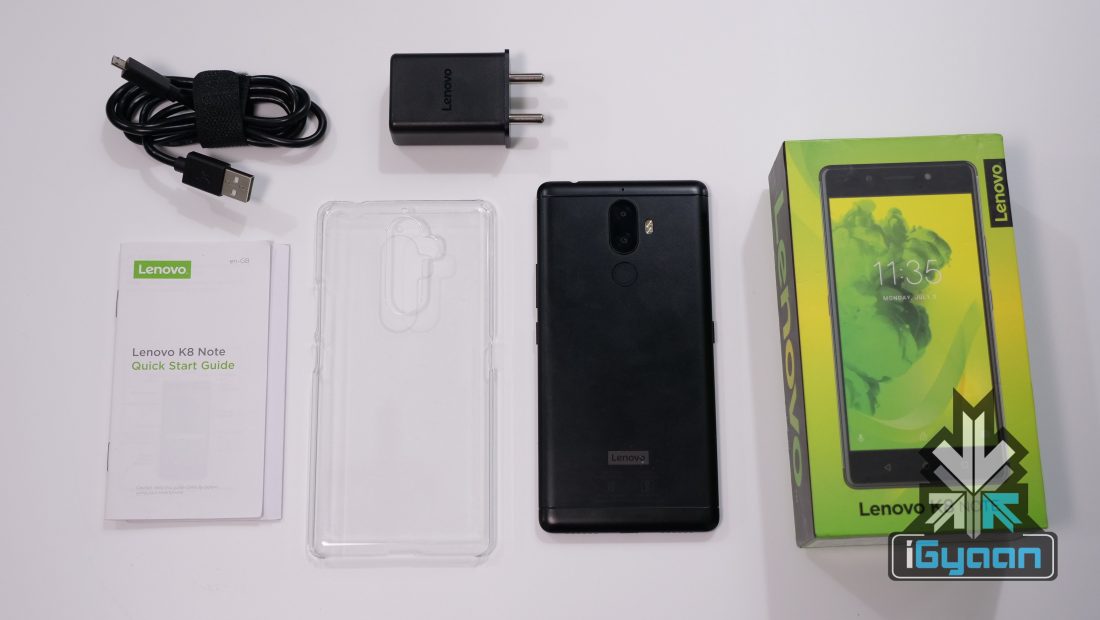
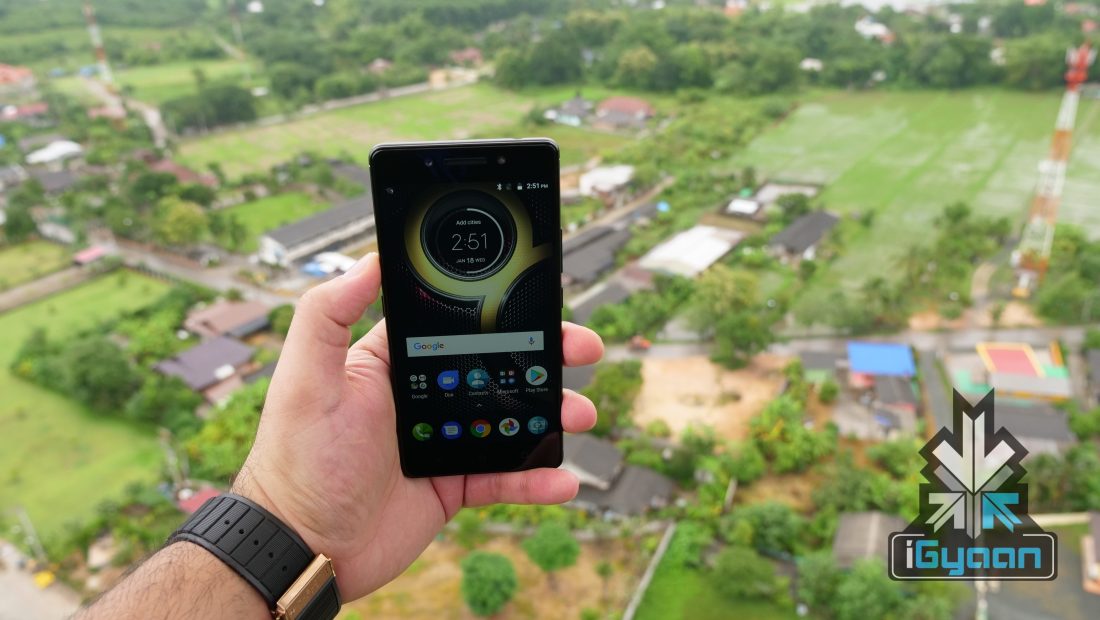
    Lenovo just launched the new Lenovo K8 Note in India, the phone which has a dual camera setup has been launched in the country in two variants 3GB+ 32GB  for Rs. 12,999 and 4 GB + 64 GB for Rs. 13999 and they go on sale on the 18th of August.  What you get inside the box-

    • The Lenovo K8 Note
    • Transparent back cover
    • Sim ejector tool
    • Documentation
    • Micro-USB cable for charging and data syncing
    • Wall plug


    The Lenovo K8 Note is run on a  MediaTek MT 6797D Helio X23 a Tri-cluster, 64-bit chipset with a 2.3 GHz high-performing deca-core processor and the Mali T-880 MP4 GPU. The device has either a 3GB or 4GB RAM and 32GB or 64GB onboard storage which is expandable via a microSD card. The Lenovo K8 Note runs stock Android 7.1.1 out of the box, and Lenovo has removed their Vibe UI complete for a pure Android experience, the phone also supports USB OTG for added storage options.

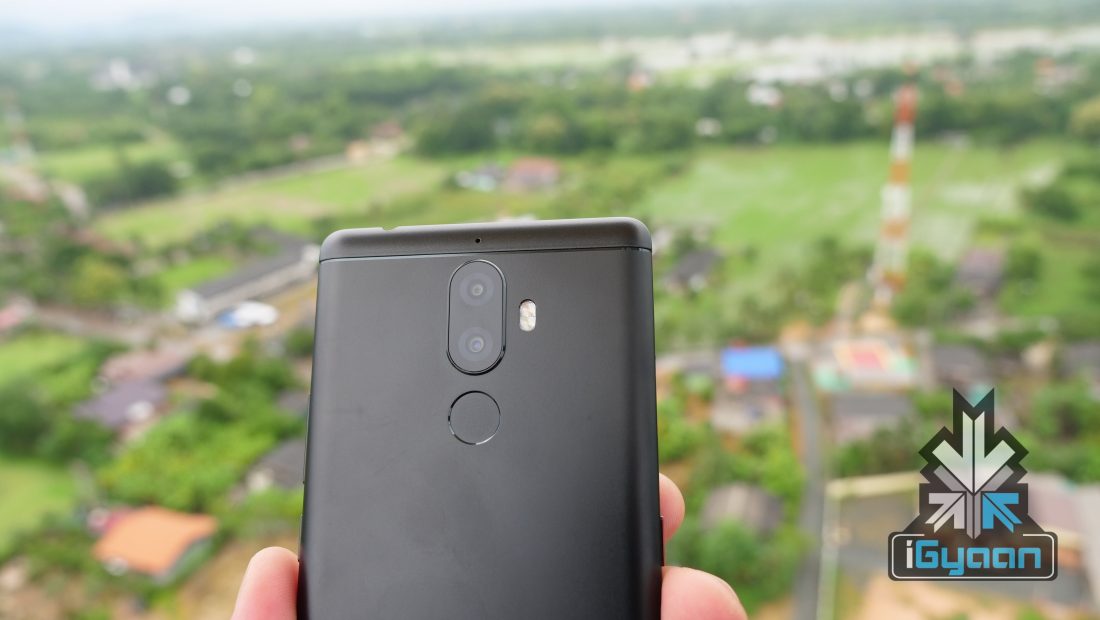
    The Lenovo K8 Note features a 5.5-inch 1920 x 1080 px display with a pixel density of 441ppi and a Corning Gorilla Glass with oleophobic coating for scratch and smudge resistance. The K8 Note is also splash resistant due to its P2i coating, although the resistance might decrease with time due to wear and tear of the nano coating. The fingerprint sensor sits at the back of the device under the cameras. The Lenovo K8 Note comes in two colours – Venom Black and Fine Gold.

    The phone features a deca core CPU, which manages to pull off day to day usage without lag, you also get quick multitasking and a responsive UI thanks to stock Android and ample amounts of RAM. The cameras also offer up a depth mode with a 13 MP + 5 MP combination allowing the user to simulate an f/1.2 aperture using the combination of light from both the cameras, blurring out the background of the subjects. This mode is great and the K8 Note is possibly the only device with this feature in the price bracket.

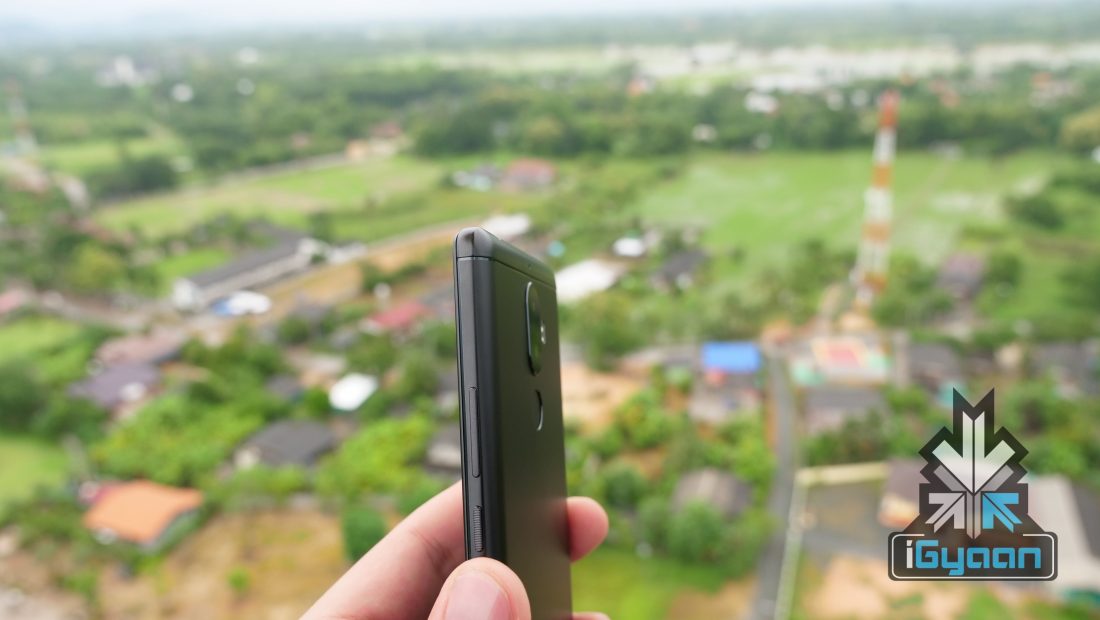
    The Lenovo K8 Note also features a unique customisable convenience key on the left of the device, designed to play and manage music, but can be assigned to launch an app or carry out a task online, even the painful Bixby button on the S8 and S8+ doesn’t do that.

    Take Part in our K8 Note Giveaway Below

    Lenovo K8 Note Giveaway

  • Lenovo Launches K8 Note In India Starting At Rs 12,999

    Lenovo Launches K8 Note In India Starting At Rs 12,999

    Lenovo has announced the newest entrant to its ‘K Note’ series, the K8 Note, at a price of Rs 12,999 for the 3GB RAM with 32GB storage and Rs 13,999 for the 4GB RAM with 64GB storage. The successor to the K6 Note was unveiled today in Delhi at a launch event which had been teased by Lenovo India on social media for the past couple of weeks.

    The Lenovo K8 Note packs the Helio X23 chipset with a 2.3GHz high-performing deca-core processor and the Mali T-880 MP4 GPU. The device has two variants – 3GB RAM with 32GB onboard storage and 4GB RAM with 64GB onboard storage which is expandable up to 128GB via a microSD card and features USB OTG support for added storage options. The phone features a 5.5-inch 1920 x 1080 px display with a pixel density of 441ppi and a Corning Gorilla Glass with oleophobic coating for scratch resistance. The smartphone is powered by a 4,000mAh battery with turbo charge. The K8 Note is splash resistant due to its P2i coating although the resistance might decrease with time due to wear and tear.

    ;

    The Camera is key for the new Lenovo K8 Note, with a 13Mp Pure cell sensor mated with a 5MP Samsung BSI sensor dual camera setup and dual LED flash at the back. The phone is capable of depth mode effects along with  1920 x 1080 px  Video capture. A 13MP camera with LED flash and an f/2.0 aperture sits on the front of the device above the display. The camera UI will also feature a stock android layout with no customisation offered by Lenovo apart from the depth mode.

    Lenovo has given a lot of importance to media consumption with a TheaterMax feature for content consumption via VR. The Dolby Atmos app lets you customise the music settings according to your preference when a pair of headphones is plugged in. The device has a dedicated music key on the left, under the SIM card and microSD card slots which can be programmed to launch an app and control music playback.

    Lenovo recently announced that it will drop Vibe Pure UI from all forthcoming devices and adopt a pure Android skin starting with the K8 Note. The phone runs on Android 7.1.1 out of the box with a clean stock Android UI, Lenovo has included the Lenovo Help App, along with basic features like double tap to wake and color modes for the display. The fingerprint sensor sits on the back of the phone under the dual camera setup , and is extremely responsive. Stay tuned for our unboxing.

  • Lenovo To Ship The K8 Note With Stock Android

    Lenovo To Ship The K8 Note With Stock Android

    Lenovo is gearing up for the launch of the K8 Note on August 9. The successor to the K6 Note will now run on stock Android as per Lenovo’s announcement. In addition to that, Lenovo will drop their custom skin Vibe Pure UI entirely and all future devices will feature stock Android OS. Lenovo has struggled to hit the ground running with its Vibe Pure UI in the past because of the inhibitions of a custom skin.

    Lenovo’s decision to move from Vibe Pure UI to stock Android OS is an attempt to remove bloatware and also push software updates quicker. The removal of bloatware is a welcome news for customers as nobody likes to have the pre-installed applications with no use than just takes up useful space on your device. Much like the Motorola devices, Lenovo phones will feature a few customisations such as Dolby Atmos and the TheaterMax.

    Lenovo has also stated that running stock Android will mean that the K8 Note users will receive the Android O update, although the timeline will vary as per chip manufacturer support, internal development and testing requirements. The introduction of pure Android OS means that the K8 Note and the subsequent Lenovo phones will also feature Google Assistant.

    The Lenovo K8 Note is rumoured to run on the MediaTek Helio X20 chipset with 4GB RAM and 32GB onboard storage. Along with the confirmed stock Android 7.1.1, the phone will feature a 5.5-inch display. The new device will be K6 Note’s India-exclusive successor and the rumoured specs surely back that up. It is also reported that the K8 Note will be manufactured at Lenovo’s Chennai-based plant.

    It’ll be interesting to see the bearing of stock Android OS on the K8 Note, which Lenovo claims will kill the ‘ordinary speed.’

  • Lenovo To Launch The ‘Killer’ K8 Note On 9th August

    Lenovo To Launch The ‘Killer’ K8 Note On 9th August

    Lenovo India has unveiled its next ‘killer’ smartphone, the Lenovo K8 Note. After recently showing up on a Geeksbench, Lenovo India has confirmed that the K8 Note will be the latest offering in the K Note series and will launch on August 9th.

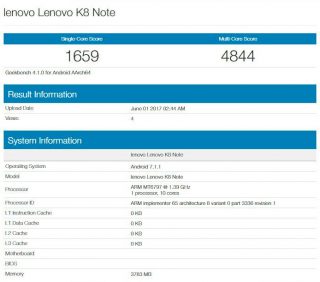
    The Geekbench stats show that the new K8 Note will run on Android Nougat 7.1.1 out of the box. Powering the device will be a deca-core MediaTekek Helio X20 processor and 4 GB of RAM. Other rumoured specs are a 5.5-inch display and 32 GB internal storage.

    The Lenovo Note series has been a budget offering of super fast devices and the K8 Note looks all set to continue the trend with the rumoured MediaTek Helio X20 chipset under the hood. Lenovo India itself has gone all out this time, teasing its followers that the new-age fast device will kill the ordinary speed. Lenovo India’s social media has been hard at work trending the #MyNeedForSpeed, encouraging people to choose their device for its lightning fast speed.

    Lenovo K6 Note was released back in December 2016 powered by a Qualcomm Snapdragon 430 chipset with 4GB of RAM and 32 GB of internal storage. The K6 Note was well-received for its pricing and performance. It was widely reported that the K7 Note will succeed the K6 Note but Lenovo seems to have dropped the idea because of the potential ‘Note 7’ reference. The K8 Note will be K6 Note’s India-exclusive successor and the rumoured specs surely back that up. It is also reported that the K8 Note will be manufactured at Lenovo’s Chennai-based plant.

    The Lenovo K8 Note seems to be the ideal successor of the snappy K6 Note if you go by the specs at least. We will hold our judgment and wait to get our hands on the device that will launch on August 9th in India. What are your thoughts on the new K8 Note? Let us know in the comments below.

    UPDATE – Lenovo has sent out press invites for the launch of the ‘killer’ K8 Note on 9th August at 11:30 am with the #KillerNote.

iGyaan Network
Privacy Overview

This website uses cookies so that we can provide you with the best user experience possible. Cookie information is stored in your browser and performs functions such as recognising you when you return to our website and helping our team to understand which sections of the website you find most interesting and useful.