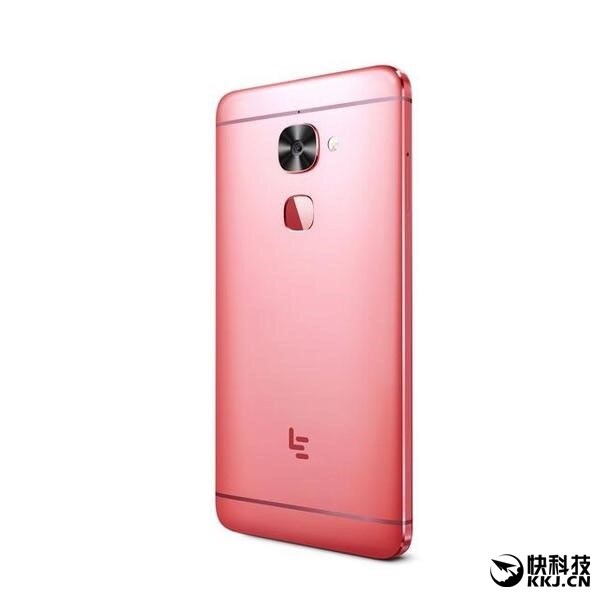
LeEco is not satisfied with providing 6 GB RAM and the company is working towards a phone with 8GB of LPDDR4 RAM. The Next flagship from the company is in works and will ship with latest Snapdragon 821 chipset.
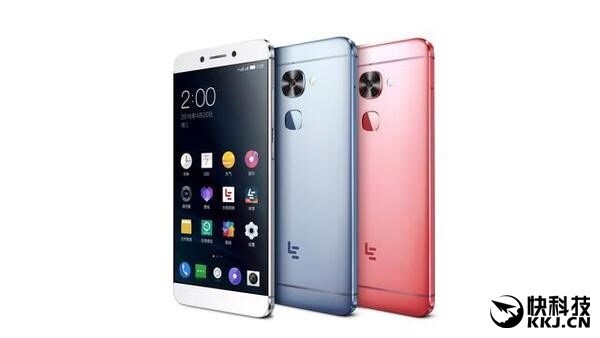
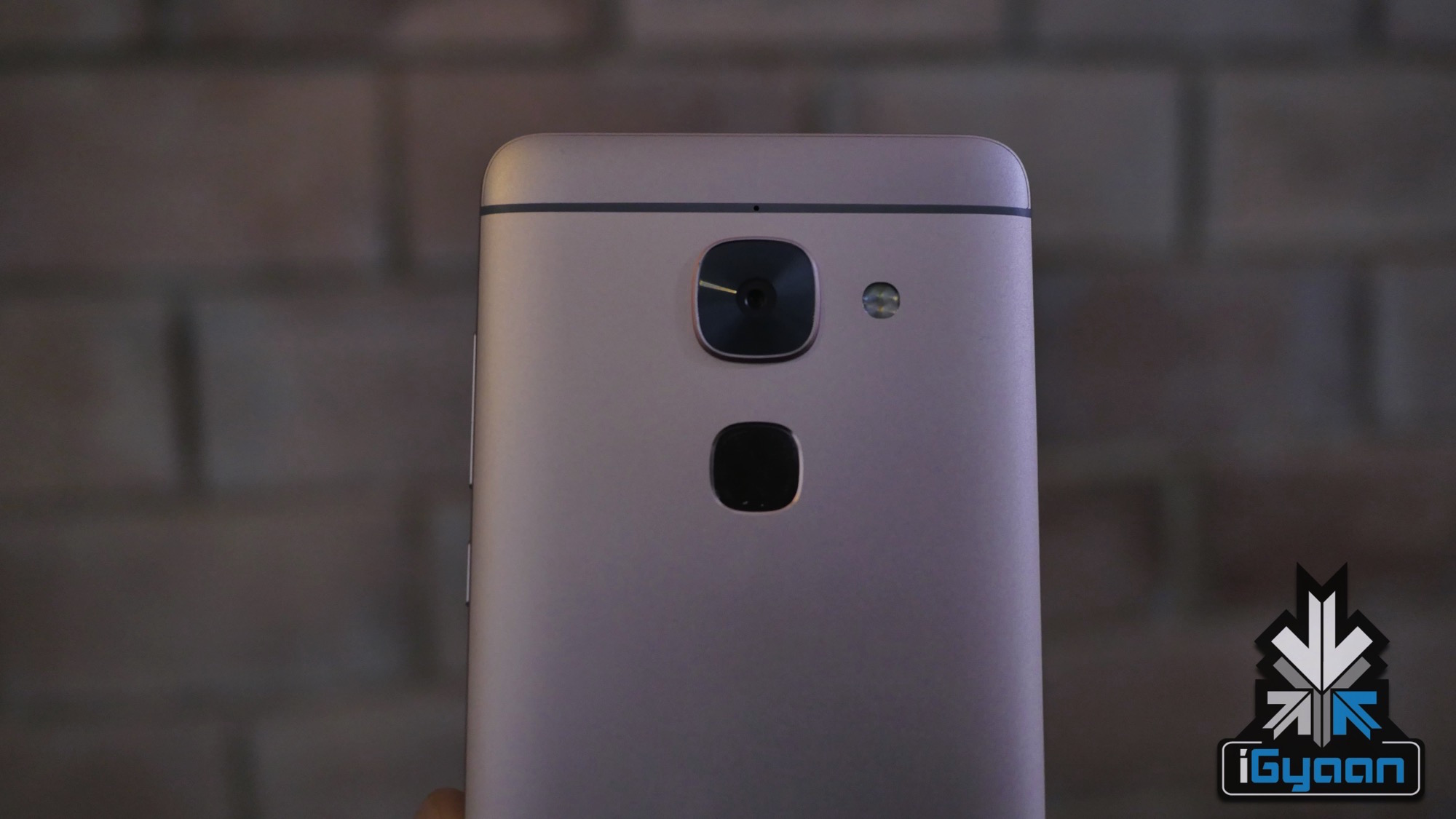
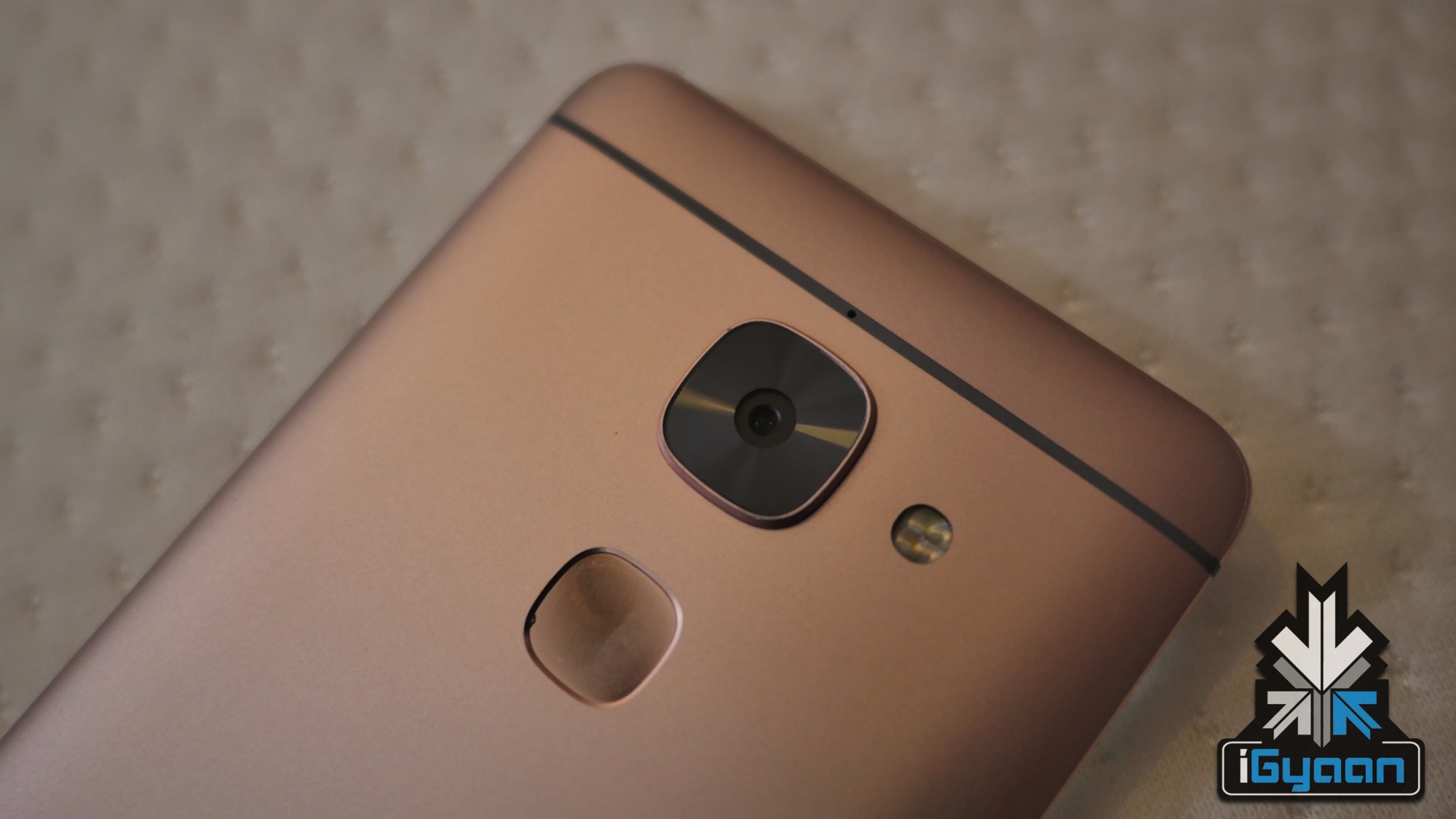
Seen here in three colours, the phone will be a beefier variant of the Le Max 2 and will also sport a few new key features. The phone is also reportedly going to have a 25 MP camera at a price of 3000 Yuan which is roughly Rs. 30500.
LeEco will launch this phone by August and bring it to India for around the same price bracket, giving users the option of a pro variant Le Max 2.
The spec wars are back, and this time around RAM seems to be the main target. With a lot of manufacturers already on ship with 6 GB of RAM. The Note 7 is also expected to sport 8 GB RAM.
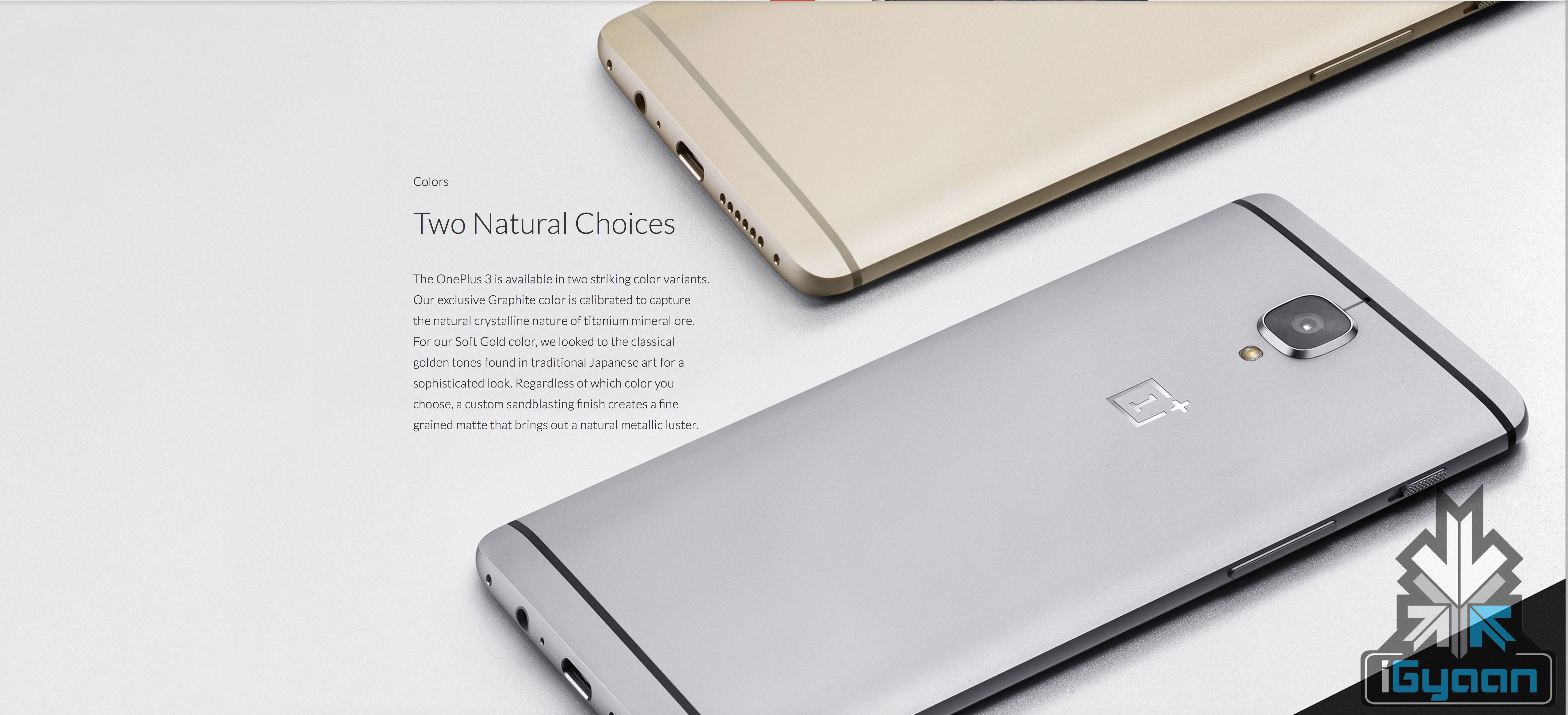
With the official launch of the OnePlus 3 out of the way it has really come to a point where we can discuss the two elephants in the room. The LeEco’s Le Max 2 and the OnePlus 3 share quite a lot of similarities. However, this time around OnePlus has stayed away from the Hype and launched the phone outright, no invite system and no dramas for flash sales.
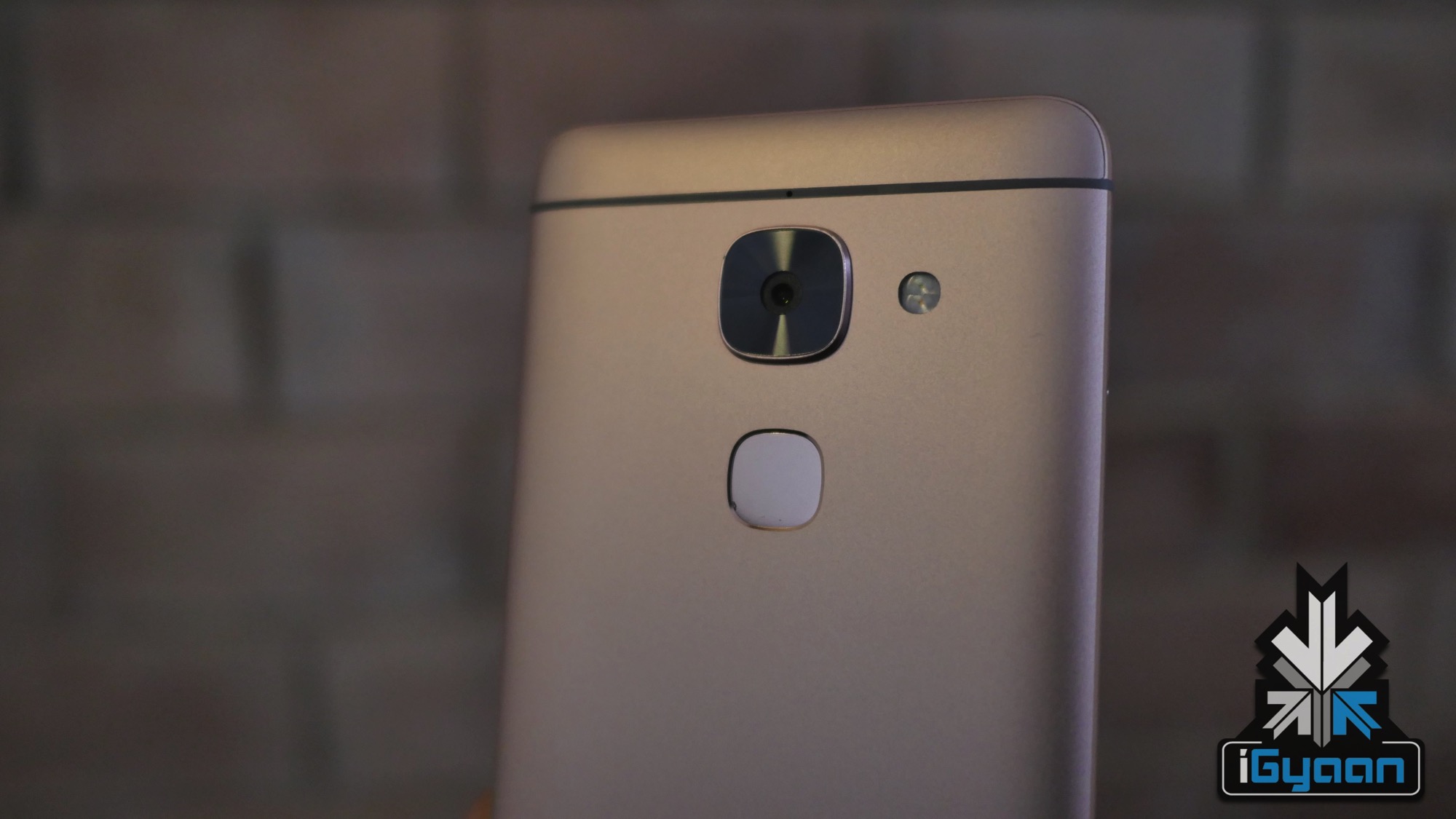
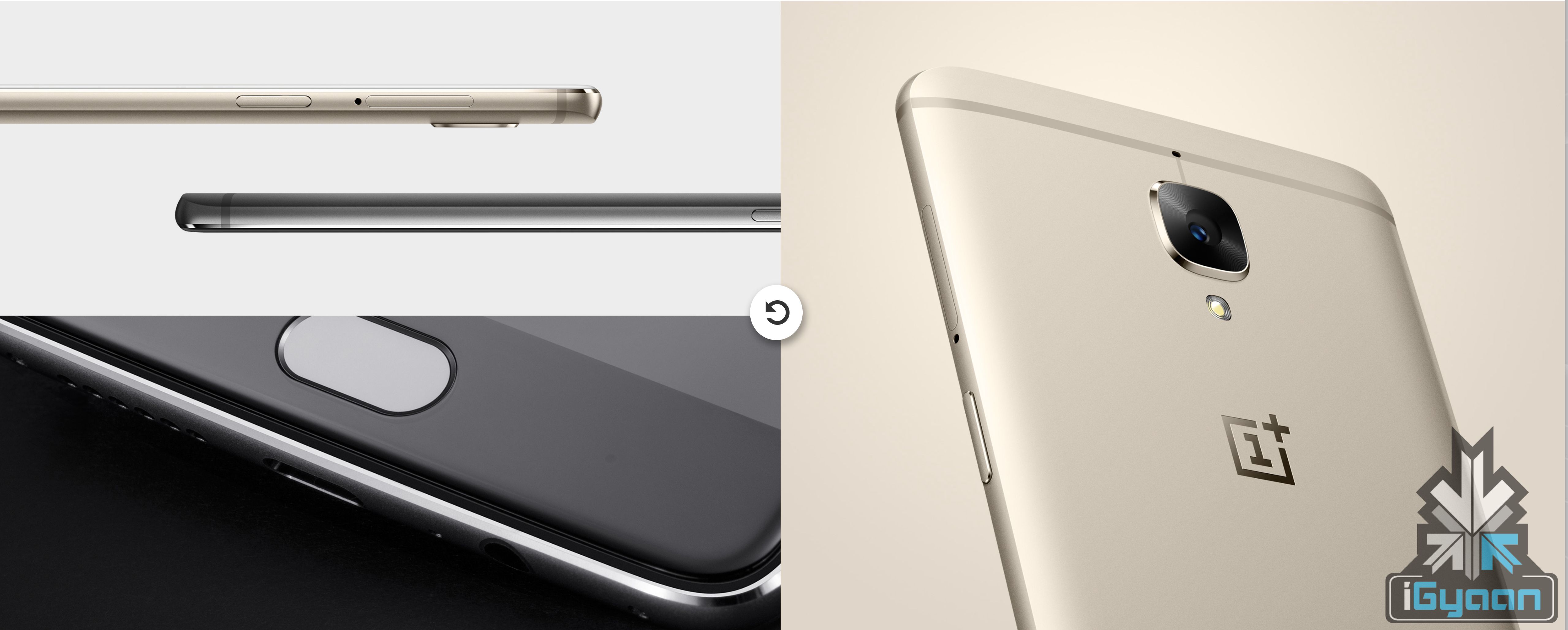
Both the OnePlus 3 and LeEco Le Max 2 have similar unibody metal designs, along with a camera module that sits slightly jutted out. The Le Max 2 has a fingerprint sensor on the back, whereas the OnePlus 3 keeps the sensor below the front display.
Major differences lie in the way the two companies have perceived their markets. While the OnePlus 3 will only be available for a price of Rs. 27999 for a 6GB RAM + 64 GB storage model, the LeEco Le Max 2 has two options Rs. 22999 for the 4GB or RAM and 32 GB Storage and Rs. 29999 for the 6GB RAM and 64 GB storage model.
The higher price on the LeEco Le Max 2 also gives you a higher resolution QHD display 2560 x 1440 pixels, the OnePlus 3 features a lower resolution 1920 x 1080p display however now has a AMOLED display, a tech they are calling Optic AMOLED.
The LeEco LeMax foregoes the 3.5mm headphone jack but does include a adapter inside the box. The OnePlus 3 still houses a 3.5mm headphone jack which means no finicky adapters. 7.99mm thickness for the LeEco Le Max 3, the OnePlus 3 keeps it slim with just 7.35 mm.
The cameras are another area that the LeEco LeMax has powers, with the 21MP rear snapper OIS, 6P Lens, f/2.0 Aperture, PDAF and Quick Focus. The OnePlus 3 keeps the rear camera at 16MP with a Sony sensor, you will still get OIS and EIS along with PDAF and an f/2.0 aperture. Both cameras will shoot 4k Video at 30fps. Both phones have similar 8MP front cameras however, the OnePlus 3 has a lower f/stop with an f/2.0 aperture vs the f/2.2 on the Le Max 2.
Both phones, have dual nano-SIM slots and run on Qualcomm Snapdragon 820 chipsets have LPDD4 RAM modules and UFS 2.0 storage. Both phones have their own prop quick charge technology LeCharge on Le Max 2 and DashCharge on the OnePlus 3, both offering similar speeds.
LeEco’s newest entrant has no 3.5 mm headphone jack but that does not stop it from getting all the attention especially because the phone has been launched for a price of Rs. 22999 which is roughly US $ 342.
The LeMax 2 will go on sale later this month and is expected to attract a lot of demand, especially because the price is slightly less than the price expectation of the OnePlus 3 which is expected to go on sale for Rs. 23999 for the same configuration of 4GB RAM plus 32GB of Storage.
The Le Max will be available in a larger 6GB RAM plus 64 GB Storage for a price of Rs 29999 roughly US $ 447. Which will co-incide with the OnePlus 3’s larger variant expected to launch for the same price. Watch our video below.
With the launch of LeEco’s new LeMax 2, a lot of people will be shifting their attention to this now new budget flagship handset from the Chinese manufacturer.
It offers up not only a big up on design and build considering an all Aluminum shell but also includes some amazing new features designed to woo the customer.
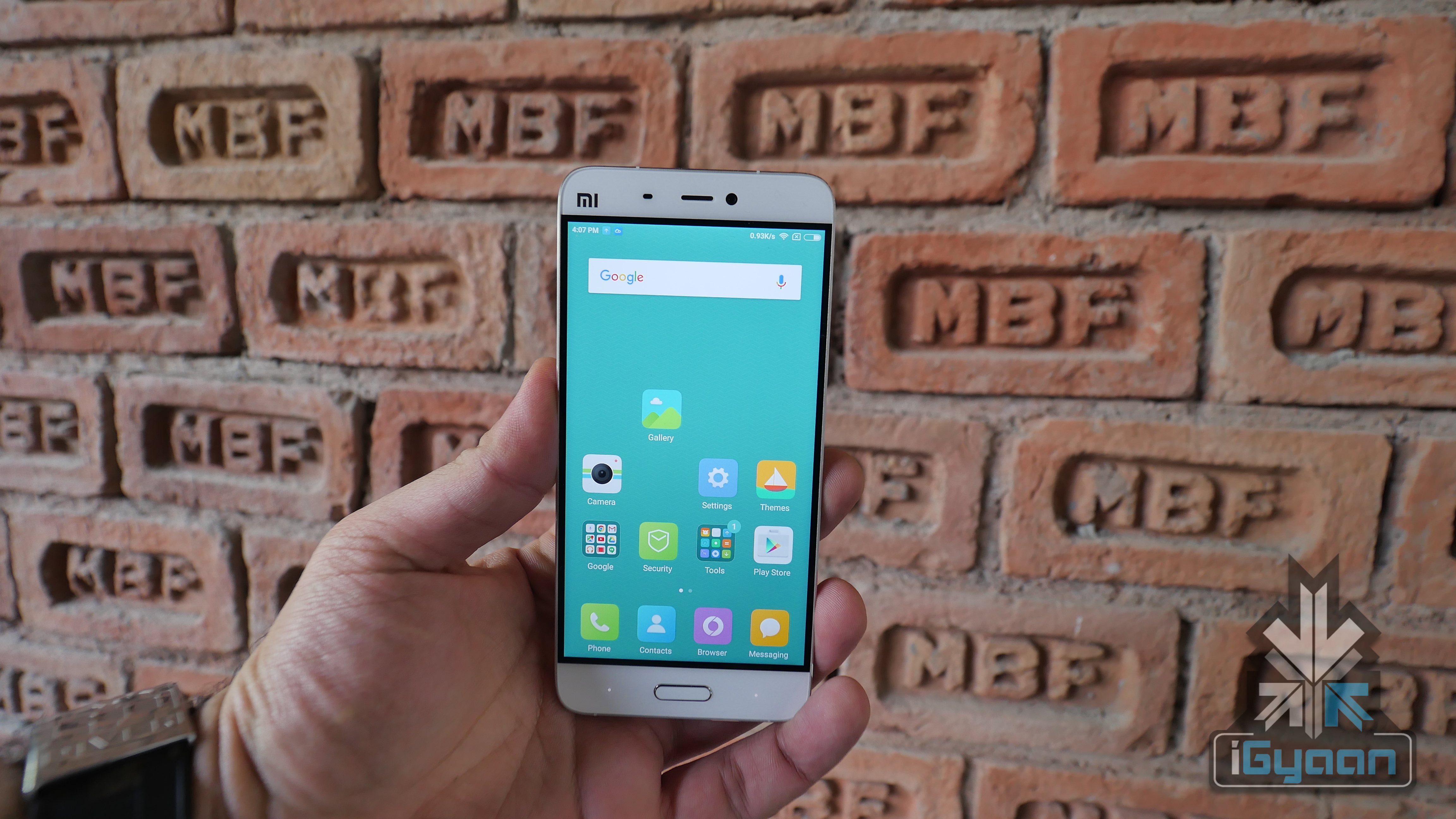
A QHD display means that the LeMax gets a 5.7 inch 2560 x 1440 pixels display which is a big up from the 5.15 inch 1920 x 1080p screen offered by Xiaomi but also matches the QHD display offered up by HTC.
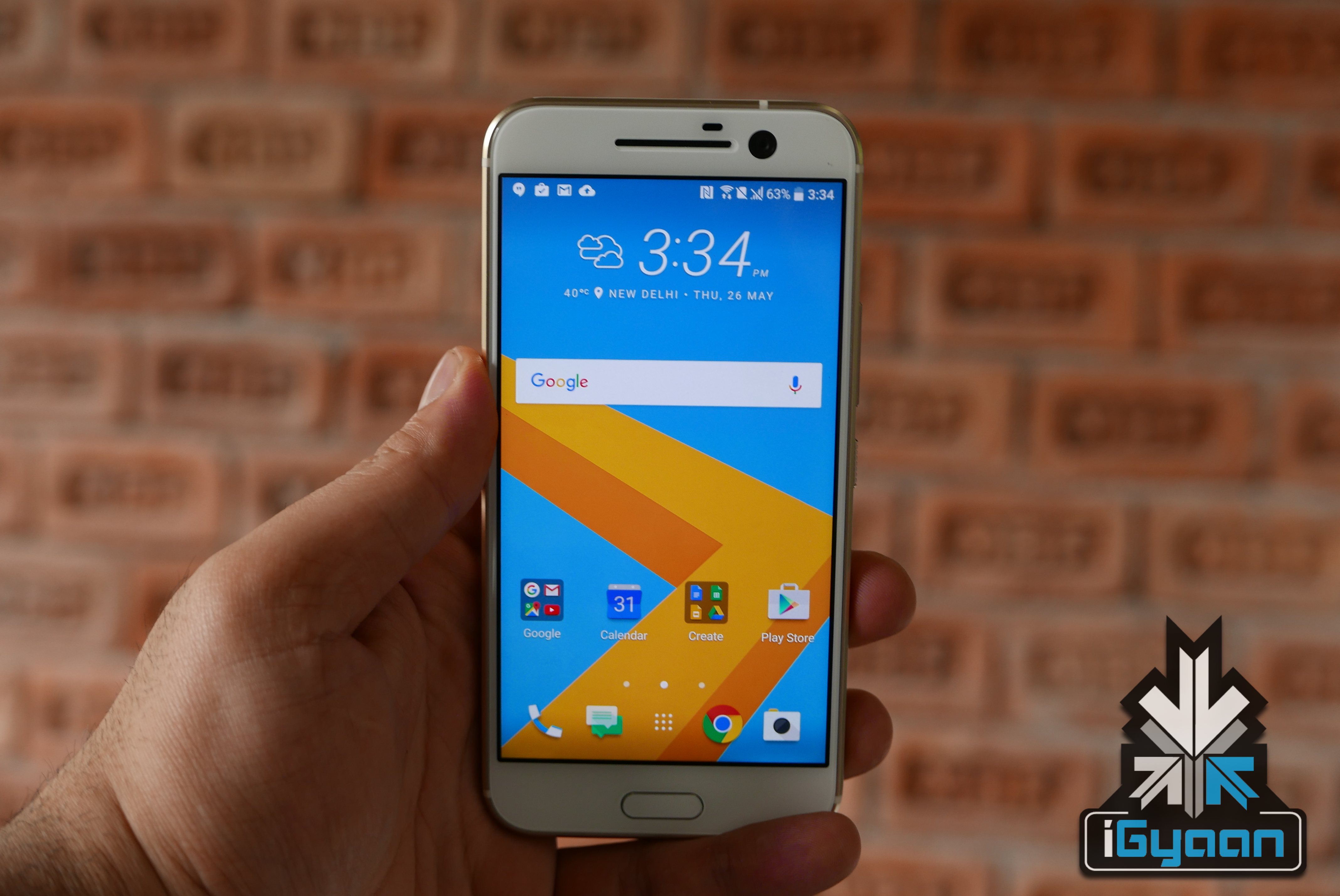
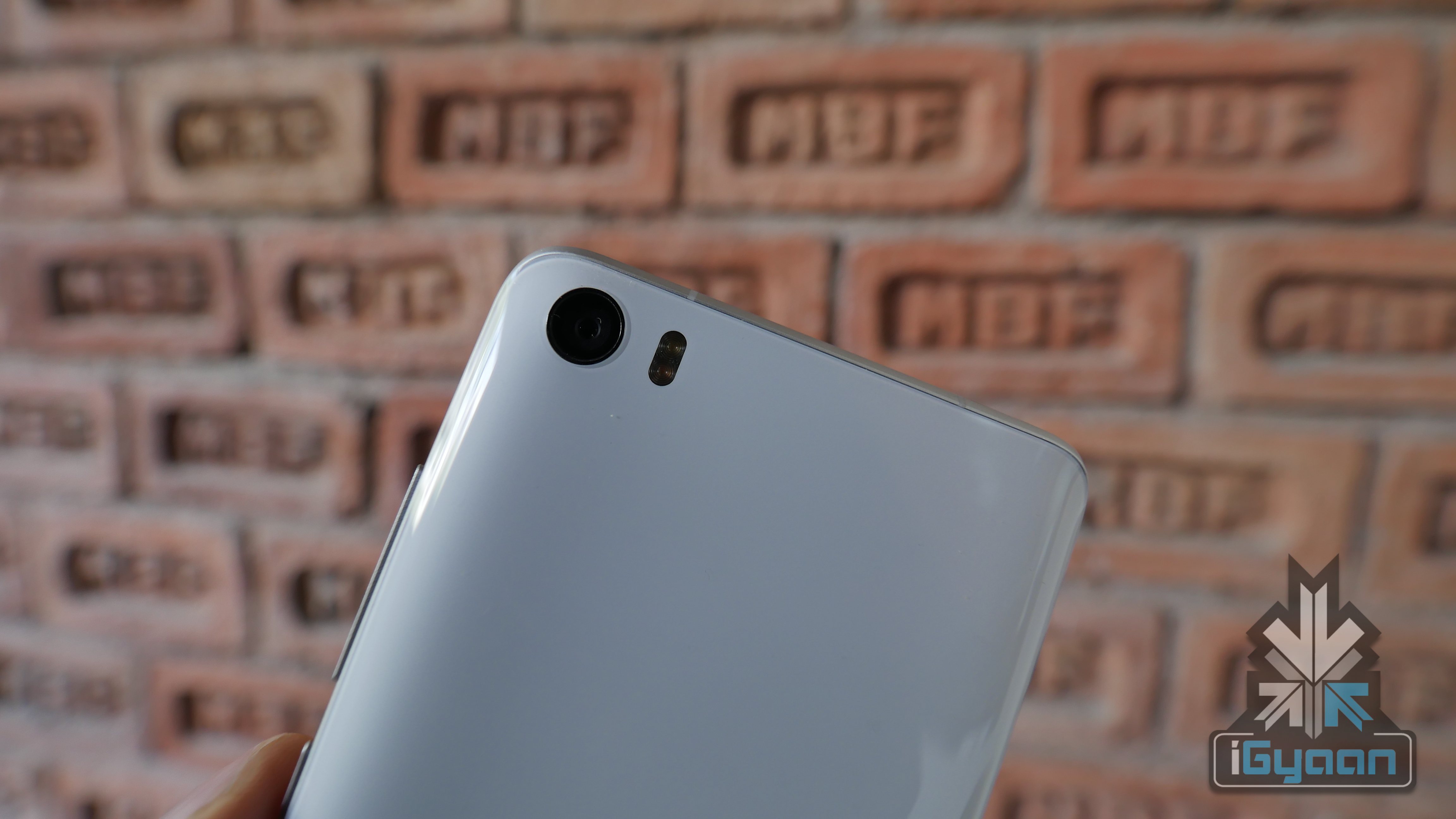
You also get a big up on the 21 MP camera sensor which does include OIS, however the Mi 5 features 4 axis OIS which means video is mostly wobble free. HTC 10 is the only one offering up OIS on the front and the back. The HTC 10 offers up the best low light performance with f1.8 cameras on front and back.
All three phones are running on the Snapdragon 820 chipset, with the Mi 5 offering up the Lowest 3 GB RAM vs the LeMax 2 and HTC 10 both of which offer 4 GB RAM. Storage is 32 GB for all three devices. All three phones also offer up a USB type C port for quick chage capability and identical 3000 mAh batteries, however, the LeMax 2 gets a 3100 mAh battery.
The LeEco Le Max 2 also is the only the support a CDLA* standard * Continual Digital Lossless Audio via USB type C, however, the HTC 10 does offer up Hi-Res audio with its built in DAC. the Le Max 2 is the only phone which misses out on a 3.5 mm headphone jack.
On paper in pure specs to price ratio the Le Max offers up a whole lot of specifications, for a price that is much lower than expected.
Specs
Mi 5
LeMax 2
HTC 10
Display
5.15 inches Full HD IPS Display
5.7 inch Quad HD 515ppi
5.2-inch, Quad HD, super LCD 5
Resolution
1920 x 1080p
2560 x 1440 pixels
2560 x 1440 pixels
Dimensions
144.6 x 69.2 x 7.3 mm
15.68 × 7.76 × 0.8 cm / 185 g
145.9 x 71.9 x 3.0 – 9.0 mm, 161g
Chip
Snapdragon 820 processor
Snapdragon 820 processor
Qualcomm Snapdragon 820
CPU
2.15 GHz Quad Core
2.15 GHz Quad Core
2.15 GHz Quad Core
GPU
Adreno 530
Adreno 530
Adreno 530
RAM
3GB LPDDR4
LPDDR4 4 GB / LPDDR4 6 GB
LPDDR4 4 GB
Storage
32GB flash storage UFS 2.0
32 GB UFS 2.0 / 64 GB UFS 2.0
32 GB UFS 2.0
Rear Camera
16 MP, f/2.0, phase detection autofocus 4k Video OIS