
Tag: medical

  • John Hopkins Creates Human ‘Mini-brains’ in Petridish

    John Hopkins Creates Human ‘Mini-brains’ in Petridish

    Researchers at Johns Hopkins Bloomberg School of Public Health have developed “minibrains”. Made up of human cells and neurons, these tiny brains are capable of imitating the human mind in functionality, while also possess the ability to be replicated manifold.

    Needless to say, this research is a breakthrough in the world of neuro-sciences with immense potential for the future. One of the direct consequences of this development is that hundreds and thousands of animals being used for testing can now be replaced with these cells. Not only is this welcomed news by the entire rodent-community, it also means more accurate research for humans.

    “Ninety-five percent of drugs that look promising when tested in animal models fail once they are tested in humans at great expense of time and money. While rodent models have been useful, we are not 150-pound rats. And even though we are not balls of cells either, you can often get much better information from these balls of cells than from rodents,” aptly puts study leader Thomas Hartung.

    These cells were created using a specific kind of protein called induced pluripotent stem cells (iPSCs). Along with proteins, cells from healthy adults form the composition of the mini-brains. In the future, the research also hopes to include cells from people with genetic disorders and specific genetic traits to create mini-brains. This would help with the study and treatment of diseases like Alzheimer’s, Parkinson’s, multiple sclerosis and maybe autism. At the same time, projects to study viral infections, trauma and stroke are already underway.Minibrains
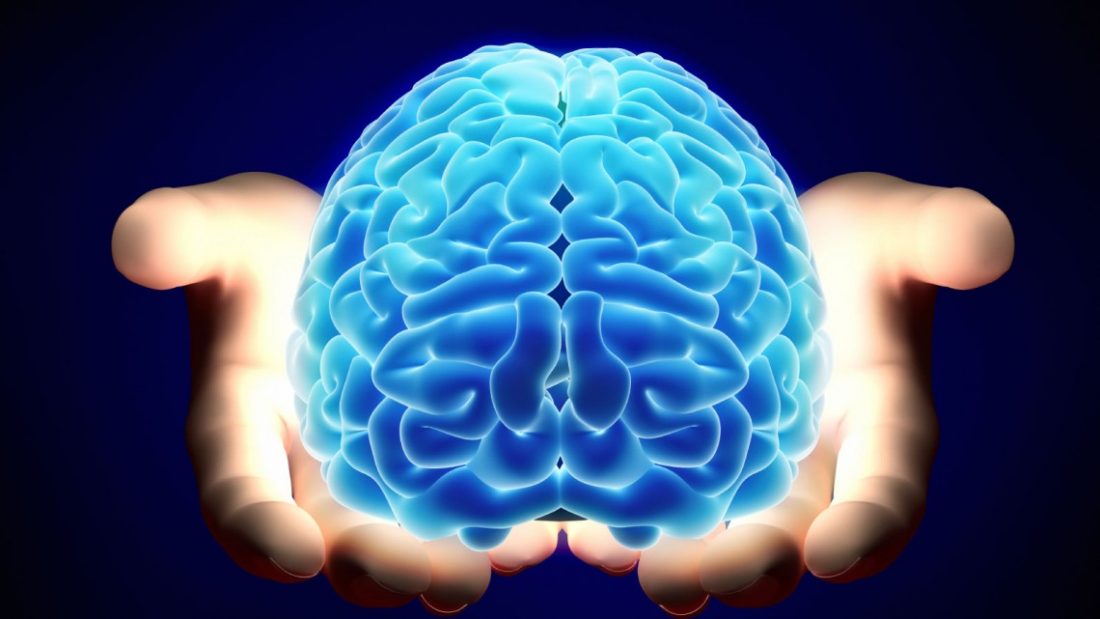
    The mini-brains measure a 350 micrometers in diameter and are visible to the naked human eye. Researchers claim they can grow a hundred of them in one petri-dish. Production for these mini-brains is expected to begin in 2016 and the researcher group hopes to see them in as many labs as possible.

    Source

  • These Tiny Swallowable Sensors Analyze Your Health From Inside

    These Tiny Swallowable Sensors Analyze Your Health From Inside

    A team of researchers at MIT have developed an ingestible sensor which will be able to assess your vital signs from inside the body. The sensor would pay special attention to the gastrointestinal tract while making both short and long term assessments easier for patients. Athletics and soldiers also stand to benefit from this new development in the realm of health related technology.

    The sensor sits inside an almond-sized silicone capsule. The method of using this sensor internally will be very helpful with trauma patients like burn victims. Even though measurement of vital signs has evolved and developed tremendously over the years with ECGs and electronic stethoscopes being two efficient examples, all these are wearables which require skin contact. But ingestible devices completely eliminate the need for external contact with the patient’s body.

    “What we did with our technology is identify components that were compatible with ingestion. These are very small microphones similar to the ones that are used in common cellphones and actually listen from within the body and [can] extract the heart rate and respiratory rate,” says a research affiliate at MIT’s Koch Institute for Integrative Cancer Research.

    The sensor works by picking up sound waves from both the heart as well as the lungs, along with the additional noise that comes from the digestive tract. The team overcame a major hurdle of devising a signal processing algorithm that can sieve and differentiate between the different kinds of noise and pay attention to the the heart beat and breathing.

    This received data can be transmitted over a distance of as far as three meters. Once ingested, the capsular sensor would stay within the system for about a day, or two. For patients that require long term treatment, they might need to ingest these sensors more than once over a fixed period of time.

    Image Source


iGyaan Network
Privacy Overview

This website uses cookies so that we can provide you with the best user experience possible. Cookie information is stored in your browser and performs functions such as recognising you when you return to our website and helping our team to understand which sections of the website you find most interesting and useful.