For $999, you can now know everything, and we mean every little thing about your genetics. This is possible through a consumer-friendly know-your-genome service brought to you by Veritas Genetics, that would detail your genetic makeup with a phone app and on-demand video calls with genetic counselors.
The company said a genome test is a one stop destination that will provide all the answers, essentially replacing every other type of genetic test. It will include all six billion letters of a person’s genome, analyzed by an algorithm to highlight medical predispositions. Users will be able to find out facts about their genetics that range from as silly as knowing the wetness or dryness of earwax to serious matters like whether they have “highly pathogenic germline mutations” that cause problems like malignant hyperthermia. They’ll also learn whether their genomes harbor cancerous genes, such as the BRCA breast cancer genes.
This service is particularly helpful as it provides you with all the facts for simply $999 while many genetic tests, like those for cancer risk, are carried out separately and can cost anywhere between a few hundred to a few thousand dollars each.
The company’s service could attract some trouble from the U.S. Food and Drug Administration. In an interview, Veritas CEO and cofounder Mirza Cifric said that genome data isn’t a substitute for a diagnosis by a doctor. Moreover, this test isn’t based on exact science and is mainly one that will provide logical facts rather than conclusive facts.“It’s a screening test, it’s not diagnostic,” says Cifric.
Veritas will first collect blood or spit samples from April and will reveal the first results by June, according to Cifric. Its app will include a share button that will allow consumers to share DNA information with a coach or trainer.
The app isn’t completely a “direct-to-consumer” service. A doctor will still have to order the test, and customers will undergo a genetic counseling session on the phone or through the app. involving a doctor means Veritas can dodge FDA regulations on “direct-to-consumer” services.
The service also begs the question as to how Veritas will generate a profit at such low prices. “We are going to do it without losing money,” Cifric promises. He says, for example, that Veritas might earn additional revenue charging customers $100 or more for additional genetic counseling sessions.
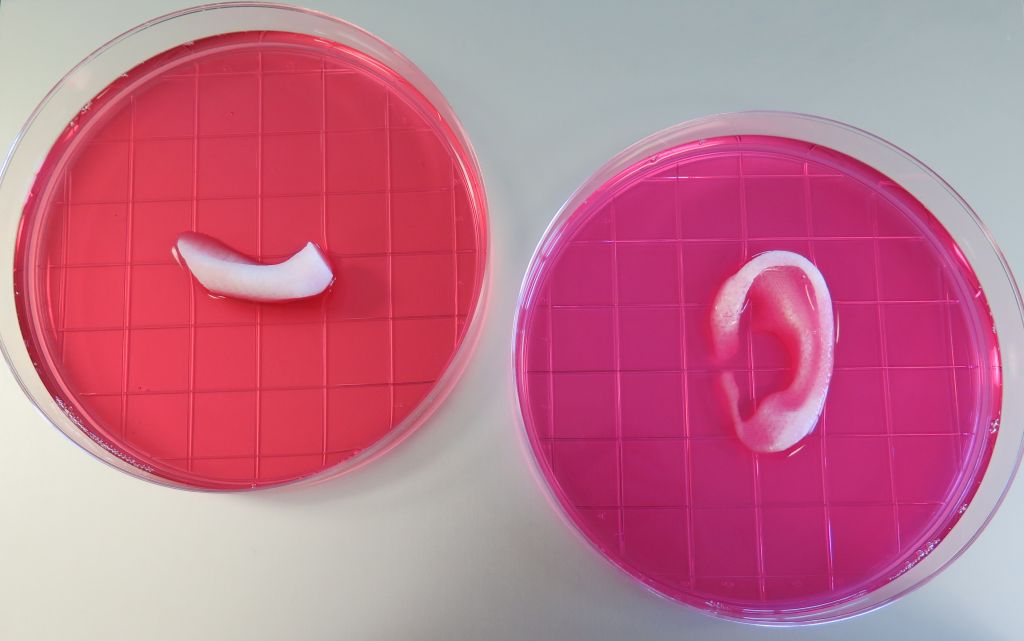
The unthinkable has happened. Researchers have managed to develop a 3D printer that is capable of bioprinting tissues to be used in transplants. These transplants can include muscle, bone, cartilage and even an entire human ear, which is precisely what the team has achieved.
The study has been published by researchers at Wake Forest Institute for Regenerative Medicine and has provided modern medicine with a 3D printer called the integrated tissue-organ printer (ITOP). It is the first of its kind printer capable of printing human-scale tissue constructs.
Even though the technology has still not been tested on humans, the team has tried it with lab rats where 3D printed tissues were attached to them. These tissues included bioprinted bone tissue which were then analysed after a period of 5 months. It was discovered at the end of the set duration that the implants were completely free of necrosis, while also showing presence of new vascularised tissue.
This incredible development has ushered in endless possibilities for people requiring muscle repair treatment post accidents or diseases. Even though currently the study is only in its nascent stages, it has some big achievements to its credit. We can only hope for the progress graph to move upwards from here.
A new research to come out of Wyss Institute for Biologically Inspired Engineering at Harvard University and the Harvard John A. Paulson School of Engineering and Applied Sciences (SEAS) suggests that mechanical stimulation will one day be able to help with muscle repair.
The study, published in the Proceedings of the National Academy of Sciences. recently, shows skeletal muscle regeneration can be promoted in this manner. It could improve upon the current practices, or perhaps replace them entirely in the future if the method is adopted successfully.
“The results of our new study demonstrate how direct physical and mechanical intervention can impact biological processes and can potentially be exploited to improve clinical outcomes,” says David Mooney, a member of the team that is carrying out the study.
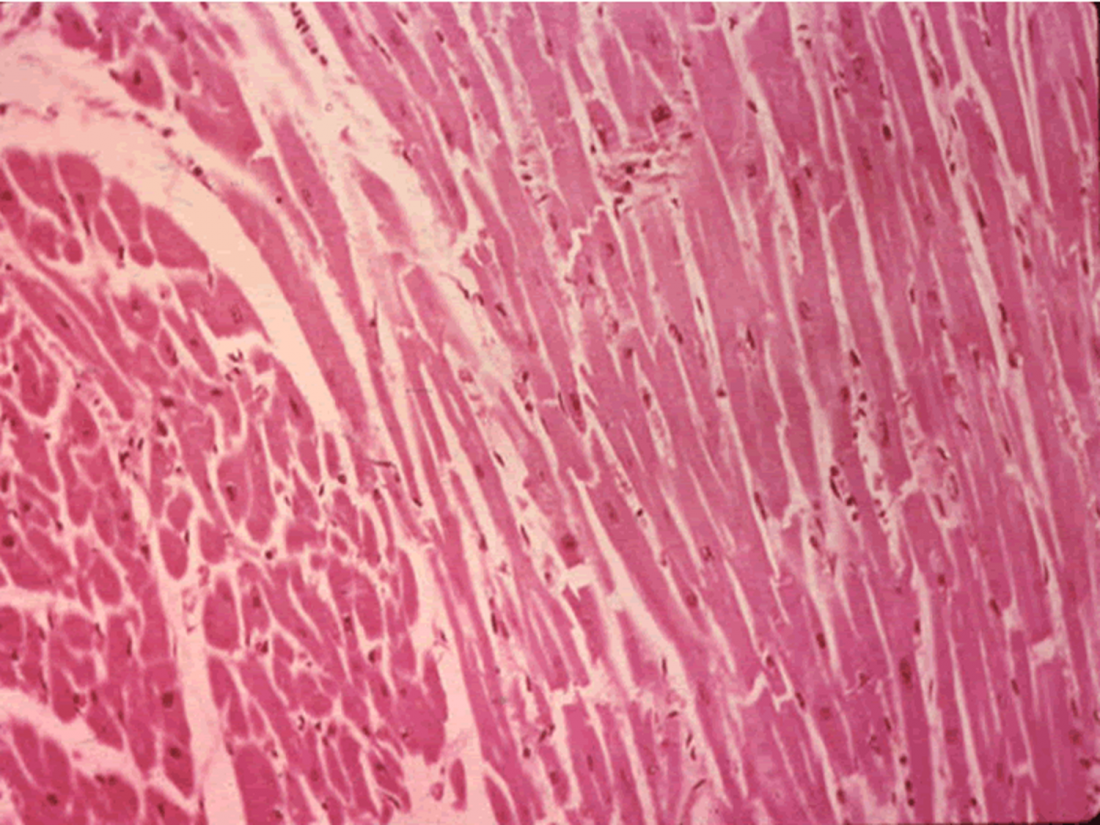
Half of the human body is made up of skeletal muscle which is capable of repairing itself in case of minor injuries. However severe trauma to the body as a result of accidents requires some sort of muscle regeneration which the body is often unable to provide on its own. This is where research like the mechanical stimulation of this specific process becomes relevant.
The method was tested upon two separate groups of mice. While one was provided with magnetized gel to be in direct contact with the damaged tissue, the other group was only given a robotic, pressurized cuff placed over the damaged part in a non-invasive manner.
The gel was exposed to magnetic pulses to bring about regular stimulation to the muscle. The robotic cuffs on the other hand were provided with pulses of air to regularly massage the required part. Over a period of two weeks, the results turned out to be markedly different.
There was a 2.5-times improvement in muscle regeneration and reduced tissue damage in the group which was provided mechanical stimulation. The reason behind this is that oxygen, fluids and important nutrients get transported to the injured regions as a result of direct stimulation and therefore help with muscle repair.
“This work clearly demonstrates that mechanical forces are as important biological regulators as chemicals and genes, and it shows the immense potential of developing mechanotherapies to treat injury and disease,” says Donald Ingber, a leading name in the field of mechanobiology.
According to a report published on Tuesday at University of Melbourne, researchers in Australia may have developed a device, not bigger than a matchstick, that could help victims of spinal injury immensely. The device would make use of thoughts to help control bionic limbs or exoskeleton, and therefore employ neuro-motor rehabilitation.
The stent-electrode recording array or stentrode would be made part of blood-vessels inside the brain. Using this stentrode, thoughts would be converted into electrical commands that could be used in moving the bionic limbs, which are otherwise controlled manually with a joystick.
The research is the result of a collaboration between the Royal Melbourne Hospital, the Florey Institute of Neuroscience and Mental Health, and the University of Melbourne. The team put the current device through numerous design changes before a final design was finalised suitable to be positioned inside a blood-vessel measuring no more than one millimeter.
Paralysis is not the only physical condition this stentrode could be used in. Epilepsy and predictions of epileptic attacks in patients could also be treated using it. A foreseeable hindrance in the application of this tech would be tutoring the patients in using it.
“With our device, you’ve essentially connected an electronic limb to the patient’s brain, but they have to learn how to use it,” says Thomas Oxley, a neurologist at the Royal Melbourne Hospital. The stentrode should be available for use by 2022 and is expected to cost close to $10,500 to $14,000.
Nanotechnology is the study and use of incredibly small components and structures. The word small is an over-estimation -these components are no more than 2 nanometres (the width of a strand of DNA), or 50 thousand times smaller than human hair. Yes, we are talking tiny.
Needless to say, it is one of the most interesting things about the world of tech and holds immense promise for the future. However, there is a flipside to it -the line between harvesting the enormous power of nanotechnology and letting it overcome humanity is thin and easy to blur. This notion has been explored deeply in video games, art, and has begun to spark off debates in real life lately. Here’s a quick look at some of them.
Nanotech in Film
One of the most recent examples of nanotech in cinema is the 2014 animated film Big Hero 6. The 14-year old protagonist of the movie, Hiro, presents his little army of microbots at the science fair of the robotics centre of the university his elder brother, Tadashi, wants him enrolled in. Thus begins a series of extremely unexpected events, to say the least. The plot of the film centres around microbots which Hiro had initially made for his science project, but now in the wrong hands -they have the potential of wreaking havoc all over, which is precisely what the antagonist aims to do.
List of other movies to have used nanotech is endless, but some of the most famous names include i, Robot, Terminator and Transcendence. These films show the effects of nanotech, being used judiciously, as well as gone terribly wrong.
Nanotech in TV
Sketch of a Nanite
The 2012 TV show Revolution uses the idea of nanotechnology and spins its plot around nano-bots called Nanites in the show. The setting of Revolution is a post-apocalyptic, dystopian 2027, a world which has been engulfed in darkness post a global electricity blackout in 2012.
The Nanites have only two functions -to absorb electrical energy, and to replicate it. The former activity led to the artificially-created ‘Blackout’, thereby making Nanites solely responsible for the current order of things in the show. Furthermore, the Nanites are also capable of performing various medical functions -from curing cancer to repairing damaged lung tissue.
Nanotech in Video GamesIn Metal Gear Solid 4, PMC soldiers are equipped with nanomachines that enhance their abilities on the battlefield. The nanomachines form an integrated network called “Sons of the Patriots” which ensures delivery of drugs like adrenaline, and nutrients to the required body part of the soldier. Additionally, the nanocarriers also provide information about the physiological characteristics of the soldiers’ bodies including their heart-rate, body temperature, blood pressure and injuries, enabling the commanders to make an efficient and informed choice about their plan of attack.
The storyline of the game is interesting because it comes very close to what we have been up to with nanotech in real life. Metal Gear Solid straddles sci-fi with real-world nanotech and makes the game a fun experience. Another fantastic game to make use of nanotech is Crysis. Check it out below.
Nanotech in MedicineJust last year Harvard released a research about an electronic device that can be injected directly into the brain. Connecting it to a monitor ensures nano view of the brain, enabling the doctor to keep a track of neural activity. This, in turn, is capable of helping with treatment of neurogenerative disorders as well as diseases like paralysis.
Nanotech has been used in the past to treat diseases by targeting symptoms and the affected area within the body itself. Target treatment for diseases like cancer has been made successful using nano-tech where the medicine is delivered directly to the infected region using nanocarriers, thereby reducing contact with adjacent regions and the consequent side-effects.
Conclusion The origin of nanotech goes back to 1959 when Professor Richard Feynman spoke about using matter on a very small scale.
“It is a staggeringly small world that is below. In the year 2000, when they look back at this age, they will wonder why it was not until the year 1960 that anybody began seriously to move in this direction.” – Richard Feynman
And now over half a century later, here we are, with another name added to the list of human activities threatening our existence. As nanobots are developed that could live in the bloodstream of soldiers, as has already been seen in popular culture art and video games, could nanotech be the future of violence? Perhaps only time will tell.
Would you allow these tiny nanobots in your bloodstream?
While paranoid sceptics struggle with the notion of Artificial Intelligence, Transhumanism and now nanotechnology ending mankind as we know it -what do you think -does nanotech positively hold the answers to a better future or could it be a factor that wipes out the human race?





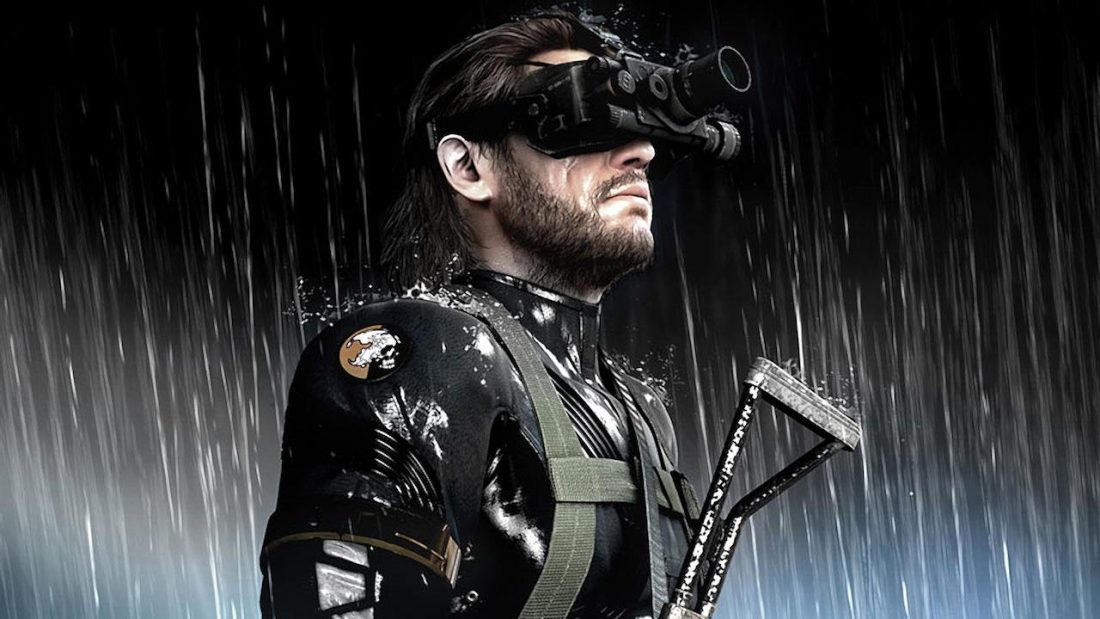 In Metal Gear Solid 4, PM
 Just last year Harvard released a research about an electronic device that can be injected directly into the brain. Connecting it to a monitor ensures nano view of the brain, enabling the doctor to keep a track of neural activity. This, in turn, is capable of helping with treatment of neurogenerative disorders as well as diseases like paralysis.