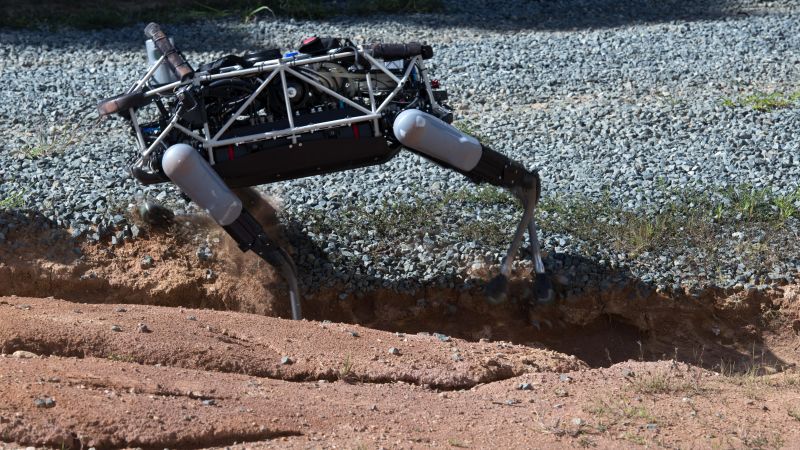
The military is always coming up with new things to help their combat strategy. Recently we heard of various countries such as China, Japan and the USA creating robot dogs to help in combat. Meanwhile, Boston Dynamics has created Spot. Who is Spot? Spot is a robo-dog who is very different from his contemporaries. He’s said to be ‘tinier’, and a more ‘agile iteration’ of his predecessors.
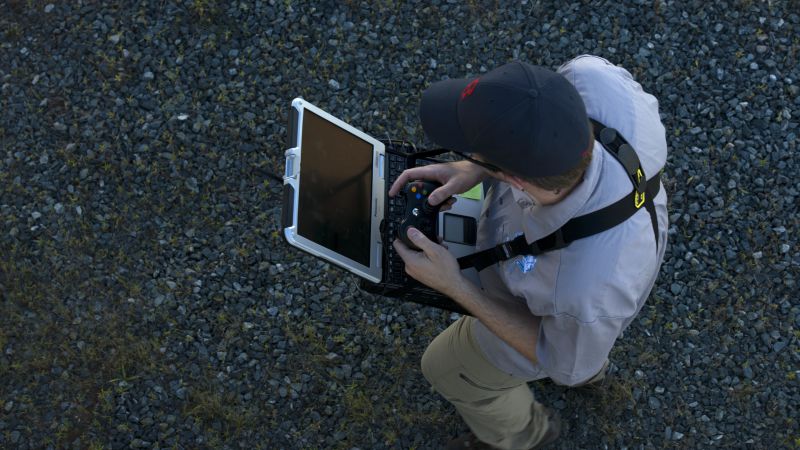
Spot weighs 160 pounds, is hydraulically actuated with a sensor on its nose to help in navigation and is controlled by a laptop-connected game controller, which can be used by a hidden operator up to 1,600 feet away. This robo-canine is not too new, as he was unveiled in February 2015, however, reports suggest that last week it was put through a series of simulated combat scenes ranging from forests to urban fighting situations.
These tests have been conducted by the Defense Advanced Research Projects Agency (DARPA) and the Marine Corps Warfighting Lab. Spot is now being experimented with, by putting him in situations which would otherwise use real dogs or people. If successful, robo-dogs like Spot could make a difference in the infantry with their abilities of being able to ‘clear rooms and scout for threats.’
Watch the video below and let us know what you think of this new development:
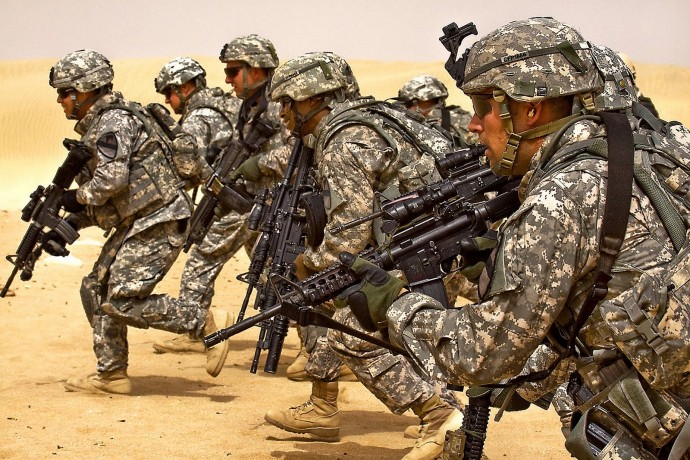
Technology plays a crucial role in today’s military weapons and is advancing at a good speed. Military weapons are not only limited to lightweight uniforms, arms and night goggles, mind blowing advancements today in military tech has produced products that we thought to be as fiction ten years ago.
We will look at some of the greatest improvements that today’s military warfare has adopted and can change the face of war:
Wearable Robots
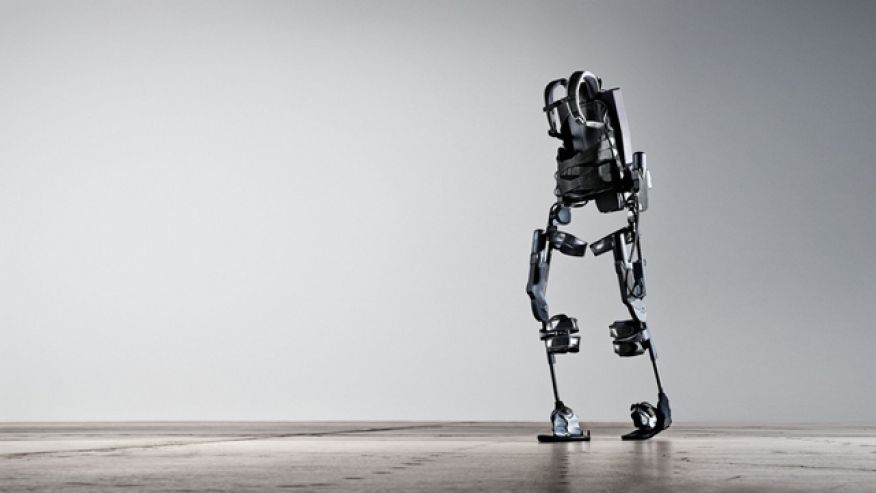
In 2014, DARPA (Defence Advanced Research Projects Agency), an agency of the U.S. Department of Defence responsible for the development of emerging technologies for use by the military, developed wearable robots. A wearable robot is a mechatronic system that is designed to the shape and function of the human body, with segments and joints corresponding to those of the person it is externally coupled with. This exoskeleton enables a soldier to carry heavy objects weighing more than 100 kgs while running or climbing stairs, with ease. It also allows the wearer to wield heavier weaponry. The exoskeletons use a hydraulic system that is controlled by an on-board computer.
Smart Bullets
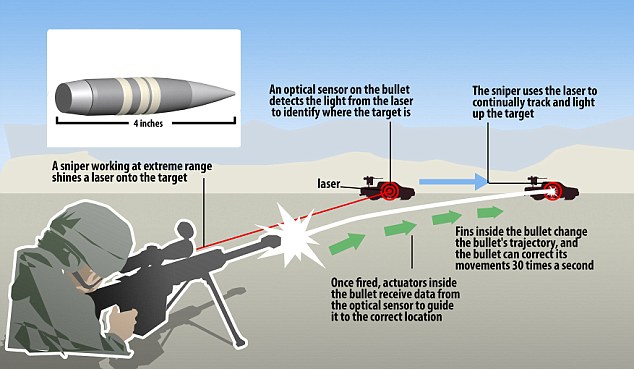
Very soon, the phrase ‘dodging the bullet’ will be termed as void, as the US military has made significant progress in its effort to develop self-guiding missiles. Initially, the program, Extreme Accuracy Tasked Ordnance program, known as EXACTO, was started by DARPA that worked on the continuous guidance of a bullet to its target.
.50 caliber bullets were fitted with optical sensors and were able to hit moving targets with extreme accuracy during a live-fire demonstration. DARPA says the goal of the EXACTO program is to give shooters accuracy for hitting their mark at greater distances and engaging the targets sooner, thus enhancing the safety of its troops.
Phantom Drone
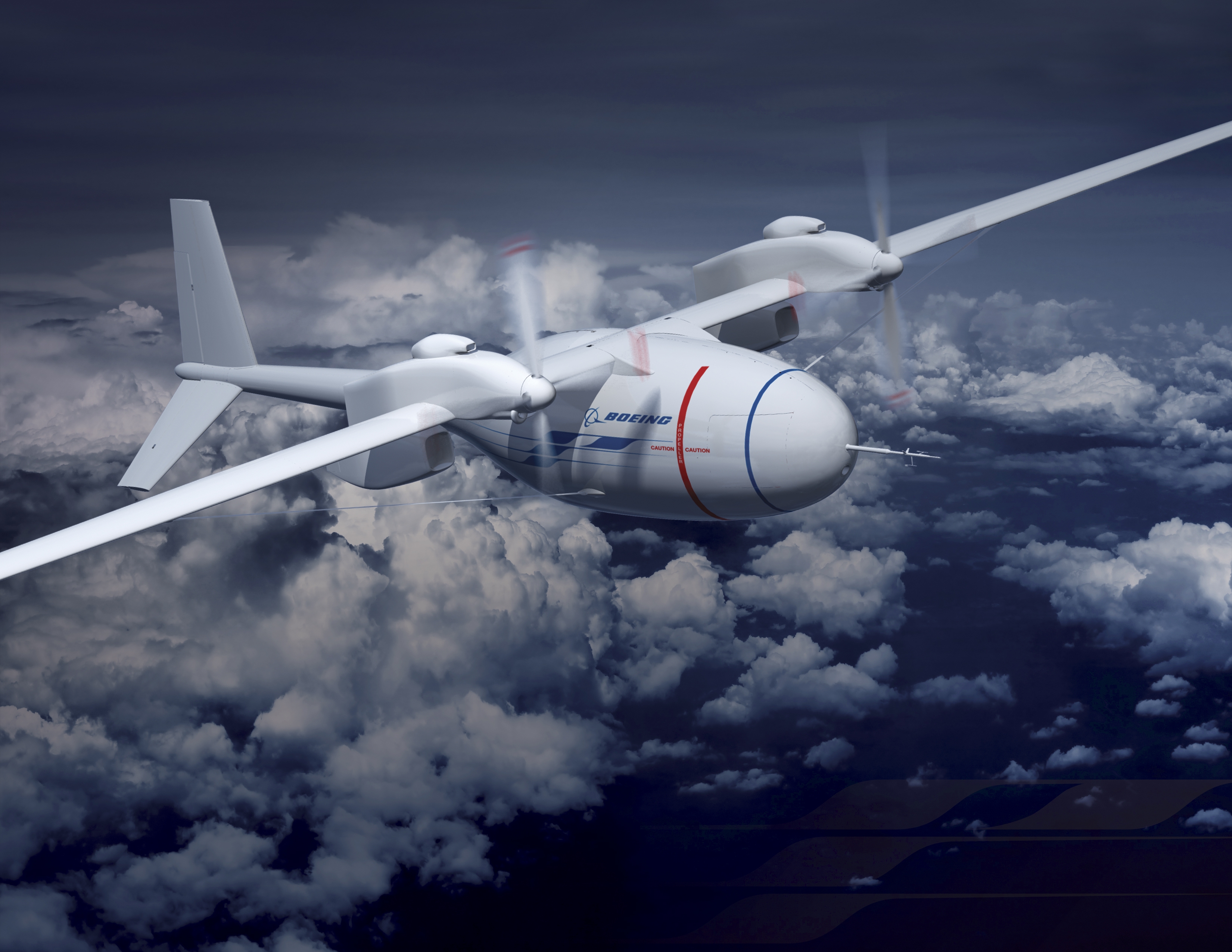
The Phantom Eye drone, developed by Boeing, is a liquid hydrogen-fueled aircraft system that is capable of staying 65,000 feet up in the air for four days and carries a weight of 450 pounds. Boeing also released a larger version of the Phantom Eye that can stay up in the air for ten days and ship 2,000 pounds.
The Phantom Eye first completed its 80-hour test flight on March 2010. Its primary role is providing airborne intelligence, surveillance and reconnaissance capabilities to support a variety of missions. But, lately, it is being used by the US Navy as a communications relay.
Fly-by-wire technology
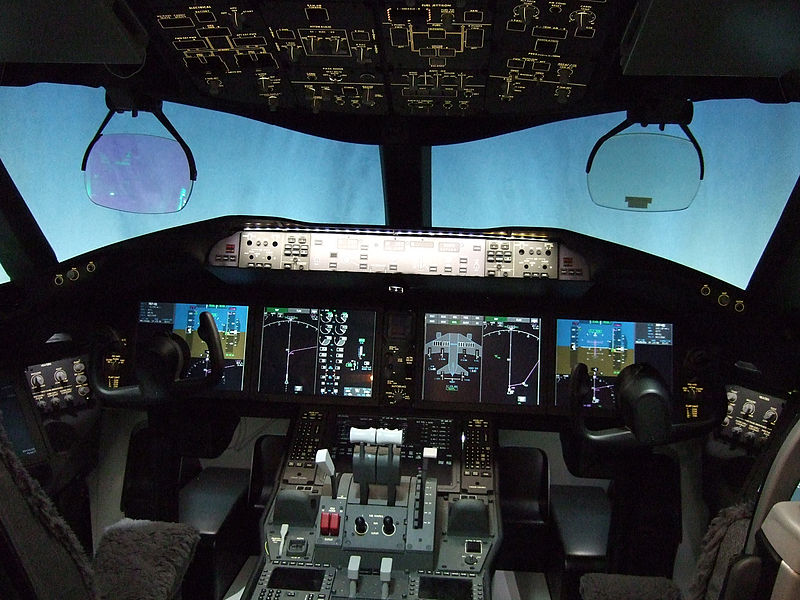
Fly-by-wire technology is a technology that allows the plane to go to ‘Auto-Pilot’ mode. In simple words, the pilot’s instructions or inputs from the cockpit are relayed by an electric wire to an electric motor that moves the control surface. Major advantages of the electrical systems are lighter weight, less complexity, and easier maintenance, all of which ultimately reduced the airplane’s operating costs. Many catastrophic accidents throughout aviation history resulted from the lack of safeguards ready for any situation, and today’s effective safety and reliability statistics are proof of the advanced technology represented in fly-by-wire digital flight control systems.
Electronic Warfare
Electromagnetic Pulse Grenade
Communication plays the greatest role during a war. To weaken your enemy, you must first take down their eyes and ears, that is, communication servers and relays. The US army is on its way to developing the technology that can target specific areas and knock out enemy communication. The best example for this is electromagnetic pulse grenades and small signal jammers used by various military aircrafts.