Tag: money

  • 5 Internet Hacking Operations that Shook the World

    5 Internet Hacking Operations that Shook the World

    Internet warfare and cyber espionage has been going on for a while now. Hackers breaking into secret government records, swindling banks off their money or just simply having a laugh on the internet is something not unheard of at all in contemporary times. Therefore it’s only natural that we talk about some of the most well-executed hacks that made the world sit-up and listen.

    1. First Worm on the Internet (1990):

    I only wanted to see the size of the web -is what Robert Morris said in 1988 when he was caught for creating what would be known as the first worm on the Internet. He tried hiding his online trail by releasing the worm from MIT, instead of Cornell where he was a student.

    A design flaw ensured that the worm replicated itself in way larger numbers than Morris had planned or expected, until it had caused significant and noticeable damage to confidential files all over the country.
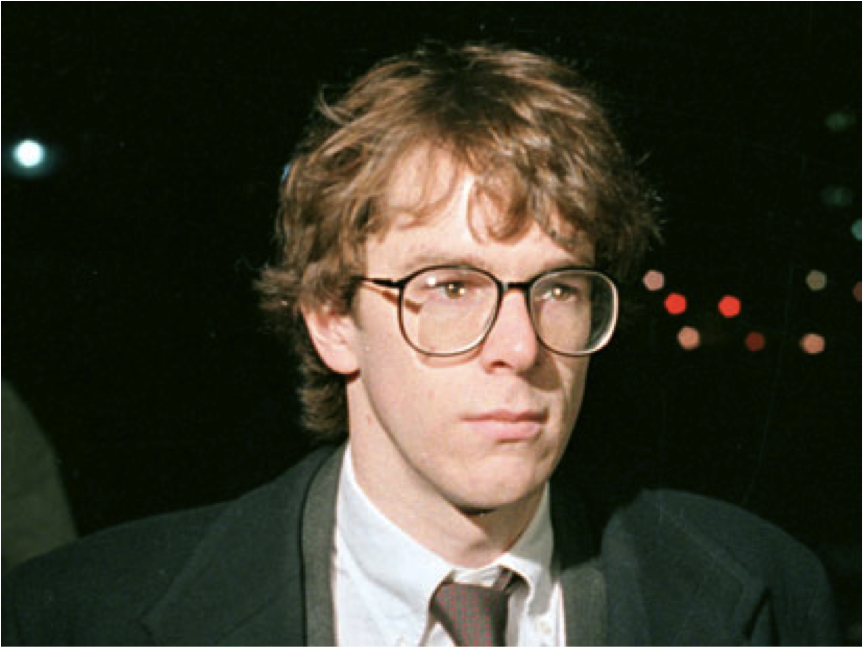
    Robert Morris was the son of a famous former NSA scientist.
    Robert Morris was the son of a famous former NSA scientist.

    Robert Morris became the first person to be convicted under the Computer Fraud and Abuse Act in 1990. He was also sentenced to three years of probation, 400 hours of community service, a fine of $10,050, and had to cover the costs of his supervision.

    2. Citibank Loses Millions to Russian Hacker (1995):

    One of the most important and earliest hacking scandals of banks was in 1995 when Vladimir Levin illegally transferred $3.7 million from Citibank into bank accounts of his criminal organisation.

    The criminal ring-leader conducted this incredibly well-planned hack using a computer based in London. Using a list of customer codes and passwords, Levin logged into bank accounts numerous times and transfer funds to his own.

    Vladimir Levin
    Vladimir Levin

    Levin was finally tracked down by FBI at a London airport. Following his arrest, he was tried and convicted in the U.S. and  was sentenced to three years in jail in 1998. A penalty of $240,015 was also levied against him by Citibank to be paid as restitution.

    3. When New York Times Was Hacked by a Teenager (2002):

    Hacking of tabloids and newspapers is one of the most common incidents of cyber-crime. Everyone is dying to spill the beans on the deep, dark secrets of tinsel town’s ‘who’s who’. The year 2002 saw hacking of voicemail accounts of celebrities like actress Sienna Miller, and even people of the British Royal Family. However, this NYT hack is especially important because it involves a 19 year old who broke into the records of one of the biggest daily newspapers in the world.

    Adrian Lamo, the "homeless hacker"
    Adrian Lamo, the “homeless hacker”

    Adrian Lamo gained access to some of the most confidential records of the New York Times which included detailed database of op-ed writers the paper had used in the past. This included names, phone numbers, home addresses and payment history of contributors like Democratic strategist James Carville and former secretary of state James Baker.

    Because Lamo wasn’t done having fun yet, he added his own name under “experts” and put “Computer hacking, national security, communications intelligence”, under “expertise”. And yes, Adrian Lamo is the same person who turned in Wikieaks’ Bradley Manning to the US authorities, winning himself the title of the “world’s most hated hacker”.

    4. Hacking Heist that Involved 100 Banks All Across the Globe (2015):

    Hackers pulled a ridiculously high-profile Hollywood-styled heist as they broke in the accounts of about 100 banks over 30 countries, including India, China and the US, and duped them of $1 billion. It was a group of cyber-criminals from all over the world executing this hack over a period of two years.Carbanak Targets
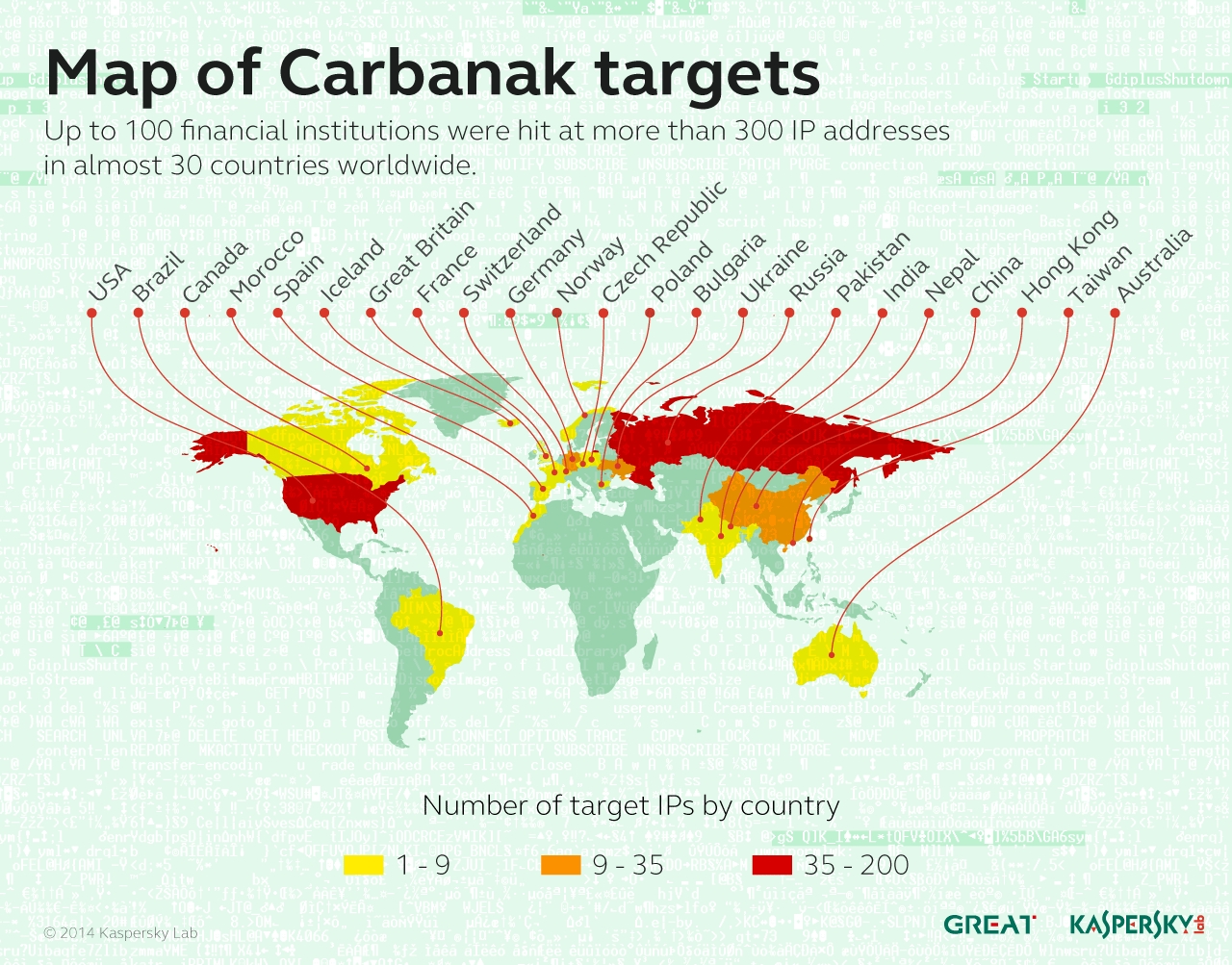
    It is beyond incredible how they left absolutely no virtual trail behind them, despite the humongous size and the long period of time involved in the heist. The attack which took place earlier this year in February was called an “unprecedented cyber robbery.” The criminal gang was dubbed ‘Carbanak’ by a Russian security firm, and is believed to include members from Russia, Ukraine, Chine and Europe.

    5. When Irani Hackers Had a Field-trip with American State Secrets (2015):

    Iran came up with a phony news agency in 2011 called NewsOnAir and used it to draw important details of American bureaucrats using social media and tactics like phishing (when a user is tricked into revealing personal credentials, like passwords, online). Though it hasn’t been confirmed that the hackers are Iranians, the central domain is located in Iran. NewsOnAir Iranian hacking
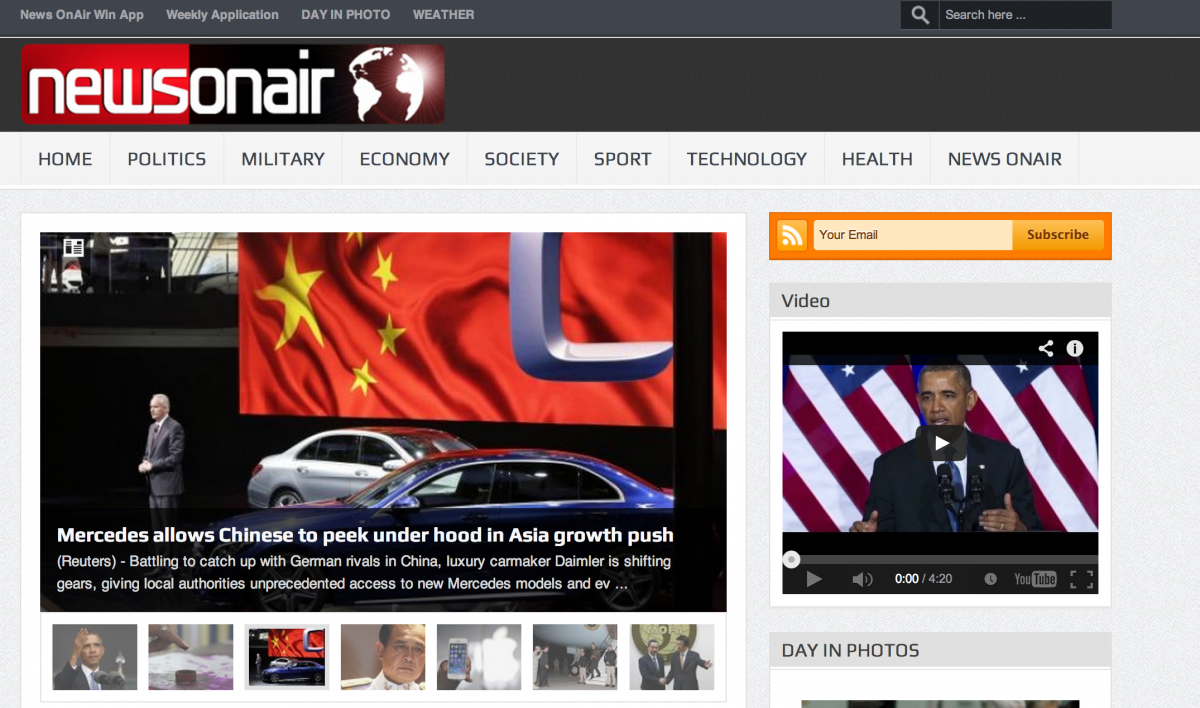
    This group of hackers used numerous fake identities, like that of Reuters journalist Sandra Maler, to set an entire network online including social media platforms like Facebook and Twitter, as well as WordPress blogs, to get in touch with important US officials.

    Though it is unclear exactly how much data was lost, iSight Partners, a cybersecurity consulting group, comments, “a vast amount of social content was compromised in addition to some number of log-in credentials”. If reports are to be believed, this campaign has definitely been one of the most elaborate hacking operations ever.
  • A Flexible Display Business Idea Can Fetch You $10,000 From Samsung

    A Flexible Display Business Idea Can Fetch You $10,000 From Samsung

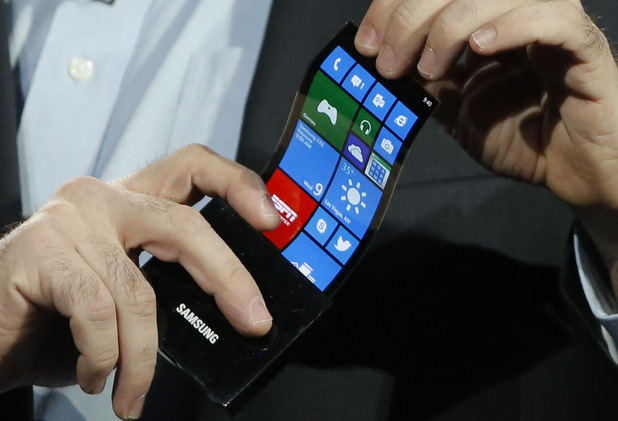
    Samsung is looking for business models that revolve around flexible displays as a core value proposition as well as “exceptional design, realistic hardware assumptions and a viable business plan.” 

    The effort, called Samsung Create: Flexible Future Business Plan Competition, is basically a competition to get entrepreneurs creating startups around flexible display technologies.

    Winners will receive cash prizes ranging between $2,500 and $10,000, with entries scored on how improved the flexi display is to the product concept, and the viability of the business plan behind it.

    Samsung is not asking you to make assumptions on what your idea would cost. Instead, they want you to figure out what value your business plan creates and compute how much you could pay for flexible displays to make your business plan commercially viable. 

    Teams can draw up plans for devices measuring between one and 20 inches, with a maximum full-HD resolution of 1920×1080. However, entrants have been informed that only “non-confidential information” may be submitted.

    Samsung stipulates that teams won’t get any kind of firm details about when they might actually be able to get any prototype components should their idea be feasible enough to become real, nor will the company reveal anything around component pricing with regards to flexible displays to participating teams.

    “Samsung is continuously innovating, and may develop information that is similar to materials submitted in this contest, so only non-confidential information should be submitted,” read a disclaimer.

    Users can enter the contest via its official website. Samsung has not specified when prototype versions of the winning entries will be developed.

    [Image Credit : © PA Images / Jae C. Hong/AP]

  • Apple Pays for Swiss Railway Clock Design

    Apple Pays for Swiss Railway Clock Design

    Apple may be willing to spend millions in court over some copyright fights, but it has learned the lessons of history and has decided not to mess with the Swiss.

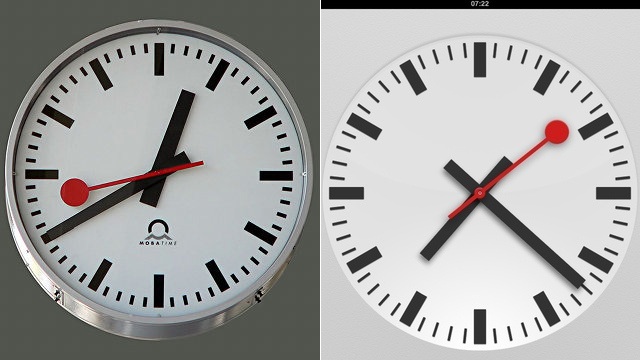
    Last month, Switzerland’s railway operator SBB took Cupertino to task for stealing the design of its clock for iOS 6’s Clock app. Now the world’s favorite fondleslab manufacturer has agreed to pay up and license the design from SBB, rather than risk the wrath of the Swiss railways.

    The iPad Clock app, according to an SBB spokesperson, was “an unauthorized use by apple,” and thus they needed to work out a “legal and financial” resolution to the issue in order to prevent copyright infringement.  However, SBB later admitted that it was “rather proud that a brand as important as Apple is using our design,” to clarify that they weren’t simply taking money for the use of the design.  SBB already does in fact license the clock’s design to other companies, including the watchmaker Mondaine, so it can be assumed that Apple did pay to use the design.

    According to SBB, the railway clock, which was originally designed by Hans Hilfike in 1944 has become “a symbol of innovation and reliability.”

  • Apple Pays USD 60M for iPad Trademark in China

    Apple Pays USD 60M for iPad Trademark in China

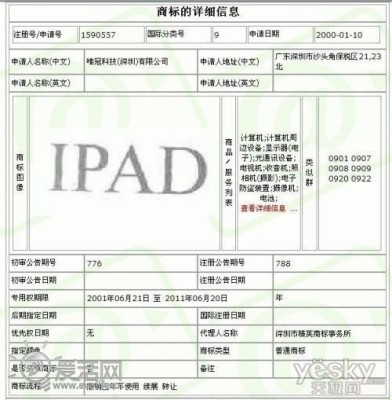
    Apple has agreed to pay US$60 million for ownership of the iPad trademark in China, as part of a settlement with a little-known Chinese firm called Proview that had tried to ban sales of the tablet in the country, according to a local court.

    The Guangdong Province Higher People’s Court announced the settlement on Monday, and stated that the legal dispute had been put to rest. Following the payment to Proview, Chinese authorities transferred the “IPAD” trademark to Apple.

    The two companies have been locked in a legal dispute to determine ownership of the iPad trademark, with Apple claiming to have bought the iPad trademarks for China from Proview in 2009.

    The Guangdong court was originally expected to rule on the case. But Apple and Proview were in recent months in talks to settle the dispute, at the initiative of the court.

    Proview had wanted as much as $400 million in settlement from Apple in order to help clear its debts. Eight banks have taken over Proview’s assets and are owed $180 million.

    Li Su, the head of the consultancy representing the eight banks, said Apple initially wanted to pay only a few million dollars for the iPad trademark. But over time, Apple negotiated in good faith, realizing the dispute would linger in Chinese courts unless a settlement was reached, he added.

    Su said he did not know how the $60 million received from Apple would be spent.

  • Sony Ericsson split complete : Sony Mobile Communication is the new name

    Sony Ericsson split complete : Sony Mobile Communication is the new name

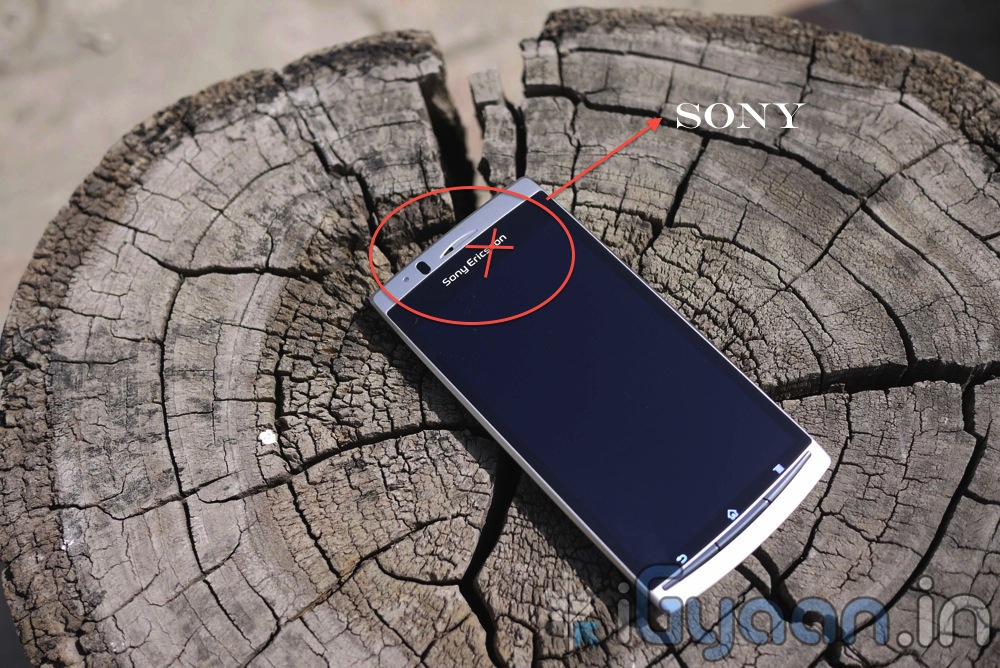
    The big split is finally, final. Sony and Ericsson have finally spilt up, to name the new company Sony Mobile Communications. Sony has finally taken over Telefonaktiebolaget LM Ericsson’s 50-percent stake in the pair’s former joint venture, reported to have cost €1.05 billion ($1.37 billion). The reports of this split started to appear in the last months of 2011.

    PRESS RELESE : 

    • The previously announced divestment of Ericsson’s share of Sony Ericsson to Sony, including the broad IP cross-licensing agreement, completed on February 15, 2012
    • Ericsson’s gain on the transaction will be approximately SEK 7.5 billion and reported as ‘Other operating income’

    Ericsson (NASDAQ:ERIC) has today completed the divestment of its 50 percent stake in Sony Ericsson Mobile Communications AB (“Sony Ericsson”), including the broad IP cross-licensing agreement, jointly announced by Sony Corporation (“Sony”) and Ericsson on October 27, 2011. This makes Sony Ericsson a wholly-owned subsidiary of Sony. The agreed cash consideration for the transaction is EUR 1.05 billion.

    Ericsson’s gain on the transaction will be approximately SEK 7.5 billion and will be reported in the first quarter result on April 25, 2012, as ‘Other operating income’ in the income statement.


    [via]

    [Sony]

  • Gartner: Apple leads, Android level dips

    Gartner: Apple leads, Android level dips

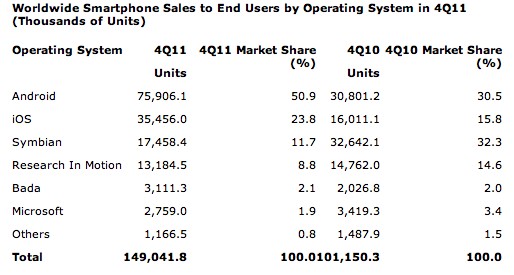
    According to a recent report by Gartner Apple leads as the world’s top smartphone vendor by market share (19 percent), majorly thanks to the holiday quarter. During the season Apple sold some 35.5 million handsets to end users, a 121.4 percent increase from Q4 2010.

    Apple now also overtook LG as the Third largest seller of mobile handsets with 7.4 percent market share in the past holiday quarter right behind Nokia (23.4 percent) and Samsung (19.4 percent).


    [box style=”rounded” border=”full”]

    Gartner Says Worldwide Smartphone Sales Soared in Fourth Quarter of 2011

    Apple Became Top Smartphone Vendor in Fourth Quarter of 2011 and in 2011 as a Whole

    Egham, UK, February 15, 2012-

    Worldwide smartphone sales to end users soared to 149 million units in the fourth quarter of 2011, a 47.3 per cent increase from the fourth quarter of 2010, according to Gartner, Inc. Total smartphone sales in 2011 reached 472 million units and accounted for 31 percent of all mobile devices sales, up 58 percent from 2010.

    Smartphone volumes during the quarter rose due to record sales of Apple iPhones. As a result, Apple became the third-largest mobile phone vendor in the world, overtaking LG. Apple also became the world’s top smartphone vendor, with a market share of 23.8 percent in the fourth quarter of 2011, and the top smartphone vendor for 2011 as a whole, with a 19 percent market share. “Western Europe and North America led most of the smartphone growth for Apple during the fourth quarter of 2011,” said Roberta Cozza, principal research analyst at Gartner. “In Western Europe the spike in iPhone sales in the fourth quarter saved the overall smartphone market after two consecutive quarters of slow sales.”

    The quarter saw Samsung and Apple cement their positions further at the top of the market as their brands and new products clearly stood out. LG, Sony Ericsson, Motorola and Research In Motion (RIM) again recorded disappointing results as they struggled to improve volumes and profits significantly. These vendors were also exposed to a much stronger threat from the midrange and low end of the smartphone market as ZTE and Huawei continued to gain share during the quarter.

    Worldwide mobile device sales to end users totaled 476.5 million units in the fourth quarter of 2011, a 5.4 percent increase from the same period in 2010 (see Table 1). In 2011 as a whole, end users bought 1.8 billion units, an 11.1 percent increase from 2010 (see Table 2). “Expectations for 2012 are for the overall market to grow by about 7 percent, while smartphone growth is expected to slow to around 39 percent,” said Annette Zimmermann, principal research analyst at Gartner.

    In the fourth quarter of 2011, Nokia’s mobile phone sales numbered 111.7 million units, an 8.7 percent decrease from last year. “Samsung closed the gap with Nokia in overall market share,” said Ms. Cozza. “Samsung profited from strong smartphone sales of 34 million units in the fourth quarter of 2011. The troubled economic environment in Europe and Nokia’s weakened brand status posed challenges that were hard to overcome in just one quarter. However, Nokia proved its ability to execute and deliver on time with its new Lumia 710 and 800 handsets. Nokia will have to continue to offer aggressive prices to encourage communications service providers (CSPs) to add its products to portfolios currently dominated by Android-based devices.”

    Apple had an exceptional fourth quarter, selling 35.5 million smartphones to end users, a 121.4 percent increase year on year. Apple’s continued attention to channel management helped it take full advantage of the strong quarter to further close the gap with Samsung, which saw some inventory build up for its smartphone range. Apple’s strong performance will continue into the first quarter of 2012 as availability of the iPhone 4S widens. However, since Apple will not benefit from delayed purchases as it did in the fourth quarter of 2011, Gartner analysts expect its sales to decline quarter-on-quarter.

    After Apple, ZTE and Huawei were the fastest-growing vendors in the fourth quarter of 2011. “These vendors expanded their market reach and kept on improving the user experience of their Android devices,” said Ms. Cozza.

    In the fourth quarter of 2011, ZTE moved into fourth place in the global handset market. ZTE posted a strong smartphone sales increase of 71 percent sequentially. The company was able to extend its portfolio to three CSPs in its home market and benefited from consumers’ interest in low-cost smartphones. Huawei moved ahead of LG in the Android marketplace to become a top-four Android manufacturer, thanks to strong smartphone growth in the quarter. Huawei has made significant progress in moving to its own-branded devices, and it has continued to expand its portfolio into higher tiers as its tries to build more iconic products.

    RIM dropped to the No. 7 spot in the fourth quarter of 2011, with a 10.7 percent decline. RIM’s delay with its BlackBerry 10 platform will further impair its ability to retain users. However, RIM’s biggest challenge is still to expand the developer base around its ecosystem and convince developers to work and innovate with BlackBerry 10.

    In the smartphone OS market (see Table 3), competition between Google and Apple intensified. Android’s share declined slightly sequentially. This was due to strong iPhone sales, driven in particular by the iPhone 4S in mature markets and the weakness of key Android vendors as they struggled to create unique and differentiated devices. Samsung remained the main contributor to Android share gains in the second half of 2011. iOS’s market share grew 8 percentage points year-on-year, but Gartner analysts expect Apple’s share to drop in the next couple of quarters as the upgrade cycle to the iPhone 4S slows. Nokia’s first Windows Phone smartphones, the Lumia 710 and 800, made their debut, but, as expected, sales were not enough to prevent a fall in Microsoft’s smartphone market share.[/box]

  • China government Ban on iPad causes removal of stocks from stores.

    China government Ban on iPad causes removal of stocks from stores.

    Government authorities and retailers in China have started removing stocks of iPad from the shelves in the market,  in response to a ruling issued in December. According to Hebei Youth Daily, local representatives of the country’s Administrations of Industry and Commerce (AIC) have started confiscating Apple’s tablet from retail outlets, with some merchants are voluntarily removing the device from their storefronts as a pre-emptive measure. 

    As a part of a local campaign this incident only  took place in the city of Shijiazhuang, but vendors weary of the outcome have started to take precautions. Remember this is the same country where people literally give body parts to own iPads.

  • End Of Days: Sony Buys out stake from Sony Ericsson at €1.05 billion

    End Of Days: Sony Buys out stake from Sony Ericsson at €1.05 billion

    Rumors are all out, and put to an end. Sony has confirmed that it will buy out its stake from the JV of Sony Ericsson for a whopping €1.05 billion in exchange for its 50 percent. This will give Sony full ownership of the company soon to be rebranded worldwide. This will also enable the company to have a more systematic alignment with the arsenal of tablets and PCs it plans in the future.

    The buyout will also give IP cross-licensing agreement and ownership of “five essential patent families” to ensure they stay in the mobile phone business. The separation will be finalized in Jan 2012.

    [toggle title_open=”Press Release” title_closed=”Press Release” hide=”yes” border=”yes” style=”default” excerpt_length=”0″ read_more_text=”Read More” read_less_text=”Read Less” include_excerpt_html=”no”]Ericsson: Sony to acquire Ericsson’s share of Sony Ericsson

    October 27, 2011, 08:16 (CEST)

    Sony Ericsson to become a wholly-owned subsidiary of Sony and integrated into Sony’s broad platform of network-connected consumer electronics products
    The transaction also provides Sony with a broad IP cross-licensing agreement and ownership of five essential patent families
    Ericsson to receive EUR 1.05 billion cash payment
    Sony and Ericsson to create wireless connectivity initiative to drive connectivity across multiple platforms
    Ericsson (NASDAQ:ERIC) and Sony Corporation (“Sony”) today announced that Sony will acquire Ericsson’s 50 percent stake in Sony Ericsson Mobile Communications AB (“Sony Ericsson”), making the mobile handset business a wholly-owned subsidiary of Sony.

    The transaction gives Sony an opportunity to rapidly integrate smartphones into its broad array of network-connected consumer electronics devices – including tablets, televisions and personal computers – for the benefit of consumers and the growth of its business. The transaction also provides Sony with a broad intellectual property (IP) cross-licensing agreement covering all products and services of Sony as well as ownership of five essential patent families relating to wireless handset technology.

    As part of the transaction, Ericsson will receive a cash consideration of EUR 1.05 billion.

    During the past ten years the mobile market has shifted focus from simple mobile phones to rich smartphones that include access to internet services and content. The transaction is a logical strategic step that takes into account the nature of this evolution and its impact on the marketplace.

    This means that the synergies for Ericsson in having both a world leading technology and telecoms services portfolio and a handset operation are decreasing. Today Ericsson’s focus is on the global wireless market as a whole; how wireless connectivity can benefit people, business and society beyond just phones. Consistent with that mission, by setting up a wireless connectivity initiative, Ericsson and Sony will work to drive and develop the market’s adoption of connectivity across multiple platforms.

    “This acquisition makes sense for Sony and Ericsson, and it will make the difference for consumers, who want to connect with content wherever they are, whenever they want. With a vibrant smartphone business and by gaining access to important strategic IP, notably a broad cross-license agreement, our four-screen strategy is in place. We can more rapidly and more widely offer consumers smartphones, laptops, tablets and televisions that seamlessly connect with one another and open up new worlds of online entertainment. This includes Sony’s own acclaimed network services, like the PlayStation Network and Sony Entertainment Network,” said Sir Howard Stringer, Sony’s Chairman, Chief Executive Officer and President. Mr Stringer also noted that the acquisition will afford Sony operational efficiencies in engineering, network development and marketing, among other areas. “We can help people enjoy all our content – from movies to music and games – through our many devices, in a way no one else can.”

    “Ten years ago when we formed the joint venture, thereby combining Sony’s consumer products knowledge with Ericsson’s telecommunication technology expertise, it was a perfect match to drive the development of feature phones. Today we take an equally logical step as Sony acquires our stake in Sony Ericsson and makes it a part of its broad range of consumer devices. We will now enhance our focus on enabling connectivity for all devices, using our R&D and industry leading patent portfolio to realize a truly connected world” said Hans Vestberg, President and CEO of Ericsson.

    When Sony Ericsson started its operations on October 1, 2001, it combined the unprofitable handset operations from Ericsson and Sony. Following a successful turnaround the company has become a market leader in the development of feature phones by integrating Sony’s strong consumer products knowledge and Ericsson’s telecommunications technology leadership. The WalkmanTM phone and Cyber-shotTM phone are well known examples.

    With the successful introduction of the P1 in 2007, Sony Ericsson early on established itself in the smartphone segment. More recently, the company has successfully made the transition from feature phones to Android-based Xperia(TM) smartphones. By the end of the third quarter of 2011, Sony Ericsson held a market share of 11 percent (by value) in the Android phone market, representing 80 percent of the company’s third quarter sales. During its ten years in operation Sony Ericsson has generated approximately EUR 1.5 billion of profit and paid dividends totalling approximately EUR 1.9 billion to its parent companies. Prominent models include “XperiaTM arc” and “XperiaTM mini” which received 2011 EISA Awards, while recent notable additions to the lineup include “XperiaTM PLAY” and “XperiaTM arc S”.

    The transaction, which has been approved by appropriate decision-making bodies of both companies, is expected to close in January 2012, subject to customary closing conditions, including regulatory approvals.

    Ericsson has accounted for its 50 percent share in Sony Ericsson according to the equity method. Following completion of the transaction, Ericsson will have no outstanding guarantees relating to Sony Ericsson and will no longer account for Sony Ericsson as an investment on balance sheet. The transaction will result in a positive capital gain for Ericsson which will be defined after closing of the transaction.

    SEB Enskilda is acting as Ericsson’s sole financial advisor in the transaction.[/toggle]

  • Did you suffer from the Blackberry Outage? RIM will give you 12 free Paid Apps! (PR)

    Did you suffer from the Blackberry Outage? RIM will give you 12 free Paid Apps! (PR)

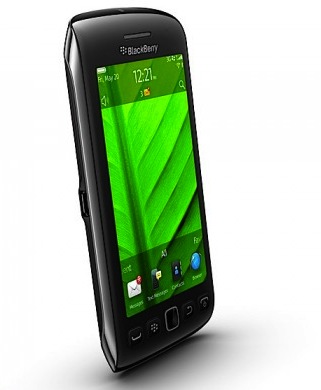
    Following the major outages for Blackberry services in the past week, RIM will offer free premium apps to its consumer. These apps include 

    • SIMS 3 – Electronic Arts
    • Bejeweled – Electronic Arts
    • N.O.V.A. – Gameloft
    • Texas Hold’em Poker 2 – Gameloft
    • Bubble Bash 2 – Gameloft
    • Photo Editor Ultimate – Ice Cold Apps
    • DriveSafe.ly Pro – iSpeech.org
    • iSpeech Translator Pro – iSpeech.org
    • Drive Safe.ly Enterprise – iSpeech.org
    • Nobex Radio™ Premium – Nobex
    • Shazam Encore – Shazam
    • Vlingo Plus: Virtual Assistant – Vlingo (Almost SIRI)

    Good move from CEO Lazaridis, to prevent users from jumping the boat for iOS or Android.


    [toggle title_open=”Press Release” title_closed=”Press Release” hide=”yes” border=”yes” style=”default” excerpt_length=”0″ read_more_text=”Read More” read_less_text=”Read Less” include_excerpt_html=”no”]Research In Motion Offers Free Premium Apps to Customers Following Service Interruptions

    Waterloo, ON – Research In Motion (RIM) (NASDAQ: RIMM; TSX: RIM) announced today that a selection of premium apps worth a total value of more than US $100 will be offered free of charge to subscribers as an expression of appreciation for their patience during the recent service disruptions. The apps will be made available to customers over the coming weeks on BlackBerry® App World™ and will continue to be available until December 31, 2011.*

    “Our global network supports the communications needs of more than 70 million customers,” said RIM Co-CEO Mike Lazaridis. “We truly appreciate and value our relationship with our customers. We’ve worked hard to earn their trust over the past 12 years, and we’re committed to providing the high standard of reliability they expect, today and in the future.”

    The complete selection of premium apps will become available to download at BlackBerry App World over a period of four weeks beginning Wednesday, October 19th. The selections over this period will include the following (with more to come):

    SIMS 3 – Electronic Arts
    Bejeweled – Electronic Arts
    N.O.V.A. – Gameloft
    Texas Hold’em Poker 2 – Gameloft
    Bubble Bash 2 – Gameloft
    Photo Editor Ultimate – Ice Cold Apps
    DriveSafe.ly Pro – iSpeech.org
    iSpeech Translator Pro – iSpeech.org
    Drive Safe.ly Enterprise – iSpeech.org
    Nobex Radio™ Premium – Nobex
    Shazam Encore – Shazam
    Vlingo Plus: Virtual Assistant – Vlingo

    RIM’s enterprise customers will also be offered one month of free Technical Support. Current customers will be offered a complimentary one month extension of their existing Technical Support contract, and customers who do not currently have a Technical Support contract will be offered a one month trial of RIM’s BlackBerry Technical Support Services – Enhanced Support, free of charge. Additional details about the program and information about how to register will be available at www.blackberry.com/enterpriseoffer.

    “We are grateful to our loyal BlackBerry customers for their patience,” added Lazaridis. “We have apologized to our customers and we will work tirelessly to restore their confidence. We are taking immediate and aggressive steps to help prevent something like this from happening again.

    * Please note that the availability of this offer will depend on the type of device, operating system version, access to BlackBerry App World and local conditions and/or restrictions.[/toggle]

  • Biometric ATM Uses Fingerprints Instead of a PIN

    Biometric ATM Uses Fingerprints Instead of a PIN

    Using an ATM is pretty straightforward for most of us. But that might not be the case with people who are illiterate/semi-literate. It makes it a lot harder for such people to use the machine, but a new machine is looking to change all that.

    As banks look to expand to rural areas in the developing world, universal literacy cant be assumed, so an ATM machine is required that doesn’t need people to be able to read. NRC Corp’s machine fits the bill. It identifies people using a biometric fingerprint scanner and then allows them to choose the amount that they would like with suitable pictures on the screen. This makes it easier for a illiterate person to withdraw money and removes the barriers that they face with traditional ATMs.

    At the moment, the machines are being tested in the US, but the company hopes that it passes the tests soon before being installed in rural areas of India and China.

  • How much would You pay for a Google+ Invite?

    How much would You pay for a Google+ Invite?

    Do you wish that you were a part of Google’s new Social Network Google+? Well your not alone. A lot of people all over the world have the desire to test Google’s new offering and some of those people have seen an opportunity to make some money. Google+ is currently in the testing phase so Google has restricted access to the service.

    While joining Google+ will be free, people who are already on the service have started selling invites on E-Bay. A quick search on E-Bay gives a number of results ranging from $0.99 an invite all the way to $99.99 for one.

    The downside to a purchase is that you still won’t be able to join the Google+ service. Google announced that the interest in Google+ was so great that the company had decided to stop accepting new users. A Google spoksperson said that they will be accepting new users in periodically as the company readies for its big public debut.

  • App A Day : MoneyTron For iOS iPhone, iPad and iPod

    App A Day : MoneyTron For iOS iPhone, iPad and iPod

    [dropcap]W[/dropcap]ho does not need an expense monitor, an easy to use and definitive way to organize and maintain your expenses. The new MoneyTron App for the iPhone, iPad and iPod does exactly that, and that too with an interesting user interface.

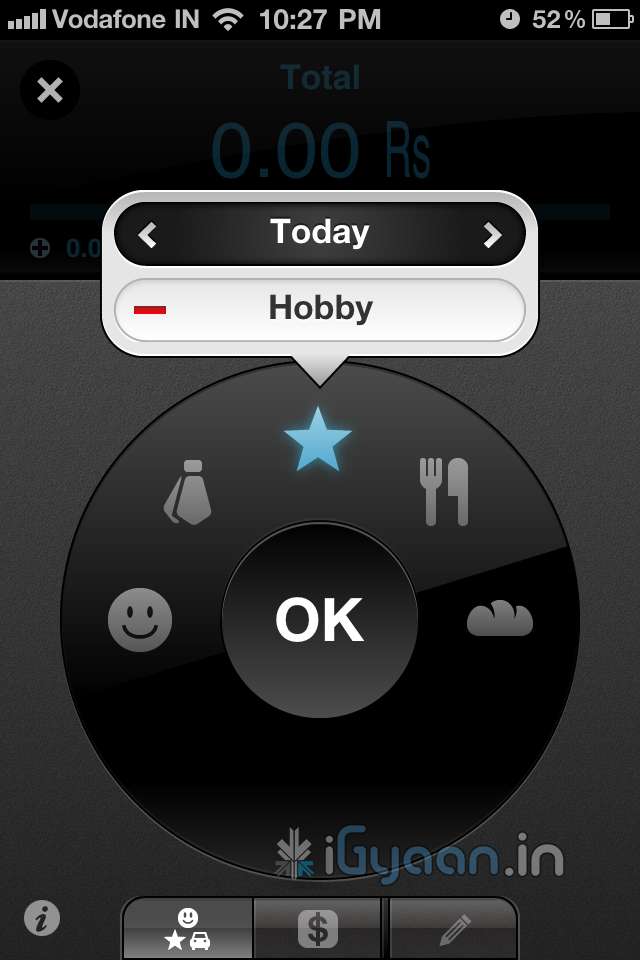
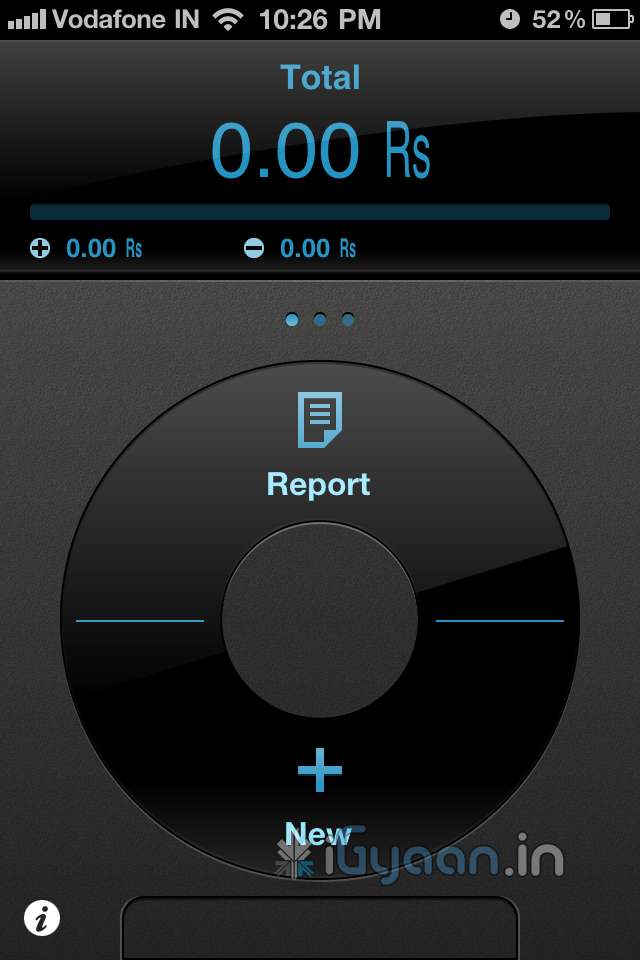
    When you start Moneytron you are greeted with a nice startup screen  with two options new or report. Taping on new shows a carousel which lets you select the type of record, ranging from incoming income, to expenses like clothing, drinking, eating , social and even household expenses and groceries. there are tons of options, and if you don’t like or use a particular option you can turn it off.

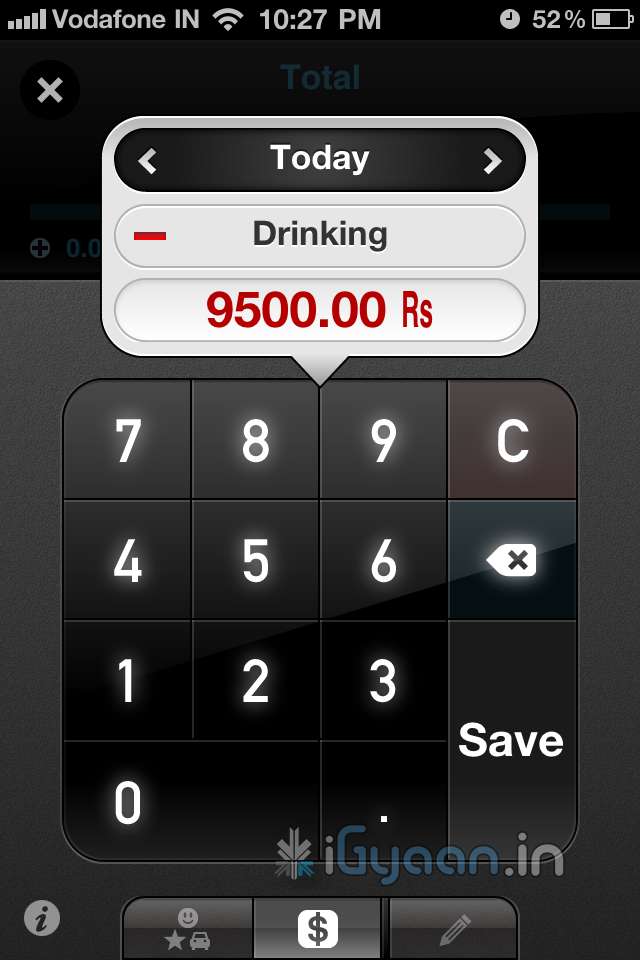
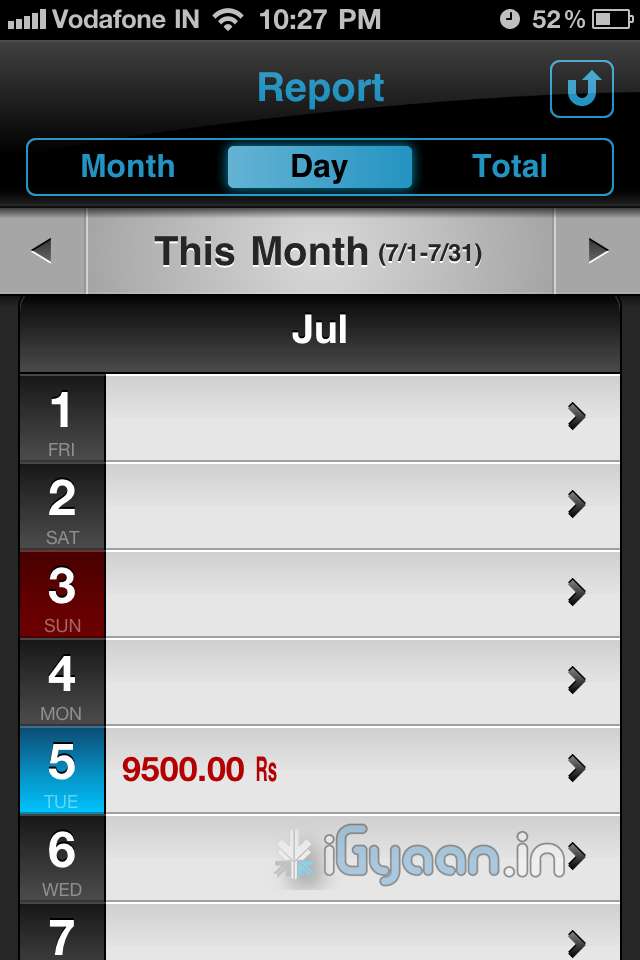
    Next all you need to do is enter the value of your record and save, thats it you are done, a reassuring cash register sound confirms the record(the sounds can be turned off too). The app is an easy and effective way to record transactions. The report feature is excellent too, it lets you check your monthly, daily or total transactions. The new update adds a passcode lock which will help you avoid unwanted eyes.  The add a note feature allows you to type in a quick note about the transaction.

    One thing that majorly lacks in this app is the ability to export reports. There is no option to email or share reports, say you want to send your details to an accountant or a friend, you cant.

    This app would have been perfect with an export feature so right now it gets one rank less.

    [xrr rating=4/5 label=”We Rate it : ” imageset=shiny_yellow_star display_as=fraction_stars]

    Requirements: Compatible with iPhone, iPod touch, and iPad. Requires iOS 3.1 or later

    • Size: 4.6 MB
    • Languages: English, Japanese

    DOWNLOAD

       INDIAN APP STORE LINK  US APP STORE LINK
    MONEYTRON for iOS MoneyTron - webtron Inc.  MoneyTron - webtron Inc. 
  • ClearXchange – Paypal’s new Competition

    Three top banks in the US are collaborating to create a service that will allow users to login to an online bank account and transfer money to another person simply by entering their name and mobile number. The service will be rolled out by Bank of America, JPMorgan Chase and Wells Fargo, which formed a new venture called ClearXchange to create the product.

    The service, said to be the first bank-owned offering of its kind, was made available to partner businesses yesterday. The banks did not mention when the service will be made available to the general public. Bank customers will be able to move funds directly from their existing accounts by using an email address or mobile phone number. The service will eventually be rolled out all over the US, and there are plans to expand it over time to include other countries as well. No news on when this would be available to us in India.

iGyaan Network
Privacy Overview

This website uses cookies so that we can provide you with the best user experience possible. Cookie information is stored in your browser and performs functions such as recognising you when you return to our website and helping our team to understand which sections of the website you find most interesting and useful.