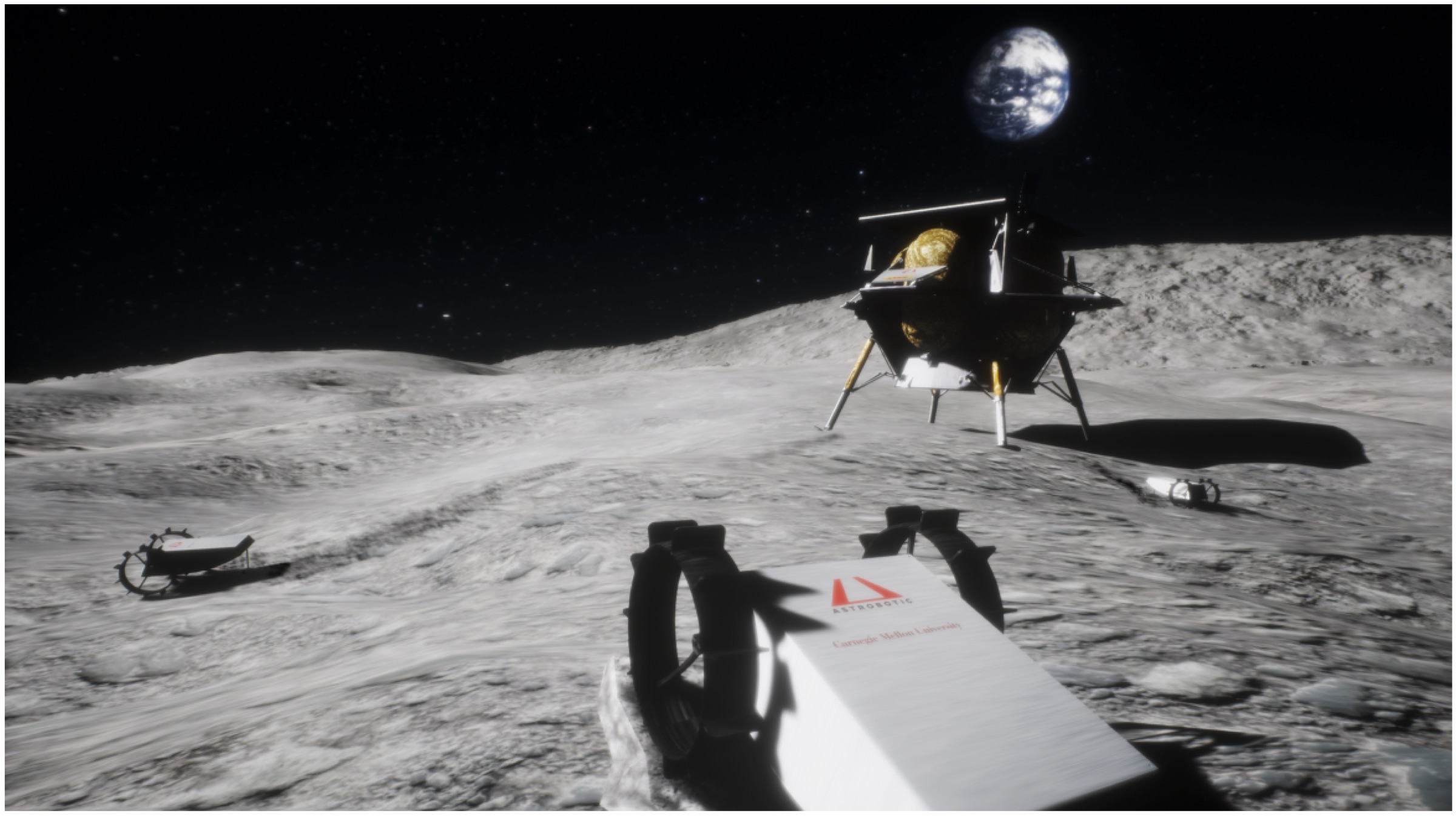
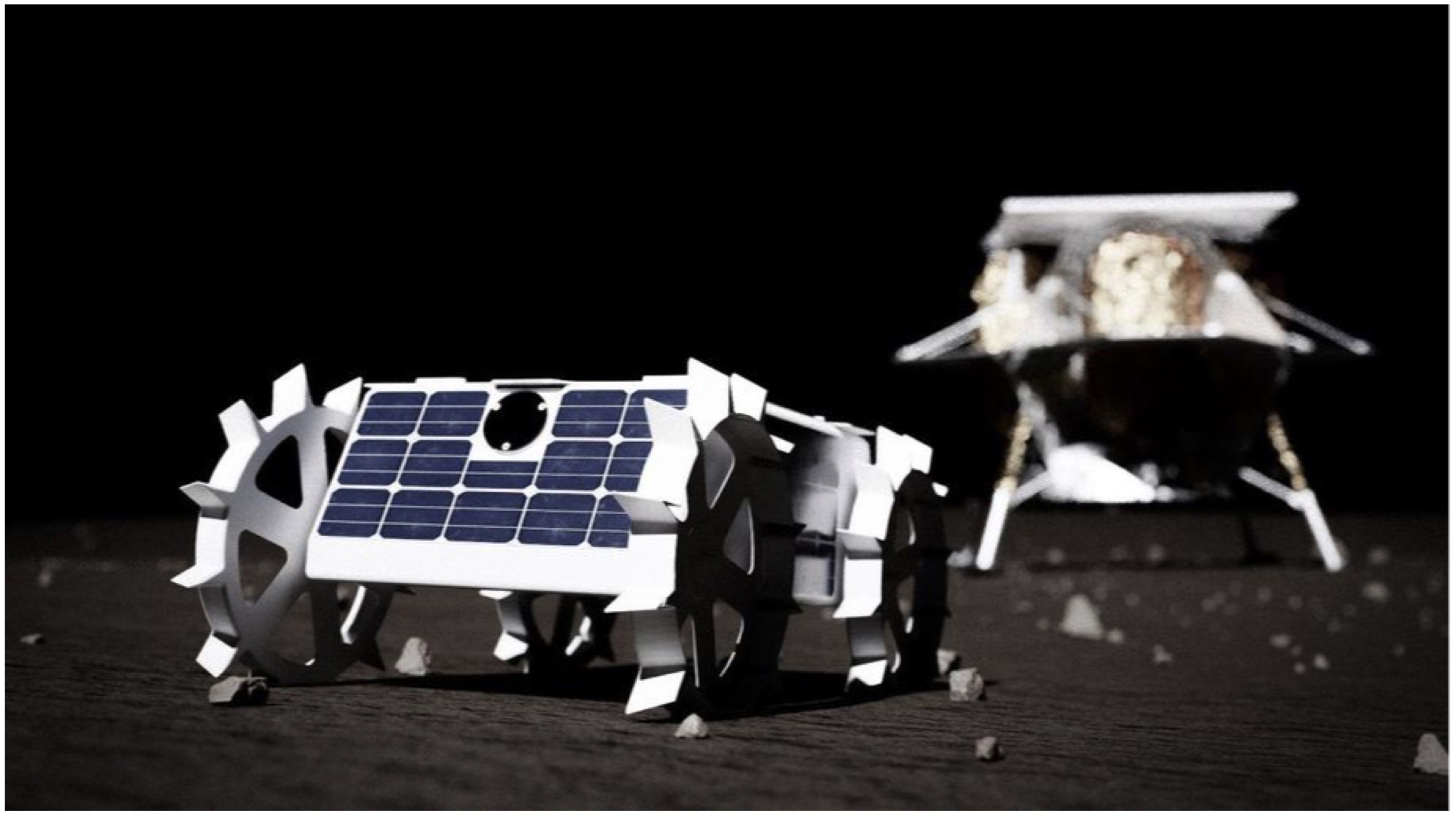
Astrobotic, the Pennsylvanian aerospace company plans on sending a lander to the Moon within the next couple of years for various tests and studies. The main motive of the tests will be to test the operational life of small robots on the Moon’s surface. The toaster-sized machine was built by the Carnegie Mellon University and will pave the way for drone-based space exploration.
NASA (National Aeronautical Space Agency) had previously contracted Astrobotic with a sum of $79.5 million to carry the American space agency’s 14 payloads on its lander, which is dubbed Peregrine. The lander will reportedly carry another 14 payloads from various commercial companies, space agencies and research organizations. All the payloads will be hauled in a lander which is over 6 feet tall and 8 feet wide.
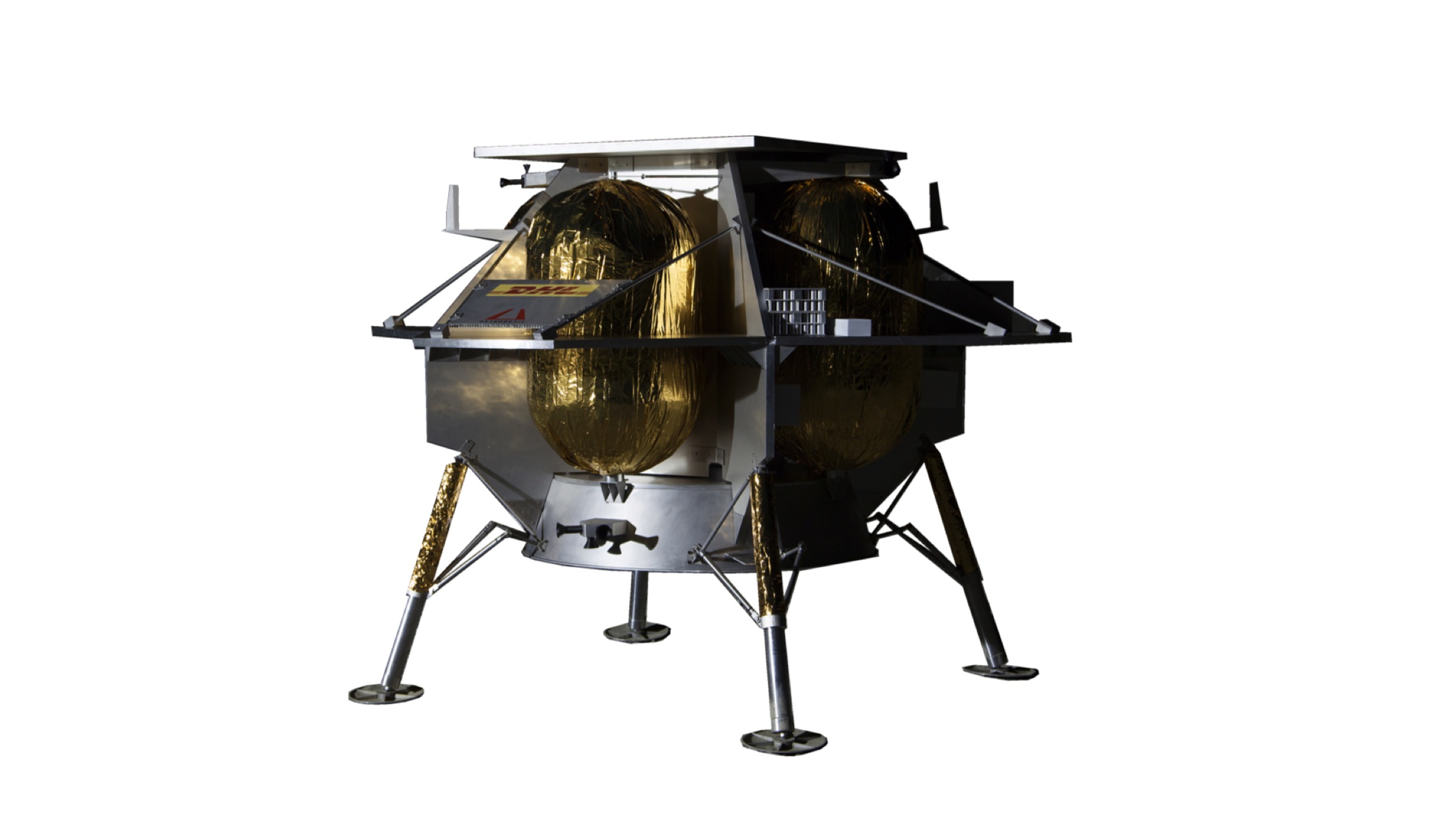
The reason for the rovers small stature is due to the lack of room in the cargo region of the Peregrine landers. Hence, an announcement unveiled the development of a tiny robot that can survive the low gravity, extreme temperature conditions, and high radiation environment on the lunar surface. An average rover is built to be large and sturdy to survive the gruelling conditions while carrying scientific instruments. Astrobotic faces a Herculean task of creating a fully functioning rover of this size.
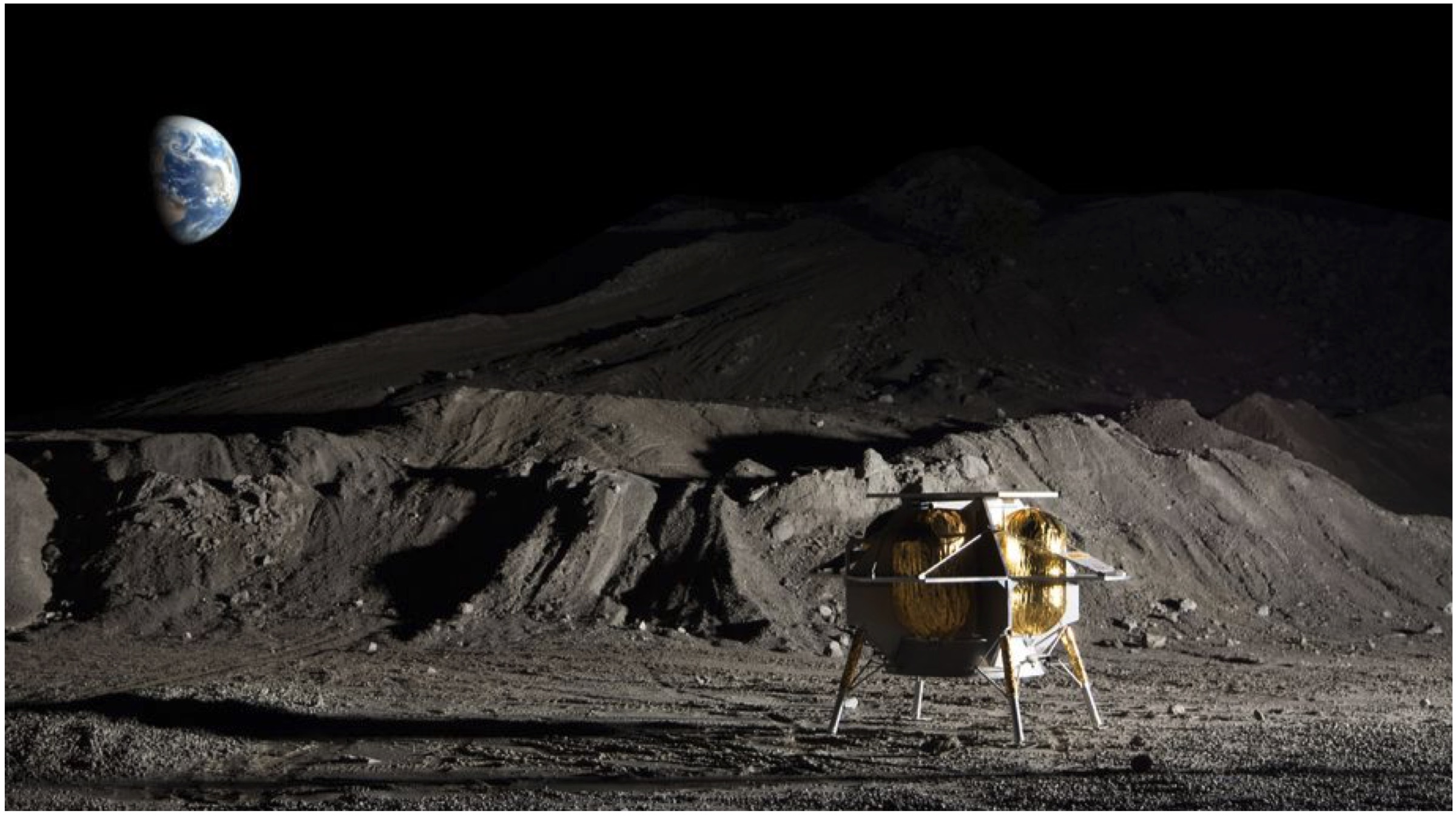
The Peregrine lander will also carry a couple of other pint-sized rovers apart from the one developed by Astrobotic. For the lunar mission, ispace, a Japanese company is planning on supplying the lander with its own rover, similar to the Mexican space agency. These mobile platforms form one of the most crucial parts of Astrobotic’s Moon mission. Terrain mapping and reconnaissance around the lander on the moon will be provided by such tiny mobile robots while being tested for endurance.
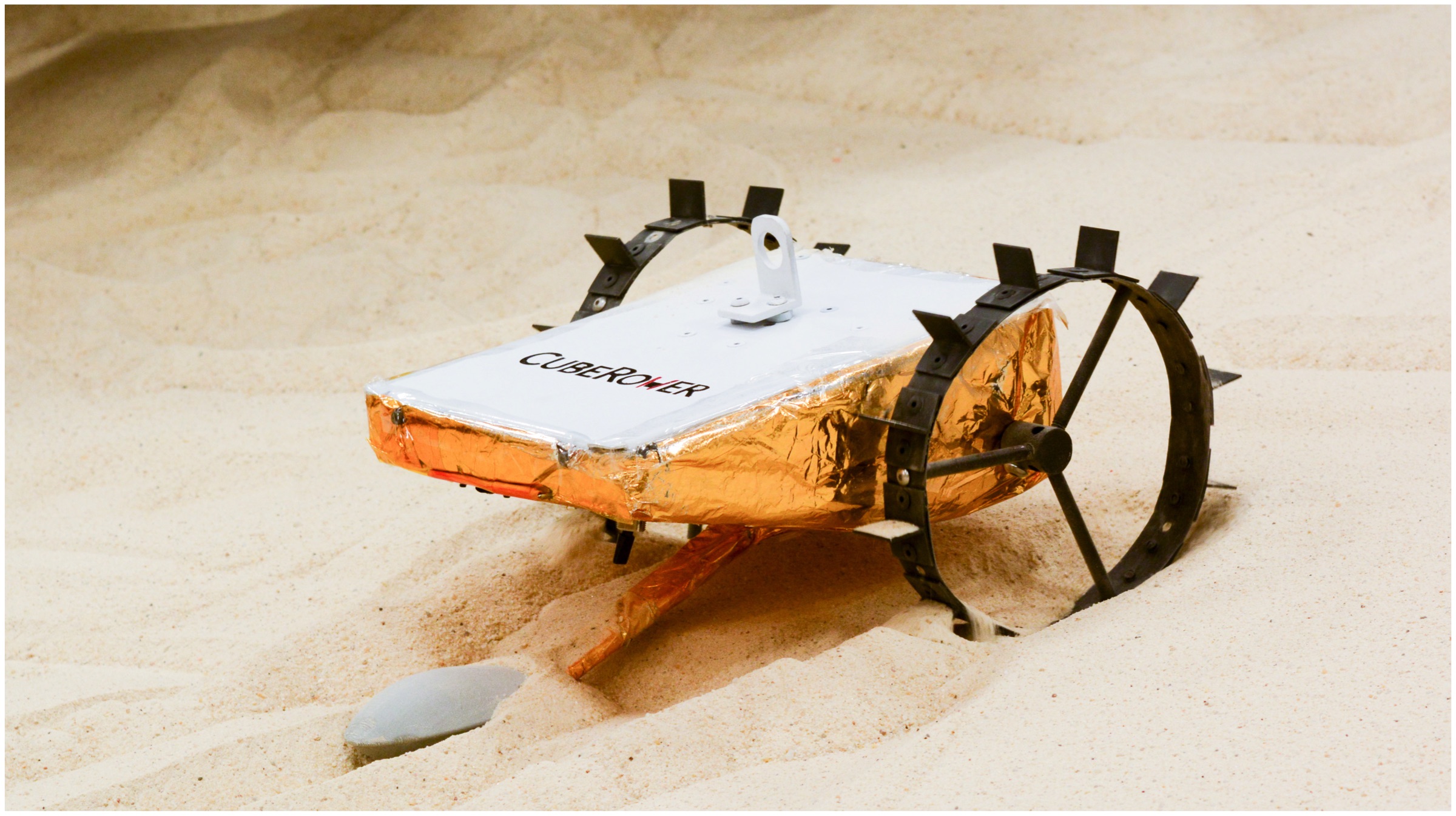
The tiny robot will face numerous hurdles on its mission with many factors that can render it useless on the Moon’s surface. Some of the probable problems include rough surfaces, power generation, and temperature regulations. The small size implies that solar panels, radiators and outfitting scientific sensors will be limited. The gravity, however, plays in favour of the drones, making it easier for the 4-pound (approx. 1.8 kilograms) rover to traverse the lunar terrain.
Also Read: Dell Unveils Latitude 7400 Laptop With New ExpressSign-In Feature
The success of this mission will open up lunar exploration for other groups that seek to employ their own tiny drones, with cheaper cost of entry and easy building methods. The entire mission only has a small window of operational value due to the 2-week long night and day cycle on the Moon. All drones are expected to perish in the frigid dark conditions on the Moon 2 weeks into the mission. However, with their ‘sacrifice’, a new method of space and surface exploration can potentially be available for similar endeavours in the future.