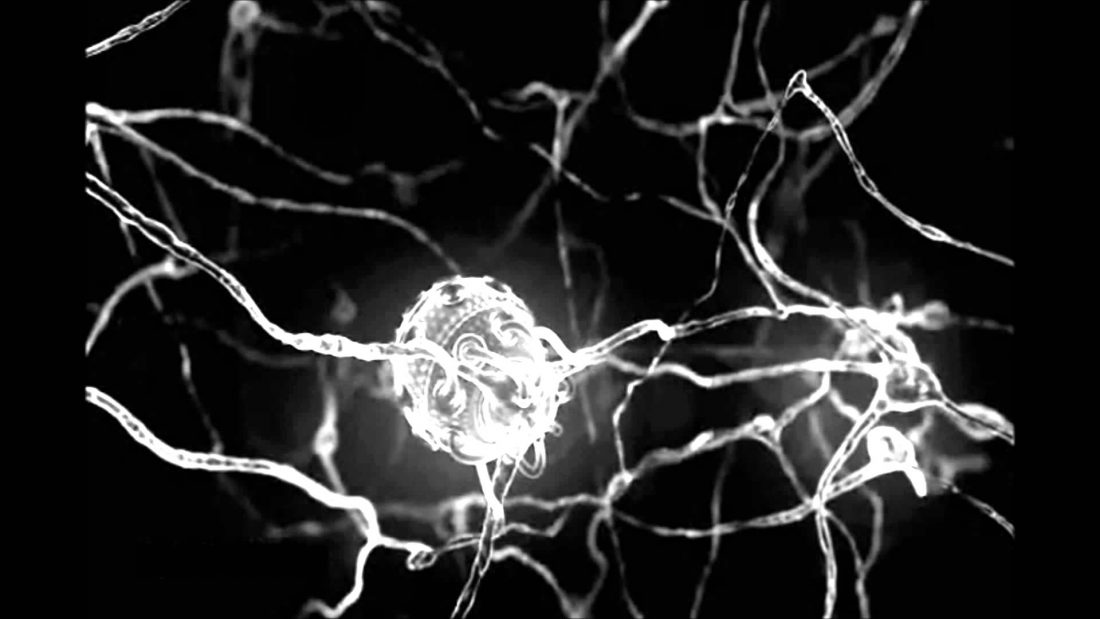
Visits to the dentist are usually cumbersome and expensive, but the latest development from a team of engineers, dentists and biologists from the University of Pennsylvania have designed a crew of microrobots that can be deployed and controlled to remove the buildup of plaque between the teeth and gums. That is right, scraping and scratching with mechanical tools is not the only methods via which dental clean-ups can be performed.
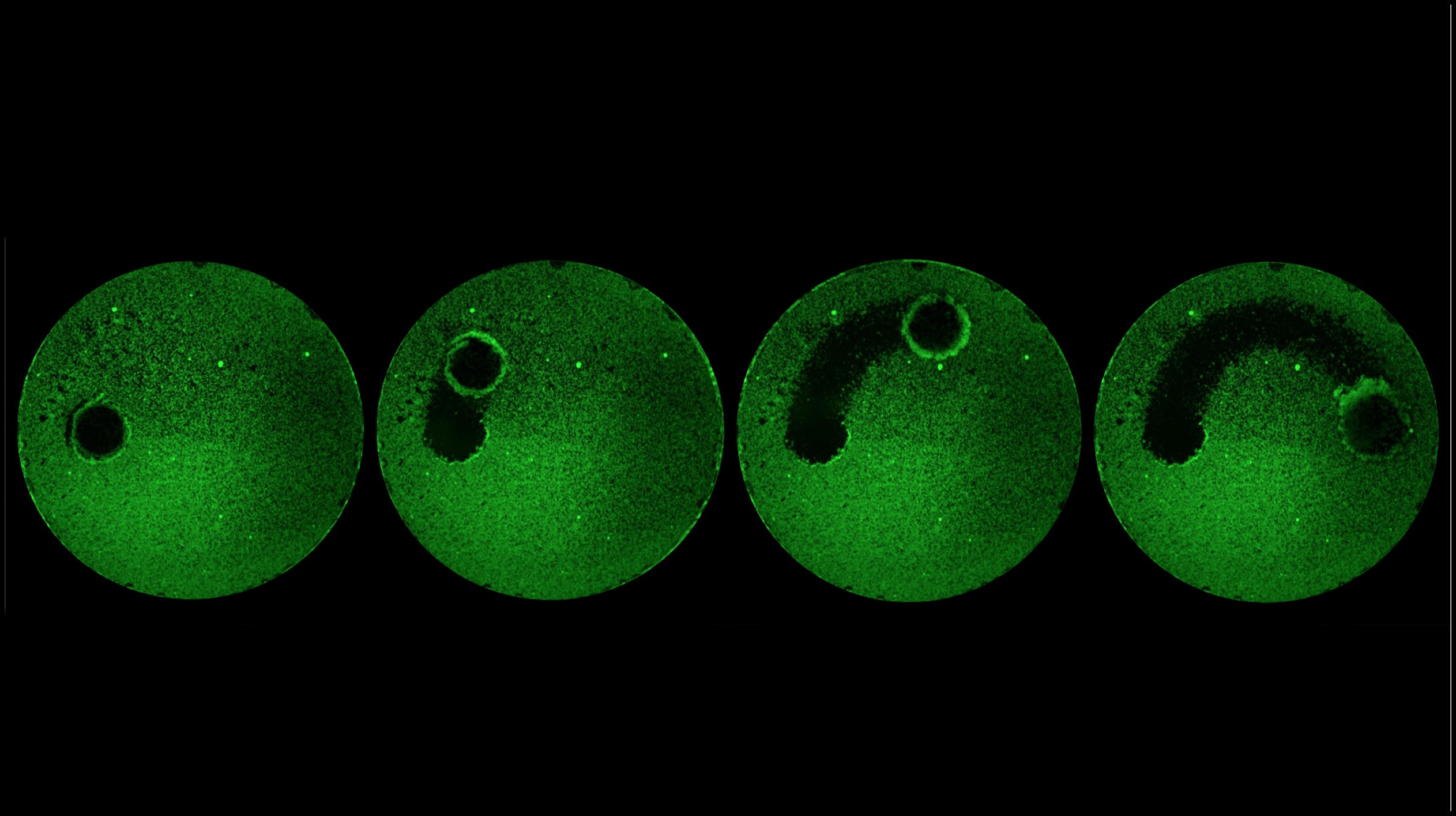
The scientists have developed two different types of robotic systems for entirely varied purposes. One of them works on open surfaces, whereas the other system is designed specifically to operate inside closed spaces. The researchers showcased the microrobots’ ability to destroy biofilms and sticky deposits of bacteria. Plus, the scientists state that the same technology can be implemented in cleaning dirty water pipes and other inaccessible areas which are prone to bacterial deposits.
About The Research Process
The research was led by Hyun (Michel) Koo of the School of Dental Medicine and Edward Steager of the School of Engineering and Applied Science. As per their statements, multiple biomedical fields face the issue of microbial deposits in inaccessible places. And this problem gets enhanced when the action has to be taken on human teeth, simply because it requires more precision and manual labour at the same time.
Biofilms are extremely difficult to remove from a surface, owing to their chemical composition. Previously, multiple attempts have been made to devise chemicals that can remove such deposits with relative ease, but in vain. The sticky matrix holding the bacteria against the surface provides protection from antimicrobial agents. The microrobots designed by the researchers, however, break down the biofilm matrix by working catalytically on the material with the help of iron-oxide-containing nanoparticles. The particles then activate hydrogen peroxide to release free radicals that can destroy bacterial biofilms.
Medical advancements are occurring side-by-side with the progress in science and technology. Recently, using 3D printers, scientists developed a self-healing rubber material, which can be used in objects to make them last a lifetime. In other news, a fully-functioning heart was also printed using a 3D printer. All these achievements make one wonder about the limits of medical science, and for the right reasons, since MIT engineers have engineered tiny micro robots that can help nanoparticles reach unaccessible targets in the human body and administer the necessary drugs.
Challenges Faced
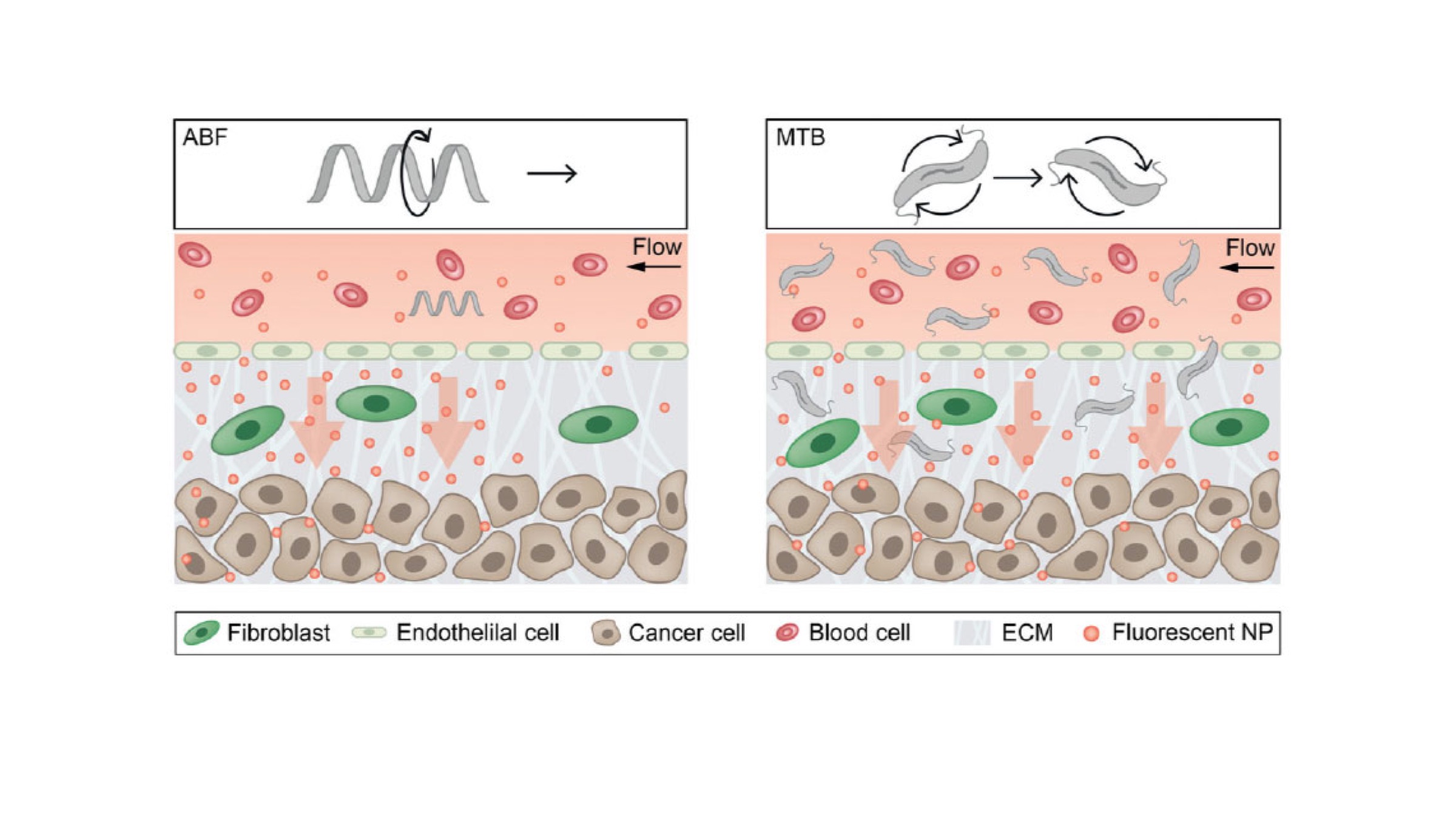
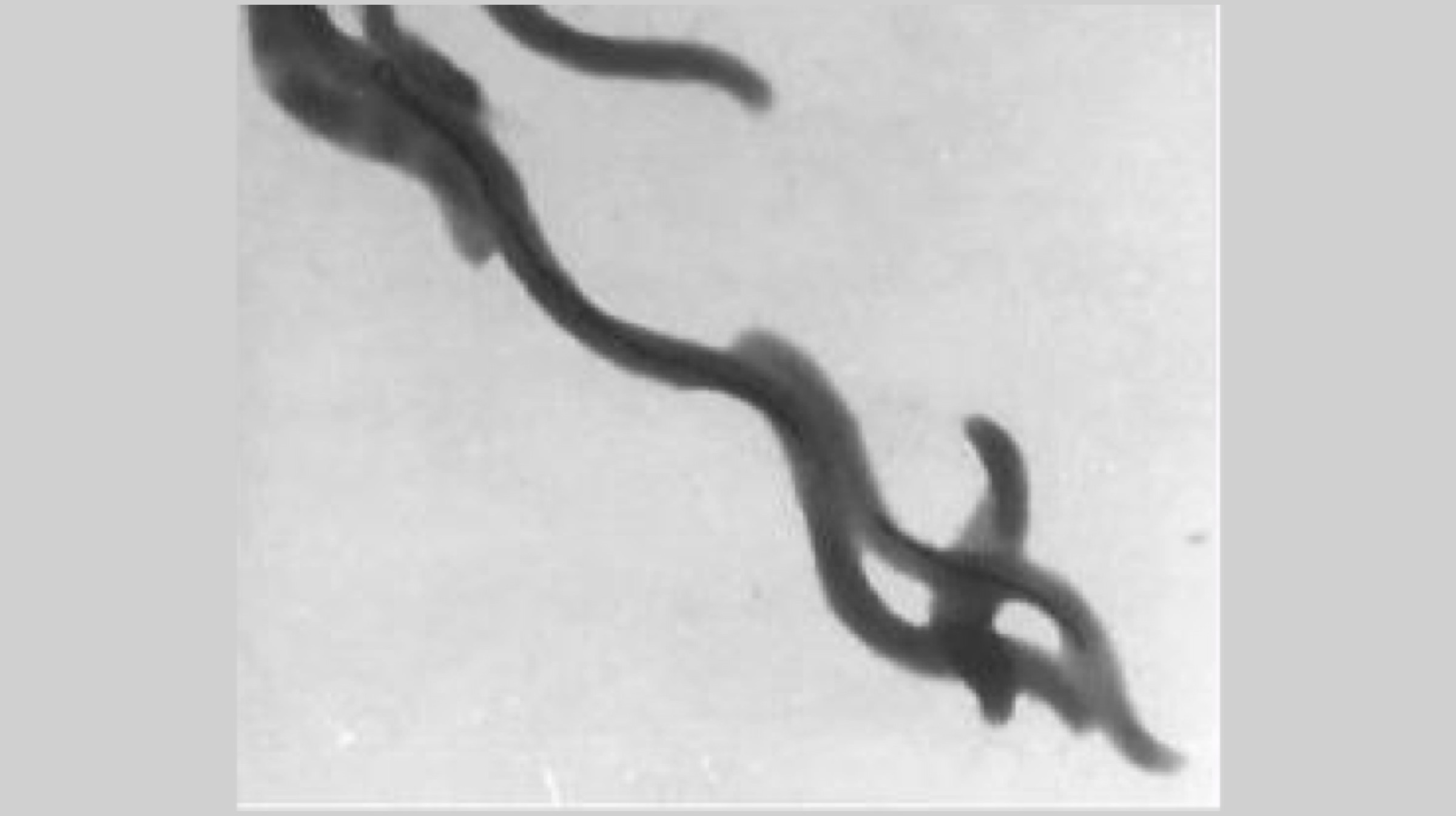
One of the biggest challenges while delivering drugs via nanoparticles is the exit strategy of the robots, implying that the micro robots can escape the blood vessels and accumulate in the desired spot for removal from the human body. Sangeeta Bhatia, a senior author of the aforementioned study states that it is tough to get the nanomaterials to the tissue in the lining of the blood vessel, but the use of magnetism to develop fluid forces, the nanoparticles can be pushed through the lining. The same study further states that swarms of naturally magnetic bacteria (Magnetotactic bacteria) can be also used to achieve the same result.
Schurele, the assistant professor at the Swiss Federal Institute of Technology previously worked on magnetic microbots, and consequently she aimed towards making the nanoparticle drug delivery technique more efficient when she started working with Sangeeta Bhatia. The researchers used their micro robots to target diseased sites in the human body which were usually a host of tumours. Since they faced issues with the same, the team explored their options with magnetic bacteria to devise a method to push the particles to the target in a better way.
About The Nano Robots
Regarding the involved micro robots, they are 35 hundredths of a millimeter long, which can be compared to the size of a single cell. The robot has a helix that is similar to the flagella, which empowers the movement mechanism of bacteria. For magnetic functionality, the nano robots are first printed with a high resolution 3D printer and then coated with Nickel. Simulations were then performed with these tiny robots, where the nanoparticles can travel in a system that mimics blood vessels (50 to 200 microns wide).
The research was funded by the Swiss National Science Foundation, the Branco Weiss Fellowship, the National Institutes of Health, the National Science Foundation, and the Howard Hughes Medical Institute. If this is applied in real life, administering drugs directly to affected tissues and tumours would become infinitely easier. Scientists are already working on a system where the nano robots can travel without the need for any visual feedback, and can be controlled externally as well.
Inventors and scientists have been continuously working towards reducing the size of technological components. Room-sized computers to laptops that are slimmer than a pane of glass? It’s done. Huge bulky telephones to smartphones that can fulfil a lot more? A thing of the past. The real question is, to what extent can all this go? Will we see smartphones that can be embedded in human bodies? Or is there more to it?
Nanotechnology has been around for a while now. It is a branch of technology so minuscule that it can operate on a microscopic level. And what’s more, it can be programmed to do whatever is desired of it. Richard Feynman was the physicist who first gave birth to an idea of nanotechnology and nanoscience in 1959. With his paper titled “There’s plenty of room at the bottom”, Richard laid the vision on top of which nanotechnology is being developed today. And in the future, it is expected to greatly change the way our world operates.
“Nanobot” is a term that people may have gotten used to because of Hollywood science fiction movies. As the name suggests, a nanobot or a nanorobot measures about a few nanometers, where 1 nm = 10-9 meter. With properties like self-replication (producing copies of themselves to replace defective units) and molecular manufacturing (building nanoscale circuits and devices), nanobots have a host of applications that can be implemented in our day-to-day life. They are highly valued in healthcare, construction, telecommunications and disaster management.
Here are some of the areas where nanobots can be of immense help and value:
Nanotechnology In Healthcare
A major chunk of funding that goes into Nanobots R&D originates from the medical field, and for reasons that make it very clear why we need nanobots. Medical researchers call nanobots “the biggest medical breakthrough since medicines”. And there is a lot of excitement once we explore what nanotechnology can hold in store for medical science.
In 2016, researchers used nanobots to treat a tumour by targeting it via nanobots, which then administered the necessary medicine to the clot of cells. This means that no surgery was involved to treat the tumour, no incisions were made and no anaesthesia was involved. It is very heart-warming to think that cancer may be a thing of the past in a decade or so. Chemotherapy and cancer treatments could be rendered obsolete for all we know.
Imagine that a person is unfortunately involved in a severe accident and is bleeding profusely, probably towards his/her death. Nanobots can heal up the damaged tissue right before your eyes. The microscopic robots are programmed to swarm like bats to scout out the point that needs repair. Once the point of activation is detected, all the bots collectively work together to fix it.
Hollywood movies like “G.I. Joe” and “I, Robot” display the use of nanobots in healing. Further implication includes the military, which will be taken up later.
Nanotechnology In Construction
As per surveys, almost 41 percent of the total energy consumed in the United States is routed to construction and building. Nanotechnology can significantly reduce construction times and energy consumption that is involved in development. Deeper applications include maintenance of buildings, safety facilities and self-cleaning. Using micron-sized coatings, the nanoparticles can provide UV resistance in both coatings and paints. Nanoparticles of compounds like Titanium Dioxide and Zinc Oxide can be applied as a final layer on construction ceramics to provide the aforementioned resistance.
Nanobots can be used to automatically fill cracks in concrete and other building material, averting disasters that arise from construction negligence. Addition of nanoparticles to building materials will lead to fire resistant, air cleansing, more durable and easy to clean end-products. When used in glass, cracks will automatically repair themselves, preventing any hazards. The implications are endless.
Nanotechnology In Military
In the last 13 years, the Indian Army lost a soldier on duty every third day. Casualties on the front line are much higher in number than in any other profession. The development of nanobots in the Military sector will ensure that the number of lives lost is drastically reduced. For starters, nanorobots can be used to scout the front lines for any impending risks. They can be used for spying and scouring sensitive information without putting any human lives at risk.
Kevlar vests can be designed with nanoparticles to provide material regeneration during combat. Weapons developed with nanoparticles will be lighter and more modular than conventional weapons. Military nanorobots will be capable of performing complex functions like grabbing and wielding heavy objects, which can be used to safely neutralize threats like IEDs and Mines.
Even though a lot of years are still pending before we can see nanotechnology become a part of our lives, we can still hope that when it does, it radically improves our world. If a piece of technology has the potential to save lives in ERs as well as on battlefields, it holds an immense value from an R&D point of view. These incredible devices have the capability of changing the way we live our lives, hopefully, for the better.
Its time to ditch those bulky and rigid health sensors and make way for much more comfortable and wearable electronics. While there have been lot of skin based wearables which monitor heart rate and other vital health signals, Scientists have come up with a new lightweight, super stretchy tech which can be directly attached onto the skin for more sensitive and precise measurements with durability as an added plus. This ultra thin and stretchable gold nano-mesh is the latest development in the wearable tech department. Scientists have created a stretchable electronic film that could monitor health by being attached to our skin. Like straight out of a sci-fi movie, this tech is capable of recording data through skin. Unlike most skin based sensors available today which are bulky and impractical, the nanoscale skin eliminates the factors which cause discomfort like rigidity, uneasiness which makes them less popular.
How Does It Work
Scientists use a mesh-like structure of metallic nano-filaments which dissolve under water, leaving the electronic part directly on the skin allowing you to easily bend and flex as you would. Twenty participants who wore it for a week reported no problems with the external skin. The skin didn’t get itchy or inflamed and the wearable didn’t break for the duration of the test. This makes the new skin an ideal solution for precise long-term medical monitoring and as an added plus, it looks like a funky gold tattoo.
Each nano-filament i.e. electrically charged thread is about 300-500 nm in diameter and coated in a thin layer of real gold. The entire mesh-like film structure is then put on the skin and just as mentioned water is sprayed to dissolve the ultra-thin layer of polyvinyl alcohol – a water soluble synthetic polymer, which has passed hypoallergenic testing. The gold threads remain and can be used to send data to a laptop or power an LED. A flexible battery can placed at the end of the nano mesh conductor to facilitate the flow of the electric current to power the LED. The only downside to this wearable is the sensor is delicate and may not be durable in the long run. But, that’s the next step of the process.
Nanotechnology is the study and use of incredibly small components and structures. The word small is an over-estimation -these components are no more than 2 nanometres (the width of a strand of DNA), or 50 thousand times smaller than human hair. Yes, we are talking tiny.
Needless to say, it is one of the most interesting things about the world of tech and holds immense promise for the future. However, there is a flipside to it -the line between harvesting the enormous power of nanotechnology and letting it overcome humanity is thin and easy to blur. This notion has been explored deeply in video games, art, and has begun to spark off debates in real life lately. Here’s a quick look at some of them.
Nanotech in Film
One of the most recent examples of nanotech in cinema is the 2014 animated film Big Hero 6. The 14-year old protagonist of the movie, Hiro, presents his little army of microbots at the science fair of the robotics centre of the university his elder brother, Tadashi, wants him enrolled in. Thus begins a series of extremely unexpected events, to say the least. The plot of the film centres around microbots which Hiro had initially made for his science project, but now in the wrong hands -they have the potential of wreaking havoc all over, which is precisely what the antagonist aims to do.
List of other movies to have used nanotech is endless, but some of the most famous names include i, Robot, Terminator and Transcendence. These films show the effects of nanotech, being used judiciously, as well as gone terribly wrong.
Nanotech in TV
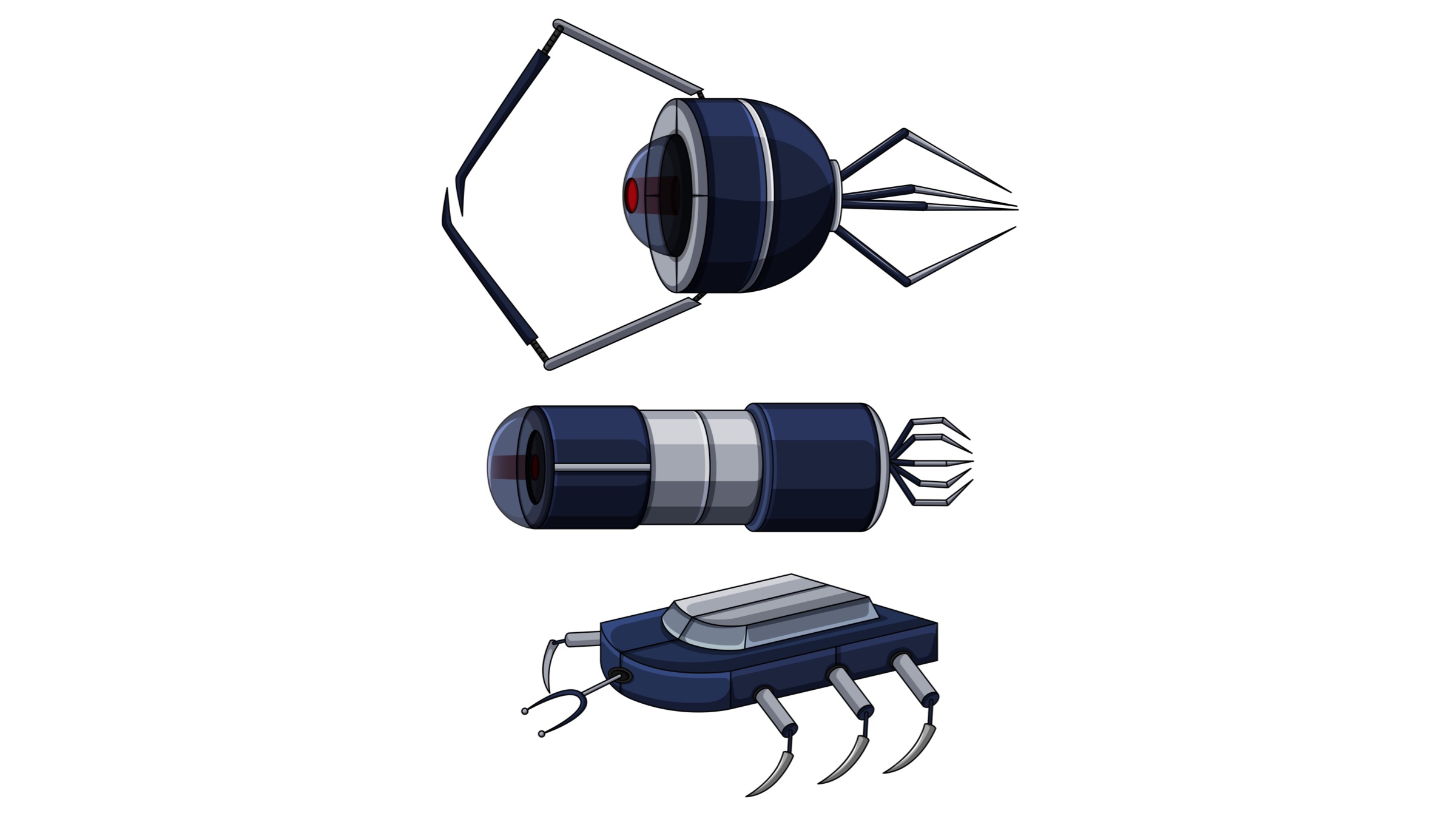
Sketch of a Nanite
The 2012 TV show Revolution uses the idea of nanotechnology and spins its plot around nano-bots called Nanites in the show. The setting of Revolution is a post-apocalyptic, dystopian 2027, a world which has been engulfed in darkness post a global electricity blackout in 2012.
The Nanites have only two functions -to absorb electrical energy, and to replicate it. The former activity led to the artificially-created ‘Blackout’, thereby making Nanites solely responsible for the current order of things in the show. Furthermore, the Nanites are also capable of performing various medical functions -from curing cancer to repairing damaged lung tissue.
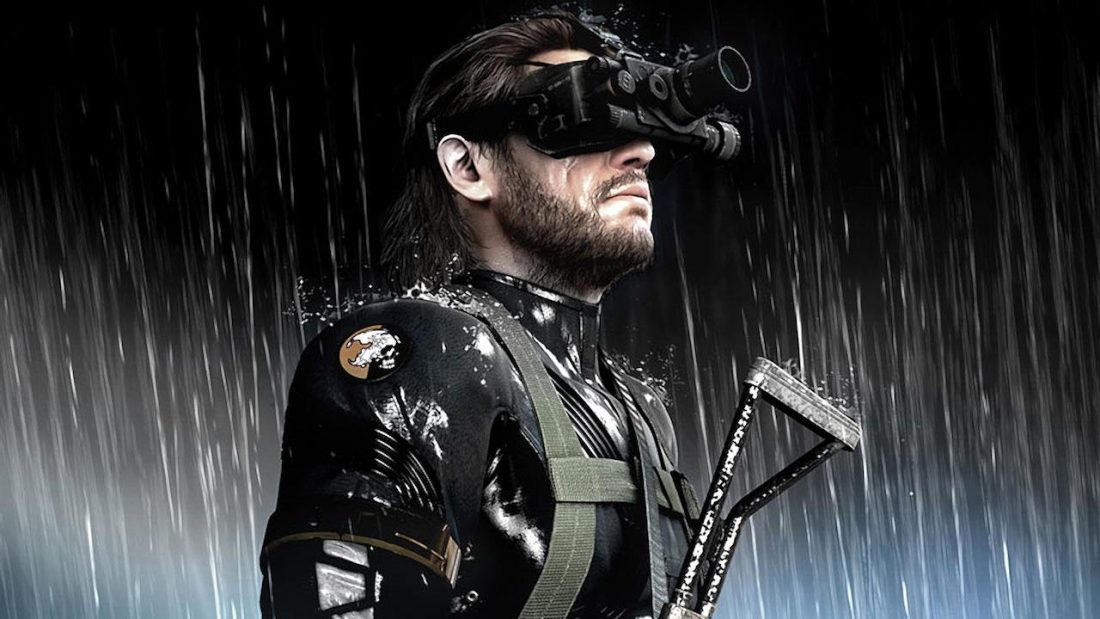
Nanotech in Video GamesIn Metal Gear Solid 4, PMC soldiers are equipped with nanomachines that enhance their abilities on the battlefield. The nanomachines form an integrated network called “Sons of the Patriots” which ensures delivery of drugs like adrenaline, and nutrients to the required body part of the soldier. Additionally, the nanocarriers also provide information about the physiological characteristics of the soldiers’ bodies including their heart-rate, body temperature, blood pressure and injuries, enabling the commanders to make an efficient and informed choice about their plan of attack.
The storyline of the game is interesting because it comes very close to what we have been up to with nanotech in real life. Metal Gear Solid straddles sci-fi with real-world nanotech and makes the game a fun experience. Another fantastic game to make use of nanotech is Crysis. Check it out below.
Nanotech in MedicineJust last year Harvard released a research about an electronic device that can be injected directly into the brain. Connecting it to a monitor ensures nano view of the brain, enabling the doctor to keep a track of neural activity. This, in turn, is capable of helping with treatment of neurogenerative disorders as well as diseases like paralysis.
Nanotech has been used in the past to treat diseases by targeting symptoms and the affected area within the body itself. Target treatment for diseases like cancer has been made successful using nano-tech where the medicine is delivered directly to the infected region using nanocarriers, thereby reducing contact with adjacent regions and the consequent side-effects.
Conclusion The origin of nanotech goes back to 1959 when Professor Richard Feynman spoke about using matter on a very small scale.
“It is a staggeringly small world that is below. In the year 2000, when they look back at this age, they will wonder why it was not until the year 1960 that anybody began seriously to move in this direction.” – Richard Feynman
And now over half a century later, here we are, with another name added to the list of human activities threatening our existence. As nanobots are developed that could live in the bloodstream of soldiers, as has already been seen in popular culture art and video games, could nanotech be the future of violence? Perhaps only time will tell.
Would you allow these tiny nanobots in your bloodstream?
While paranoid sceptics struggle with the notion of Artificial Intelligence, Transhumanism and now nanotechnology ending mankind as we know it -what do you think -does nanotech positively hold the answers to a better future or could it be a factor that wipes out the human race?

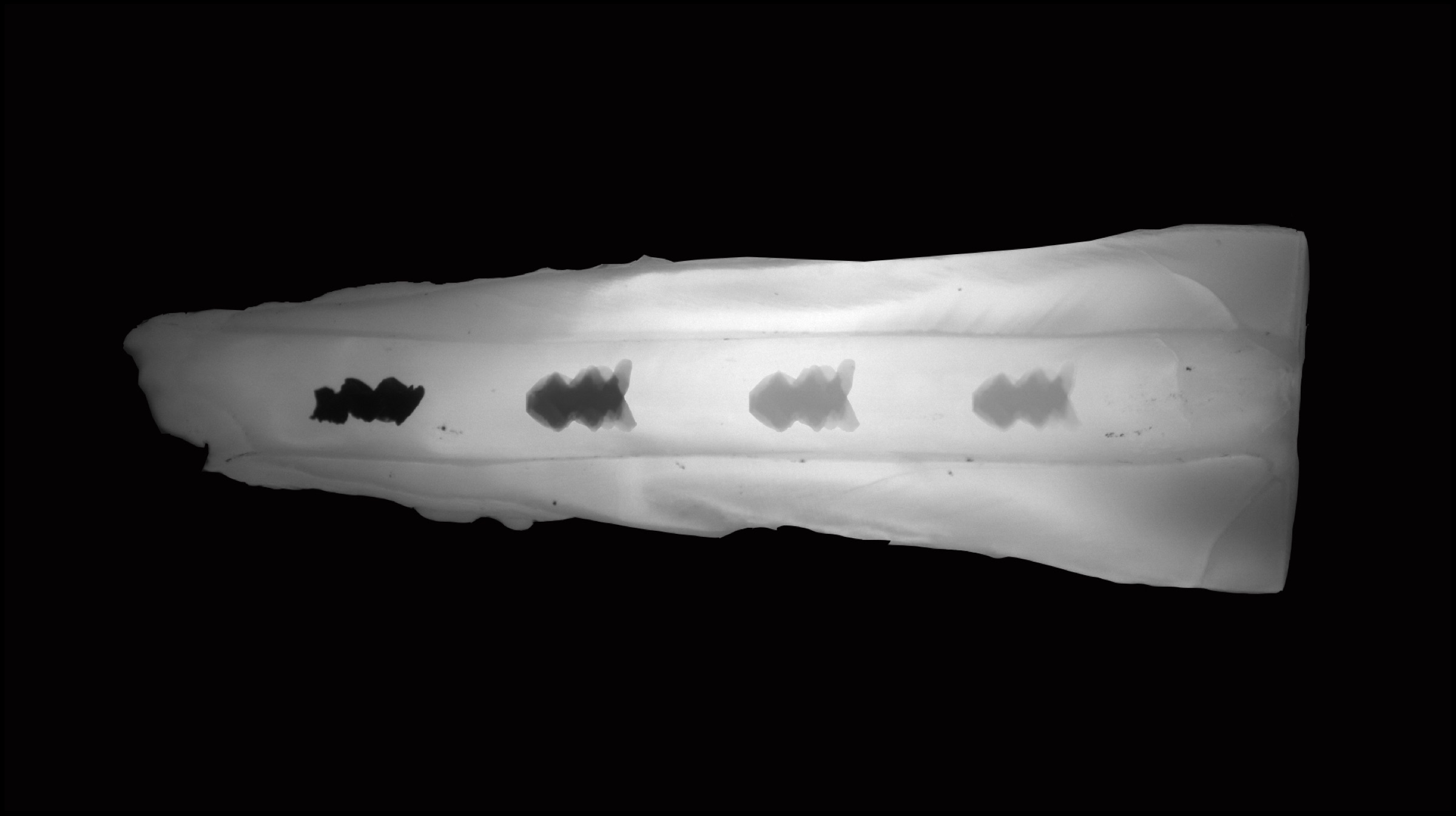 The scientists have developed two different types of robotic systems for entirely varied purposes. One of them works on open surfaces, whereas the other system is designed specifically to operate inside closed spaces. The researchers showcased the microrobots’ ability to destroy biofilms and sticky deposits of bacteria. Plus, the scientists state that the same technology can be implemented in cleaning dirty water pipes and other inaccessible areas which are prone to bacterial deposits.
 Also Read: Fortnite Can Be Now Played On The Xiaomi Redmi Note 7 Pro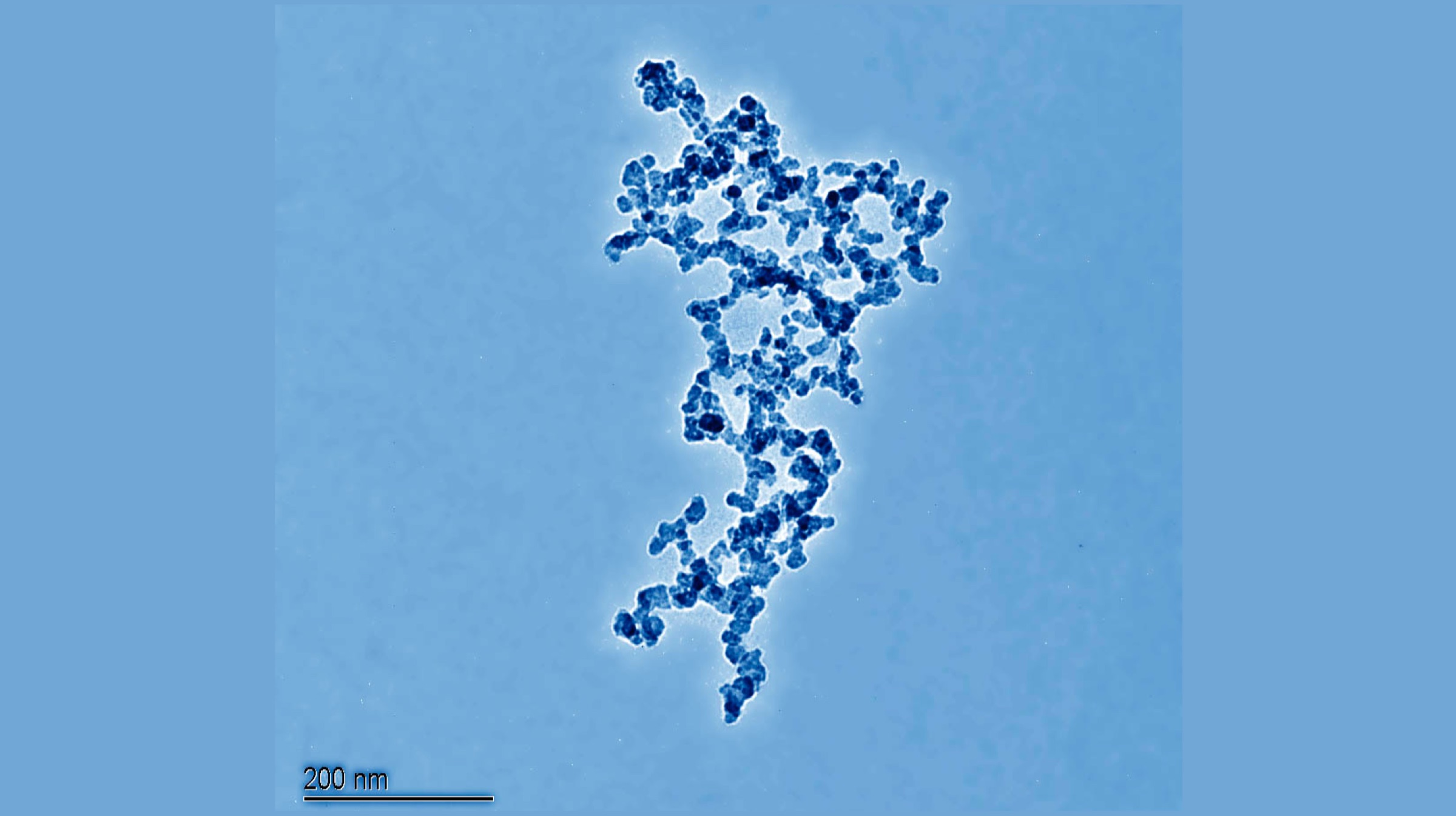
 One of the biggest challenges while delivering drugs via nanoparticles is the exit strategy of the robots, implying that the micro robots can escape the blood vessels and accumulate in the desired spot for removal from the human body. Sangeeta Bhatia, a senior author of the aforementioned study states that it is tough to get the nanomaterials to the tissue in the lining of the blood vessel, but the use of magnetism to develop fluid forces, the nanoparticles can be pushed through the lining. The same study further states that swarms of naturally magnetic bacteria (Magnetotactic bacteria) can be also used to achieve the same result.
 Schurele, the assistant professor at the Swiss Federal Institute of Technology previously worked on magnetic microbots, and consequently she aimed towards making the nanoparticle drug delivery technique more efficient when she started working with Sangeeta Bhatia. The researchers used their micro robots to target diseased sites in the human body which were usually a host of tumours. Since they faced issues with the same, the team explored their options with magnetic bacteria to devise a method to push the particles to the target in a better way.
 Also Read:
 Nanotechnology has been around for a while now. It is a branch of technology so minuscule that it can operate on a microscopic level. And what’s more, it can be programmed to do whatever is desired of it.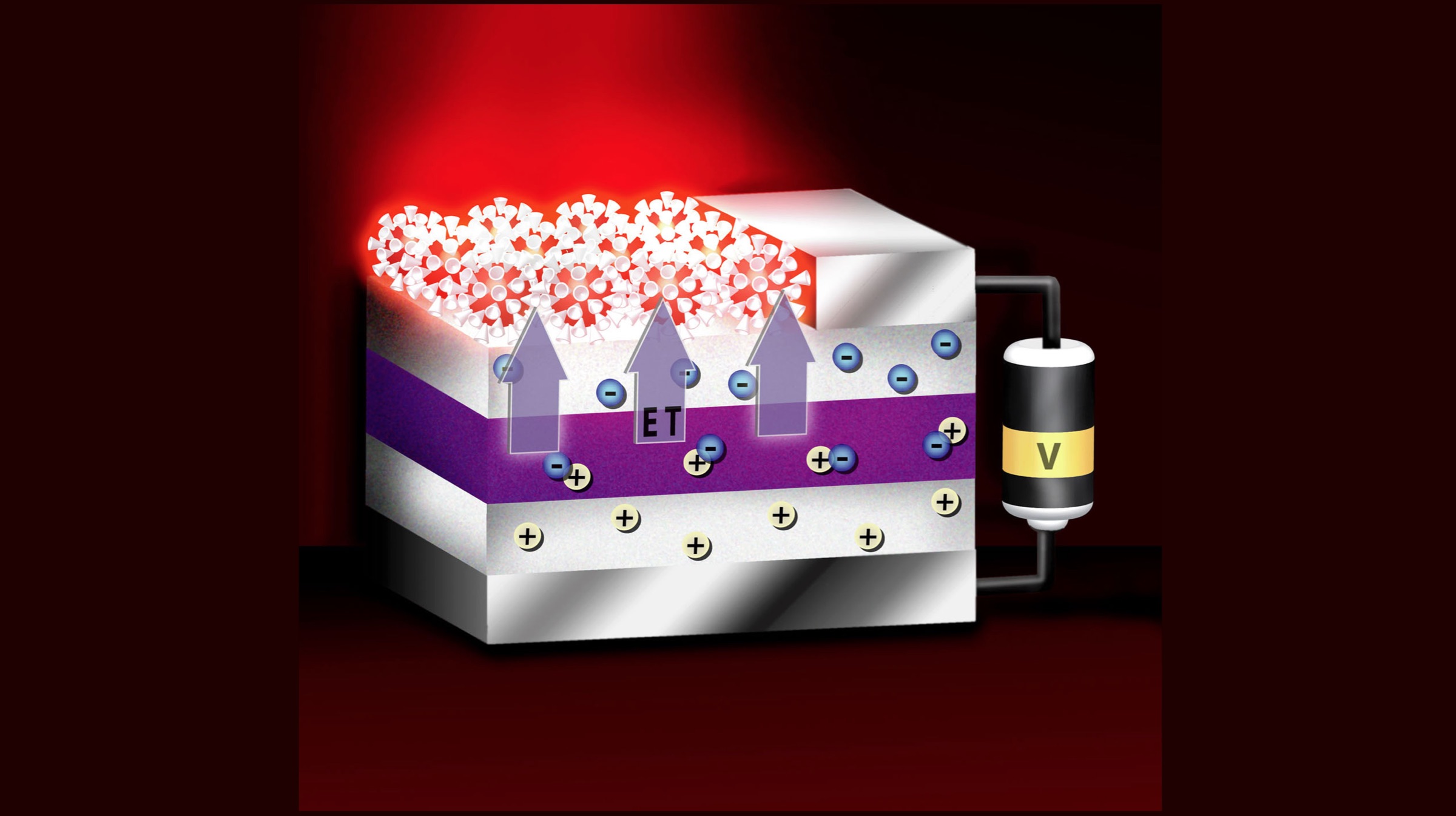
 In 2016, researchers used nanobots to treat a tumour by targeting it via nanobots, which then administered the necessary medicine to the clot of cells. This means that no surgery was involved to treat the tumour, no incisions were made and no anaesthesia was involved. It is very heart-warming to think that cancer may be a thing of the past in a decade or so. Chemotherapy and cancer treatments could be rendered obsolete for all we know.
  Imagine that a person is unfortunately involved in a severe accident and is bleeding profusely, probably towards his/her death. Nanobots can heal up the damaged tissue right before your eyes. The microscopic robots are programmed to swarm like bats to scout out the point that needs repair. Once the point of activation is detected, all the bots collectively work together to fix it.
 As per surveys, almost 41 percent of the total energy consumed in the United States is routed to construction and building. Nanotechnology can significantly reduce construction times and energy consumption that is involved in development. Deeper applications include maintenance of buildings, safety facilities and self-cleaning. Using micron-sized coatings, the nanoparticles can provide UV resistance in both coatings and paints. Nanoparticles of compounds like Titanium Dioxide and Zinc Oxide can be applied as a final layer on construction ceramics to provide the aforementioned resistance.
 In the last 13 years, the Indian Army lost a soldier on duty every third day. Casualties on the front line are much higher in number than in any other profession. The development of nanobots in the Military sector will ensure that the number of lives lost is drastically reduced. For starters, nanorobots can be used to scout the front lines for any impending risks. They can be used for spying and scouring sensitive information without putting any human lives at risk.
 Kevlar vests can be designed with nanoparticles to provide material regeneration during combat. Weapons developed with nanoparticles will be lighter and more modular than conventional weapons. Military nanorobots will be capable of performing complex functions like grabbing and wielding heavy objects, which can be used to safely neutralize threats like IEDs and Mines.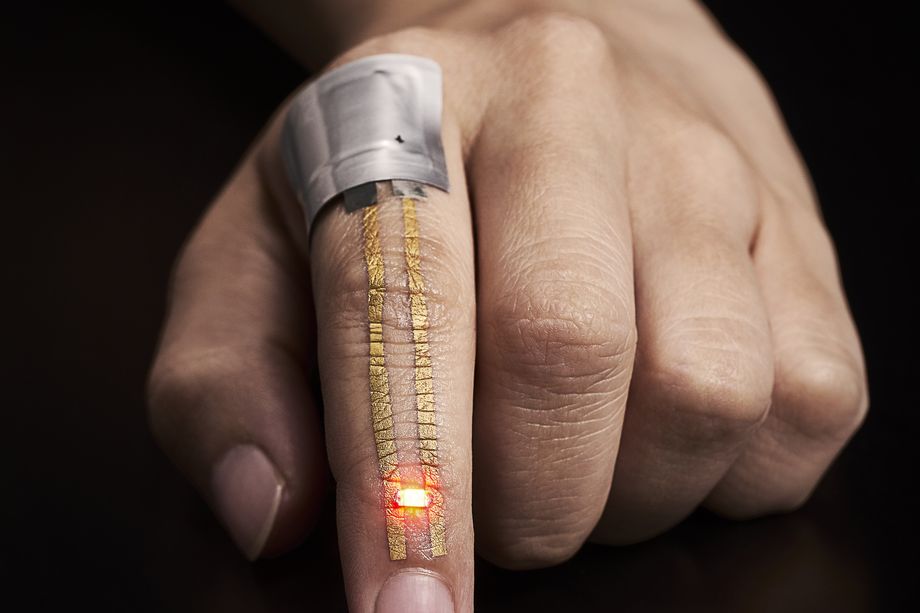



 In Metal Gear Solid 4, PM
 Just last year Harvard released a research about an electronic device that can be injected directly into the brain. Connecting it to a monitor ensures nano view of the brain, enabling the doctor to keep a track of neural activity. This, in turn, is capable of helping with treatment of neurogenerative disorders as well as diseases like paralysis.