Tag: Neuroscience

  • Study Explains How Stem Cells Are Activated

    Study Explains How Stem Cells Are Activated

    The human brain is extremely fragile and equally bad at regenerating damaged cells. Be it an injury or a disease, the effects of brain neuron damage are mostly irreversible. Research led by the University of
    Plymouth has uncovered a mechanism that can be used by neural Stem
    Cells, or NSCs to activate i.e restore to their original form. This will help
    scientists assess the behaviour of the brain in order to develop effective
    treatments. 
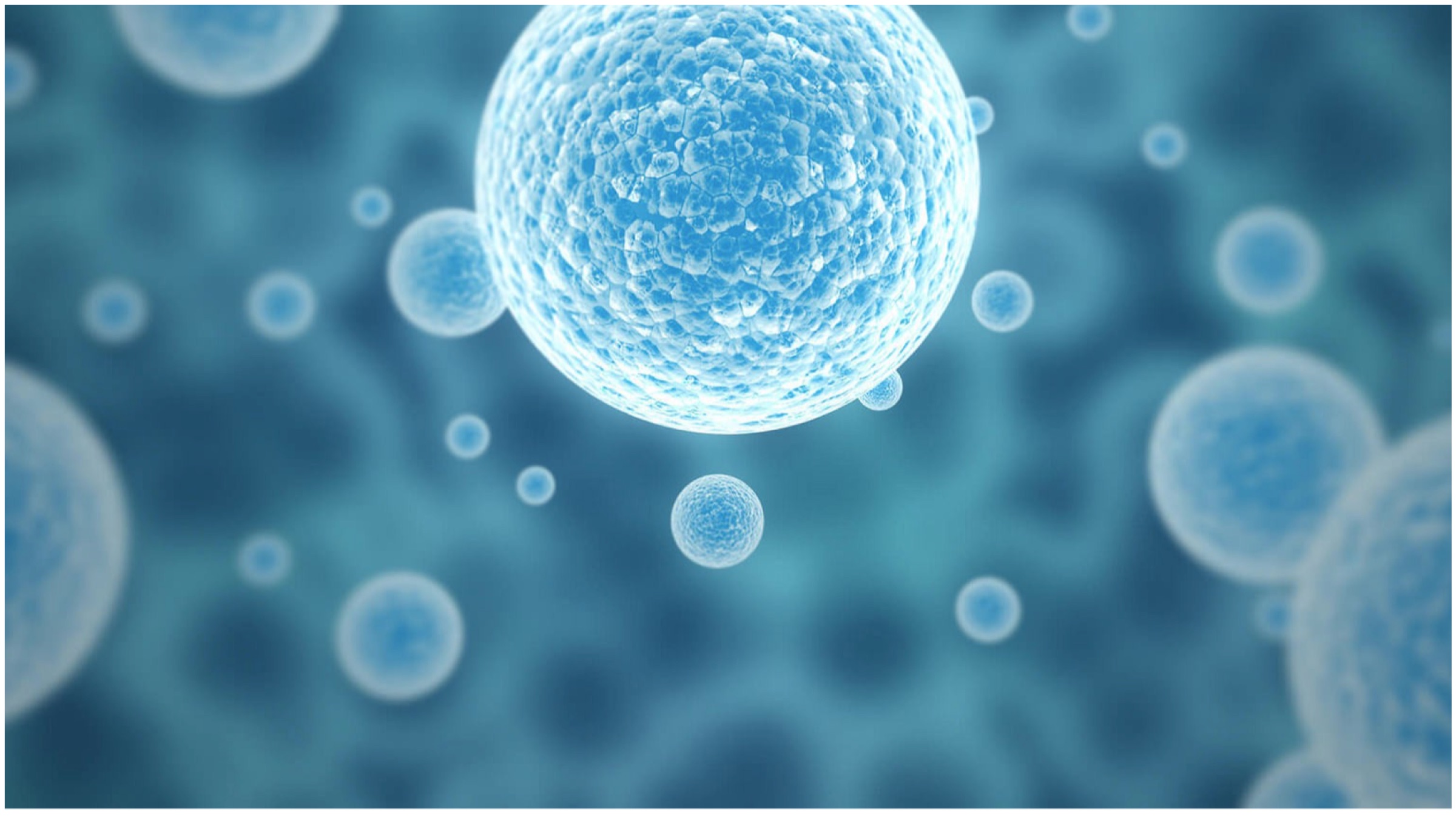
    Stem CellNeural Stem Cells manufacture neurons, which are responsible for
    transmitting messages between different sections of the brain.
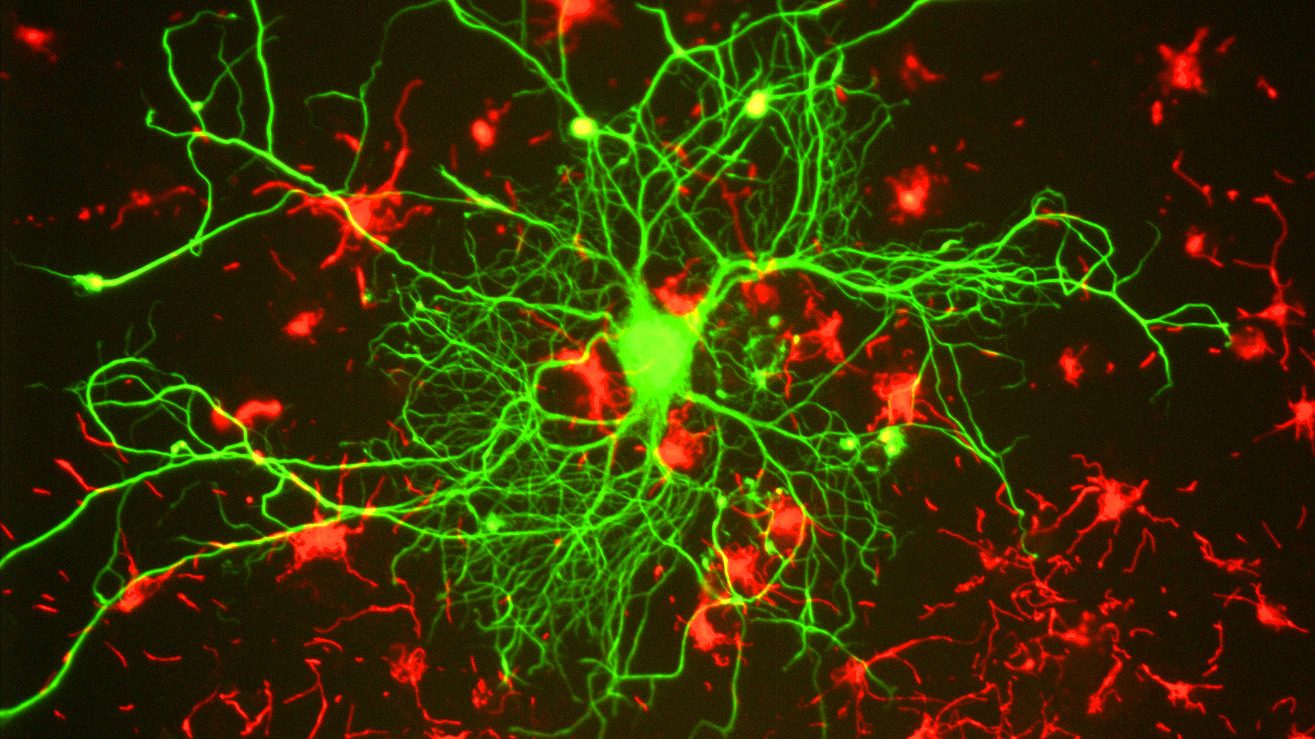
    Furthermore, NSC also produce glial cells in the brain (which provide
    insulation), so understanding the working of NSCs could help scientists
    figure out a solution to speed up their regeneration. The study was
    conducted using Drosophila fruit flies, and it confirmed that certain
    molecules which form a complex called STRIPAK (Striatin-interacting
    phosphatase and kinase) are essential to promote reactivation in NSCs.
    Stem Cell

    Also Read: Oppo Patents Foldable Smartphone With Telescopic Camera

    STRIPAK is commonly found in a variety of organisms ranging from
    humans to fungi. When the research team was comparing the genetic messages of dormant and reactivated NSCs in live fly brains, they noticed something unique about STRIPAK. The compound basically acts like a switch that can be flipped on to restore the damaged cell to its restored/reactivated state. The lead author of the study stated that there is a lot more to be researched before such a finding can be implemented in human subjects. Scientists believe that in the future, brain cancer growth can be prevented with the help of Stem-like cells that are capable of regenerating from dilapidated states. 
  • John Hopkins Creates Human ‘Mini-brains’ in Petridish

    John Hopkins Creates Human ‘Mini-brains’ in Petridish

    Researchers at Johns Hopkins Bloomberg School of Public Health have developed “minibrains”. Made up of human cells and neurons, these tiny brains are capable of imitating the human mind in functionality, while also possess the ability to be replicated manifold.

    Needless to say, this research is a breakthrough in the world of neuro-sciences with immense potential for the future. One of the direct consequences of this development is that hundreds and thousands of animals being used for testing can now be replaced with these cells. Not only is this welcomed news by the entire rodent-community, it also means more accurate research for humans.

    “Ninety-five percent of drugs that look promising when tested in animal models fail once they are tested in humans at great expense of time and money. While rodent models have been useful, we are not 150-pound rats. And even though we are not balls of cells either, you can often get much better information from these balls of cells than from rodents,” aptly puts study leader Thomas Hartung.

    These cells were created using a specific kind of protein called induced pluripotent stem cells (iPSCs). Along with proteins, cells from healthy adults form the composition of the mini-brains. In the future, the research also hopes to include cells from people with genetic disorders and specific genetic traits to create mini-brains. This would help with the study and treatment of diseases like Alzheimer’s, Parkinson’s, multiple sclerosis and maybe autism. At the same time, projects to study viral infections, trauma and stroke are already underway.Minibrains

    The mini-brains measure a 350 micrometers in diameter and are visible to the naked human eye. Researchers claim they can grow a hundred of them in one petri-dish. Production for these mini-brains is expected to begin in 2016 and the researcher group hopes to see them in as many labs as possible.

    Source

iGyaan Network
Privacy Overview

This website uses cookies so that we can provide you with the best user experience possible. Cookie information is stored in your browser and performs functions such as recognising you when you return to our website and helping our team to understand which sections of the website you find most interesting and useful.