Tag: project ara

  • Google Reveals Why We Won’t Get to See Project Ara This Year

    Google Reveals Why We Won’t Get to See Project Ara This Year

  • Google to Make Us Wait Another Year For Project Ara

    Google to Make Us Wait Another Year For Project Ara

    One of the most futuristic innovations till date, Project Ara, set tongues wagging all across the world due to its sheer concept. The fact that one could have a smartphone with detachable components that can be replaced, seemed novel and right out of a sic-fi movie. However, once Google took this initiative under its belt, there was no looking back.

    project-ara 2_1020

    Although, we were all waiting for this lego like phone to hit the markets starting in Puerto Rico, this year, it looks like we are going to have to wait at least another year. A launch Puerto Rico might not happen at all. Reports suggest that the prototyping phase of the phone has taken longer than was expected and Google is now looking at locations in the United States to launch the phone.

  • Check Out This Modular Case That Gives a Smartphone Project Ara-like Upgradation Abilities

    Check Out This Modular Case That Gives a Smartphone Project Ara-like Upgradation Abilities

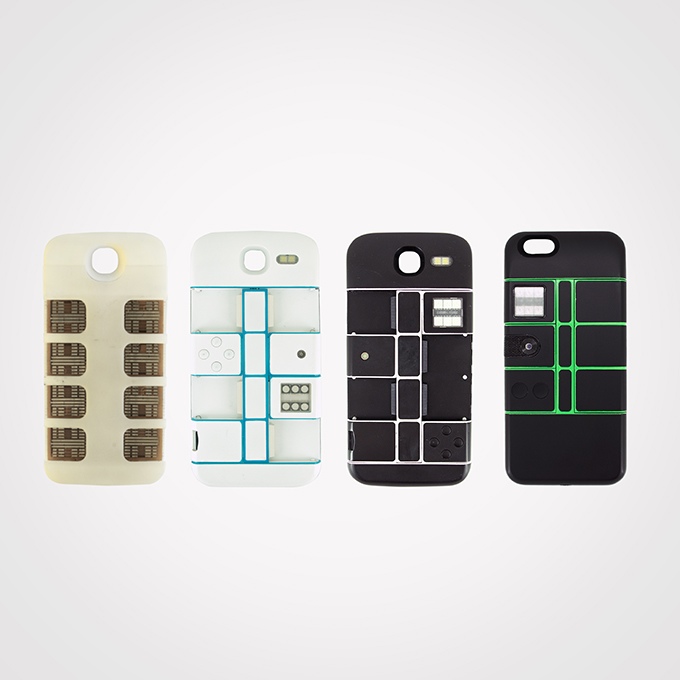
    Now is the age of customization. Smartphones today offer options to tweak the customary set-up and mould it to your convenience. Google’s latest Project Ara is the ultimate form of customization that is set to transform the present smartphone industry. But seems like there’s another advanced technology like Project Ara that can modify your present handsets. Nexpaq, a California-based start-up, has developed a modular case that has the power to add additional features to your device, that you have always wished for.

    case

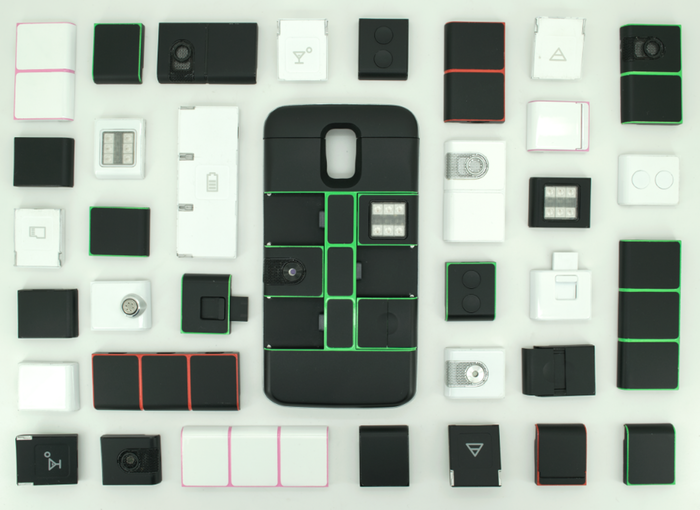
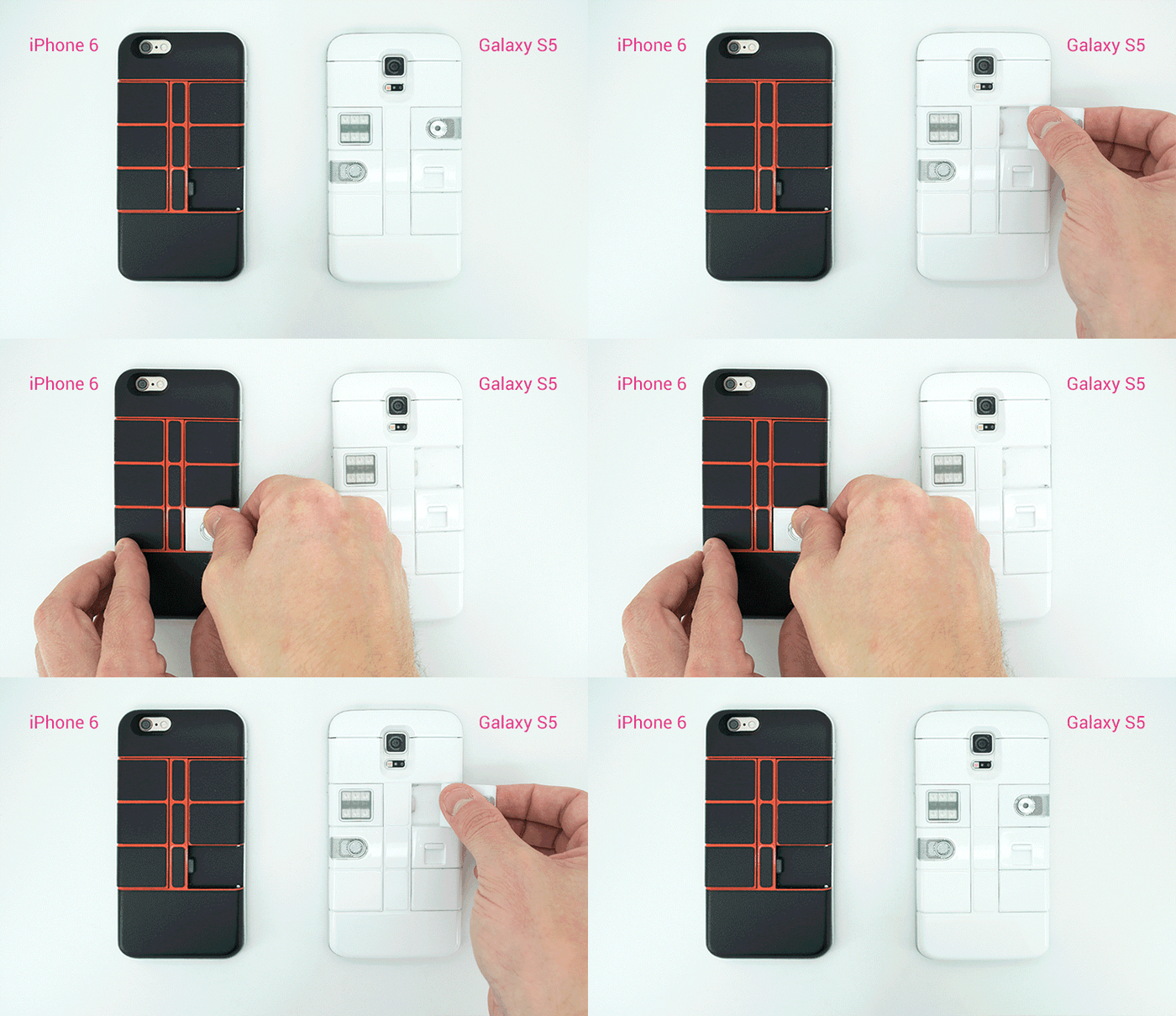
    The case is said to be “the first truly modular smartphone case” and comes with 12 different modules. These include Laser, Battery Power, Super LED Flashlight, SD Card Reader, Amplified Speaker, and a few more. Nexpaq says that there are more to come. Simply put, it provides external support to upgrade the device in terms of memory, sound quality even if your phone has restricted capacity. The company claims that it is the first hardware to switch between iOS and Android devices. Which basically means, users of the two operating systems can switch modules to experience each other’s modules.

    nezpaq case

    At one time, six different modules can fit in the case. The case coming in two different colours – black and white – is compatible with smartphones like Samsung Galaxy S5, iPhone 6 and Samsung Galaxy S6 Edge. The project is still under development and one can pre-order it for $109 to get a Nexpaq case and four different modules. The product will be shipped to the backers by January 2016. There are different deals at different prices which offer two Nexpaq cases, module development kits and more.

    As the shipping date suggests, the project will launch by January next year. It is highly likely that Google may come up with Project Ara before then.

    To know how it works, check the video below:

  • How Google’s Project Ara Will Reinvent the Existence of Smartphones

    How Google’s Project Ara Will Reinvent the Existence of Smartphones

    The whole idea of technology is to continuously evolve through introduction of new and feasible upgrades. However, this process of evolution makes the old devices inherently wasteful. As soon as a new device comes out, the old one is tossed in the garbage or put on the shelf to collect dust. But Google’s Project ARA wants to change that with a Lego-like device in which parts of the phone, although not the entire device, can be replaced.

    History

    The idea of modular smartphone may sounds exciting but it was not easy to build; we presently call it the PhoneBlok smartphone. PhoneBloks began with a single video, almost one and a half years ago, describing in some detail, the idea for a phone worth keeping. Even though it was just an idea, it generated quite a buzz in the tech industry with a social media reach of over 380,000,000 people. Shaking the mere foundation of the smartphone market, the idea presented by the PhoneBlok community questioned the idea of typical smartphones and showed an effective way for change.

    The roots of the modular smartphone can be traced back to Modu, an Israeli mobile phone company, founded in 2007 by Dov Moran. The company invented the Modu, a modular cellular device which could be used in various other devices. However, the company ceased operations in February 2011 as it attempted to pay back debts and salaries owed to its workers. In mid May 2011 Google acquired several Modu Mobile patents for $4.9 million. In 2013, Google-owned Motorola announced it is developing a modular phone and hence the Project Ara was born. Meanwhile, Google sold Motorola to Lenovo, but, retained the Project ARA Team.

    How Does it Work?

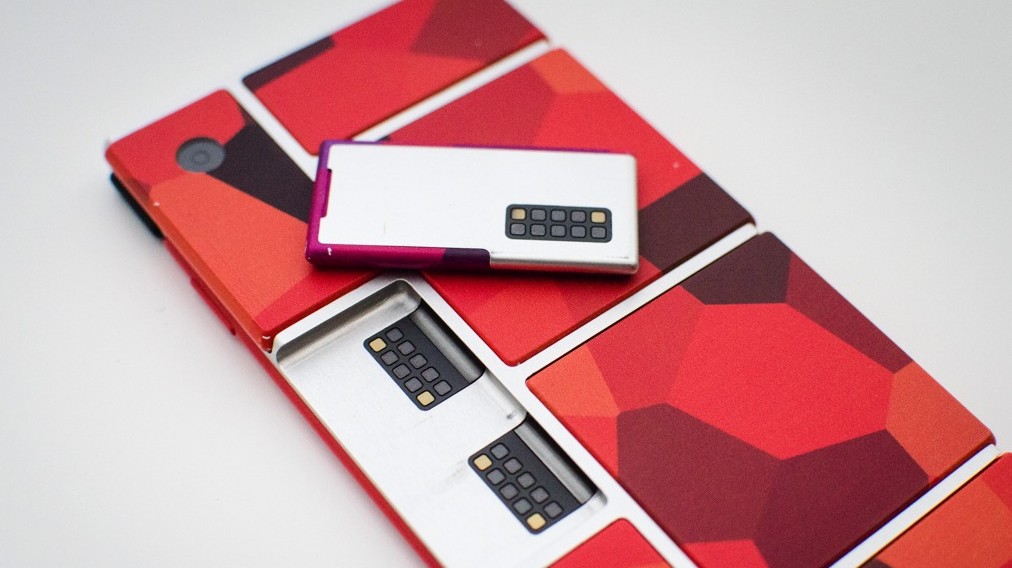
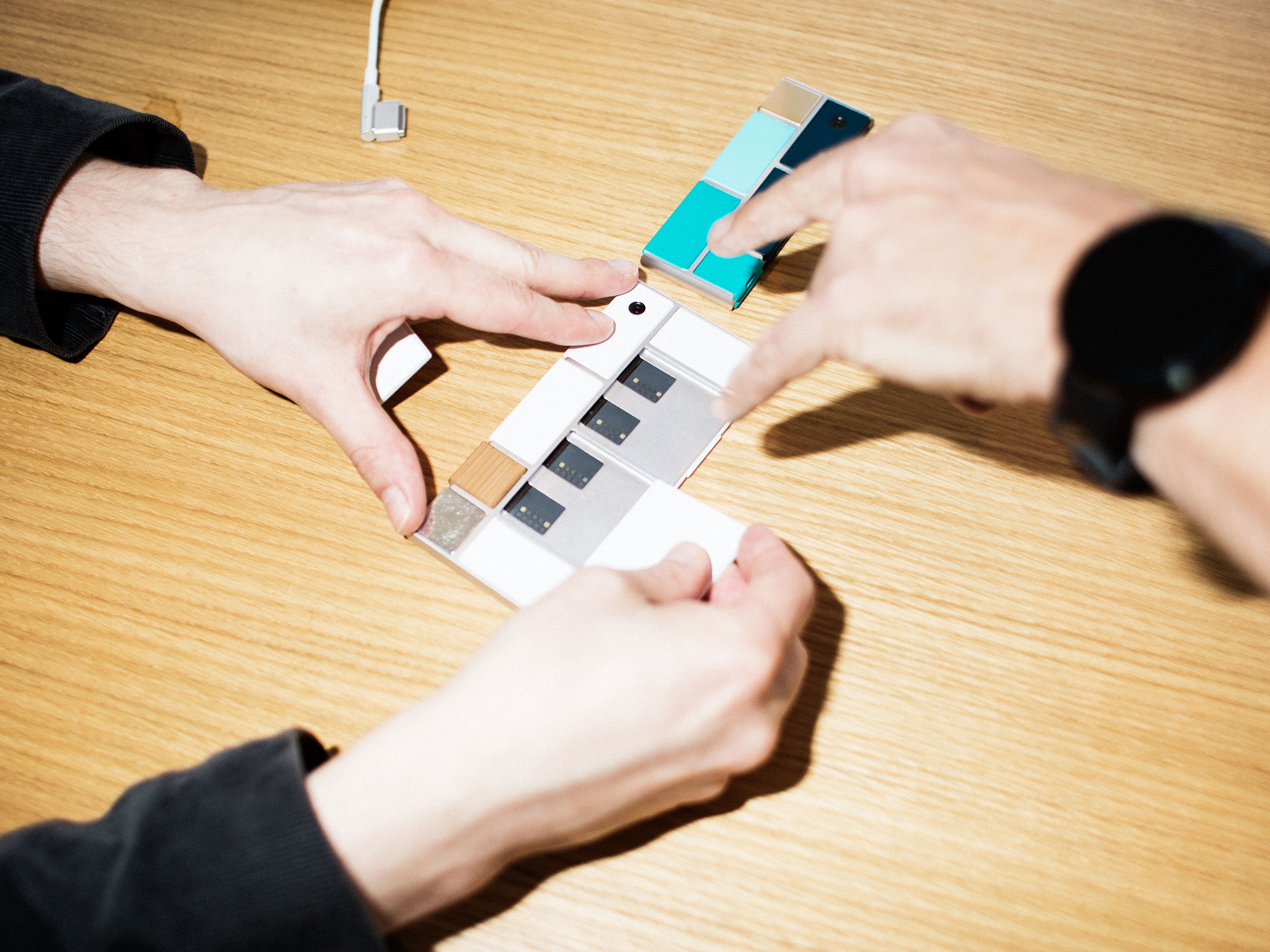
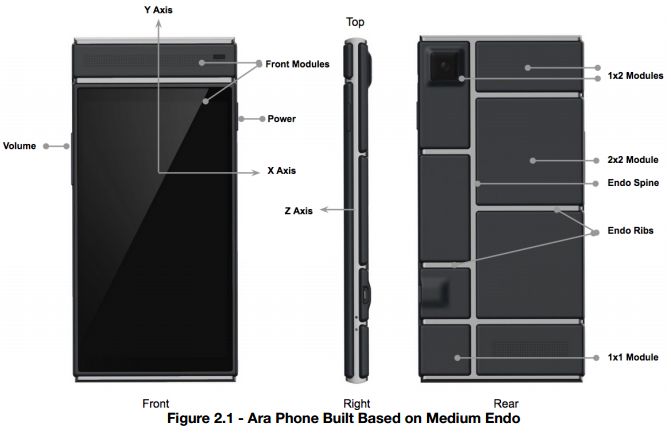
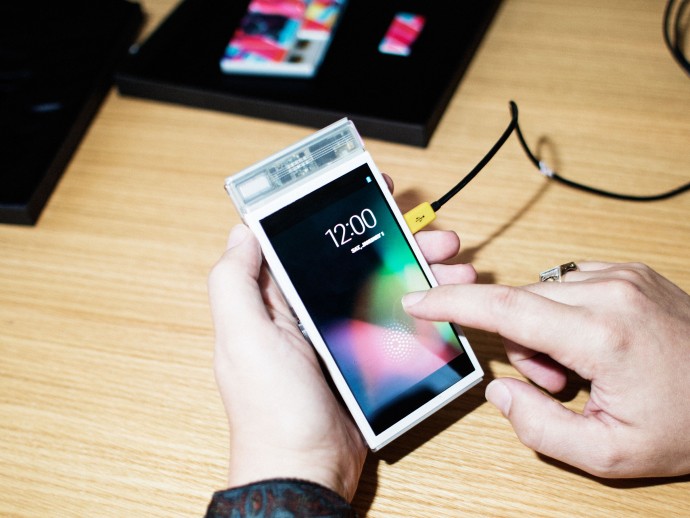
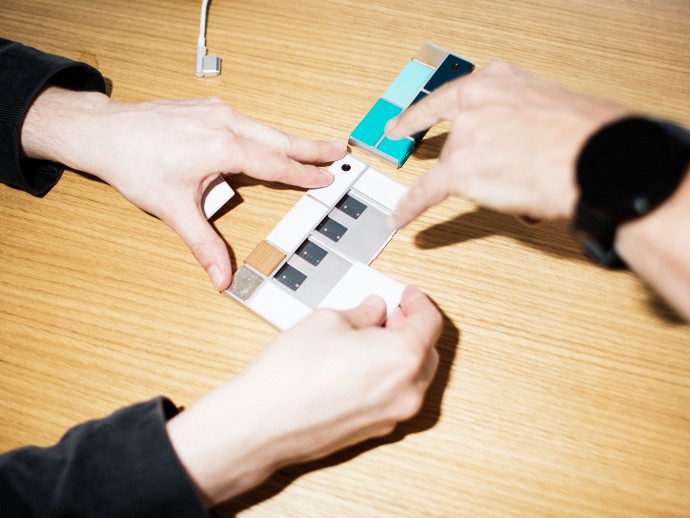
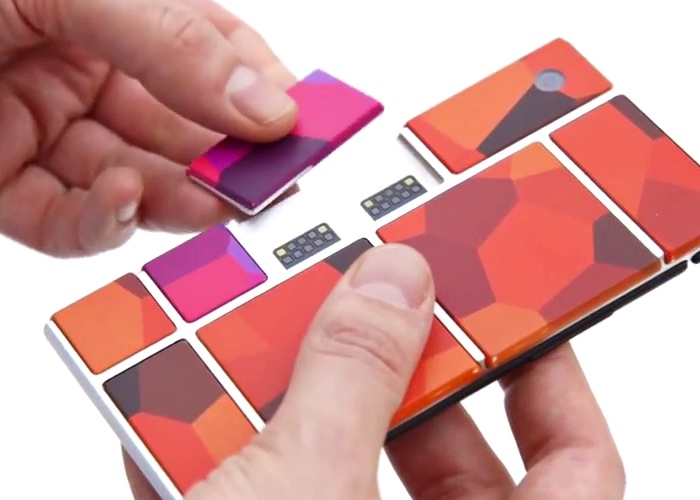
    The basic idea of the Phoneblok is creating a smartphone that has detachable components on its front and back so that everything from the processor to the camera can be easily upgraded without discarding the rest of the phone. The entire contraption is held together by a pegboard-style base, with a screen also replaceable mounted on the front.
    project-ara-8

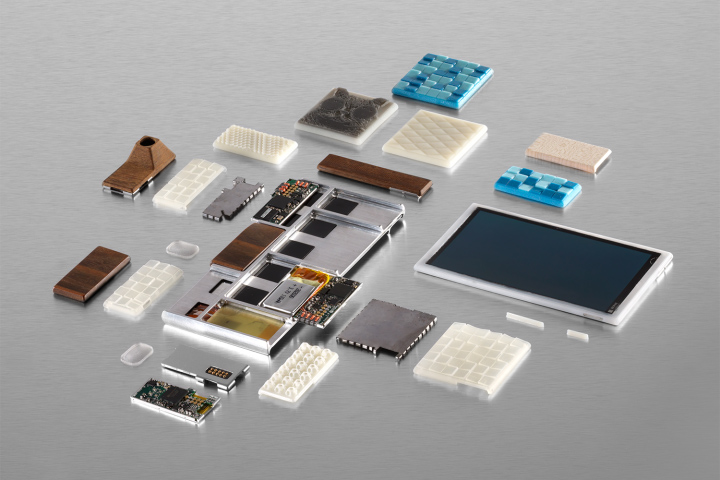
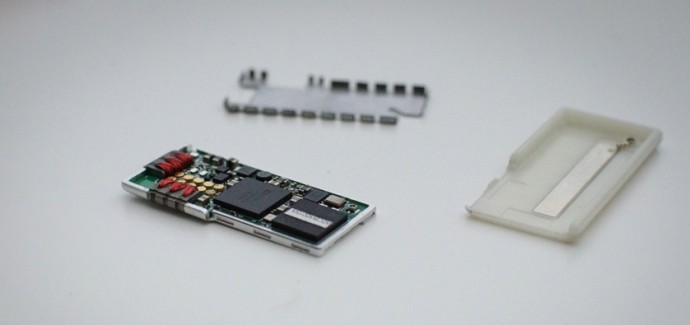
    There would be one block (also called modules) for the camera lens, one for the battery, one for storage and so on. Those blocks would plug into the base, and the blocks, base and screen would be secured together with two screws. Because individual blocks can be replaced when they become outdated or simply break. Additonally the electronic junk will be minimal with these smartphones.

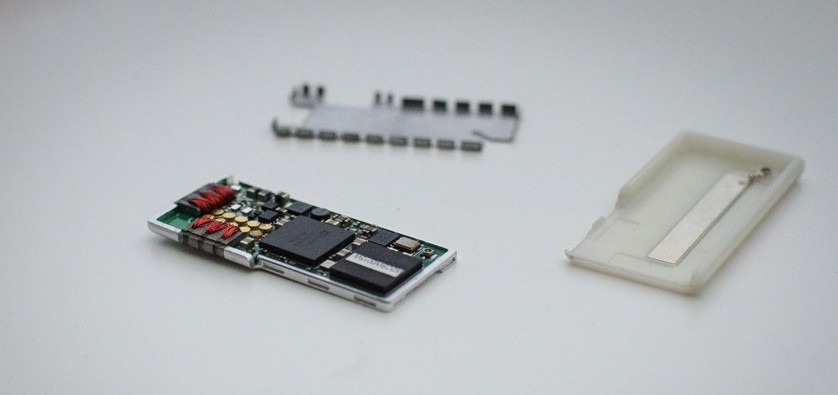
    Ara modules need to have a way to communicate with the rest of the phone, but physical contacts are often cumbersome and prone to easy damage. So instead, the modules use “capacitive interconnects,” which are wireless and theoretically more reliable, especially at high speeds. The capacitive pads also help saving space on the modules, since they’re smaller than physical pins.
    project ara 1

    Modules will be available both at an official Google store and at third-party stores. Ara Smartphones will only accept official modules by default, but users can change a software setting to enable unofficial modules. This is similar to how Android handles app installations.

    When Will It be Available?

    At present, Google has announced the launch of Project Ara MDK 0.2. The second developers kit from the project is said take PhoneBlok closer to the reality. The MDK 0.2 is based on the Spiral 2 prototype that will be revealed at the upcoming developers’ conference. The company has added  a section on the Module Marketplace, which is said to be a lot like a Google Play Store for Ara hardware modules. Unlike the Play Store, however, it seems that this marketplace is going to be strictly curated.
    project ara

    Along with this, the company has also announced the release of Ara Manager app that will be made available in the near future. This app will let users control the functions of different modules and monitor their state and information.

    Coming February, Google will kick off second installment of Ara Developers’ Conference which will mark the roll out of MDK 0.2 to limited number of developers. The commercial release is still on hold, however, the recent advancement in the project has hinted that the modular smartphone are very close to become a reality.

    Project Ara could be a ground shaker in the Tech Industry. With a video managing a social media reach of 380 Million, and the smartphone market growing so rapidly; one can only wonder what impact it will have when this project becomes a reality.
  • Project Ara MDK 0.2 Details Module Marketplace, An Online Store for Ara Hardware

    Project Ara MDK 0.2 Details Module Marketplace, An Online Store for Ara Hardware

    Fast approaching Google’s second Ara Developers’ Conference seems to have kicked off with great excitement. The Phonebloks community has announced the release of the second Module Developers Kit. This kit takes the modular smartphone closer to reality.

    The second instalment of Project Ara developer kit is not just exciting for developers but even has something for users to anticipate. The biggest addition with the MDK 0.2 is a section on the Module Marketplace, which is said to be a lot like a Google Play Store for Ara hardware modules. Unlike the Play Store, however, it seems that this marketplace is going to be strictly curated.

    ara-mdk_01

    Developers will be able to submit details about their hardware through the Ara Developer Console, while users of Ara phones will be able to use an Ara Configurator app to choose the hardware they’d like. At the most basic level, this can let you customize your phone by choosing modules you’ll need most.

    There is also something in store for end-users, of course. Phonebloks has mentioned that an Ara Manager app will be made available in the near future. This app will let users control the functions of different modules and monitor their state and information.

    The MDK 0.2 is based on the Spiral 2 prototype that will be revealed at the upcoming developers’ conference. The second Project Ara modular smartphone MDK has been created in collaboration with numerous companies such as NK Labs, LeafLabs, New Deal Design, Metamorph Software, X5 Systems, Toshiba, Mixel, Quanta, Opersys, Linux Solutions, Linaro, BayLibre, NewOldBits, Oxford Systems, Foxconn and IDT Systems.

  • Google to Show Off its New Project Ara Prototype Soon

    Google to Show Off its New Project Ara Prototype Soon

    When the makers of Phonebloks showcased their idea of a lego-type phone, we had a good laugh. It was an audacious idea and didn’t seem like a realizable goal. But when the project got the blessings of Google, a lot of folks started following the developments of the project. The company is just a few weeks away from unveiling the Project Ara devices.

    Google will introduce the new generation Project Ara at the developers conference in January. There will be two developers conference; the first will be held on 14th of January and will target the US/European folks, while the second will target the Asian market and will be held on 21st January.

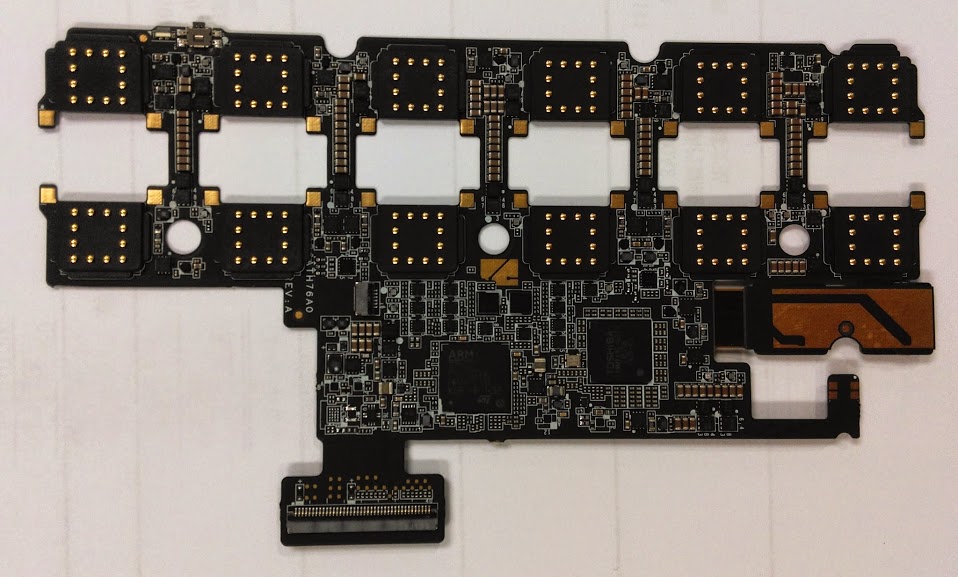
    The company added the image of the printed circuit in its Google Plus post
    The company added the image of the printed circuit in its Google Plus post

    The Project Ara developers conference will also see the unveiling of the Spiral 2 prototype hardware and the release of v0.20 of Module Developers Kit (MDK). On its G+ page, Google ATAP posted the printed circuit board for the new generation modular devices. The founder of Phonebloks, Dave Hakkens, recently showed us a working prototype of a Project Ara device. So, it seems we are pretty close to having the most consumer and eco-friendly smartphone experience.

    The company will also be live streaming the conference on the Project Ara website for the nerds of the world. Project Ara is a necessary next step in the evolution of smartphones. Till now, the consumers were restricted by whatever was offered to them by the companies. With initiatives like Project Ara, the consumers will have a bigger say in the technological bits of their devices. This will also help towards a healthy environment as the phones will be regularly updated and wouldn’t be thrown away soon. We have been waiting a long while for it and hope Project Ara is worth it.

  • Here’s the First Look at the Working Prototype of Google’s Project Ara

    Here’s the First Look at the Working Prototype of Google’s Project Ara

    Remember Phonebloks, the folks who came up with a revolutionary concept of a phone that can be easily updated and save the environment with the massive e-waste generated each year? The project was taken up by Motorola and named project Ara. The project got passed on to Google after Motorola’s departure from the company, and it seems that they have been working hard to get the concept to reality.

    Dave Hakkens, the Dutch designer who was the brains behind Phonebloks paid a visit to one of the contractors working on Project Ara. NK Labs is one of the dozen contract partners who are assisting Google in bringing out this new generation product.

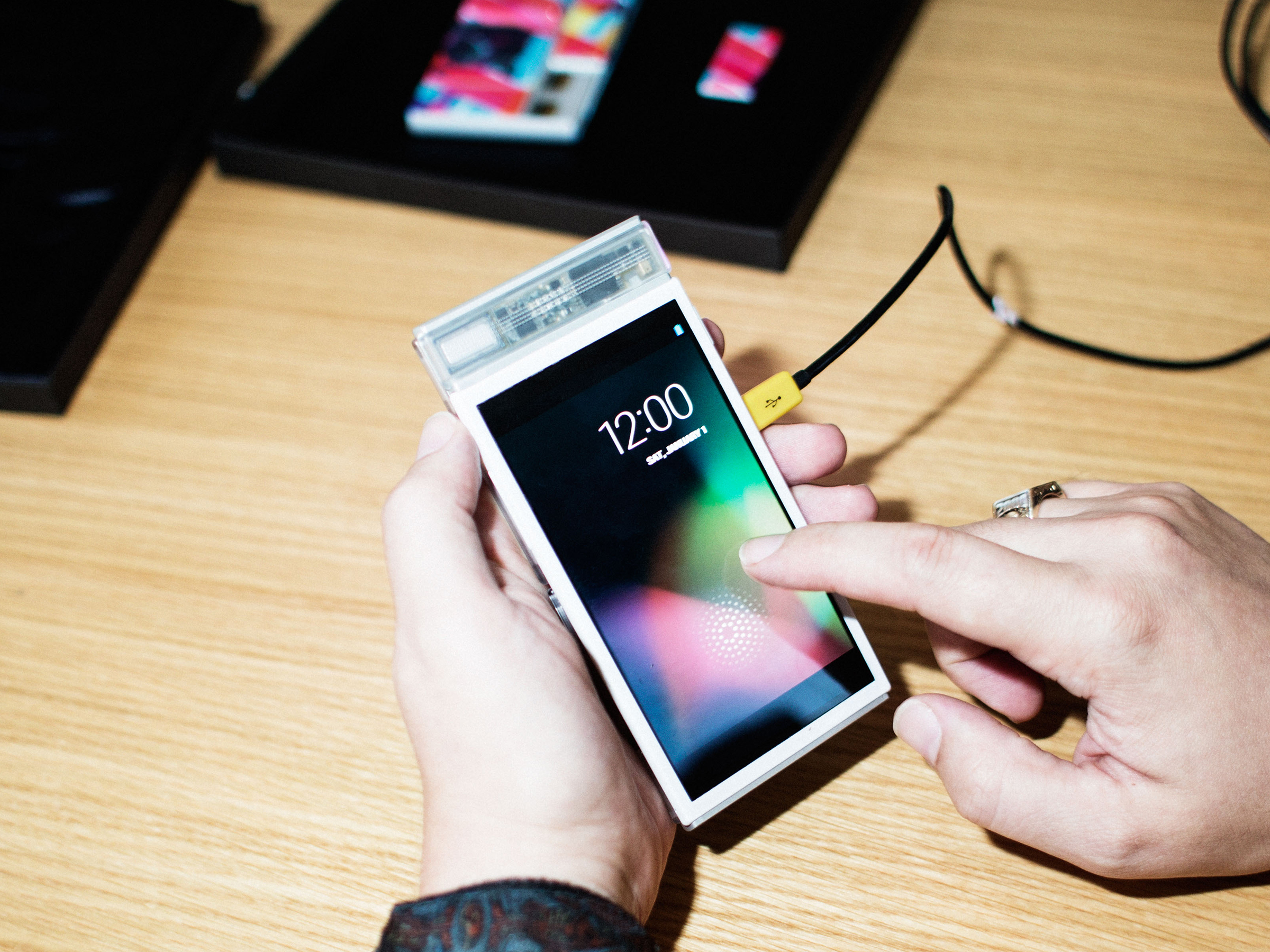
    In the video, the engineer assembled various modules onto the device, and it worked. The device is operational and is running an Android operating system. The modules included the LED, battery, application processor, loudspeaker and USB charging bits. The camera and other complex features may be added later, but this is a great start for the project.

    Google had announced last week that it will be establishing independent stores where users can go and buy their choice of swappable modules. Paul Eremenko from Google had said that they will be creating a free and open platform on the lines of the Android project. The devices are expected to run Android Lollipop, and the “Spiral 2? prototype will be introduced on January 14th, 2015 at the next developers conference. Now this is one technology we can’t wait to get our hands on, not only is it economically viable, it has an environmentally conscious approach towards technology.

  • Google’s Project Ara Conference Announced

    Google’s Project Ara Conference Announced

    Google today revealed the first details of its Ara Developers’ Conference, a series of events that’ll focus on getting devs up to speed on the current and upcoming features of Project Ara. A new follow-up profile by TIME indicates we could see the device come to market by next year, with a $50 price tag to start. 

    That MDK should be released in early April, Google says, as a free and open platform specification, along with a reference implementation that will help would-be Ara module developers to create their own piece.

    The event will take place in Mountain View, California, and will be streamed online to the whole world. In fact, Google claims that Project Ara is designed for 6 billion people. This indicates that Android maker may be working on a highly affordable modular phone for the masses.

    Project Ara began as a project in the Motorola Mobility skunkworks, but after the news that Lenovo would buy the smartphone company, Google confirmed that it would be keeping the Ara team. 

    Headed under the Advanced Technology and Projects (ATAP) division, the platform is meant to be a single hub onto which the user can place their own hardware.  This means CPUs, cameras, sensors, screens, baseband, modems, connectivity, storage – the whole gamut.

iGyaan Network
Privacy Overview

This website uses cookies so that we can provide you with the best user experience possible. Cookie information is stored in your browser and performs functions such as recognising you when you return to our website and helping our team to understand which sections of the website you find most interesting and useful.