Tag: Project Tango

  • Google’s Tango Will Shut Down On March 1

    Google’s Tango Will Shut Down On March 1

    As smartphone makers and other tech giants move towards virtual and augmented reality, Google has announced that its first foray into AR, Tango will be shut down come 2018.

    Tango, originally Project Tango, was launched in 2014 and used special sensors and cameras on devices to display virtual objects. ATAP, Google’s advanced technology and projects lab, developed Tango but it was soon succeeded by ARCore.

    With ARCore now progressing quickly, Google feels that it doesn’t make sense to carry on supporting Tango. Google announced today that it will end the project on March 1, 2018.

    https://twitter.com/projecttango/status/941730801791549440

    Back in 2014, Project Tango was a new and exciting prospect as it enabled devices to utilise cameras and IR sensors to track and place objects, and was one of the first mobile options to do so. But, Tango soon started falling off the radar due to speed and accuracy issues. Also, the phones that supported project Tango were pricey due to the required hardware.

    As of right now, ARCore only works on Pixel devices and the Samsung Galaxy S8 and Galaxy S8+. But, Google already has a host of other companies on board like LG, Huawei, ASUS and more.

    Google believes ARCore is the future of AR and VR for the company thanks to its implementation. Even though ARCore can’t see in 3D, it works with the hardware already found on phones. That means that unlike Tango, no special sensors or cameras are required to make use of the software. Machine learning, something that Google showed off in the new Pixel 2 devices, is used to accomplish the same tracking that Tango required hardware for, which gives ARCore a leg up.

    Even Apple’s ARKit focuses on the future of AR and VR, and other company’s decision to support ARCore means that more smartphone makers want to make use of the technology in its upcoming phones.
  • CES 2016: Lenovo Smartphone the First to Implement Google’s Project Tango

    CES 2016: Lenovo Smartphone the First to Implement Google’s Project Tango

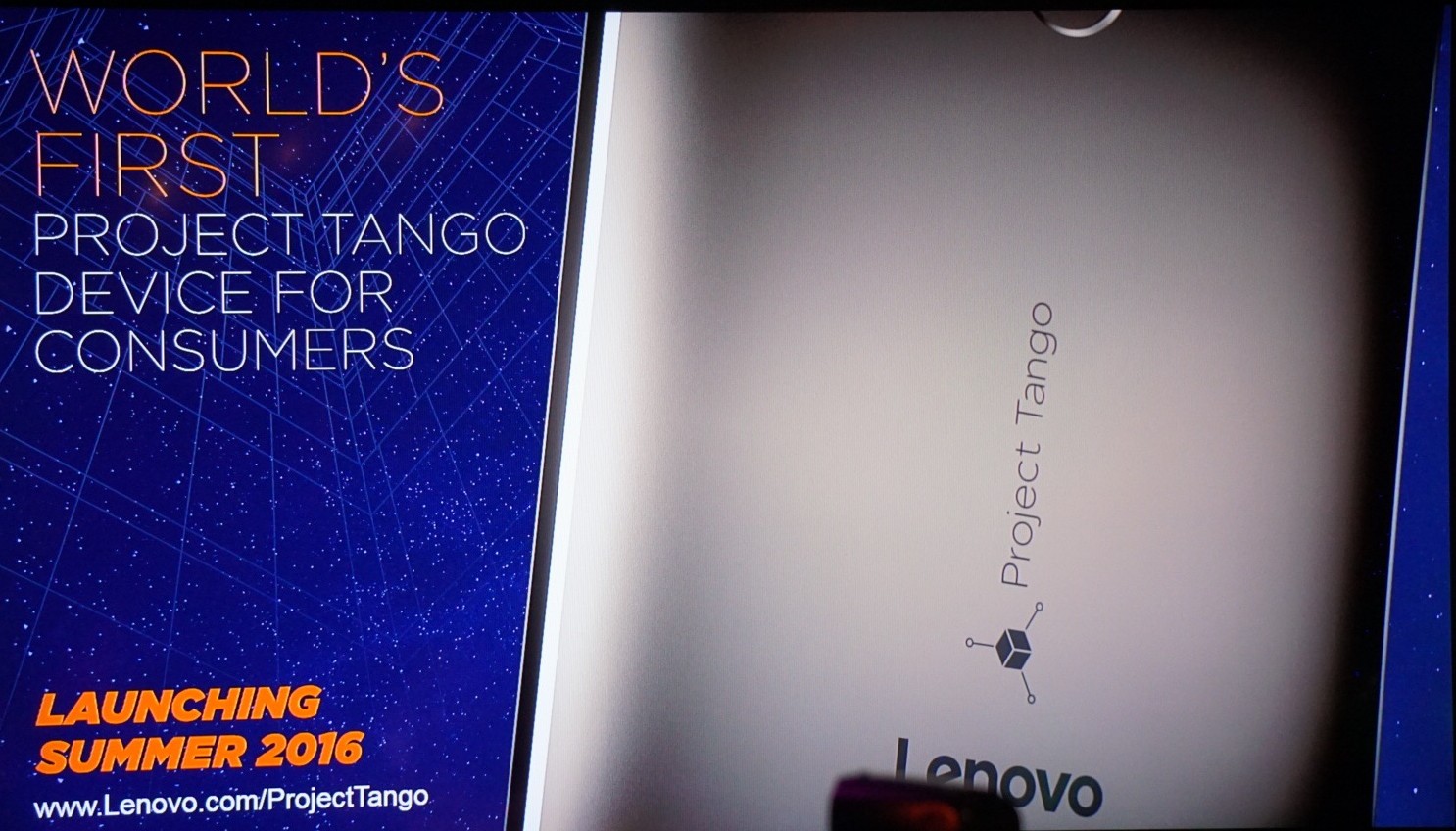
    Third day of the Consumer Electronic Show 2016 has seen Google and Lenovo announce plans of a partnership to build, and sell the first smartphone that can make use of the former’s take on 3-D Augmented Reality technology. Google likes to call this tech fondly as ‘Project Tango.’

    Project-Tango-1

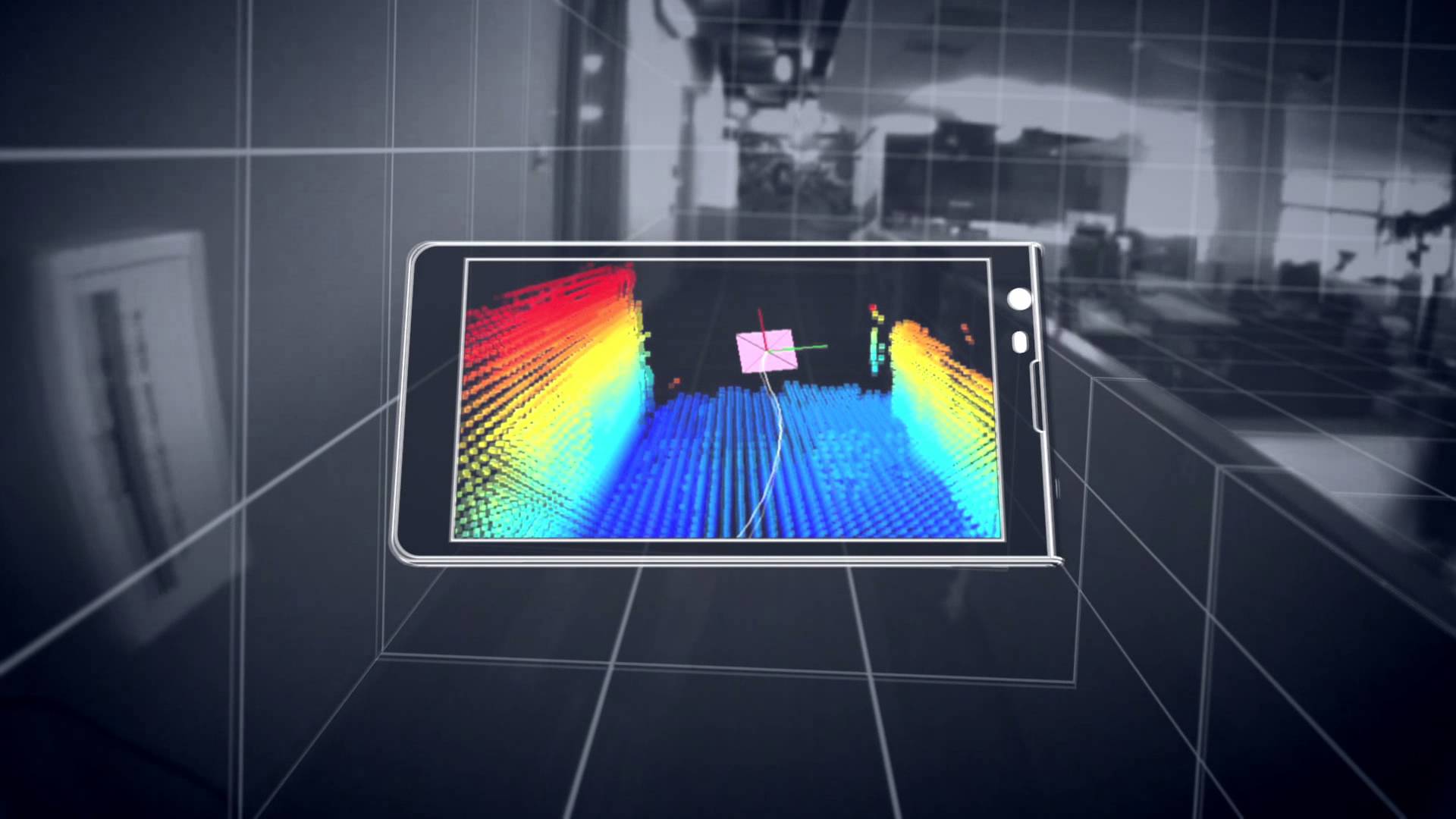
    This tech will help support smart devices figure out space and motion just like humans do, allowing the devices to understand their surroundings in a 3-D view, and track their path as they move through them. Using ‘Project Tango’, a device can map the dimensions of the room, essentially projecting it on the screen in a 3-D form.

    Project Tango Development Kits were earlier launched to help developers create apps to better use this technology. Future uses of Tango could be apps that use 3-D augmented reality technology to help you decide how a piece of furniture will look in your room. Several interactive games could also be made using ‘Project Tango’. Possibilities, in all honesty, are endless.

    Lenovo tango

    The Lenovo smartphone that will be the first to do the ‘Tango’ with Google’s latest tech, is going to be priced at $500(approx Rs 35,000), and will be out sometime during the “Summer of 2016″. Not much has been disclosed in terms of specs, but the phone will be powered by a Qualcomm processor, sport three cameras (RGB, Fisheye, and Depth) for it’s 3-D mapping needs, and could have a display as big as 6-6.5 inches.

    Vice President of Lenovo, Jeff Meridith stressed at the event that this will not be a niche product, but a device for the masses He stressed,”  We locked arms with Google to bring out a consumer device based on Tango. The goal here was to create a mainstream device. We don’t want this to be a niche technology. Lenovo is extremely proud of where we are at this stage of the effort.”

iGyaan Network
Privacy Overview

This website uses cookies so that we can provide you with the best user experience possible. Cookie information is stored in your browser and performs functions such as recognising you when you return to our website and helping our team to understand which sections of the website you find most interesting and useful.