Tag: Rocket

  • SpaceX Test Fires A Huge New Engine For Their Next Rocket

    SpaceX Test Fires A Huge New Engine For Their Next Rocket

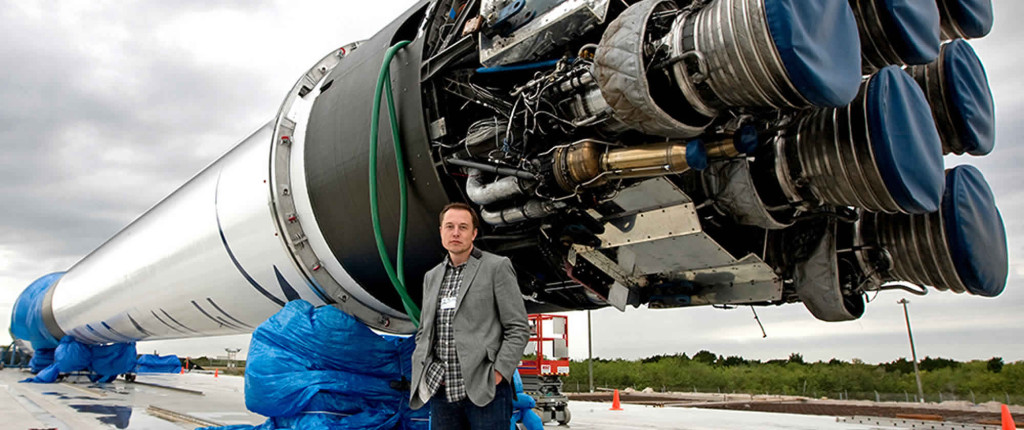
    SpaceX recently completed its first test fire of its Raptor Engine. This is reportedly going to power SpaceX’s next rocket, which will be brought to light very soon. It was announced by Elon Musk, CEO of SpaceX. He posted a couple of videos which showed the engine blasting off in all its glory. One video lacked sound, whereas the other one was pretty feature rich. The test took place at SpaceX’s test site in McGregor, Texas.

    The Raptor engine is the latest successor to the company’s previous Merlin 1D engine. They will power SpaceX’s upcoming mission to Mars and beyond, so they are actually pretty powerful. It’s actually suggested to turn down the volume before you watch the second video though, because yes, it’s VERY loud. SpaceX is now supposed to perform ‘hop tests’ of altitudes between 1,640 and 16,400 feet.

    These are the videos of the blast test, straight from Elon Musk’s Twitter.

    This test used a full-scale engine that was ‘radically redesigned’. It uses methane as it’s primary fuel, just because it performs better. The current Merlin engines provide almost 190,000 pounds of liftoff. Instead, the Raptor will give around 440,000 pounds of liftoff. The test flights of the Starship can begin soon, probably by the next two months. Still, Elon Musk believes that an unmanned mission to mars may happen anytime before 2022. It could be followed up by a manned flight to Mars in 2024.

  • NASA’s 3D Printed Rocket Engine Produces 20,000 Pounds of Thrust

    NASA’s 3D Printed Rocket Engine Produces 20,000 Pounds of Thrust

    NASA has now officially created a rocket made out of 3-D printed parts. Once filled with hydrogen and oxygen, the rocket produces 20,000 pounds of thrust and generates spectacular flames.

    Sources reveal that NASA has been working on 3-D printed rockets for a while now, but this specific rocket engine is the first of its kind; 75% of its parts are 3-D printed -the highest percentage so far. Check out the video below which shows the rocket engine producing impressive amounts of fire. The video shows that the fire from the engine lasts for as long as ten seconds.

    3-D printed components of a rocket have some clear advantages like it helps to build complex parts using a relatively simple process of laser-sintering at NASA. This means that components which would have otherwise taken years to build can now be built within a few months. Additionally, engineers can now also build parts as a single unit instead of working on them separately.

    On the other hand, one of the apprehensions against 3-D printed parts is that they are not as sturdy as their counterparts. However, being subjected to extremely hostile conditions have revealed no such flaw and the components have performed beautifully. Here’s another video to help you appreciate the awesomeness of 3-D printed components.

    Are you Team 3D printing or not then?

iGyaan Network
Privacy Overview

This website uses cookies so that we can provide you with the best user experience possible. Cookie information is stored in your browser and performs functions such as recognising you when you return to our website and helping our team to understand which sections of the website you find most interesting and useful.