Tag: Stephen Hawking

  • Stephen Hawking: A Brief History Of One Of The Greatest Minds

    Stephen Hawking: A Brief History Of One Of The Greatest Minds

    Stephen Hawking (January 8th, 1942 – March 14th, 2018) was arguably one of the greatest minds to grace this planet. A theoretical physicist by profession, Stephen Hawking was best known for his work in the famous book, A Brief History Of Time. The British scientist was diagnosed with amyotrophic lateral sclerosis, a form of motor neurone disease. Following a tracheotomy, Hawking was able to speak using a synthesiser, a sound that has become iconic.

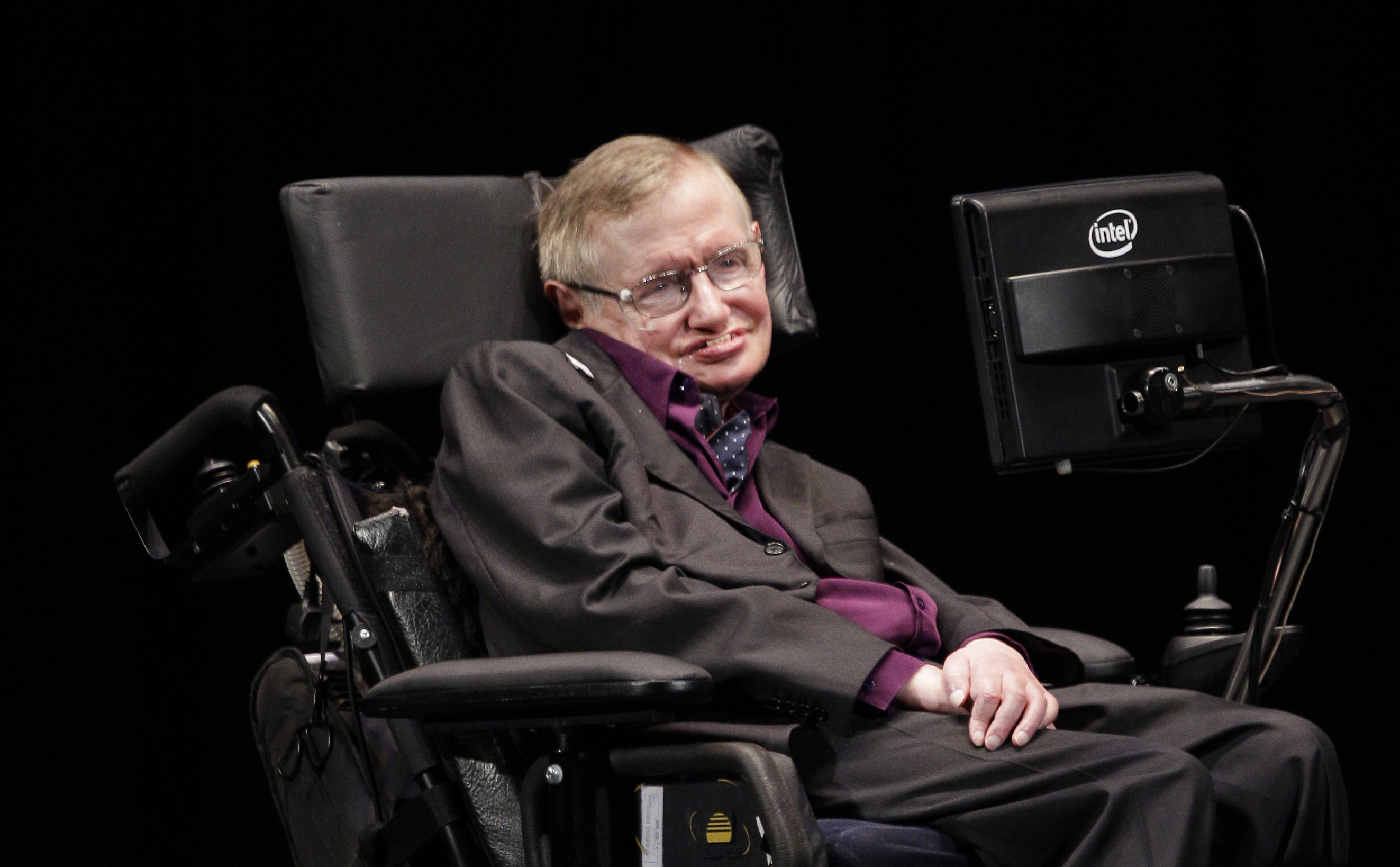
    In the beginning, he received a computer program called the “Equalizer” from Walter Woltosz, CEO of Words Plus. However, with time, he lost the functioning of his hands and used his cheek muscles with a rate of about one word per minute. He, later on, collaborated with Intel researchers on systems that could translate his brain patterns or facial expressions into switch activations. However, even after several prototypes, it did not perform as intended. Hence, Swiftkey developed an adaptive word predictor based on his original technology.
    Contrary to popular belief, Stephen Hawking never won a Nobel Prize for his contribution to cosmology or science as a whole. However, that barely diminishes the impact he had on the next crop of scientists, many of whom deem him as their inspiration.

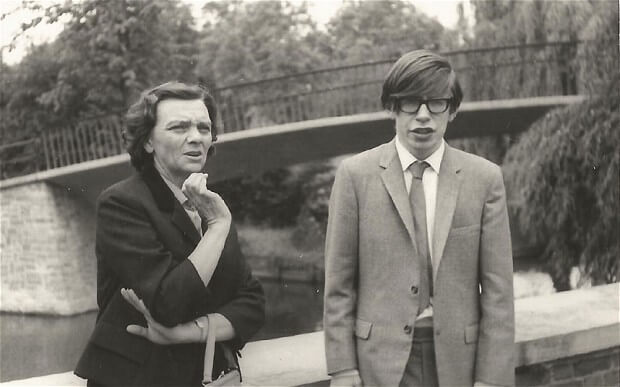
    Hawking studied at Cambridge University and that is where he started his research on cosmology. For people unfamiliar with cosmology, it is the study of the origin, evolution, and eventual fate of the universe. It is at Cambridge, aged 21 when he was diagnosed a motor neurone disease. At the time, doctors predicted that Hawking will survive for two more years. However, the disease spread at a much slower speed and he went on to live and thrive for over half a decade.

    The singularities of gravitational collapse and cosmology

    In 1970, Stephen Hawking had his first major breakthrough. Along with Roger Penrose, a mathematician, they applied the mathematics of black holes to the universe and showed that a singularity, a region of infinite curvature in spacetime, lay in our distant past. This is the point from which came the big bang.

    In 1974, Hawking claimed that black holes should emit heat and eventually burst out of existence. His proposal that black holes radiate heat stirred up a lot of other debates in the sphere of cosmology. He argued that if a black hole could evaporate, all the information inside over its lifetime would be lost. This claim contradicted the basic law of quantum mechanics, which lead many physicists to disagree with Hawking.

    A Brief History Of Time
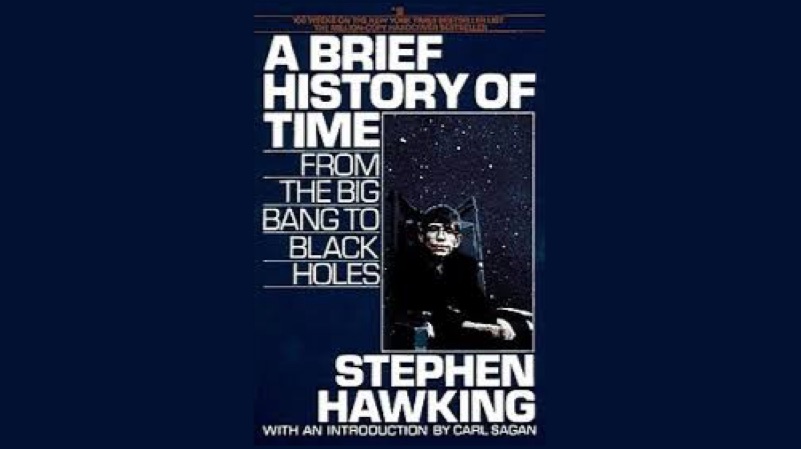
    Published for the first time in 1988, the book soon became a pop culture phenomenon. While his work had garnered him a lot of respect and popularity among the intellects of the world, this book was the catalyst of what Stephen Hawking went on to become. The book sold more than 10 million copies and was translated into over 40 languages. It holds the Guinness World Record for staying on the Sunday Times bestsellers list for an unprecedented 237 weeks. However, many believe it is the greatest book nobody read.

    For anyone remotely interested in pop science, A Brief History Of Time is a great dive into the realm of our existence and what Hawking thought of all the great theories by scientists. Through the book, Hawking took the opportunity to explore and publicise some of the most speculative contemporary ideas about space and time. In the book, he talked about concepts like “wormholes” and“spiral galaxies”. But, perhaps, the most controversial of them all was the “superstring theory”. He wrote:

    The discussion of the question of why it is that we and the universe exist. If we find the answer to that, it would be the ultimate triumph of human reason. For then we would know the mind of God.

    The Pop Culture Phenomenon

    It began with The Simpsons, which was quick to acknowledge the growing popularity of the theoretical physicist. He was depicted drinking at a bar with Homer, suggesting he might steal Homer’s idea that the universe is shaped like a doughnut. And appeared in the BBC comedy series Red Dwarf playing himself. He then appeared as a hologram of his image in Star Trek: The Next Generation.
    As we said, his voice became so iconic over time that it became a culture reference soon. Pink Floyd used his synthesised voice for the introduction to Keep Talking, on their 1994 album The Division Bell. He, later on, appeared on the hit NBC comedy, The Big Bang Theory.

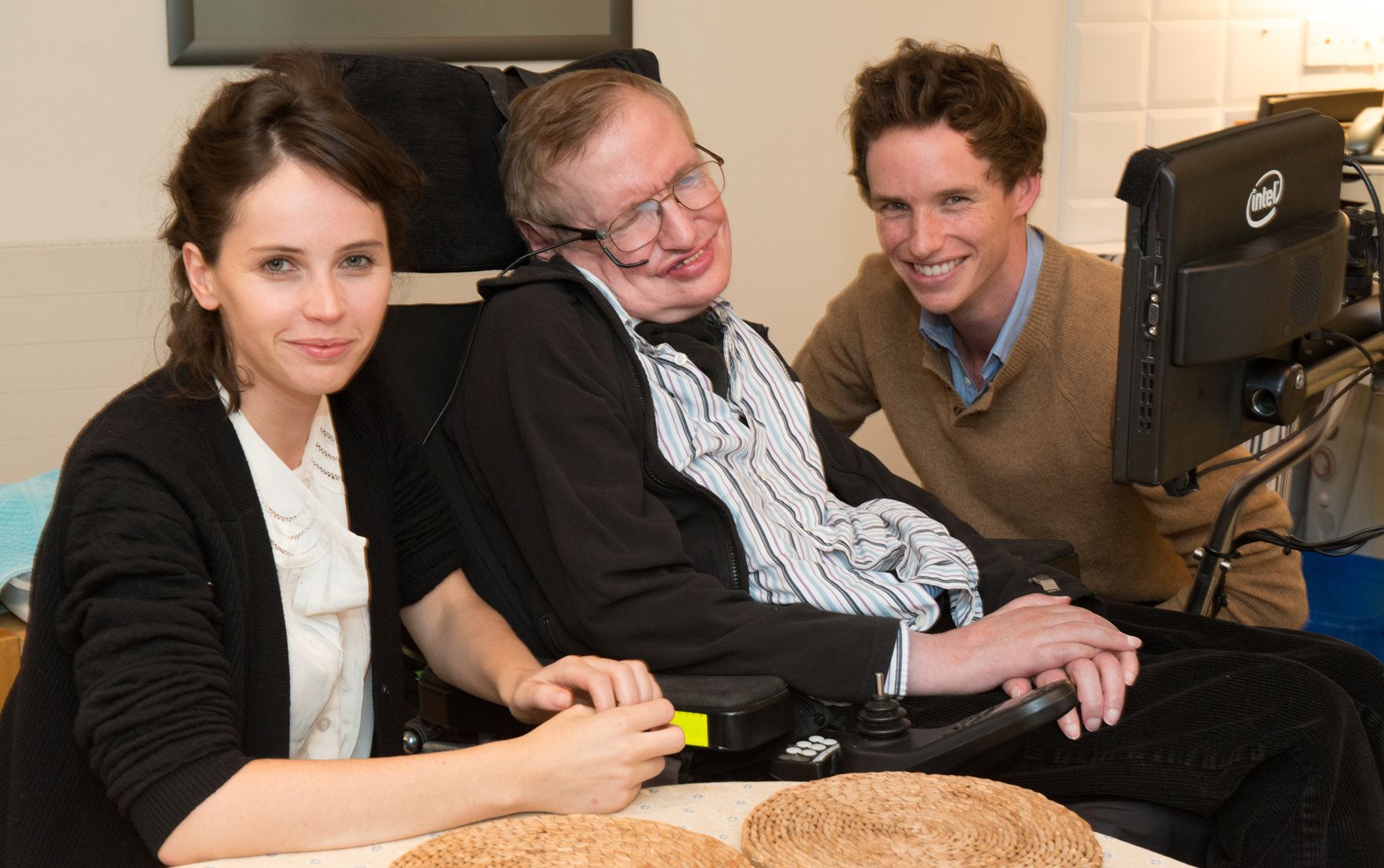
    In 2014, Eddie Redmayne starred in The Theory of Everything, a film based on the memoir Travelling to Infinity: My Life with Stephen, written by Jane Hawking, his ex-wife. He even met Eddie to prepare him for the role.
     

  • Make AI Beneficial to Humanity and Prevent it from Taking Over, says Experts letter

    Make AI Beneficial to Humanity and Prevent it from Taking Over, says Experts letter

    Artificial Intelligence (AI) has become a popular topic of public conversation. It all started since SpaceX and Tesla chief Elon Musk, and Physicist Stephen Hawking warned against creating an AI system that can think on their own. Now the experts in the field of AI research are coming together to sign an open letter to pledge for the creation of AI that can be controlled by humans and is beneficial to our lives.

    The letter was released by the Future of Life Institute (FLI) which is a volunteer-only research organization. It focuses on potential risks from the development of human-level Artificial Intelligence. The founders of the institute include Jaan Tallin, who is the co-founder of Skype and “Mad” Max Tegmark, who is an MIT professor known for his unorthodox ideas. The Scientific Advisory Board of the Institute includes folks such as Morgan Freeman, Alan Alda, Stephen Hawking, Elon Musk and some other great minds. So when the letter comes from people who are held in high honor in science, the letter gains credibility and needs to be taken seriously.

    The letter is signed by the top experts in the field including Prof. Hawking and Elon Musk
    The letter is signed by the top experts in the field including Prof. Hawking and Elon Musk

    In essence, the letter asks researchers to put more emphasis on the creation of an AI system which helps humanity but can also be controlled by humanity. AI-based systems such as voice recognition and self-driving cars are close to being accepted by the masses, at this juncture, it’s important to understand the potential challenges it might pose.

    The team at FLI has also attached a research document which highlights the priorities in AI research. The paper shows the multitude of uses of AI and how it can be robust as well as beneficial to humanity. The document encourages the fields of law, philosophy, economics, computer security and other fields of AI to be involved in interdisciplinary collaboration to set the priorities for AI research.

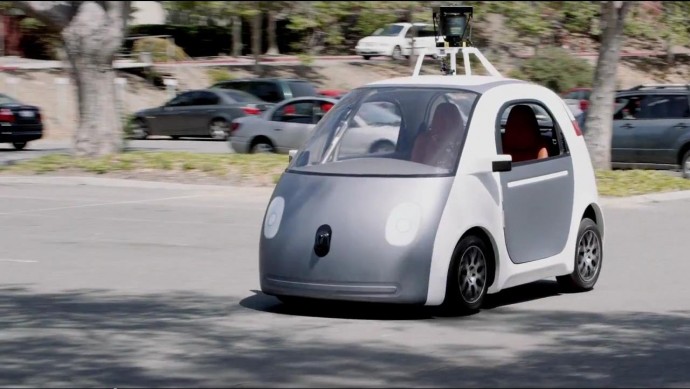
    Several AI based system such as autonomous cars are reaching the masses its important to research on potential challenges of the future.
    Several AI based system such as autonomous cars are reaching the masses, so it’s important to research on potential challenges of the thechnology in the future.

    The signatories of the letter are also some of the prominent folks in science. A number of professors MIT, Oxford, Harvard and other premier institutions have signed the letter. Also, several researchers from the industry, such as experts from IBM’s Watson Supercomputer team and Microsoft research have showed their support to the letter.

    Artificial Intelligence is already involved in many aspects of our lives such as speech recognition, translation and is expected to be more intertwined with our lives. It is important to put heavy focus on the topic and have a public conversation about it. There have been warning’s about the potential fallout of these systems, and they may end up taking charge over their human masters someday. Experts agree that a framework needs to be established to prevent a probable future that looks like something out of the Terminator or Matrix films.

  • Stephen Hawking Warns Against Developing Artificial Intelligence

    Stephen Hawking Warns Against Developing Artificial Intelligence

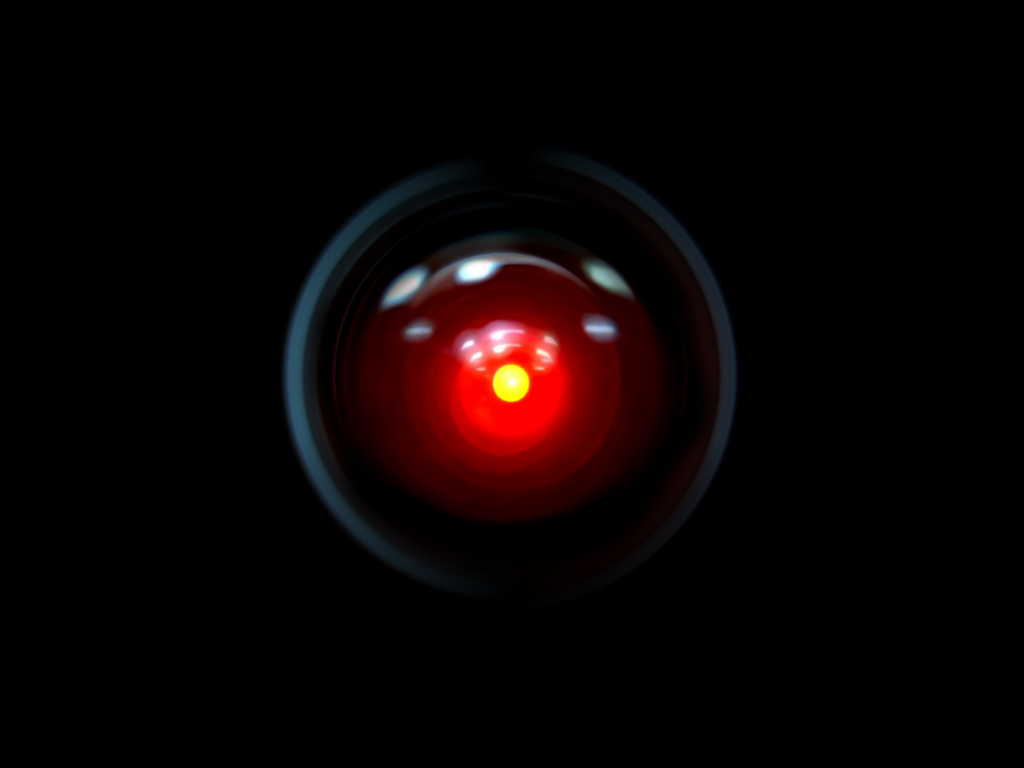
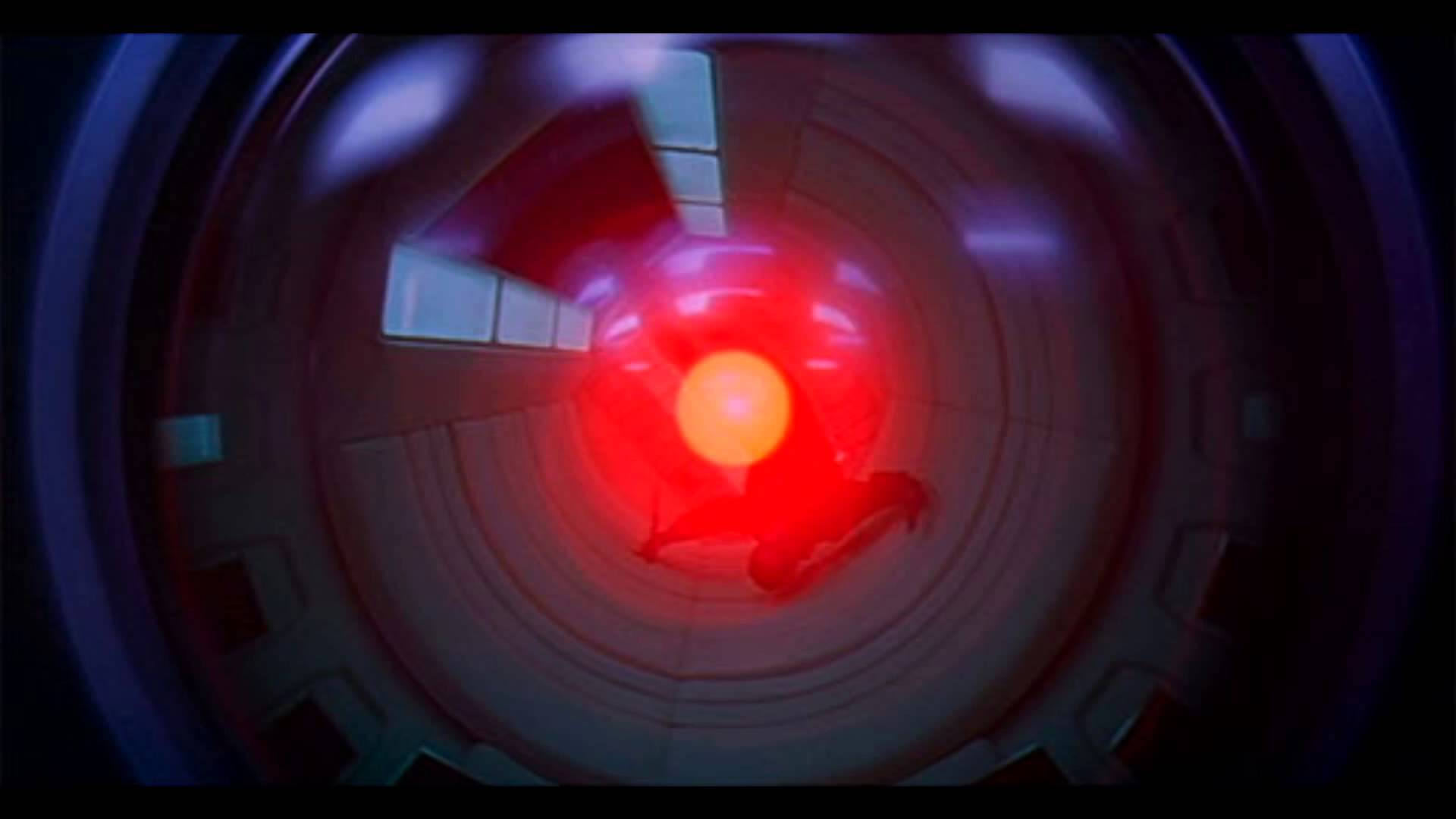
    A few months back we saw Elon Musk disturbed when he was asked about artificial intelligence (AI.) Elon said that he believed that getting AI online would be akin the guy in the movies who summons the demon, sure he thinks he can control it but that rarely is the case. He also added that HAL 9000 would be a puppy dog next to what humans can create. Now world’s foremost physicist, Stephen Hawking is also pointing us towards the same direction.

    Artificial Intelligence development is in full swing. Many major research centers are working towards creating a sentient computer which can observe the world as an intelligent creature. We have also seen the inclusion of AI technologies on many mobile apps. But several scientists are warning that this might not be such a good idea.

    Professor Hawking told BBC, “The primitive forms of artificial intelligence we already have, have proved very useful. But I think the development of full artificial intelligence could spell the end of the human race.”

    The concern against AI is valid as we cannot comprehend the potential of a self-aware machine. The knowledge that took us humans thousands of years to attain will be processed by such intelligent computer within moments of reaching a sentient stage. It can see humanity as an obstacle and might use its own resources and weapons to eliminate the human species from earth. There have been many blockbuster movies which delve in this subject.

    The Professors new system uses AI aided predictive texts to help him communicate.
    The Professors new Intel provided system uses AI aided predictive texts to help him communicate.

    One of the major ironies of this statement by the Professor is that he himself got a technological upgrade that makes it easier for him to communicate. He suffers from amyotrophic lateral sclerosis (ALS) and previously he used his hands to communicate at 15 words per minute. But in 2008, after losing the ability to use his hands, he switched to cheek switch. By tensing his cheek muscles, the low infrared system that is installed on his glasses helps him communicate. Now Intel has provided the world renowned professor with the new ACAT (Assistive Context Aware Toolkit) system which uses an advanced form of artificial intelligence. Ironic? We think so.

    ACAT is based on predictive texts that analyses English language and the professors speech pattern to help him communicate.  Hawking was also provided an option for a more natural sounding tone of voice, but he decided to stick with his robotic voice. Guess we can be thankful for that as it has become the voice of Stephen Hawking in our brains for decades now. ACAT will be opened for developers in 2015 and is expected to be extremely beneficial for the disabled, especially the quadriplegics.

    As we move closer to the era of Artificial Intelligence, you can expect more prominent voices raising their opposition against it. As Elon said, we need more oversight and a cultural dialogue over whether we should push the boundaries with the AI because this is a question for the entire of the human civilization.

iGyaan Network
Privacy Overview

This website uses cookies so that we can provide you with the best user experience possible. Cookie information is stored in your browser and performs functions such as recognising you when you return to our website and helping our team to understand which sections of the website you find most interesting and useful.