Tag: tech innovation

  • Nokia Claims Of Doubling Smartphone Battery Via New Tech

    Nokia Claims Of Doubling Smartphone Battery Via New Tech

    The onset of smartphones carried an innate problem of lower battery life, caused due to higher mobile computing on older battery types. The first few waves of smartphones hadn’t implemented any revolutionary design to curb the quick-drying devices. However, OEMs quickly caught on and developed smartphones with better and longer battery life. Nokia now sits at the forefront with its claim of doubling the known battery life of its devices.

    Nokia

    Most smartphone manufacturers have either increased the battery capacity or optimised it through AI. Even smart machine learning has been used to cleverly increase battery backup of handsets. The world is now moving towards a faster and more power hungry networking bandwidth, namely 5G. The need for smartphones to cope with the higher bandwidth will soon place emphasis on improving battery life again
    Nokia

    An announcement was made from the Nokia Bell Labs and AMBER, the SFI Centre for Advanced Materials and BioEngineering Research. Reportedly, 5G will consume more battery than 4G networks. Nokia plans on battling this by packing more energy into a smaller space via the new battery technology. This could potentially have a huge impact in the near future that is 5G enabled. Nokia’s Bell Labs device expertise in collaboration with AMBER’s material sciences knowledge has helped solve hurdles on various dimensions.
    Nokia

    Nokia has claimed that the lithium nanotube-aided battery developed by the conjunction can deliver upto 2.5 times the battery life provided by any of the industries current best smartphones. The smartphone manufacturers need not worry about the thickness of their smartphones. The company claims that the aforementioned battery bump can be achieved without even increasing the battery size. Nokia’s new technology would essentially double the battery life in the same slim form factor everyone is accustomed to.
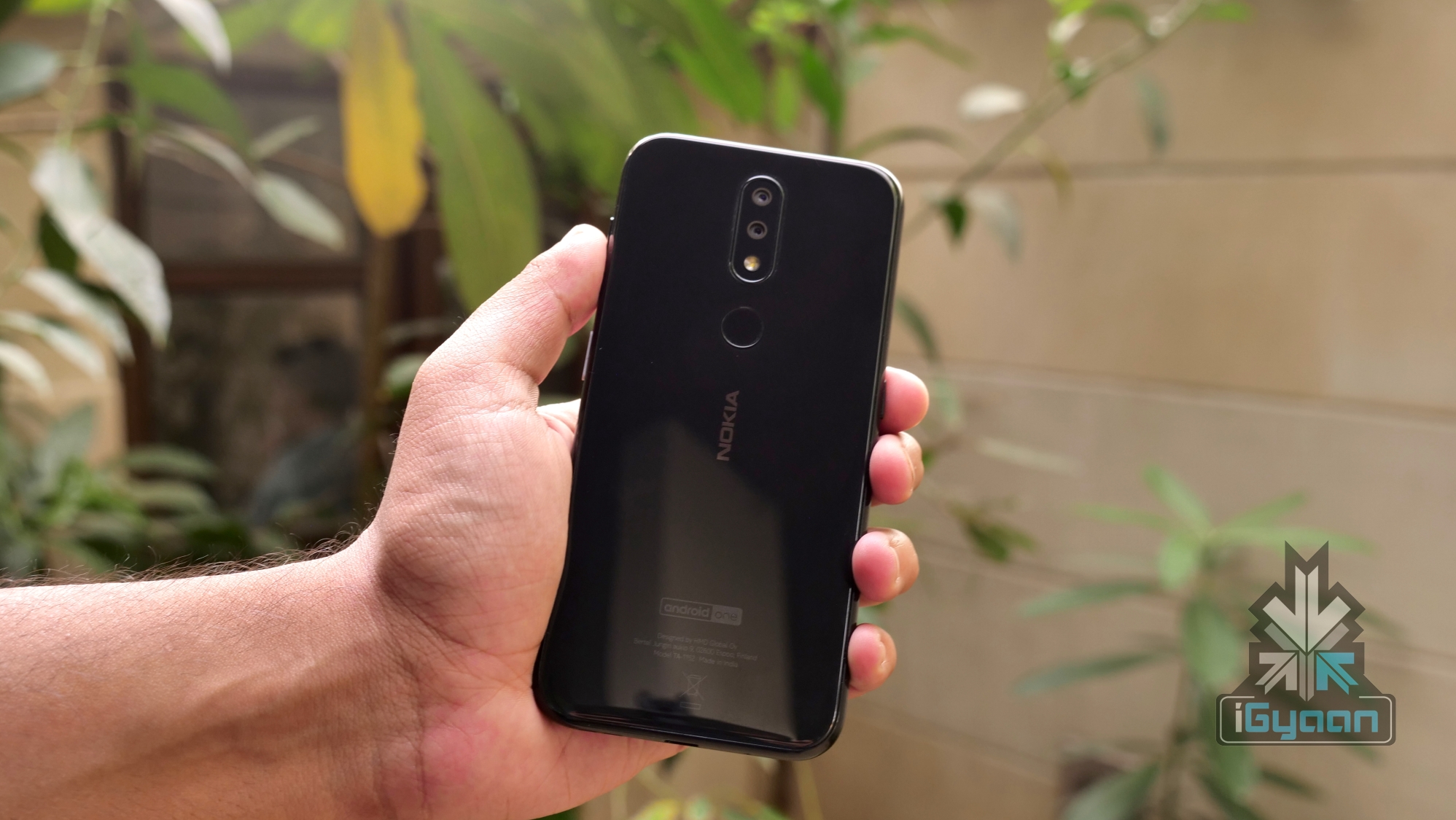
    An underlying benefit of this technology is the potential to improve large-scale energy grids powered by renewable energy. A study conducted by Wood Mackenzie, a UK-based chemicals firm, confirmed this by reporting an estimated 25 times higher energy storage capacity than the current systems that are implemented.

    Nokia 9 Nokia 6.1 Plus

    Also ReadSamsung Could Be Working On A New Galaxy Fold With Curved Display

    The idea of smartphones lasting twice as long in real life scenarios is a big deal with massive implications. Various industries can seek to benefit from this innovation in technology. Nokia can potentially change the game on battery standards for the entire smartphone industry. Unfortunately, the announcement has yet to provide any substantial evidence or ETA as to when the new technology might actually be seen. It is expected to be officially showcased in a year, but future smartphone integration might be even slower.

  • Intel’s Project Athena Pushes  Higher Industry Standards For Ultrabooks

    Intel’s Project Athena Pushes Higher Industry Standards For Ultrabooks

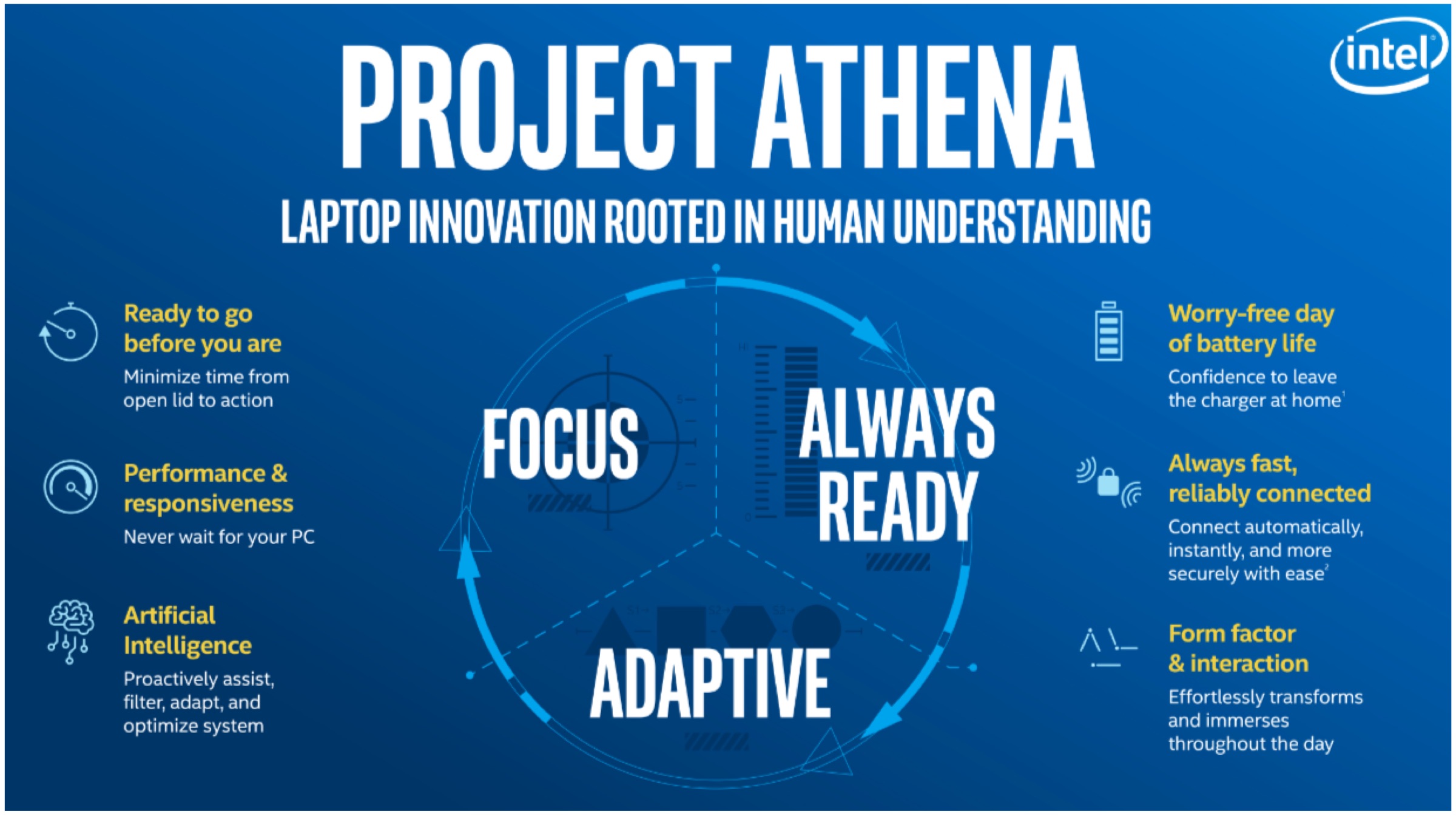
    Intel was the first to coin the term ‘Ultrabook’ for high-end subnotebook computers. Spending millions of dollars into a marketing strategy aimed for the industry’s latest most powerful laptops that were less bulky without compromising on battery life overall. Project Athena as announced by Intel seeks to revisit this old definition and make true on certain promises left undelivered.

    The Ultrabook laptops had unintentionally brought with them an industry standard demanding lightweight, thinner dimensions, effective performance and battery life. The Industry had, on the contrary, thrived with these new set of restrictive parameters that gave birth to a new breed of ultra-thin laptops capable of rivalling some of their desktop counterparts.

    Gone were the days of plastics. These new machines now sported a more premium metallic form factor and were installed with new hardware that made the lag that had always accompanied laptops a less frequent occurrence. Powerful laptops like HP Spectre x360 and XPS 13 by Dell pulled ahead in the competition.

    Intel has dedicated itself to challenge the norm again by taking laptops even further with Project Athena. However, unlike last time, Intel did not showcase a tag or name like ‘Ultrabook’ to market to the world. Project Athena’s focus is not on an inexpensive marketing gimmick but to hunt for the big industry-wide lies that have pervaded the market since its inception. Battery life sits at the forefront of such a lie. 

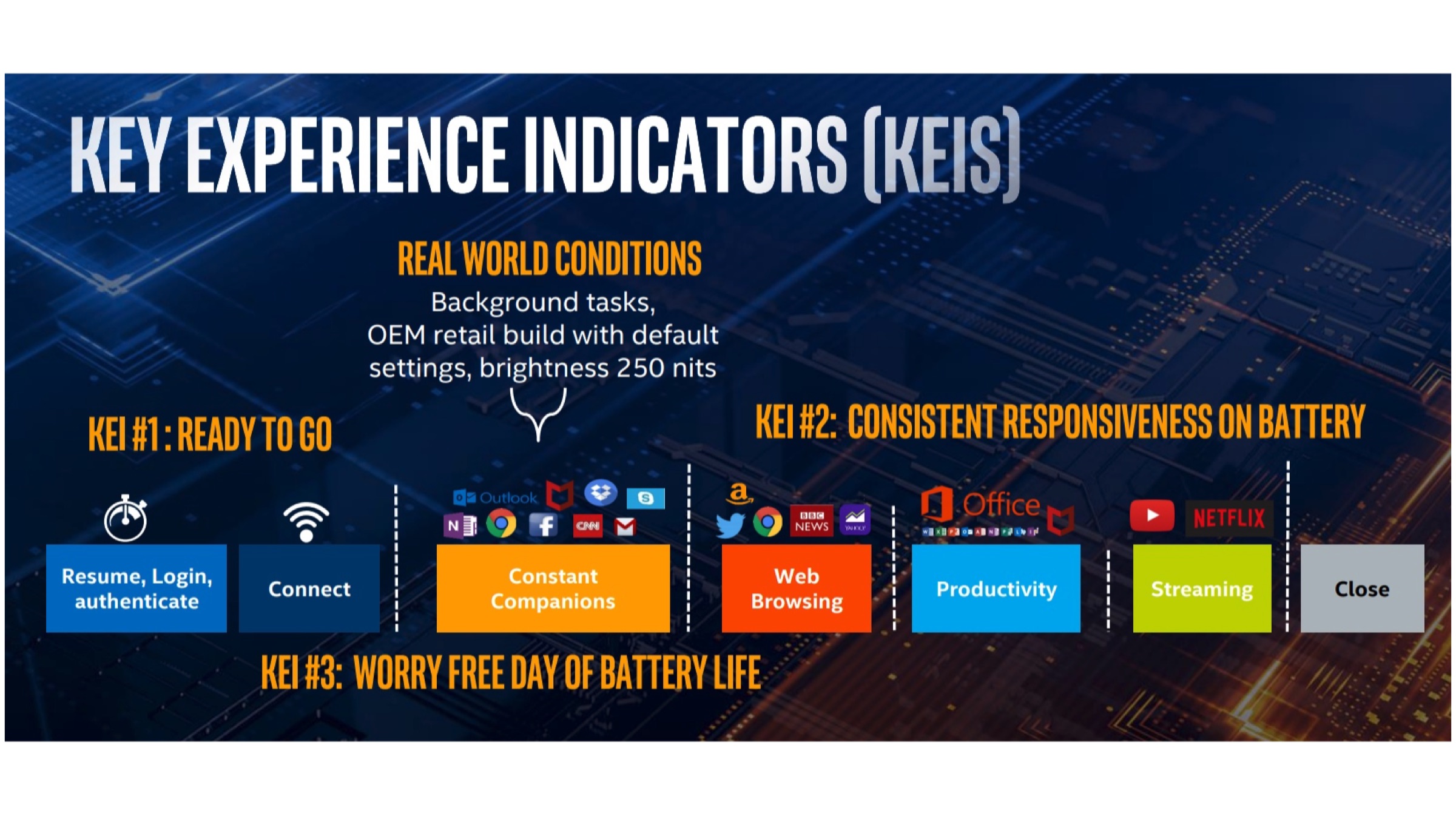
    Project Athena sets the minimal benchmark for laptops to deliver 9 hours of real-world battery life while browsing over the internet on Wi-Fi, at a brightness of 250 nits. Laptops have woefully failed to deliver on the longer battery life that had been promised before and thinner laptops have a stronger tendency to skimp out on the said feature. Manufacturers that advertise their products with 24 hours of battery life, with video playback that barely puts any strain on the CPU while Wi-FI is turned off and brightness at its lowest, do not portray an accurate real-life scenario of daily use.

    Battery life is just the start. Project Athena will require a laptop to also boot from sleep within a second and be ready for web browsing in 2 seconds flat while having the same performance output regardless of whether the laptop is plugged in or running on battery. Intel set the basic hardware requirements with touchscreen displays, accurate trackpads, ample amount of RAM (8GB) and an NVMe SSD (256GB) equipped within the laptop.

    Intel, taking it upon itself to enforce the standards set by them to actually satisfy the consumers’ needs. The company promises to discourage practices that have manufacturers cheap out on essential parts of a system. ‘Cheating’ as Intel put it will not be tolerated and the ‘Ultrabook’ brand will have its standards set high. Project Athena is not an advertisement or marketing scheme that the users shall ever encounter, dedicating themselves not to be in the face of every consumer but guaranteeing a good experience that they will feel. 

    There is just one glaringly obvious problem. OEMs and manufacturers have no real incentive or reason to actually adhere to these standards that may lead to the rise of the industry standards. Unlike what Project Athena is made to be, an industry standard for every laptop device to follow, the aforementioned OEMs will simply submit those laptops which are bound to pass the tests. The same laptops which are top of the line and cost just high.

    Also ReadAlienware m15 And m17 Series Gaming Laptops Launched At Computex 2019

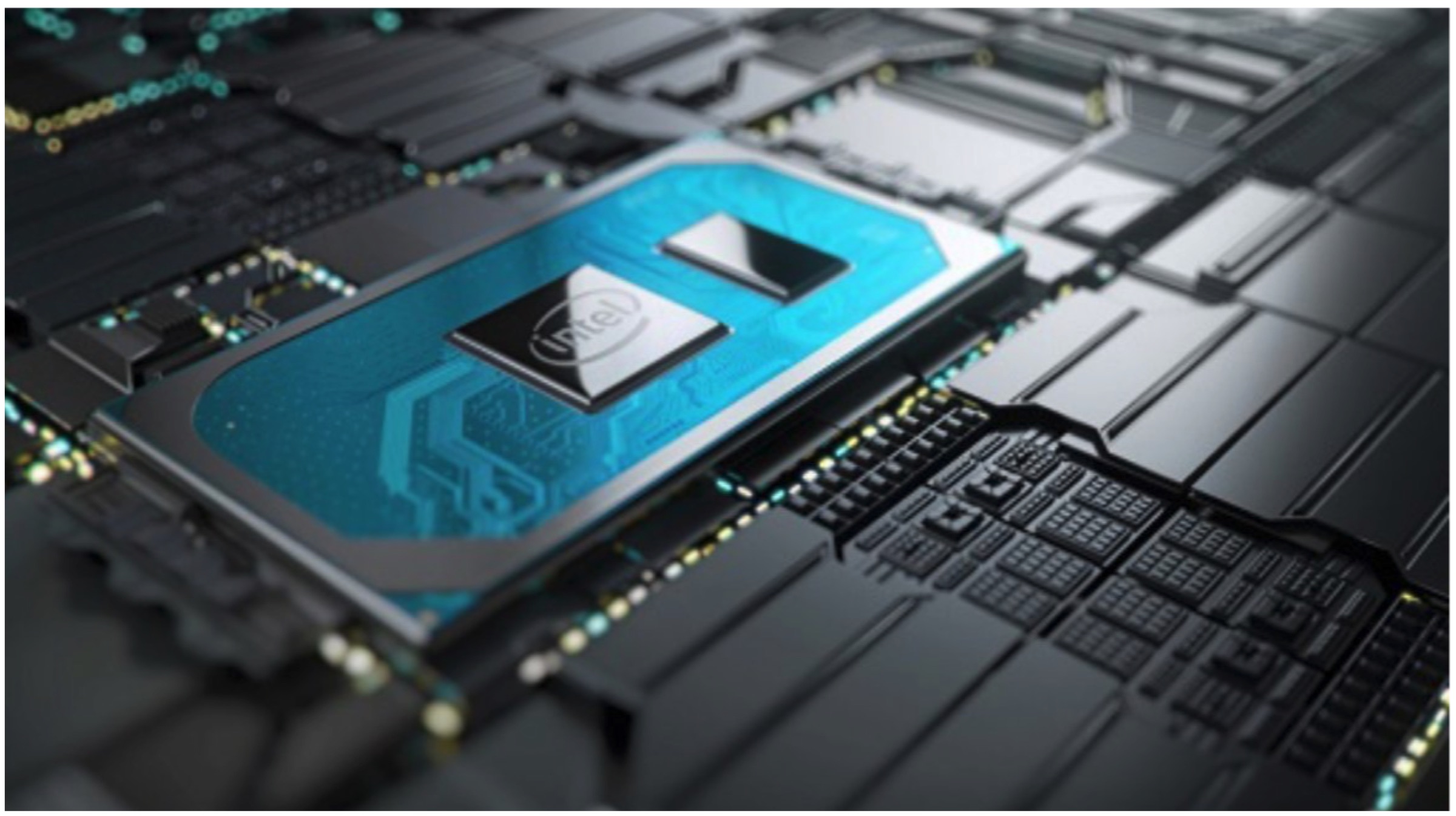
    Project Athena is at its infant stage and Intel may in the future decide to incorporate some marketing strategy and brand name for the campaign to follow it. This comes along with Intel’s announcement of its 10th Gen Intel Core Processors that will power the latest generation of Ultrabooks. 


iGyaan Network
Privacy Overview

This website uses cookies so that we can provide you with the best user experience possible. Cookie information is stored in your browser and performs functions such as recognising you when you return to our website and helping our team to understand which sections of the website you find most interesting and useful.