Tag: Ubuntu

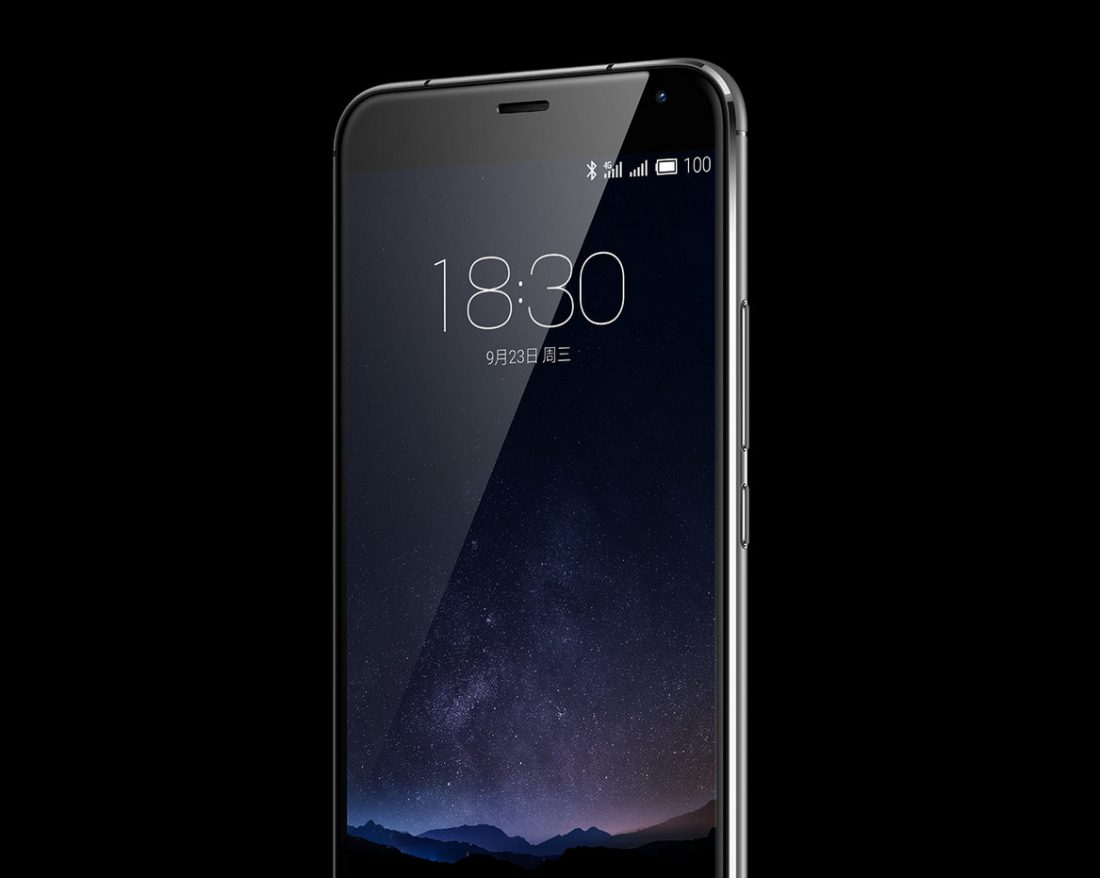
  • Meizu Hints Ubuntu-Powered Pro 5 in New Teaser

    Meizu Hints Ubuntu-Powered Pro 5 in New Teaser

    Chinese smartphone maker, Meizu, which is known for its high spec- low price flagship killers, is en route to cause quite a stir again at the Mobile World Congress, 2016 this year.

    Earlier reports suggested that Meizu will unveil a surprise phone at the Mobile World Congress next week. Now, a recently released teaser suggests that the device in question will be a Ubuntu-powered device.


    Meizu-Pro-5-Ubuntu-b

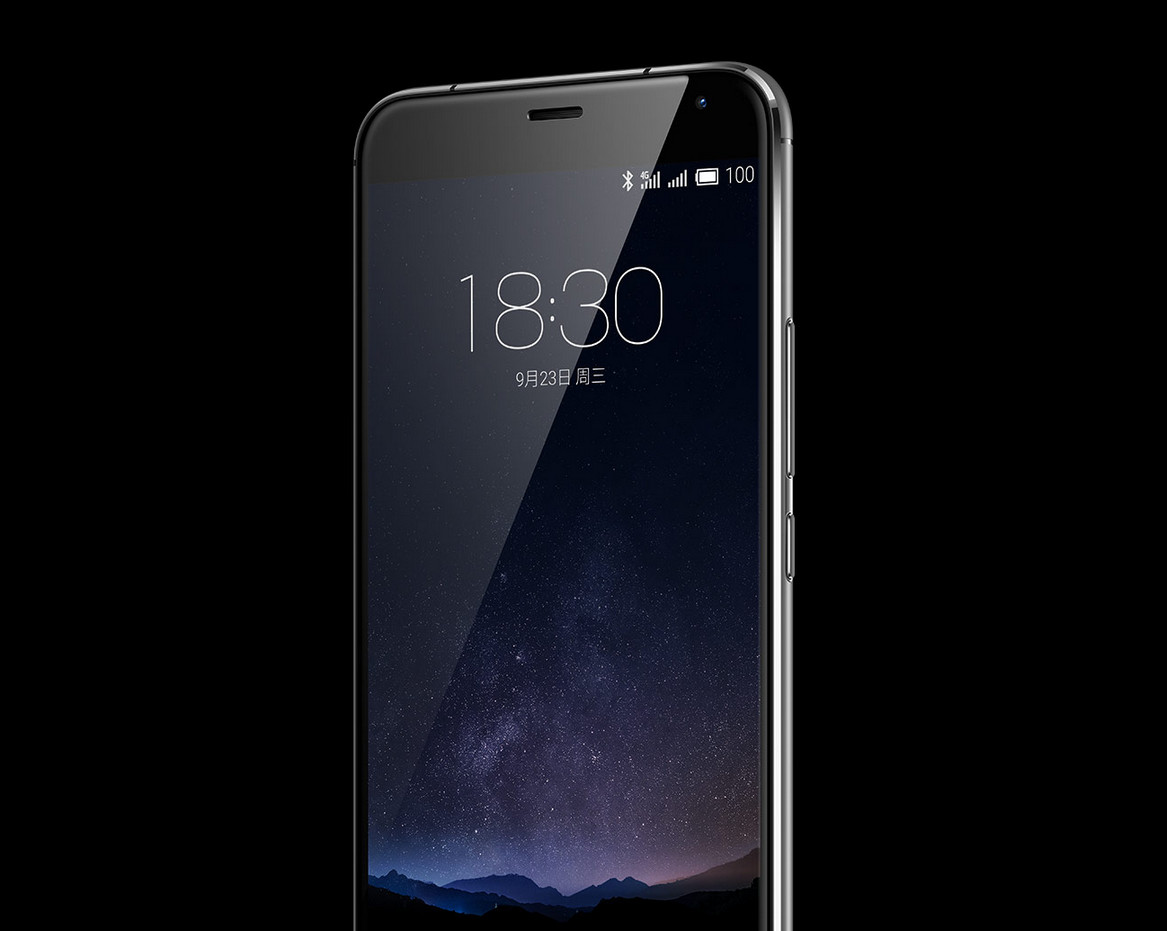
    This teaser went live on Weibo and hints at a variant of the Meizu Pro 5 which will come on board with Ubuntu installed for power users. Specifications of this Meizu Pro 5 is expected to be the same as the Android version of the Meizu Pro 5, and these include an Exynos 7420 octa-core processor and a 5.7-inch display with Full HD resolution.

    Meizu-Pro-5

    Further, the phone is expected to come packing a 21-megapixel rear camera with dual-LED flash. At the front, it will come with a 5-megapixel front-facing camera. A 3050 mAh battery will be placed under the hood to provide the hardware the juice it needs, and as reports suggest, it will be offered in two variants. The first will have 3GB of LPDDR4 RAM with 32GB of internal storage, and the other will come equipped with 4GB of LPDDR4 RAM and 64GB of internal storage.

  • Now Ubuntu Based Phones Attempt to Take on Android Devices

    Now Ubuntu Based Phones Attempt to Take on Android Devices

    Android is the undoubted top dog of the smartphone operating system. Its closest adversary, the iOS lags behind in terms of market numbers. There is no third party challenger to its dominance either; major operating systems like Windows, Blackberry, Firefox, etc. are still struggling to create a space for themselves. In this situation, some companies are looking at Ubuntu as an alternative to the behemoth called Android.

    Ubuntu is one of the most popular Linux-based operating systems in the world. It is a light operating system that is developed by UK-based Canonical Ltd. and is offered free of cost. Canonical had previously announced the smartphone version of Ubuntu back in 2013 and tried unsuccessfully to fund it through crowdfunding. The company later partnered with mobile makers BQ and Meizu and the operating system is now finally seeing the light of day.

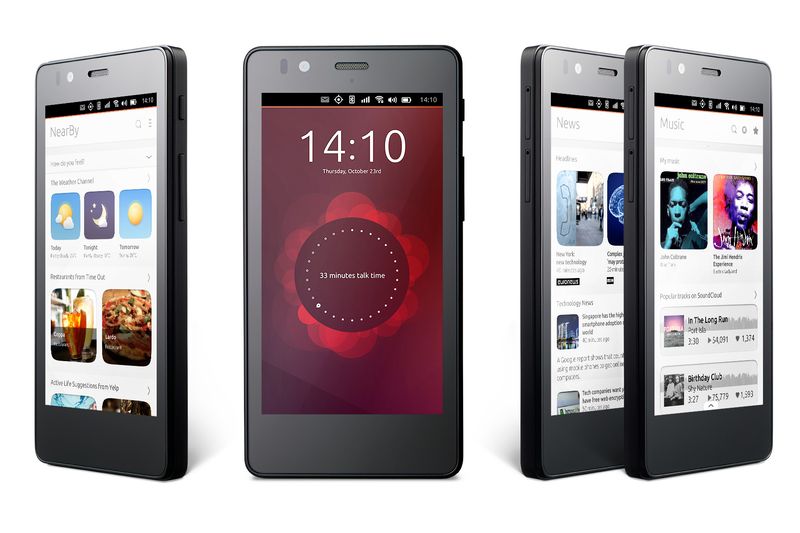
    BQ's Aquaris e4.5 Ubuntu Edition
    BQ’s Aquaris e4.5 Ubuntu Edition

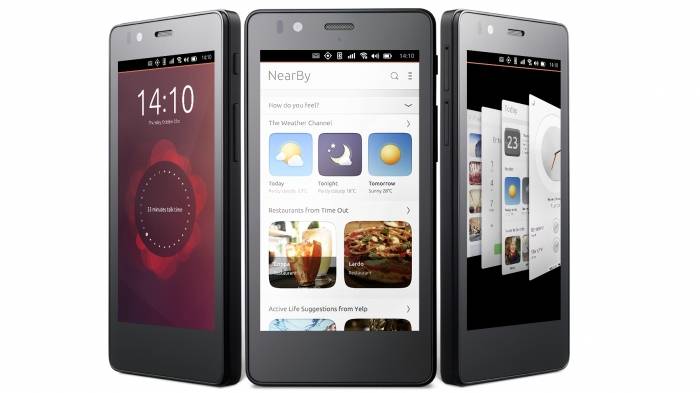
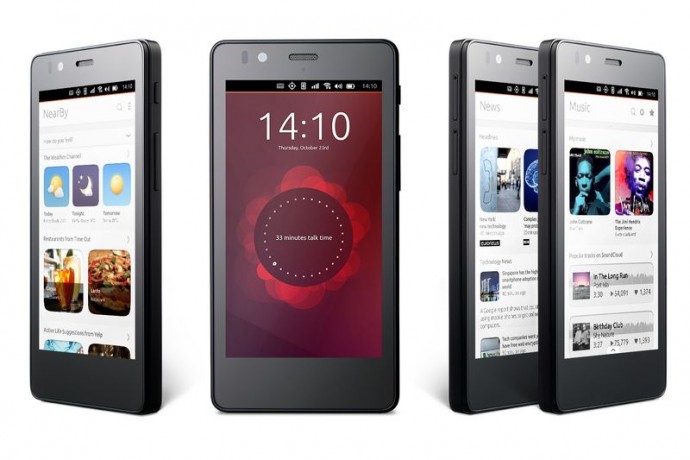
    At the MWC 2015, BQ and Meizu showcased their Ubuntu based devices. BQ had already unveiled its Ubuntu device earlier, and it is called the Aquaris E4.5 Ubuntu Edition. It comes with a 4.5-inch qHD display along with a 8MP camera and is powered by a 1.3 GHz quad-core MediaTek processor. This will be an affordable device and will be priced at $195 (Approx. Rs. 12,000).

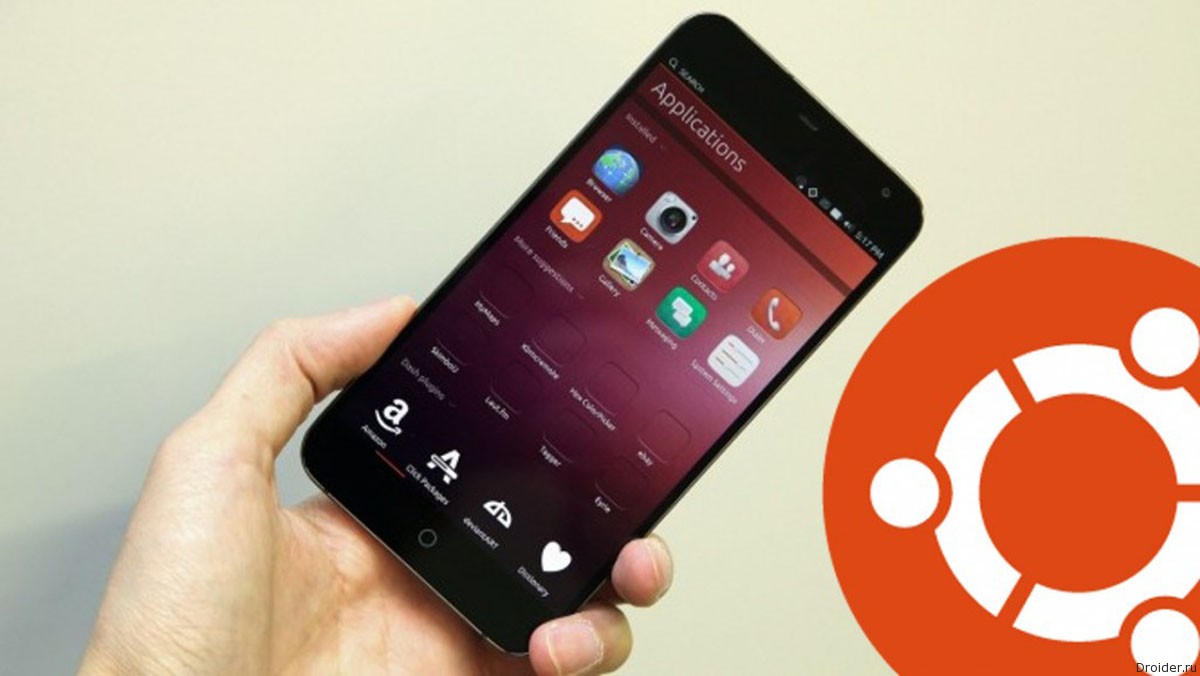
    Meizu’s phone, on the other hand, is based on its MX4 handset. It flaunts a 5.36-inch 1920 x 1152 display with a 20-megapixel camera and is powered by an eight-core MediaTek 6595 processor. This phone will have a better appeal in the market in comparison to the offering by BQ.

    Meizu's MX4 Ubuntu has better features and design amongst the two devices.
    Meizu’s MX4 Ubuntu has better features and design amongst the two devices.

    The Ubuntu OS is fairly new and would lack the apps that would attract the consumers. To make it easy for developers to easily create apps for the ecosystem, the OS offers categorized home screens called ‘Scopes.’ This scopes can be used to plug in content from apps like Instagram, Grooveshark, Soundcloud, etc. The company says that by using these specific Scopes, developers wouldn’t have to go through the lengthy process of coding apps to optimize them for Ubuntu.

    Canonical also has long term plan for the ecosystem, and it intends to bring seamless interconnectivity between the various Ubuntu devices. But it is still unsure as to how this operating system would challenge the dominance of Android and attract consumers to a new user experience. We’ll only know for sure about he prospects of the Ubuntu OS when the devices finally come to the market.

  • World’s First Ubuntu Phone to Go on Sale on 9th February

    World’s First Ubuntu Phone to Go on Sale on 9th February

    Ubuntu, a powerful, fast, and clean operating system (OS) debuted over two years back, but failed to make space in this over-flooded market. But finally, the operating system has got direction and an Ubuntu Phone is coming out next week.

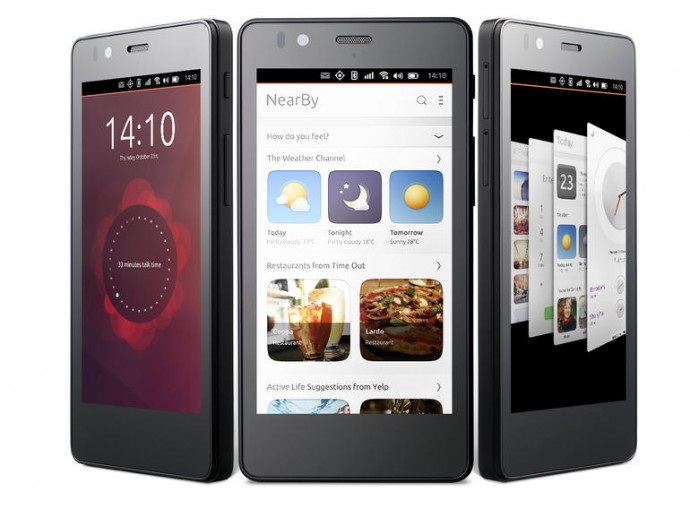
    Titled Aquaris E4.5 Ubuntu Edition, the phone is built by the Spanish company BQ. The low-budget handset sports a 4.5-inch qHD display. It is powered by MediaTek Quad Core Cortex A7 processor clocked at 1.3 GHz paired with 1 GB of RAM and a Mali 400 GPU. The device has an internal storage capacity of 8 GB along with a battery of 2150mAh. An 8MP rear shooter and a 5MP front snapper sits on the handset.

    The phone is expected to be priced at $195 (somewhere around Rs. 12,000) and will go on sale in Europe on February 9 via flash sale model.

    ubuntu phone

    Ubuntu Phones will come with a new user interface (UI) called Scopes that will change the way we interact with our phones. “A new UI paradigm, designed to deliver content and services directly to categorized home screens, giving users a rich, unfragmented experience.” Scopes will give categorized home screens to pull content from multiple sources. Users can get the content from YouTube, Vimeo and other sources on the same page.

    A new operating system means native apps need to build up. But Canonical, the company behind the operating system, doesn’t want its users to wait that long. It is making a way to port apps from its desktop Linux distribution Ubuntu to the Ubuntu Phones. So, around 1,000 apps would be available to download. It has been learnt that WhatsApp is not backing Ubuntu, so the instant messaging service will not be a part of it for now.

    Canonical is planning to release it in the US market soon. An Ubuntu-based smartphone is a big step by the company and was much-needed to bring it to mainstream. It would be interesting to see how users respond to the new OS.

  • Ubuntu Edge Falls Short Of $32M Crowdfunding Target

    Ubuntu Edge Falls Short Of $32M Crowdfunding Target

    Canonical’s Ubuntu Edge crowd-funded smartphone will remain a dream, having failed to hit its $32m funding target.

    The Ubuntu Edge raised $12.8m ahead of today’s deadline on the Indiegogo site, less than half the figure stated necessary to fund production of 40,000 units when the campaign started on 23 July.

    Shuttleworth insisted that despite the failure, carriers and handset makers are definitely interested in building handsets which will run the mobile Linux – but that they will not be the top-end “superphones” which the Edge project hoped to produce.

    In a statement on the campaign page, Mark Shuttleworth and his Canonical team wrote:

    “The big winner from this campaign is Ubuntu. While we passionately wanted to build the Ubuntu Edge to showcase Ubuntu on phones, the support and attention it received will still be a huge boost as other Ubuntu phones start to arrive in 2014. Thousands of you clearly want to own an Ubuntu phone and believe in our vision of convergence, and rest assured you won’t have much longer to wait.

    “All of the support and publicity has continued to drive our discussions with some major manufacturers, and we have many of the world’s biggest mobile networks already signed up to the Ubuntu Carrier Advisory Group. They’ll have been watching this global discussion of Ubuntu and the need for innovation very closely indeed. Watch this space!”

    The planned Ubuntu Edge would have a 4.5-inch 1,280 x 720 HD display with “pure sapphire crystal” touchscreen rather than glass. It would come with a 8MP rear and 2MP front camera, and run both the Ubuntu phone operating system, which launched in January 2013, and Google Android.

    In return for a pledge of £446, backers would have received their own Ubuntu Edge smartphone in May 2014, after the device’s planned launch, and would also have had an opportunity to participate in the final selection of some of the materials and software capabilities.

    A valiant effort nonetheless. 

  • Ubuntu Edge Smartphone Up for Funding, Comes May 14 for US $ 830

    Ubuntu Edge Smartphone Up for Funding, Comes May 14 for US $ 830

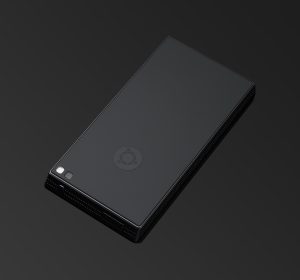
    Canonical’s big pans on how the mobile world and the computing world would merge in the future has started to take shape. The new Ubuntu Edge smartphone aims to deliver the benchmark on what future mobile devices could be based on. The Ubuntu Edge will hit the markets in May 2014 for a price of US $ 830, a first day promotion of US $600 has already sold out.

    [youtube id=”fFN4k-AFEbw” width=”100%” height=”300px”]

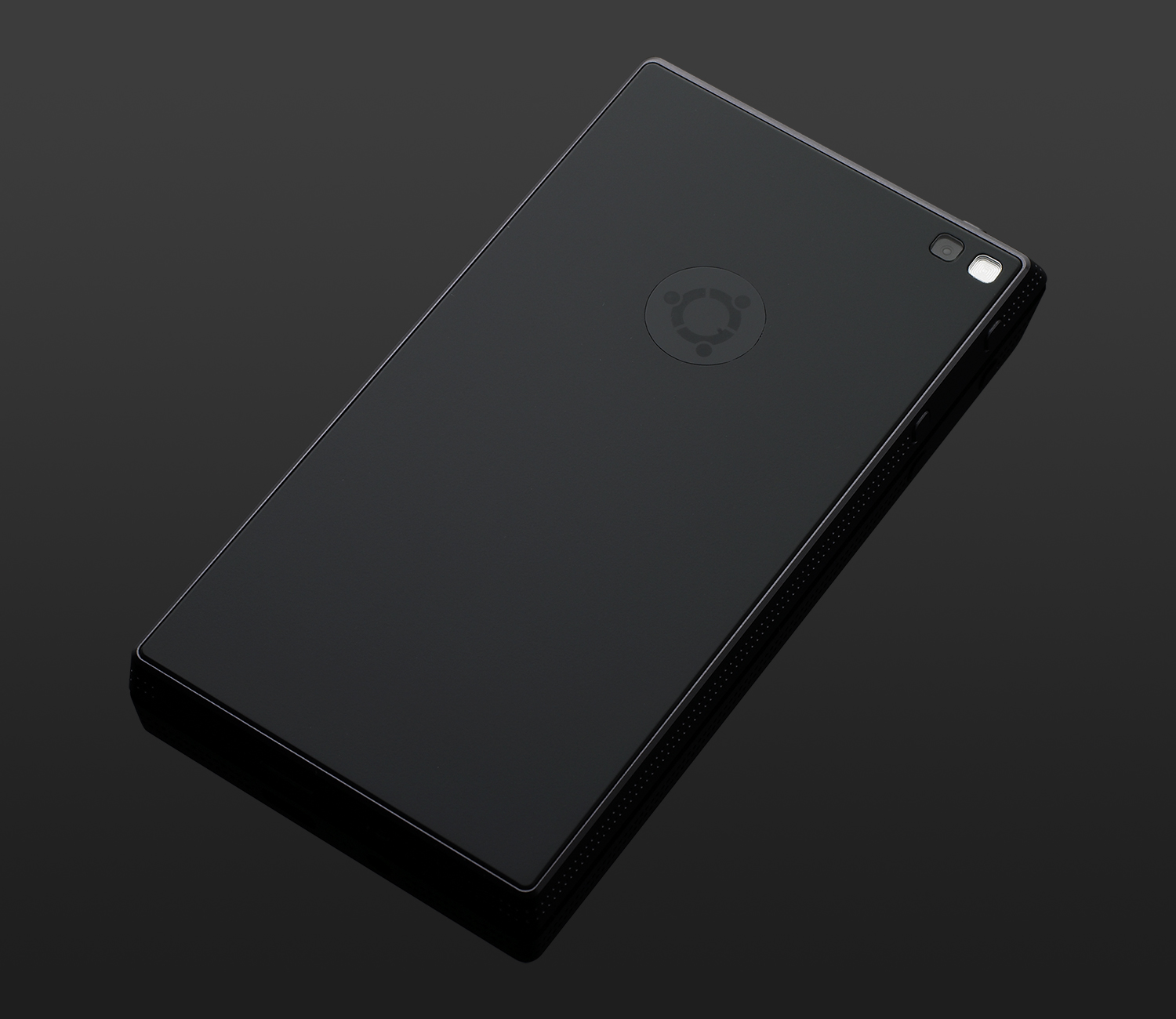
    The Ubuntu Edge is a very ambitious smartphone that’ll be capable of running a full-fledged Ubuntu desktop operating system alongside Android. While the specs have not been finalize the company talks of a 4.5 inch 720p display made of sapphire crystal glass on the Edge with a quad-core CPU, 4GB of RAM and 128GB of storage. For optics and sound an 8MP rear with a 2MP front-facing camera and stereo speakers. The Ubuntu Edge will come with globally unlocked LTE, dual-band WiFi, Bluetooth 4.0 and NFC, along with MHL support.

    The Ubuntu Edge will only see the light of day if the expected US $ 32 million funding comes through, because the company claims: 

    none of the phone manufacturers are yet ambitious enough to try to put both things in one package.

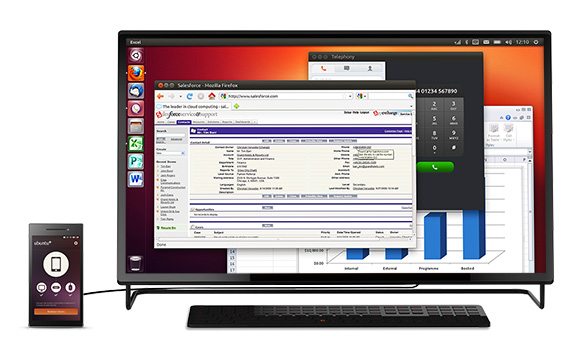
    The Ubuntu Edge will dual-boot both the Ubuntu phone OS and Android, and convert into a fully integrated Ubuntu desktop PC. 

    ui-4

    Get the full details on the project at the funding site in the link below.

    [youtube id=”eQLe3iIMN7k” width=”100%” height=”300px”]

    [youtube id=”EtNhlVn3ETQ” width=”100%” height=”300px”]

    [Indiegogo]

  • Rumour : HTC To Announce Surprise Ubuntu Tablet Today

    Rumour : HTC To Announce Surprise Ubuntu Tablet Today

    In what is clearly a countdown to a product unveiling, Ubuntu looks to be coinciding a tablet product with HTC’s One launch event today.

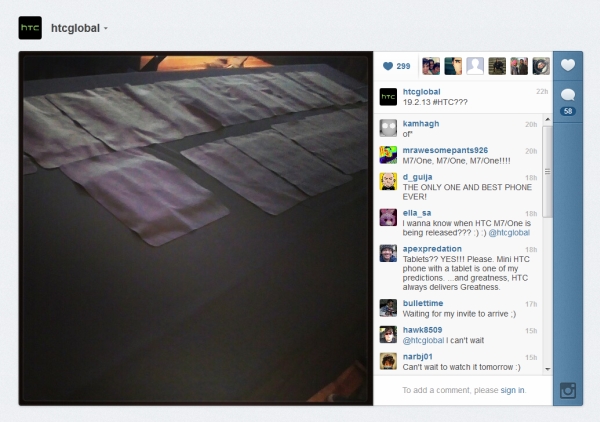
    This rumour came largely from HTC posting a mysterious picture to its Instagram account, with the image showing a number of covered smartphones as well as one larger model, which could well be an 8-inch or 10-inch tablet.

    Intrigue on this grew when Ubuntu developer Canonical started a countdown to the event under the tagline of ‘tick, tock, tablet time’ and then sent out invites to a media conference for later today. The conference is to discuss Ubuntu “on new form factors including some of the most rapidly growing consumer electronics device categories”. Whether the announcement has anything to do with HTC’s new product line remains to be seen, but we can’t see the timing as anything other than a collaboration.

    ubuntu

    Hardware running on Ubuntu’s mobile operating system isn’t going to be available until October or November, so the tease looks like more of a concept demo than an actual product launch. We also expect developer versions of Ubuntu touch to be available for the Galaxy Nexus and Nexus 4 on Thursday, February 21st, so this week is gearing up to be something of a marquee week for Canonical.

    [TabTimes]

  • Ubuntu Preview For Galaxy Nexus, Nexus 4 Coming Out On February 21st

    Ubuntu Preview For Galaxy Nexus, Nexus 4 Coming Out On February 21st

    Linux enthusiasts rejoiced at the news that Canonical would be bringing Ubuntu to the mobile realm, and although it was promised a developer preview would be available for the Galaxy Nexus at some point early this year, it now looks as though the Nexus 4 will be joining it. From 21st of February, anybody in ownership of either device will be able to get a first look at the OS, which is set to release at some point in October, and although developers may not be leaping out their seats in excitement, it’s hard not to take at least a fleeting interest in its progress.

    Developers will be able to download and flash the software to these phones to aid in the creation of apps using the preview SDK.

    The SDK, which is built atop of the latest Qt framework, comes with tutorials and design guidelines to ensure developers create beautiful, functional apps. As for casual users, it looks like there won’t be much to the installation process, though it will be a little more involved than flashing a custom Android ROM.

    Canonical stresses that this is a developer preview and not finalized code, so you probably won’t be running this as your daily driver just yet. 

    It has been reported earlier that the first Ubuntu Phone OS powered devices will hit shelves later this year,in October to be more precise.

  • Ubuntu Unveils OS For Smartphones; To Be In The Market Starting 2014

    Ubuntu Unveils OS For Smartphones; To Be In The Market Starting 2014

    ubuntu

    Tech heads won’t be unfamiliar with Ubuntu, a Linux-based operating system for desktops. Its developers, Canonical, have gone to great lengths to offer high-quality computing for free, and today they’ve announced that they’re going to be building software to mobile phones, as well.

    Calling the product launch a “significant next step in our history”, Mark Shuttleworth, founder of Ubuntu, demoed the device and spoke of Canonical’s plans for taking the device to an already saturated mobile market. The company says its eventual plan is to offer consumers a unified experience on TVs, phones and PCs.

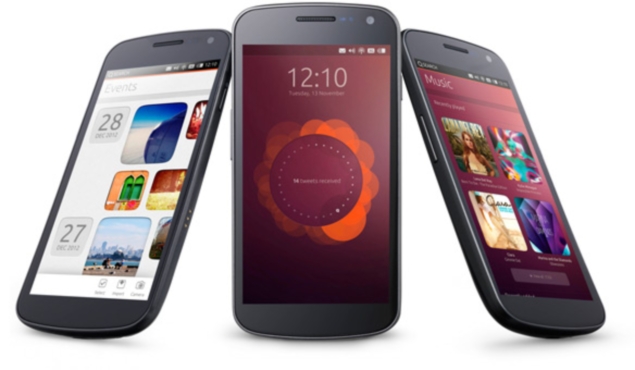
    Ubuntu for phones looks to rely heavily on gestures for its day to day operation, masking power behind a clean design. For instance, the “welcome screen” in the center of the above three phones will feature a user’s notifications and will allows users to swipe in different directions to get to apps. While we’re only getting a brief glimpse of how the OS works, it looks to take on iOS, Android and Windows phones despite their sizable head start.

    [quote]”We expect Ubuntu to be popular in the enterprise market, enabling customers to provision a single secure device for all PC, thin client and phone functions. Ubuntu is already the most widely used Linux enterprise desktop, with customers in a wide range of sectors focused on security, cost and manageability,” said Jane Silber, CEO of Canonical. “We also see an opportunity in basic smartphones that are used for the phone, SMS, web and email, where Ubuntu outperforms thanks to its native core apps and stylish presentation.”[/quote]

    The team will offer full native app support in C++ or OpenGL, and claims that apps run faster on cheaper hardware because all apps are native and there is “no Java overhead.”

    Earlier this year, Canonical announced Ubuntu for Android phones, which has yet to materialize. The mobile team plans a release for the Galaxy Nexus very soon, though no official date has been set. Ubuntu OS has support for both ARM and x86 processors. This means it could be made to run on most, if not all, of today’s Android-powered smartphones without too much effort.

    In the company’s video, they explain that the phone looks to provide support for web apps, games and bringing a PC-like experience to mobile. As most users will know, the operating system is famous for both its customization and its steep learning curve: the company will hopefully be looking to eliminate the latter for the general public.

    Ubuntu phones will be released in 2014, and the company intends to freely distribute the code like Google does with Android.
  • Dell to launch Ubuntu based laptops in India

    Dell to launch Ubuntu based laptops in India

    Whoops! Something went wrong!

    Dell, the second-largest computer seller in India, will sell personal computers loaded with the free operating system Ubuntu.

    Ubuntu, is a widely used Linux-based open source software and Dell India, along with Canonical Ltd., the UK-based owner, has decided to sell personal computers based on it.

    [quote]The machines — including the new Inspiron 14R and 15R — will be available with Ubuntu pre-installed from June 21 and more models are slated for release later in the year, Canonical CEO Jane Silber told reporters.[/quote]

    Starting this month, the Ubuntu installed laptops and netbooks will be available in 850 Dell stores in India. Dell in India currently sells PCs loaded with Windows, the proprietary operating system, of Microsoft. 

  • Ubuntu’s First Bug Report

    Ubuntu’s First Bug Report

    Let it not be said that the open source community does not have a sense of humor. As many of you may know, all bugs that are found in Ubuntu are reported to launchpad’s bug tracker. We were quite surprised to find this nugget as the first ever Ubuntu bug report:


    [box border=”full”]

    Bug Description

    Microsoft has a majority market share in the new desktop PC marketplace.
    This is a bug, which Ubuntu is designed to fix.

    Non-free software is holding back innovation in the IT industry, restricting access to IT to a small part of the world’s population and limiting the ability of software developers to reach their full potential, globally. This bug is widely evident in the PC industry.

    Steps to repeat:

    1. Visit a local PC store.

    What happens:
    2. Observe that a majority of PCs for sale have non-free software pre-installed.
    3. Observe very few PCs with Ubuntu and free software pre-installed.

    What should happen:
    1. A majority of the PCs for sale should include only free software like Ubuntu.
    2. Ubuntu should be marketed in a way such that its amazing features and benefits would be apparent and known by all.
    3. The system shall become more and more user friendly as time passes.

    [/box]

  • The SmartBook: The Future Delivered Last Year

    The SmartBook: The Future Delivered Last Year

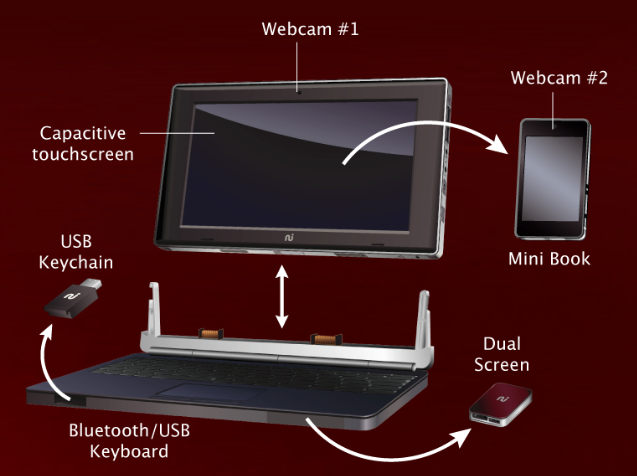
    Well we are all for amazing devices and freaky gadgets, but the SmartBook is the monster that scared them all away. The future came and went and most people didn’t even know about it. Here we have a device that is a netbook, a tablet, a Mobile Internet Device, A PC Dual Screen, a VOIP phone, a bluetooth/wired keyboard and the kitchen sink. Always Innovating, the company that made this device, calls it the “Swiss Knife” of electronics.


    Tablet

    The tablet is a fully-functional standalone tablet. You dont need anything else to run it. It has an 8.9 inch capacative touchscreen with an integrated front-facing webcam.

    VOIP Mobile Internt Device i.e. The Minibook

    In the back of the tablet sits the Minibook. This device is basically a smartphone running Android 2.2 with a capacative touchscreen, front facing camera, wifi b/g/n, hdmi out, and a whole host of other features.

    Smart Keyboard

    The keyboard “dock” for the smartbook is a very smart design in itself. It has compartments to store a USB pen-drive and the Dual-Screen USB to HDMI adaptor. It can connect not only to the Smartbook but to any other computer via bluetooth or a USB cable.

    Operating Systems

    You read that correctly, its Operating Systems in plural. This device supports not 1, not 2, not 3 but a whopping 4 operating systems which are:

    • Ubuntu 10.10 (ARM)
    • AIOS – Always Innovating Operating System
    • Android (2.3)
    • Chromium OS

    Price

    The best part of this device is the price. In its complete everything and the kitchen sink configuration it costs an awe inspiring $549, which is cheaper than the iPad, the Motorola XOOM and the Samsung Galaxy TAB.


    Full specifications


    • ARM Texas Instruments cortex-A8 with video and 3D acceleration
    • Numonyx 512MB RAM + 256 MB NAND
    • 8GB microSD card
    • 1024×600 8.9″ capacitive touchscreen
    • Extractable Mini Book
    • Detachable Bluetooth / USB keyboard
    • Stored-in 2GB USB keychain
    • Stored-in Dual Screen
    • Wifi 802.11 b/g/n
    • Bluetooth class 2.1
    • Video output HDMI 720p
    • 4 available USB 2.0 (2 internal, 2 external)
    • 3-dimensional accelerometer
    • Speakers, micro and headphone I/O
    • Headset included
    • 3 batteries:
      • 12000mAh in the Keyboard
      • 6000mAh in the Tablet
      • 1500mAh in the Mini Book
    • outstanding battery life
    • FCC, CE, UL-certified, 5V, 3.5A power adapter
    • Bi-color silver/black case
    • Dark-red transparent back cover
    • Secured attachment system of tablet into keyboard
    • 9.7″ x 7″ x 1.3″ for 3 lbs

    Also coming from the company are a Pico Projector and a Pocket TV. Watch more in the Video.

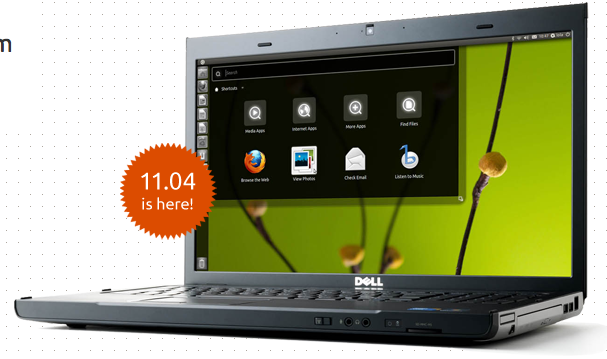
  • UBUNTU 11.04 finally out, Open Source and Linux communities rejoice

    UBUNTU 11.04 finally out, Open Source and Linux communities rejoice

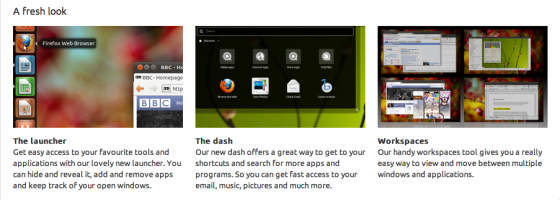
    The Latest version of the most popular open-source Operating system for Computers is out. The new version adds some interesting UI changes


    Their servers are higly overloaded. We are downloading the new build right now, we will be back soon with a full change-log, tweaks and setup instructions shortly.

  • Windows 8 Can be Run from a USB Stick

    Windows 8 Can be Run from a USB Stick

    A leaked copy of Windows 8 spread like wildfire in the recent week. Daily new tidbits and features are being discovered about the new mammoth from Microsoft. The newest information rocking the market is the fact that the user with a retail disk can make actual usb copies of the operating system and carry them, like portable ubuntu.

    This could also give piracy a whole new push with cds becoming the old and portable os becoming the new. Bootable Windows 8 on a USB 3.0 drive anyone? As tempting as it may sound, a minimum 16GB pendrive is required for the task and looks like USB 3.0 is yet to be found commercially.


    MyDigitalLife

iGyaan Network
Privacy Overview

This website uses cookies so that we can provide you with the best user experience possible. Cookie information is stored in your browser and performs functions such as recognising you when you return to our website and helping our team to understand which sections of the website you find most interesting and useful.