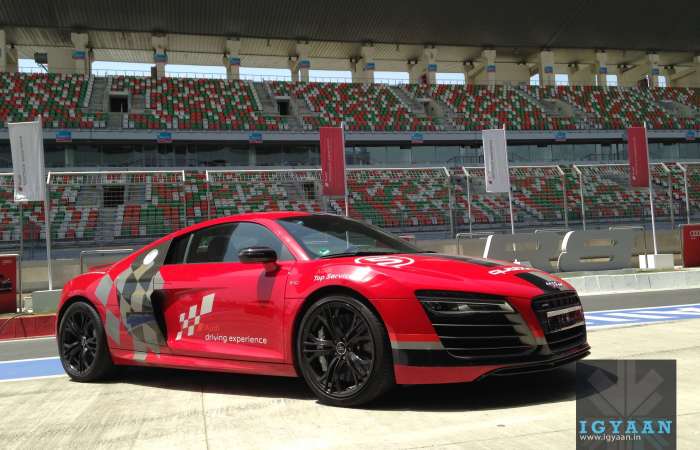
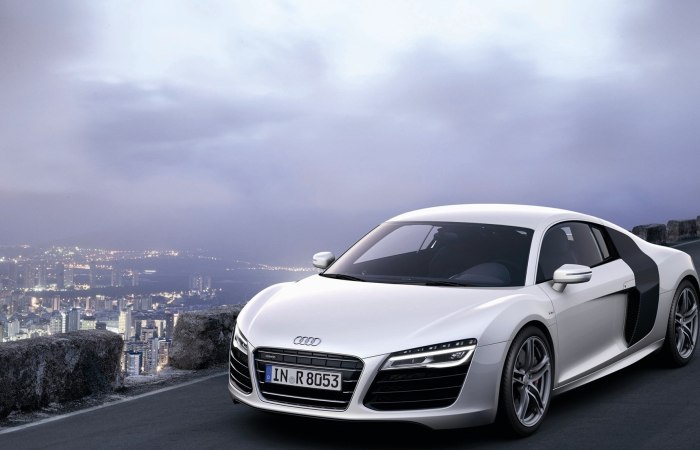
The Audi Sportscar Experience 2013 was held at the Buddh International Circuit (BIC) this past weekend, and the newly launched Audi R8 V10 Plus was easily the main attraction for everyone present on hand.
The session on Sunday consisted of 3 stages namely, the slalom, the ABS test and hot laps with assisted driving meant to provide a first hand experience of track driving. The drivers got a chance to sample the TT and the S4 apart from the absurdly fast R8 V10 Plus.
Jatin Dahiya, an engineering student from Delhi, was one of the lucky few who got to try their hands on the R8 V10 Plus. He had the following to say about the experience,
The S4 and TT are brilliant machines but they’re incomparable to the new R8. The acceleration is absolutely brutal, and even though there’s so much power, you never feel like you’re losing control. The amount of grip is unbelievable when you’re going around corners, I had no trouble cornering at speeds above 110 kmph. I was pretty confident of the car’s braking abilities after the ABS test, so I managed to touch 230 kmph on the long straight without much fear. Altogether, it was an amazing experience.
The Audi Sportscar Experience is a fully-guided driving program meant to hone one’s track skills and is held at the Madras Motor Sports Club (MMSC) in Chennai apart from the BIC. The complete lineup of cars now consists of the S4, TT, RS5, R8 V10 Coupe, R8 V10 Convertible & the R8 V10 Plus. Prices have dropped too, with packages available from Rs. 30,000 to Rs. 98,000 depending on the whether you opt for basic or advanced training.
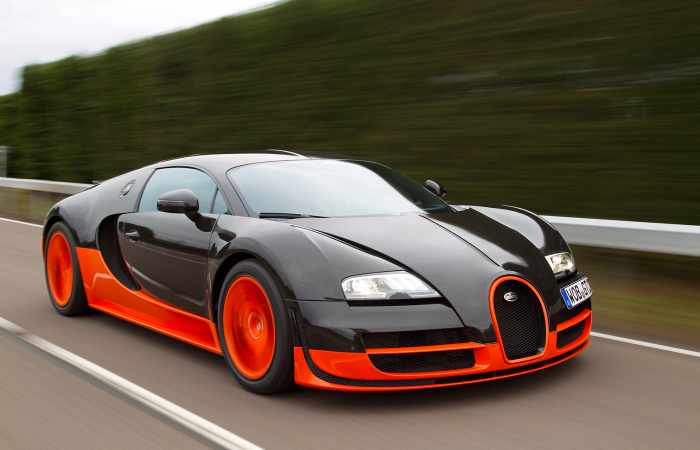
If you’re the proud owner of a Bugatti Veyron Super Sport, you may want to look away. Guinness World Records have declared that the Veyron SS is not the world’s fastest production car as per the title it was awarded in 2010. The people at Guinness apparently overlooked the fact that the recrod-setting car had been modified with a deactivated speed limiter, which allowed the Veyron SS to hit a record 267.8 mph (431.07 kmph).
Guinness World Records states that the record-setting car must be mechanically identical to the one sold to customers. Here’s what Jaime Strang, PR Director of the company had to say about the matter:
It has come to the attention of Guinness World Records that there was an oversight in its adjudication of the ‘Fastest production car’ which was set in 2010 by the Bugatti Veyron 16.4 Super Sport. As the car’s speed limiter was deactivated, this modification was against the official guidelines. Consequently, the vehicle’s record set at 431.072 km/h is no longer valid. Following this, Guinness World Records is reviewing this category with expert external consultants to ensure our records fairly reflect achievements in this field.
Bugatti is defiant of Guinness’ decision, saying that the production models only have a speed limiter for its customers’ safety and that Guinness was aware of the deactivated limiter on the test car. The production models are limited to ‘just’ 258 mph.
Bugatti’s record was challenged by an American car maker, Hennessey, which claims that its absurdly fast Venom GT should be the world’s fastest production car with a clocked speed of 265.7 mph. However the Venom GT’s speed hasn’t been recorded in the right conditions, which includes an average of two timed runs in opposite directions among other factors. Due to this, the record is most likely to be reverted to the previous holder at 256.1 mph, the Shelby SuperCars Ultimate Aero TT.
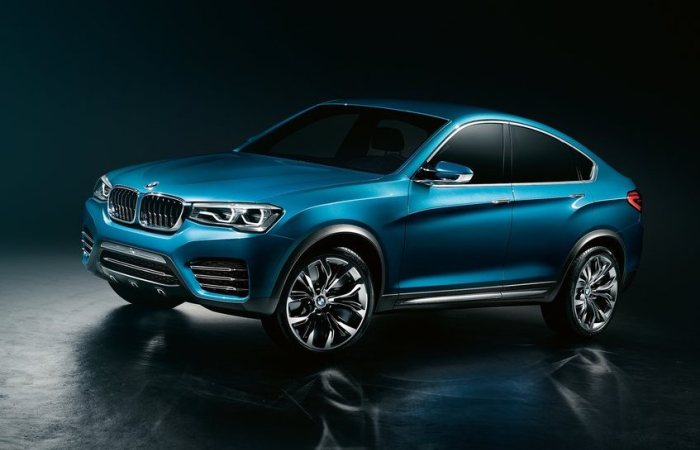
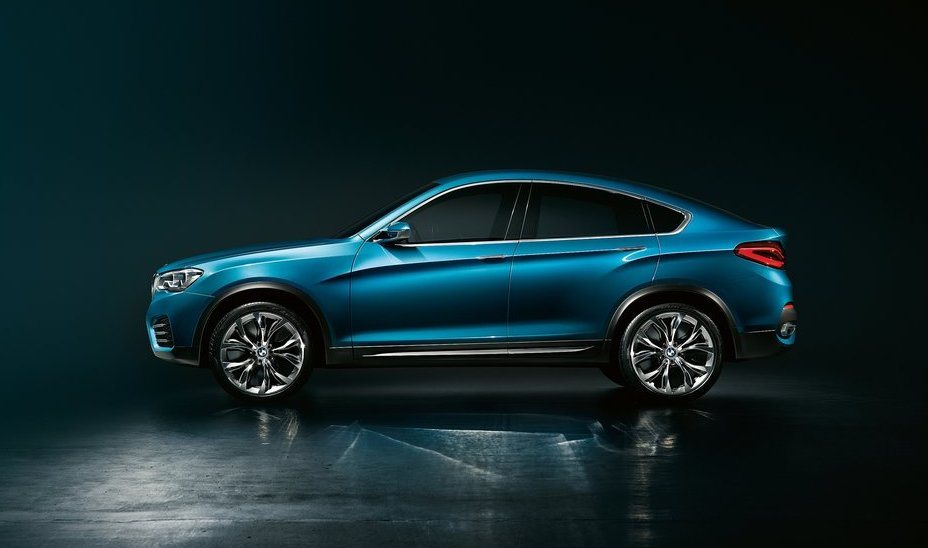
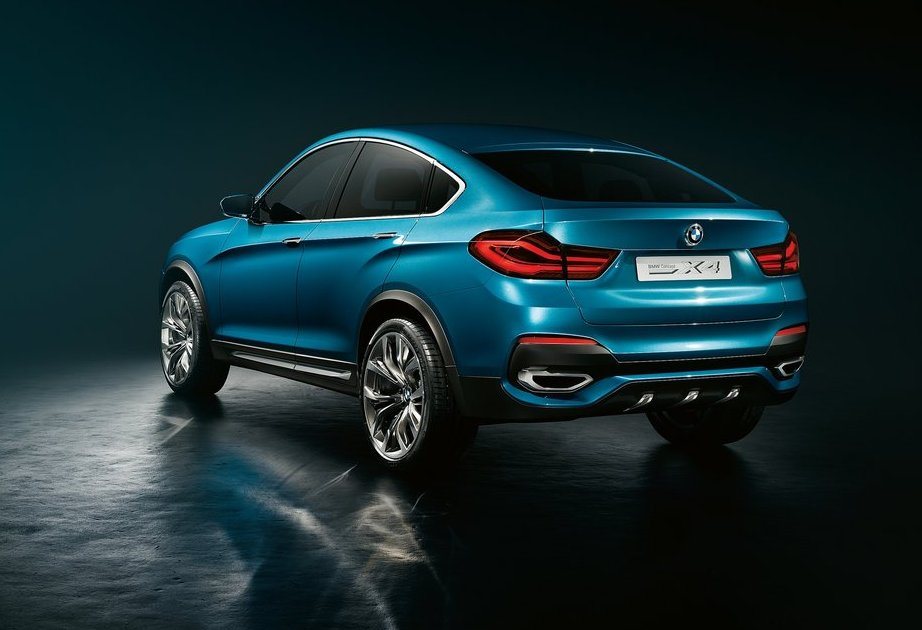
The BMW X6 was a very polarising design when it first came out in 2008, and its newly unveiled younger brother seems to be headed the same way. The X4 concept has been unveiled and a production model of the ‘Sports Activity Vehicle’ (SAV) as its called by BMW, will go on sale in 2014. BMW also says that the concept isn’t just the preview of a new model, but a glimpse at the future of the entire X range. Like the X6, the X4’s styling is a hybrid of an SUV and a fastback coupe, a design most of us now know as the crossover. Flaunting strong character lines down its sides, a big radiator grille and two-tone 21-inch alloy wheels, the X4 takes on an aggressive and powerful stance, like the larger X6. Dimensionally most similar to the 3-Series Wagon, the X4’s headlight’s and taillights remind us a lot of the upcoming 4-Series coupe as well as the 3-Series Gran Turismo. Underneath the sculpted body, the X4 is based on the smaller X3 and will most likely offer the same engine options as the X3. It will be built alongside the other X models at BMW’s factory in Spartanburg, USA. The X4 seems to be a well-shaken cocktail of many old and new BMWs. We prefer the X4’s adventurous yet balanced design to that of the X6, but the fastback SUV is still a niche segment and isn’t widely accepted by petrolheads all round the world. Expect this car to make a lot of news when it makes its world debut at the Shanghai Motor Show later this month.
Honda’s highly anticipated compact sedan, the Amaze will launch on April 11, and the Japanese carmaker opened bookings for the same on April 1. The Amaze is expected to cost Rs. 6-7.5 Lakh and bookings can be made at a refundable amount of Rs. 21,000.
Honda anticipates its first diesel car for the Indian market to be a great success and has reportedly already produced 10,000 units of the car so as to avoid extended waiting periods. A 30 day delivery period has been promised by Honda to those who have booked the Amaze already.
The Amaze is a compact sedan based on the successful Honda Brio hatchback. Its sub-four-metre length and options of a less than 1200cc petrol motor and less than 1500c diesel engine go towards ensuring that Honda can avail of the excise (tax on manufacturing) sops for small cars and make it affordable for the value-conscious Indian buyer. The Amaze will be powered by a 1.5-litre i-DTEC diesel engine producing 100 PS of power and 200 Nm of torque, with a 5-speed manual gearbox. Honda India’s maiden diesel car delivers a very impressive ARAI certified mileage of 25.8 km/l. Honda will also offer the Brio’s petrol engine as an option with the Amaze. The 1.2-litre i-VTEC motor produces 88 PS and 109 Nm, and comes with 5-speed manual and automatic transmissions.
We are delighted to witness a remarkable growth of 35% over last year although the market environment has been quite tough. Strong demand for Honda Brio and Honda City has been instrumental in achieving this success. The launch of Amaze this month will be a significant step in Honda’s strategy to begin a new phase of growth for our business in Indian market. We expect huge growth potential in tier 2 & tier 3 markets with this car and therefore we have been expanding our sales network to reach out to newer cities and markets.
– Jnaneswar Sen, Sr. VP – Sales and Marketing, Honda Siel
German luxury car maker Audi has launched the R8 V10 Plus model in India at a price of Rs. 2.05 Crore (ex-showroom). It’s powered by the same 5.2-litre V10 Lamborghini engine as the Audi R8 V10, but manages to churn out 542 BHP and 540Nm of torque. Featuring a 7-speed S tronic dual clutch gearbox, the R8 V10 Plus goes from 0-100 kmph in 3.5 seconds and onto a claimed top speed of 317 kmph. These performance figures are helped to no end by extensive use of carbon fibre, helping the supercar achieve a very impressive power to weight ratio of 345 BHP per ton. The new front splitter, mirror housings, lateral air inlets, side blades, rear diffusor and engine compartment lining are all done with carbon fiber.
Speaking at the launch of the R8 V10 Plus, Michael Perschke, managing director, Audi India, said,
With its sporty and powerful identity, spontaneous responsiveness and extraordinarily high revving, this new member of the R8 family, the V10 plus is the ideal high performance coupé which truly embodies progressiveness and superior performance. With this second addition to the R8 family in 2013, after the launch of new Audi R8 V10 in January, Audi now offers a whole range of R8 options in India. I’m confident that this high performance super sportscar will allow us to further build upon our leadership position in the super sportscar segment in India and maintain the iconic position of the R8 in India.
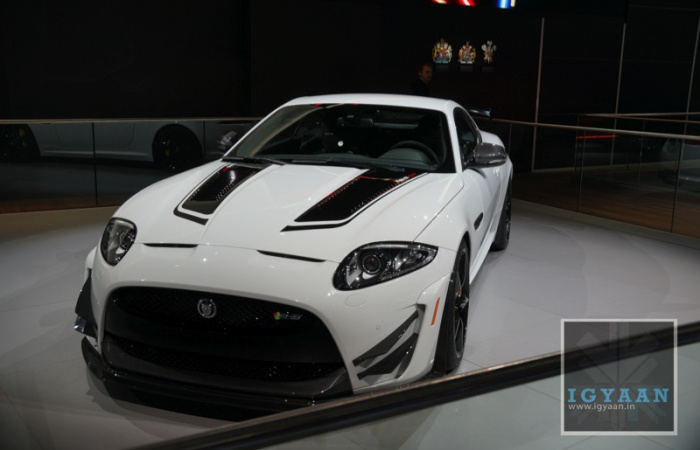
If its tough to shave off those last few seconds per lap in your Jaguar XKR-S, the Tata owned British manufacturer has unveiled the XKR-S GT at the New York Auto Show just for you. Specifically tuned for the racing circuit, the GT managed a time of 7:40 at the hallowed Nurburgring race track, which is faster than the Murcielago SV, the SLS AMG as well as the Zonda S. It goes from 0 to 100 kmph in less time than you can say Jaaaaaaaaaag; well in 3.9 seconds actually. Safe to say, the XKR-S GT is blisteringly fast. It’s also very rare. Only 30 will be made and sold purely in North America with the US getting 25 of these beasts. Oh, and it costs a measly $175,000.
This car can produce some serious downforce, 145 kgs of it in fact, helped to no end with that massive carbon fiber wing at the back and all those aero bits added all over the body. It sports a sharp, equally large carbon fiber air splitter at the front, and diffuser at the back sits pretty right in between the quad-exhaust pipes. With bright yellow carbon ceramic brakes, Pirelli Corsa tyres and a high performance Eibach tuned suspension, the GT means business. It has a 5.0 litre supercharged V8 engine producing almost 550 BHP and even if the all the aero bits make it look like its come out of a Need for Speed game, this car definitely belongs on the track.
Jaguar has one of the richest racing heritages of all time, and in recent years has been working very hard to reassert itself among its peers and offer performance as well as comfort to its loyal customers. The GT is a reminder of what Jaguar can do when it comes to fast cars. It looks mental, and goes like it too.
So if you have $200,000 saved up to spend on a street-legal car tuned for the racetrack, should you buy the Jaguar XKR-S GT? In a word, no. You should buy this instead:
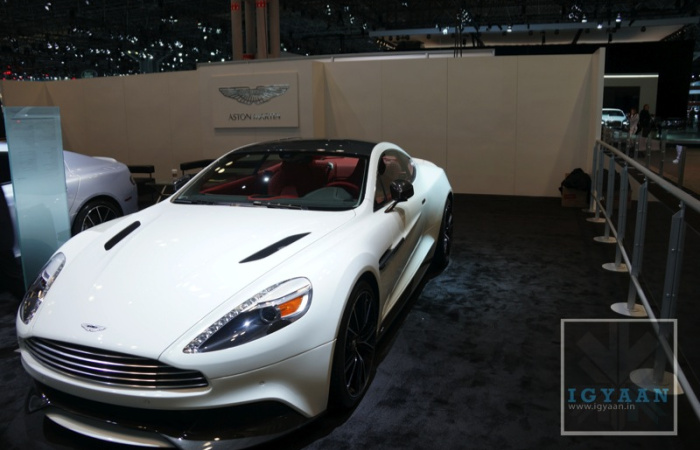
Walk up to the Aston Martin Vanquish, and at first glance you could almost certainly justify about $100,000 of the $280,000 base price. Aston Martin has been criticized quite a bit in recent years over stubborn design policies. People don’t like how all Aston Martins have looked pretty much the same for a few decades, save for a headlight here and a spoiler there. But does it really matter, when they look like this? Imagine what you sound like when you say, “I’m sorry, I’m sick of the stunning lines on every car”.
The Vanquish, seen here at the New York Auto Show, is absolutely drop dead gorgeous. Its curvier than the DBS, and features some very smooth flowing lines from front to back. The body is now a concoction of aluminium, magnesium and exposed carbon fiber bits for added muscle. It takes some evident design cues from the biggest brother in the Aston Martin lineup, the One-77, and I’m not complaining. It oozes elegance, has tons of character and manages to seek attention in the classiest way possible.
It manages to keep up on the asphalt as well. The 5.9 litre V12 engine produces 565 BHP and has a lot of improvements – variable valve timing at intake and exhaust, improved intake manifold, larger throttle body – which have lowered peak torque deeper in to the rev range. This produces some serious pull coming out of corners leaving quite a few pulses racing. The double wishbone suspension and monotube adaptive adjustable dampers allow some compliance in normal and sport mode, but track mode may definitely cause the small issue of a slipped disc. Carbon ceramic Brembo brakes are standard, and get the job done, and well.
The Aston Martin Vanquish is not as expensive as its V12 competitors, like the Lamborghini Aventador and the Ferrari F12 Berlinetta. Its also not nearly as powerful, with the Lambo grinding out 691 BHP and the F12 a massive 730 BHP. But then again, the Vanquish isn’t going after the same target demographic either. It comes with heated seats, a 13-speaker 1000 watt Bang & Olufsen sound system, and a very functional infotainment system with haptic feedback buttons. The interior is trimmed with Fine Luxmil and semi-aniline leather and Alcantara, all hand stitched. Its aimed at people who want a comfortable grand tourer, which they can take on road trips through Europe, and maybe to the supermarket on the weekends.
Not many people buy Aston Martins because of superb performance or exclusivity. They buy them because whenever they peep out of their bedroom windows to take a look at the weather, and they see the silhouette of their Aston Martin glowing in the setting sun’s orange light, it puts a big fat smile on their faces.
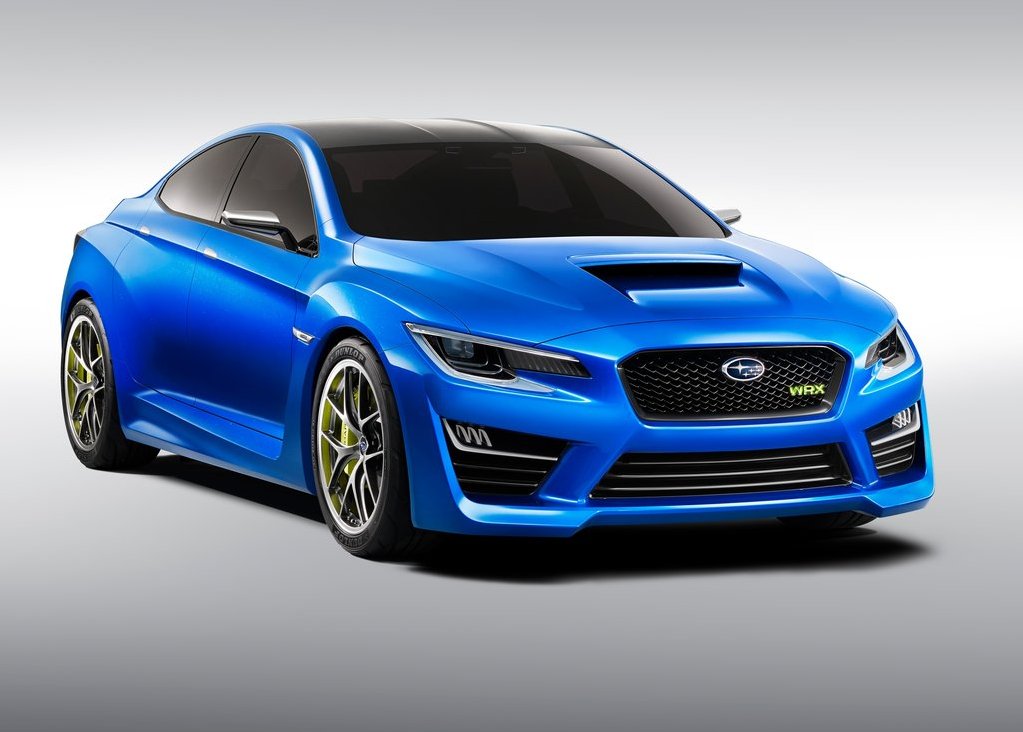
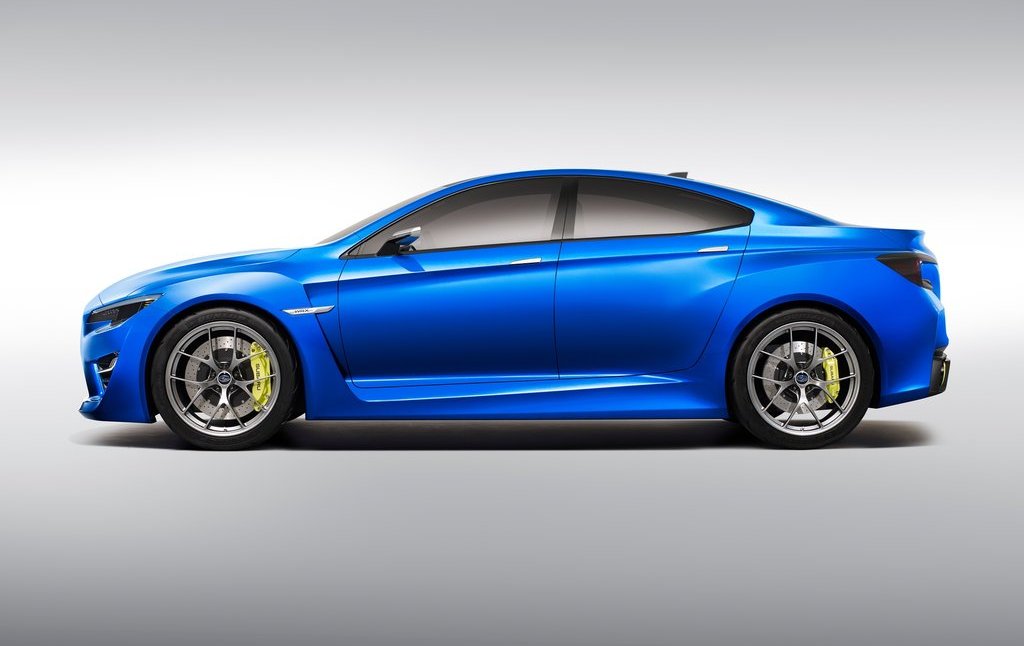
For two years, Subaru has been teasing fans hungry for information on the next WRX, and it finally dropped the curtains on the WRX Concept at the New York Auto Show last week. The eye catching concept looked very impressive in the legendary WRX pearlescent blue coat of paint, to say the least.
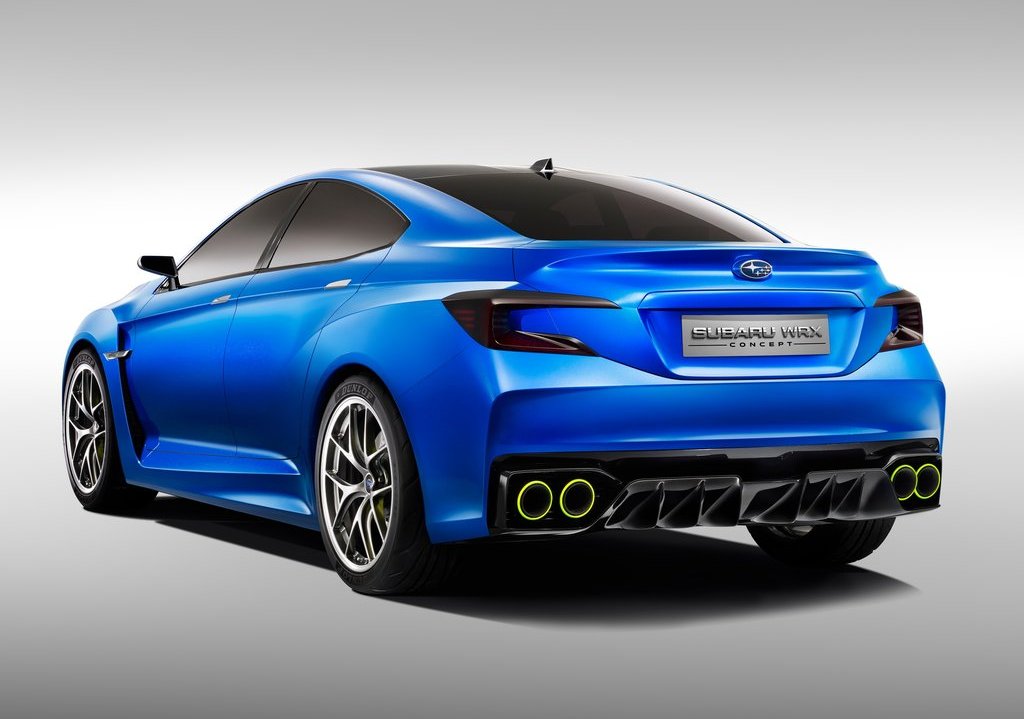
The sedan’s wide and low stance grants it an aggressive look and hints at big performance, although no specifics were revealed by Subaru at the time itself. Foreshadowing the upcoming production car, a closer look reveals the carbon-fiber roof panel which helped designers lower the center of gravity of the car as well as its weight. A prominent character line runs from the front fender right up to the taillight on the sides. Sitting on 245mm wide Dunlop tyres, and droolworthy 20 inch BBS wheels, the anticipation of an all-wheel drive system is made evident by 4 large, flared wheel arches. The bulging hood promises a new turbocharged engine and intercooler as well as a massive hood scoop to cool the same, reminiscent of WRXs of the past.
Up front, the traditional Subaru hexagonal grill is the centerpiece in a very low and assertive fascia, with sleek hawkeye headlights which bookend the grill. Deep, low air intakes enhance aerodynamics as well as engine cooling. The C-shaped taillights add width to the rear-end with a trunklid spoiler replacing the big standard wing. The rear diffuser and quad tailpipes further indicate a high performing production car, whenever it comes.
The WRX Concept is a huge step forward for Subaru and the legendary WRX line, and it should make the coming months very exciting for enthusiasts.
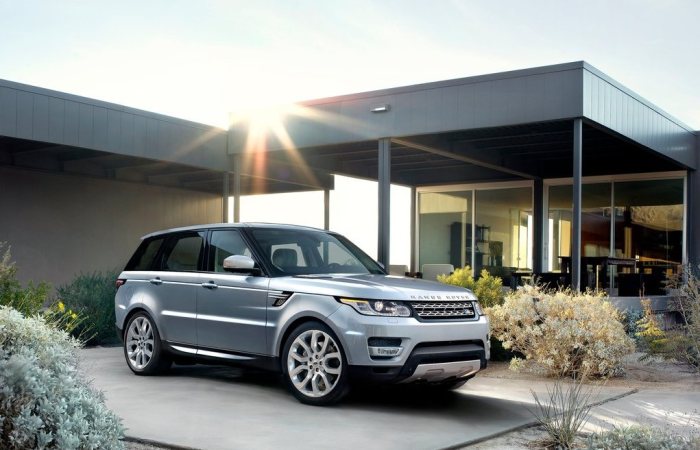
Land Rover unveiled the all new Range Rover Sport at the New York Auto Show, with design chief Gerry McGovern going to the extent of calling it “the Porsche 911 of SUVs”. Adding a whole lot of functionality with a long list of options, the new eye catching Range ‘evokes’ more than just a gasp (see what we did there?).
Deemed “the fastest, most agile and most responsive Land Rover ever” by brand boss John Edwards, the Sport comes in 4 trims priced between $63.5k and $93k. It offers a choice of a 3 litre supercharged V6 engine producing 340bhp or a monstrous supercharged 5-litre V8 producing 510bhp. The all new high strength aluminium structure makes it more than 360kgs lighter than the outgoing Range Rover Sport. An 8-speed automatic transmission is standard, and an extremely capable new fully automatic Terrain Response 2 System is available as well.
The new car is longer than the outgoing Sport and has a notably shorter rear overhang. This offers both more rear-seat knee room and space for an optional pair of third row seats, making it a ‘5+2’ SUV for the first time. The external styling is very contemporary and sophisticated, yet sporty. Lower and more compact than the larger Range Rover, “It’s dramatic and powerful, with immense road presence,” according to McGovern. To be honest, it reminds us a lot of the baby Range, the Evoque.
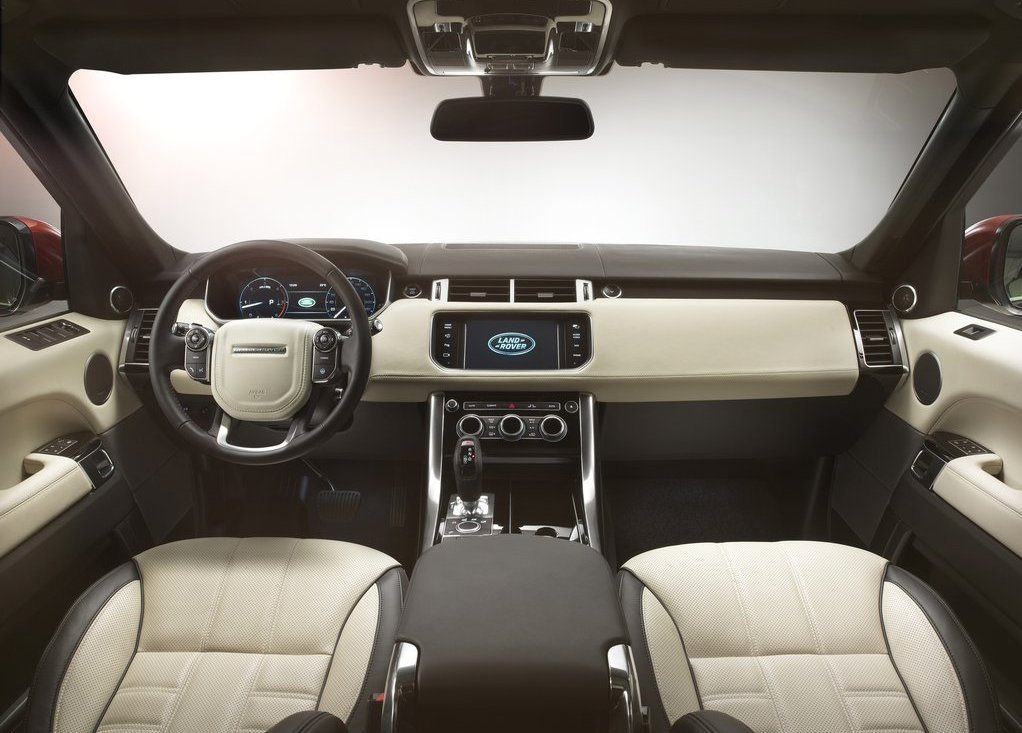
The interior is as stunning and functional as ever, with a new optional heads up display, many driver oriented controls, a lower driving position and a higher centre console. It maintains the elegant and sporty feel of the car, and with a lot of panache. Its definitely a nice place to be in.
The first-generation Range Rover Sport was quick to achieve the status of JLR’s most profitable car, and hasn’t looked back since. Expect this classy addition to the lineage to keep up with the trend, and with relative ease.
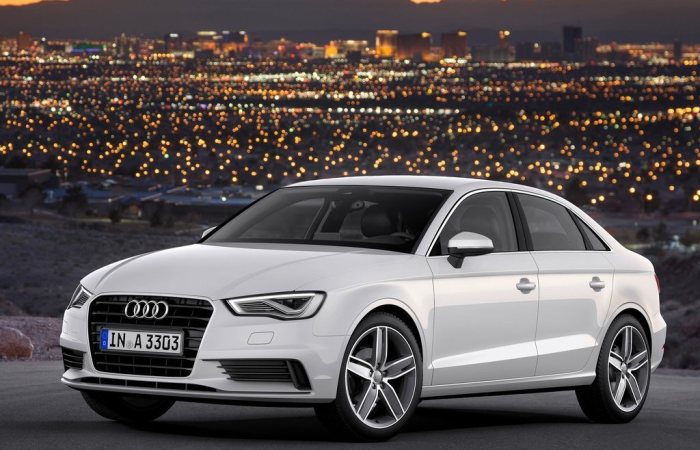
Audi has brought excitement to the New York Auto Show by unveiling the 2014 A3 at the New York Auto Show on press eve. Directly competing with Mercedes Benz’s new CLA sedan, the new A3 reminds us a lot of the first generation A4 of the mid-nineties in size.
The Audi A3 will go on sale in Europe before the United States and will offer 3 four-cylinder engines on launch; 138bhp 1.4 TFSI and 178bhp 1.8 TFSI petrols, and a 148bhp 2.0 TDI diesel. It will not go on sale in the US until 2015 and will make its official world debut at the Shanghai Motor Show next month.
The A3 features very typical Audi styling. Full LED headlamps as well as a number of subtle enhancements are optional to try and keep the base price reasonable. Wheels will range from 16-inches to 18-inches to help maintain the sporty look and premium placement of the small sedan. The interior offers everything one could realistically need, including a driver display system utilising 3D graphics, a revised MMI system and a 705 watt, 14-speaker Bang & Olufsen sound system.
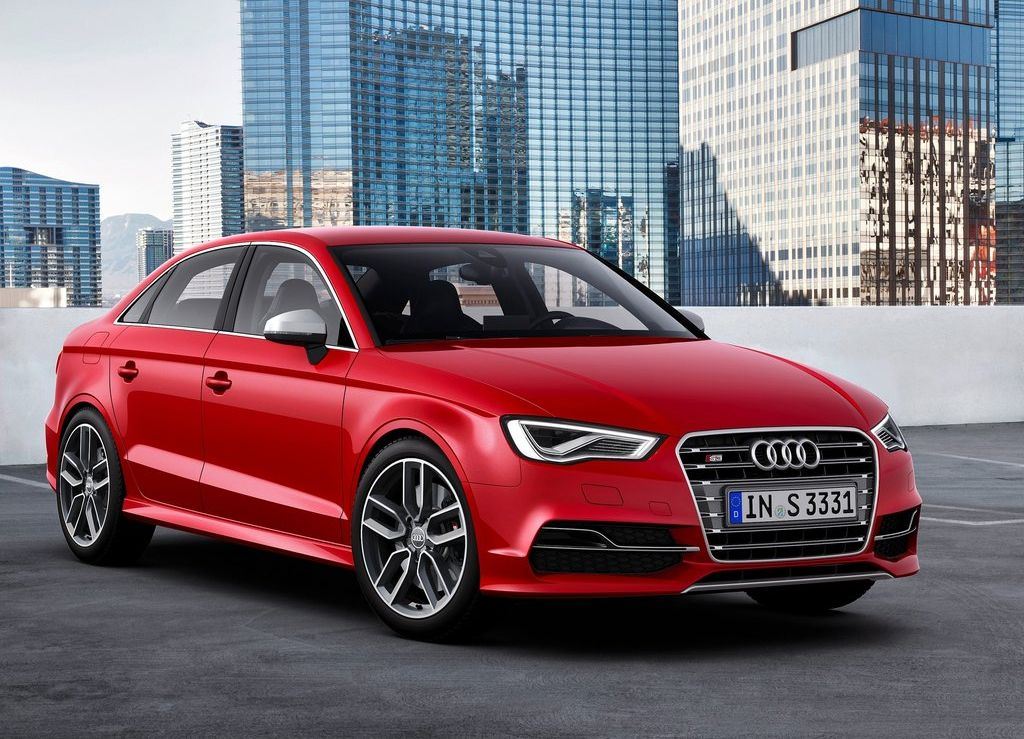
Audi also announced the 2014 S3 sedan, also to be officially unveiled at Shanghai next month. Powered by a potent 2.0-liter TFSI engine producing 296bhp, the sedan should reach 100km/h in 4.7 seconds with the six-speed S-tronic gearbox. Quattro-all wheel drive is standard on the American S3, as are 18-inch wheels, full leather interiors and the three-spoke sport steering wheel with shift paddles.
The Audi A3/S3 are a whole 6.7 inches shorter than the Mercedes Benz CLA/CLA 45AMG. With public opinion still divided when it comes to the traditional rivals’ hotly awaited cars, expect this battle to go down to the wire.
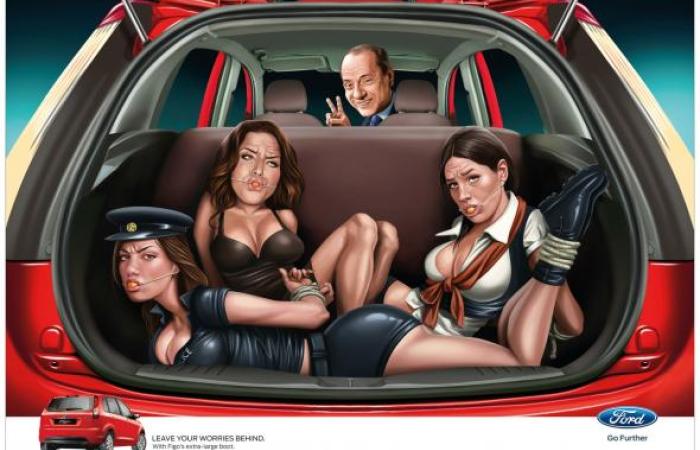
Ford India has landed itself in a tricky spot after controversial advertisements of the Figo made their way on to the internet last week. The advertisements, reportedly made by the creative team at the Indian arm of advertising giant, JWT, emphasize on the boot space offered by the Figo, but are taking serious heat for being sexist and distasteful.
In one of the commercials, the infamous former Italian prime minister, Silvio Berlusconi is shown grinning in the driver’s seat as three skimpily clad women are shown bound and gagged stuffed into the boot. In another version, we see Paris Hilton similarly kidnapping fellow millionaire socialites, the Kardashian sisters. There’s a third, comparatively less offensive version, with Michael Schumacher having managed to fit Sebastien Vettel, Lewis Hamilton & Fernando Alonso in the Ford Figo’s boot. All three commercials feature the tagline, ‘Leave Your Worries Behind’.
The timing of the ads is especially poor, with the recent uproar in the nation over stronger anti-rape laws, and the parliament’s recently passed anti-rape legislation on everyone’s mind. Since a large number of India’s masses might not identify Berlusconi, Hilton or the Kardashians, JWT India’s attempt at black humor may backfire and evoke a strong reaction towards Ford India and the Figo.
Ford India has since apologized, in the form of the statement given to NBC
We deeply regret this incident and agree with our agency partners that it should have never happened…. The posters are contrary to the standards of professionalism and decency within Ford and our agency partners.
If they keep up with such risky tactics, it might be a little while before Ford India leaves its worries behind.
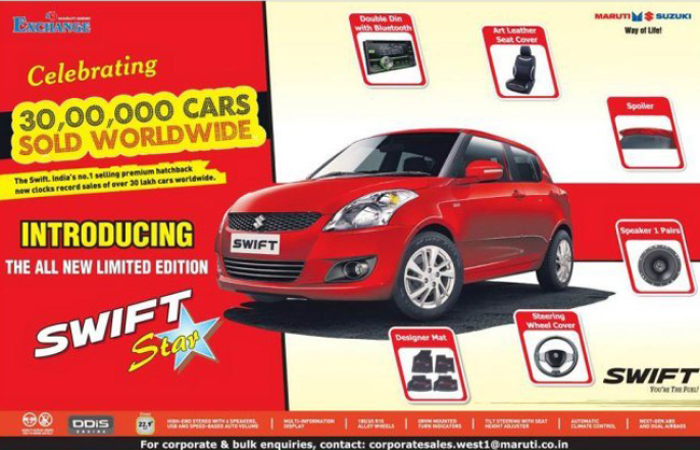
One of India’s top hatchbacks, the Maruti Suzuki Swift has crossed yet another landmark. The model has reached sales of 30 lakh units globally, and to celebrate this achievement, Maruti Suzuki has launched a limited edition trim called the ‘Swift Star’.
Largely featuring cosmetic changes, the Swift Star will offer a Double DIN audio unit with bluetooth connectivity, a rear roof spoiler, steering wheel cover, art leather seat covers and designer floor mats. The regular Swift is available with a 1.3-litre diesel engine producing 74 bhp and 190Nm of torque as well as 1.2-litre petrol engine producing 85bhp and 114Nm of torque. The diesel variants start at Rs. 5.6 Lakh and go upto Rs. 6.9 Lakh, and the petrol variants start at Rs. 4.5 Lakh and go upto Rs. 5.8 Lakh (all ex-showroom Delhi). The special edition ‘Swift Star’ will be available with both engines and will cost Rs. 23,000 over the regular variants.
The Swift has been on sale in the global market for 8 odd years, and Maruti Suzuki reports that a massive 45% of the 30 lakh units were sold in India. These sales figures epitomise the huge popularity the Swift enjoys in the Indian market. Recently there was news that Maruti Suzuki was offering the Swift at a discount of Rs. 5000 for the first time ever in its lifetime. It also announced that there was no waiting period on the diesel Swift at all. Market slowdown has affected bigger players like Maruti Suzuki as well, and the Swift Star may be a smart move by the Indo-Jap carmaker to keep its inventories moving.
We as Indians love hatchbacks. We love how they are practical and economical. We love how they can be easily manoeuvred out of any traffic jam and parked in the tightest of corners, doing all this while not emptying our bank accounts. Here are 5 hatchbacks we’d love to see on Indian roads (only if they were assembled here, of course).
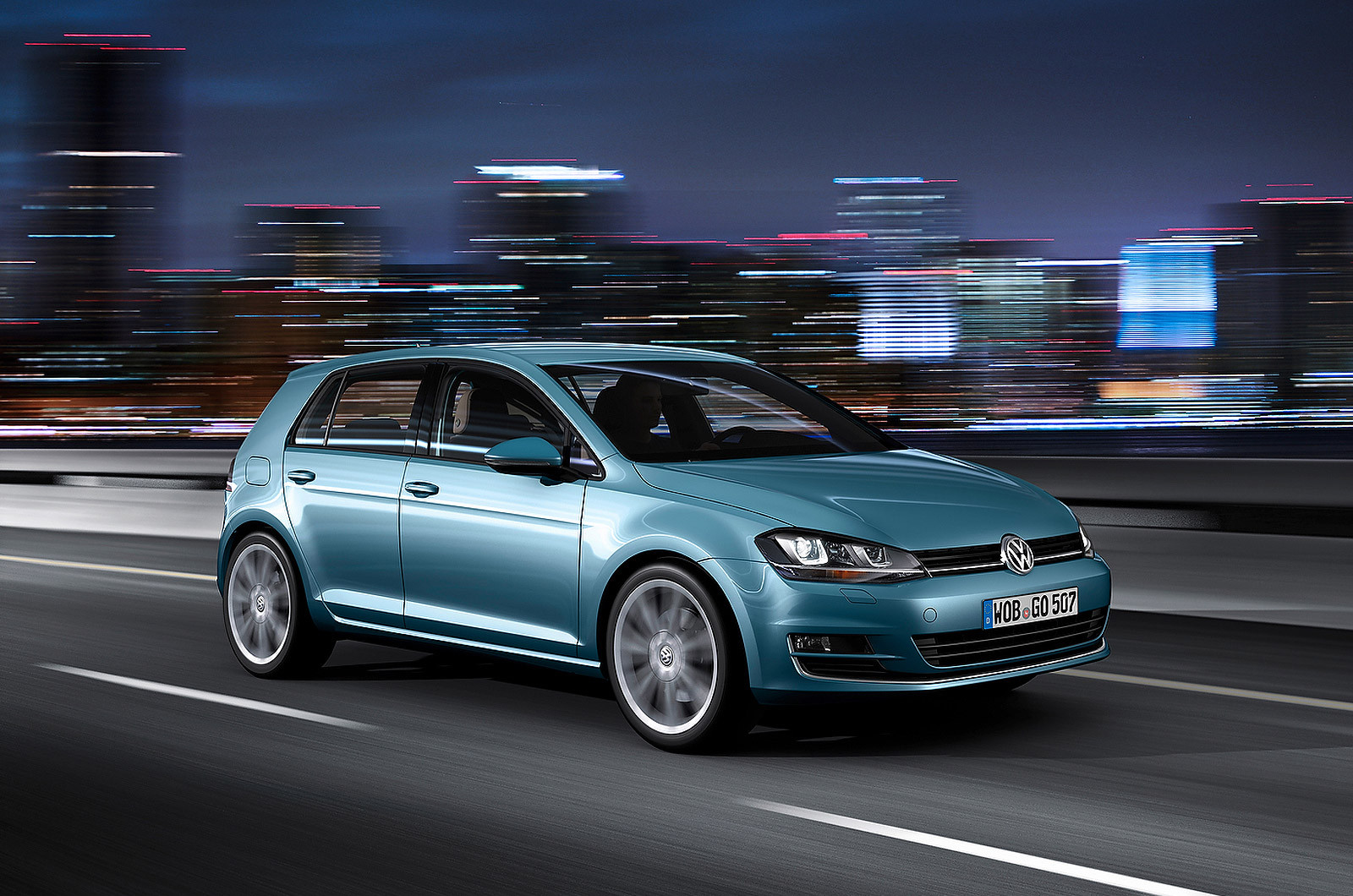
1) Volkswagen Golf
The quintessential hatchback, the VW Golf is one of the all-time best selling cars, and has graced international ‘car of the year lists’ time and again. The newest iteration is over a 100kg lighter than the previous one, and has impressive safety features such as lane keeping assistance and adaptive cruise control. It’s still a great ‘driver’s car’ and does everything that a hatchback should, and how.
2) Ford Focus
Like the Golf, the Focus is hatchback royalty. It has been an unmitigated success since its launch in 1998. The 2013 model manages to improve upon an aging design with new stylish looks and a well thought out interior. Very refined and practical, it still handles brilliantly and the pricier sporty versions offer some of the quickest engines in the range. Hot hatches really don’t get better than this (just look at those alloy wheels!).
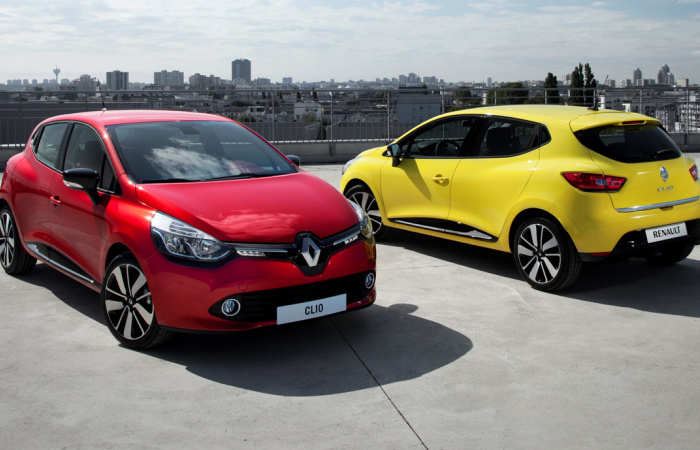
3) Renault Clio
First things first, the Clio’s menacing looks ooze character, you can’t help but notice it. The supermini ticks all the boxes its accomplished predecessor dealt with, and still manages to improve upon others. It’s wider, lower and lighter than before making it handle much better and providing a very composed and comfortable ride. It has a bold, lively interior and comes with a punch-filled economical engine. It may not be as refined as some of its competitors, but it might put a bigger smile on your face.
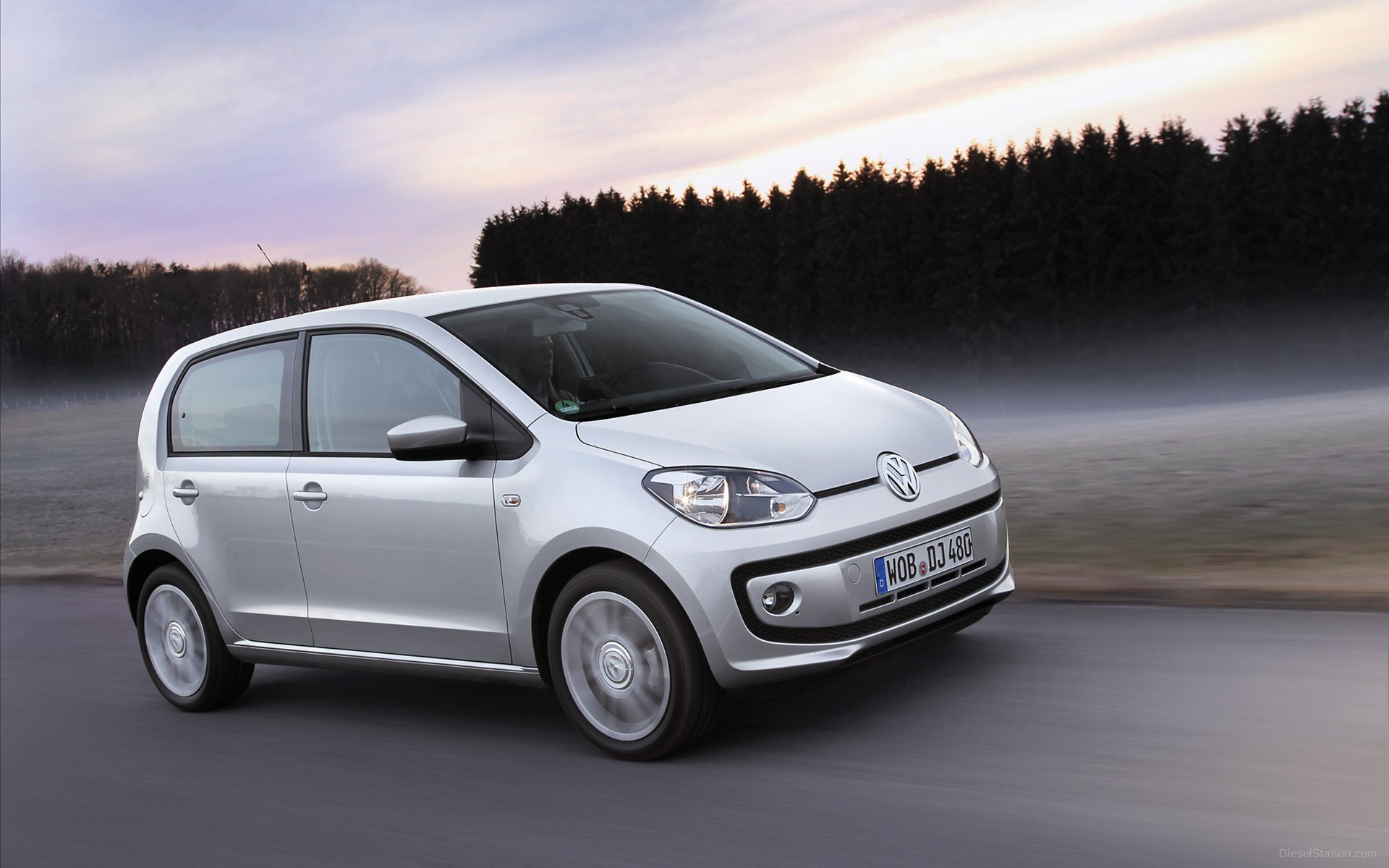
4) Volkswagen Up
Volkswagen has built more than its share of hatchbacks, and there have been quite a few misses (read VW Fox) to go with the hits. But let there be no doubt, the Up belongs with the latter. This agile, little city car has a lot more space than it seems, and an interior that will put many pricier hatchbacks to shame. It’s not the most powerful or the best equipped car in its class, however it more than makes up for it with a very forgiving ride and a snappy gearbox. The Up does a lot more than is expected from it, and is just too much fun to drive for us to ignore it.
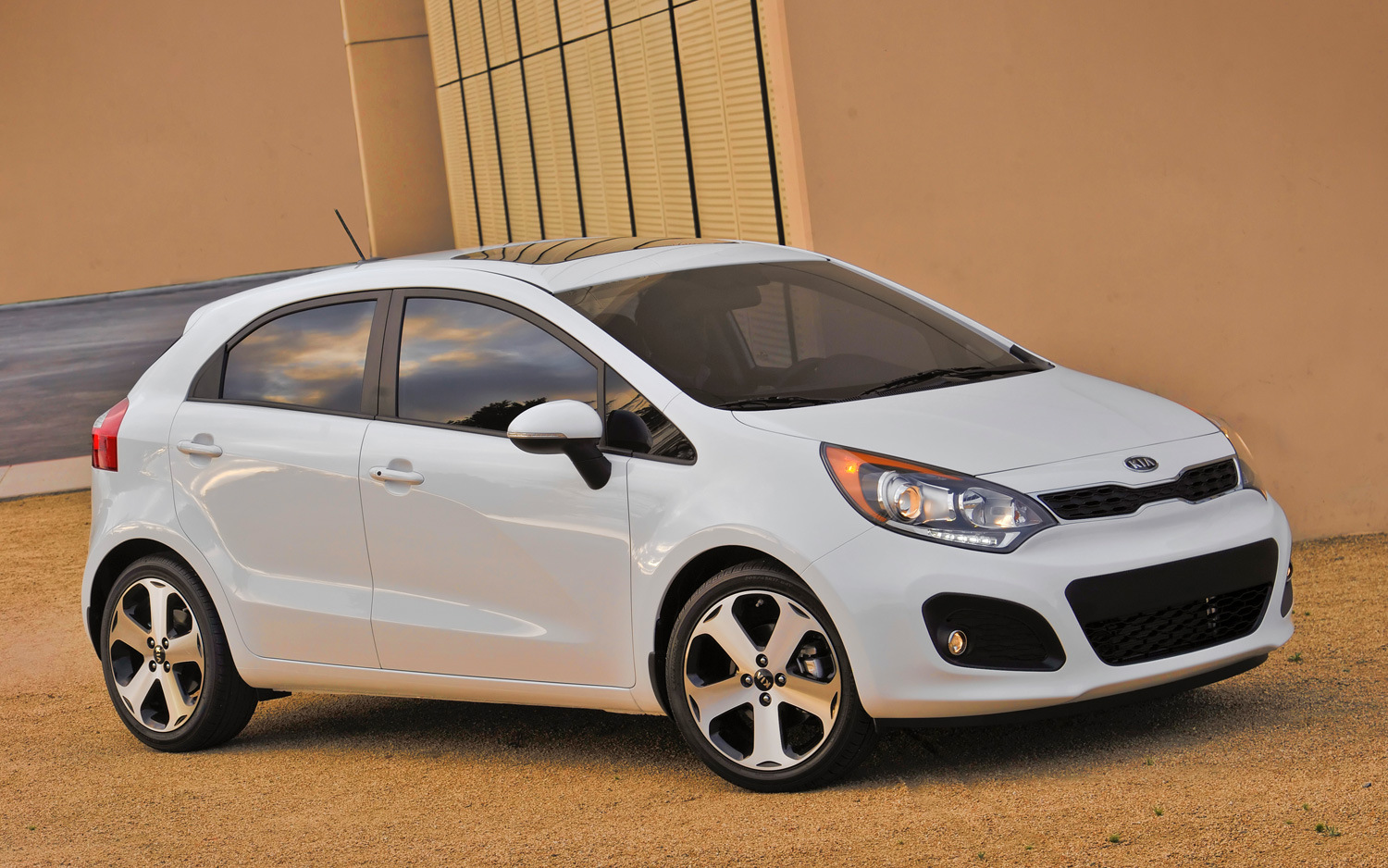
5) Kia Rio
Considerably cheaper than the Golf and the Focus, the Kia Rio will fit in well in the Indian market. Although its performance and handling is not at par with most of its pricier competitors, it has an extremely spacious and stylish interior. Coupled with great modern looks, the gulf between it and its rivals isn’t as big as you’d expect it to be. Boasting a five star NCAP crash test rating, it’s very safe and sturdily built. On top of what is simply a very solid and reliable car, Kia offers a mind-boggling 7 year warranty on all its models in more than 20 European countries. If that won’t sell a car, god knows what will.
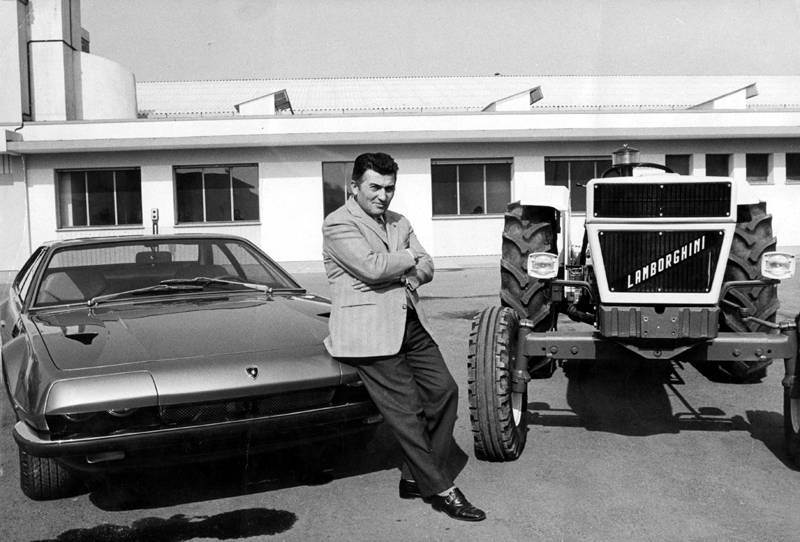
Back in the 50s, there lived a man in Italy, who had a very successful tractor business. His name was Ferruccio Lamborghini, and like any other wealthy Italian industrialist, he had a penchant for fast, expensive cars. The proud owner of a vast and stunning collection including a Mercedes Benz 300 SL and a Jaguar E-Type, he decided to gift himself the legendary Ferrari 250 GT. He liked it a lot but was also disappointed with the lack of refinement. Repeated trips to Maranello for maintenance added to his annoyance. Legend has it, that he was so frustrated with the gearbox in his 250 GT that he went to visit Enzo Ferrari personally to discuss the matter. In reply, the proud Modenan dismissed him, telling him to stick to tractors and to let him build the sports cars. At this point, he decided that there was nothing Ferrari could do which he couldn’t do better, and so began the tale of Automobili Lamborghini.
Today, Lamborghini is famous globally for producing some of the world’s fastest cars, very easy on the eyes and very heavy on the wallet. The current flagship model, the Aventador has quickly become one of the most desired cars in the world. A spectacle to see and a dream to drive, it boasts a 6.5 L V12 engine producing a mammoth 690 BHP. It goes from 0 to 100km/h in 2.9 seconds and using its pushrod-actuated double wishbone suspension, it can manoeuvre any corner without so much as breaking a sweat. The Aventador is named after a valiant bull, keeping with the long-standing Lamborghini tradition of associating itself with bullfighting. Dripping with character and typical Italian flair, it reeks of the identity Ferruccio Lamborghini worked so hard to build, right from the beginning.
The Miura, popularly known as the first supercar ever made, was truly an engineering marvel when it arrived in 1966. It looked like nothing anyone had seen before, and went faster than was thought possible. At the same time, the clutch was too heavy, the ride was unbearably stiff and it was easier to turn an 18-wheeler. Driving it would surely cause a case of arthritis, but none of it mattered one bit. Time stood still when a Miura drove by.
The Lamborghini Miura
Much of the same followed when the Countach was launched in 1974. Featuring a striking and revolutionary design, the Countach was the first production car to feature ‘scissor doors’, which have since then become a trademark for all flagship Lamborghinis. It was again, extremely uncomfortable to drive, but became an instant icon because of its outrageous design.
The Diablo, launched in 1990, was the first Lambo capable of exceeding 200mph and was a humongous hit, not only for its head-turning looks, but for record-breaking performance as well. Automotive engineers, race car drivers and car designers were equally in awe of the machine, which was the fastest car in production at the time.
But despite the uproar over the Countach & the Diablo, Lamborghini had been suffering from financial troubles for almost half its existence. In 1998 Audi acquired Lamborghini, and soon followed the asphalt hugging Murcielago. The ‘baby Lambo’ called the Gallardo was also launched soon after, and the two along with responsible management by Audi phenomenally turned the manufacturer’s fortunes, slowly achieving unprecedented sales figures.
The Murcielago with its big V12 engine was still plagued with the typical handling issues of all the big Lambos which came before it, but stayed true to their extraterrestrial performance figures, reaching a top speed of 340km/h. Calling it understated would be a bit of a stretch, with its low, wide stance and aerodynamically designed body. However, it seemed to lack the madness of the Countach and the Diablo. Much more refined, and engineered, it was a lot more civilised than its ancestors.
Rear, left to right: Miura, Countach Front, left to right: Murcielago, Aventador, Diablo
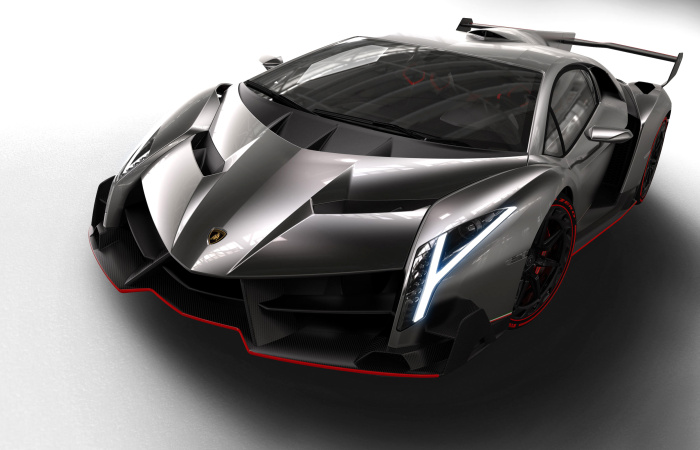
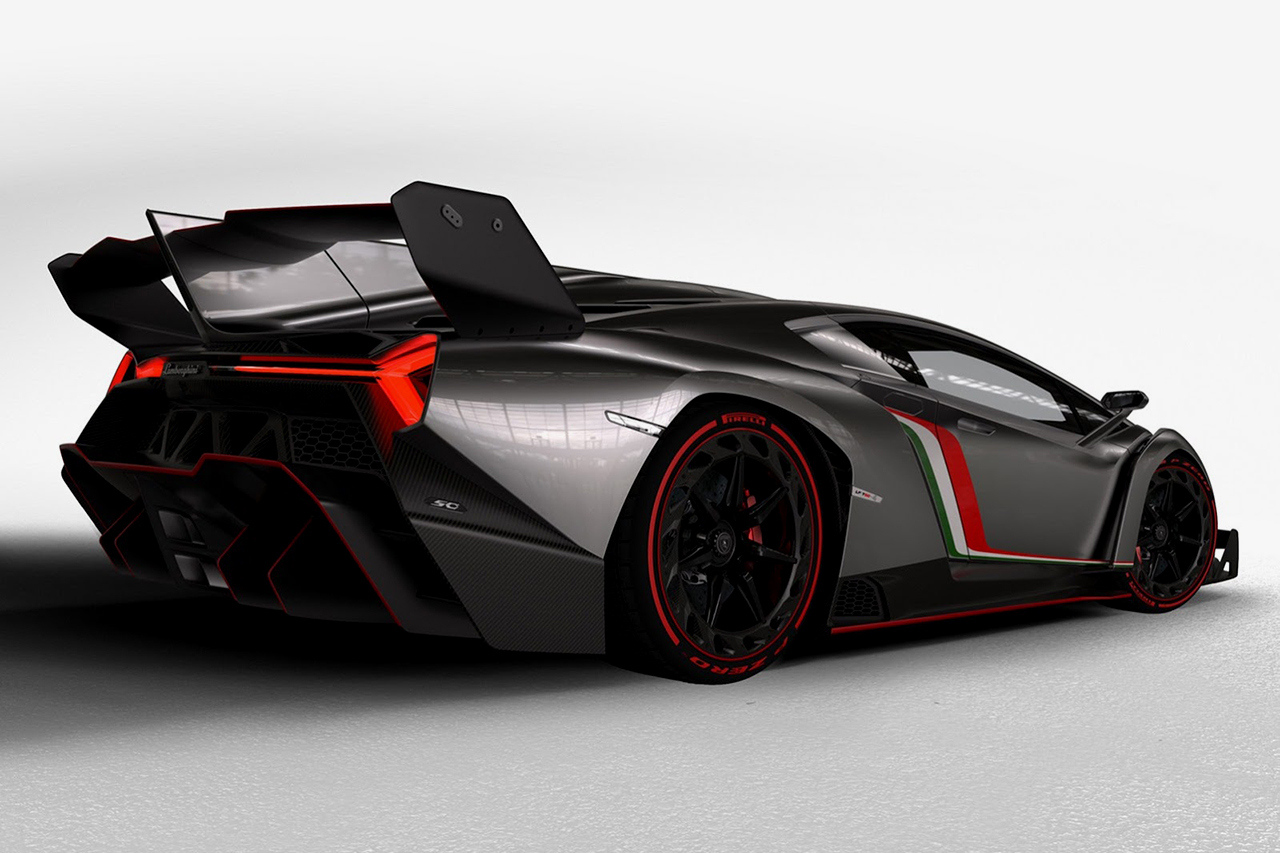
And then, there was one. In early March 2013, Lamborghini unveiled the Veneno, a limited edition hypercar which looks like Megatron on steroids. A grand total of 3 Venenos were produced for sale as part of the 50th year celebrations at Lamborghini, and all were sold by invitation for a jaw-dropping $ 4.6 million before the buyers had even seen the car.
The Lamborghini Veneno
Fanaticism of this sort comes as no surprise when you take a look at some of the other recent show cars, the fighter jet inspired Reventon & the lightest Lambo ever, the Sesto Elemento. Literally translating to ‘poison’, the 740 BHP Veneno has brought back the era of the poster car, and will surely grace the bedroom walls of 14 year old boys for years to come.