Author: Lakshya Agrawal

  • Cheaper Audi Q3 Sport variant coming soon to India

    Cheaper Audi Q3 Sport variant coming soon to India

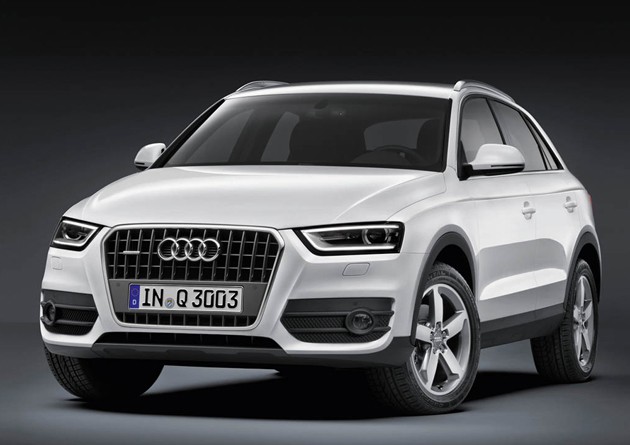
    While BMW and Mercedes Benz are busy attracting customers with high-end hot hatchbacks, Audi has devised a clever plan of its own to take its share of the market. Instead of rivalling the BMW 1-series and Mercedes Benz A-Class with its A3 Sportback or its A1 supermini, Audi is taking on the BMW X1 and Mercedes Benz B-Class with a cheaper, lower-spec variant of the Q3 called the Q3 Sport.

    The Q3 Sport will be assembled in India as a CKD (Completely Knocked Down) unit at Audi’s assembly facility in Aurangabad, Maharashtra. The Q3 Sport loses a lot of features in order to keep the price relatively low. It comes with a downgraded 2.0 TDI engine, producing 140 bhp and 320 Nm of torque instead of the 177 bhp and 380 Nm of torque put out by the 2.0 TDI in the standard Q3. The Q3 Sport will have to do without the more common 7-speed dual clutch auto transmission, and the all-wheel drive Audi Quattro system. Instead, the front wheels will be driven through a six-speed manual. Also missing on the ‘budget’ baby SUV, will be the daytime running LED lamps which have come to be a symbol of brand recognition for the German auto giant.

    However, Audi knows the business well enough to offer all the kit which one expects from a luxury car. Creature comforts such as leather seats, cruise control, voice dialog system, climate control, MMI with Bluetooth connectivity and 18-inch alloy wheels amongst others, will be standard on the Audi Q3 Sport.

    The entry level Q3 is expected to be priced at around Rs 25 lakh (ex-showroom Delhi) courtesy of the toned down performance and the CKD assembly.  At this price, the Q3 Sport will be cheapest Audi to be sold in India, and should give the Merccedes-Benz B-Class and the BMW X1 a run for their money.

  • Audi wins 24 Hours of Le Mans for 4th year running

    Audi wins 24 Hours of Le Mans for 4th year running

    The #2 Audi R18 e-tron quattro of drivers Tom Kristensen, Allan McNish and Loic Duval came out on top at the 2013 24 Hours of Le Mans this past weekend. The race, largely overshadowed by the death of Danish Aston Martin driver Allan Simonsen, marked Audi’s fourth consecutive and 12th overall victory at Le Mans. The Audi crossed the finish line one lap ahead of the #8 Toyota TS030 driven by  Anthony Davidson, Stephane Sarrazin and Sebastien Buemi.

    The race was incredibly close at the end – after 23 straight hours of competition, the leading Audi and Toyota cars were on the same lap before Kristensen was able to pass Sebastien Buemi’s Toyota with just minutes remaining to win by one lap over his rival. This victory also marks Kristensen’s ninth career win at Le Mans, which is an extension of the record he already owned and a remarkable feat on its own. Kristensen dedicated his win to fellow Danish driver Allan Simonsen, who died as a result of injuries sustained on the fourth lap of the race, when his Aston Martin spun off the track and hit the barrier at high speed.

    Karun Chandhok returned to Le Mans this year and finished a respectable 13th overall, and 7th in the P2 class in the Murphy Prototypes’ ORECA-Nissan 03 with team regular Brendon Hartley and experienced US sportscar driver Mark Patterson. Last year Chandhok managed an impressive, sixth placed finish overall with the JRM Racing HPD P1 team.

    Third place overall was snatched by the No. 3 Audi driven by Lucas Di Grassi, Marc Gene and Oliver Jarvis. In LMP2, Oak Racing’s Nissan-powered Morgan racers came in first and second, followed by G-Drive Racing’s Oreca, also powered by Nissan. The LMGTE Pro class was won by the No. 92 Porsche 911 RSR, followed by the No. 91 Porsche and No. 97Aston Martin Vantage V8. Corvette Racing finished fourth with its No. 73 C6-ZR1 while their fellow Americans from SRT Motorsports finished in eighth and ninth positions in their brand-new Viper GTS-R racers.

    For more information on what the 24 Hours of Le Mans is about, click here!

    These are the final positions after 24 hours.

    Pos Cl      Car       Drivers                         Laps  Gap
     1. P1  #2  Audi      Kristensen/McNish/Duval      348   
     2. P1  #8  Toyota    Davidson/Sarrazin/Buemi      347   +     1 Lap
     3. P1  #3  Audi      Gene/Jarvis/di Grassi        347   + 1m55.252s
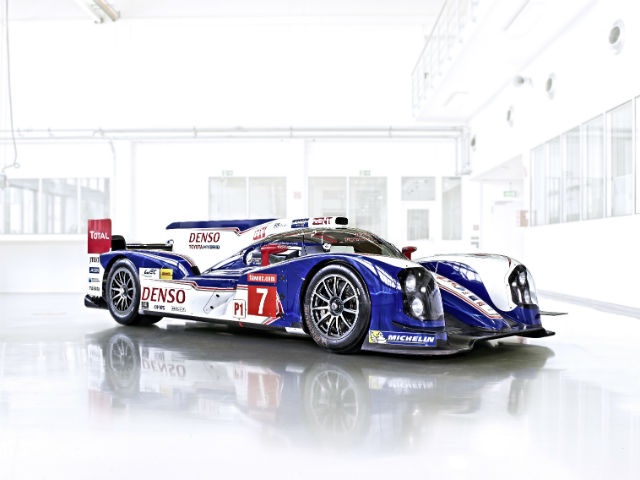
     4. P1  #7  Toyota    Wurz/Lapierre/Nakajima       341   +    7 Laps
     5. P1  #1  Audi      Lotterer/Treluyer/Fassler    338   +   10 Laps
     6. P1  #21 HPD       Leventis/Kane/Watts          332   +   16 Laps
     7. P2  #35 Morgan    Baguette/Plowman/Gonzalez    329   +   19 Laps
     8. P2  #24 Morgan    Pla/Brundle/H Hansson        328   +   20 Laps
     9. P2  #26 Oreca     Rusinov/Martin/Conway        327   +   21 Laps
    10. P2  #42 Zytek     Krumm/Mardenborough/Ordonez  327   + 1m07.075s
    11. P2  #49 Oreca     P-Companc/Kaffer/Minassian   325   +   23 Laps
    12. P2  #43 Morgan    Gachnang/Mailleux/Lombard    320   +   28 Laps
    13. P2  #48 Oreca     Hartley/Chandhok/Patterson   319   +   29 Laps
    14. P2  #38 Zytek     Dolan/Turvey/Luhr            319   + 4m01.549s
    15. P2  #36 Alpine    Ragues/Panciatici/Gommendy   317   +   31 Laps
    16. GTP #92 Porsche   Lieb/Lietz/Dumas             315   +   33 Laps
    17. GTP #91 Porsche   Bergmeister/Pilet/Bernhard   315   + 2m10.631s
    18. GTP #97 Aston     Mucke/Turner/Dumbreck        314   +   34 Laps
    19. P2  #34 Oreca     Frey/Niederhauser/Bleekemolen314   + 1m27.131s
    20. GTP #73 Corvette  Garcia/Magnussen/Taylor      312   +   36 Laps
    21. GTP #71 Ferrari   Beretta/Kobayashi/Vilander   311   +   37 Laps
    22. GTP #51 Ferrari   Bruni/Fisichella/Malucelli   311   + 1m57.110s
    23. GTP #74 Corvette  Gavin/Milner/Westbrook       309   +   39 Laps
    24. P2  #41 Zytek     Rossi/K-Smith/Lux            307   +   41 Laps
    25. GTP #53 SRT       Farnbacher/Goossens/Dalziel  306   +   42 Laps
    26. GTA #76 Porsche   Narac/Vernay/Bourret         306   + 1m51.302s
    27. GTA #55 Ferrari   Perazzini/O'Young/Case       305   +   43 Laps
    28. GTA #61 Ferrari   Gerber/Griffin/Cioci         305   + 1m26.507s
    29. GTA #77 Porsche   Dempsey/Foster/Long          305   + 2m51.114s
    30. GTA #50 Corvette  Bornhauser/Canal/Taylor      302   +   46 Laps
    31. GTA #96 Aston     Goethe/Campbell-Walter/Hall  301   +   47 Laps
    32. GTP #93 SRT       Wittmer/Kendall/Bomarito     301   + 1m58.599s
    33. P2  #40 Oreca     Dagoneau/Downs/Younessi      300   +   48 Laps
    34. GTA #67 Porsche   Gibon/Milesi/Henzler         300   +   32.348s
    35. GTP #66 Ferrari   Bertolini/Faisal/Qubaisi     300   +   51.765s
    36. GTA #88 Porsche   Ried/Roda/Ruberti            300   + 1m28.639s
    37. GTA #75 Porsche   Collard/Perrodo/Crubile      298   +   50 Laps
    38. GTA #81 Ferrari   Potolicchio/Aguas/Bright     294   +   54 Laps
    39. P2  #39 Lola      Porta/Brandela/Raffin        280   +   68 Laps
    40. P1  #12 Lola      Prost/Jani/Heidfeld          275   +   73 Laps
    41. P1  #13 Lola      Beche/Belicchi/Cheng         275   + 1m27.020s
    42. GTA #70 Corvette  MacNeil/Rodrigues/Dumas      268   +   80 Laps
    43. P2  #33 HPD       Tucker/Franchitti/Briscoe    242   +  106 Laps
    44. P2  #46 Oreca     Thiriet/Badey/Martin         310      Retired
    45. GTP #99 Aston     Makowiecki/Senna/Bell        248      Retired
    46. P2  #45 Morgan    Nicolet/Merlin/Mondolot      246      Retired
    47. P2  #47 Morgan    Imperatori/Howson/Tung       241      Retired
    48. GTP #98 Aston     Dalla Lana/Lamy/Auberlen     221      Retired
    49. P2  #32 Lotus     Holzer/Kraihamer/Charouz     219      Retired
    50. P2  #30 Lola      Mowlem/Burgess/Hirschi       153      Retired
    51. GTA #54 Ferrari   Mallegol/Bachelier/Blank     147      Retired
    52. GTA #57 Ferrari   Krohn/Jonsson/Mediani        111      Retired
    53. P2  #25 Oreca     Graves/Hamilton/Nakano       101      Retired
    54. P2  #28 Lola      Giroix/Haezebrouck/Ihara     22       Retired
    55. P2  #31 Lotus     Weeda/Rossiter/Bouchut       17       Retired
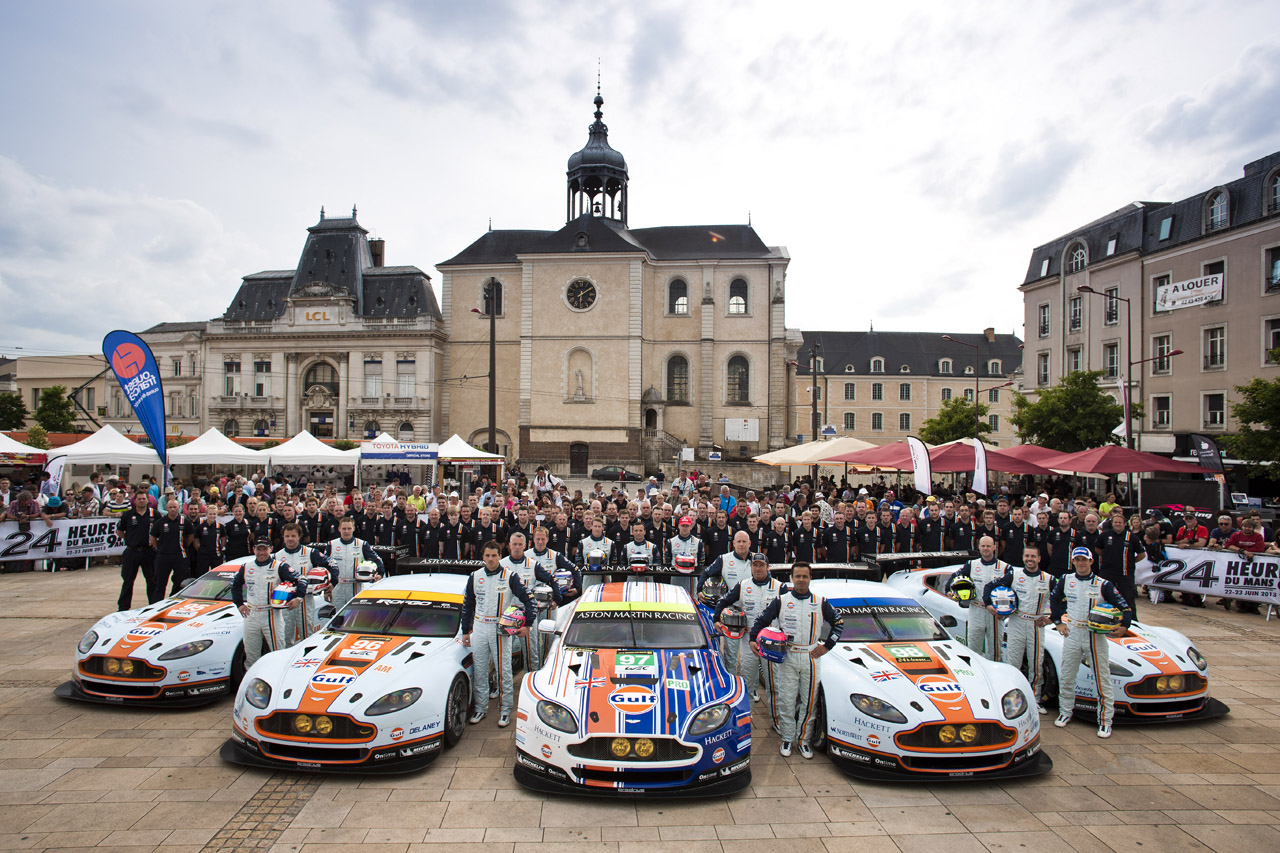
    56. GTA #95 Aston     Simonsen/Nygaard/Poulsen     2        Retired
  • 24 Hours of Le Mans: Aston Martin driver Allan Simonsen killed in crash

    24 Hours of Le Mans: Aston Martin driver Allan Simonsen killed in crash

    Danish racing driver Allan Simonsen was killed as a result of injuries sustained during a crash at the 24 Hours of Le Mans. The incident took place on the fourth lap of the race. Simonsen, who was participating for the seventh-time this year at Le Mans, spun about 10-minutes into the race, hitting safety barriers at the Tertre Rouge bend. According to race officials, the 34-year-old was in serious condition after the accident and was immediately rushed to a hospital, where he died shortly thereafter.

    The Automobile Club de l’Ouest, which organizes the 24 Hours of Le Mans, released the following statement:

    The driver was immediately attended on the scene by the doctors from the Automobile Club de l’Ouest’s Medical Service.

    In a serious condition, Allan Simonsen was transferred immediately to the Circuit Medical Centre where he died soon after due to his injuries.

    Allan Simonsen’s family has been informed immediately by David Richards, Principal of the Aston Martin Racing team.

    Allan Simonsen, an experienced driver aged 34, had taken part in seven 24 Heures du Mans.

    His team mates in the No.95 car were his fellow countrymen, Christoffer Nygaard and Kristian Poulsen.

    The Automobile Club de l’Ouest wishes to express its great sadness following this incident, and extends its deepest condolences to the family and those close to Allan Simonsen.

    The Automobile Club de l’Ouest will make no further statement while the exact reasons for the accident are still being wholly determined.

    Aston Martin has completely blacked out its website, save for the following statement:

    Le Mans, 22 June 2013: It is with great shock and sadness that the Aston Martin Racing Team confirms that an accident occurred shortly after the start of the 24 Hours of Le Mans at around 15:09 hrs CET today (22 June) when the No 95 Vantage GTE driven by Allan Simonsen left the track at Tertre Rouge.

    Tragically, and despite the best efforts of the emergency services in attendance, Allan’s injuries proved fatal.

    Aston Martin Racing Managing Director, John Gaw, said: “On behalf of all of us at Aston Martin Racing, I would like to extend our deepest sympathies and condolences to the individuals, and families whose friends or loved ones were involved in today’s terrible tragedy.”

    Aston Martin Racing will not make any further comment until the precise circumstances of the accident have been determined. Next of kin have been informed.

    Following the ACO’s media statement concerning the tragic death of Aston Martin Racing driver Allan Simonsen, and at the specific request of his family, the team will continue to participate in the 24 Hours of Le Mans in tribute to Allan.

    A video showing the first 10 minutes of the race can be found below.

    WARNING: It ends with Simonsen’s accident, along with an official statement from race’s governing authority, Automobile Club de l’Ouest.

    [youtube id=”cCiMk8MYGeo” width=”100%” height=”300px”]

    The No. 95 Aston Martin that Simonsen co-drove along with teammates Christoffer Nygaard and Kristian Poulsen has officially retired from the race. Our condolences to all those close to Simonsen.


    [Image source: Aston Martin]

  • Edit: All you need to know about the 24 Hours of Le Mans

    Edit: All you need to know about the 24 Hours of Le Mans

    The 24 Hours of Le Mans? What’s that?

    The holy grail of motorsports, the 24 Hours of Le Mans (24LM) is the world’s oldest active sports car race in endurance racing. Widely regarded as one of, if not the most prestigious race in the world,  it has been held annually since 1923 near the town of Le Mans, France. The 2013 24LM will be the 81st edition in 90 years, and is scheduled to start at 6:30pm IST today.


    Why is it so special in the world of motorsport?

    The 24LM is the ultimate test of endurance and efficiency as race teams have to balance speed against the cars’ ability to run for 24 hours without sustaining mechanical damage to the car. At the same time, the cars’ consumables ie the fuel, tyres, braking materials and all sorts of other vital fluids and components must be managed expertly so that the car can last for 24 hours and over 5000 km. 


    But how can a driver race for 24 hours?

    Well, most drivers can’t. Current rules mandate three drivers per team. Each driver puts in a shift of two hours behind the wheel, before stopping in the pits and allowing a relief driver to take over the driving duties. Drivers grab what food and rest they can during this while before returning to drive another stint. However in the long history of the 24LM, there have been attempts to complete the race solo, until the practice was banned.


    What kind of cars will we get to see at the 24 Hours of Le Mans?

    Another element which sets the 24LM apart from other motorsport events. The competing teams race in groups, called classes, for cars of similar specification while at the same time competing for outright placing amongst all of the classes. Originally, the race was held for cars as they were sold to the general public which were then called Sports Cars compared to the specialist racing cars used in Grands Prix. Over time, the competing vehicles evolved away from their publicly available road car roots.

    Today, the race is made of two classes of specialised enclosed-bodywork two-seat Prototype sports cars called Le Mans Prototypes (or LMPs) and two classes of Grand Touring cars (GT) which bear much closer resemblance to high performance sports cars as sold to the public.


    So how does one win the 24 Hours of Le Mans?

    Originally, when the Le Mans start was still in practice, the race results were determined by distance. The car which covered the greatest distance was declared the winner. But something unexpected happened to the Ford Team in 1966. With a dominant grasp on the first two positions, the two cars slowed to allow for a photo opportunity at the finish line, with Ken Miles slightly ahead of the legendary Bruce McLaren. However, since McLaren’s car had actually started much farther back on the grid than Miles’s, McLaren’s car had actually covered the greatest distance over the 24 hours. With the margin of victory determined to be eight metres, McLaren and his co-driver, Chris Amon, were declared the winners. The decision cost Miles and his co-driver Hulme a victory.

    The greatest distance rule was later changed when a rolling start was introduced, and now the winner is the car that has completed the greatest number of laps.


    Wait, Le Mans start? Rolling start? I’ve lost you.

    The race traditionally began with a standing start, or what became known as the Le Mans start. Cars were lined up in echelon along the length of the pits and the starting drivers were made to stand on the opposite side of the front stretch. When the French flag dropped to signify the start, the drivers ran across the track, entered and started their cars without assistance, and drove away. But this became a safety issue in the late 1960s when some drivers began ignoring their safety harnesses (which were a recent invention then) for the first few laps to get ahead of the others, leading to several deaths when cars were involved in accidents due to the bunched field at the start.

    The traditional Le Mans start was changed for 1970. Cars were still lined up along the pit wall, but the drivers were already inside and strapped in. At the dropping of the French tricolor, the drivers started their engines and drove away. The Le Mans start was completely done away with in 1971 and a rolling start (known as an Indianapolis start) was adopted, where cars begin racing while completing their warm up lap.


    Tell me about some cool stories or traditions?

    Le Mans has produced a lot of beautiful traditions and stories in its illustrious history. One of the longest lasting traditions is the waving of the French tricolor to start the race. This is usually followed by a fly-over featuring jets trailing blue, white and red smoke. A similar flag tradition is the waving of safety flags during the final lap of the race by track marshals, congratulating the winners and other finishers.

    The 24 Hours of Le Mans was the venue for the first known instance at a major race of a winning driver celebrating by spraying champagne instead of drinking it. When Dan Gurney won the 1967 race with co-driver A.J. Foyt, the two drivers mounted the victory stand and Gurney was handed a magnum of champagne. Looking down, he saw Ford CEO Henry Ford II, team owner Carroll Shelby and their wives, as well as several journalists who had predicted disaster for the high-profile duo. Gurney shook the bottle and sprayed everyone nearby, establishing a tradition re-enacted in victory celebrations the world over for the next 40+ years.

    A really cool story is that of Jacky Ickx. Ickx found the idea of the Le Mans start unsafe and so, in the 1969 race, Jacky Ickx opposed it by walking across the track while his competitors ran. Although he was nearly hit by a faster competitor’s car while walking, Ickx took the time to fasten his safety belts before pulling away. Privateer John Woolfe died in an accident on the first lap of that race. Ickx went on to win.

    Another story to do with the Le Mans start is that of legendary race car driver Sir Stirling Moss. Sir Moss developed a new way of speeding up the start. His car was waiting with first gear already engaged. When he jumped in, he switched the starter on without depressing the clutch. The car was immediately jerked forward by the starter motor, but the engine did not start due to low RPM. After a few seconds of motion, he then pushed the clutch down, allowing the engine to speed up and start while the car was moving.


    This is really interesting. Where can I watch the 2013 24LM?
    The race starts at 6:30pm IST today, and ends at 6:30pm IST tomorrow. You can catch it at http://www.lemans-tv.com/
  • Audi fires head of R&D, Wolfgang Dürheimer

    Audi fires head of R&D, Wolfgang Dürheimer

    Audi’s highly regarded head of R&D, Wolfgang Dürheimer, has been fired by the German manufacturer, ahead of the revered 24 hour of Le Mans race this weekend. The story was broken by German magazine Der Spiegel and has been corroborated by several high-ranking Volkswagen Group sources.

    Dürheimer had been appointed Audi’s R&D boss in September 2012 following a management shakeup within the Volkswagen Group in mid-2012. Prior to then, he had served as the head for Bentley, restructuring the brand and spearheading their effort to bring an SUV to the market. He has also held the same position at Bugatti, and was formerly the development chief at Porsche (where he is credited with helping get the original Cayenne into production, ushering in a new era of profitability for the company).

    But at Audi, a lot of his decisions did not go down well with VW Group CEO Martin Winterkorn, leading to personal tension between the two. He reportedly quickly put a stop to costly projects such as the R8 E-Tron and the rotary range-extender engine for the A1 E-Tron, and shuffled the reporting structure within the brand’s design department. Winterkorn strongly disapproved of Dürheimer’s conservative E-mobility strategy, and apparently disagreed with Dürheimer several times on the styling direction for the brand as well.

    Dürheimer’s future within the Volkswagen Group is unclear at this time, and his position at Audi will currently be filled by the Group’s R&D chief, Ulrich Hackenberg.

  • Engine lineup for Suzuki S-Cross SX4 crossover revealed

    Engine lineup for Suzuki S-Cross SX4 crossover revealed

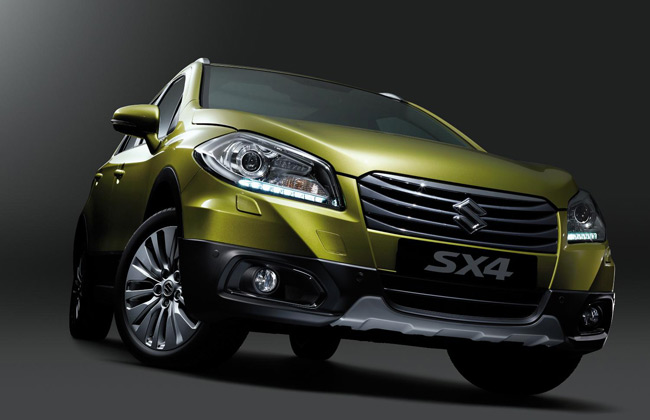
    Suzuki had unveiled the S-Cross SX4 crossover at the Geneva Motor Show in March, and now its engine line up has been revealed. According to the recently revealed future plans of the Japanse automakers, a smaller vehicle that will use the same underpinnings will be launched soon.

    The S-Cross SX4 will be offered with 2 engines. The 1.6-litre turbocharged diesel unit produces 119 hp and 320Nm of torque and power is transmitted to the front wheels or all four wheels via a six-speed manual transmission. The petrol engine is also 1.6-litre unit but is naturally aspirated. It produces 119 hp and 156Nm of torque. Power is transmitted to all four wheels or the front wheels via a five-speed manual or a CVT gearbox.

    Given the demand for crossovers in the Indian market right now, we can expect the S-Cross SX4 to be launched in India next year, and to bring a sedan model alongside as well.

  • Nissan Terrano to start at Rs. 8.90 lakhs according to reports

    Nissan Terrano to start at Rs. 8.90 lakhs according to reports

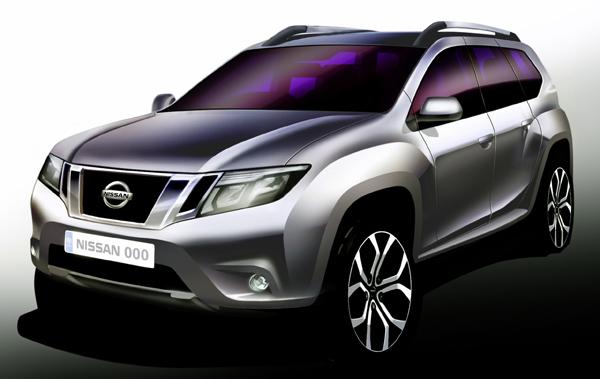
    According to reports by Motorbeam, the Nissan Terrano will hit Indian markets in October starting at Rs. 8.90 lakhs (ex-showroom, Delhi). Nissan has taken note of the poor demand for the petrol version of the  Duster, which is the equivalent model offered by their sister brand Renault. Due to this, the Nissan Terrano will be offered with a 1.5-litre diesel engine only and no petrol engines be will available. Motorbeam also claims to have a studio picture, as posted on their site, which isn’t the same as the official sketch released by Nissan a few weeks ago.

    The compact SUV will be offered in four variants which; XL, XL (O), XV and XV premium. The 1.5-litre diesel engine under its hood produces 85 hp of power and 200 Nm of torque and power will be transferred to the wheel through a 5-speed manual gearbox. Nissan will offer all variants of the Terrano with driver side airbags as standard, something which it does on its other cars as well.

    The difference between the Nissan Terrano and Renault Duster will be purely cosmetic, including smoked headlights, new front grille, new bumper, new alloy wheels and new tail lights. The interiors will see minor changes regarding the fabric of the seats. The base variant of the diesel Renault Duster (RxE) is priced at Rs. 8.73 lakhs (ex-showroom, Delhi).

    [Source: Motorbeam]

  • Nissan claims Le Mans prototype ZEOD RC is fastest electric race car

    Nissan claims Le Mans prototype ZEOD RC is fastest electric race car

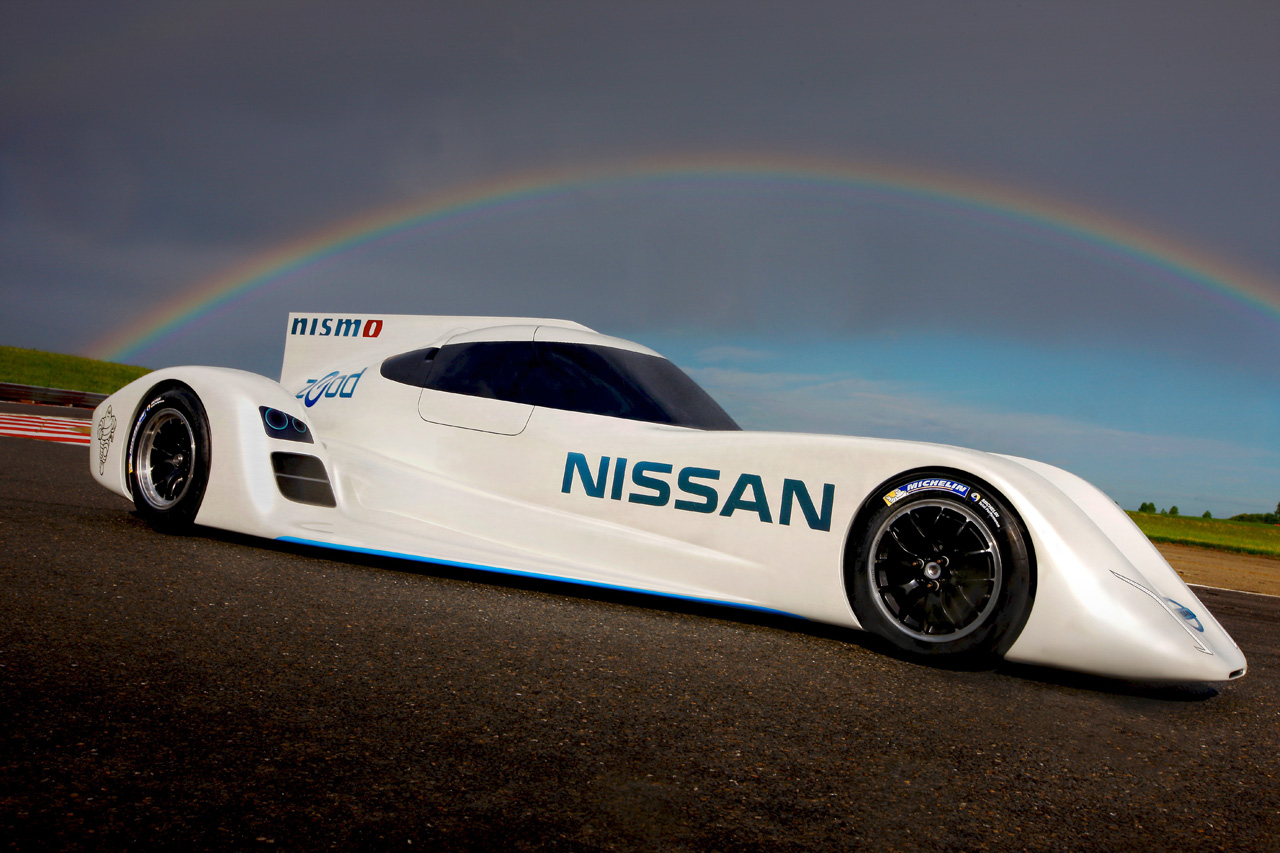
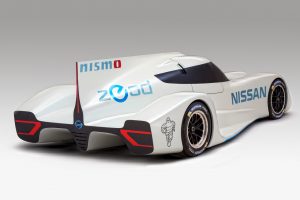
    Nissan has announced plans of an upcoming all-electric racing car called the ZEOD RC (The Zero Emission On Demand Racing car). The Zeod RC which is said to be capable of a top speed in excess of 300 kmph, is shaped a bit like the closed-cockpit version of the DeltaWing (albeit, much better looking in our opinion) and will make its debut in 2014 at the 24 Hours of Le Mans. The ZEOD RC was displayed near the Circuit de la Sarthe last weekend at the 2013 24 Hours of Le Mans.

    ZEOD RC

    The Nissan ZEOD RC has been invited by Le Mans organizers to compete as the Garage 56 entry in next year’s race, which is basically a spot on the grid held for vehicles with new and/or cutting edge technology. Apart from the announcement of a partnership with Michelin to develop tires for the ZEOD RC, Nissan has not revealed any technical specifications or information about the battery under the hood of the EV racer. However, Nissan has made it clear that they have their work cut out for them, and will be trying out various different motors and battery packs over the course of the year before making a final decision.

    We have many options to consider and test. The test program is part of a longer term goal of developing a system and a set of rules for this type of technology in partnership with the ACO that would be best suited to competing at the highest level of this sport.
    – Ben Bowlby, designer of the ZEOD RC

    The ultimate goal of the ZEOD RC program, in terms of racing at least, is to sort out the feasibility of a LM P1 all-electric class for future Le Mans racing. Formula E is looking to have a similar impact, however the endurance aspect of Le Mans is much more relevant for electric technology and its future in production cars.

    Nissan had the privilege of setting up camp in Garage 56 at the 2012 Le Mans race as well with Nismo’s sleek DeltaWing. It didn’t fare too well, after crashing out much before the 24 hours were over, but proved to be a step in the right direction providing a lot of data and insight for Nissan’s future, as is evident by the revolutionary ZEOD RC.

  • Tata Motors launches eight models including CNG Nano

    Tata Motors launches eight models including CNG Nano

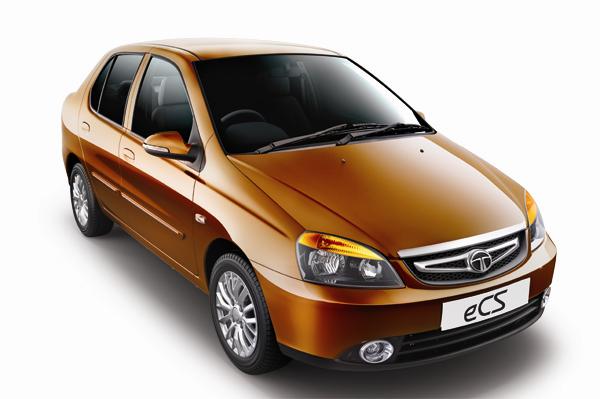
    Tata Motors has launched eight new products across five brands to mark ‘Horizonext’, its new passenger car business strategy, at its plant in Pune. While some models get additional kit and a choice of new colours, the company has also unveiled CNG variants for the Indica, Indigo and the Nano. Horizonext is all about evolution rather than revolution. Which is why all eight products showcased at the company’s plant in Pune encompassing cars and utility vehicles, are refreshes rather than all-new products.

    The Tata Indigo eCS now comes with a new powertrain, a new Feather-shift gearbox and an all new noise, vibration and harshness package. The Sumo Gold gets dual AC, bluetooth and USB connectivity. There is a new Nano with keyless entry, twin glove boxes, a four speaker music system with blutooth, USB and aux-in connectivity. The new nano also features a chrome strip on its hood and a new vent on its boot for better engine cooling. The Nano can now also be customised with personalisation kits.

    Tata

    The Indica is now available in a new range of colours and graphic designs. It also gets a refreshed exterior, dual path suspension set-up, multimedia entertainment options and Feather-shift gearbox with smart-shifter gear technology. Tata Motors also announced the launch of the Safari Storme Explorer edition, which is equipped with a double DIN touchsreen multimedia system, a nudge guard, door visors, explorer decals among other gear.

    The CNG lineup includes the Nano (called emax), the Indica and the Indigo.

    According to Tata Motors, these refreshes mark a new direction for Tata Motors. The company now wants to focus on improving existing technology and fine-tuning it to function better. Improvement in ergonomics, interior quality and features are other focus areas for Tata Motors as part of this strategy along with speed in bringing out new and improved products. The company added that it was its new mission to bring about desirable products that will make sense not just today but in the future as well.

    We expect to see all the updated models as well as the CNG variants in showrooms very soon.

  • Renault launches entry-level Scala RxE Diesel

    Renault launches entry-level Scala RxE Diesel

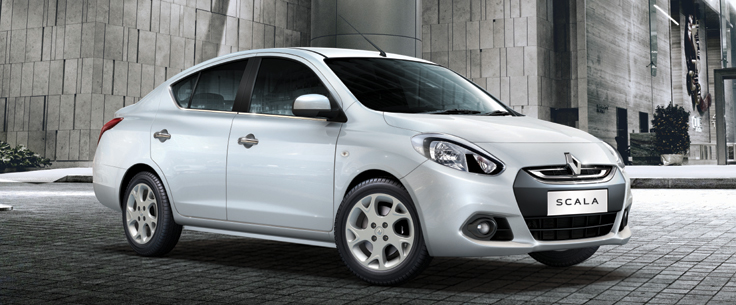
    Renault India has introduced an entry-level diesel variant of its Scala sedan, in order to make its diesel range more accessible to the Indian customers.

    The Scala RxE diesel will be powered by the same 1.5-litre k9k diesel assembly as that in the RxL and RxZ variants, producing 84.8 bhp and 20.4kgm of torque. Power is sent to the front wheels via a five-speed manual transmission.

    Features like a driver airbag, ABS with EBD, Brake Assist, engine immobiliser, music system, rear cooling vents and anti pinch power windows are standard but climate control, passenger airbag and power windows are omitted.

    At Renault India, we are constantly endeavouring to offer products that meet the complete spectrum of customer needs. The Scala RxE not only offers the luxury, roominess and excellent ride and handling of the Scala diesel variants, but also delivers a host of features high on safety, comfort and entertainment – all in a price currently unmatched at the entry level of the premium sedan segment.
    – Sumit Sawhney, Executive Director, Marketing & Sales, Renault India Pvt. Ltd.

    The Renault Scala RXE diesel is priced at Rs Rs. 8.29 lakhs (ex-showroom Delhi). It comes with the Renault Complete car package which offers 2+2 years/80,000km warranty with roadside and navigation assistance.

    The Scala is available in six variants with both diesel and petrol options. While the petrol variants are priced between Rs. 7.19 lakhs and Rs. 9.99 lakhs, the diesel variants are available in a price range of Rs. 8.29 lakhs to Rs. 9.68 lakhs (ex-showroom Delhi).


    [featured image does not show RxE variant of the Scala]

  • Lamborghini launches limited Gallardo India edition for Rs. 3.06 crore

    Lamborghini launches limited Gallardo India edition for Rs. 3.06 crore

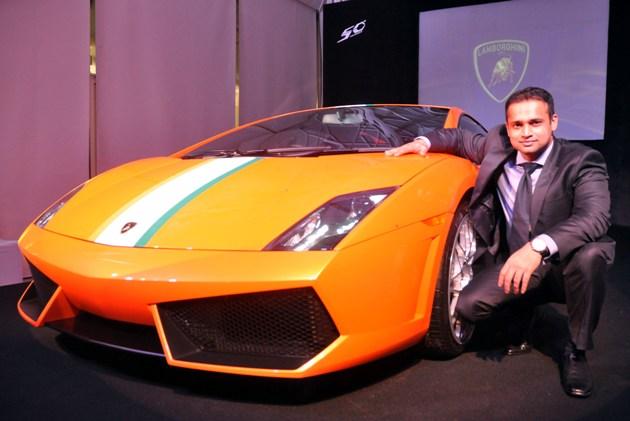
    After launching Singapore, Malaysia and Indonesia specific cars, Lamborghini’s 50th year celebrations have now reached India, with the launch of an “India Limited Edition” of the Gallardo LP 550-2.

    The Gallardo ‘India Serie Speciale’, as seen on a plate near the driver’s side quarter glass, is mechanically identical to the LP550-2. Powered by a 5.2-litre V10 engine producing 550 hp and 540 Nm of torque, the Gallardo India edition will go from 0-100 kmph in 3.9 seconds and on to a top speed of 320 kmph. The engine is mated to a 6-speed manual gearbox sending power only to the rear wheels, which is what the 2 in its LP 550-2 coding refers to.

    The Gallardo India edition sports Aranico Borealis, Bianco Monocerus and Verde Ithaca (translated as orange, white and green, representing the Indian flag) stripes running down the center of the bonnet, roof and engine lid. The car will be available in three colours, orange, white and green, unsurprisingly. The tricolore treatment for the Indian edition also extends to the black interiors that are accented with orange white and green stitching on the seat, dash and door trims. Lamborghini’s optional Cordelia wheels are standard on this car.

    The India edition car represents a powerful and sophisticated tribute from the house of the raging bull, symbolic of our common ethos in aspiring for perfection. This reiterates our commitment to the India and enthusiasts of Lamborghini.
    – Pavan Shetty, head of operations, Lamborghini India

    Only six of the Gallardo India Edition cars will be produced, and will retail for an ex-Maharashtra price of Rs 3.06 crore.

    [Image courtesy: The Hindu]

  • 2014 Aston Martin Vanquish Volante unveiled

    2014 Aston Martin Vanquish Volante unveiled

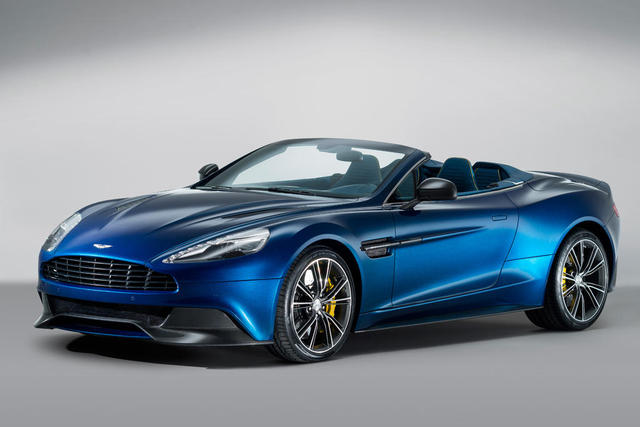
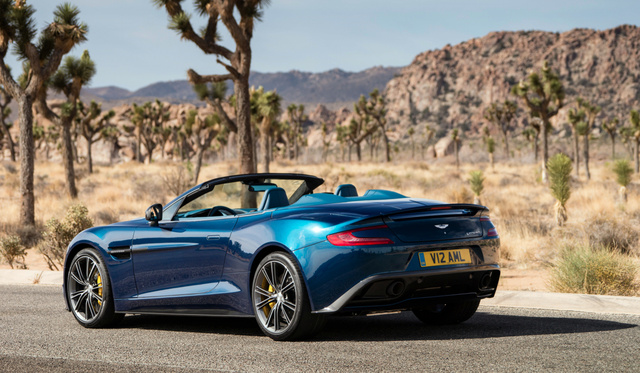
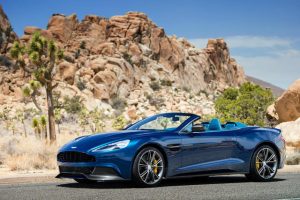
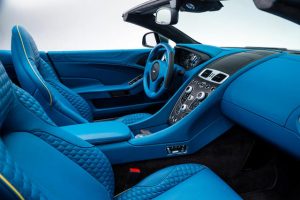
    If you have saved up to the tune of $300,000 to spend on a top-of-the line Aston Martin, but believe that a roof ruins the experience of driving such a car, congratulations, today is your lucky day! Aston Martin has unveiled the 2014 Vanquish Volante, and unsurprisingly, it is an absolute beauty. It’s the first carbon fibre-bodied convertible in Aston’s history, and like it’s coupe sister, is the ultimate expression of the famous British automaker’s finest technology.

    Vanquish Volante

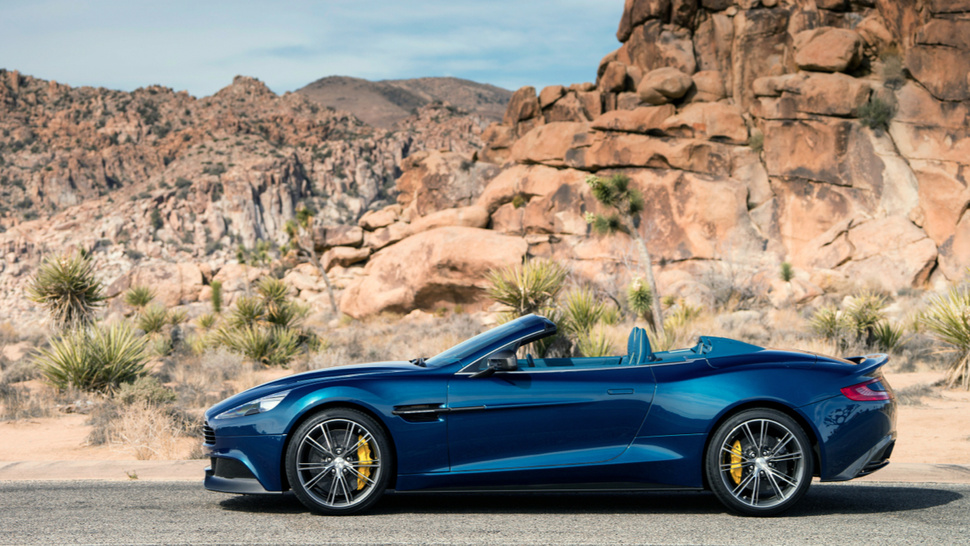
    Like the coupe, the Vanquish Volante wears a coat of aggresion albeit with typical Aston Martin elegance and grace. The switch to the carbon fibre body provides an incredible strength-to-weight ratio and allows the shaping of the Volante’s unique rear airfoil, pronounced rear haunches and the dramatic strake towards the lower end of each door. Under the hood, you’ll find the same 6.0-litre V12 engine from the Vanquish, which translates to 565 horsepower, 457 lb-ft of torque and one of the most amazing soundtracks in the automotive world today, made even better by the lack of a roof. The soft top can go down at speeds up to 30 MPH and folds in just 14 seconds.

    Vanquish Volante

    This is not simply a great-looking car. This is a great car engineered and crafted for the connoisseur by people dedicated to delivering exceptional sports cars with clearly defined characters.
    – Ulrich Bez, CEO, Aston Martin

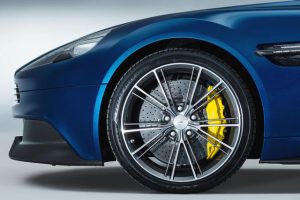
    Convertibles always need stiffening up as compared to their coupe counterparts, due to the reduction of rigidity brought about by the removal of the roof. This usually changes the vehicle dynamics and ends up adding a decent amount of weight, both factors being nemeses to a supercar. But thanks to underskin reinforcements to the aluminum VH4 chassis, The Vanquish Volante is 13% stiffer than the droptop DBS it replaces and the stiffest Volante in the marque’s history. It also retains the coupe’s near ideal 51:49 front-to-rear weight distribution. Like the coupe, the Volante features Aston’s ADS Adaptive Damping System that allows the car to offer touring comfort and a fully optimized Track mode. Carbon ceramic brakes with multi-piston calipers ensure that the Volante stops as well as it accelerates.

    Pricing starts at US$ 297,995 and the Aston Martin Vanquish Volante is expected to hit the markets early next year.

  • Lamborghini Cabrera spotted, readying itself to replace Gallardo

    Lamborghini Cabrera spotted, readying itself to replace Gallardo

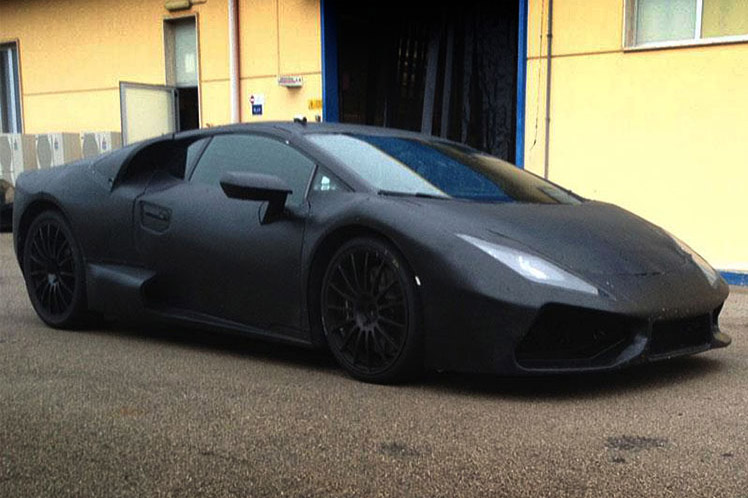
    Facebook user and minor YouTube celebrity, Marchettino was the lucky one who spotted the successor to the Lamborghini Gallardo running out and about on public streets and was kind enough to click a few pictures of the menacing machine. It is rumoured that Lamborghini is all set to show a concept car at the upcoming Frankfurt Motor Show this September, which will replace the baby Lambo in late 2014. Word also has it, that the new Lamborghini will be called the Cabrera.

    Cabrera
    Image credit: Marchettino

    The vehicle in these photos looks to have abandoned some of the Gallardo’s angular features in favour of smoother lines, though it’s possible body cladding is hiding the car’s true design. Murcielago SV-style sills and side air intakes serve up quite a bit of aggression and the silhouette is reminiscent of its to be big brother, the Aventador.

    The Cabrera is likely to ride on the second-generation Audi R8 platform, complete with a composite aluminum and carbon fiber construction to reduce weight as much as possible. It’s expected to be powered by an upgraded version of the 5.2-liter V10 powerplant in the current Gallardo, producing around 600 horsepower and 400 pound-feet of torque.

    Click here for more information on the Cabrera and its alliance with the Audi R8.


    [Image credit: Marchettino via Facebook]

  • New Porsche Cayman S launched in India

    New Porsche Cayman S launched in India

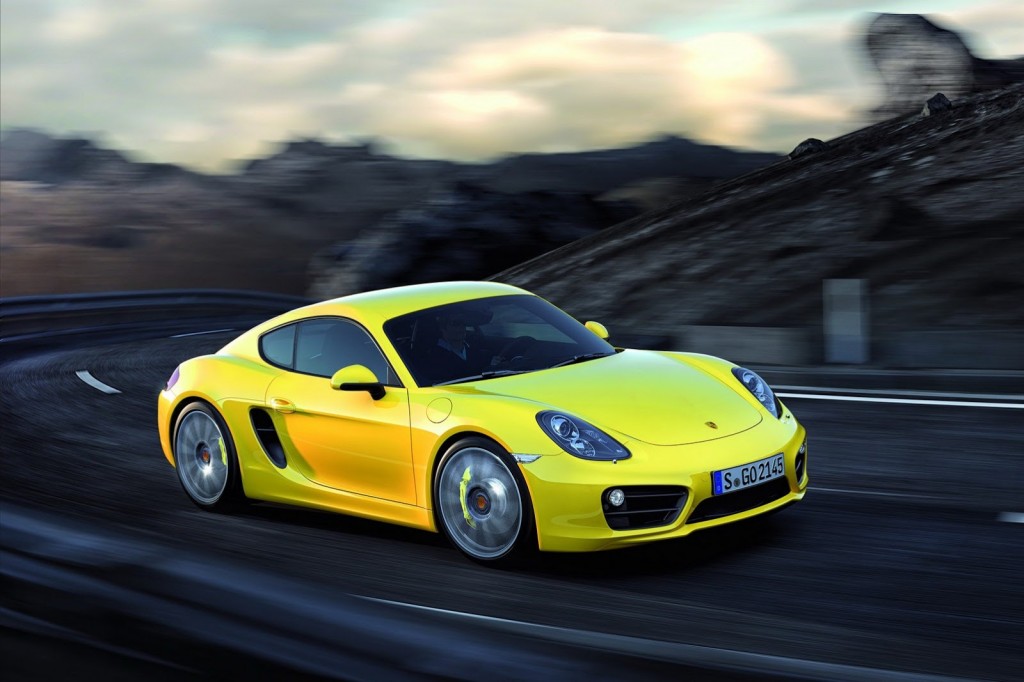
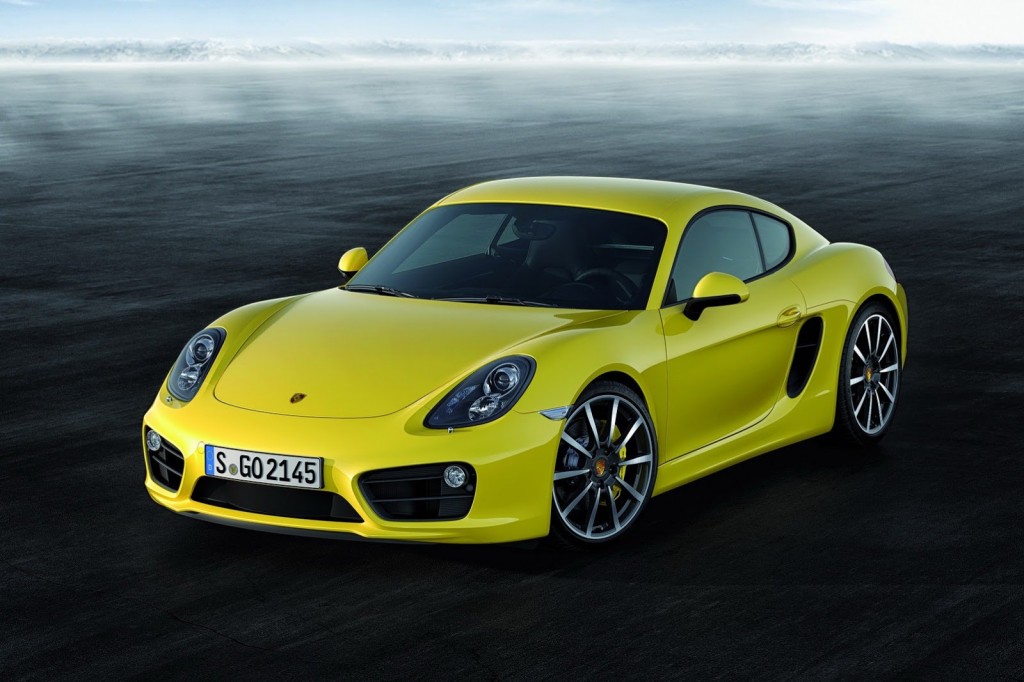
    Porsche has launched the new larger, lighter and more powerful Cayman S in India. The longer wheelbase, a wider track and lighweight mixed aluminium-steel construction are all designed to enhance the drive dynamics of the rear-wheel drive sports car.

    Cayman S

    Powering the sportscar is a 3.4-litre flat-six engine that puts out 329hp of power and 370Nm of torque. The Cayman S can go from a standstill to 100 km/h in 4.9 seconds with the optional seven-speed double clutch PDK gearbox. There is an optional Sport Chrono package that gives the Cayman S launch control and faster, more optimum shift times, allowing it to go from 0-100 km/h in 4.7 seconds and onwards to a top speed of 281 km/h.

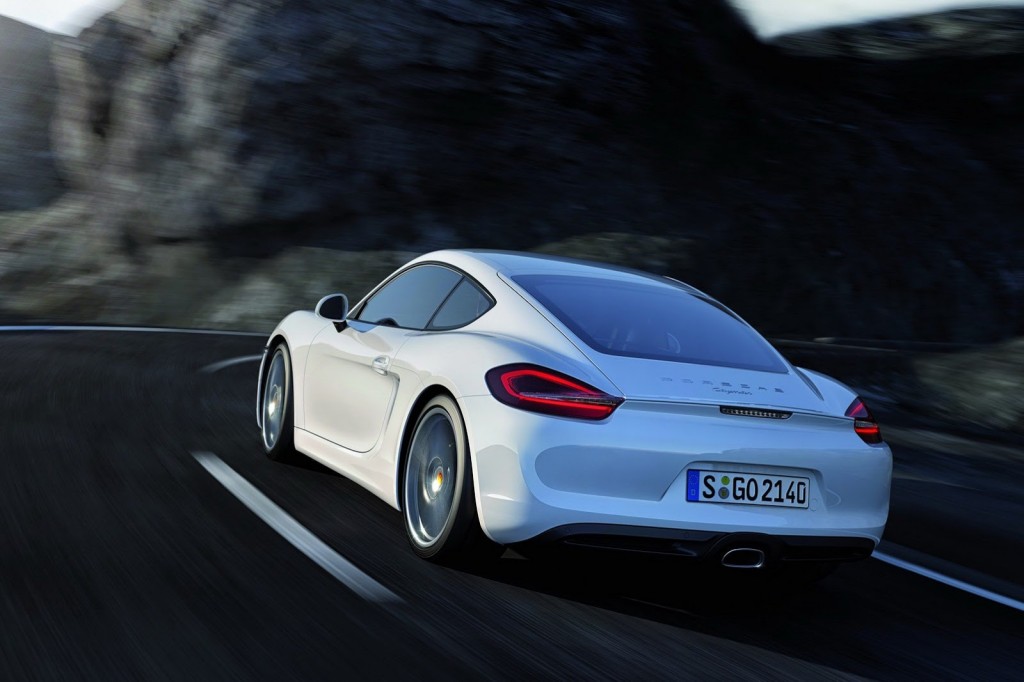
    Cayman S

    The basic design of the new Cayman S remains the same as its predecessor. The front cooling inlets in the bumper have become larger and the fog lamps have been moved around to the corners. Porsche has bought into the new trend of daytime running LEDs as well and the car has shorter overhangs for better handling. At the back, the car retains its twin exhausts, sleek rear spoiler and gets new tail lights and 19-inch wheels come standard.

    Cayman S

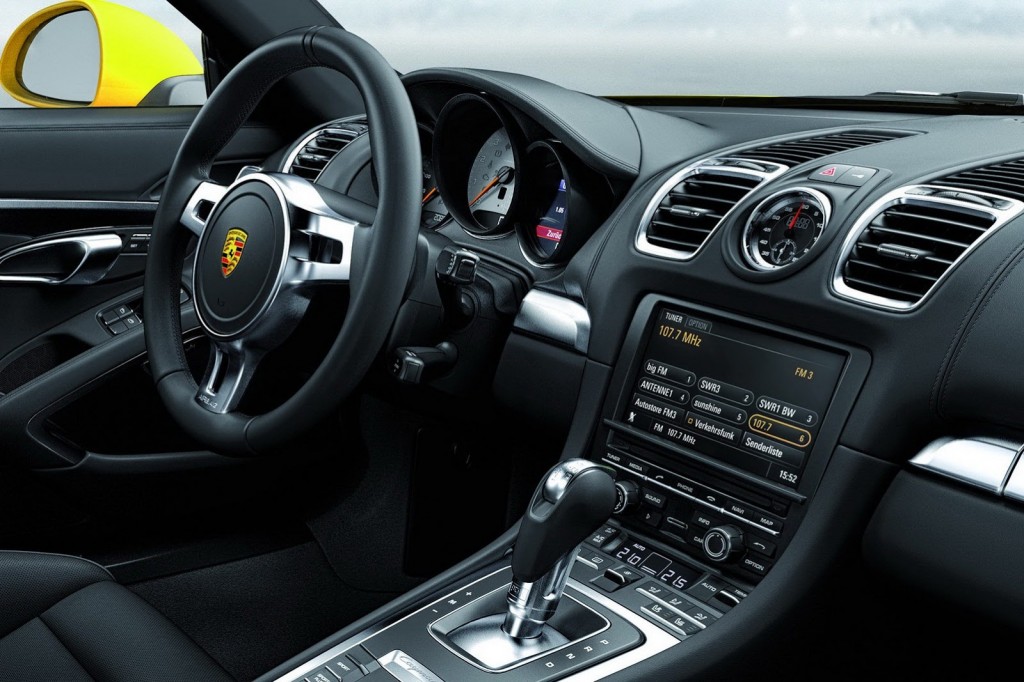
    The cabin gets redesigned interiors and a 7-inch touchscreen. In terms of optional features, the cabin can be specced with a Burmester sound system and bi-colour leather packages amongst others. The new Porsche Cayman S will set you back Rs. 92,27,905 in Maharashtra and Rs 93,99,000 in Delhi.

  • Maruti Suzuki launches Alto 800 in VXi trim

    Maruti Suzuki launches Alto 800 in VXi trim

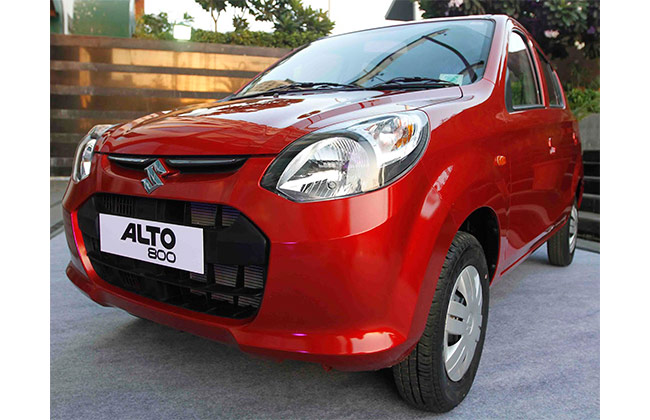
    Maruti Suzuki India has silently introduced the Alto 800 in the VXi trim for Rs 3.13 lakh (ex-showroom, Delhi), or with optional metallic paint for Rs 3.17 lakh. This makes it Rs 13,581 more expensive than the Alto 800 LXi in Delhi, which is not a major difference considering the additional kit which comes with the VXi. The Alto 800 VXi costs Rs. 3.36 lakh in Mumbai.

    This additional equipment comprises of central locking, a USB compatible stereo that is hooked to four speakers, left outside rear view mirror and a driver’s side airbag as standard. Cosmetic enhancements include door side mouldings and a rear spoiler. Other equipment aboard the Alto 800 VXi includes, air conditioning with heater, power steering, front power windows, dual tone upholstery, dual trip meter, clock, remote fuel lid and hatch opener, tubeless tyres body coloured bumpers and door handles, etc.

    The Alto 800 derives its power from a three cylinder 796cc petrol unit churning out 48 bhp and 67Nm of torque. The engine is mated to a five-speed manual gearbox. The Maruti Suzuki Alto 800 is also available with a CNG kit option. As compared to the last generation Alto, the new Alto 800 is a little more spacious, in fact the fuel efficiency of the new version too has been improved by 15 per cent.

iGyaan Network
Privacy Overview

This website uses cookies so that we can provide you with the best user experience possible. Cookie information is stored in your browser and performs functions such as recognising you when you return to our website and helping our team to understand which sections of the website you find most interesting and useful.