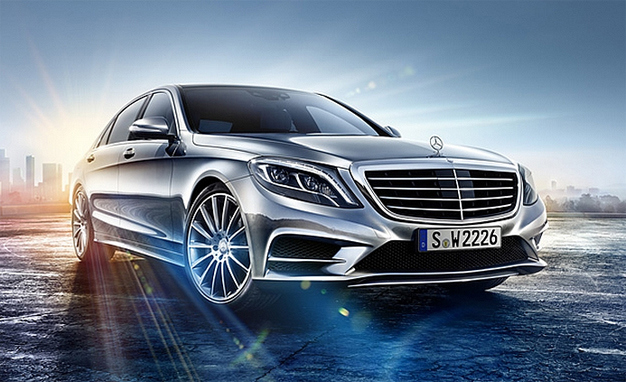
The first official picture of the 2014 Mercedes S-Class has apparently been revealed mistakingly by Mercedes Benz itself, a fortnight ahead of its 15th May unveiling. A photo of the redesigned luxury sedan apparently popped up on Benz’s Austrian consumer website; it allegedly was quickly taken down, but not before French site blogautomobile.fr snatched it and published it.
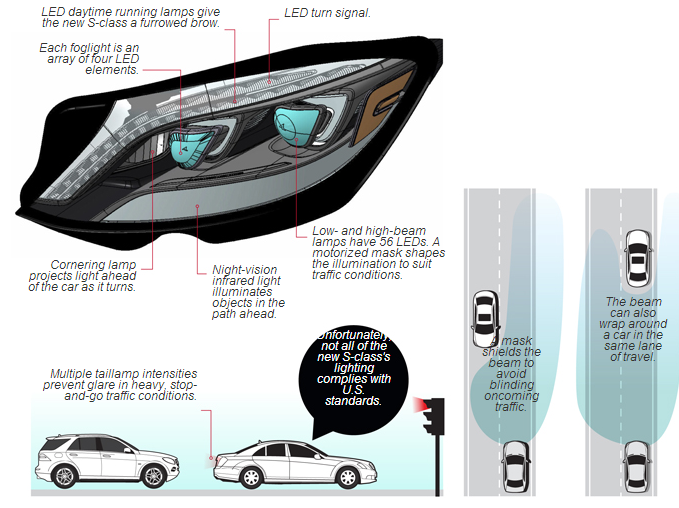
The redesigned S-Class closely follows Mercedes’ new direction in styling with smooth lines flowing down the car. It’s not as bold as some would’ve liked but is still as elegant and harmonious as its predecessor, if not more. The 2014 Mercedes S-Class will also be the first car to use full LED lighting with some new and astounding technology, typical of the top of the range Benz.
Image credit: Car and Driver
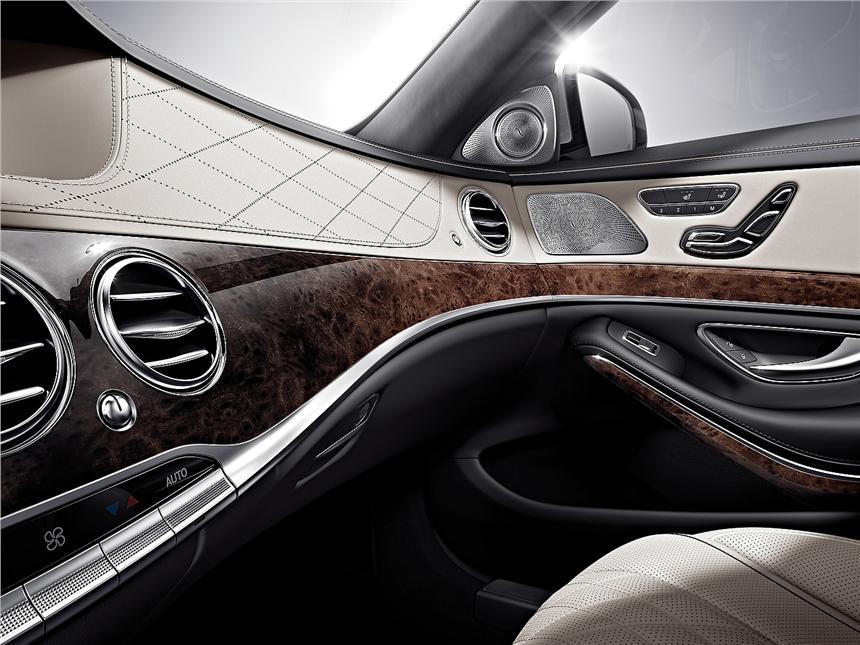
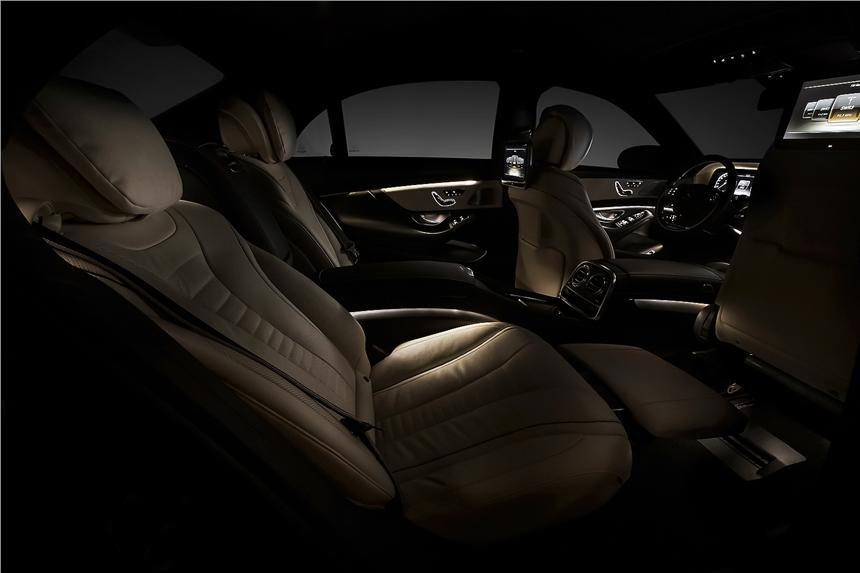
Mercedes have already revealed a few pictures of the interiors of the new Mercedes S-Class, and it certainly meets if not exceeds the exterior’s promise of luxury. Sitting in the S-Class, one could be forgiven for feeling that they were in a Rolls or the now discontinued Maybach. The 2014 S-Class will be officially unveiled on the 15th of May, and should go on sale later this year.
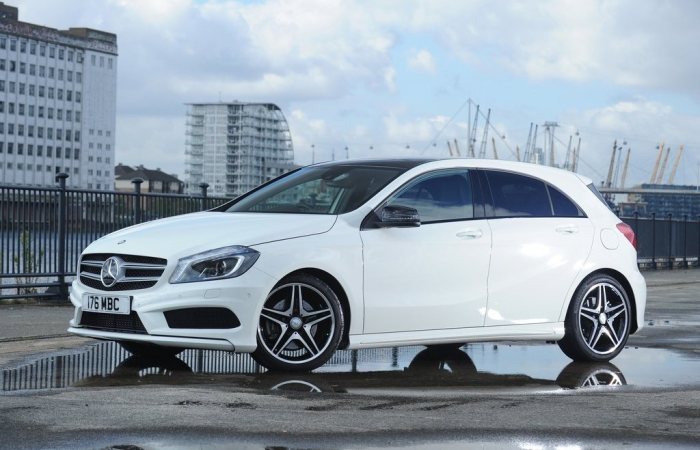
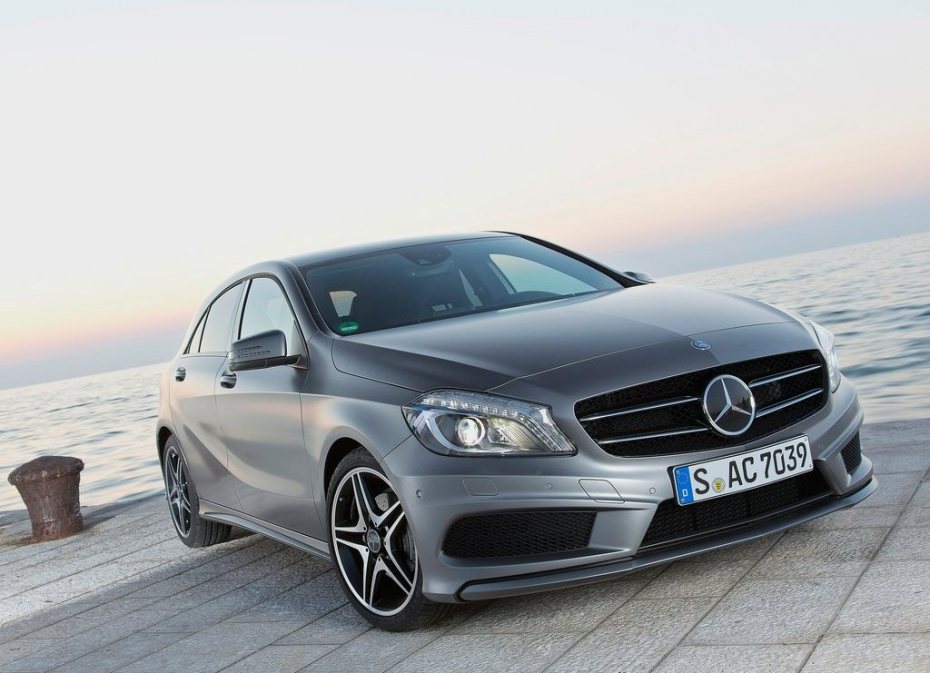
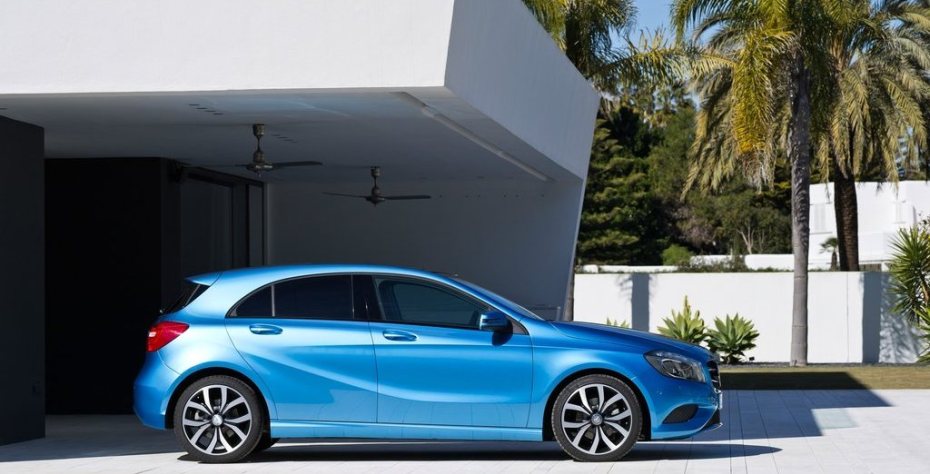
Mercedes Benz is expected to launch the hotly awaited new A-Class hatchback in the Indian market on the 30th of May. Foraying into a relatively unexplored segment, the luxury hatchback is expected to make waves when it hits the market, as suggested by the success it has enjoyed in Europe earlier this year.
The new A-Class has a very striking design and will surely turn a lot of heads when it hits the market. A whopping 6 inches lower than its predecessor, it continues with Mercedes Benz’s new direction in styling, bringing forth a bold and sporty design. The low and sloping roofline along with the long hood impart the hatch an athletic stance and the ducted rear bumper as well as the diffuser add character to the well sculpted rear end. Flaunting a massive three-pointed star on the newly designed radiator grille with pride, the attention-seeking A-Class is all in all, very easy on the eyes.
Coming to the important bits under the hood, the A-Class is expected to have two engines on offer at its launch. A 1.6 -litre turbocharged petrol engine producing 122bhp and a 1.8-litre turbocharged diesel engine churning out 109 bhp and 250Nm of torque are the most likely variants we’ll see in India, although Mercedes Benz has given no confirmation yet.
Shortly after the launch of the B-Class Tourer, the A-Class will be Mercedes’ cheapest car on sale in India, at an estimated price of Rs. 18-20 Lakh. It will directly compete with BMW’s Mini Cooper line of cars, and later with the BMW 1 series and Audi A3 when they go on sale in India. The A-Class seems a very promising prospect at a competitive price and we can’t wait to see it on Indian roads. This exciting new luxury hatchback segment may very well shape the 3 German automotive giants’ fortunes in India in the coming years.
Volkswagen has launched a performance variant of its popular Polo hatchback called the Polo GT TSI. However the steep price of Rs. 7.99 Lakh may turn customers away from what is an otherwise excellent small car.
At its heart is a potent 1.2-litre turbocharged, direct injected TSI engine which produces an impressive 103 bhp and 175 Nm of torque. The power is sent to the front wheels through a seven speed dual clutch automatic gearbox. However there are no paddle shifters behind the wheel and no manual transmission on offer. Volkswagen claims that the Polo GT TSI can go from 0-100 km/h in 9.7 seconds and on to a top speed of 190 km/h. The ARAI fuel efficiency figure of the Volkswagen Polo GT TSI has been rated at 17.2 kmpl.
The Polo GT TSI is on offer in the Highline Trim only and can be distinguished externally by the alloy wheels and prominently placed GT badging. It comes with more kit than the lesser 1.2 Highline variants such as a climate-control system and a double DIN music system with USB, AUX and SD card input. Front and rear fog lamps, electric ORVMs and a tilt and telescopic adjustable multifunction steering wheel are standard as is Bluetooth connectivity. It comes with parking sensors to help you park in tight parking slots. The seats are wrapped in new ‘Milan’ fabric and the pedals have an aluminium finish to round off the relatively plush interior. Safety equipment includes front airbags, ABS, ESP and pinch guard safety for all 4 power windows.
The Polo GT TSI will be available in three colours namely, Candy White, Flash Red and Deep Black. To conclude, the Polo GT TSI packs in a very impressive powertrain, giving it performance miles ahead of its competitors. However a Rs. 2 Lakh premium over the slower top-of-the-line Polo may lead potential buyers to think twice, and consider other options.
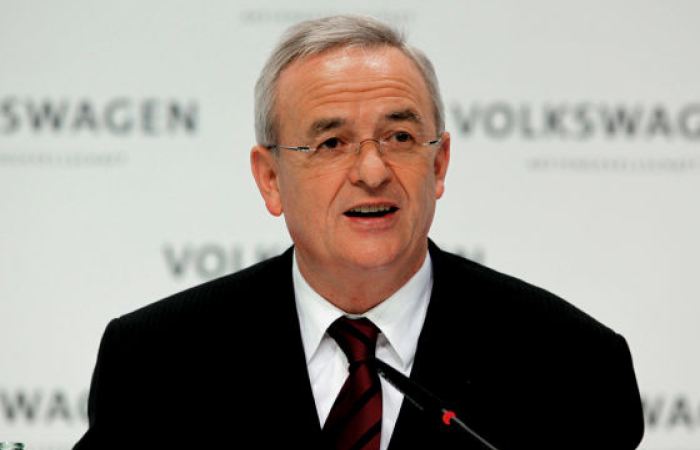
The annual Vienna International Motor Symposium showcases some of the up-and-coming technologies in the automotive industry. This year, Volkswagen CEO Martin Winterkorn revealed that Volkswagen is working on a 10-speed dual clutch automatic gearbox. It was also confirmed that a high-performance diesel engine was being developed which would produce a staggering 134 bhp per litre. The diesel engine will feature “variable valve-train assembly, a high-pressure injection system at up to 3,000 bar and combined charging with the innovative e-booster (an electric turbocharger)”.
Since the year 2000, we’ve reduced the fuel consumption of our TDI and TSI engines by more than 30 per cent. I’m convinced that by 2020 we can achieve further increases in efficiency of around 15 per cent.
– Martin Winterkorn, CEO, Volkswagen AG
Winterkorn spoke of a multi-faceted approach that Volkswagen is looking to reduce its fleet fuel consumption and exhaust emissions. Winterkorn said he believes that petrol and diesel internal combustion engines could be made more efficient with improvements in the combustion process, lightweight design and improved friction levels and thermal management. VW’s plug-in hybrid technology was also touched upon. The PHEV versions of the Audi A3 and Porsche Panamera are confirmedly on the way and Winterkorn also said that these two models will be followed up by Golf, Passat, Audi A6 and Porsche Cayenne plug-in models.
Winterkorn also had the following to say on natural gas technology:
The technology is fully developed and the vehicles are already in the market. We need to make the public even more aware of the benefits of natural gas engines. Everyone needs to play their part in this: carmakers, politicians and the fuel industry.
The news about the new gearbox could indicate that a paddle shift equipped car with a ten speed double clutch could be coming. We hope its the rumoured Audi R4 supercar.
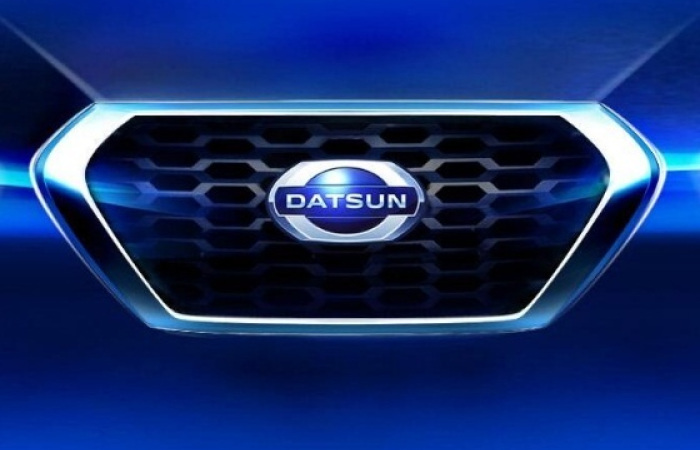
32 years after removing it from its lineup, Nissan is all set to revive the venerable Datsun brand in markets like India, South Africa, Russia & Indonesia. Carlos Ghosn, global CEO of Renault-Nissan, will formally launch the brand at the Kingdom of Dreams in New Delhi on the 15th of July this year. Also expected is the unveiling of the first Datsun model, which will be a five-door hatchback costing less than Rs. 4 Lakh.
India is a tough market and it’s not going to be a picnic for us, but we believe Datsun can crack it with modernity and a superior product.
– Vincent Cobee, Corporate VP, Datsun Business Unit
Datsun is targeting the budget end of the market primarily, hoping to sell large volumes of cars. Nissan is depending heavily on Datsun to create a good blend of affordability and Japanese reliability in order to attract Indian consumers in the most competitive segment in the market. They hope that superior styling will help sway opinions, with the entire family sporting a prominent hexagonal grille for it to stand out among other new-age design elements.
Datsun Fairlady 240Z
The first model is expected to be a five-door hatchback powered by the same 1.2-litre 3 cylinder petrol engine as the Nissan Micra. Its expected to be as spacious as the Micra, but much lighter. Datsun says that it will have much superior performance and best in-class fuel efficiency. The car is expected to hit the market in mid-2014 and give tough competition to the Hyundai Eon/i10 and various Maruti Suzuki hatchbacks.
We saw some pretty high-profile reveals along with an array of launches by Chinese manufacturers over the weekend in Shanghai. Here’s our pick of the best on display.
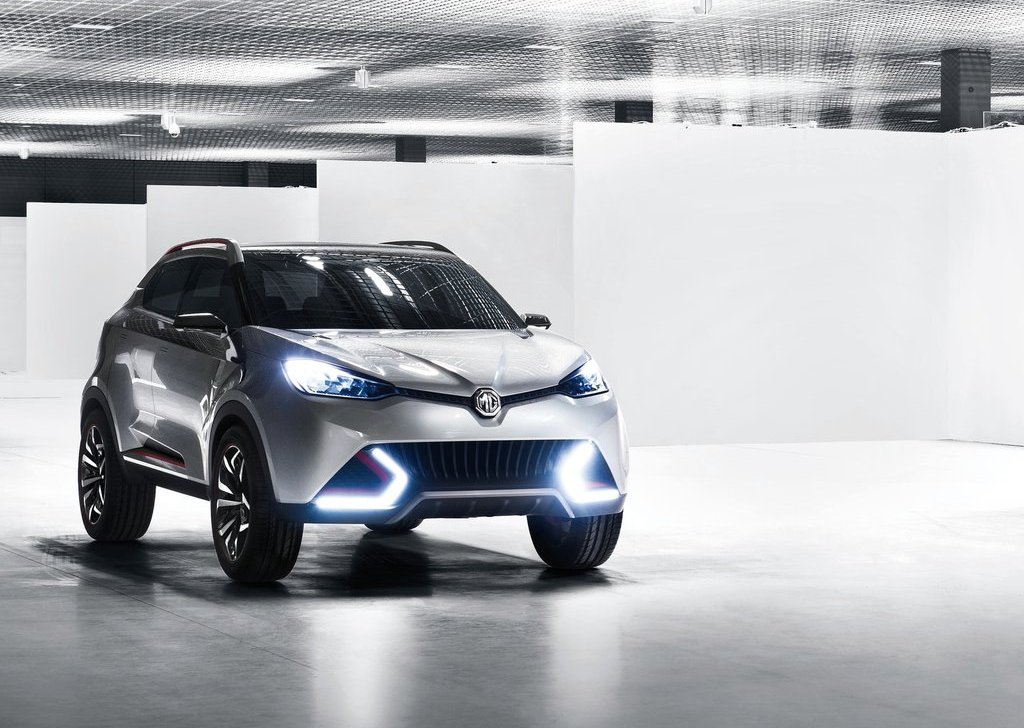
MG CS Concept
One of the bigger stars of the Shanghai Motor Show was also one of the biggest surprises. MG unveiled its CS Concept SUV, adding to the competition in the compact SUV segment. However, the production model is at least 2 years away, and in all probability won’t look as flashy as the concept. Still, we like MG’s new direction, and can’t wait for more details about the CS to be released.
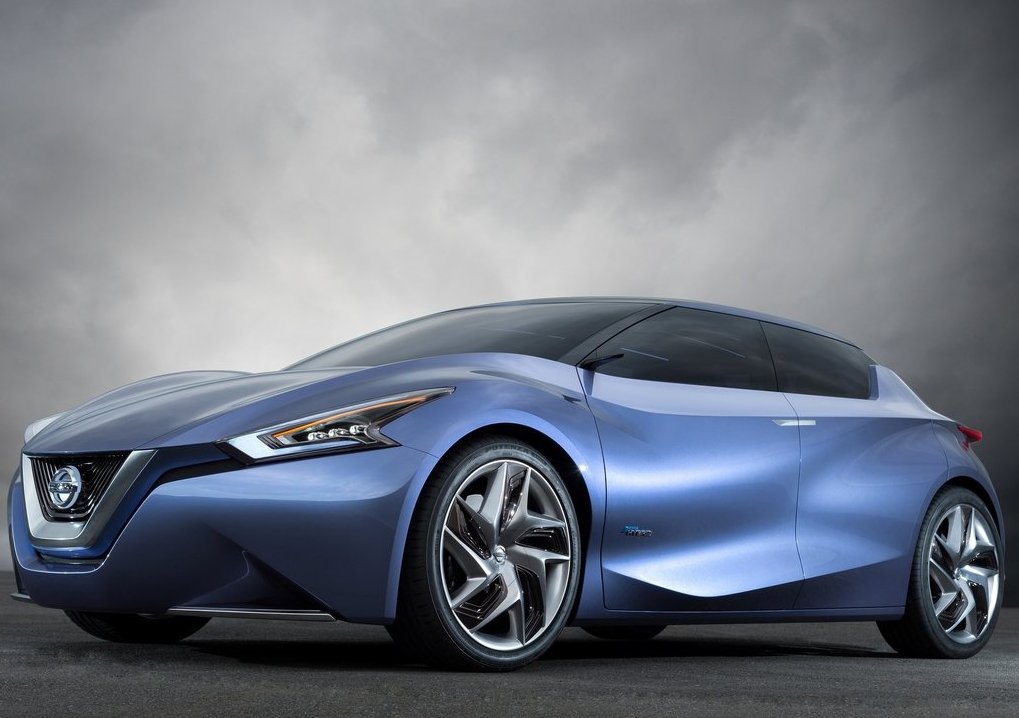
Nissan Friend-Me Concept
When it comes to identifying future trends, and thinking ahead, few automotive manufacturers have the foresight that Nissan does. For this reason, the long and unconventionally designed 4-door sedan caught everyone’s eye with its sharp styling. Knowing Nissan, there is a good chance that the ‘Friend-Me’ may actually reach the production stage, though we’re not sure how long the name will stick for.
Buick Riviera Concept
Sharing its name with the famous Buick, last seen in 1999, the Riviera Concept is said to be a preview to Buick’s future styling direction. The Riviera Concept incorporates some beautiful flowing lines over its long shell, and shows-off new versions of the marque’s classic waterfall grille design. It’s powered by Buick’s dual-mode wireless plug-in hybrid electric vehicle propulsion system, which allows the car to be charged wirelessly just by driving atop a special charging mat on the ground, the car’s powertrain is just as futuristic as its exterior shape. This one’s for the future.
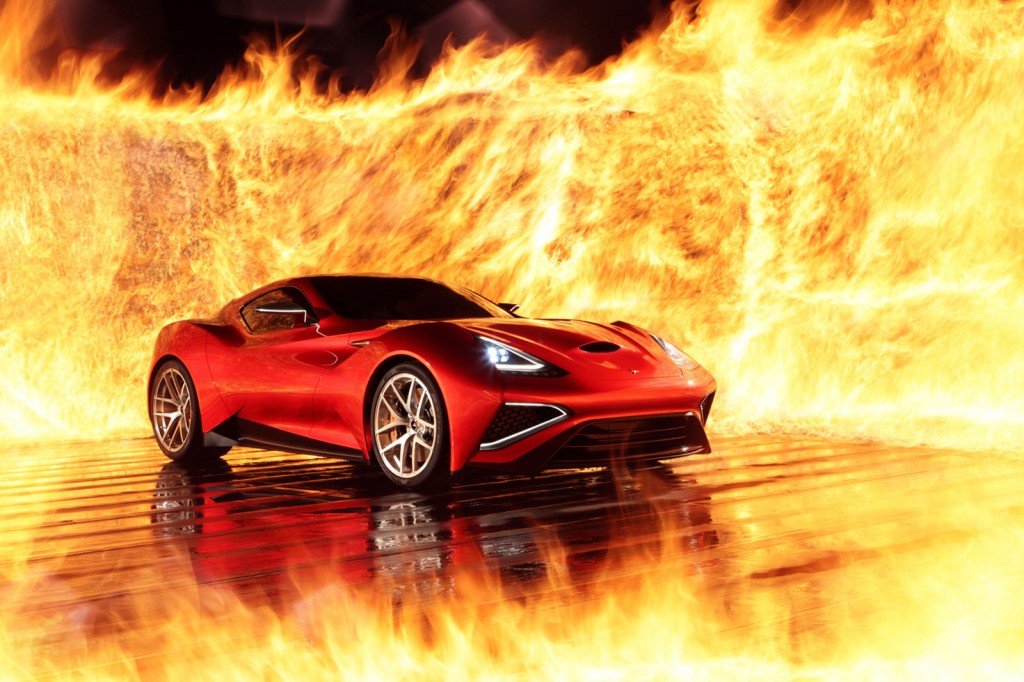
Icona Vulcano
One of the standouts of the show was the stunning Vulcano concept from Italian-owned but Shanghai-based design firm Icona. Designed by a former Bertone employer, and engineered by a former Scuderia Ferrari engineer, the Vulcano was mobbed at the Shanghai Motor Show. Originally conceived as a one-off example to showcase Icona’s styling prowess, it has now been announced that 5 total Vulcanos will be built. Reminiscent of the Lexus LFA as well as the Ferrari F12 Berlinetta, the Vulcano has an option of two powertrains, 870 or 950 bhp and goes from 0-97 kmph in 2.9 or 3.0 seconds depending on the powertrain. It also boasts a top speed of 217 mph.
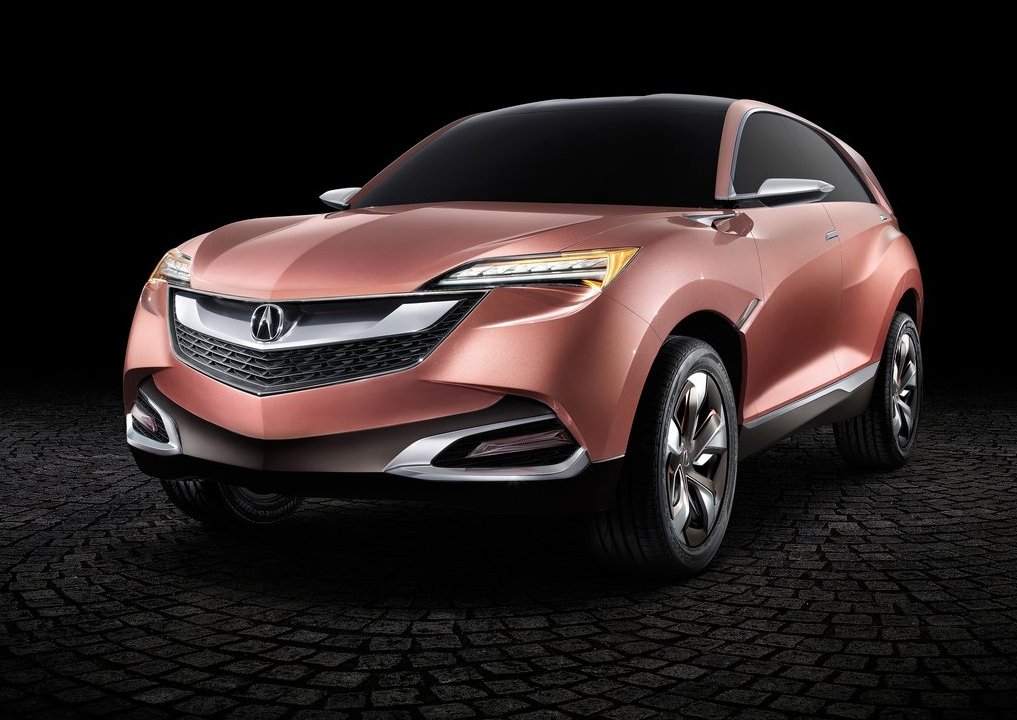
Acura SUV-X Concept
The SUV-X Concept from Acura is another in a long line of aspirants in the compact SUV segment. Acuras have known to be packed with tons of technology on the inside, but have never really turned heads on the streets. The SUV-X Concept deviates from the trend, with bold and eyecatching styling, pleasantly surprising all of us. Acura says that the SUV-X is the precursor to a production offering from the brand in China that will come in about three years.
Ford Escort Concept
The Escort is back!! Well, as a concept for now. At the very interesting reveal, Ford said, “Customers in China described seeking a vehicle that is stylish – but not one that is arrogant or pretentious” and that’s what it believes the new Escort will be about. Always known for being excellent as an affordably daily driver, but not one to set benchmarks in performance or design, the new Escort Concept’s minimal design is contemporary and appealing on the whole. This car will probably be launched only in the Chinese market, and is expected to create quite a stir when it does.
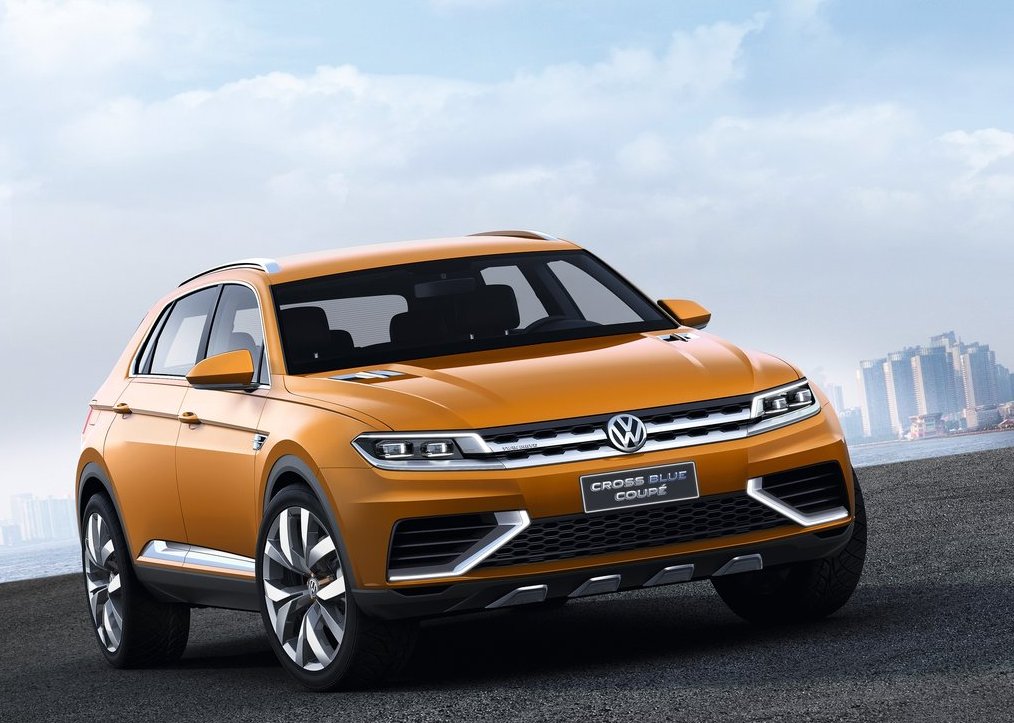
Volkswagen CrossBlue Coupé Concept
This sportier member of the CrossBlue family sits in between the Tiguan and the Touareg in size and has all the hallmarks of becoming another success for the brand. Featuring a high-tech drivetrain that consists of twin electric motors, one up front and one at the rear, powered by a 9.8-kWh lithium-ion battery, the Concept also has a 295 bhp, direct-injection, gasoline-burning V6 under the hood. These three powerhouses put out a total of 415 bhp. Also, atleast in theory, the Concept should be able to travel 21 miles on electricity alone and we think it looks pretty nice as well. What’s not to like?
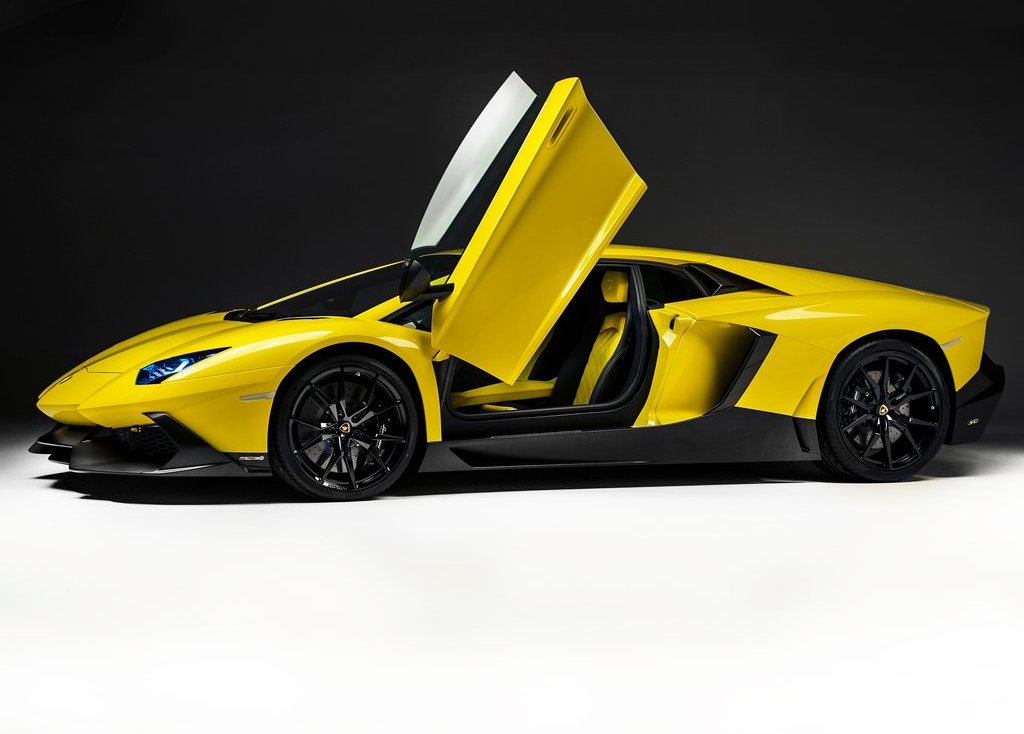
Lamborghini Aventador LP 720-4 50° Anniversario
Lamborghini unveiled the Aventador Anniversario at Shanghai as part of its 50 year celebrations. Offering the same engine as the base Aventador, it manages to produce 720 bhp instead of 700 due to different tuning, and features a couple of external upgrades. Read more about it here.
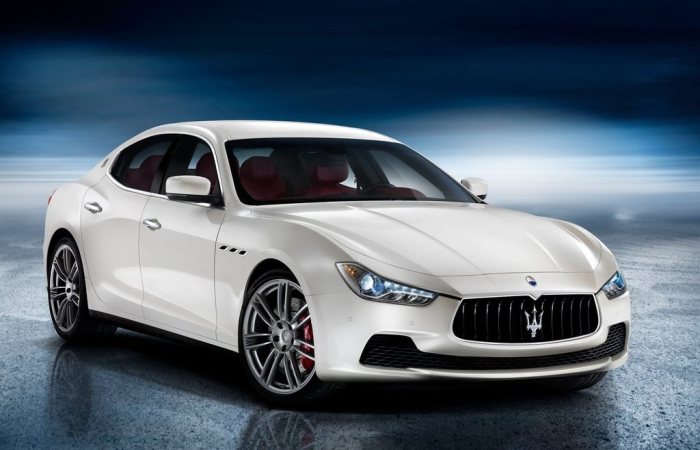
Maserati Ghibli
The Ghibli name is back in the form of an entry-level luxury sedan as Maserati hopes to expand its sales figures to compete with the likes of BMW, Audi and Jaguar. The Ghibli is the first Maserati in history to have a diesel engine as an option, with a turbocharged 3.0-litre V6. Read more about it here.
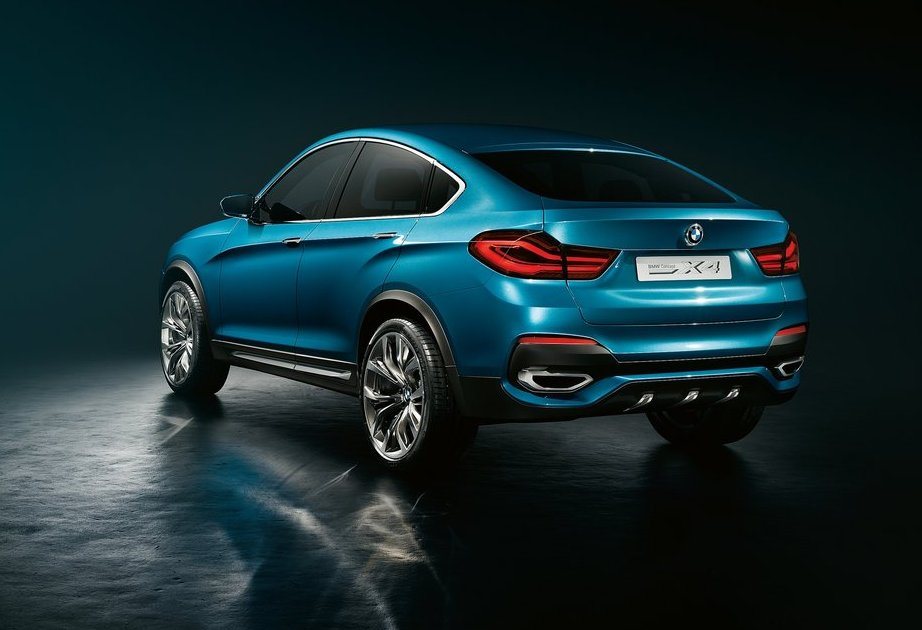
BMW X4 Concept
Yet another addition to the compact SUV segment, BMW unveiled the baby X6 or the X4 concept at Shanghai. BMW claims that the X4 is a preview to what the entire X range will look like in the coming years. Read more about it here.
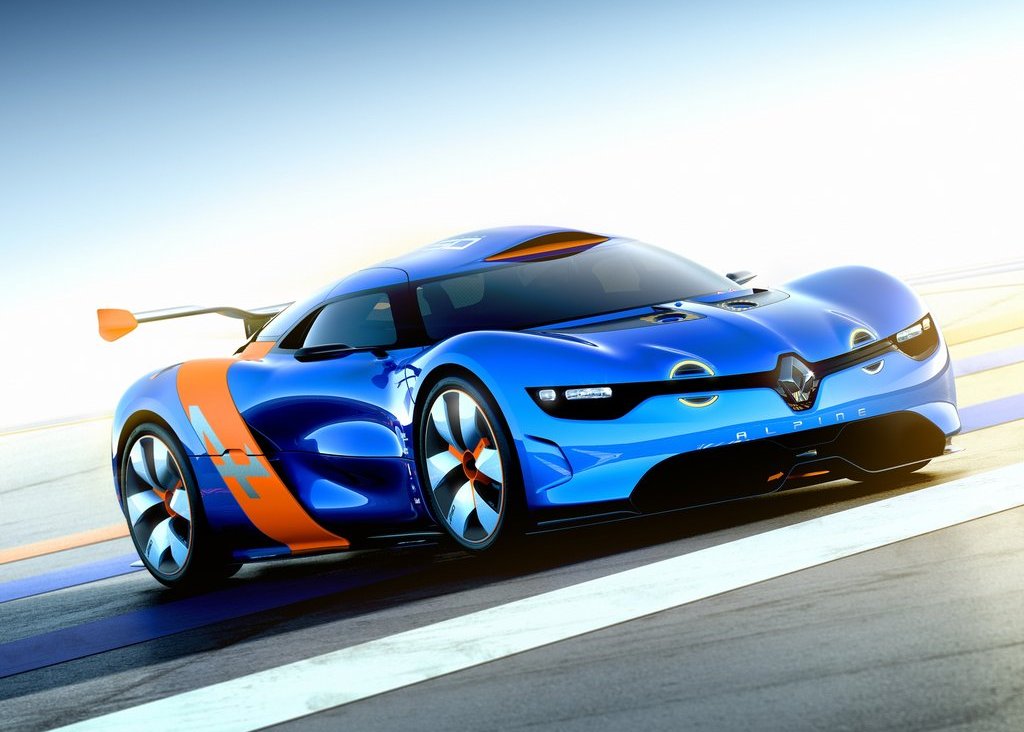
The Renault Alpine A110-50 Concept was created last year to pay homage to the original Renault A110 on its 50th anniversary, but the 2013 Shanghai Motor Show was the first instance where the eyecatching concept could be seen in person. The concept sports a curvaceous body sculpted out of carbon fibre, sprayed with the familiar and iconic Alpine Blue paint.
Designers have added a nice touch up front with a set of half-ring yellow LED lights, reminiscent of the hood-mounted fog lights on the original A110. The radically designed concept is based loosely on the very futuristic Renault Dezir Concept, as is evident from the low stance, wide fender arches and scissor doors. The Alpine Concept also comes with a big split-wing rear spoiler, hinting at lots of performance as well, if it ever makes it to production.
Powered by a 3.5-litre V6 engine producing 400 bhp, used in conjunction with a dual-clutch six-speed gearbox, the A110-50 Concept shares the same chassis as the Renault Megane Trophy, and sits on 21 inch wheels with adjustable Sachs dampers on board. A roof mounted-intake funnels air from outside the engine bay into the concept’s carbon fibre air-intake.
The Alpine A110 was first introduced in 1961 and went on to be very successful in the rally circuit in the 1970s, adding to Renault’s motorsport heritage. Although Renault has given no official word on production, we really hope to see it on the roads of India someday.
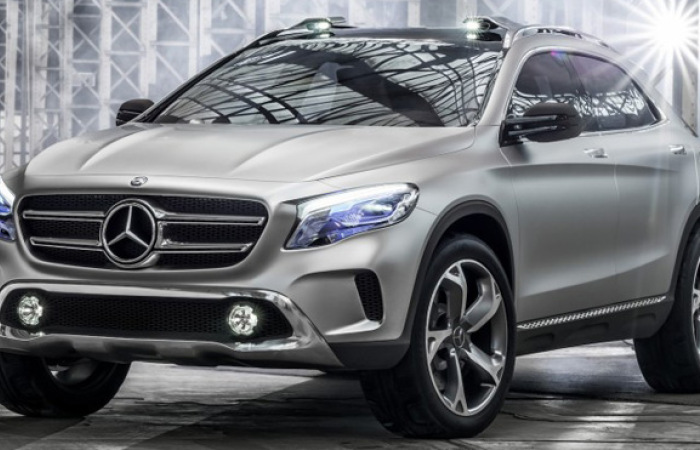
One of the more lustworthy attractions of the Shanghai Motor Show, the Mercedes Benz GLA Concept is said to be 90% representative of the GLA production vehicle to go on sale next year. Mercedes aims to heat up the compact SUV segment with a competitive price tag of about $40,000.
Mercedes seems to have hit the right chord with its new design fundas, as the GLA takes more than a few cues from the new and equally attention-hungry CLA saloon. The striking GLA concept offers an aggressive yet modern front end with only two horizontal bars for a front grille, with the three-pointed star at the centre acting as the cherry on the cake. The sloping roofline flows into the tailgate giving it a very sporty and sleek silhouette. Strong character lines down the sides, alongwith the frameless doors further enhance this image.
The front headlights are one of the usual outlandish concept car features, with in-built laser beam projectors, capable of projecting videos and images on a screen. This along with the very intricate, yet impractical interior will surely not be on the options list when the GLA hits the market. What is expected to make the final cut, is the turbocharged 2.0-liter four-cylinder engine sitting under the bulging hood, which sends 208 bhp and 258 pound-feet of torque through a seven-speed dual-clutch transmission to all four wheels via Mercedes’ proprietary 4Matic all-wheel-drive system. The GLA class is expected to give tough competition to the BMW X3, the Audi Q3 as well as the Range Rover Evoque, when it launches early next year.
Nissan realised the gamble they had made by discontinuing one of their most successful cars, and thus did not want to hurry the GT-R back simply to pacify enthusiasts. Carlos Ghosn, who became Nissan’s CEO in 2001, along with chief designer Shiro Nakamura made sure that no stone was left unturned in its development. Their brutal attention to detail was the reason that between 6 and 8 years were spent on the GT-R and the production model wasn’t unveiled until 2007.
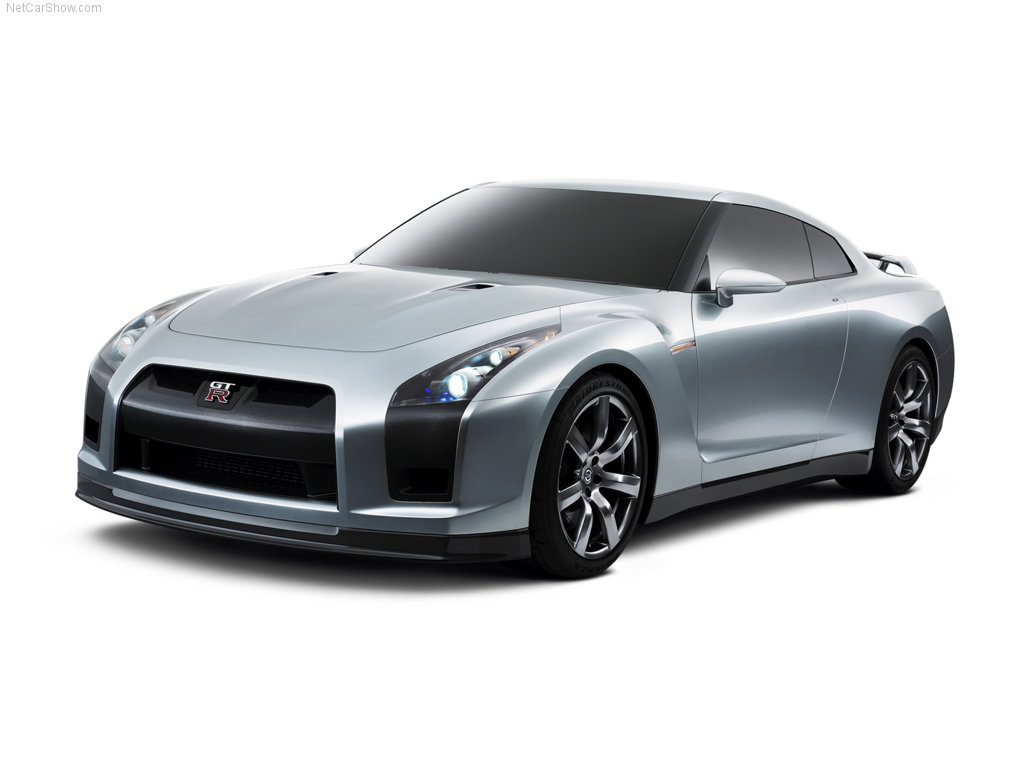
2005 GT-R Proto Concept
The first GT-R prototype was displayed at the 2001 Tokyo Motor Show, further pushing the case that Nissan had been planning for this since before the R34’s discontinuation. At the 2005 edition, Nissan said that the production GT-R would be almost entirely like the on-display GT-R Proto and the 2007 edition finally witnessed the much anticipated unveiling of the production version of the GT-R. Nissan’s first supercar, the new Godzilla, had created a ton of hype over the previous half decade. Has it lived up to it?
That would be a resounding ‘yes’.
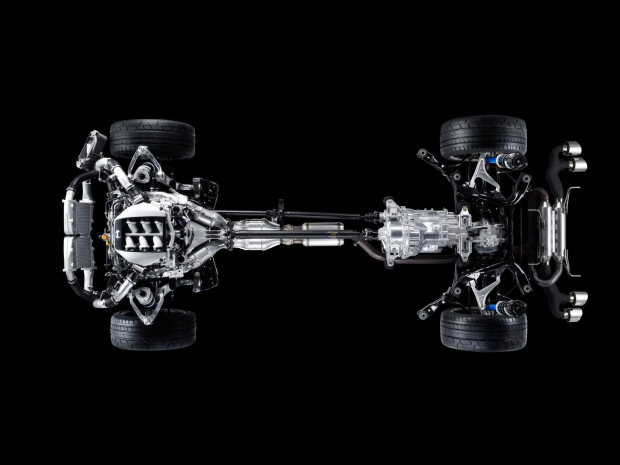
The well-balanced and extremely capable powertrain of the GT-R
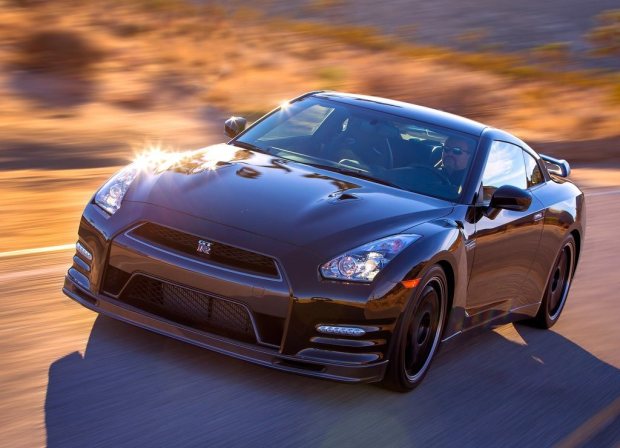
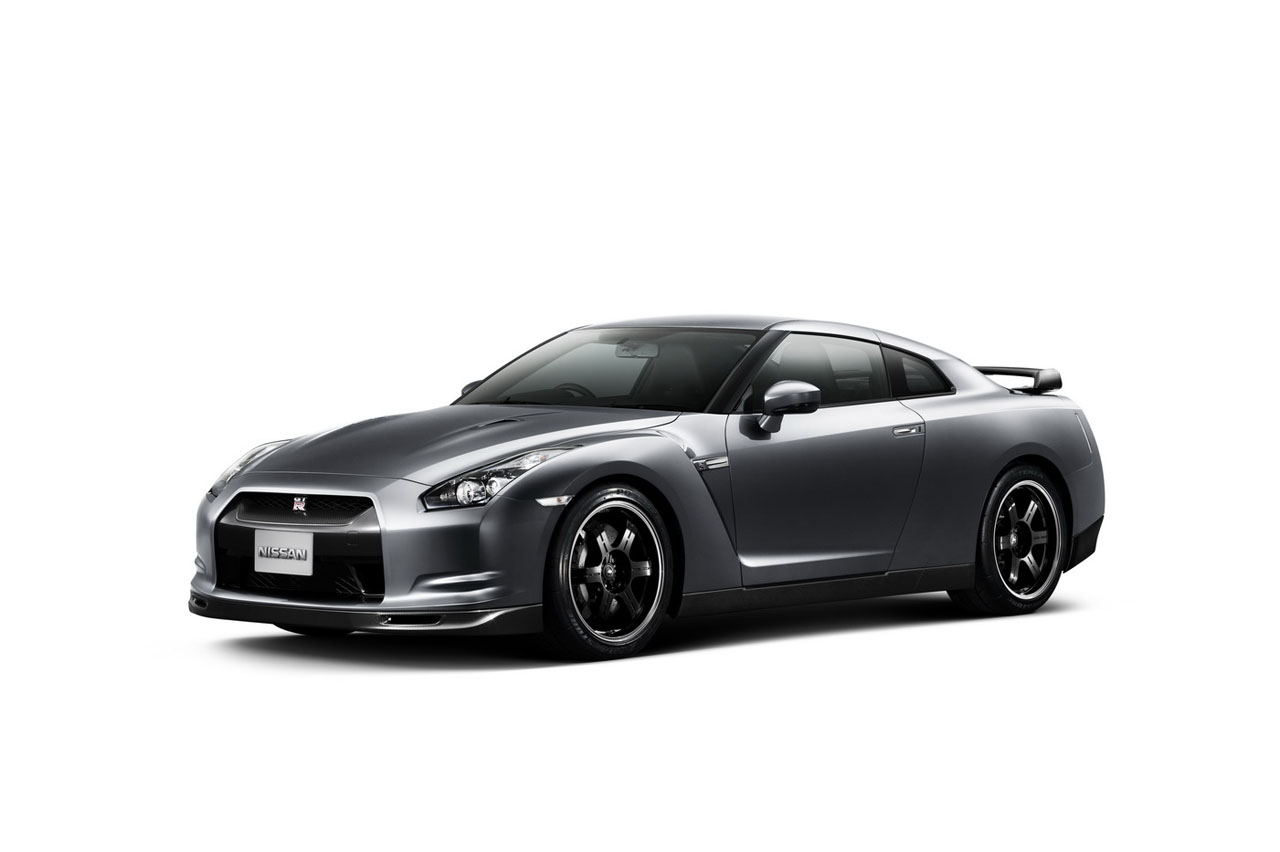
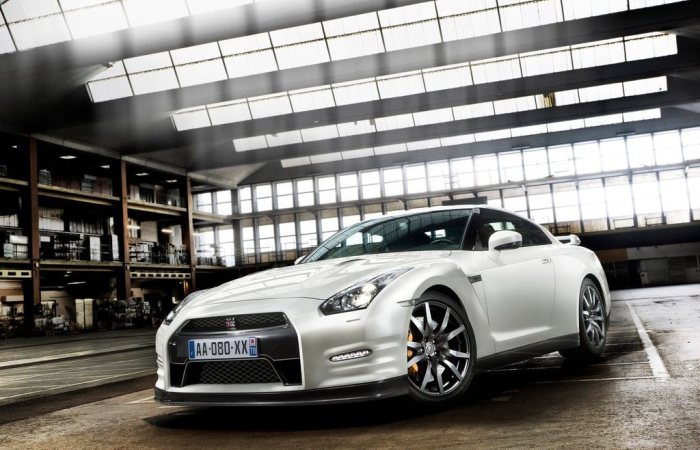
Powered by a twin-turbo 3.8-litre V6 engine, the R35 (as the GT-R’s chassis is encoded, succeeding the Skyline GT-R R34) models manufactured between 2007 and 2010 produced 478 bhp and 588 Nm of torque. With a 0-97 kmph time of 3.5 seconds, the sub $70,000 (costing half that much in Japan), 4-seater was thrown well into supercar territory. Over the years the powertrain has been regularly upgraded, producing an incredible 545 bhp and 628 Nm of torque in the 2014 model.
The 2014 Nissan GT-R has a special launch control called ‘R-Mode Start’ and Nissan claimed that this could get the GT-R from 0-97 kmph in 2.9 seconds. However, they were slightly mistaken. Comparison tests have now proven that it can get there in an unbelievable 2.7 seconds. That’s faster in terms of acceleration than the $1.7 million Koenigsegg Agera R hypercar, as well as almost every production car in the world. Even though the 2014 model now starts at $100,000, it still costs a fraction of its very fast, yet slower accelerating peers. It also managed an astonishing time of 7:24.22 at the Nürburgring, making it one of the fastest production cars in the world around the famous racetrack.
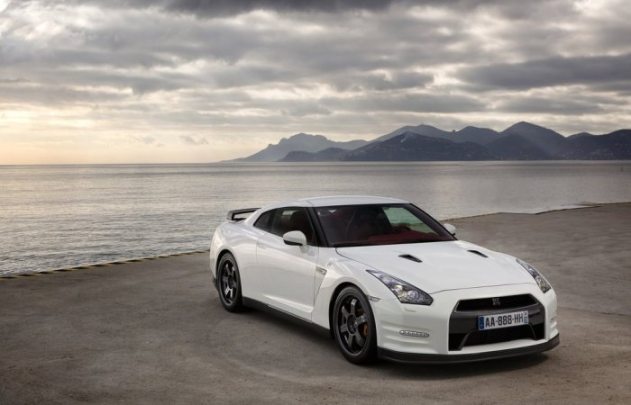
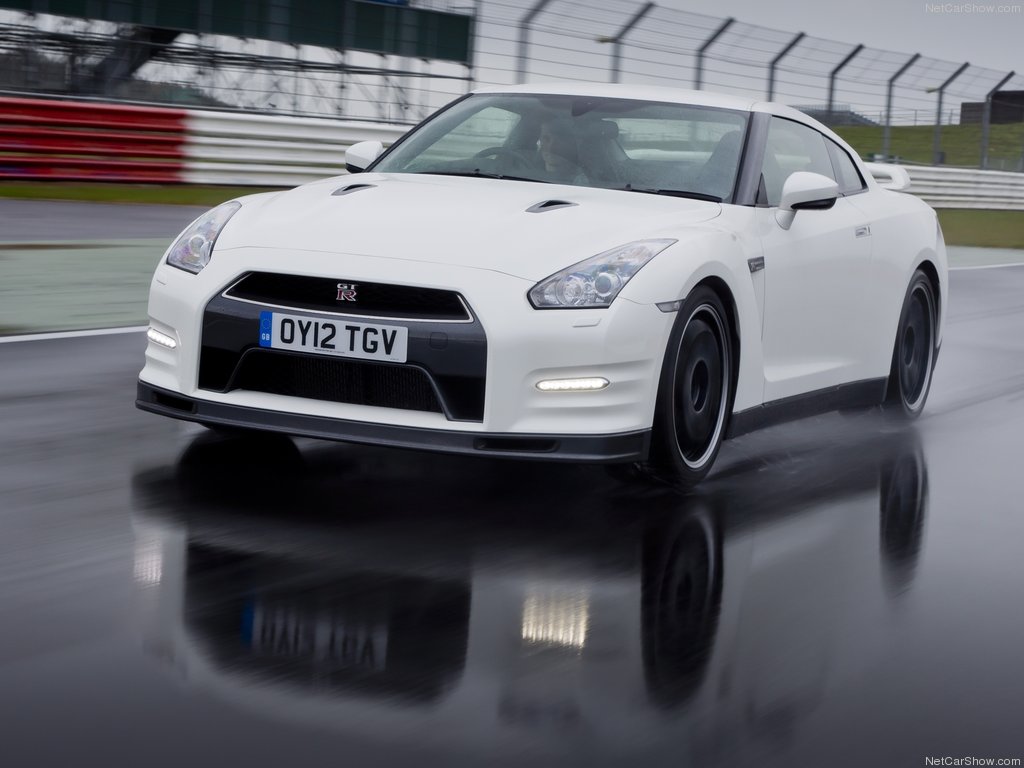
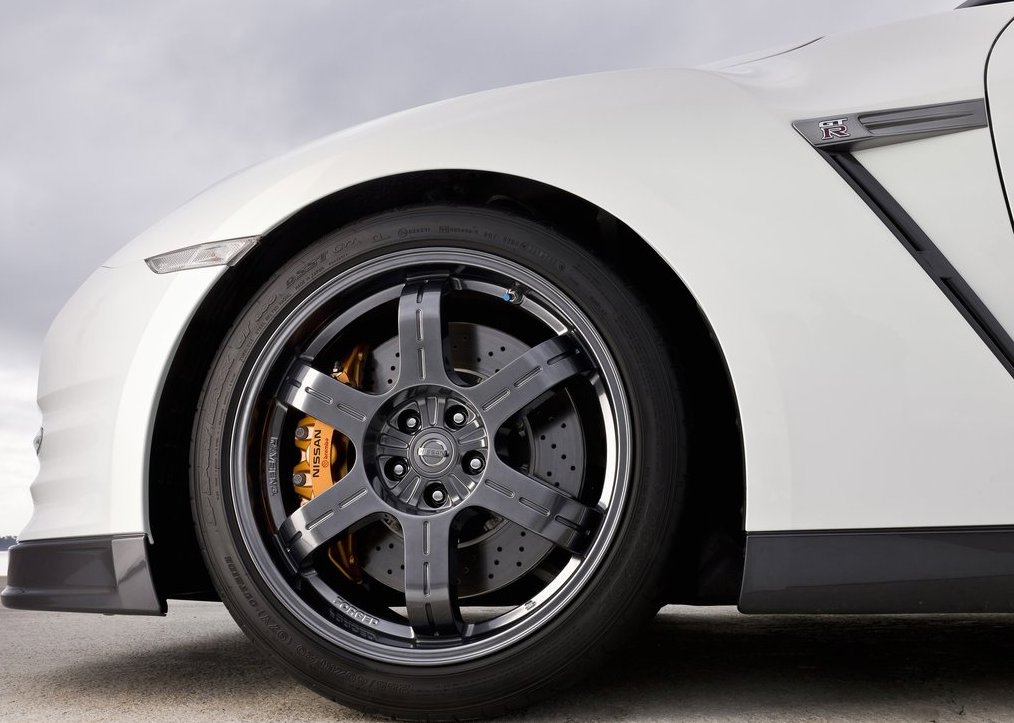
2012 GT-R Track Pack
The GT-R is all about grip, grip and then some more grip. The reason for its brutal acceleration is because of the very intelligent ‘ATTESA E-TS’ all wheel drive system designed by Nissan. Used in conjunction with a rear mounted six-speed dual clutch semi-automatic transmission, it puts the GT-R’s power to the road with as much efficiency as the extremely skilled workers who build it by hand. For this reason, Nissan confidently encourages its customers to drive the GT-R in snowy or wet conditions, claiming it will perform just as well as in dry conditions. The stiff suspension may mean decreased ride quality in everyday usage, but is crucial in making the tyres cling to the asphalt at all times, and allow the GT-R to produce the figures that it does.
2009 GT-R SpecV
2009 saw the arrival of the even higher performance Nissan GT-R SpecV. Powered by the same engine as the base GT-R, the SpecV produces the same horsepower, however larger turbos, a reworked suspension, carbon ceramic brakes as well as a weight reduction of 60 kg allow it to accelerate faster and corner harder than the base GT-R. Because 3.5 seconds just wasn’t quick enough.
Visible changes include a carbon fibre spoiler, grille, brake ducts and an exclusive paint job called the ‘Ultimate Black Opal’. The rear seats were completely removed, the front seats were replaced with carbon fiber Recaro seats, and most of the interior trim was covered in carbon fiber for further weight reduction.
Brimming with more state of the art technology than Tokyo, the GT-R is a tech geek’s dream come true. Its body construction has a ‘Premium Midship (PM)’ platform, which is a hybrid unibody assembled using high-precision, ultra-low-tolerance jigs. The PM platform allows the transaxle to be placed at the rear, which is connected to the lightweight V6 engine at the front through a carbon composite prop shaft. This results in near perfect weight distribution making the GT-R very balanced improving vehicle dynamics significantly. The tyres are filled with nitrogen instead of air to ensure pressure retention for longer periods, reducing drag and creating more stability. Another stand out feature is the customisable multifunction display in the dash, developed by the creators of the Gran Turismo video game series. The amazingly functional display shows all kinds of information like cornering forces, oil pressures, brake pedal positions and steering angles among many others. Nobody knows who Nissan really had in mind when they chose to include the Playstation like display, but the inner nerd in me definitely likes the idea of knowing how many g’s I’m cornering at.
The GT-R’s lines are inspired by Gundam Robots from Japanese Anime, the rear three quarters were shaped by Nissan’s American designers whereas the roofline was taken care of by their European designers.
According to Shiro Nakamura,
The GT-R is unique because it is not simply a copy of a European-designed supercar; it had to really reflect Japanese culture.
Very modern looking, the GT-R is quite large for a supercar, but considering it can seat 4 people, comes with a lot of kit and offers a sizable boot, the curb weight of 1,740 kg is reasonably low. It doesn’t retain a lot from the Skyline GT-R save for its signature four round taillights and although featuring a contemporary design, it may not turn every head on the street. But its aggressive front end, flared wheel arches, rear spoiler and large wheels give it tons of character. The designers at Nissan have really managed to strike the right balance between a supercar, and a daily driver, getting the GT-R’s proportions uncannily spot on.
A large number of petrolheads claim that a $100,000 supercar should look the part and that the GT-R simply doesn’t. “It’s too bulky, look at that rear end. Wouldn’t you much rather spend a 100 grand on a 911 Turbo? Atleast you’ll be driving a Porsche, not a Nissan.” And that’s the dilemma this car creates everywhere it goes. Its a $100,000 Nissan. Some people claim that the computers are too intelligent, that they don’t feel like they have any control over the car themselves. The GT-R is faulted simply because its not an Audi, or a BMW or a Porsche.
Well, they’re all wrong. The GT-R is a celebration, of the legacy of the legendary Skyline, and of the sheer brilliance that is Nissan. All of us haven’t owned or driven or even seen Skyline GT-R’s, but we’ve all watched the Fast and Furious films, played Need for Speed and seen YouTube videos of a tuned 700 bhp GT-R obliterating a Lamborghini Gallardo. The GT-R is an amazing feat of engineering and a prime example of what mankind is capable of producing, given the right amount of dedication, and attention to detail. It’s the perennial underdog, the David among many Goliaths.
If I had $100,000 to spend on a car, I know exactly what I’d get myself.
Lamborghini is 50 years old this year, and is launching a couple of new models as part of the birthday celebrations. Aside from the radically designed Veneno, new versions of the Gallardo and the Aventador are on their way. Both will also be on display at the ongoing Shanghai Motor Show.
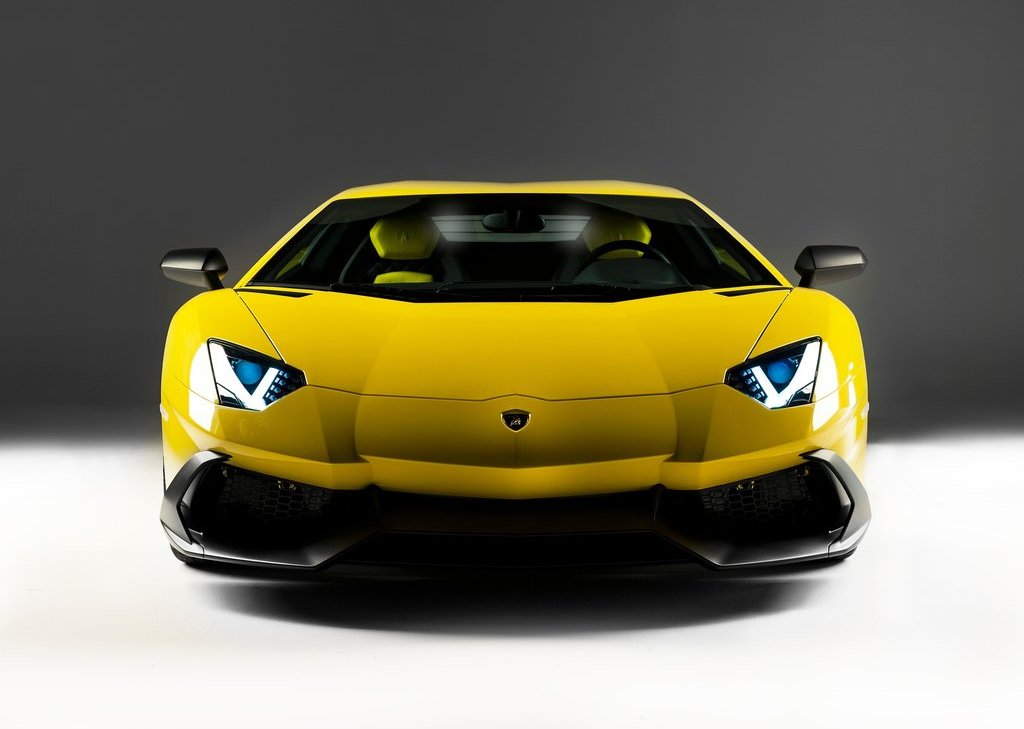
The Aventador LP 720-4 50° Anniversario, squeezes about 20 extra bhp from the 6.2-litre V12 engine of the base Aventador courtesy of different engine tuning. Apart from this, aggressive aerodynamic changes can be seen with an extended front splitter and a much larger rear diffuser (2009 Murcielago SV, anyone?). Lamborghini claims these aero changes have made it 50% more aerodynamic than the base LP 700-4 Aventador. It comes with the same wheels as the Aventador Roadster, 20″ in the front, 21″ in the back, all in glossy black.
The colour on the Aventador LP 720-4 50° Anniversario is inspired by the Lamborghini Miura; Lamborghini says yellow has been its most successful colour. Standard is a two-tone paint job with a bright yellow Giallo Maggio covering most of the car, and lower body panels painted matte black. However customers can have their car in any colour they want, courtesy of Lamborghini’s extensive personalisation programme.
The base Aventador LP 700-4 was launched in 2011 and a convertible roadster went on sale earlier this year. The Aventador is a mid-engine, all wheel drive supercar with a single clutch 7-speed semi-automatic transmission. It can hit a top speed of 217 mph (349 kmph) and can go from 0-100 kmph in 2.9 seconds.
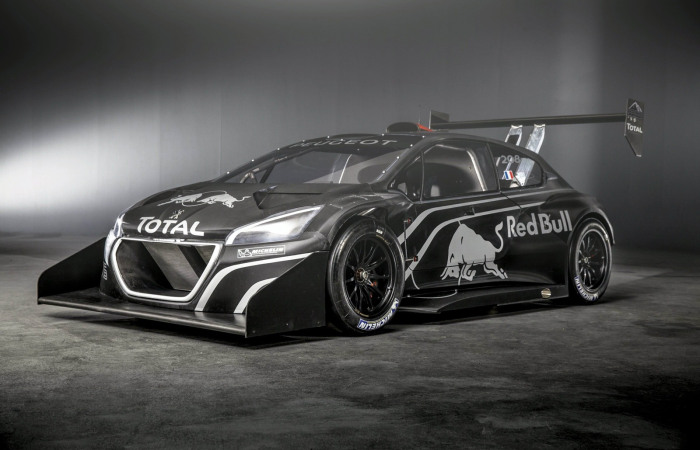
In 1988, former Finnish World Rally Champion (WRC), Ari Vatanen won the Pikes Peak International Hill Climb in a record-breaking time with his turbochargedPeugeot 405 T16. This famous feat was documented in an equally famous short film by Jean Louis Mourey called ‘Climb Dance’. Peugeot is now making a return to Pikes Peak after a 14-year absence with the stunning 208 T16. The radically designed car will be piloted by the most successful driver in WRC history and a record 9-time champion, Sebastien Loeb.
Beast. Red Bull gives you wings.
If Loeb was Batman, the 208 T16 would do a fair job of playing the batmobile. Save for the head and taillights, and the basic outline of the car, nothing is resemblant of the production Peugeot 208. Sporting extreme proportions, the body has been designed for maximum aerodynamic performance. The carbon body sports a massive rear wing borrowed from the Le Mans-winning Peugeot 908, and a gigantic splitter at the front evident of the focus on aerodynamics. The V6 turbo petrol engine has been tuned to produce more than 800 bhp to compensate for the loss in output as the air gets thin at high altitudes, and the Peugeot is fitted with 2 self-locking differentials so as to ensure that the right wheels get the power at the right time. Peugeot said performance specifications and final livery will be revealed soon. Whether it will retain the black exterior apparently is undecided.
The Pikes Peak International Hill Climb aka The Race to the Clouds, is an annual automobile and motorcycle hillclimb to the summit of Pikes Peak in Colorado Springs, USA. The 19.99 km long climb begins at a height of 1,440 m and ends at 4,300 m offering a different kind of challenge to racers and teams than usual track racing. It is now the second oldest motorsport event in the USA, with the first edition held back in 1916.
No petrolhead in the world needs an introduction to the Nissan GT-R. Disturbingly fast and ridiculously awesome, the GT-R holds a unique place in the world of motoring. Relatively practical and cheaper to the cars it’s usually compared with, the GT-R may just be Nissan’s only contribution to the world of supercars. This intoxicating cocktail of characteristics makes it a very interesting animal altogether, powerful and glorious, yet not the leader of the pack. However, the GT-R didn’t pop up in the middle of the night out of nowhere. It’s a carefully crafted successor to a long lineage of cars worthy of their own plaques in the automotive hall of fame. If you were unaware of the GT-R before just now, I’d like you to meet Godzilla.
It all began with the 1969 Nissan Skyline GT-R, the first ever to flaunt Gran Turismo Racer as its name. With a 2.0-litre 160 bhp engine, it was marketed alongside the Nissan R380 racecar, to showcase the Skyline’s racing heritage. A replacement came in 1973 but due to a gas crisis in the early 70s, demand for sports cars plummeted, and only 197 cars were produced. This was the last GT-R until 1989, when Nissan dropped the R32 on the world.
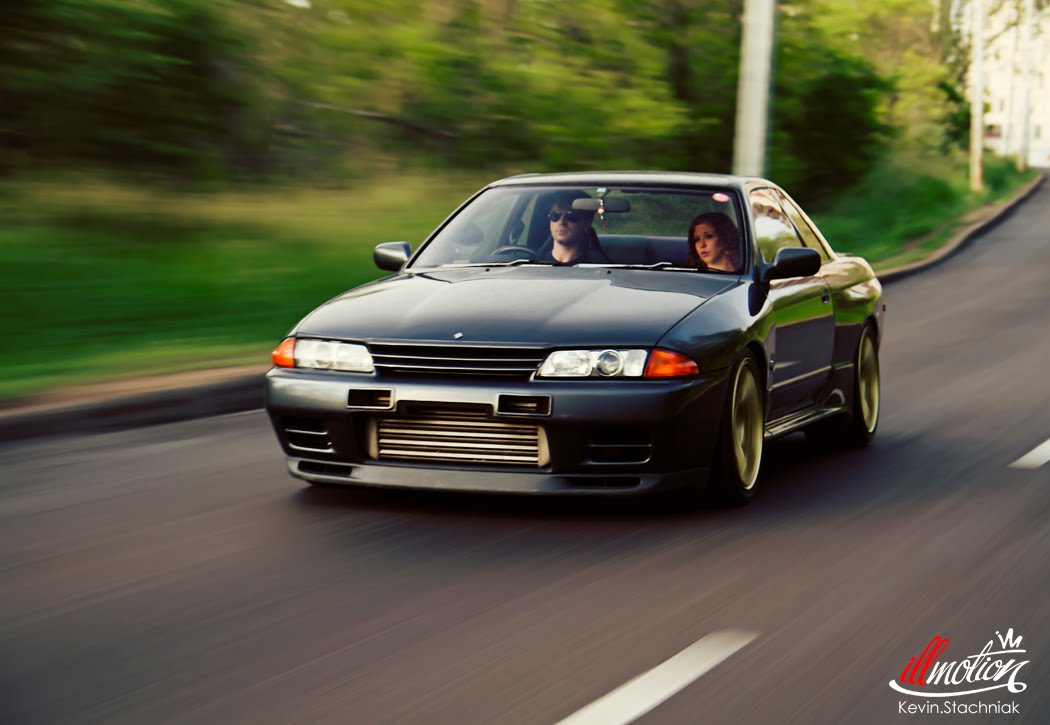
The Nismo R32 eats your car for breakfast. Image credit: illmotion.com
Nissan designed the GT-R R32 to dominate Group A racing. Regulations required the engine to multiply its displacement by 1.7 putting the Skyline in the 4000 cc class. This further required the use of 10-inch wide tyres, so Nissan developed a special all-wheel drive system to assist it with traction. Then they realised that this added a 100 kg of weight. What do Nissan do next? They decided to put a 2.6-litre engine in, compete in the 4500 cc class with 11-inch wide tyres and a new engine block. And the result? A beast of a car producing a mammoth 600 bhp. This kind of stuff only happens in storybooks, and at Nissan’s engineering labs.
The all-wheel drive system and the 2.6-litre made its way on to the production R32 GT-R. But due to Group A homologation rules, Nissan was required to sell a series of the Skyline GT-R which more accurately reflected the car they use in Group A racing. This series was launched in 1990 as the Skyline GT-R Nismo edition (Nismo or Nissan Motorsport being Nissan’s high performance division). 500 Nismo R32 Evolution models were sold to the public and 60 were held by Nissan to be made into race cars. A lighter car with an upgraded engine came with the GT-R N1 in 1991 designed for Group N racing. To celebrate the success of the R32 in both Group A and Group N racing, 1993 saw the introduction of an even higher performance model, the Skyline GT-R V-Spec (Victory Specification) and the V-Spec II in 1994. Performance stats like those of the R32 GT-R were unheard of in a car which cost less than $35,000. The R32 was a humongous success selling almost 44,000 cars.
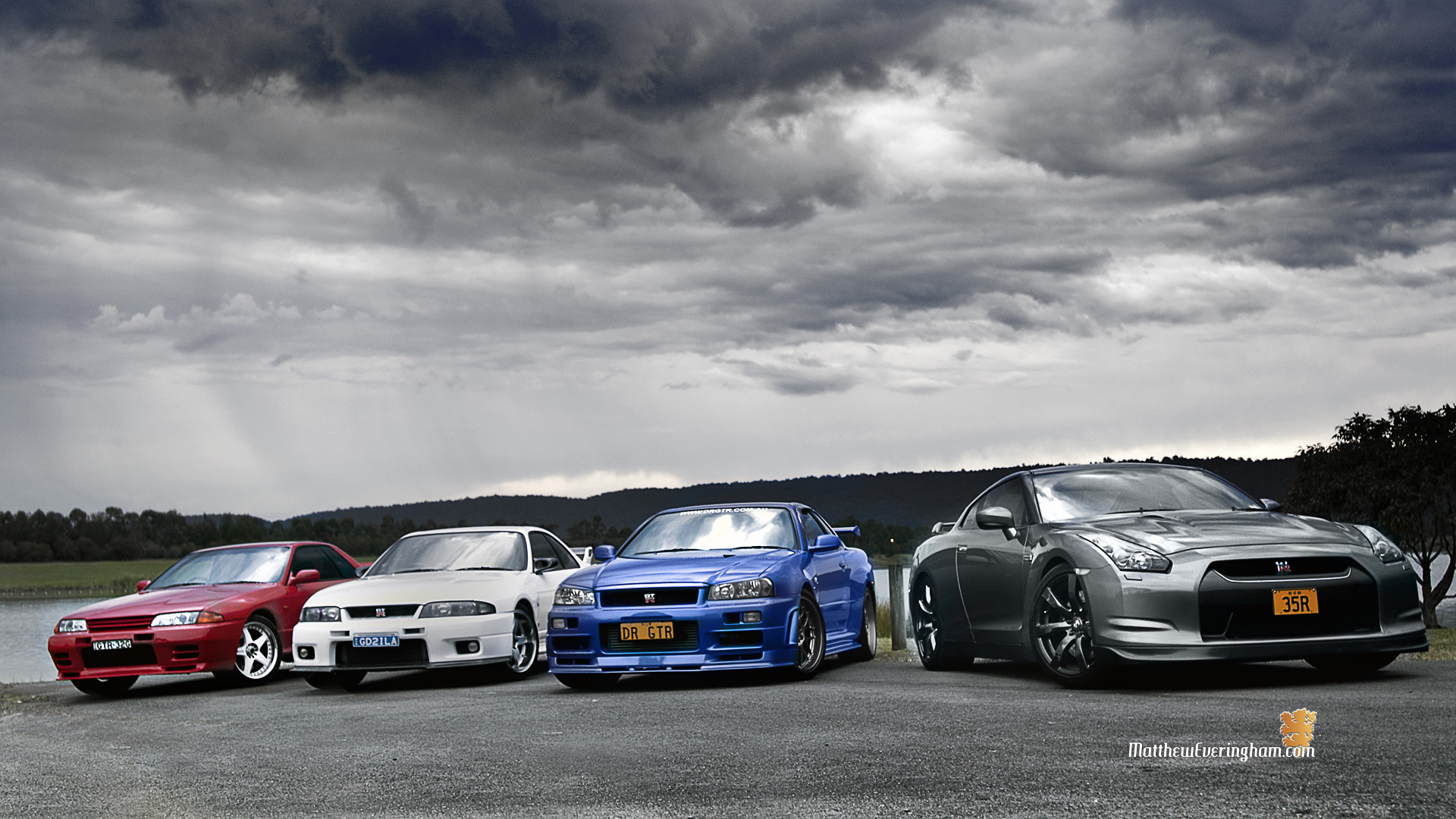
Image credit: Matthew Everingham
The R33 GT-R came in 1995 with a few powertrain refinements but the same engine as the R32. The V-Spec edition had a sport suspension with lower ground clearance, a new all wheel drive system with an active limited slip diff, and 4-wheel independent ABS. Late 1997 saw the arrival of the high performance Nismo R33 400R with an upgraded engine producing 400 bhp and 470 Nm of torque. Capable of hitting 97 kmph in 4.0 seconds and a top speed of over 300 kmph, only 44 400Rs ever saw the day of light making it a collector’s item. The R33 was the first production car to lap the hallowed Nürburgring racetrack in under 8 minutes.
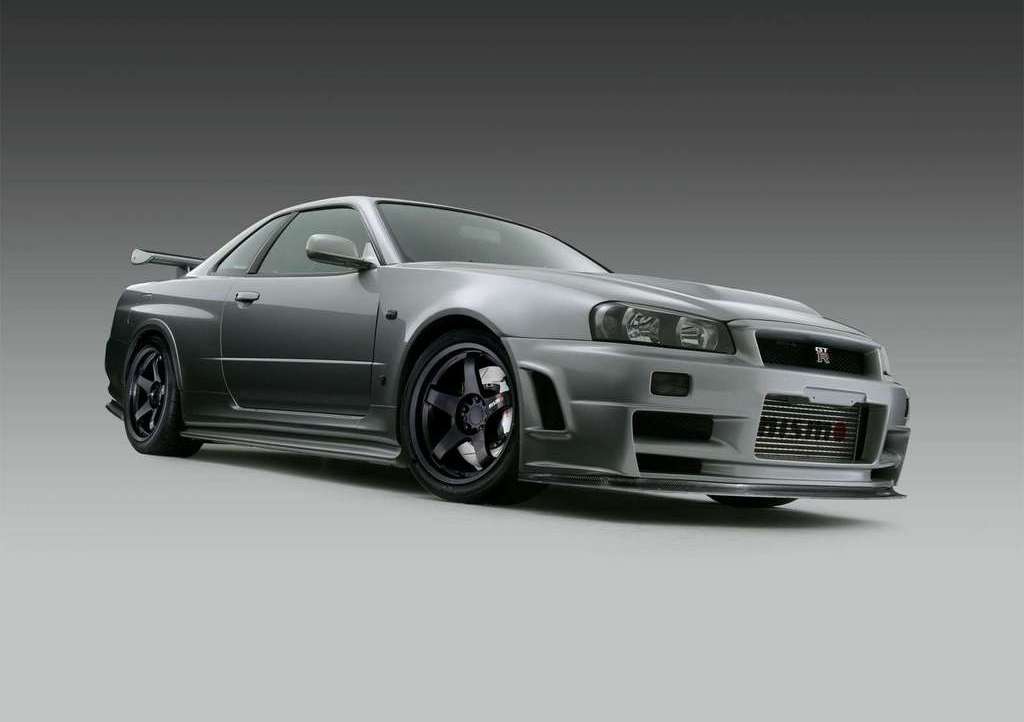
1999 saw the arrival of the arguably the most influential Skyline GT-R to date. The R34 Skyline GT-R and its numerous variants are the reason the GT-R name still exists today, and how. An instant hit with the growing tuner car culture in Japan and the US, the R34 was immortalised in pop culture through the Fast and the Furious films, the Initial D manga series and the Gran Turismo video games. The standard GT-R opted for a 2.6-litre engine and all wheel drive system. A major change was the 5.8″ multifunction display on the dashboard which tried to satisfy the inner geek in all of us by showing different live readings of engine and vehicle statistics. Multiple high performance variants were introduced such as the V-Spec and V-Spec II having racing suspensions, revised ECU maps and underbody diffusers. 2002 saw the coming of the GT-R V-spec II Nür and the Skyline GT-R M-spec Nür, named after Nürburgring where the Skyline was developed. The V-Spec II Nür had over 330 bhp under the hood, but due to its unbelievable tunability, tuners have been able to churn out over 500 bhp from even standard R34 GT-R’s. Over 3 years, the R34 was released in a total of 9 variants selling more than 12,000 cars.
Nismo Skyline R34 GT R Z Tune
The R34 was a real gamechanger for the Skyline range. The GT-R was suddenly an international underground phenomenon. Home-tuned street racer GT-Rs were popping up all over the States and Japan. It was successful on the track as well. People were amazed how Nissan had managed to milk so much performance from a relatively small engine and a relatively cheap mid-range car. There was genuine disappointment among the automotive world and genuine enthusiasts when Nissan announced in 2002 that the GT-R name would no longer be associated with the Skyline. The Skyline still exists in form of the Infiniti G35 range, but its not really a Skyline, is it? Tuners went back to their Toyota Supras, Honda Civics and Mitsubishi Evos quite baffled.
Once in a while a GT-R R34 V-Spec pops up in the ‘used cars’ section of the classifieds, and its not long before a 30 year old banker is standing in his garage with a spanner in hand, admiring the car he dreamed of owning when he was a 17 year old. As for the successor to the Skyline GT-R, Nissan had a few tricks up their sleeves. More on that in part II, to be out soon.
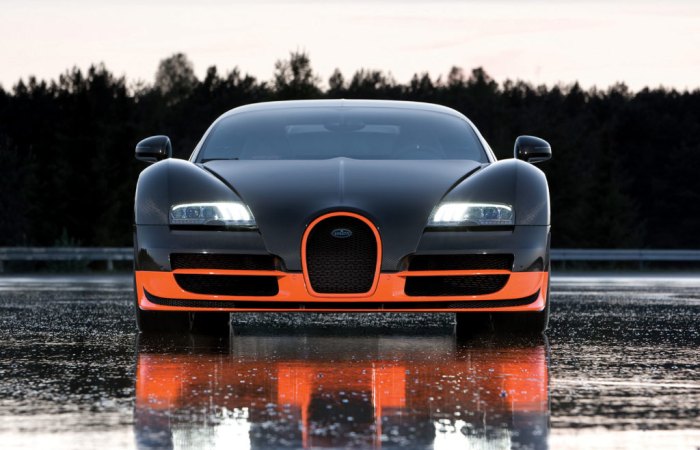
The record had been taken away after Guinness decided that the car used to achieve the 267.8 mph record speed didn’t qualify as a production car, since it had a deactivated speed limiter unlike the one sold to the public. With the speed limiter, the production Veyron SS was capable of hitting a ‘disappointing’ 258 mph.
Guinness gave the following statement to ‘Sunday Times’ of the UK explaining why the Veyron SS was given the title back,
Following a thorough review conducted with a number of external experts, Guinness World Records is pleased to announce the confirmation of Bugatti’s record of Fastest production car achieved by the Veyron 16.4 Super Sport. The focus of the review was with respect to what may constitute a modification to a car’s standard specification. Having evaluated all the necessary information, Guinness World Records is now satisfied that a change to the speed limiter does not alter the fundamental design of the car or its engine.
So Bugatti now owns both World’s Fastest Production Car and World’s Fastest Convertible speed records. But with the Hennessey Venom GT making waves, SSC’s Ultimate Aero TT and the awaited Tuatara as well as Koenigsegg’s claims of the Agera R capable of hitting 270 mph, expect this battle to heat up quickly.
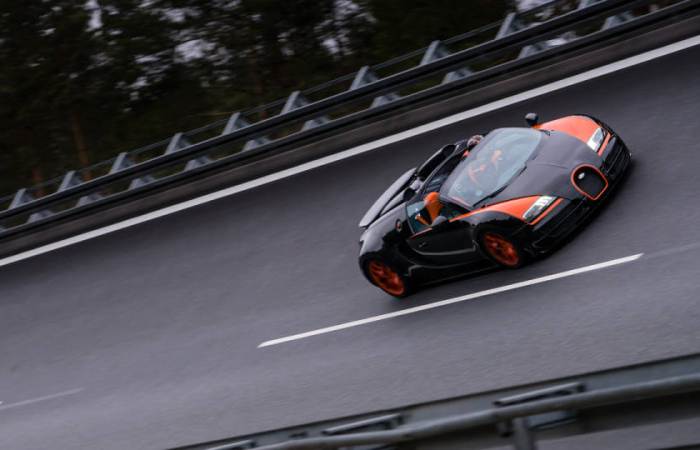
You win some, you lose some. The Bugatti Veyron Grand Sport Vitesse is now officially the world’s fastest drop-top, with a record speed of 254.04 mph (408.84 kmph). Remind yourself that this is a convertible, and that figure becomes more mind-numbing than ever.
The record was set at Volkswagen’s Ehra Lessien Test Track in Germany, which is one of the very few places on earth where a Veyron can be maxed out. Ironically, the run took place on the 6th of April 2013, the same day when the Bugatti Veyron Supersport was stripped of its fastest production car record by Guinness World Records.
The milestone will be celebrated with a limited run of 8 special ‘World Record Edition’ Grand Sport Vitesses costing €1.99m plus taxes. The world record setting car will also be on display at the Shanghai motor show, complete with the driver’s signature and top speed written on the door kickplate in silver marker.
Bugatti stated that the initial open-top speed target for the Veyron Grand Sport Vitesse was ‘just’ 233mph. However, when testing revealed that 400kph (248mph) would be possible, the engineers set about increasing their targets, with 254.04mph being the final result. Its all courtesy of the famous 8.0-litre, 16 cylinder Bugatti Veyron Super Sport engine having four turbochargers producing a jawdropping 1183 bhp.
Maserati is all set to revive the Ghibli name with a four door saloon, which was unveiled before its world debut at the Shanghai Motor Show later this month. The new Ghibli seems to be Maserati’s solution to broadening its brand appeal and increasing sales figures. Directly in competition with the likes of the Audi A6/S6/A7/S7, Mercedes Benz E-class and the Jaguar XF, the Ghibli will sit below the Quattroporte executive sedan in the Maserati lineup.
The big surprise in this whole saga is that the 2014 Ghibli will be available with a turbocharged 3.0-litre V6 diesel engine, making it the first diesel Maserati ever. According to the rumour mills, a Ferrari-derived, turbocharged and direct-injected V8 petrol engine will also be available, with a likely displacement of 3.8 liters making more than 400 bhp.
Maserati has confirmed that the Ghibli sits on a shortened version of the platform used for the Quattroporte and first looks suggest a very sleek and sporty approach by the charismatic Italian marque. Sporting headlights astonishingly reminiscent of the new BMW 3 series/4 series, Maserati is confident that the Ghibli will play significant role in its plan to achieve sales of over 50,000 cars a year.
More details will be released at the Shanghai Motor Show.