Author: Shivaank Rana

  • Indian Company Rolocule Launches Motion Tennis For iOS, Turns Your iPhone Into A Wii Like Console

    Indian Company Rolocule Launches Motion Tennis For iOS, Turns Your iPhone Into A Wii Like Console

    There are a lot of things that Apple has done since coming out with the iPhone that have turned the industry around. There are a lot of things that companies producing apps to be sold for Apple products that are helping to further the Apple stranglehold on the industry. 

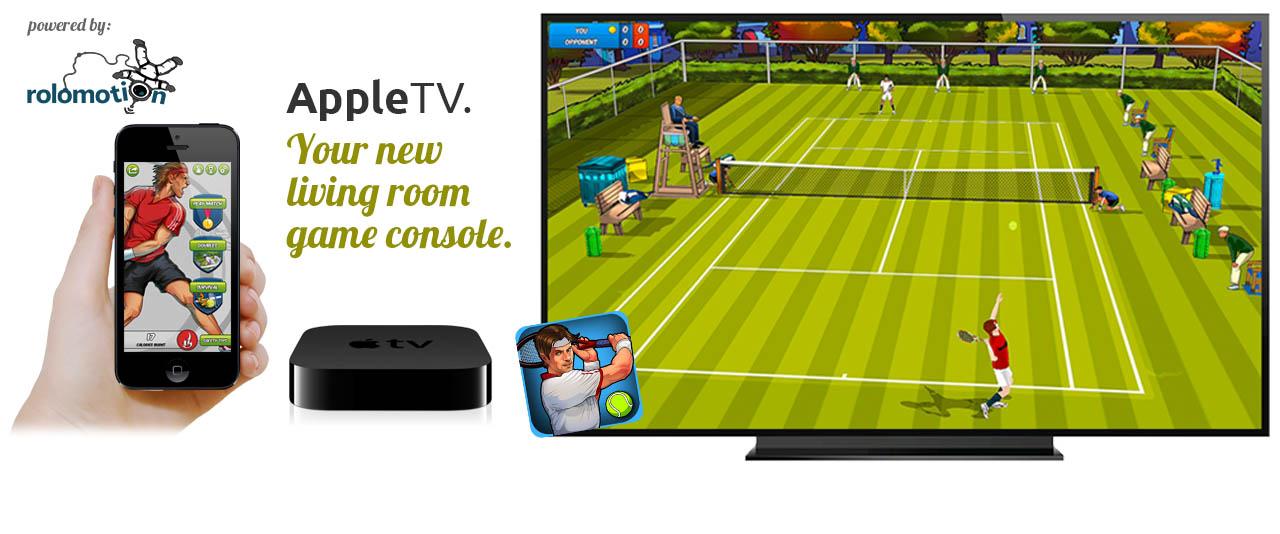
    Apple may not have turned the Apple TV into a console yet, but that hasn’t stopped one game developer from trying it, with Pune-based company Rolocule Games launching Motion Tennis, turning the iPhone into a Wii style motion-controller for the set-top box.

    As SlashGear reports, the game relies on AirPlay Mirroring, more commonly associated with screen sharing, but used by Rolocule Games to translate gyroscope and accelerometer data from how the iPhone is swung into Wiimote-like motion information to control the virtual players on-screen.

    The game works just as that Wii title does, as the player swings his or her iPhone in order to make the player on screen swing. The game uses the iPhone’s accelerometer in order to determine how the player is holding the iPhone and, in turn, translates a swing and hit into a normal shot, a slice or a lob.

    The game is available in the app store for $7.99 (you will also require an Apple TV to play the game) in the App Store and despite its unique gaming perspective, users will be able to play multiple functions including single player versus the computer with four different difficulties, a co-op doubles match with two human players going against two computer players and a final mode of survival. In survival, the first player to miss a point loses the match. 

    The game studio, based in India, has previously released a series of touch-based tennis, badminton and squash games. Motion Tennis is new in that it brings gameplay to the television using motion gestures.

    Rolocule’s Linkedin page description reads : Rolocule Games is an award winning game development and research studio located in Pune, India. Its mission is to entertain universally, by blending technology with art and creating most enjoyable experience for everyone and strongly believes that art and technology often creates magic.

    We’re glad to see an Indian company gaining accolades world-wide for a truly innovative concept. Well done. 
  • Apple, TSMC Ink Deal Involving A-Series Chips For iOS Devices Starting 2014

    Apple, TSMC Ink Deal Involving A-Series Chips For iOS Devices Starting 2014

    The Wall Street Journal is reporting that Apple has inked a deal with TSMC (Taiwan Semiconductor Manufacturing) for the company to produce iPhone and iPad processors starting in 2014.

    The deal was closed after the company met requirements from Apple regarding their speed and power usage. Samsung will remain Apple’s primary supplier for these components through 2014, according to TSMC executives. Apple is one of Samsung’s biggest customers for processors and memory chips. But the two firms compete directly in the mobile-phone market and have spent the better part of the past two years suing and countersuing over the look, feel and features of their gadgets.

    The report states that TSMC plans to start producing the chips in early 2014 using 20-nanometer technology, which would make chips smaller and more energy efficient.

    The two companies have been discussing their arrangement since 2010, with serious discussions on the process of creating the chips starting in 2011.   

    TSMC executives told the WSJ that Apple had asked to either invest in the company or to have TSMC set aside a factory specifically for Apple chips. Executives said they had denied both options because they wanted to keep TSMC’s independence and manufacturing flexibility intact.

    We’ll see how this deal plays out for Apple and Samsung, it’s definitely worth keeping an eye on.

  • Digg Reader Goes Official, Android App Pending

    Digg Reader Goes Official, Android App Pending

    Betaworks, the company that bought news site Digg last summer for $500,000, launched its eagerly anticipated Reader app today.

    Digg Reader had launched in beta on June 26, rolling out first to survey participants, then to the entire pack of early-access users.

    “This beta version is aimed first and foremost at Google Reader users looking for a new home in advance of its imminent shutdown,” the Digg team wrote in a blog post.

    The company has been cranking away at its software, having made the iOS app available earlier this month. Now the the Web version is available, with only the Android app pending. Digg’s iOS app has been updated to include the newly launched Digg Reader. This includes the ability to import your current Google Reader feeds right into the app.

    Google announced in March that it would shut down the RSS reader, blaming a decline in use. This led to a plethora of other companies ramping up their efforts in creating the perfect replacement. 

    A Google account will be required to sign up for Digg Reader, and RSS subscriptions can be pulled in with ease. Once subscriptions are set up, uses can Digg and save stories as they like, or share links to Facebook and Twitter.

    A post on the Digg blog stated: “Once you connect your Google Account, you’ll find all of your feeds and folders set up and ready to go,” the blog post notes. “And even if you’re not a Google Reader refugee, come on in! You can build up your list of sources by browsing recommended publishers or searching for feeds via the ‘Add’ button.”

    The iOS app is still pretty new and doesn’t include a lot of options. That said, it’s a simple RSS reader that handles the import from your Google Reader account just fine. Since it’s integrated into Digg’s app, it’s just an update, and you can snag it right now.

  • BlackBerry CEO : BlackBerry Messenger Coming to iOS and Android ‘Before the End of Summer’

    For those millions of eager iOS and Android users who are dreaming of a day that you’ll be using BBM on your device you’ll have to a bit longer. During the quarterly call, CEO Thorsten Heins stated that BBM for iOS and Android will be released “before the end of the summer.”

    It was originally rumored that BlackBerry Messenger would make its way to iOS and Android on June 27, but obviously that didn’t happen. 

    T-Mobile UK confused the entire Internet as they released a teaser image of BlackBerry Messenger running on a Samsung Galaxy S3 announcing BlackBerry’s popular messenger would be making its way to both iOS and Android on June 27. 

    Competing with top messaging services like WhatsApp, Viber, Google’s Hangouts and Apple’s iMessage, BlackBerry is betting on its messaging platform to stay relevant, and hopefully, to keep consumers engaged on its product and services. Blackberry Messenger allows users to communicate by text through data connection instead of traditional SMS text charges. It is also faster than traditional texting.

    The app will be free and will work with devices running iOS 6 or later and Android OS 4.0 (Ice Cream Sandwich) or higher. At first, Blackberry Messenger for iOS and Android will be limited to messaging and groups, but, later, an update will bring other popular BlackBerry features, including BBM Voice, screen share, and BBM Channels. 

    Also, Blackberry had promised a BlackBerry 10 update for its aging PlayBook tablet, which was released over two years ago, but has reneged on the offer. According to CEO Thorsten Heins, the device just never felt right with the test versions of BlackBerry 10. The experience was not up to the company’s high standards. This is likely due to the older dual-core Cortex-A9 architecture of the 1Ghz Snapdragon chipset, along with the monumental task of having to re-engineer core aspects of the BlackBerry 10 experience.

  • HTC One Google Edition ROM Now Available For Rooted Devices

    HTC One Google Edition ROM Now Available For Rooted Devices

    If you’re an HTC One owner and are not entirely enthused by the Sense 5.0 experience, especially since it runs atop older Jelly Bean software, you’re in luck.

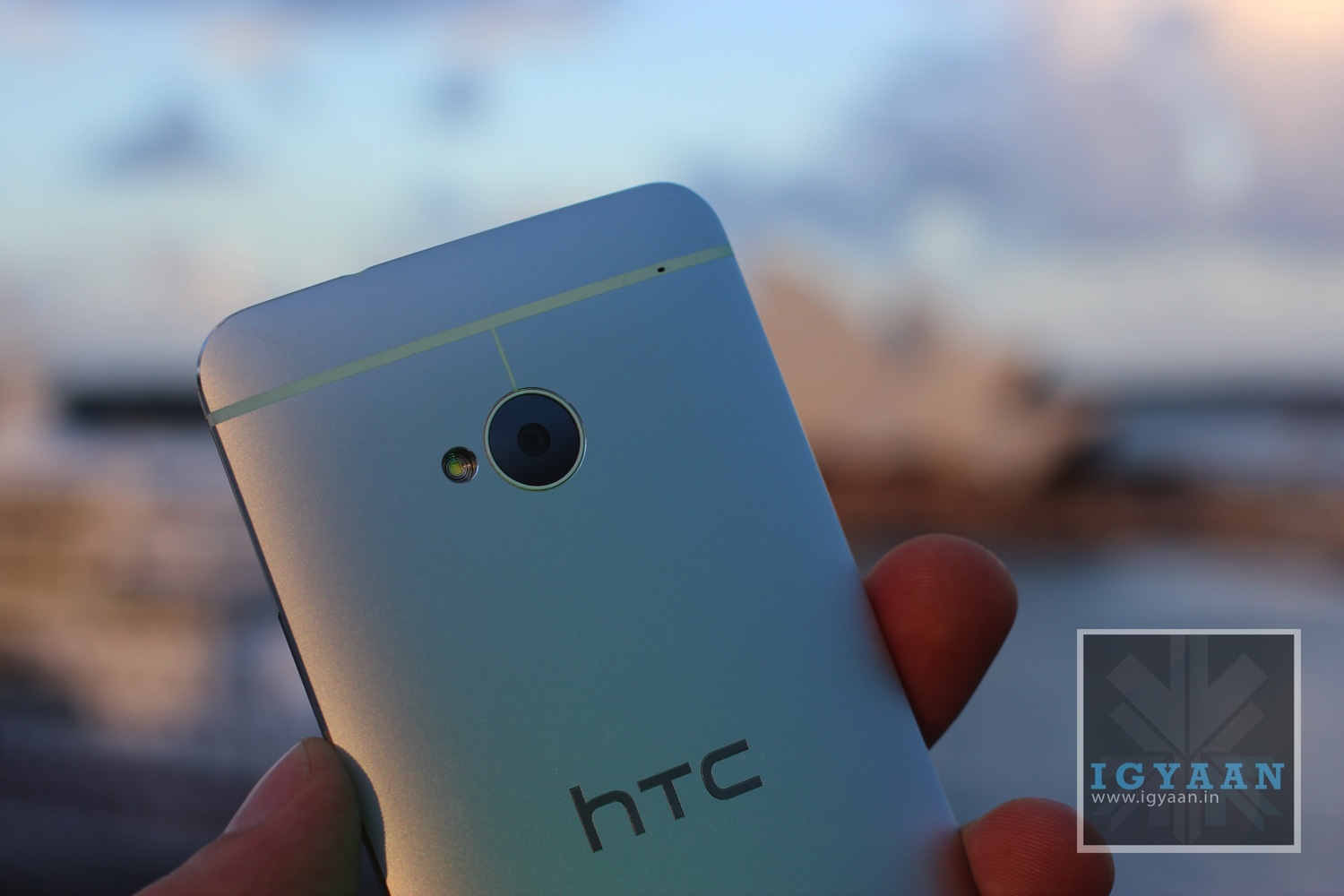
    A flashable version of the HTC One Google Edition is now available to download, and it appears to mimic the experience that U.S. buyers will have when their phones begin arriving on July 9th. The ROM was built from a system dump uploaded by Android Central’s Jerry Hildenbrand and has been altered slightly to be compatible with all HTC One models, but is otherwise unchanged.

    The new HTC One Google Edition ROM will work with the GSM version of the HTC One, and it will give your handset the same experience you would get on the Google Play edition of the HTC One.

    Notable improvements include lockscreen widgets and Photosphere, along with an improved stock camera app. You’ll have to already have an unlocked bootloader and/or S-OFF, and a custom recovery, along with the know-how to install it.

    If you’re interested, head to XDA-Developers and get downloading.

    Meanwhile, the team at Sammobile claim to have an early 4.3 build for the Samsung Galaxy S4. They claim that this is from a Google Play Edition variant of the S4, and the build is completely functional when tested on other Galaxy S4?s, but there’s no way to verify the validity of the claim. Since Google has not yet announced Android 4.3, and it doesn’t seem that there are any significant changes to the OS, this could well be a very clever fake with an edited build.prop to say 4.3.

  • Micromax Canvas 4 Pre-Orders Begin

    Micromax Canvas 4 Pre-Orders Begin

    The next big thing from Micromax, the Micromax Canvas 4, is now up for pre-order on their official website.

    To pre-order the Micromax Canvas 4, you will have to pay an initial amount of Rs. 5,000. When the device is officially released, on July 8, customers will have 7 days to pay the rest of the amount (If the consumer fails to pay the remaining amount by 15 July, the order gets automatically cancelled), which is rumoured to be around the Rs. 15,500 price mark.

    The official specifications and other details of the phone, including the price, will be revealed on July 8th. Micromax has also said that consumers will also have the option of cancelling their orders, but only between 8 – 15 July. 

    The Micromax Canvas 4 will start shipping on July 10, and Micromax is promising to deliver your unit within 7 business days thereafter. You can check out the rest of the terms of pre-booking on Micromax’s website.

    micromax canvas 4

    While there is no real news on the Micromax Canvas 4 we expect the following specs :

    • 5 inch Full HD 1920 x 1080p Display
    • The Mediatek 6589 chipset (Quad core)
    • 8 – 16 GB inbuilt storage
    • 2 GB RAM
    • 13 MP camera
    • 2-5 MP front camera
    • Dual Sim capability 
    • Android 4.2.2

    micromax canvas 4

    Micromax has also teased a new feature of the Canvas 4 and people suspect that users can blow to unlock the screen and need not have to come in contact with the smartphone. 

  • Apple Patents New Multifunction Port Which Combines USB and SD Card

    Apple Patents New Multifunction Port Which Combines USB and SD Card

    Apple is known for slimming down its hardware and removing anything it feels can be avoided. The company was one of the first to begin the push away from optical media. Now, in line with its design ideology of slimming down on buttons and ports and replacing them with a flat, sleek exterior, Apple has filed a patent to combine the standard USB slot with the standard SD card slot into a single new hybrid port. 

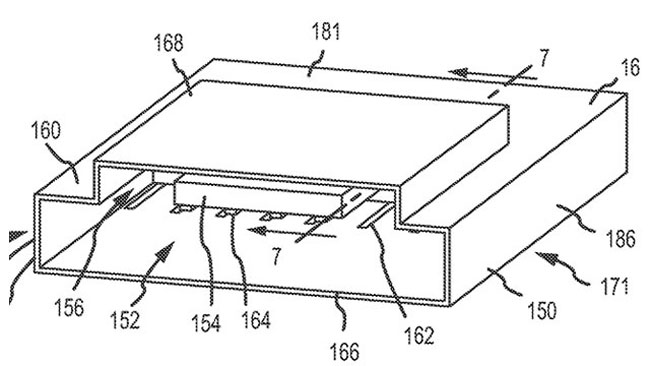
    The patent, which was originally filed in December 2011 and published earlier today, refers to a “combined input port” that would let Apple put SD card slots onto even its smallest 11-inch MacBook Air, which currently comes equipped with just USB and Thunderbolt ports. The new technology could also lead the way to thinner versions of the larger 13-inch MacBook Air and MacBook Pro models. It could also provide a way to add additional ports to the side of a MacBook, since there won’t be a need to separate the card reader from a USB port.

    “A first set of contacts is positioned on the substrate at a first depth into the receiving aperture” Apple’s application explains, “and a second set of contacts is positioned on a first surface of the outer wall at a second depth into the receiving aperture.” In the image below, of the port in cross-section, a USB plug is inserted and makes contact with the first set of contacts.

    apple

    It’s unclear if the patent, which was filed almost two years ago, will be implemented in the next generation of Apple laptops. Patents don’t always lead to a final products, so Apple could have ditched this idea long ago.

    [Via]

  • Google Begins New Program To Loan Out Street View Trekkers

    Google Begins New Program To Loan Out Street View Trekkers

    Google has announced that they are opening up their Street View Trekker program to third-party non-profits. Google is looking to expand Street View imagery off the beat path. To do this, they need to take their Trekker backpacks by foot into areas not accessible by cars or other imaging devices.

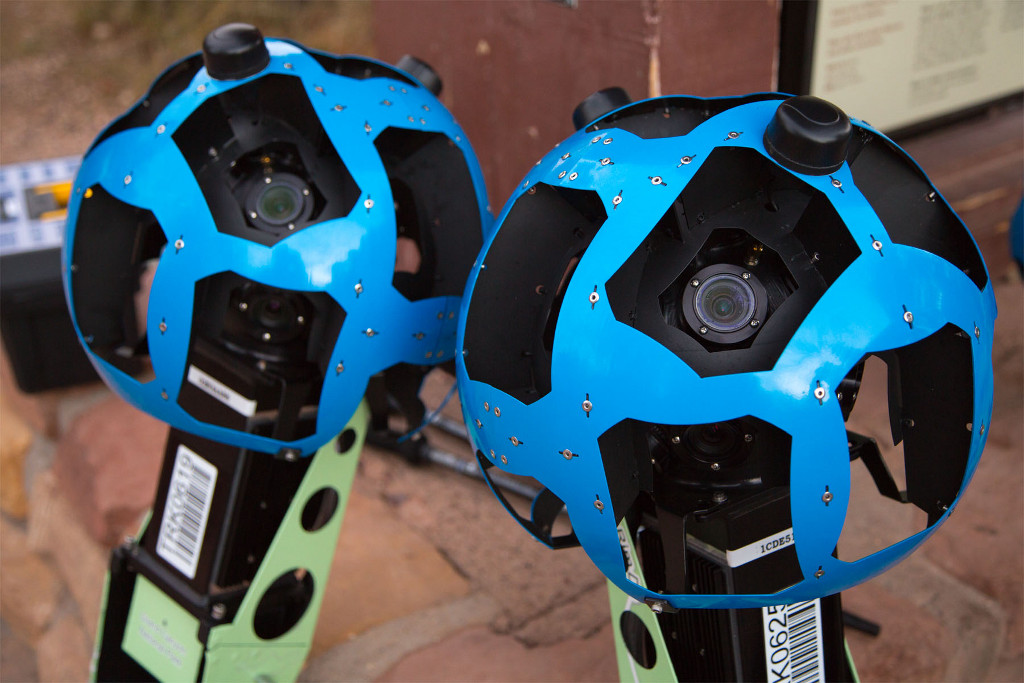
    The Street View Trekker is a compact version of the same tech used in Google’s Street View cars. The pièce de résistance is a 15-lens camera, mounted atop a spire-like appendage, that can capture 46MP images.

    “With 360-degree interactive imagery of the islands, people all over the world can see and explore the beautiful islands before they go, including some remote and hard-to-reach places they may never have discovered on their own,” Google Street View program manager Deanna Yick wrote in a blog post.

    Until recently, only Google and select third parties got the opportunity to strap on a Street View Trekker, but now interested organizations can fill out a form to line up for a chance at borrowing one. If you snap top-notch stuff, Google may add your work to its Street View collection, which includes the Galapagos and the Grand Canyon.

    As SlashGear reports, the loan scheme is open to tourism boards, non-profits, government agencies, universities, and research groups, with Google asking for details on proposed visits, expectations around what sort of photography might be captured, and why it’s thought that it could benefit Street View. There’s also the thorny matter of whether special permissions are required. “Even for public parks we often need to get written permission, legal releases and/or filming permits from the organization that manages the site” Google points out.

    In typical Google style, the company has a YouTube video for the new initiative:

    [youtube id=”SuiEmxDklKw” width=”100%” height=”300px”]

  • Google Street View Maps Gunkanjima, The Freaky Abandoned Island That Inspired Skyfall

    Google Street View Maps Gunkanjima, The Freaky Abandoned Island That Inspired Skyfall

    If you’ve seen 007 : Skyfall then we’re sure you must have noticed the eerie island where Raoul Silva operated from. Well, now you can take a virtual tour of that island, called Gunkanjima (Japanese for Battleship Island, due to it’s resemblance) thanks to Google.

    Gunkanjima is one among 505 uninhabited islands in Nagasaki Prefecture about 15 kilometers (9 miles) from Nagasaki itself. The island was populated from 1887 to 1974 as a coal mining facility. 

    Gunkanjima
    The island is called Battleship Island because of it’s resemblance to a military warship.

    It is known for its coal mines and their operation during the industrialization of Japan. Mitsubishi bought the island in 1890 and began the project, the aim of which was retrieving coal from undersea mines. They built Japan’s first large concrete building (9 stories high), a block of apartments in 1916 to accommodate their burgeoning ranks of workers.

    Concrete was specifically used to protect against typhoondestruction. In 1959, the 6.3-hectare (16-acre) island’s population reached its peak of 5,259, with a population density of 835 people perhectare (83,500 people/km2, 216,264 people per square mile) for the whole island, or 1,391 per hectare (139,100 people/km2) for the residential district.

    Gunkanjima

    As petroleum replaced coal in Japan in the 1960s, coal mines began shutting down all over the country, and Hashima’s mines were no exception. Mitsubishi officially announced the closing of the mine in 1974, and today it is empty and bare, which is why it is called Ghost Island. Travel to Hashima was re-opened on April 22, 2009 after 35 years of closure.

    Despite being off-limits to travellers, the island has become an irresistible magnet for urban explorers who go to extraordinary lengths to investigate and photograph the island’s abandoned buildings.

    Google is giving users 360° panoramas of Battleship Island, and some of the imagery collected with the Google Trekker goes beyond the cordoned-off areas for tourists and into paths that are off-limits. It still remains illegal to venture inside the city’s walls, meaning urban explorers must go to great lengths to covertly trespass the island.

    The crew of Skyfall couldn’t film on the island itself due to its dangerous state of disrepair, so production designer Dennis Gassner visited the island instead and recreated a section at Pinewood Studio in the UK, with other parts rendered digitally.

    You can watch the video below.

    [youtube id=”c5kmKO_gGsc” width=”100%” height=”300px”]

  • Facebook Announces Beta Program, Lets You Test Android App

    Facebook Announces Beta Program, Lets You Test Android App

    Facebook is going head-on into the path of most resistance when it comes to Android. Its main app has been the butt of jokes since it was launched, and even since it went native in 2012 the company has endured scrutiny for poor performance.

    Today, Facebook has announced plans to combat such scorn with the launch of a beta program for its main app. By partnering with Google Groups and the Google Play Beta Program, Facebook will allow users to sign up for the beta program, giving them access to the new app through official means — Google Play itself — as opposed to download an APK and overwriting the original file.

    Google announced support for an extensive and granular alpha and beta program at its developer conference in May, allowing third-party developers to use Google Groups or Google+ to officially distribute tester versions of its apps through the Play Store. Customers like Falcon Pro, Plume, Sliding Messaging and Flesky, among others, have already taken part.

    In a blog post today, Facebook said of Android: “Facebook is the most-downloaded app in the Play Store, so we need to make sure it works for everyone, no matter their amount of RAM, network conditions, or version of Android they might be using. We want to make sure we’re always optimizing their experiences. With so many use cases to solve, testing becomes crucial to ensuring positive, consistent experiences across Android.”

    In other words, Facebook wants early adopters, across a variety of devices, form factors and network speeds, to be the guinea pigs for its Android team. Recently, the company released Facebook Home, a launcher replacement for a small subset of Android devices running Ice Cream Sandwich or above. The reception was tepid at best, but the social networking giant, which surpassed 750 million mobile users recently, has promised to work out the kinks in monthly updates.

    So too will it endeavour to fix the issues plaguing many Facebook for Android users. Notably, the app scrolls slowly and renders images at glacial speeds. Early indications point to dramatic improvements in the first beta version, along with some neat updates to the interface. For example, it’s possible to open the left- and right-side menu bars by swiping in from either side. This was previously only possible by tapping a button at the top left or right of the interface.

    To join the beta program, follow the following instructions. Once joined, downloading an update from the Play Store will replace the original Facebook app. Most users won’t notice much of a difference at first, but Facebook promises monthly updates.

    1) Join the Facebook for Android Beta Testers Google group
    2) Allow beta downloads by clicking Become a Tester in the Play Store (you need to join the Google Group before becoming a tester)
    3) Download Facebook from the Play Store to update your app
    4) Join the Facebook for Android Beta Testers group on Facebook to tell us what you think

  • Instagram CEO : Instagram For BlackBerry, Windows Phone Not Coming ‘Anytime Soon’

    Instagram CEO : Instagram For BlackBerry, Windows Phone Not Coming ‘Anytime Soon’

    Instagram is currently available via the web, or as a mobile app on the iPhone and Android devices. Knowledgable BlackBerry 10 users can unofficially get in on the fun and port the Android version over to their Z10, Q10 or Q5. There has also been several attempts to bring Instagram to Windows Phone, mainly begging by Nokia, but the Facebook-owned company has no imminent plans of a releasing a native app on either platform.

    It took the iOS-only service roughly 18 months–and 25 million users–to launch on Android, in early 2012, making it one of the operating system’s most anticipated app releases. Since then, the company has been acquired, introduced a slew of new features including video, and yet still has not migrated to other platforms.

    According to an article in Fast Company, CEO Kevin Systrom was asked if they’d be bringing the app Google Glass. “We’re not yet on BlackBerry or Windows Phone, so I think those will come before Google Glass… I’m not saying those will come anytime soon. I’m just saying that in order of priority, the way we evaluate where to expand to is really simply where our users are, and where the growth is. It took us a very long time to get to Android.”

    This is not the first time a popular app developer has shunned BlackBerry and Windows Phone. Netflix also stated the same reply of ‘we go where our users are.” Instagram has amassed over 130 million active users who’ve uploaded 16 billion photos and 5 million videos.

    Instagram has more than 100 million monthly active users on Android and iOS. The company recently added a video-sharing feature to help the service better compete with Twitter’s popular Vine app.

  • Google Updates Maps And Google Earth, Removes Clouds, Adds 800,000 MP Worth Imaging

    Google Updates Maps And Google Earth, Removes Clouds, Adds 800,000 MP Worth Imaging

    Google’s attempt to compress the entire world’s streets, websites, businesses, and countries into one comprehensive database got another boost today with the announcement of an updated version of Google Maps’ Earth view. 

    Google have updated their popular Google Maps and Google Earth with 800,000 megapixels of new imagery.

    Google Earth

    Google Earth for Android or iOS now features a new user-interface and Street View imagery, enabling explorers to virtually browse the Earth from street-level straight from their handsets.

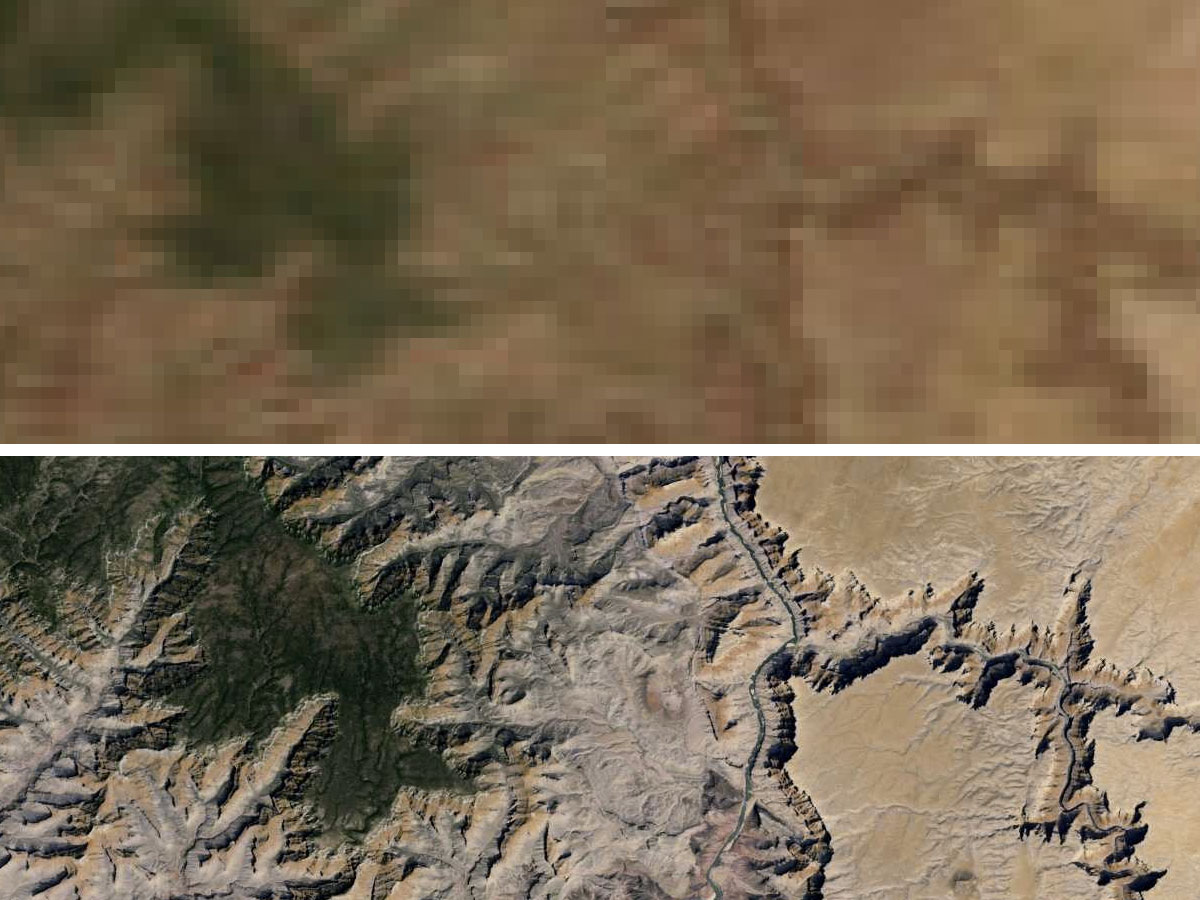
    “We’re unveiling new satellite imagery for all Google mapping products today. This stunning new imagery of the earth from space virtually eliminates clouds, includes refreshed imagery for regions of the world where high-resolution imagery is not yet available, and offers a more comprehensive and accurate view of the texture of our planet’s landscape,” wrote Matt Hancher, Tech Lead for Google Earth Engine in a blog post.

    The updated app brings a new streamlined interface, where a tap on the Earth logo in the top-left corner serves up informative layers like Panoramio Photos and Wikipedia. Google Earth also features improved directions, allowing users to “visualise step-by-step transit, walking and biking directions in full 3D”, according to a post on the Google Lat Long blog.

    Google Earth

    The new imagery offers a nearly cloud-free snapshot of the entire planet, providing unobstructed views of Earth’s topography, as well as more detailed looks at previously low-resolution areas of the map.

    Thanks to hundreds of terabytes of data swiped from the USGS’s and NASA’s Landsat 7 satellite, zooming out to a global view now fills your screen with 800,000 megapixels of pristine, cloudless Earth. Plus, multiple regions have been bestowed with refreshened imagery including Russia, Indonesia and central Africa.

    Google said the new Landsat 8 satellite, which launched earlier this year, would capture even more up-to-date imagery in the months and years ahead. Users can access the new satellite imagery by going to Google Maps and turning on satellite view or by launching Google Earth. 

  • PlayStation 3 Firmware 4.46 Now Available, Fixes Bricking Issue

    PlayStation 3 Firmware 4.46 Now Available, Fixes Bricking Issue

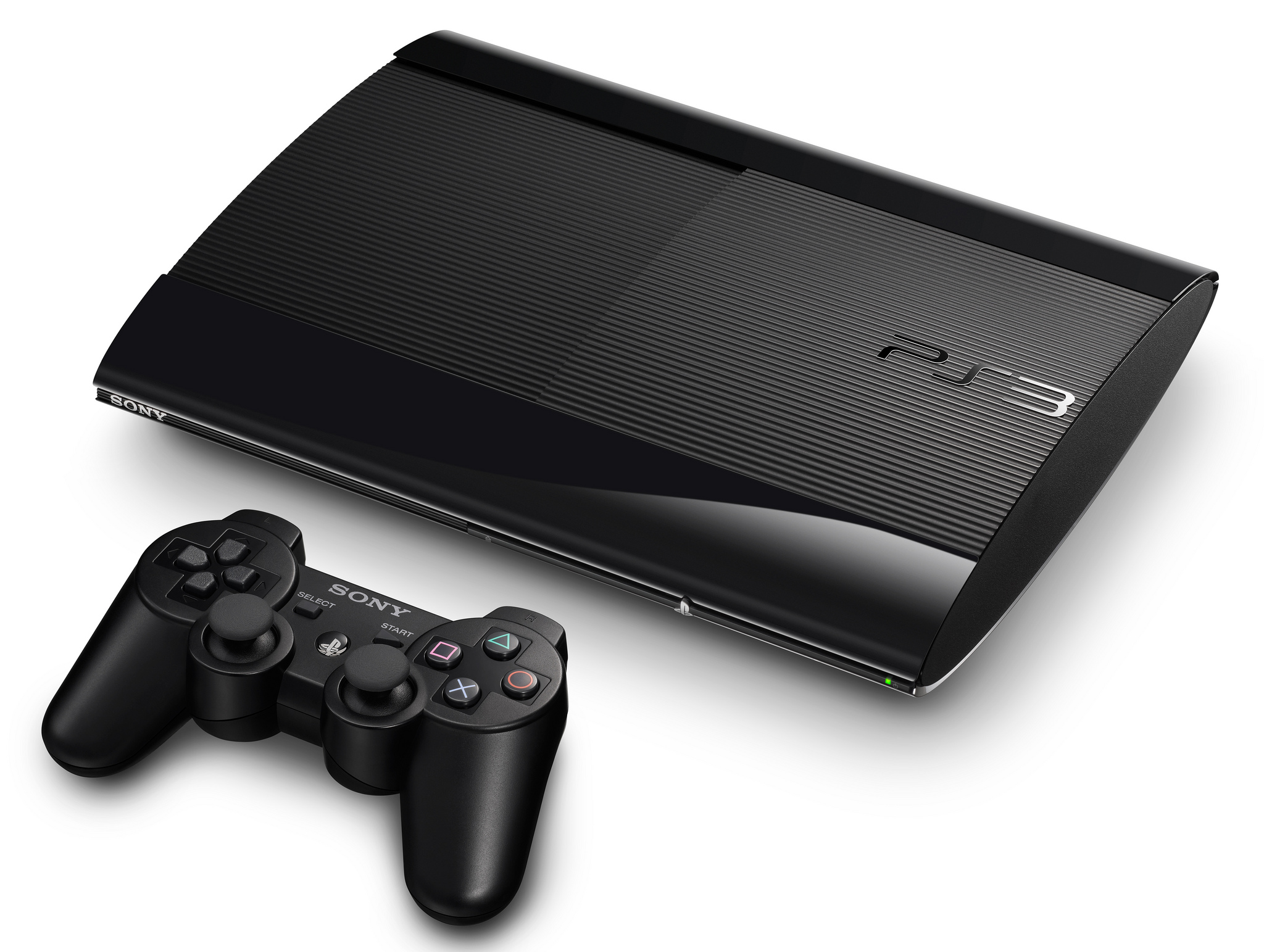
    If you were one of the few unfortunates affected by firmware 4.45?s perfidy (you’ll know, because your console won’t load the XMB) don’t despair; a fix is here.

    Firmware 4.46 is now available for download and can be applied on PlayStation 3 units that were soft-bricked by the earlier update using a special technique.

    If you’re trapped on the “ribbon” screen, you’re going to need a USB stick with at least 168MB free space, and to download the new 4.46 firmware using a PC.

    Over on the official PlayStation support website, Sony explains how to enter the PlayStation 3 Safe Mode to initialize the updating process without XMB access. We’ve republished the instructions below:

    Step 1: Manually Download System Software

    1. You will need a USB Mass Storage device such as a USB flash drive with at least 168 MB of free space. If your PlayStation 3 is either CECHA00/CECHB00 series model, you can also use Memory Stick™, SD Memory Card, and CompactFlash®.
    2. Create a folder named “PS3” on the storage media or USB device.
    3. Within the PlayStation 3 folder, create a folder named “UPDATE”.
    4. Using your computer, click the following hyperlink to begin downloading system software 4.46
    5. Download the update data from the webpage and save it in the “UPDATE” folder.
      • Location: Save in the “PS3” folder > “UPDATE” folder
      • File name: Save as file name “PS3UPDAT.PUP”

    Note: If the data is not saved in the correct way, the PS3 will not recognize the update data. The folder name must be in all uppercase letters.


    Step 2: Activate Safe Mode

    1. With the PlayStation 3 off (power light should be red), touch and hold the Power button, you will hear the 1st beep indicating that the PS3 is powering on.
    2. Continue to hold the power button, and after approximately 5 seconds you will hear a 2nd beep.
    3. Continue to hold the power button and after 5 more seconds you’ll hear a 3rd beep, and system will power off (Power light goes red).
    4. Release power button.
    5. Touch and hold the Power button, you will hear the 1st beep, again for PS3 power on.
    6. Continue to hold and after approximately 5 seconds you will hear the 2nd beep for video reset.
    7. Continue to hold and after 5 seconds you will hear a quick double beep.  At that point release power button. 
    8. If you succeeded in activating Safe Mode, you will see a message on screen saying, “Connect the controller using a USB cable and then press the PS button”. 
    9. Connect a controller to the PlayStation 3 with a USB cable.

    If you were not able to get into Safe Mode, your system may need service. Please contact us for further assistance.


    Step 3: Manually Update PS3 Software

    1. Connect the storage media to PS3 system.
    2. Select [6 – System Update] and Press X.
      • Please note: Data and settings may be deleted if you choose any of the first (5) options. Please make sure to only choose option [6 – System Update].
    3. Press Start and Select at the same time.
    4. The PS3 system will restart and recognizes the update file in the storage media.
    5. Press right on the d-pad to scroll through the update description and user agreement.
    6. Press X to confirm the update.
    7. The system will now install the new system software and restart automatically upon completion.

    [Via]

  • Microsoft Launches Windows 8.1 Preview

    Microsoft Launches Windows 8.1 Preview

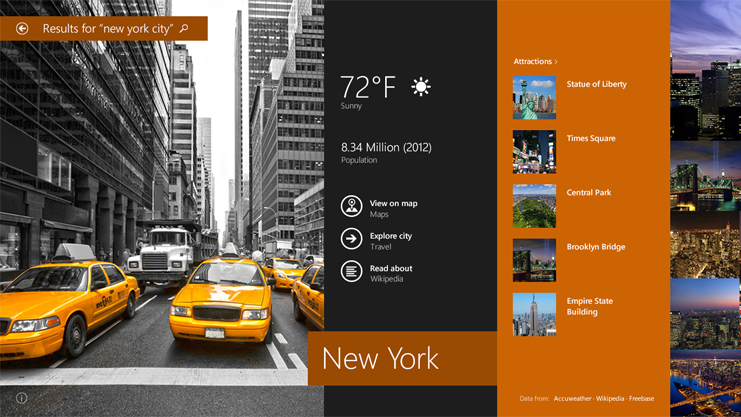
    Microsoft has launched its long-awaited “Blue” update for Windows 8, now dubbed Windows 8.1, in Preview form today for early adopters. Major improvements include improvements to the Start Screen, the addition of a permanent Search button in the Charms menu, new versions of Internet Explorer, Xbox Music and Windows Store.

    windows 8.1

    “Refinement” is the word of the day here, with many changes being seen as necessary to fix the majority of user complaints from Windows 8. The new version is rolling out to x86- and ARM-based users in the form of Windows 8 and Windows RT, and users of the Surface RT especially will find some of these changes useful.

    Microsoft now allows variations in the way two apps can coexist side-by-side — it’s no longer limited to 80/20 — and apps, such as Mail, can open others, such as IE or Gallery, to work in tandem, without user input. The virtual keyboard has also been overhauled, allowing users to swipe horizontally on the spacebar to choose between words in autocorrect.

    windows 8.1

    Ahead of the official unveiling, there had been rumors that Windows 8. 1 would also allow users to customize how the OS would handle corner navigation, but so far, it only looks as if the only options are to turn this feature off.

    Another marquee feature of Windows 8.1 is the new search tool. As Microsoft previously revealed, the built-in search tool can now look for way more than files and settings. Instead, it’s now a universal search tool that looks for results on the web (using Bing), your hard drive, SkyDrive, inside your documents and in apps that support this feature.

    windows 8.1

    Bing Search, which has been more tightly integrated into the OS, is a show-stopper here, with big, dynamic search results that users will actually want to use. Whether it will encourage people to use Bing on a regular basis remains to be seen, but it certainly rivals Google’s Knowledge Graph from an aesthetic perspective.

    For Windows 8.1, SkyDrive is the cloud. This new version deeply integrates SkyDrive, so you don’t need a separate app for syncing your files with SkyDrive anymore. Many of your PC’s settings are also now stored on SkyDrive, so when you log in to a new PC, everything should quickly feel at home.

    Xbox Music is now organized around your music collection in Windows 8.1. Before, it was organized around helping you discover new music.

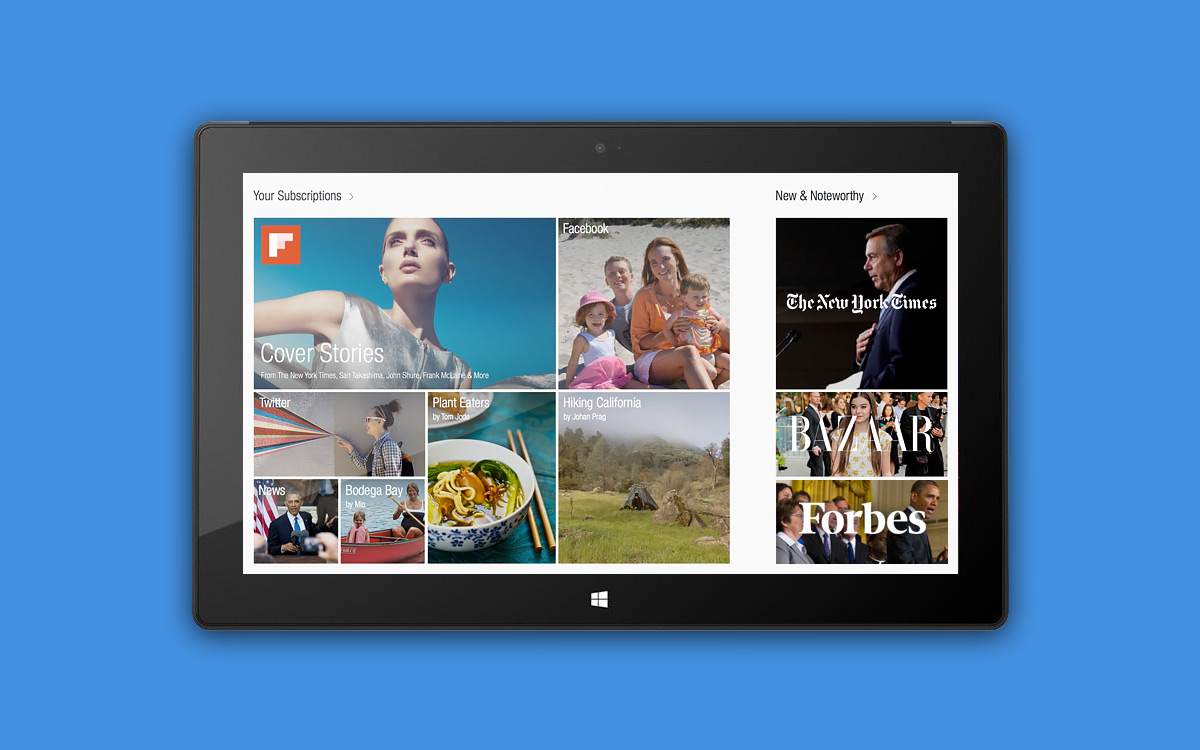
    Microsoft also announced that, among others, Facebook and Flipboard would be creating apps for the Windows Store. Both apps will be designed custom for the Windows “Modern UI” experience, so users can expect more than mere iPad or Android ports.

    Existing users of the Surface Pro, Surface RT or any other Windows 8-based device can download the Windows 8.1 Preview for free.

  • “Mechanical Issue” Forces Nvidia Shield Delay

    “Mechanical Issue” Forces Nvidia Shield Delay

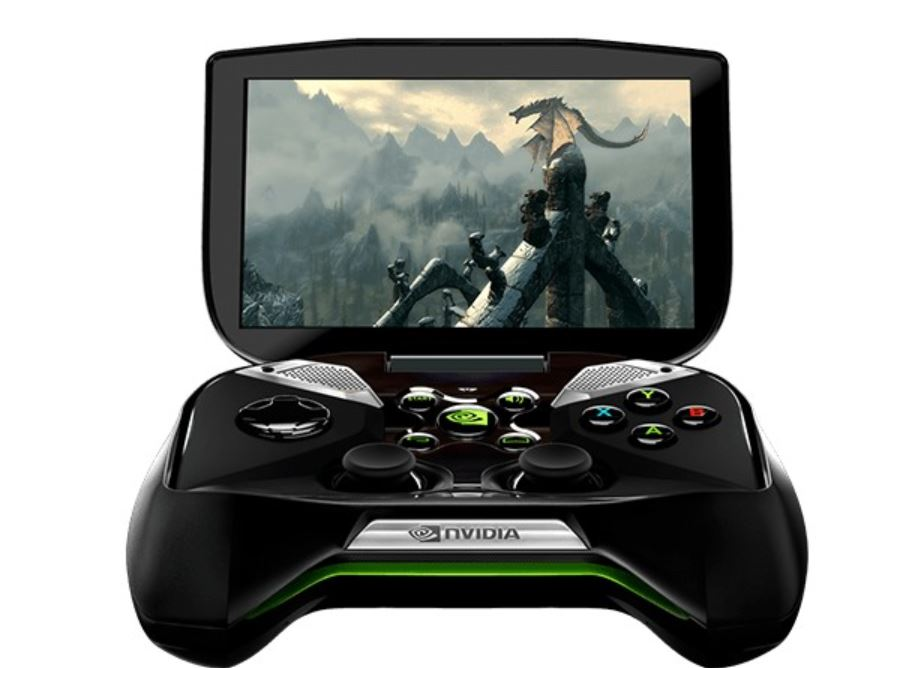
    The Tegra 4-touting Nvidia Shield clamshell portable gaming device was supposed to debut tomorrow in North America. 

    But due to an unforeseen mechanical issue, the company has been forced to delay the launch until sometime next month, though specific dates were not provided.

    During our final QA process, we discovered a mechanical issue that relates to a 3rd party component.  We want every SHIELD to be perfect, so we have elected to shift the launch date to July.  We’ll update you as soon as we have an exact date.

    The issue apparently surfaced during final quality assurance checks, and are being blamed on a third-party component, the name of which was not given. The magnitude of the issue could range from recalibration and tweaking of already-made devices (many of which were likely in transit to North America already) or replacing thousands of faulty components, one by one.

    The Nvidia Shield is being met with quiet optimism, as the Android gaming ecosystem has steadily improved since the launch of the TegraZone portal in 2011. Tegra 4 also promises performance up to 10x better than Tegra 3, and some three times faster than the previous-gen Tegra 3.

    Nvidia has apologized to those affected, but for anyone who pre-ordered, the one day notice probably stings.

    When it arrives, the Nvidia Shield will fill a unique space within the gaming industry, as it’s a portable Android handheld that’s also designed to function as a console, streaming client for PC gaming and a set-top box.

iGyaan Network
Privacy Overview

This website uses cookies so that we can provide you with the best user experience possible. Cookie information is stored in your browser and performs functions such as recognising you when you return to our website and helping our team to understand which sections of the website you find most interesting and useful.